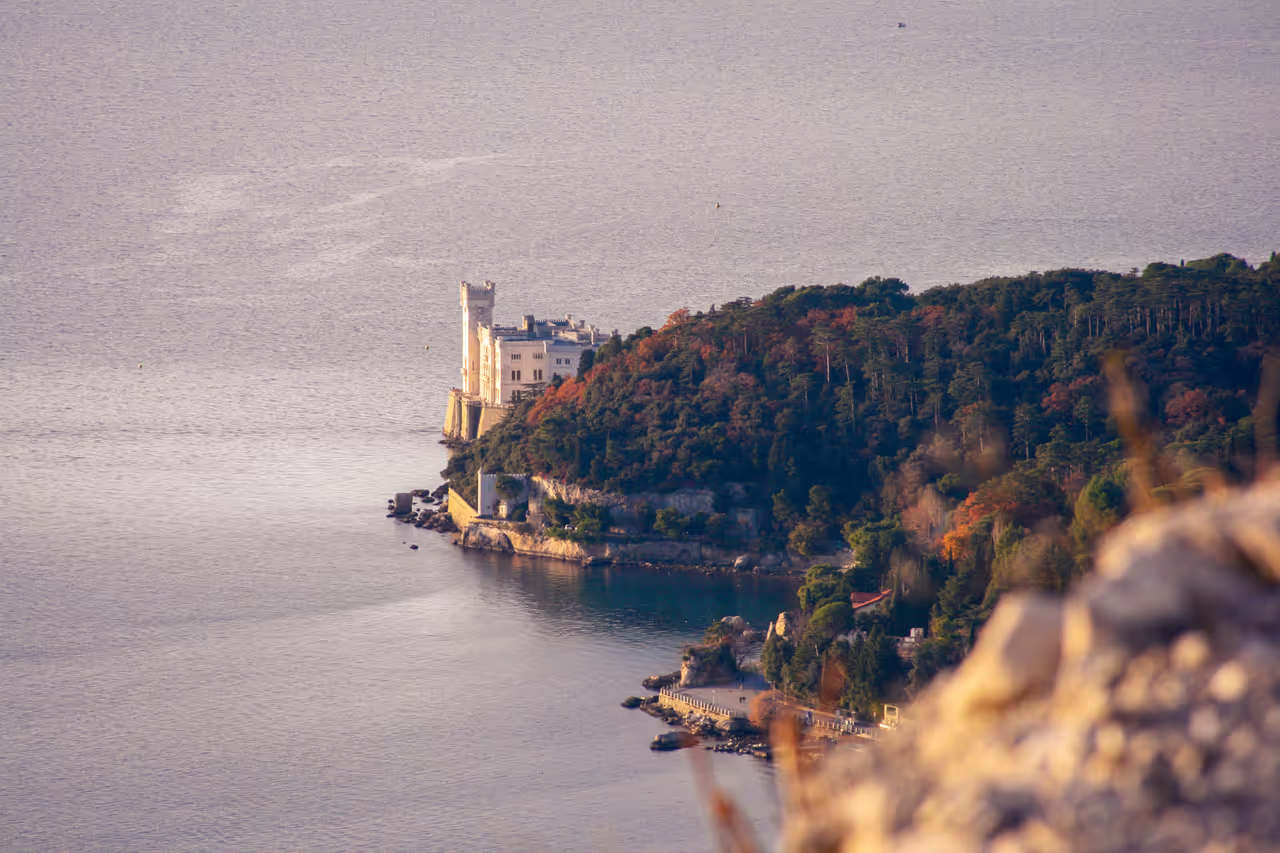
Miramare Castle
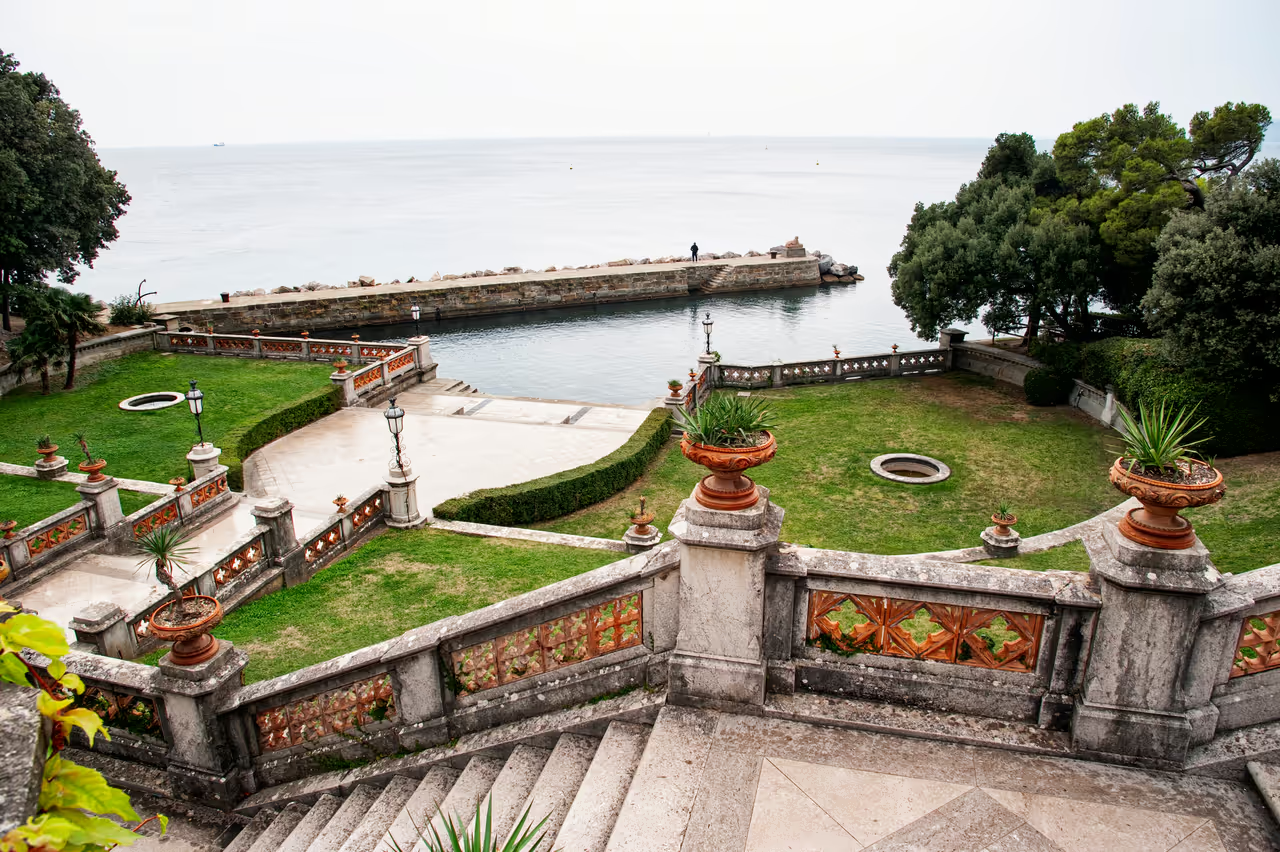
Perched dramatically on a rocky promontory overlooking the Adriatic Sea, Miramare Castle remains an enchanting testament to romantic obsession and tragic history. Built in the mid-19th century for Archduke Maximilian of Habsburg and his wife, Charlotte of Belgium, the castle offers a rare glimpse into the opulent yet melancholic life of its noble inhabitants. Visitors can wander through the lavishly decorated rooms, including a unique study designed to resemble a ship's interior, all while soaking in the breathtaking coastal views. Beyond the castle walls, the vast 22-hectare park invites you to stroll through exotic gardens, a serene escape filled with rare plant species collected by Maximilian himself. It is a place where architectural splendour meets the deep blue of the Gulf of Trieste, creating an atmosphere that feels almost dreamlike. Whether you are a history enthusiast or simply looking for one of Italy's most picturesque spots, this seaside gem is an unmissable part of any Trieste itinerary.
Videos
History of Miramare Castle
Archduke Maximilian of Austria was a man of romantic ideals who fell in love with the dramatic Adriatic coastline near Trieste. When he first laid eyes on the rocky promontory of Grignano, he saw the perfect canvas for a dream. He commissioned a home that would marry his love for the sea with the refined aesthetics of the mid-19th century. Construction began in 1856 under the watchful eye of architect Carl Junker. It became a sanctuary, a place where the Archduke could indulge his passion for botany and naval history, far from the pressures of the imperial court in Vienna. The project reflected the personal tastes of a man destined for a crown he never sought. Maximilian insisted on elements that spoke to his identity, such as his private study, which was meticulously designed to mirror the cabin of a warship. He and his wife, Charlotte of Belgium, moved into the finished residence with hopes of a life filled with beauty and quiet contemplation. Yet, the castle soon stood as a silent witness to a darker fate. In 1864, seduced by the promise of the Mexican throne and political influence, the couple left their seaside paradise for a journey across the Atlantic from which Maximilian would never return. The legacy of the estate remains inextricably linked to the tragic end of that adventure. While Charlotte retreated into a fragile mental state within the castle grounds, Maximilian faced a firing squad in Mexico. Today, the estate serves as a bridge to that bygone era. It survived the transitions of history, from the departure of the Habsburgs to the occupation of foreign troops during the world wars. Now a museum, it stands as a memorial to a life that flourished for a moment on the edge of the sea before being swept away by the currents of history.
Events spanning 100 years
Fun Facts
- • A wooden cross preserved in the ruined chapel is crafted from the remains of the frigate Novara, the very ship that carried Maximilian to Mexico.
- • Amedeo of Savoy-Aosta, who resided in the castle between 1930 and 1937, introduced distinct touches of 1930s rationalist style to several rooms.
- • Charlotte of Belgium was confined to the smaller Castelletto on the grounds after descending into a fragile mental state following the death of her husband.
- • During the mid-20th century, the castle served as a strategic headquarters for Nazi, New Zealand, British, and American troops in rapid succession.
- • Maximilian designed his personal study to replicate the interior of a warship, complete with intricate wooden panelling, as a direct nod to his distinguished naval career.
- • The Casa Svizzera, a small cottage originally situated on the edge of the swan lake, now serves as a charming coffee shop for modern visitors.
- • The Italian poet Giosuè Carducci immortalised the location in his famous ode Miramar, capturing the castle's tragic connection to historical fate.
- • The interior furniture, ornaments, and even the original tapestries are remarkably preserved, offering an authentic look at the lifestyle of the European aristocracy in the late 19th century.
- • The name Miramare derives from the Spanish words mirar el mar, which translates to look at the sea, chosen by Maximilian to recall the coastal castles of the Atlantic.
- • The park was originally a barren, rocky landscape until Maximilian personally oversaw the importation of exotic trees from places as far-flung as Lebanon, the Himalayas, and California.
RESOURCES
Official WebsiteMiramare Castle FAQ
While we strive to keep this information accurate and up to date, we recommend verifying any details independently before making decisions based on them.
Miramare Castle Map & Neighborhood Explorer
This interactive map is centered on Miramare Castle. Zoom in and move the map around to automatically discover Wikipedia photos and summaries of other nearby sights, monuments, and historical points of interest and stories in real-time!
Places near Miramare Castle
Make the most of your trip. Check out these top-rated spots located nearby.
 3040m
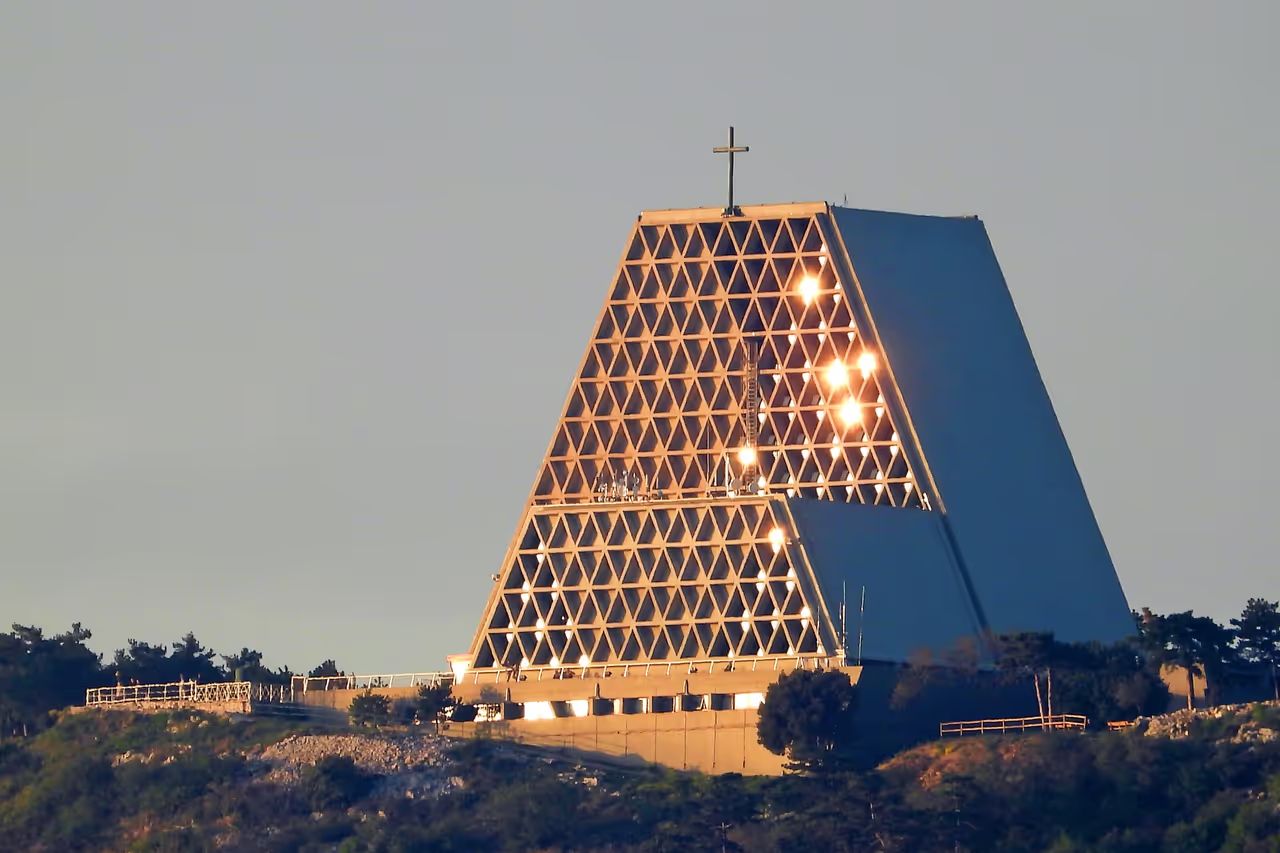
3040mTemple of Monte Grisa
Perched high on the edge of the Karst plateau, this modern religious sanctuary is impossible to miss from anywhere in the gulf. Completed in the 1960s, its stark, highly brutalist concrete design features repeating triangular shapes meant to evoke the letter M for the Virgin Mary. The bold, unconventional architecture often divides opinion, but its structural engineering is undeniably impressive. The sheer brutalist aesthetic provides a massive, startling contrast to the delicate neoclassical palaces of the city below. The expansive terrace wrapping around the structure offers what is arguably the best panoramic view in the entire region.
architecture view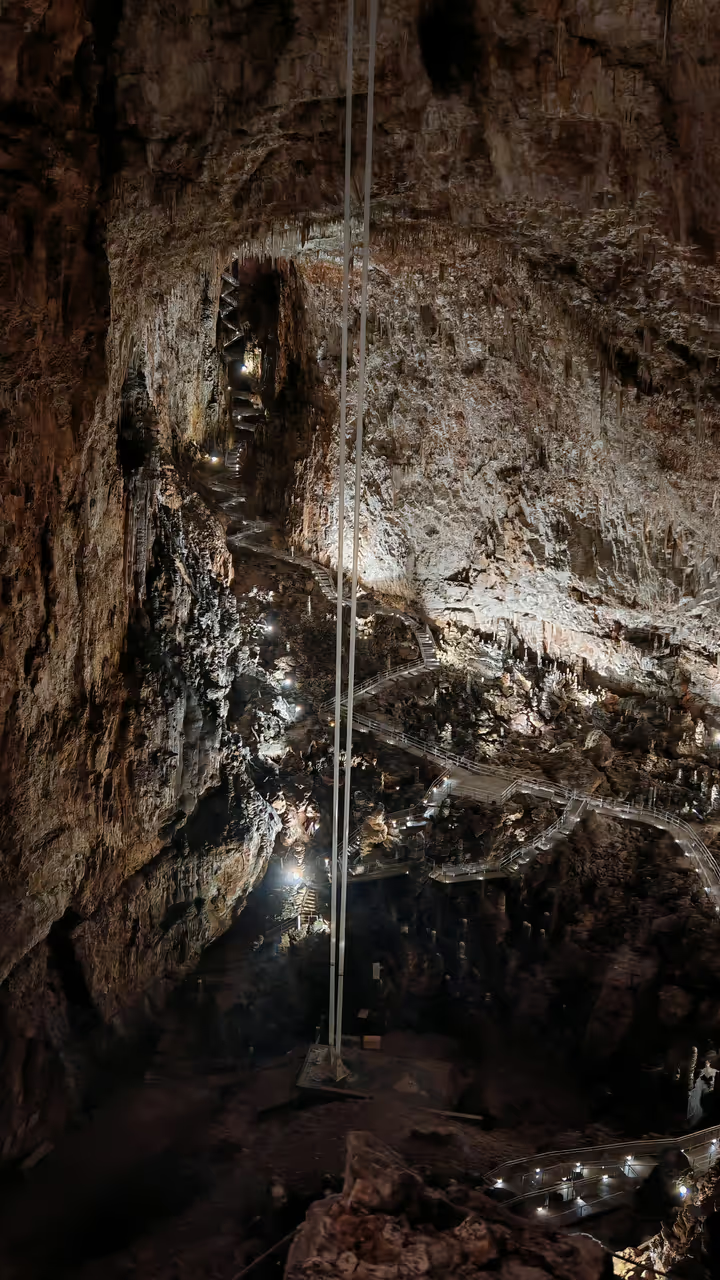 4043m
4043mGrotta Gigante
Step into the heart of the Carso plateau to discover one of the most magnificent natural wonders in Italy. The Grotta Gigante is a cavern of colossal proportions, holding the Guinness World Record for the largest single chamber tourist cave on the planet. Its atmosphere is truly awe inspiring, as you descend into a vast subterranean world shaped over millions of years by the patient work of water. Along the way, you will encounter breathtaking stalactites and stalagmites that have been meticulously carved by nature into strange and beautiful forms. It is a rare opportunity to see the history of our planet written in rock and fossil while feeling the cool, silent breath of the earth. Whether you are a curious traveller or a science enthusiast, witnessing this massive void is a memory that will stay with you long after you surface.
attraction view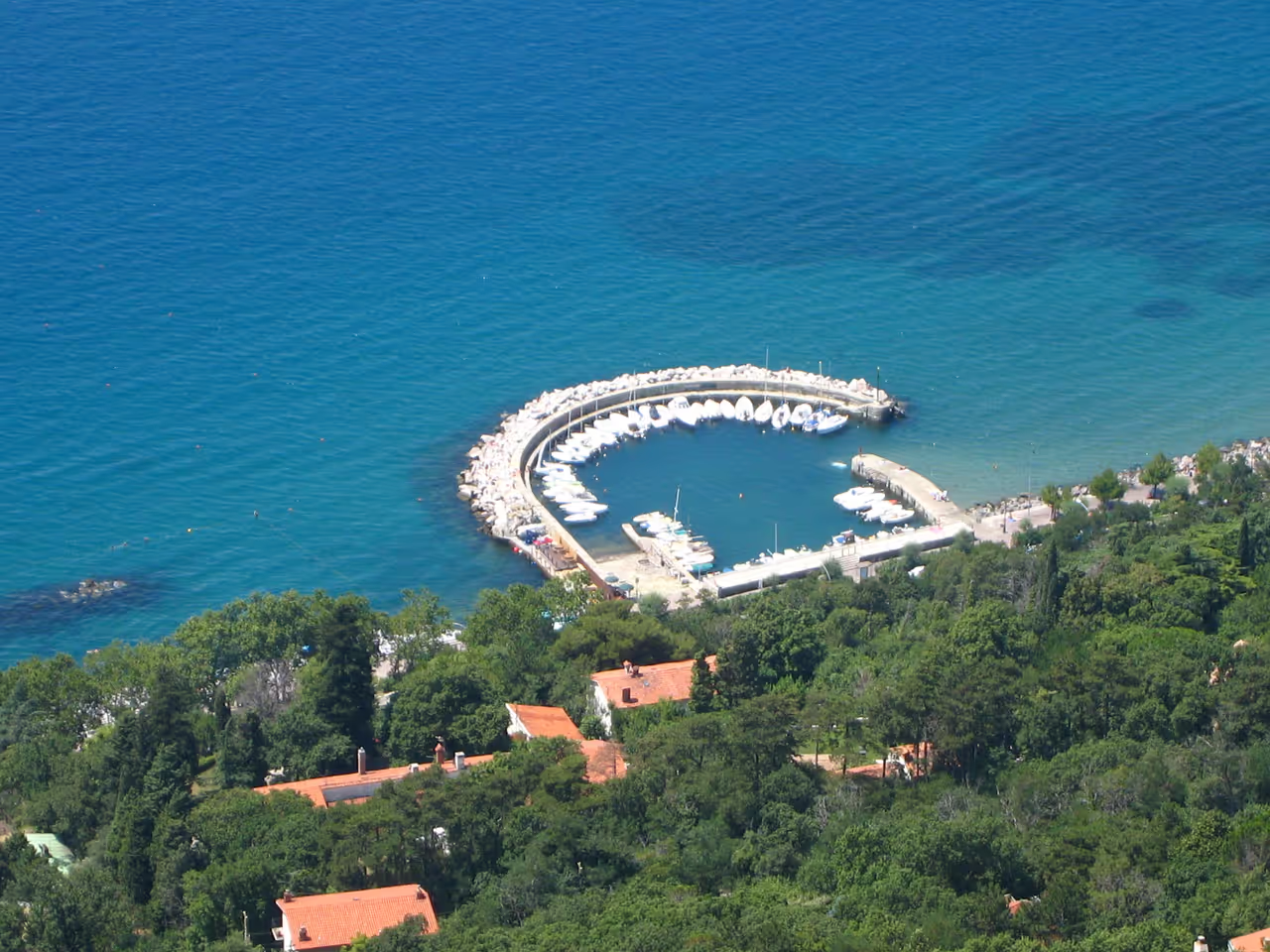 4140m
4140mSunbathe at Barcola Beach
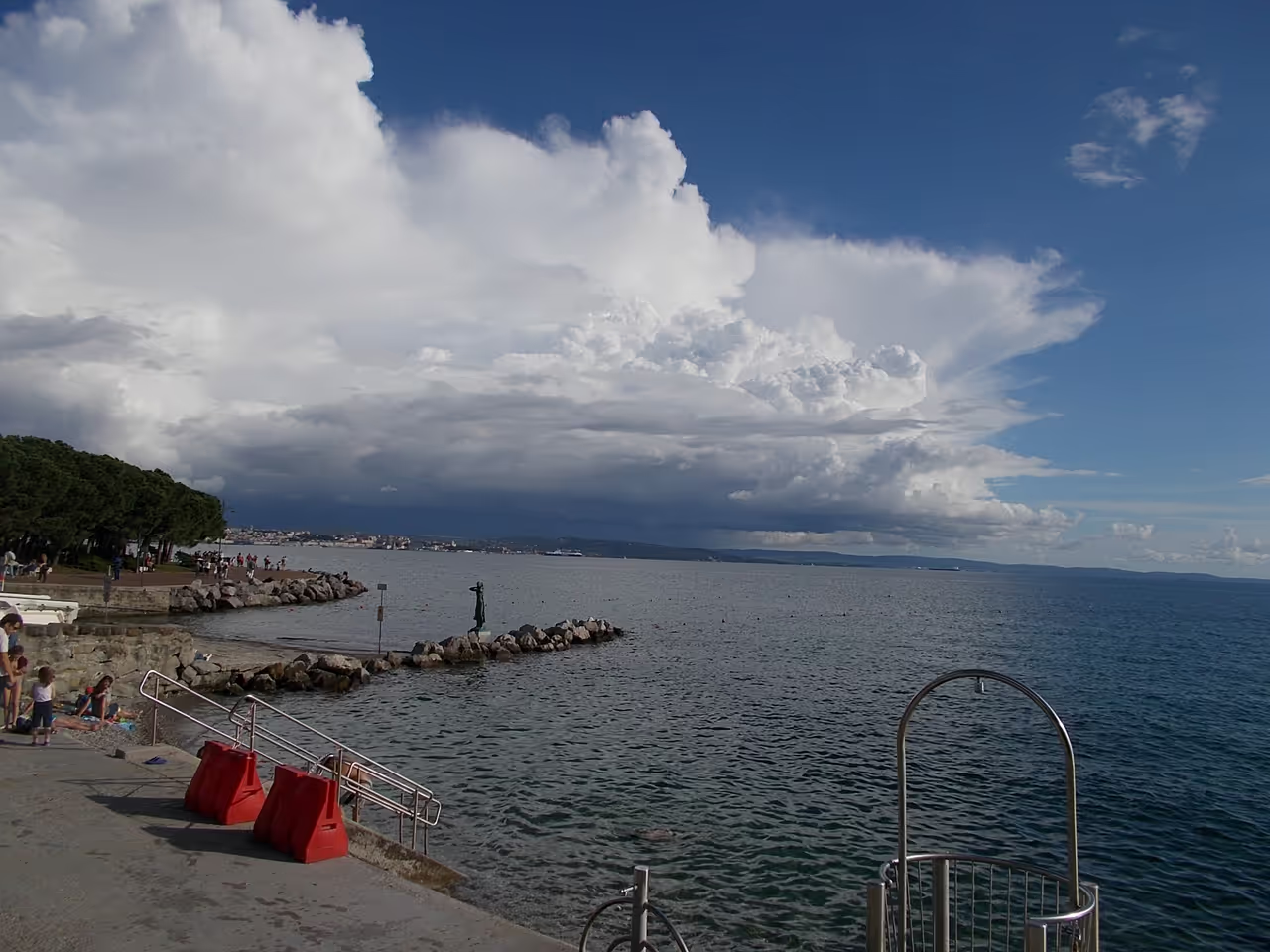
Join the locals for a completely free and highly authentic seaside experience along this long coastal strip. There is no sand here, only a paved promenade and smooth concrete terraces shaded by maritime pine trees. You can lay down a towel, dive directly into the refreshing Adriatic water and enjoy the relaxed, communal atmosphere. It is the absolute core of the city's summer lifestyle and an excellent place for people watching. The views looking out towards the distant castle are entirely complimentary.
free thing to do view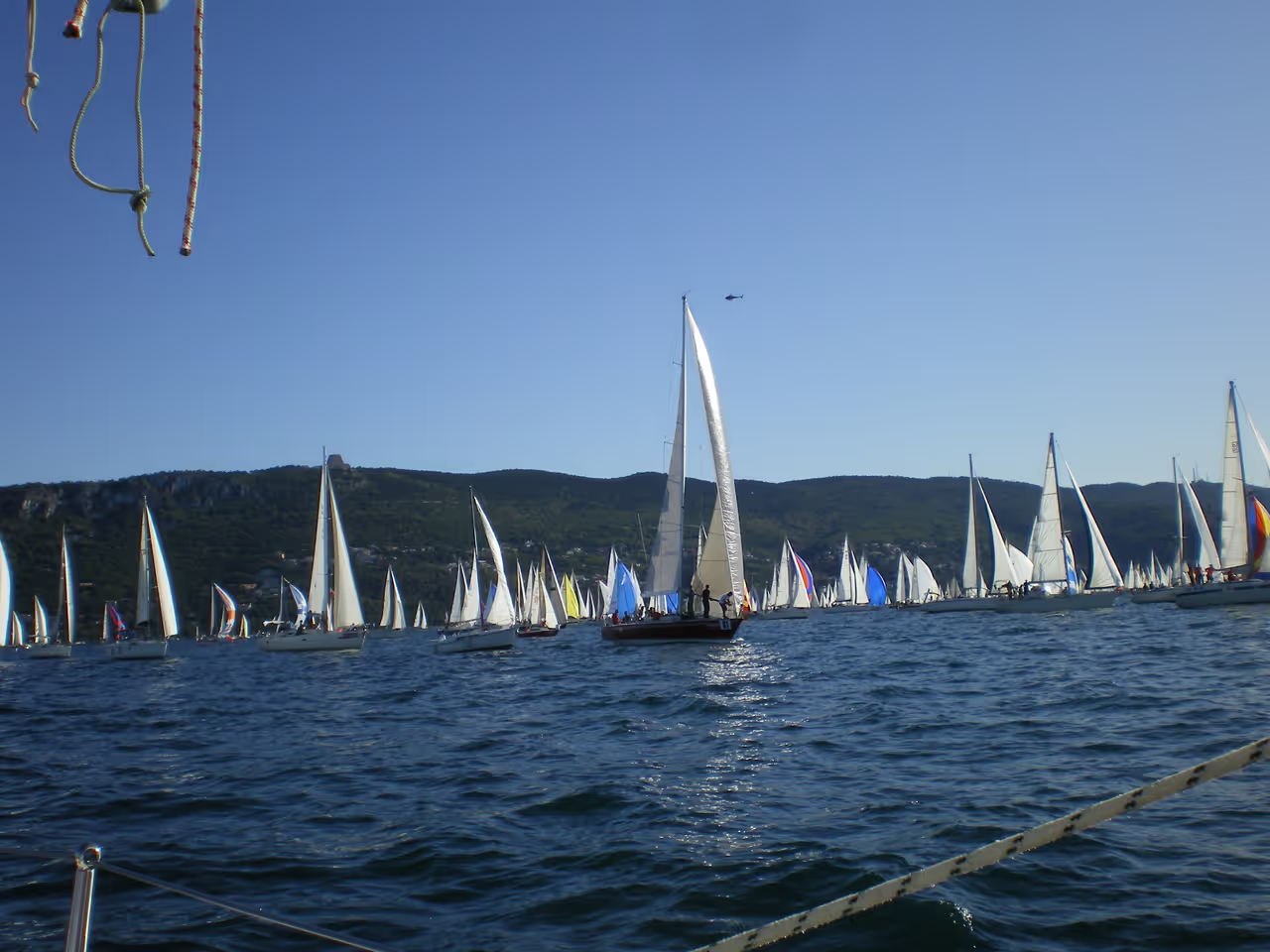 4149m
4149mBarcolana Regatta
This spectacular maritime event completely transforms the gulf as thousands of sailing boats gather for the largest regatta in the world. Professionals and enthusiastic amateurs race alongside each other, creating a breathtaking visual display on the water. The entire waterfront turns into a massive festival village offering food, music and sailing gear. The electric atmosphere brings the whole community out to celebrate their profound connection to the sea. Securing a good viewpoint early in the morning is essential to fully appreciate the sheer scale of the fleet. It is an unforgettable celebration of maritime culture and sheer competitive joy.
festival view
Explore Similar Places in These Collections
Featured on These Itineraries and Routes
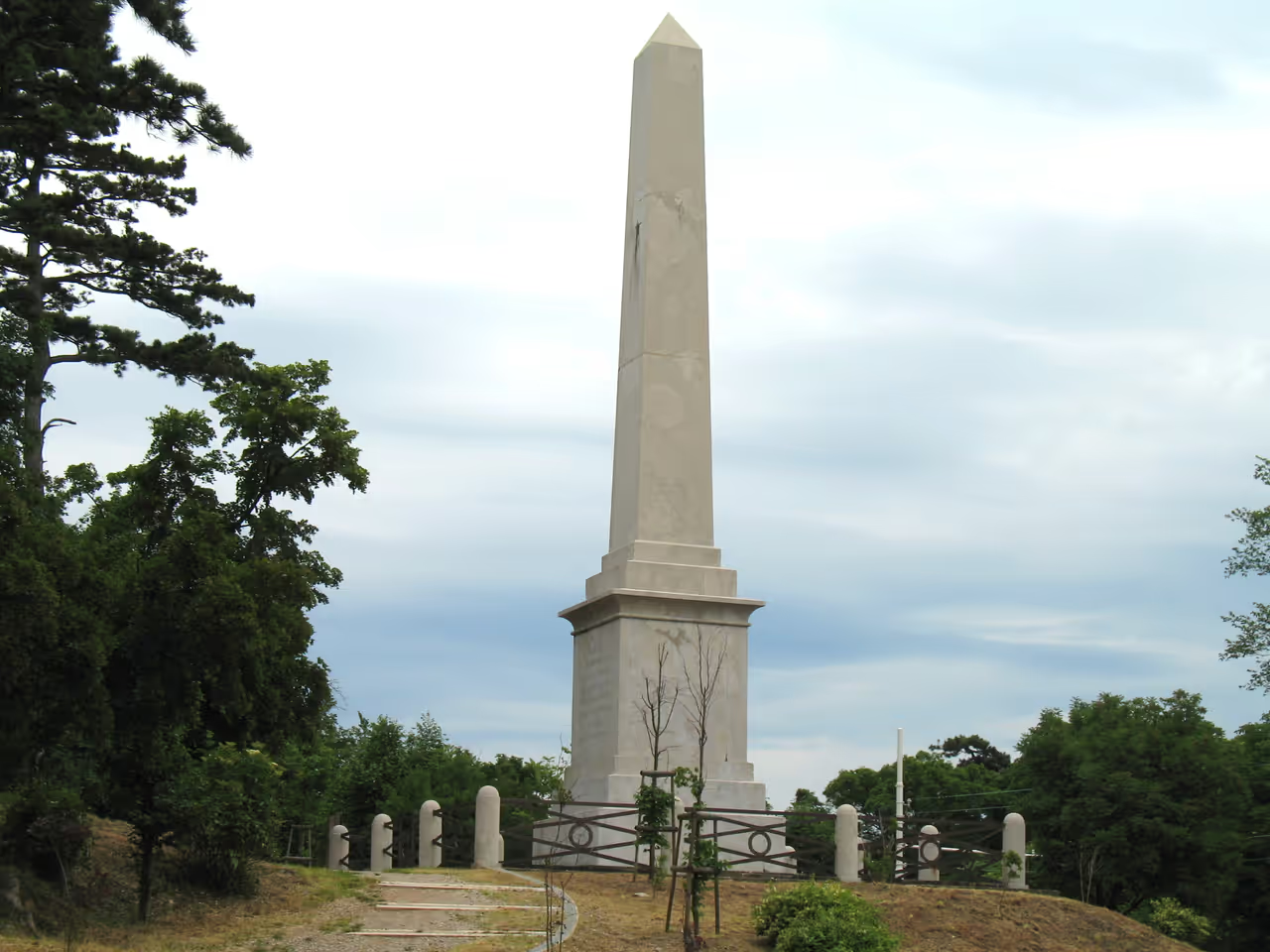
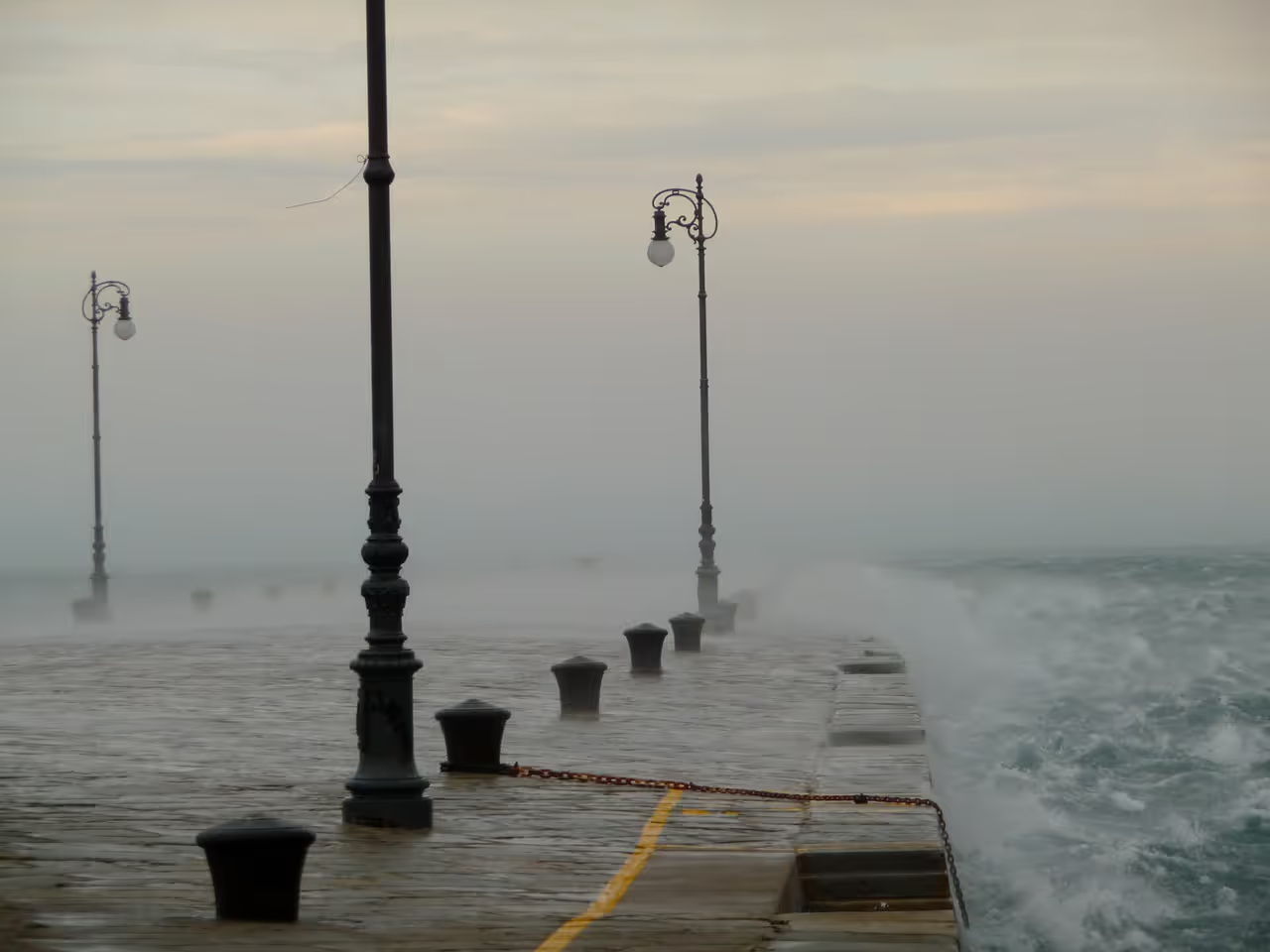
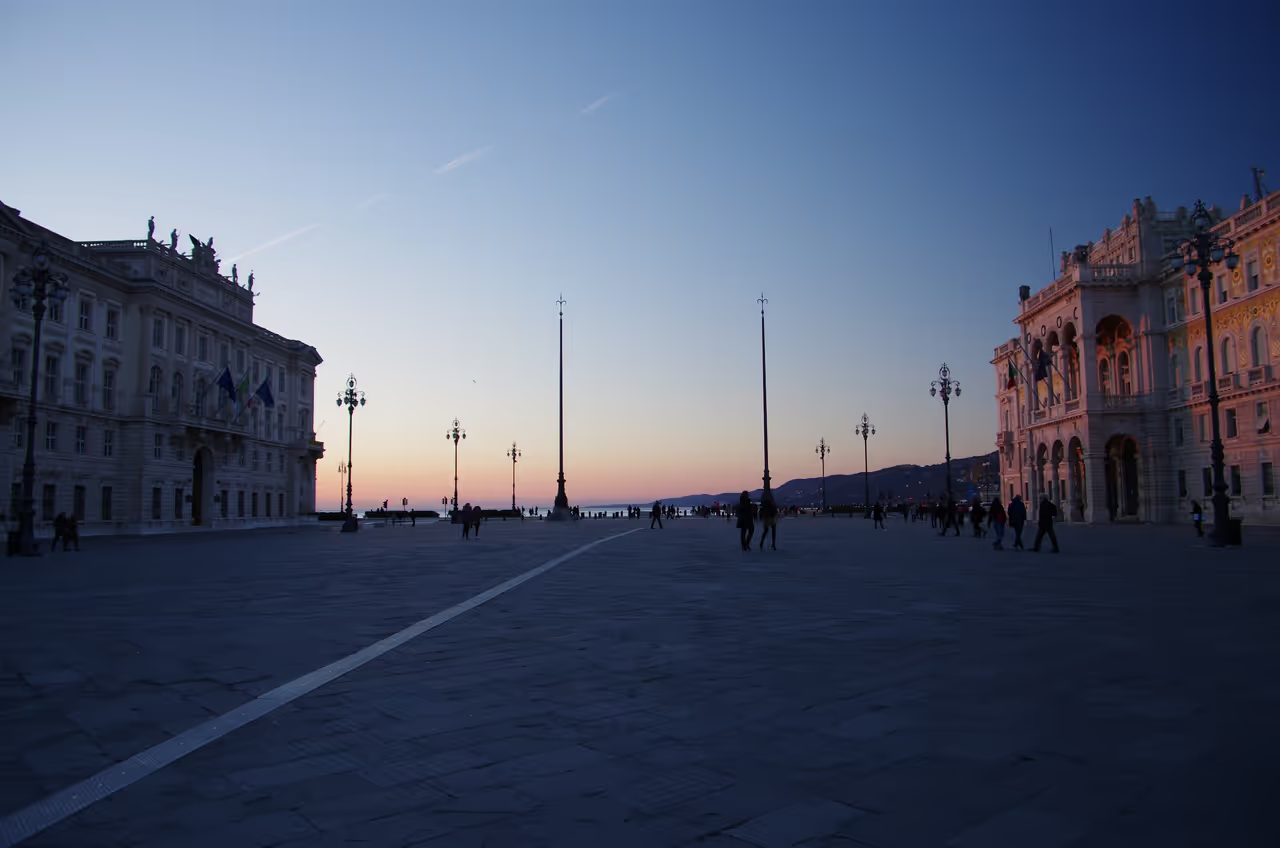
3 Days in Trieste: Imperial Echoes & Karst Landscapes Itinerary
This expanded journey allows you to fully appreciate the dramatic contrast between the elegant urban centre and the wild surrounding nature. After exploring the central highlights, you will venture along the coastline to marvel at a royal castle perched on a cliff. The final day takes you high up onto the rugged Karst plateau to discover colossal underground caves and sweeping panoramic trails. It provides a deeply comprehensive overview of the region's geographical and historical diversity.
view itinerary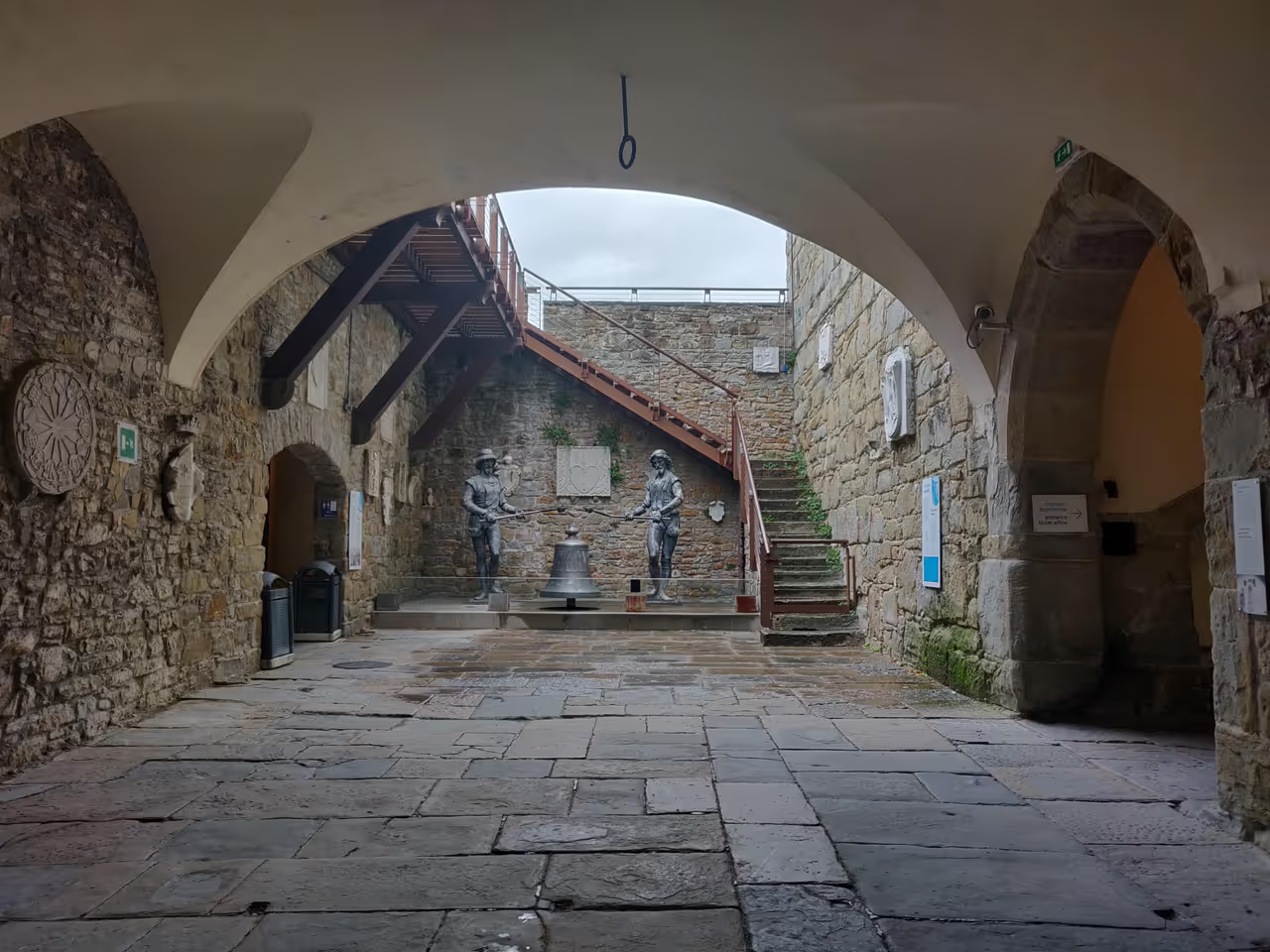
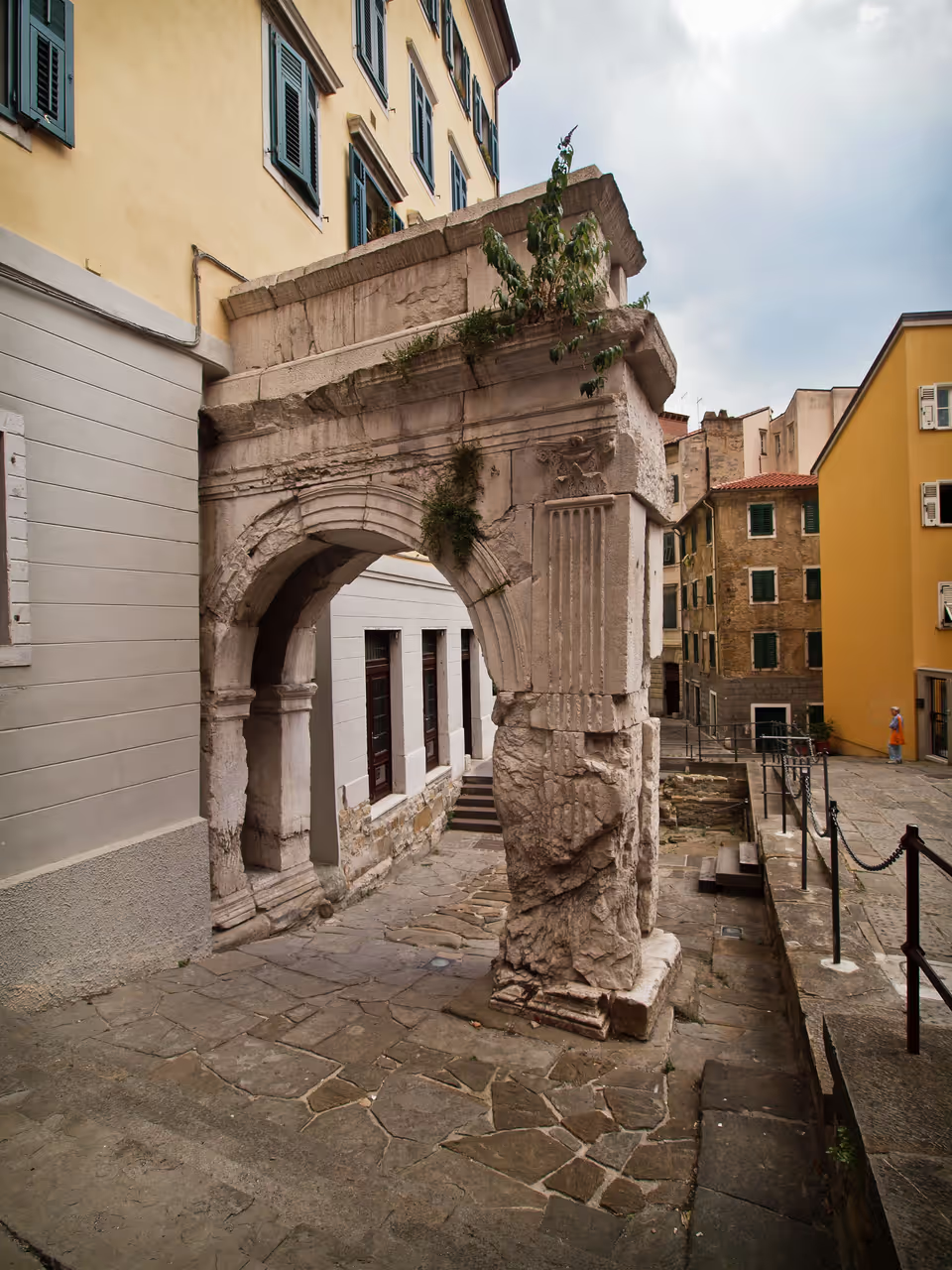
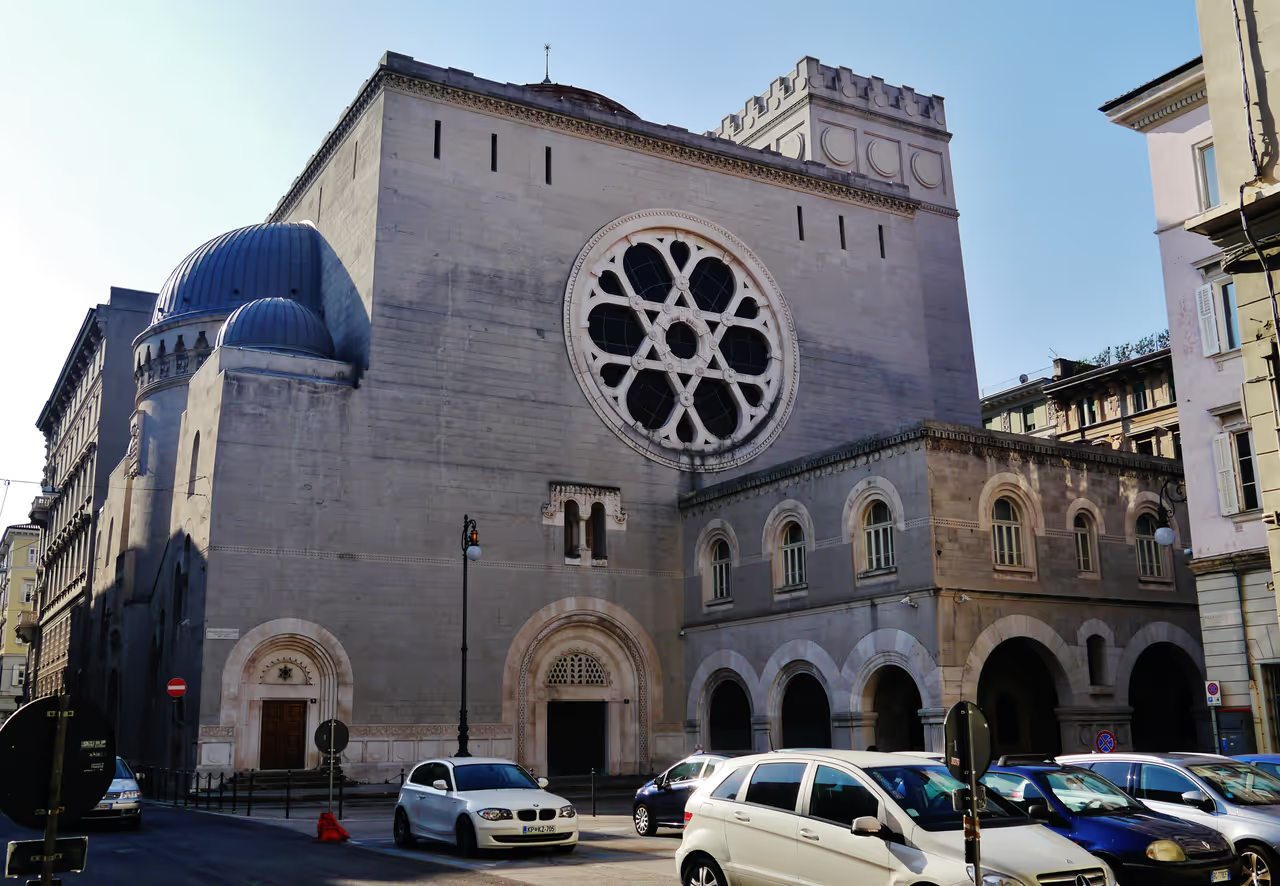
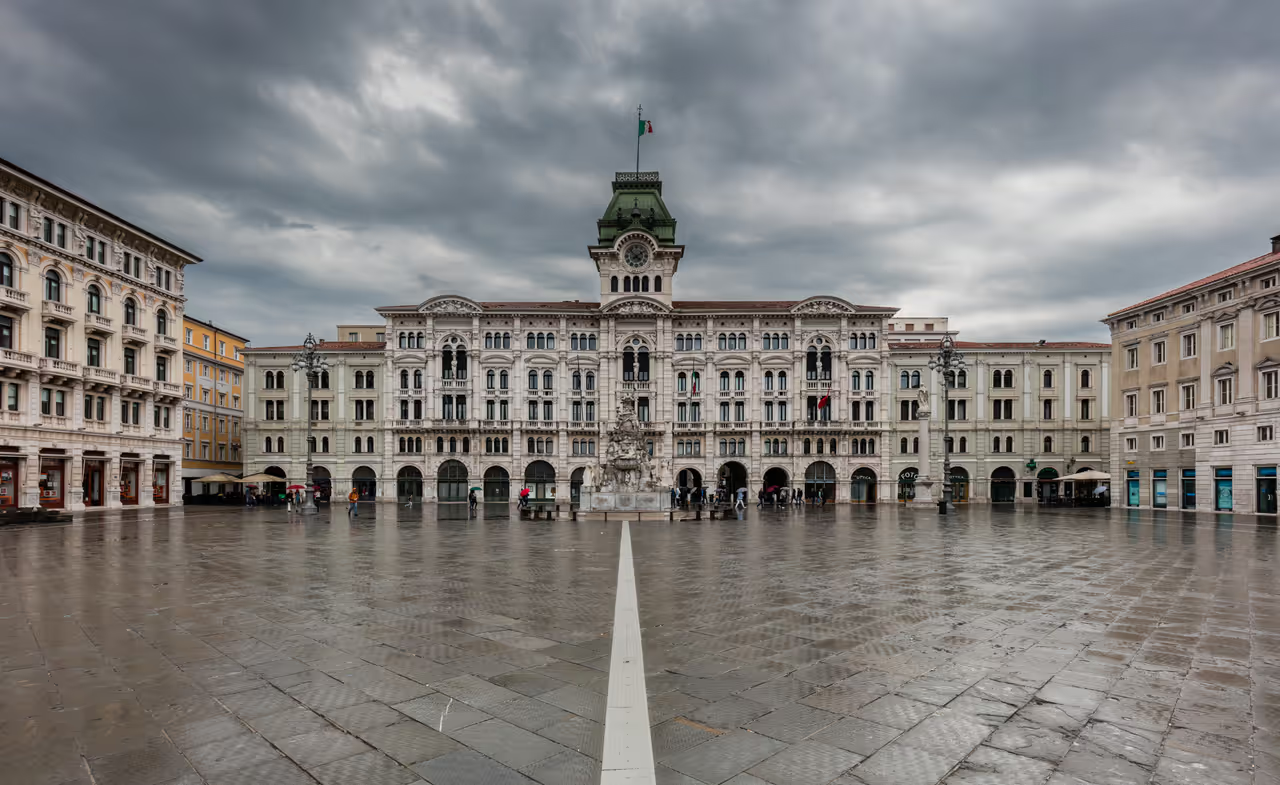
5 Days in Trieste: Complete Immersion Itinerary
This generous itinerary allows you to absorb the slow, contemplative pace of the city while uncovering its more complex layers. You will visit essential art galleries, explore the deeply moving historical sites of the twentieth century and wander the quiet, bohemian alleys of the old town. The extra time permits a deep dive into the local cafe culture and a thorough appreciation of the diverse religious architecture. It is the ultimate way to connect with the city's profound intellectual and multicultural heritage.
view itinerary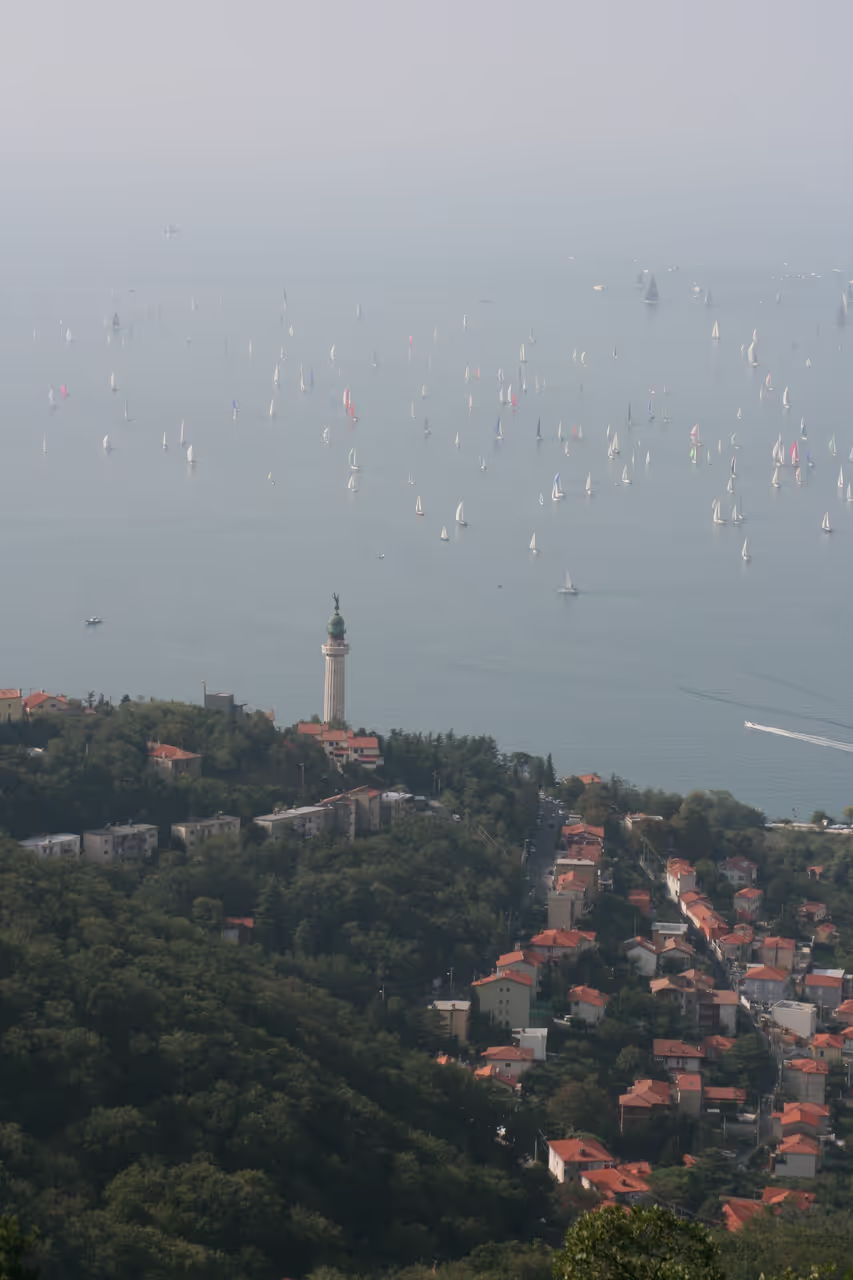
Coastal Ride to Miramare
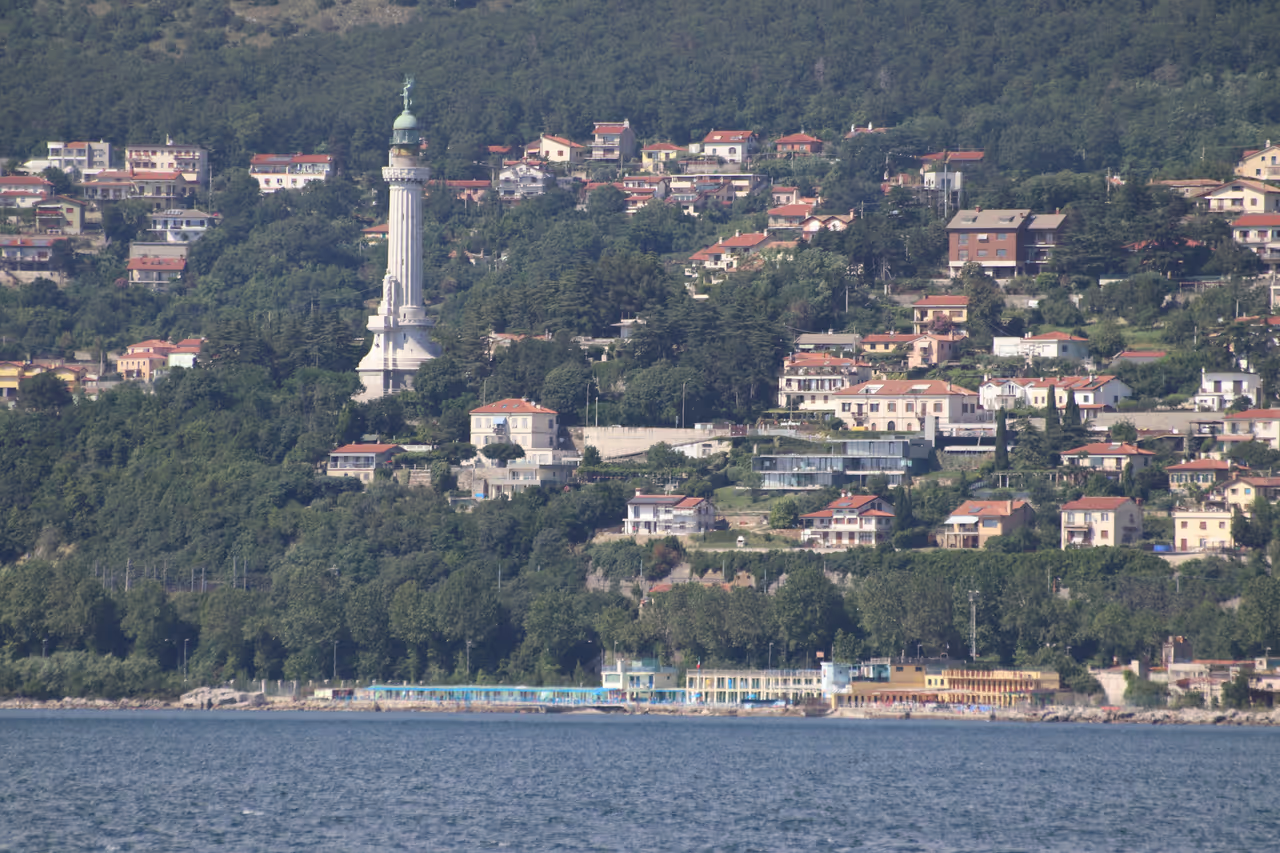
This stunning flat route follows the coastline, offering uninterrupted views of the sparkling Adriatic Sea on one side and pine trees on the other. It is incredibly popular with locals seeking a refreshing breeze and a touch of exercise along the shore. The pathway guides cyclists past historic swimming spots and impressive monuments standing proud against the horizon. Riding this route provides a wonderful sense of the city's deep maritime connections and relaxed coastal lifestyle.
view cycling route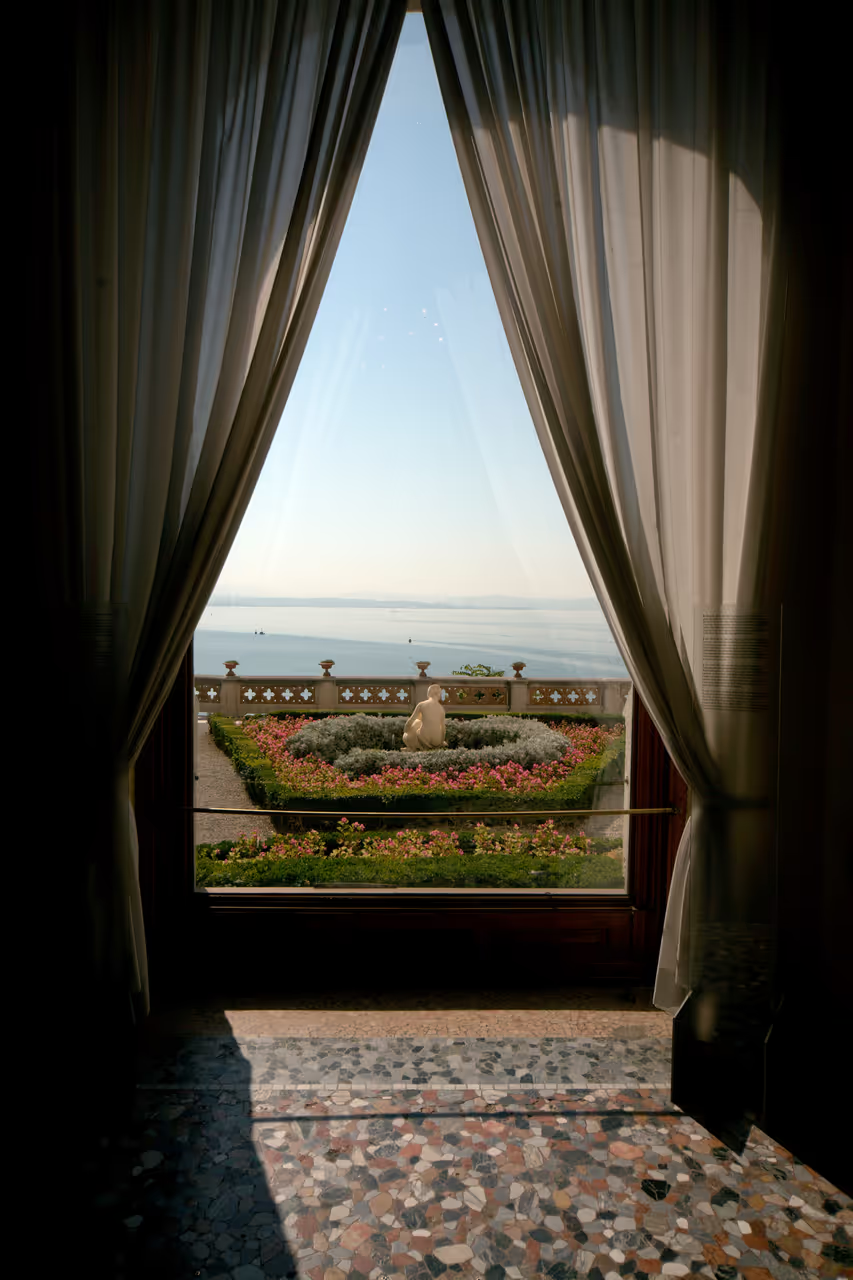
Barcola Promenade
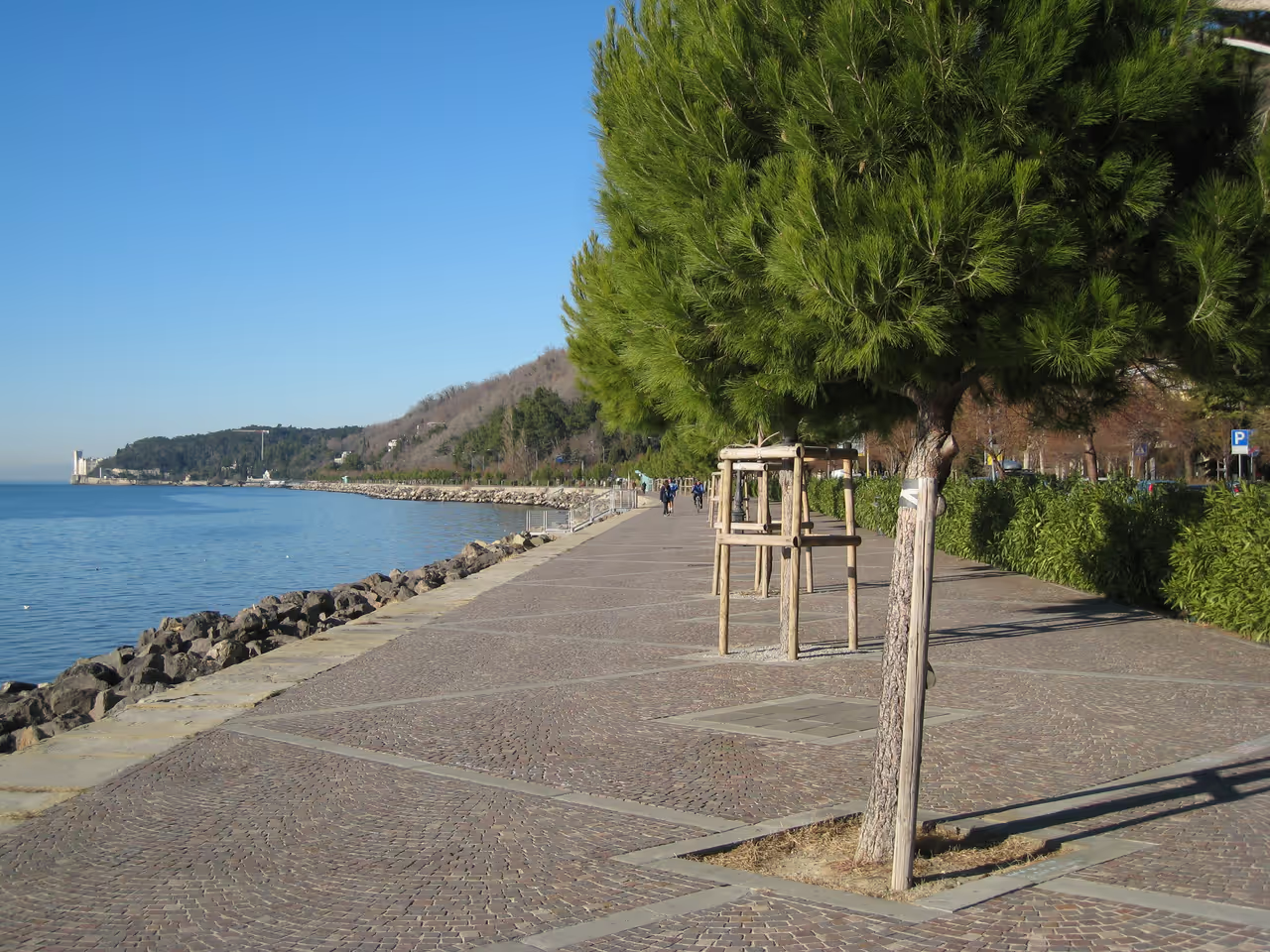
This paved waterfront walkway is the social artery of the city during the warmer months. Strolling here allows you to immerse yourself in the local culture, passing by sunbathers, families and older residents engaged in lively card games. The rhythmic sound of the waves and the shade provided by the maritime pines create an idyllic coastal atmosphere. Walking towards the gleaming white castle in the distance provides a beautiful visual anchor for the journey.
view walking route
See all attractions in Trieste
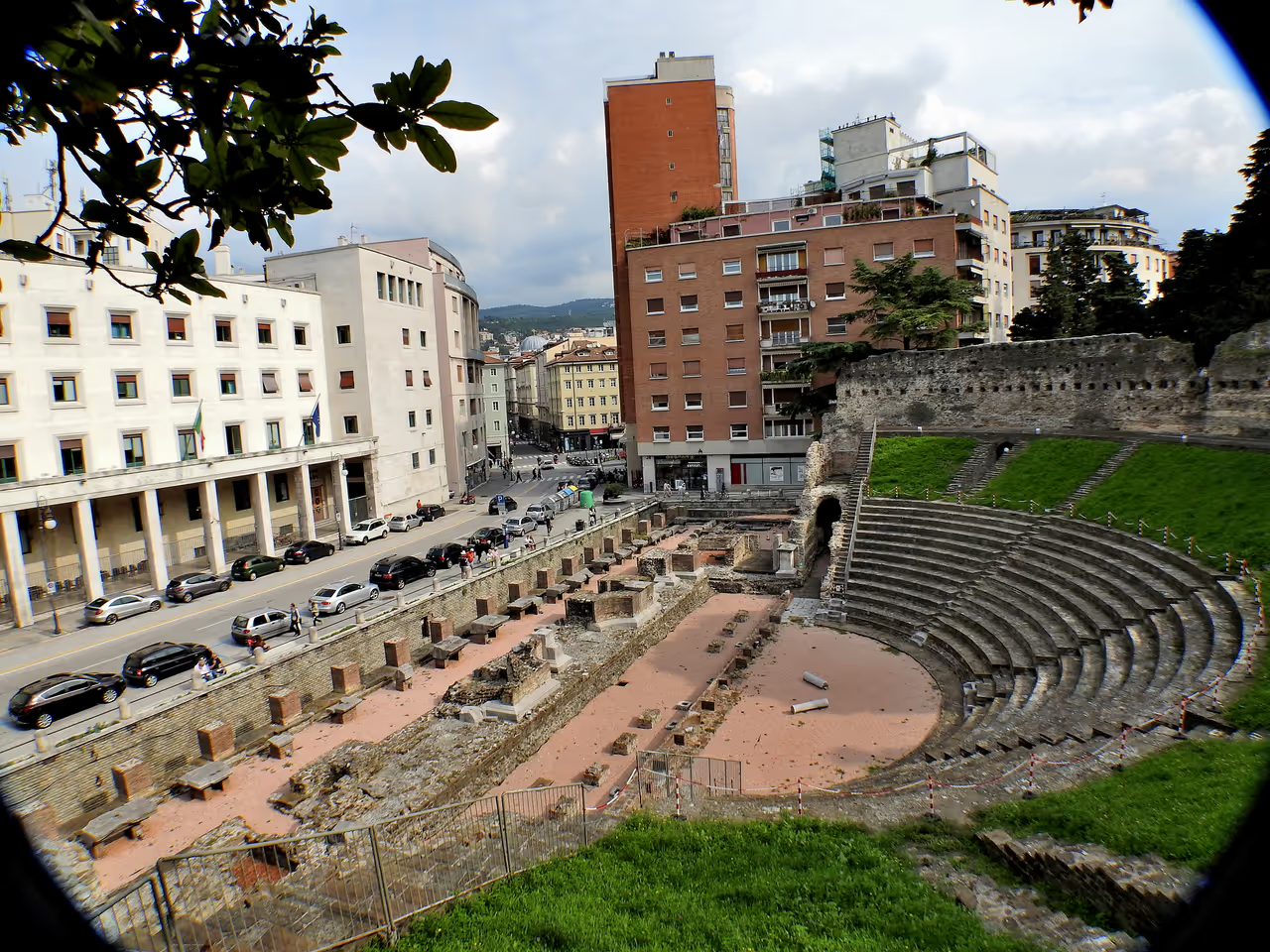
Grotta Gigante, Piazza Unità d'Italia, Risiera di San Sabba Concentration Camp Museum, San Giusto Castle, Vittoria Light, Grand Canal of Trieste, Roman Theatre of Trieste...