Risiera di San Sabba Concentration Camp Museum
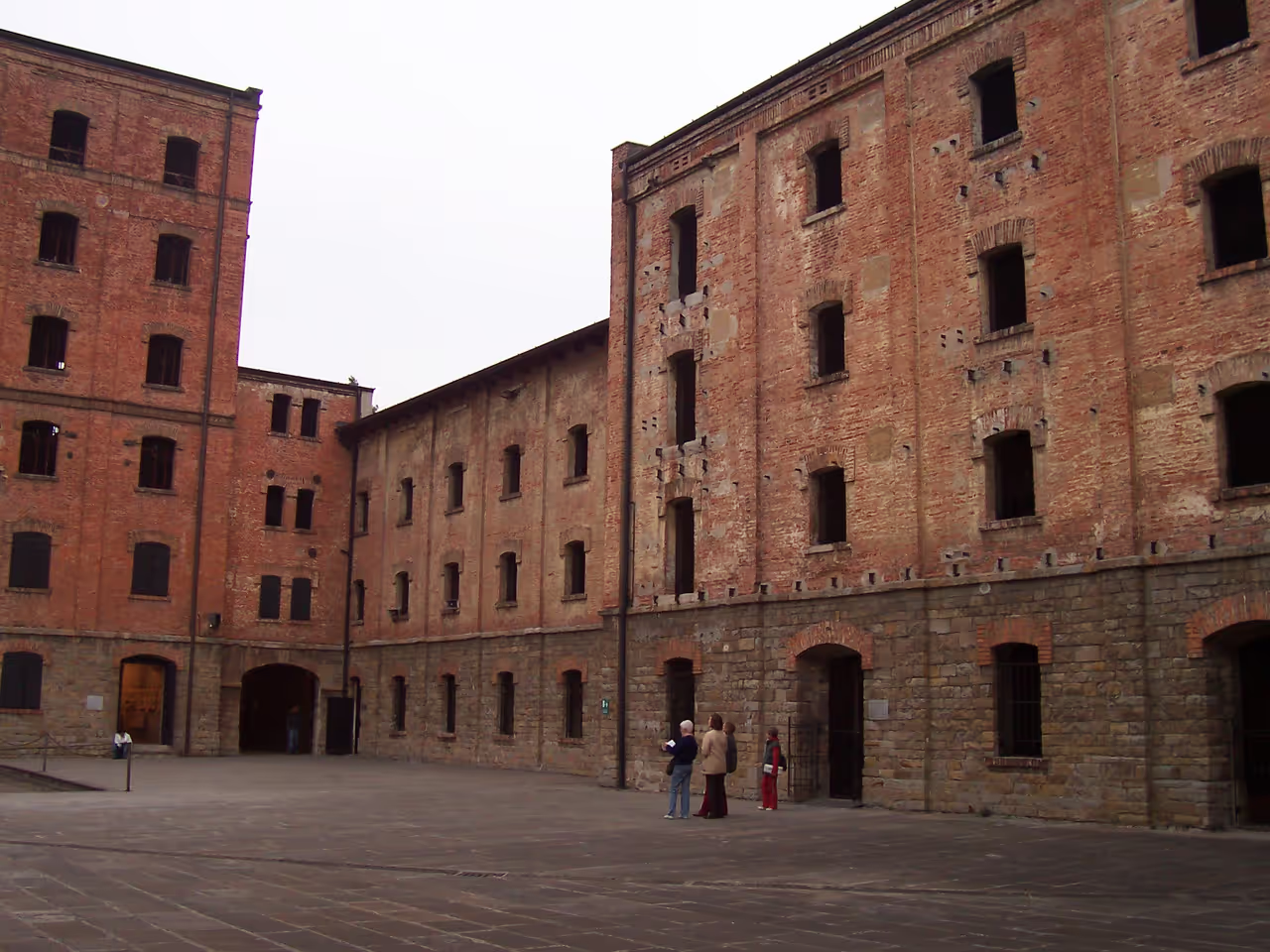
Visiting the Risiera di San Sabba offers a profound and sobering encounter with history in the heart of Trieste. This former rice mill, which Nazi forces turned into a concentration camp during the Second World War, stands today as a powerful national monument and museum. As you walk through the courtyard and the preserved cells, you gain a deep understanding of the tragic events that unfolded here. It remains the only camp of its kind in Italy equipped with a crematorium, serving as a solemn reminder of the city's complex wartime past. This experience is essential for anyone wishing to honour the memory of the victims and explore the resilience of the human spirit.
Videos
History of Risiera di San Sabba Concentration Camp Museum
The history of the Risiera di San Sabba traces a path from industry to atrocity and finally to remembrance. Built in 1898, the complex began as a site for rice processing, serving as an industrial hub on the outskirts of Trieste. This purpose vanished in 1943 when the region fell under direct Nazi control. The occupiers saw potential in the layout and transformed the facility first into a transit camp for prisoners of war and subsequently into a place of detention and systematic killing.
Events spanning 78 years
Fun Facts
- • Architect Romano Boico designed the modern memorial, using stark concrete walls to create an atmosphere of profound silence and reflection.
- • During the chaotic final days of the war, the Nazis attempted to destroy evidence of their crimes by blowing up the crematorium and the chimney.
- • Local bishop Antonio Santin made repeated interventions with the German authorities in attempts to secure the release of prisoners, succeeding in some cases but failing in others.
- • Many prisoners deemed unfit for transport due to old age or illness were executed directly on site rather than being deported.
- • Odilo Globocnik, a high ranking SS officer born in Trieste, was responsible for the camp and had previously overseen extermination operations in Poland.
- • The 1976 trial of the camp commanders stands as a pivotal moment in Italian history, bringing decades of suppressed facts into the public sphere.
- • The Risiera holds the grim distinction of being the only Nazi concentration camp in Italy equipped with an operational crematorium.
- • The camp functioned as a vital transit point for Jewish prisoners, with over 1,450 individuals processed here before being sent to death camps such as Auschwitz.
- • The site was used to store goods and valuables that had been looted from prisoners before their deportation or execution.
RESOURCES
Official WebsiteRisiera di San Sabba Concentration Camp Museum FAQ
While we strive to keep this information accurate and up to date, we recommend verifying any details independently before making decisions based on them.
Risiera di San Sabba Concentration Camp Museum Map & Neighborhood Explorer
This interactive map is centered on Risiera di San Sabba Concentration Camp Museum. Zoom in and move the map around to automatically discover Wikipedia photos and summaries of other nearby sights, monuments, and historical points of interest and stories in real-time!
Places near Risiera di San Sabba Concentration Camp Museum
Make the most of your trip. Check out these top-rated spots located nearby.
 3008m
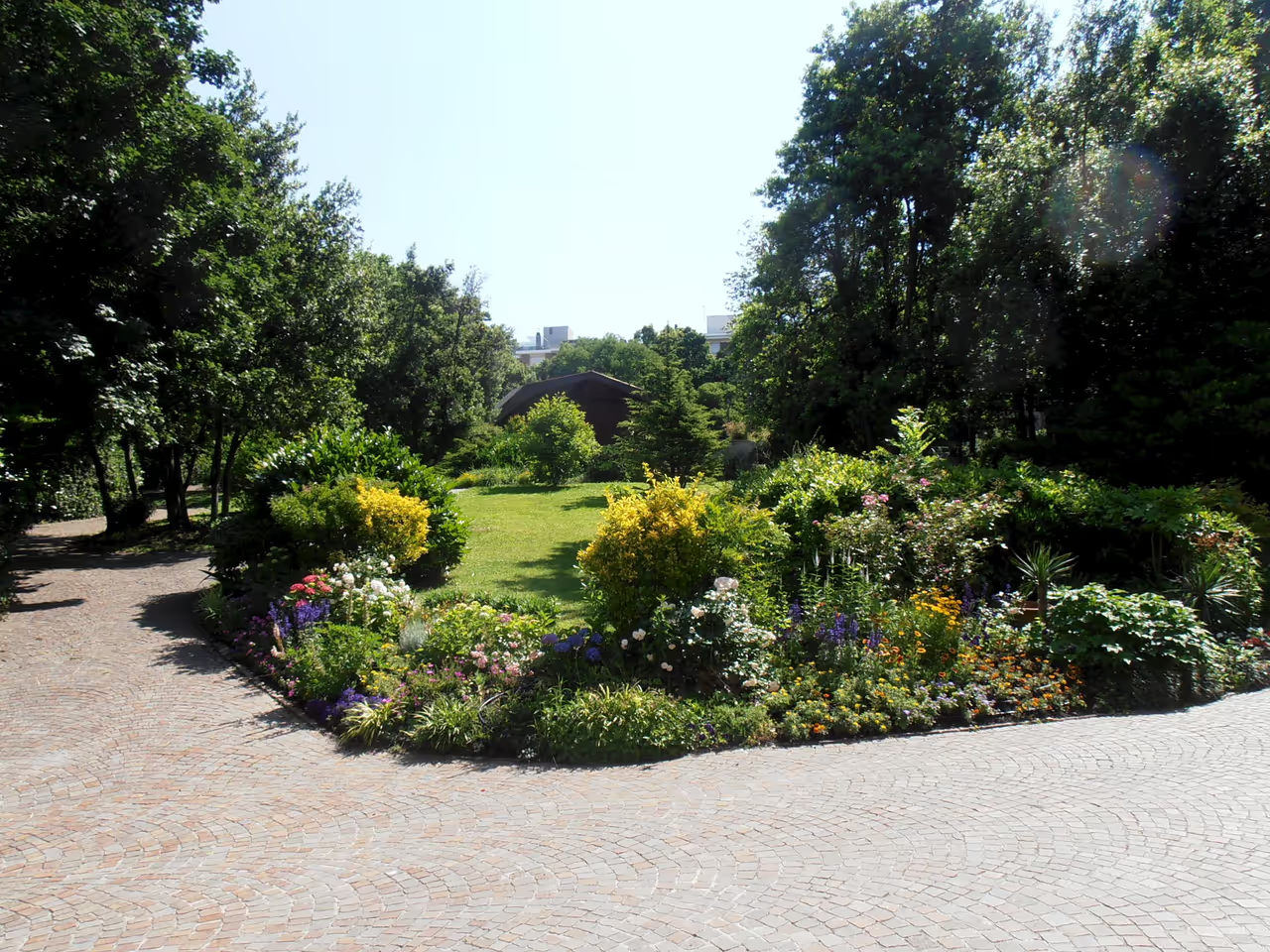
3008mVilla Engelmann
Nestled in the heart of the city, Villa Engelmann offers a serene escape into the past. This beautiful nineteenth century estate is known for its stunning architecture and its sprawling, lush gardens that invite visitors to slow down and enjoy the quiet atmosphere. Once a private home, the site is now a peaceful sanctuary open for the public to wander through and admire. It is a true testament to the history and charm of Trieste, making it a perfect spot for those seeking a moment of tranquility. Whether you are a fan of historical landmarks or simply looking for a scenic place to relax, the villa and its park provide a unique and memorable experience. The area perfectly captures the refined spirit of a bygone era, leaving visitors feeling inspired by its enduring beauty.
park & nature view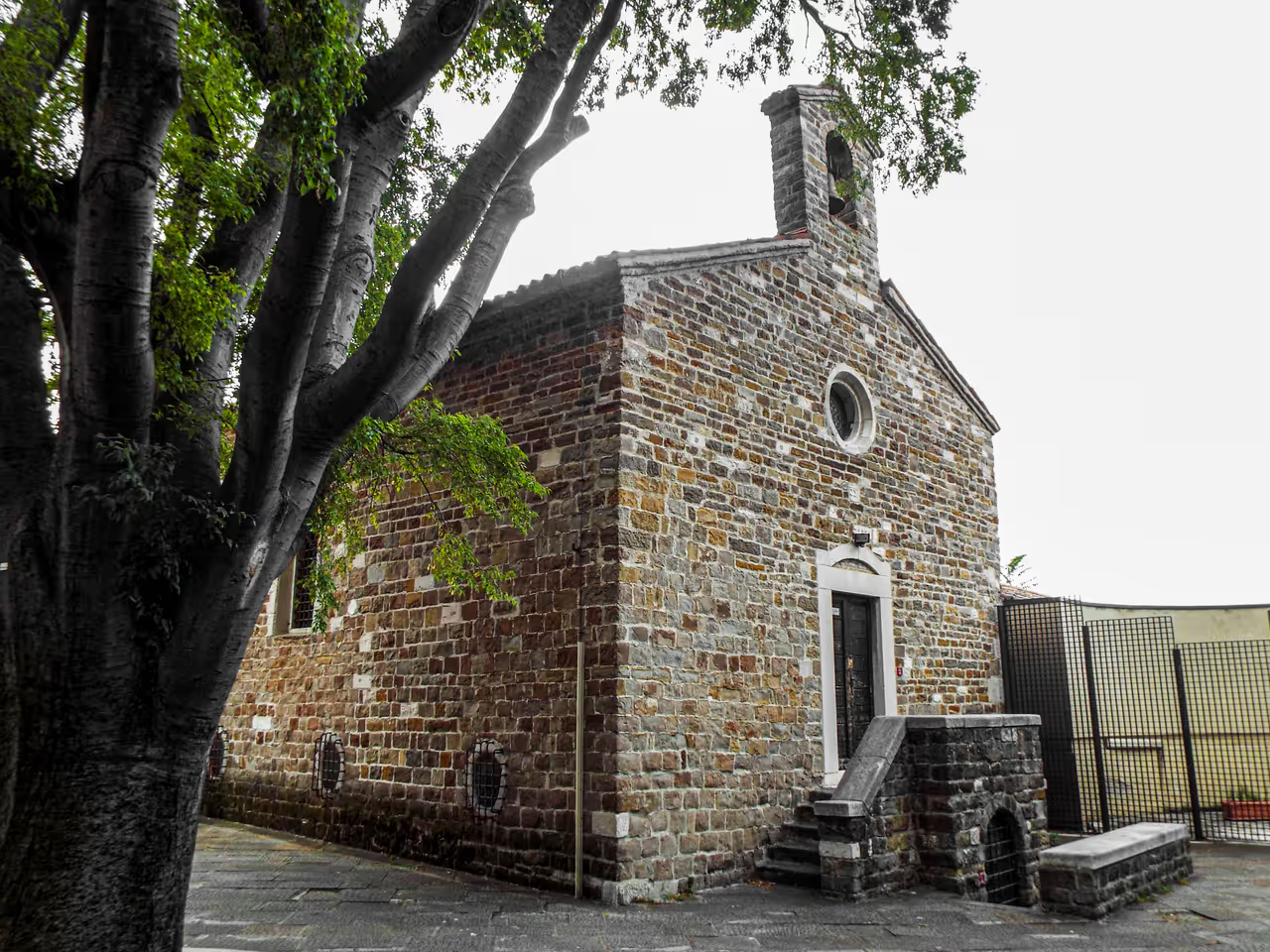 3108m
3108mChapel of San Michele al Carnale
Situated within the grounds of the San Giusto castle complex, this small, unassuming chapel holds a somewhat dark and fascinating history. Built in the fourteenth century, it originally served as an ossuary to hold the bones of citizens transferred from the crowded cathedral cemetery. The Gothic architecture is stark and simple, providing a sombre, contemplative atmosphere away from the main tourist paths. It offers a unique, slightly macabre glimpse into the medieval realities of life and death in the fortified hilltop settlement. The quiet courtyard surrounding it is incredibly peaceful.
hidden gem view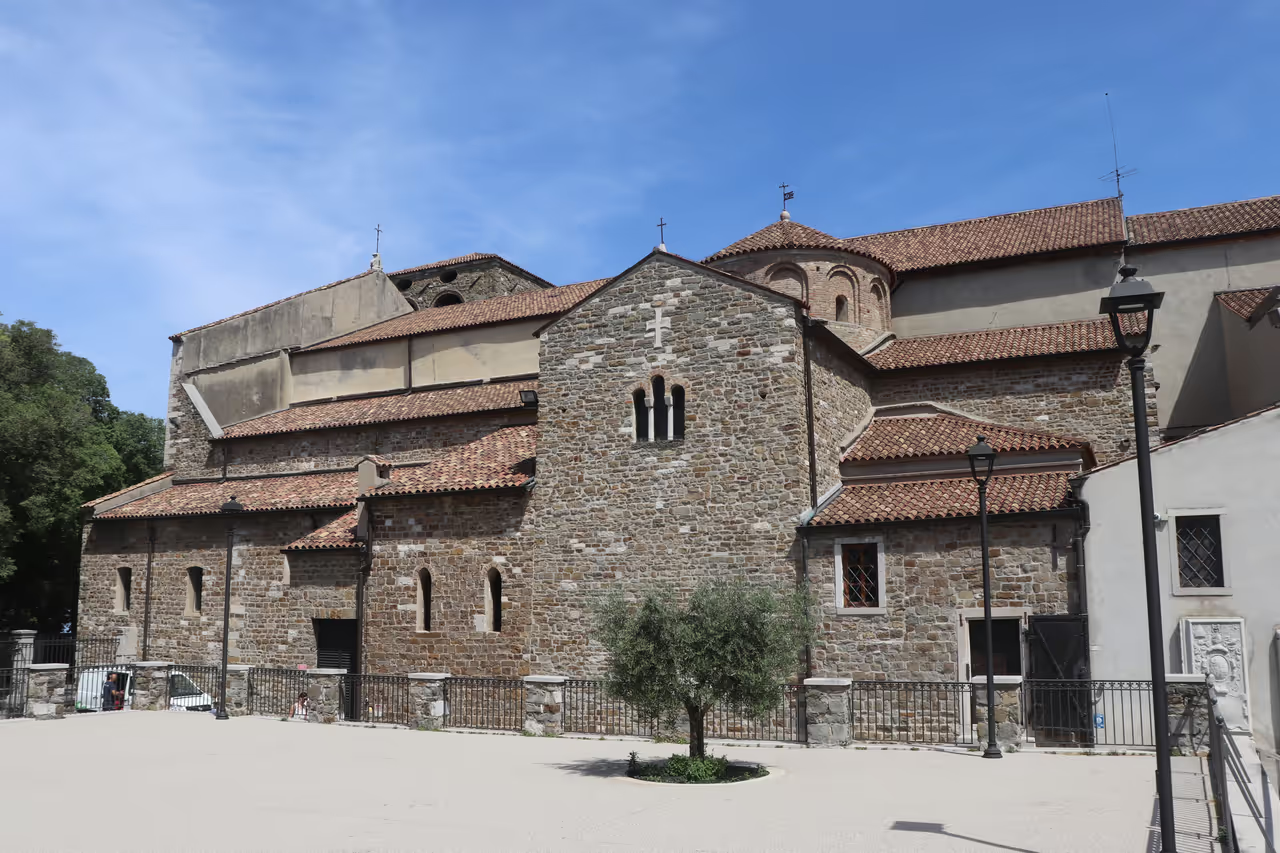 3132m
3132mVisit San Giusto Cathedral
Climbing to the top of the central hill rewards you with free entry to the city's most important religious building. The fascinating structure was created by joining two older, parallel churches, resulting in a highly unusual asymmetrical layout. Inside, you can admire the magnificent, shimmering Byzantine style mosaics that decorate the ancient apses. The quiet, dimly lit interior offers a peaceful, spiritual retreat from the busy streets below. The exterior plaza also provides excellent, sweeping views over the surrounding rooftops.
free thing to do view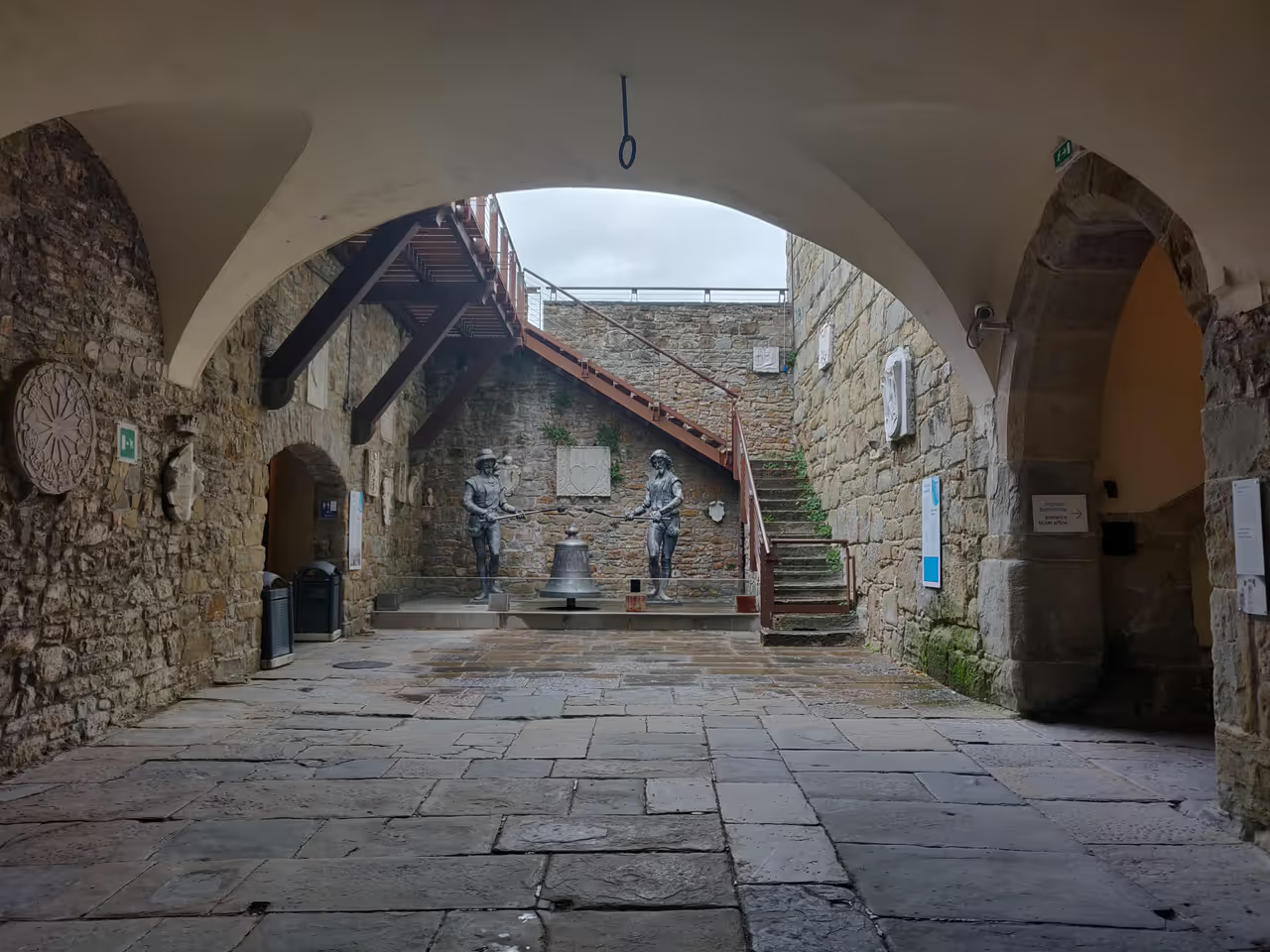 3143m
3143mSan Giusto Castle
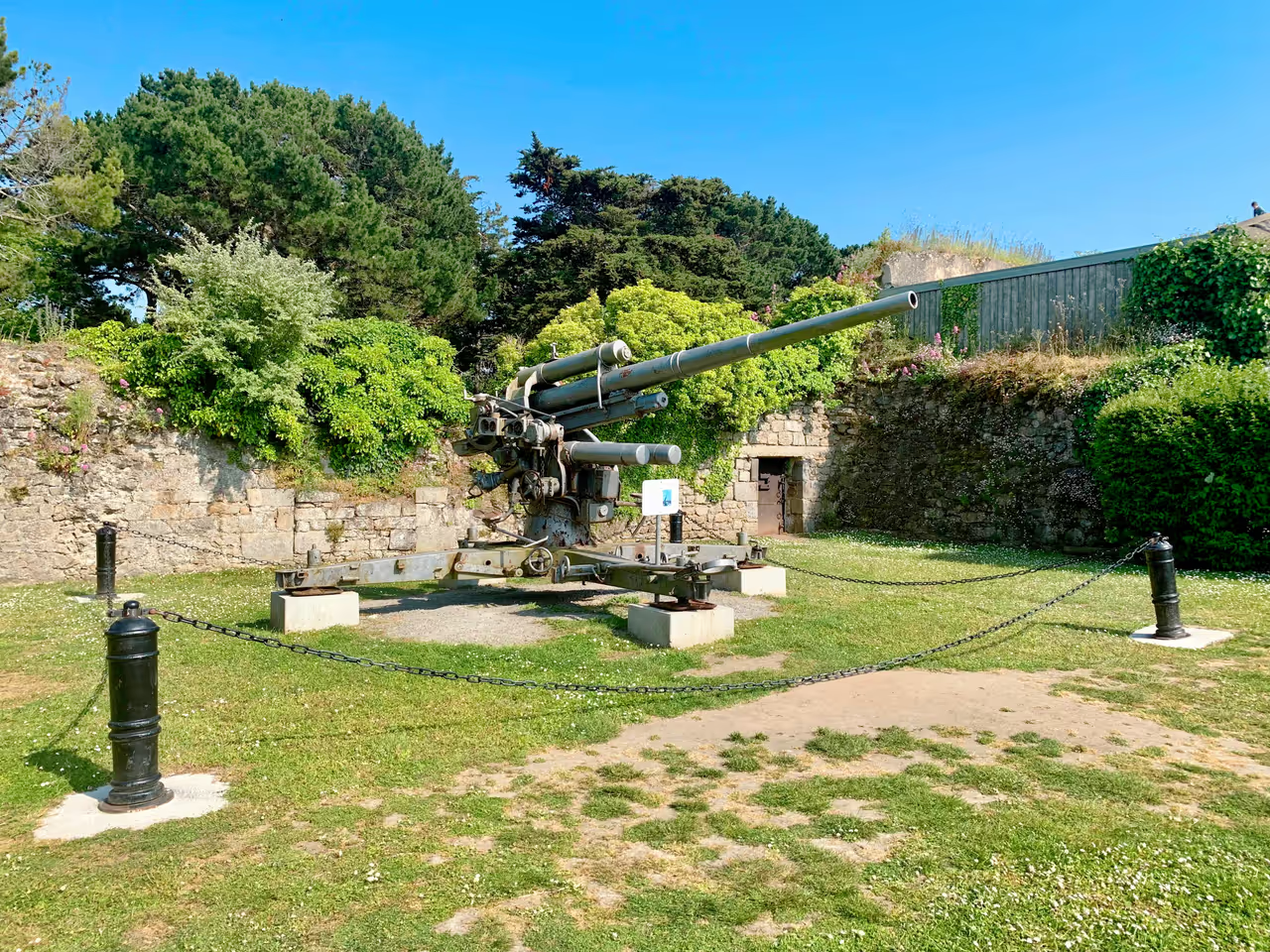
Perched atop the hill that defines the city skyline, this fortress offers a journey through centuries of turbulence, triumph, and transformation. You can wander through ancient ramparts, explore the arsenal filled with historic weaponry, and admire the vast collection of Roman antiquities in the Lapidario Tergestino. The castle stands as a panoramic stage where the stone walls whisper tales of Venetian rule, Austrian influence, and Napoleonic sieges. As you stroll across the vast internal courtyard, you walk on ground that has served as a military stronghold and a cultural heart for generations. It remains the perfect vantage point to take in sweeping views of the Adriatic Sea and the rooftops of Trieste, grounding the modern city in its layered past.
attraction view
Explore Similar Places in This Collection
Featured on This Itinerary
See all attractions in Trieste
Grotta Gigante, Miramare Castle, Piazza Unità d'Italia, San Giusto Castle, Vittoria Light, Grand Canal of Trieste, Roman Theatre of Trieste...