Civic Botanical Garden of Trieste
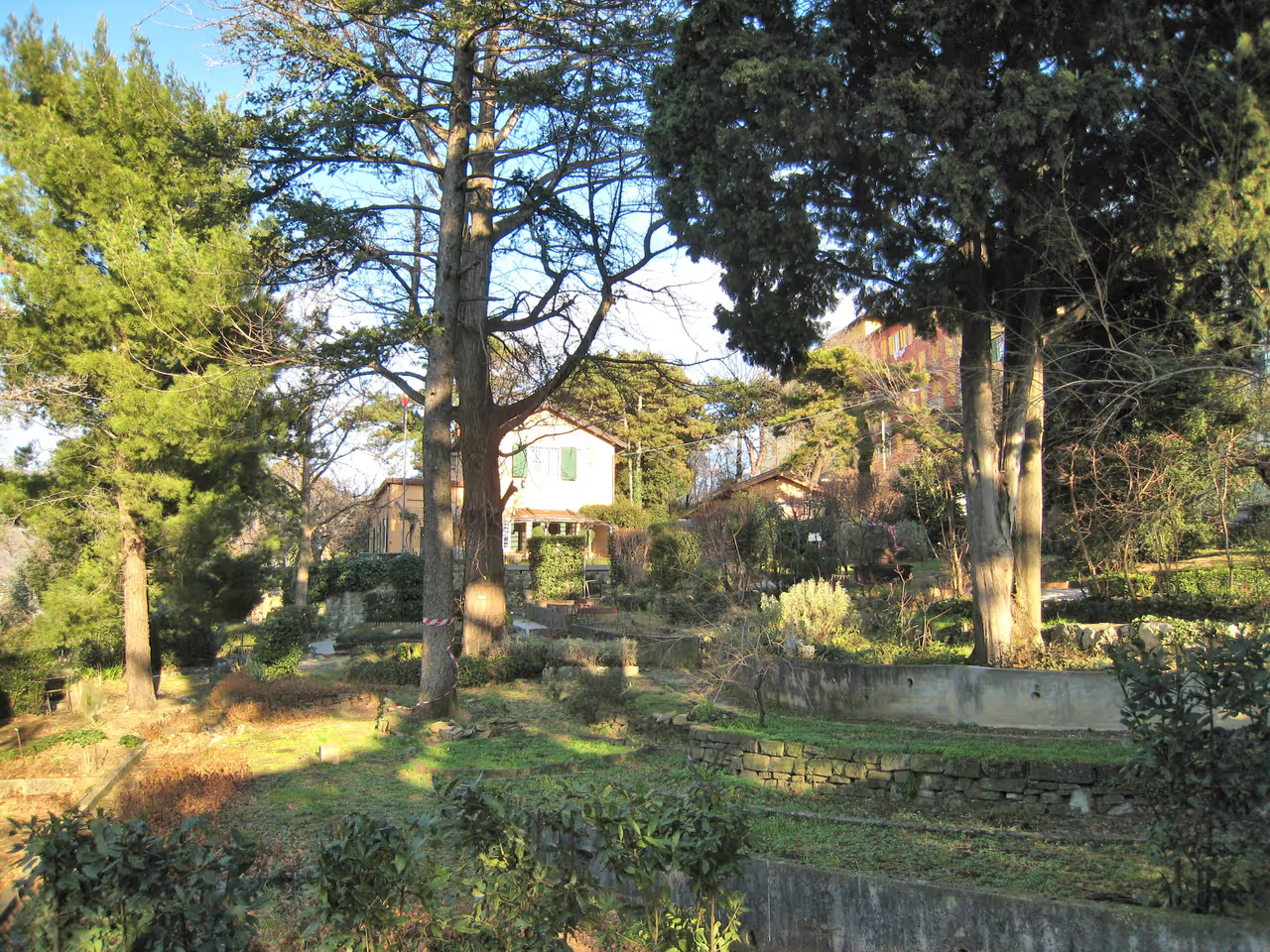
Nestled on the western slopes of the Chiadino hill, this botanical sanctuary offers a serene escape from the urban environment. Home to approximately 1,200 plant species, the garden serves as a living library of the local flora found throughout the Venezia Giulia region. Visitors can wander through dedicated sections ranging from medicinal herb collections to carefully maintained aquatic environments. It is a testament to the scientific passion that shaped the intellectual life of Trieste, providing a quiet space for reflection and discovery. Whether you are a botany enthusiast or simply seeking a peaceful retreat, the winding pathways of this green oasis connect you deeply with nature.
History of Civic Botanical Garden of Trieste
The story begins in 1828, when Bartolomeo Biasoletto, a local pharmacist and chemistry enthusiast, launched experiments to test the growth of the Austrian Black Pine on the harsh Carso plateau. This scientific curiosity provided the foundation for what would become an official botanical garden in 1842. Under the guidance of the municipality, the site was established to catalogue and preserve the diverse flora of the Venezia Giulia region, creating an enduring link between the city and its natural surroundings. In 1861, Muzio Tommasini took charge, bringing a new era of scientific rigour to the grounds. A distinguished figure in the political and intellectual circles of Trieste, Tommasini filled the garden with regional plants, creating a haven for research and study. He surrounded himself with notable peers, including Carlo Marchesetti, who later ensured the institution gained formal recognition and stability at the turn of the twentieth century. The garden faced a difficult period during the late twentieth century, ultimately closing in 1986 due to funding shortages. However, the legacy of its founders proved too resilient to fade away. Extensive renovation efforts began in 1991, leading to a public reopening in 2001. Today, the garden thrives as a green sanctuary, continuing its mission through the annual publication of the Index Seminum, a tradition that dates back to the nineteenth century, and by managing the nearby Bosco Biasoletto nature reserve.
Events spanning 173 years
Fun Facts
- • After closing in 1986 due to lack of funds, the site underwent significant renovations before welcoming visitors again in 2001.
- • Muzio Tommasini, who expanded the garden in the nineteenth century, was a pivotal figure who turned the site into a significant research hub.
- • The collection currently contains around 1,200 different types of plants, each serving a purpose in the garden's broader scientific mission.
- • The garden features a dedicated section for medicinal plants, continuing a tradition of pharmaceutical study established by its founder.
- • The garden houses specialised basins and greenhouses specifically designed for the cultivation of aquatic and marshland vegetation.
- • The garden traces its origins to scientific efforts to cultivate the Austrian Black Pine on the rocky Carso terrain.
- • The institution has published the Index Seminum annually since 1877, a catalogue of seeds offered for exchange with botanical gardens around the world.
- • The location on the Chiadino hill creates a specific microclimate that allows for the growth of diverse plant species from the Venezia Giulia region.
- • The site manages the nearby Bosco Biasoletto and Bosco Farneto nature reserves, extending its conservation efforts beyond the garden walls.
- • Volunteers from the local WWF chapter run the Progetto Nidi here, which involves installing shelters for hedgehogs, bats, and various birds to protect local wildlife.
RESOURCES
Official WebsiteCivic Botanical Garden of Trieste FAQ
While we strive to keep this information accurate and up to date, we recommend verifying any details independently before making decisions based on them.
Civic Botanical Garden of Trieste Map & Neighborhood Explorer
This interactive map is centered on Civic Botanical Garden of Trieste. Zoom in and move the map around to automatically discover Wikipedia photos and summaries of other nearby sights, monuments, and historical points of interest and stories in real-time!
Places near Civic Botanical Garden of Trieste
Make the most of your trip. Check out these top-rated spots located nearby.
 432m
432mScience Fiction Festival
A thrilling celebration of speculative fiction that draws fans of sci fi, fantasy and horror from across the continent. The festival screens a mix of highly anticipated new releases and beloved genre classics. Beyond the films, it hosts fascinating masterclasses, literary events and encounters with renowned directors and actors. The event honours the city's long standing relationship with the genre, creating a wonderfully geeky and enthusiastic vibe. It is the perfect cultural escape for anyone fascinated by the weird, the futuristic and the supernatural.
festival view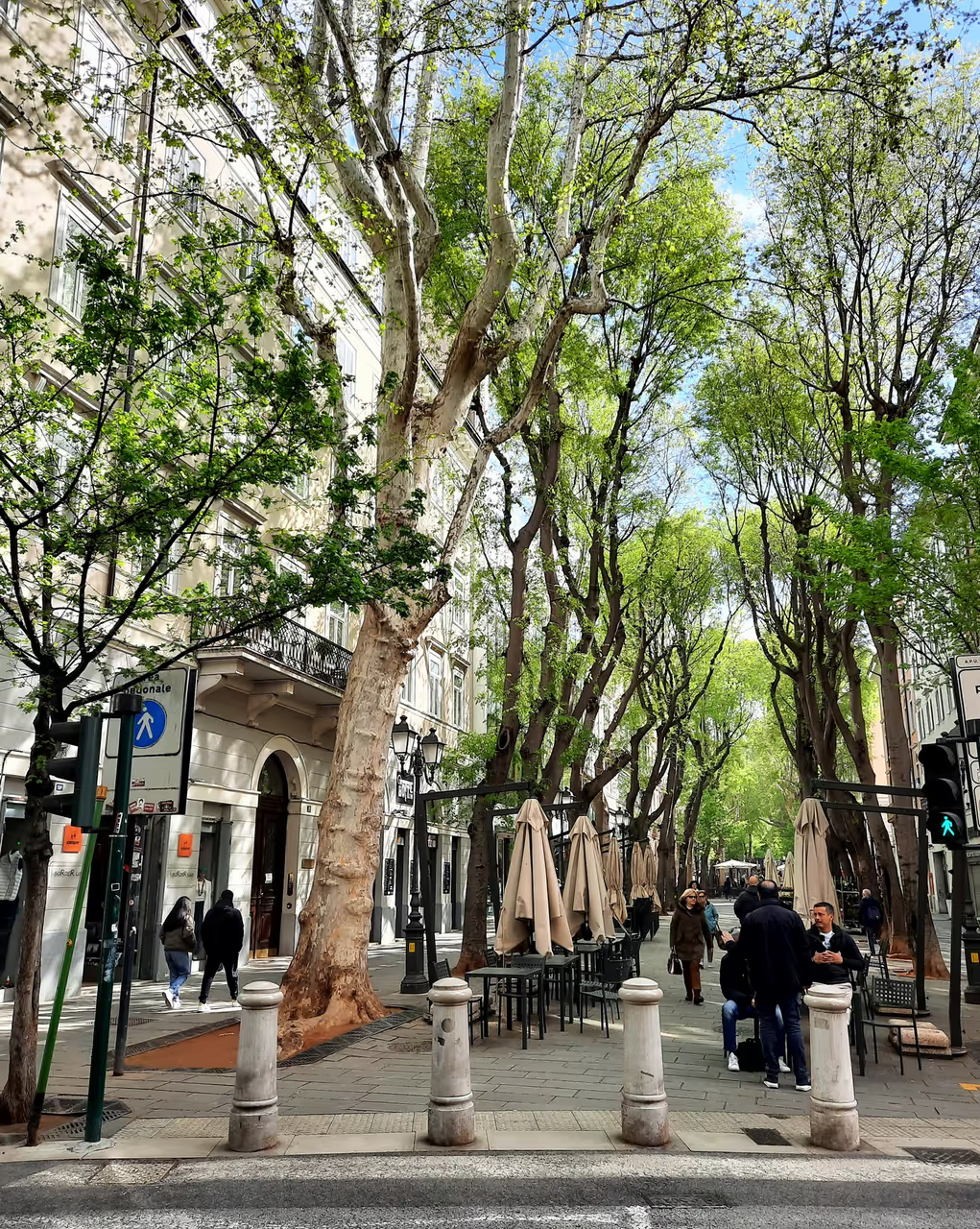 493m
493mViale XX Settembre
This long, tree lined pedestrian avenue is a vibrant hub of evening activity favored by students and locals. The street is packed with casual pubs, gelaterias, pizzerias and historical cinemas. It is the perfect spot for a relaxed evening stroll followed by a casual drink on an outdoor terrace. The atmosphere is consistently lively but rarely rowdy, making it highly welcoming for a laid back night out. It represents the everyday, unpretentious side of local socializing.
nightlife view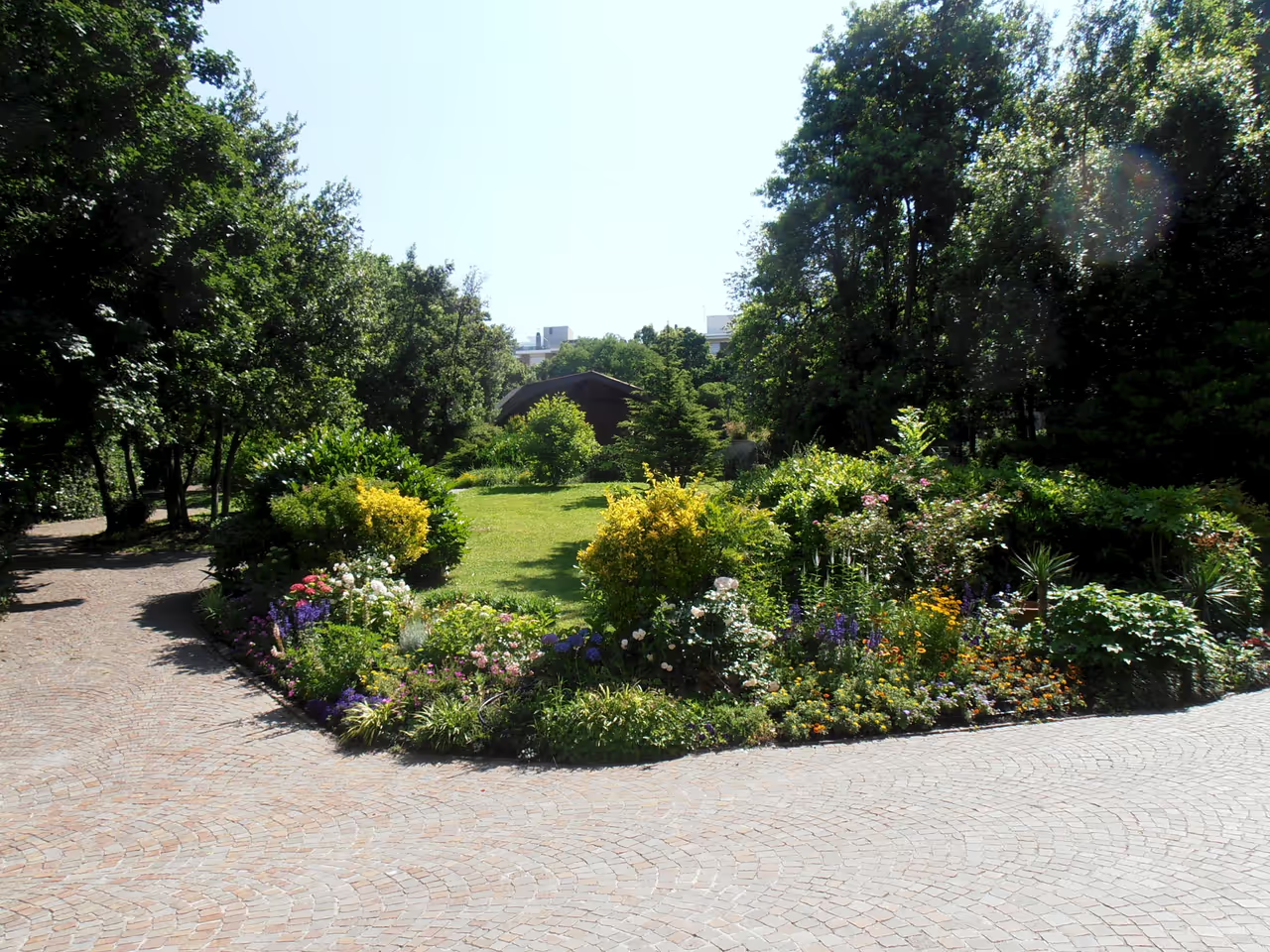 524m
524mVilla Engelmann
Nestled in the heart of the city, Villa Engelmann offers a serene escape into the past. This beautiful nineteenth century estate is known for its stunning architecture and its sprawling, lush gardens that invite visitors to slow down and enjoy the quiet atmosphere. Once a private home, the site is now a peaceful sanctuary open for the public to wander through and admire. It is a true testament to the history and charm of Trieste, making it a perfect spot for those seeking a moment of tranquility. Whether you are a fan of historical landmarks or simply looking for a scenic place to relax, the villa and its park provide a unique and memorable experience. The area perfectly captures the refined spirit of a bygone era, leaving visitors feeling inspired by its enduring beauty.
park & nature view- 677m
Farneto Woods
Affectionately known as the green lung of the city, this expansive wooded area covers a massive hill just behind the urban centre. It is a dense, wilder park featuring a network of excellent hiking and jogging trails shaded by oak and hornbeam trees. Despite its immense size and close proximity to the downtown area, it is almost exclusively frequented by locals walking their dogs or exercising. It provides a brilliant, instant escape into nature without having to drive up to the Karst plateau. The upper trails offer unexpected, framed views of the sea through the dense foliage.
hidden gem view
Explore Similar Places in This Collection

See all nature & parks in Trieste
Villa Engelmann...