Nuremberg Trials Memorial
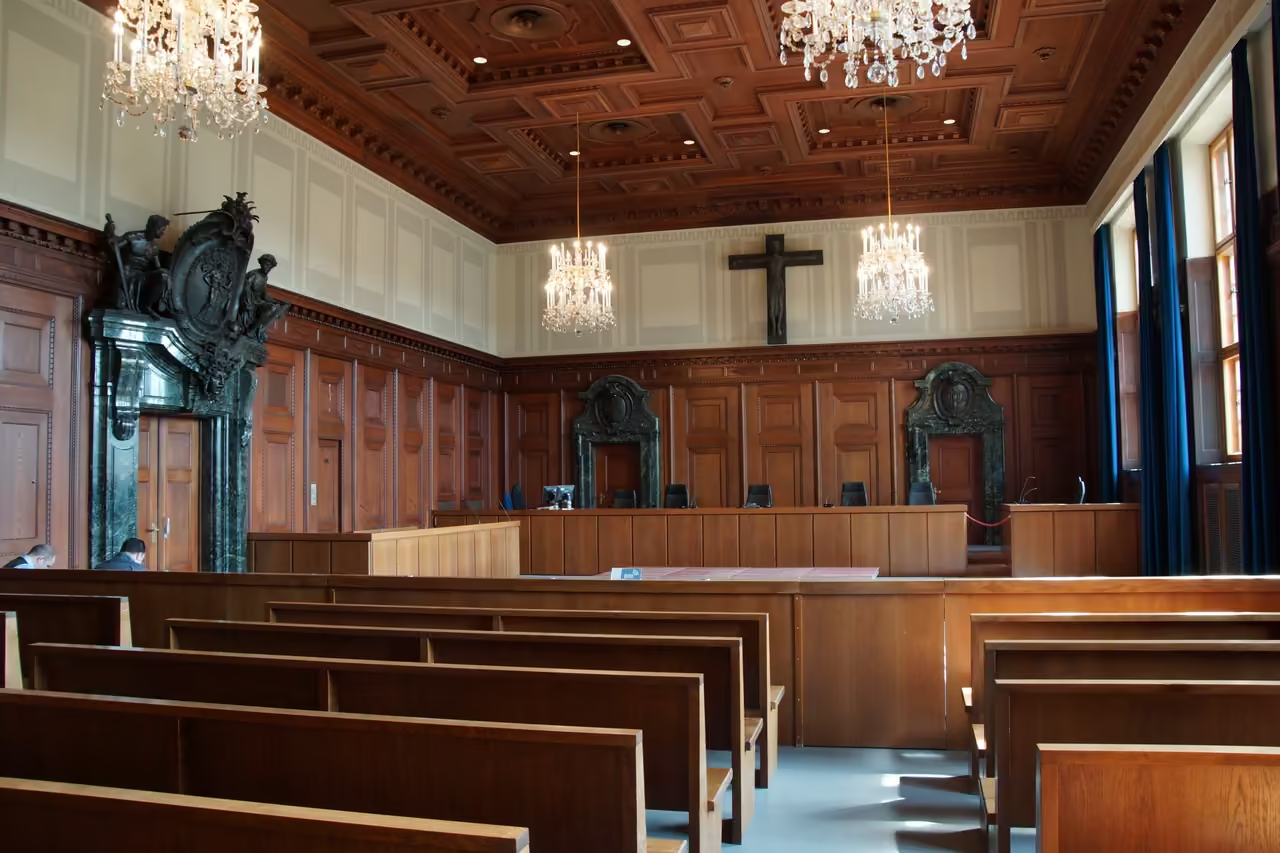
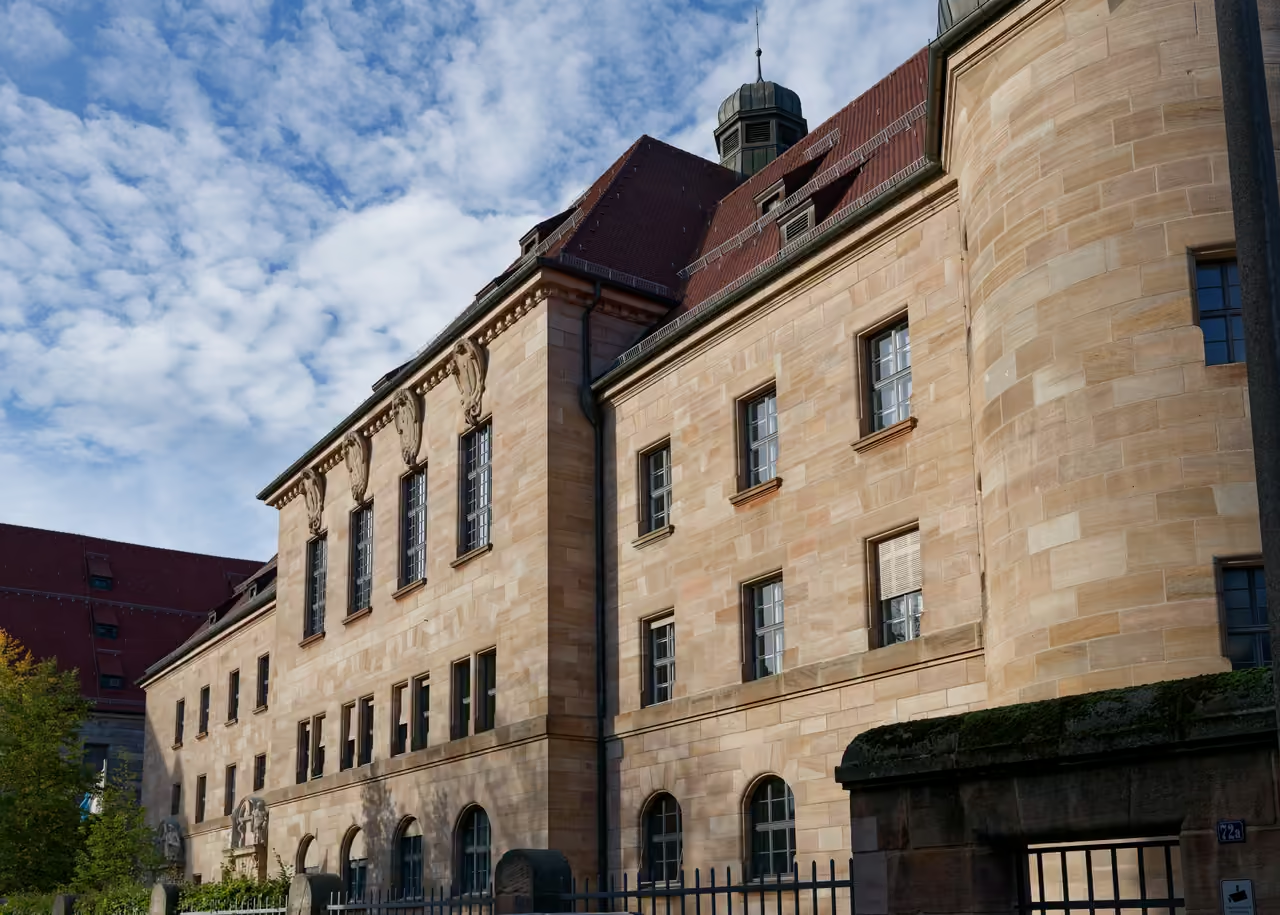
Step directly onto the wooden floorboards of Courtroom 600, where modern international criminal law came into being amidst the rubble of post-war Europe. Heavy timber panelling frames the chamber where Allied prosecutors confronted high-ranking Nazi officials in a legal proceeding that fixed the attention of the world. Upstairs in the roof space of the East Wing, an extensive permanent exhibition displays original audio recordings, film reels, and surviving sections of the wooden dock. The atmosphere throughout remains hushed and solemn, reflecting the immense gravity of the proceedings held within these walls. Visitors can examine how translators worked across four languages simultaneously, an innovation that revolutionised global conference diplomacy. It remains a deeply compelling stop for anyone interested in how legal principles were forged out of twentieth-century catastrophe.
Videos
History of Nuremberg Trials Memorial
In the late summer of 1945, Allied planners faced an immense administrative puzzle: selecting a venue to conduct a joint trial of defeated German leadership in a country where civic infrastructure had collapsed. Berlin was divided and in ruins, while potential venues across western Germany lacked intact facilities capable of housing judges, military staff, prisoners, and an international press contingent. Nuremberg provided the Palace of Justice along Fürther Straße, a massive sandstone judicial palace that had escaped the devastating air raids with comparatively minor roof damage. Crucially, the rear of the complex featured an enclosed prison wing that allowed guards to transfer defendants into the courtrooms via secure covered corridors, eliminating the risk of roadside ambushes or civilian unrest. Staging the proceedings in the city that had hosted the immense pre-war Nazi party rallies also gave the enterprise an unmistakable symbolic weight. Preparing Courtroom 600 required intense physical adaptation within weeks. American military engineers dismantled partition walls, stripped out decorative chandeliers, and installed high-intensity lighting rigs to enable motion picture operators to record the sessions. Technicians from IBM laid miles of cabling beneath the floorboards to connect earphones and microphone stations at every seat. This technical apparatus enabled the worlds first large-scale application of simultaneous interpretation, allowing jurists and defendants to communicate across four different tongues without the exhausting delays of consecutive translation. When the International Military Tribunal convened on 20 November 1945, it set in motion legal concepts that forever altered international jurisprudence. Prosecutors dismantled the doctrine that state leaders could avoid individual responsibility by citing sovereign authority or obedience to superior orders. Over the course of 218 days, Courtroom 600 became a theatre of documentation where thousands of captured military directives, diplomatic memos, and film reels were entered into public record. The twelve subsequent American trials that followed examined the doctors, judges, and industrialists who had supported the regimes policies, establishing an exhaustive legal foundation that eventually gave rise to the International Criminal Court at The Hague. For decades after the trials ended, the Palace of Justice quietly returned to its original municipal role. Bavarian prosecutors and judges conducted routine regional criminal cases in Courtroom 600, while curious international travellers occasionally peeked through small circular windows in the courtroom doors during lunch recesses. Recognising the enduring global interest in the site, local authorities developed a dedicated museum in the roof space above the chamber, opening the Memorium in 2010. A decade later, the Bavarian judiciary permanently transferred Courtroom 600 out of daily legal service, securing the historic hall as an educational site dedicated to international justice and human rights.
9 events spanning 104 years
Fun Facts
- • A covered wooden walkway nicknamed the catwalk was built between the prison block and the courtroom so defendants could be moved securely without passing through the open public grounds.
- • American military engineers rotated Courtroom 600 ninety degrees in 1945, relocating the judges bench to the long wall to accommodate press tiers and projection equipment.
- • American psychologist Gustave Gilbert spent hundreds of hours in the adjacent prison cells interviewing defendants and administering intelligence tests to examine their psychological profiles.
- • IBM supplied the experimental multi-channel translation system, installing wiring and headsets that allowed participants to switch between English, French, Russian, and German in real time.
- • Portions of the original oak dock where the accused sat are preserved upstairs in the permanent exhibition, showing the plain construction ordered by military engineers.
- • The Palace of Justice complex was selected in part because it housed one of the few functional heavy printing operations surviving in southern Germany, vital for printing daily translated transcripts.
- • The museum preserves original audio wire recordings of the proceedings, which were captured onto microscopic steel wires rather than tape or lacquer records.
- • The trials marked the first occasion in judicial history where documentary film footage shot by military cameramen during concentration camp liberations was admitted as legal evidence.
- • Until March 2020, Bavarian magistrates still held regular criminal trials for robbery and assault inside Courtroom 600, meaning museum visitors could only enter when court was adjourned.
Nuremberg Trials Memorial Map & Neighborhood Explorer
This interactive map is centered on Nuremberg Trials Memorial. Zoom in and move the map around to automatically discover Wikipedia photos and summaries of other nearby sights, monuments, and historical points of interest and stories in real-time!
Nuremberg Trials Memorial FAQ
While we strive to keep this information accurate and up to date, we recommend verifying any details independently before making decisions based on them.
Places near Nuremberg Trials Memorial
Make the most of your trip. Check out these top-rated spots located nearby.
 1082m
St. John's Cemetery
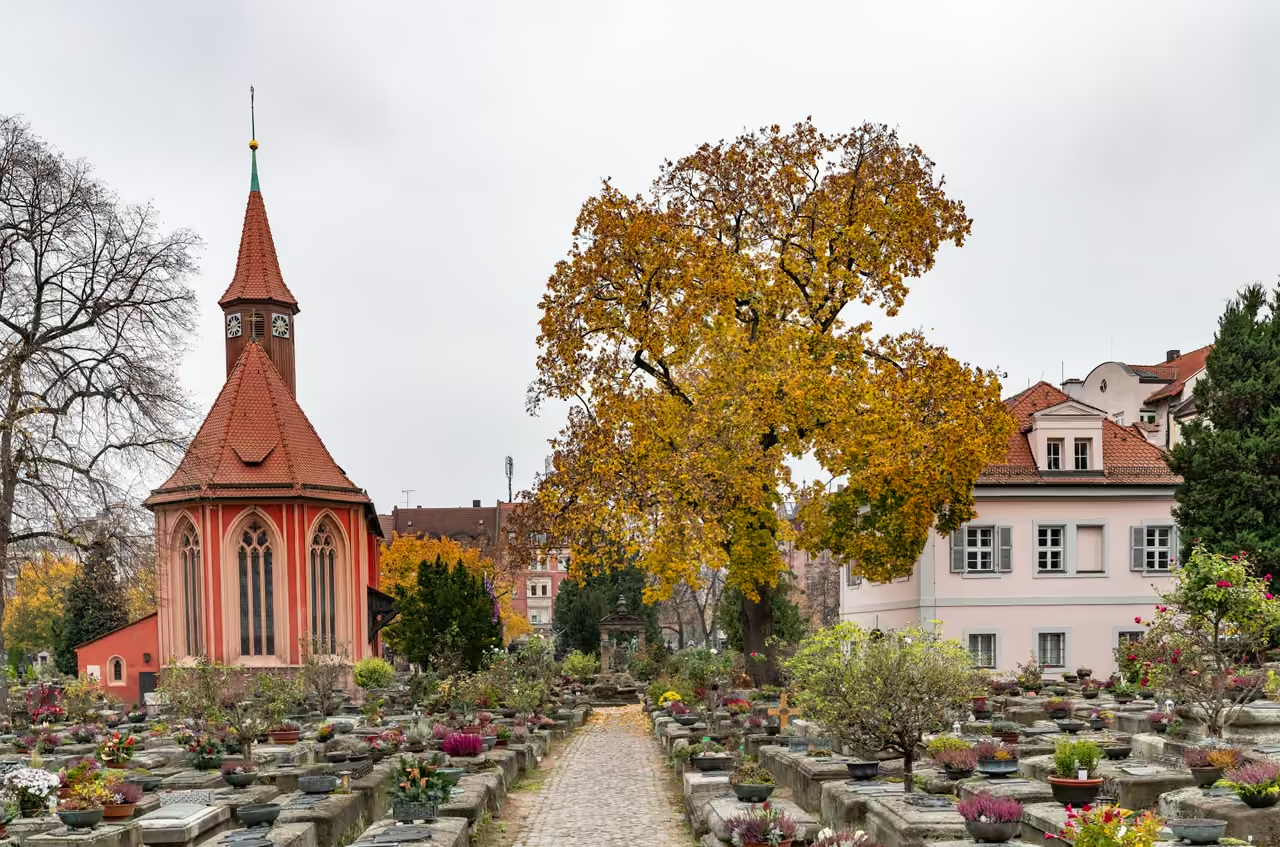
Unlike vertical, crowded graveyards, this incredibly peaceful cemetery features hundreds of heavy, uniform sandstone blocks lying flat on the ground. Wealthy patricians established it outside the medieval walls to prevent disease from spreading within the cramped city. Almost every grave features a highly detailed, cast-bronze epitaph, showcasing the city's historical mastery of metalwork. Massive, blooming rose bushes engulf the stones during the summer months, adding vibrant colour to the solemn atmosphere. It serves as the final resting place for the city's most prominent figures, including artist Albrecht Dürer.
hidden gem view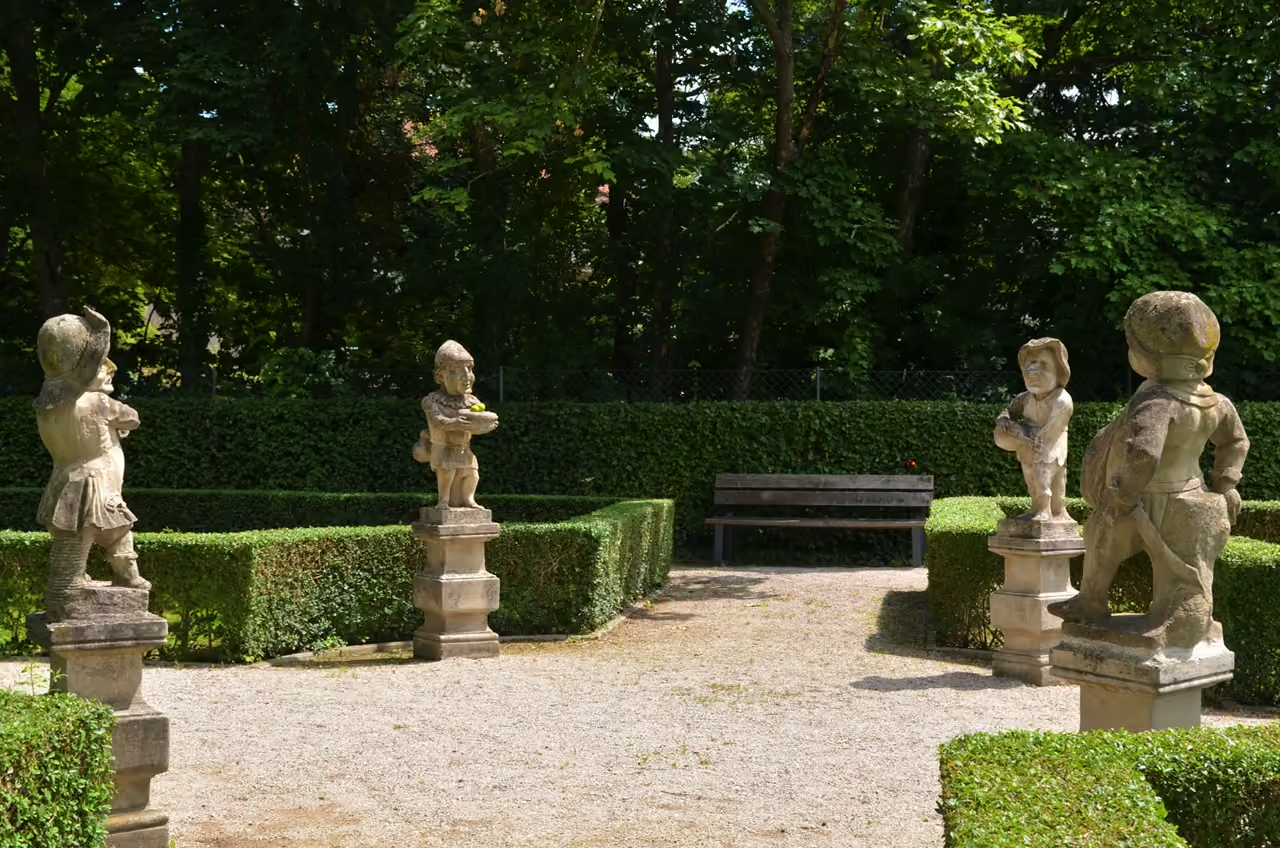 1149m
Hesperides Gardens
Stepping through the narrow wrought-iron gate at Johannisstraße 47 feels like trespassing on a wealthy Renaissance merchant's private daydream. These narrow strips of land were carved out centuries ago by local patricians desperate for Mediterranean warmth in the middle of cold Franconia. Symmetrical hedges and orderly gravel paths replace the modern concrete of Nuremberg. Stone nymphs watch over bubbling fountains, their faces weathered by centuries of rain. During the warmer months, heavy terracotta pots filled with bitter orange and lemon trees line the walkways. The scent of citrus hangs heavily in the air near the old brick summer house, completely masking the exhaust fumes of the nearby ring road.
park & nature view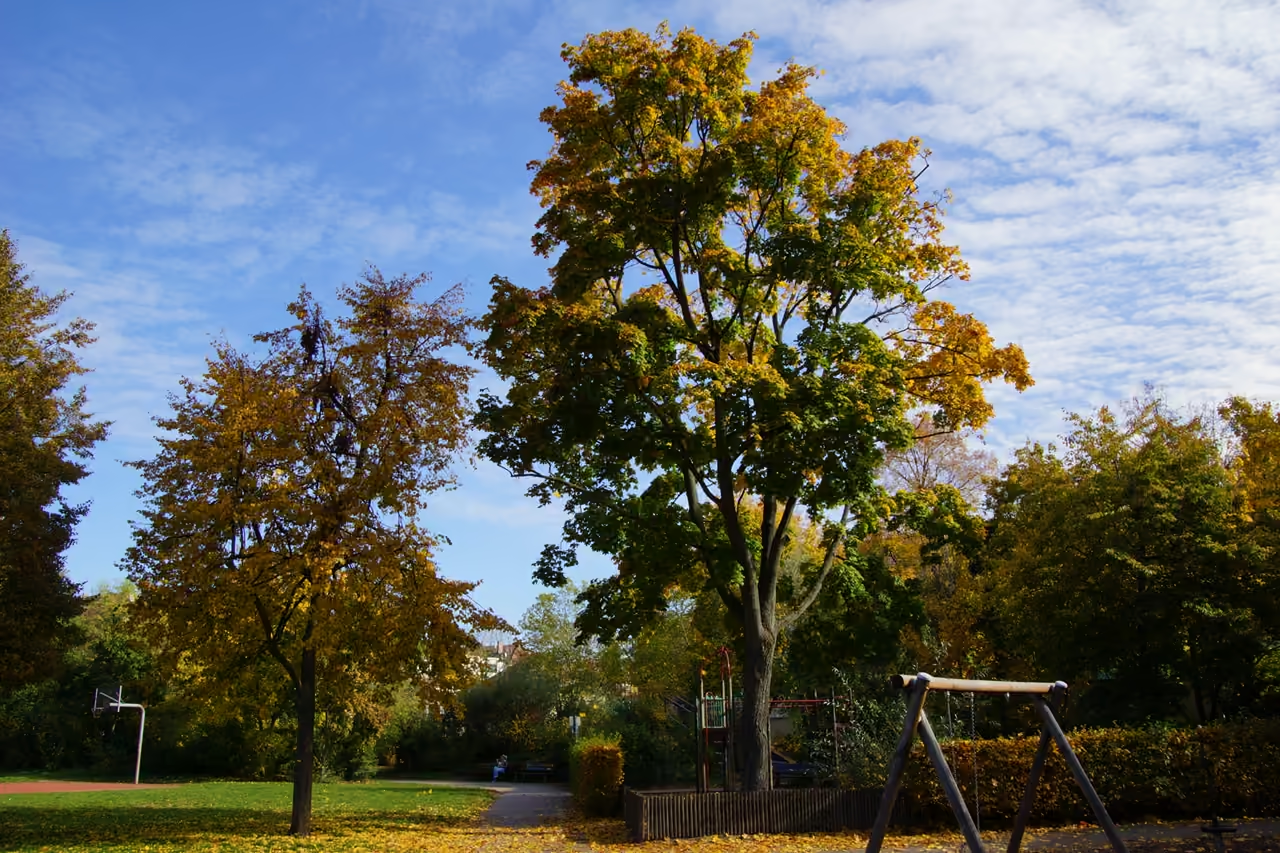 1156m
Gostenhof District
This rapidly gentrifying neighbourhood west of the walls draws an alternative, creative crowd to its slightly gritty streets. Shabby-chic cafes seamlessly transition into dimly lit bars serving craft beer and creative cocktails. Vintage record stores and independent boutiques dot the area, giving it an undeniably hipster aesthetic. Expect a relaxed, conversational atmosphere rather than heavy clubbing.
nightlife view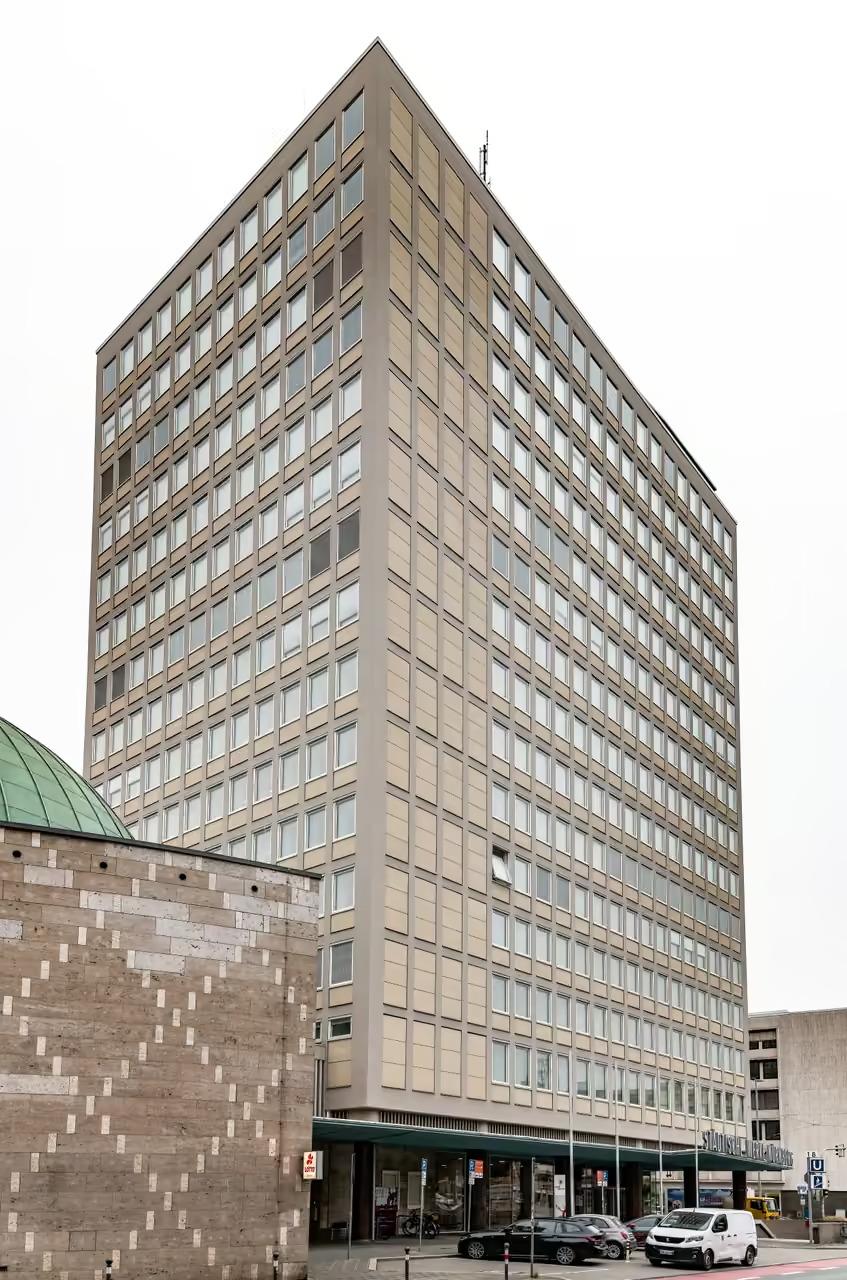 1293m
Plärrer High-Rise
Rising sharply above a chaotic traffic hub, this slender, 15-storey tower was the tallest building in Bavaria upon its completion in 1953. Designed by Wilhelm Schlegtendal, its clean lines and functional aesthetic signaled a determined push toward modernity and economic recovery. The facade features strict geometric windows and a subtle curve, avoiding the heaviness of earlier decades. It housed the municipal utility companies, acting as a beacon of progress outside the historic walls. It stands as a prime example of the optimistic, forward-looking architecture of the West German 'economic miracle'.
architecture view
Explore Similar Places in This Collection
Featured on These Itineraries and Routes
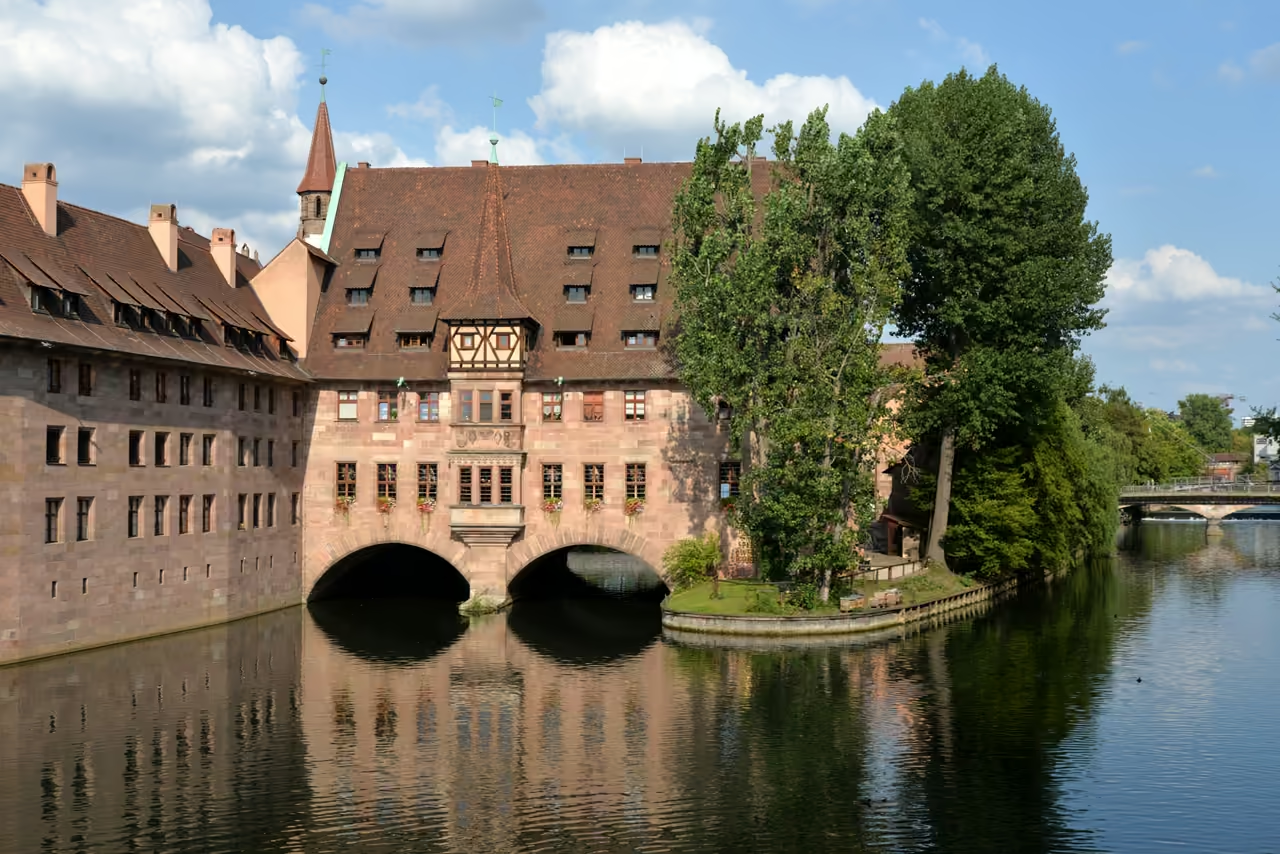
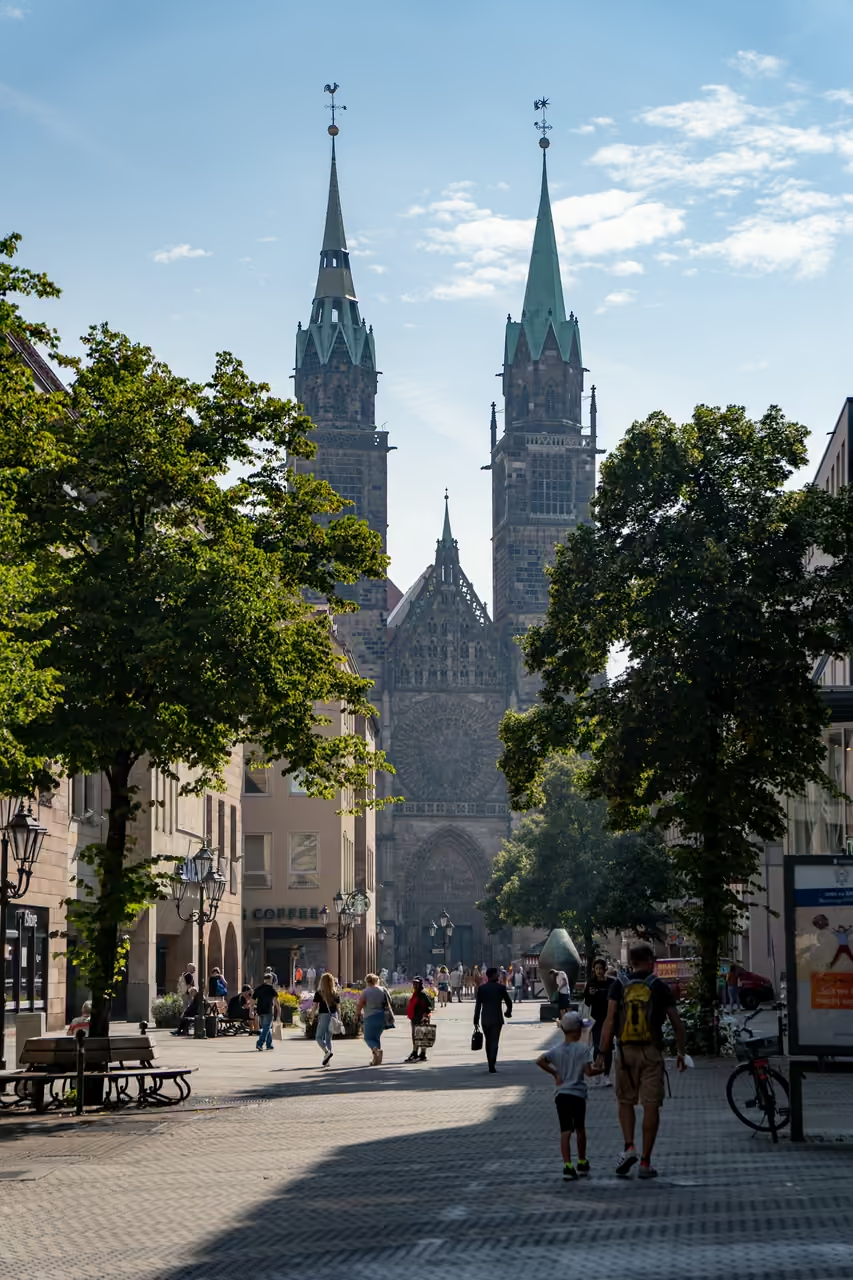
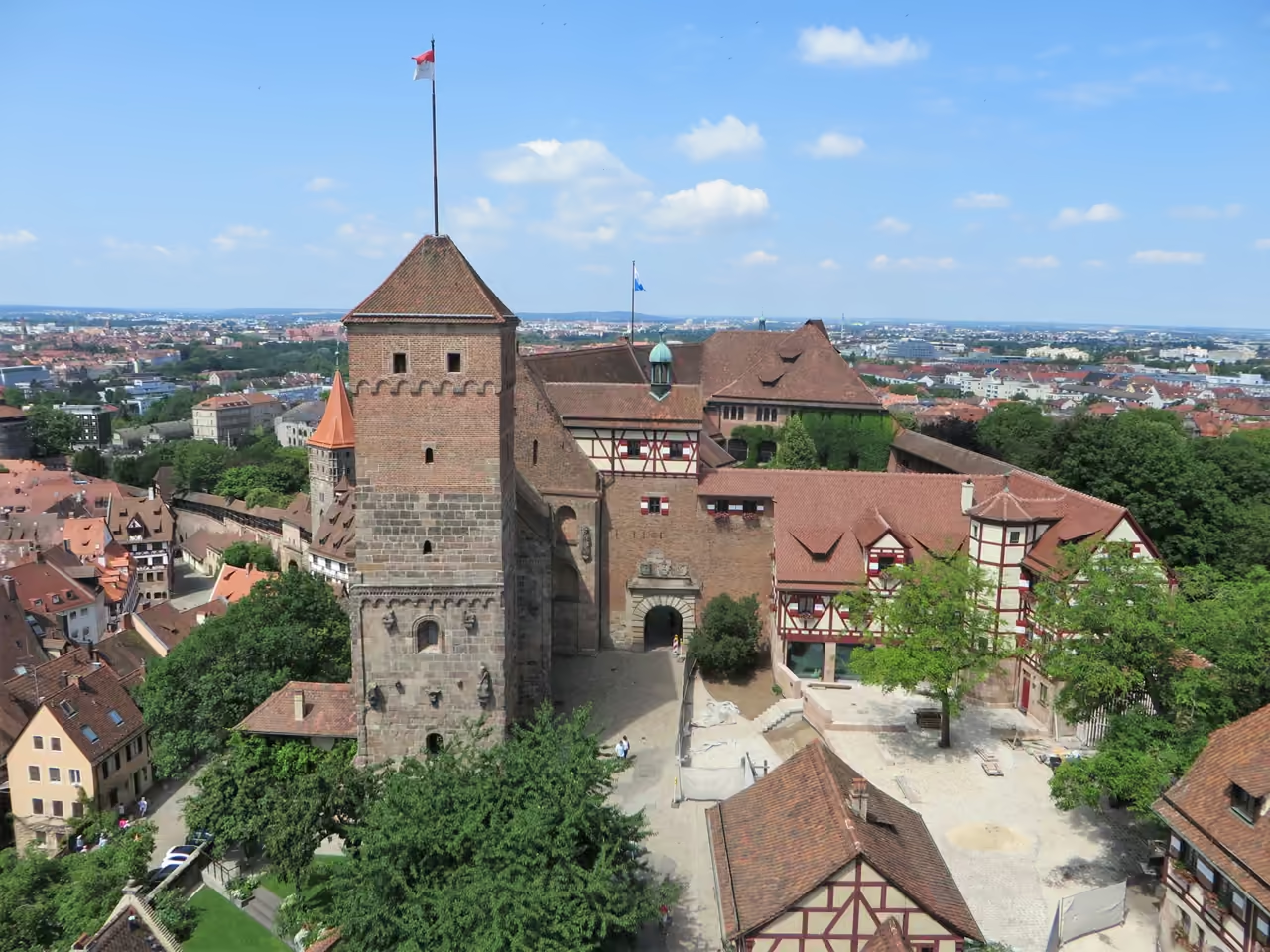
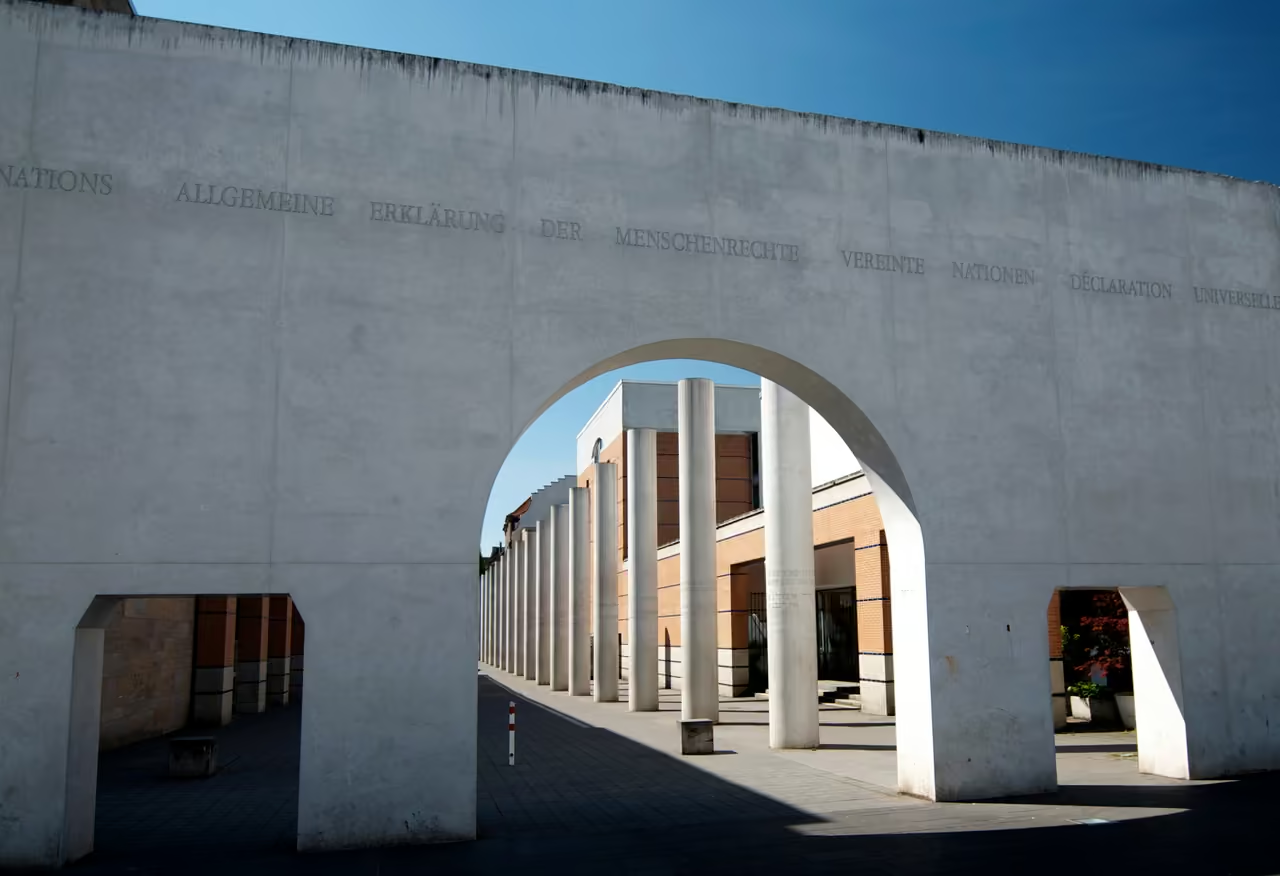
3 Days in Nuremberg
Adding two days allows the pace to relax, mixing heavy historical museums with leisurely strolls through the artisan districts and green spaces. The itinerary breaks the city down geographically, dedicating distinct days to the northern castle quarter, the southern medieval core, and the 20th-century history stretching beyond the walls. Time opens up to explore the massive art collections and sit for extended periods in traditional brewpubs. It strikes a perfect balance between education and casual exploration. Visitors leave with a comprehensive understanding of how the city layered its modern identity over its medieval bones.
view itinerary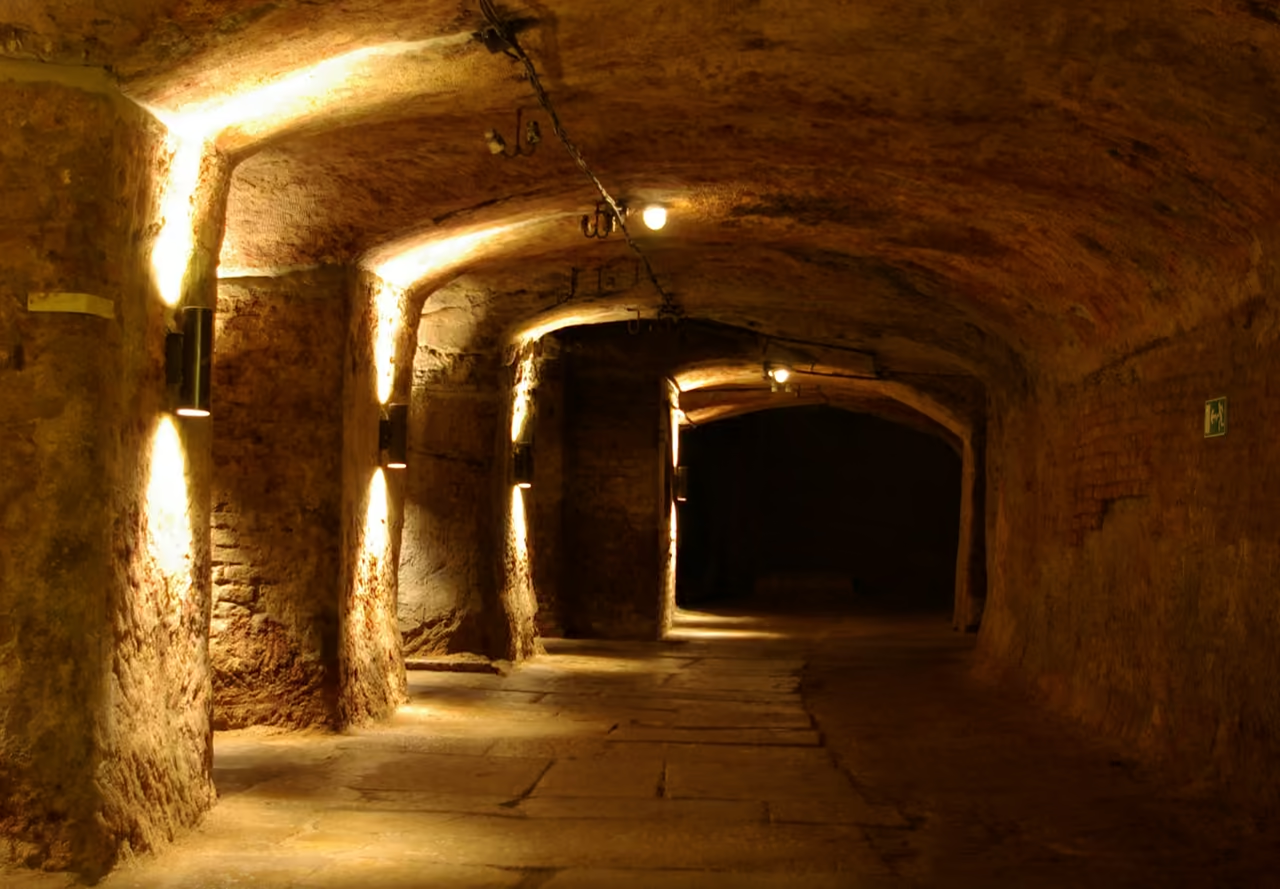
5 Days in Nuremberg
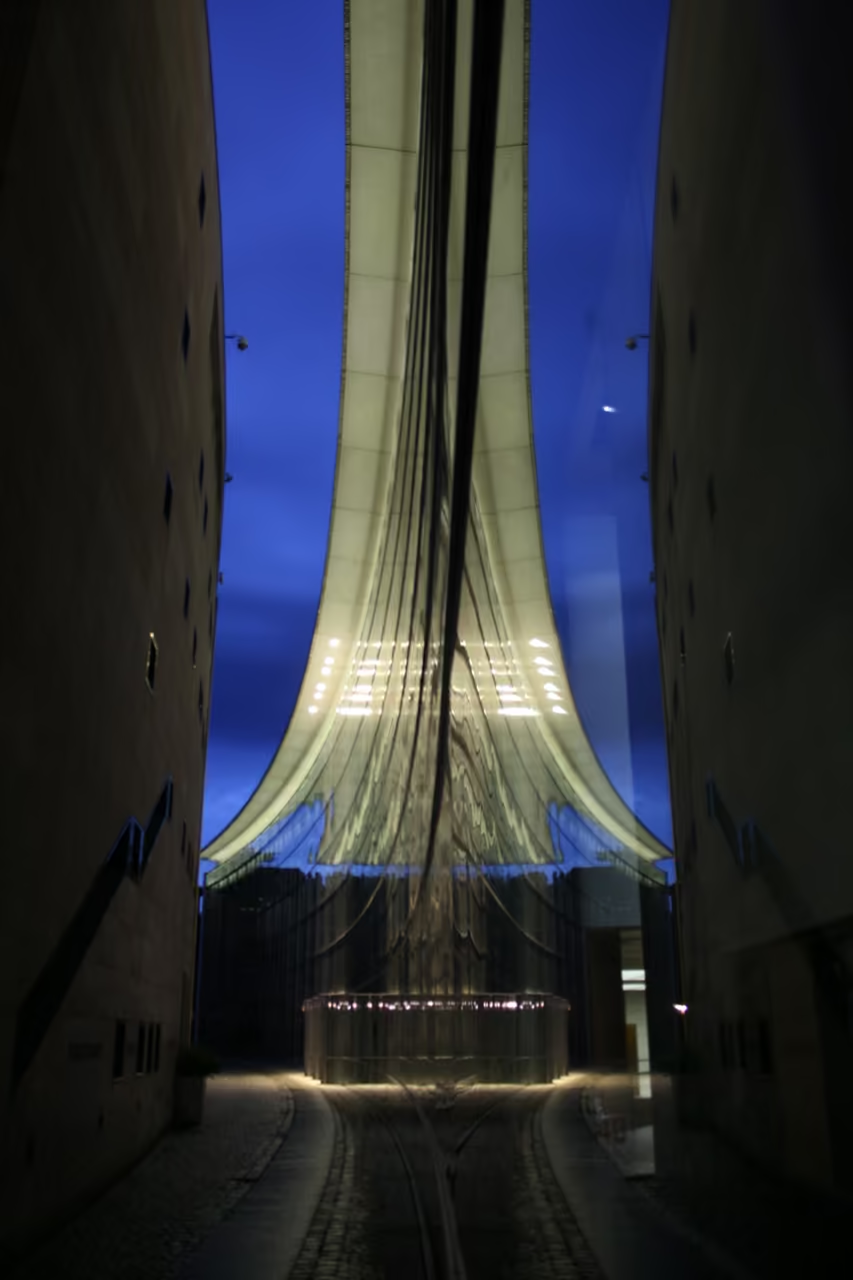
A full working week allows visitors to treat the city like a local, diving into highly specific museums and exploring the outer green belts. The schedule incorporates deep dives into the transport history and hidden patrician gardens that most tourists never see. It factors in time for long walks along the Pegnitz river and cycling trips into the vast eastern forests. The itinerary assumes a desire to experience the quiet, residential pockets of the city alongside the major monuments. This timeline transforms a rushed sightseeing trip into a relaxed cultural immersion.
view itinerary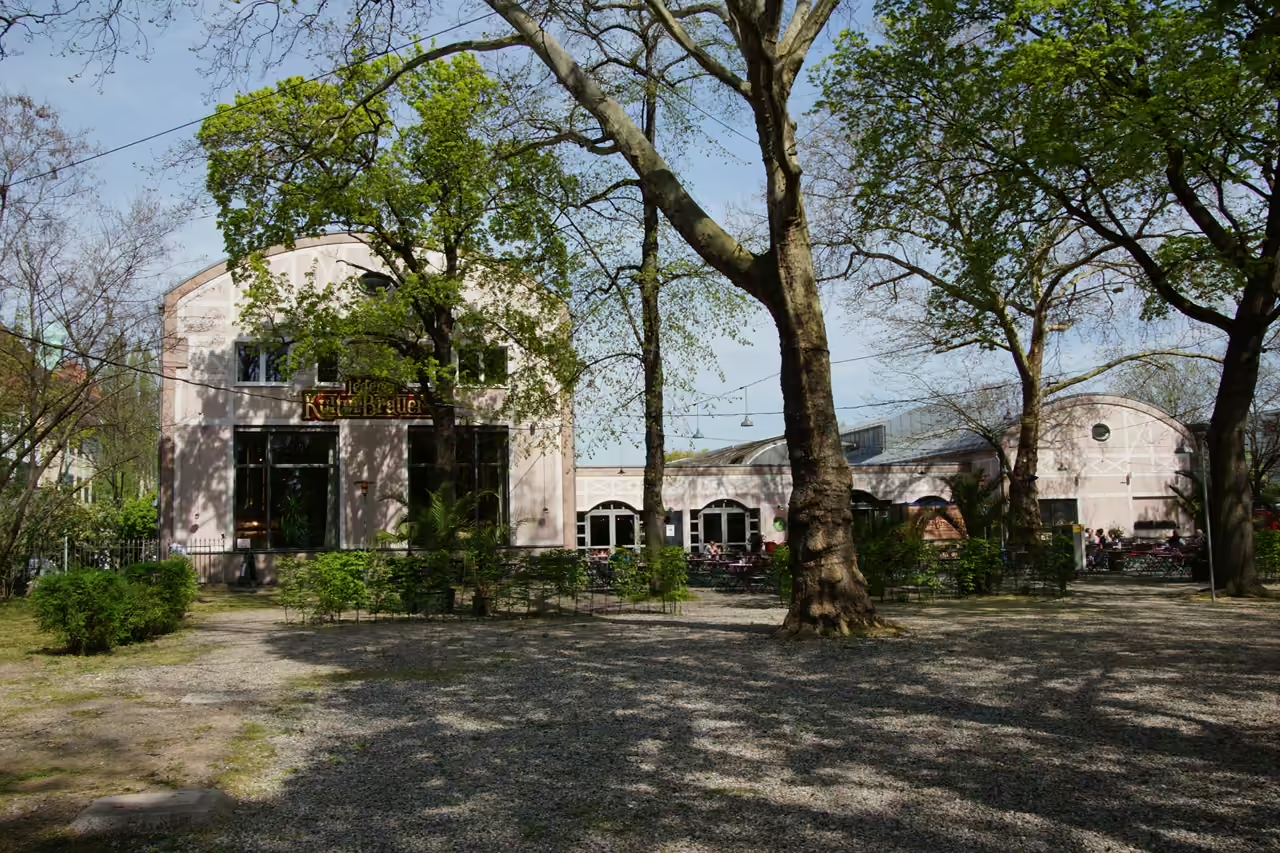
Gostenhof & Street Art
Ditching the pristine medieval core, this route heads west into the city's most rapidly evolving and creative district. 'GoHo' features a high concentration of street art, independent boutiques, and third-wave coffee shops set against a backdrop of 19th-century worker housing. The walk uncovers hidden courtyards hosting pop-up galleries and small community gardens squeezed between brick facades. It highlights the modern, multicultural, and slightly gritty reality of the city. The atmosphere here feels distinctly younger and less polished than the Altstadt.
view self-guided tour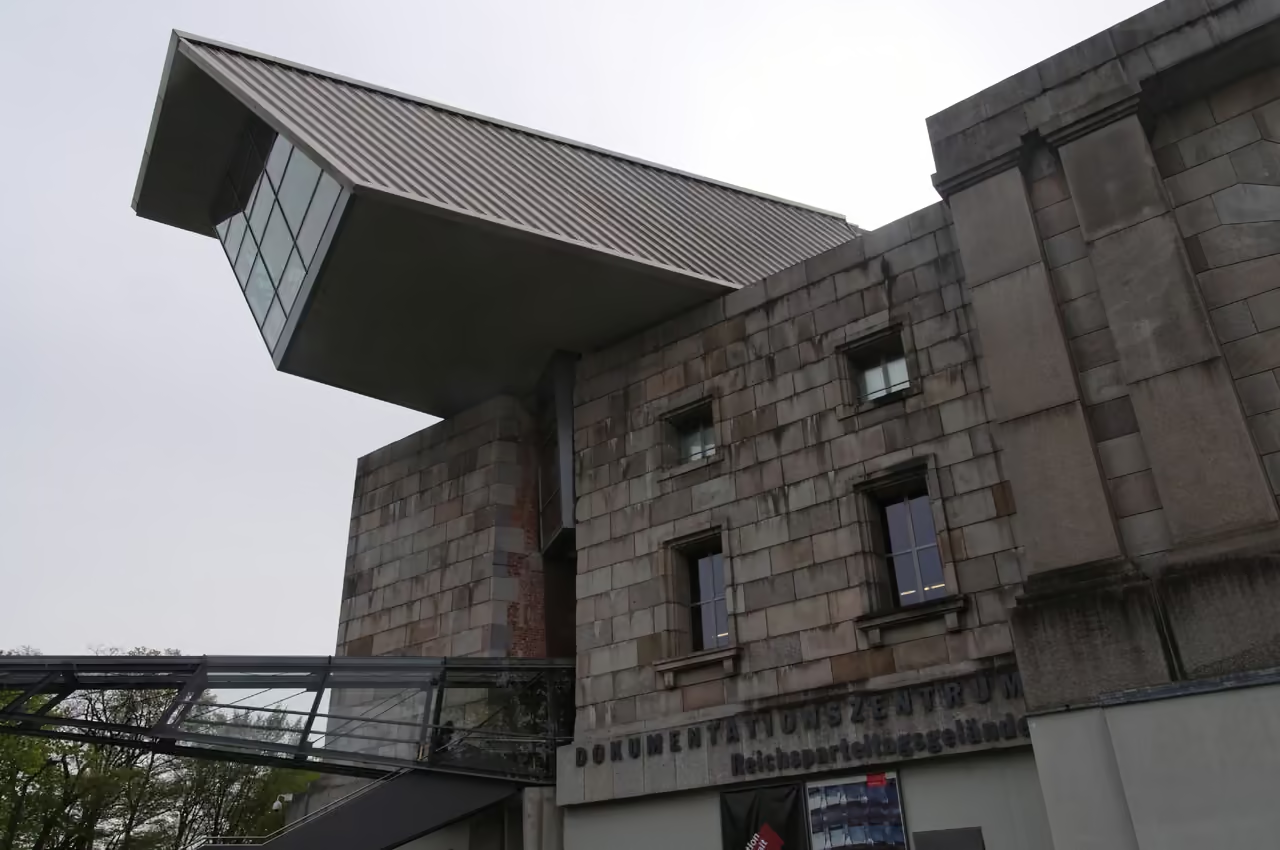
Third Reich & Nuremberg Trials
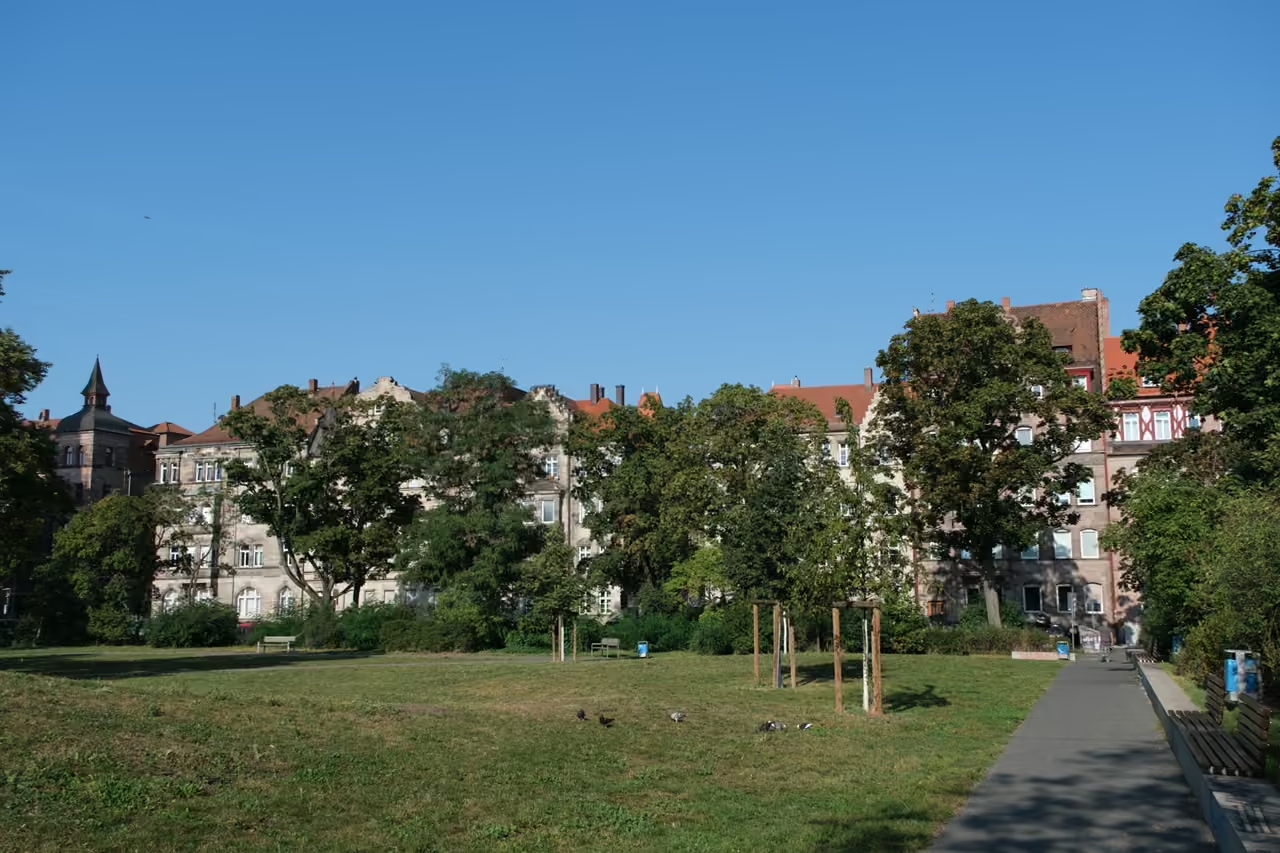
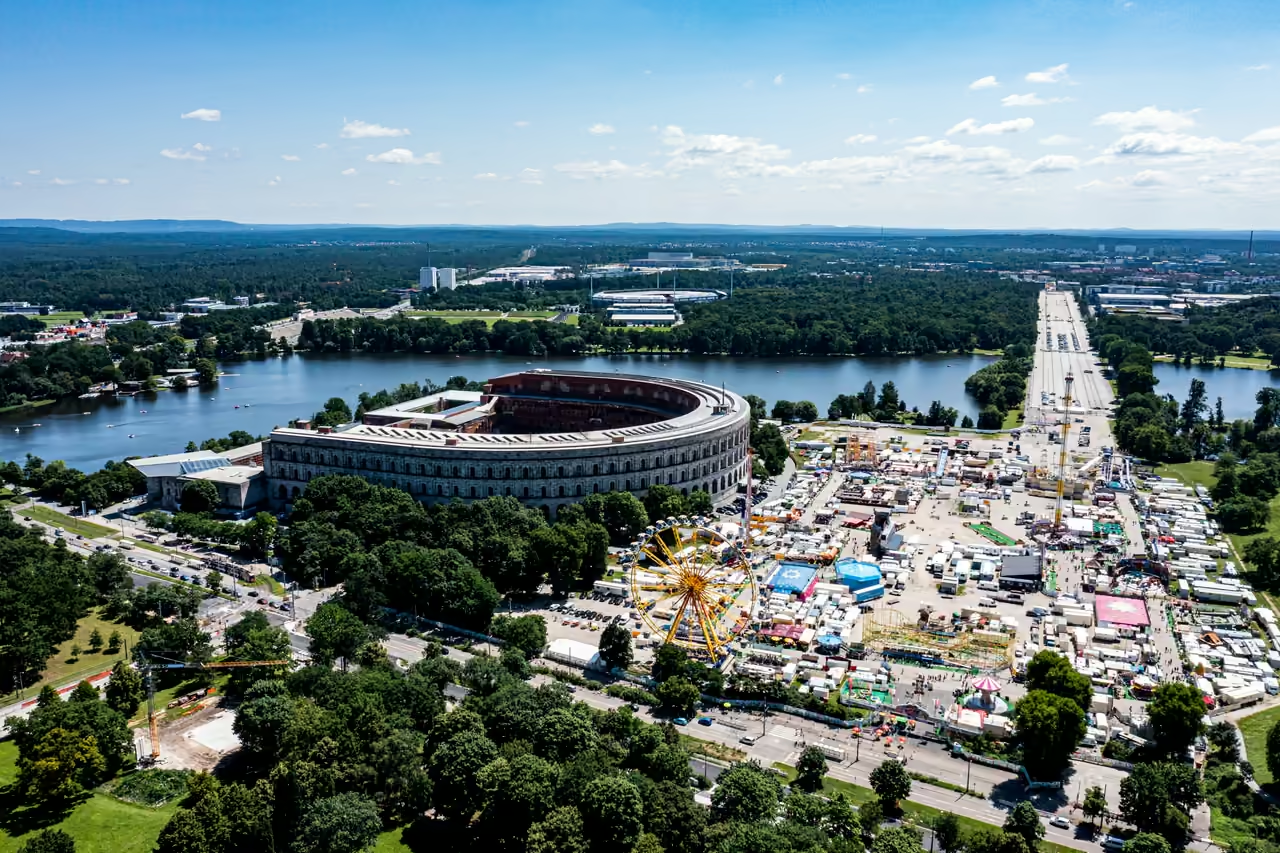
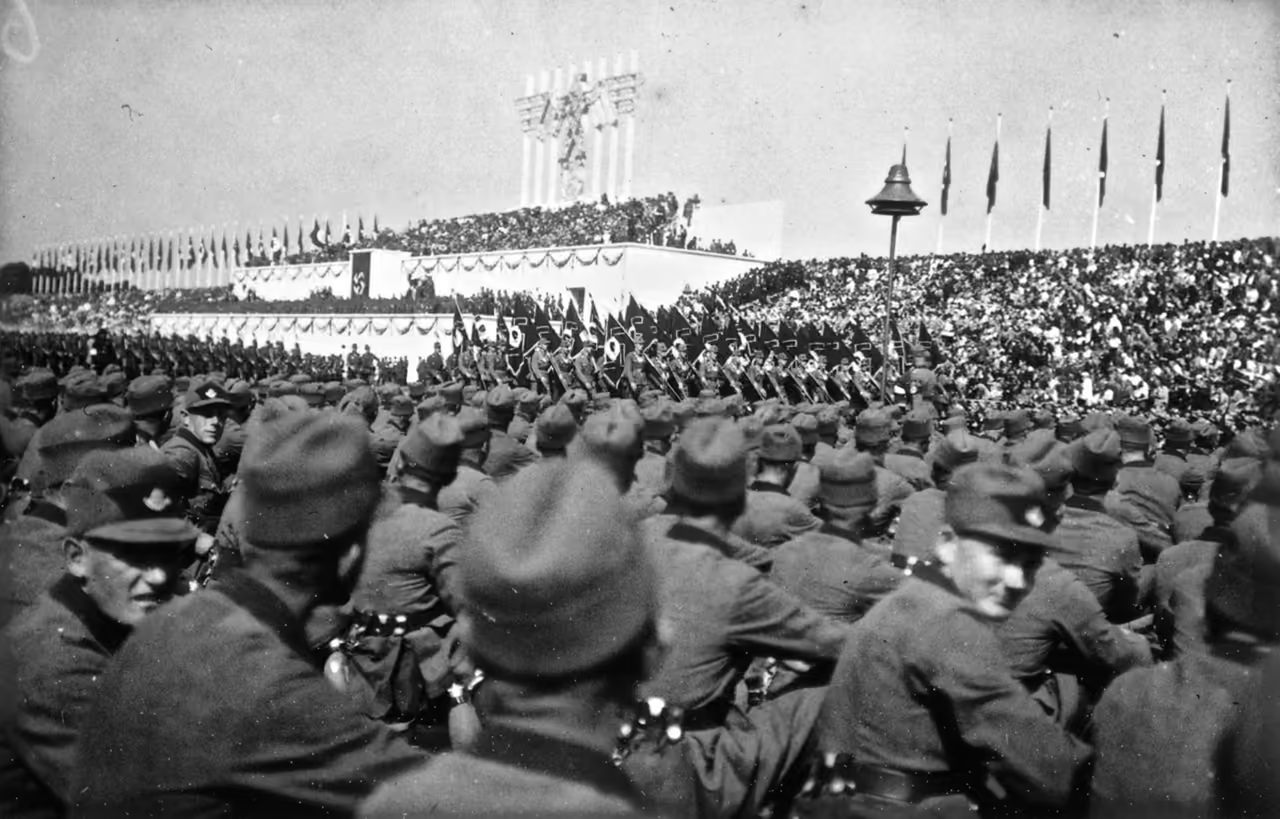
This heavy but crucial itinerary links the sites most closely associated with the city's darkest era. It moves from the massive staging grounds where the party machine mesmerized the masses to the solemn courtroom where its leaders faced international justice. The route requires taking public transport between the southern suburbs and the western justice district. It confronts the deliberate architectural manipulation used for propaganda and the subsequent legal reckoning. The journey provides an unflinching look at how a city deals with an uncomfortable legacy.
view self-guided tour
See all attractions in Nuremberg
Including Albrecht Dürer House, Germanic National Museum, Nazi Party Rally Grounds, and more