Gostenhof & Street Art
Self-Guided TourDitching the pristine medieval core, this route heads west into the city's most rapidly evolving and creative district. 'GoHo' features a high concentration of street art, independent boutiques, and third-wave coffee shops set against a backdrop of 19th-century worker housing. The walk uncovers hidden courtyards hosting pop-up galleries and small community gardens squeezed between brick facades. It highlights the modern, multicultural, and slightly gritty reality of the city. The atmosphere here feels distinctly younger and less polished than the Altstadt.
SURFACE BREAKDOWN
ELEVATION PROFILE
WHY WE LOVE THIS ROUTE
It provides a vital counter-narrative to the medieval tourist trail, showcasing the city's dynamic, modern, and creative urban culture.
KNOW BEFORE YOU GO
- • Check local listings for open studio days at the 'Auf AEG' complex, which occur frequently.
- • Take the U-Bahn line U1 to the Gostenhof station to begin the walk.
- 1ATTRACTION
Palace of Justice
JUSTIZPALASTThe massive legal complex borders the district, providing a stark, heavy contrast to the colourful street art nearby. The imposing architecture grounds the alternative neighbourhood in serious historical weight.
to next stop - 2WAYPOINT
Bärenschanze Area
BÄRENSCHANZEQuiet, leafy residential streets intersect with small corner cafes and independent art studios. The architecture consists largely of sturdy, late 19th-century apartment blocks adorned with subtle Art Nouveau details.
FULL PLACE DETAILS
OVERVIEW & STATS
- Elevation
- 305 m
to next stop - 3NIGHTLIFE
Gostenhof Main Street
GOSTENHOF HAUPTSTRASSEA busy thoroughfare lined with Turkish bakeries, vintage clothing stores, and small record shops sets the tone for the neighbourhood. Colourful murals cover the sides of buildings waiting to be renovated.
FULL PLACE DETAILS
OVERVIEW & STATS
- Elevation
- 315 m
Other Self-Guided Tours
Check out other routes in Nuremberg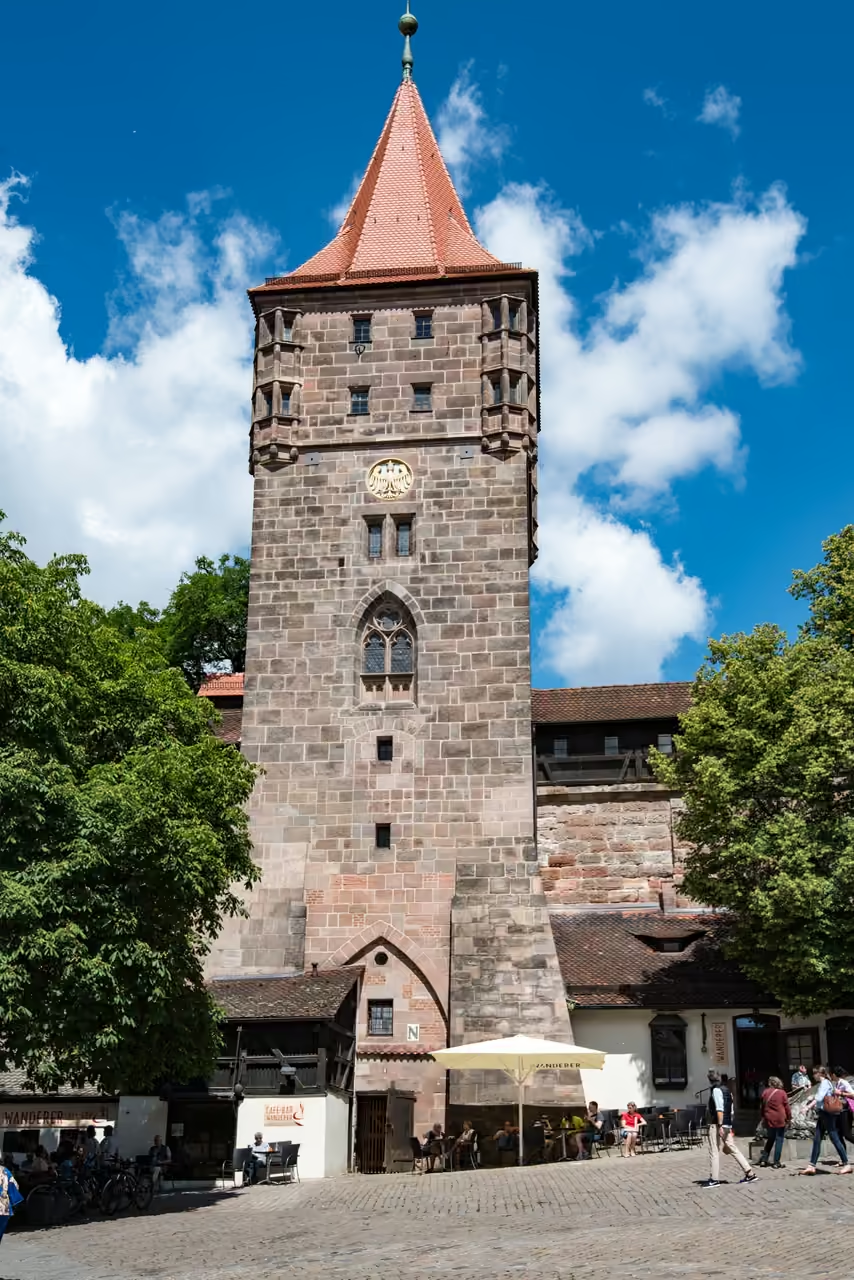
Dürer Art Trail
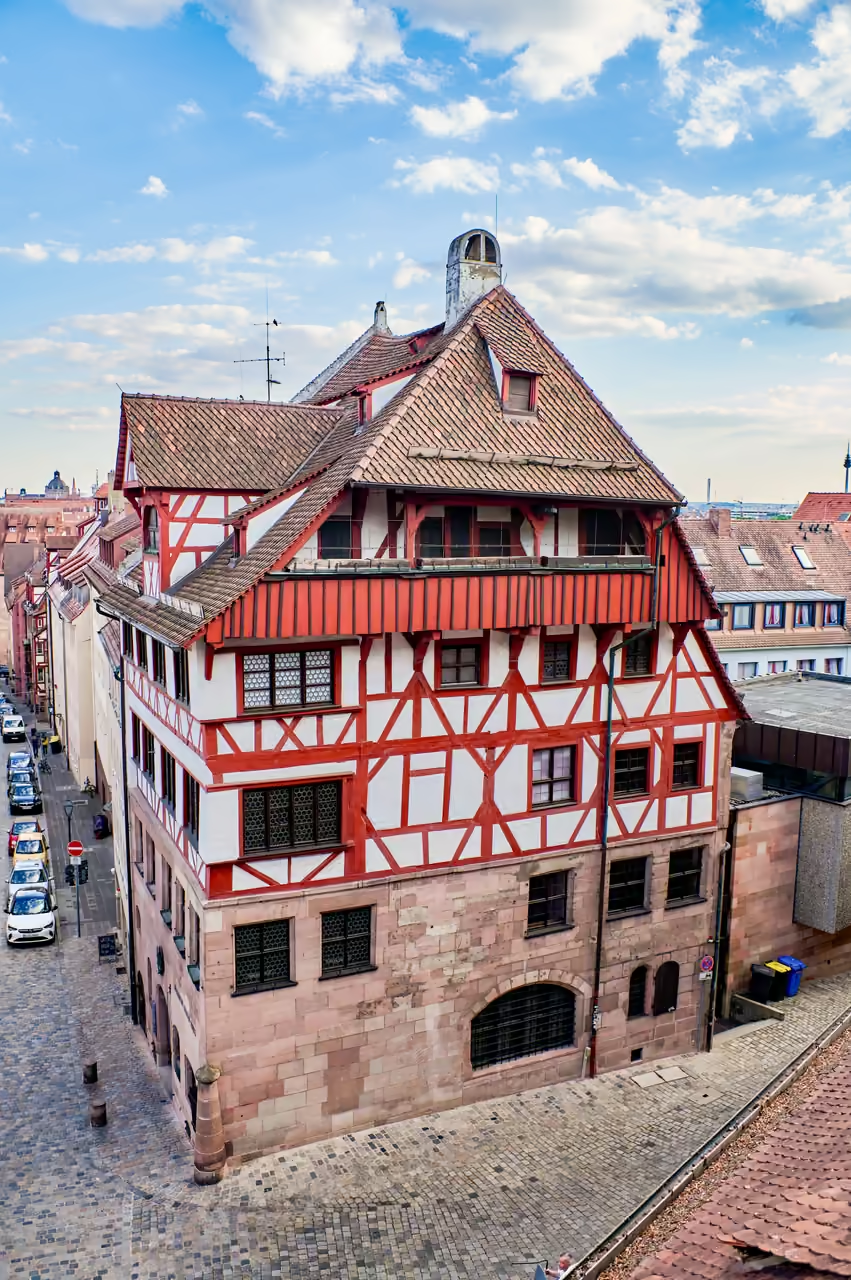
Tracing the footsteps of the city's most famous son, this route uncovers the environment that shaped the Northern Renaissance. The walk connects the heavily fortified northern district where Dürer lived with the churches and civic buildings that commissioned his work. It highlights the transition from late Gothic artisanship to the humanist ideals that swept through the city in the early 1500s. The path climbs steep, cobbled streets, peering into hidden courtyards that have barely changed since the 16th century. It offers a deep dive into the artistic wealth of the Free Imperial City.
view route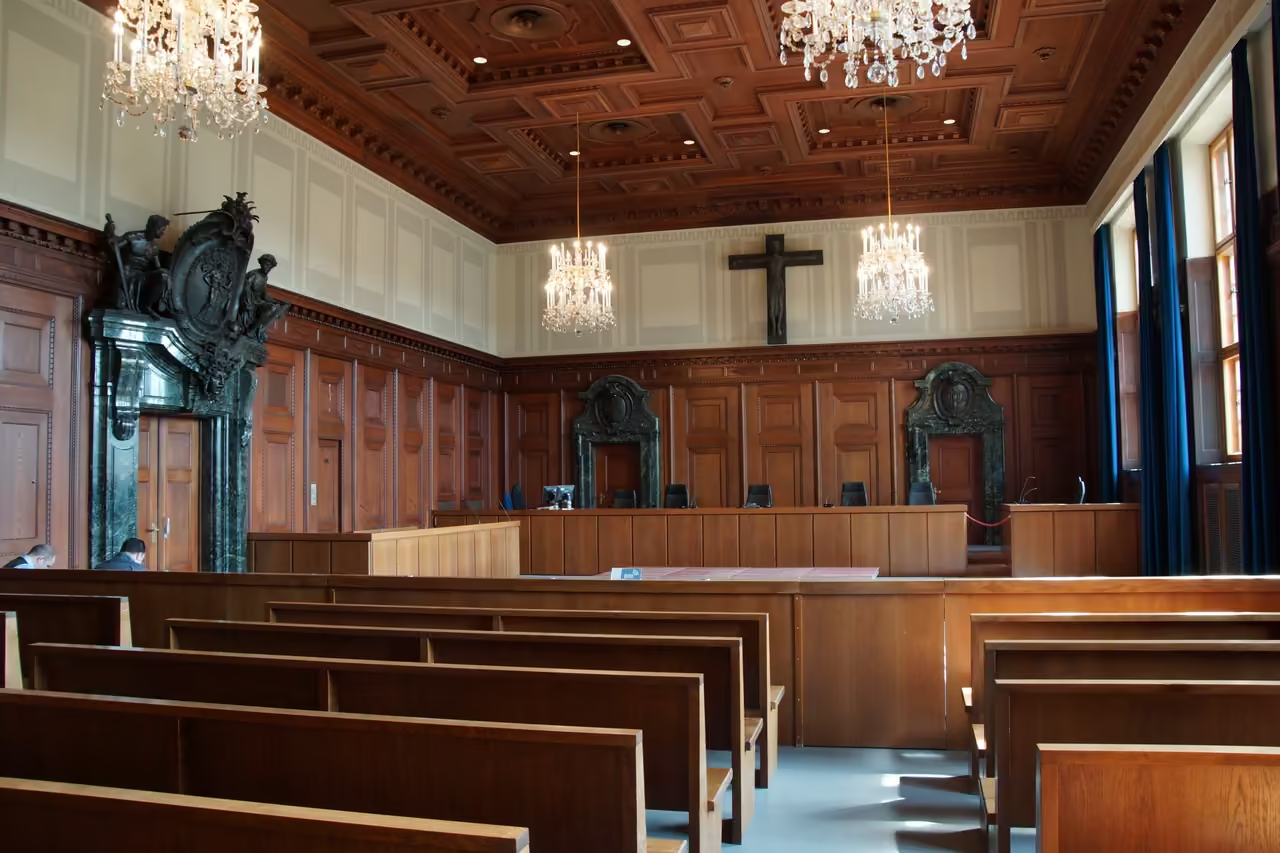
Third Reich & Nuremberg Trials
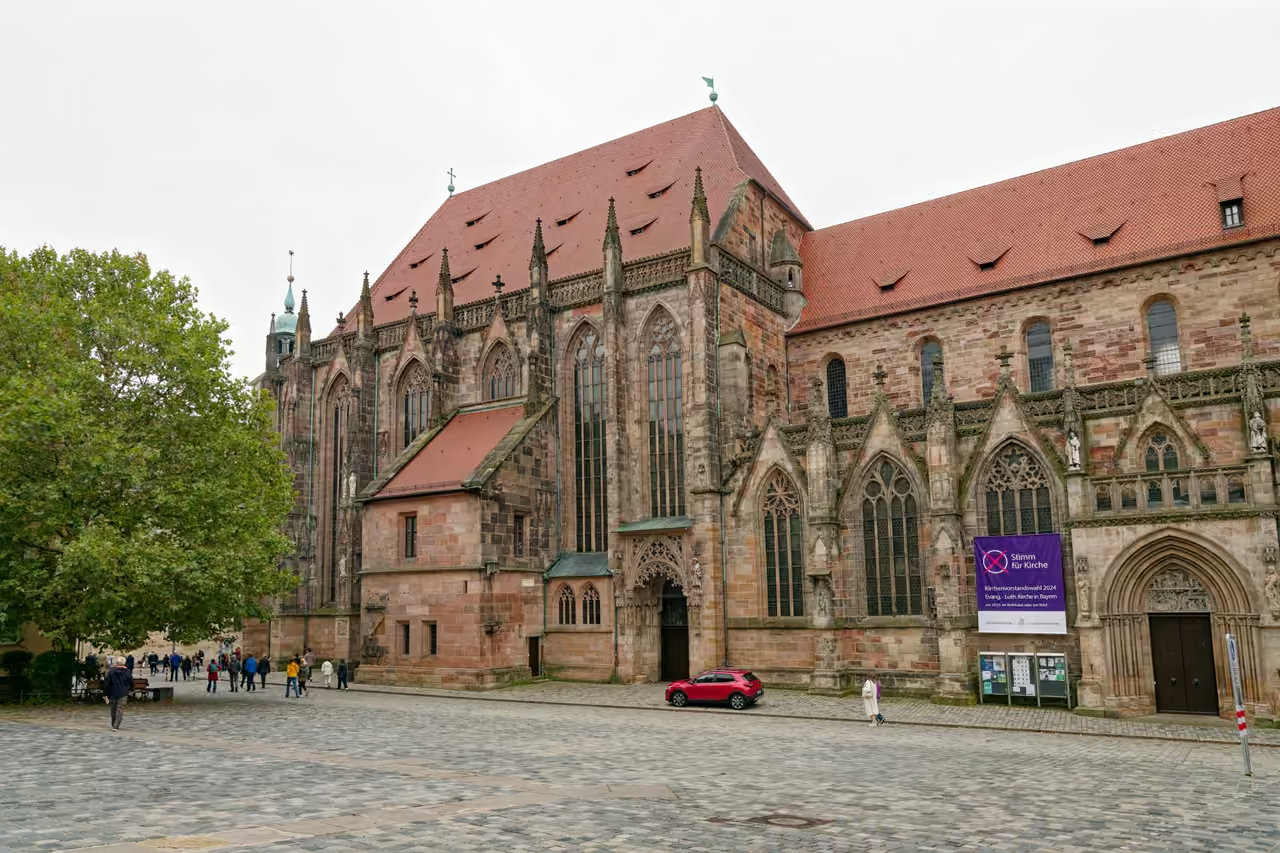
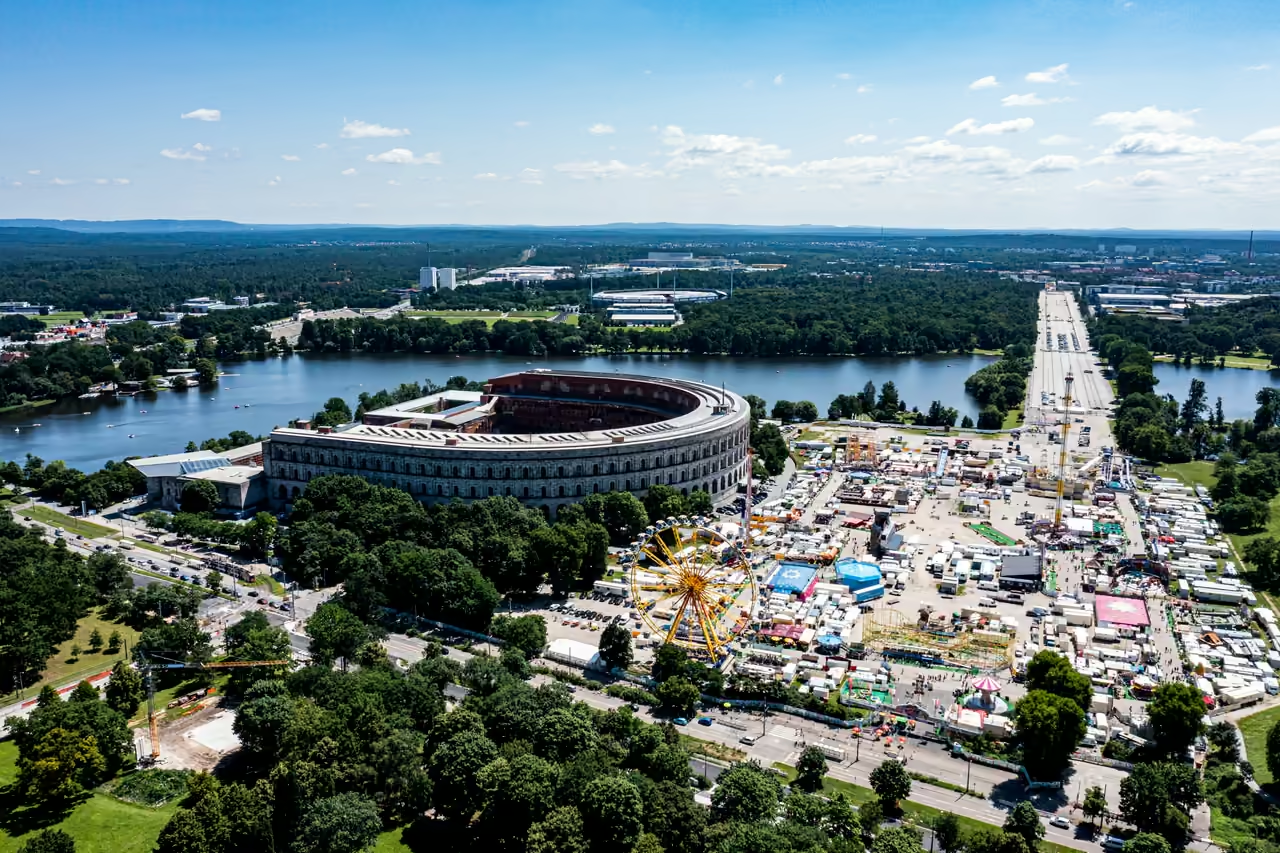
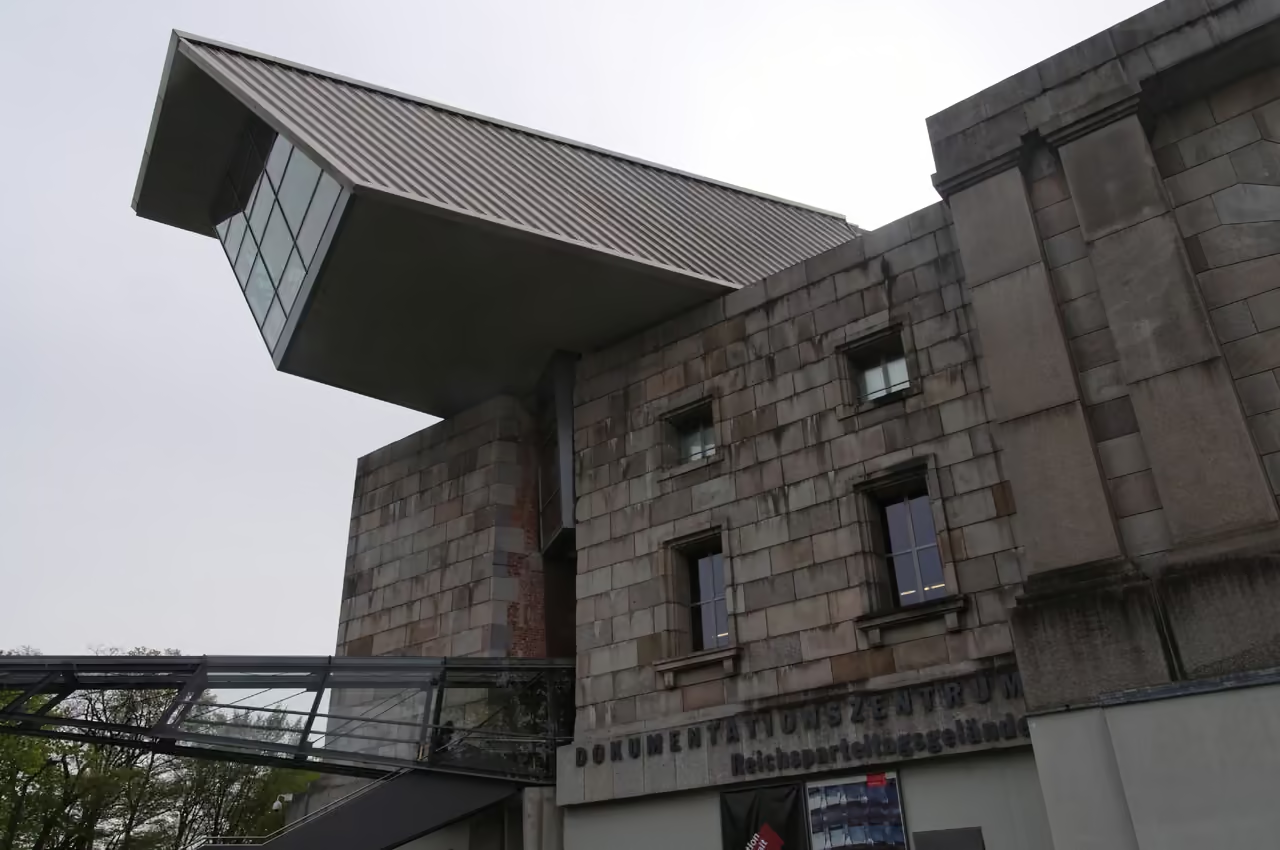
This heavy but crucial itinerary links the sites most closely associated with the city's darkest era. It moves from the massive staging grounds where the party machine mesmerized the masses to the solemn courtroom where its leaders faced international justice. The route requires taking public transport between the southern suburbs and the western justice district. It confronts the deliberate architectural manipulation used for propaganda and the subsequent legal reckoning. The journey provides an unflinching look at how a city deals with an uncomfortable legacy.
view route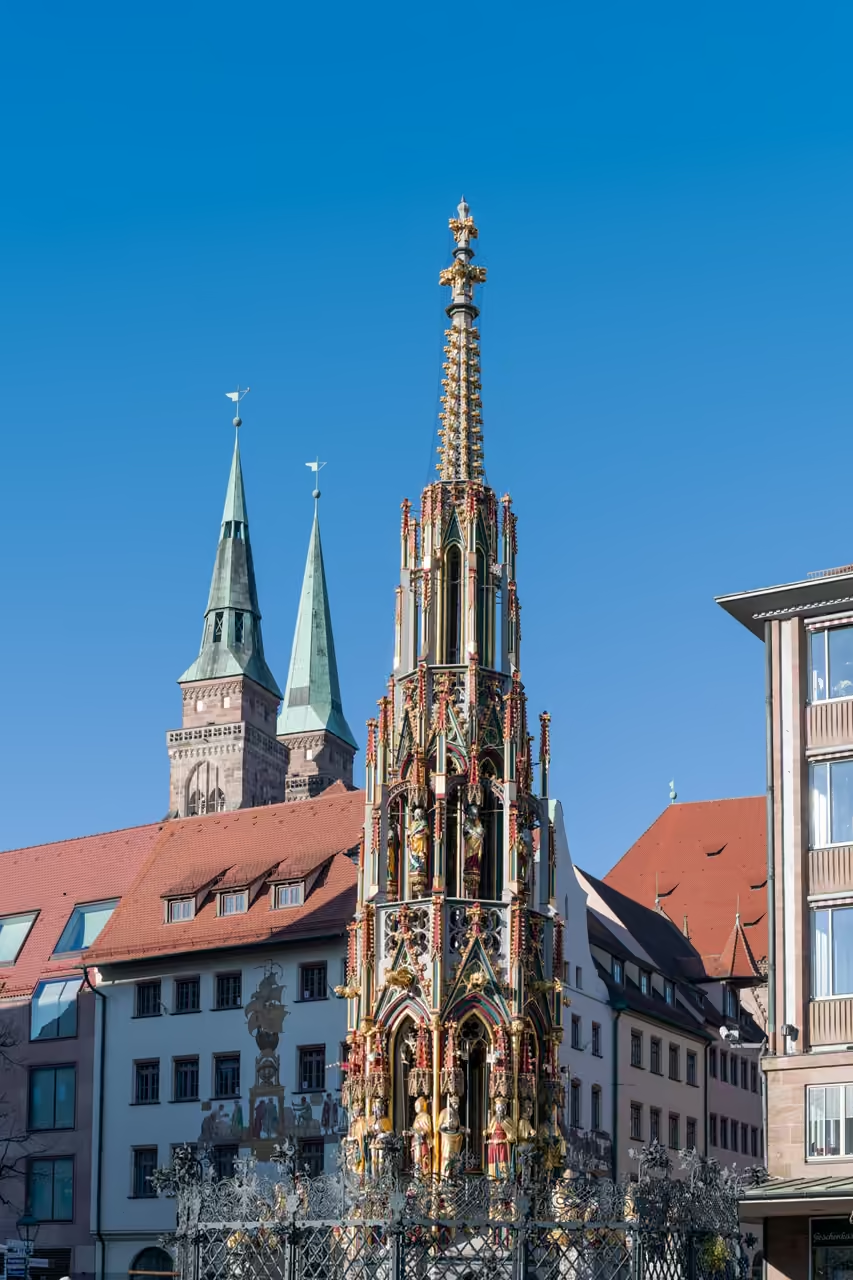
Medieval Merchants & Civic Power
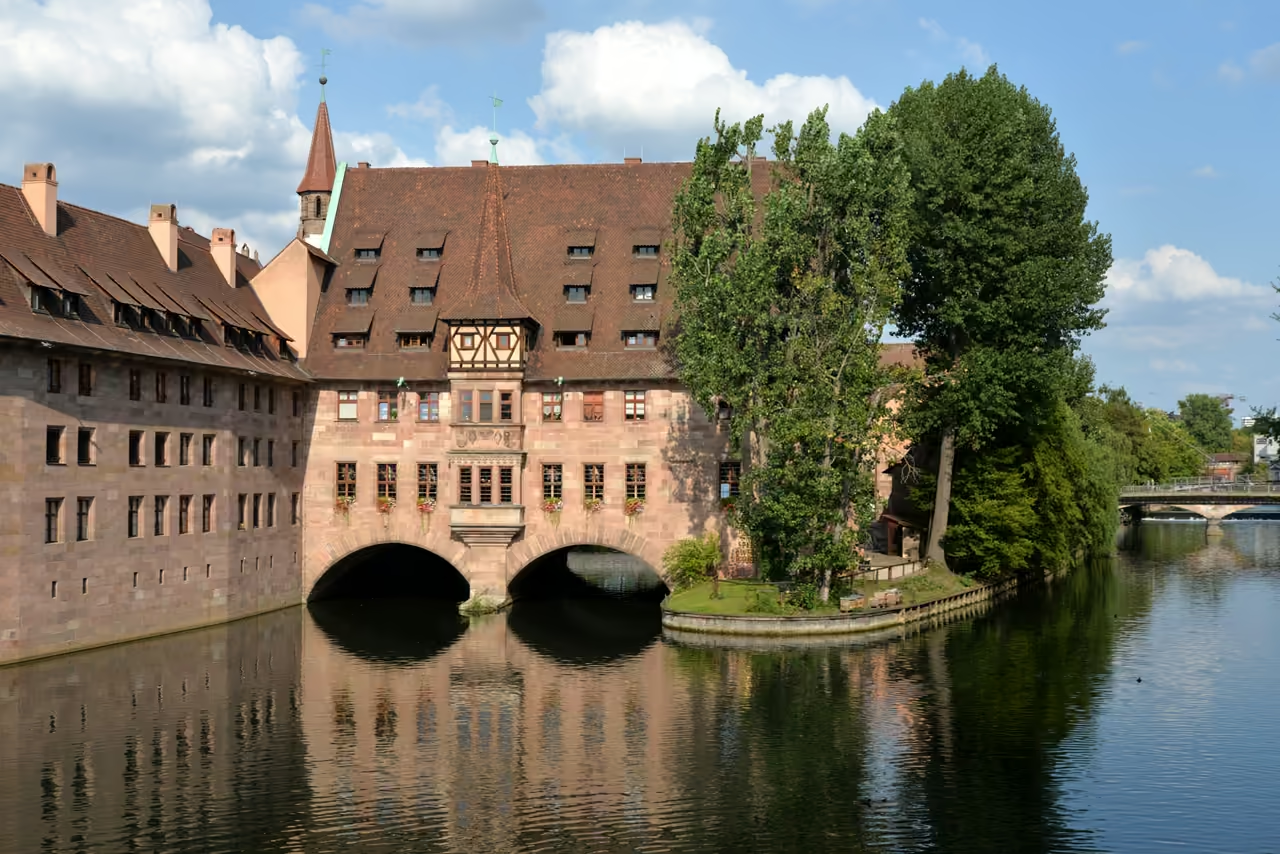
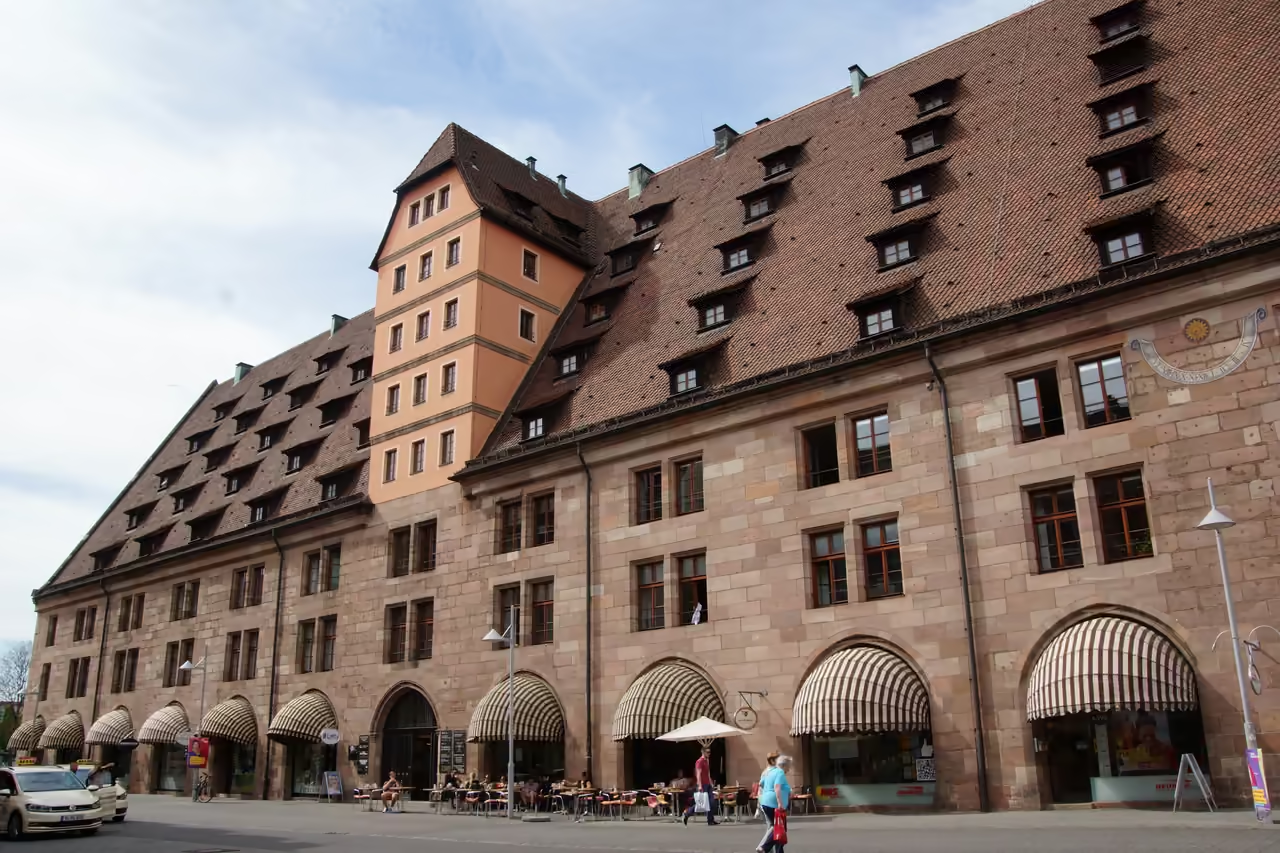
Focusing on the civic and economic power of the Free Imperial City, this route highlights the wealth that built the old town. It skirts the river, exploring the massive storehouses and defensive towers that protected the lucrative trade routes. The walk reveals how patrician families spent their fortunes on monumental churches, civic fountains, and fortified bridges. The sandstone architecture tells a story of civic pride and independence from the nobility residing in the castle above. It captures the essence of a booming Renaissance metropolis.
view route
Alternative Ways to Tour the City
Switch your pace. Discover curated routes by bike, foot, or self-guided exploration.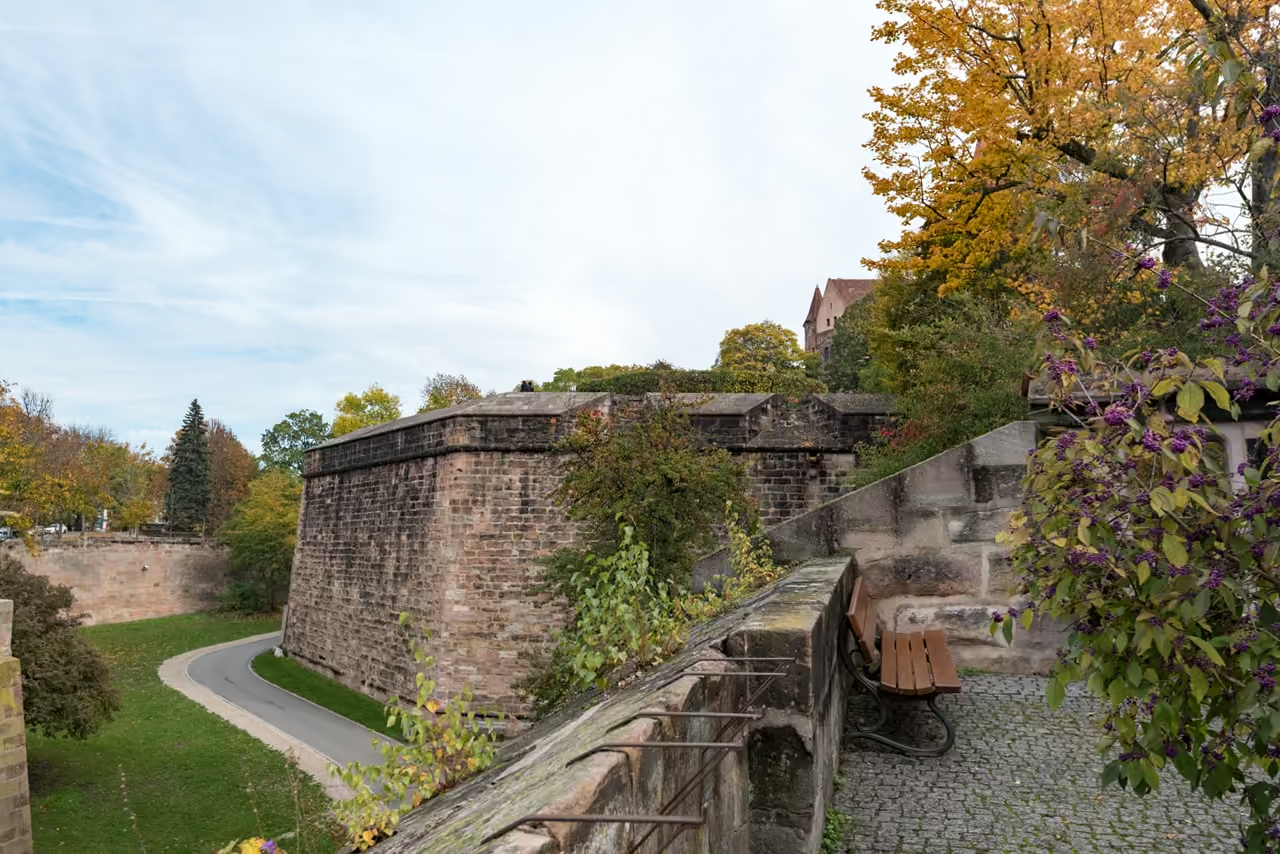
Medieval City Walls & Moat
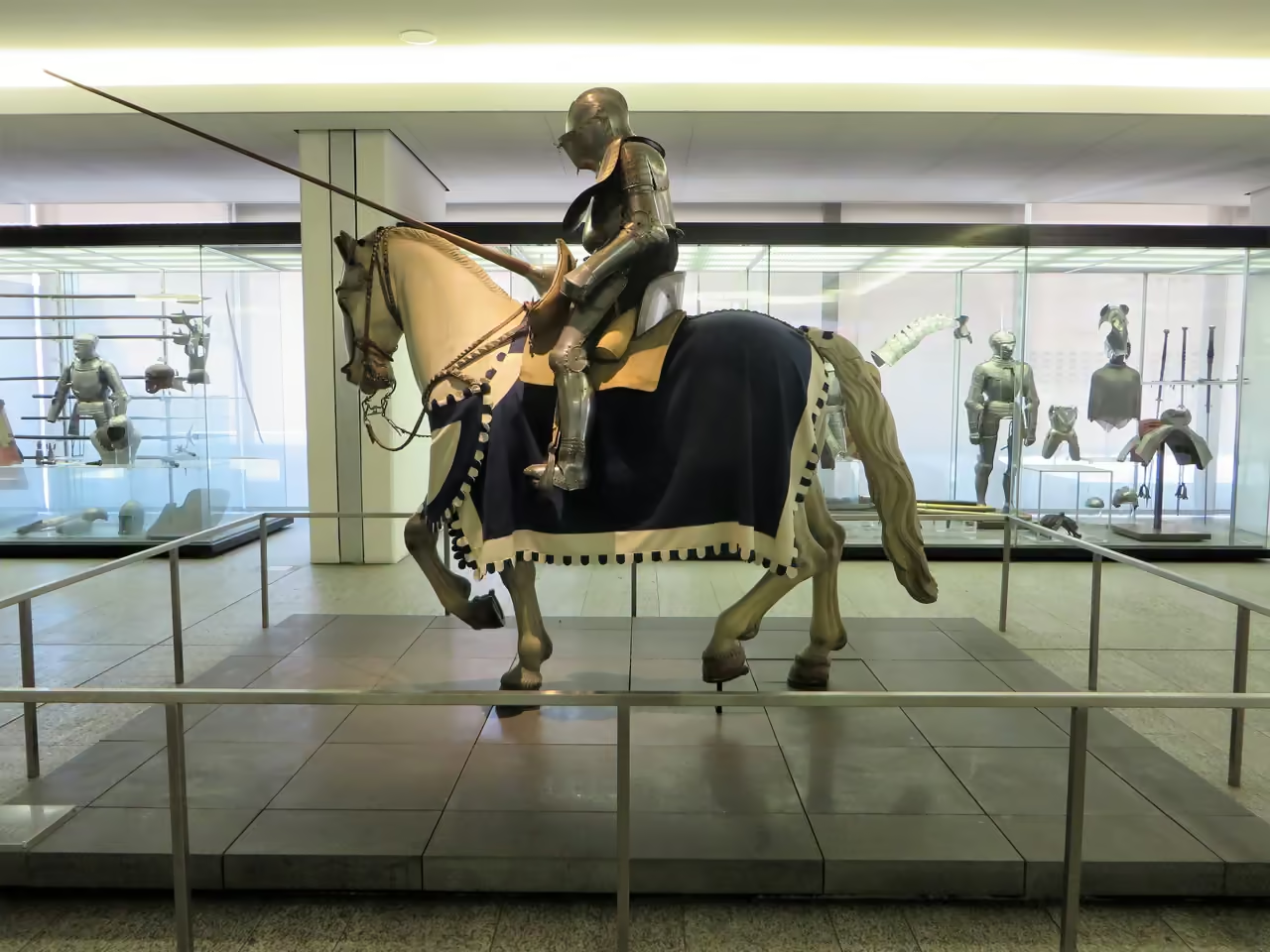
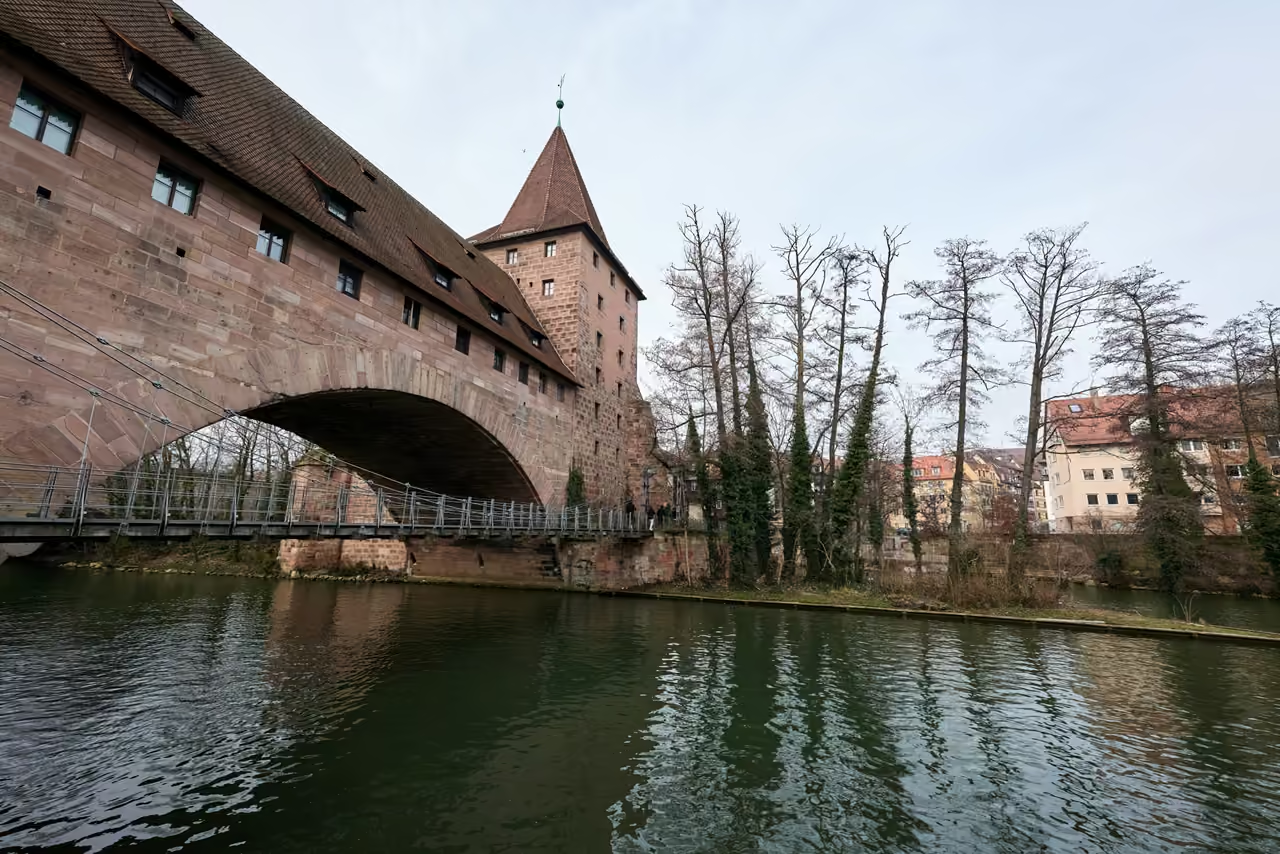
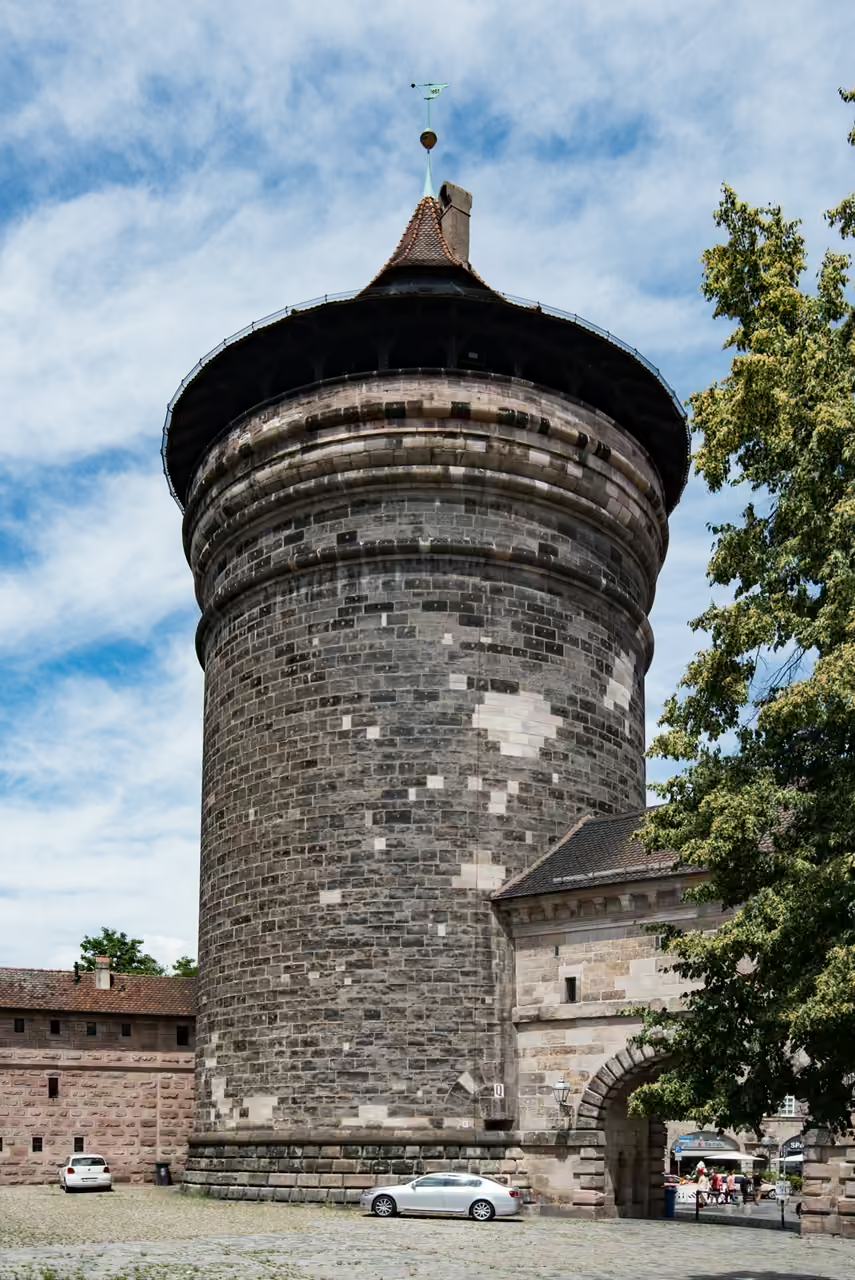
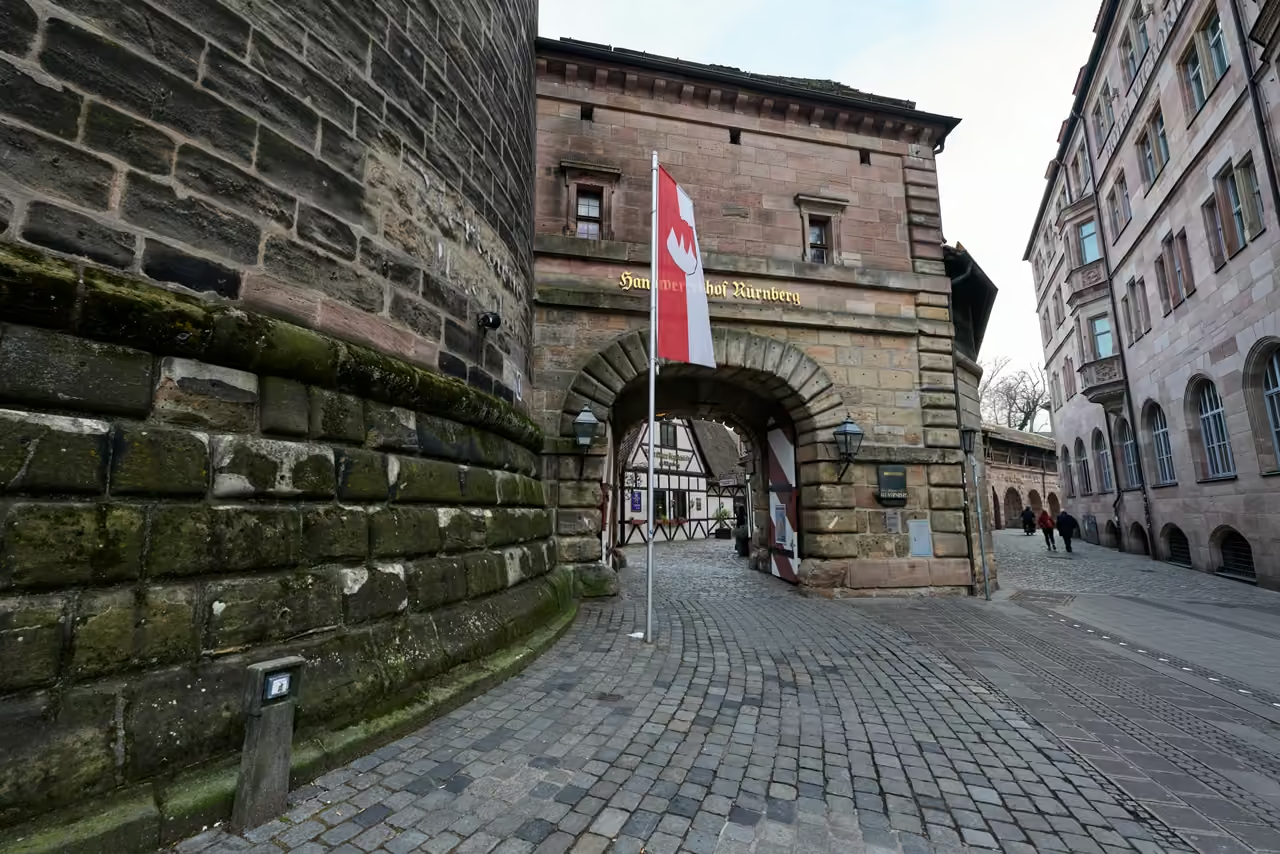
Tracing the perimeter of the medieval core, this path follows the remarkably preserved sandstone fortifications. The walk weaves between heavy defensive towers, deep dry moats, and massive wooden gates that once protected the imperial wealth inside. Certain sections allow walkers to climb up and stroll along the elevated wooden ramparts, peering down into the old town streets. The route constantly shifts perspectives, passing the imposing opera house on one side and quiet, ivy-draped residential alleys on the other. It provides a profound sense of the city's historical scale and defensive ingenuity.
Pegnitz Meadows & River Islands
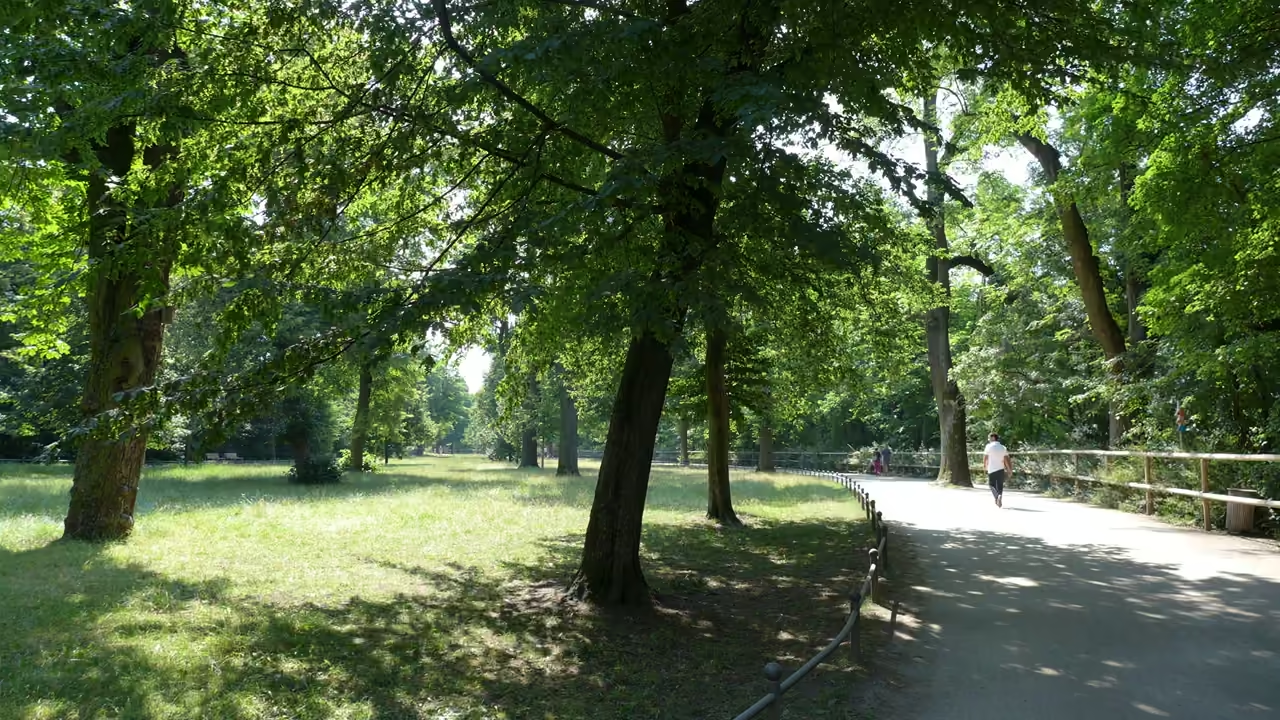
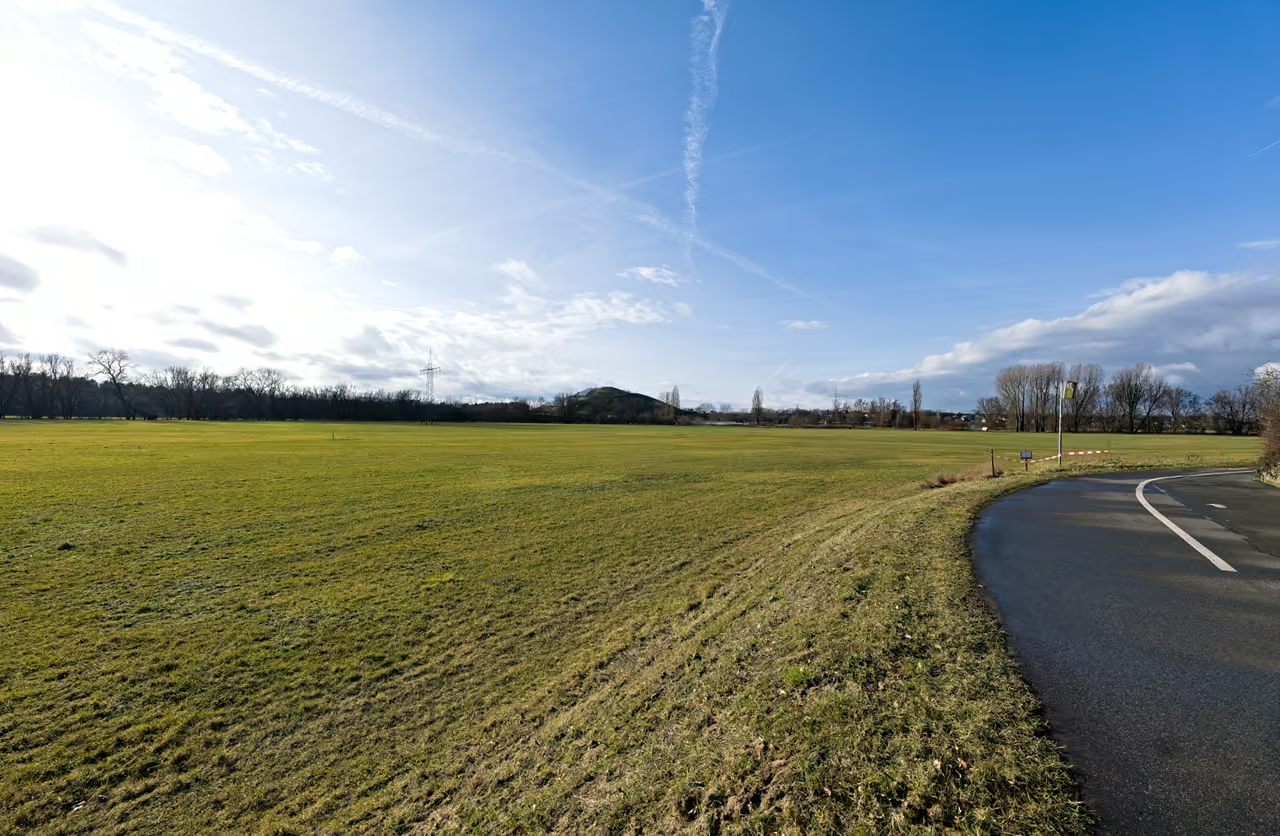
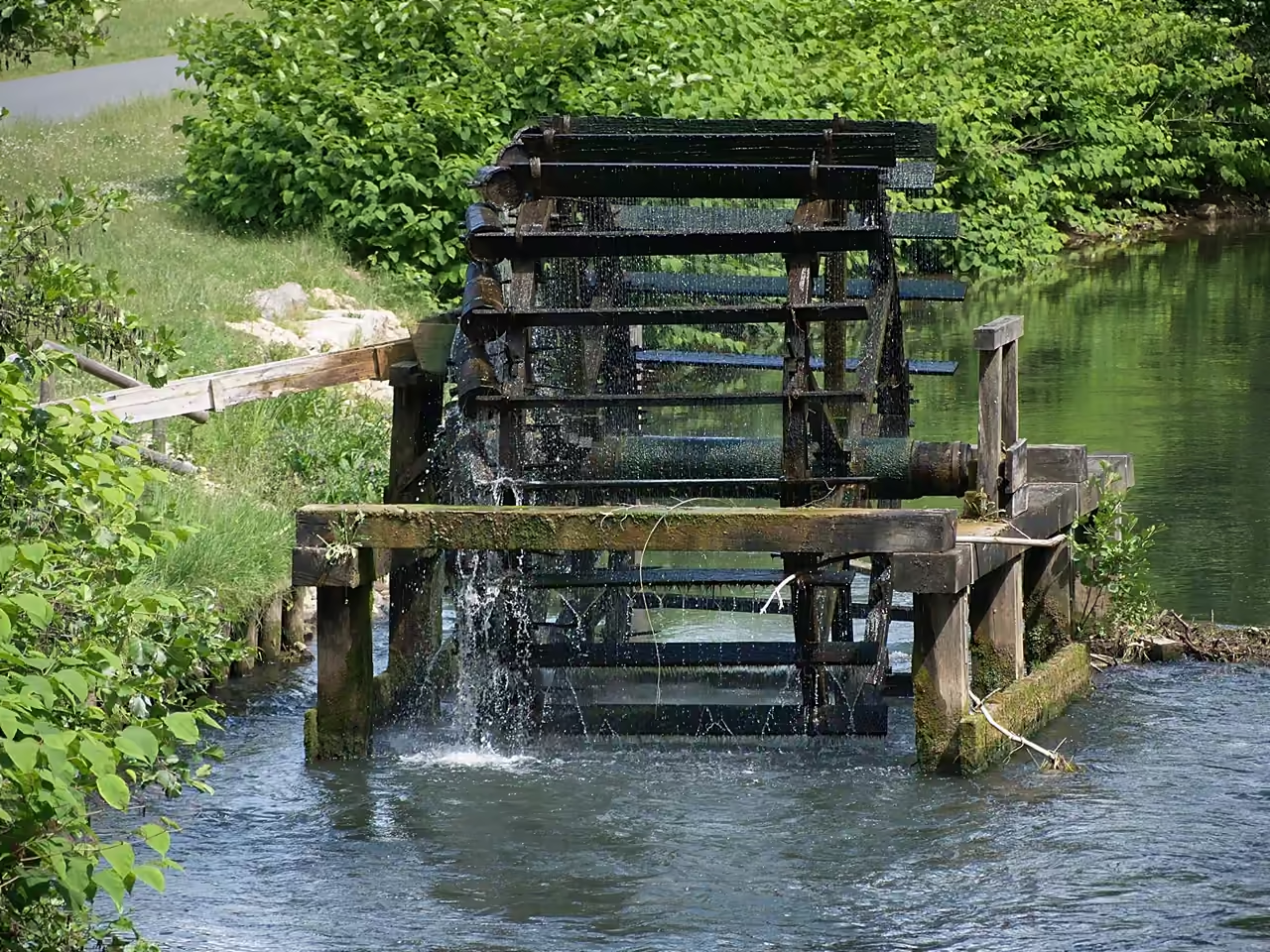
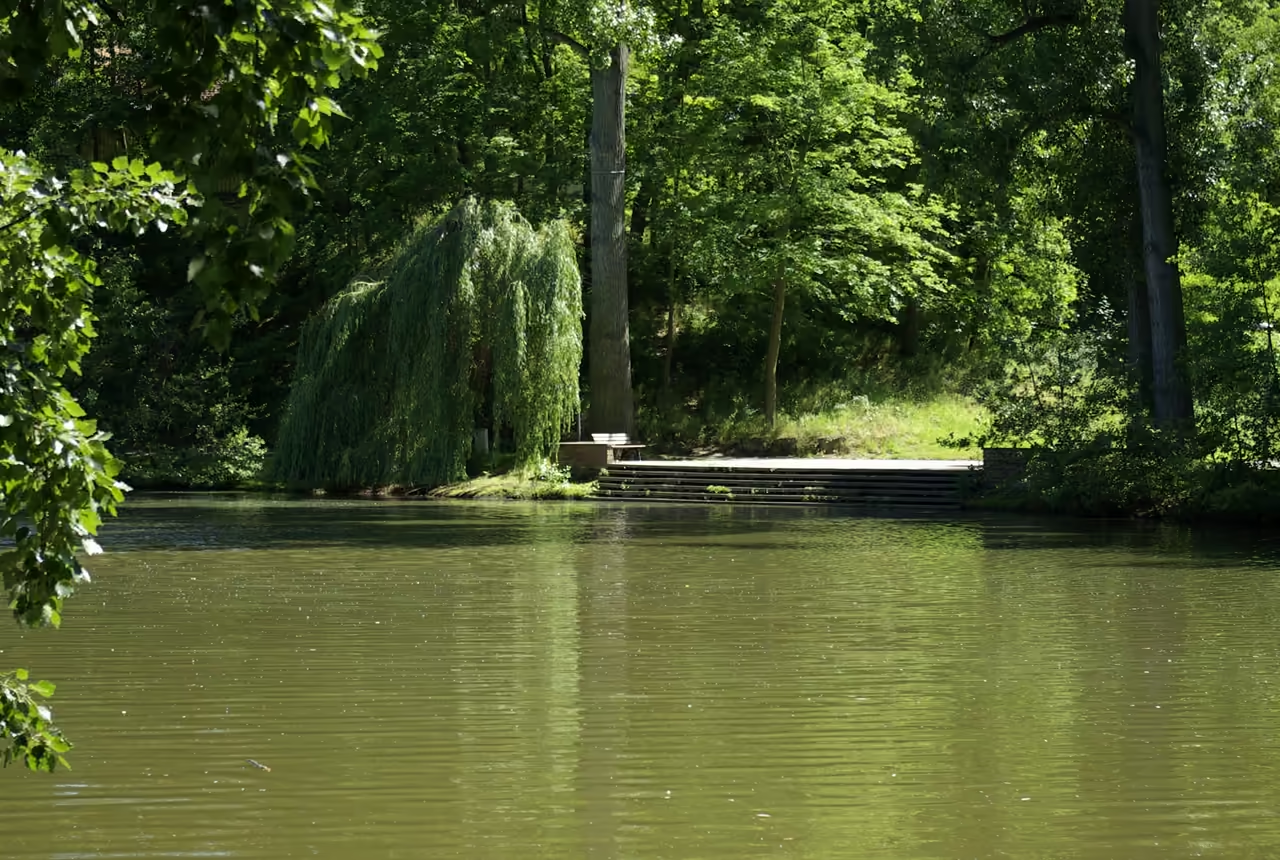
This route follows the winding course of the Pegnitz River westward out of the city centre, trading medieval stone for weeping willows and wide grassy floodplains. The paved path ducks under major roads, ensuring an almost entirely car-free experience all the way to the neighbouring city of Fürth. Cyclists share the route with joggers and dog walkers, navigating a landscape of old water wheels and small wooden footbridges. Small beer gardens pop up occasionally along the banks, providing excellent excuses to stop. The terrain remains entirely flat, making it ideal for a leisurely afternoon cruise.