Hesperides Gardens
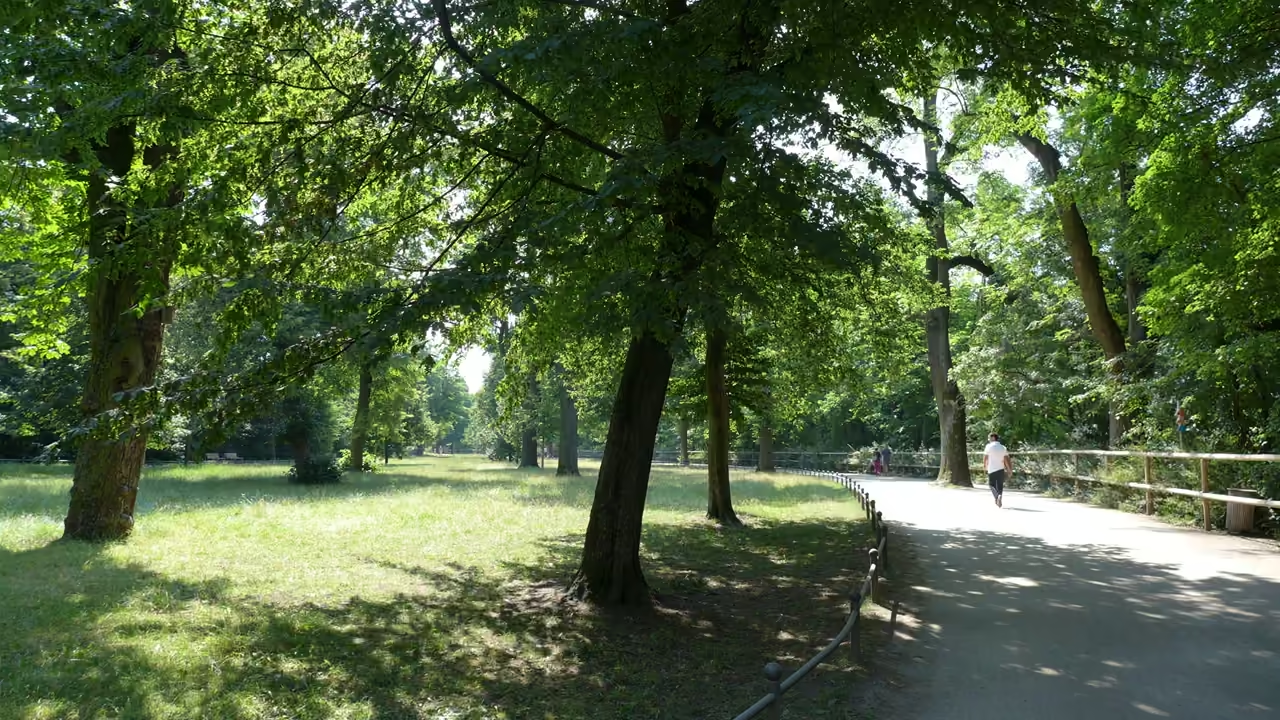
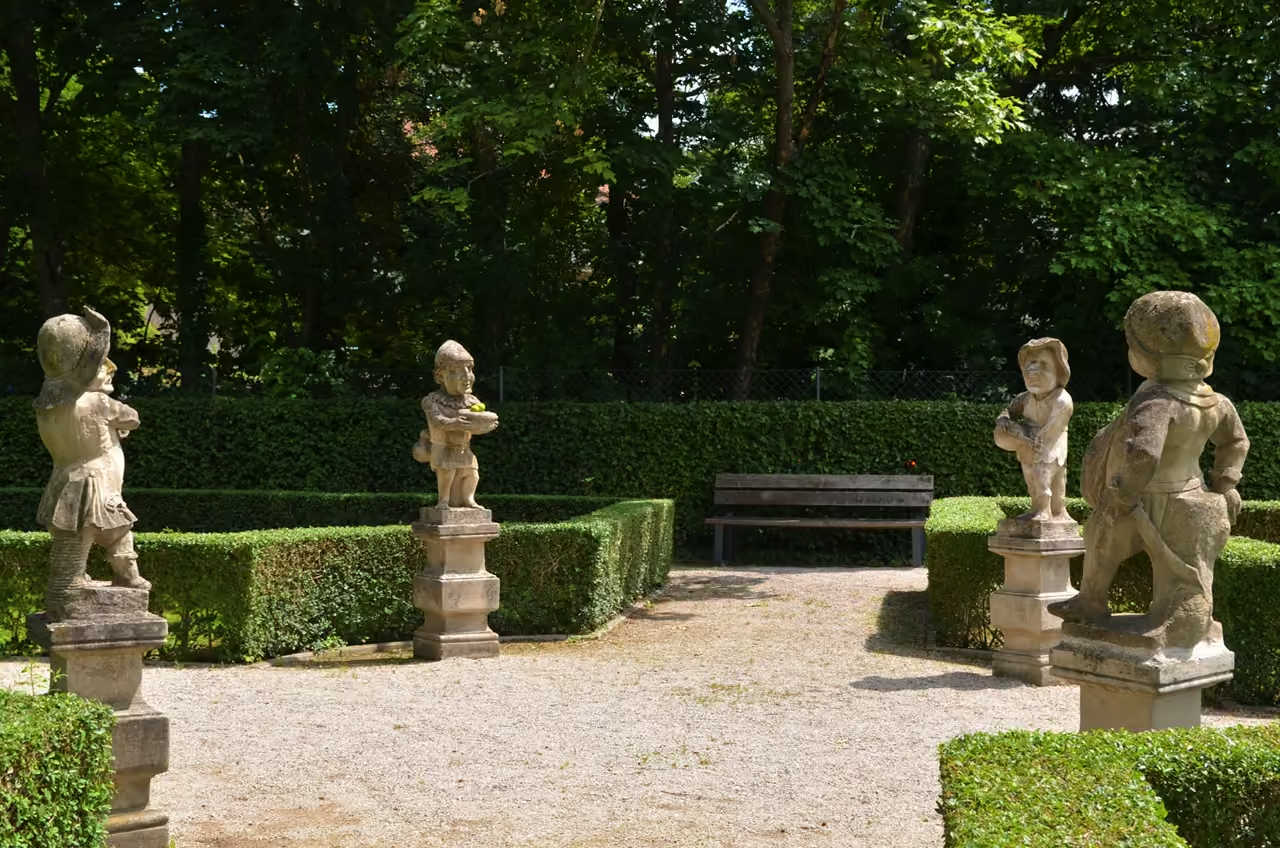
Stepping through the narrow wrought-iron gate at Johannisstraße 47 feels like trespassing on a wealthy Renaissance merchant's private daydream. These narrow strips of land were carved out centuries ago by local patricians desperate for Mediterranean warmth in the middle of cold Franconia. Symmetrical hedges and orderly gravel paths replace the modern concrete of Nuremberg. Stone nymphs watch over bubbling fountains, their faces weathered by centuries of rain. During the warmer months, heavy terracotta pots filled with bitter orange and lemon trees line the walkways. The scent of citrus hangs heavily in the air near the old brick summer house, completely masking the exhaust fumes of the nearby ring road.
Videos
History of Hesperides Gardens
Space inside Nuremberg's medieval walls ran out in the fifteenth century. As trade surged and the population swelled, the city simply paved over its inner-city orchards and cabbage patches to make way for housing. Frustrated gardening enthusiasts and wealthy merchants had to search outside the city limits. Just outside the gates lay the Burgfrieden. This agricultural buffer zone was originally intended for defence, but wealthy families began buying up its narrow strips of land to build private outdoor escapes. These patricians traded heavily with Italy and returned home with a severe case of Italophilia. They wanted Mediterranean elegance rather than simple vegetable plots. Despite the harsh Franconian winters, they cultivated delicate lemon and bitter orange trees in heated greenhouses, dragging them out into the sun each spring. They named the area after the Greek myth of the Hesperides. According to legend, these nymphs were tasked with guarding golden apples. Renaissance scholars had decided these mythological apples were clearly citrus fruits. Johann Christoph Volkamer took this citrus craze to its absolute limit. Volkamer was a local merchant and passionate botanist who spent years obsessing over the delicate trees growing in his neighbours' plots. Between 1708 and 1714, he published Nürnbergische Hesperides, an enormous, beautifully illustrated catalogue of citrus varieties. The book essentially served as an inventory of the wealthy elite's garden obsession. It became a foundational text for European horticulture and forever cemented the mythological nickname for the St. Johannis district. Urban expansion and changing tastes eventually swallowed most of the original 360 gardens. Decades of neglect left the remaining plots overgrown and largely forgotten behind the tall apartment buildings of Johannisstraße. A major turning point occurred in the early 1980s when local citizens partnered with the municipal horticultural department to clear the brush and restore the geometric layouts. They meticulously repaired the sandstone fountains and replanted the formal boxwood hedges. Three of these rescued plots now link together behind houses 43 to 47, allowing pedestrians to walk straight through a sliver of seventeenth-century elite society.
events spanning 531 years
Fun Facts
- • High walls and private summer houses physically contained these green spaces, serving as a barrier between the chaotic new suburbs and the old town.
- • Johann Christoph Volkamer’s eighteenth-century book on these gardens is considered the very first systematic scientific description of the Citrus genus in history.
- • Over 70 percent of the gardens in Nuremberg's outer buffer zone cultivated exotic lemons and bitter oranges during the height of the landscaping craze, despite the notoriously cold Franconian winters.
- • The affluent owners modelled their landscaping entirely on Italian late-Renaissance designs. They acted as early adopters who imported the concept of the ornamental pleasure garden to Germany.
- • The land these gardens sit on was originally a heavily regulated defensive buffer zone called the Burgfrieden, where medieval peasants farmed right up against the city palisades.
- • The original golden apples of Greek myth were reinterpreted by Renaissance scholars as citrus fruits, giving these Nuremberg plots their grandiose mythological title.
- • The surviving green spaces are shaped like elongated towels because they were originally carved out of medieval vineyard terraces and parcelled off piece by piece to the city elite.
- • Three distinct garden plots behind houses 43 to 47 on Johannisstraße were physically linked together during the 1980s restoration so modern pedestrians could pass through them seamlessly.
Hesperides Gardens Map & Neighborhood Explorer
This interactive map is centered on Hesperides Gardens. Zoom in and move the map around to automatically discover Wikipedia photos and summaries of other nearby sights, monuments, and historical points of interest and stories in real-time!
Hesperides Gardens FAQ
While we strive to keep this information accurate and up to date, we recommend verifying any details independently before making decisions based on them.
Places near Hesperides Gardens
Make the most of your trip. Check out these top-rated spots located nearby.
 217m
St. John's Cemetery
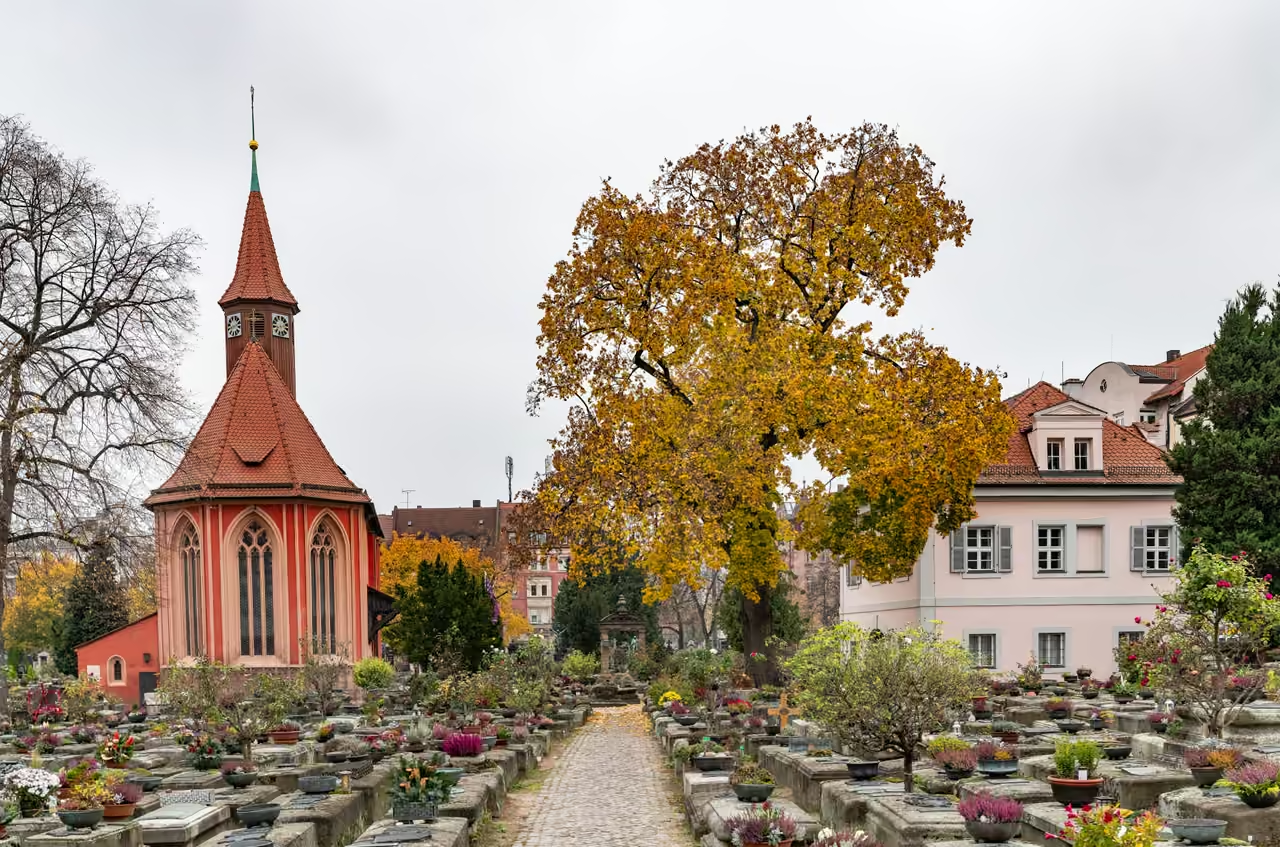
Unlike vertical, crowded graveyards, this incredibly peaceful cemetery features hundreds of heavy, uniform sandstone blocks lying flat on the ground. Wealthy patricians established it outside the medieval walls to prevent disease from spreading within the cramped city. Almost every grave features a highly detailed, cast-bronze epitaph, showcasing the city's historical mastery of metalwork. Massive, blooming rose bushes engulf the stones during the summer months, adding vibrant colour to the solemn atmosphere. It serves as the final resting place for the city's most prominent figures, including artist Albrecht Dürer.
hidden gem view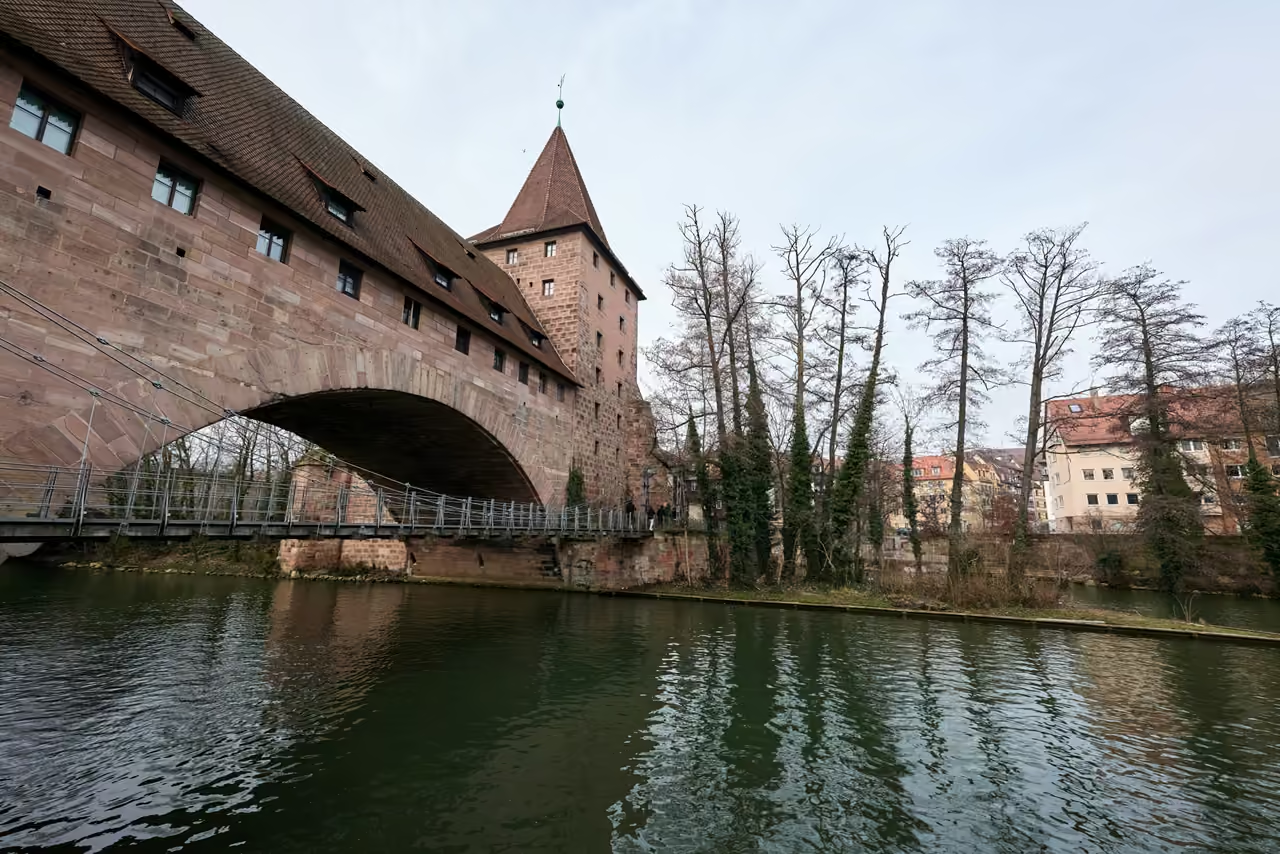 655m
Chain Bridge
Constructed in 1824, this narrow iron suspension footbridge hangs low over the Pegnitz river right at the western edge of the defensive walls. It represents the oldest surviving iron chain bridge on the European continent, marking the city's early, aggressive pivot toward the industrial revolution. The dark metal structure provides a sharp, mechanical contrast to the heavy sandstone towers flanking it. The wooden planks rattle loudly under the weight of passing cyclists and pedestrians.
architecture view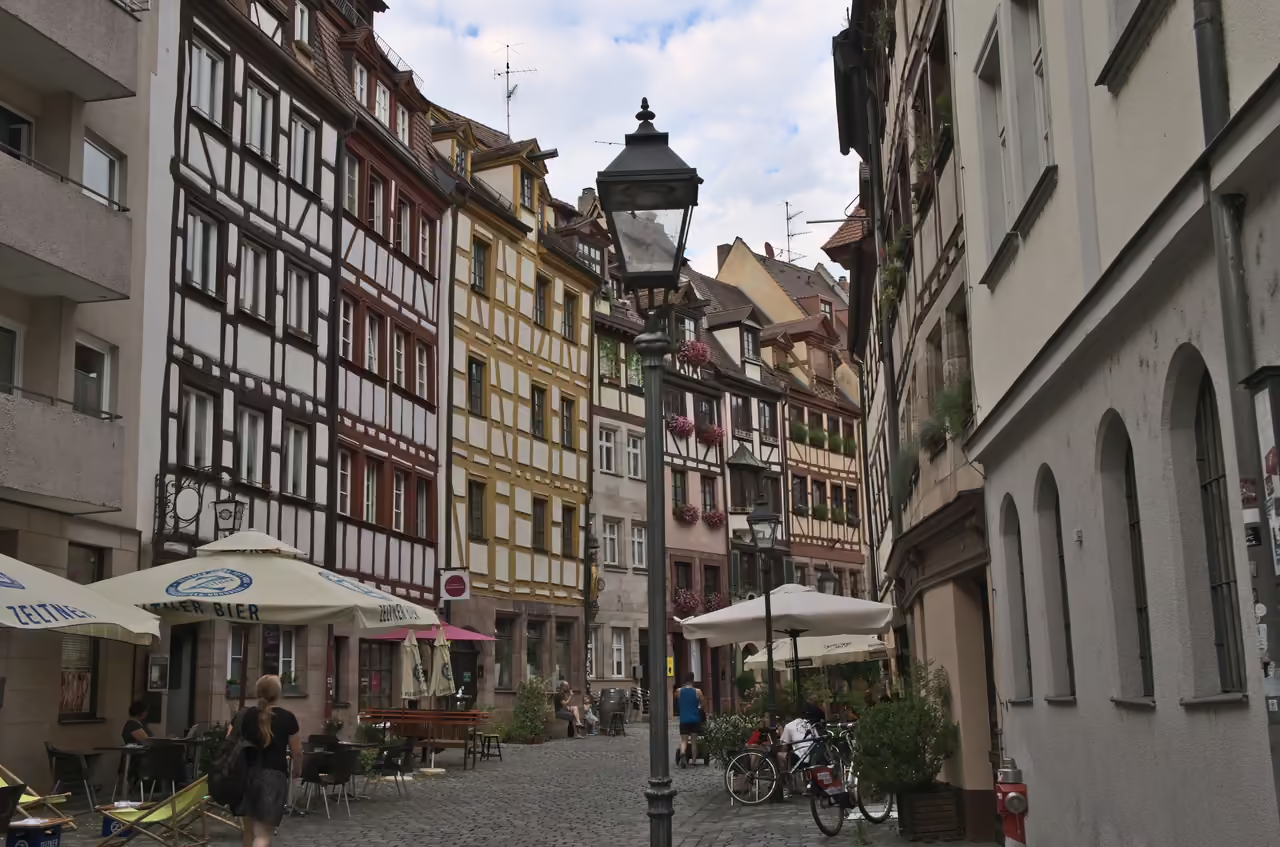 758m
Wander Tanners' Lane
Strolling down this gently curving cobblestone street offers the most authentic glimpse of the pre-war city architecture available. Dozens of brightly painted, intricately carved half-timbered houses lean slightly outward over the pavement. The lack of modern facades creates an immersive historical atmosphere, perfect for photography. Admiring the detailed craftsmanship of the wooden beams and oriel windows costs absolutely nothing.
free thing to do view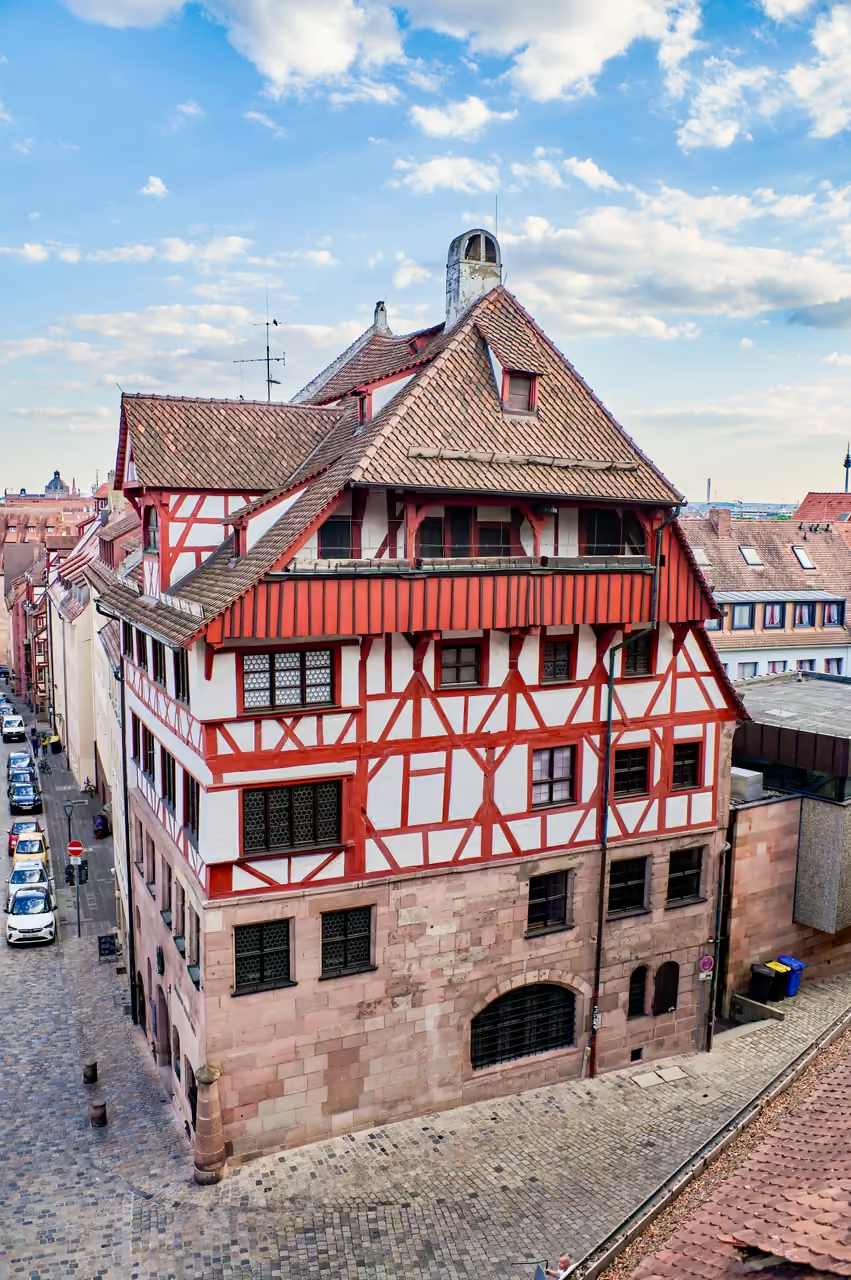 780m
Albrecht Dürer House
Step inside the Albrecht Dürer House and walk the very floors where Germany's most celebrated Renaissance artist lived and worked. This beautifully preserved medieval home, dating back to 1420, offers an intimate glimpse into the world of Albrecht Dürer, his family, and his apprentices during the 16th century. Explore his living quarters, imagine the bustle of his workshop, and witness demonstrations of historical printing techniques. The house itself is a survivor, having remarkably withstood the ravages of World War II, a testament to its enduring legacy. Perched near the historic Tiergärtnertorplatz, with views towards the Kaiserburg, it’s a portal to Nuremberg’s golden age and Dürer’s profound artistic impact.
attraction view
Featured on These Itineraries and Routes


5 Days in Nuremberg
A full working week allows visitors to treat the city like a local, diving into highly specific museums and exploring the outer green belts. The schedule incorporates deep dives into the transport history and hidden patrician gardens that most tourists never see. It factors in time for long walks along the Pegnitz river and cycling trips into the vast eastern forests. The itinerary assumes a desire to experience the quiet, residential pockets of the city alongside the major monuments. This timeline transforms a rushed sightseeing trip into a relaxed cultural immersion.
view itinerary
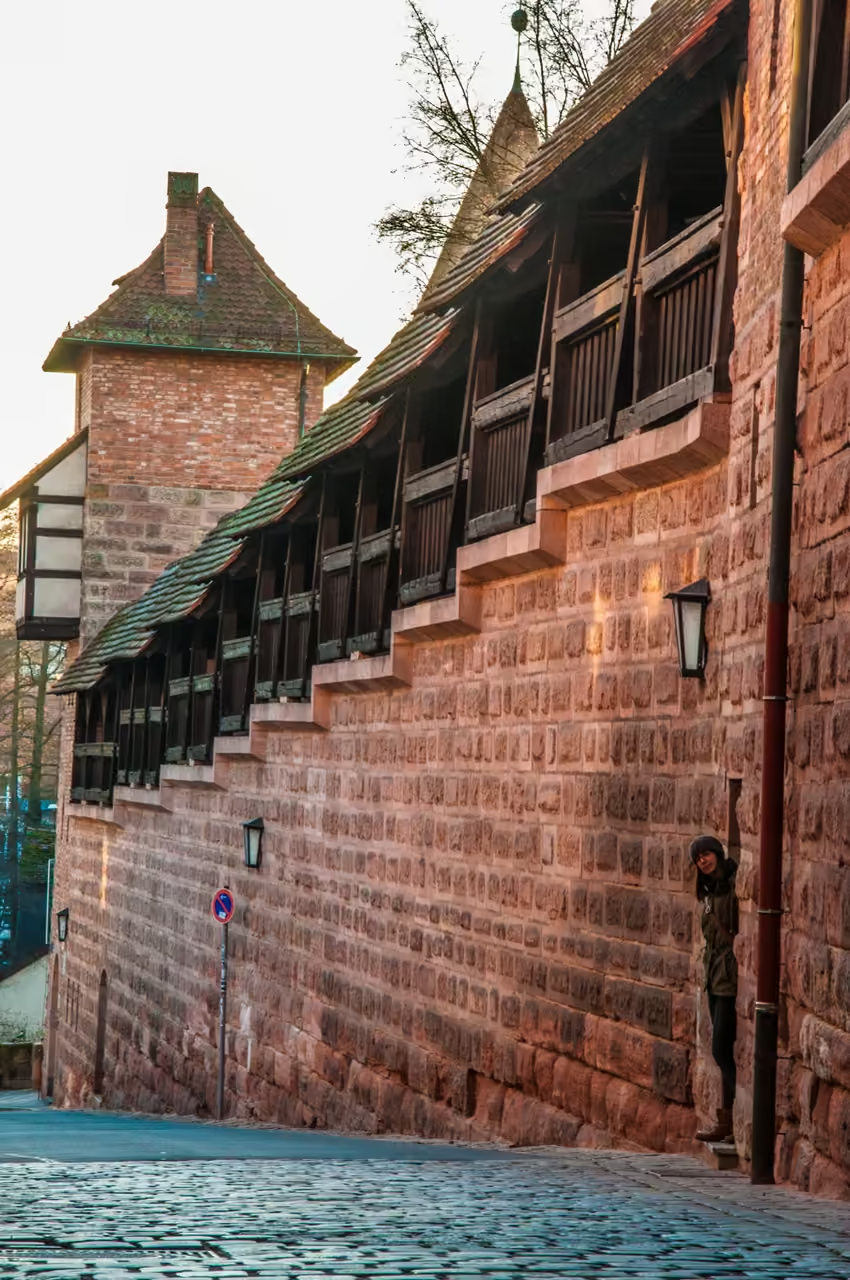
Tanners' Lane & St. Johannis Gardens
Leaving the intense half-timbered charm of the old town's most famous alley, this route pushes west through the city gates into a historic suburb. The narrow Tanners' Lane gives way to the open green spaces of the Hallerwiese park, tracing the river briefly before turning slightly north. The destination is a district historically reserved for cemeteries and summer gardens, escaping the cramped conditions inside the walls. Hidden behind unassuming stone walls are meticulous baroque gardens filled with citrus trees and statues. It provides a quiet, leafy contrast to the dense stone of the centre.
view walking route
See all nature & parks in Nuremberg
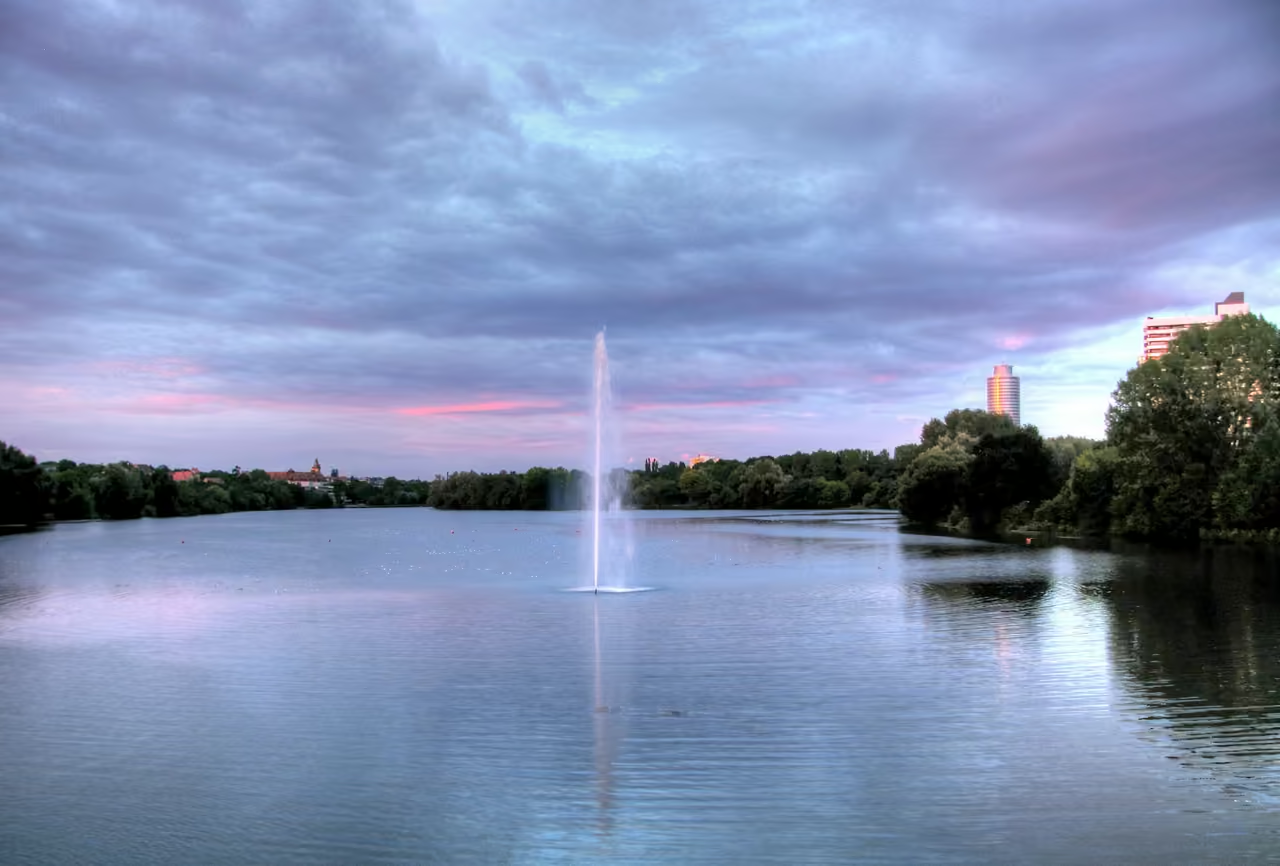
Including City Park, Lake Wöhrd, Luitpold Grove, and more