Albrecht Dürer House
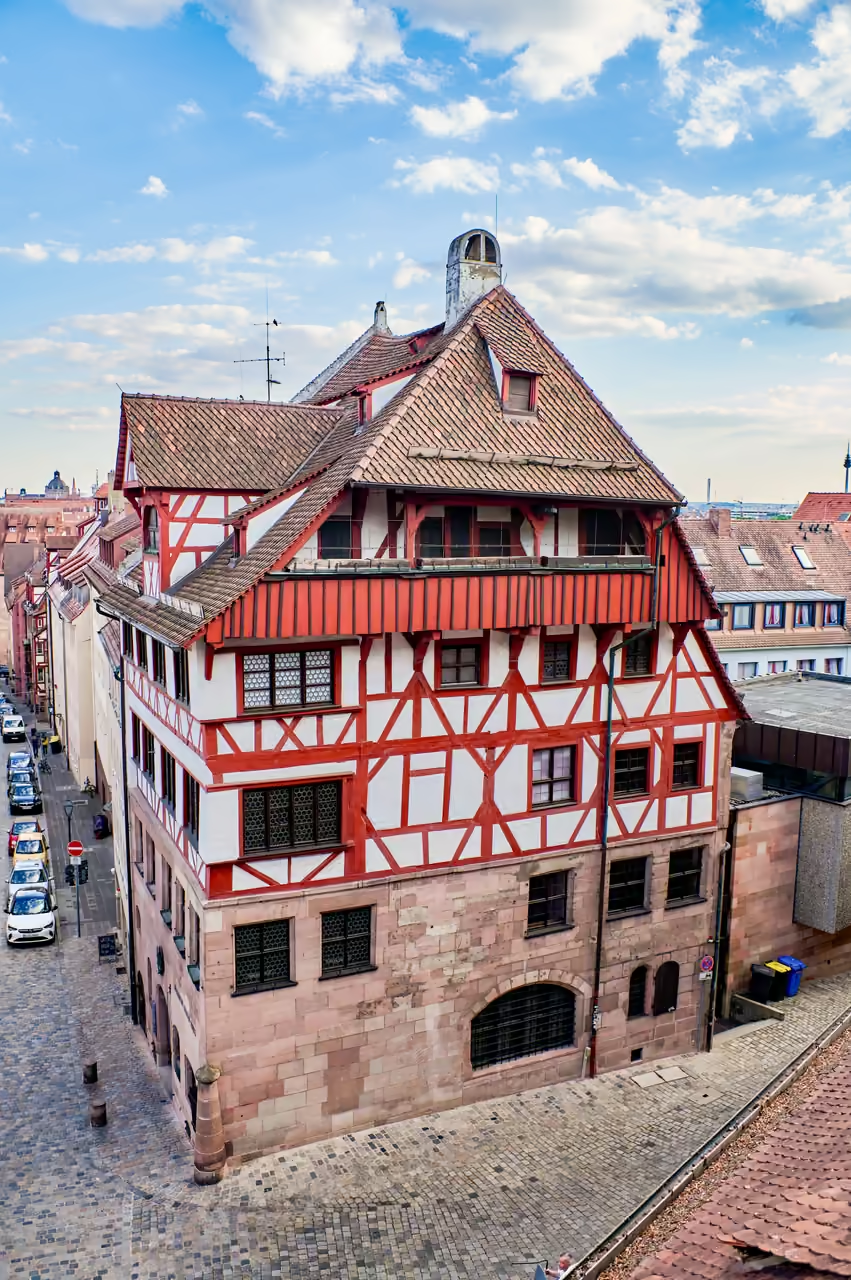
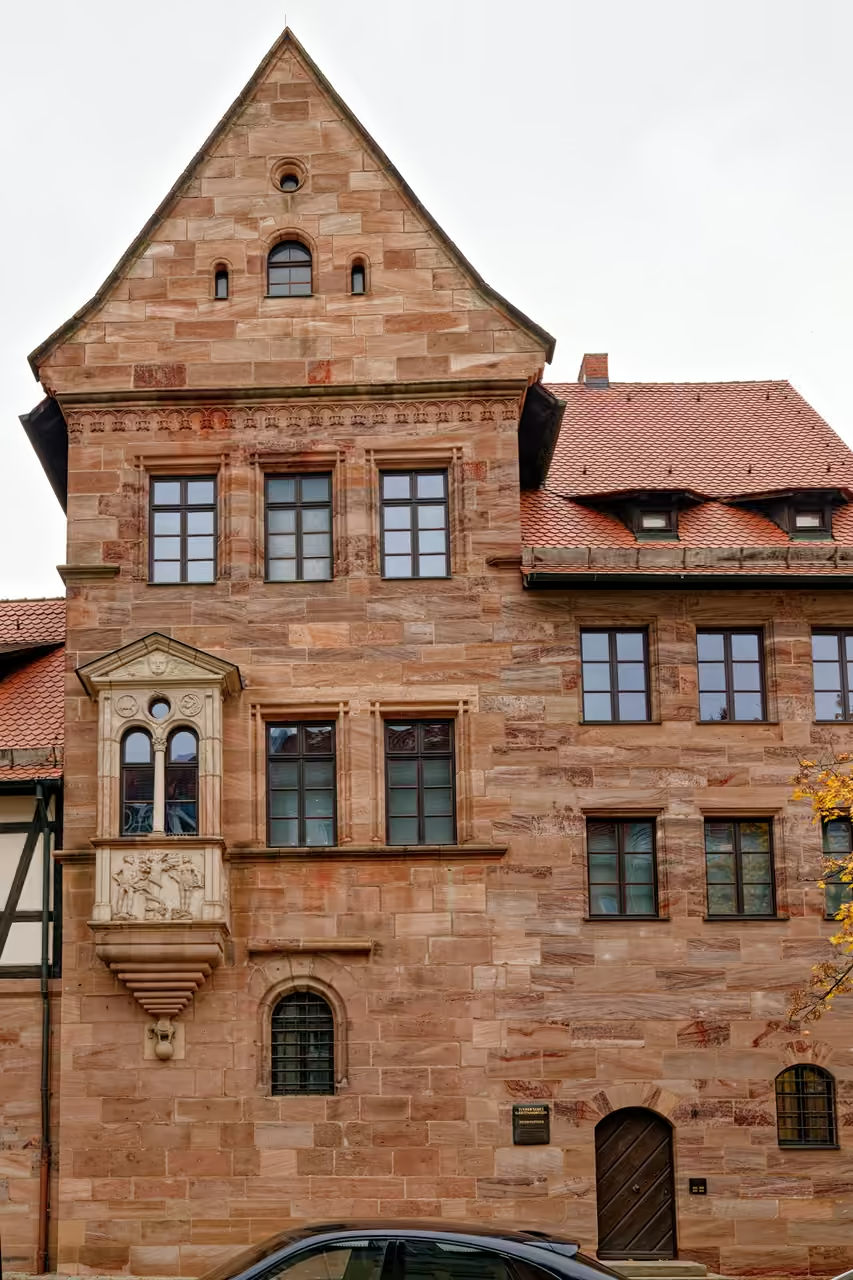
Step inside the Albrecht Dürer House and walk the very floors where Germany's most celebrated Renaissance artist lived and worked. This beautifully preserved medieval home, dating back to 1420, offers an intimate glimpse into the world of Albrecht Dürer, his family, and his apprentices during the 16th century. Explore his living quarters, imagine the bustle of his workshop, and witness demonstrations of historical printing techniques. The house itself is a survivor, having remarkably withstood the ravages of World War II, a testament to its enduring legacy. Perched near the historic Tiergärtnertorplatz, with views towards the Kaiserburg, it’s a portal to Nuremberg’s golden age and Dürer’s profound artistic impact.
Videos
History of Albrecht Dürer House
The story of the Albrecht Dürer House begins around 1420, when its sturdy sand-stone lower floors and half-timbered upper levels were first raised near Nuremberg's defensive city walls. While the house predates its most famous resident, it took on its distinctive character through the modifications of Bernhard Walther, a wealthy merchant and astronomer, who acquired it around 1501. Walther famously added small windows to the south gable, transforming part of the dwelling into a private observatory, a rare and fascinating detail for a private residence of the era. In 1509, the iconic Renaissance artist Albrecht Dürer purchased the house for 275 gulden, establishing it as both his family home and a bustling workshop. For nearly two decades, until his death in 1528, this address was the epicentre of Dürer's creative genius, where he produced some of his most celebrated paintings, engravings, and woodcuts. He lived here with his wife Agnes, his mother Barbara, and a retinue of apprentices and assistants, creating a vibrant hub of artistic production and daily life. Despite changing hands more than two dozen times in the centuries that followed, the house never lost its association with Dürer, remaining "Dürerhaus" in the public consciousness. This enduring recognition was cemented when the city of Nuremberg acquired the property in 1826, ahead of the 300th anniversary of Dürer's death. It was initially opened as a memorial room, then transformed into a full museum in 1871, marking the 400th anniversary of his birth. The house miraculously survived the devastating bombings of World War II, a stark contrast to much of Nuremberg's historic centre. This remarkable resilience allowed it to reopen to the public as early as 1949, once again welcoming visitors into Dürer's world. Today, through extensive preservation efforts and thoughtful exhibitions, the Albrecht Dürer House continues to serve as a vital link to the life and unparalleled artistic contributions of a true master, offering a unique window into the past.
events spanning 529 years
Fun Facts
- • A surviving contract from Walther's time explicitly forbade him from pouring anything onto a neighbour's roof from these new observatory windows, highlighting early urban regulations.
- • Albrecht Dürer purchased the house in 1509 for 275 gulden and resided there for the last 19 years of his life, producing many of his most significant works within its walls.
- • Despite numerous changes in ownership (at least 24 times) after Dürer's death, the house consistently retained its identity as the "Dürerhaus" in the collective memory of Nuremberg.
- • It was one of the first major historical buildings in Nuremberg to reopen after the war, welcoming visitors again in 1949, even before many of the city's great churches or the Rathaus.
- • On the third floor, visitors can see Europe's first printed star charts from 1515, two large woodcuts by Dürer that also acknowledge the house's previous use as an observatory.
- • Prior to Dürer's ownership, the house belonged to Bernhard Walther, a merchant and astronomer, who installed multiple small windows in the south gable for astronomical observations around 1501.
- • The "Wandererzimmer" are two neo-Gothic rooms created in the 1870s by art professor Friedrich Wanderer, offering a historicist interpretation of Dürer's living environment, reflecting 19th-century artistic tastes.
- • The Albrecht Dürer House remarkably survived the extensive Allied bombings of Nuremberg in World War II, sustaining heavy but repairable damage while much of the surrounding Altstadt was annihilated.
- • The city of Nuremberg acquired the house in 1826, specifically to preserve it as a memorial ahead of the 300th anniversary of Dürer's death in 1828.
- • The house's workshop area includes functional replicas of 16th-century printing presses, allowing for live demonstrations of copper engraving and woodcut techniques used in Dürer's era.
- • The influential Baroque painter Joachim von Sandrart, who founded the Nuremberg Academy of Fine Arts, provided such a precise description of the house's location in 1675 that Dürer enthusiasts could easily find it.
- • The museum features "Agnes Dürer" tours, where guides in period costume share anecdotes and insights into the daily life and challenges faced by Dürer's wife.
- • The oldest wooden beams in the house have been dendrochronologically dated to 1418, indicating its construction around 1420, decades before Dürer's time.
FULL PLACE DETAILS
OVERVIEW & STATS
- Established
- In 1826, making it 200 years old
ARCHITECTURE & HERITAGE
- Heritage Status
- Architectural Heritage Monument In Bavaria
WEB & AMENITIES
Albrecht Dürer House Map & Neighborhood Explorer
This interactive map is centered on Albrecht Dürer House. Zoom in and move the map around to automatically discover Wikipedia photos and summaries of other nearby sights, monuments, and historical points of interest and stories in real-time!
Albrecht Dürer House FAQ
While we strive to keep this information accurate and up to date, we recommend verifying any details independently before making decisions based on them.
Places near Albrecht Dürer House
Make the most of your trip. Check out these top-rated spots located nearby.
 43m
Tiergärtnertor Square
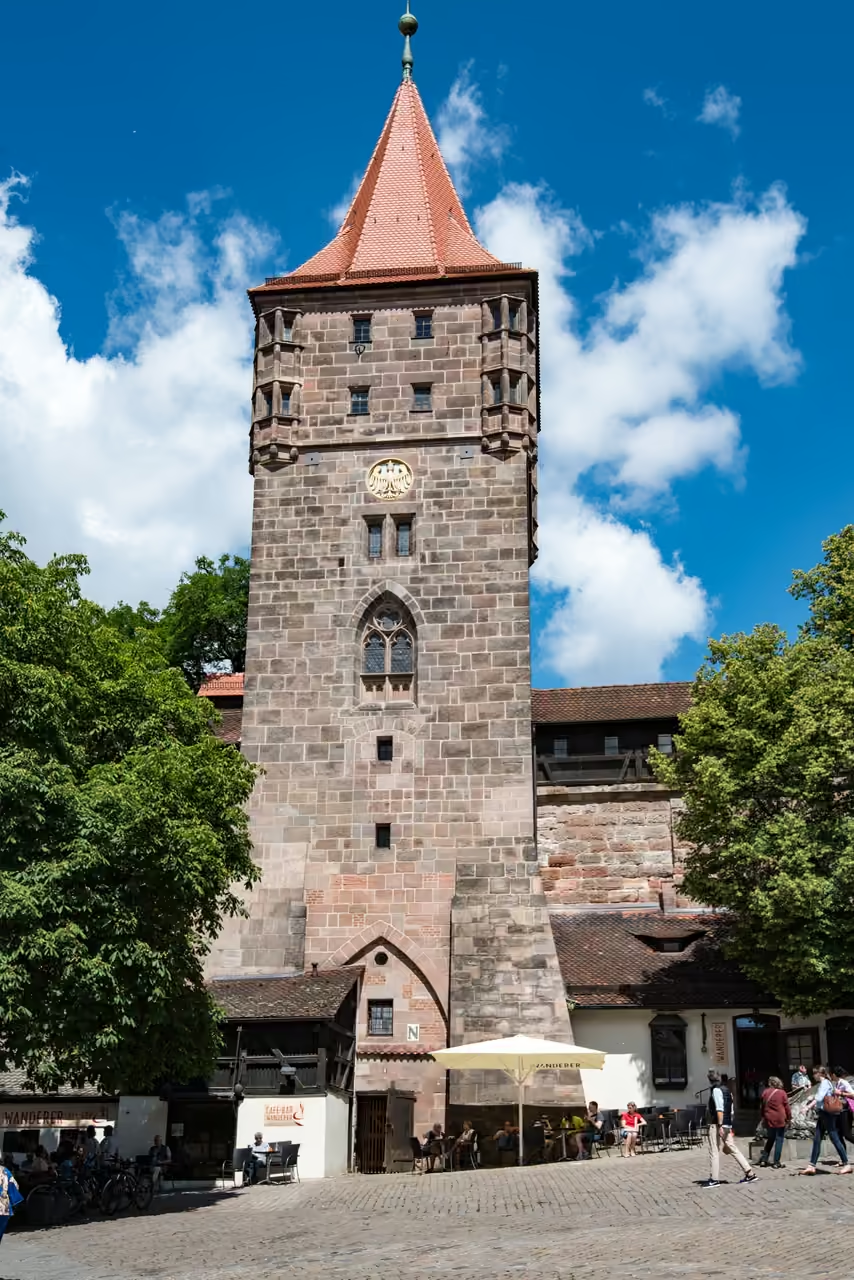
Standing at the bottom of this sloping, cobbled square forces the lens upward, capturing the massive sandstone fortifications looming over traditional Franconian facades. The multi-storey Dürer House anchors the left side of the frame, providing scale against the heavy defensive towers. The bizarre bronze hare sculpture in the foreground adds a surreal, modern element to the medieval backdrop. Golden hour light hits the sandstone walls beautifully.
photo spot view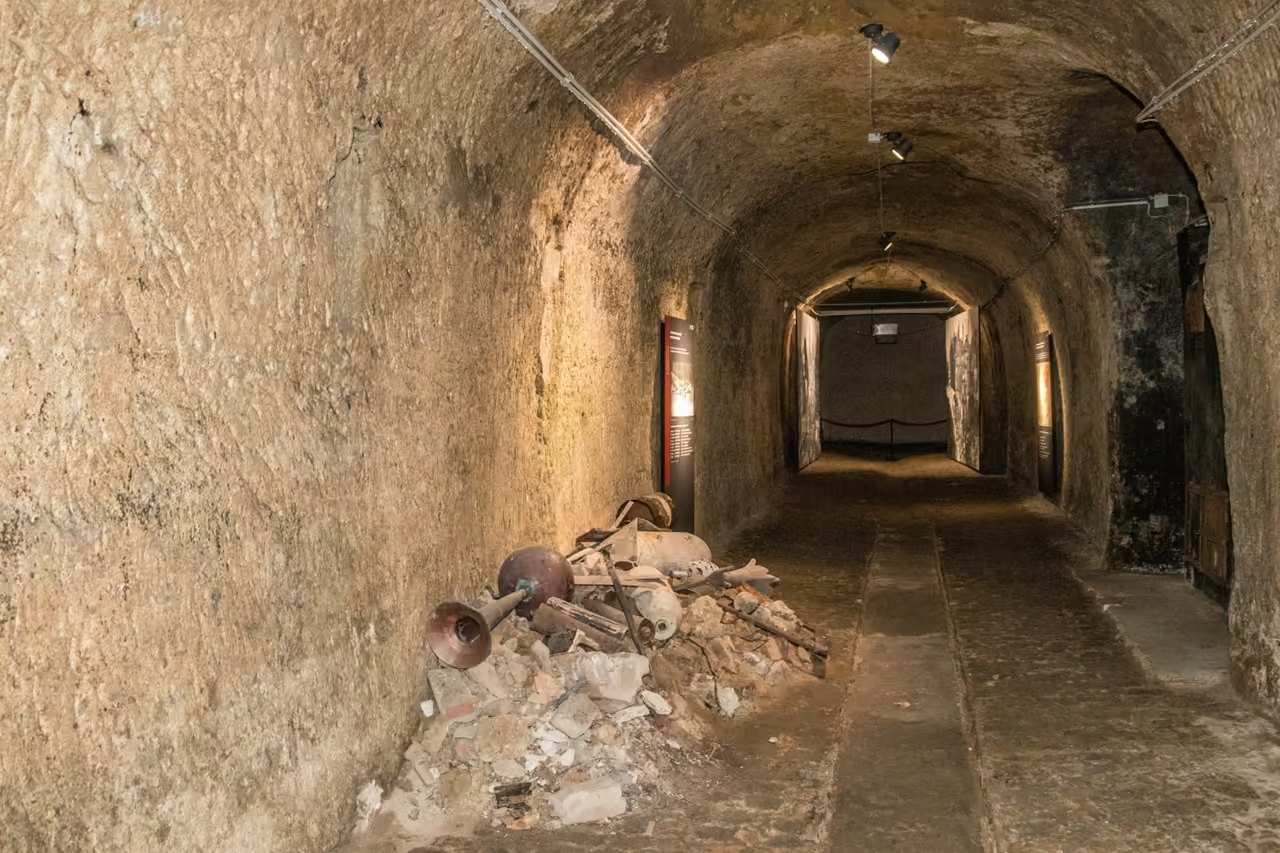 105m
Historic Art Bunker
Hidden directly beneath the Imperial Castle, this specific section of the medieval rock cellars was heavily upgraded during World War II with climate control and reinforced concrete. The city council secretly transferred its most priceless treasures here, including the crown jewels, medieval altarpieces, and Dürer's original works, to save them from aerial bombing. The austere, heavy vault doors remain intact, guarding the empty stone chambers. Guided tours provide a chilling perspective on the sheer bureaucratic effort required to protect culture while the city above faced annihilation. The bunker maintains a constant, chilly temperature year-round.
hidden gem view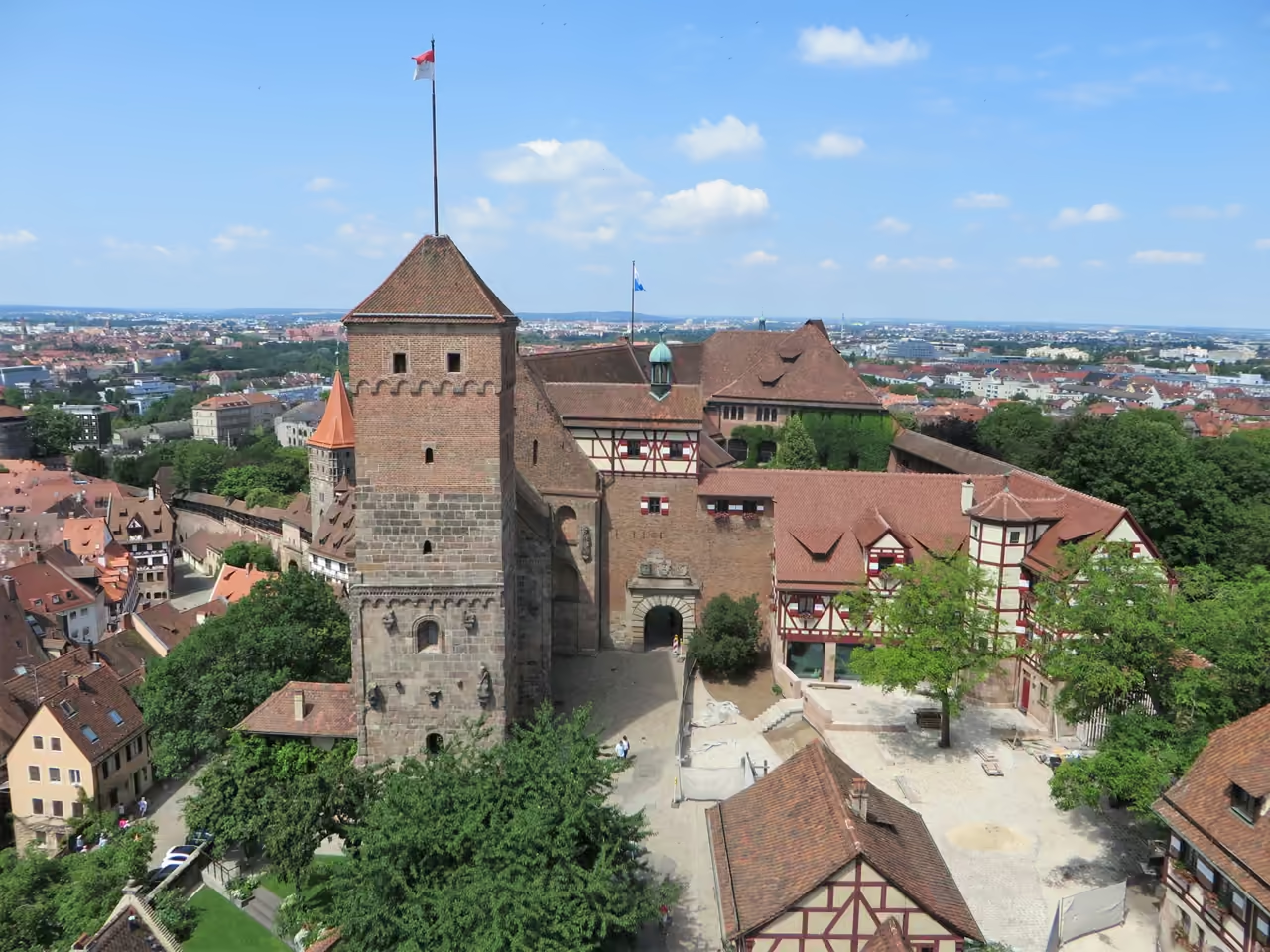 150m
Nuremberg Castle
Nuremberg Castle is really three castles sharing one sandstone ridge: the Imperial Castle in the west, the former Burgraves' castle beside it, and the city's own buildings at the eastern end. Inside the Imperial Castle you can walk through the Palas rooms and the museum, climb the round Sinwell Tower for a look across the Altstadt's red roofs, and peer down the Deep Well, cut by hand through solid rock. The Romanesque Double Chapel is the quiet highlight, with a chapel for the emperor above and one for his household below, linked by an opening in the floor. The courtyards and ramparts can be wandered in daytime without a ticket, though the steep cobbles of the approach will let the calves know about it. Finish in the small Maria Sibylla Merian Garden, a terrace named after the painter and naturalist, with the rooftops of the old town dropping away beneath its wall.
attraction view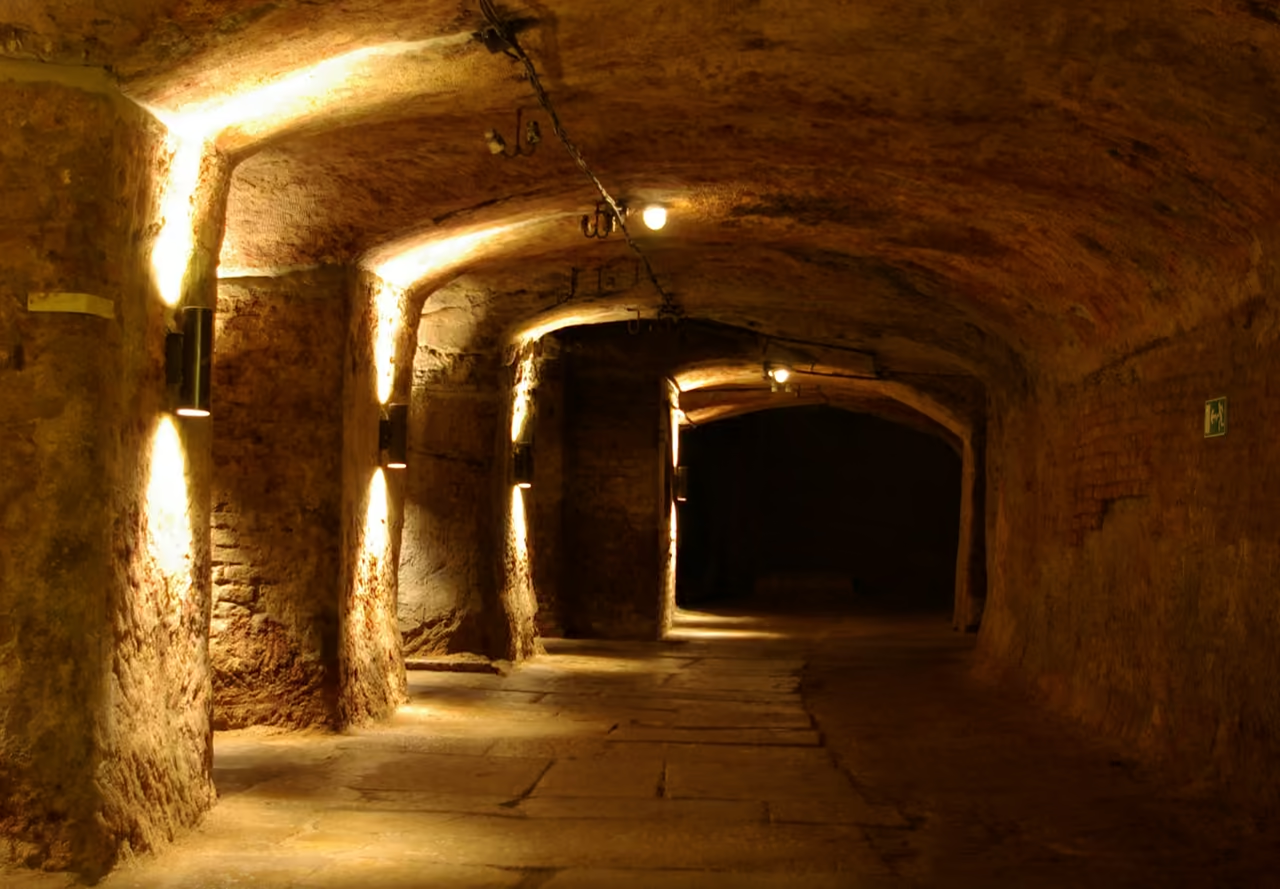 166m
Historic Rock-Cut Cellars
A vast, multi-level labyrinth of sandstone tunnels snakes directly underneath the imperial castle and the northern old town. Citizens originally carved these cool, dark cellars in the 14th century to ferment and store the local red beer, mandated by municipal brewing laws. During the intense bombing raids of World War II, the sprawling subterranean network saved thousands of lives by serving as emergency air-raid shelters. Water drips constantly from the low ceilings, keeping the air damp and chilly regardless of the season outside. Guided tours lead visitors through the echoing corridors, eventually exiting through the cellar of a modern brewery.
hidden gem view
Explore Similar Places in This Collection
Featured on These Itineraries and Routes
3 Days in Nuremberg
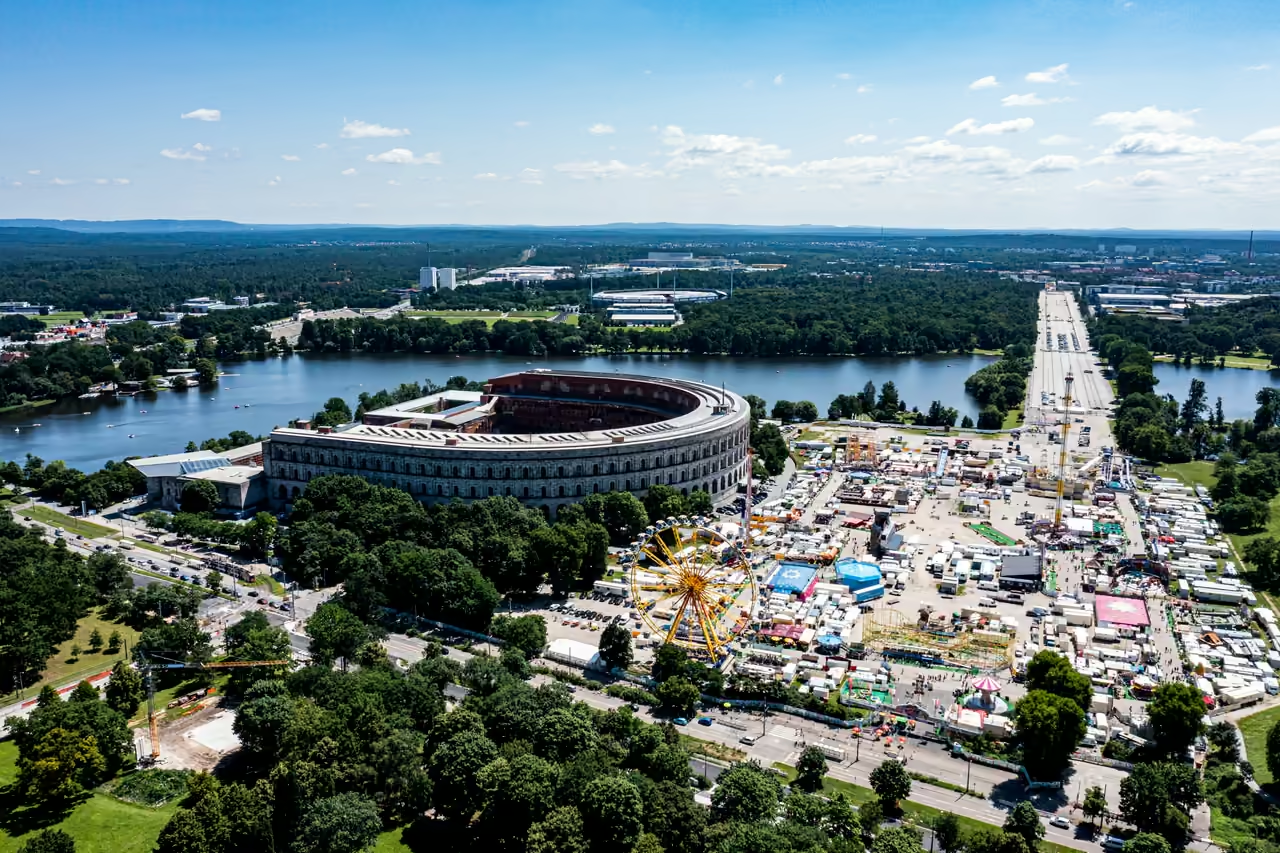
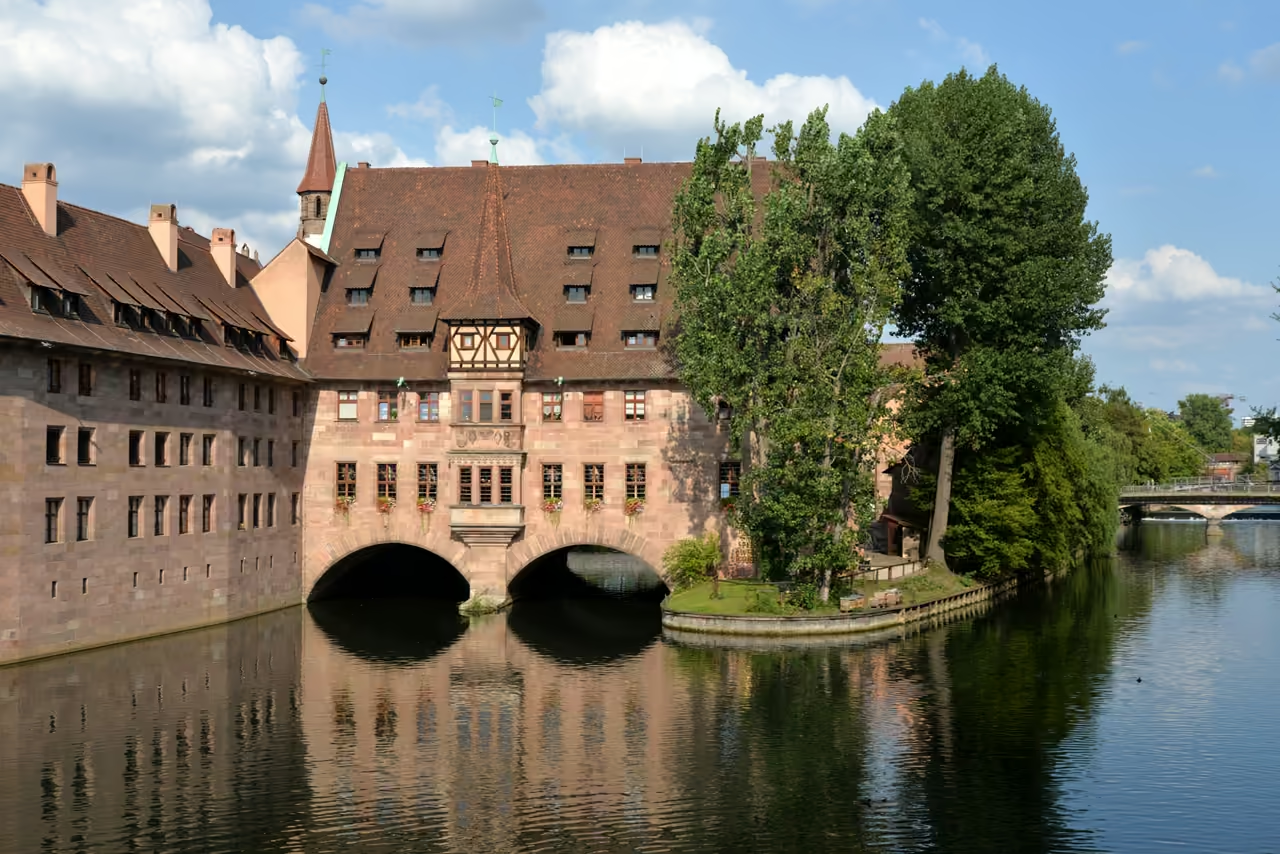
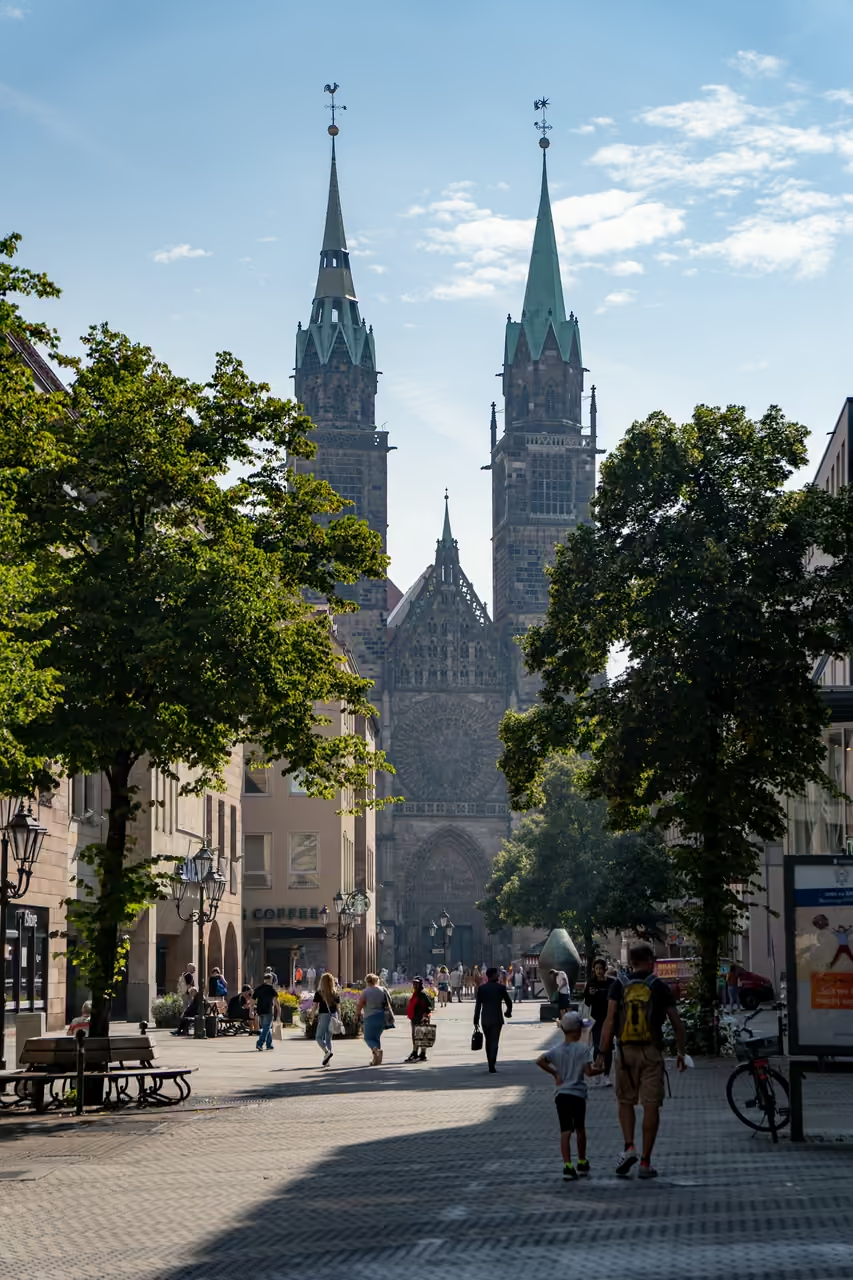
Adding two days allows the pace to relax, mixing heavy historical museums with leisurely strolls through the artisan districts and green spaces. The itinerary breaks the city down geographically, dedicating distinct days to the northern castle quarter, the southern medieval core, and the 20th-century history stretching beyond the walls. Time opens up to explore the massive art collections and sit for extended periods in traditional brewpubs. It strikes a perfect balance between education and casual exploration. Visitors leave with a comprehensive understanding of how the city layered its modern identity over its medieval bones.
view itinerary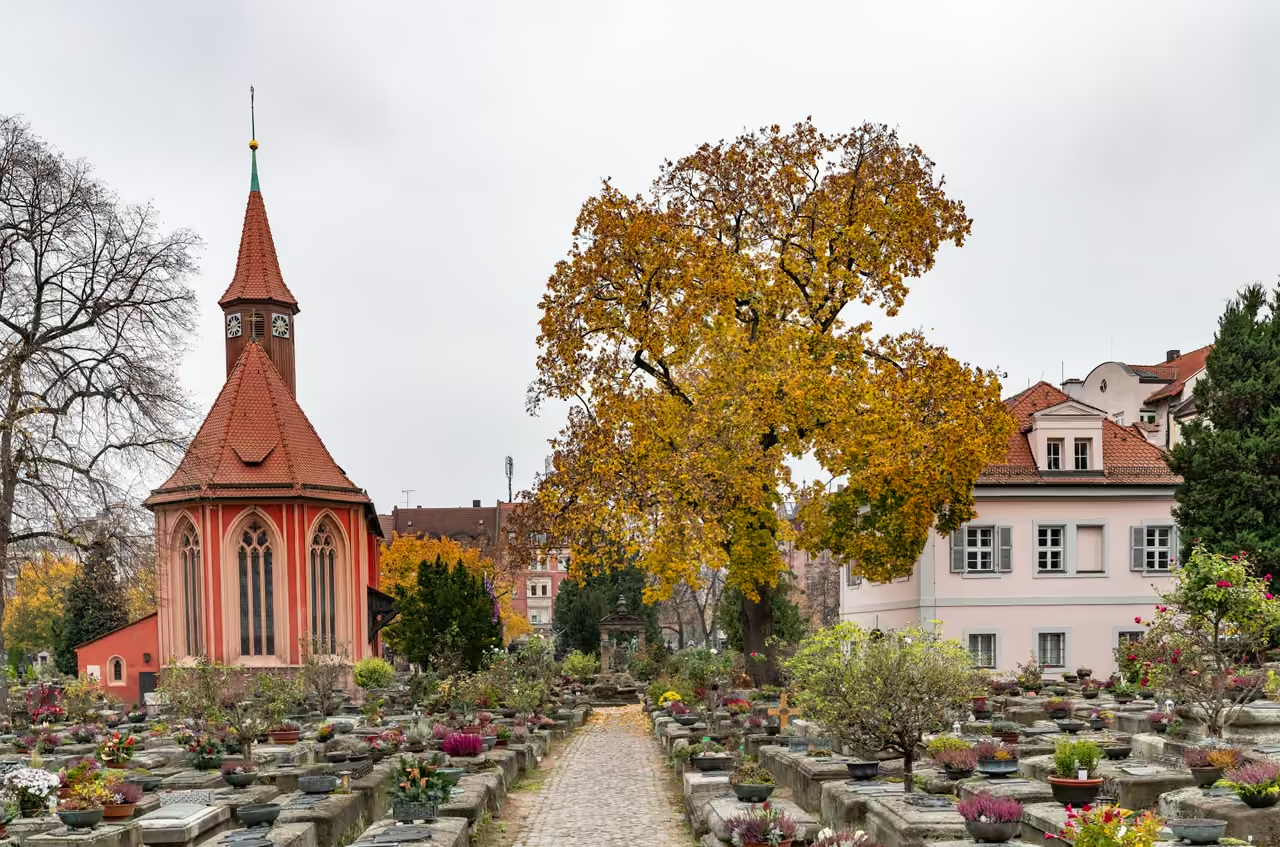
5 Days in Nuremberg
A full working week allows visitors to treat the city like a local, diving into highly specific museums and exploring the outer green belts. The schedule incorporates deep dives into the transport history and hidden patrician gardens that most tourists never see. It factors in time for long walks along the Pegnitz river and cycling trips into the vast eastern forests. The itinerary assumes a desire to experience the quiet, residential pockets of the city alongside the major monuments. This timeline transforms a rushed sightseeing trip into a relaxed cultural immersion.
view itinerary
Dürer Art Trail
Tracing the footsteps of the city's most famous son, this route uncovers the environment that shaped the Northern Renaissance. The walk connects the heavily fortified northern district where Dürer lived with the churches and civic buildings that commissioned his work. It highlights the transition from late Gothic artisanship to the humanist ideals that swept through the city in the early 1500s. The path climbs steep, cobbled streets, peering into hidden courtyards that have barely changed since the 16th century. It offers a deep dive into the artistic wealth of the Free Imperial City.
view self-guided tour
See all attractions in Nuremberg
Including Germanic National Museum, Nazi Party Rally Grounds, Nuremberg Castle, and more