Nuremberg Castle
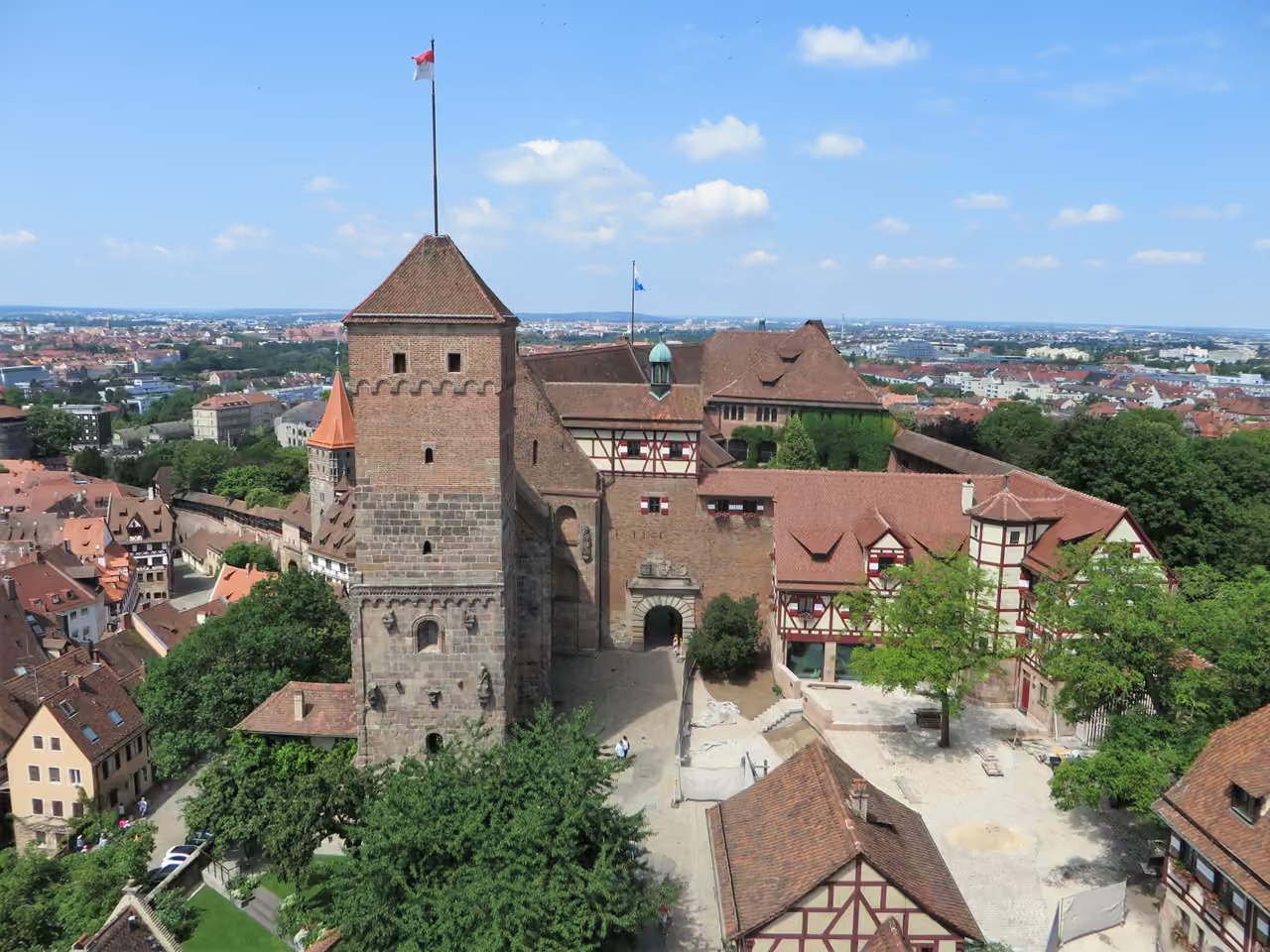
Nuremberg Castle is really three castles sharing one sandstone ridge: the Imperial Castle in the west, the former Burgraves' castle beside it, and the city's own buildings at the eastern end. Inside the Imperial Castle you can walk through the Palas rooms and the museum, climb the round Sinwell Tower for a look across the Altstadt's red roofs, and peer down the Deep Well, cut by hand through solid rock. The Romanesque Double Chapel is the quiet highlight, with a chapel for the emperor above and one for his household below, linked by an opening in the floor. The courtyards and ramparts can be wandered in daytime without a ticket, though the steep cobbles of the approach will let the calves know about it. Finish in the small Maria Sibylla Merian Garden, a terrace named after the painter and naturalist, with the rooftops of the old town dropping away beneath its wall.
Videos
History of Nuremberg Castle
Medieval German kings had no capital. They travelled with their entire courts from one royal castle to the next, and the sandstone rock at Nuremberg became one of the stops they returned to most often. A royal fortress was raised here in the eleventh century, and in 1050 the castle appears in the records for the first time, when the Salian king Henry III held a court assembly in the newly built stronghold. Its first real test came in 1105, when Henry V besieged and took it during the bitter war between himself and his own father, Emperor Henry IV. The Staufer dynasty gained the castle in 1138 and made it grander, and the Double Chapel that still stands in the inner courtyard was finished around 1220. Meanwhile a second power took root next door. The burgraves, officials responsible for keeping and defending the castle, became hereditary lords in their own right, and from 1192 the office passed to the Zollern family. For centuries the ridge held two castles with two sets of interests, standing almost wall to wall. The town growing below the rock changed the balance. In 1356 Emperor Charles IV's Golden Bull ruled that every newly elected king must hold his first Imperial Diet in Nuremberg, which turned a prosperous trading town into a fixture of imperial ceremony. The Zollern burgraves, for their part, were heading somewhere far larger. Burgrave Frederick VI was granted Brandenburg in 1415, and his descendants, the Hohenzollerns, became kings of Prussia and, in 1871, emperors of a united Germany. The family that once looked after a rock above a Franconian town ended up ruling a good part of Europe. The city and the burgraves did not stay friendly. After a feud in 1420 left the Burgraves' castle burned, the city bought the remains in 1427 and took over the whole ridge. The council then built for itself at the eastern end, including a granary and stable block in the 1490s that is now a youth hostel, and in the sixteenth century it ringed the north side with bastions modelled on Italian designs, ready for the age of gunpowder. The castle never lost its imperial glow, though the emperors visited less and less. The free imperial city fell to Bavaria in 1806, and the castle went with it. Bavarian rulers of the nineteenth century treated the old walls as a monument to German history and had parts of the complex restored. A heavy restoration in 1934 stripped away years of use as barracks and rebuilt several interiors, which means some of what visitors see today reflects the taste of the 1930s as much as the Middle Ages. On 2 January 1945 an air raid destroyed most of the old town and left the castle badly damaged. Rebuilding began under the architect Rudolf Esterer and carried on for decades. Today the rebuilt Palas, the round Sinwell Tower and the pentagonal tower still mark the line along the ridge that Nurembergers see when they look uphill from the Hauptmarkt.
15 events spanning 895 years
Fun Facts
- • A Nuremberg insurance company, the Nürnberger Versicherung, uses a stylised outline of the castle as its logo, which says something about how closely the city identifies with the ridge.
- • A local legend tells of the robber knight Eppelein von Gailingen, captured in the fourteenth century, who asked for one last ride and leapt his horse across the castle moat. A hoofprint in the rock is still pointed out as the proof.
- • Albrecht Dürer lived from 1509 until his death in 1528 in a house at the foot of the castle hill. It is now a museum, a short walk down from the ramparts.
- • In the centuries when the Holy Roman Empire's rulers travelled constantly, German kings and emperors made well over 150 recorded visits to this castle.
- • The Deep Well on the ridge reaches about 50 metres down, cut by hand through solid sandstone. Guides show off its depth by lowering a light into the shaft.
- • The Kaiserstallung, a granary and stable block built in the 1490s, is now a youth hostel, so visitors can sleep inside one of the castle's service buildings.
- • The Luginsland tower was built in 1377 as a watchtower for the city, facing directly towards the neighbouring Burgraves' castle. Its name roughly means look into the land.
- • The castle's garden is named after Maria Sibylla Merian, the painter and naturalist known for her studies of insects, who lived in Nuremberg in the late seventeenth century. She later sailed to Suriname in 1699 to study insects there.
- • The imperial regalia, including the crown, were kept in Nuremberg from 1424 until 1796, when they were moved away ahead of advancing French armies, first to Regensburg and then to Vienna. They were held in the Holy Spirit Hospital in town rather than in the castle itself.
- • The pentagonal tower is among the oldest stonework on the ridge, and it is one of the few parts of the complex whose outline still hints at the eleventh century fortress.
- • The round Sinwell Tower takes its name from an old German word for round. It is one of the best places to see how closely the red roofs of the old town press against the castle's feet.
FULL PLACE DETAILS
OVERVIEW & STATS
- Elevation
- 334 m
ARCHITECTURE & HERITAGE
- Heritage Status
- Architectural Heritage Monument In Bavaria
WEB & AMENITIES
Nuremberg Castle Map & Neighborhood Explorer
This interactive map is centered on Nuremberg Castle. Zoom in and move the map around to automatically discover Wikipedia photos and summaries of other nearby sights, monuments, and historical points of interest and stories in real-time!
Nuremberg Castle FAQ
While we strive to keep this information accurate and up to date, we recommend verifying any details independently before making decisions based on them.
Places near Nuremberg Castle
Make the most of your trip. Check out these top-rated spots located nearby.
 114m
Tiergärtnertor Square
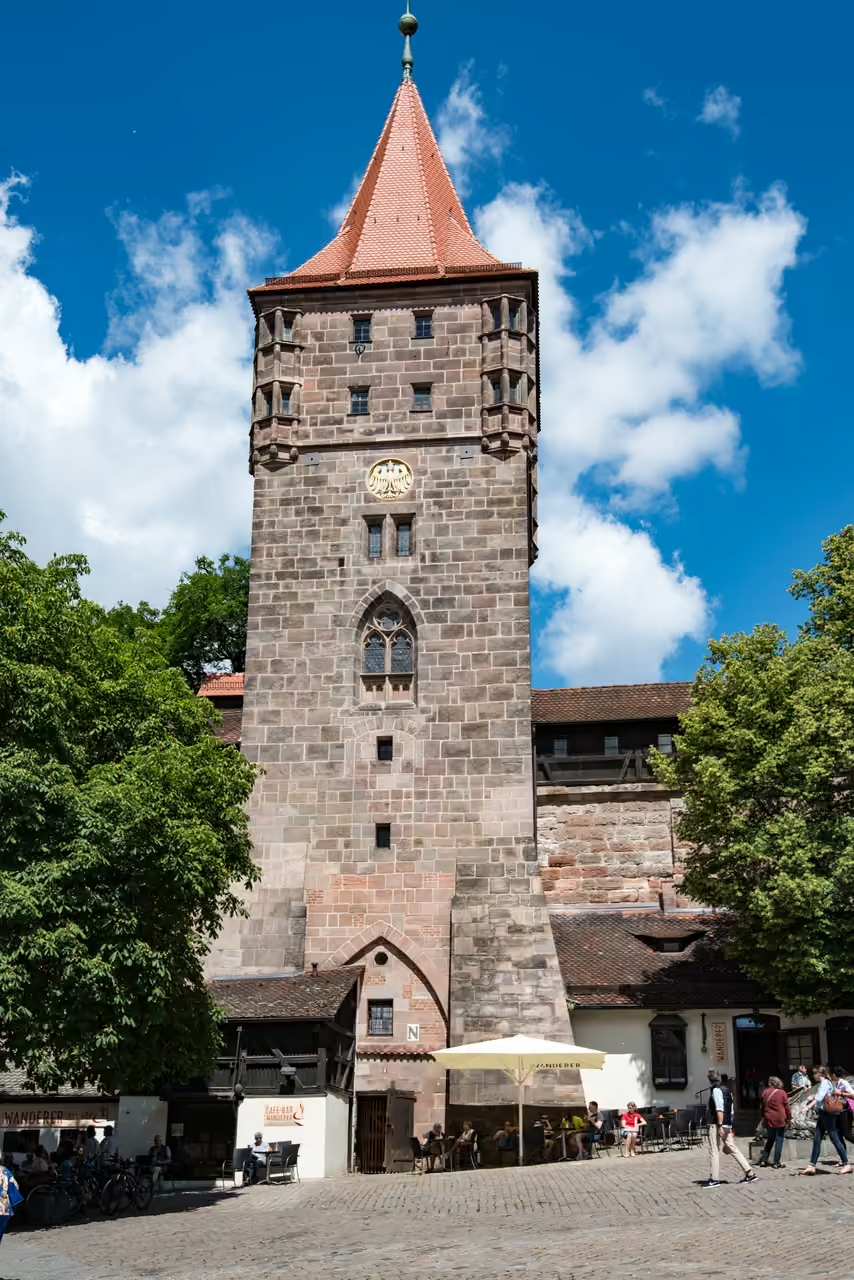
Standing at the bottom of this sloping, cobbled square forces the lens upward, capturing the massive sandstone fortifications looming over traditional Franconian facades. The multi-storey Dürer House anchors the left side of the frame, providing scale against the heavy defensive towers. The bizarre bronze hare sculpture in the foreground adds a surreal, modern element to the medieval backdrop. Golden hour light hits the sandstone walls beautifully.
photo spot view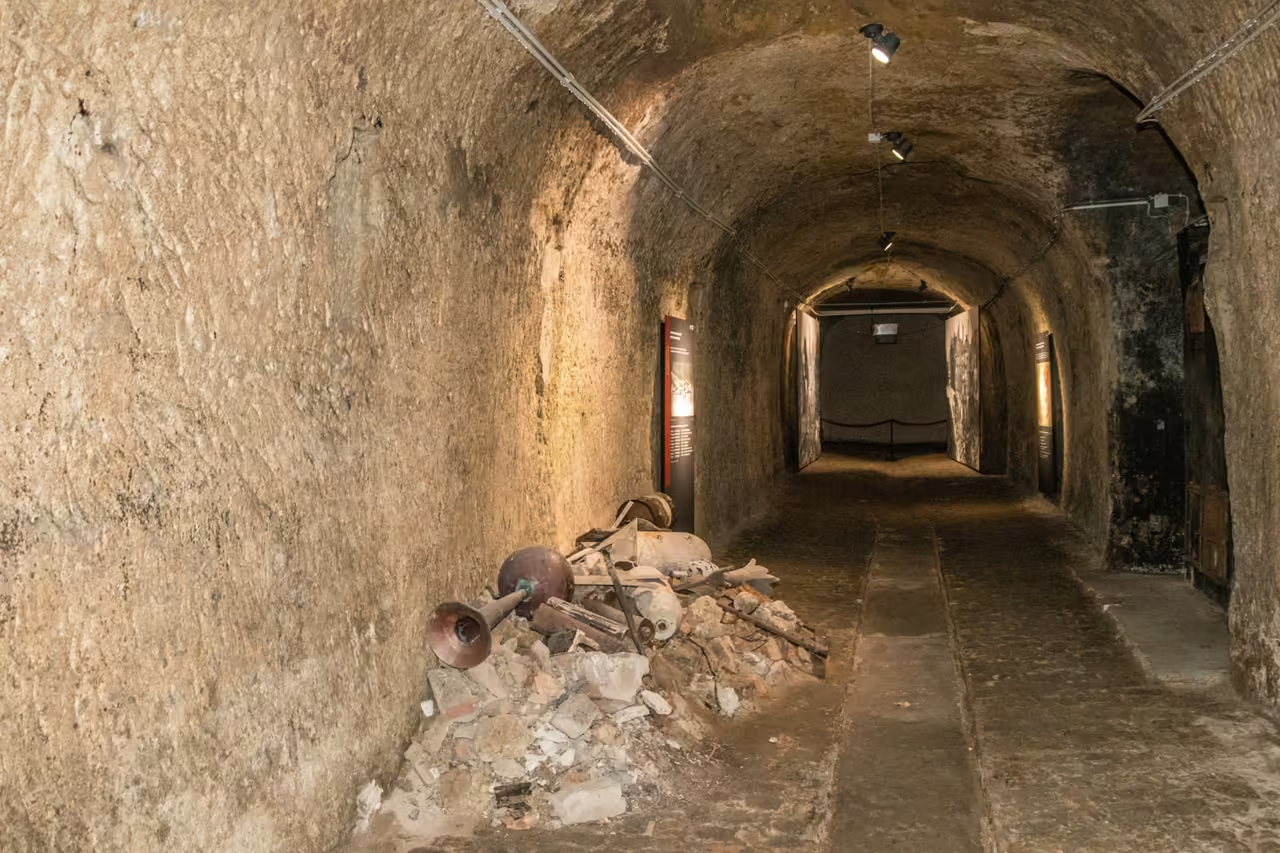 137m
Historic Art Bunker
Hidden directly beneath the Imperial Castle, this specific section of the medieval rock cellars was heavily upgraded during World War II with climate control and reinforced concrete. The city council secretly transferred its most priceless treasures here, including the crown jewels, medieval altarpieces, and Dürer's original works, to save them from aerial bombing. The austere, heavy vault doors remain intact, guarding the empty stone chambers. Guided tours provide a chilling perspective on the sheer bureaucratic effort required to protect culture while the city above faced annihilation. The bunker maintains a constant, chilly temperature year-round.
hidden gem view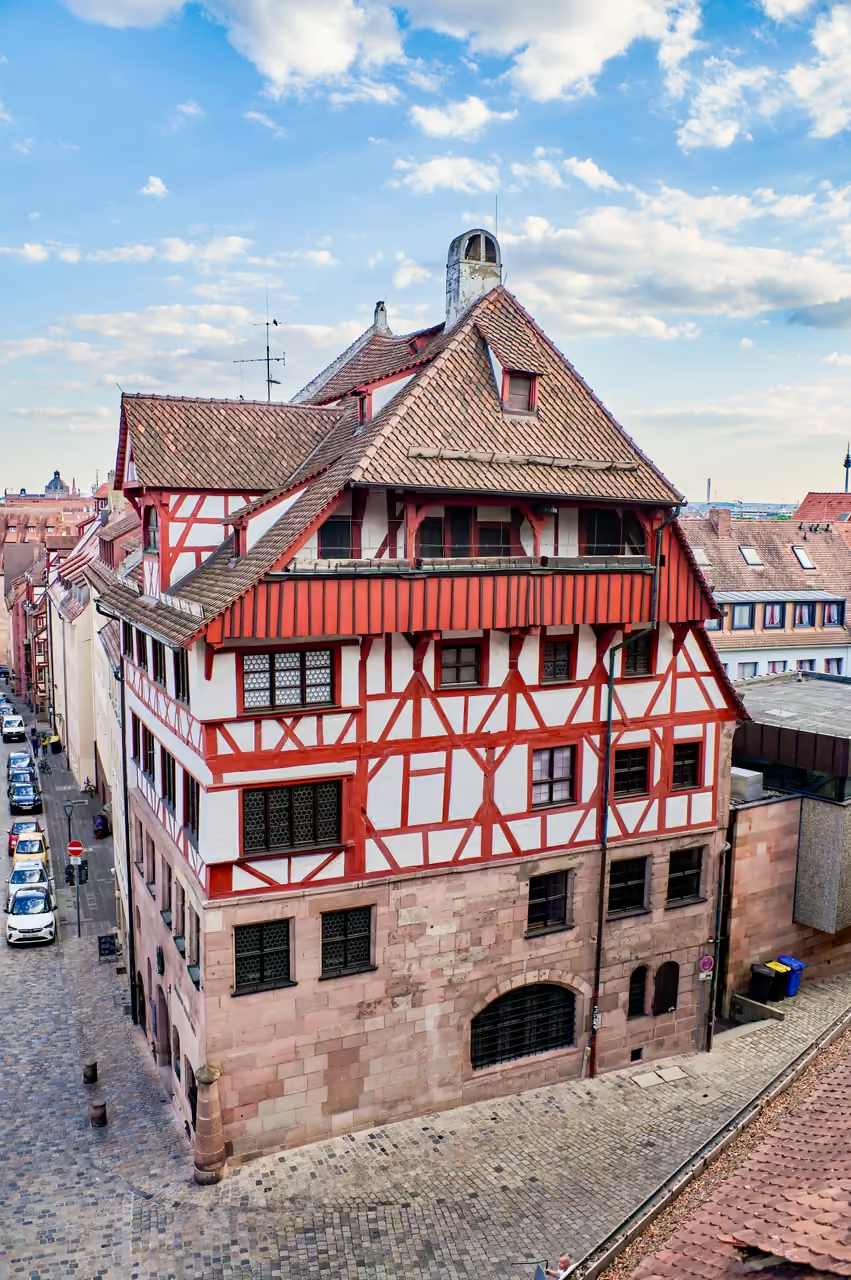 150m
Albrecht Dürer House
Step inside the Albrecht Dürer House and walk the very floors where Germany's most celebrated Renaissance artist lived and worked. This beautifully preserved medieval home, dating back to 1420, offers an intimate glimpse into the world of Albrecht Dürer, his family, and his apprentices during the 16th century. Explore his living quarters, imagine the bustle of his workshop, and witness demonstrations of historical printing techniques. The house itself is a survivor, having remarkably withstood the ravages of World War II, a testament to its enduring legacy. Perched near the historic Tiergärtnertorplatz, with views towards the Kaiserburg, it’s a portal to Nuremberg’s golden age and Dürer’s profound artistic impact.
attraction view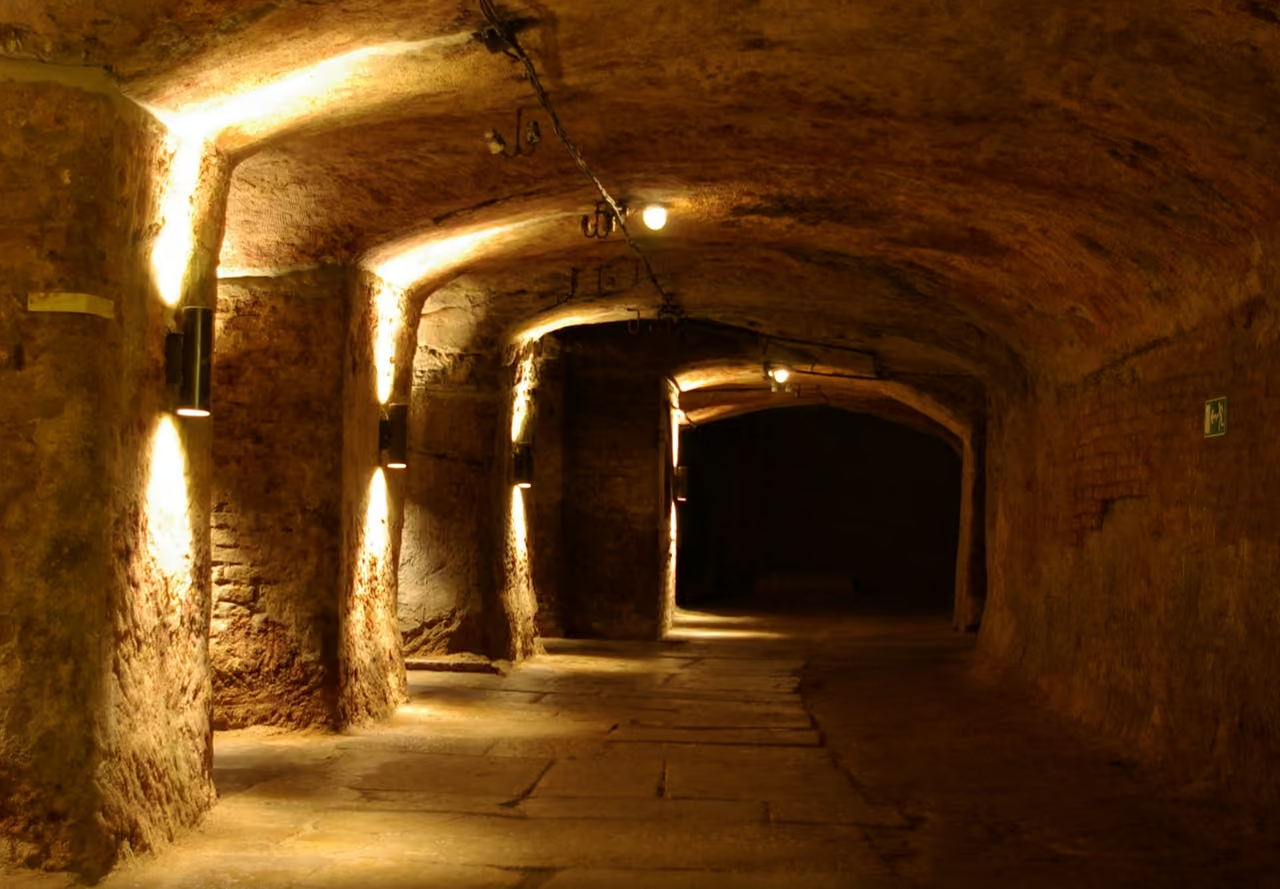 196m
Historic Rock-Cut Cellars
A vast, multi-level labyrinth of sandstone tunnels snakes directly underneath the imperial castle and the northern old town. Citizens originally carved these cool, dark cellars in the 14th century to ferment and store the local red beer, mandated by municipal brewing laws. During the intense bombing raids of World War II, the sprawling subterranean network saved thousands of lives by serving as emergency air-raid shelters. Water drips constantly from the low ceilings, keeping the air damp and chilly regardless of the season outside. Guided tours lead visitors through the echoing corridors, eventually exiting through the cellar of a modern brewery.
hidden gem view
Explore Similar Places in This Collection
Featured on These Itineraries
1 Day in Nuremberg
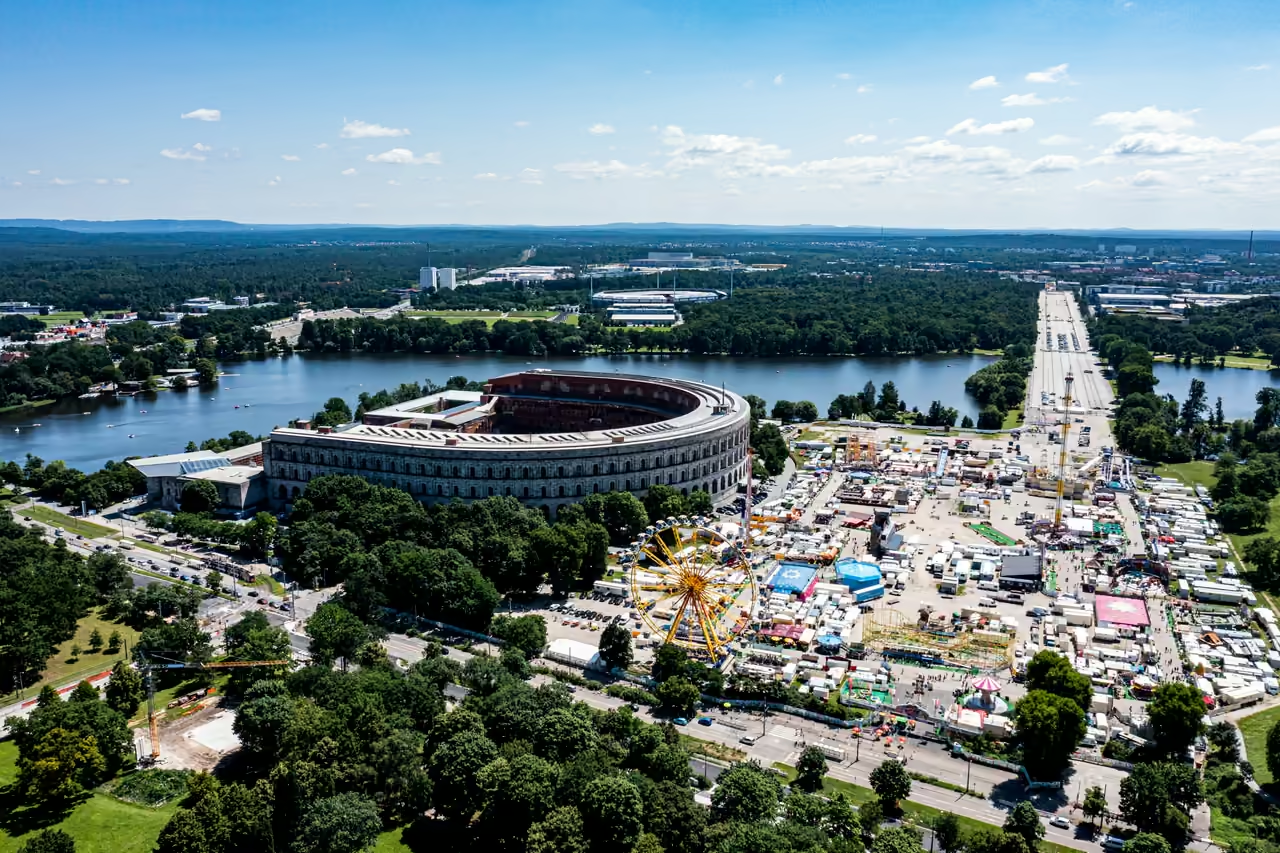
This highly condensed route focuses aggressively on the essential, iconic sights that define the city's historical extremes. It covers the medieval power of the imperial fortress in the morning, followed by the dark legacy of the 1930s in the afternoon. The pace is rapid, requiring stamina and a reliance on public transport to cover the geographical spread between the old town and the southern suburbs. It sacrifices hidden gems in favour of the absolute heavy hitters. The day concludes back within the medieval walls for traditional Franconian food.
view itinerary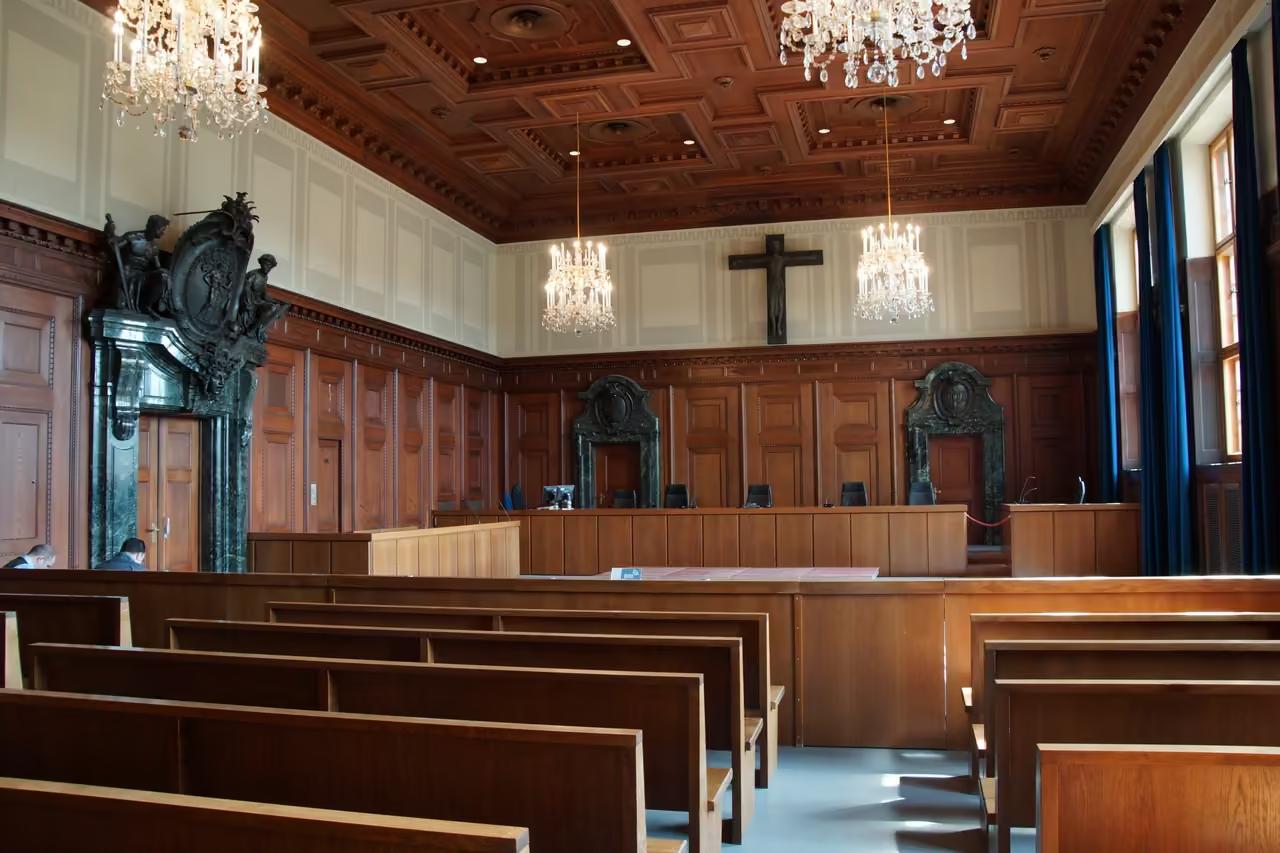
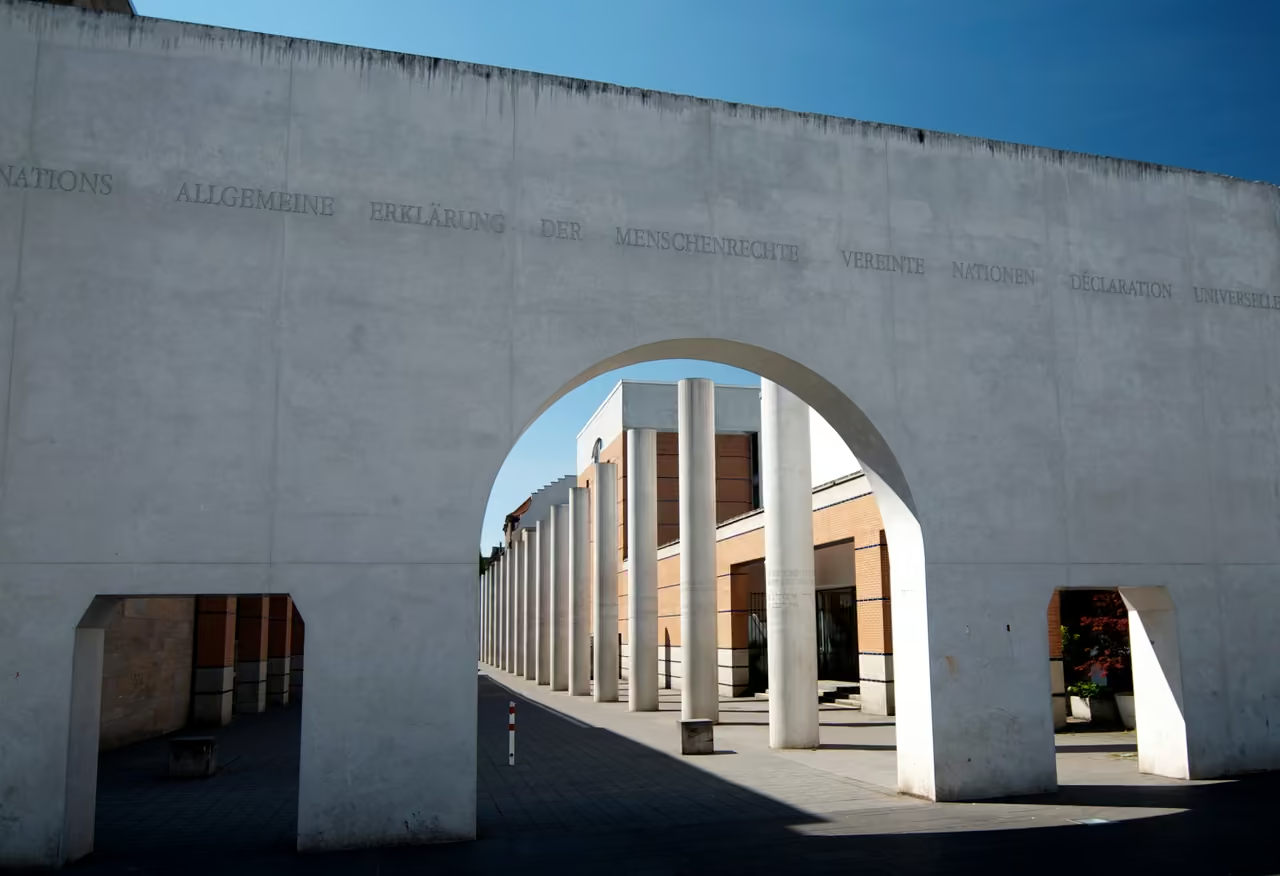
3 Days in Nuremberg
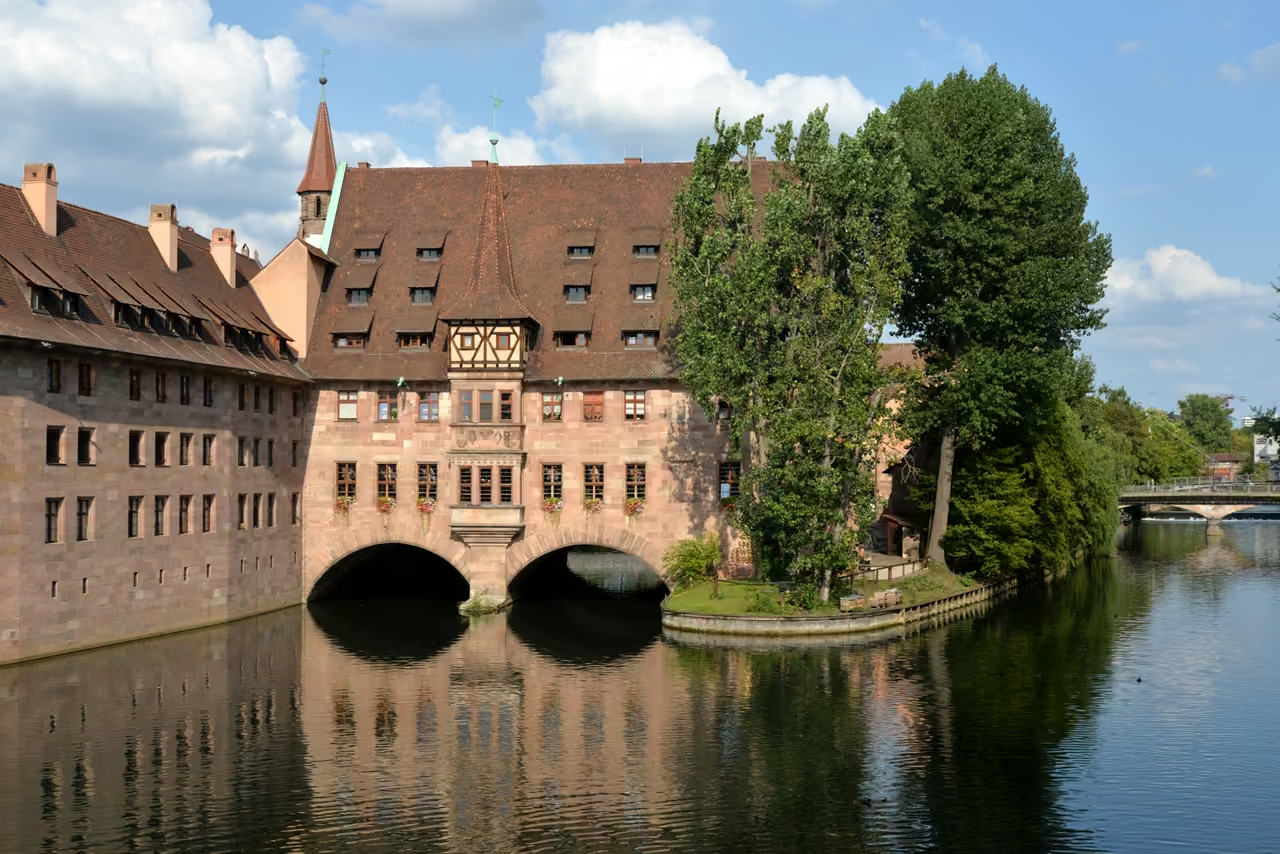
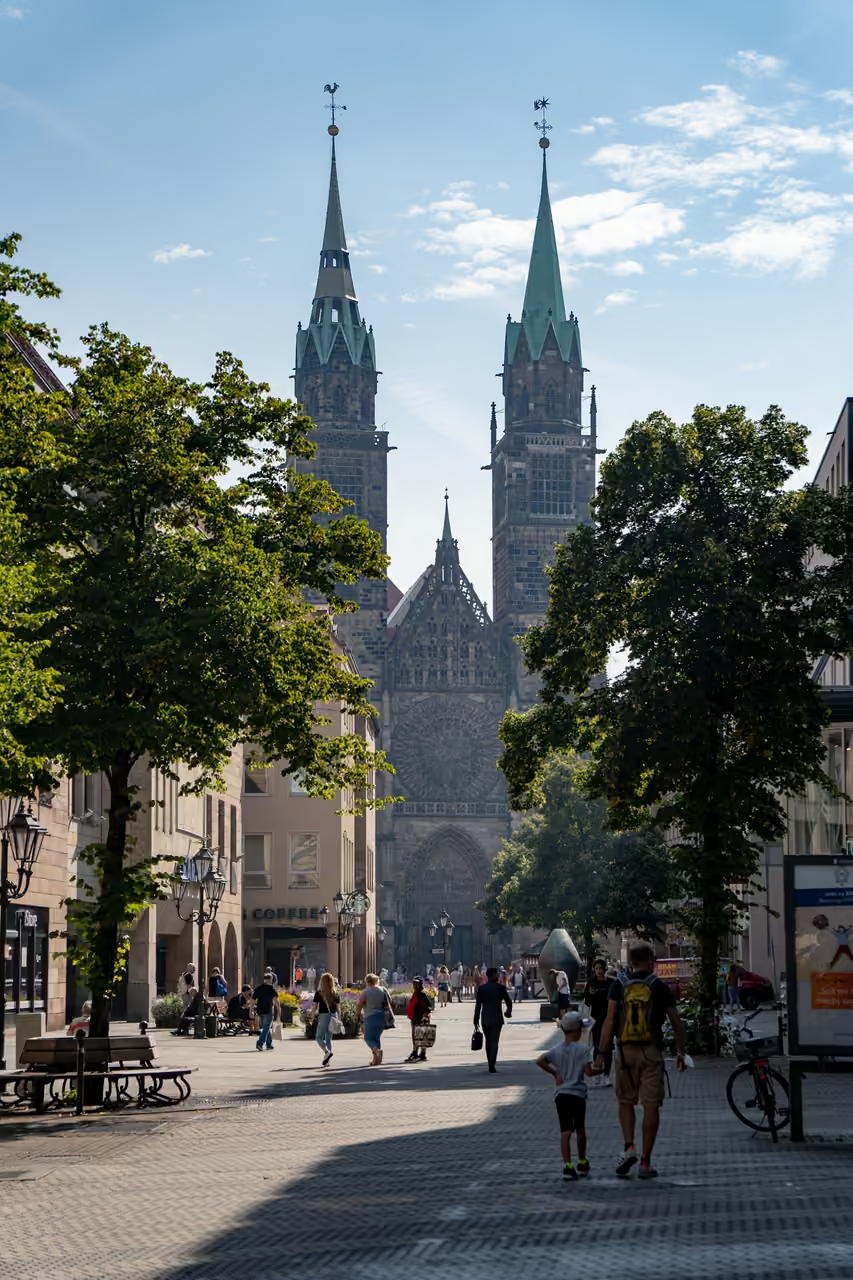
Adding two days allows the pace to relax, mixing heavy historical museums with leisurely strolls through the artisan districts and green spaces. The itinerary breaks the city down geographically, dedicating distinct days to the northern castle quarter, the southern medieval core, and the 20th-century history stretching beyond the walls. Time opens up to explore the massive art collections and sit for extended periods in traditional brewpubs. It strikes a perfect balance between education and casual exploration. Visitors leave with a comprehensive understanding of how the city layered its modern identity over its medieval bones.
view itinerary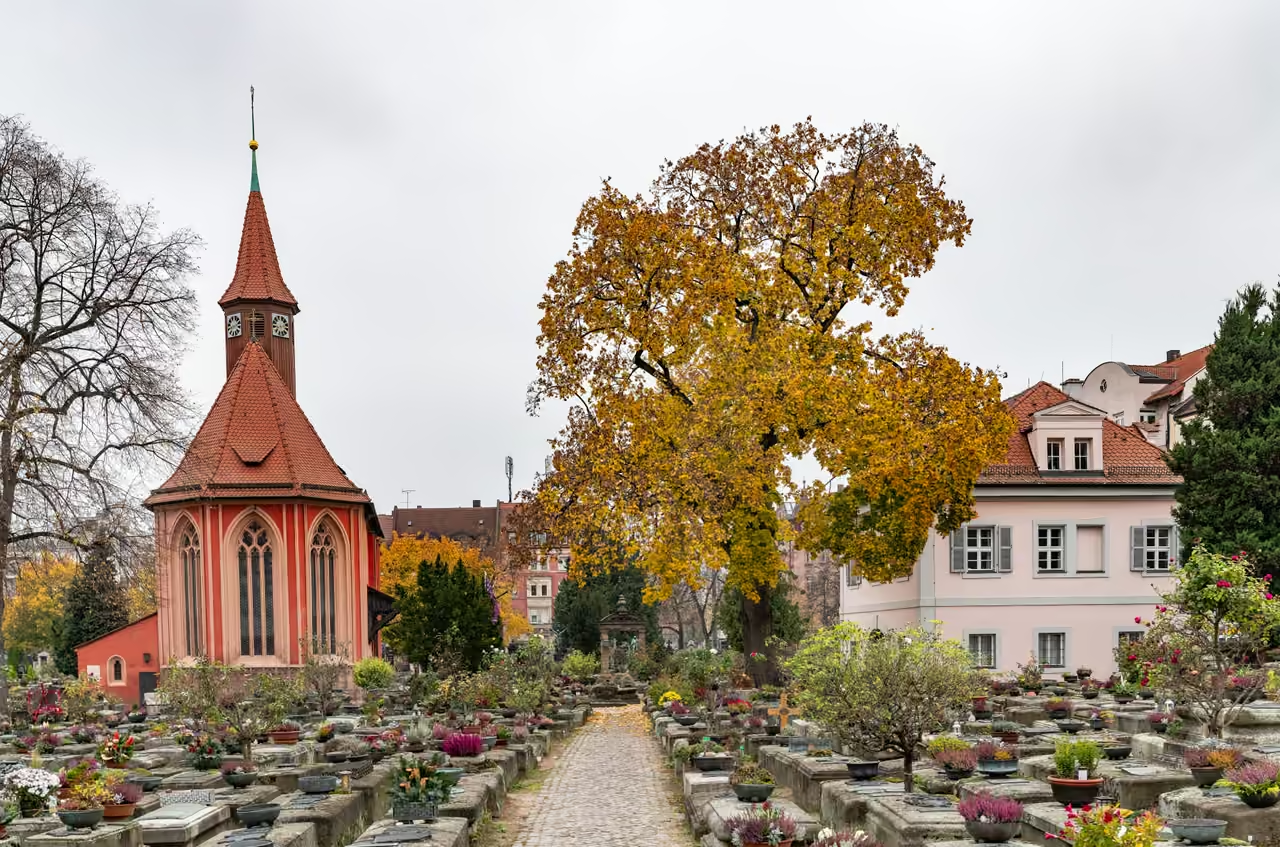
5 Days in Nuremberg
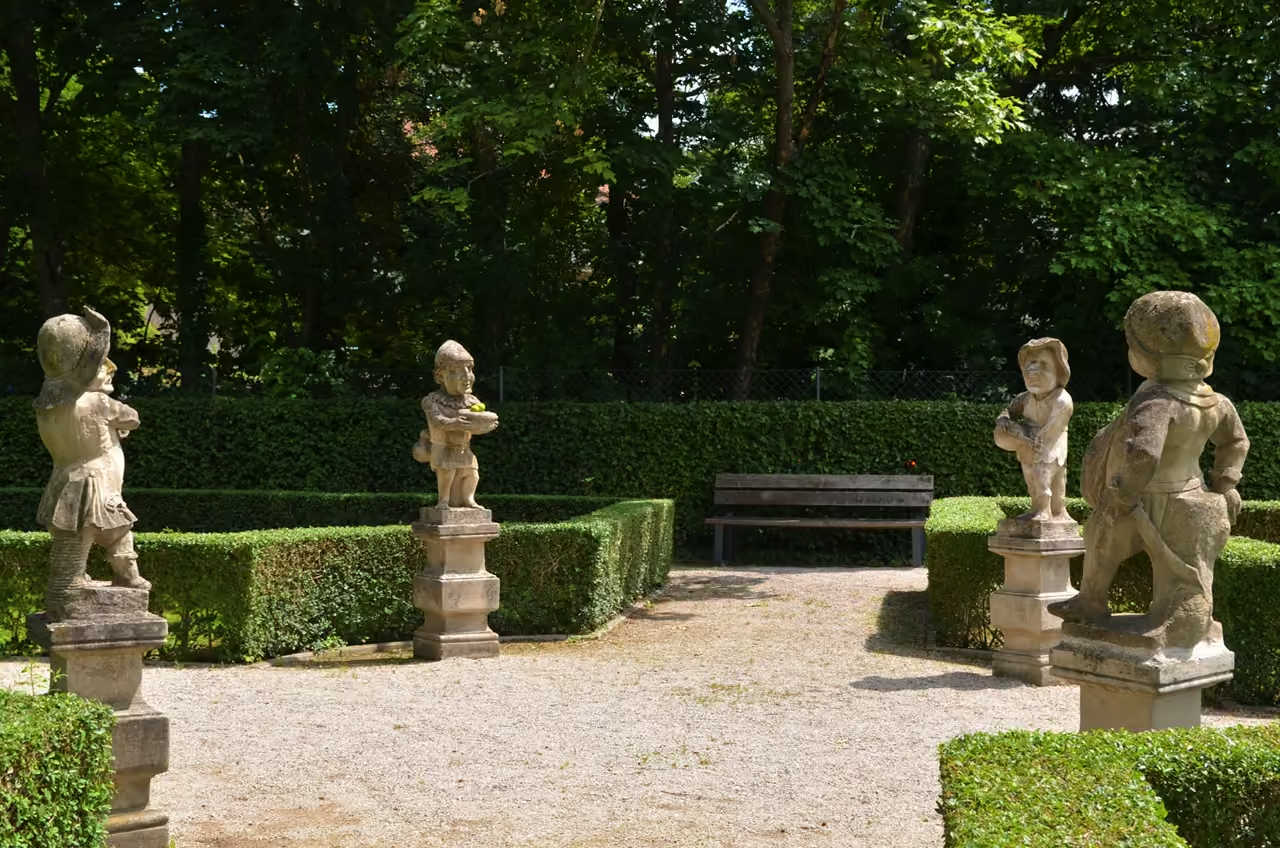
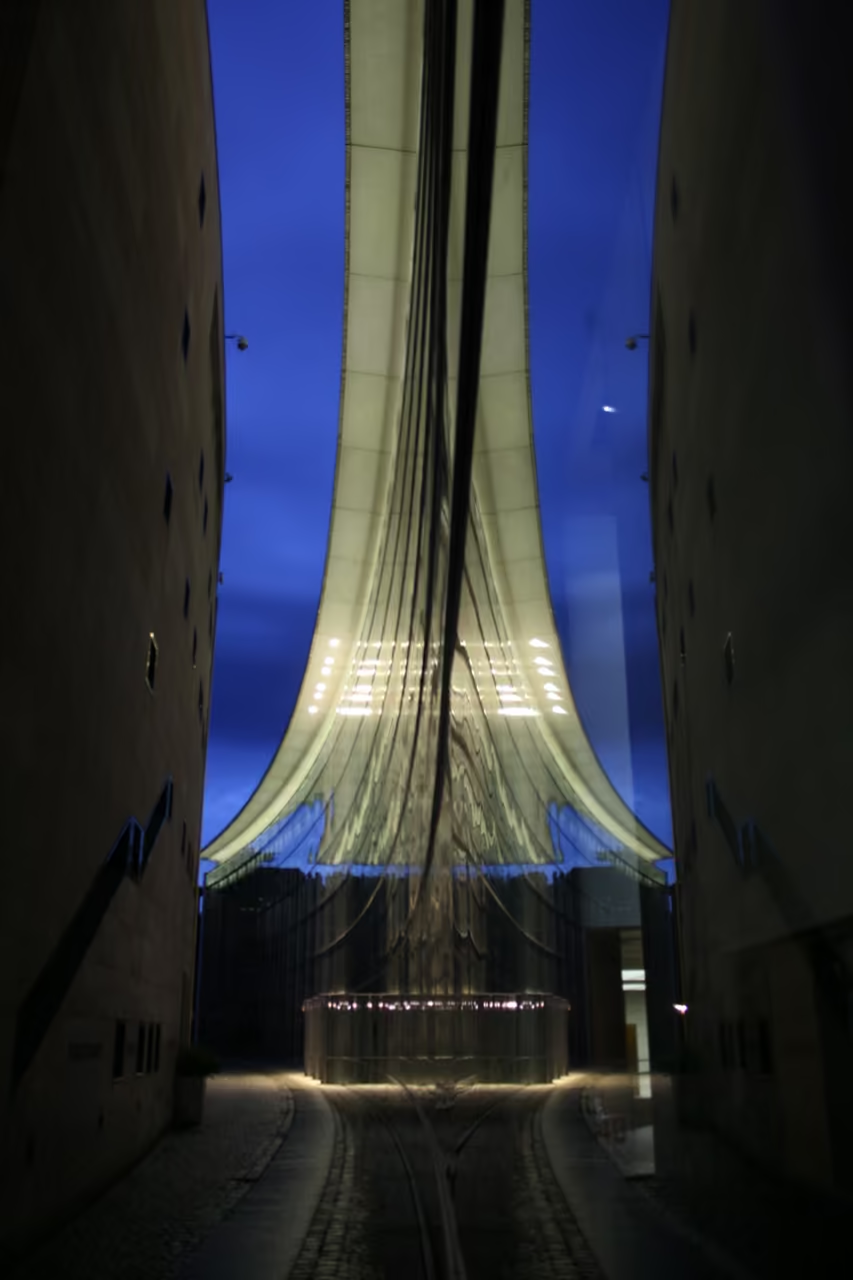
A full working week allows visitors to treat the city like a local, diving into highly specific museums and exploring the outer green belts. The schedule incorporates deep dives into the transport history and hidden patrician gardens that most tourists never see. It factors in time for long walks along the Pegnitz river and cycling trips into the vast eastern forests. The itinerary assumes a desire to experience the quiet, residential pockets of the city alongside the major monuments. This timeline transforms a rushed sightseeing trip into a relaxed cultural immersion.
view itinerary
See all attractions in Nuremberg
Including Albrecht Dürer House, Germanic National Museum, Nazi Party Rally Grounds, and more