Marseille
Full City Guide, Map & 186 Things To Do
886,040 people live here.
That's 1.29% of the entire population of France.
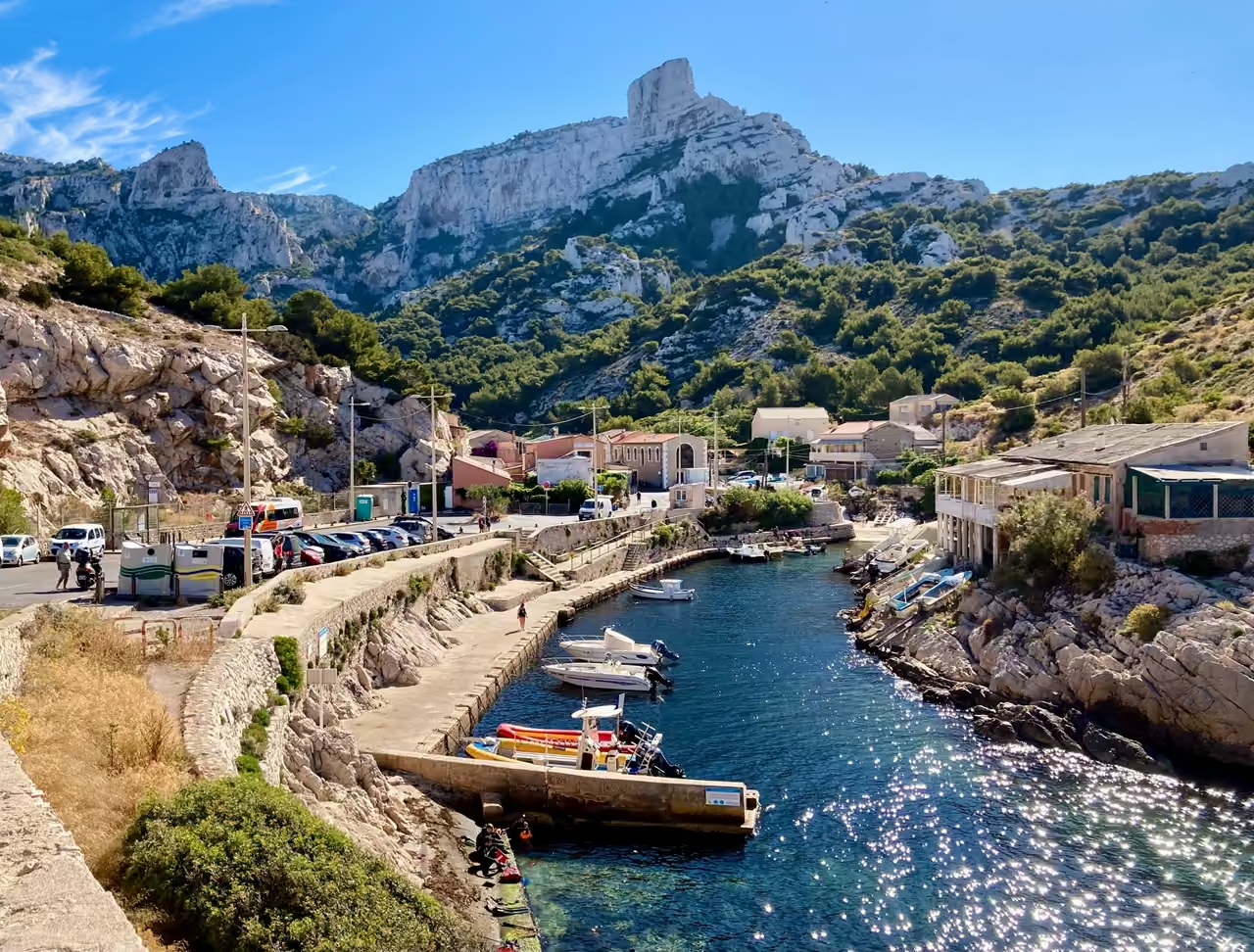
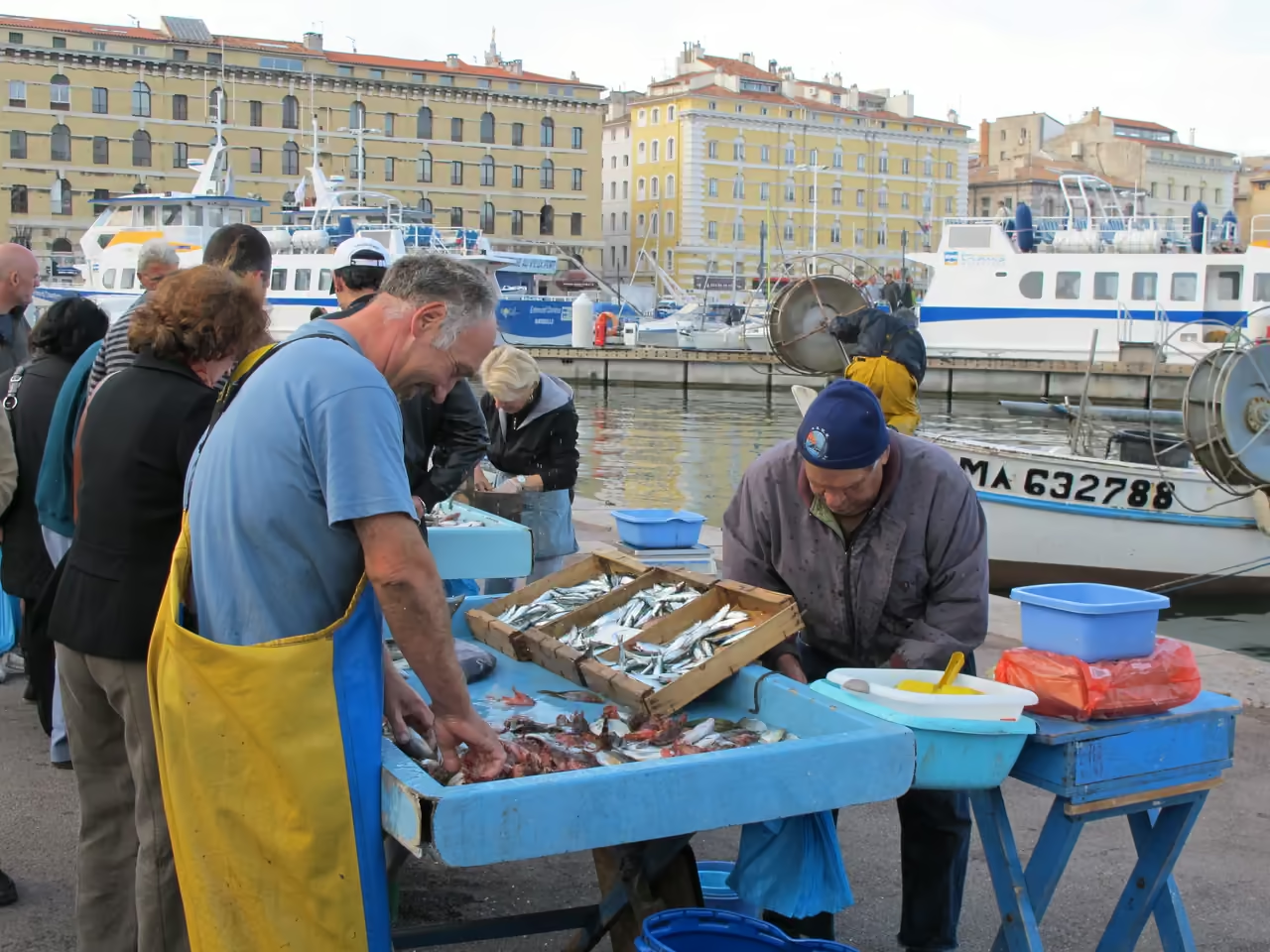
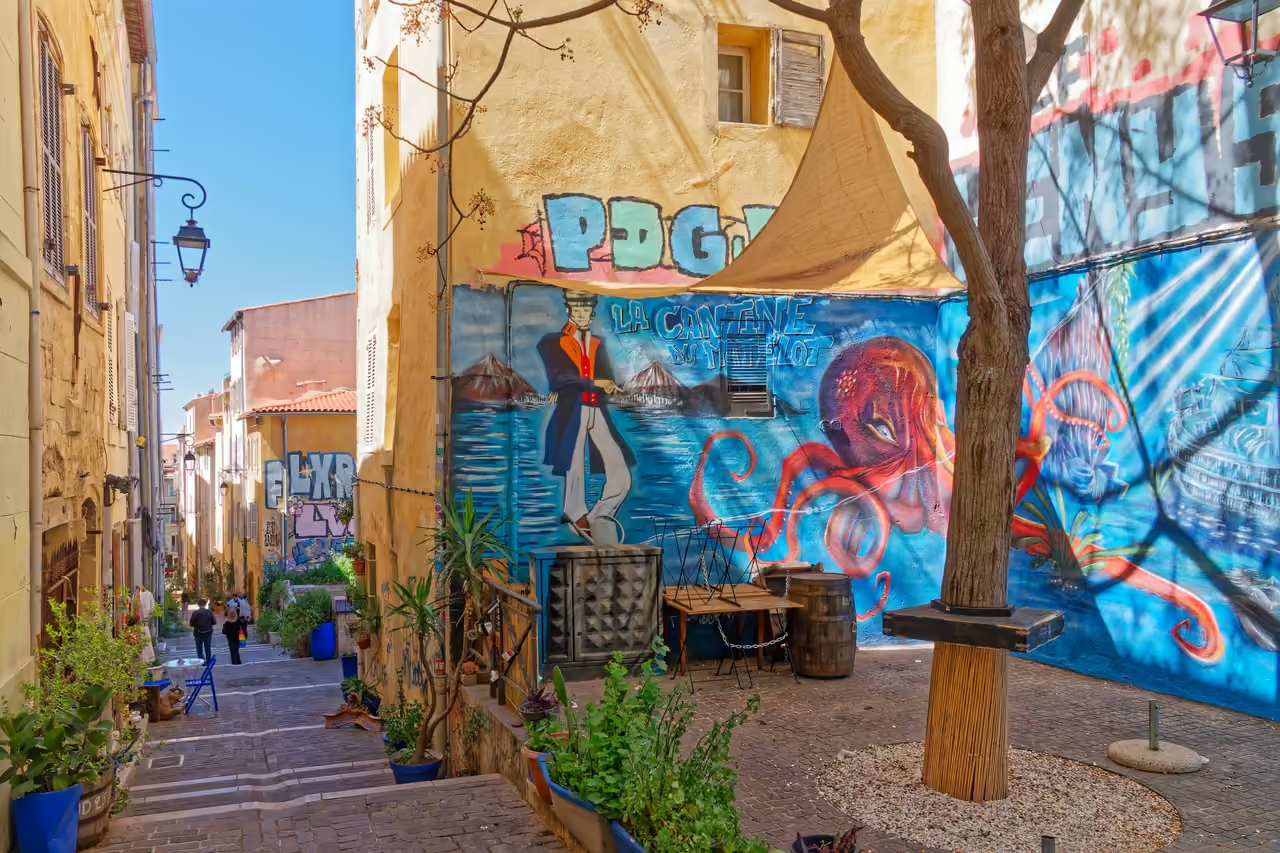
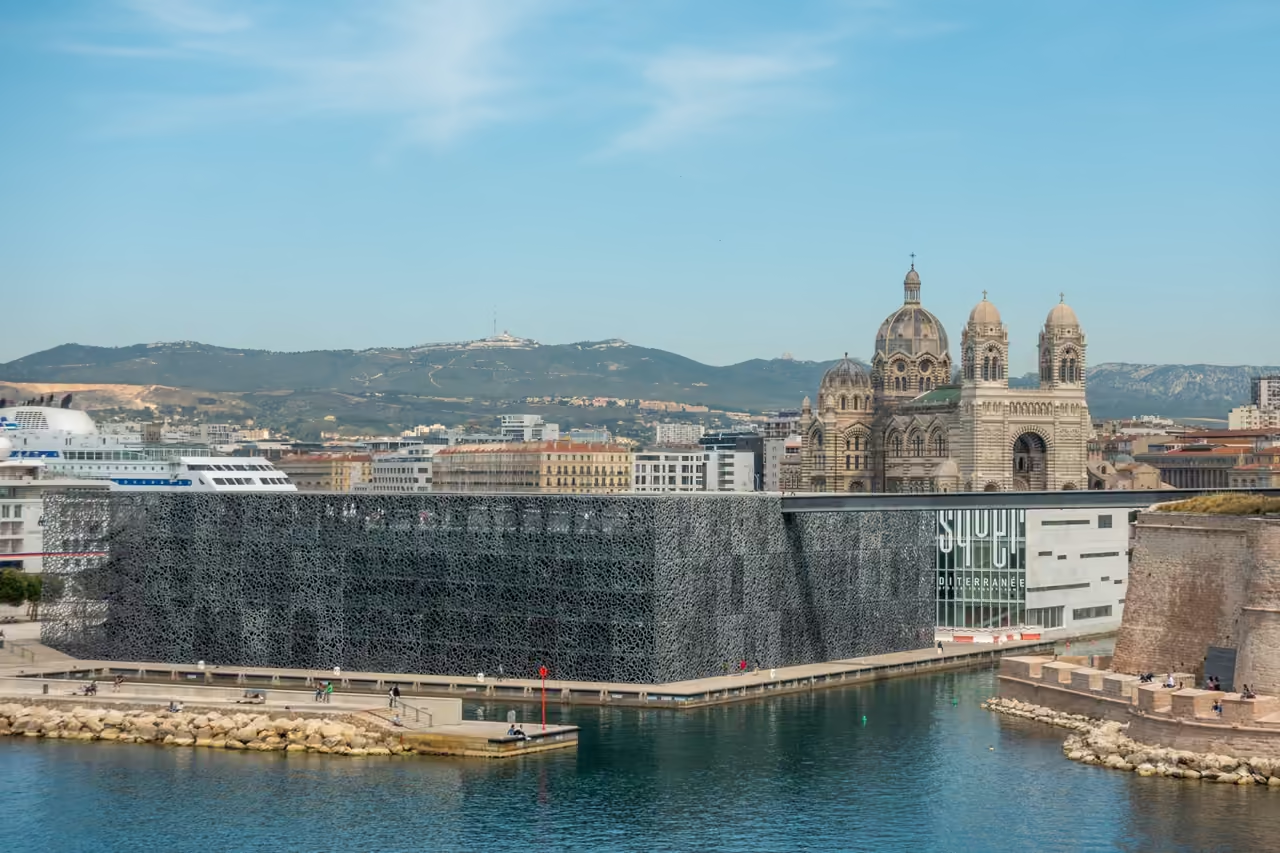
Sunlight bounces off pale limestone cliffs straight onto the masts of the Vieux-Port, where fishermen still auction rascasse and sea bream before mid-morning. France's oldest city layers Romanesque chapels, Second Empire colonnades, and Rudy Ricciotti's concrete lattice MuCEM along a single harbour rim. Step away from the quays and the ground rises sharply into Le Panier's shuttered alleys or out towards the white coves of the Calanques National Park. North African spice stalls in Noailles rub shoulders with centuries-old soap workshops and street-art stairs climbing towards Cours Julien. Few European ports feel as raw, sunlit, or defiantly local, right down to a cloudy glass of pastis poured beside the ferry boats.
Marseille DNA
History of Marseille
Around 600 BC, Greek mariners sailing from Phocaea dropped anchor inside a sheltered natural inlet they called the Lacydon. Classical writers recount how their leader Protis attended a banquet hosted by local Ligurian chieftain Nanos and received a ceremonial cup of water from the chieftain's daughter Gyptis, sealing a marriage that birthed Massalia. That coastal outpost grew rapidly into a prosperous maritime republic steering tin and amber trade across western Europe, introducing grapevines to Gaul, and lending Celtic neighbours the Greek alphabet to record their own speech. From those wharves sailed Pytheas, the astronomer who measured Marseille's exact latitude in antiquity and navigated far into northern seas. Independence carried real risks once Roman and Carthaginian armies clashed across the western Mediterranean. Massalia backed Rome early, escaping Hannibal's passing army along the Rhône, yet gambled poorly during Rome's civil war by shutting its gates to Julius Caesar in 49 BC. Besieged by land and defeated at sea, the city surrendered its independent fleet and colonial outposts, rebuilding instead as a thriving Roman port before Christian communities took root around John Cassian's fifth century Abbey of Saint Victor. Early medieval raids tested the coastline before Marseille rose again after the year 1000 as a bustling crusader embarkation port hosting Knights Templar and Hospitaller commanderies at opposite ends of the harbour. Fiercely jealous of local charters, citizens clashed repeatedly with bishops and Provençal rulers until Charles of Anjou imposed the Peace Chapters in 1257 to rein in civic autonomy. Even after a devastating Catalan raid emptied the docks in 1423, King René rallied fishermen and masons to rebuild the ramparts and raise a stout guard tower at the harbour mouth. Rebellious pride endured long after Provence united with the French crown. During the Wars of Religion, radical leader Charles de Casaulx governed Marseille almost as an independent state until his assassination in 1596 prompted King Henry IV to remark that only then had he become king of France. Following fresh tax revolts, young Louis XIV rode into town through a gap cut into the walls in 1660 and ordered Fort Saint Jean and Fort Saint Nicolas built with cannons angled toward the town rather than the sea. Royal discipline arrived alongside privilege when Colbert made Marseille a free port in 1669, helping maritime merchants bounce back within a decade even after the Great Plague struck in 1720. Revolutionary fervour gripped the quays in 1792, when five hundred local volunteers marched to Paris singing a Rhine army battle song that listeners quickly christened La Marseillaise. Ironically, Paris punished the port's federalist uprising two years later by briefly renaming it the Nameless City. Industrial transformation reshaped the nineteenth century: engineers dug an eighty seven kilometre canal from the Durance River in 1847 to end chronic droughts, while steamships, the Suez Canal opening in 1869, and vast new basins at La Joliette made Marseille southern Europe's great industrial gateway. Successive waves of newcomers rebuilt the port from the street up, bringing Italian labourers, Armenian refugees, Corsican families, Pieds Noirs arriving after 1962, North African workers, and a large Comorian community. Wartime bombings, the 1943 demolition of blocks behind the Old Port, and postcolonial shipping shifts brought steep midcentury hardship, yet sweeping renewal across Euroméditerranée and the 2013 European Capital of Culture programme revived the docks while leaving the city's outspoken coastal character intact.
28 events spanning 2624 years
Map of Marseille
Interactive Destination & Itinerary Map
This map blends our curated city guides—featuring best photo spots, scenic walks, viewpoints, hidden gems and much more—with a live Wikipedia explorer. Click on our numbered pins to plan your routes, or zoom in on the surrounding neighborhoods to discover verified local landmarks, museums, and stories with dynamic Wikipedia summaries and photos!
Fun Facts
12- 01
King Francis I only commissioned Château d'If after stopping in Marseille in 1516 to glimpse an Indian rhinoceros sailing from Portugal as a gift to Pope Leo X.
- 02
Marseille briefly lost its own name during the French Revolution, spending five weeks in 1794 officially dubbed the 'Ville-sans-Nom' (Nameless City) as punishment for rebelling against Paris.
- 03
Mainland France, Switzerland, and Liechtenstein all calibrate zero metres above sea level from an 1883 stone tide-gauge pavilion standing on Marseille's Corniche.
- 04
When 500 local volunteers marched into Paris in 1792 singing what became France's national anthem, La Marseillaise, most ordinary townsfolk back home spoke Provençal rather than French.
- 05
The broad lawns and sandy bays of the Prado beaches are entirely man-made, built in the 1970s using earth and rock excavated from Marseille's metro tunnels.
- 06
Two harbour fortresses, Fort Saint-Jean and Fort Saint-Nicolas, were ordered by Louis XIV with guns aimed inward at rebellious citizens rather than out to sea.
- 07
With roughly 50,000 to 100,000 residents of Comorian heritage, Marseille holds more Comorians than Moroni, the capital of the Comoros islands.
- 08
Locals lovingly call Le Corbusier's UNESCO-listed brutalist apartment block 'La Maison du Fada', literally the House of the Madman.
- 09
Marseille's evening street pizza vans trace back to former mayor Gaston Defferre permitting municipal employees to run second businesses after work.
- 10
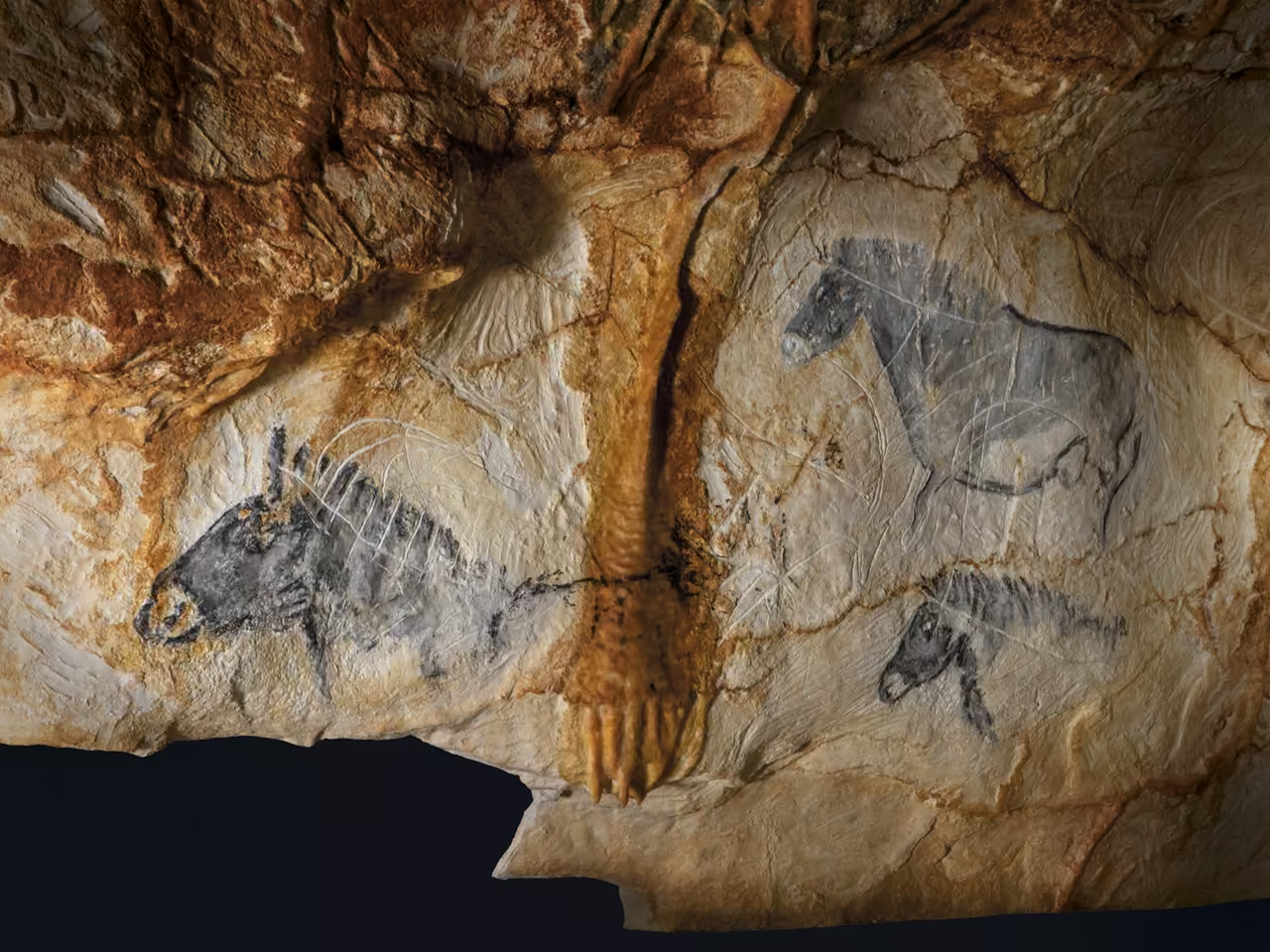
Scuba divers only discovered the prehistoric paintings of Cosquer Cave in 1992 because its underwater tunnel entrance sat 37 metres below sea level.
- 11
While waiting for wartime exit visas at Marseille's Villa Air-Bel in 1940, exiled Surrealists André Breton, Max Ernst, and Victor Brauner invented a new card deck called Le Jeu de Marseille inspired by the traditional Tarot of Marseille.
- 12
Georges Braque's 1908 geometric paintings of terraced houses at L'Estaque prompted an art critic's remark about 'little cubes', helping give Cubism its name.
Did You Know?
13- 01
Founded around 600 BC by Greeks from Phocaea, Marseille is France's oldest city and the first settlement on record to have its exact latitude calculated in antiquity by local explorer Pytheas.
- 02
Spanning 240.62 square kilometres, two and a half times the area of Paris, Marseille gathers 111 distinct historical villages and urban neighbourhoods within one city boundary.
- 03
Marseille founded France's oldest Chamber of Commerce in 1599, a body that long administered French trade monopolies with the Levant and North Africa.
- 04
Opened in 2012, the Calanques National Park was Europe's first peri-urban national park, safeguarding 11,100 hectares of land and 141,300 hectares of sea right beside a major city.
- 05
Dozens of subsea fibre-optic cables make landfall along the Marseille coast, turning the port into one of the world's top ten internet interconnection hubs.
- 06
Ancient Massalia introduced both vineyards and writing to Gaul, as neighbouring Celtic peoples adopted the Greek alphabet to record their own language.
- 07
Completed in 1847 after eleven years of work by 5,000 labourers, the 87-kilometre Canal de Marseille carried Durance River water across monumental aqueducts to solve chronic droughts.
- 08
Averaging over 2,800 sunshine hours and only around 53 rainy days per year, Marseille owes its crisp blue light to the northerly Mistral wind blowing roughly 93 days annually.
- 09
During 1962, roughly 450,000 Pieds-Noirs passed through Marseille's port from newly independent Algeria in just a few months, with around 100,000 settling permanently.
- 10
The Grand Port Maritime de Marseille remains France's largest seaport and one of Europe's top five, supporting more than 43,000 maritime and port jobs.
- 11
Marseille hosts around 70 foreign consulates, giving the city the second largest diplomatic consular presence in France after Paris.
- 12
With major Marseille campuses at Luminy, Saint-Charles, Château-Gombert, and La Timone, Aix-Marseille University is one of the largest universities in the French-speaking world.
- 13
Centered around La Timone and the IHU Méditerranée Infection, Marseille's medical researchers produced roughly a third of all French scientific publications in infectious diseases by 2015.
Videos of Marseille
Seasons
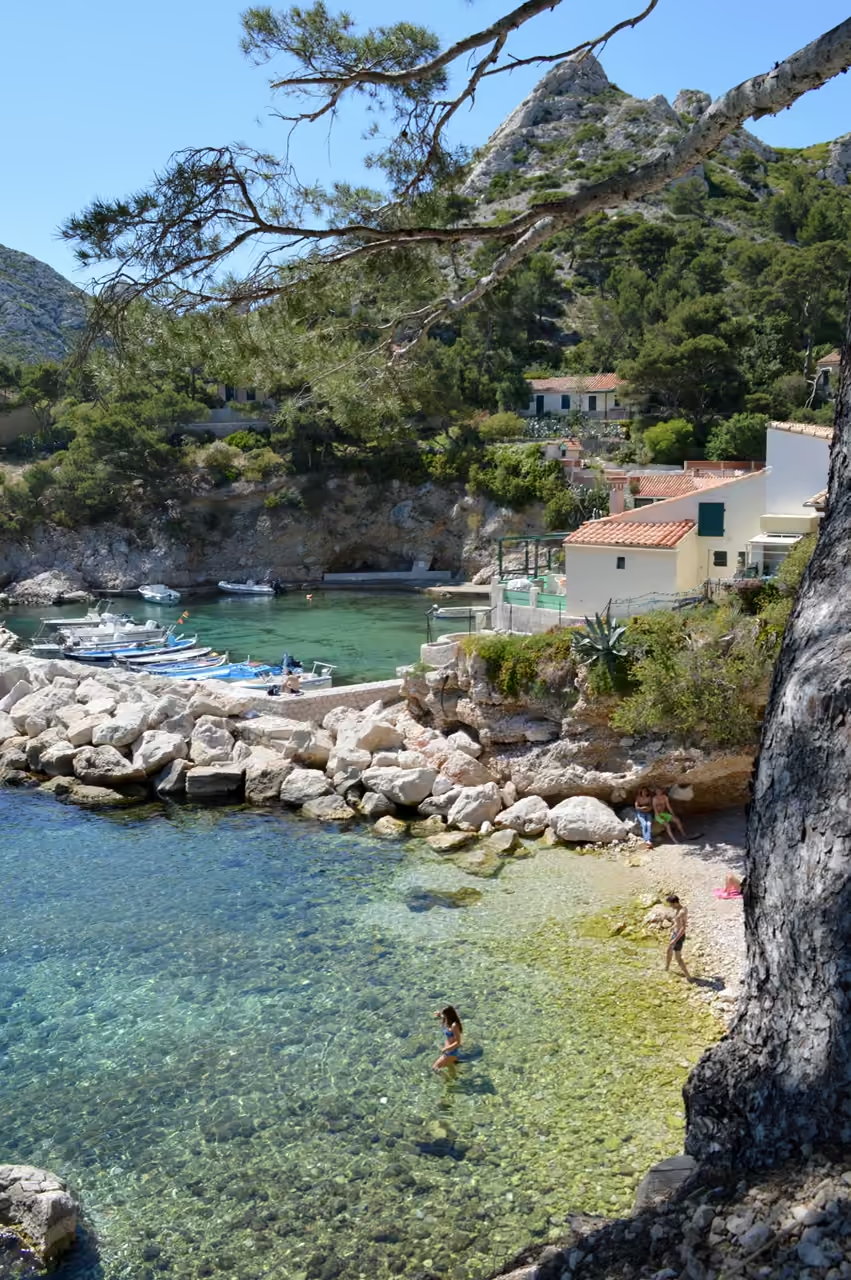
Spring
Spring arrives noticeably earlier here than elsewhere in coastal Provence, warming terrace stone rapidly through April and May...
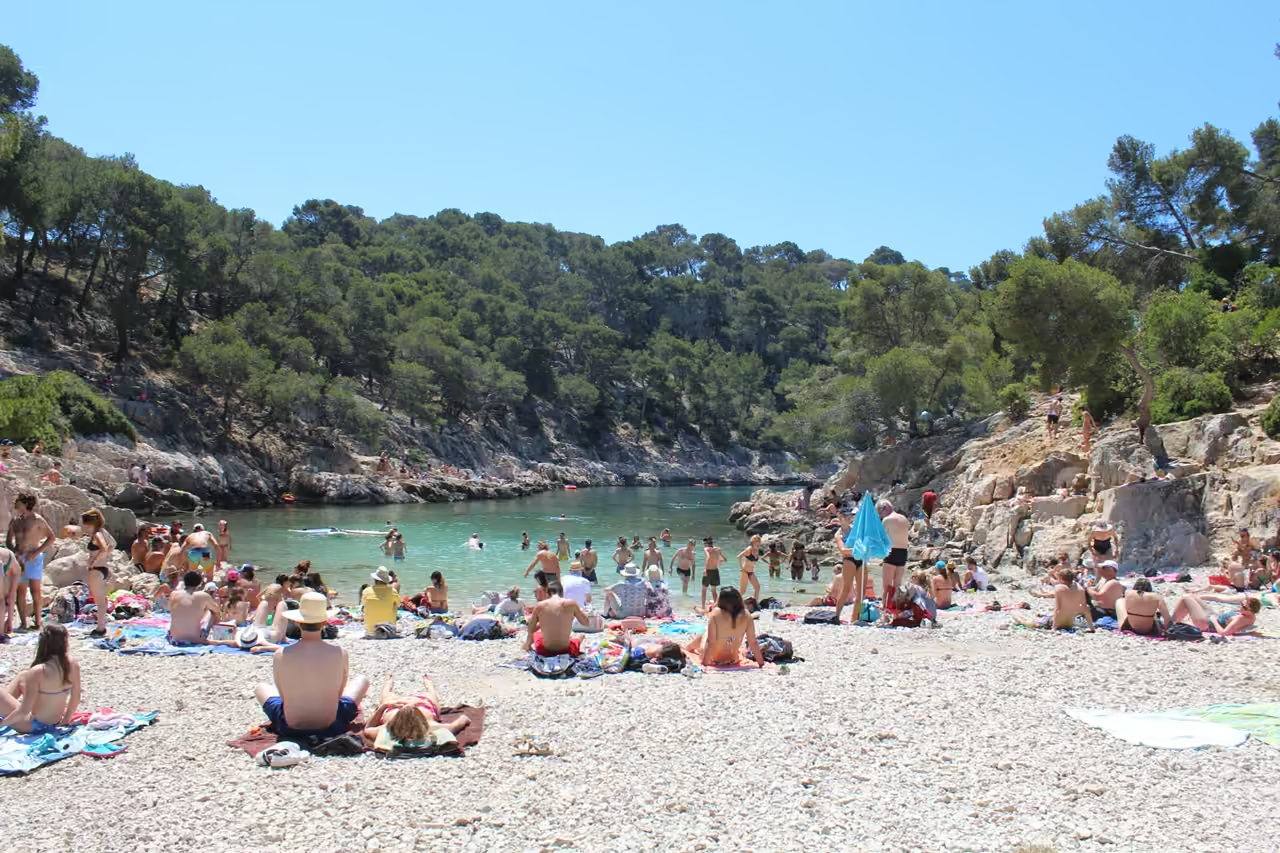
Summer
Long hot dry days hover around 30°C with cool sea breezes along the Corniche and late-evening swims at Malmousque, though warm...
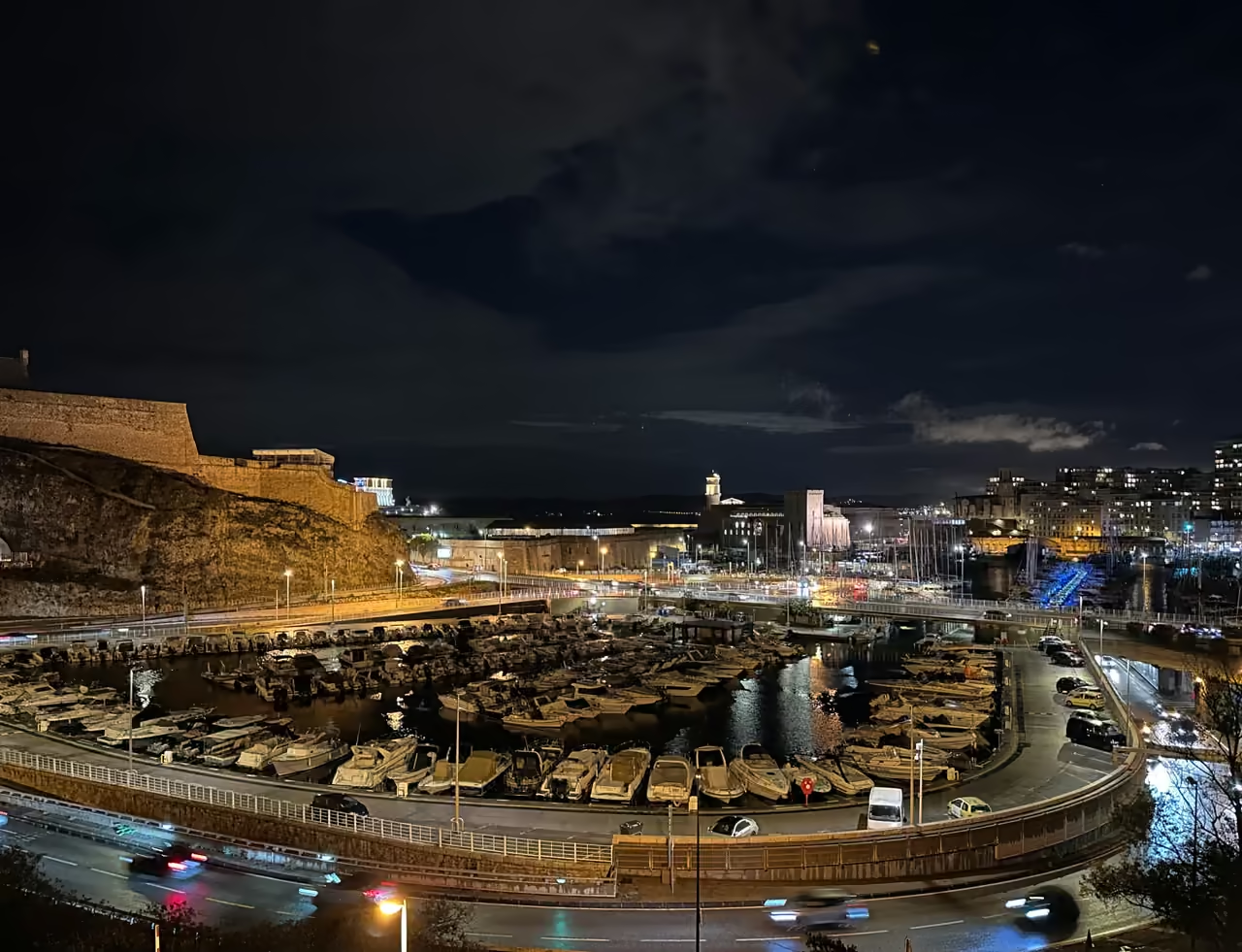
Autumn
Mediterranean waters stay invitingly warm well into late September and October even as crowds thin along the Vieux-Port and...
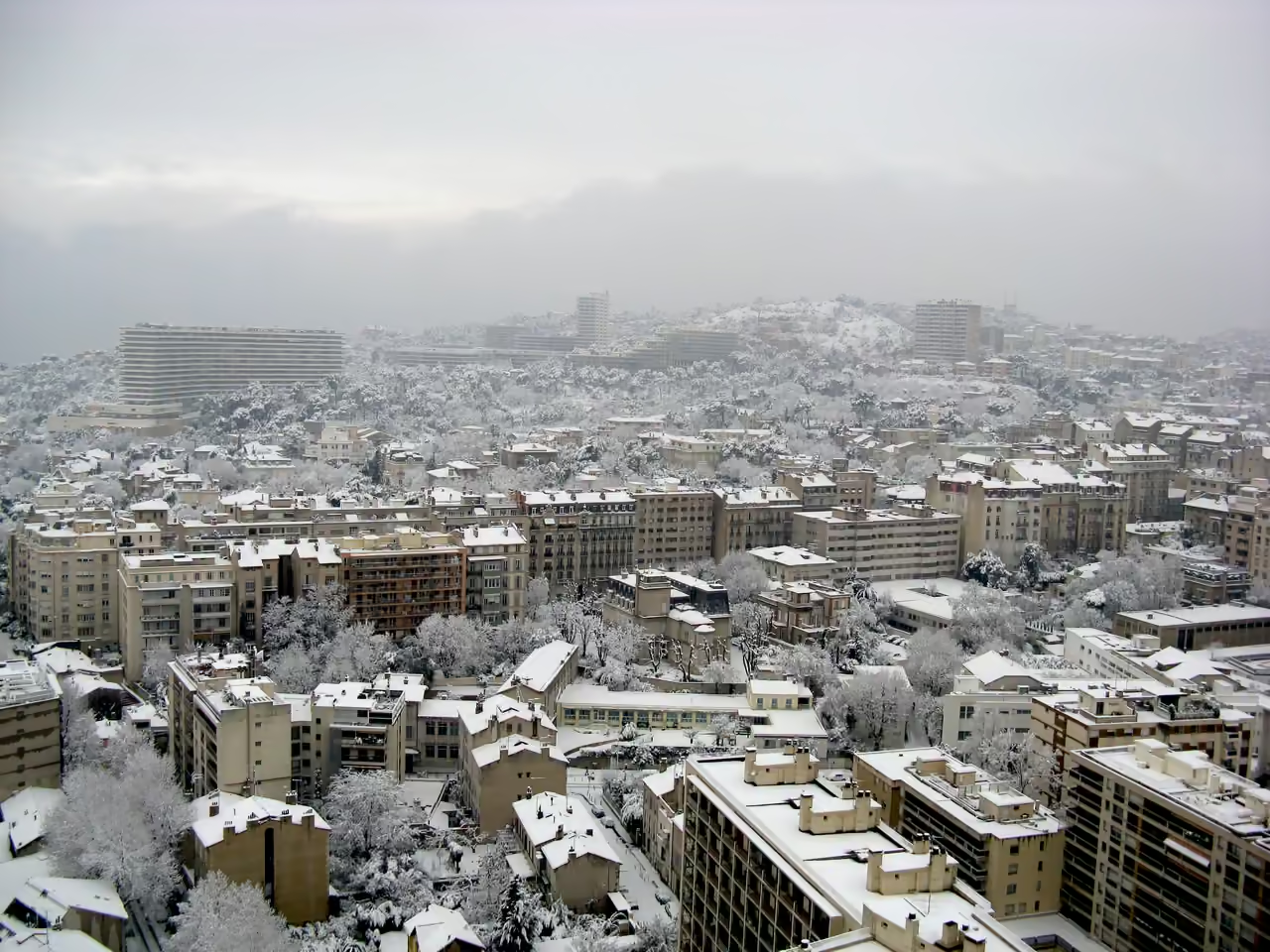
Winter
Crisp Mistral gusts sweep clouds away to deliver some of Europe's sunniest, brightest winter afternoons alongside gentle coastal...
Top Attractions in Marseille
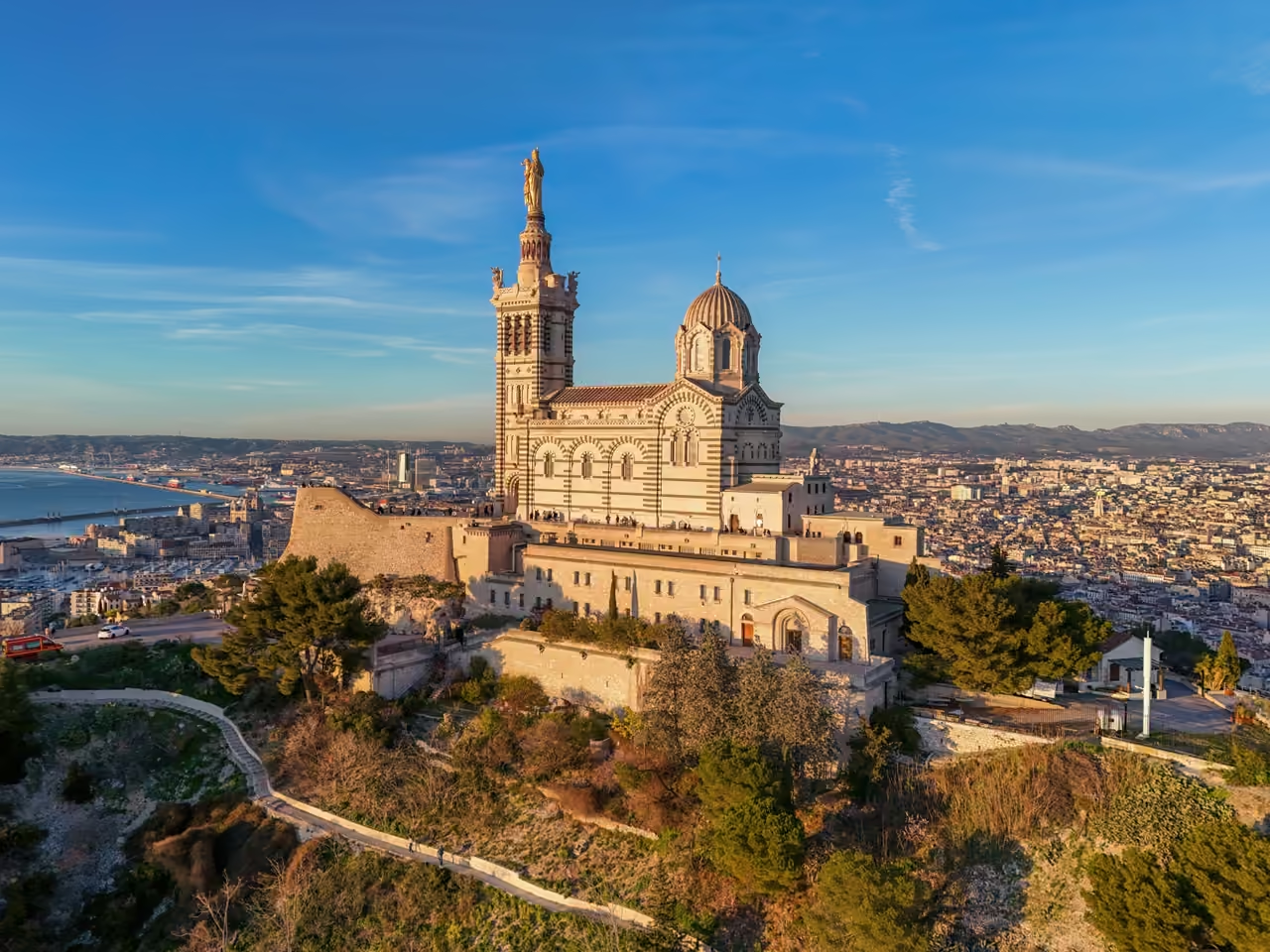
Basilica of Notre-Dame de la Garde
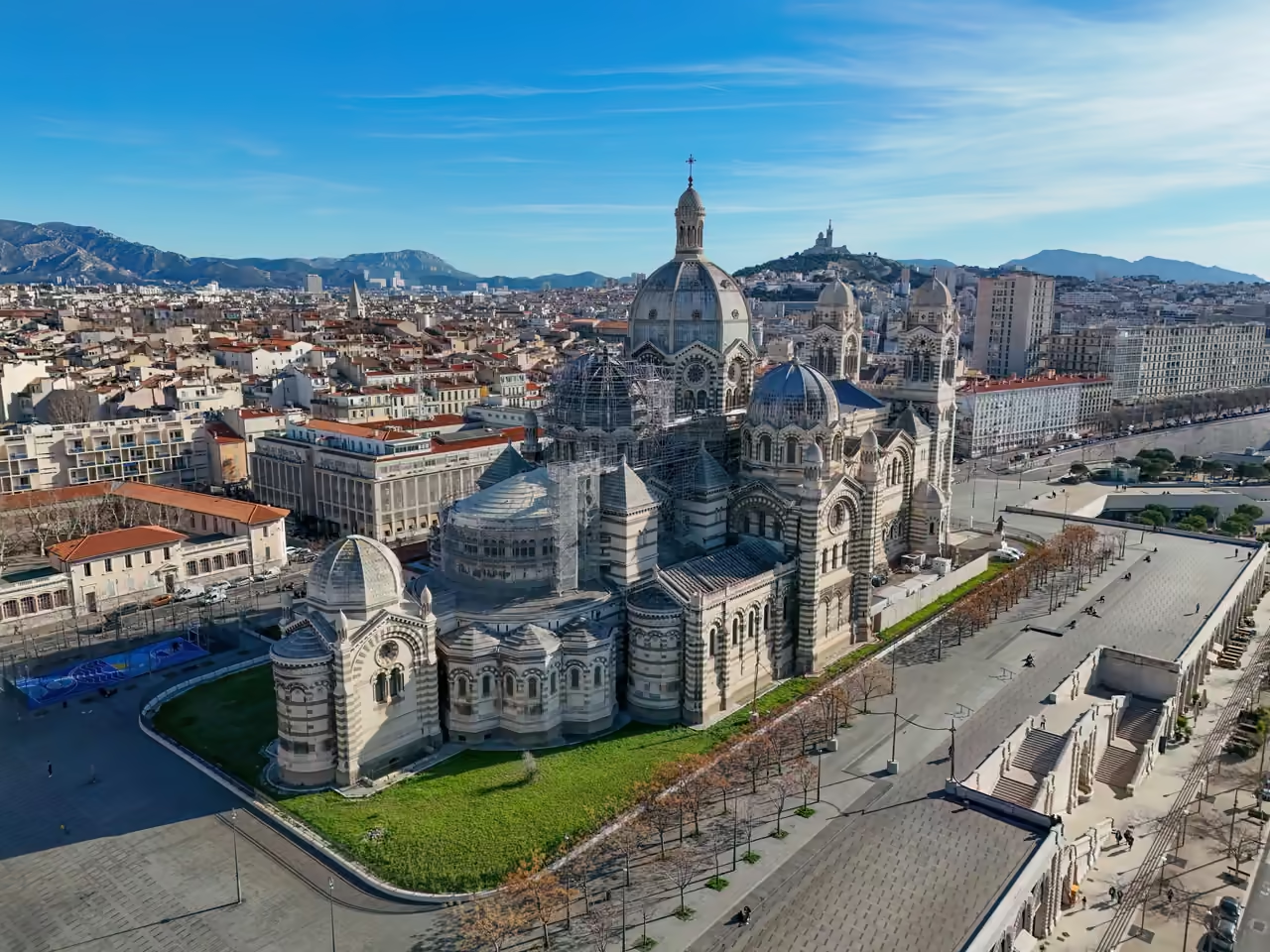
High on a white limestone ridge 162 metres above the Mediterranean, the Basilica of Notre-Dame de la Garde keeps watch over...
view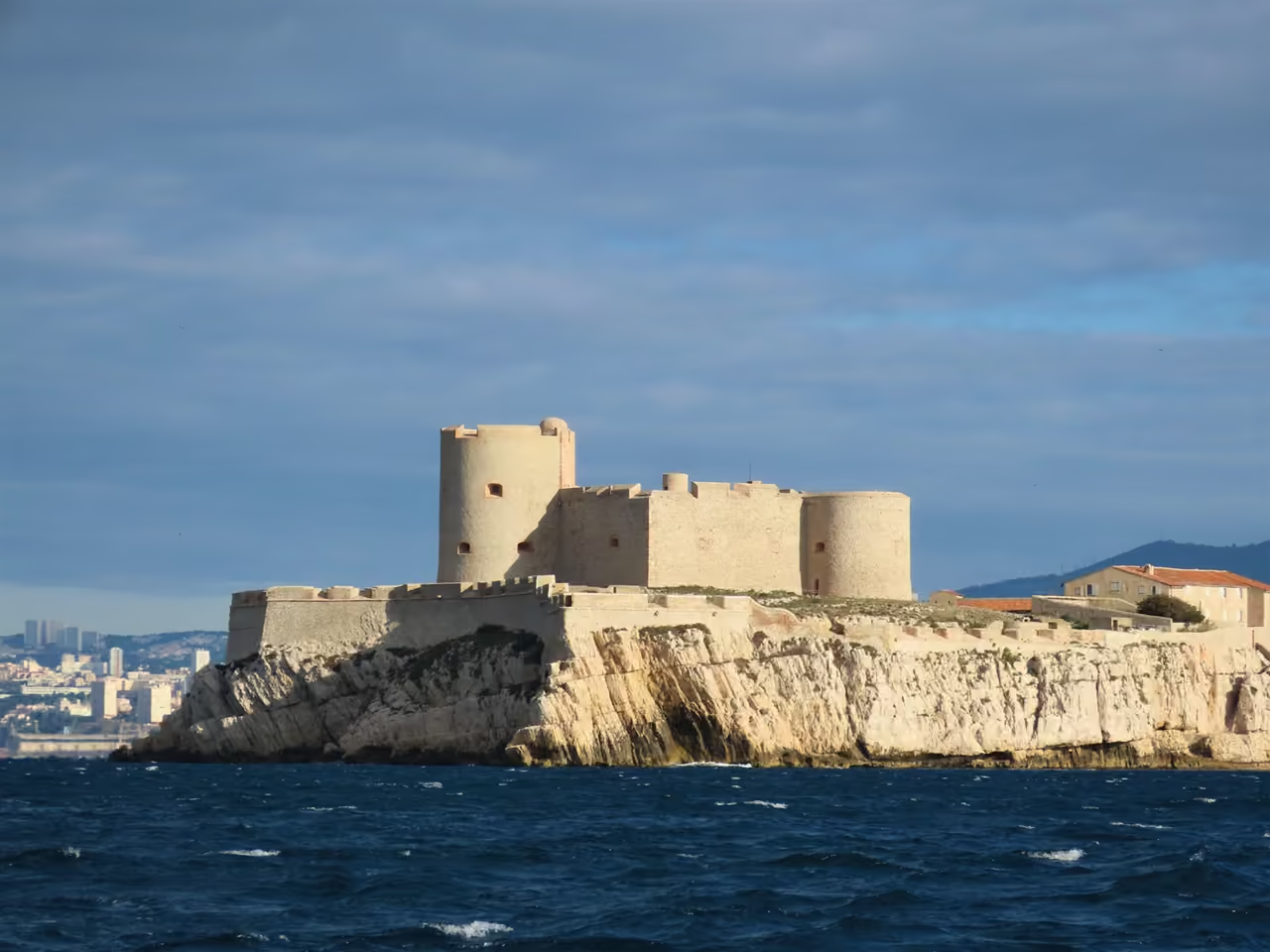
Château d'If
Twenty minutes by boat from Marseille's Old Port drops you onto a rock that feels stubbornly aloof from the mainland. Sitting...
view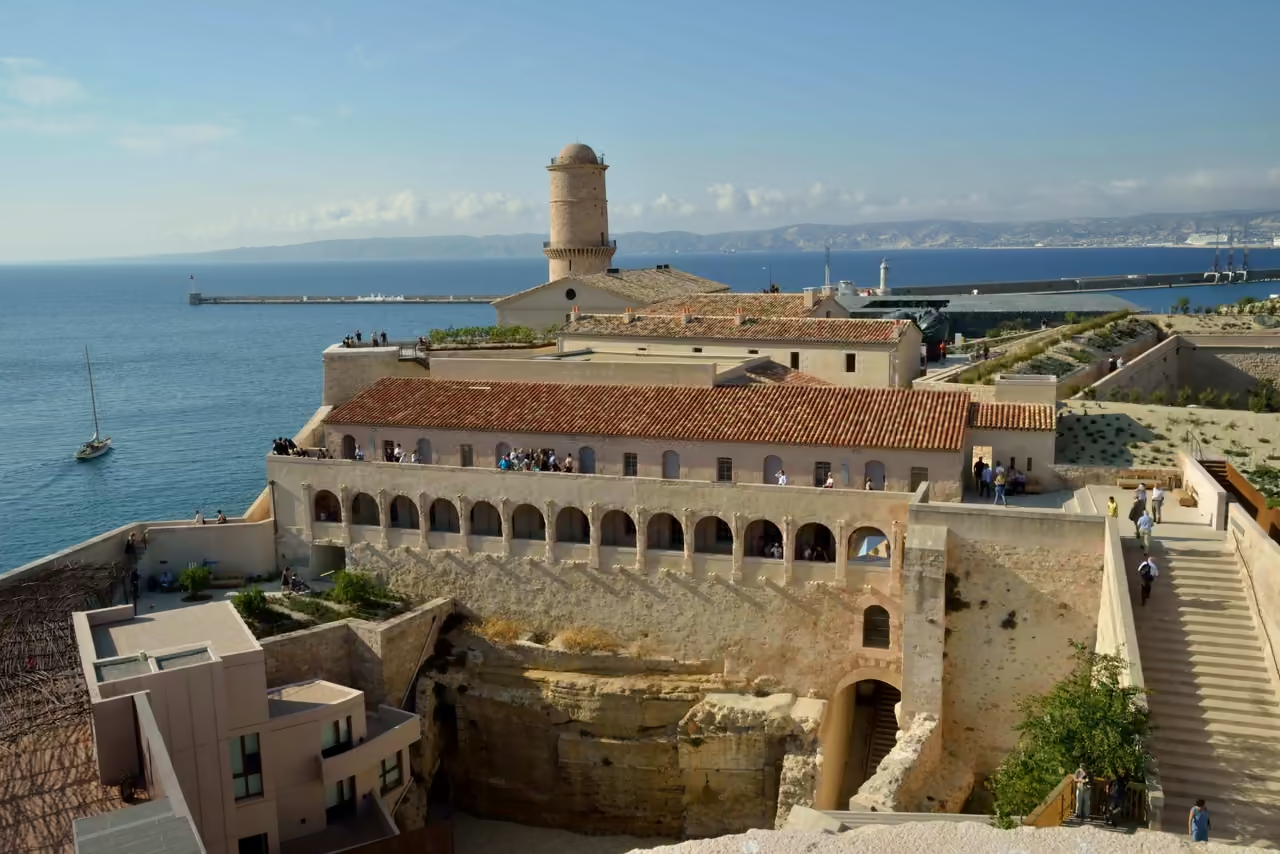
Fort Saint-Jean
Guarding the northern jaw of the Vieux-Port, Fort Saint-Jean looks straight across a narrow channel at its southern rival, Fort...
view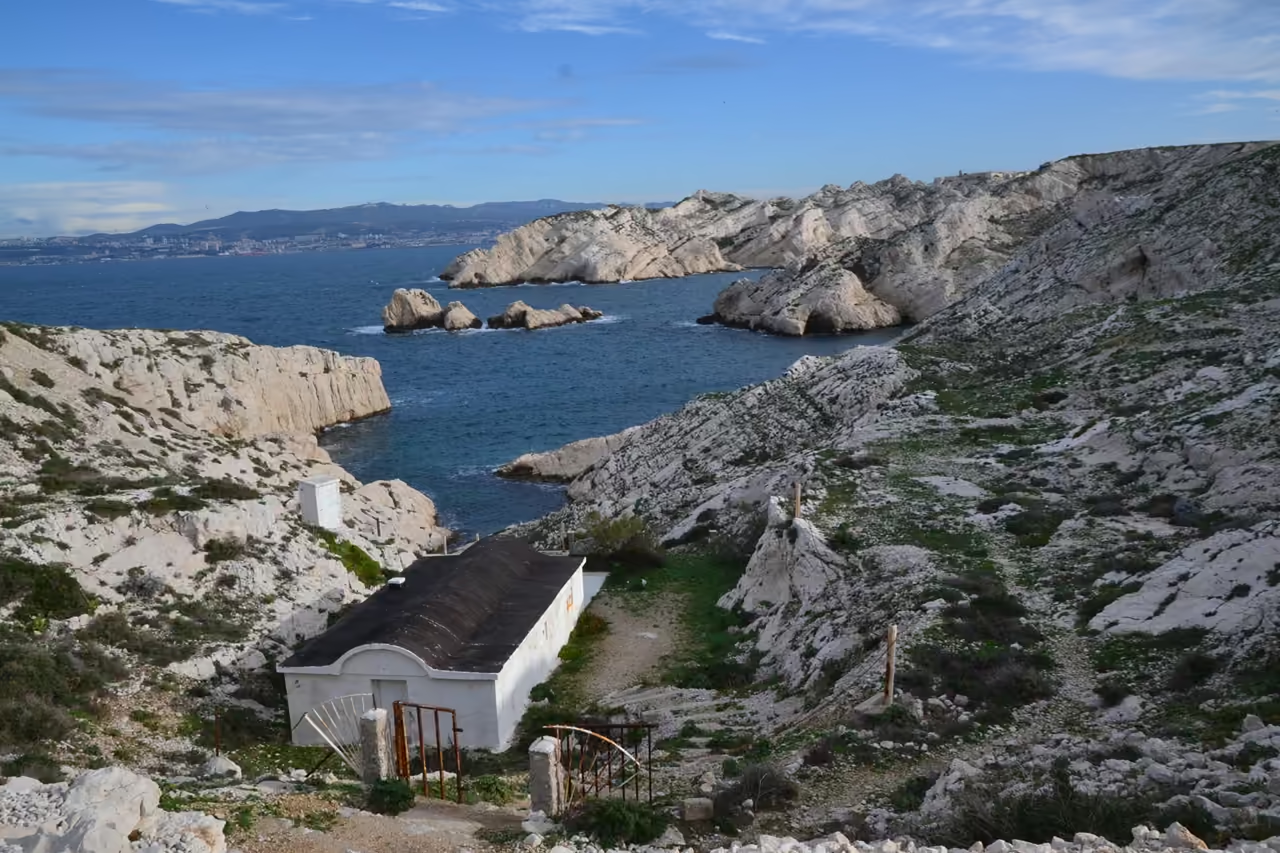
Frioul Islands
Twenty minutes out from Quai de la Fraternité, Marseille's traffic hum drops away and white limestone takes over. Port-Frioul...
view
Best Views
Marseille Itineraries
TRIP PLANNER
4 Days Recommended
Four days lets you take in the Vieux-Port, Le Panier, MuCEM, and Notre-Dame-de-la-Garde without rushing uphill under the midday sun. It also leaves room for a ferry outing to Château d'If and the Frioul islands, a dedicated Calanques hike, and unhurried dinners in Vallon des Auffes and Cours Julien.
1 Day in Marseille: Essential Loop
Experience Marseille's heartbeat in one crisp, walkable coastal arc linking morning fish auctions, medieval hilltop lanes, waterfront architecture, panoramic basilica heights, and lively harbour terraces.
view itinerary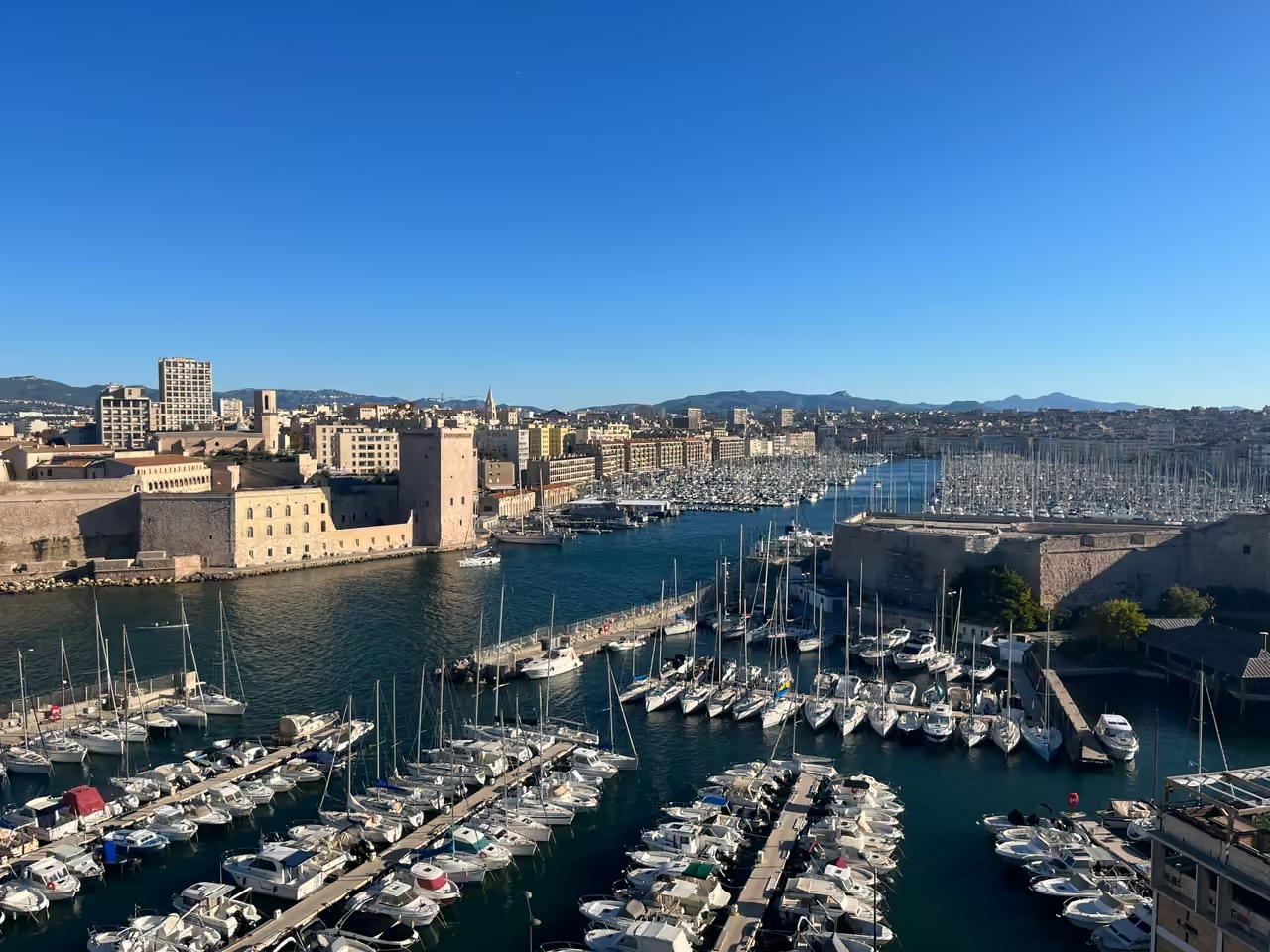
3 Days in Marseille: Sea, Culture & Calanques Break
Pair Marseille's harbour museums and island fortresses with a full coastal exploration of the Calanques National Park, Parc Borély, and bohemian street-art squares.
view itinerary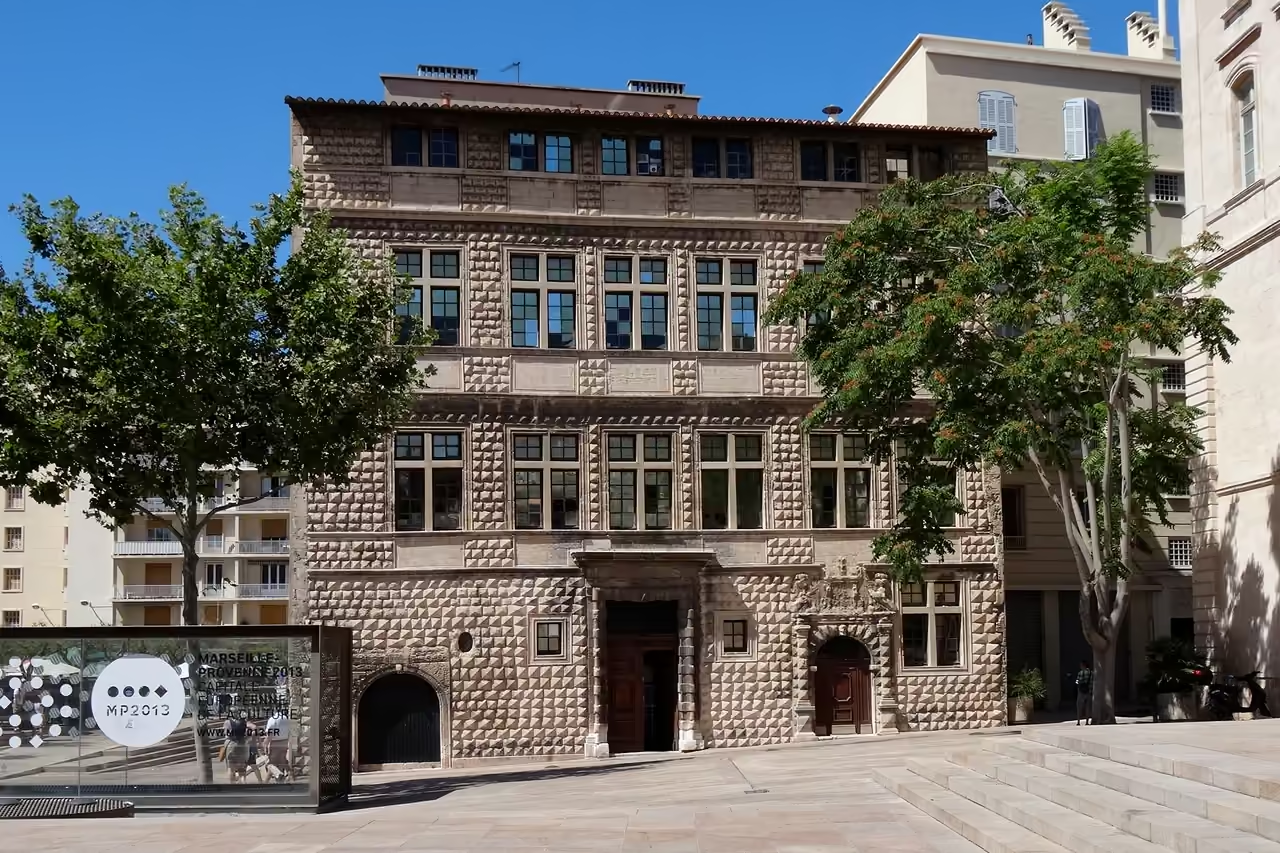
5 Days in Marseille: Villages, Architecture & Street Life Explorer
Dive deep across five full days covering Noailles spice bazaars, Palais Longchamp, Le Corbusier's UNESCO block, Calanques ridge trails, and Cézanne's L'Estaque harbour.
view itinerary
Food in Marseille
UNESCO World Heritage Sites
Free Things to do in Marseille
Climb to Notre-Dame-de-la-Garde for 360-Degree Views
Monter à la basilique Notre-Dame-de-la-GardeStroll the Ramparts & Suspended Bridges of Fort Saint-Jean
Parcourir les remparts du Fort Saint-JeanWatch the Morning Fish Auction on the Old Port
Assister au marché aux poissons du Vieux-Port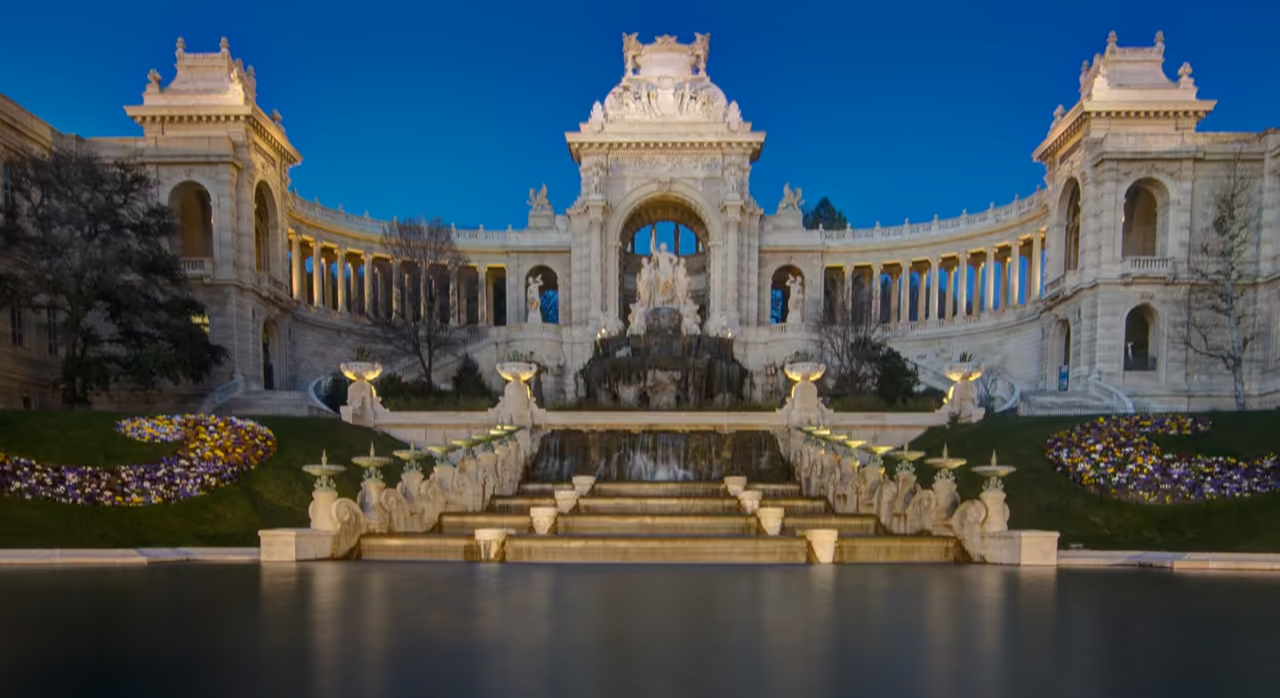
Browse Permanent Collections Free at Palais Longchamp
Visiter les musées du Palais Longchamp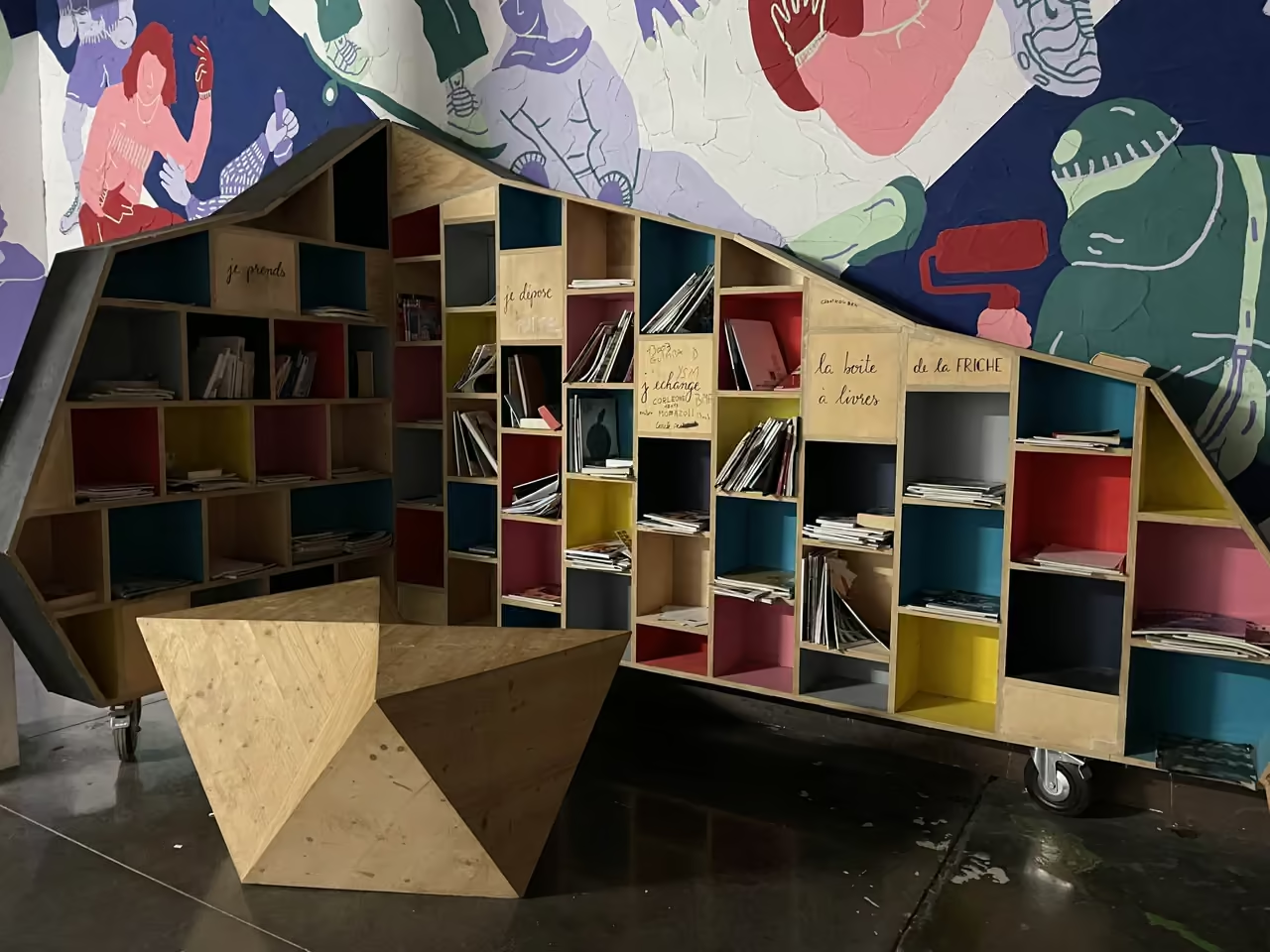
Dance at Free Summer Rooftop DJ Nights at La Friche
Les soirées gratuites sur le toit de la Friche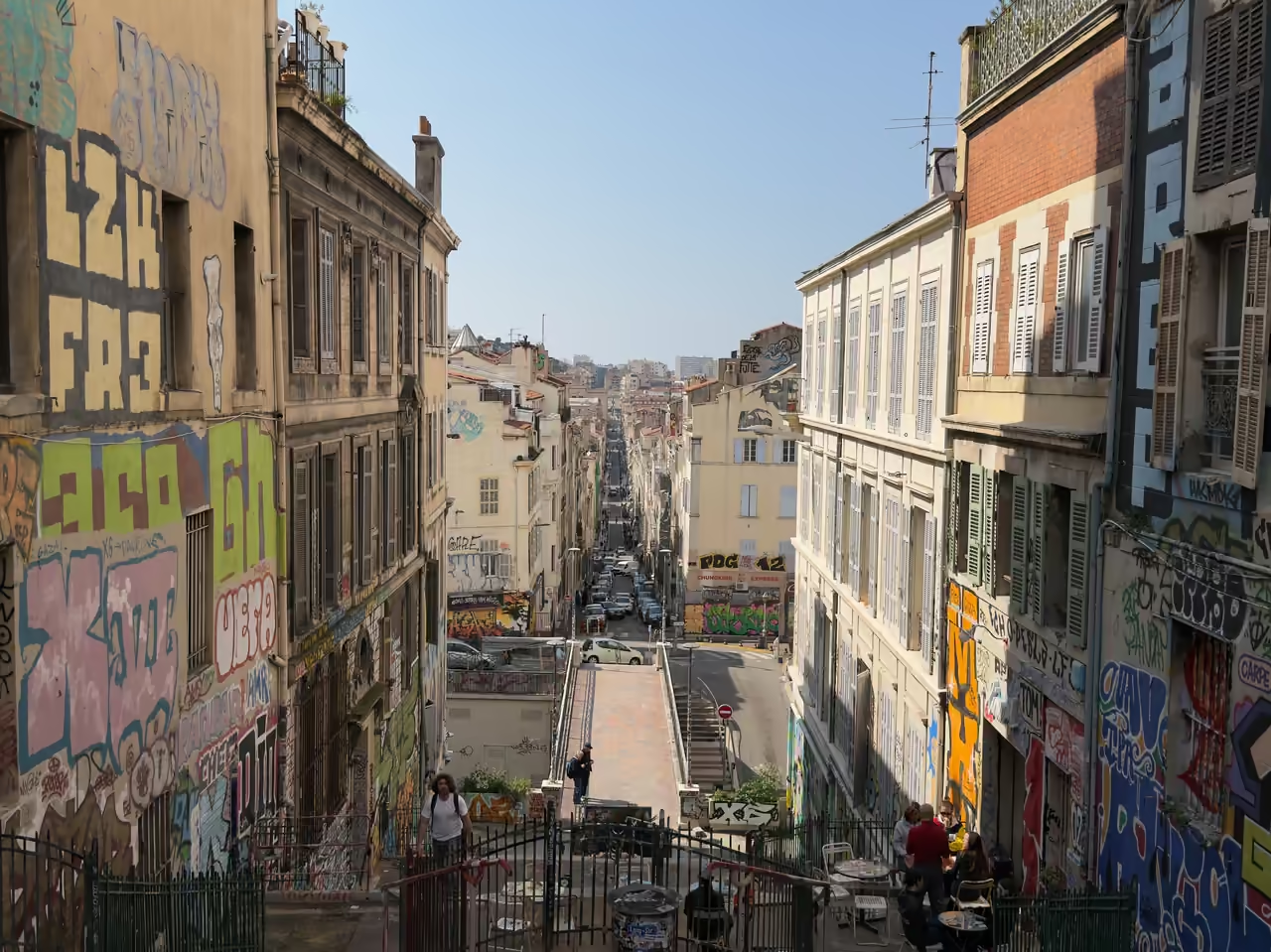
Go Street-Art Hunting Through Cours Julien
Admirer le street art au Cours Julien
Parks & Nature
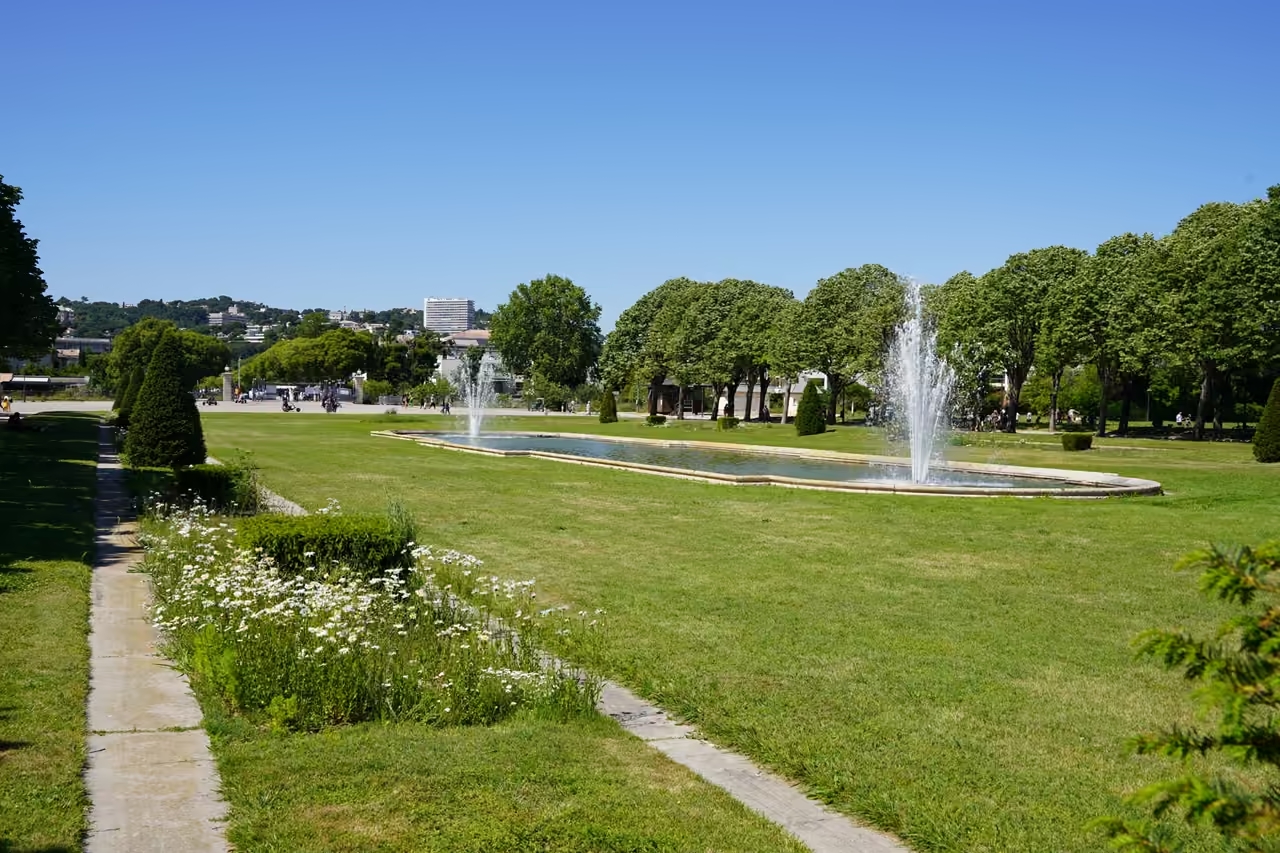
Borely Park
Walk a few hundred metres inland from the Prado beaches at the southern tip of the Corniche Kennedy, and the coastal glare drops...
view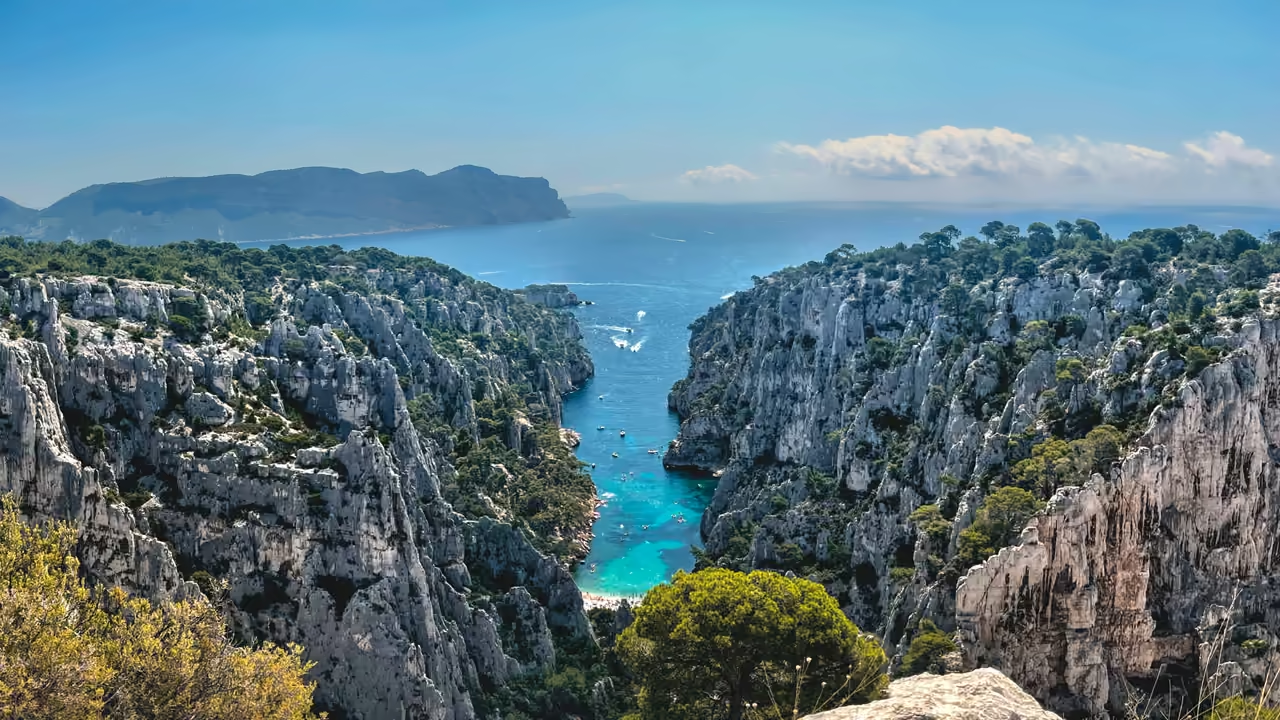
Calanques National Park
Step off an RTM city bus at Callelongue or Luminy and Marseille's pavements abruptly vanish. Blinding white limestone ridges...
view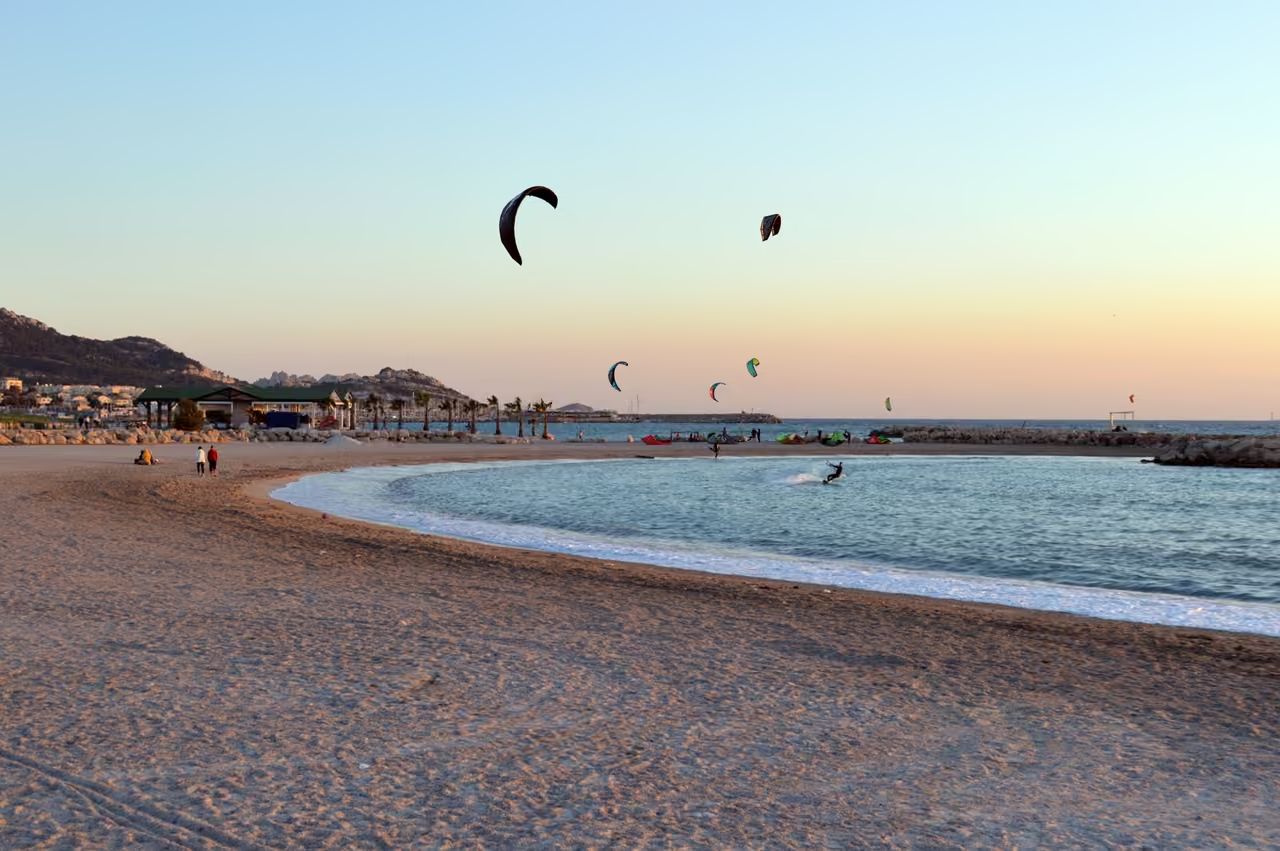
Prado Beaches
Forget soft sandcastles. Stretching for 3.5 kilometres along Marseille's southern coast, this artificial shoreline replaces...
view
Highlights & Must-Sees
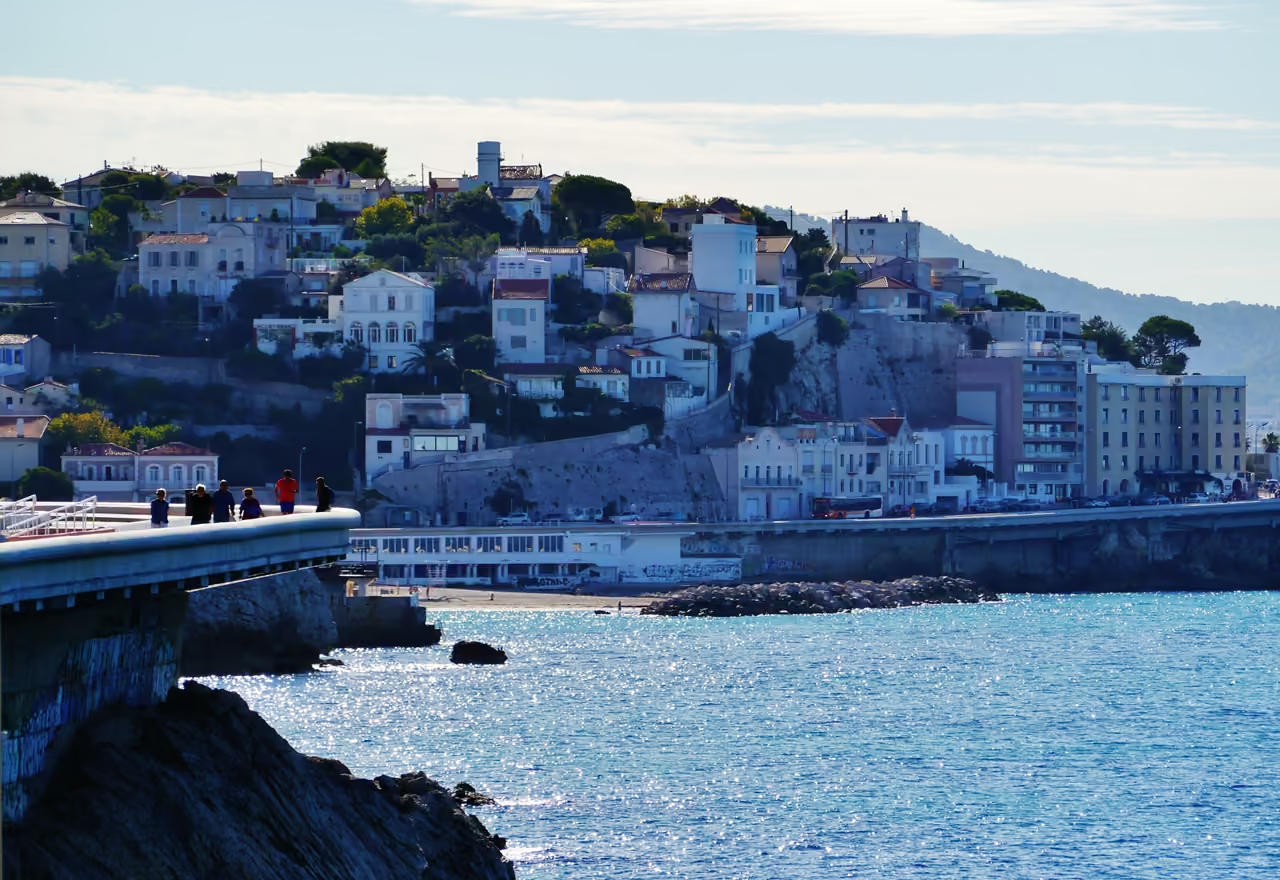
Corniche Président-Kennedy Promenade
Carved along five kilometres of rugged coastline south of the harbour, the Corniche wraps around nineteenth-century villas...
viewCours Julien & La Plaine
Perched uphill from La Canebière, Cours Julien and neighbouring Place Jean-Jaurès form the creative soul of contemporary...
viewLe Panier Old Town
Spreading up the hillside north of the Vieux-Port, Marseille's oldest quarter preserves the site first settled by Greek...
view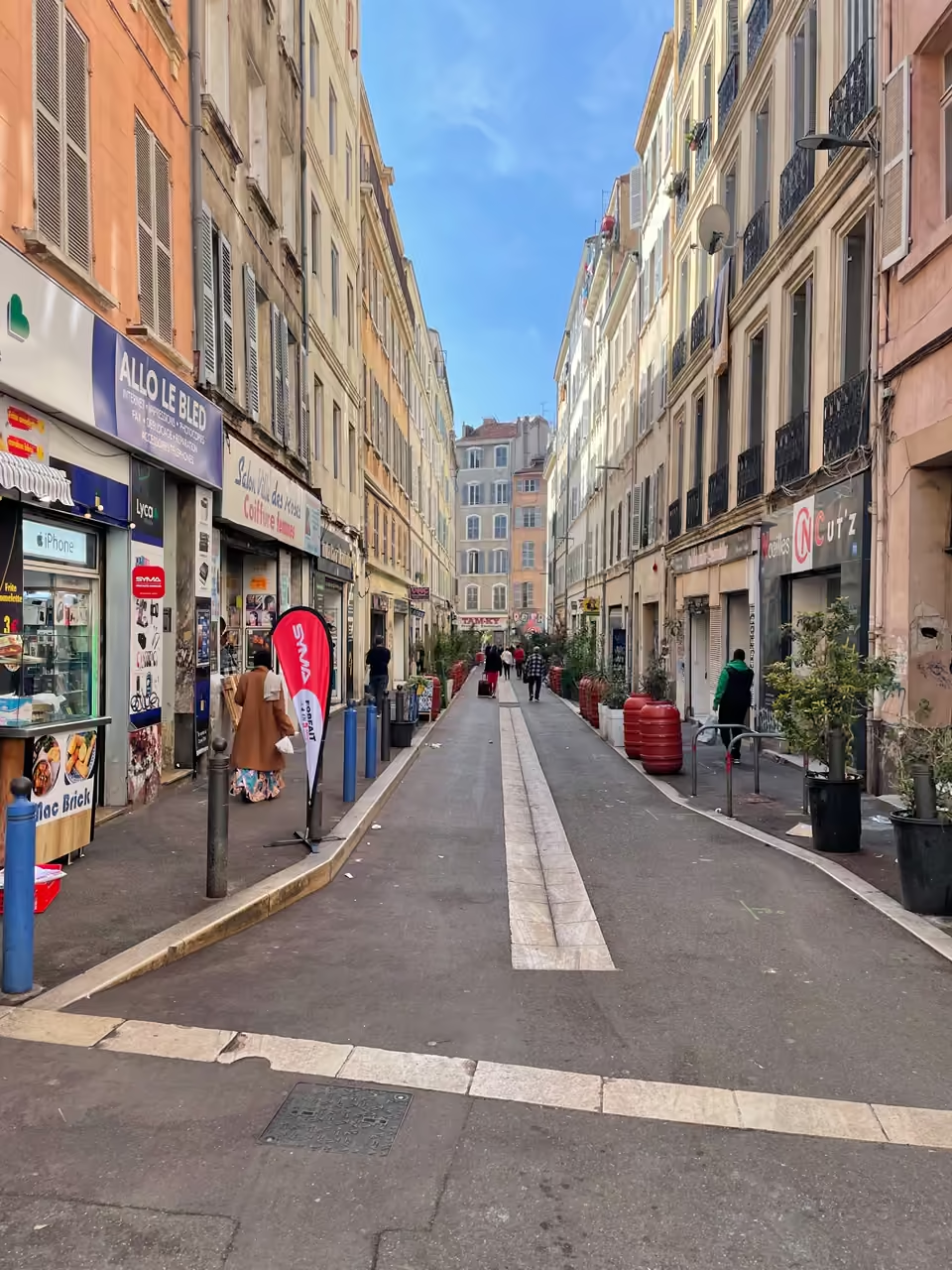
Noailles Quarter
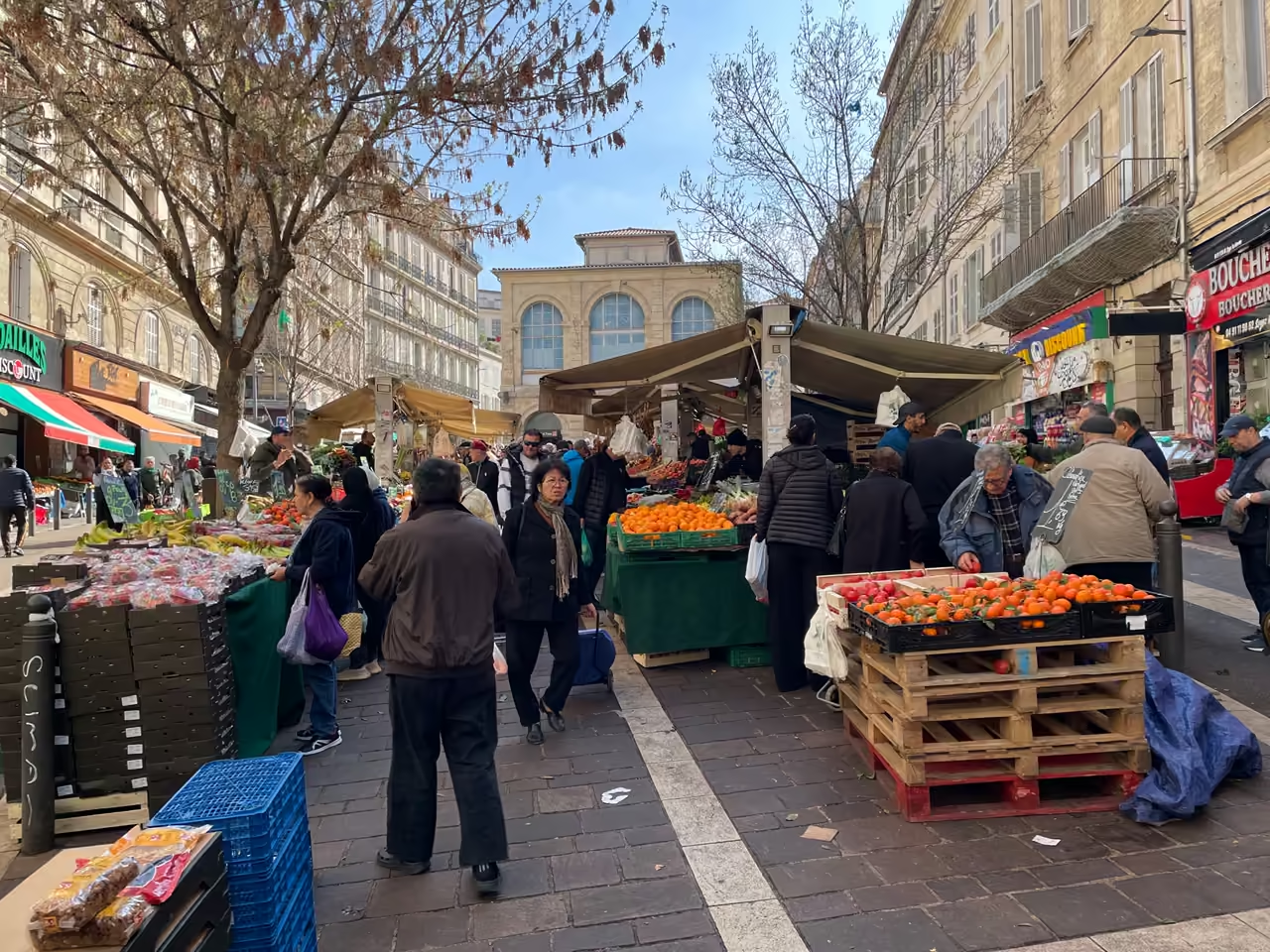
Immediately south of La Canebière, Noailles delivers an intoxicating sensory rush that locals affectionately call 'the belly of...
view
Best Walks in Marseille
 HIGHLY RECOMMENDED
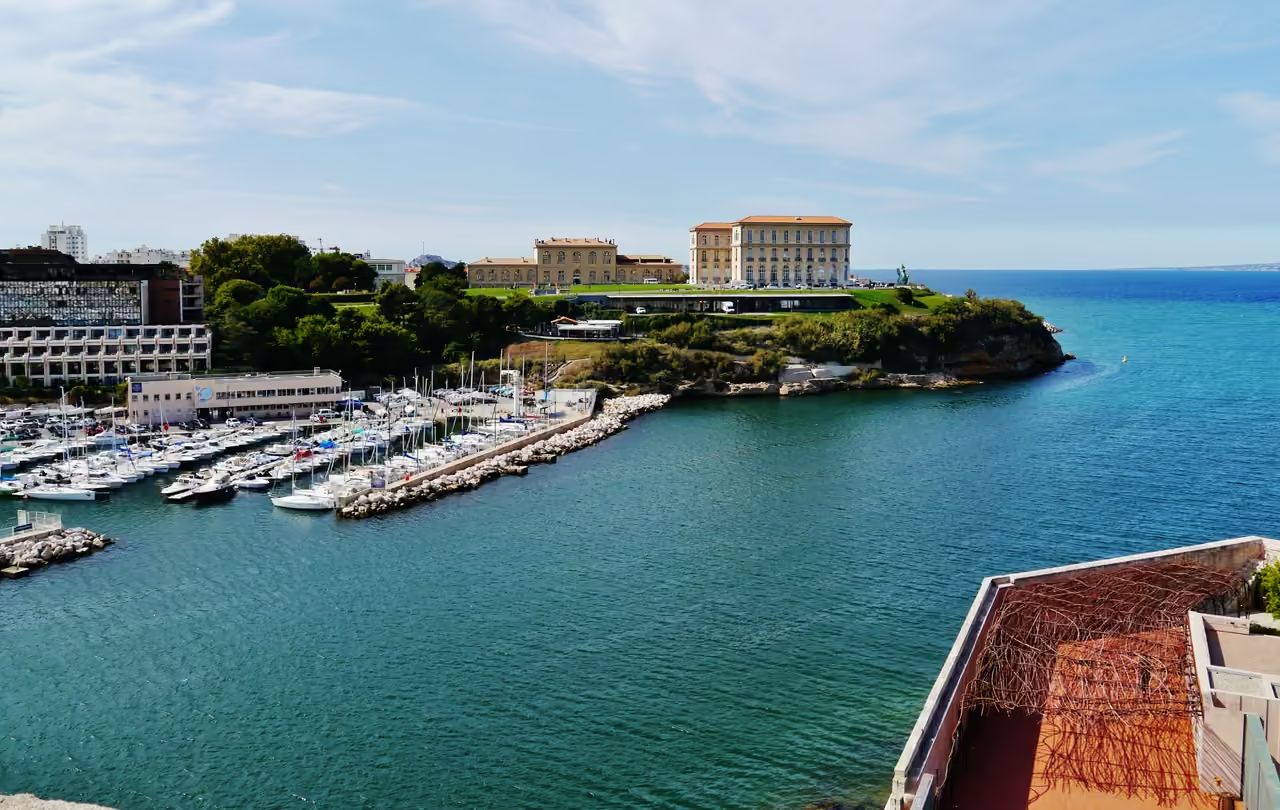
Golden Hour Along the Corniche & Vallon des Auffes
Wander sea-sprayed headlands, quiet rock coves, and a storybook fishing inlet tucked beneath stone arches as late-afternoon sun turns Château d'If bright amber offshore.
- HIGHLY RECOMMENDED
Shuttered Lanes & Stairways of Le Panier
Drift unhurriedly through Marseille's oldest hillside village of ochre walls, potted geraniums, ceramic studios, and airy sunlit plazas standing high above the docks.
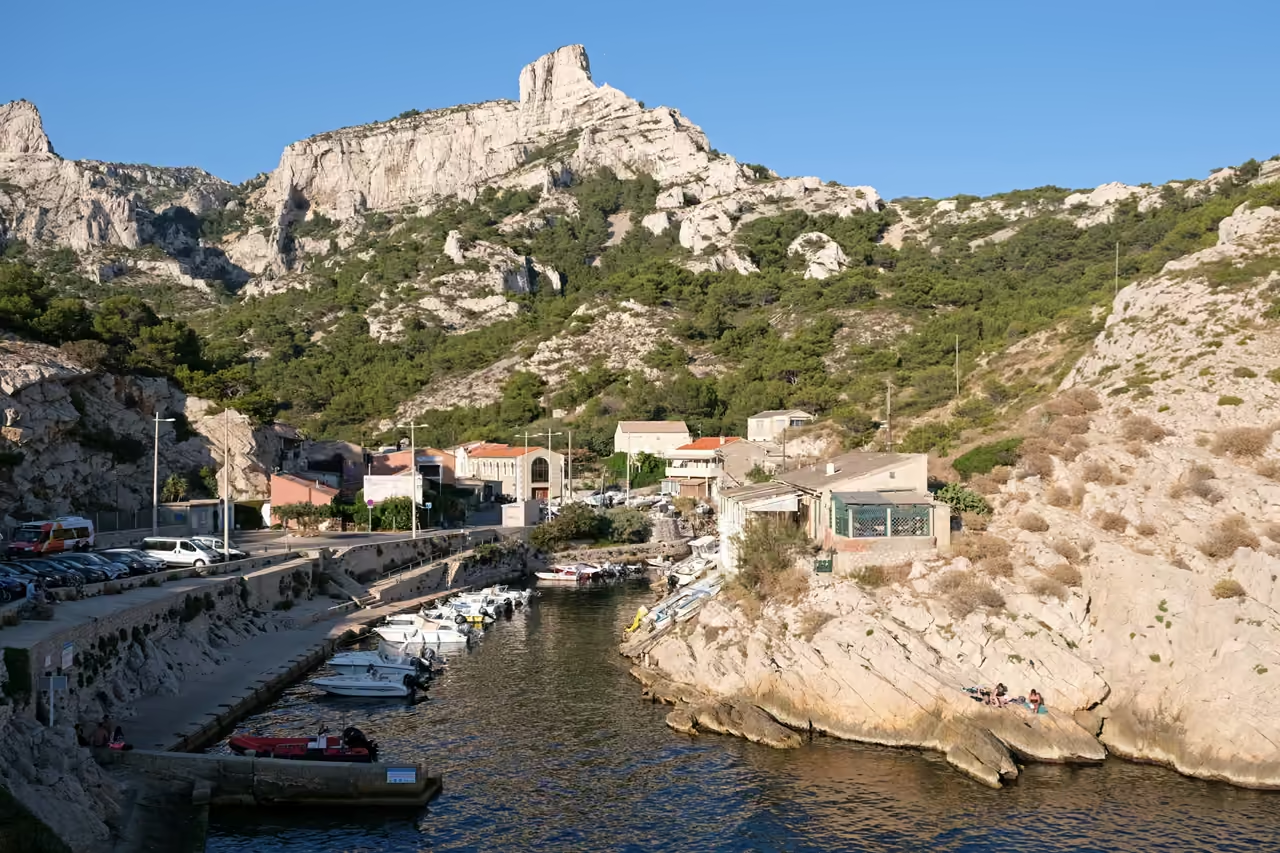
Cabanons & Sea Cliffs from Les Goudes to Callelongue
Walk Marseille's sun-bleached southern edge where pastel fishing sheds cling to windswept rock before tarmac gives way to rugged Calanques footpaths.
Architecture & Landmarks
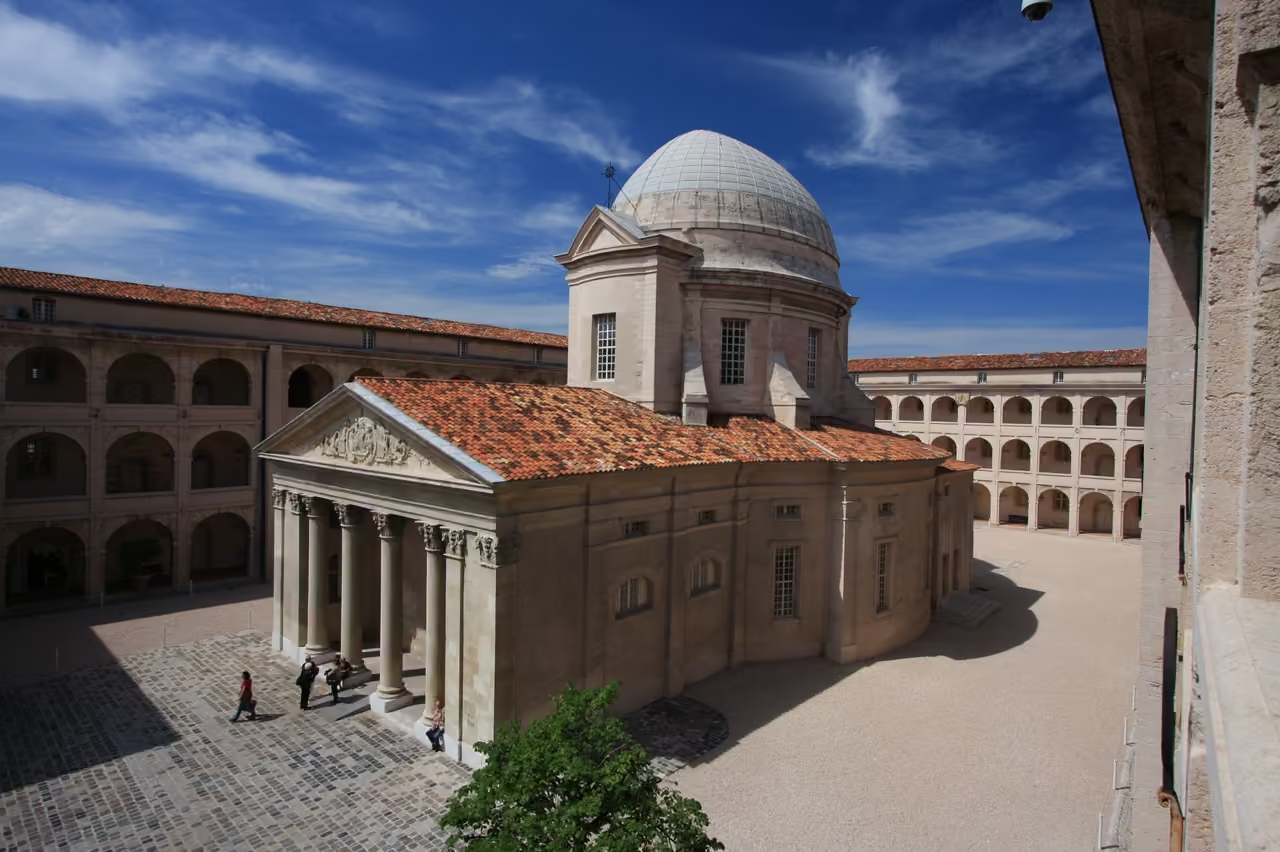
La Vieille Charité
Stepping off Le Panier's tight lanes into this enclosed courtyard feels like entering a quiet stone cloister carved from...
viewMuCEM Concrete Lattice Cube
Architect Rudy Ricciotti suspended an ultra-high-performance fibre-reinforced concrete exoskeleton around MuCEM's glass...
view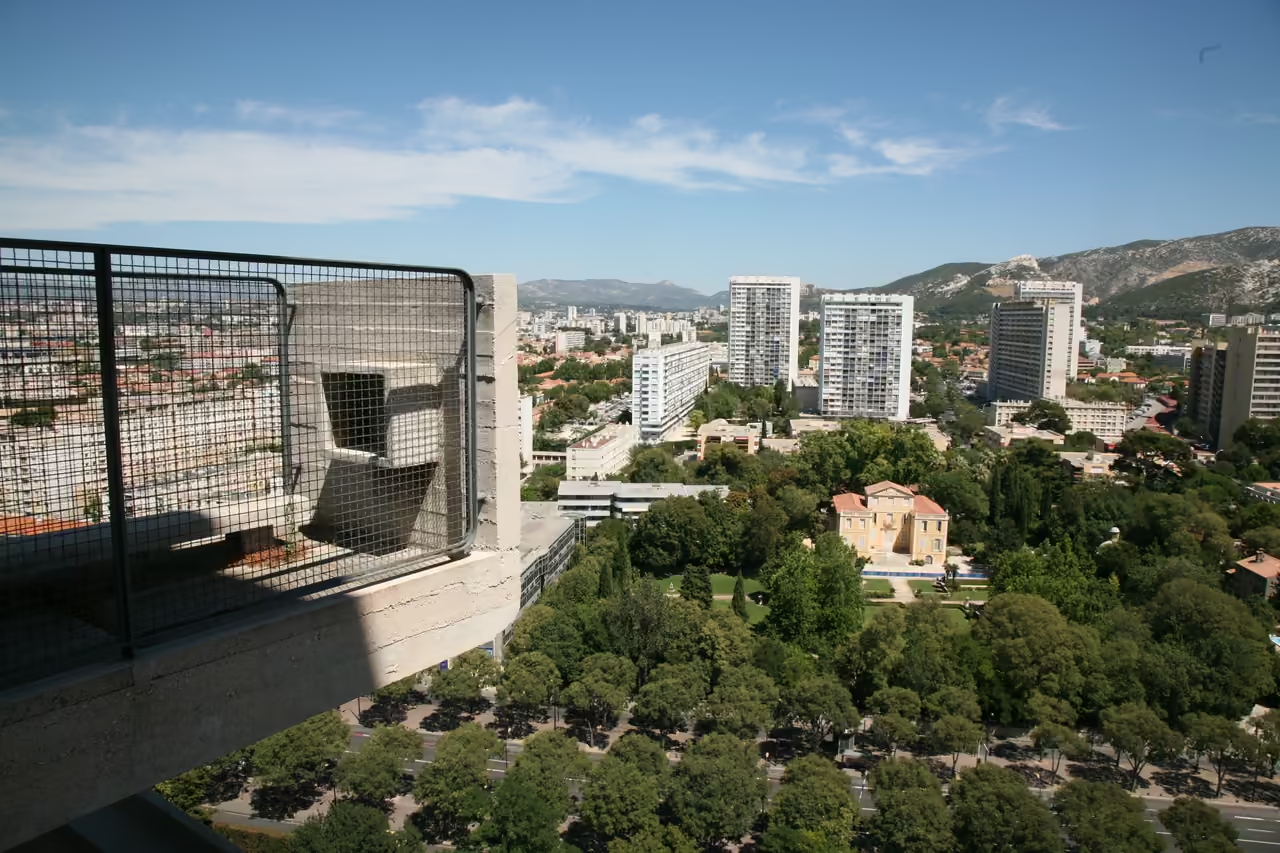
Unité d'habitation (Cité Radieuse)
Le Corbusier's pioneering 1952 residential block lifts 337 interlocking duplex flats atop muscular sculptural concrete pilotis...
view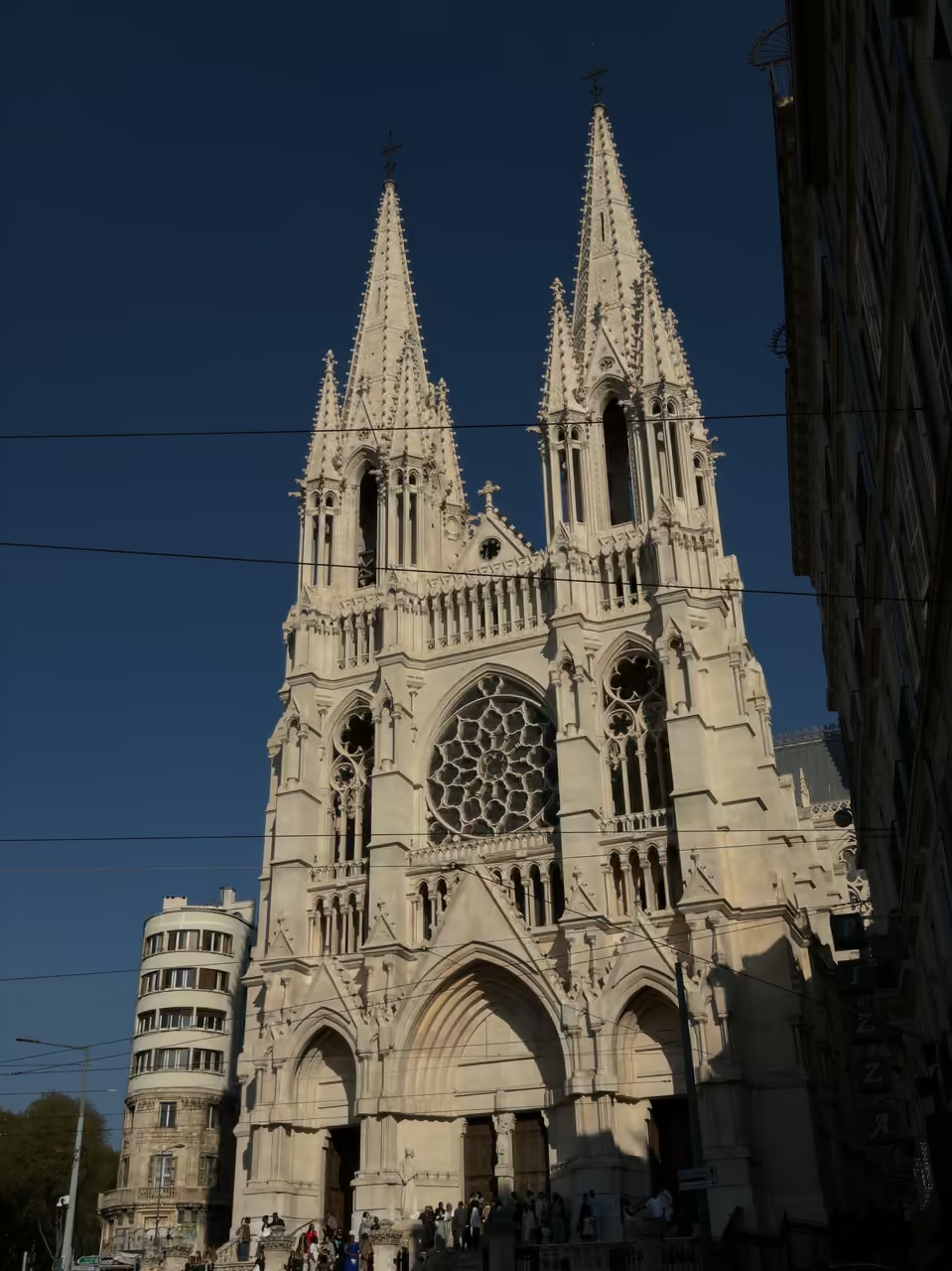
Church of Saint-Vincent-de-Paul
Crowning the upper slope of La Canebière since 1886, this dramatic golden-stone basilica rises into twin 70-metre neo-Gothic...
view
Markets & Shopping
Marseille Nightlife
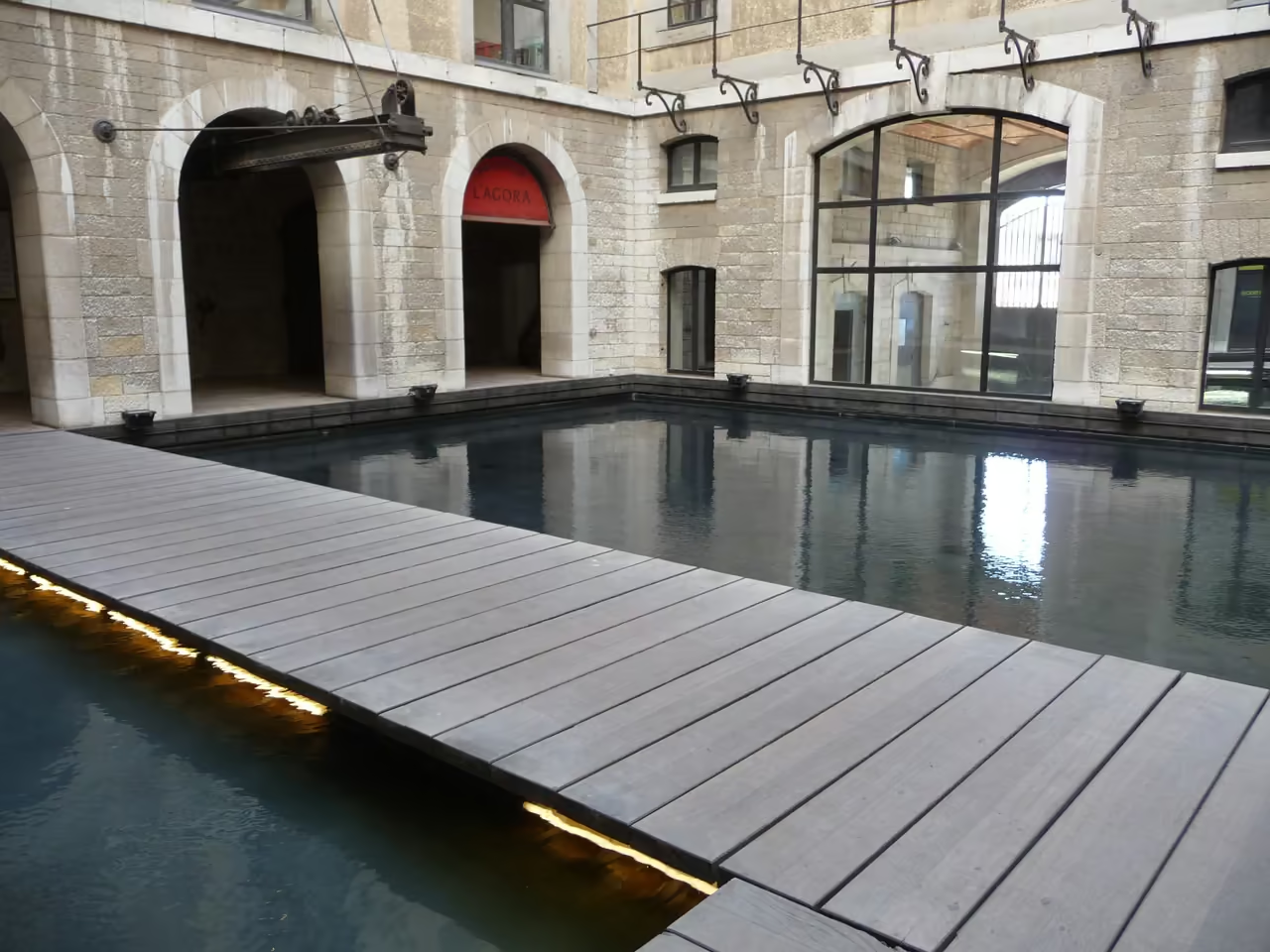
Photo Spots
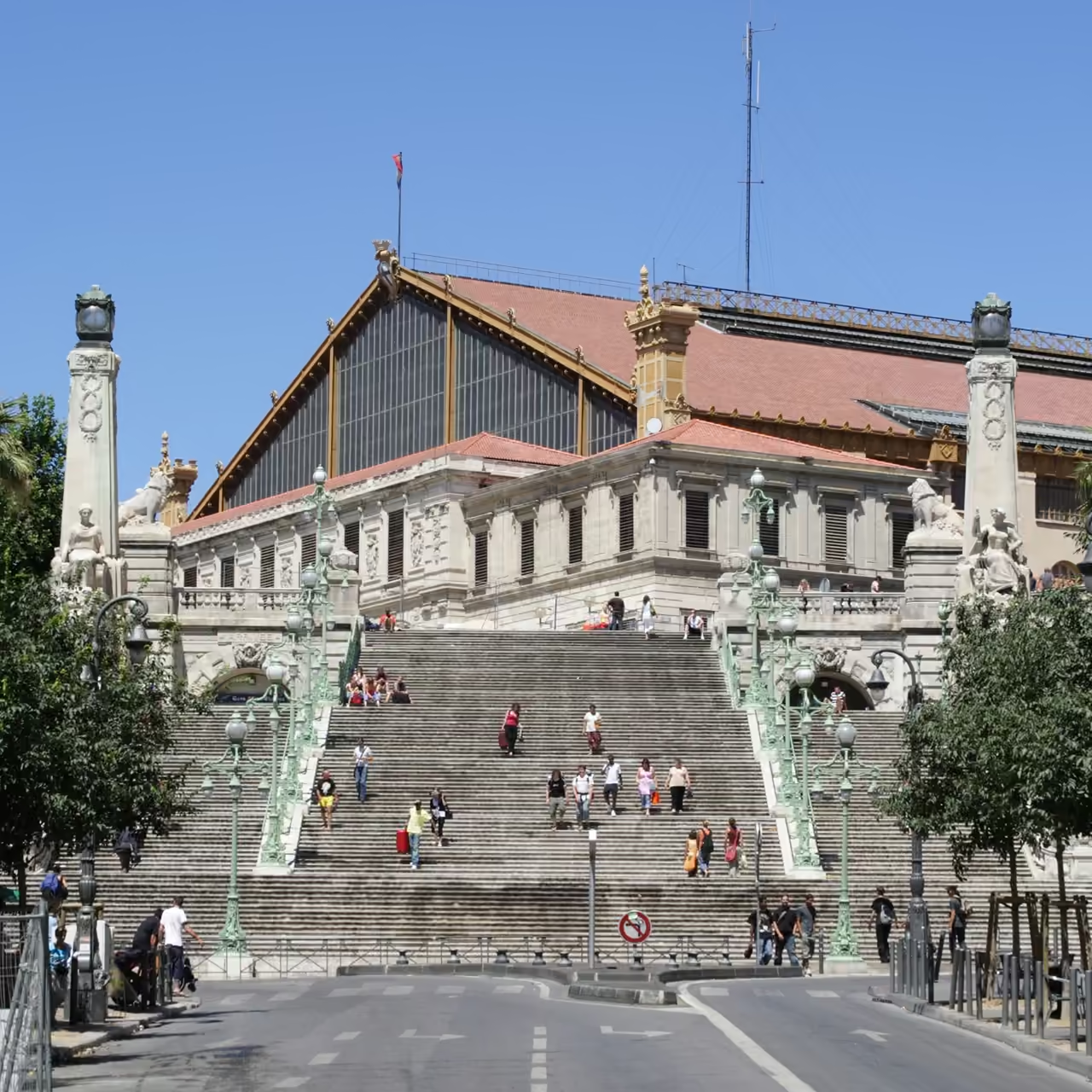
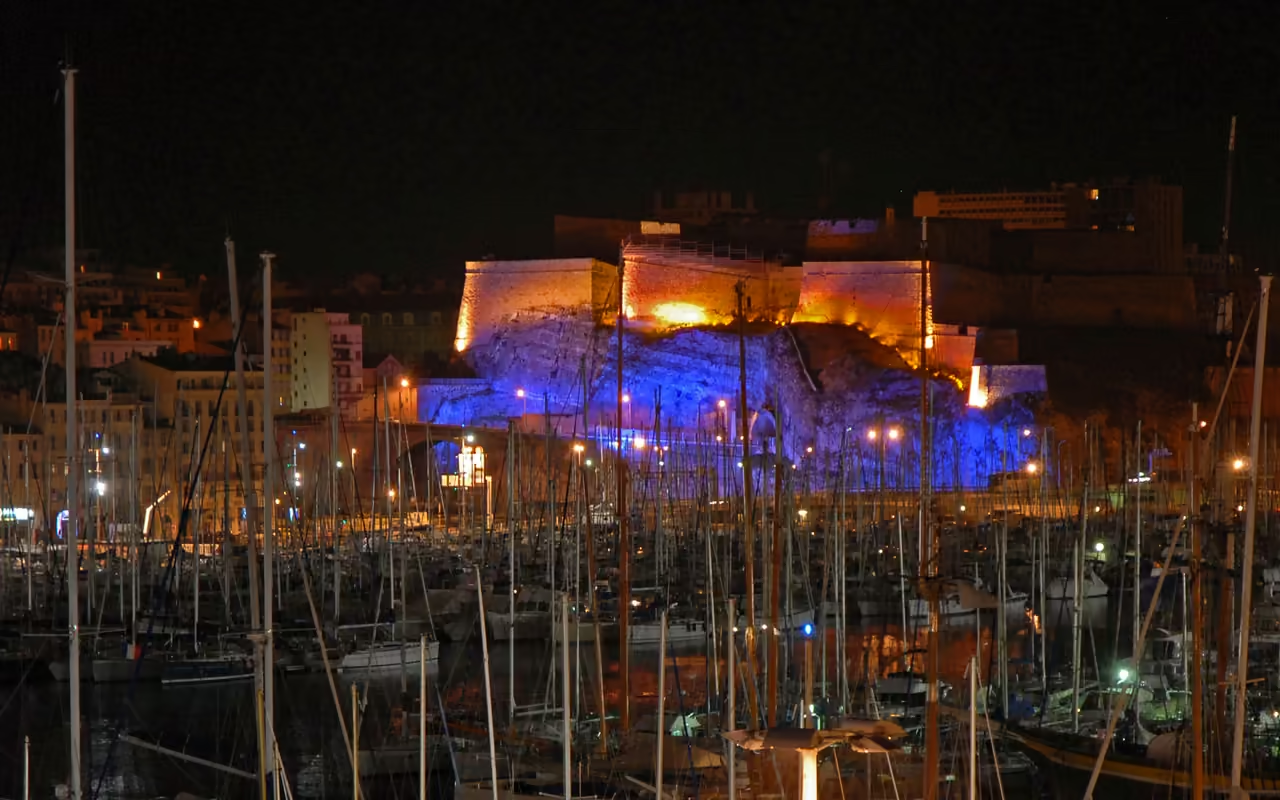
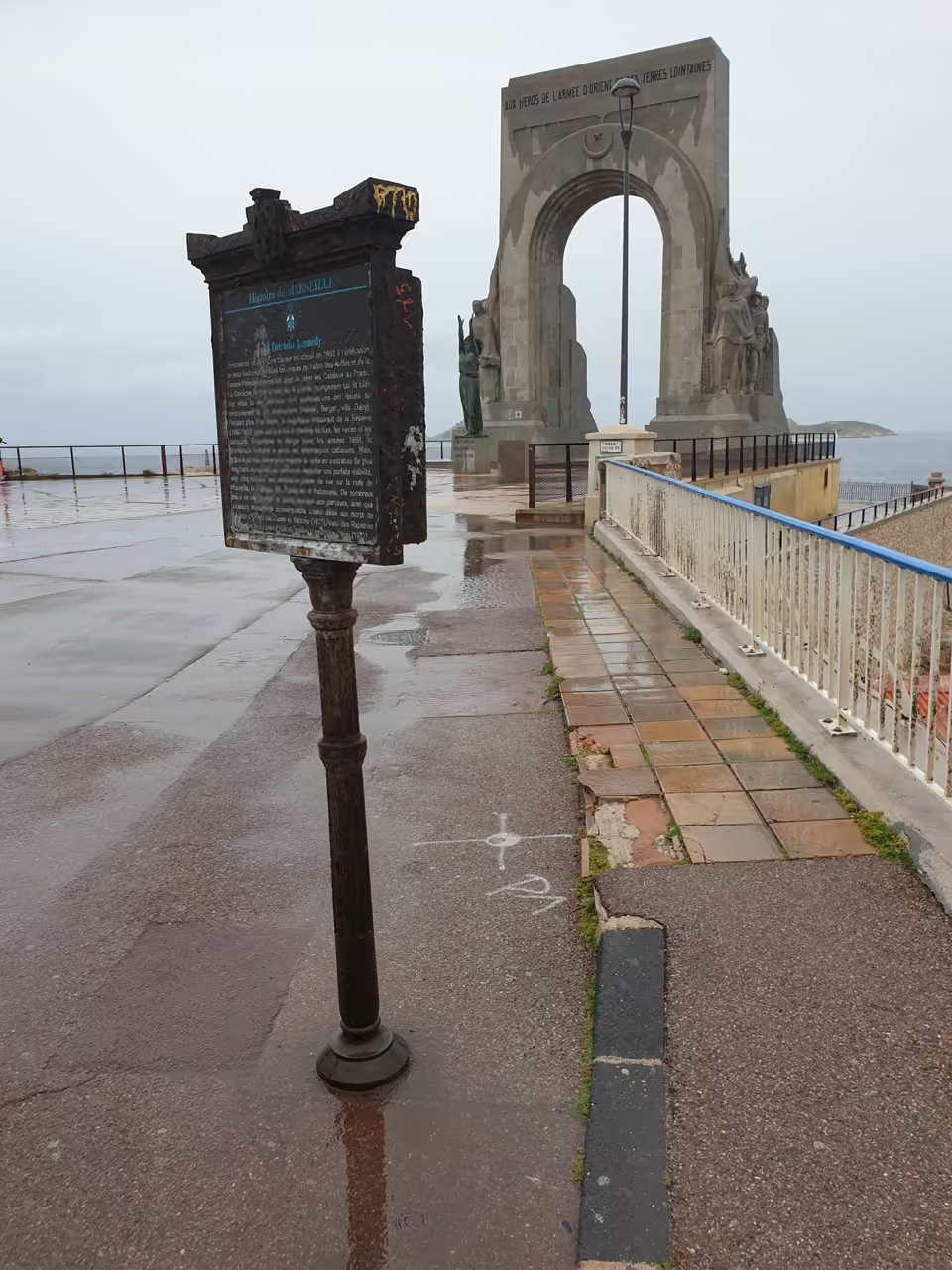
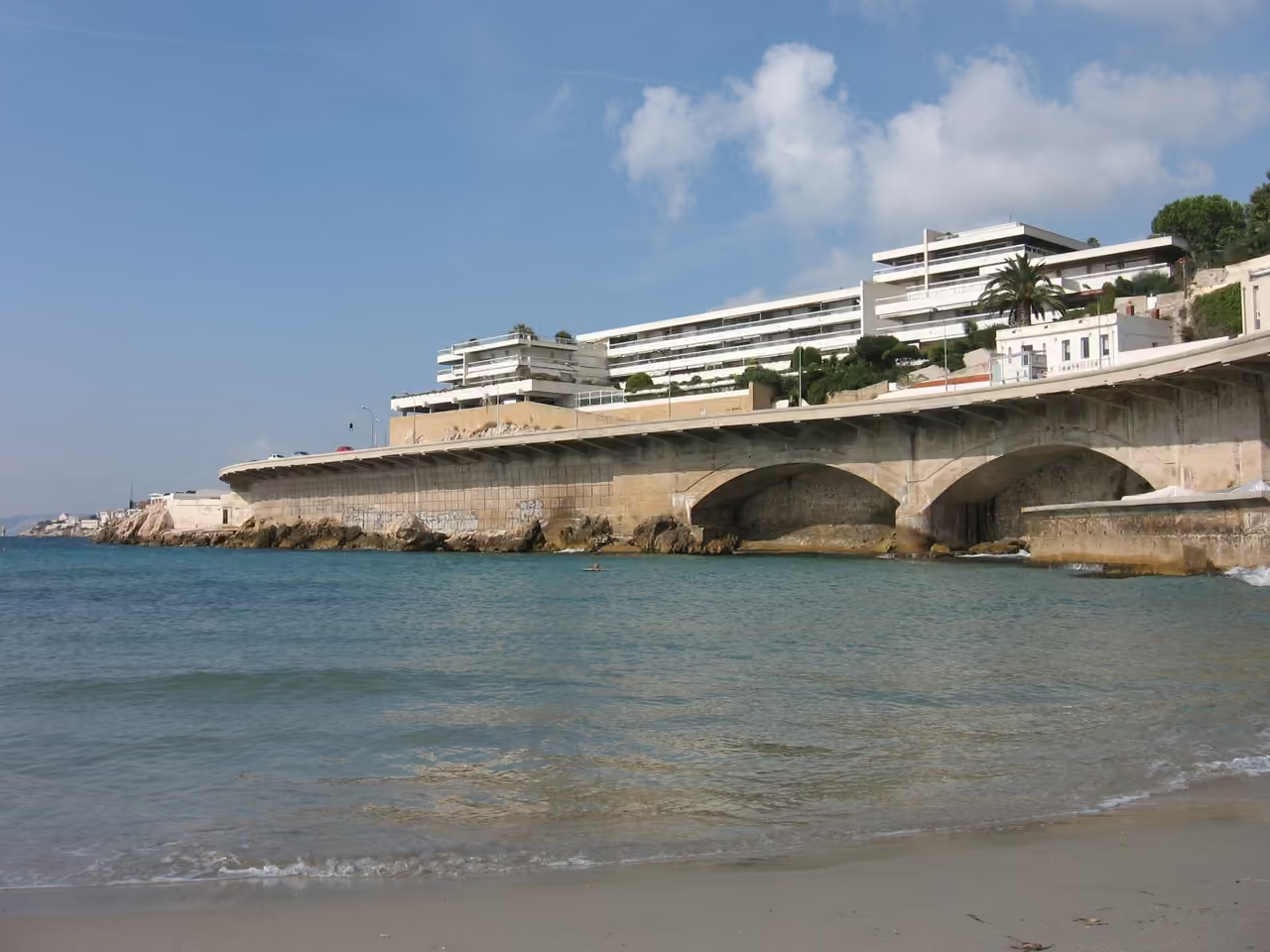
Activities & Experiences
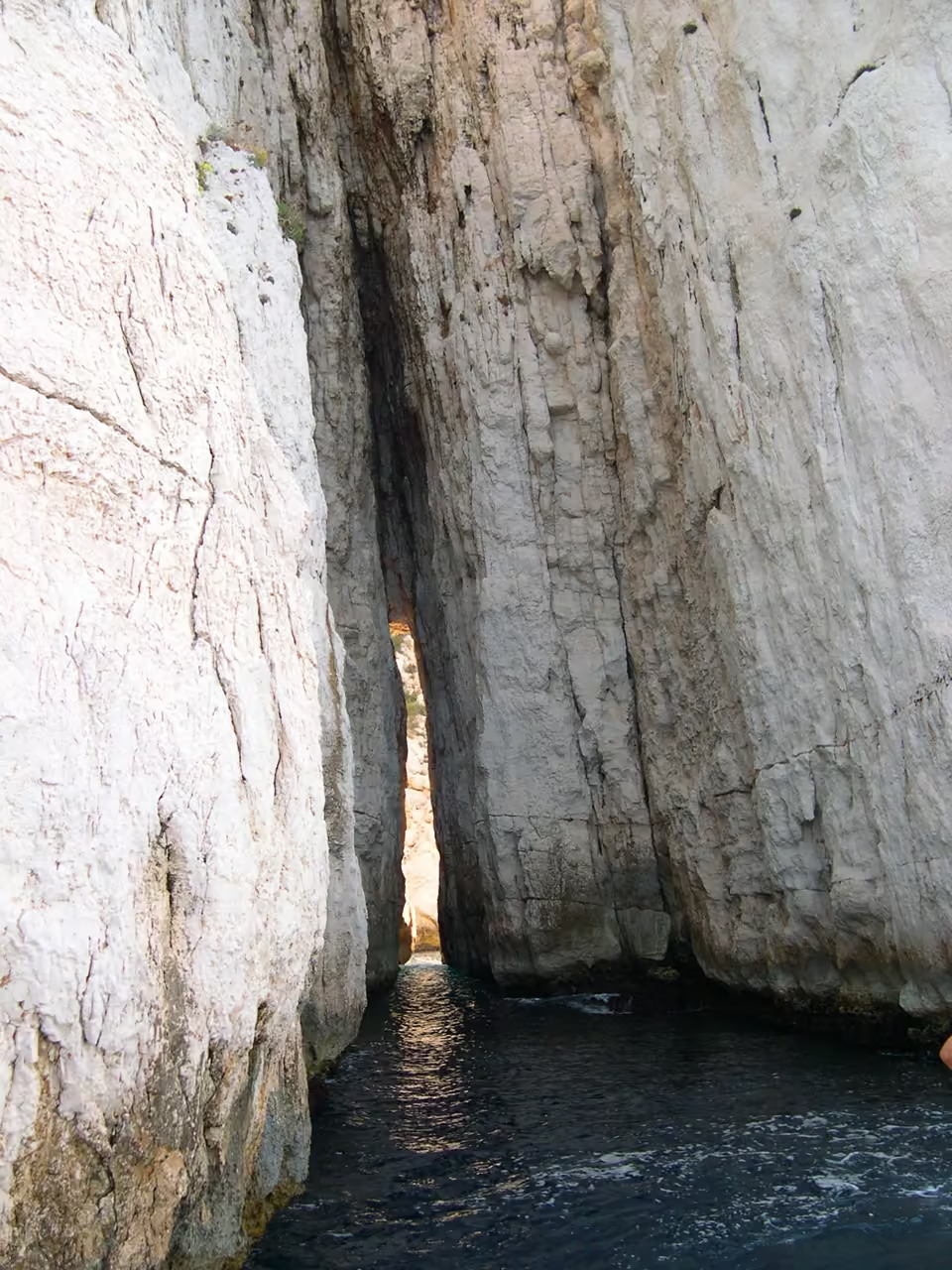
Coastal & Cove Swimming
Baignade sur la côte marseillaise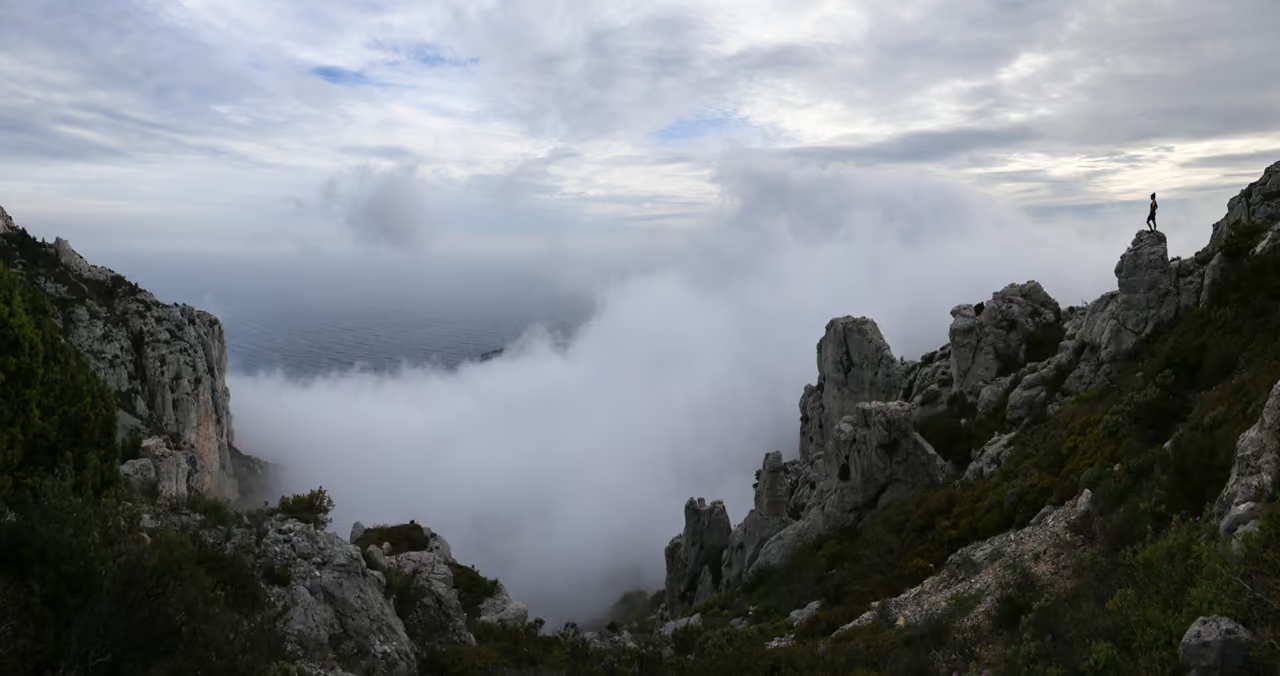
Coastal Hiking in the Calanques
Randonnée dans les Calanques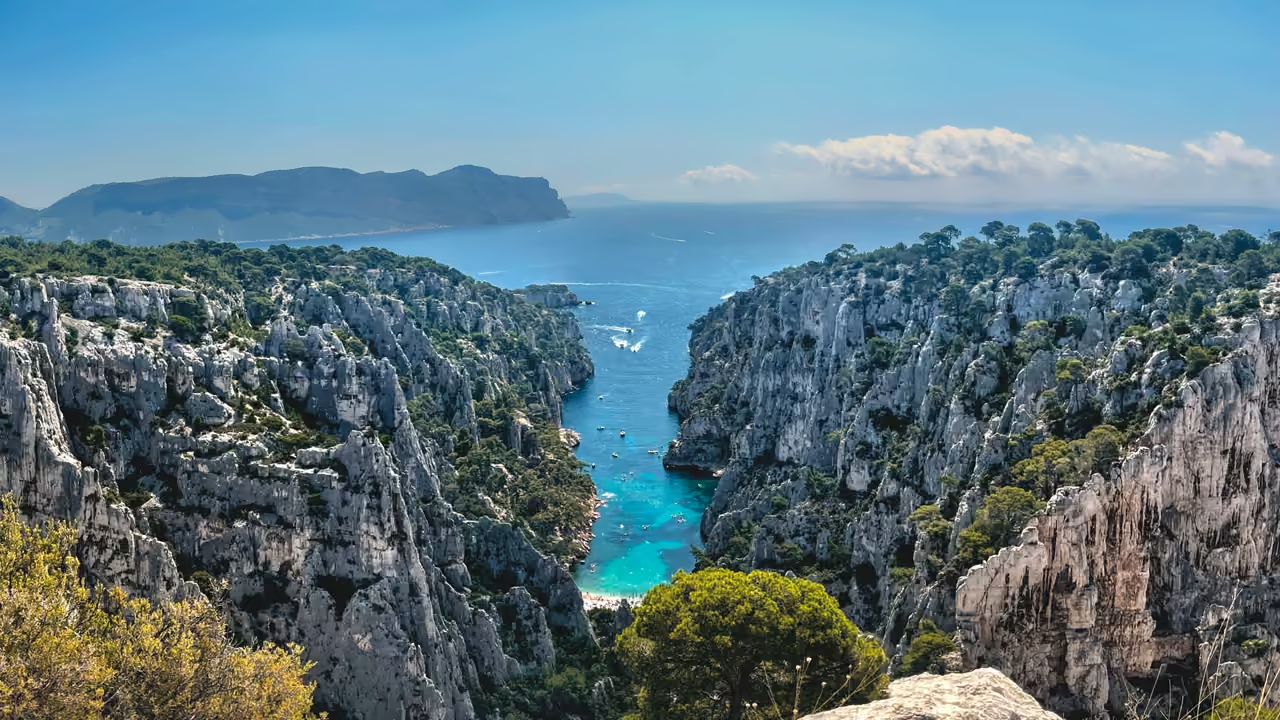
Sailing & Sea Kayaking
Voile et kayak de mer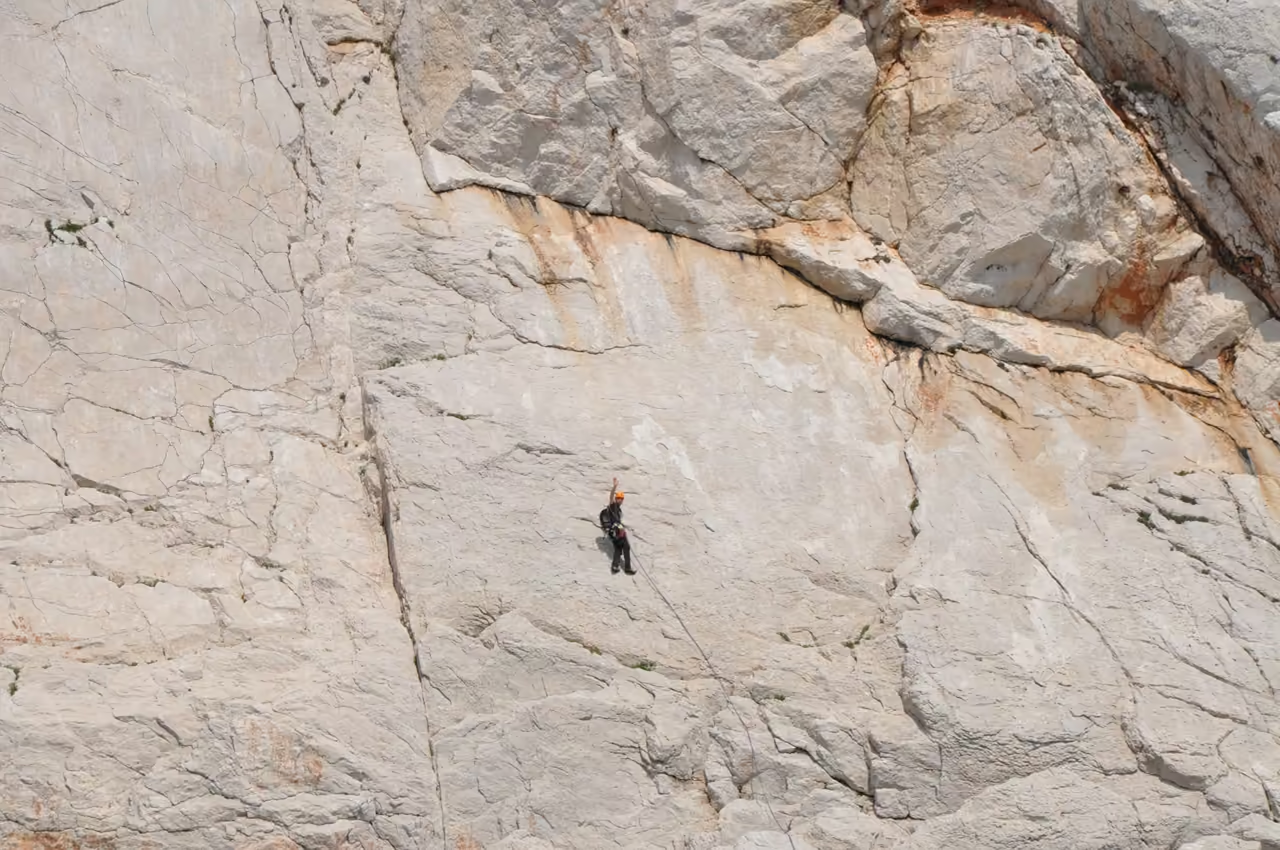
Limestone Sea-Cliff Climbing
Escalade dans les Calanques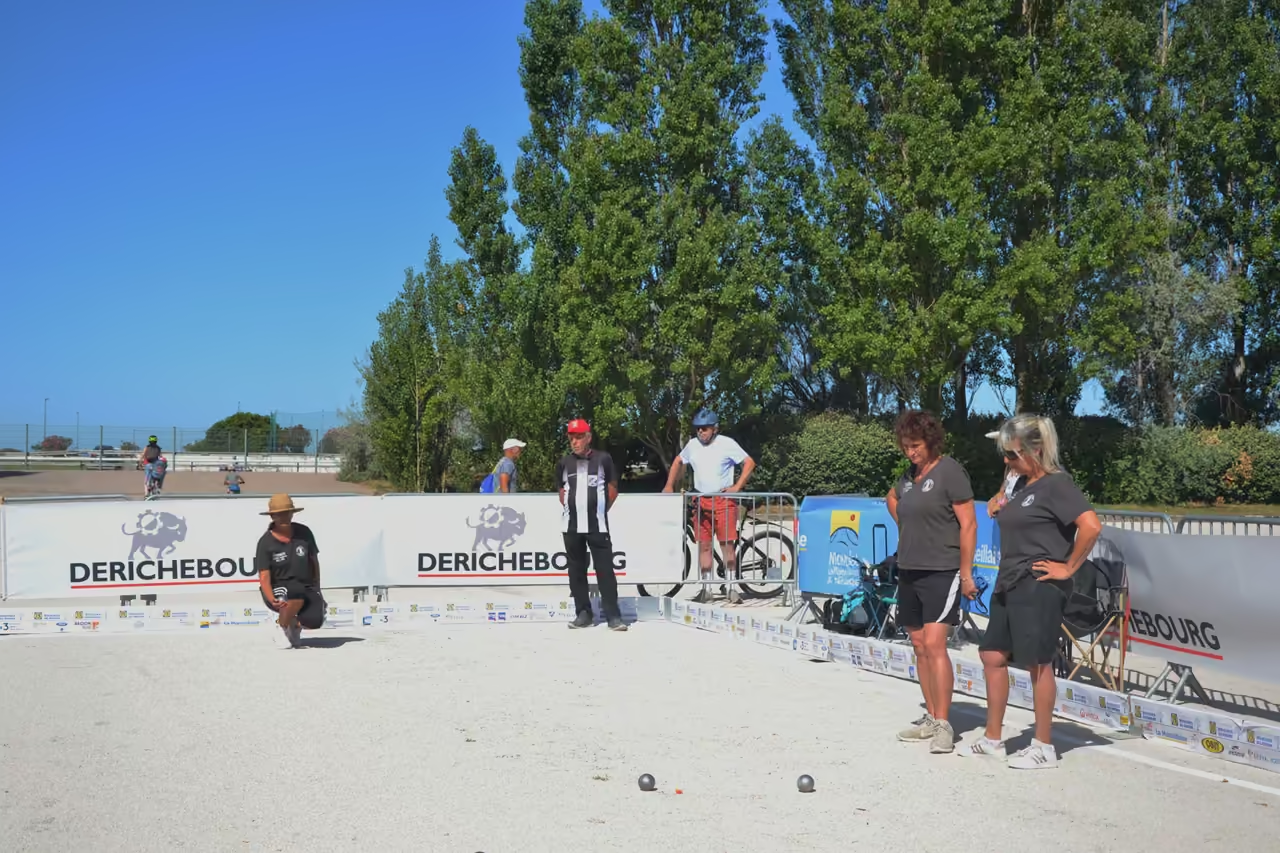
Pétanque in Neighbourhood Squares
Jouer à la pétanque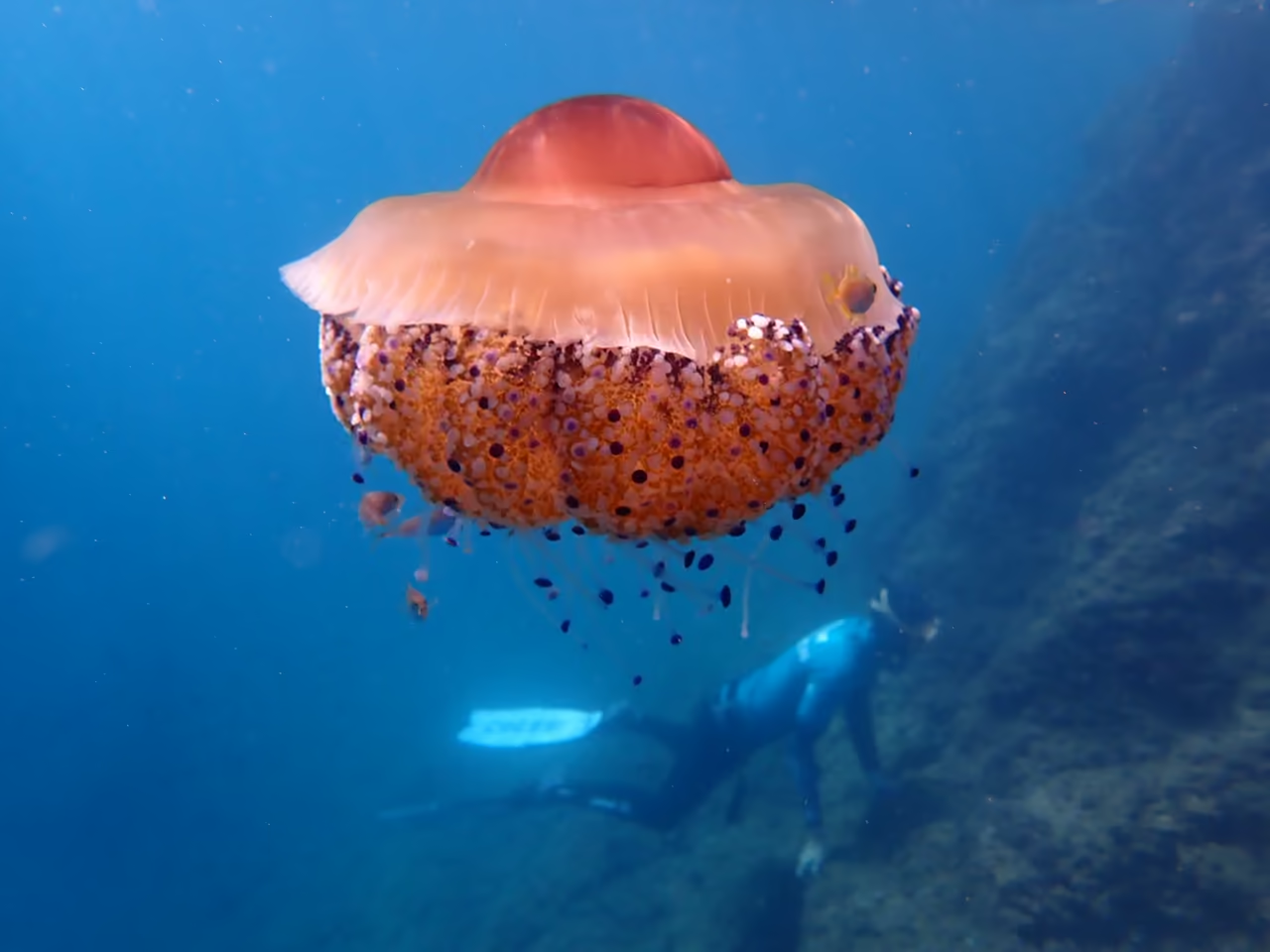
Scuba Diving & Snorkelling
Plongée sous-marine et snorkeling
Cycling Routes
- HIGHLY RECOMMENDED
Southern Bay, Prado Beaches & Borély Park Cycle
Cruise Marseille's flattest, breeziest coastal cycle lanes linking broad seaside lawns, shaded botanical gardens, a world-famous skatepark bowl, and southern yacht marinas beneath the Marseilleveyre ridge.
 HIGHLY RECOMMENDED
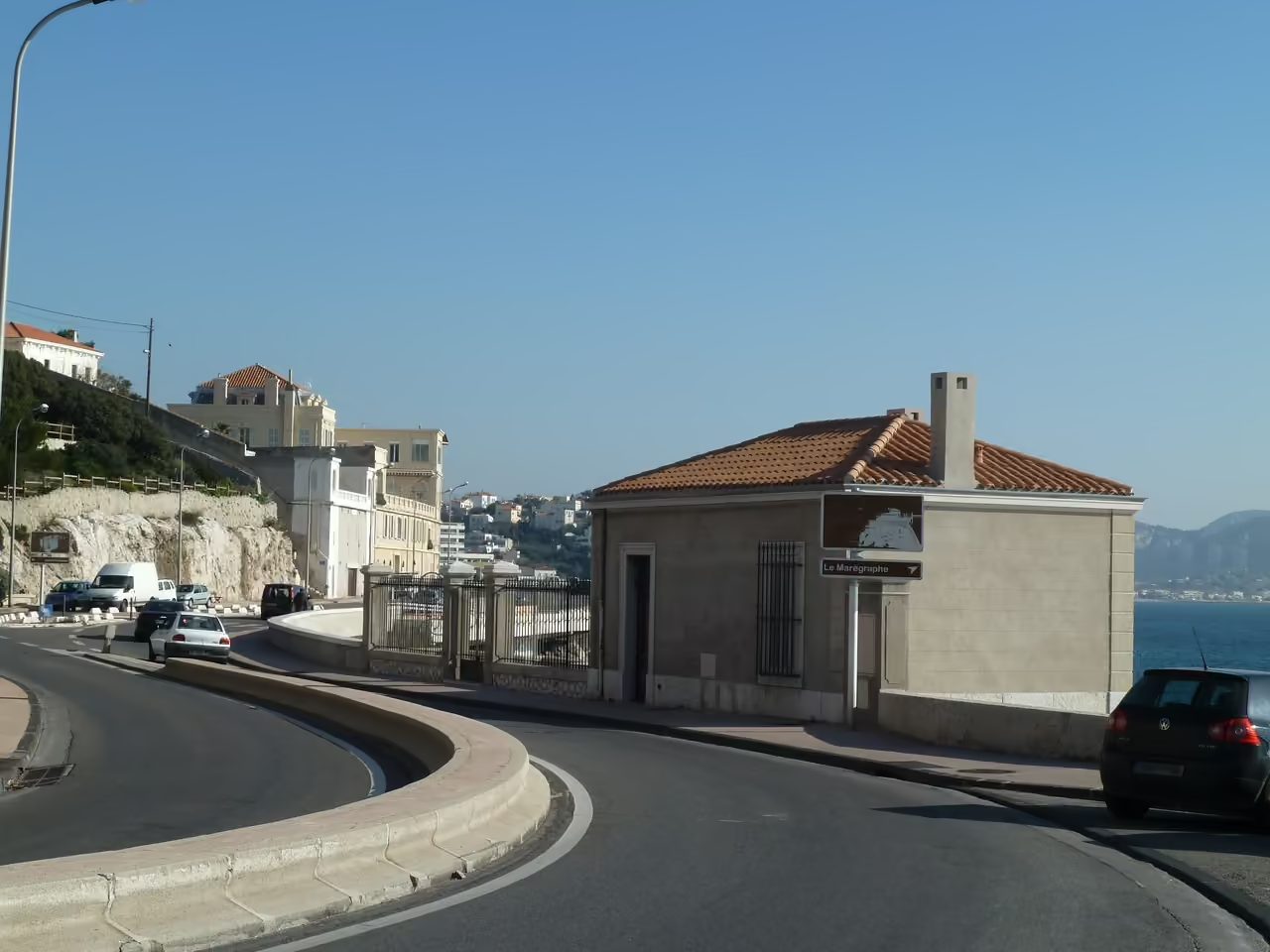
Corniche Kennedy & Hidden Coves Cycle
Follow the dedicated seafront bike lane curving high above rocky swimming ledges, traditional fishing inlets, terraced gardens, and France's historic sea-level benchmark.
Vieux-Port, MuCEM & La Joliette Docklands Ride
Roll gently along flat pedestrianised harbour quays and broad modern esplanades connecting medieval fortifications, contemporary architecture, and breezy sunset decks.
Self-Guided Tours
 HIGHLY RECOMMENDED
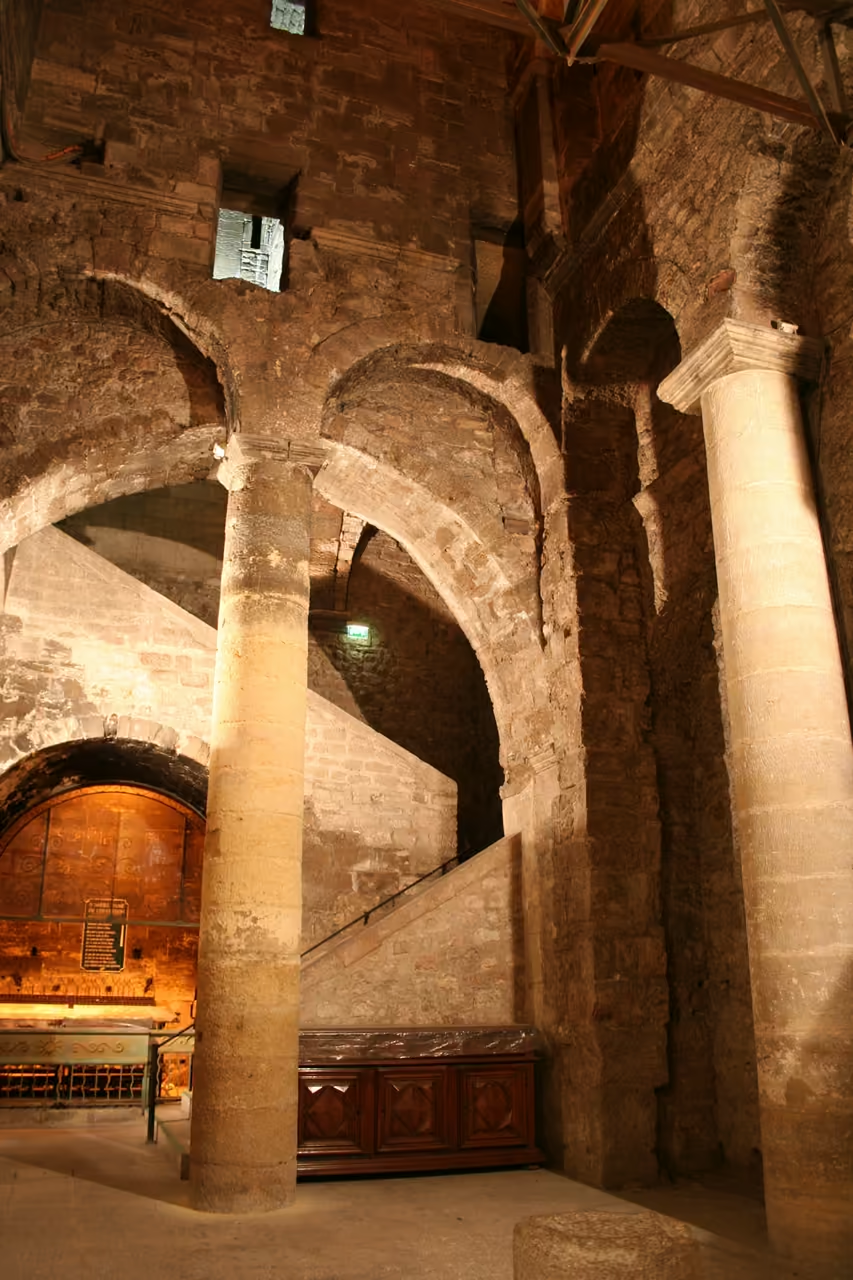
2,600 Years of Massalia: Ancient & Medieval Marseille
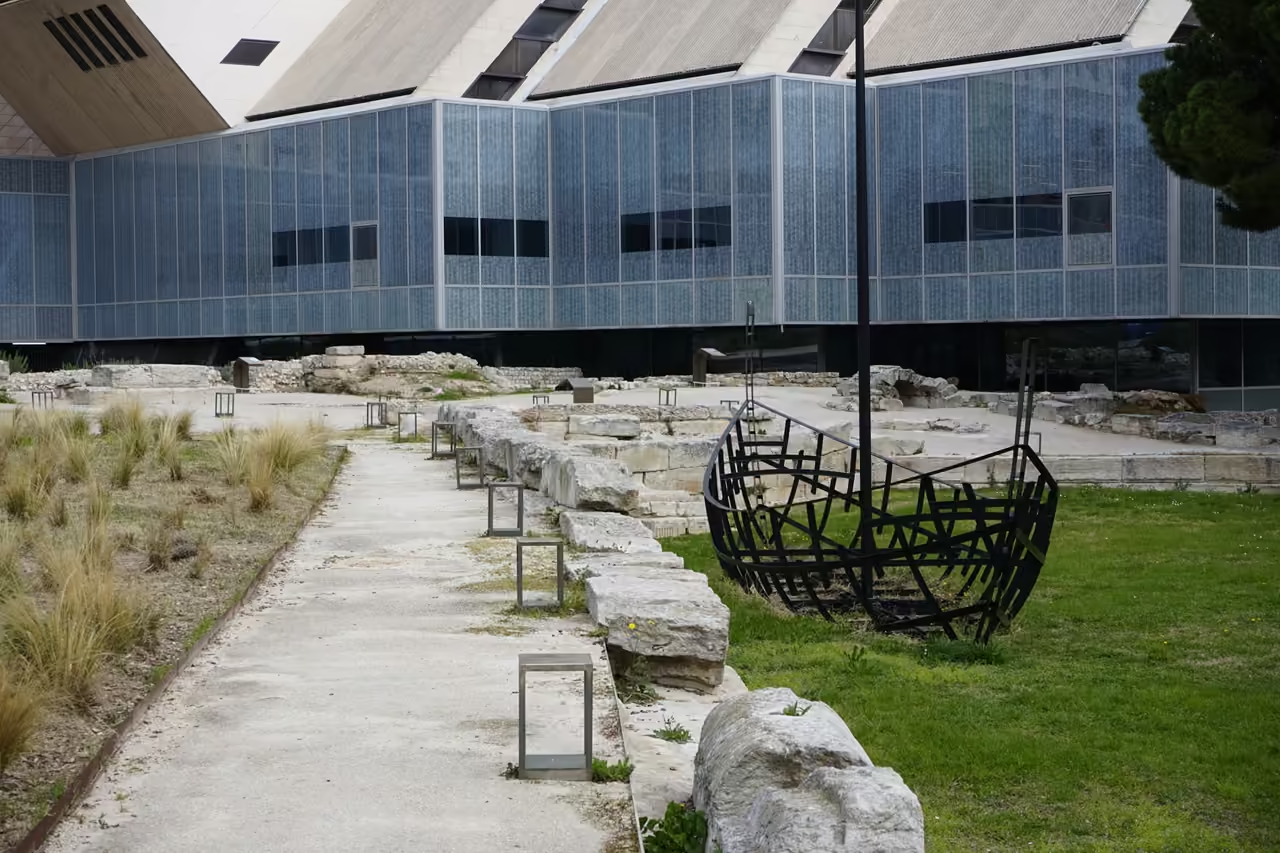
Trace Marseille's origins from sixth-century-BC Greek port walls and Roman storage jars to early Christian crypts and striped medieval stone cathedrals.
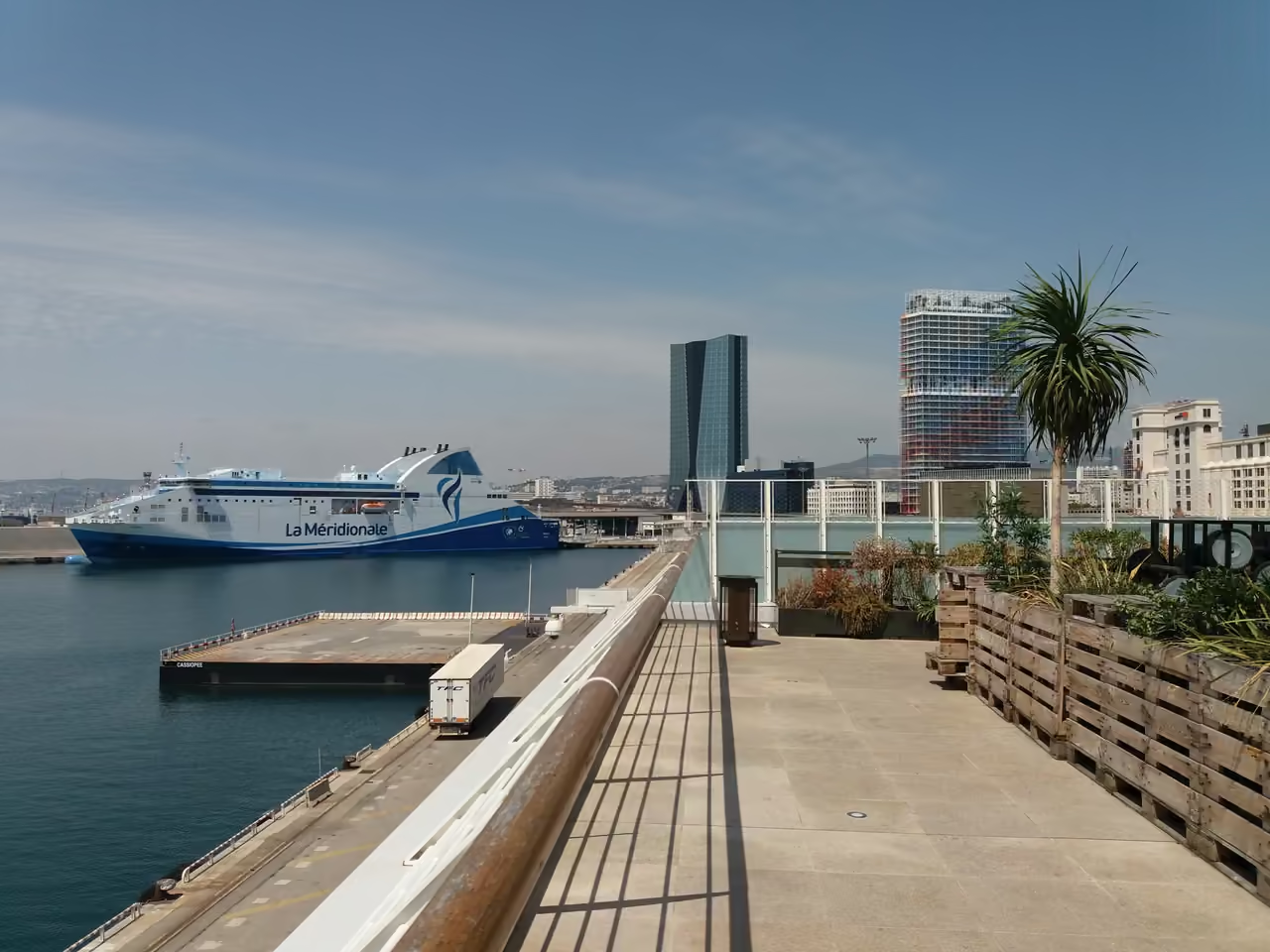
Architectural Spine: Renaissance Stone to Zaha Hadid
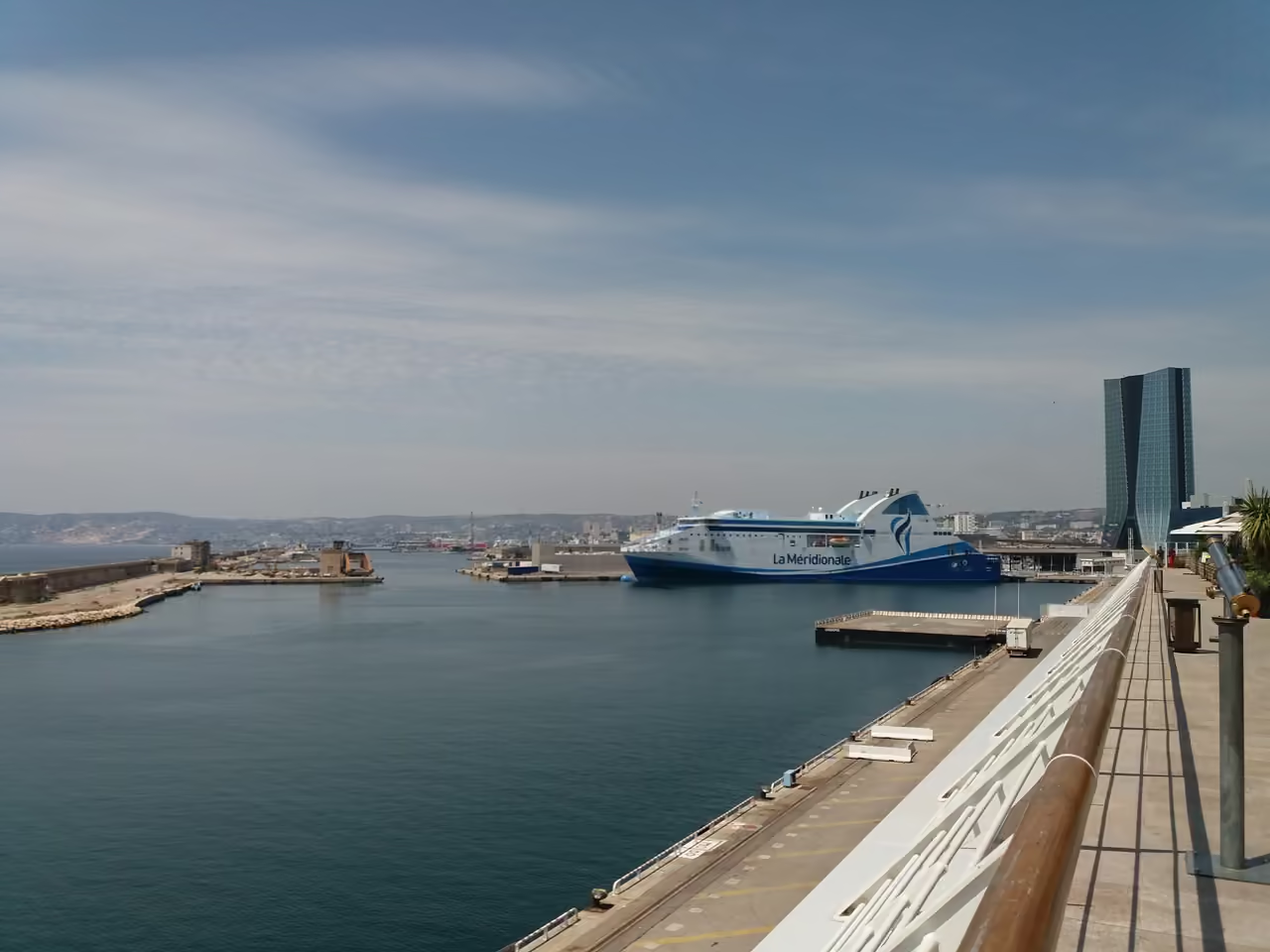
Follow Marseille's skyline evolution along a single walkable waterfront stretch, moving from faceted sixteenth-century masonry and Baroque civic halls to wartime reconstruction and sleek glass towers.
 HIGHLY RECOMMENDED
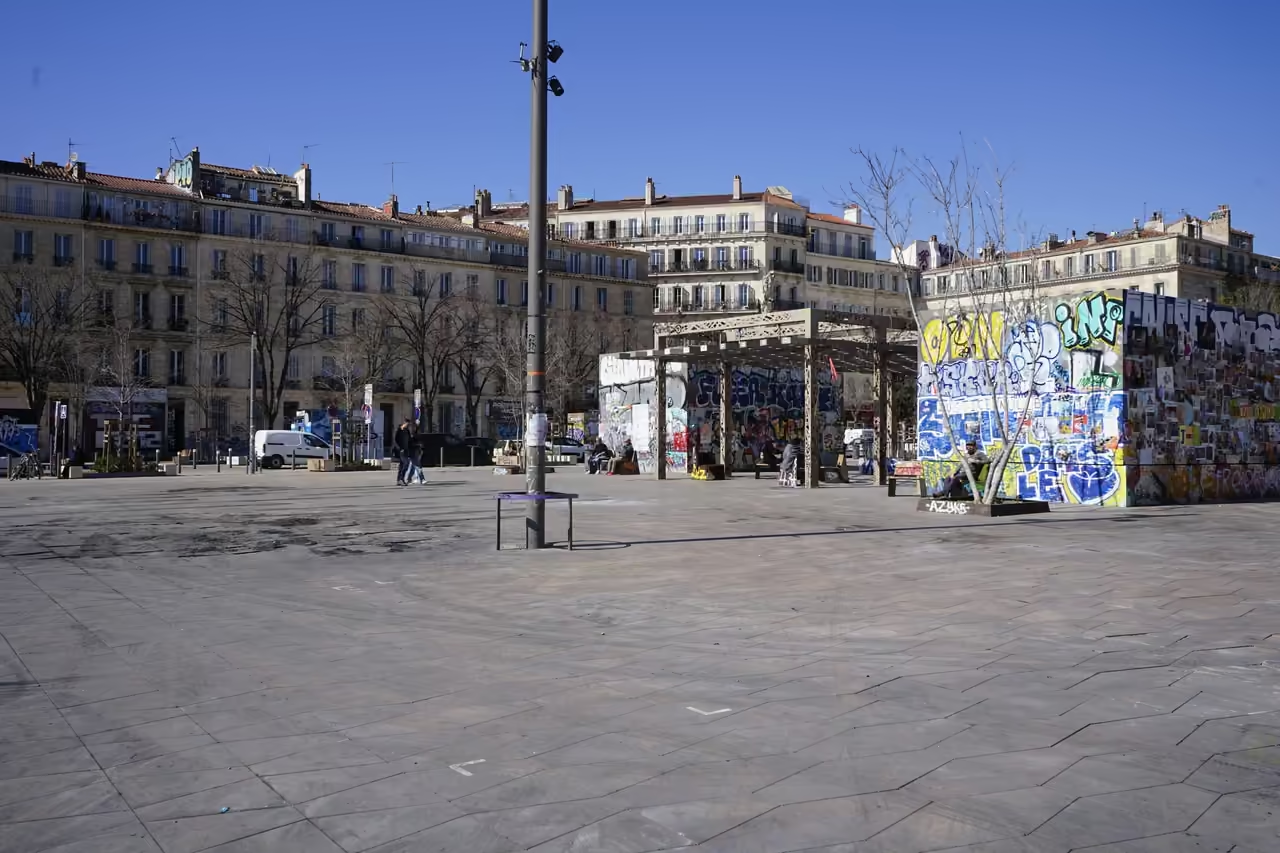
Mediterranean Crossroads: Market & Street-Food Walk
Taste Marseille's culinary melting pot on foot, moving from glistening morning fish tubs and North African spice stalls to Provençal farmers' squares and an eighteenth-century wood-fired biscuit oven.
Annual Festivals & Events
- HIGHLY RECOMMENDED
Fiesta des Suds
Every October, Marseille turns up the global beat for a multiday music gathering born on its industrial docklands. World-music stars, brass bands, electro DJs, and Mediterranean folk groups share open-air stages beneath harbour cranes. Locals pack the waterfront into the mild autumn night with pastis in hand and zero pretension.
 HIGHLY RECOMMENDED
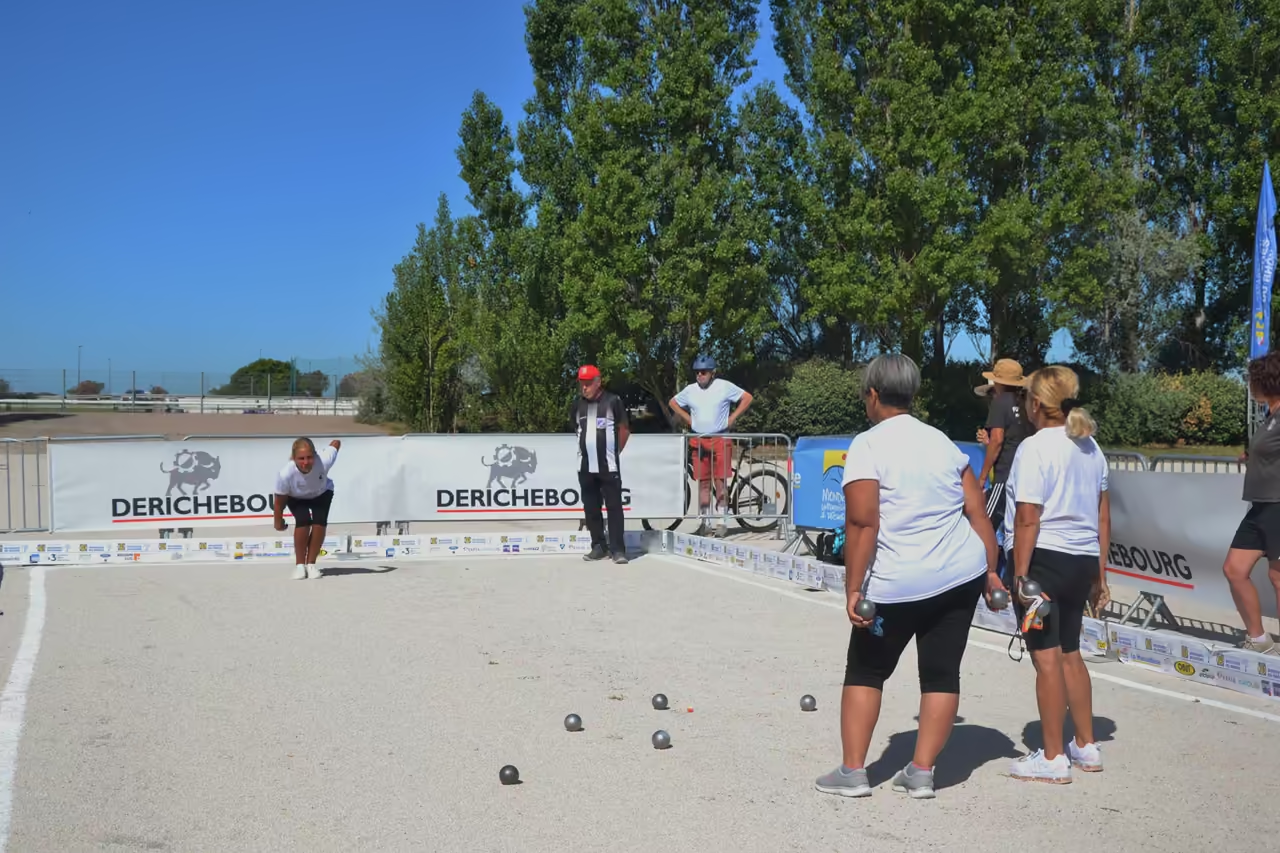
Mondial la Marseillaise à Pétanque
Launched in 1962 by Paul Ricard, this July spectacle draws more than 10,000 amateur and champion boules players onto gravel courts under Parc Borély's plane trees and across neighbourhood squares. Watching seasoned elders and young competitors measure millimetres with string while spectators cheer from folding chairs feels unmistakably Provençal. Watching costs nothing and builds to lively open-air finals.
La Fête du Panier
Each late June, residents of Marseille's oldest hillside quarter hang paper bunting overhead and stage a spirited two-day neighbourhood street party. Brass bands wind down steep stone stairways while neighbours lay out communal supper tables, craft stalls, and doorway concerts from Place de Lenche to Place des Moulins.
Insider Tips
Skip driving in central Marseille and use the RTM transit network instead: tap a contactless bank card straight onto bus, tram, or metro validators for single fares, or buy a multi-day pass that includes summer harbour ferries to Pointe-Rouge and L'Estaque.
Book a free timed permit online before hiking into Sugiton or Pierres Tombées in peak summer, and check official Calanques wildfire alerts daily between June and September when high winds close trails.
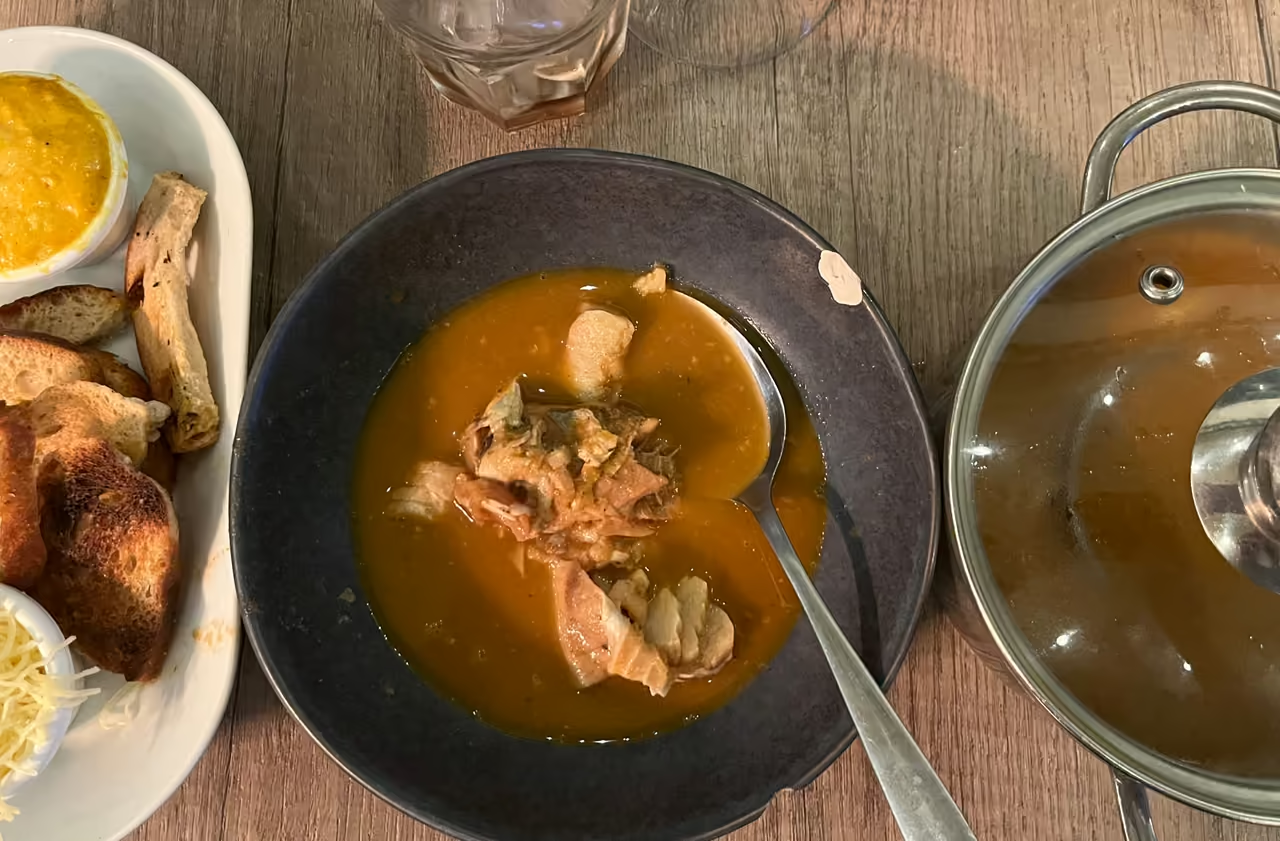
Skip cheap 'tourist bouillabaisse' signs along the quays. Genuine Bouillabaisse Marseillaise requires whole rockfish, saffron-garlic rouille, and two-course service, usually reserved a day ahead; order soupe de poisson for an affordable seafood bowl.
Watch bags and phones around Saint-Charles station, Noailles market, and crowded metro carriages. Note also that almost every metro station has stairs, so trams and buses work far better with pushchairs or heavy luggage.
Avoid counting on public transit on May 1, when RTM services pause completely for Labour Day, and expect most daytime buses to wrap up around 21:00 before sparse Fluobus night services run.
Leave rival French football shirts, especially Paris Saint-Germain kits, in your suitcase on Olympique de Marseille match days around Stade Vélodrome and the Old Port.
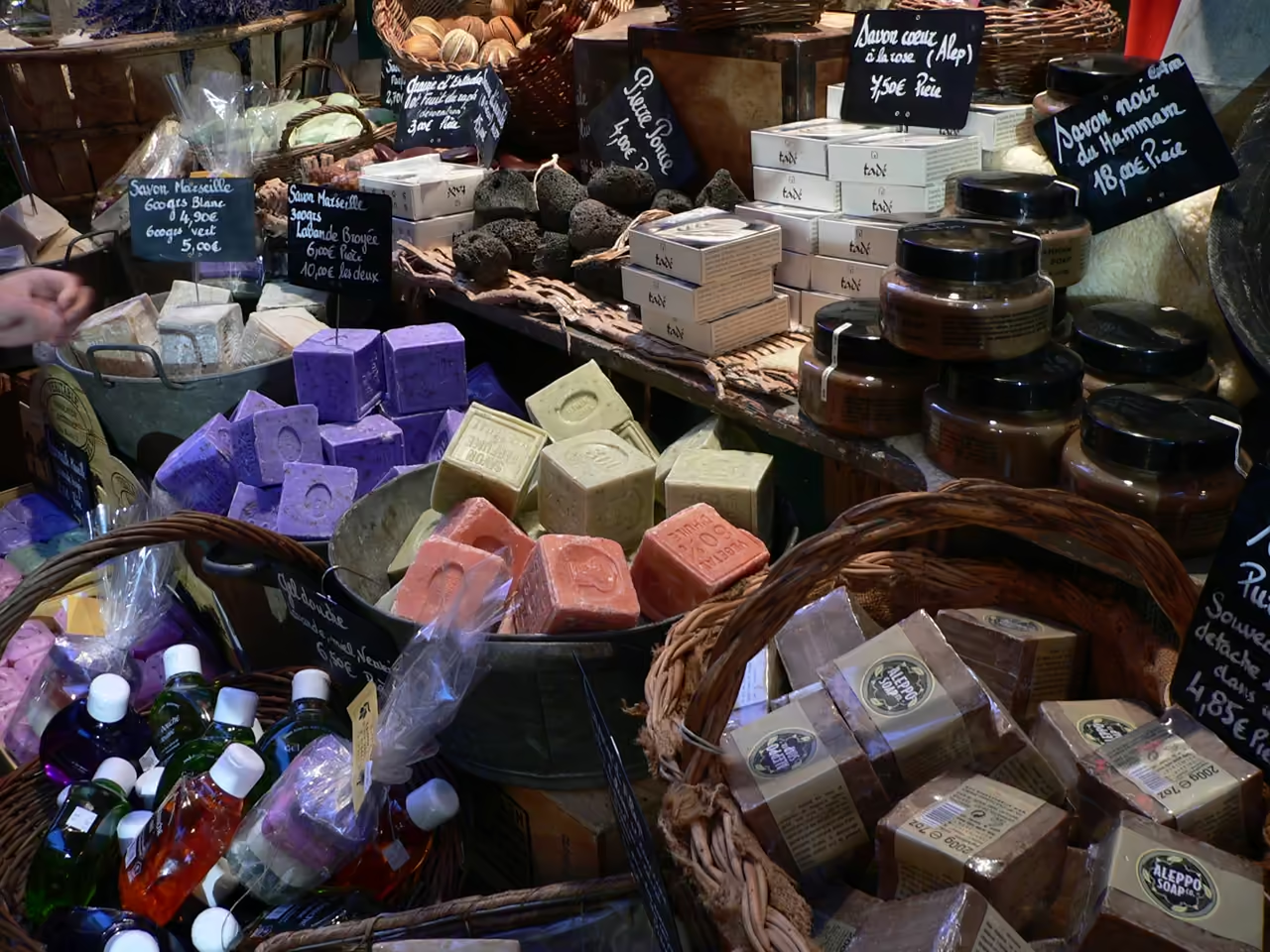
For genuine Savon de Marseille, inspect the cube stamp for '72% d'huile' and favour plain olive-green or beige bars free of bright synthetic dyes and heavy perfume.
Pack both a light windbreaker and two litres of water per person for coastal paths: the Mistral cools breezy ridges even on bright mornings, while white limestone Calanques valleys offer scant shade.
Start every shop or café greeting with a polite 'Bonjour' before switching to English, and listen out for local expressions like 'minot' (kid), 'fada' (madcap), and 'dégun' (nobody).
Carry small euro notes and coins for spice stalls in Noailles and open-air tables on La Plaine, since not every market vendor accepts cards for small purchases like olives or panisses.
Plan museum days between Tuesday and Sunday, as municipal venues close on Mondays and occasional staffing shortages can temporarily shut galleries. Permanent collections at several city museums, including Palais Longchamp's Fine Arts Museum and the Marseille History Museum, cost nothing to enter.
PERFECT FOR
Curious travellers who crave real neighbourhood life, coastal hikes, sea views, and unpretentious Mediterranean cooking feel right at home here. Walkers, swimmers, architecture fans, street-art explorers, and history readers will relish its lived-in energy over manicured resort towns.
VIBE
Salt spray, scooter hum, roasted anise, and animated Provençal-accented banter drift across sunlit harbour terraces from dawn until midnight. Around the Vieux-Port and Noailles, Marseille feels louder, warmer, and far less polished than anywhere else along the French Riviera. Twenty minutes out of town, urban grit yields to white limestone cliffs dropping straight into glassy Mediterranean coves.
Frequently Asked Questions about Marseille
Shuttle Bus #91 runs directly between Marseille Provence Airport and Gare de Marseille-Saint-Charles roughly every 15 to 20 minutes, taking around 25 to 30 minutes depending on traffic. For a rail connection, take the five-minute shuttle bus #13 to Vitrolles-Aéroport-Marseille-Provence station and board a regional TER train straight into Saint-Charles.
Most Calanques trails remain open without tickets, yet visiting heavily trodden Sugiton and Pierres Tombées during peak summer months requires booking a free timed permit online ahead of time. From June to September, wildfire risk can also trigger daily trail closures, so always check official park notices before setting off.
Central neighbourhoods within walking distance of the Vieux-Port, Le Panier, the Opéra quarter, La Joliette, and the Corniche are lively and welcoming. Like any major seaport, keep an eye on phones and bags on crowded metro lines or at Gare Saint-Charles, and stick to well-lit streets late at night.
Skip renting a car inside the city. Narrow one-way lanes, tram tracks, bold scooter riders, and scarce parking make central driving stressful, whereas the two metro lines, three tram routes, buses, harbour ferry, and coastal shuttles reach every major landmark, beach, and Calanques trailhead easily.
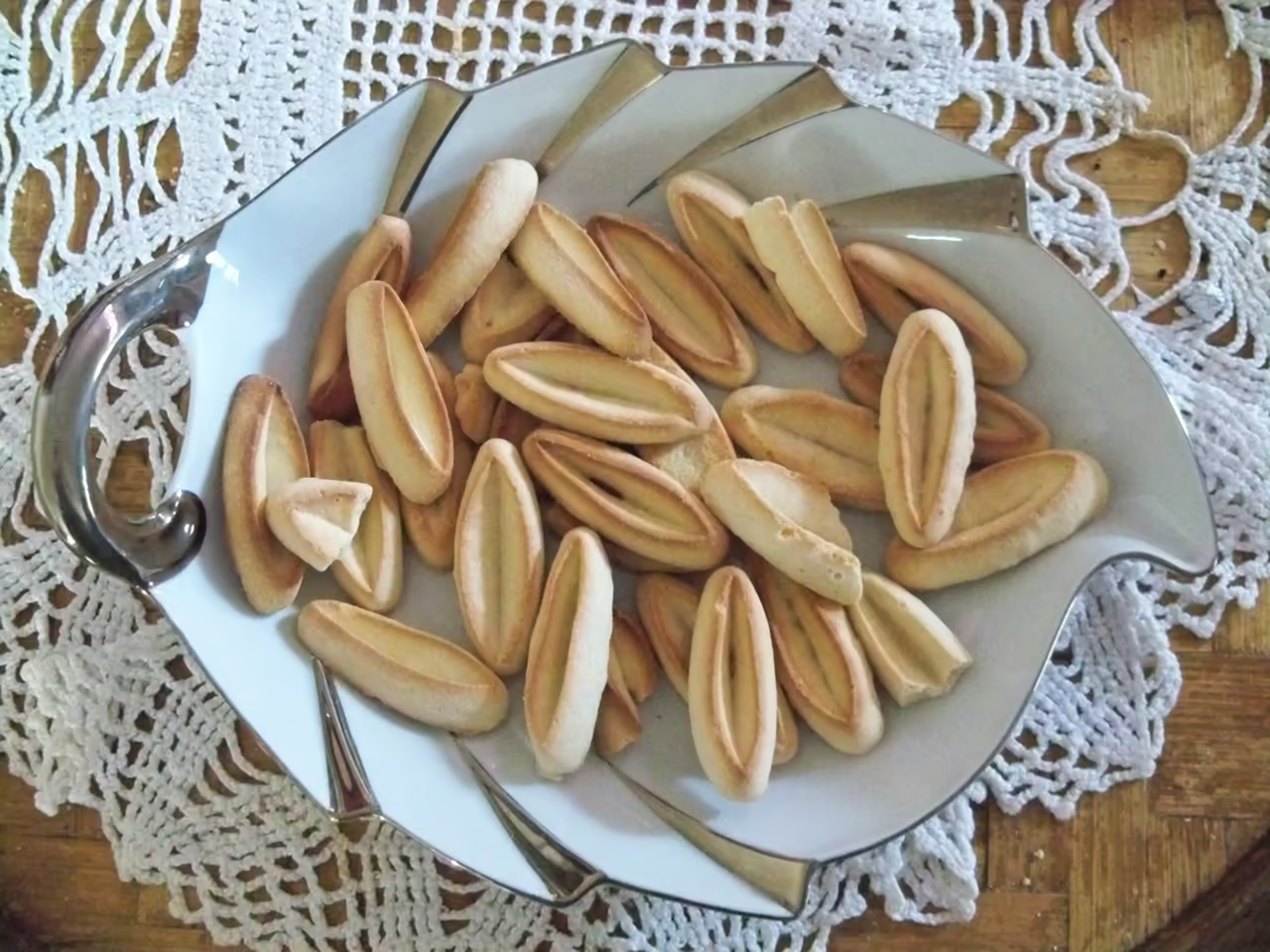
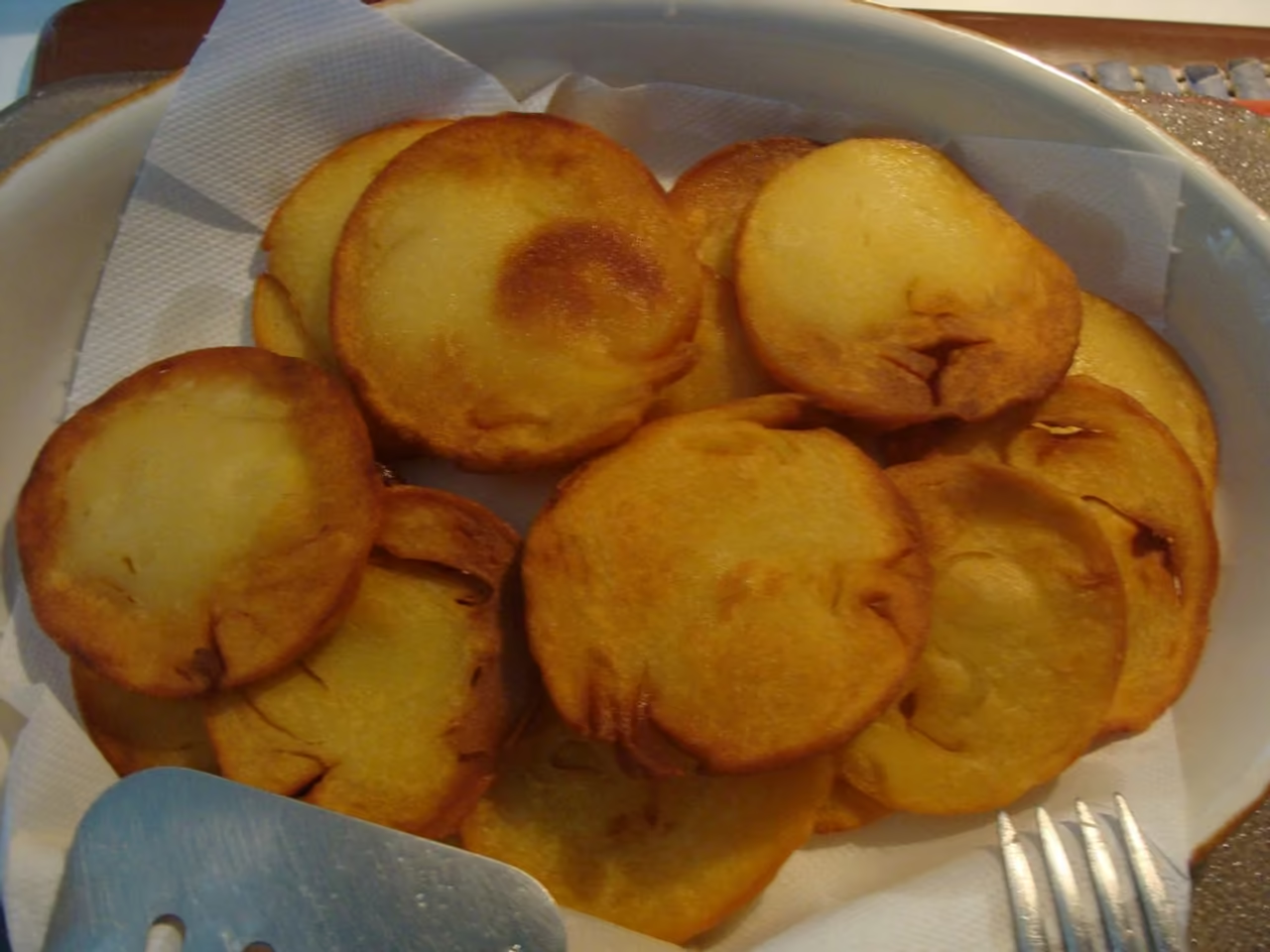
Try boat-shaped orange-blossom biscuits called navettes near Saint-Victor, crispy fried chichis frégis along L'Estaque's harbour, slow-braised lamb tripe and trotters known as pieds paquets, and half-and-half cheese and anchovy slices from a street pizza van. Around Noailles and Cours Belsunce, grab spiced couscous and fresh mint tea.
May, June, September, and early October bring warm Mediterranean swimming water, fewer heatwave peaks, and reliable coastal trail access. Even winter rewards travellers with crisp blue skies, brisk Mistral sunshine, and traditional santon nativity fairs near the Vieux-Port.
We recommend spending about 4 days in Marseille. Four days lets you take in the Vieux-Port, Le Panier, MuCEM, and Notre-Dame-de-la-Garde without rushing uphill under the midday sun. It also leaves room for a ferry outing to Château d'If and the Frioul islands, a dedicated Calanques hike, and unhurried dinners in Vallon des Auffes and Cours Julien.
Marseille has an average temperature of 14.7°C in spring, 24.2°C in summer, 16.5°C in autumn, and 8.1°C in winter. Choose the season that best matches your weather preference.
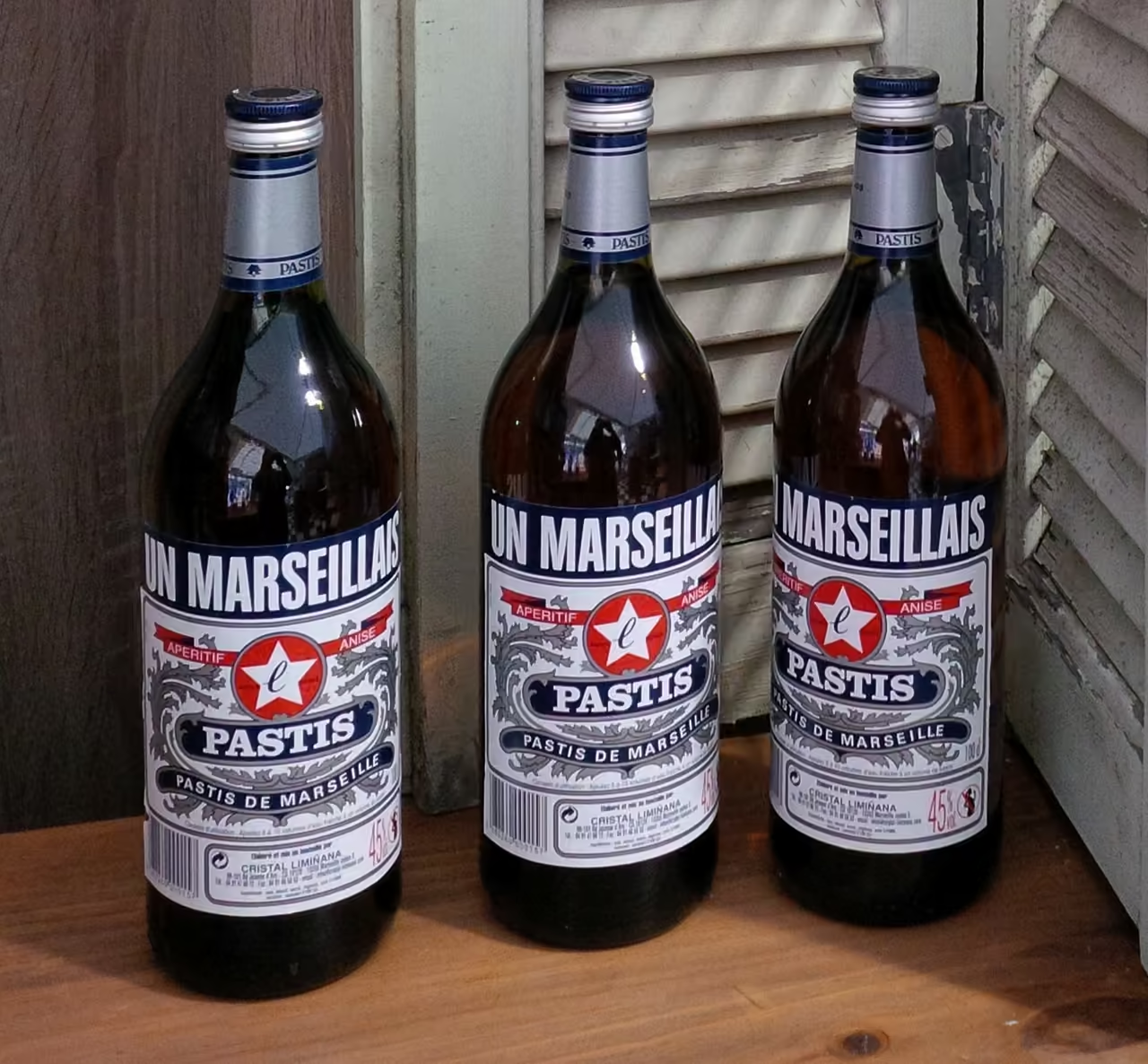
Some popular local food choices in Marseille include Bouillabaisse Marseillaise, Navettes de Marseille, Panisses, Pastis de Marseille, Chichis Frégis, Marseille Half-and-Half Van Pizza, Marseille Tapenade, Pieds Paquets, Provençal Grand Aïoli and Soupe de Poisson with Rouille.
Yes, Marseille is home to a UNESCO World Heritage Site: Unité d'habitation.
It has a population of 886,040 people.
It was founded in -600, making it 2626 years old.
While we strive to keep this information accurate and up to date, we recommend verifying any details independently before making decisions based on them.
Similar Destinations in France
Continue your journey. Explore these highly recommended cities and uncover more of what France has to offer.