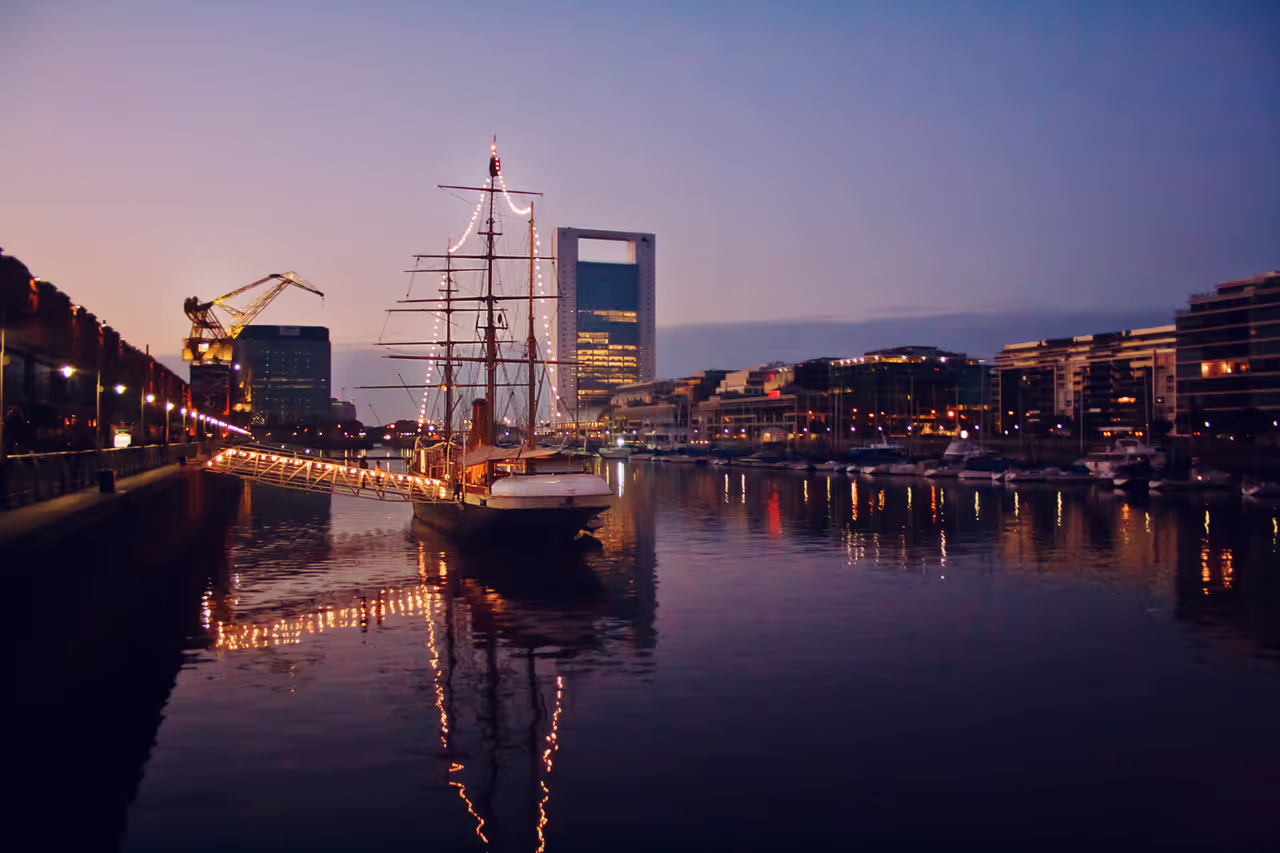
Buenos Aires
Full City Guide, Map & 119 Things To Do
3,121,707 people live here.
That's 6.7% of the entire population of Argentina.
Buenos Aires is a passionate and endlessly fascinating metropolis that seamlessly blends faded European grandeur with undeniable Latin American energy. Known widely as the Paris of South America, its streets are a visual feast of ornate architecture, charming cafes, and vibrant street art. The city pulses with a distinct nocturnal rhythm, where intense football matches give way to late night dinners of world class steak and Malbec wine. Tangos echo from hidden milongas into the early hours of the morning, inviting you to experience the authentic soul of the city. It is an incredibly welcoming destination that rewards curious travellers ready to embrace its sophisticated yet gritty character.
Buenos Aires DNA
History of Buenos Aires
Spanish conquistador Pedro de Mendoza sailed into the Río de la Plata in 1536 and planted a settlement named after the patroness of sailors, Santa María del Buen Ayre. The project was an absolute disaster. The expedition quickly ran out of food and provoked the local Querandí people, leading the desperate settlers to burn their own camp to the ground and flee five years later. Decades passed before Juan de Garay sailed down the Paraná River in 1580 to try again. His expedition looked entirely different from a traditional European conquest, as his fleet of canoes mostly carried Guaraní families. Among the official founders was Ana Díaz, a Guaraní-Spanish woman who claimed her own plot of land as a registered citizen. Garay drove his sword into the grass where the Metropolitan Cathedral stands today on the Plaza de Mayo, formally establishing the grid that would become the modern capital. For the next two centuries, the Spanish Crown completely ignored this remote outpost in favour of wealthy Pacific ports like Lima. Legal trading ships arrived barely twice a decade. The frustrated residents survived by hunting the wild cattle roaming the plains for their hides and operating a massive contraband network with Portuguese ships arriving from Brazil. Social status in this muddy port town relied on commercial success rather than aristocratic titles. The true turning point for local identity arrived in 1806 when British forces easily captured the city from an incompetent Spanish administration. The residents refused to accept the occupation. Local militias armed with whatever weapons they could find fought the British troops block by block and forced a surrender. When a second British expedition returned the following year, the civilian defenders humiliated them again, realising they no longer needed Spain to govern or protect them. The May Revolution of 1810 broke the colonial ties with Europe, kicking off a chaotic century of civil conflicts between the capital and the provinces. As the city finally stabilized and expanded, a severe yellow fever outbreak in 1871 forced a total urban redesign. Wealthy families abandoned their colonial homes in the southern San Telmo district and fled north to the higher ground of Recoleta. The municipal government rushed to build modern water works and commissioned French landscape architect Carlos Thays to design the vast Parque Tres de Febrero. Thays planted thousands of tipa and jacaranda trees that still paint the city yellow and purple every spring. By the turn of the twentieth century, European immigrants poured in by the millions. The government decided to remodel the centre to match this newfound prosperity, tearing down colonial blocks to carve out the Parisian style Avenida de Mayo. This obsession with European modernity pushed the city to inaugurate the Subte Line A in 1913, beating every other city in the Southern Hemisphere to underground rail. Riding those original wooden carriages beneath the streets became a daily ritual for a rapidly growing middle class. The skyline shifted dramatically in 1936 when construction crews assembled the towering Obelisco in just thirty one days to mark the city's fourth centenary. Workers widened the adjacent Avenida 9 de Julio, creating a massive concrete artery that still requires pedestrians to wait through two traffic light cycles just to cross it safely. The noise of idling buses and the smell of roasted peanuts from street carts define the atmosphere at this intersection today. The cafes along nearby Avenida Corrientes soon filled with writers and musicians debating politics and developing the tango, anchoring a cultural spirit that remains visible in the late night bookshops and crowded theatre lobbies.
15 Events spanning 482 years
Map of Buenos Aires
Interactive Destination & Itinerary Map
This map blends our curated city guides—featuring best photo spots, scenic walks, viewpoints, hidden gems and much more—with a live Wikipedia explorer. Click on our numbered pins to plan your routes, or zoom in on the surrounding neighborhoods to discover verified local landmarks, museums, and stories with dynamic Wikipedia summaries and photos!
Fun Facts
- • The city boasts the highest number of bookshops per inhabitant in the world, a testament to the local obsession with literature and print culture.
- • Avenida 9 de Julio is widely considered the widest avenue on the planet, requiring pedestrians to wait through multiple traffic light cycles to cross it entirely.
- • The local dialect, Rioplatense Spanish, sounds incredibly similar to Italian due to the massive wave of Neapolitan and Genoese immigrants in the nineteenth century.
- • Residents of the city are known as porteños, which translates directly to 'people of the port', reflecting their deep immigrant and maritime roots.
- • Before taking his vows and eventually becoming the head of the Catholic Church, Pope Francis worked as a nightclub bouncer in the city.
- • The capital is considered the global epicentre of psychoanalysis, boasting more psychologists per capita than any other place on Earth.
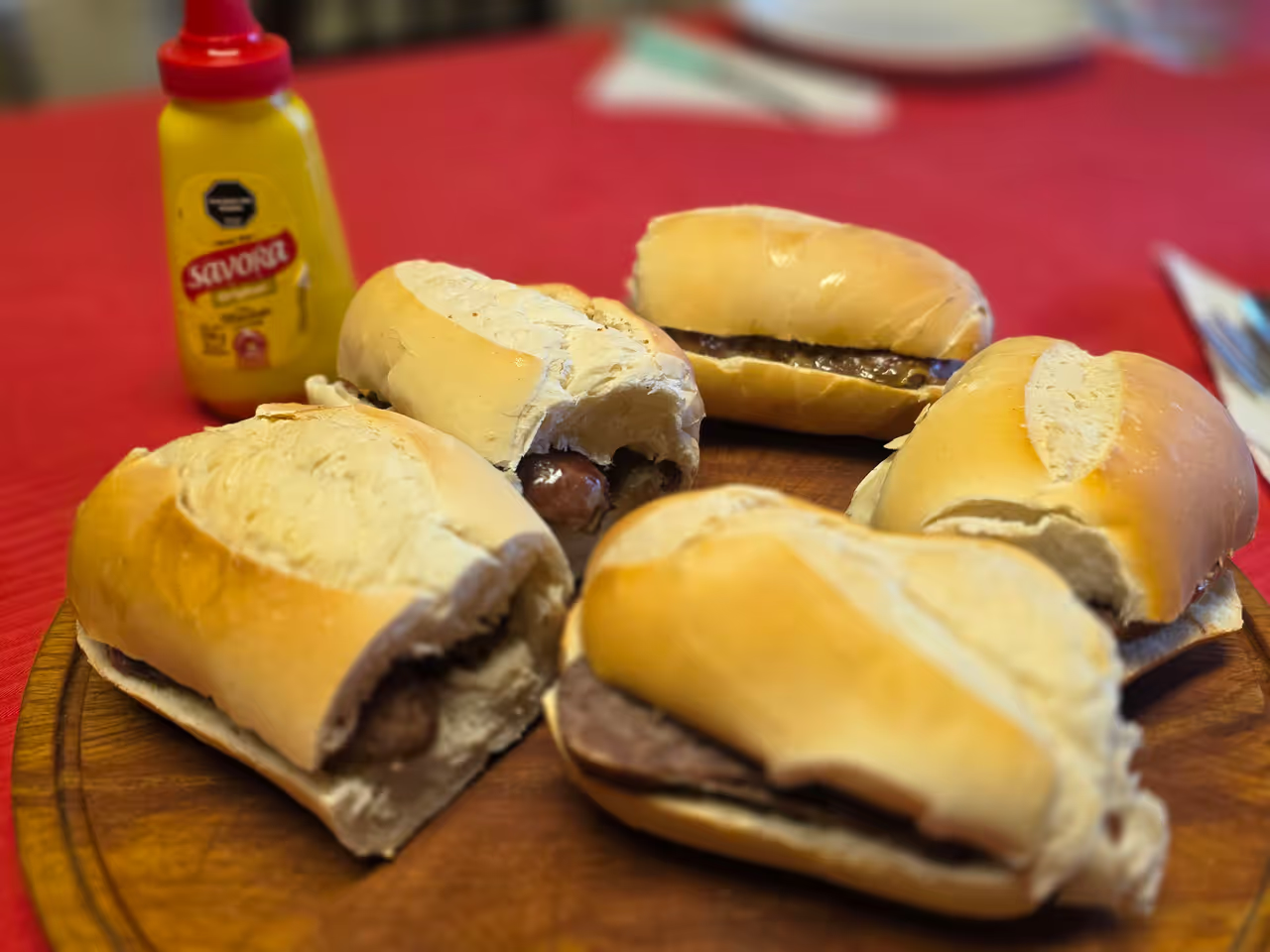
- • The beloved local street food, the choripan, is so culturally significant that it is often given away for free at political rallies to attract crowds.
Did You Know?
- • The underground railway network, opened in 1913, was not only the first in Latin America but the first in the entire Southern Hemisphere and the Spanish speaking world.
- • The Greater Buenos Aires metropolitan area is home to over fifteen million people, making it the fourth most populous conurbation in the Americas.
- • The iconic Teatro Colón is universally recognised by acousticians and conductors as having one of the top five best acoustic profiles for opera in the world.
- • The massive Reserva Ecológica Costanera Sur was inadvertently created when building rubble dumped into the river was naturally reclaimed by local flora, forming a thriving wetland ecosystem.
- • The city operates a complex dual currency system in daily life, where locals constantly track the unofficial exchange rate to protect their savings against historic inflation.
- • Argentina was the first country in Latin America to legalise same sex marriage in 2010, cementing the capital's reputation as a progressive haven.
Videos of Buenos Aires
Seasons
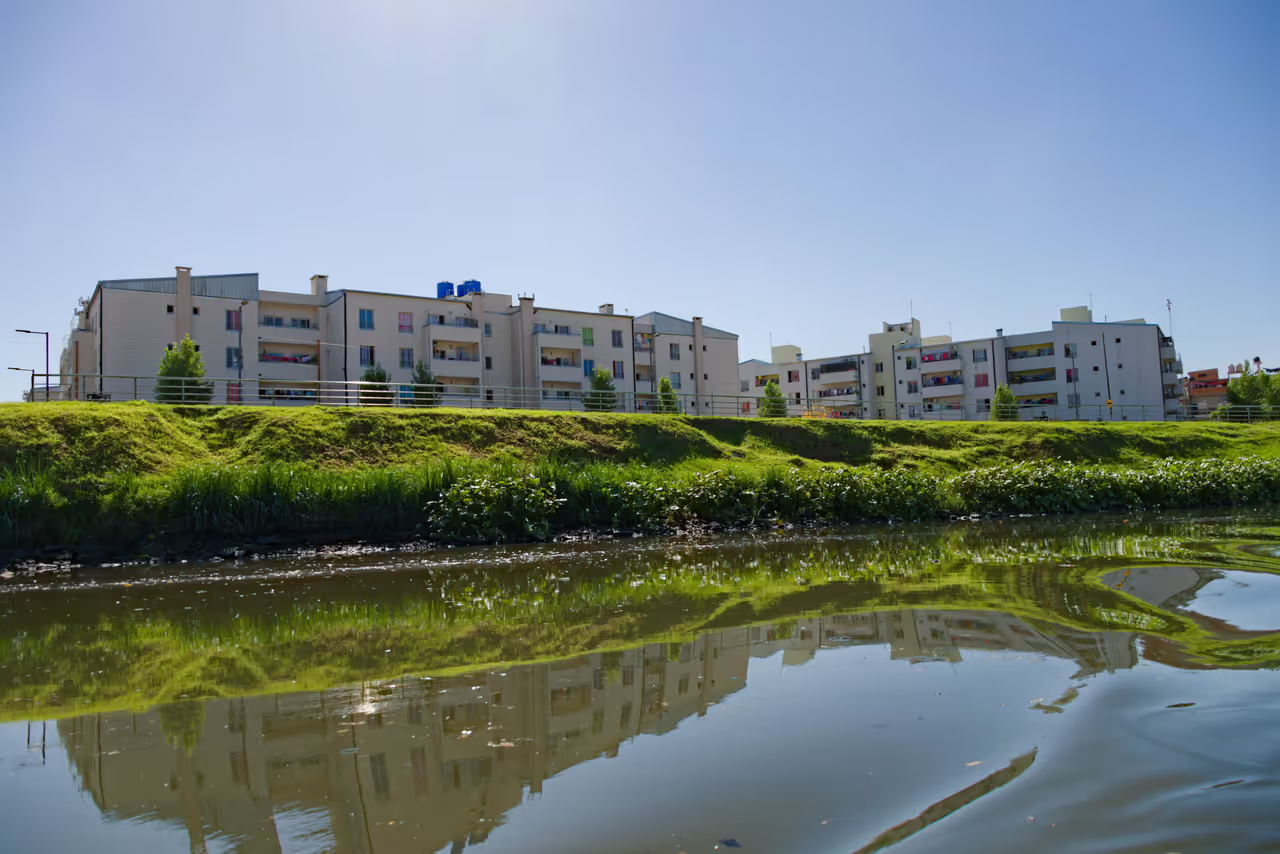
Spring
The weather is exceptionally mild and pleasant, making it the perfect time for extensive walking tours. In November, the city is...
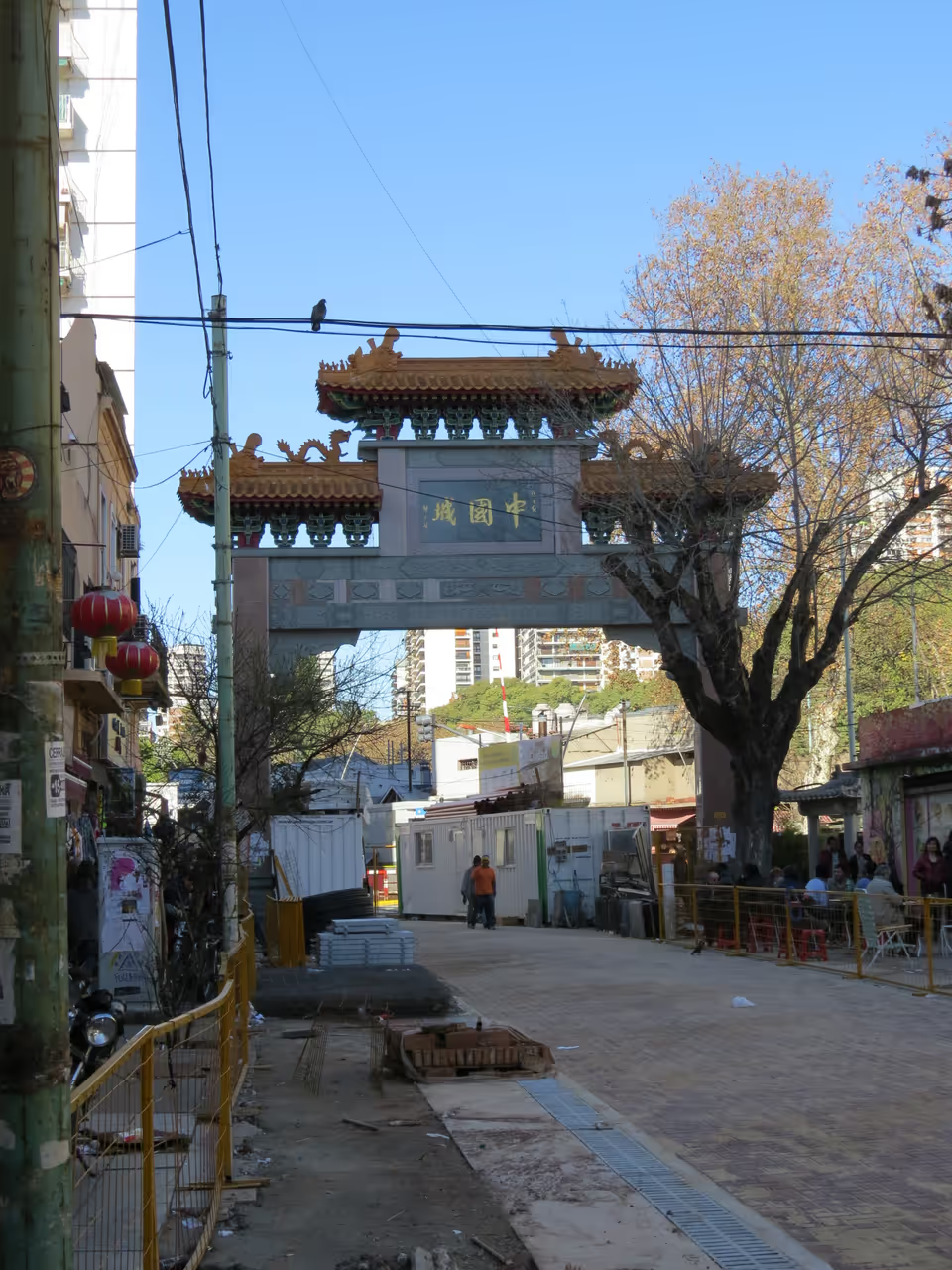
Summer
Temperatures become hot and heavily humid, occasionally interrupted by dramatic, violent thunderstorms. The intense heat drives...
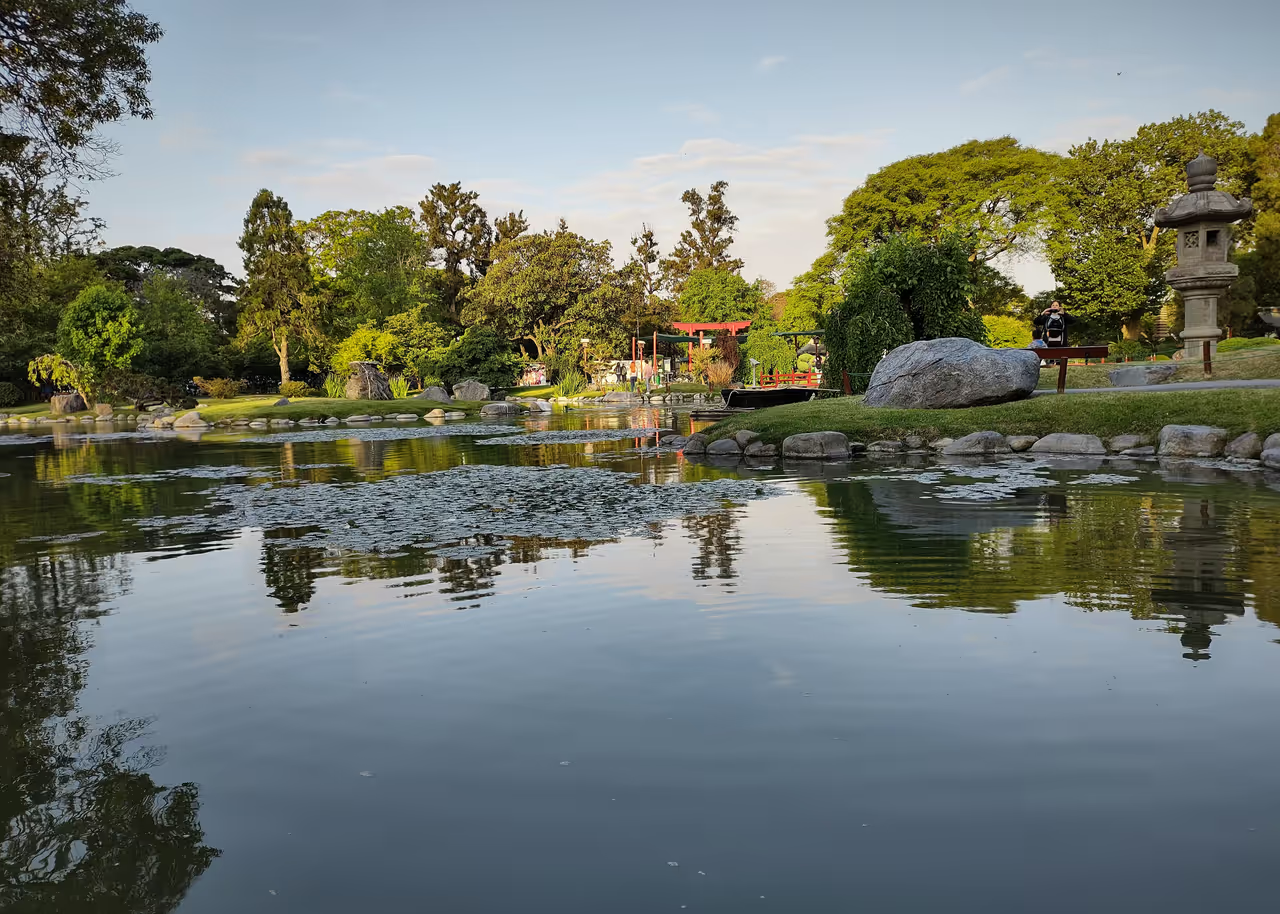
Autumn
The intense summer heat breaks, replaced by crisp, comfortable air and golden foliage in the city squares. This season is...
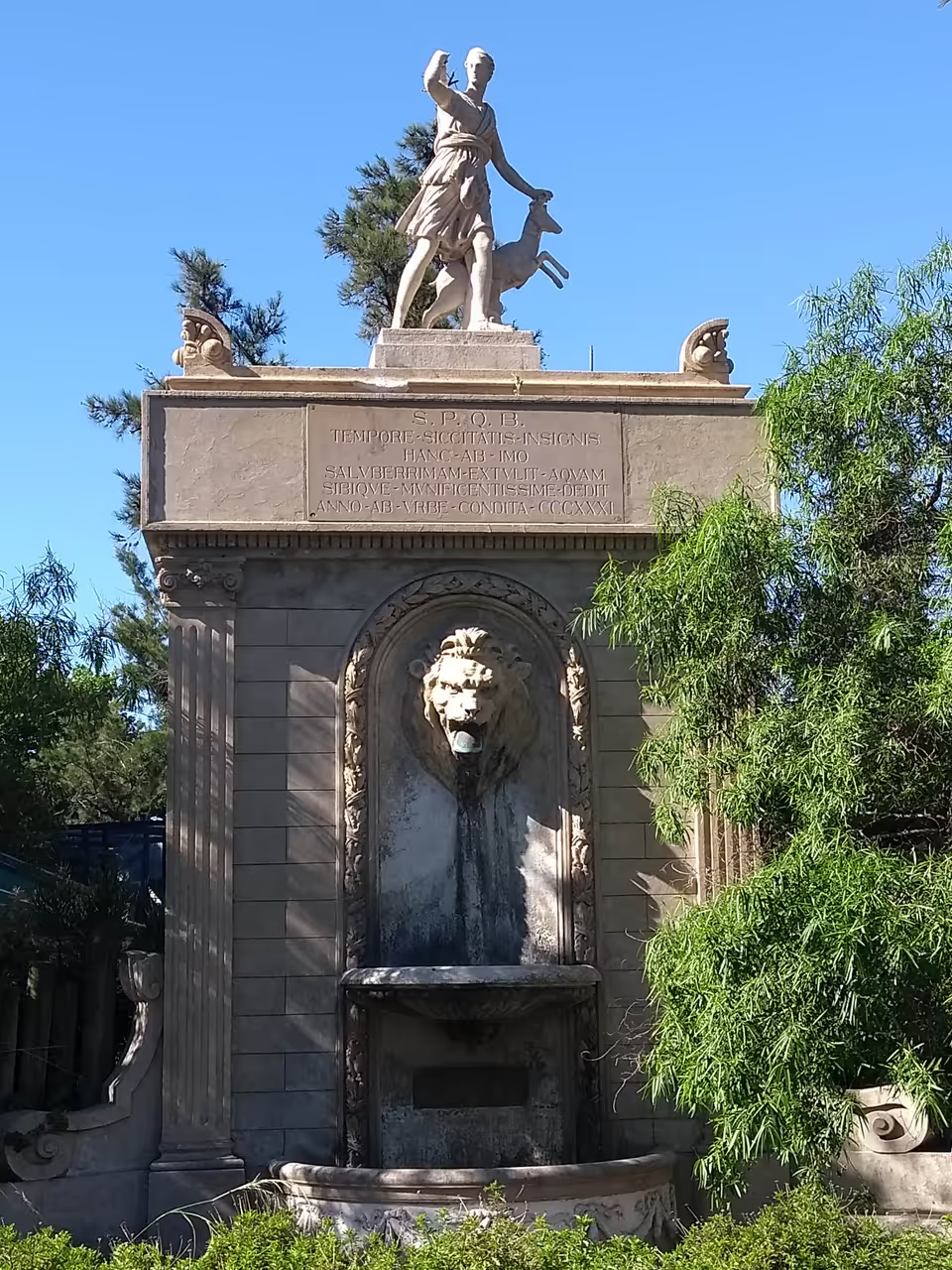
Winter
The days are cool and crisp, but extreme freezing temperatures or snow are incredibly rare. This is the absolute best time to...
Top Attractions in Buenos Aires
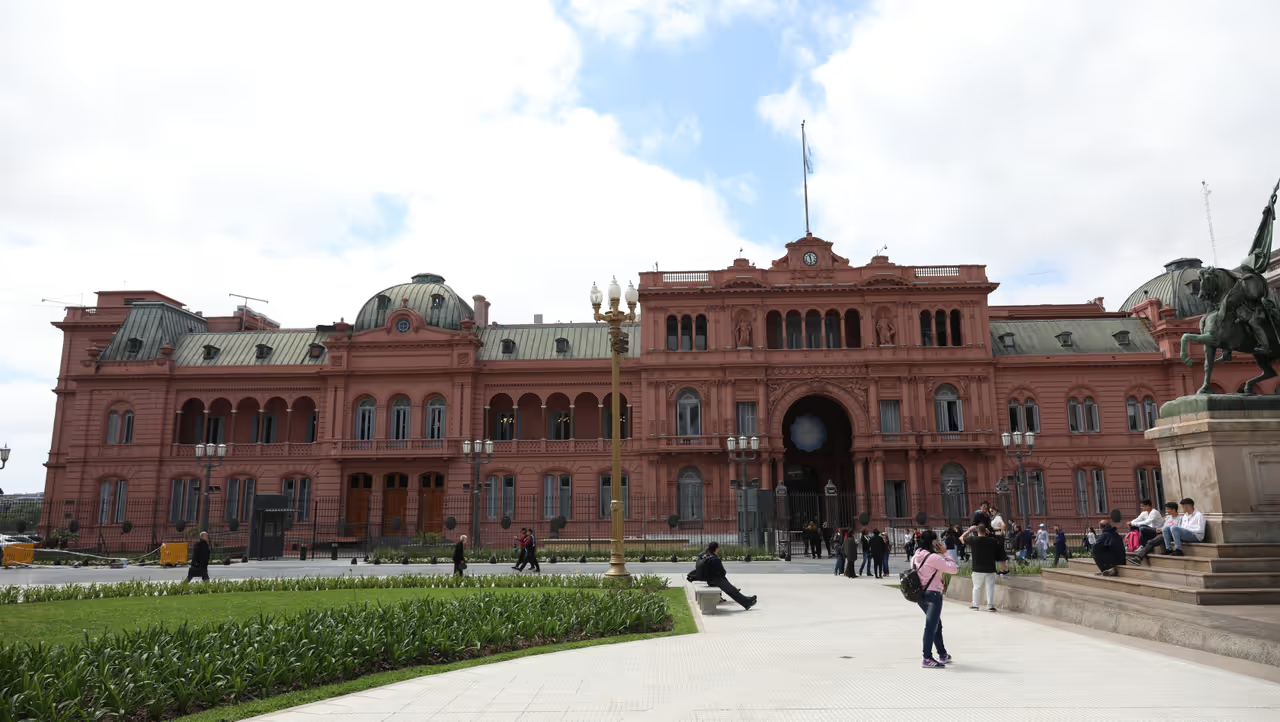
Casa Rosada
The Casa Rosada is the most recognisable symbol of Argentine political life and a stunning piece of architecture that defines...
view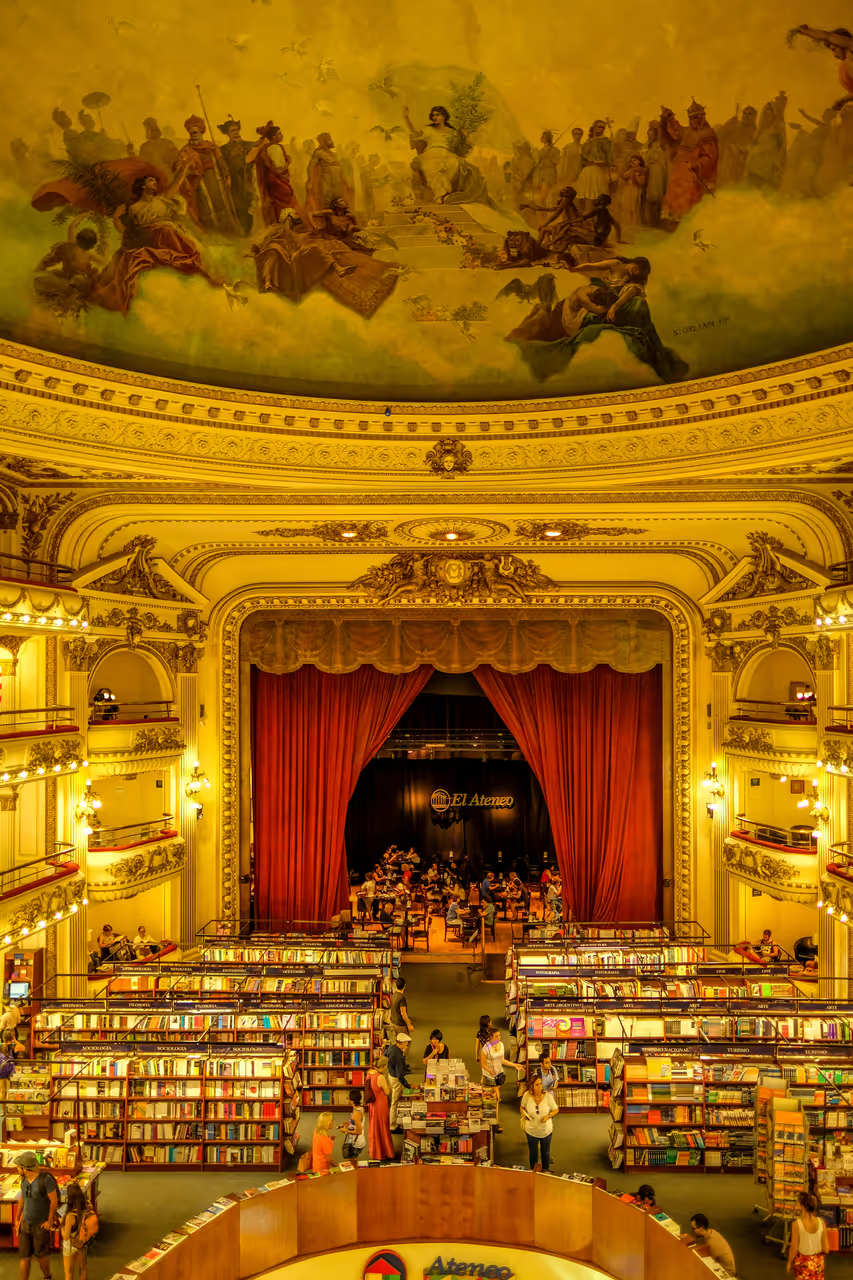
El Ateneo Grand Splendid
Stepping into El Ateneo Grand Splendid feels less like entering a bookshop and more like walking onto the stage of a grand...
view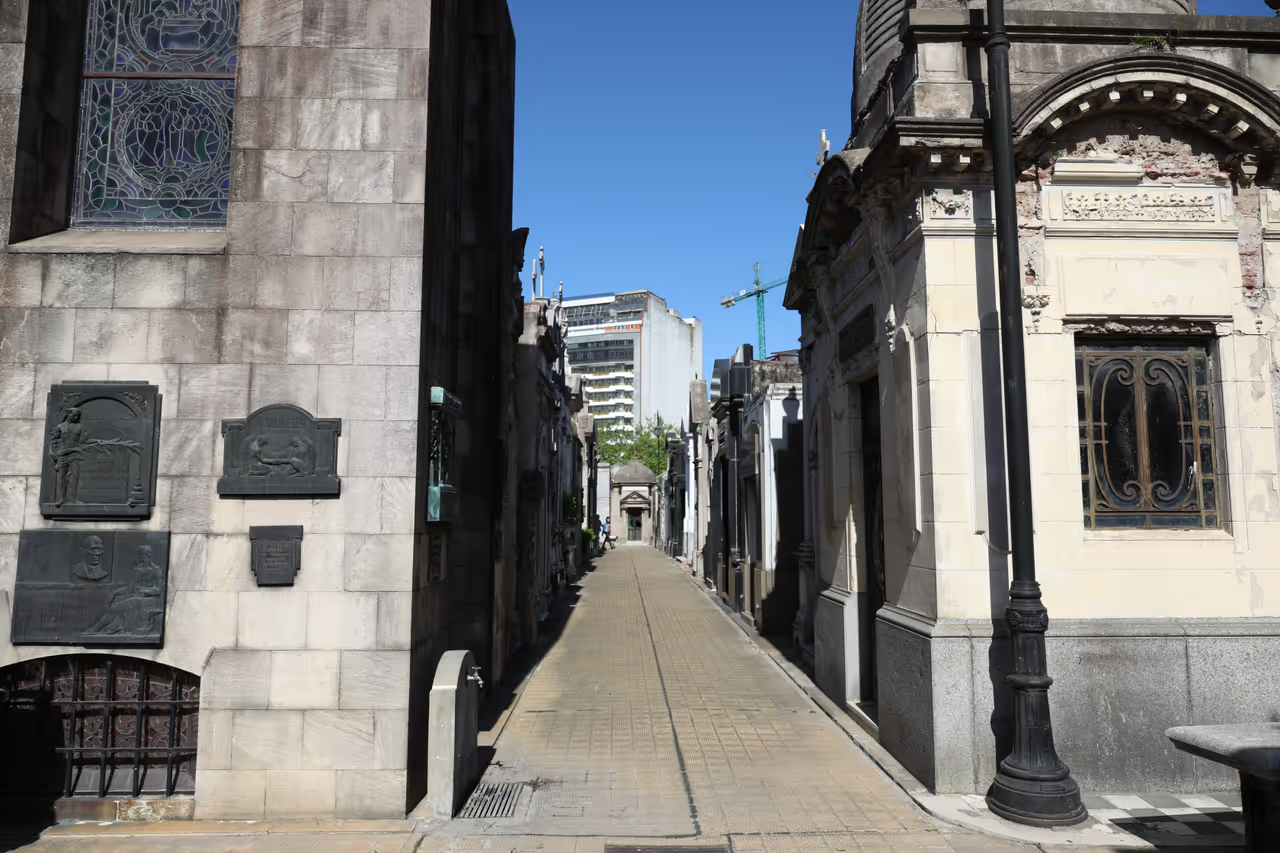
La Recoleta Cemetery
Wander through the silent, marble avenues of La Recoleta Cemetery and you will feel as though you have stepped into a miniature...
view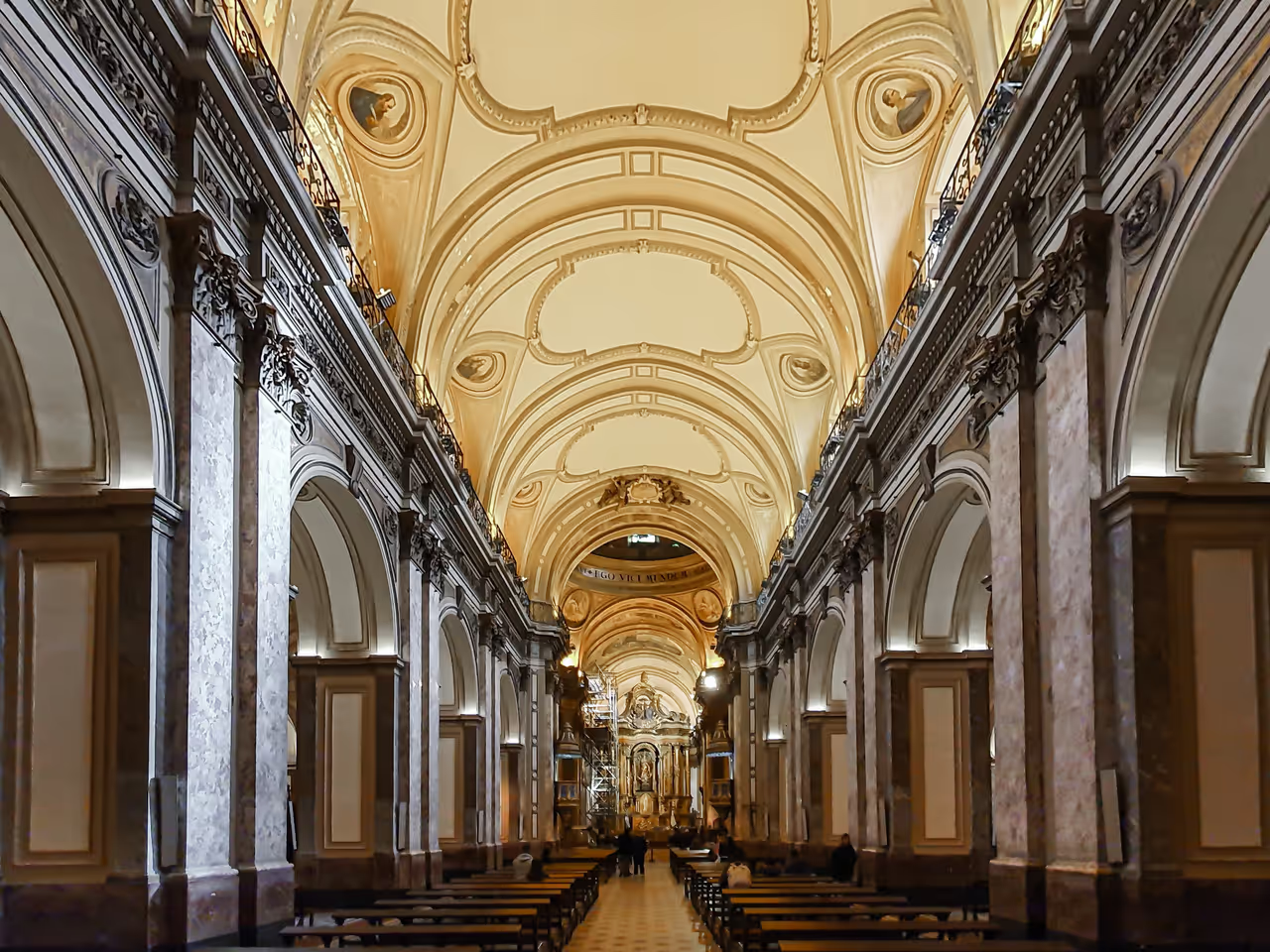
Metropolitan Cathedral of Buenos Aires
Standing proudly at the edge of the historic Plaza de Mayo, the Metropolitan Cathedral of Buenos Aires invites visitors to step...
view
Best Views
Buenos Aires Itineraries
TRIP PLANNER
5 Days Recommended
Five days provides ample time to explore diverse neighbourhoods like Palermo and San Telmo without rushing. It allows for a relaxed pace to savour long dinners, adjust to the city's nocturnal rhythm, and even take a day trip to the nearby river delta. You need this duration to truly appreciate both the historic centre and the vibrant local culture.
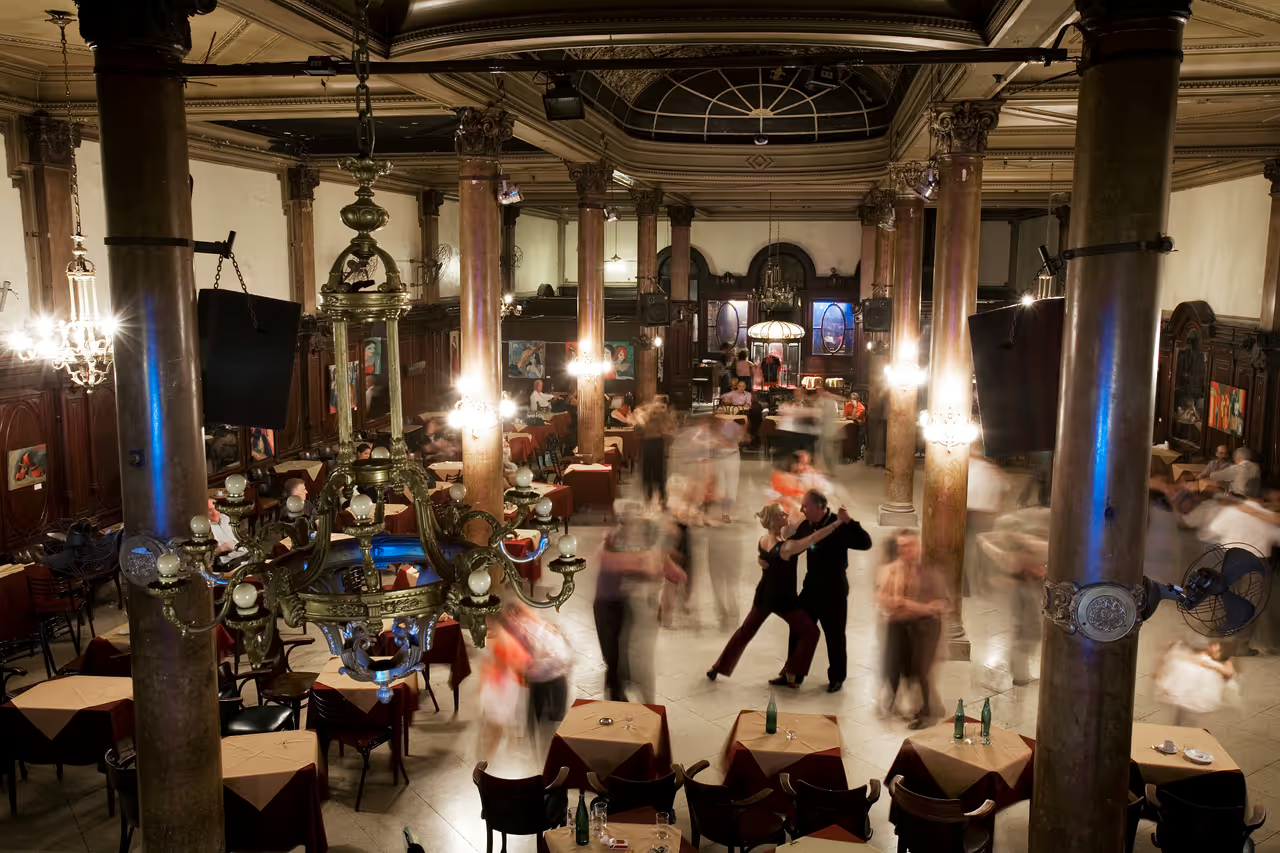
1 Day in Buenos Aires: The Capital Itinerary
This tightly packed itinerary focuses exclusively on the absolute essentials of the city, perfect for a short layover. You will experience the grand political history, the opulent architecture, and the deeply rooted tango culture in a single, energetic sweep. It covers the monumental heart of the downtown area before moving to the historic, bohemian southern district. The day culminates with the quintessential local experience of phenomenal steak and passionate dance. It is a fast paced introduction designed to leave you craving a longer return visit.
view itinerary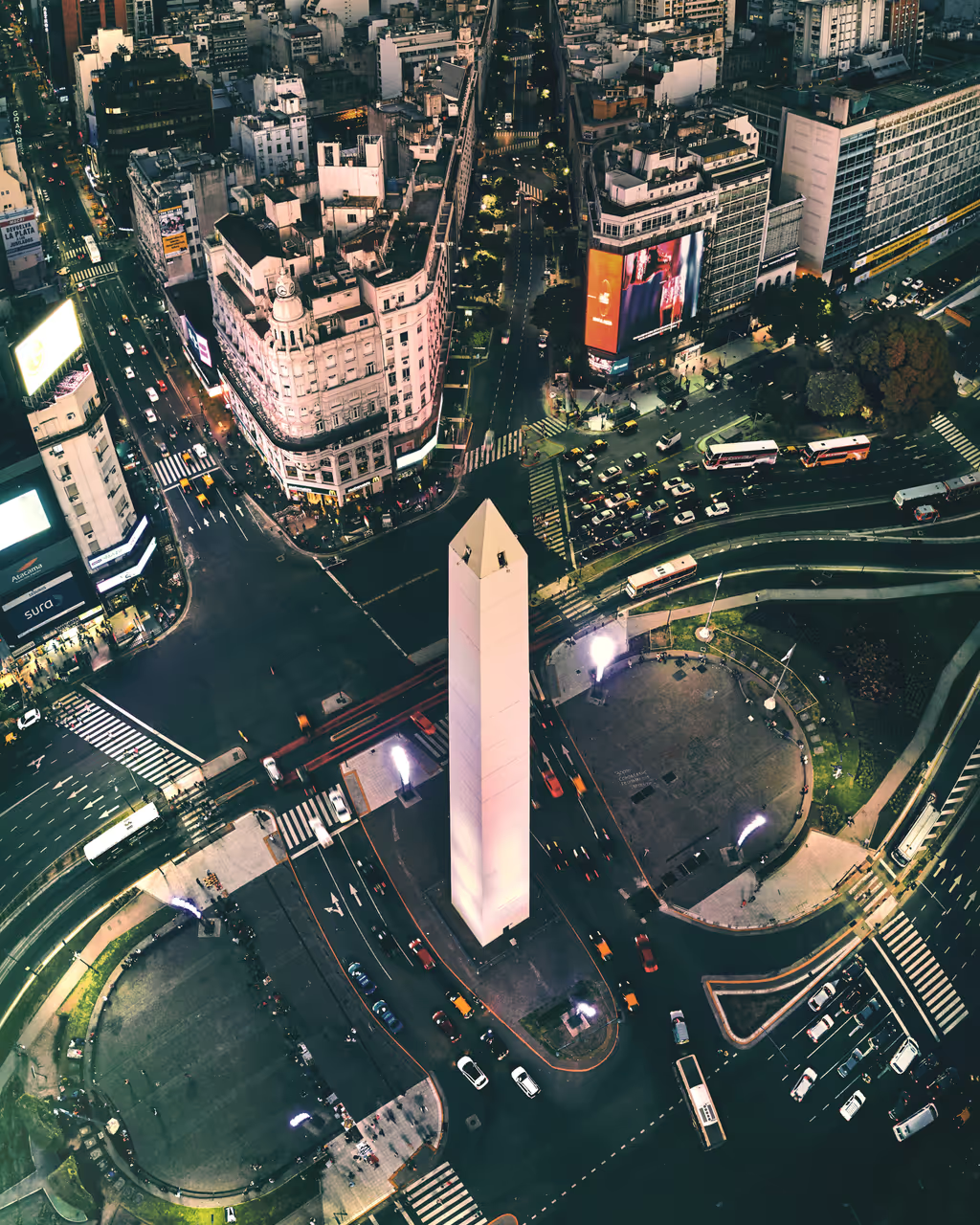
3 Days in Buenos Aires: Classic Experience Itinerary
Over three days, you can comfortably explore the stark contrasts that define the metropolis, from its gritty ports to its aristocratic palaces. You will have time to delve into the elegant northern neighbourhoods, discovering grand cemeteries and sprawling green parks. The itinerary ensures you experience the vibrant street art and modern docklands, alongside the historic, cobblestone streets of the south. It strikes a perfect balance between checking off major monuments and soaking in the trendy, local nightlife. This provides a comprehensive, highly satisfying overview of the capital.
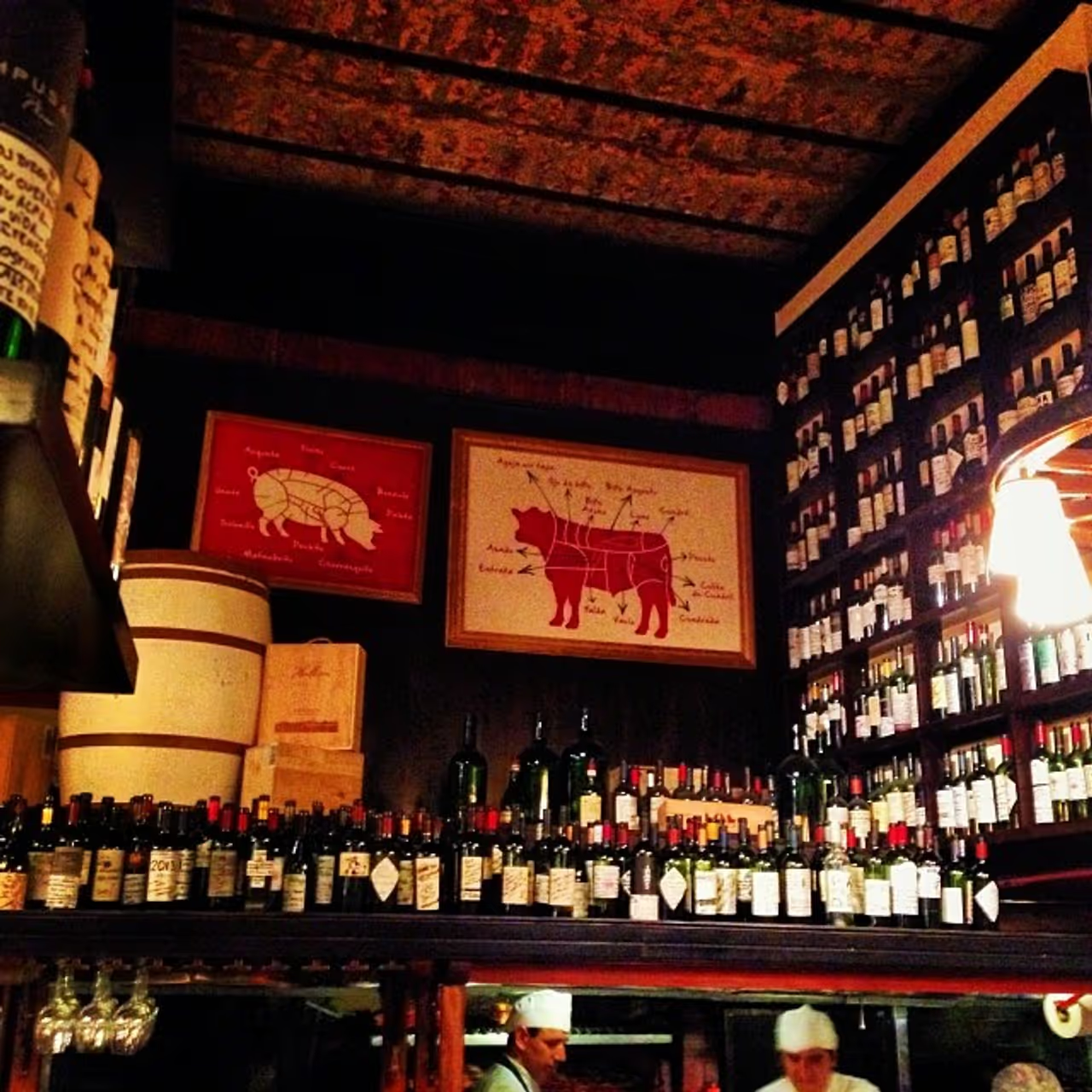
view itinerary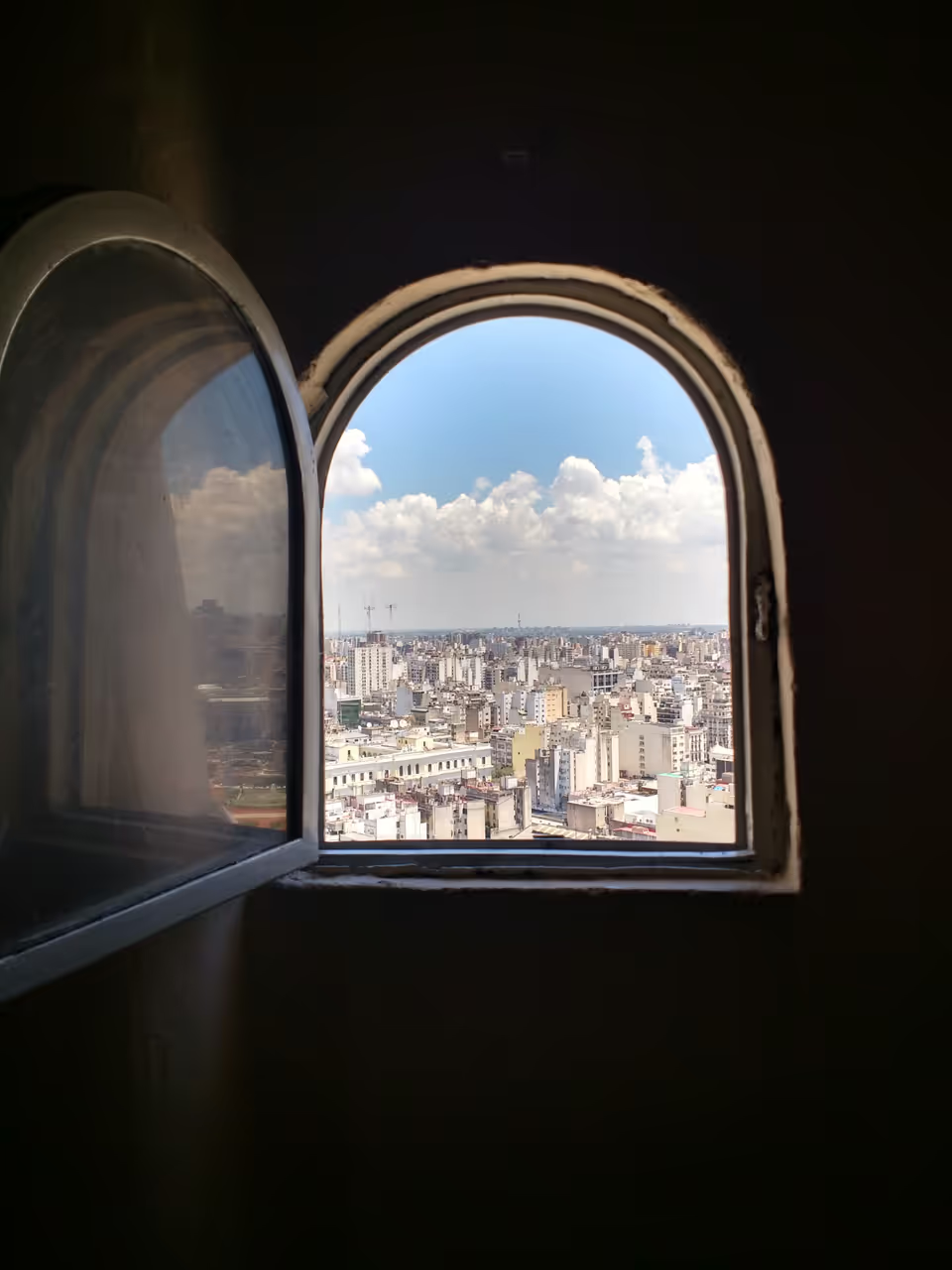
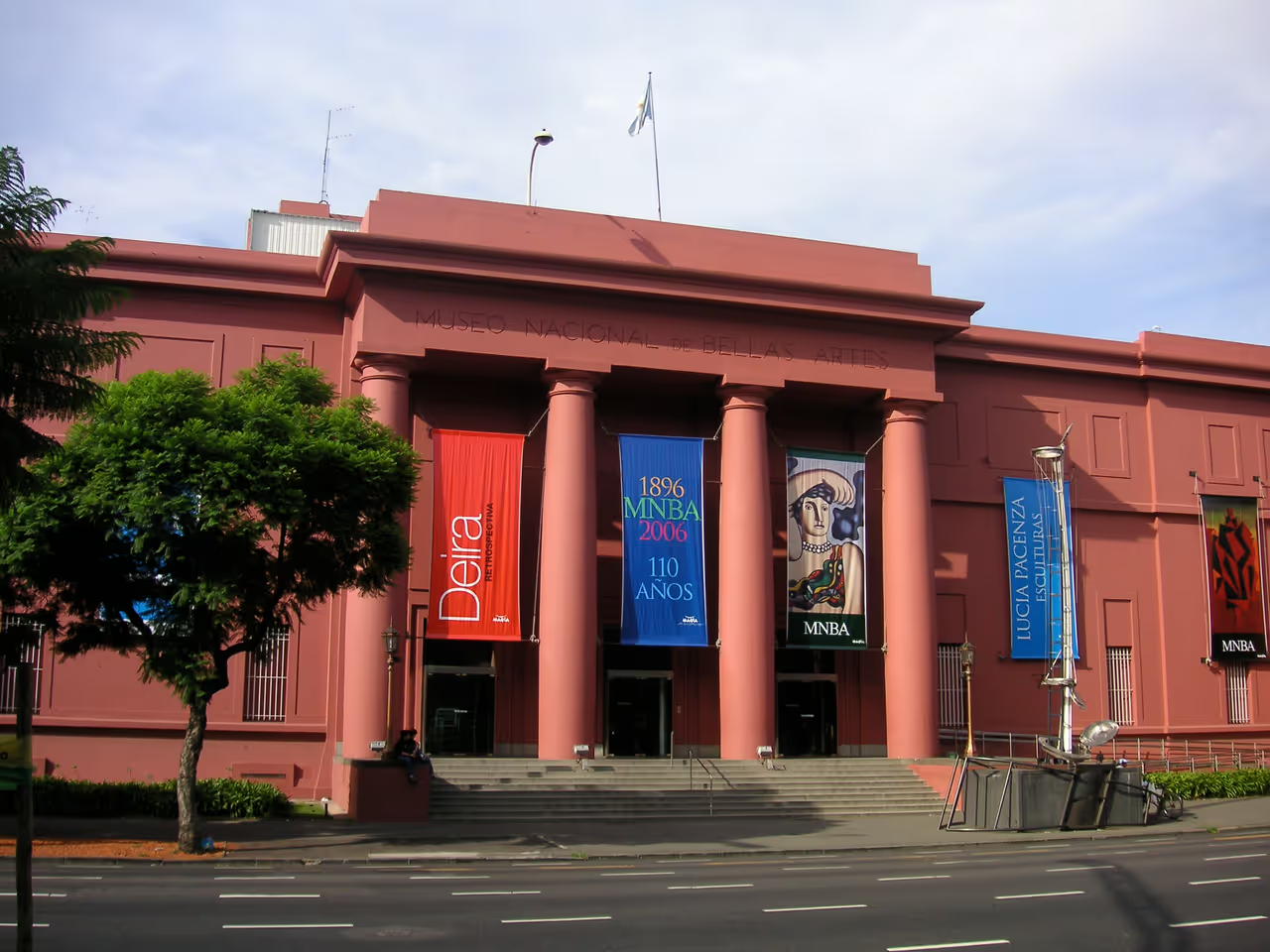
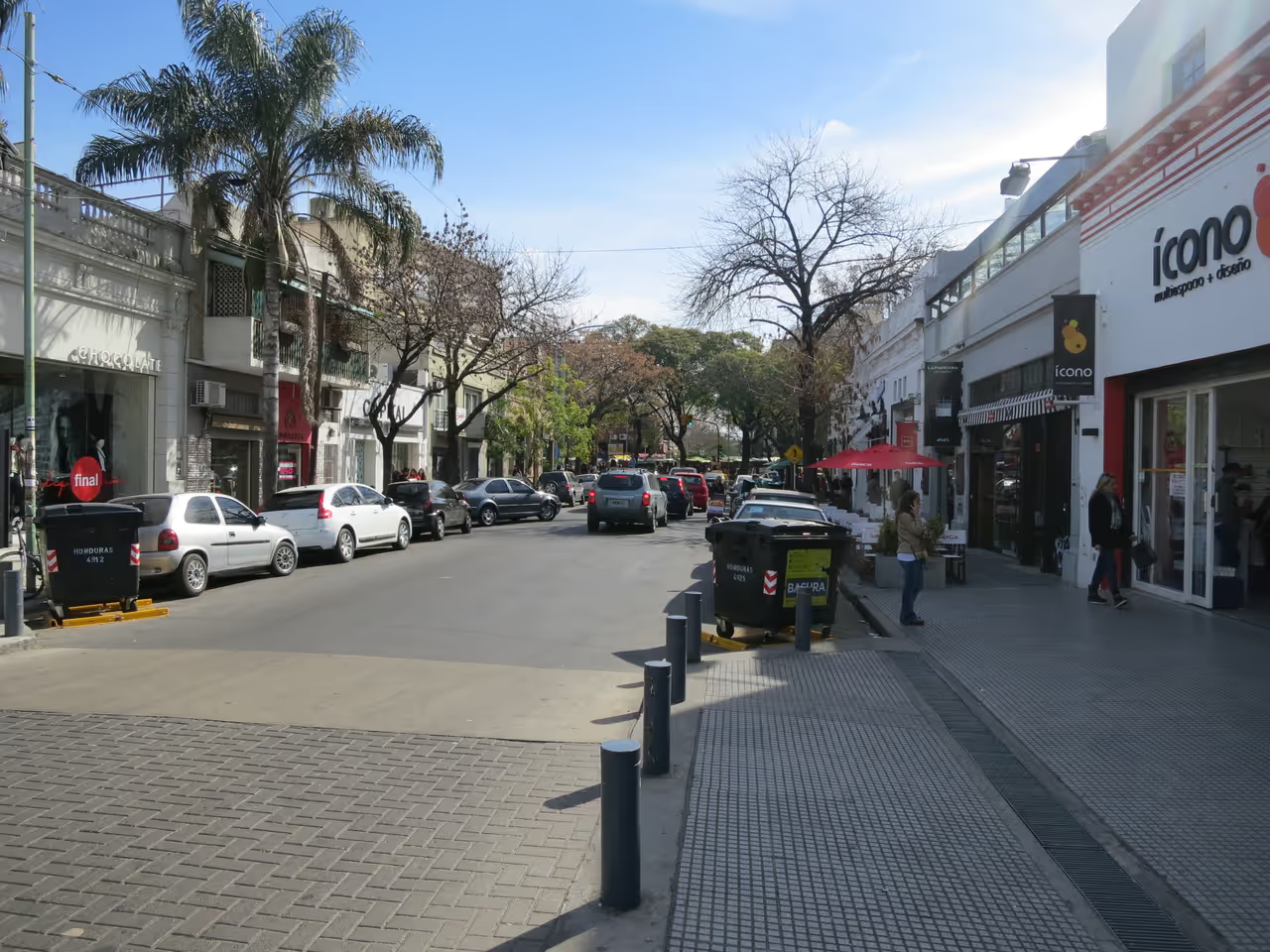
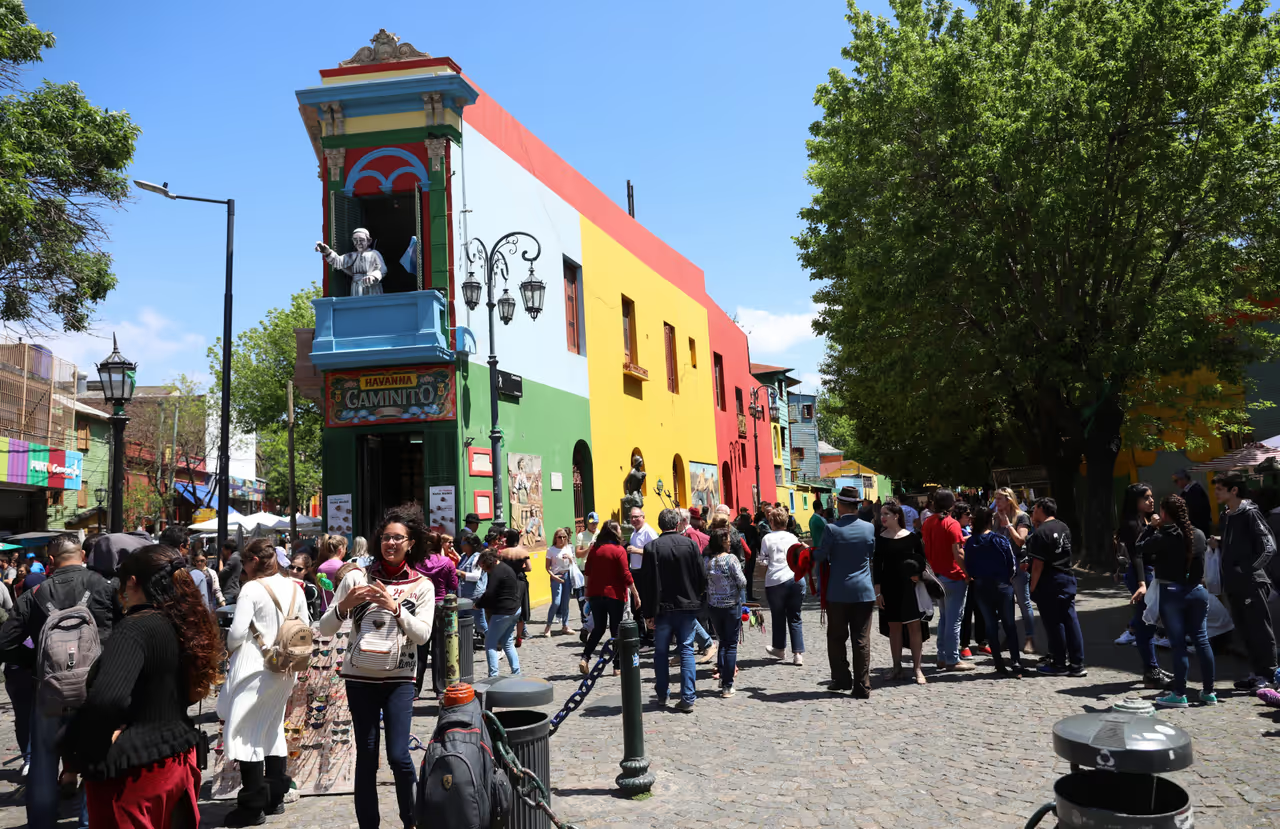
5 Days in Buenos Aires: The Deep Dive Itinerary
This generous five day itinerary allows you to completely sync with the late night, culturally rich rhythm of the city. Beyond the essential sights, you will have time to explore hidden architectural gems, massive ecological reserves, and venture outside the city limits. It provides the opportunity to engage in local activities, from learning polo to discovering the vibrant street art scene in detail. You can afford to linger in historic cafes and enjoy exceptionally long, relaxed dinners without feeling rushed. It is the definitive way to truly understand and absorb the complex soul of the capital.
view itinerary
Food in Buenos Aires

Free Things to do in Buenos Aires
Parks & Nature
Bosques de Palermo
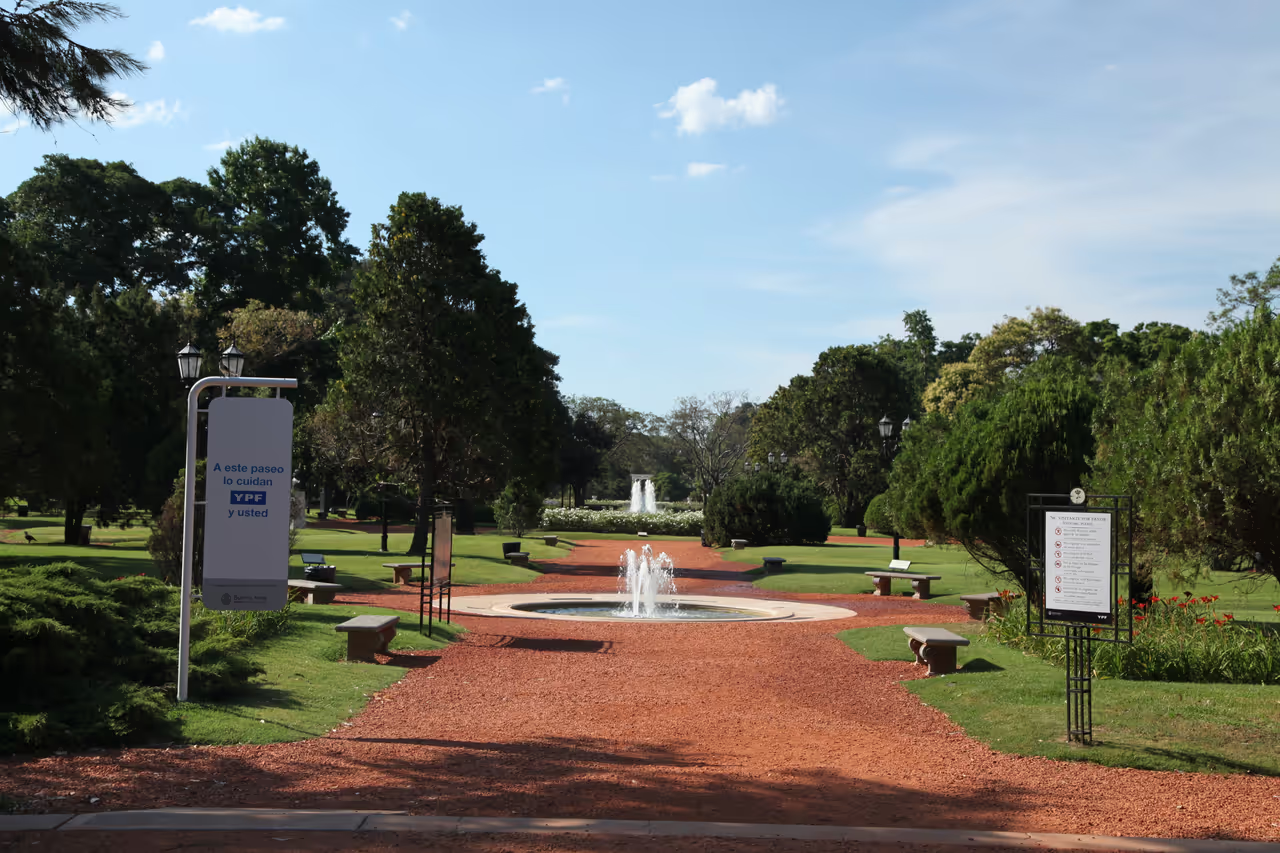
Imagine stepping into the green heart of Buenos Aires, where sprawling groves and tranquil lakes offer a serene escape from the...
view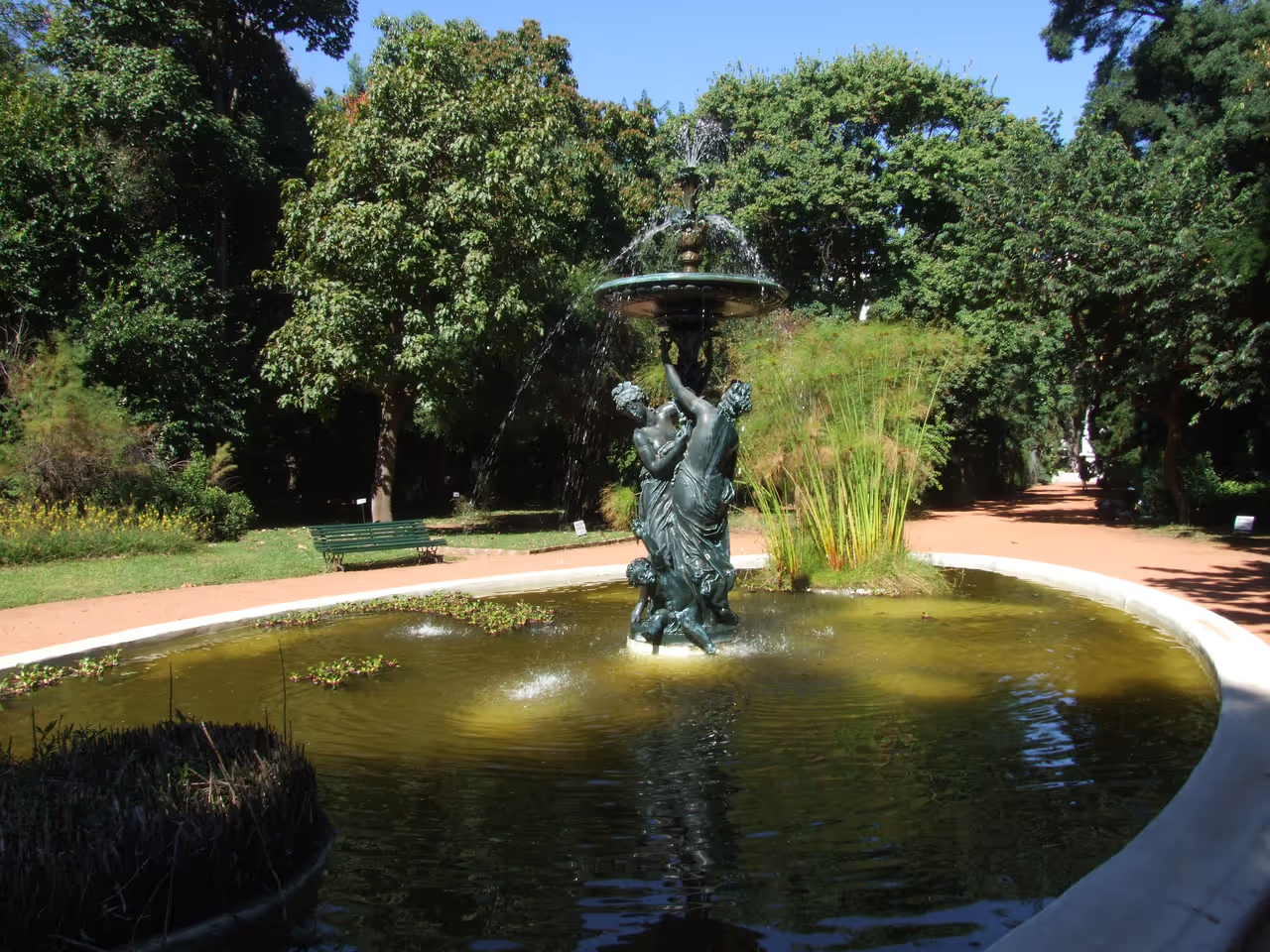
Buenos Aires Botanical Garden
A green sanctuary in the heart of Palermo, the Buenos Aires Botanical Garden is a peaceful escape from the city rhythm. Designed...
view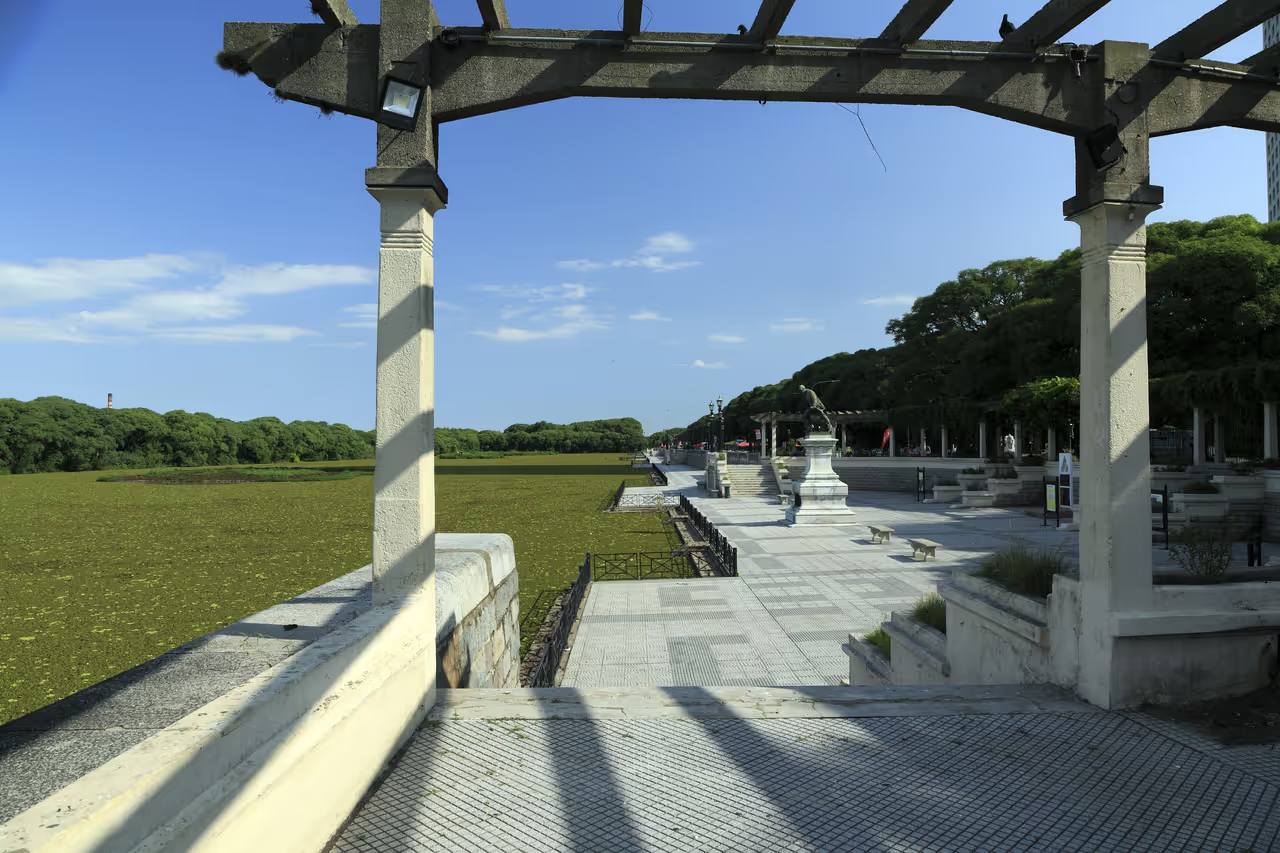
Buenos Aires Ecological Reserve
Step away from the concrete skyline and find yourself in a hidden wilderness right on the edge of the Rio de la Plata. The...
view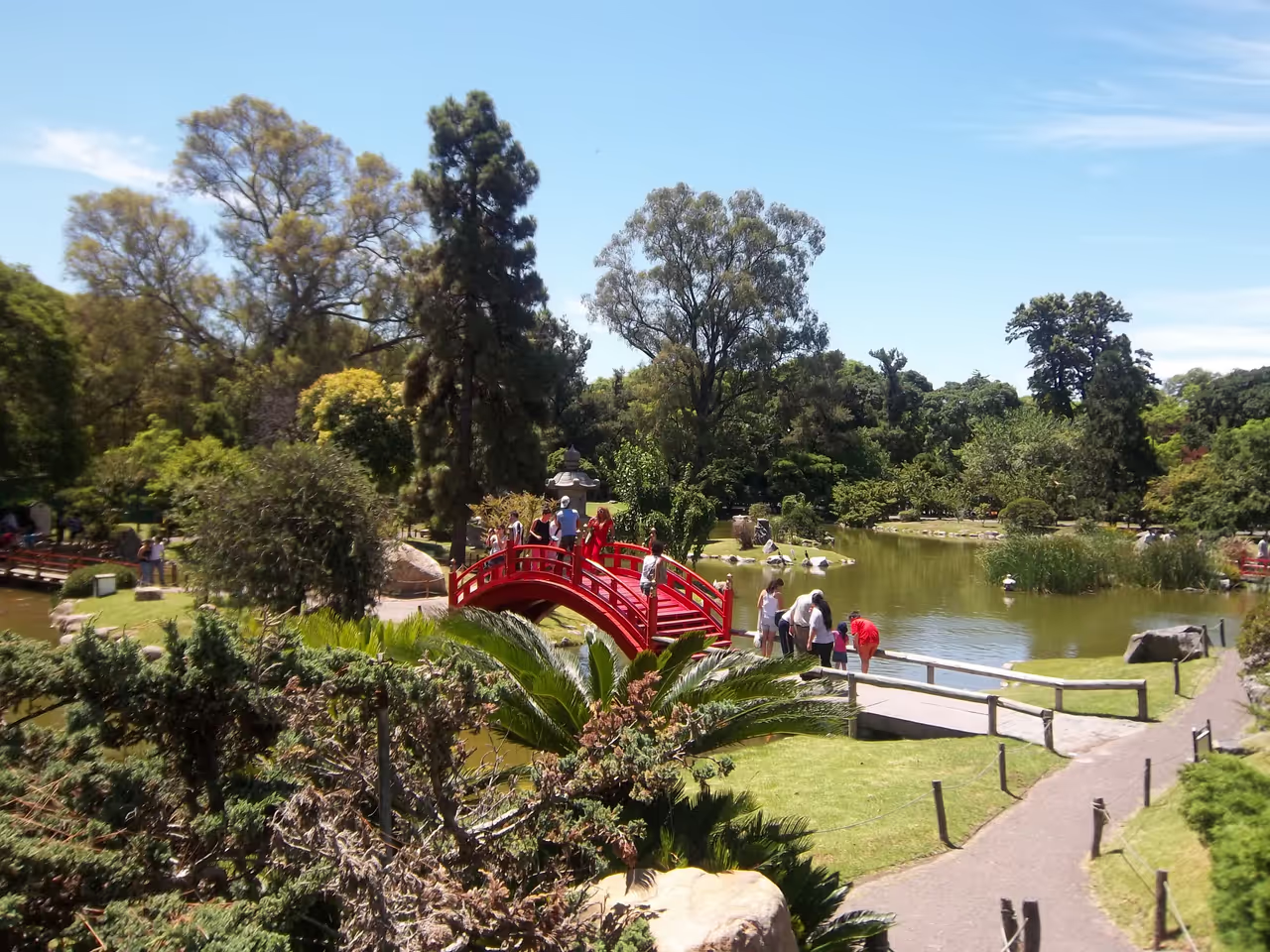
Buenos Aires Japanese Gardens
Escape to a serene oasis in the middle of the city where meticulous landscaping meets traditional Japanese aesthetics. These...
view
Highlights & Must-Sees
Dance at a Milonga
Step into a dimly lit, atmospheric dance hall where locals of all ages gather to express themselves through tango. A milonga is...
viewSavour an Asado
Eating steak here is not just a meal; it is a sacred, time honoured ritual that demands your full attention. Traditional...
view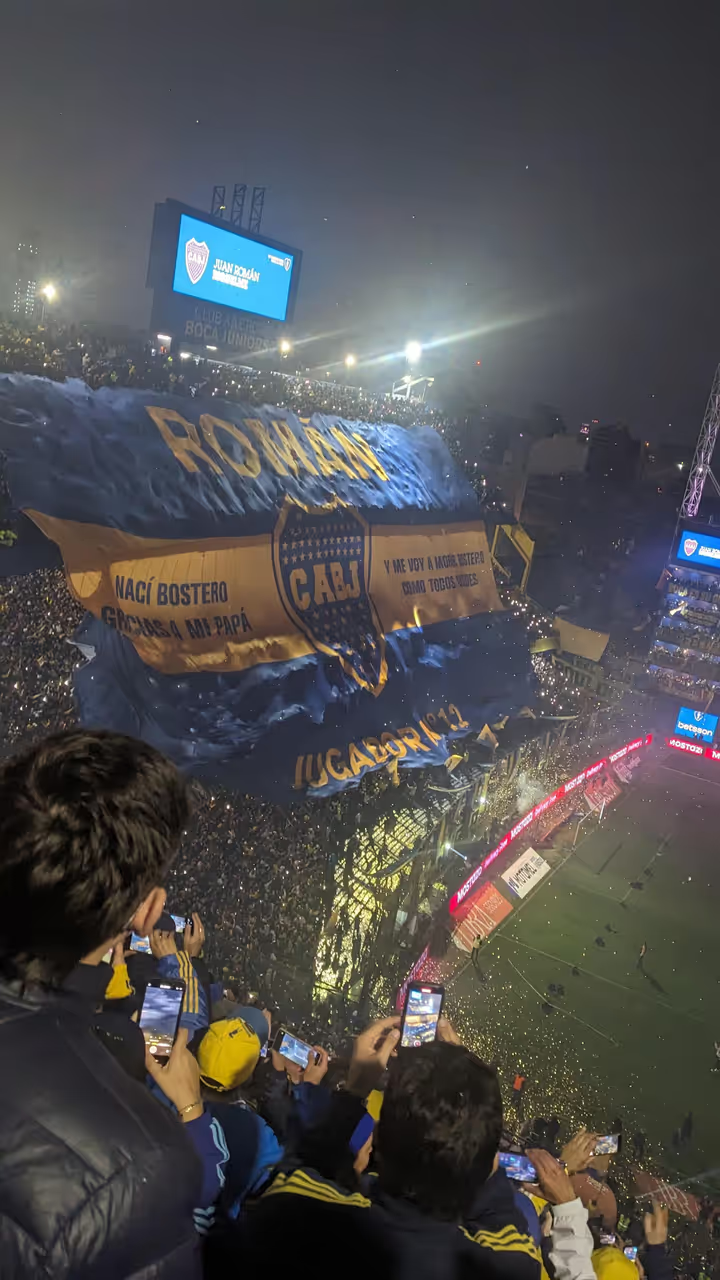
Watch a Football Match
Football is treated as an absolute religion here, and attending a live match is a visceral, unforgettable experience. The...
view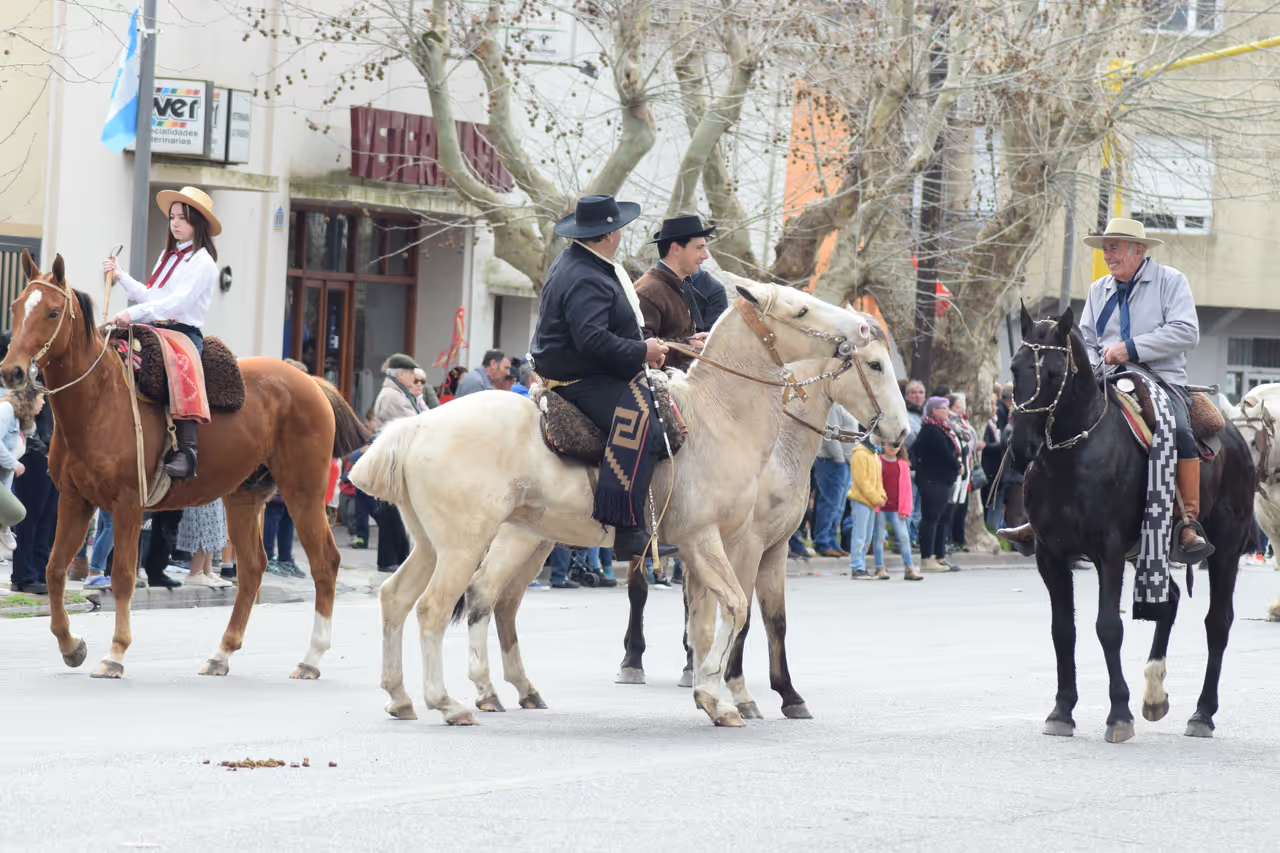
Attend a Gaucho Party
Escape the concrete sprawl for a day and immerse yourself in the legendary cowboy culture of the Argentine pampas. Traditional...
view
Best Walks in Buenos Aires
 HIGHLY RECOMMENDED
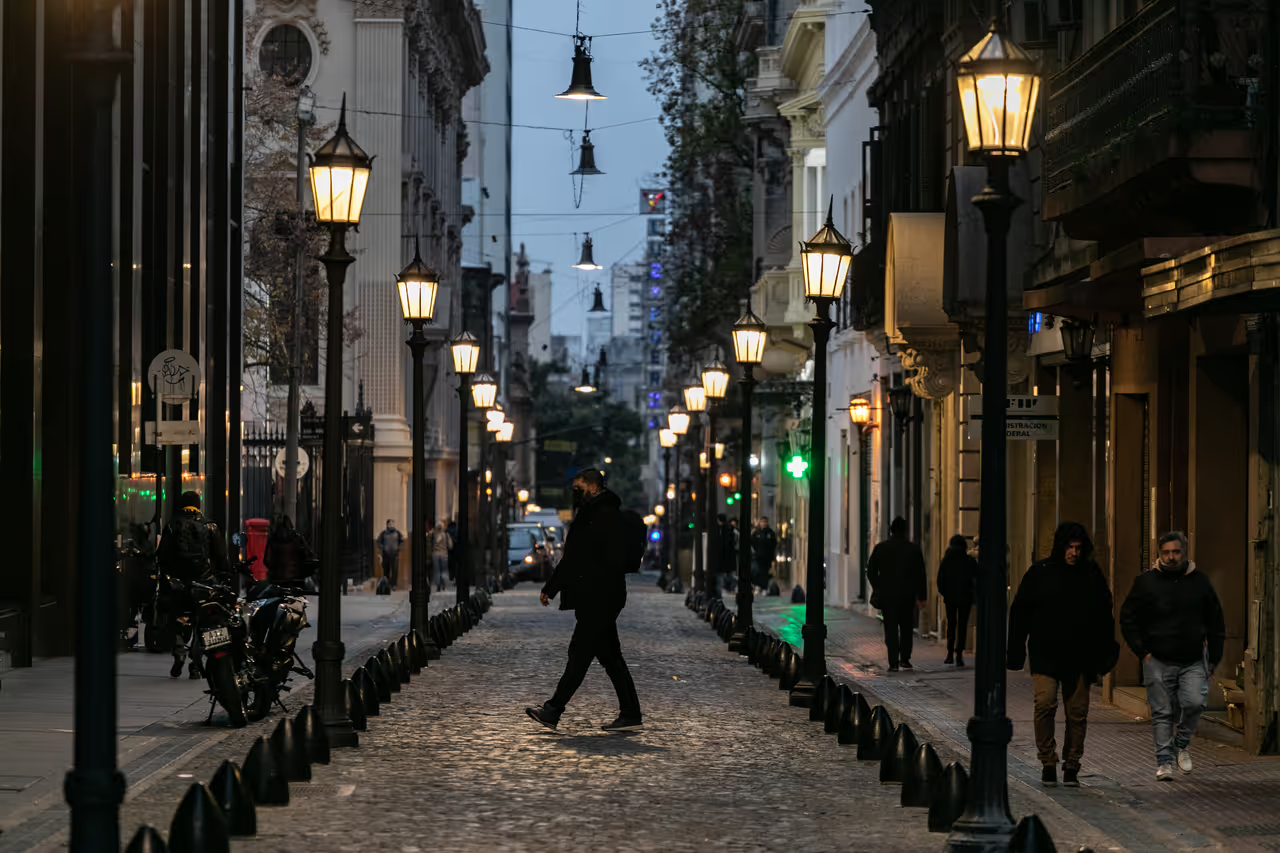
San Telmo Sunday Stroll
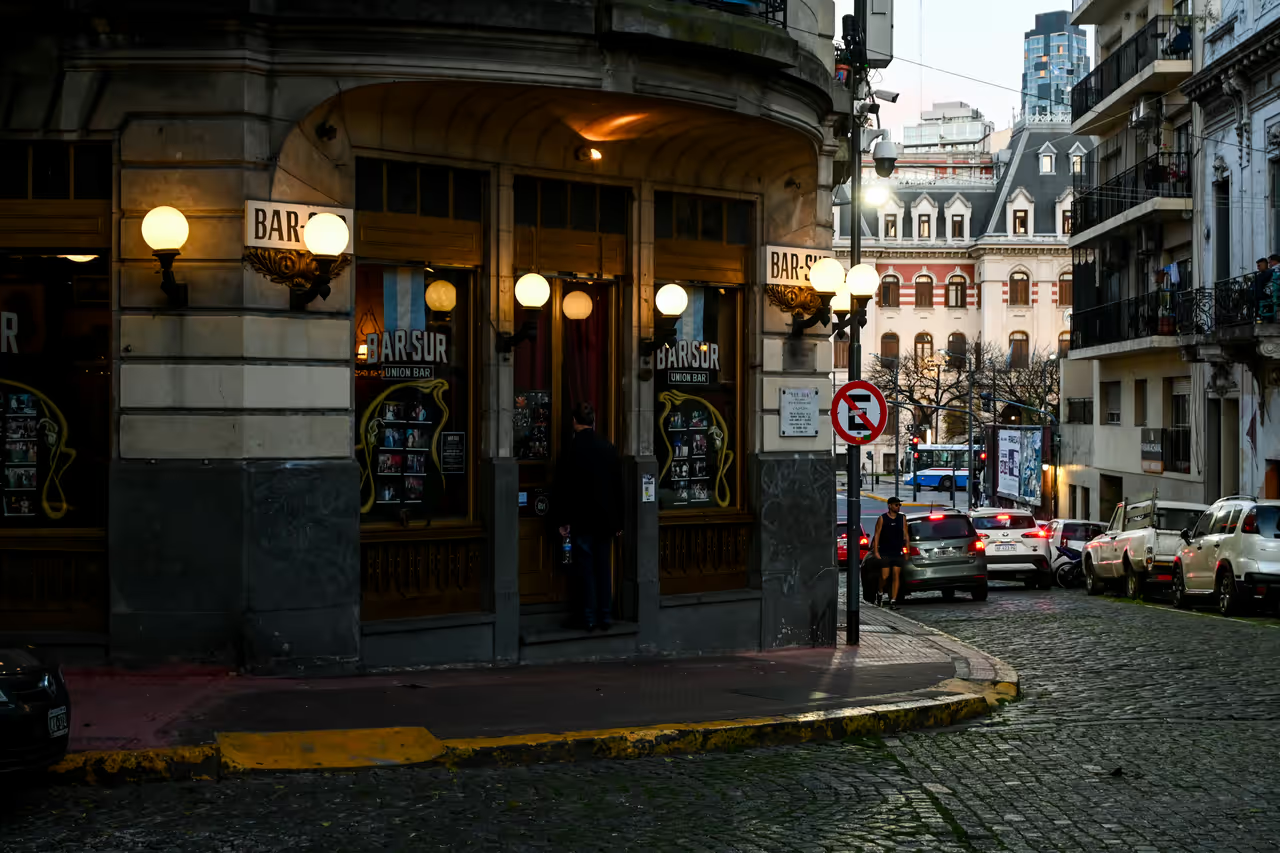
Immerse yourself in the soulful, bohemian heart of the city by wandering down historic, cobblestone streets. This walk takes you past decaying colonial mansions, wrought iron balconies, and colourful street art murals. The atmosphere is thick with nostalgia, amplified by the sounds of live street musicians and spontaneous tango performances on the corners. You can lose yourself in endless antique stalls, smelling the scent of roasting meat wafting from traditional local grills. It is a visually rich, slow paced journey through the most authentic and culturally vibrant district of the capital.
Aristocratic Recoleta Walk
Step into a world of unadulterated European elegance and immense wealth on this refined urban walk. The route guides you past monumental, Parisian style palaces that now serve as opulent embassies and luxury hotels. Shaded by ancient rubber trees, you can wander through expansive, impeccably maintained public squares filled with classical statues. The atmosphere is distinctly aristocratic, quiet, and highly manicured, offering a sharp contrast to the chaotic energy of the downtown core. It provides a visual explanation of why the city earned its reputation as the Paris of South America.
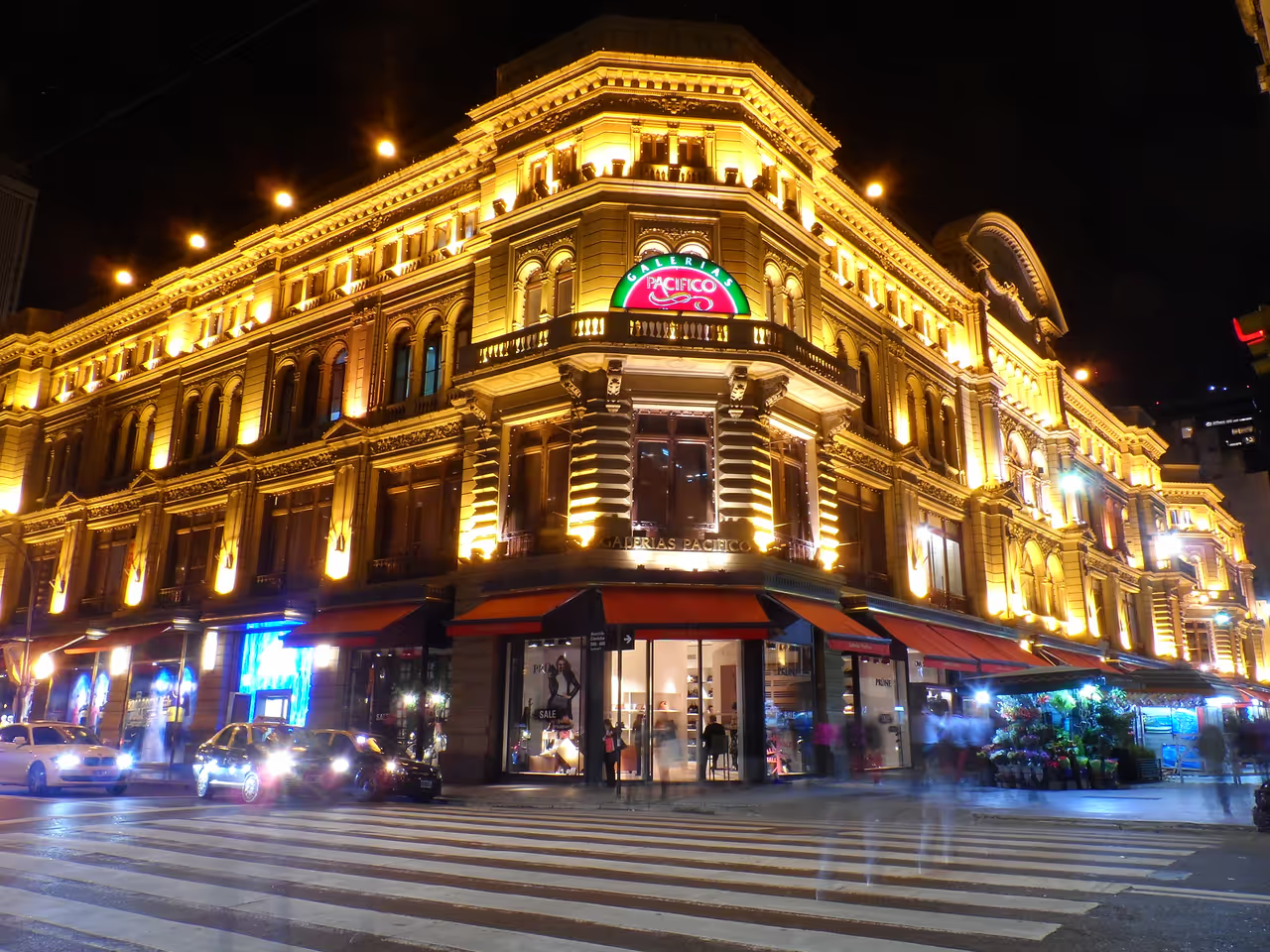
Microcentro Pedestrian Pulse
Dive headfirst into the chaotic, buzzing commercial heart of the capital along its famous pedestrianised streets. This energetic walk exposes you to a dizzying array of window displays, street vendors, and intense local commerce. The air is filled with the shouts of money changers and the melodies of talented buskers hoping to catch your attention. You will be walking in the shadows of grand, historic bank buildings and ornate shopping arcades that hint at a glorious past. It is an unapologetically busy, fast paced stroll that perfectly captures the daily hustle of the metropolis.
Architecture & Landmarks
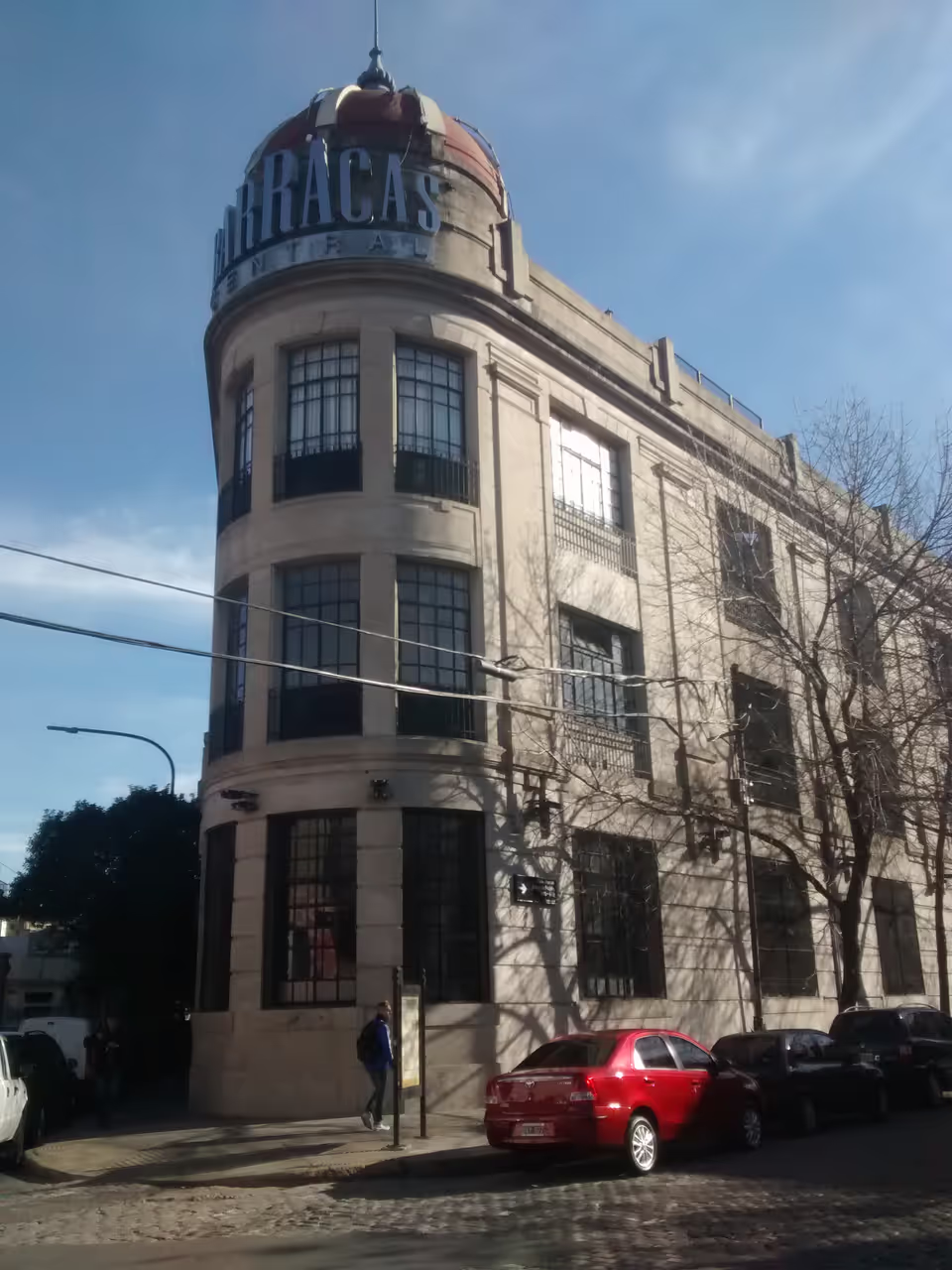
Barolo Palace
This breathtakingly bizarre skyscraper was constructed entirely as an architectural homage to Dante's Divine Comedy. The...
view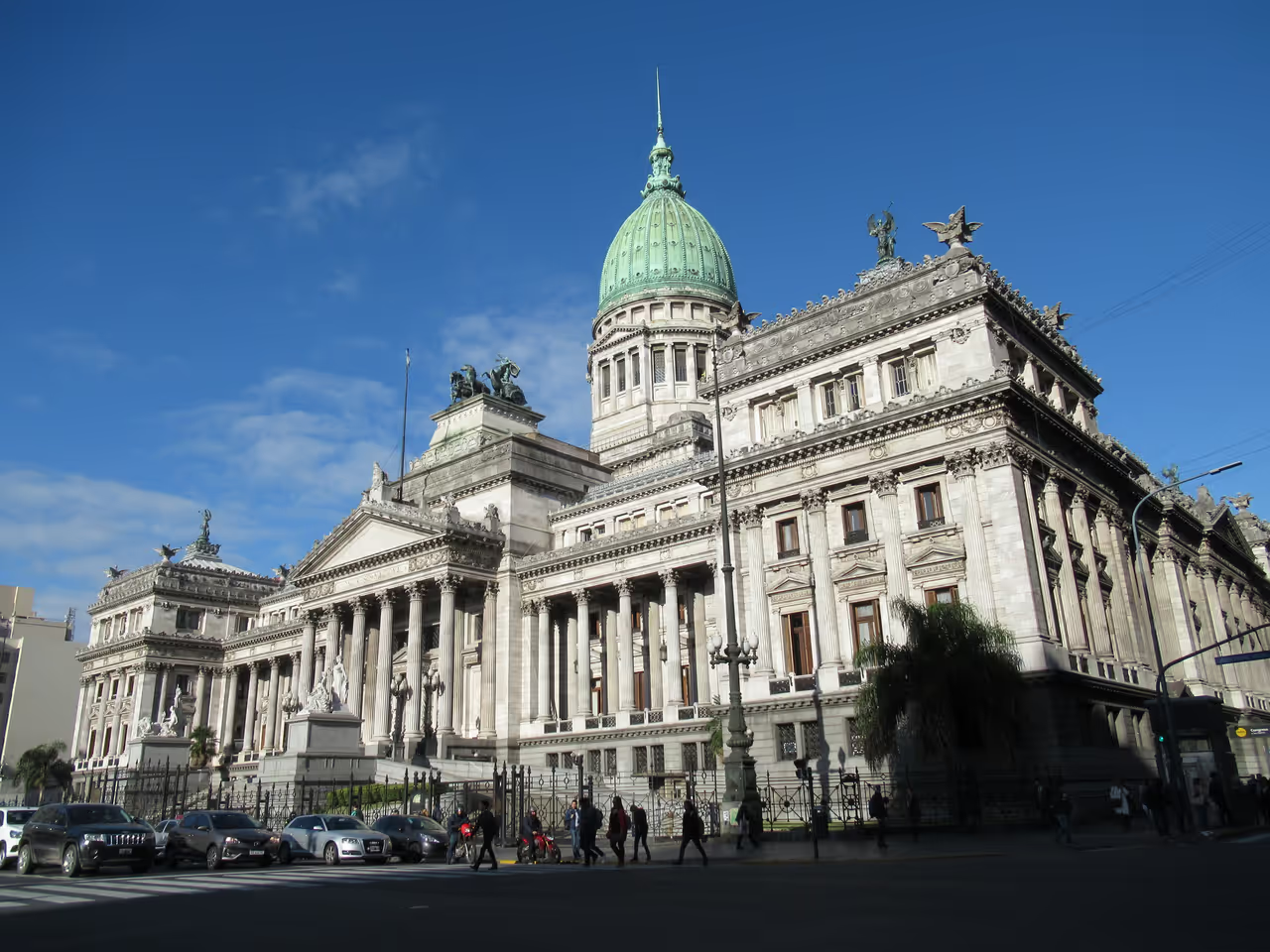
National Congress Palace
This colossal legislative building is a breathtaking example of Greco-Roman and Beaux-Arts architectural grandeur. Topped by an...
view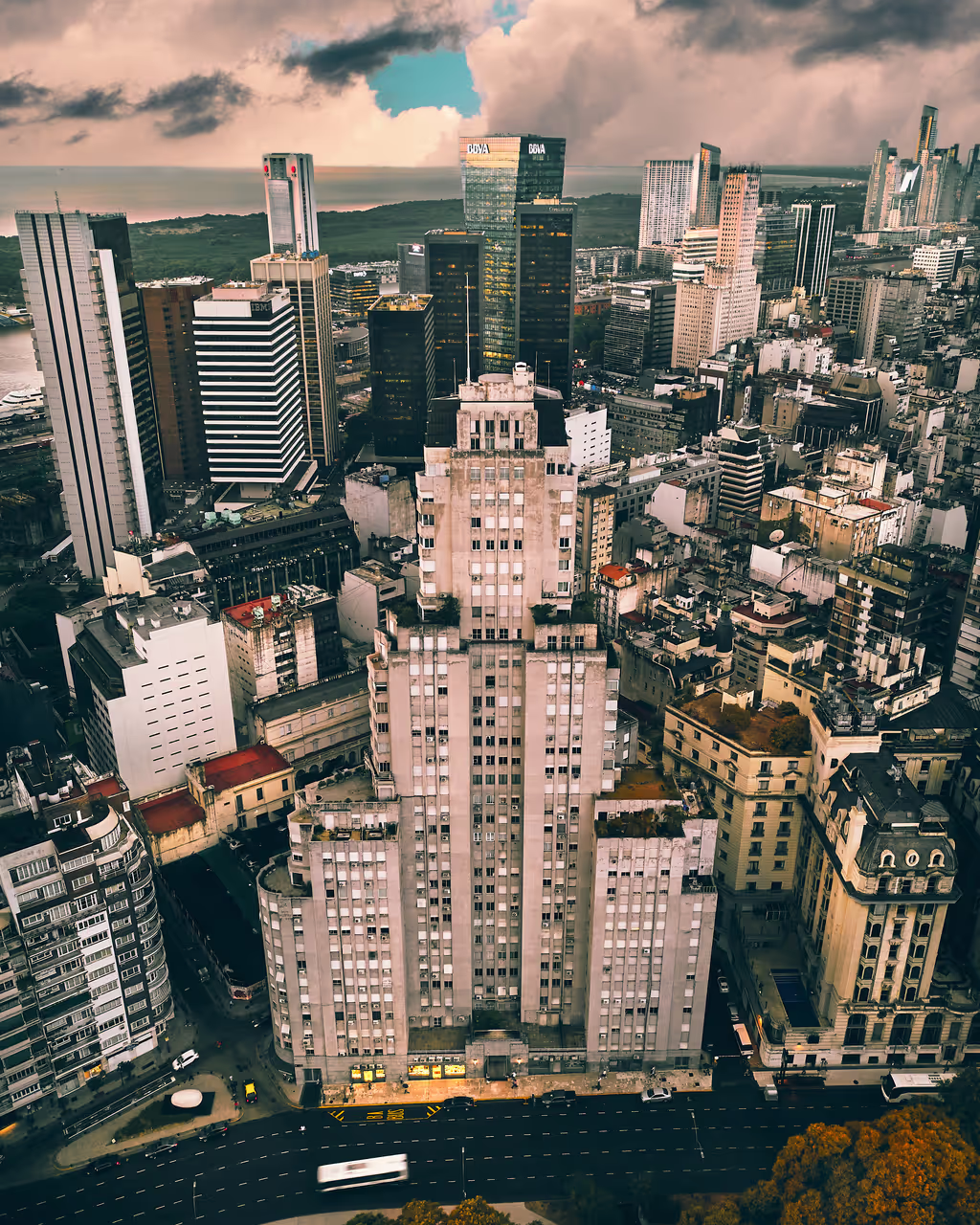
Kavanagh Building
A towering masterpiece of rationalist and Art Deco design, this structure dramatically dominates the skyline above Plaza San...
view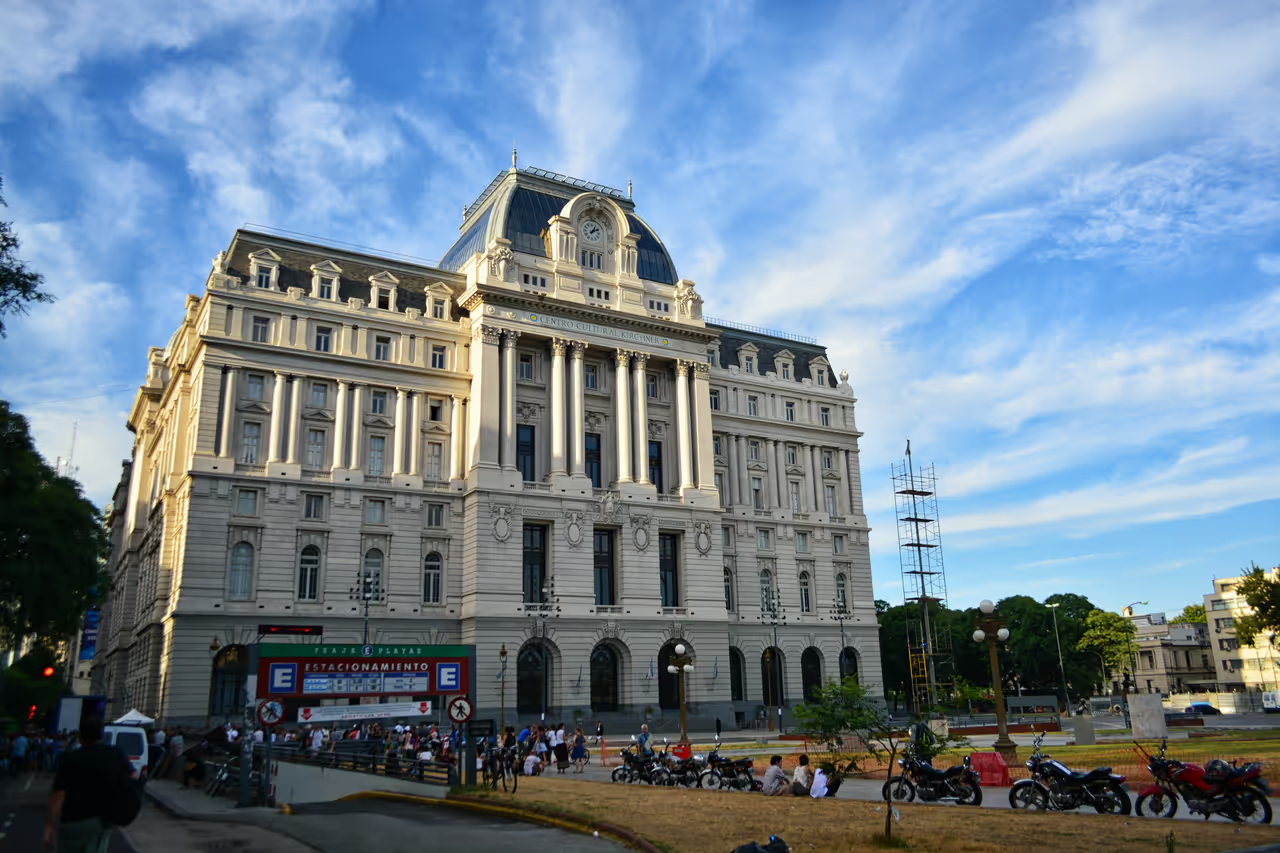
Libertad Palace
Originally built as the city's central post office, this sprawling, majestic structure is now the largest cultural centre in...
view
Markets & Shopping
Buenos Aires Nightlife
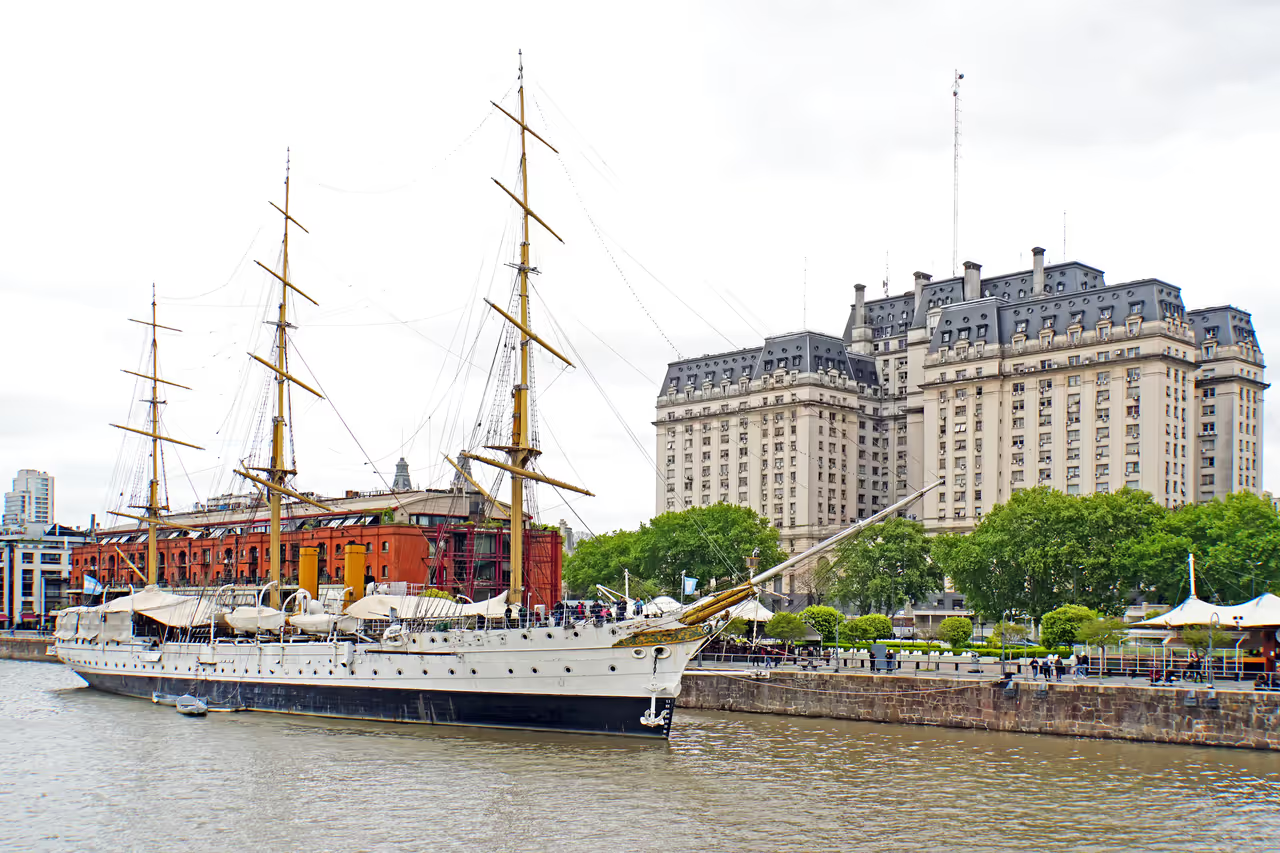
Photo Spots
Activities & Experiences
Cycling Routes
 HIGHLY RECOMMENDED
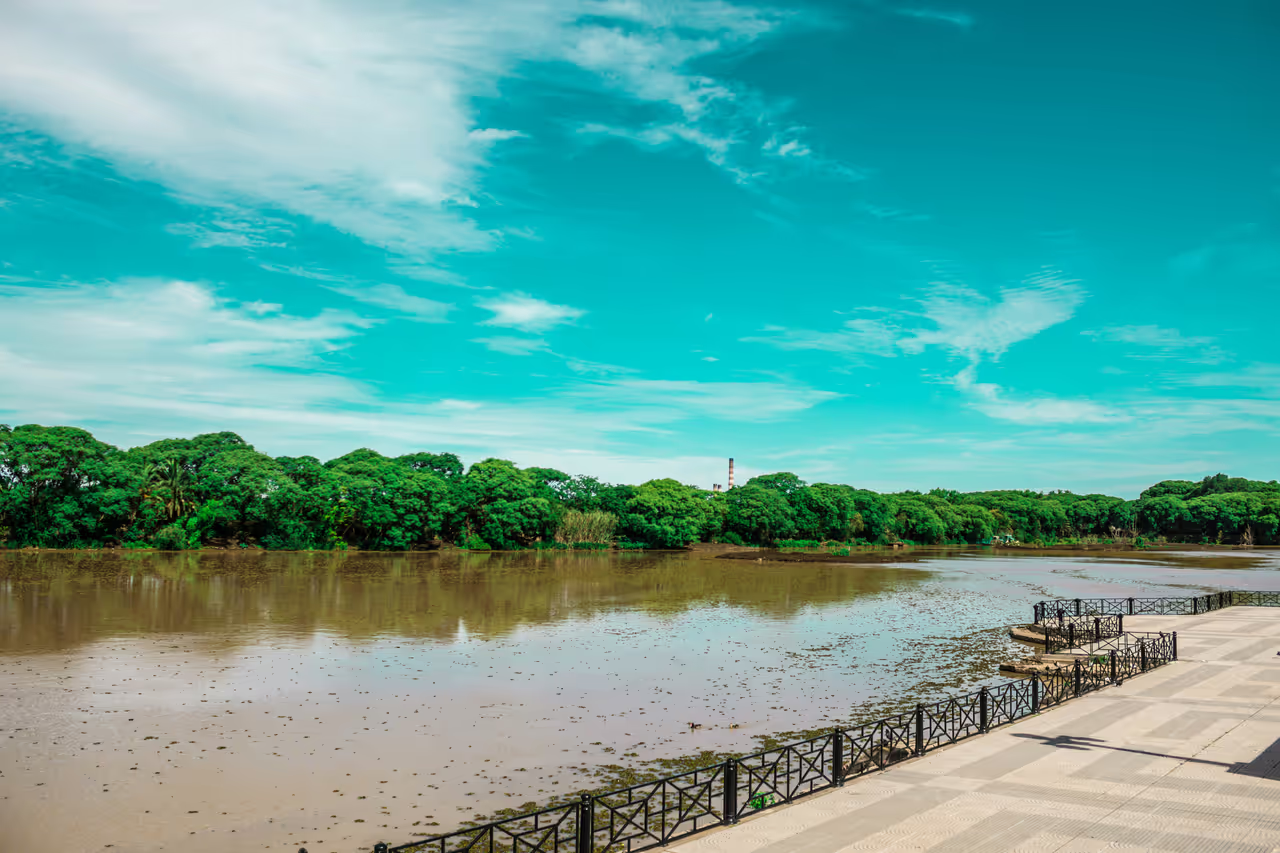
Ecological Reserve Waterfront Loop
This tranquil ride takes you away from the traffic and into a massive, reclaimed wetland bordering the vast Río de la Plata. The wide, dirt and gravel paths are completely car free, offering a safe and peaceful environment for a leisurely pedal. As you ride, you will pass tall pampas grass, hidden lagoons, and diverse birdlife, all with the gleaming city skyline visible in the background. It is a remarkably quiet escape that makes you forget you are in the heart of a massive metropolis. The cooling river breeze makes this an especially pleasant route during the warmer months.
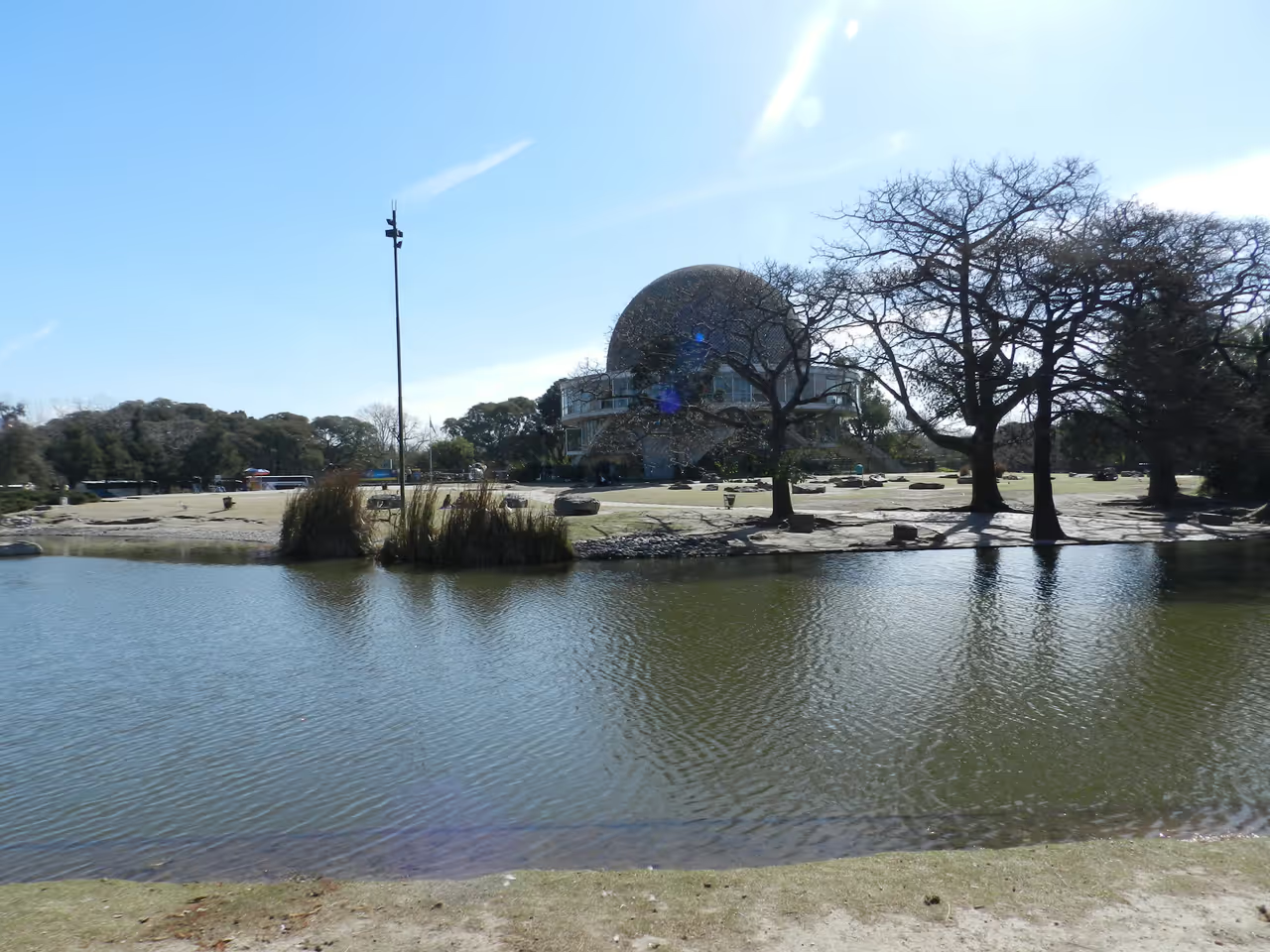
Palermo Parks Greenway
Navigate through the city's largest and most elegant green spaces on this beautifully scenic route. The path winds through manicured rose gardens, past serene boating lakes, and under the shade of massive, ancient jacaranda trees. Dedicated cycle lanes ensure a smooth ride, allowing you to comfortably glide past rollerbladers and people enjoying picnics on the grass. The architecture of the surrounding museums and grand monuments adds a touch of Parisian elegance to the natural beauty. It is an exceptionally vibrant and social ride that captures the outdoor spirit of the locals.
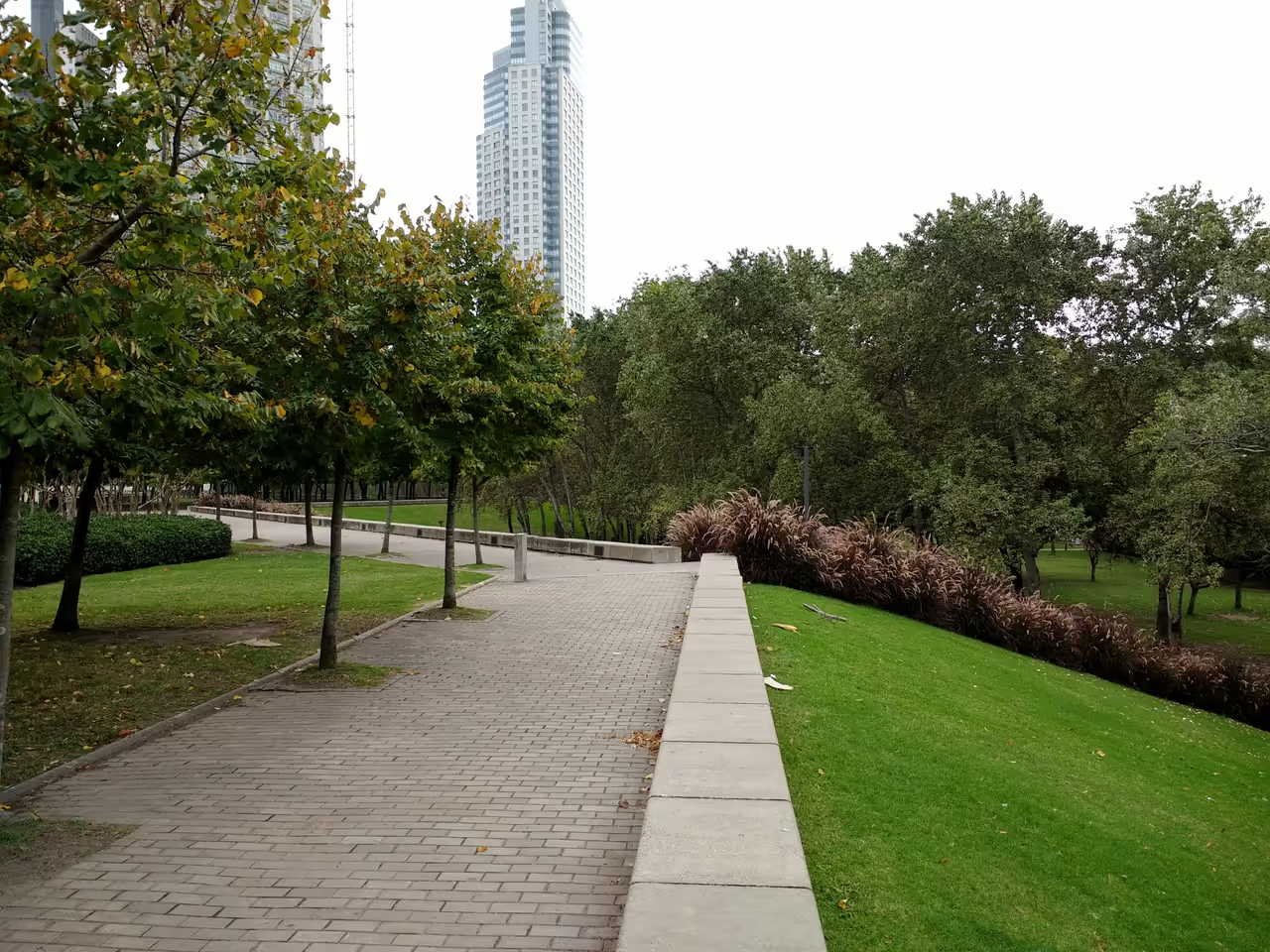
Puerto Madero Waterfront Cruise
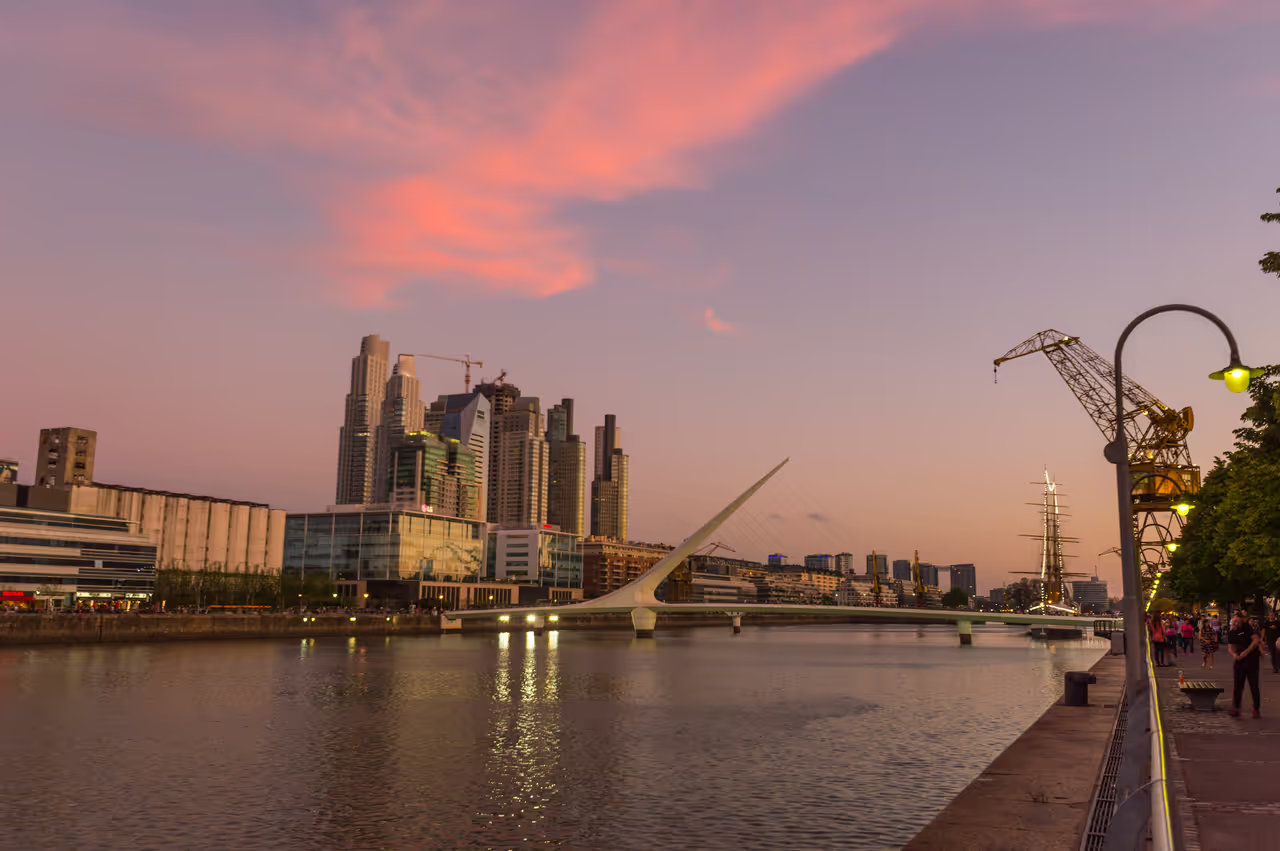
Glide along the impeccably paved quaysides of the city's most modern and affluent district. The route takes you past repurposed red brick warehouses, gleaming modern skyscrapers, and historic nautical vessels moored in the docks. The entirely flat, pedestrian and bike friendly pathways offer incredibly smooth riding with constant views over the canal water. The contrast between the nineteenth century industrial port architecture and contemporary glass towers is visually striking. It is a sophisticated, breezy ride that feels entirely removed from the chaotic traffic of the historic centre.
Self-Guided Tours
Architectural Marvels of Power
Uncover the grand, imposing civic architecture that lines the historic spine connecting the executive and legislative branches of government. This route showcases the city's most monumental buildings, heavily influenced by French Neoclassicism and Italianate designs. You will marvel at soaring domes, intricate stonework, and plazas that have been the staging ground for the country's most dramatic political upheavals. The journey reveals how massive agricultural wealth was poured into creating a capital designed to rival the greatest cities of Europe. It is a monumental exploration of ego, power, and phenomenal architectural ambition.
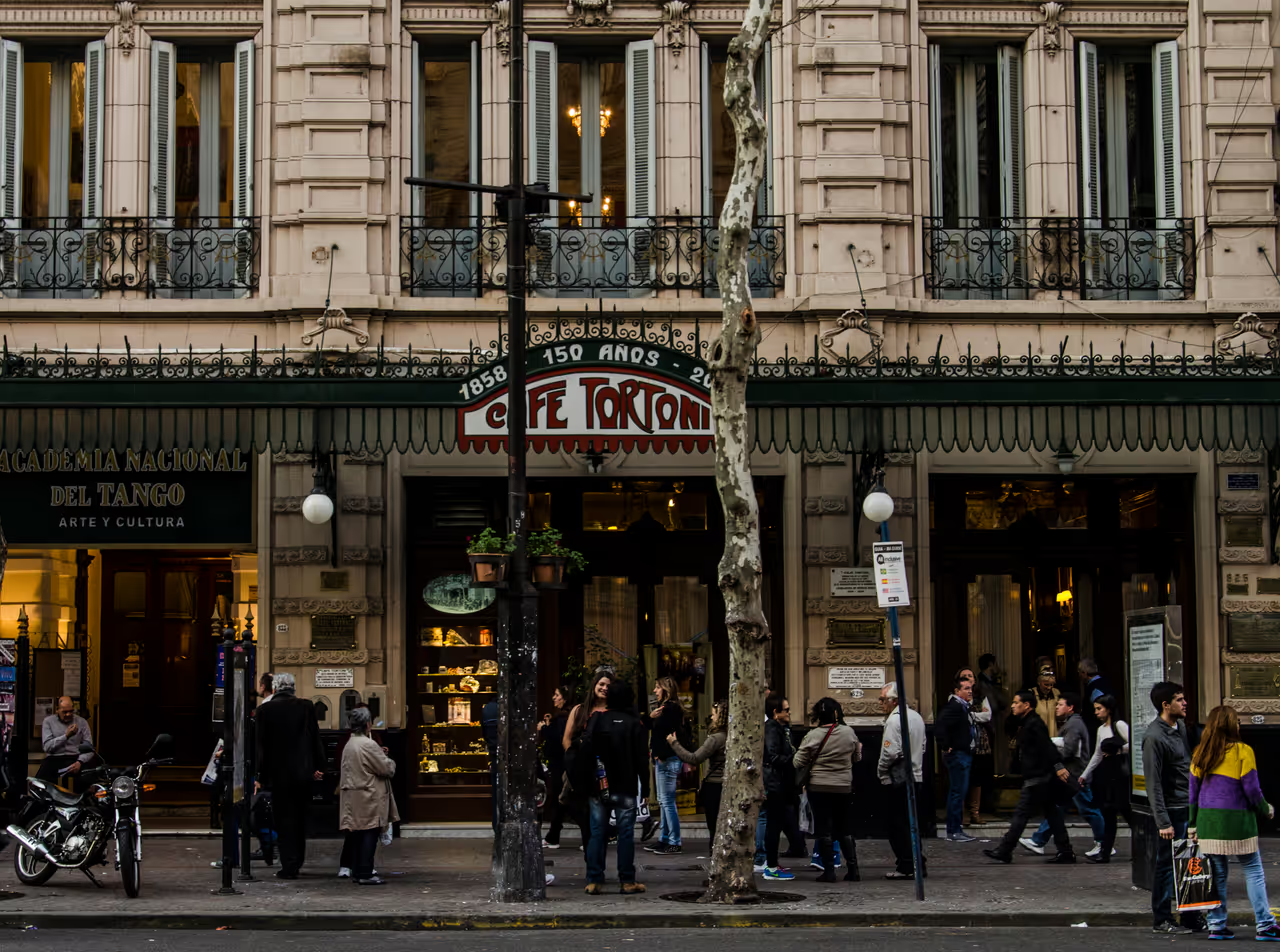
Literary Labyrinths
Delve into the intellectual soul of a city renowned for having the highest concentration of bookshops in the world. This self guided tour traces the footsteps of literary giants like Jorge Luis Borges, exploring the libraries, cafes, and grand bookstores they frequented. You will wander through historic reading rooms with magnificent painted ceilings and discover hidden shelves packed with rare, second hand editions. The journey captures the enduring local obsession with the printed word and philosophical debate. It is a quiet, contemplative exploration that appeals deeply to bibliophiles and romantic thinkers.
- HIGHLY RECOMMENDED
Tango Trail
Trace the melancholic, passionate history of the world's most dramatic dance through the neighbourhoods where it was born. This thematic journey explores the working class roots of tango, taking you from brightly painted tenement houses to hidden, atmospheric dance halls. You will discover the legendary figures who popularised the genre, exploring museums and historic cafes where iconic lyrics were penned. The route highlights how a dance once shunned by high society became the ultimate symbol of the nation. It is a deeply romantic and culturally immersive experience that brings the city's music to life.
Annual Festivals & Events
 HIGHLY RECOMMENDED
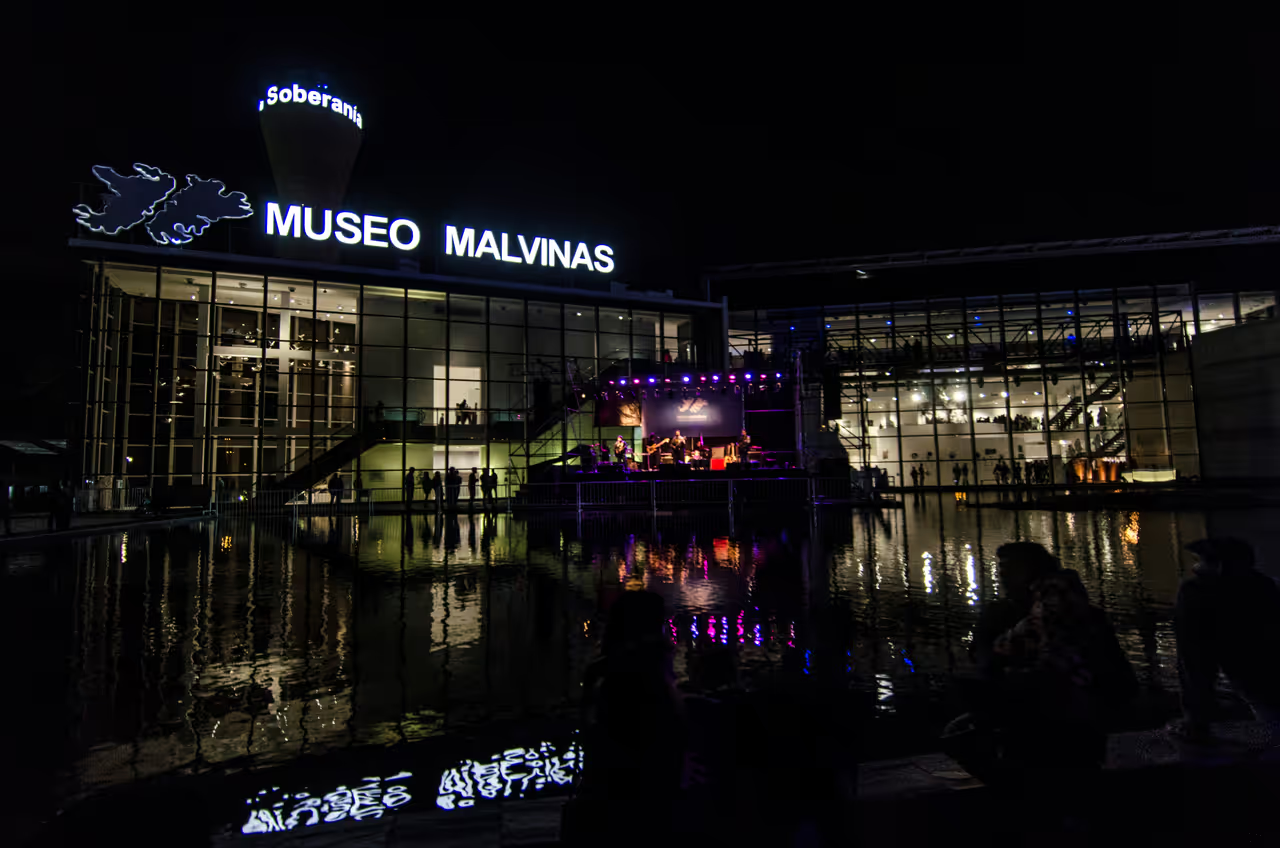
Night of the Museums
For one magical night each year, hundreds of museums, galleries, and cultural institutions open their doors to the public completely free of charge until the early hours of the morning. The streets become incredibly lively as families, couples, and tourists hop between venues using free public transport provided for the occasion. Special exhibitions, live music performances, and interactive art installations are set up exclusively for the event. It is a brilliant way to experience the nocturnal energy of the city while taking in world class art and history. The communal joy of exploring the city under the stars makes it an unforgettable experience.
 HIGHLY RECOMMENDED
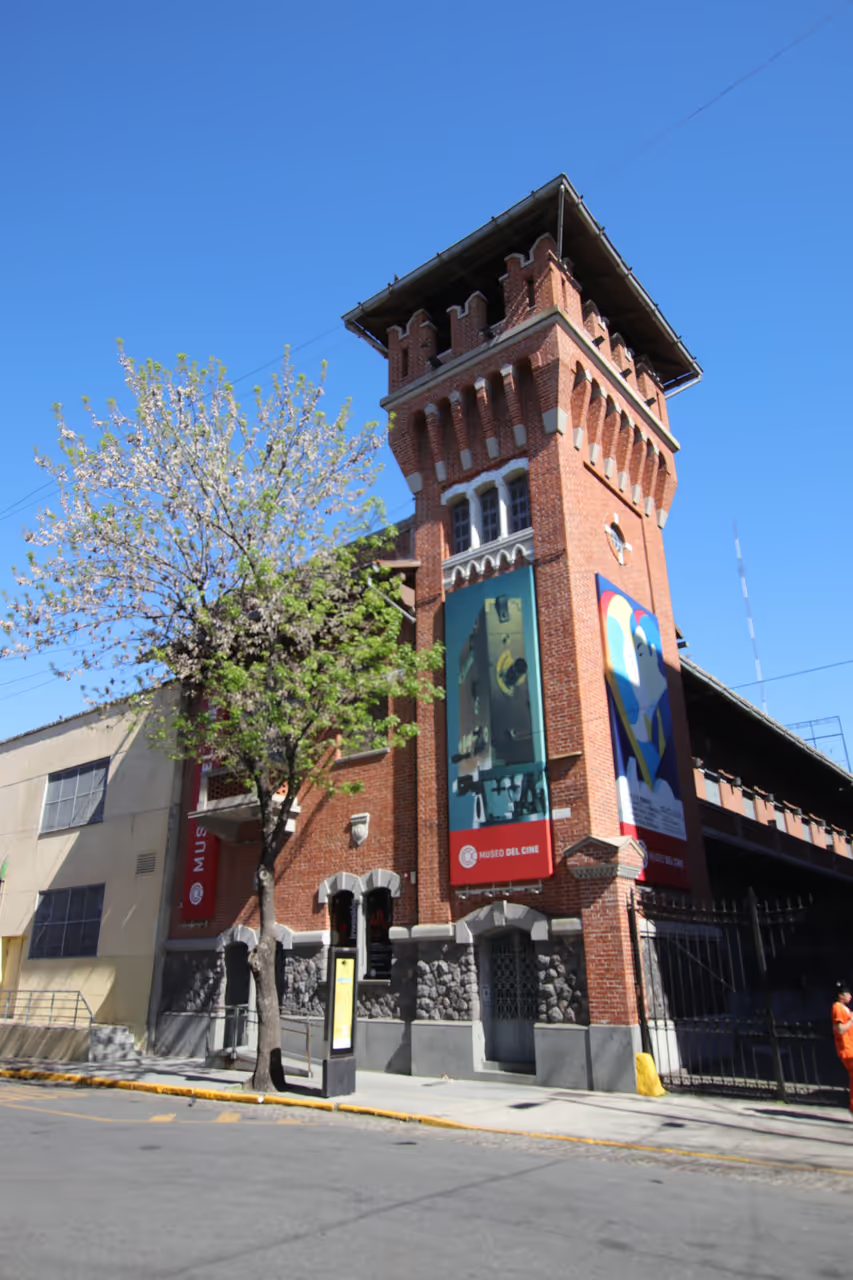
Tango Buenos Aires Festival and World Cup
This magnificent event transforms the capital into a massive dance floor, celebrating the soul of Argentine culture. Thousands of dancers, from enthusiastic amateurs to seasoned professionals, converge to compete in the prestigious world championship. Visitors can enjoy free concerts, exhibitions, and open air milongas spread across various neighbourhoods. The atmosphere is intoxicating, filled with the melancholic sounds of the bandoneon and the sharp clicking of heels. It is the ultimate immersion into the art form that defines the city.
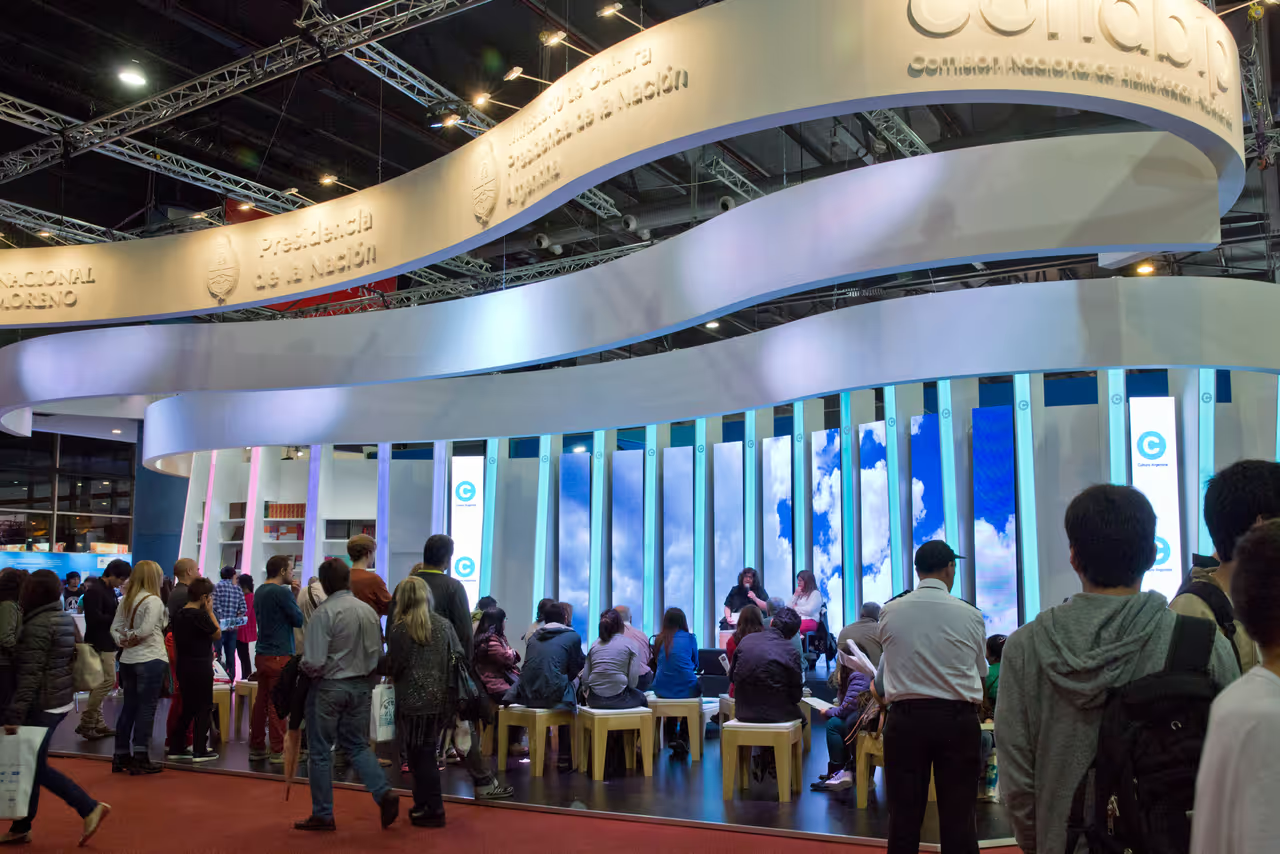
Buenos Aires International Book Fair
Spanning nearly three weeks, this is arguably the most important literary event in the Spanish speaking world. Over a million visitors flock to the massive exhibition centre to browse millions of titles, attend poetry readings, and meet international authors. The sheer scale of the event perfectly illustrates the deeply ingrained reading culture of the local population. It is a fantastic place to hunt for rare editions, enjoy cultural exhibitions, and soak in the intellectual atmosphere. Even non Spanish speakers will appreciate the overwhelming dedication to the printed word.
Insider Tips
Purchase a rechargeable SUBE card immediately upon arrival, as it is the only accepted payment method for the underground, city buses, and commuter trains.
Bring crisp, undamaged high denomination US dollars or Euros to exchange at the unofficial blue rate, which stretches your budget significantly further than using a foreign credit card.
Do not attempt to eat dinner before nine o'clock in the evening; restaurants are entirely empty or closed earlier, as locals prefer to dine very late.
If a stranger accidentally spills liquid or mustard on your clothing and offers to help clean it up, walk away immediately as this is a common distraction theft technique.
When ordering steak at a traditional grill, be explicit about your desired temperature; the local standard for rare is much more cooked than in North America or Europe.
Use ridesharing applications like Uber or Cabify instead of hailing a black and yellow taxi directly from the street, especially at night, to ensure fair pricing and safety.
Learn to use the polite 'vos' pronoun instead of 'tú' when speaking Spanish, as it is the standard form of address used by everyone in the region.
Always carry a reserve of small peso notes and coins, as breaking large bills can be frustratingly difficult in small convenience stores and independent cafes.
PERFECT FOR
This destination is perfect for culture enthusiasts, devoted night owls, and culinary explorers who appreciate a blend of old world elegance and raw urban energy. History buffs will love the complex political narratives woven into the grand plazas, while romantics will be captivated by the dimly lit tango halls. It is ideal for travellers who prefer to soak in the atmosphere of a neighbourhood cafe rather than rush through a checklist of monuments.
VIBE
The streets pulse with a nostalgic yet intensely vibrant energy, driven by the rhythm of tango and the animated chatter of locals sipping mate. It feels incredibly European in its grand architecture, but undeniably Latin American in its warmth and late night chaos. The atmosphere is passionate, slightly gritty, and endlessly fascinating at every corner.
Frequently Asked Questions about Buenos Aires
While we strive to keep this information accurate and up to date, we recommend verifying any details independently before making decisions based on them.