Casa Rosada
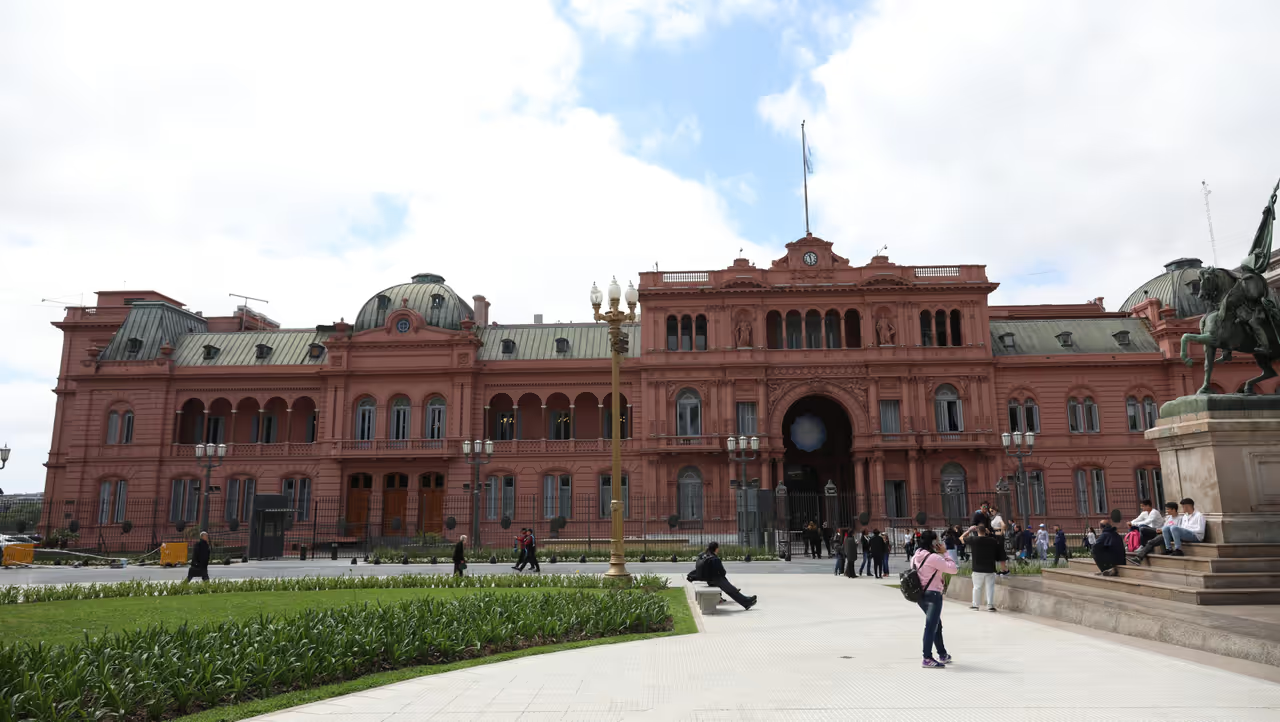
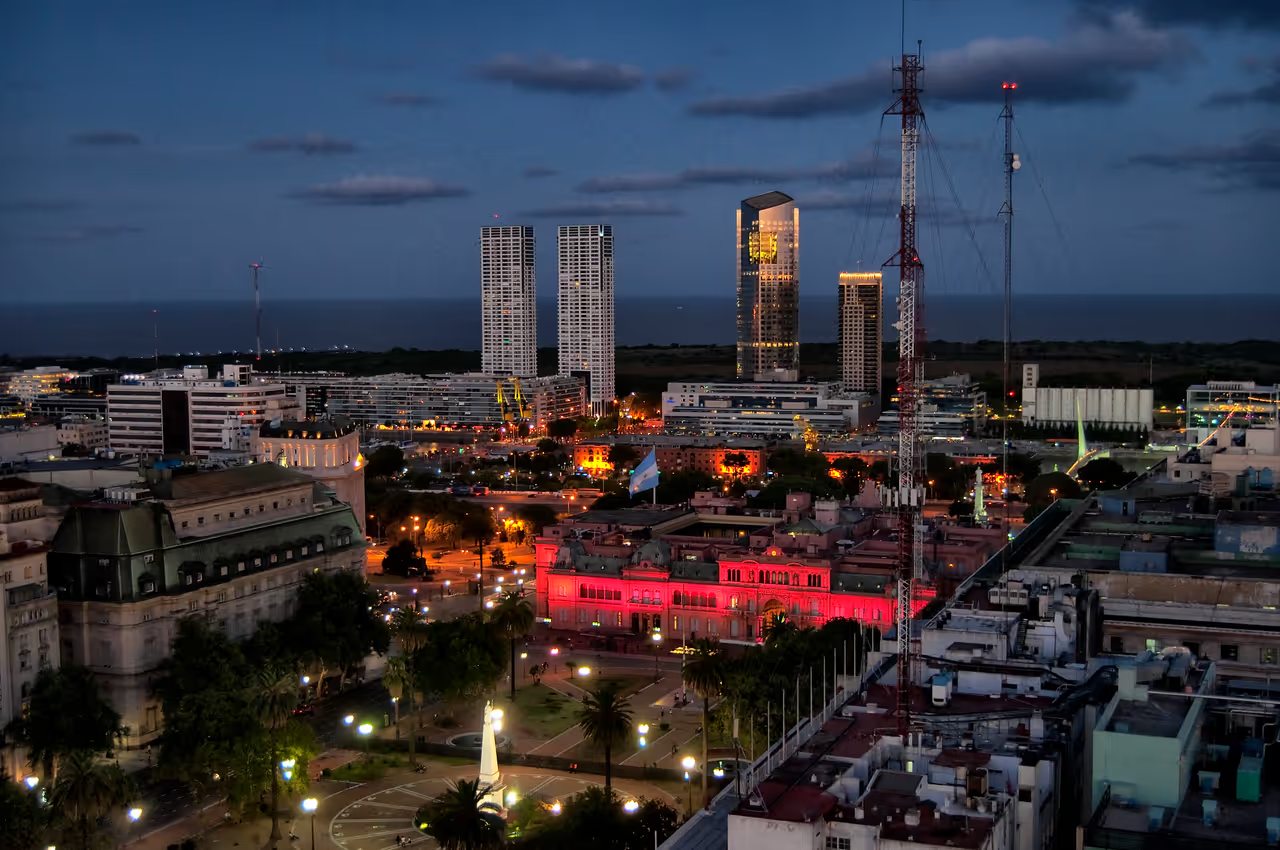
The Casa Rosada is the most recognisable symbol of Argentine political life and a stunning piece of architecture that defines the edge of the Plaza de Mayo. Its unique baby pink facade makes it instantly memorable, standing out against the city skyline with a charm that captures the hearts of visitors and locals alike. Exploring this site allows you to walk through the corridors where history was forged, from the days of the early colonial fort to the modern seat of government. Inside, the museum offers a fascinating glimpse into the nation's past, showcasing the personal belongings and legacies of those who led the country. Visiting here is an essential experience for anyone wanting to grasp the spirit of Buenos Aires and its deep historical roots.
Videos
History of Casa Rosada
The story of the Casa Rosada begins with the very foundations of Buenos Aires itself. Long before the grand arches and pastel hues became a national icon, the site was a rugged fortification built in 1594. For centuries, this strategic point at the edge of the river served as the nerve centre of colonial power, surviving multiple redesigns and expansions. As the city evolved from a distant outpost into a thriving capital, the site transformed, eventually giving way to the massive Taylor Customs House that dominated the shoreline in the nineteenth century. The transformation into the government palace we recognise today took place in the latter half of the nineteenth century. President Domingo Sarmiento, who sought to modernise the nation, envisioned a cohesive administrative hub. He ordered the construction of a new post office, and eventually, the two structures were merged under a singular, majestic design. This architectural feat, led by Italian architect Francesco Tamburini, created the elegant Italianate archway that connects the wings today. It was a period of intense national development, and the building stood as a testament to the country's rapid growth and global ambition. Throughout the twentieth century and into the present day, the Casa Rosada has remained the stage for the most pivotal moments in Argentine history. From grand celebrations in the Plaza de Mayo to moments of profound political tension, the balcony has witnessed the rise and fall of leaders and the changing tides of public sentiment. Today, the building functions as both a government office and a living museum, where visitors can uncover layers of history buried beneath the floors, including remnants of the original fort and the ancient customs house, all while appreciating the resilience of a structure that has stood through every chapter of the nation's journey.
Events spanning 416 years
Fun Facts
- • Another popular theory suggests that the colour was originally achieved by adding cow blood to the paint to protect the exterior walls against the humidity of the nearby river.
- • Inside the museum, you can find a genuine cannonball hole from the days when the fort acted as a defensive stronghold for the city.
- • Parts of the original Taylor Customs House, which was once the largest building in the city, lie buried underneath the nearby park.
- • The Hall of Busts serves as a shifting political record, with the arrangement of presidential statues frequently changing depending on the administration in power.
- • The building is a grand architectural hybrid, blending Italianate and Eclectic styles that reflect various phases of its long construction history.
- • The iconic pink colour is often attributed to a mixture of red and white paint, representing a political compromise between the Federalist and Unitarian parties of the nineteenth century.
- • The presidential balcony is famous for being the site of historic speeches where leaders have addressed crowds gathered in the Plaza de Mayo.
- • The presidential office houses a chair named after Bernardino Rivadavia, which has become a symbolic seat of power despite not being the original piece used by the first president.
- • The site has served as a centre for government since 1594 when the first fort was constructed at the edge of the Rio de la Plata.
- • The structure sits on a site that has seen the city grow from a colonial outpost to a modern metropolis, making it the geographical and emotional heart of Buenos Aires.
RESOURCES
Official WebsiteCasa Rosada FAQ
While we strive to keep this information accurate and up to date, we recommend verifying any details independently before making decisions based on them.
Casa Rosada Map & Neighborhood Explorer
This interactive map is centered on Casa Rosada. Zoom in and move the map around to automatically discover Wikipedia photos and summaries of other nearby sights, monuments, and historical points of interest and stories in real-time!
Places near Casa Rosada
Make the most of your trip. Check out these top-rated spots located nearby.
 175m
175mNight of the Museums
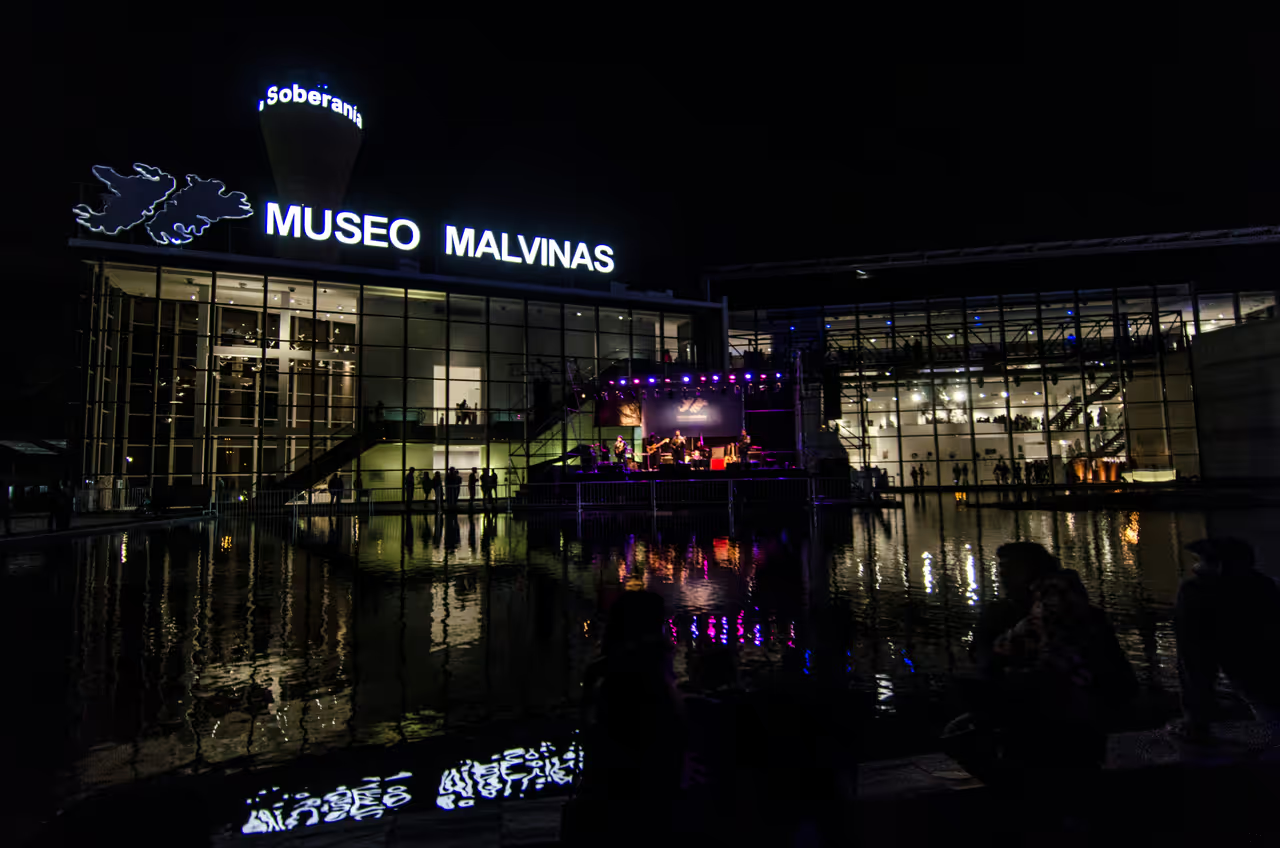
For one magical night each year, hundreds of museums, galleries, and cultural institutions open their doors to the public completely free of charge until the early hours of the morning. The streets become incredibly lively as families, couples, and tourists hop between venues using free public transport provided for the occasion. Special exhibitions, live music performances, and interactive art installations are set up exclusively for the event. It is a brilliant way to experience the nocturnal energy of the city while taking in world class art and history. The communal joy of exploring the city under the stars makes it an unforgettable experience.
festival view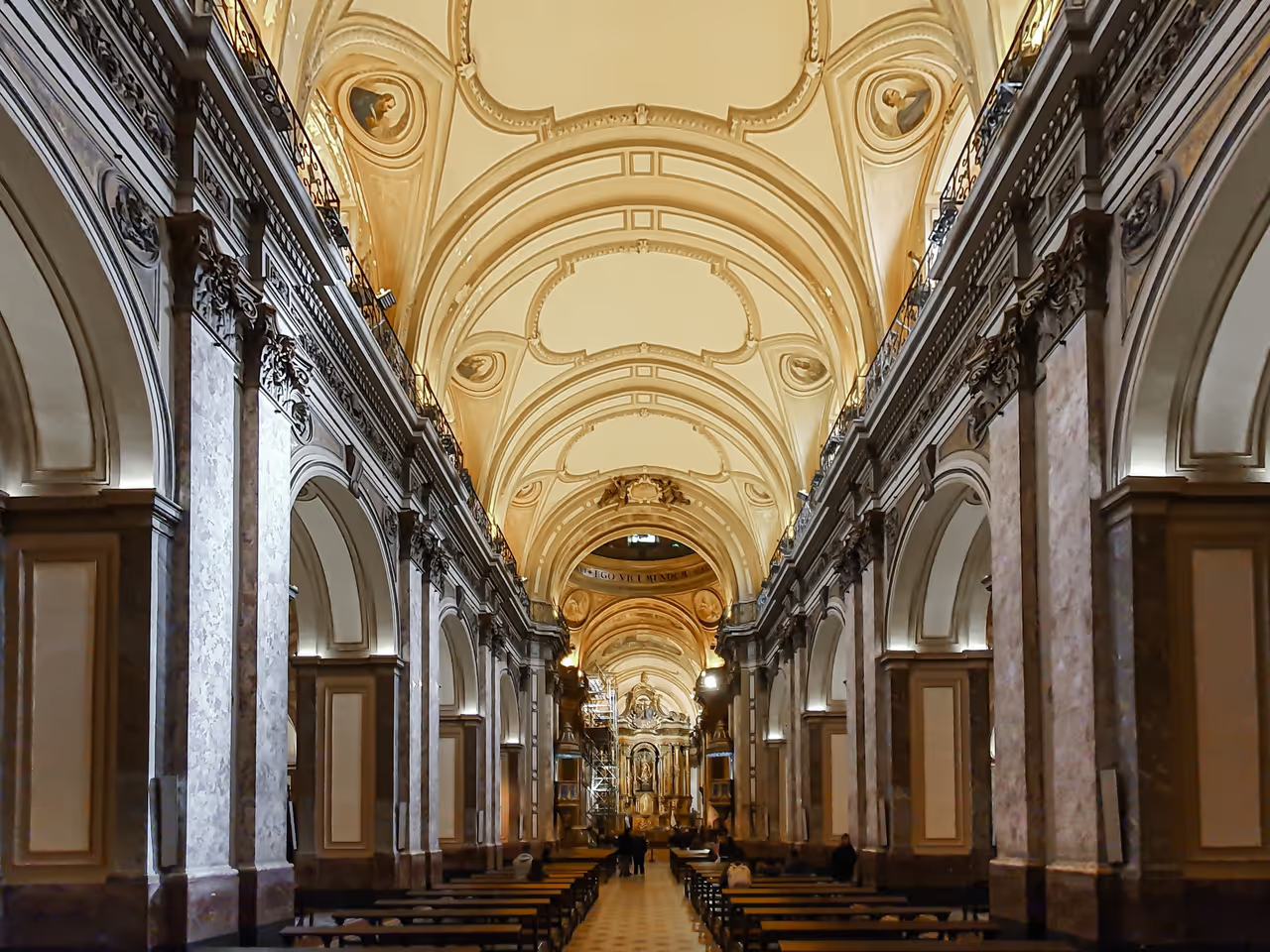 282m
282mMetropolitan Cathedral of Buenos Aires
Standing proudly at the edge of the historic Plaza de Mayo, the Metropolitan Cathedral of Buenos Aires invites visitors to step into a space where centuries of Argentine history whisper from the walls. Its neoclassical facade, distinguished by twelve towering columns, creates an imposing presence that feels more like an ancient temple than a traditional church. Inside, the hushed atmosphere offers a sanctuary from the busy streets outside, housing the elaborate mausoleum of General José de San Martín. You can explore the intricate Venetian mosaics underfoot and marvel at the 1871 Walcker organ, which remains a true treasure of liturgical music. This site serves as a poignant link to the past, including a museum dedicated to the tenure of Pope Francis as Archbishop. It is a place of profound significance, where the spiritual heritage of the nation meets the architectural ambition of its founders.
attraction view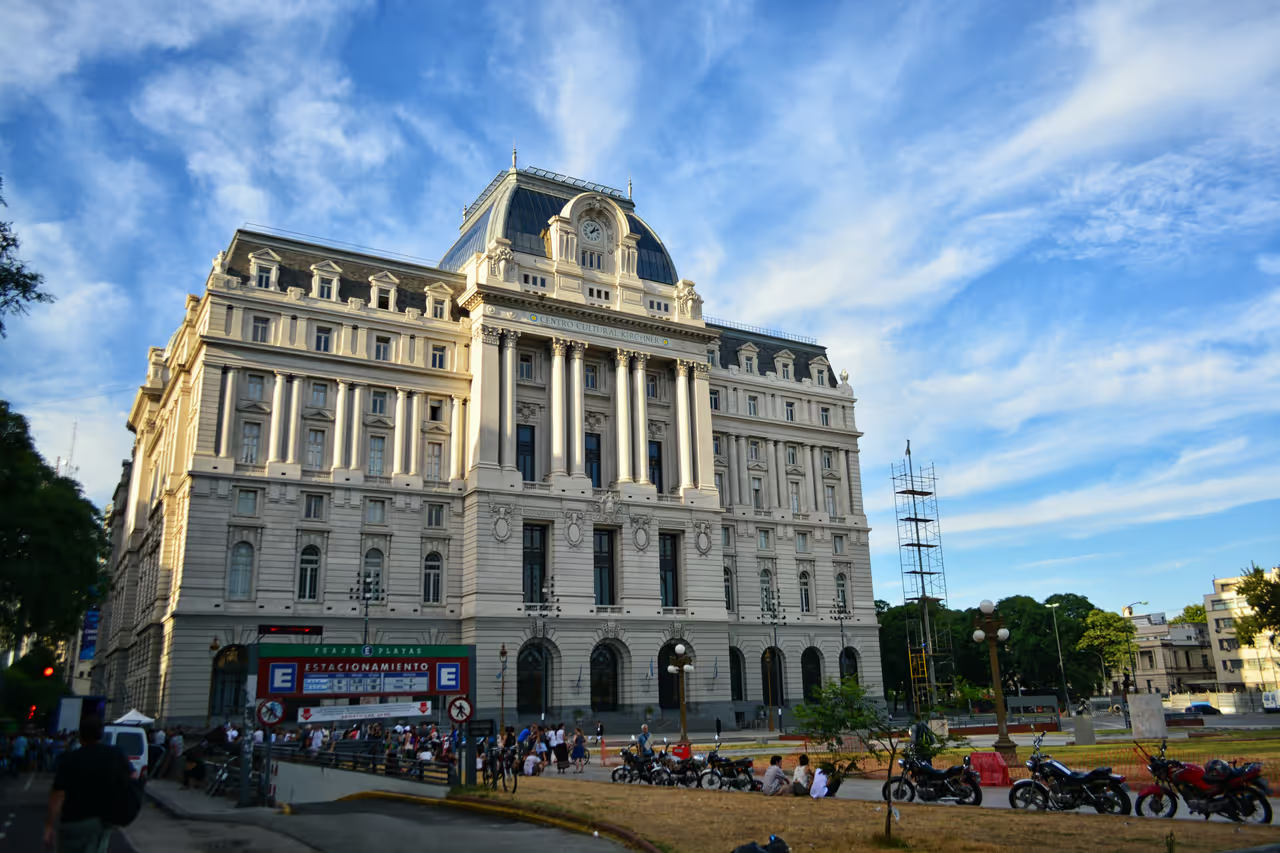 507m
507mLibertad Palace
Originally built as the city's central post office, this sprawling, majestic structure is now the largest cultural centre in Latin America. The classic French academic exterior hides a spectacularly modernised interior, highlighted by a suspended, whale shaped concert hall known as the Blue Whale. The sheer scale of the building is staggering, containing intricate mosaic floors, sweeping staircases, and endless exhibition spaces. The successful blend of nineteenth century grandeur with cutting edge, contemporary engineering makes it visually fascinating. It is a triumphant example of adaptive reuse in historic architecture.
architecture view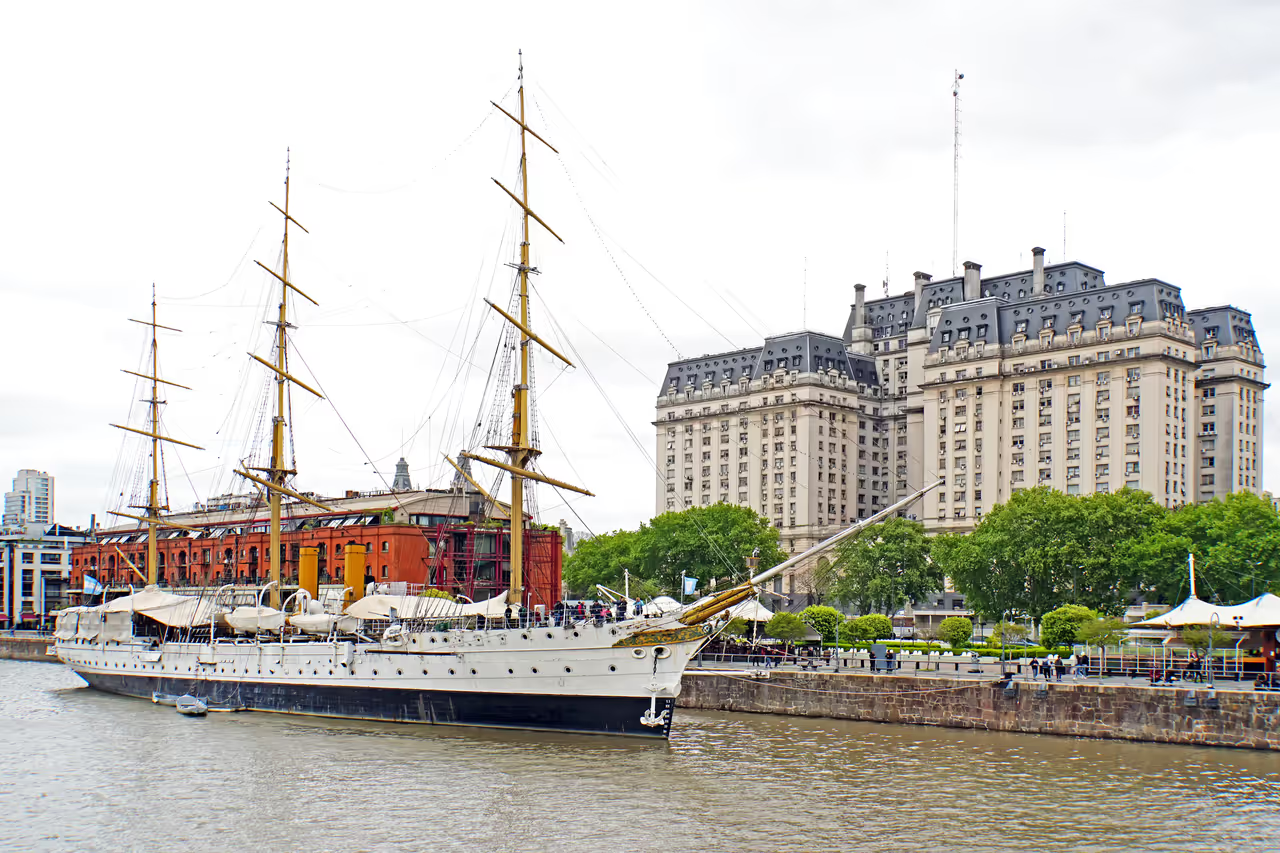 614m
614mPuerto Madero
This sleek, revitalised dockland area provides a luxurious and secure environment for a high end evening. Gleaming skyscrapers and renovated brick warehouses house some of the city's most exclusive nightclubs and fine dining establishments. The waterfront promenades are perfect for a romantic stroll before settling into a plush lounge with views of the illuminated river. It attracts a wealthy, international crowd looking for premium service and glamorous surroundings. The security here is exceptional, allowing for completely relaxed late night wandering.
nightlife view
Featured on These Itineraries and Routes
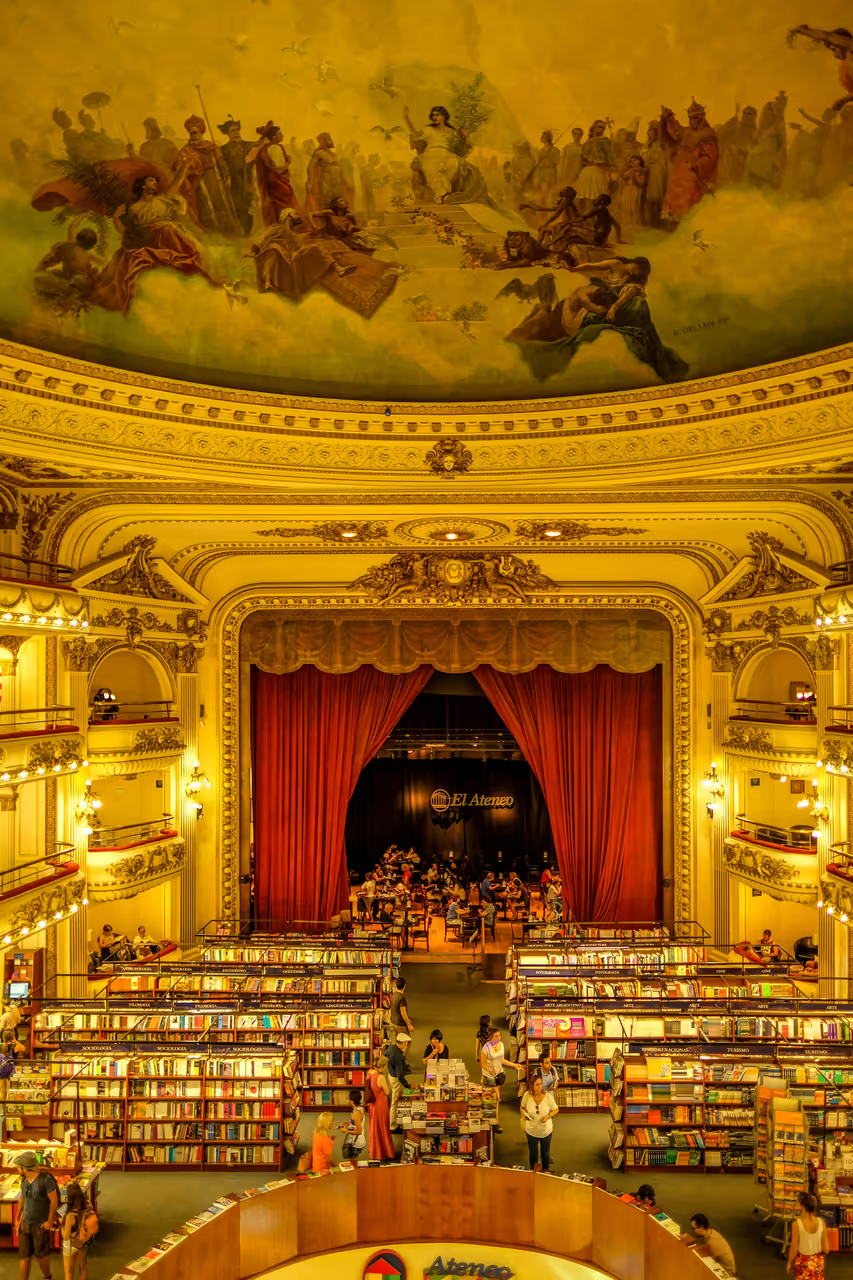
1 Day in Buenos Aires: The Capital Itinerary
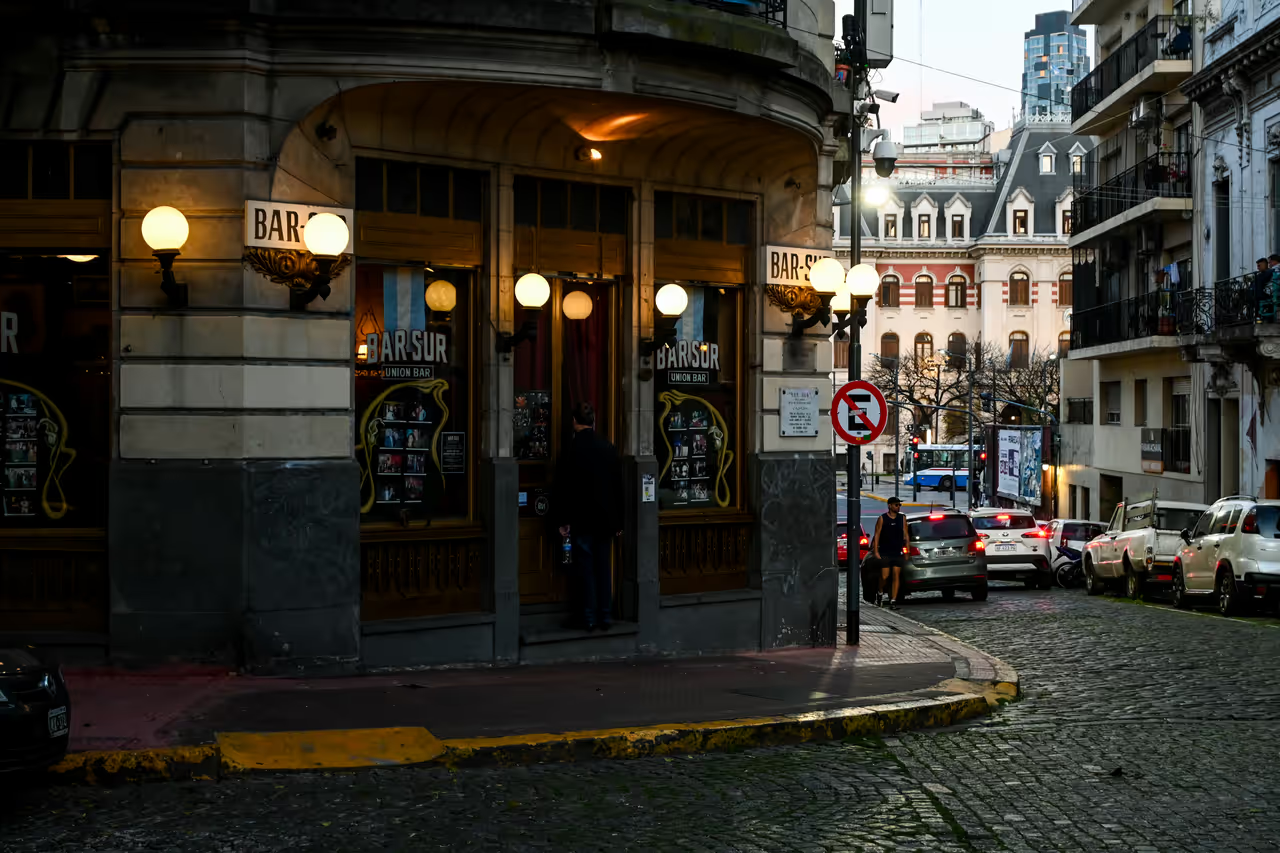
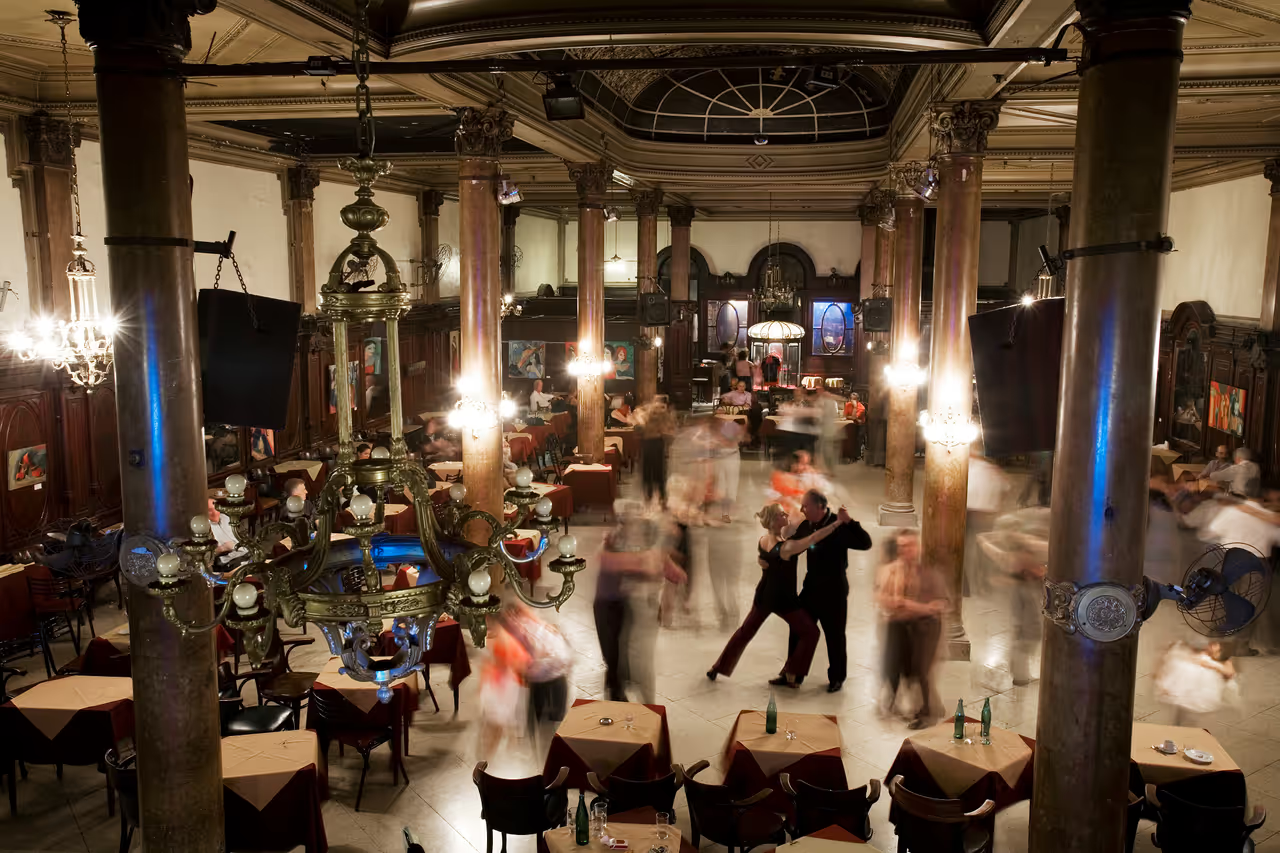
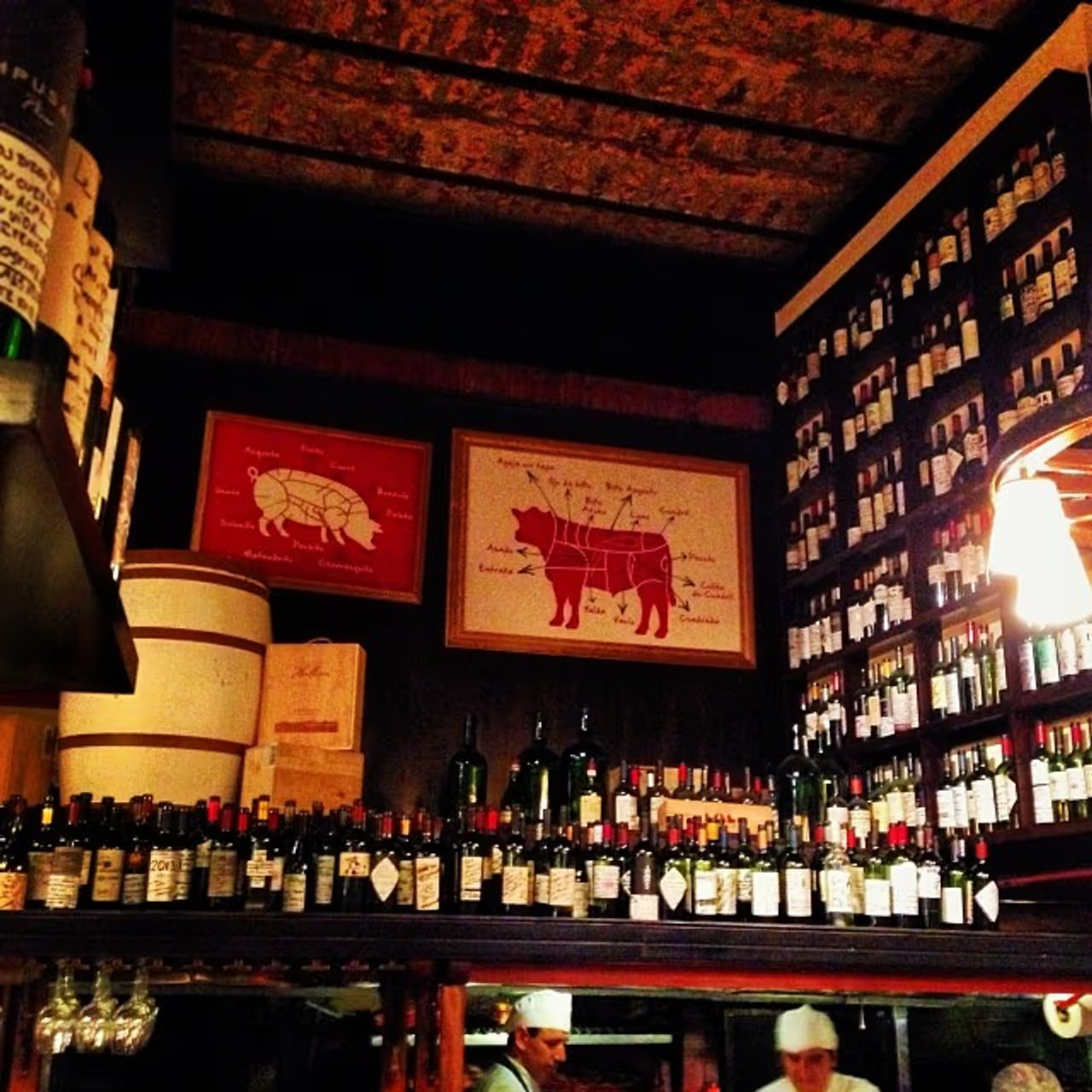
This tightly packed itinerary focuses exclusively on the absolute essentials of the city, perfect for a short layover. You will experience the grand political history, the opulent architecture, and the deeply rooted tango culture in a single, energetic sweep. It covers the monumental heart of the downtown area before moving to the historic, bohemian southern district. The day culminates with the quintessential local experience of phenomenal steak and passionate dance. It is a fast paced introduction designed to leave you craving a longer return visit.
view itinerary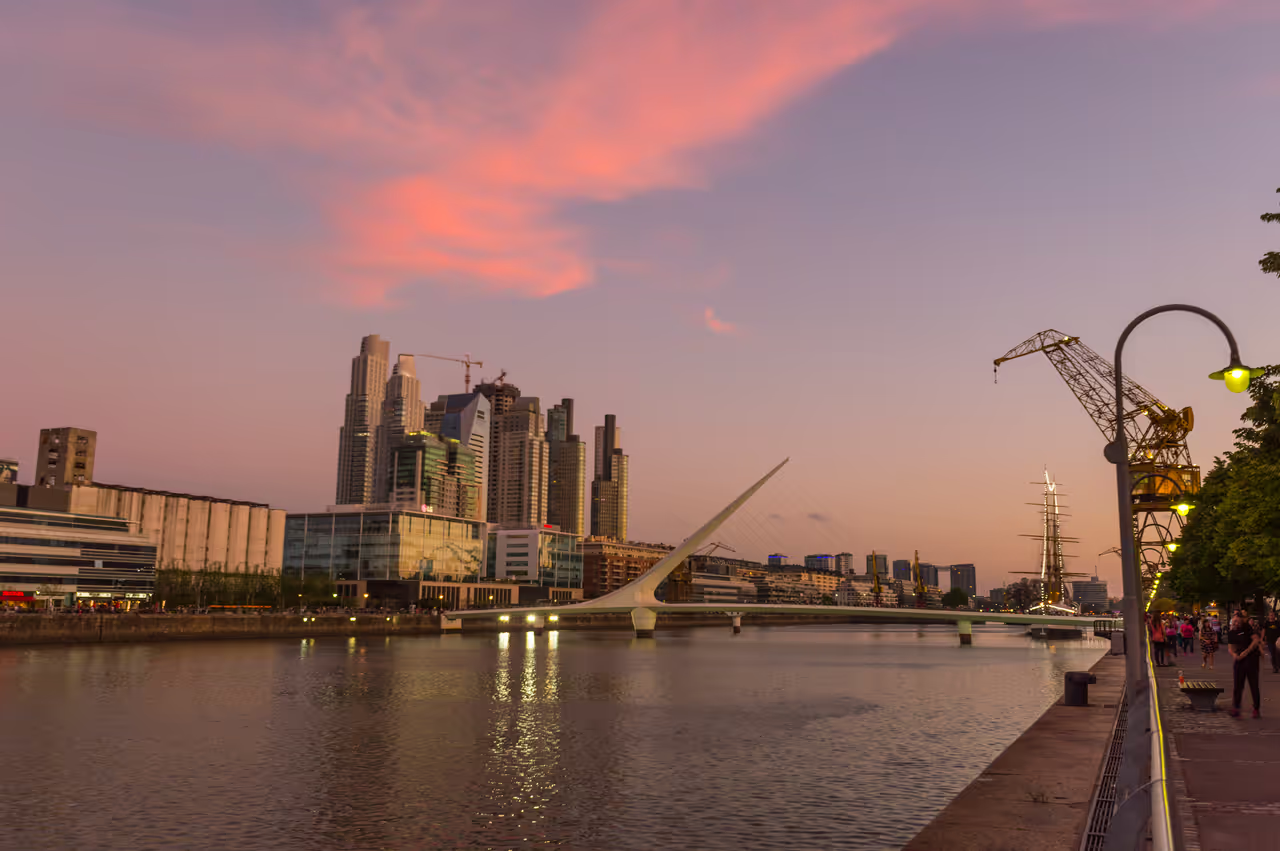
3 Days in Buenos Aires: Classic Experience Itinerary
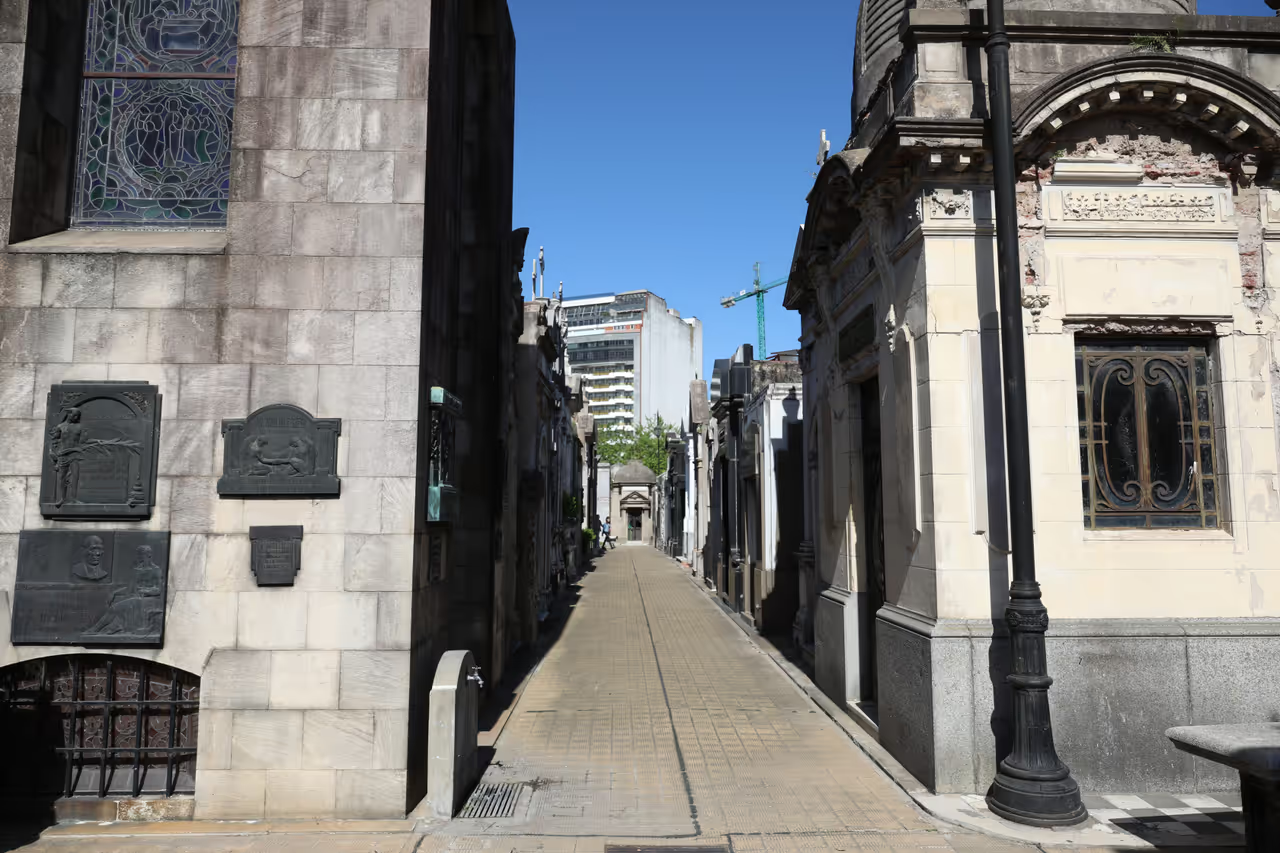
Over three days, you can comfortably explore the stark contrasts that define the metropolis, from its gritty ports to its aristocratic palaces. You will have time to delve into the elegant northern neighbourhoods, discovering grand cemeteries and sprawling green parks. The itinerary ensures you experience the vibrant street art and modern docklands, alongside the historic, cobblestone streets of the south. It strikes a perfect balance between checking off major monuments and soaking in the trendy, local nightlife. This provides a comprehensive, highly satisfying overview of the capital.
view itinerary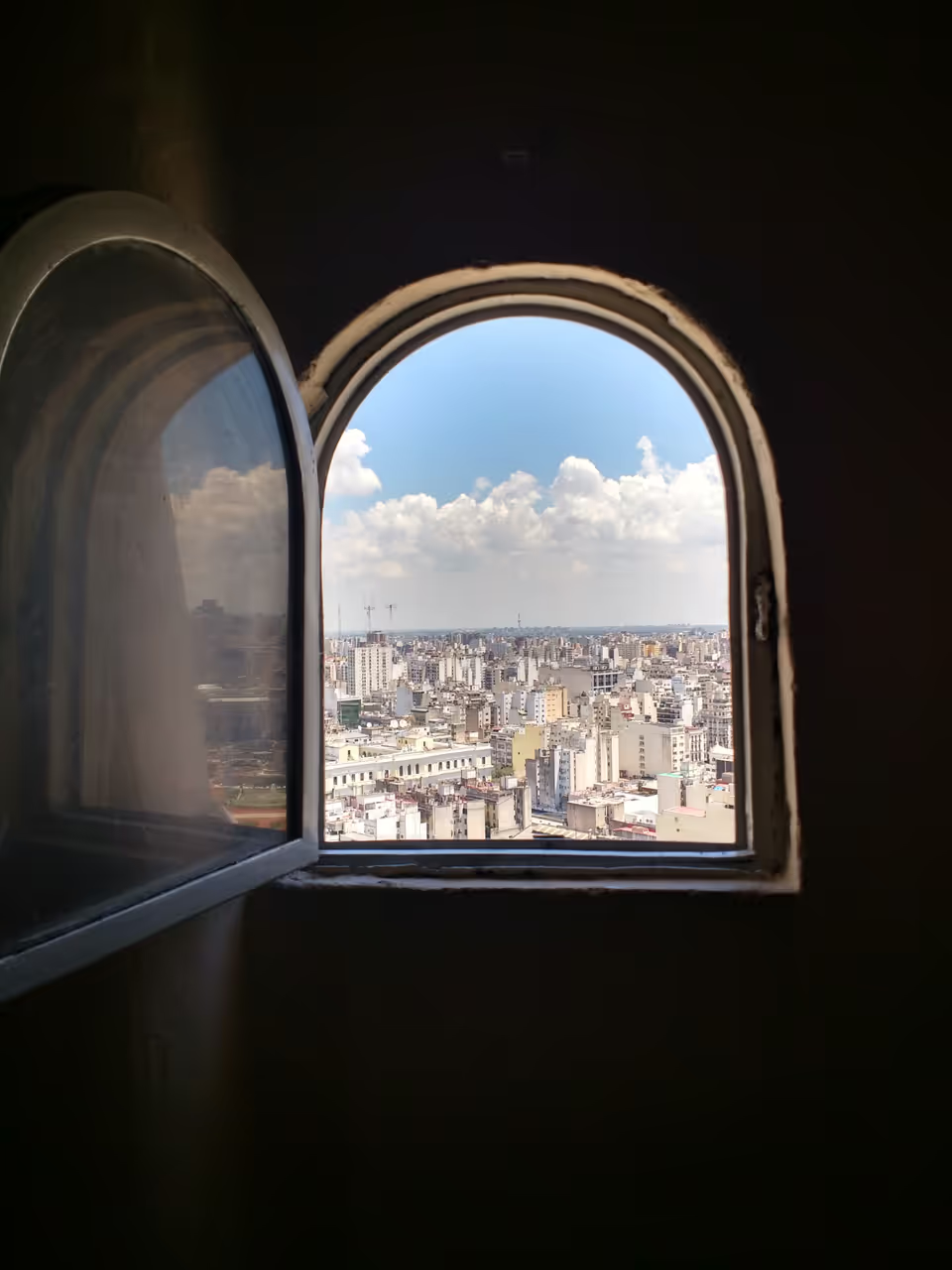
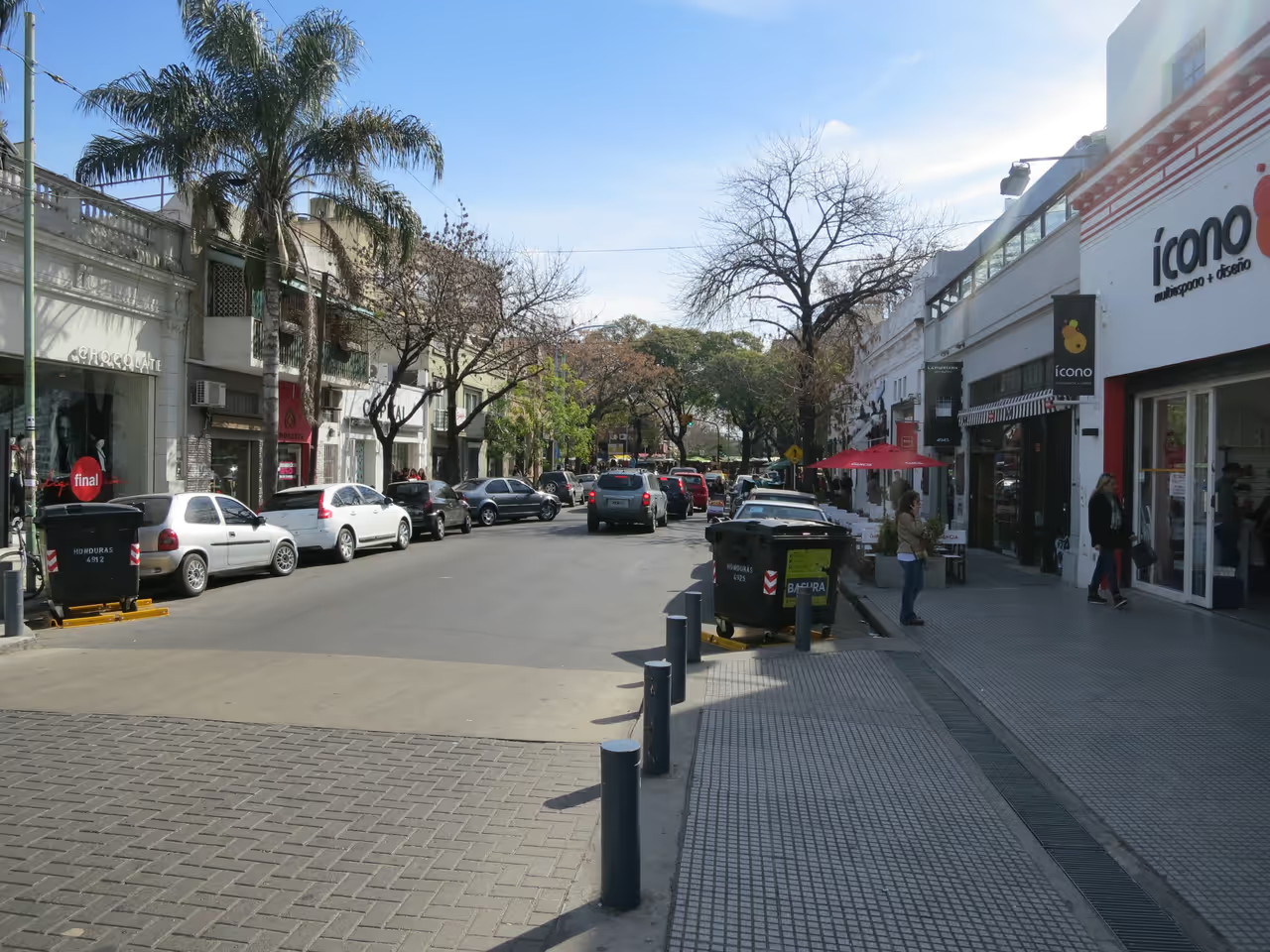
5 Days in Buenos Aires: The Deep Dive Itinerary
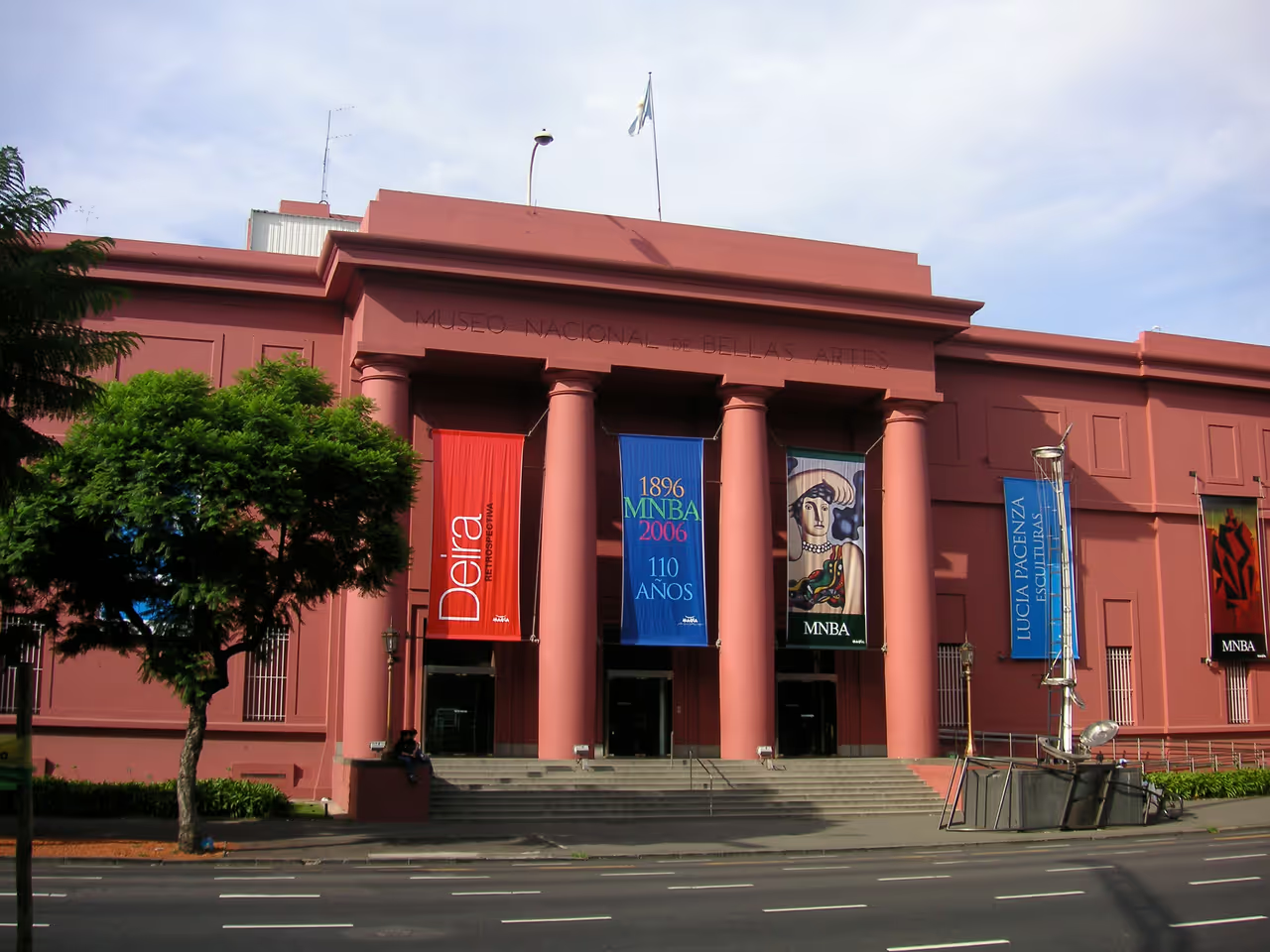
This generous five day itinerary allows you to completely sync with the late night, culturally rich rhythm of the city. Beyond the essential sights, you will have time to explore hidden architectural gems, massive ecological reserves, and venture outside the city limits. It provides the opportunity to engage in local activities, from learning polo to discovering the vibrant street art scene in detail. You can afford to linger in historic cafes and enjoy exceptionally long, relaxed dinners without feeling rushed. It is the definitive way to truly understand and absorb the complex soul of the capital.
view itinerary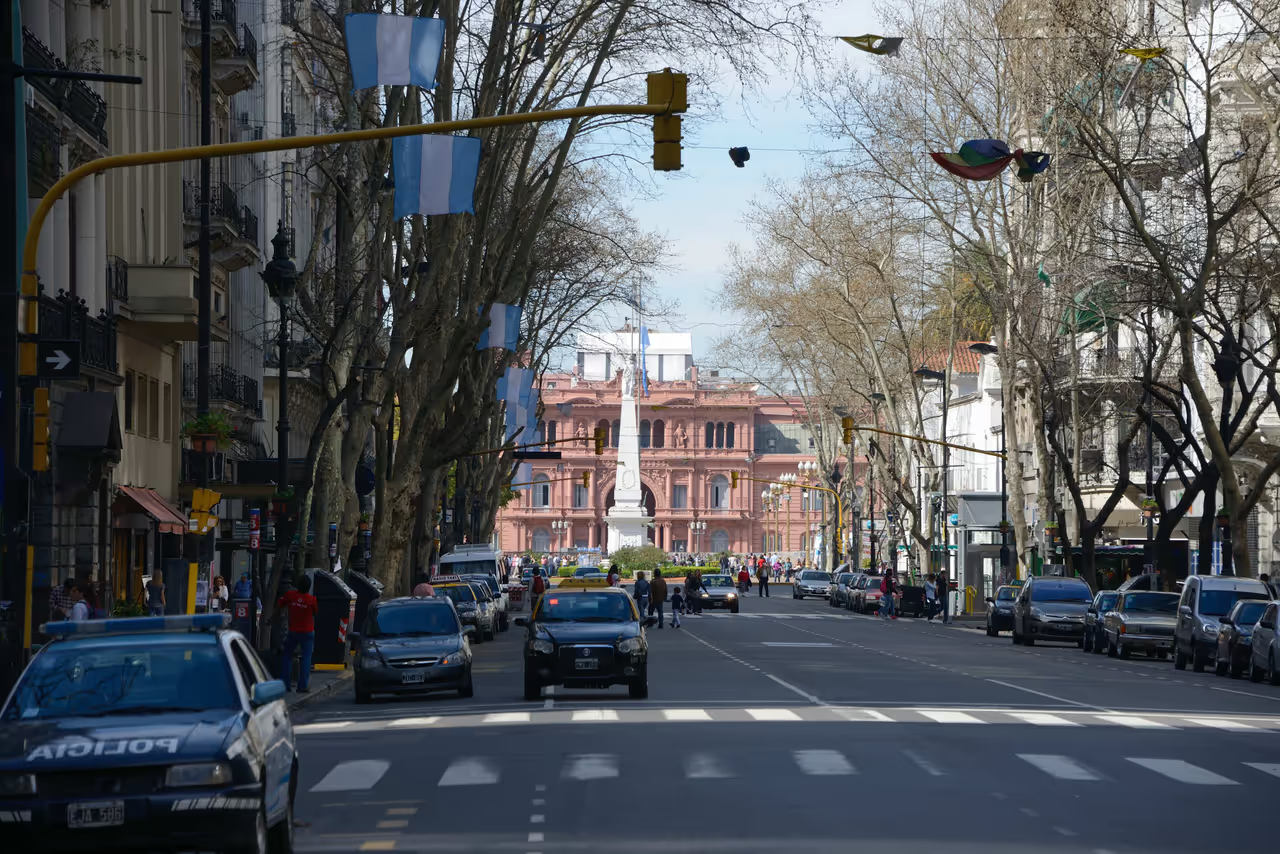
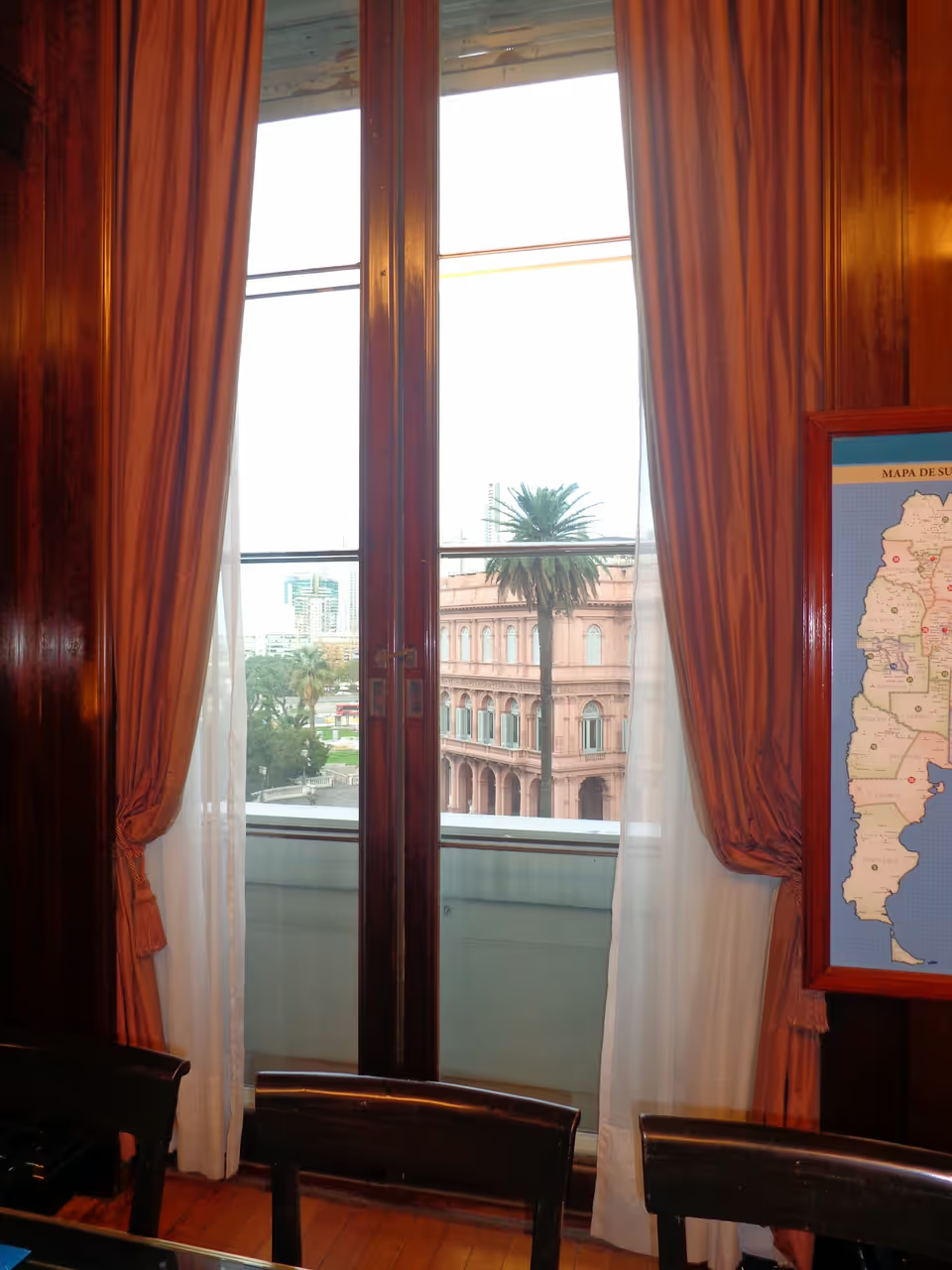
Architectural Marvels of Power
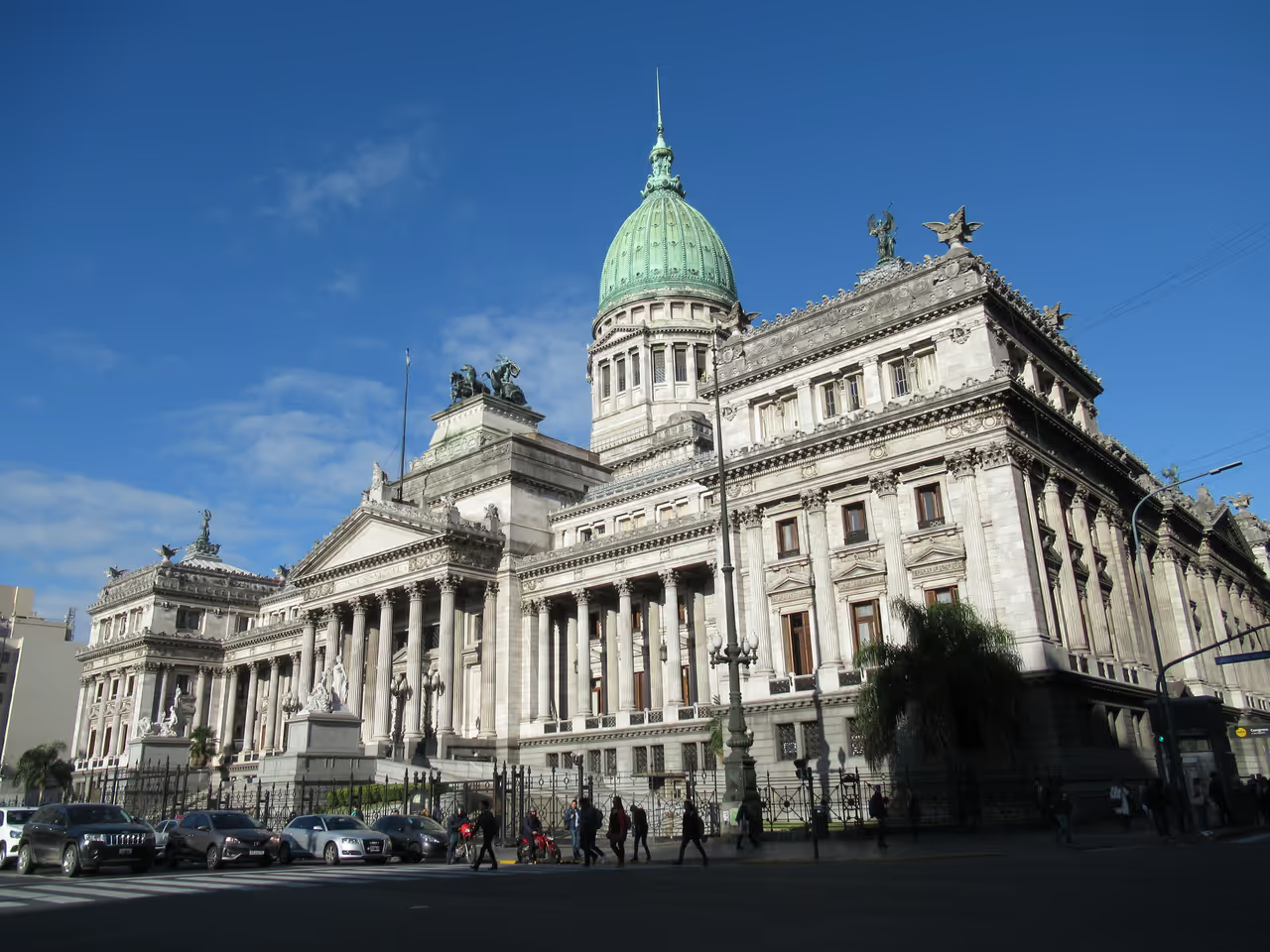
Uncover the grand, imposing civic architecture that lines the historic spine connecting the executive and legislative branches of government. This route showcases the city's most monumental buildings, heavily influenced by French Neoclassicism and Italianate designs. You will marvel at soaring domes, intricate stonework, and plazas that have been the staging ground for the country's most dramatic political upheavals. The journey reveals how massive agricultural wealth was poured into creating a capital designed to rival the greatest cities of Europe. It is a monumental exploration of ego, power, and phenomenal architectural ambition.
view self-guided tour
See all attractions in Buenos Aires
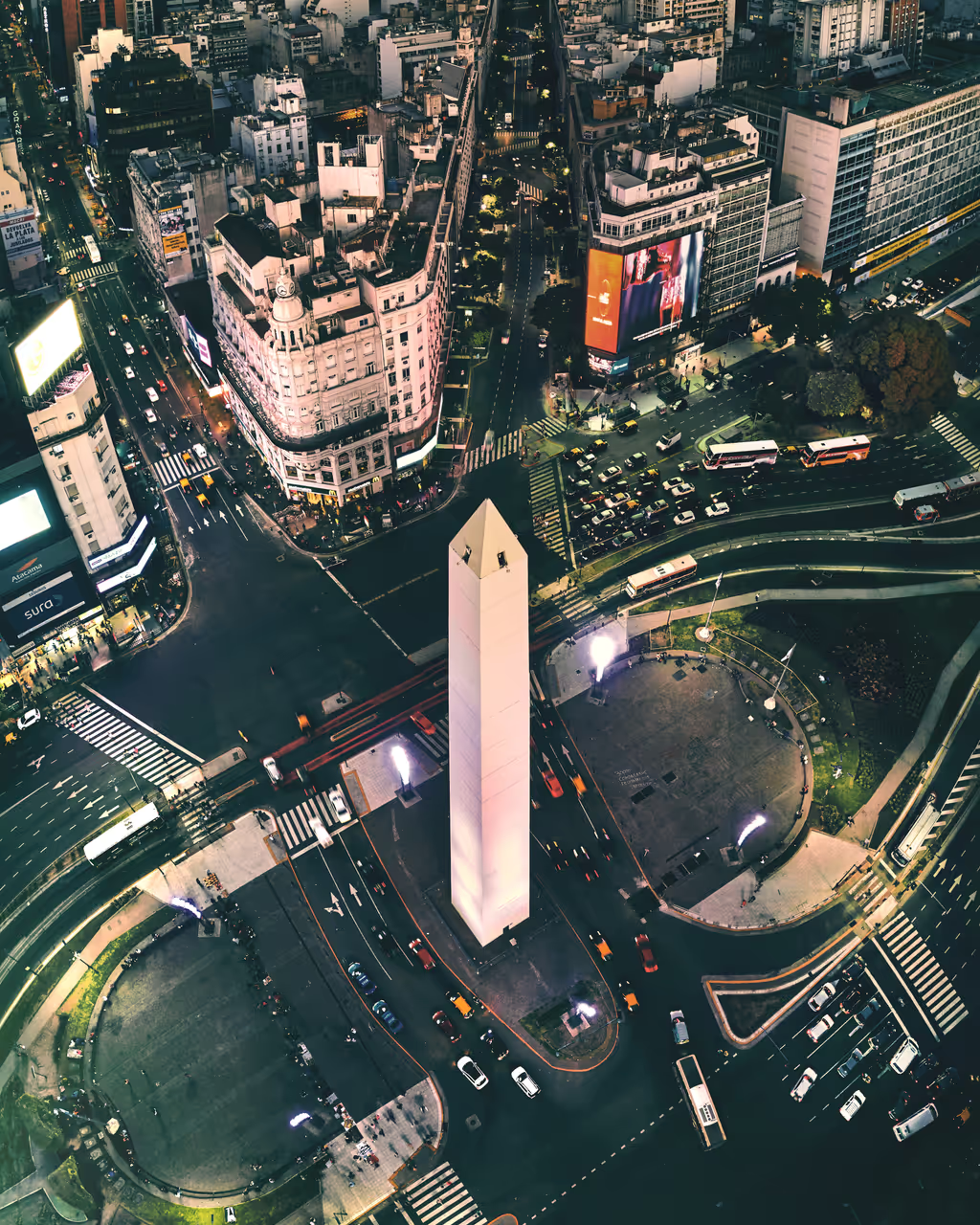
El Ateneo Grand Splendid, La Recoleta Cemetery, Metropolitan Cathedral of Buenos Aires, Obelisk of Buenos Aires, Teatro Colón, Caminito...