Metropolitan Cathedral of Buenos Aires
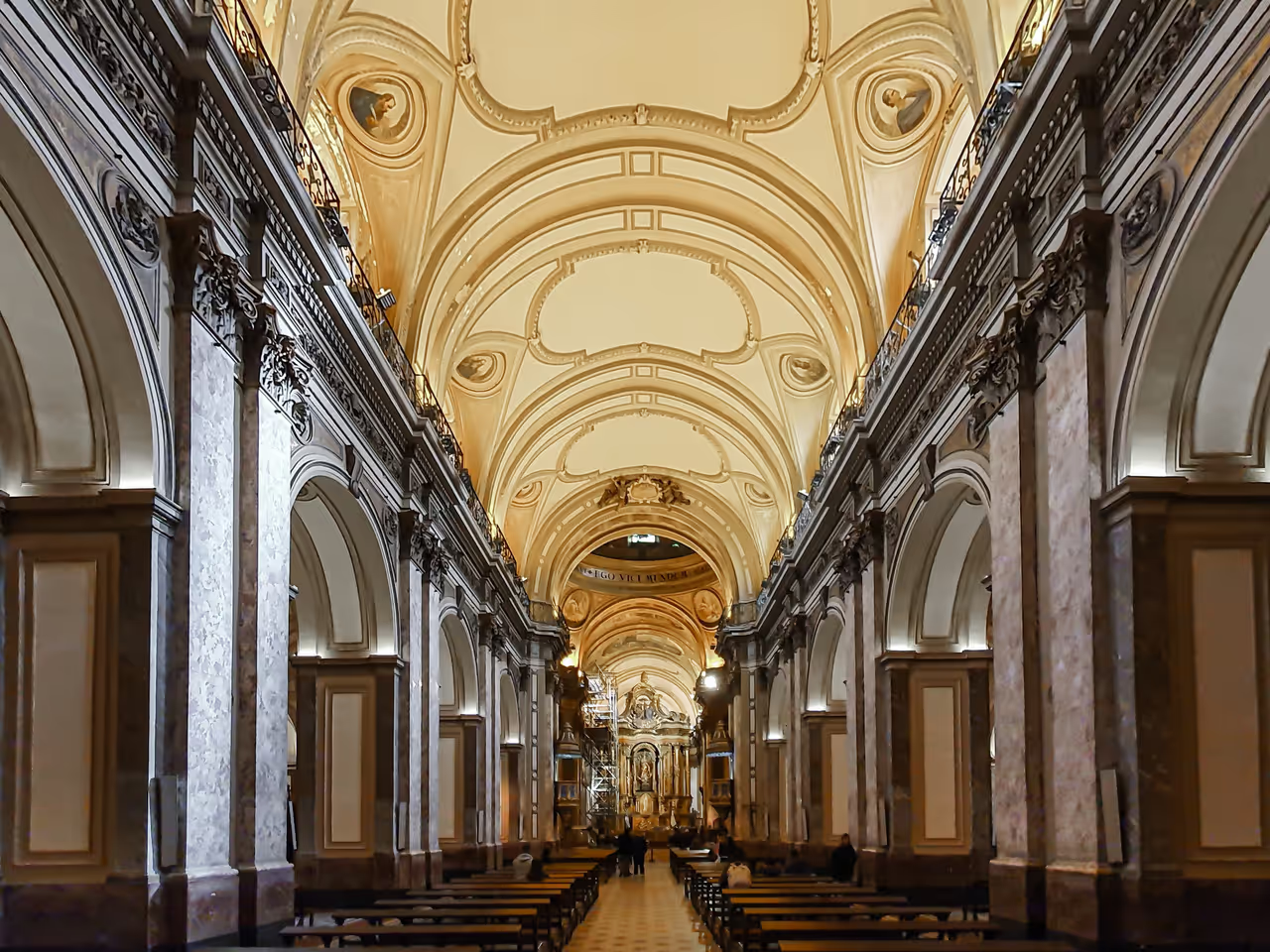
Standing proudly at the edge of the historic Plaza de Mayo, the Metropolitan Cathedral of Buenos Aires invites visitors to step into a space where centuries of Argentine history whisper from the walls. Its neoclassical facade, distinguished by twelve towering columns, creates an imposing presence that feels more like an ancient temple than a traditional church. Inside, the hushed atmosphere offers a sanctuary from the busy streets outside, housing the elaborate mausoleum of General José de San Martín. You can explore the intricate Venetian mosaics underfoot and marvel at the 1871 Walcker organ, which remains a true treasure of liturgical music. This site serves as a poignant link to the past, including a museum dedicated to the tenure of Pope Francis as Archbishop. It is a place of profound significance, where the spiritual heritage of the nation meets the architectural ambition of its founders.
Videos
History of Metropolitan Cathedral of Buenos Aires
The history of the cathedral is one of resilience and persistent renewal. Since the city founding in 1580, the site has hosted a series of religious structures, many of which succumbed to poor materials, rotten wood, and the damp climate. The original humble adobe chapel was plagued by structural failures, often forcing the local community to move their services to nearby convents while waiting for the next version to rise. It was a cycle of collapse and ambition that defined the church for nearly two centuries, reflecting the challenges of building a grand capital from the ground up in a remote colonial outpost. The transformation into the current neoclassical edifice began in the late 18th century, though it was a process fraught with artistic shifts and financial hurdles. The iconic facade, inspired by the Palais Bourbon in Paris, was finally brought to life in the 1820s by French architects Prosper Catelin and Pierre Benoit. Curiously, the original design included towers that were never finished, leaving the cathedral with a distinctive, temple like silhouette that separates it from many other colonial landmarks in the region. The pediment reliefs, added much later, depict the biblical reunion of Joseph with his family, a symbolic gesture meant to inspire harmony within a nation that had been scarred by internal conflict. Today, the interior serves as a repository of artistic and national identity. Beyond the 18th century altarpieces, the cathedral is home to the resting place of General José de San Martín, the liberator whose sarcophagus is flanked by statues representing the nations he helped free. The sanctuary bridges the gap between colonial devotion and modern relevance, particularly through its connection to Pope Francis, who presided here for fifteen years as Archbishop. Every corner of this cathedral holds a piece of the Argentine soul, offering visitors a quiet, reflective space to contemplate the deep layers of history that built Buenos Aires.
Events spanning 444 years
Fun Facts
- • Despite several designs proposing them, the cathedral towers were never completed, leaving the front with a unique temple silhouette.
- • Pope Francis presided over this cathedral for fifteen years during his tenure as the Archbishop of Buenos Aires.
- • Several previous versions of the cathedral failed due to poor quality timber and damp conditions, often resulting in complete collapse.
- • The 1871 Walcker organ contains over 3,500 pipes and is celebrated as one of the finest instruments of its kind.
- • The Christ of Buenos Aires, located in the transept, is the oldest colonial sculpture in the cathedral, dating back to 1671.
- • The cathedral floor features beautiful Venetian style mosaics that were installed in 1907.
- • The neoclassical facade is explicitly inspired by the Palais Bourbon in Paris.
- • The pediment relief depicts the biblical reunion of Joseph and his brothers in Egypt, acting as an allegory for national unity after years of civil war.
- • The site was designated a National Historic Monument in 1942, cementing its role as a key piece of national identity.
- • The tomb of General José de San Martín is guarded by three life size female statues representing the nations he liberated which are Argentina, Chile and Peru.
RESOURCES
Official WebsiteMetropolitan Cathedral of Buenos Aires FAQ
While we strive to keep this information accurate and up to date, we recommend verifying any details independently before making decisions based on them.
Metropolitan Cathedral of Buenos Aires Map & Neighborhood Explorer
This interactive map is centered on Metropolitan Cathedral of Buenos Aires. Zoom in and move the map around to automatically discover Wikipedia photos and summaries of other nearby sights, monuments, and historical points of interest and stories in real-time!
Places near Metropolitan Cathedral of Buenos Aires
Make the most of your trip. Check out these top-rated spots located nearby.
 145m
145mNight of the Museums
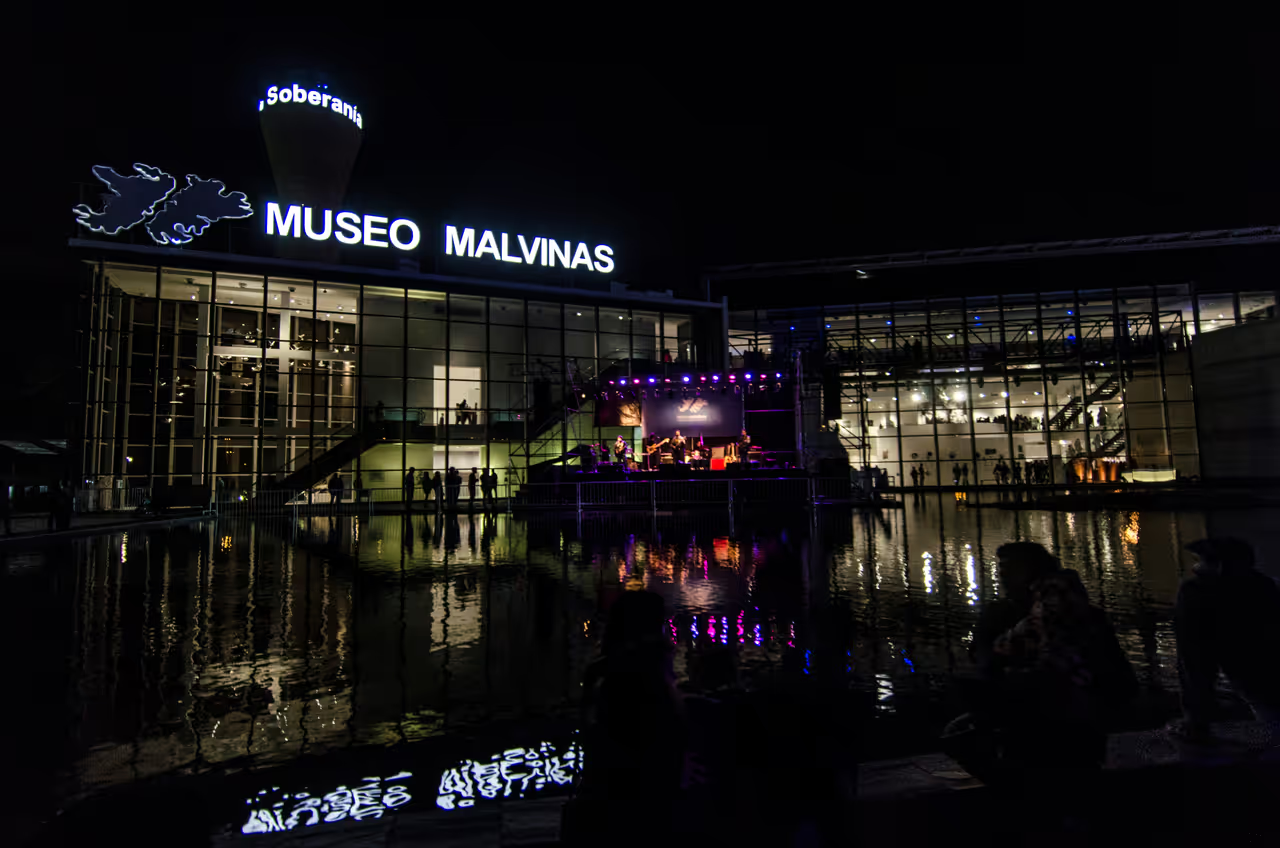
For one magical night each year, hundreds of museums, galleries, and cultural institutions open their doors to the public completely free of charge until the early hours of the morning. The streets become incredibly lively as families, couples, and tourists hop between venues using free public transport provided for the occasion. Special exhibitions, live music performances, and interactive art installations are set up exclusively for the event. It is a brilliant way to experience the nocturnal energy of the city while taking in world class art and history. The communal joy of exploring the city under the stars makes it an unforgettable experience.
festival view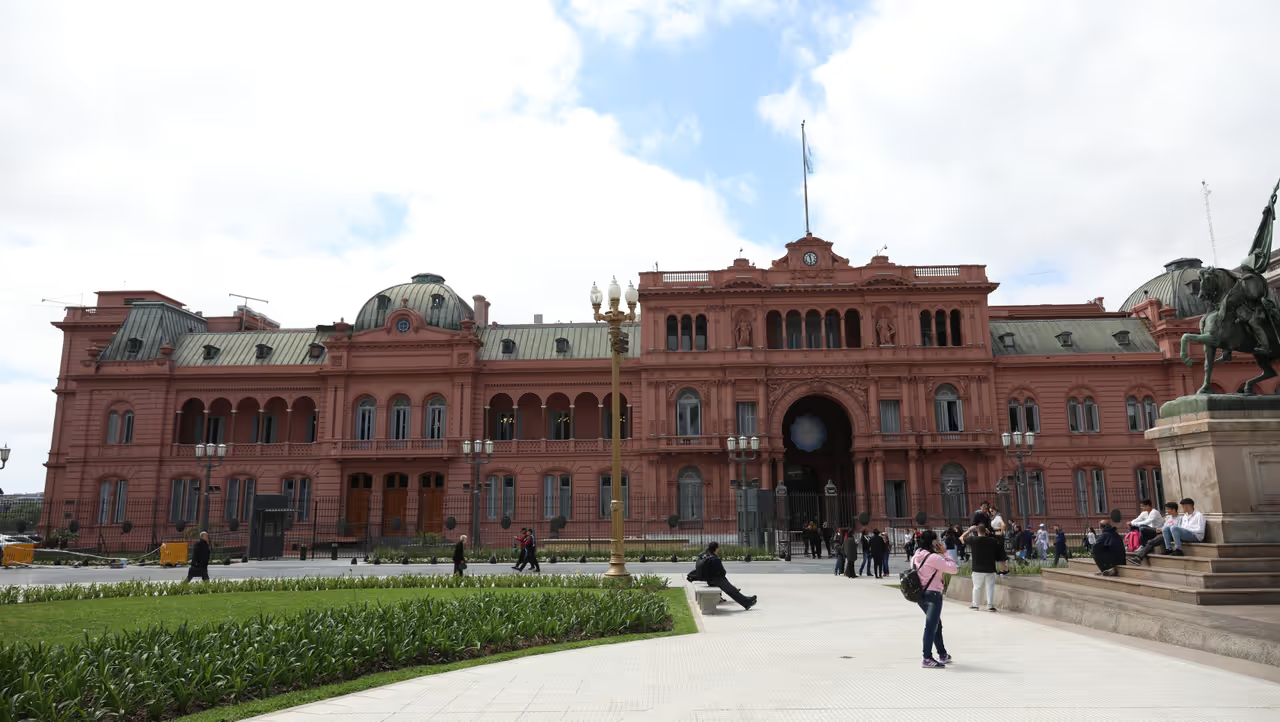 282m
282mCasa Rosada
The Casa Rosada is the most recognisable symbol of Argentine political life and a stunning piece of architecture that defines the edge of the Plaza de Mayo. Its unique baby pink facade makes it instantly memorable, standing out against the city skyline with a charm that captures the hearts of visitors and locals alike. Exploring this site allows you to walk through the corridors where history was forged, from the days of the early colonial fort to the modern seat of government. Inside, the museum offers a fascinating glimpse into the nation's past, showcasing the personal belongings and legacies of those who led the country. Visiting here is an essential experience for anyone wanting to grasp the spirit of Buenos Aires and its deep historical roots.
attraction view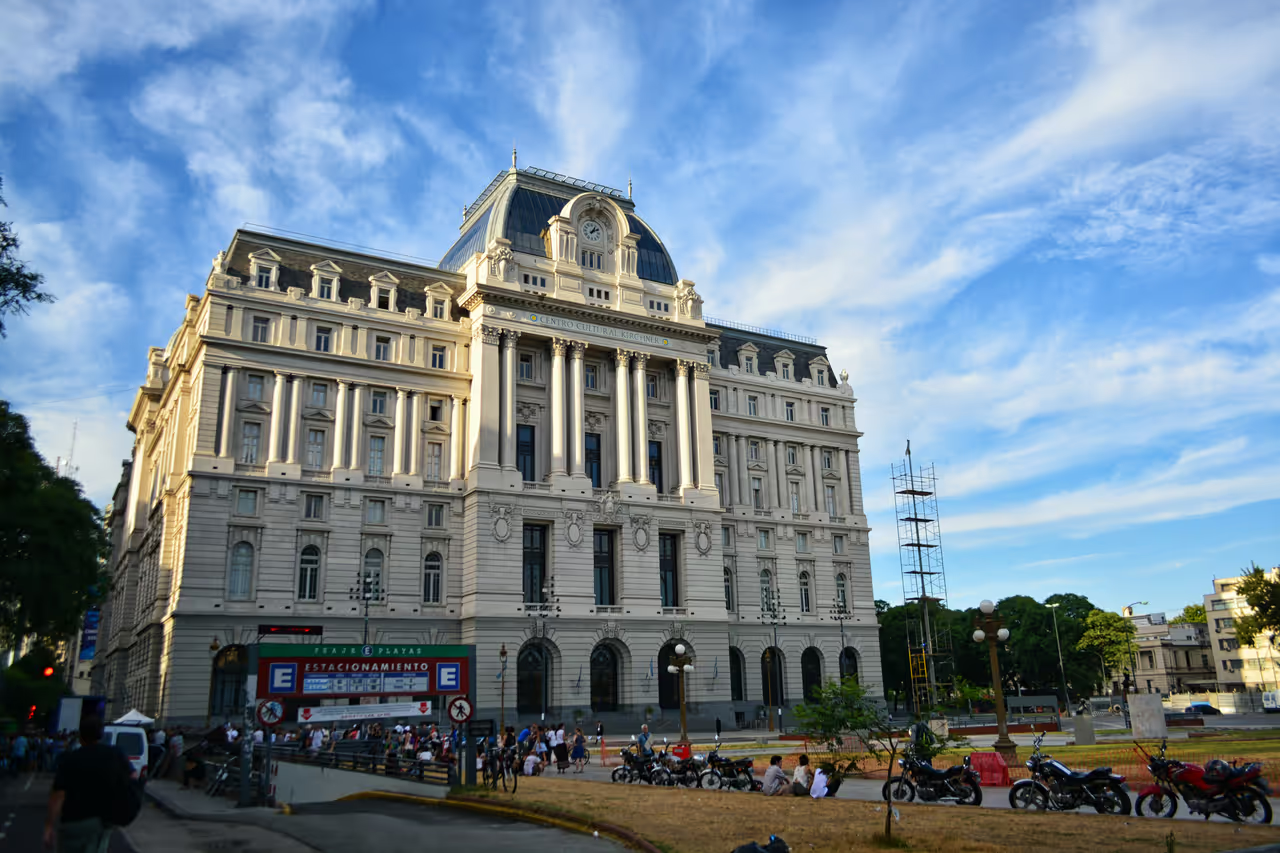 557m
557mLibertad Palace
Originally built as the city's central post office, this sprawling, majestic structure is now the largest cultural centre in Latin America. The classic French academic exterior hides a spectacularly modernised interior, highlighted by a suspended, whale shaped concert hall known as the Blue Whale. The sheer scale of the building is staggering, containing intricate mosaic floors, sweeping staircases, and endless exhibition spaces. The successful blend of nineteenth century grandeur with cutting edge, contemporary engineering makes it visually fascinating. It is a triumphant example of adaptive reuse in historic architecture.
architecture view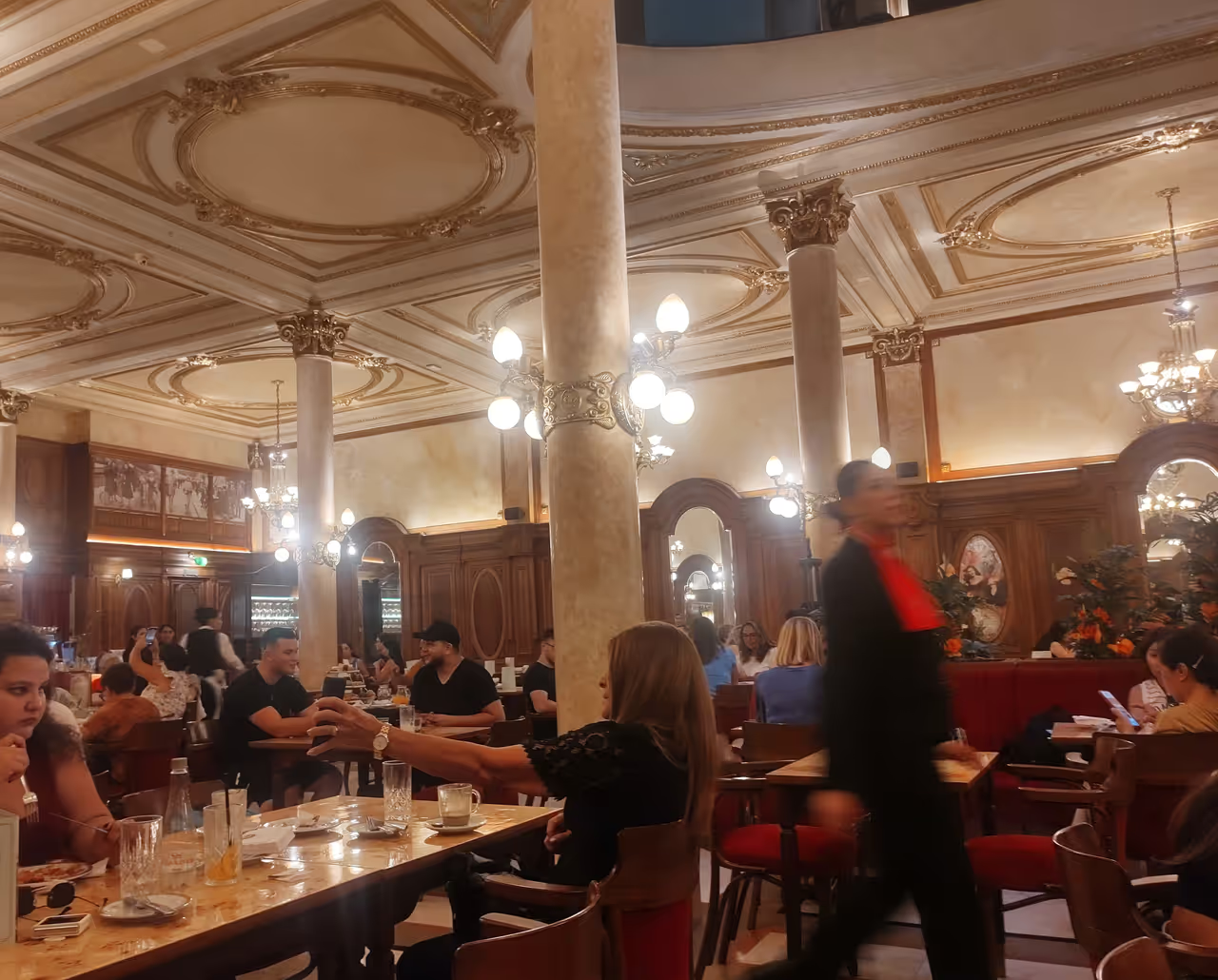 712m
712mIdeal Confectionery
Tucked away on a busy central street, stepping into this establishment is like walking directly into the decadent past of the 1920s. It is a wonderfully ornate, slightly decaying historic cafe and dance hall featuring marble pillars, bronze chandeliers, and dark wood panelling. While tourists flock to other famous cafes, this venue retains a slightly more authentic, melancholic charm closely tied to its legendary afternoon tango sessions. You can sip coffee under stained glass skylights while watching seasoned locals glide across the worn wooden dance floor. It is a profoundly atmospheric spot that oozes old world romanticism.
hidden gem view
Explore Similar Places in This Collection
Featured on This Itinerary
See all attractions in Buenos Aires
Casa Rosada, El Ateneo Grand Splendid, La Recoleta Cemetery, Obelisk of Buenos Aires, Teatro Colón, Caminito...