Buenos Aires Botanical Garden
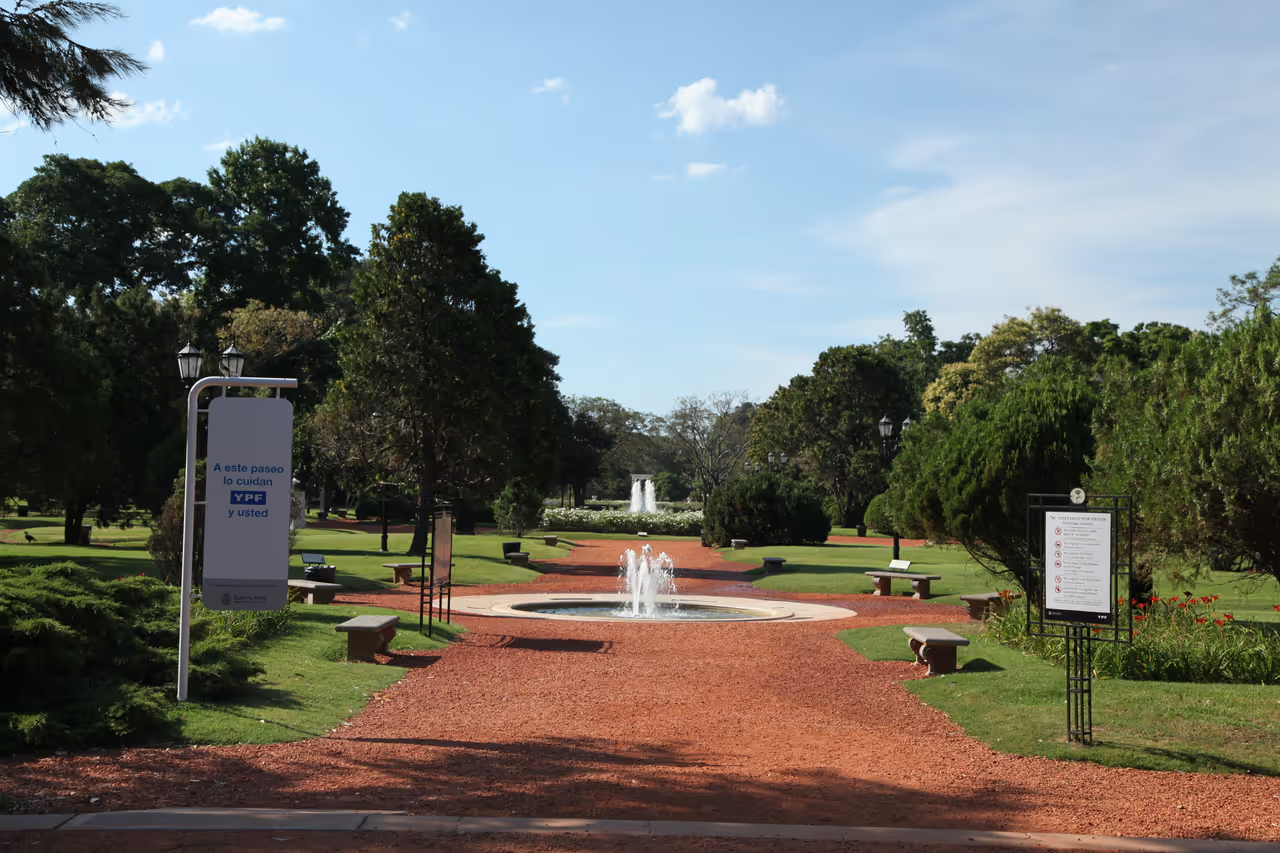
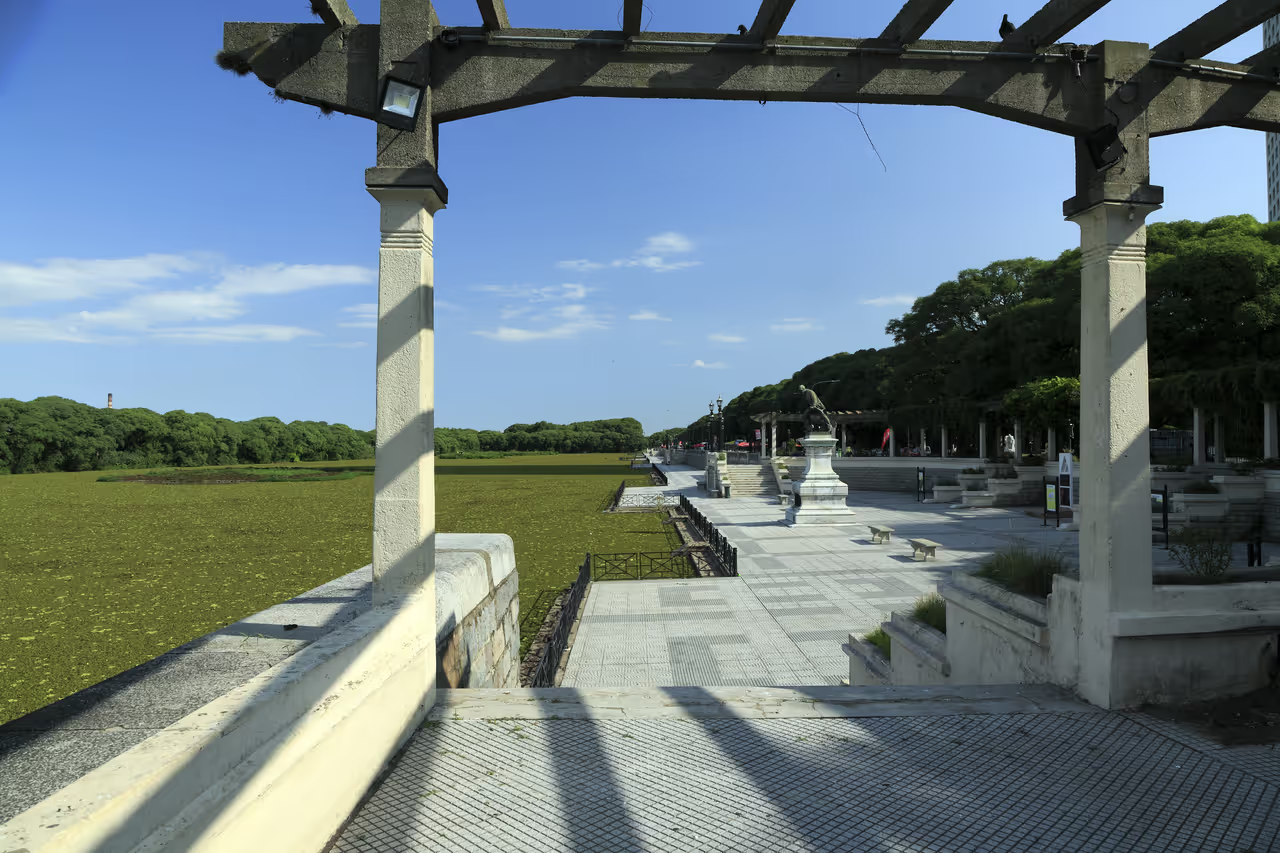
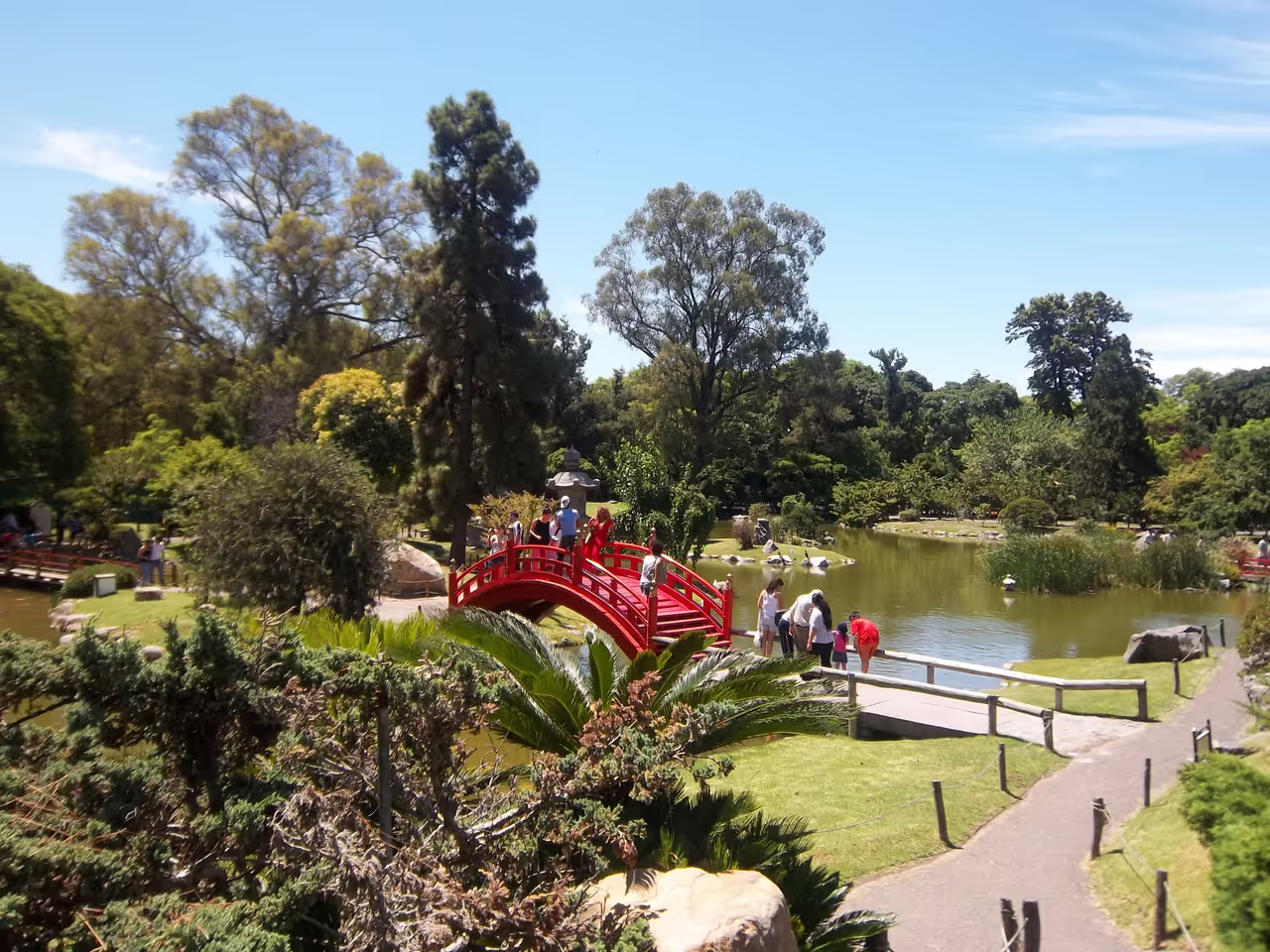
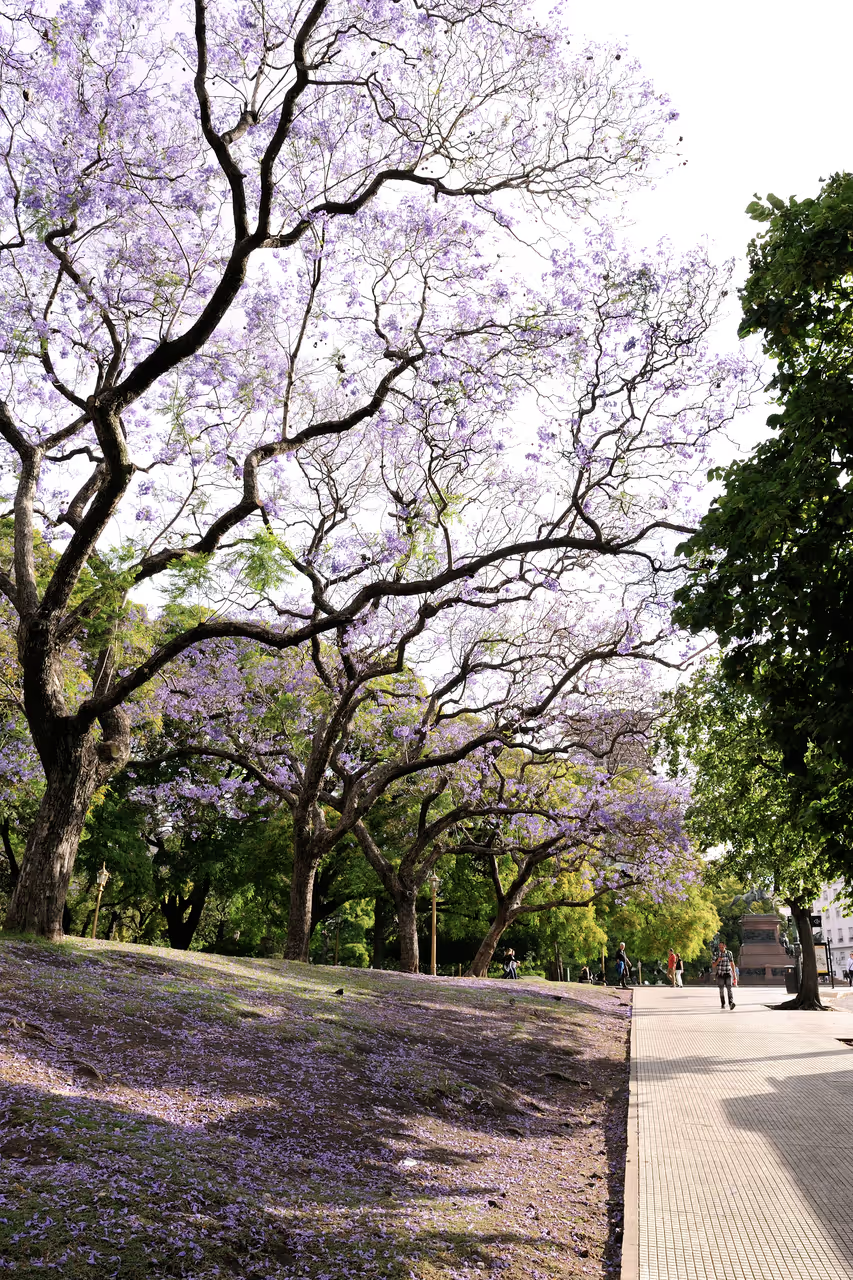
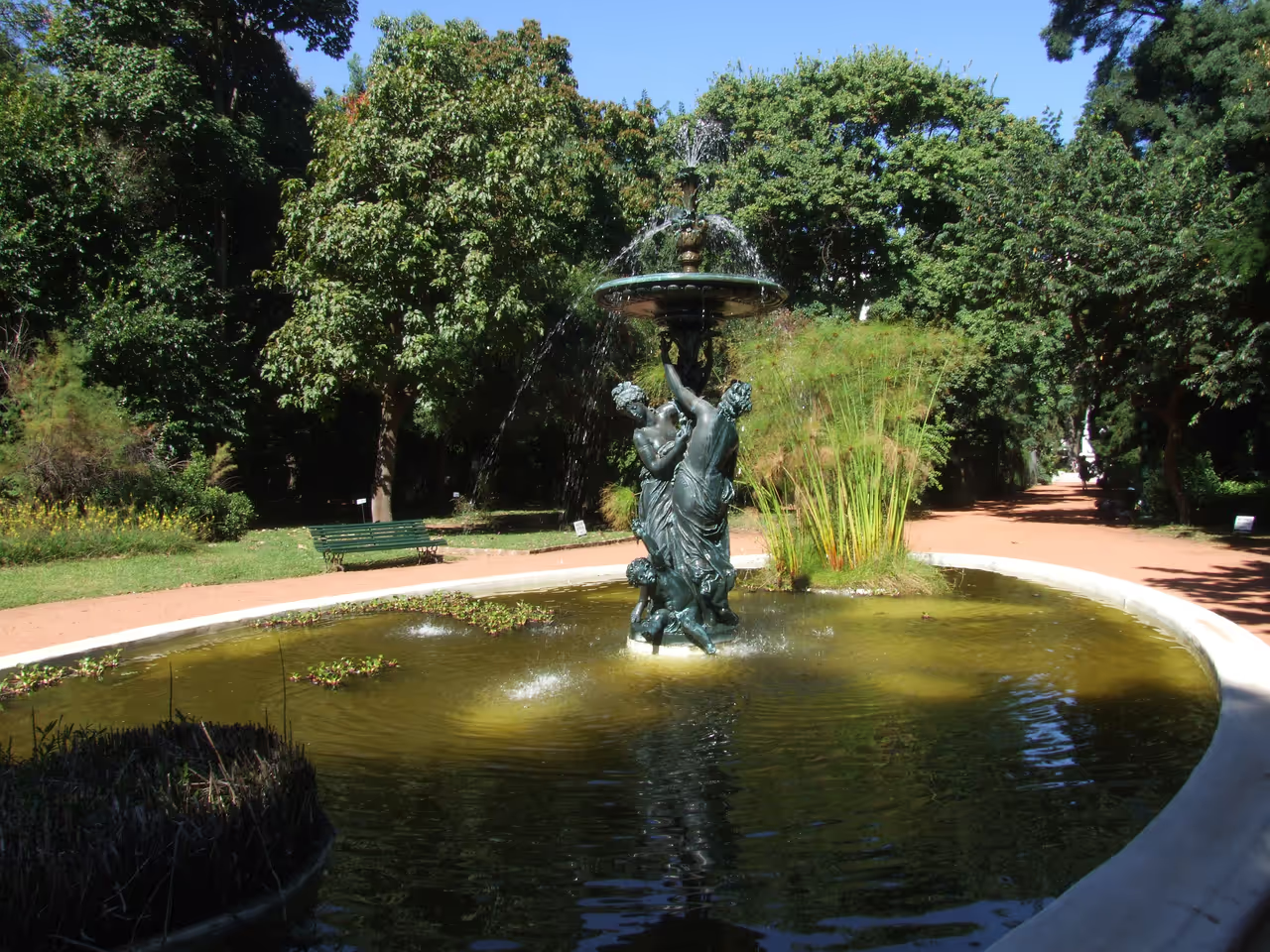
A green sanctuary in the heart of Palermo, the Buenos Aires Botanical Garden is a peaceful escape from the city rhythm. Designed by the renowned Carlos Thays, this triangular oasis invites you to wander through diverse landscapes, from formal Roman designs to lush Oriental and French gardens. It is a place where history meets nature, featuring delicate greenhouses, intricate sculptures, and a serene atmosphere that makes it a perfect retreat. Whether you are seeking a moment of quiet reflection, an appreciation for botanical diversity, or simply a stroll under the shade of ancient trees, this national monument offers a unique experience. Keep an eye out for the friendly resident cats, who have become somewhat legendary guardians of these tranquil grounds.
Videos
History of Buenos Aires Botanical Garden
Founded by the visionary landscape architect Carlos Thays, the garden represents a pivotal chapter in the urban development of Buenos Aires. Thays, who served as the Director of Parks and Walks, resided within the borders of the garden from 1892 to 1898, living in the English style mansion that still serves as the heart of the complex. His residence there grounded the garden in a deep sense of personal history, turning a municipal project into a lived in home for the city green identity. The garden character is defined by its eclectic collection of botanical styles, which reflect a global ambition for the city at the turn of the 20th century. Visitors can step back into antiquity in the Roman garden, inspired by Pliny the Younger villa, or admire the precise elegance of 17th century French landscaping. This was designed as a living museum, where flora from Asia, Africa, and the Americas are curated for taxonomic education, allowing the garden to serve as a bridge between the continents. Today, the botanical garden stands as a testament to the coexistence of urban preservation and organic life. Beyond its rare flora and Art Nouveau greenhouses, the site has gained local fame for its unique social dynamic, specifically its population of adopted cats. What began as an issue of abandonment transformed into a community led success story, where volunteers care for these feline residents, blending compassionate wildlife management with the quiet, historical beauty of the grounds. It remains an essential cultural landmark where nature and human kindness intersect under the canopy of trees.
Events spanning 104 years
Fun Facts
- • A volunteer led committee manages the resident cat population, providing vaccines and veterinary care, which has prevented the need for removal and fostered a community of animal lovers.
- • It holds approximately 5,500 species of plants, making it a critical site for biodiversity conservation in the Southern Cone.
- • It remains the only conservatory of its specific architectural style still preserved in the world today.
- • Over 30 distinct artistic works, including bronze sculptures like Saturnalia, are scattered throughout the park, turning it into an open air art museum.
- • The Roman garden section features plant species specifically chosen because they were described in the writings of the first century Roman botanist Pliny the Younger.
- • The garden serves as an educational hub, housing the Municipal Gardening School Cristóbal María Hicken, which collaborates directly with the University of Buenos Aires.
- • The garden triangular layout is bounded by iconic city thoroughfares, creating a distinct physical separation from the surrounding urban environment despite its central location.
- • The park houses a dedicated library containing over 1,000 rare books and 10,000 botanical publications from across the globe.
- • The primary greenhouse on the property is a rare piece of Art Nouveau engineering, having been exhibited at the Paris Universal Exhibition in 1889.
RESOURCES
Official WebsiteBuenos Aires Botanical Garden FAQ
While we strive to keep this information accurate and up to date, we recommend verifying any details independently before making decisions based on them.
Buenos Aires Botanical Garden Map & Neighborhood Explorer
This interactive map is centered on Buenos Aires Botanical Garden. Zoom in and move the map around to automatically discover Wikipedia photos and summaries of other nearby sights, monuments, and historical points of interest and stories in real-time!
Places near Buenos Aires Botanical Garden
Make the most of your trip. Check out these top-rated spots located nearby.
 442m
442mBuenos Aires International Book Fair
Spanning nearly three weeks, this is arguably the most important literary event in the Spanish speaking world. Over a million visitors flock to the massive exhibition centre to browse millions of titles, attend poetry readings, and meet international authors. The sheer scale of the event perfectly illustrates the deeply ingrained reading culture of the local population. It is a fantastic place to hunt for rare editions, enjoy cultural exhibitions, and soak in the intellectual atmosphere. Even non Spanish speakers will appreciate the overwhelming dedication to the printed word.
festival view- 497m
ArteBA Contemporary Art Fair
This prestigious contemporary art fair draws collectors, gallery owners, and art enthusiasts from across the continent. It provides a massive platform for both established Latin American artists and emerging local talents to showcase their work. The exhibition halls buzz with creative energy, featuring everything from avant-garde installations to striking modern photography. Surrounding neighbourhoods often host parallel gallery nights and pop up exhibitions to coincide with the main event. It is a must visit for anyone interested in the visual pulse of modern Argentina.
festival view 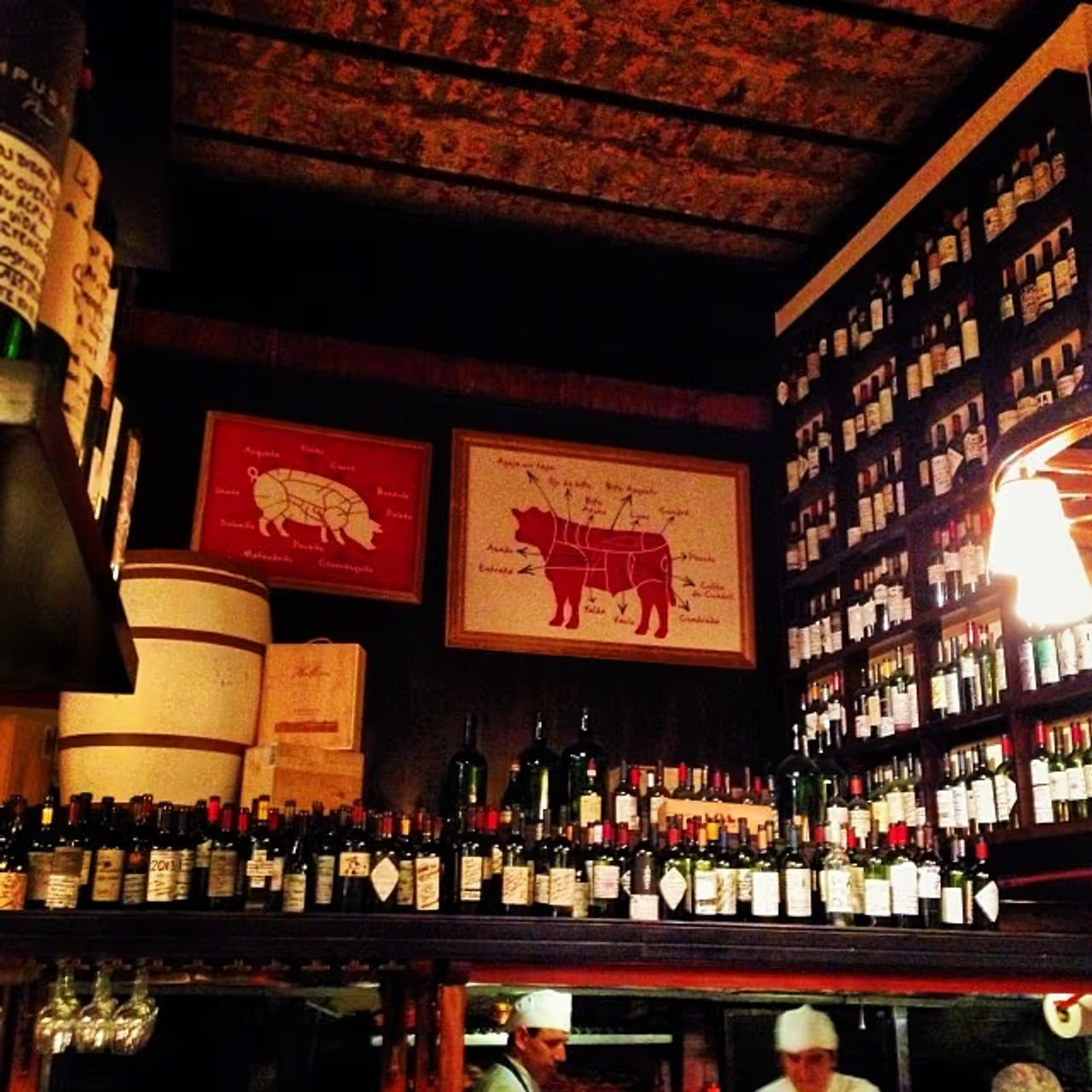 754m
754mSavour an Asado
Eating steak here is not just a meal; it is a sacred, time honoured ritual that demands your full attention. Traditional steakhouses, called parrillas, serve up massive, incredibly tender cuts of beef cooked slowly over hot coals. You can choose from upscale, white tablecloth establishments in affluent neighbourhoods or chaotic, smoke filled neighbourhood joints. Do not miss the chance to start your meal with grilled provoleta cheese, spicy chorizo, and a glass of robust local Malbec wine. The meat is so flavourful that it is typically served with nothing but salt and chimichurri sauce. It is a carnivorous experience that frequently ranks among the best meals of a traveller's life.
highlight view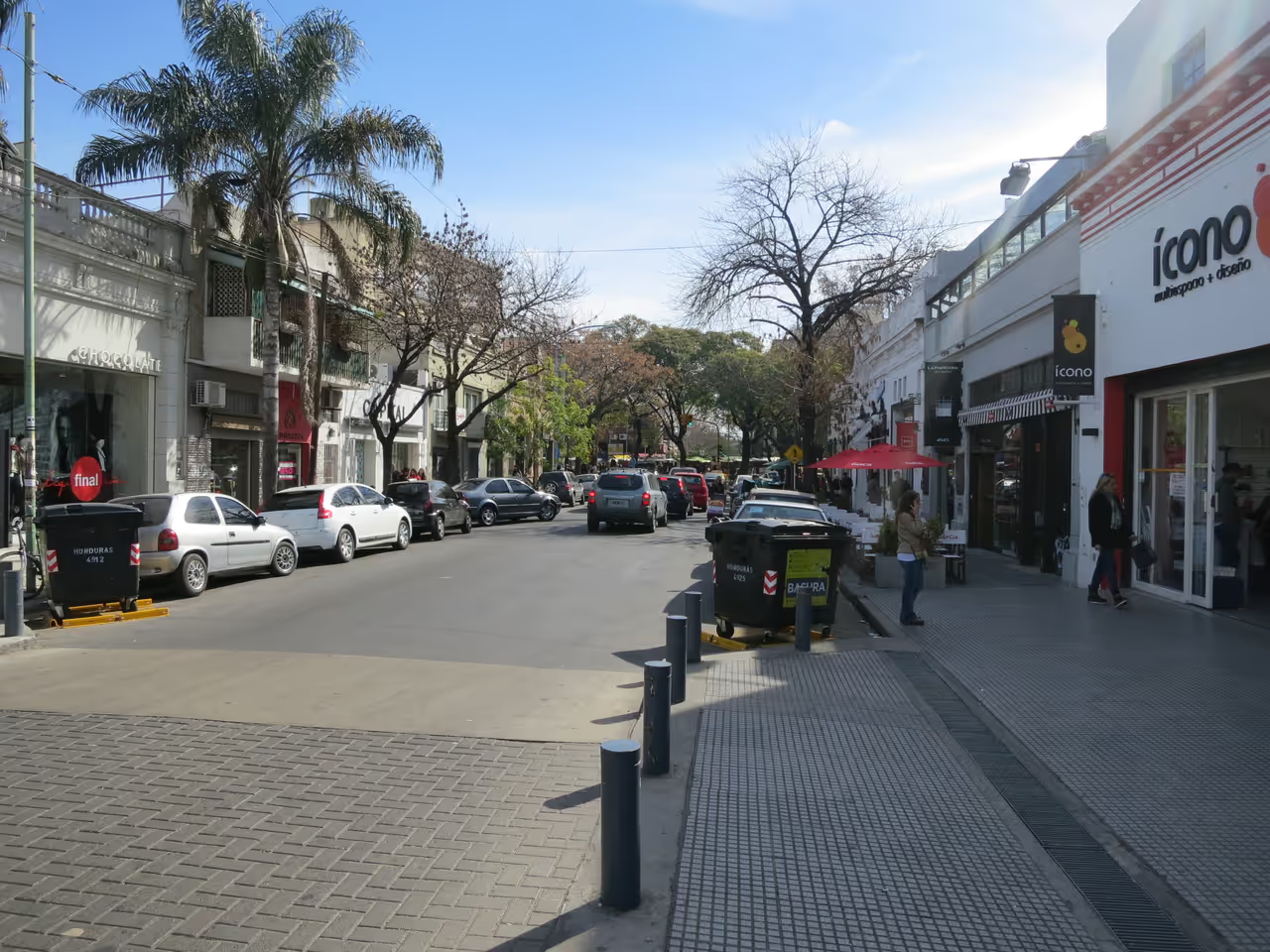 1022m
1022mDiscover Street Art
The city is globally recognised as a haven for urban artists due to its incredibly relaxed laws regarding painting on buildings. Entire neighbourhoods, particularly Palermo and Colegiales, serve as massive, open air galleries featuring breathtakingly large murals. You can join a guided walking or cycling tour to understand the complex political and social messages hidden within the vibrant paint. International artists frequently travel here specifically to take advantage of the massive, blank concrete canvases. It is a constantly evolving, visually stunning aspect of the local culture. It provides a gritty, contemporary contrast to the classic museums.
highlight view
See all nature & parks in Buenos Aires
Bosques de Palermo, Buenos Aires Ecological Reserve, Buenos Aires Japanese Gardens, Plaza San Martín, Remembrance Park...