Bosques de Palermo
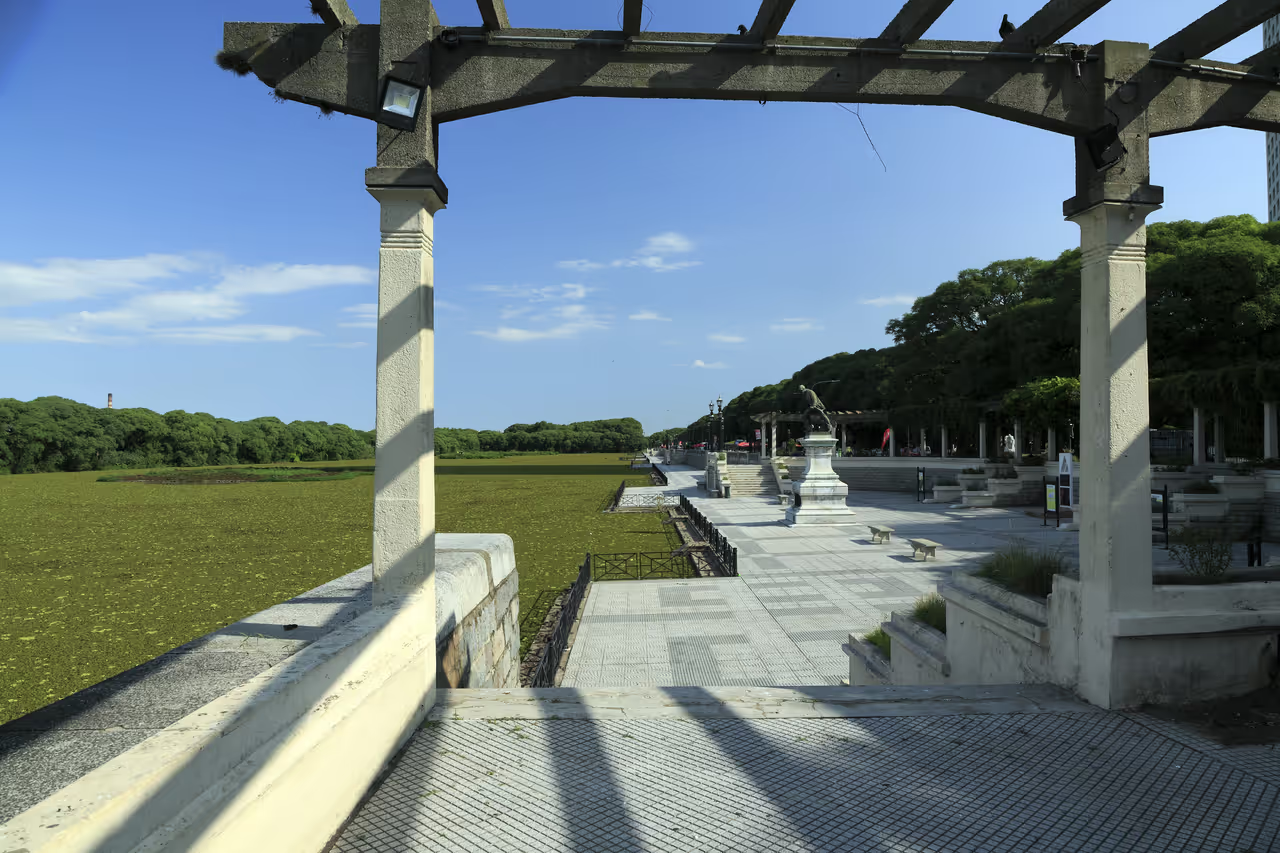
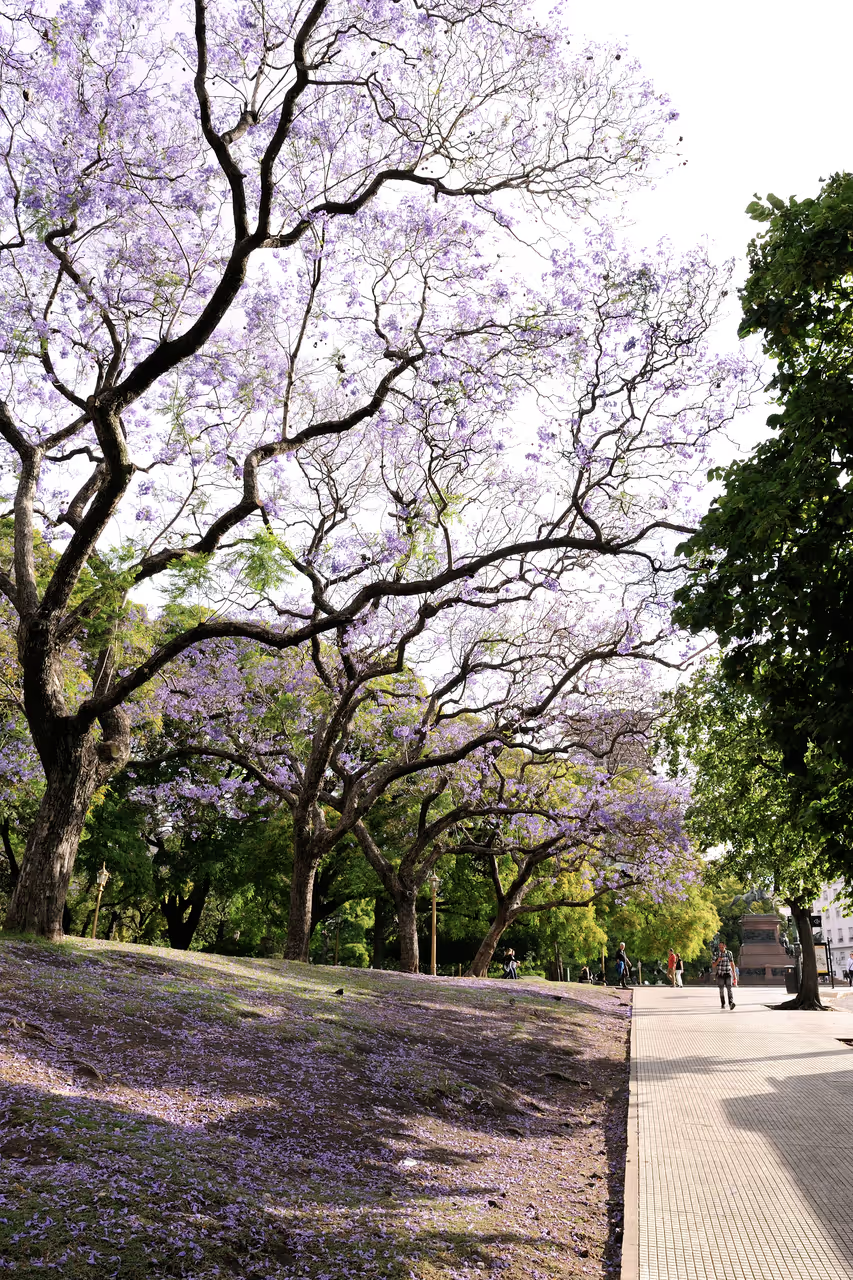
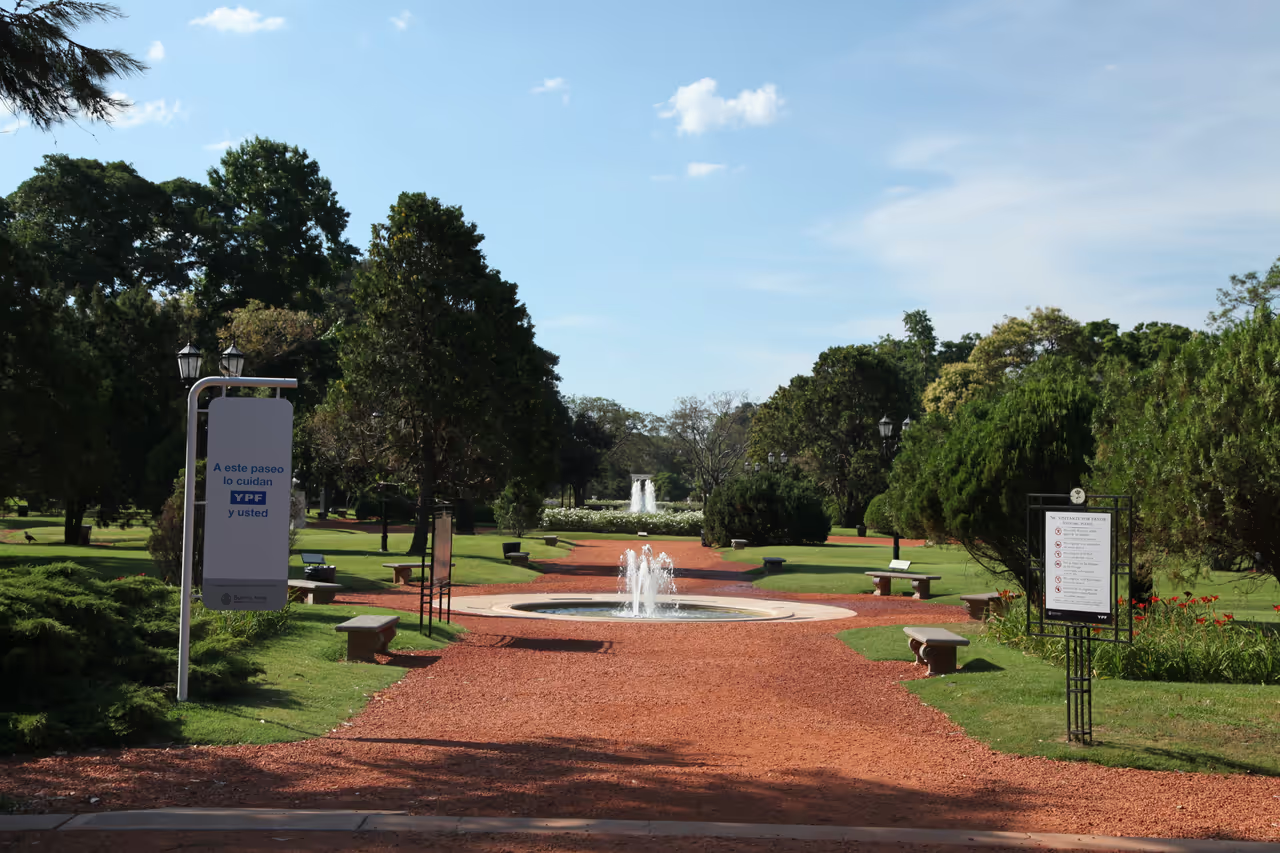
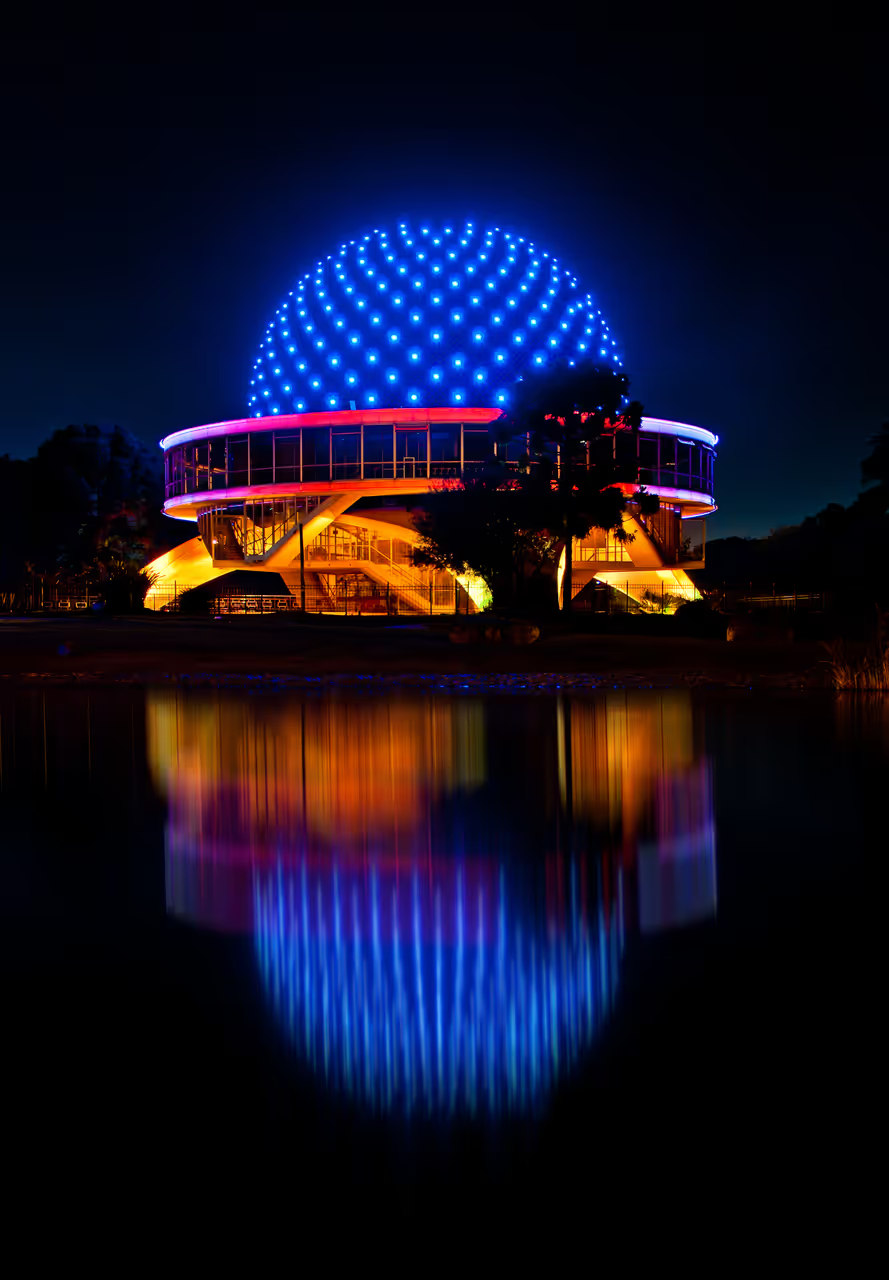
Imagine stepping into the green heart of Buenos Aires, where sprawling groves and tranquil lakes offer a serene escape from the city rhythm. Known affectionately by locals as the Bosques de Palermo, this vast parkland serves as a beautiful backdrop for leisure, whether you fancy a paddle boat ride on the lake or a peaceful stroll among thousands of roses in the famous El Rosedal. Every corner reveals a new delight, from the striking modern architecture of the Galileo Galilei Planetarium to quiet gardens dedicated to world renowned poets. It is a place where history meets nature, inviting everyone to slow down and appreciate the lush landscape designed by visionary urbanists. Visiting here is the perfect way to experience the city appreciation for outdoor living and shared public spaces.
Videos
History of Bosques de Palermo
The roots of these sprawling woods lie in the dramatic political shifts of the nineteenth century. Following the fall of the strongman Juan Manuel de Rosas in 1852, his vast, private northern estates were repurposed for the public good. Transforming these lands into a park became a priority for leaders like President Domingo Sarmiento, who sought to provide the citizens of Buenos Aires with a grand, European style green space. The park stands as a permanent reminder of the defeat of the era dictator, as its name honours the very date of his downfall in 1852. In the late nineteenth century, the park underwent a remarkable transformation under the guidance of the celebrated French Argentine urbanist Carlos Thays. His vision brought a distinctly European elegance to the landscape, blending native flora with precise, manicured gardens and charming lakes. This era defined the park character, setting the stage for it to become the lungs of the city. Thays was instrumental in crafting the aesthetic that makes the park feel like a living, breathing extension of the city soul. Throughout the twentieth century, the space continued to evolve, weaving together international history and local recreation. From the unique Formula Libre motor races that once roared through these avenues to the serene inauguration of the Japanese Gardens by Japanese royalty, the park has always been a centre for diverse experiences. It remains a dynamic canvas where architectural marvels like the futuristic Planetarium sit alongside timeless rose gardens, creating a place that locals cherish and visitors find utterly captivating.
Events spanning 92 years
Fun Facts
- • Carlos Thays, the visionary landscape architect, is responsible for creating the Botanical Gardens and the zoo within the park grounds.
- • During the late 1940s, the park hosted international motor racing, with the Grand Prix taking place on a temporary circuit laid out directly in the park.
- • El Rosedal, the park's iconic rose garden, features over 18,000 roses and serves as a major draw for visitors during the spring bloom.
- • The Japanese Gardens are the largest of their kind outside of Japan, covering a significant portion of the parkland.
- • The Planetarium is shaped like a sphere supported by three giant arches, a striking example of space age architecture.
- • The Poets' Garden contains a collection of bronze and stone busts honouring literary giants, including William Shakespeare and Jorge Luis Borges.
- • The lake system is entirely artificial, engineered to create a sense of scale and water features that would not exist in the immediate area naturally.
- • The name Tres de Febrero refers to the date in 1852 when the regime of Juan Manuel de Rosas ended, making the park a monument to political change.
- • The park was originally designed to mimic the grand public spaces of Europe, with heavy influence from the Bois de Boulogne in Paris.
- • The park's land was once the private estate of the dictator Rosas, but it was reclaimed for the public good to ensure residents had access to nature.
RESOURCES
Official WebsiteBosques de Palermo FAQ
While we strive to keep this information accurate and up to date, we recommend verifying any details independently before making decisions based on them.
Bosques de Palermo Map & Neighborhood Explorer
This interactive map is centered on Bosques de Palermo. Zoom in and move the map around to automatically discover Wikipedia photos and summaries of other nearby sights, monuments, and historical points of interest and stories in real-time!
Places near Bosques de Palermo
Make the most of your trip. Check out these top-rated spots located nearby.
 512m
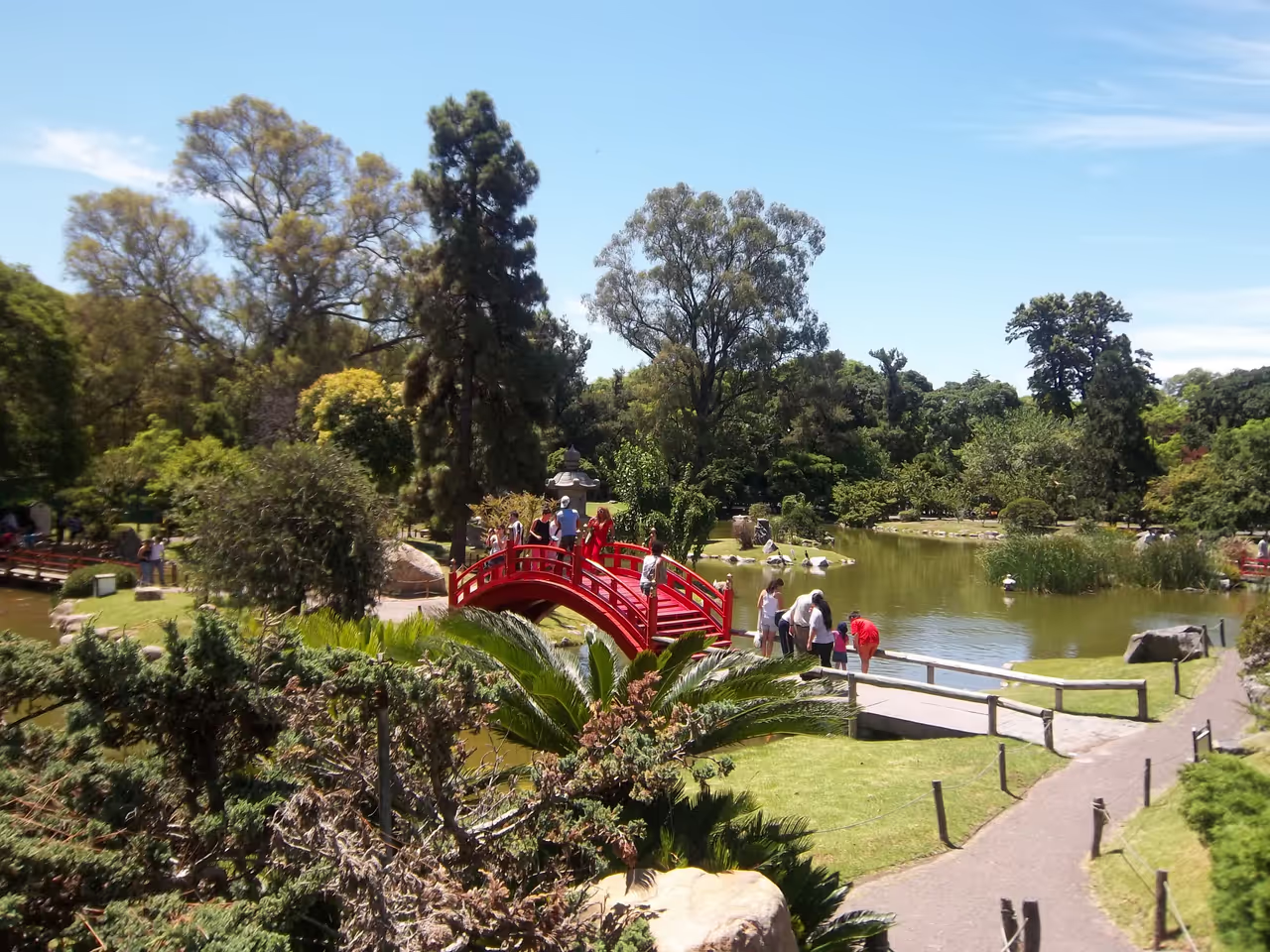
512mBuenos Aires Japanese Gardens
Escape to a serene oasis in the middle of the city where meticulous landscaping meets traditional Japanese aesthetics. These gardens offer a peaceful retreat from the urban energy, featuring vibrant koi filled lakes, winding bridges, and beautiful seasonal blossoms. You can wander through paths lined with cherry trees and azaleas, or admire the intricate bonsai collection in the greenhouse. It serves as a cultural bridge, showcasing the deep rooted relationship between Japan and Argentina. Whether you are looking for a quiet moment of reflection or a unique cultural experience, this spot provides a refreshing change of pace.
park & nature view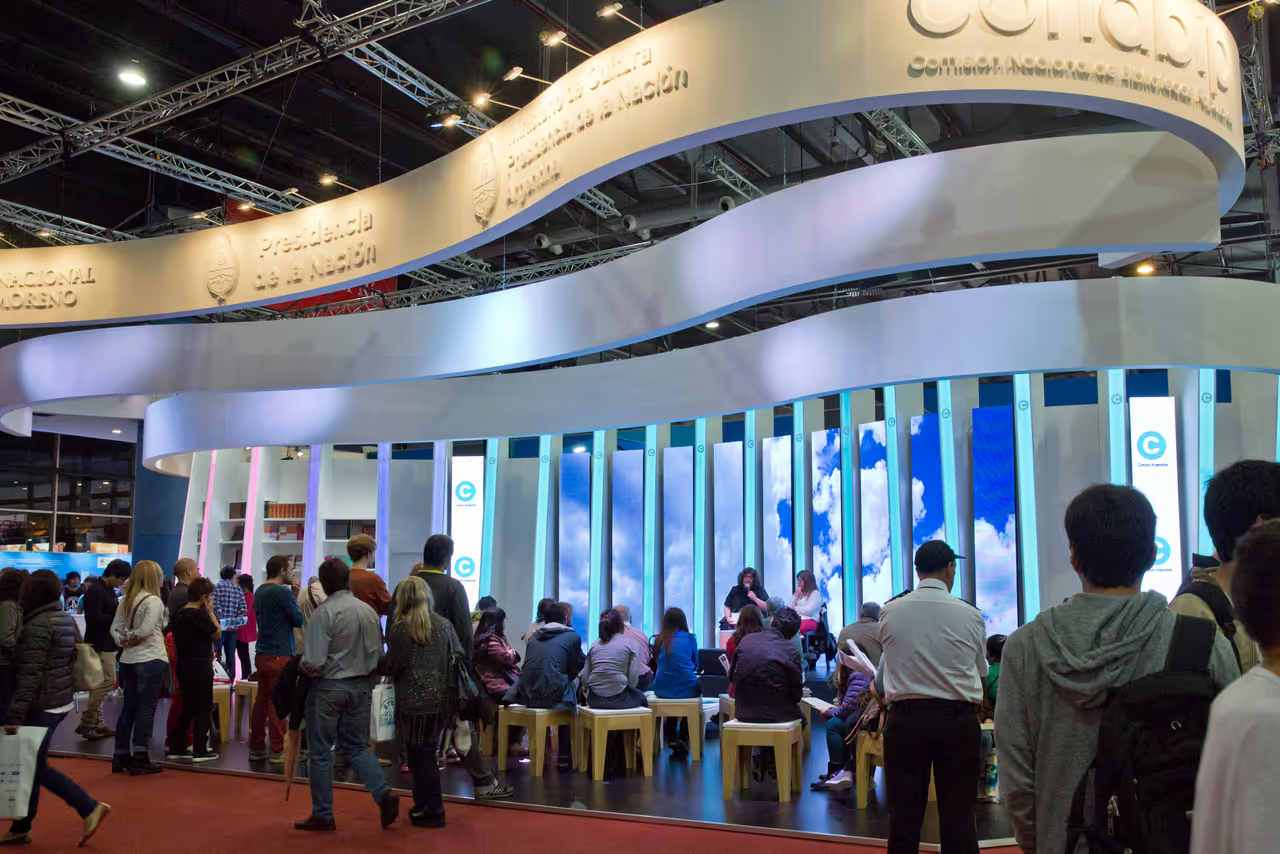 734m
734mBuenos Aires International Book Fair
Spanning nearly three weeks, this is arguably the most important literary event in the Spanish speaking world. Over a million visitors flock to the massive exhibition centre to browse millions of titles, attend poetry readings, and meet international authors. The sheer scale of the event perfectly illustrates the deeply ingrained reading culture of the local population. It is a fantastic place to hunt for rare editions, enjoy cultural exhibitions, and soak in the intellectual atmosphere. Even non Spanish speakers will appreciate the overwhelming dedication to the printed word.
festival view- 821m
ArteBA Contemporary Art Fair
This prestigious contemporary art fair draws collectors, gallery owners, and art enthusiasts from across the continent. It provides a massive platform for both established Latin American artists and emerging local talents to showcase their work. The exhibition halls buzz with creative energy, featuring everything from avant-garde installations to striking modern photography. Surrounding neighbourhoods often host parallel gallery nights and pop up exhibitions to coincide with the main event. It is a must visit for anyone interested in the visual pulse of modern Argentina.
festival view 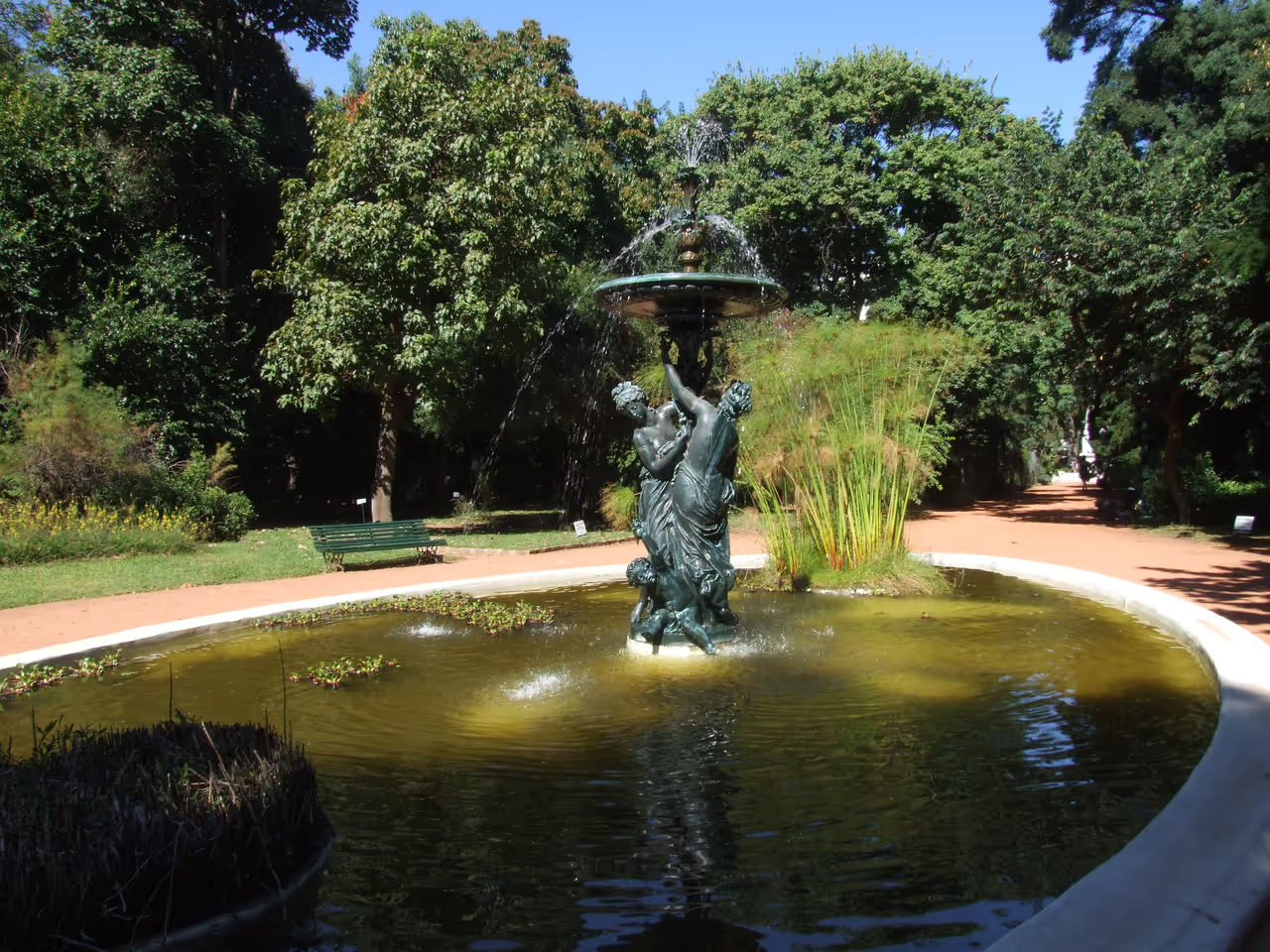 1102m
1102mBuenos Aires Botanical Garden
A green sanctuary in the heart of Palermo, the Buenos Aires Botanical Garden is a peaceful escape from the city rhythm. Designed by the renowned Carlos Thays, this triangular oasis invites you to wander through diverse landscapes, from formal Roman designs to lush Oriental and French gardens. It is a place where history meets nature, featuring delicate greenhouses, intricate sculptures, and a serene atmosphere that makes it a perfect retreat. Whether you are seeking a moment of quiet reflection, an appreciation for botanical diversity, or simply a stroll under the shade of ancient trees, this national monument offers a unique experience. Keep an eye out for the friendly resident cats, who have become somewhat legendary guardians of these tranquil grounds.
park & nature view
Featured on These Itineraries and Routes
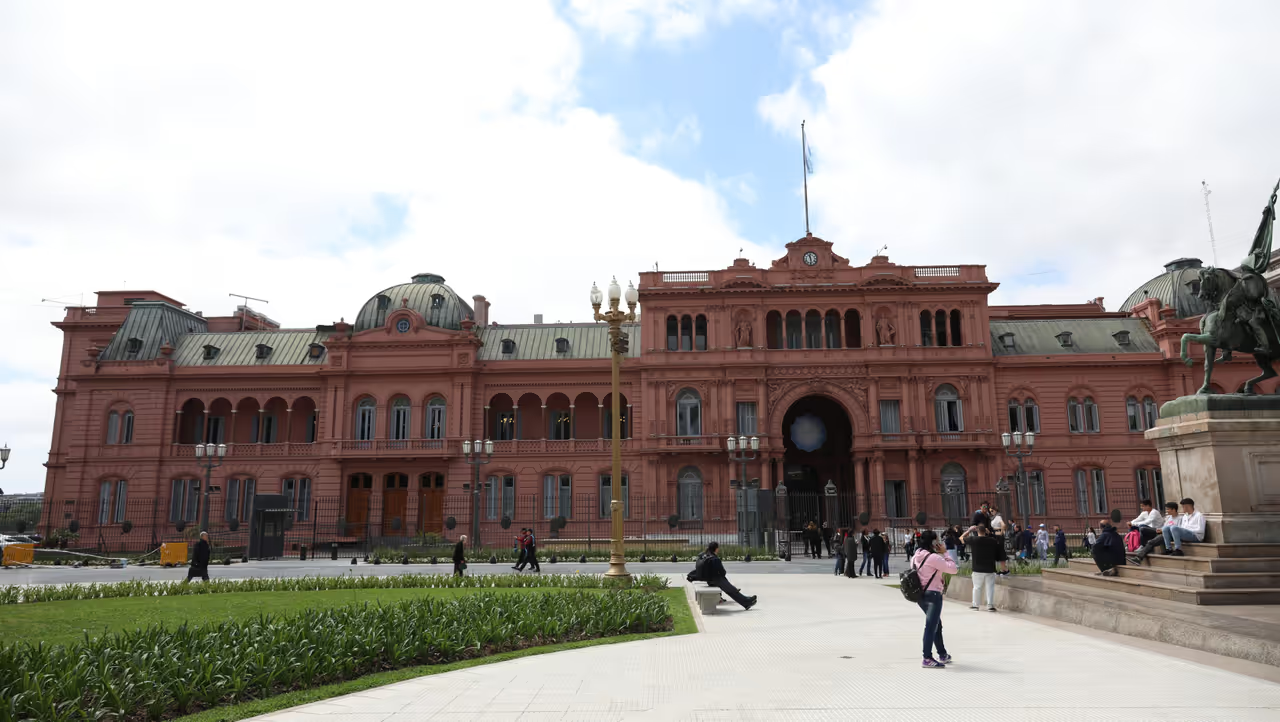
5 Days in Buenos Aires: The Deep Dive Itinerary
This generous five day itinerary allows you to completely sync with the late night, culturally rich rhythm of the city. Beyond the essential sights, you will have time to explore hidden architectural gems, massive ecological reserves, and venture outside the city limits. It provides the opportunity to engage in local activities, from learning polo to discovering the vibrant street art scene in detail. You can afford to linger in historic cafes and enjoy exceptionally long, relaxed dinners without feeling rushed. It is the definitive way to truly understand and absorb the complex soul of the capital.
view itinerary
Palermo Parks Greenway
Navigate through the city's largest and most elegant green spaces on this beautifully scenic route. The path winds through manicured rose gardens, past serene boating lakes, and under the shade of massive, ancient jacaranda trees. Dedicated cycle lanes ensure a smooth ride, allowing you to comfortably glide past rollerbladers and people enjoying picnics on the grass. The architecture of the surrounding museums and grand monuments adds a touch of Parisian elegance to the natural beauty. It is an exceptionally vibrant and social ride that captures the outdoor spirit of the locals.
view cycling route
See all nature & parks in Buenos Aires
Buenos Aires Botanical Garden, Buenos Aires Ecological Reserve, Buenos Aires Japanese Gardens, Plaza San Martín, Remembrance Park...