La Recoleta Cemetery
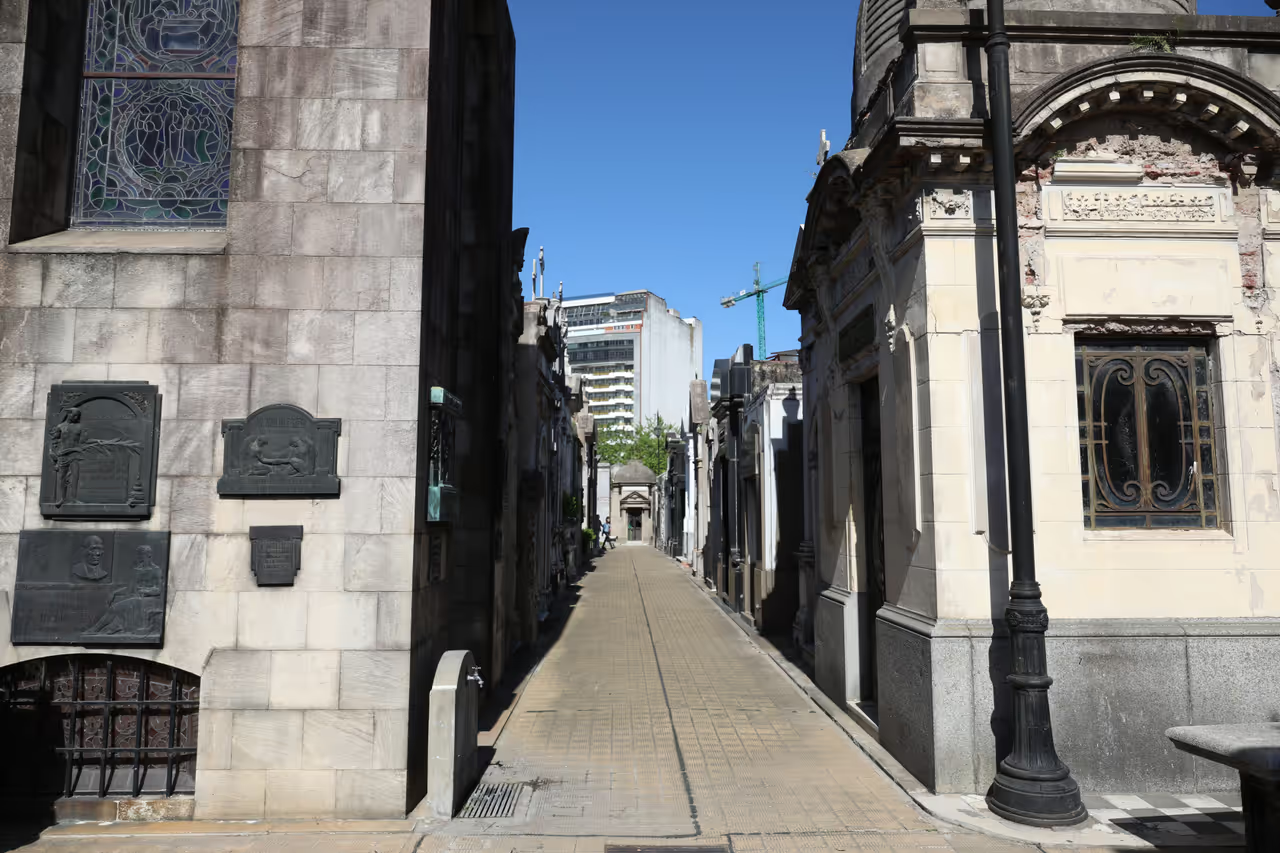
Wander through the silent, marble avenues of La Recoleta Cemetery and you will feel as though you have stepped into a miniature city designed for eternal rest. This extraordinary necropolis, sprawling across the heart of the capital, showcases an incredible array of architectural styles, from grand Art Deco to intricate Neo Gothic mausoleums that house the remains of Argentina's elite. Walking along its tree lined paths, you are surrounded by ornate sculptures and stained glass, each telling the unique story of the families and historical figures who shaped this vibrant nation. It serves as a beautiful reflection of Buenos Aires' rich past, offering visitors a peaceful yet fascinating glimpse into the lives of those who once led the country. Whether you come to pay respects at the tomb of Eva Perón or simply to admire the exquisite craftsmanship, a visit here is an evocative experience that stays with you long after you leave.
Videos
History of La Recoleta Cemetery
The origins of La Recoleta Cemetery date back to the early eighteenth century when Franciscan Recollect monks established a convent and the church of Our Lady of the Pillar on what was then the quiet edge of Buenos Aires. Their presence gave the neighbourhood its name, yet their time there proved finite. In 1822, following a general reform of religious orders, the monks were expelled and their orchard was transformed into the first public cemetery in the city. Governor Martín Rodríguez and government minister Bernardino Rivadavia saw the potential for this land, envisioning a resting place for the city inhabitants that would be as orderly and dignified as the city they were building. As the nineteenth century progressed, the cemetery evolved into something far grander than a simple burial ground. The elite families of Buenos Aires, keen to display their wealth and lineage, began commissioning elaborate, multi storey mausoleums. Between 1880 and 1930, the cemetery became an architectural showcase, with materials, marble, and statues flowing in from Paris and Milan. Architects and sculptors were brought in to craft grand, imposing structures that mirrored the opulent lifestyle of those buried within. It became a social statement, a place where the powerful ensured their legacy would continue to be seen and admired by future generations. Today, the cemetery remains a poignant, silent archive of Argentine history, protected by its status as a site housing 94 national historical monuments. While some mausoleums have inevitably felt the touch of time, the overall effect is one of haunting, undeniable beauty. The site continues to serve as the final resting place for presidents, generals, Nobel laureates, and cultural icons, cementing its role as a mirror of the nation's identity. Walking through its grid of paths, one finds a profound, tangible connection to the individuals who defined the Argentine spirit.
Events spanning 279 years
Fun Facts
- • During the golden age of the cemetery between 1880 and 1930, the elite families of Buenos Aires imported the finest marble and statues directly from Paris and Milan to adorn their family crypts.
- • It holds the remains of numerous presidents, Nobel Prize laureates, and military commanders, effectively making the cemetery a timeline of the nation's political and intellectual history.
- • Liliana Crociati de Szaszak is remembered through a unique and poignant tomb that features a bronze statue of the young woman alongside her beloved dog, Sabu.
- • Ninety four of the tombs have been officially designated as National Historical Monuments by the Argentine government, ensuring their preservation for future generations.
- • Several of the most impressive sculptures found within the grounds are the work of renowned Argentine artists such as Lola Mora and Luis Perlotti.
- • The cemetery features 4,691 vaults, and remarkably, every single one of them is located above ground.
- • The cemetery has long been home to a colony of stray cats, which have become a quirky and gentle part of the site's atmosphere, cared for by local volunteers.
- • The cemetery is home to the tomb of William Brown, an Irish born admiral who is revered as the founder of the Argentine Navy.
- • The design of the cemetery follows a grid layout similar to a city, with wide tree lined avenues that branch off into narrower paths filled with elaborate mausoleums.
- • The entrance is defined by a striking neoclassical gate featuring tall Doric columns that create a dramatic threshold between the modern city and the quiet world of the past.
- • The site is the final resting place of Rufina Cambaceres, whose story remains a chilling local legend regarding the possibility of premature burial in the early twentieth century.
La Recoleta Cemetery FAQ
While we strive to keep this information accurate and up to date, we recommend verifying any details independently before making decisions based on them.
La Recoleta Cemetery Map & Neighborhood Explorer
This interactive map is centered on La Recoleta Cemetery. Zoom in and move the map around to automatically discover Wikipedia photos and summaries of other nearby sights, monuments, and historical points of interest and stories in real-time!
Places near La Recoleta Cemetery
Make the most of your trip. Check out these top-rated spots located nearby.
 214m
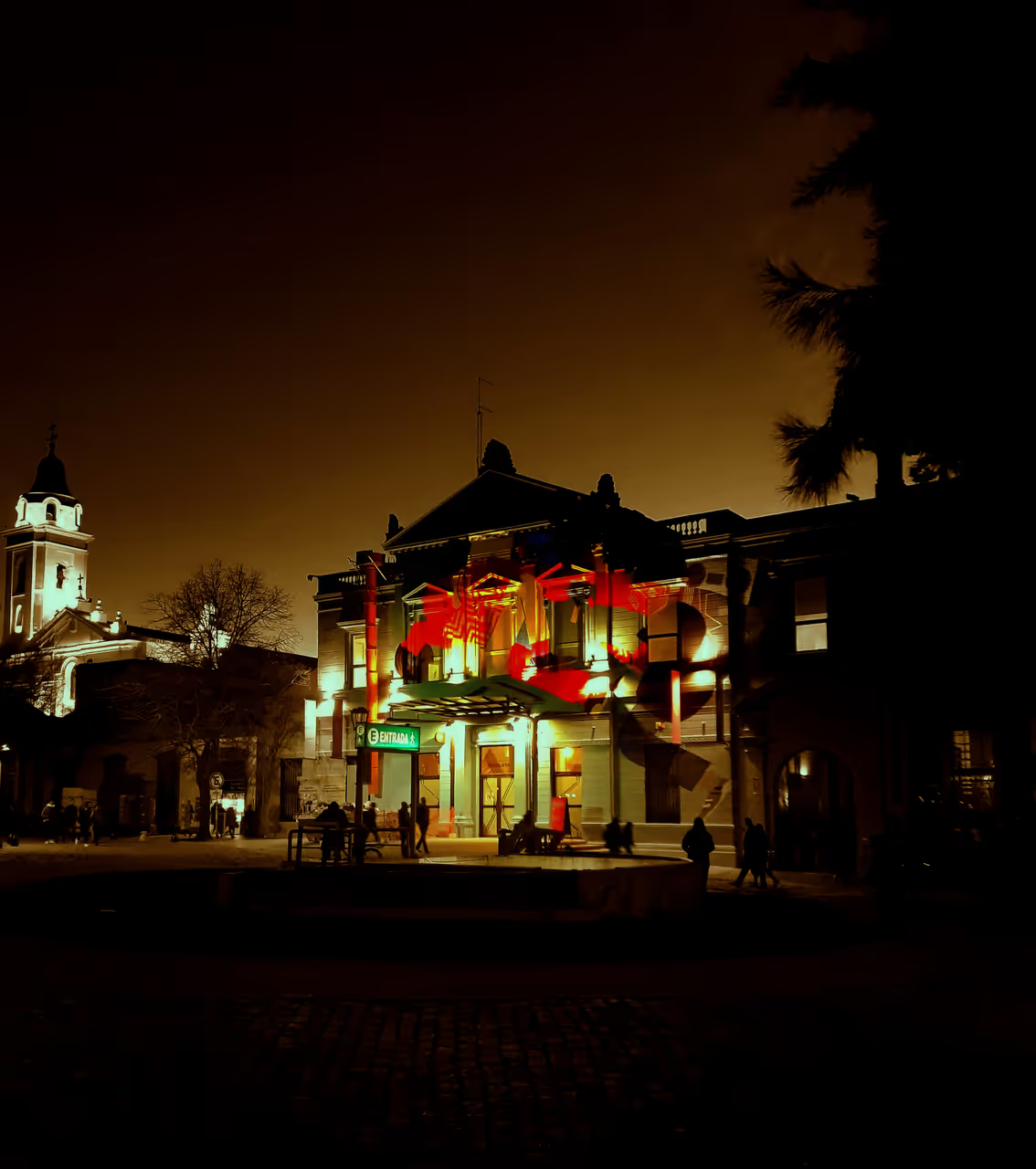
214mBuenos Aires International Independent Film Festival
Recognised as one of the most important film festivals in Latin America, this event showcases cutting edge independent cinema from around the globe. Hundreds of films, documentaries, and short features are screened in independent cinemas and open air venues throughout the city. It attracts a young, creative crowd eager to discover new voices in filmmaking. Panel discussions, director Q&A sessions, and vibrant after parties make it a cultural highlight of the year. It provides a fantastic glimpse into the thriving local arts scene.
festival view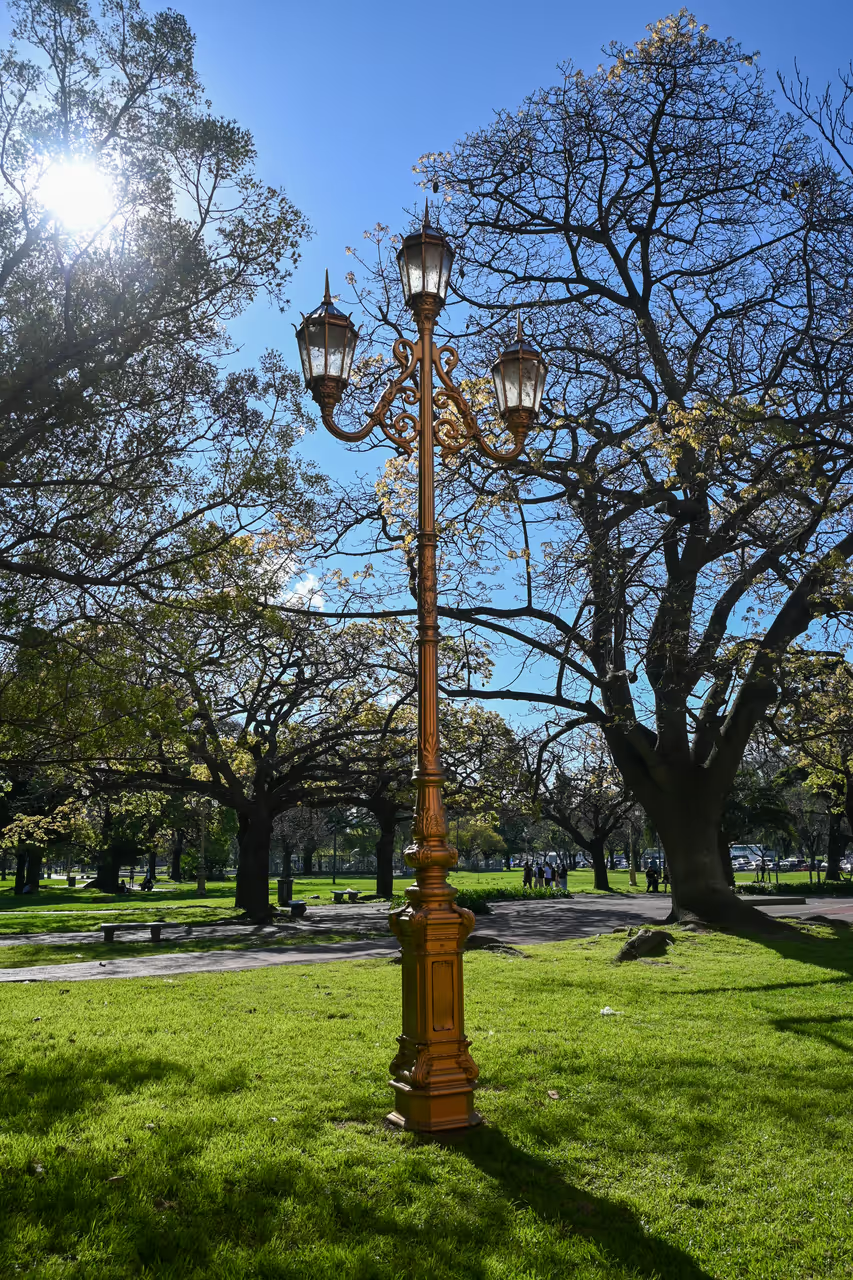 361m
361mRecoleta Artisan Fair
Set against the backdrop of elegant French style architecture and sprawling green parks, this weekend market is a haven for high quality artisan crafts. Vendors here are rigorously vetted, ensuring a fantastic selection of hand tooled leather goods, intricate silver mate gourds, and beautiful woven textiles. The grassy slopes surrounding the market become a popular gathering spot for young people playing guitars and sharing drinks. It provides a wonderfully relaxed shopping experience in one of the city's most affluent districts. It is the perfect place to pick up authentic, handmade souvenirs directly from the creators.
market view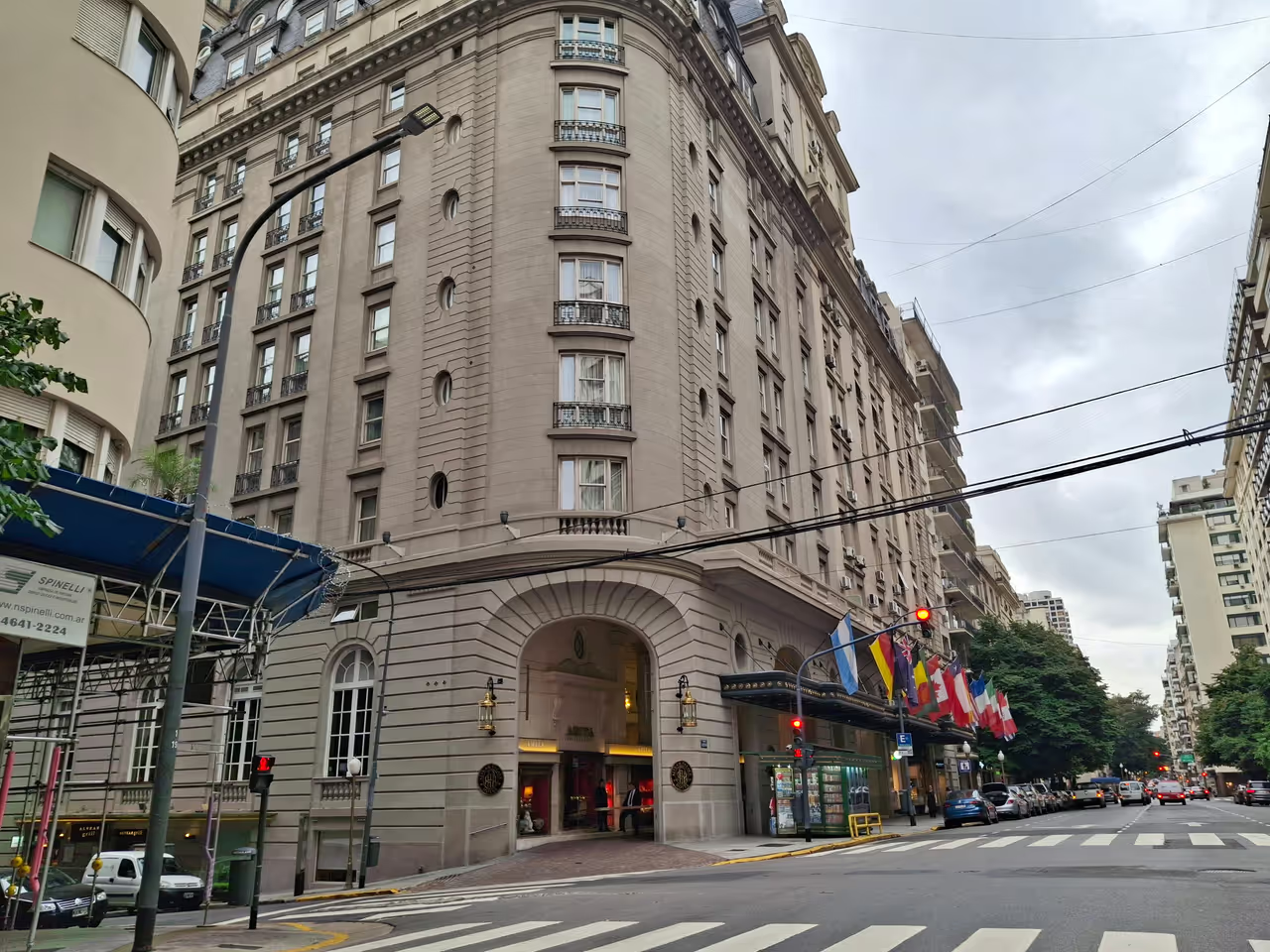 394m
394mAlvear Roof Bar
Situated atop one of the most luxurious hotels in South America, this elegant terrace offers an incredibly refined panoramic experience. You can sip a meticulously crafted cocktail while looking out over the manicured parks and aristocratic mansions of Recoleta. The vantage point highlights the undeniable Parisian influence on the local urban planning, showcasing the sea of elegant, grey slate rooftops. The atmosphere is highly sophisticated, peaceful, and perfect for a romantic sunset viewing. It is a luxurious escape that showcases the absolute wealthiest corner of the city.
viewpoint view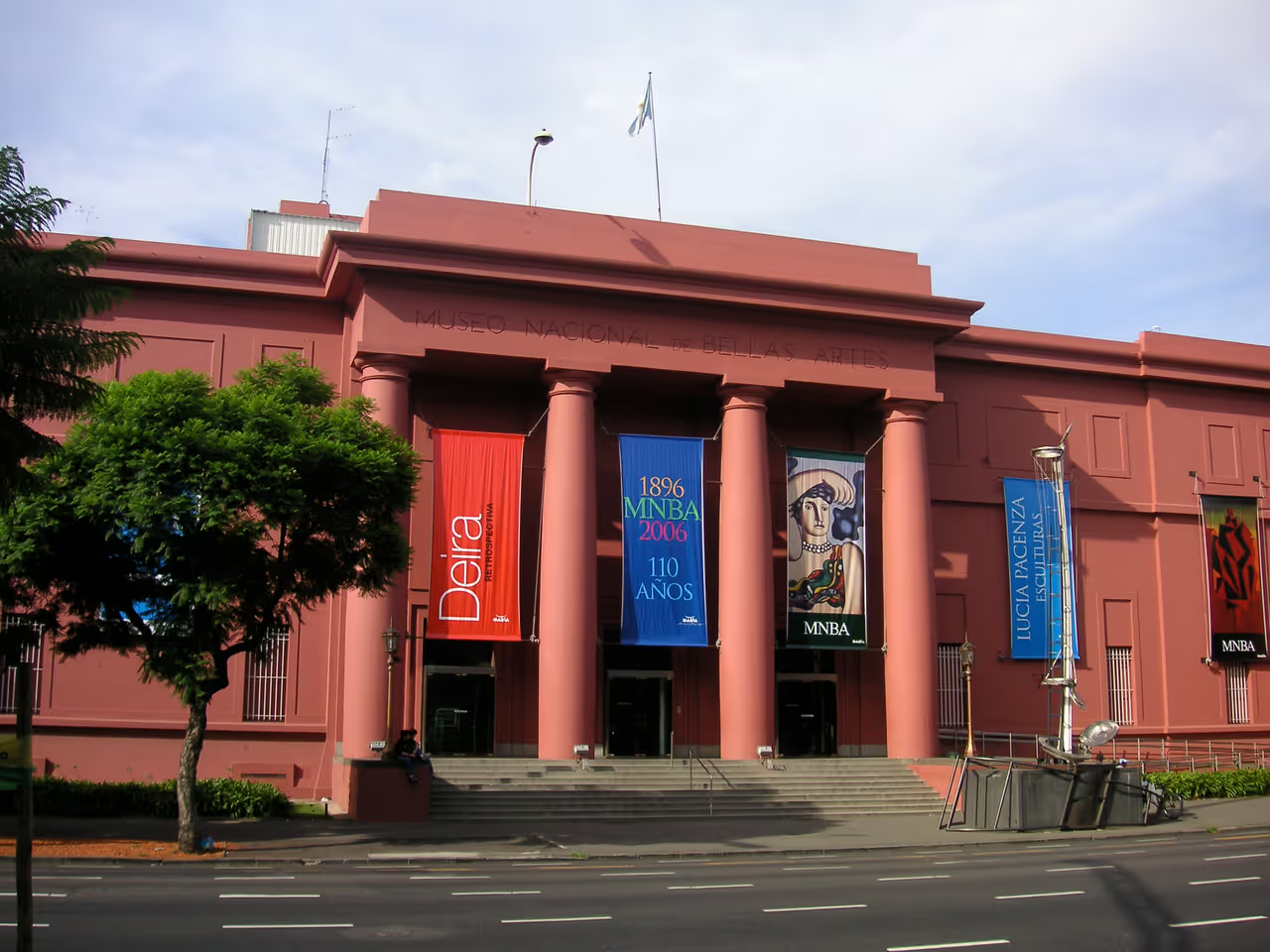 452m
452mNational Museum of Fine Arts
Housed within a heavily modified, rust-coloured former pump house, this building is a fascinating piece of architectural transformation. The stark, classical lines of the exterior give way to bright, expansive galleries holding the nation's most prestigious art collection. Its bold colour and commanding position next to the parks of Recoleta make it an unmistakable visual landmark. The utilitarian origins of the structure provide a unique, industrial contrast to the delicate masterpieces displayed inside. It represents a bold approach to civic architecture in the early twentieth century.
architecture view
Featured on These Itineraries and Routes
3 Days in Buenos Aires: Classic Experience Itinerary
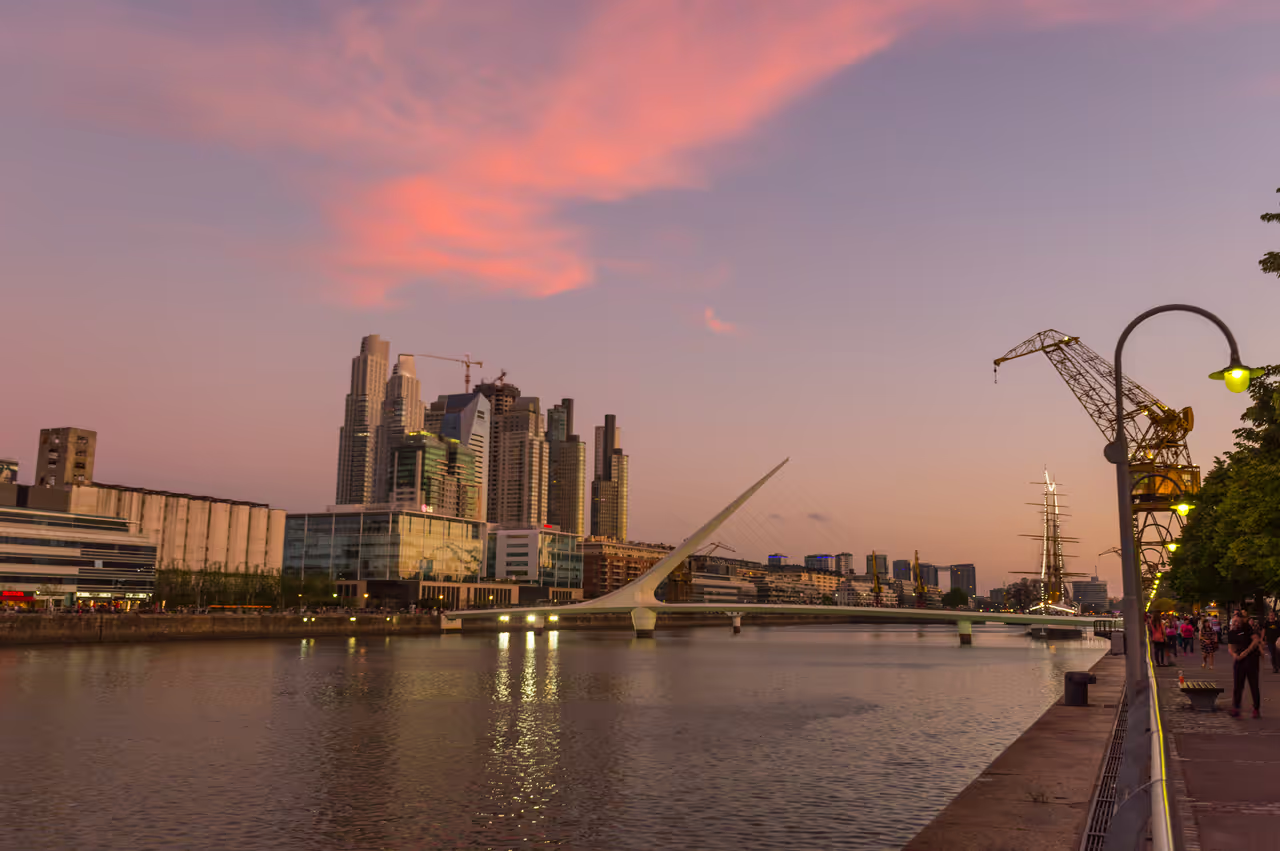
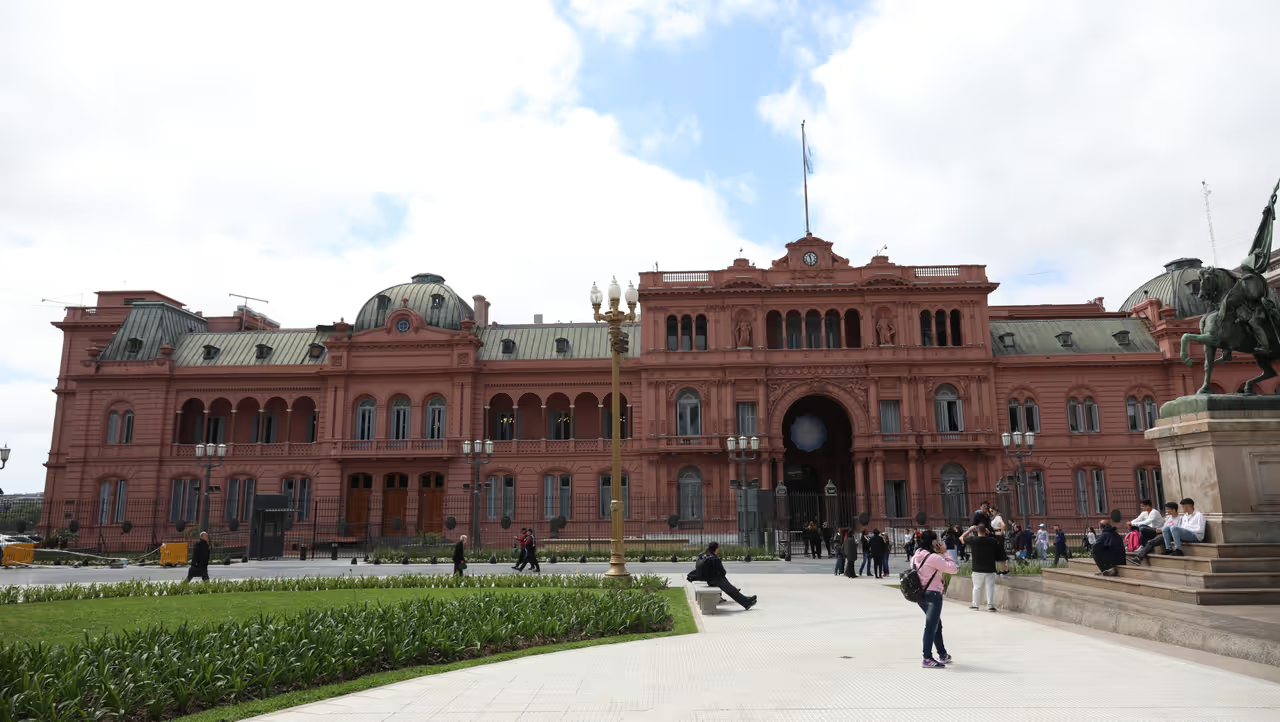
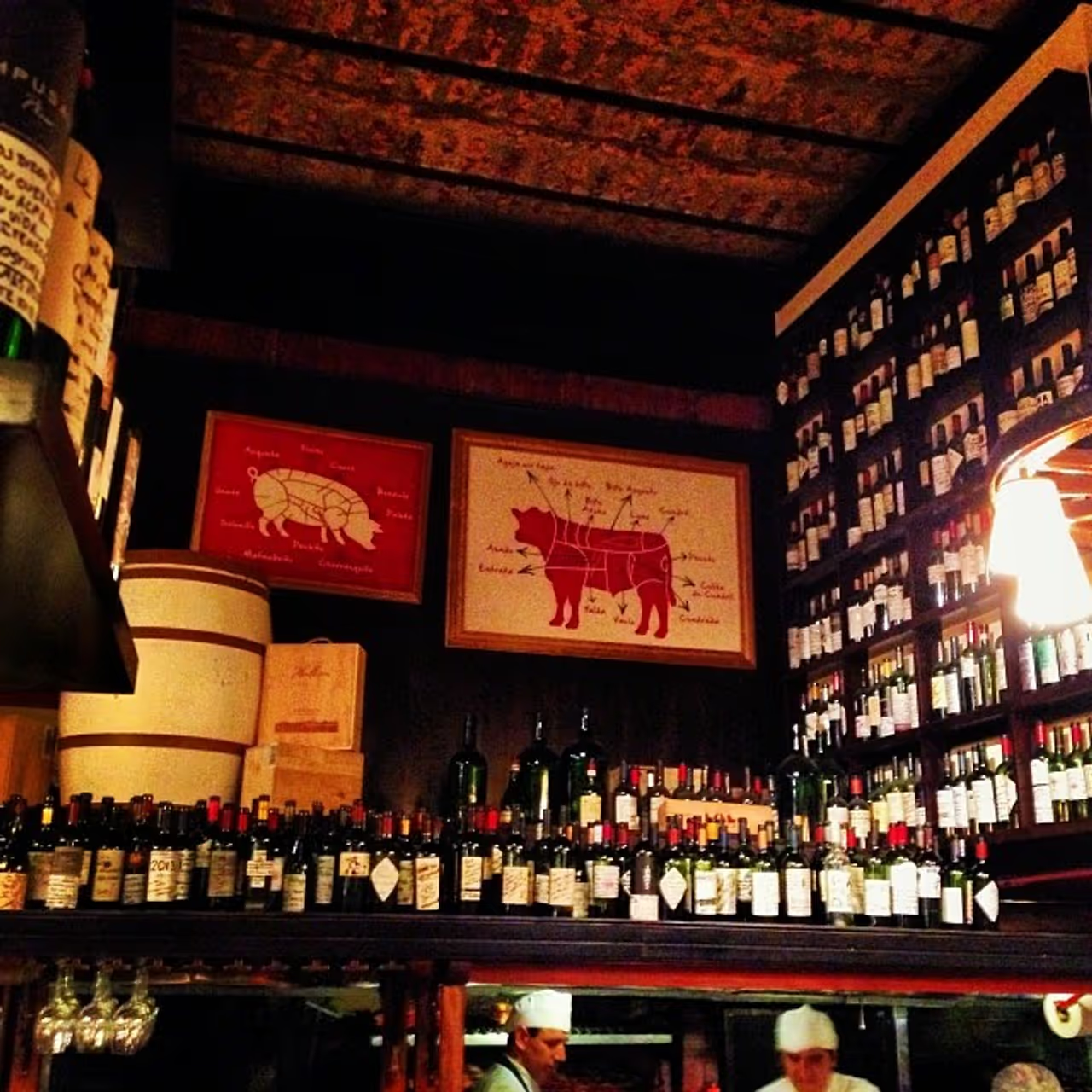
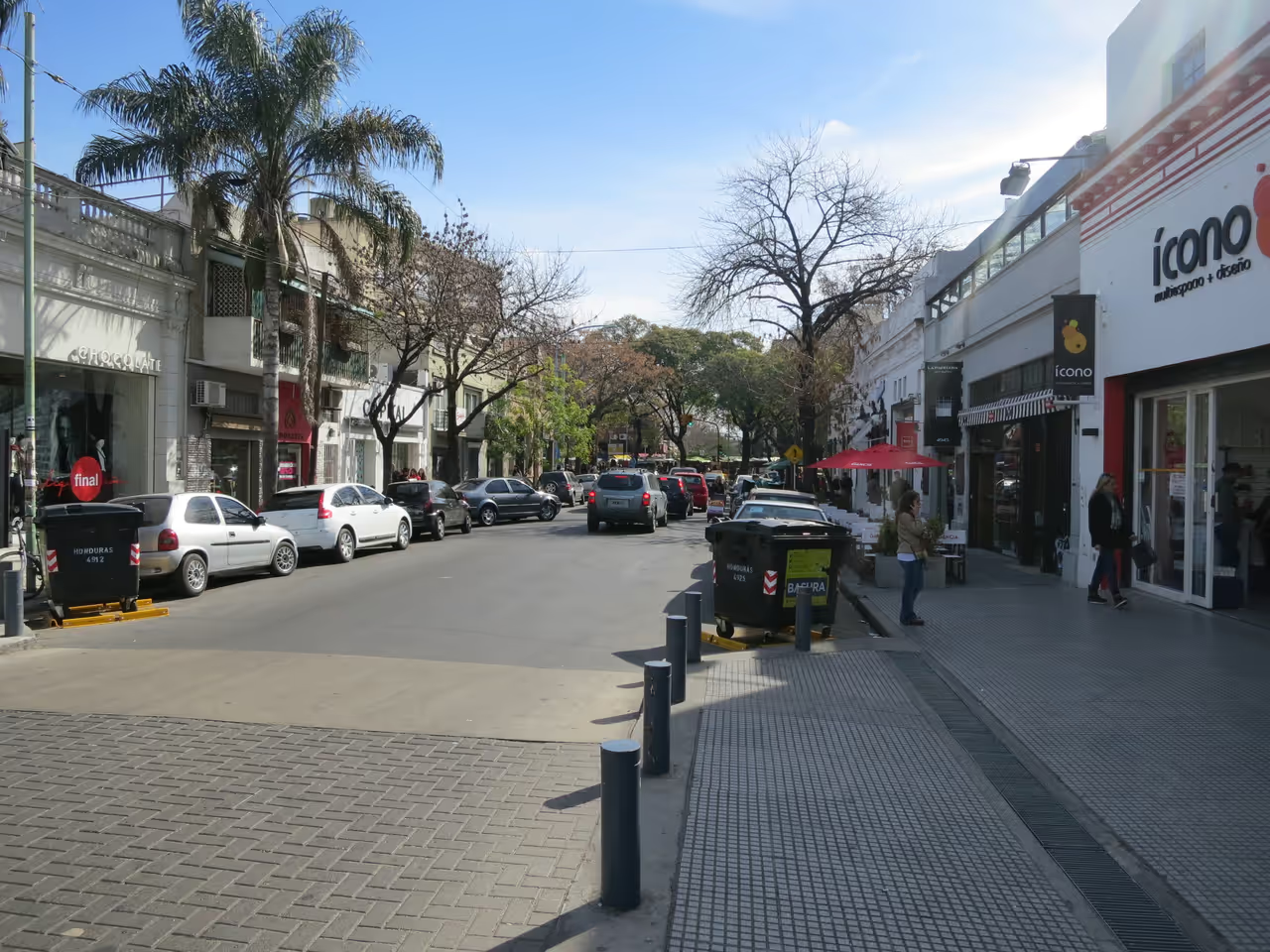
Over three days, you can comfortably explore the stark contrasts that define the metropolis, from its gritty ports to its aristocratic palaces. You will have time to delve into the elegant northern neighbourhoods, discovering grand cemeteries and sprawling green parks. The itinerary ensures you experience the vibrant street art and modern docklands, alongside the historic, cobblestone streets of the south. It strikes a perfect balance between checking off major monuments and soaking in the trendy, local nightlife. This provides a comprehensive, highly satisfying overview of the capital.
view itinerary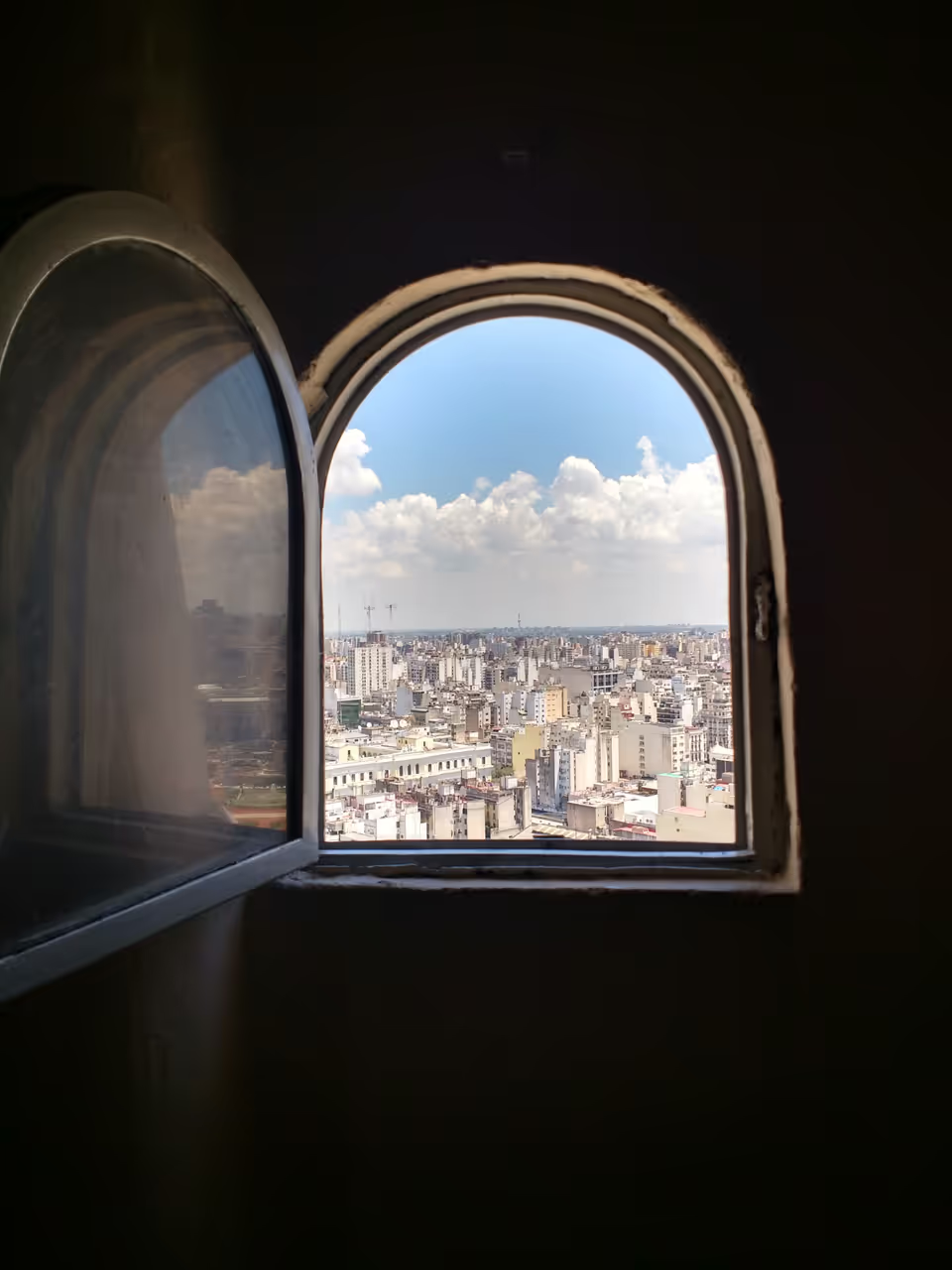
5 Days in Buenos Aires: The Deep Dive Itinerary
This generous five day itinerary allows you to completely sync with the late night, culturally rich rhythm of the city. Beyond the essential sights, you will have time to explore hidden architectural gems, massive ecological reserves, and venture outside the city limits. It provides the opportunity to engage in local activities, from learning polo to discovering the vibrant street art scene in detail. You can afford to linger in historic cafes and enjoy exceptionally long, relaxed dinners without feeling rushed. It is the definitive way to truly understand and absorb the complex soul of the capital.
view itinerary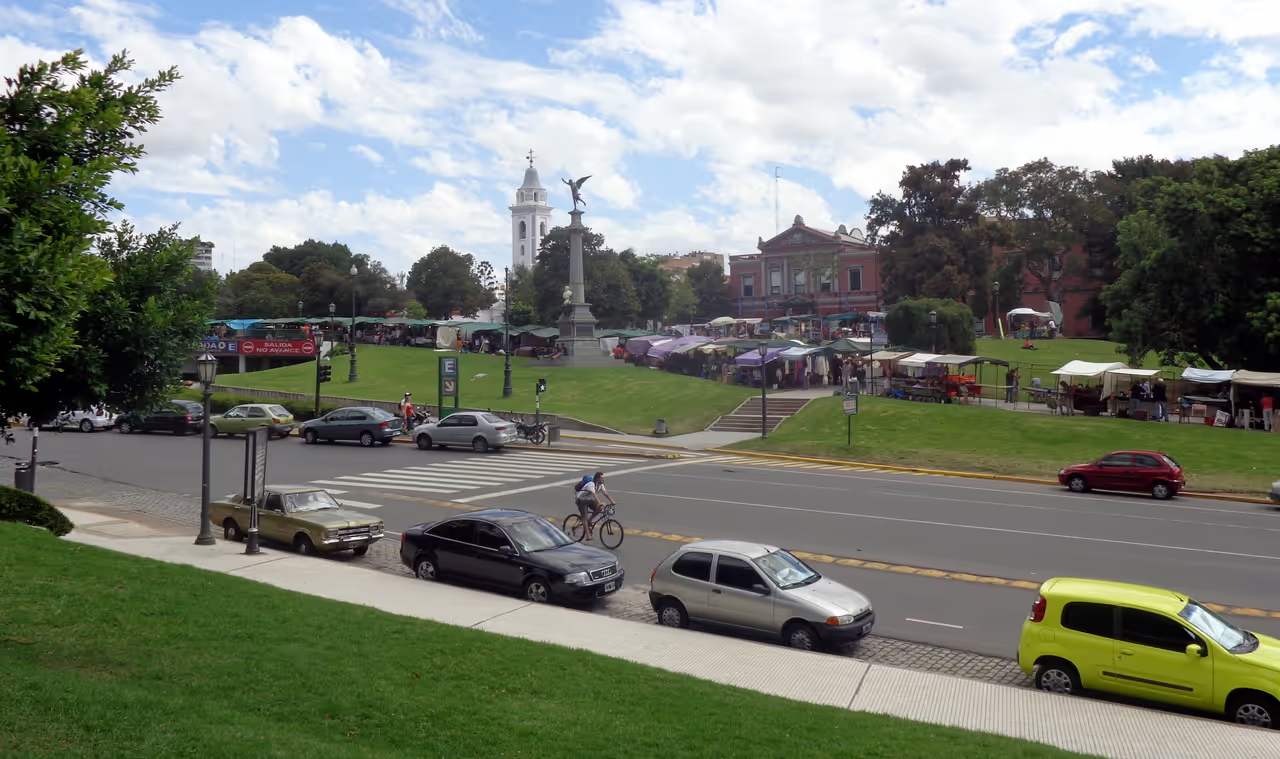
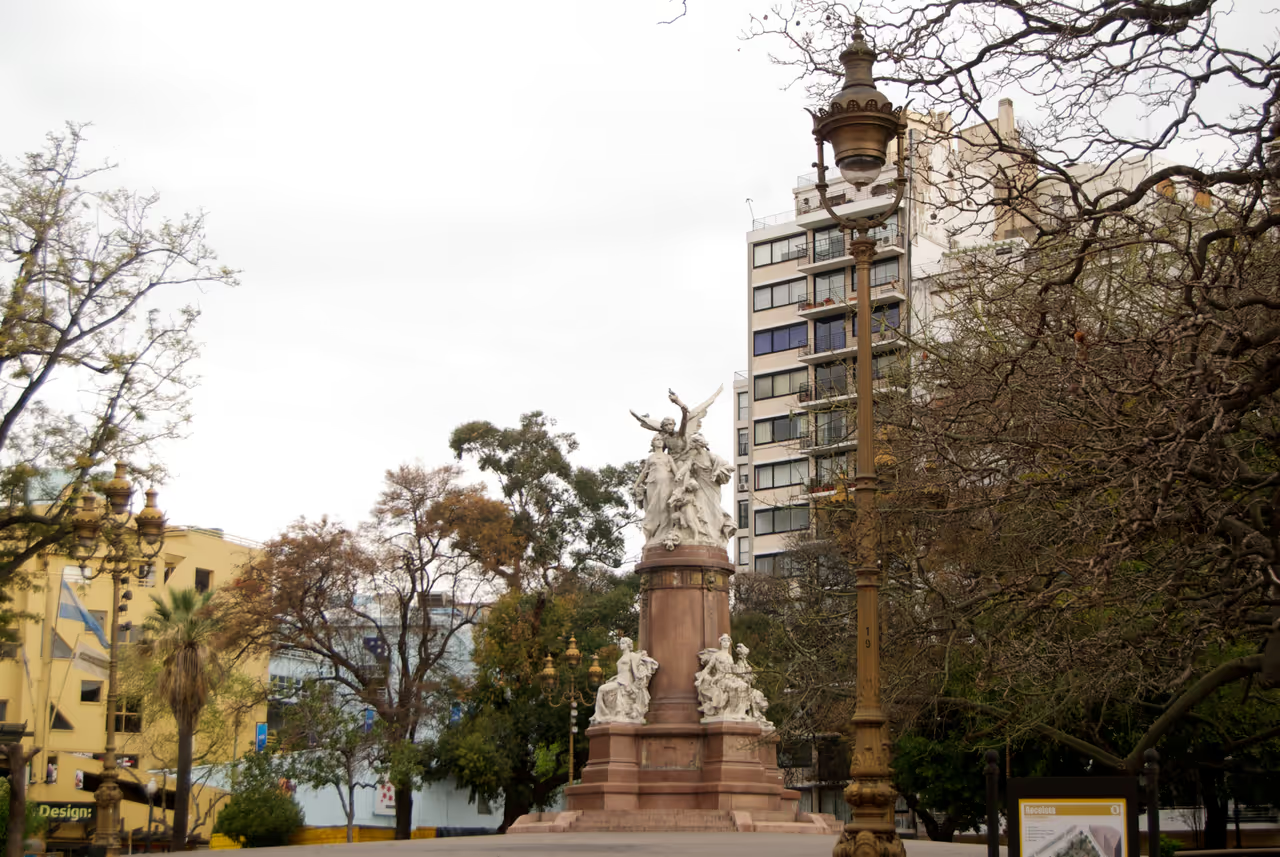
Aristocratic Recoleta Walk
Step into a world of unadulterated European elegance and immense wealth on this refined urban walk. The route guides you past monumental, Parisian style palaces that now serve as opulent embassies and luxury hotels. Shaded by ancient rubber trees, you can wander through expansive, impeccably maintained public squares filled with classical statues. The atmosphere is distinctly aristocratic, quiet, and highly manicured, offering a sharp contrast to the chaotic energy of the downtown core. It provides a visual explanation of why the city earned its reputation as the Paris of South America.
view walking route
See all attractions in Buenos Aires
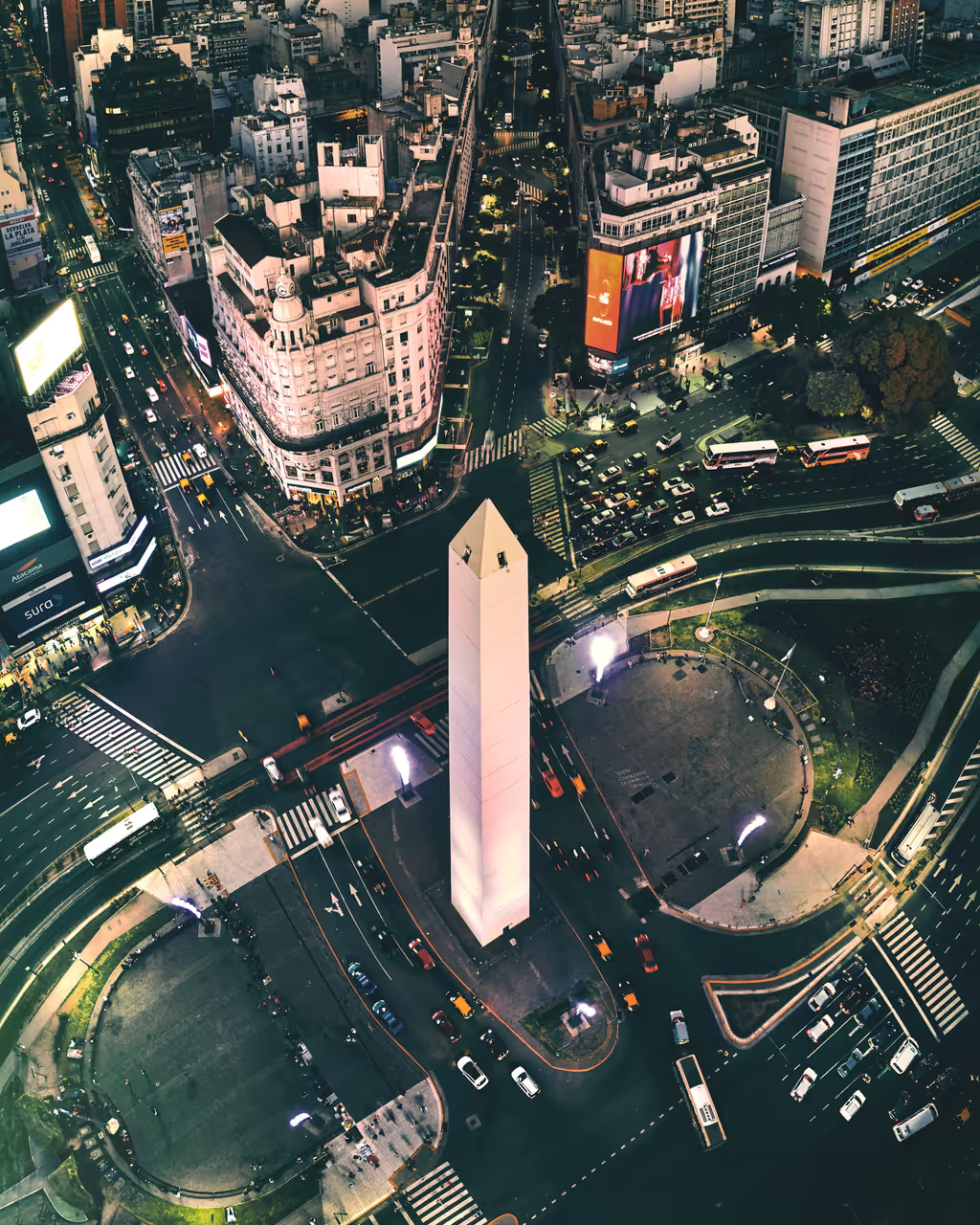
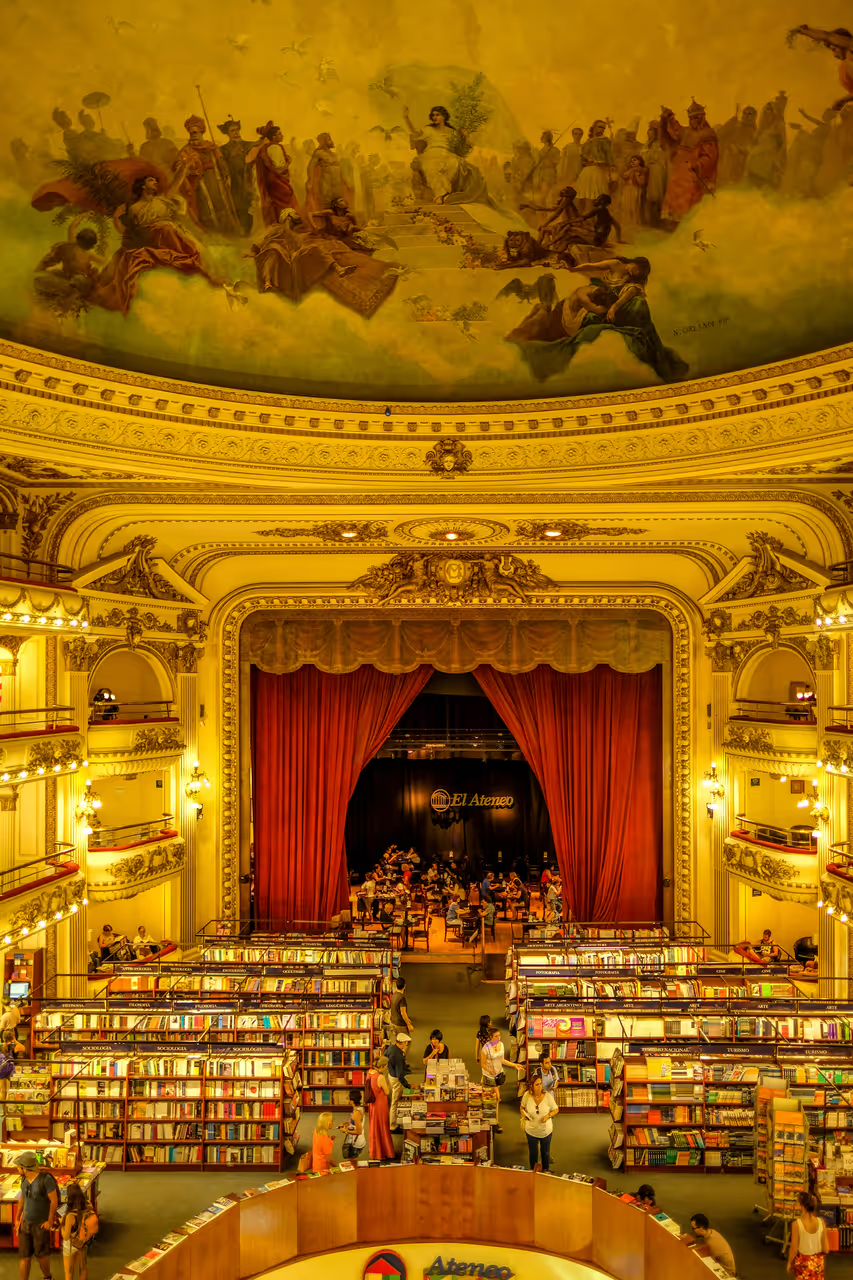
Casa Rosada, El Ateneo Grand Splendid, Metropolitan Cathedral of Buenos Aires, Obelisk of Buenos Aires, Teatro Colón, Caminito...