Buenos Aires Ecological Reserve
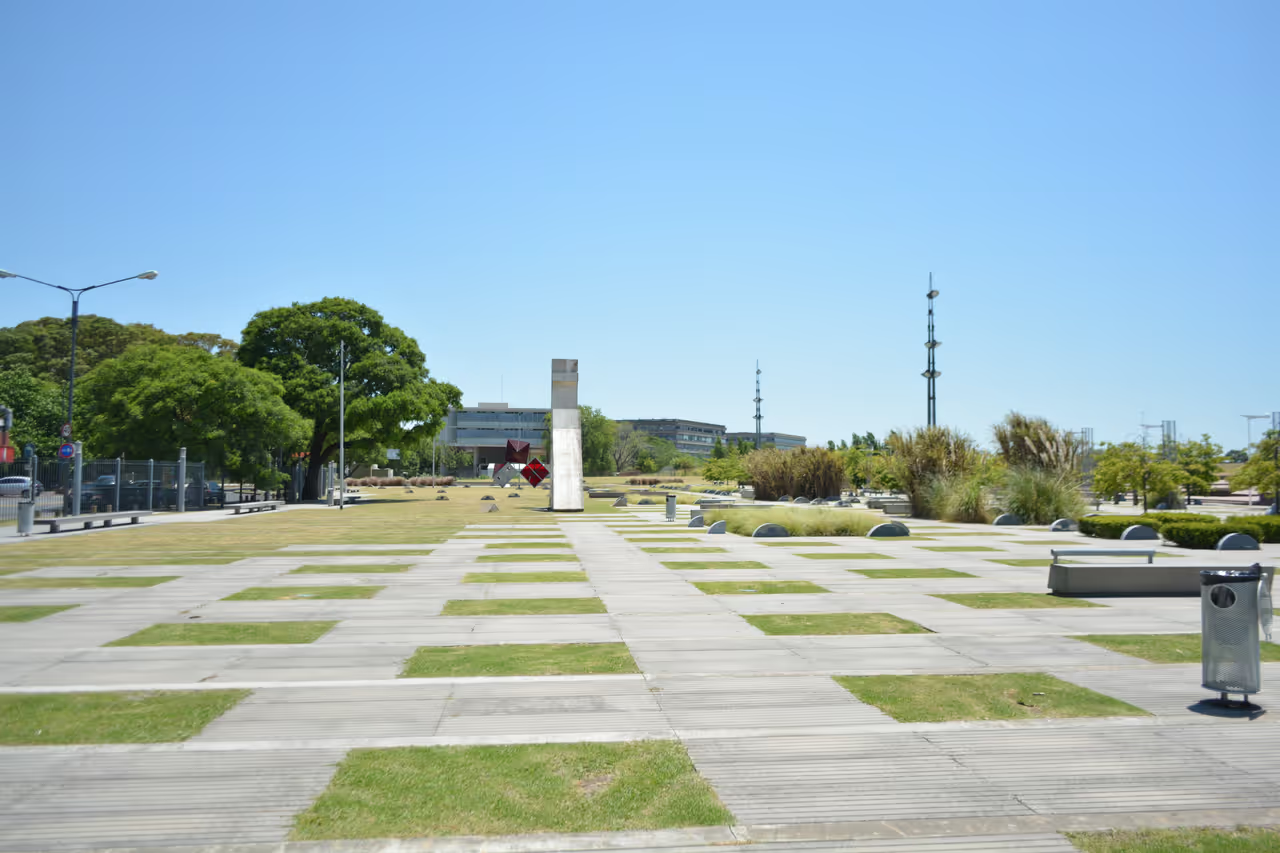
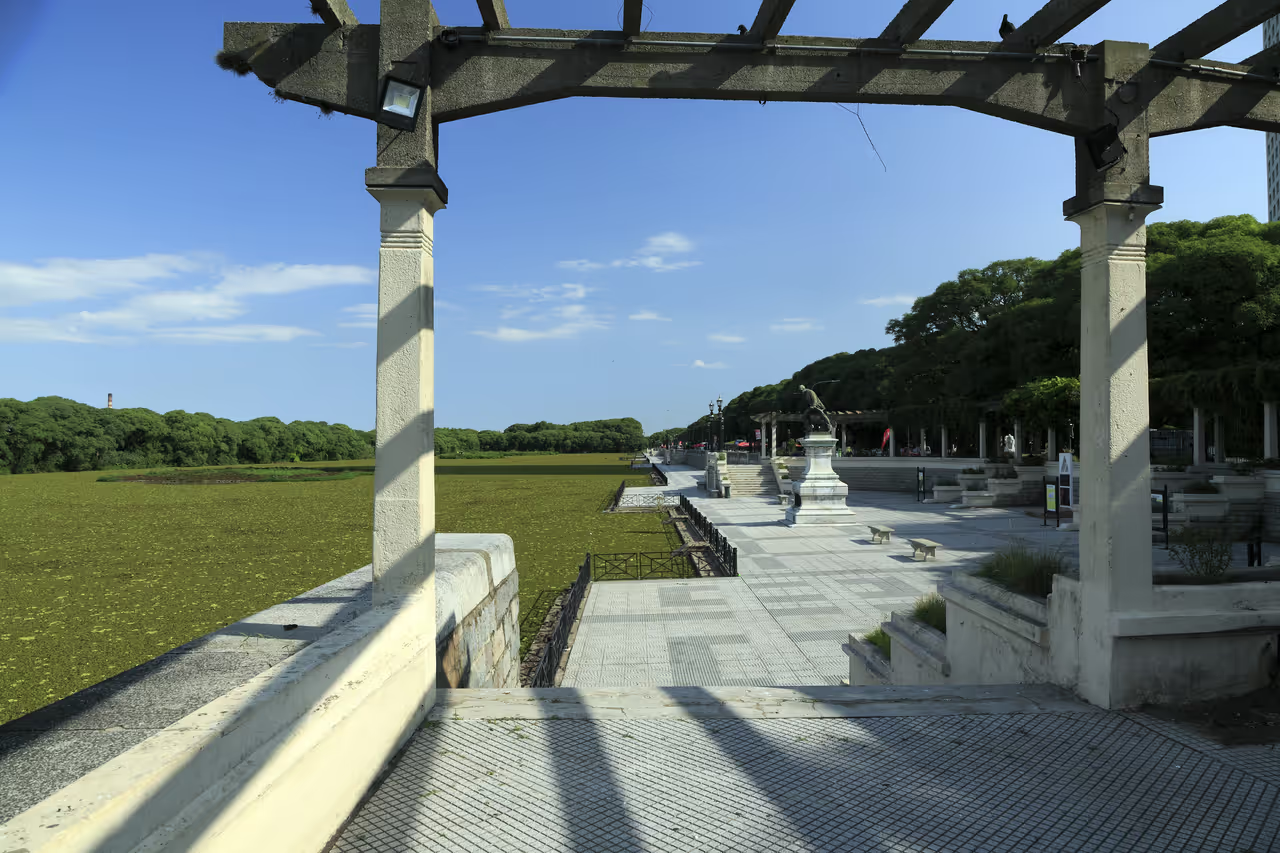
Step away from the concrete skyline and find yourself in a hidden wilderness right on the edge of the Rio de la Plata. The Buenos Aires Ecological Reserve offers a peaceful retreat where the city's frantic energy dissolves into the sounds of rustling pampas grass and chirping birds. Once a site destined for heavy development, this sprawling green space emerged naturally from the river, creating a unique habitat that has been reclaimed by nature itself. It is a favourite local spot for cyclists, runners, and nature enthusiasts looking to recharge amidst lagoons and native woodlands. Whether you want to escape the urban noise for an hour or spend an afternoon birdwatching along the riverbank, this reserve provides a refreshing and vital lung for the city.
Videos
History of Buenos Aires Ecological Reserve
The history of the reserve is a fascinating tale of unexpected restoration. In the early 20th century, this area was the playground of the Buenos Aires elite, featuring grand promenades, bathing houses, and music venues. As the decades passed, the river began to recede and the resort fell into decay. By the 1970s, authorities planned to build an ambitious government administrative centre here. They dumped massive amounts of rubble and concrete into the river to create solid ground, but the project was eventually abandoned. Nature performed a surprising comeback shortly after the construction crews left. With no workers to clear the way, seeds carried by the wind and local wildlife settled into the debris filled soil. Native grasses, trees, and wildflowers flourished in the neglected space, creating a complex wetland ecosystem where a concrete jungle was originally intended to stand. It transformed from a failed urban development into a thriving biodiversity hotspot, serving as a powerful reminder of how resilient nature can be when left to its own devices. Today, the reserve stands as a peaceful sanctuary sandwiched between the modern skyscrapers of Puerto Madero and the vast Rio de la Plata. It attracts thousands of locals who swap their office clothes for trainers to cycle or walk along the trails. It serves as a vital habitat for birds and wildlife while acting as a cherished green lung that provides a much needed breath of fresh air for the city. The transformation of this site from a discarded construction zone into a protected ecological wonder makes it one of the most compelling spaces in the capital.
Events spanning 91 years
Fun Facts
- • Before it became a nature reserve, the area was a posh resort known for its architectural beauty, including the Nereids Fountain by sculptor Lola Mora.
- • It is recognised as a wetland of international importance under the Ramsar Convention.
- • Spontaneous ecological succession occurred here, meaning all the flora and fauna arrived naturally without human intervention.
- • The area covers approximately 865 acres, providing a vast expanse of green in an otherwise dense metropolis.
- • The entire reserve sits on land reclaimed from the river using rubble and debris from construction projects, including the building of city motorways.
- • The polder system used during the landfilling stage was adapted from Dutch engineering principles.
- • The reserve provides a home for over 300 species of birds, making it a premier destination for ornithologists in South America.
- • The reserve serves as a critical stopover point for migratory birds travelling across the continent.
- • The site borders Puerto Madero, which stands as the most modern and expensive business district in the city, creating a striking contrast between nature and architecture.
RESOURCES
Official WebsiteBuenos Aires Ecological Reserve FAQ
While we strive to keep this information accurate and up to date, we recommend verifying any details independently before making decisions based on them.
Buenos Aires Ecological Reserve Map & Neighborhood Explorer
This interactive map is centered on Buenos Aires Ecological Reserve. Zoom in and move the map around to automatically discover Wikipedia photos and summaries of other nearby sights, monuments, and historical points of interest and stories in real-time!
Places near Buenos Aires Ecological Reserve
Make the most of your trip. Check out these top-rated spots located nearby.
 1417m
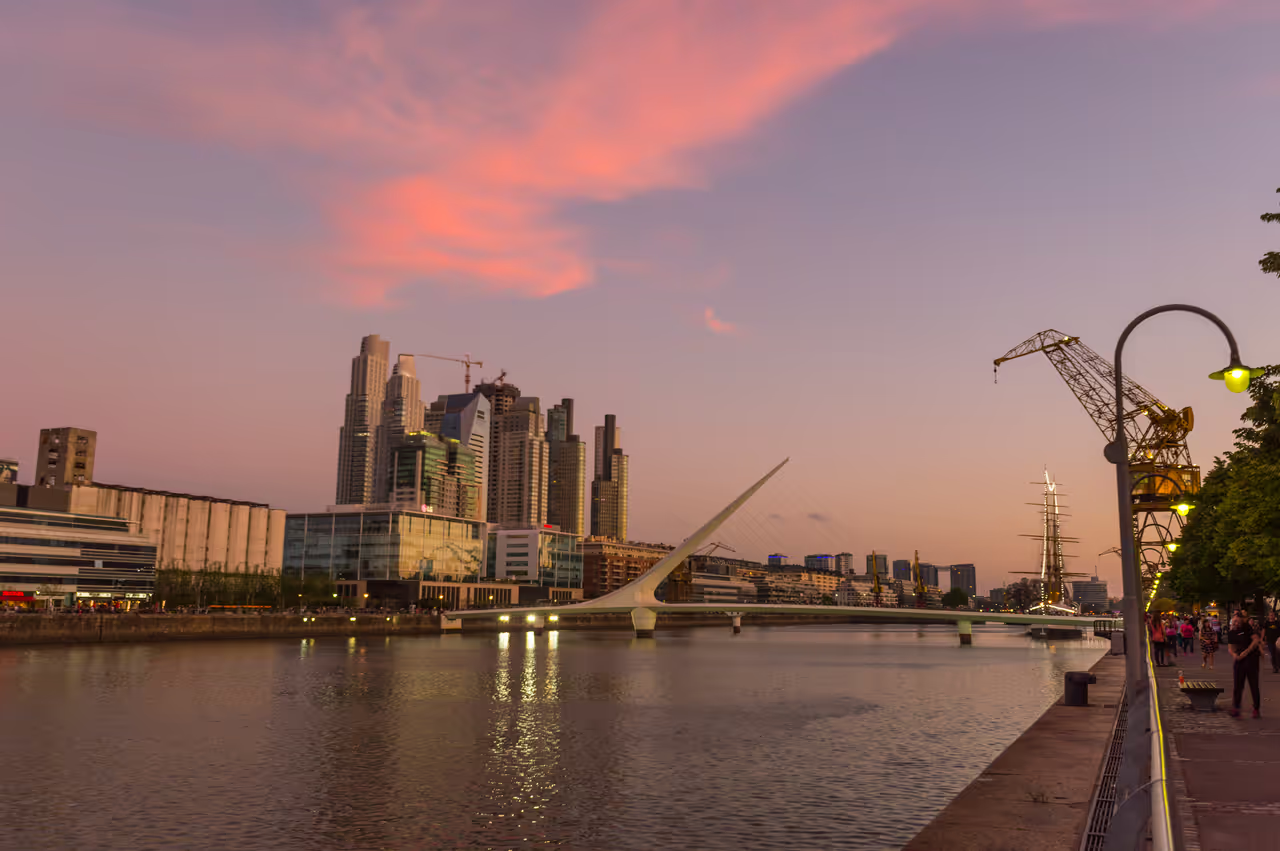
1417mWomen's Bridge
While not a towering skyscraper, this striking pedestrian bridge offers the best low level panoramic perspective of the modern docklands. Standing in the centre of the span allows you to look down the length of the water, framed by repurposed brick warehouses and gleaming glass towers. The view is particularly spectacular at sunset, when the water reflects the amber light and the surrounding skyscrapers begin to glow. It provides a perfect vantage point for photographing the contrast between the city's historic maritime past and its wealthy present. It is entirely free and effortlessly accessible.
viewpoint view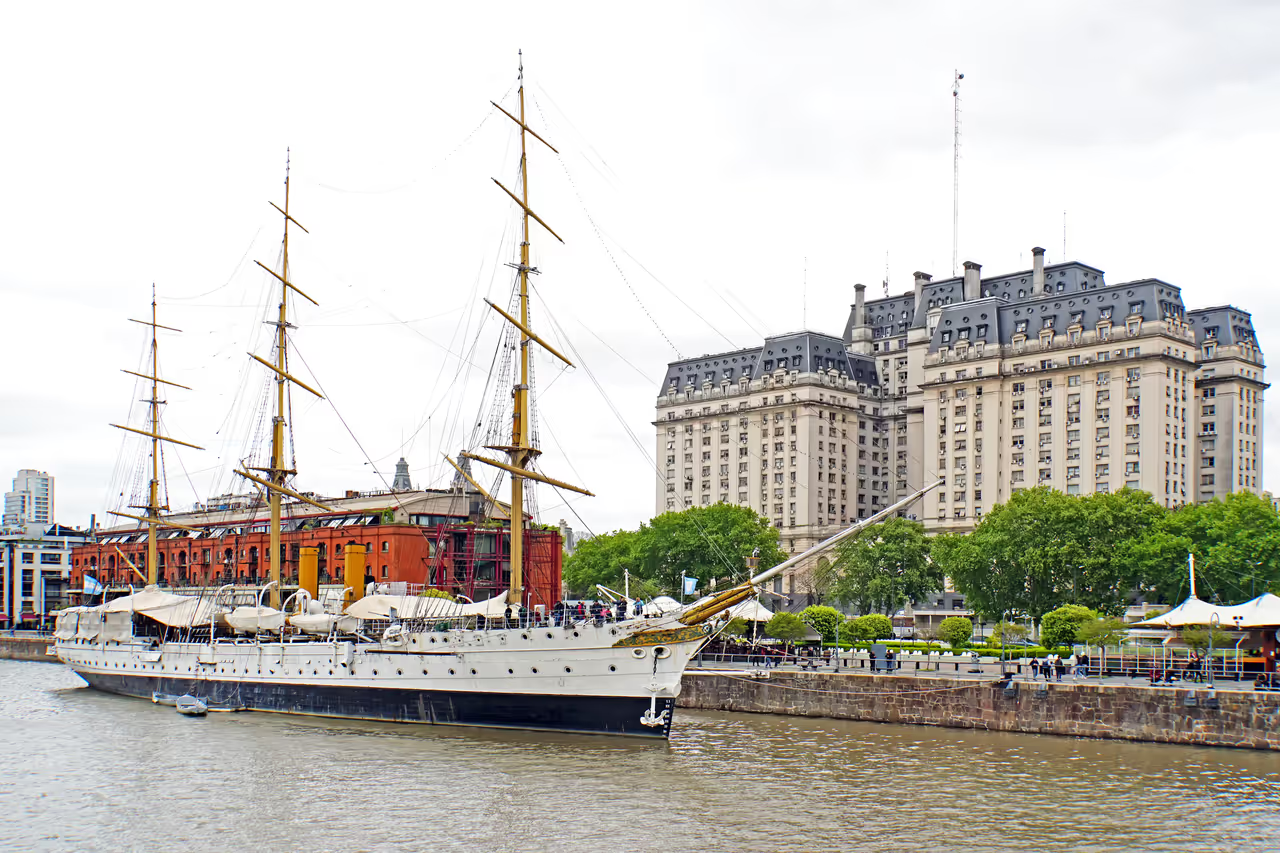 1493m
1493mPuerto Madero
This sleek, revitalised dockland area provides a luxurious and secure environment for a high end evening. Gleaming skyscrapers and renovated brick warehouses house some of the city's most exclusive nightclubs and fine dining establishments. The waterfront promenades are perfect for a romantic stroll before settling into a plush lounge with views of the illuminated river. It attracts a wealthy, international crowd looking for premium service and glamorous surroundings. The security here is exceptional, allowing for completely relaxed late night wandering.
nightlife view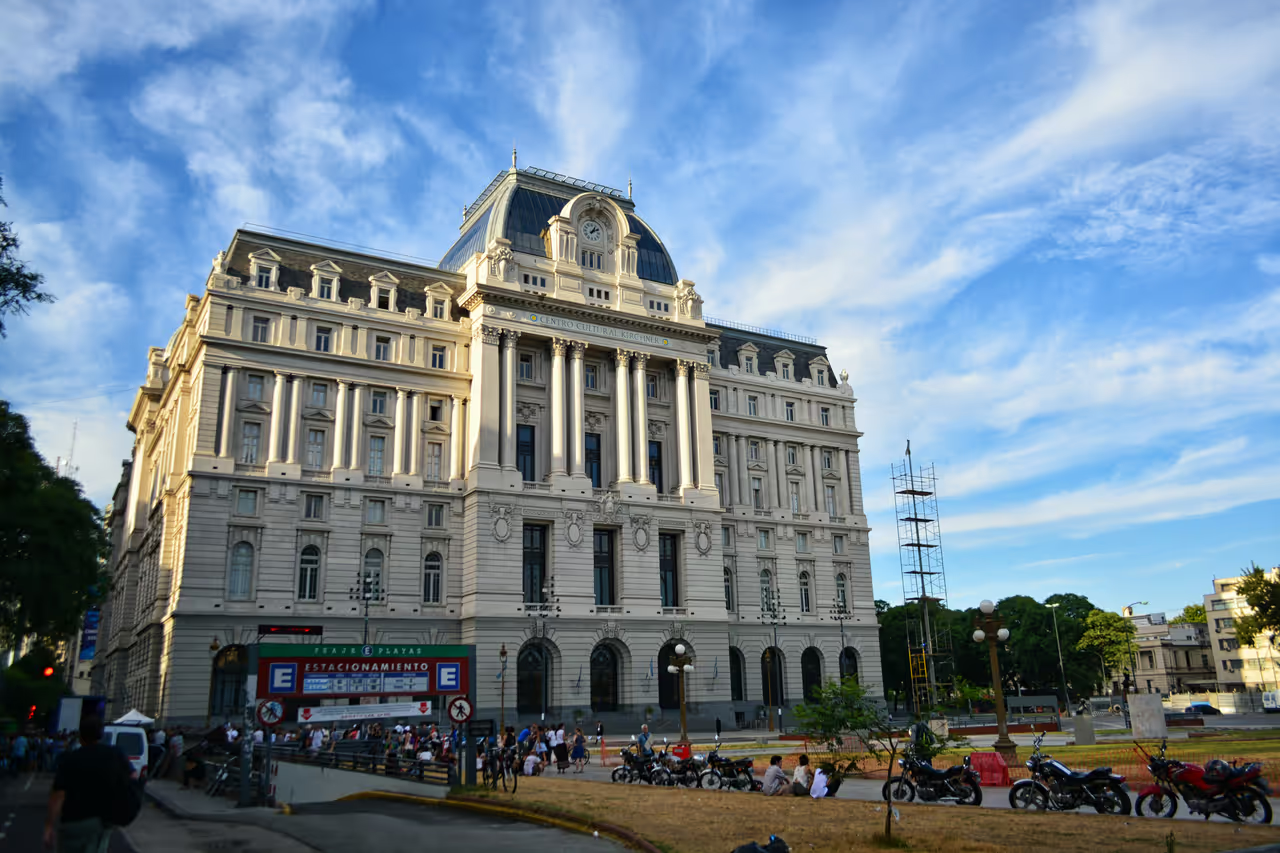 1773m
1773mLibertad Palace
Originally built as the city's central post office, this sprawling, majestic structure is now the largest cultural centre in Latin America. The classic French academic exterior hides a spectacularly modernised interior, highlighted by a suspended, whale shaped concert hall known as the Blue Whale. The sheer scale of the building is staggering, containing intricate mosaic floors, sweeping staircases, and endless exhibition spaces. The successful blend of nineteenth century grandeur with cutting edge, contemporary engineering makes it visually fascinating. It is a triumphant example of adaptive reuse in historic architecture.
architecture view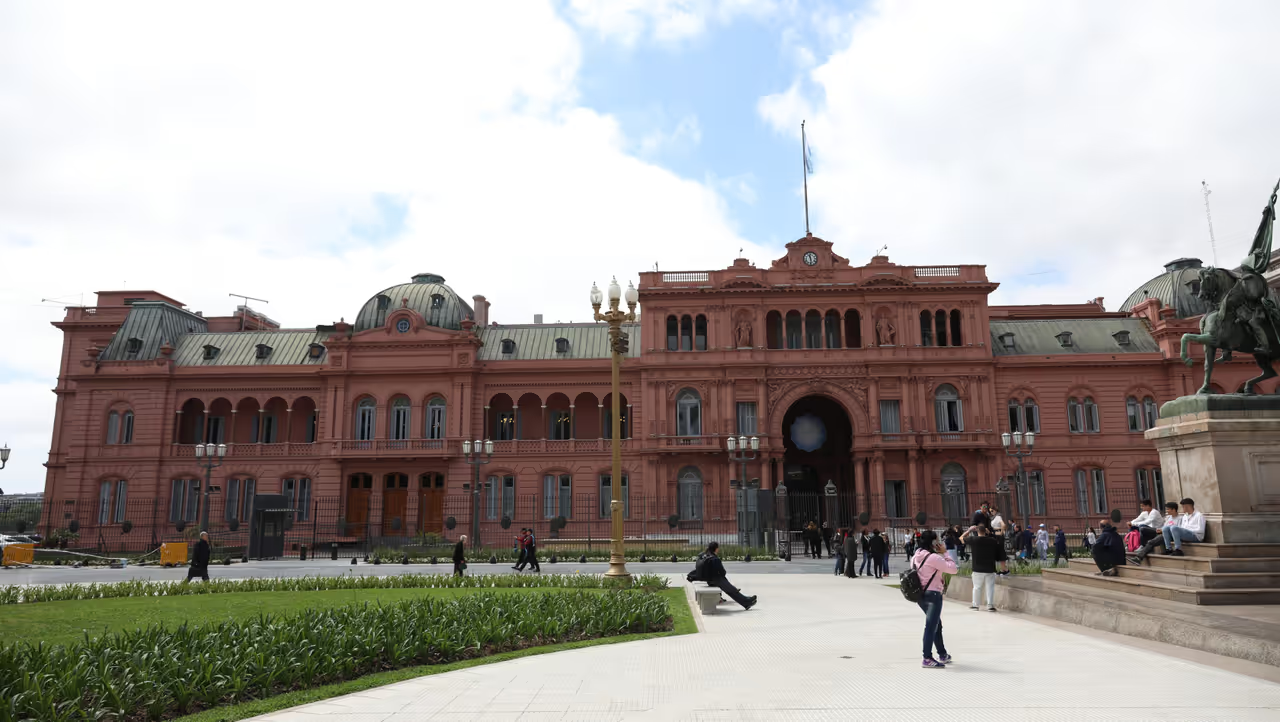 1814m
1814mCasa Rosada
The Casa Rosada is the most recognisable symbol of Argentine political life and a stunning piece of architecture that defines the edge of the Plaza de Mayo. Its unique baby pink facade makes it instantly memorable, standing out against the city skyline with a charm that captures the hearts of visitors and locals alike. Exploring this site allows you to walk through the corridors where history was forged, from the days of the early colonial fort to the modern seat of government. Inside, the museum offers a fascinating glimpse into the nation's past, showcasing the personal belongings and legacies of those who led the country. Visiting here is an essential experience for anyone wanting to grasp the spirit of Buenos Aires and its deep historical roots.
attraction view
Featured on These Itineraries and Routes
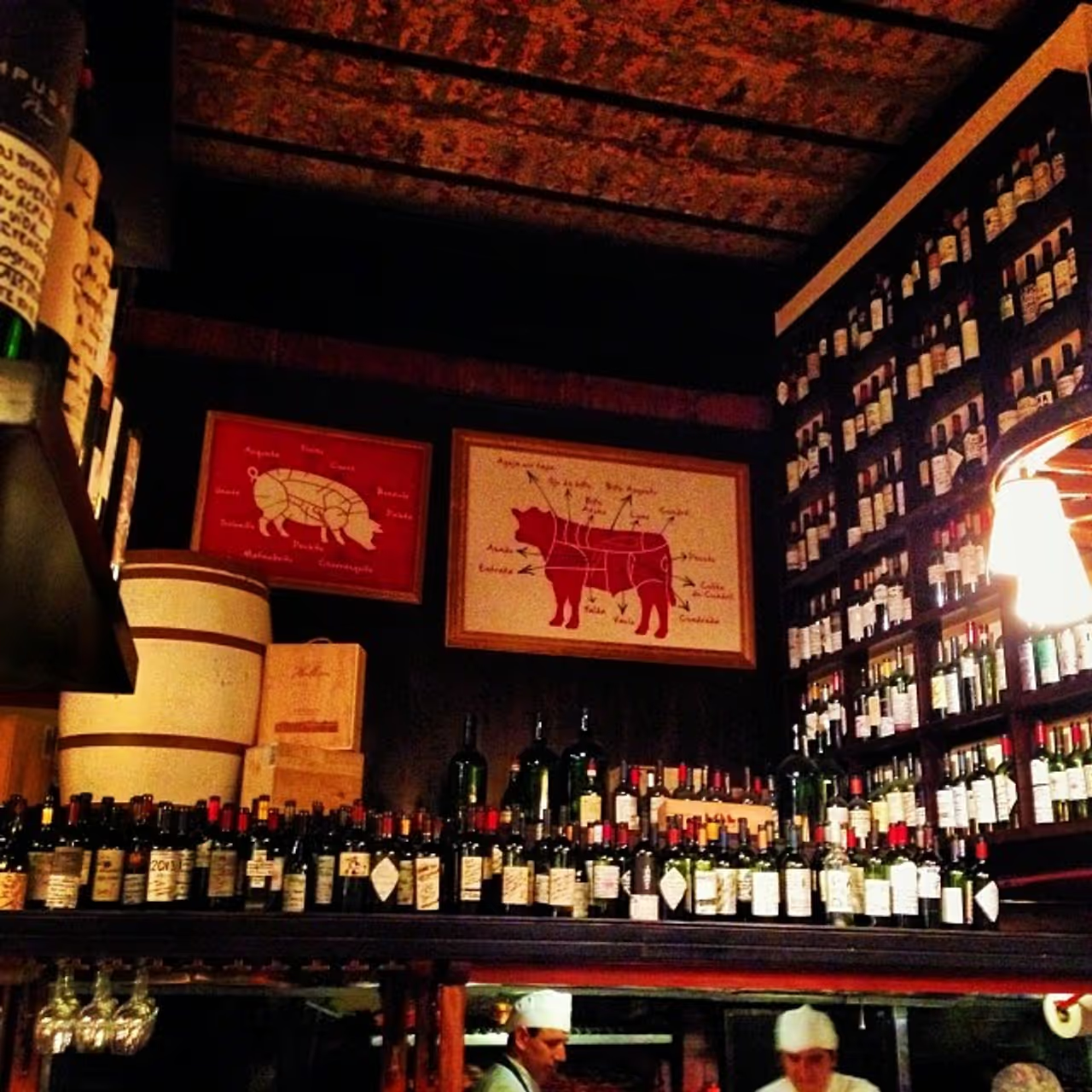
5 Days in Buenos Aires: The Deep Dive Itinerary
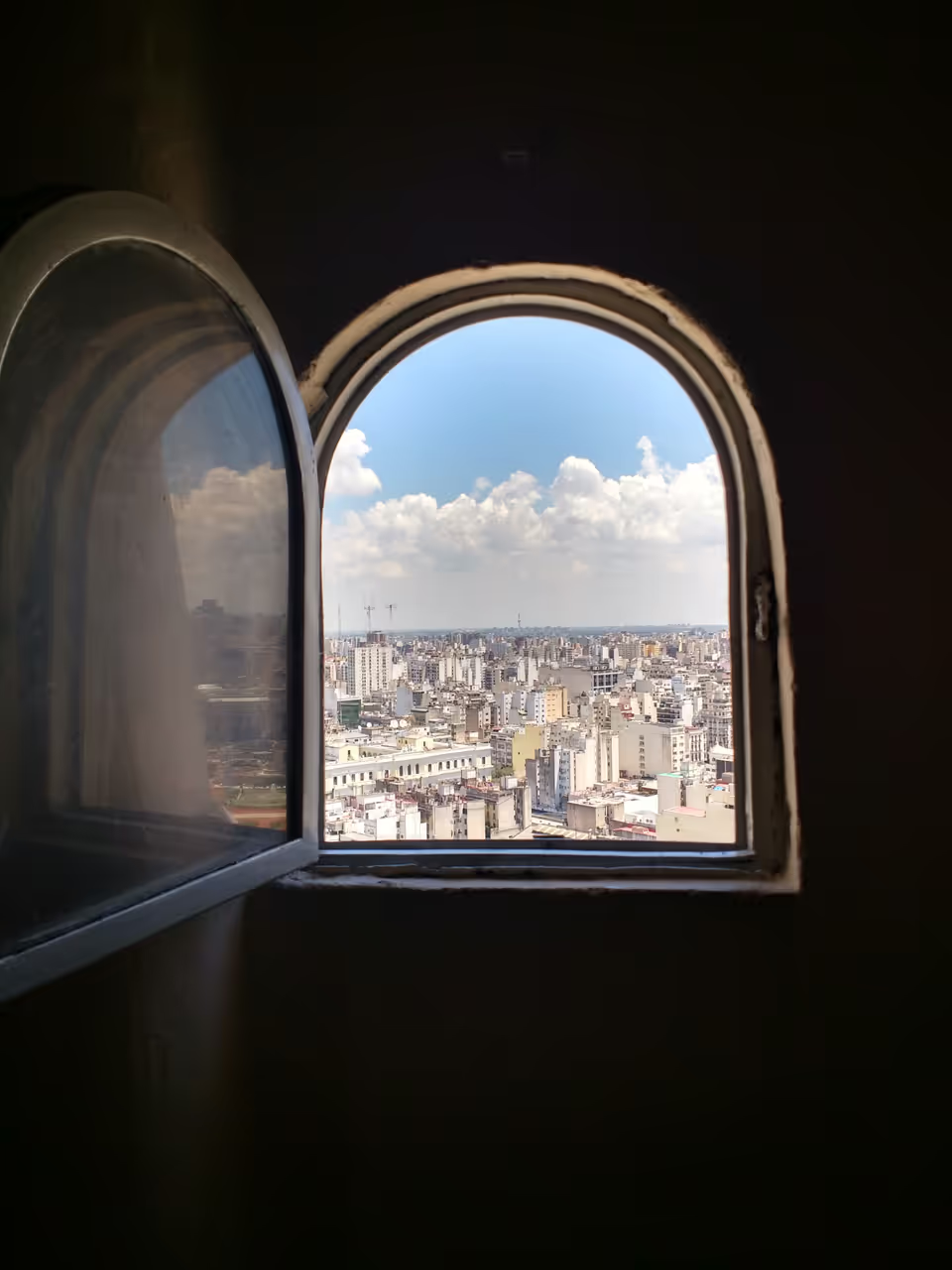
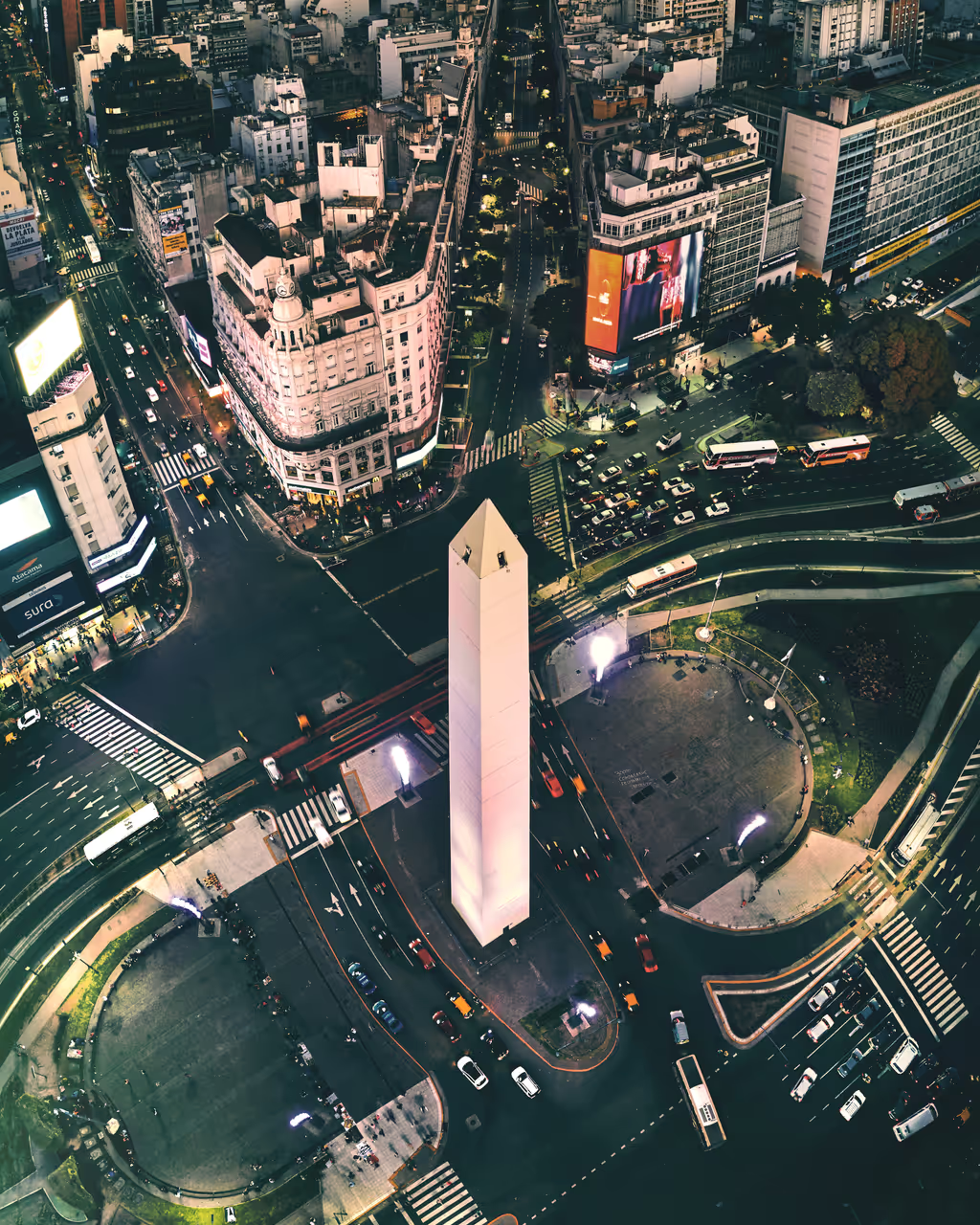
This generous five day itinerary allows you to completely sync with the late night, culturally rich rhythm of the city. Beyond the essential sights, you will have time to explore hidden architectural gems, massive ecological reserves, and venture outside the city limits. It provides the opportunity to engage in local activities, from learning polo to discovering the vibrant street art scene in detail. You can afford to linger in historic cafes and enjoy exceptionally long, relaxed dinners without feeling rushed. It is the definitive way to truly understand and absorb the complex soul of the capital.
view itinerary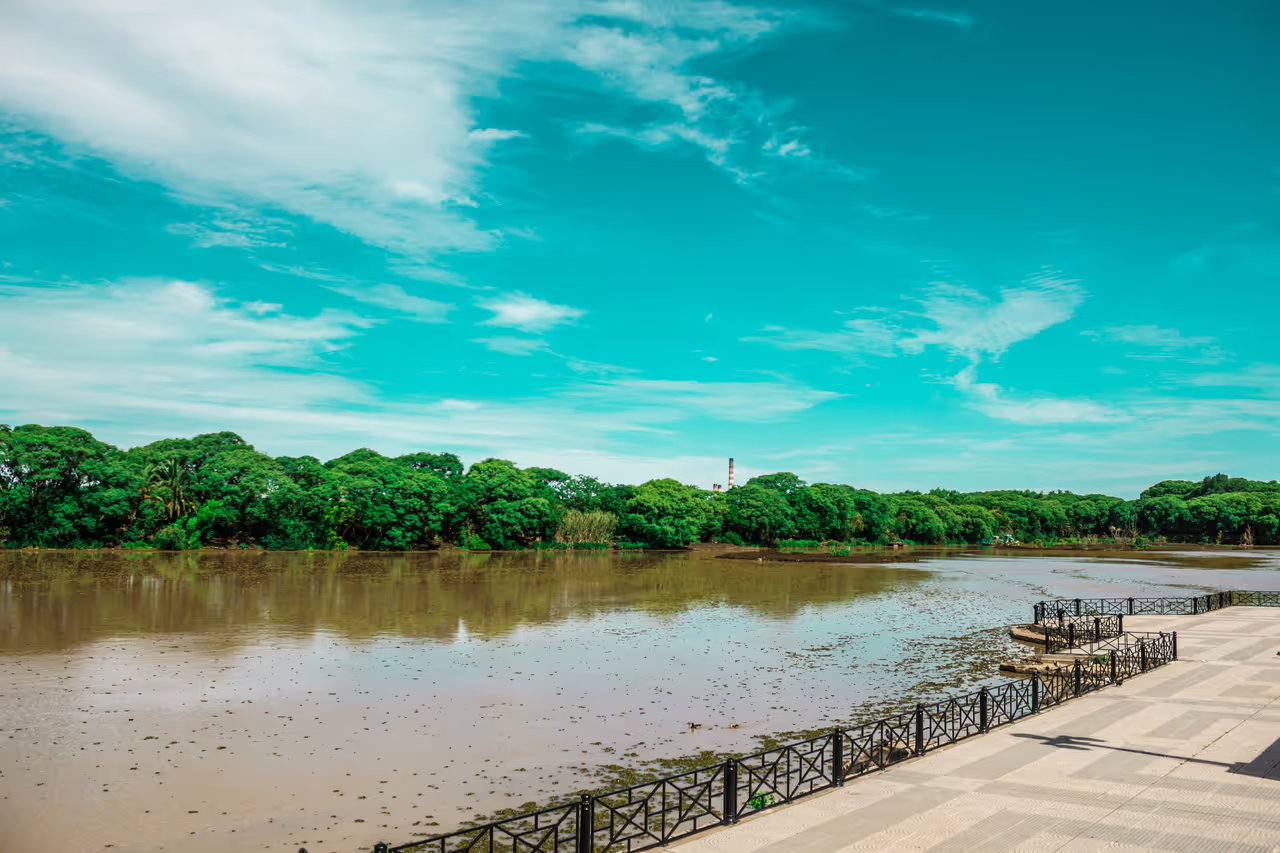
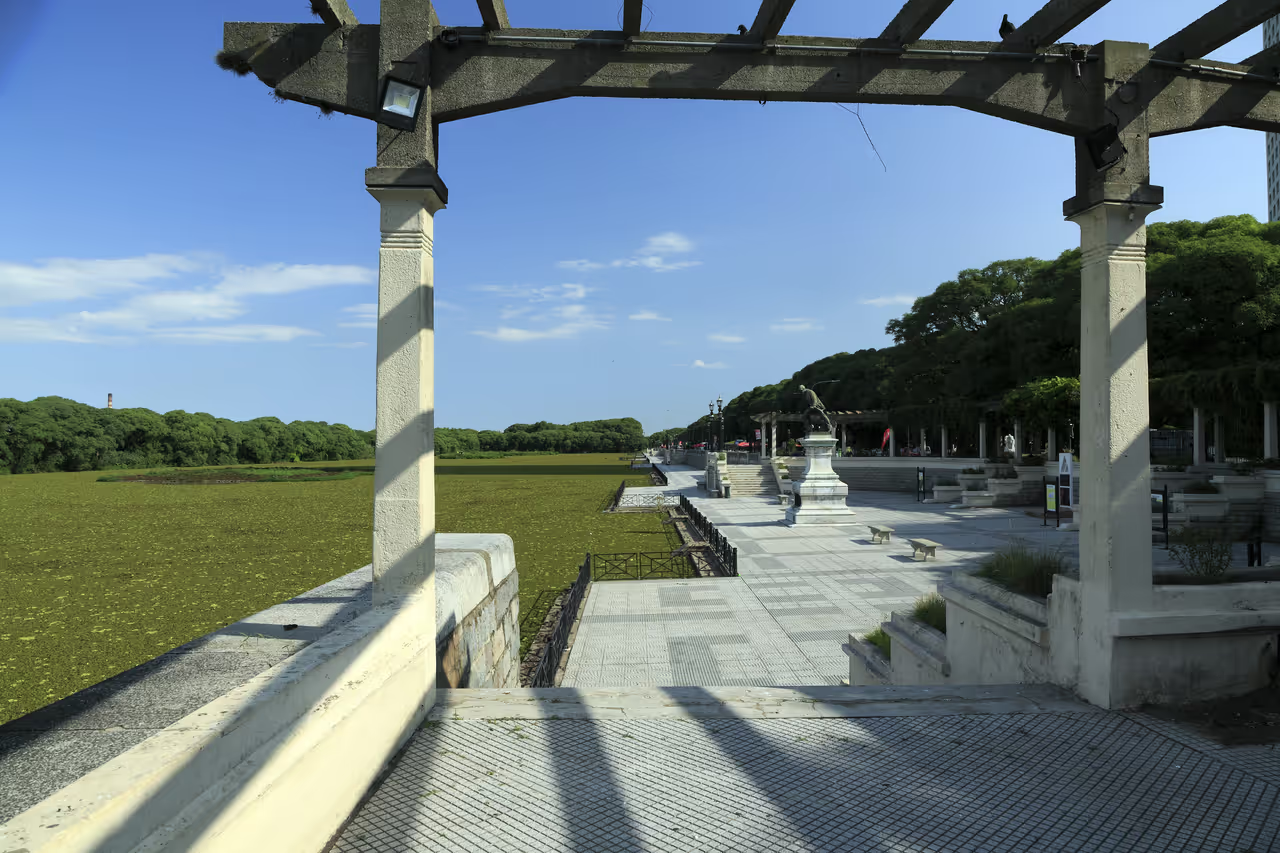
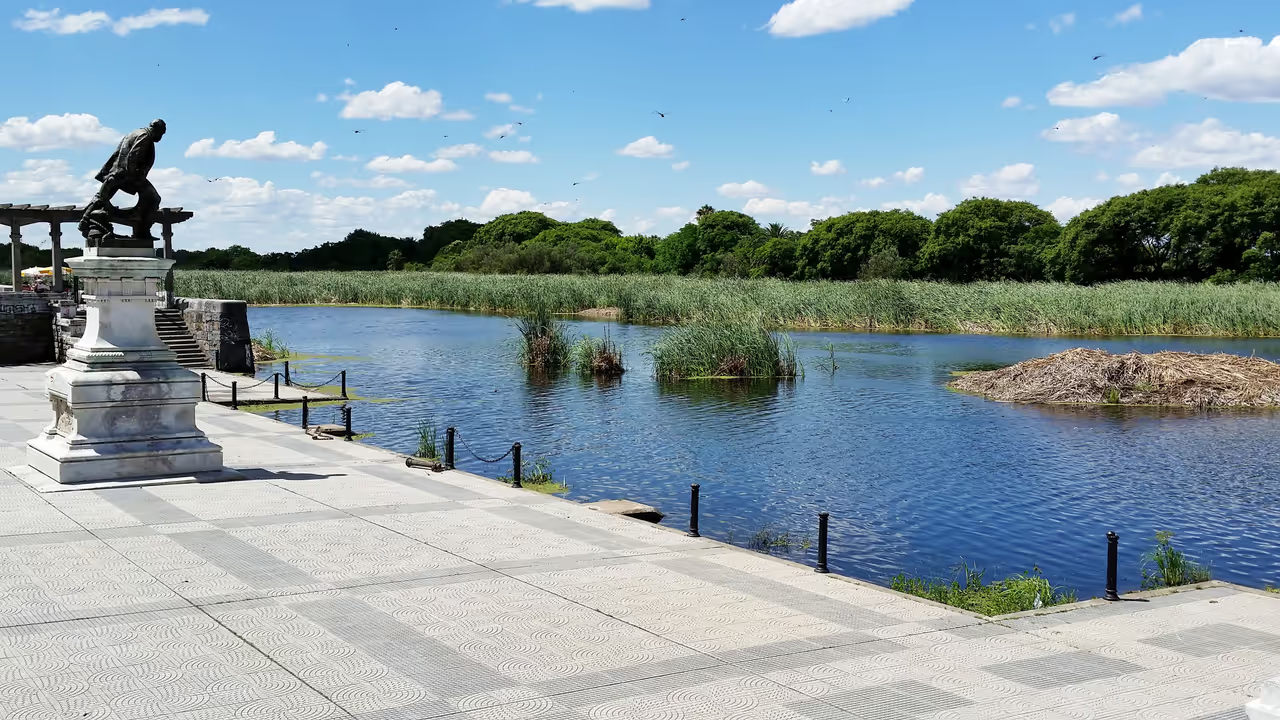
Ecological Reserve Waterfront Loop
This tranquil ride takes you away from the traffic and into a massive, reclaimed wetland bordering the vast Río de la Plata. The wide, dirt and gravel paths are completely car free, offering a safe and peaceful environment for a leisurely pedal. As you ride, you will pass tall pampas grass, hidden lagoons, and diverse birdlife, all with the gleaming city skyline visible in the background. It is a remarkably quiet escape that makes you forget you are in the heart of a massive metropolis. The cooling river breeze makes this an especially pleasant route during the warmer months.
view cycling route
See all nature & parks in Buenos Aires
Bosques de Palermo, Buenos Aires Botanical Garden, Buenos Aires Japanese Gardens, Plaza San Martín, Remembrance Park...