El Ateneo Grand Splendid
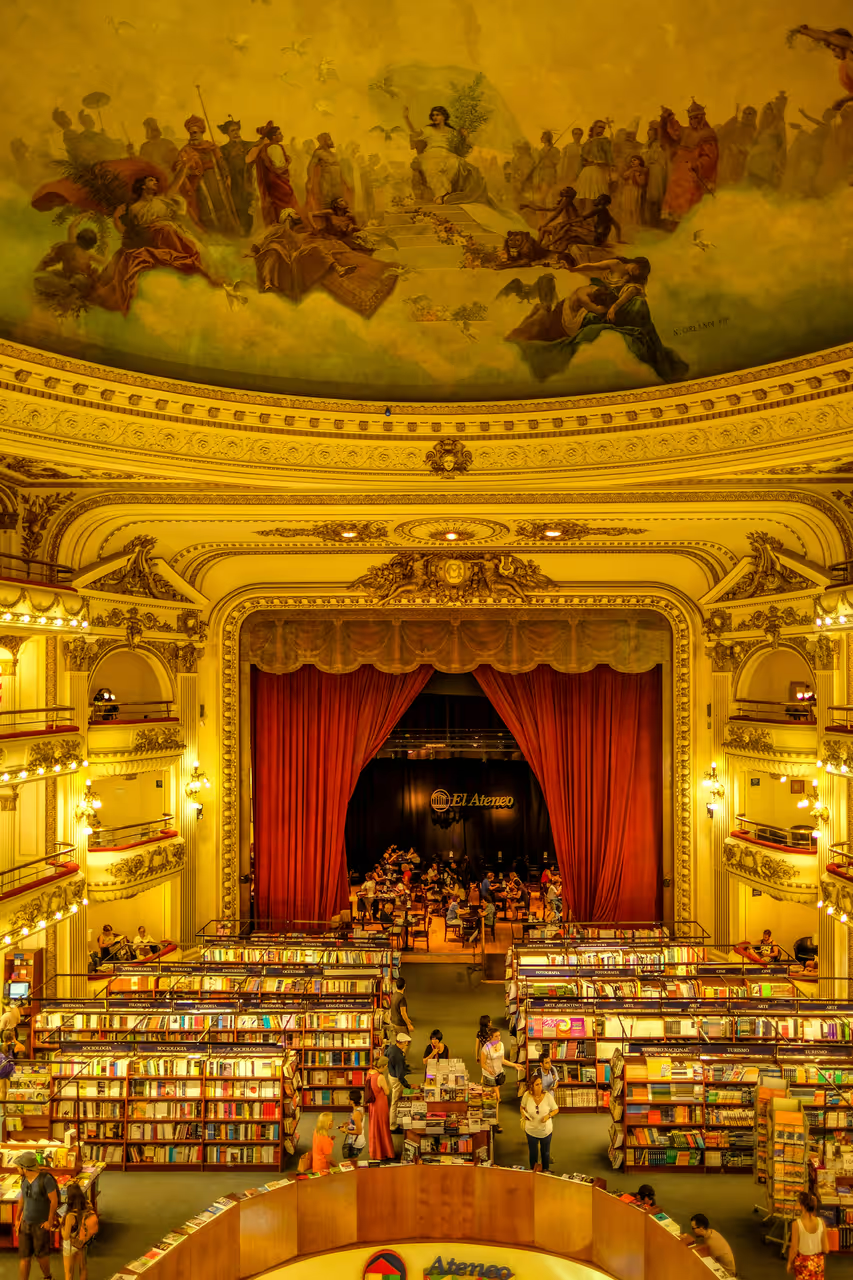
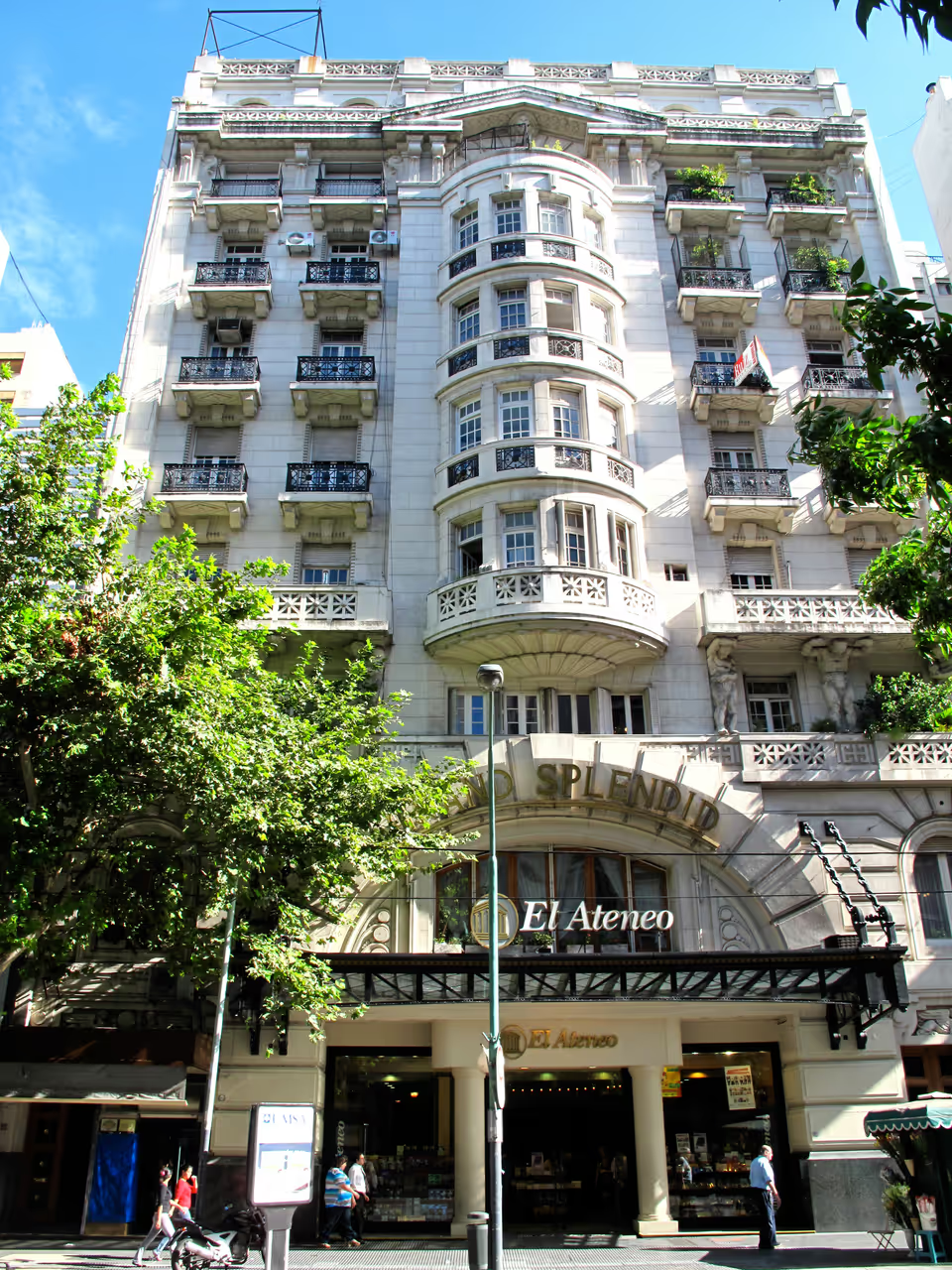
Stepping into El Ateneo Grand Splendid feels less like entering a bookshop and more like walking onto the stage of a grand performance. Often cited as one of the world's most beautiful bookstores, this former theatre retains the opulent crimson curtains, ornate frescoed ceilings, and gold-trimmed balconies that once hosted the giants of tango. You can spend hours wandering through the aisles stacked on what was once the stage, or find a quiet corner in a former theatre box to lose yourself in a story. The atmosphere here is truly special, blending the quiet reverence of a library with the architectural magnificence of early 20th-century Buenos Aires. It is a place where literature meets legacy, inviting you to grab a coffee at the back of the auditorium and simply soak in the history surrounding you.
Videos
History of El Ateneo Grand Splendid
Opened in May 1919, the Teatro Gran Splendid was a crown jewel of the Buenos Aires entertainment scene, designed by architects Peró and Torres Armengol. Commissioned by impresario Max Glücksmann, the theatre was an embodiment of the city's golden age of culture, featuring breathtaking frescoes by Italian artist Nazareno Orlandi and intricate sculptures by Troiano Troiani. It served as a vibrant stage for legends like Carlos Gardel and Roberto Firpo, while also functioning as a pivotal hub for the recording and broadcasting industry through Radio Splendid. As the decades passed, the theatre evolved with the changing times, eventually embracing the cinematic revolution by screening the first sound films in Argentina in 1929. However, as the 20th century waned, the grand venue began to lose its lustre, facing the inevitable challenges of changing entertainment habits. It seemed destined for decline until the turn of the millennium, when Grupo Ilhsa stepped in with a bold vision to preserve its architectural integrity. In 2000, the theatre underwent a masterful transformation led by architect Fernando Manzone, who replaced the cinema seating with shelves filled with books while keeping the auditorium's original spirit alive. The stage became an inviting café, and the theatre boxes were repurposed into intimate reading nooks, saving the historic structure from demolition or neglect. Today, it stands as a cultural beacon that reminds visitors of the city's artistic soul. It is a masterpiece of adaptive reuse that continues to capture the imagination of everyone who walks through its doors.
Events spanning 100 years
Fun Facts
- • In its heyday, the theatre could accommodate over 1,000 spectators across its auditorium and balcony boxes.
- • Many of the original theatre boxes remain accessible, providing private and quiet nooks for browsing books.
- • Max Glücksmann, who commissioned the building, also ran the record label Nacional Odeón, which captured early tango masterpieces within these walls.
- • The bookstore carries over 700,000 books at any given time, showcasing a massive collection of local and international literature.
- • The bookstore serves over a million visitors annually, making it one of the most visited cultural sites in Buenos Aires.
- • The building still houses the original, heavy crimson stage curtains that were used when the venue operated as a theatre.
- • The café is located on the stage area, allowing visitors to enjoy a coffee where tango icons once performed.
- • The ceiling fresco was painted by Italian artist Nazareno Orlandi and symbolises peace after the First World War.
- • The transformation into a bookstore saved the building from potential demolition, a fate many other historic theatres in the city faced.
- • Troiano Troiani, the sculptor responsible for the caryatids inside, also created the impressive decorations on the Palacio de la Legislatura.
RESOURCES
Official WebsiteEl Ateneo Grand Splendid FAQ
While we strive to keep this information accurate and up to date, we recommend verifying any details independently before making decisions based on them.
El Ateneo Grand Splendid Map & Neighborhood Explorer
This interactive map is centered on El Ateneo Grand Splendid. Zoom in and move the map around to automatically discover Wikipedia photos and summaries of other nearby sights, monuments, and historical points of interest and stories in real-time!
Places near El Ateneo Grand Splendid
Make the most of your trip. Check out these top-rated spots located nearby.
 911m
911mLa Recoleta Cemetery
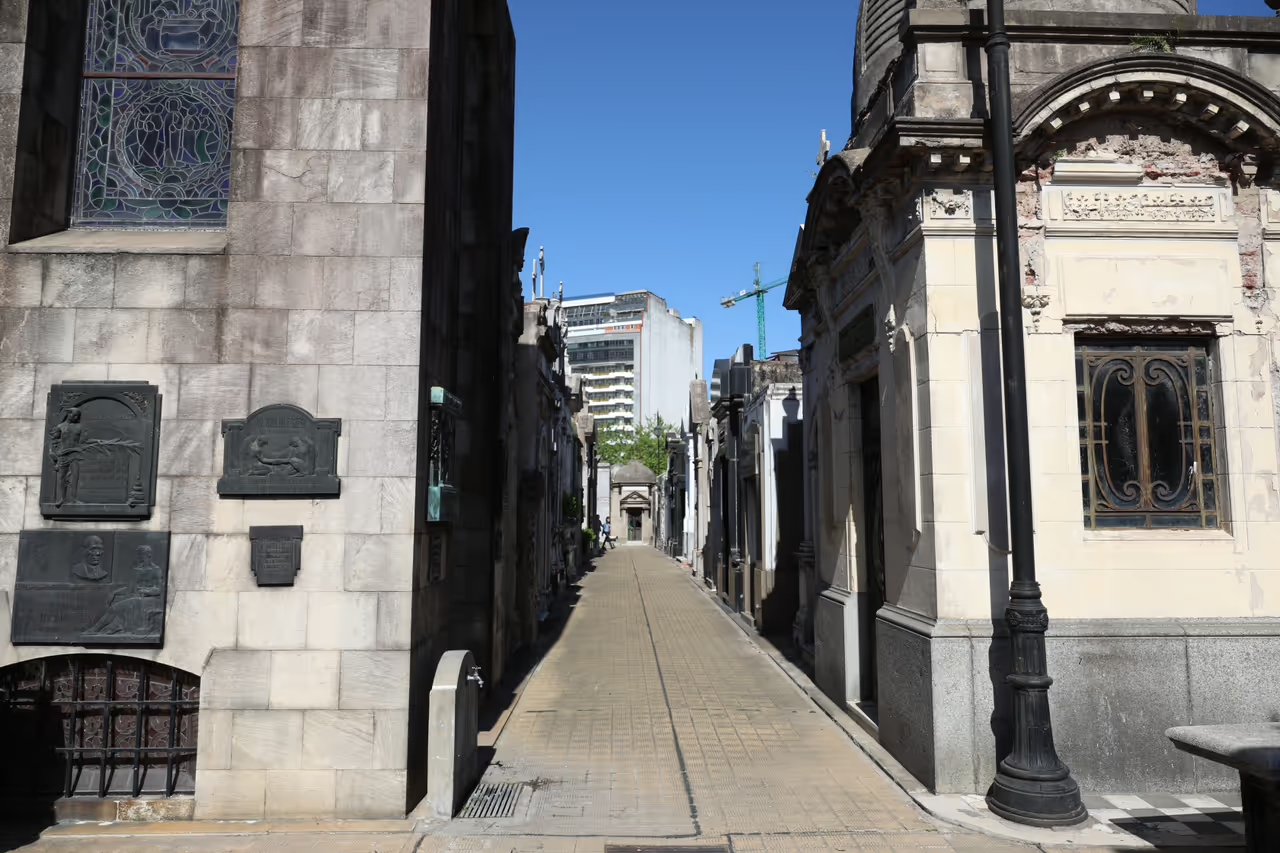
Wander through the silent, marble avenues of La Recoleta Cemetery and you will feel as though you have stepped into a miniature city designed for eternal rest. This extraordinary necropolis, sprawling across the heart of the capital, showcases an incredible array of architectural styles, from grand Art Deco to intricate Neo Gothic mausoleums that house the remains of Argentina's elite. Walking along its tree lined paths, you are surrounded by ornate sculptures and stained glass, each telling the unique story of the families and historical figures who shaped this vibrant nation. It serves as a beautiful reflection of Buenos Aires' rich past, offering visitors a peaceful yet fascinating glimpse into the lives of those who once led the country. Whether you come to pay respects at the tomb of Eva Perón or simply to admire the exquisite craftsmanship, a visit here is an evocative experience that stays with you long after you leave.
attraction view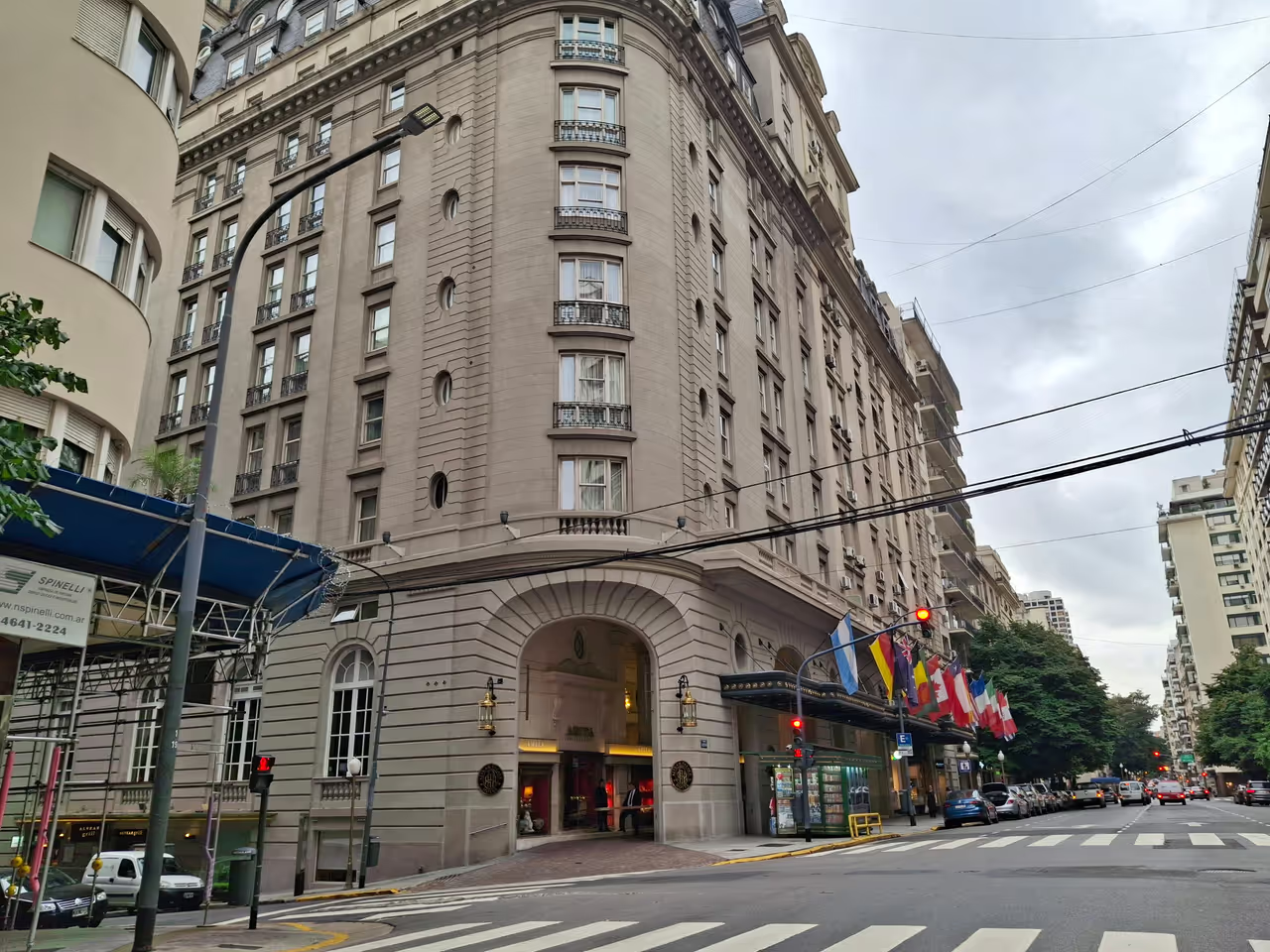 1064m
1064mAlvear Roof Bar
Situated atop one of the most luxurious hotels in South America, this elegant terrace offers an incredibly refined panoramic experience. You can sip a meticulously crafted cocktail while looking out over the manicured parks and aristocratic mansions of Recoleta. The vantage point highlights the undeniable Parisian influence on the local urban planning, showcasing the sea of elegant, grey slate rooftops. The atmosphere is highly sophisticated, peaceful, and perfect for a romantic sunset viewing. It is a luxurious escape that showcases the absolute wealthiest corner of the city.
viewpoint view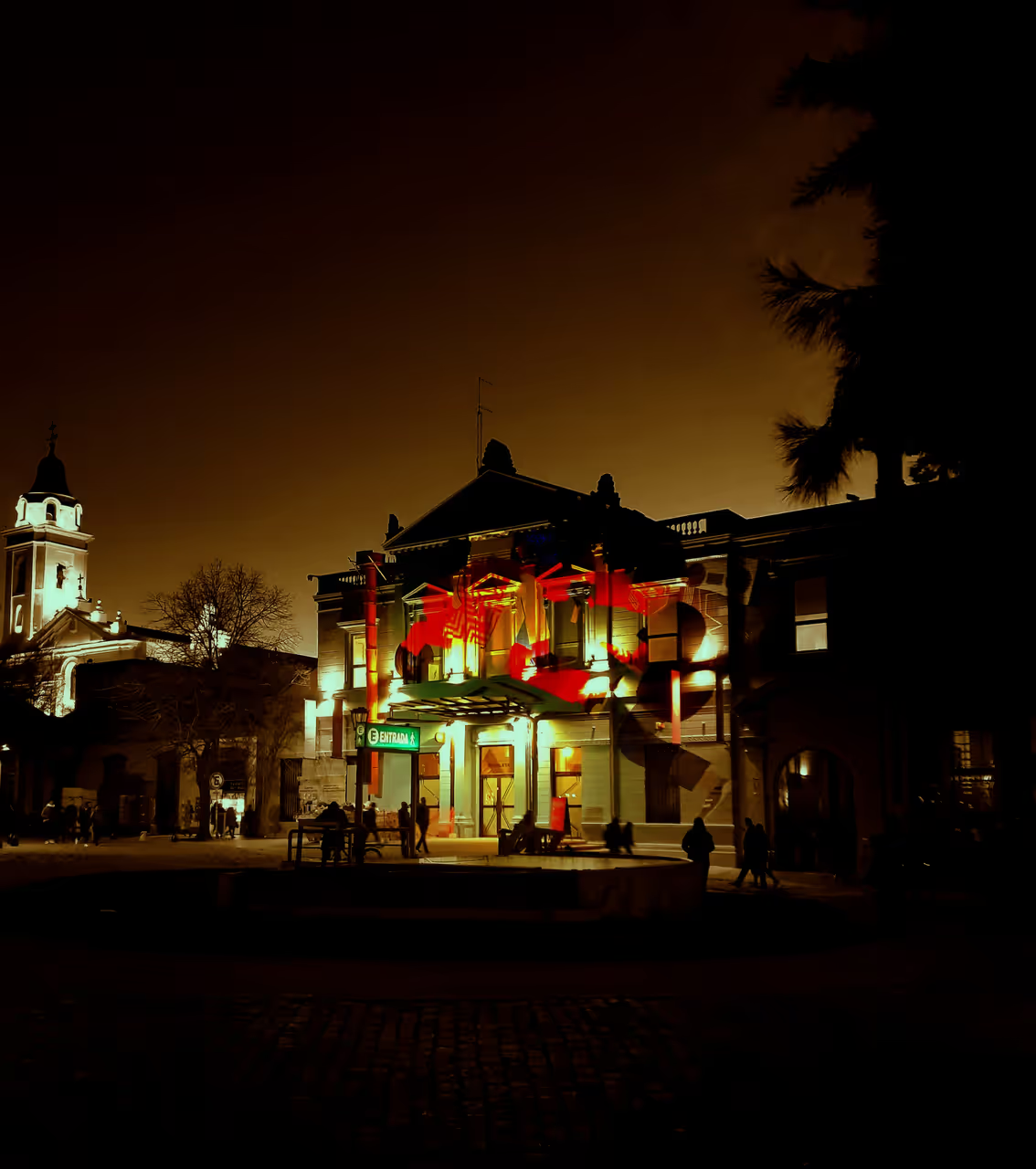 1118m
1118mBuenos Aires International Independent Film Festival
Recognised as one of the most important film festivals in Latin America, this event showcases cutting edge independent cinema from around the globe. Hundreds of films, documentaries, and short features are screened in independent cinemas and open air venues throughout the city. It attracts a young, creative crowd eager to discover new voices in filmmaking. Panel discussions, director Q&A sessions, and vibrant after parties make it a cultural highlight of the year. It provides a fantastic glimpse into the thriving local arts scene.
festival view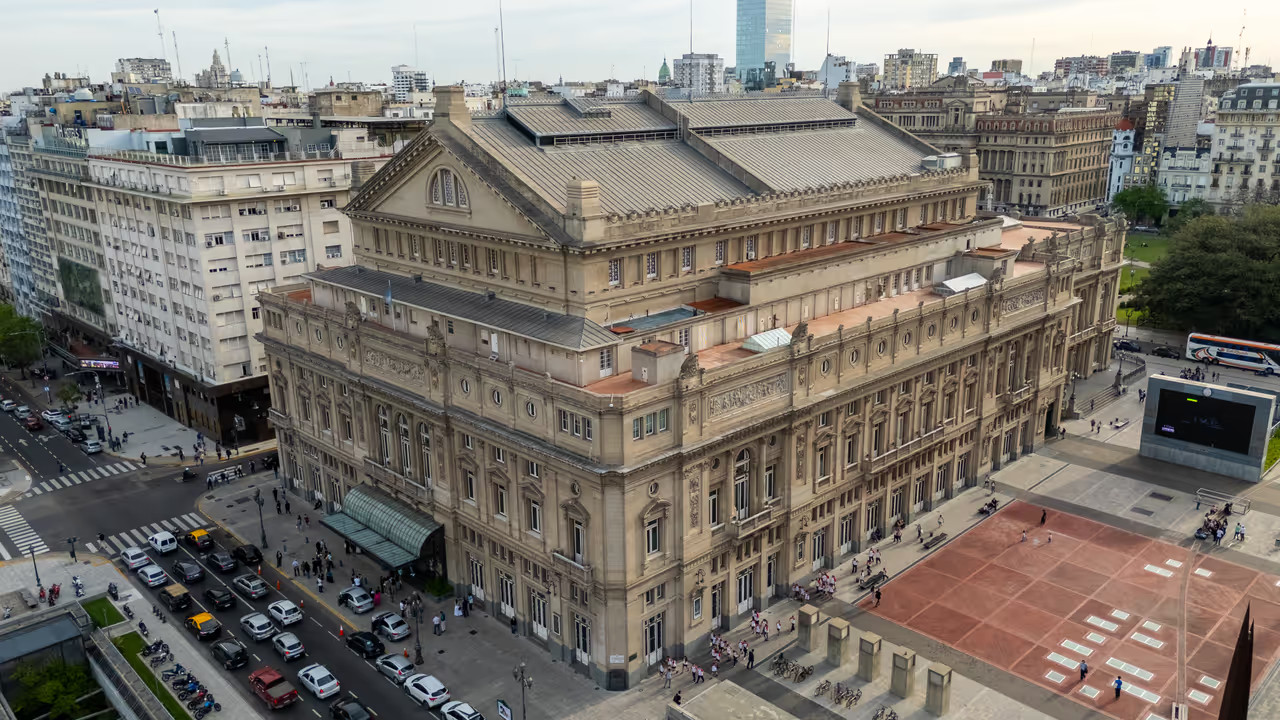 1146m
1146mTeatro Colón
Stepping into the Teatro Colón feels like entering a golden age of elegance, where the air is thick with the history of the world's finest performers. This architectural masterpiece is consistently ranked among the top ten opera houses globally, boasting acoustics so precise they are considered the gold standard for orchestral and operatic performance. The horseshoe shaped auditorium, wrapped in rich scarlet and gold, creates an intimate atmosphere that transforms every evening into a special occasion. Visitors can wander through the ornate halls or attend a performance to experience firsthand why legends like Luciano Pavarotti held this venue in such high regard. It is the beating heart of Buenos Aires cultural life and a sanctuary for the arts. Whether you are a classical music fan or someone who appreciates breathtaking design, witnessing the grandeur of this house is an unforgettable experience.
attraction view
Explore Similar Places in This Collection
Featured on These Itineraries and Routes
1 Day in Buenos Aires: The Capital Itinerary
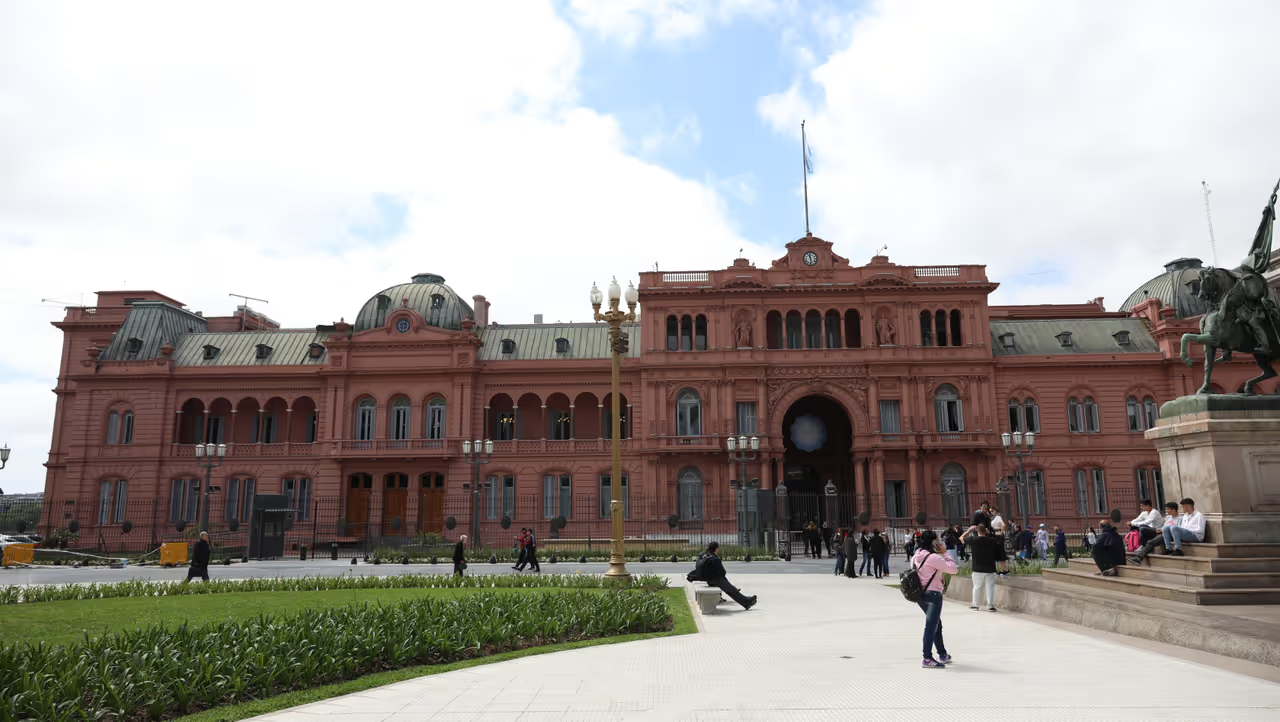
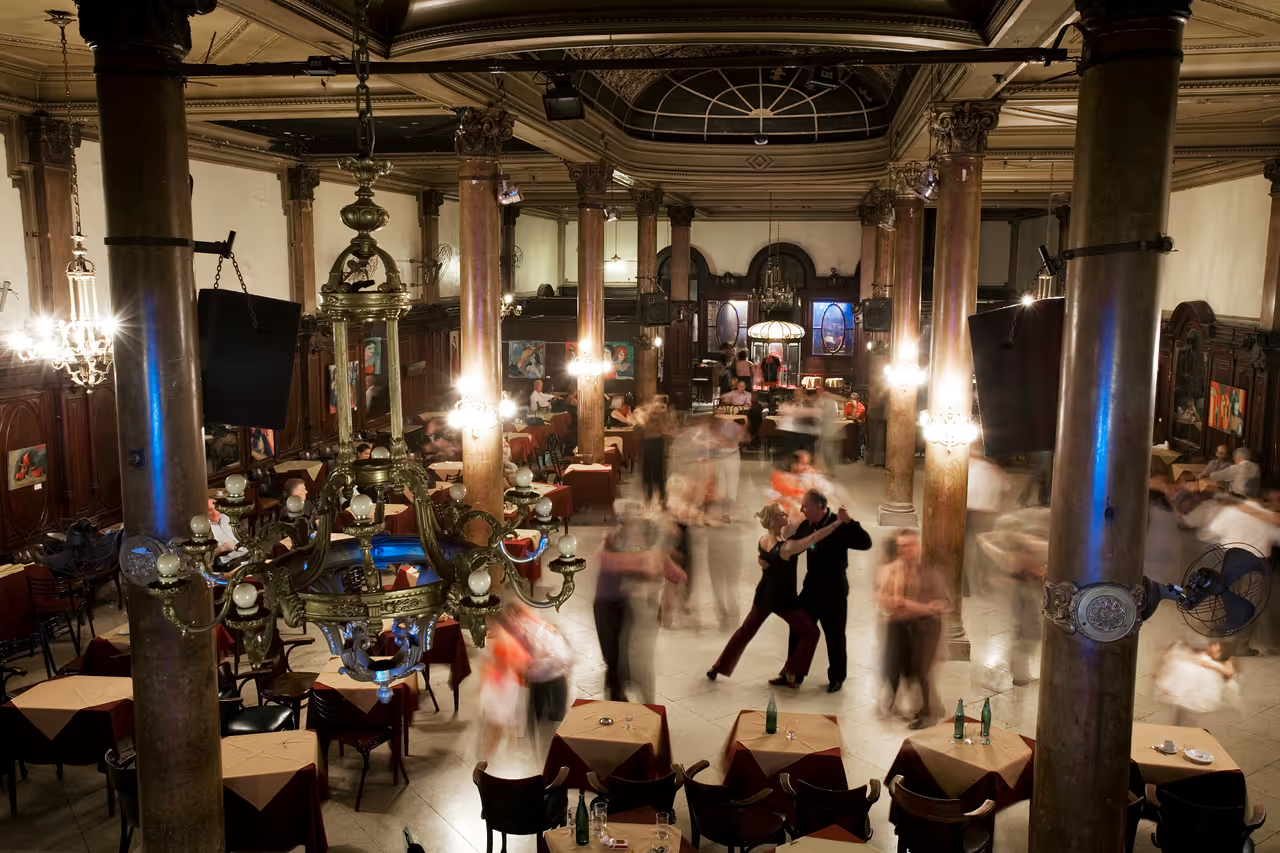
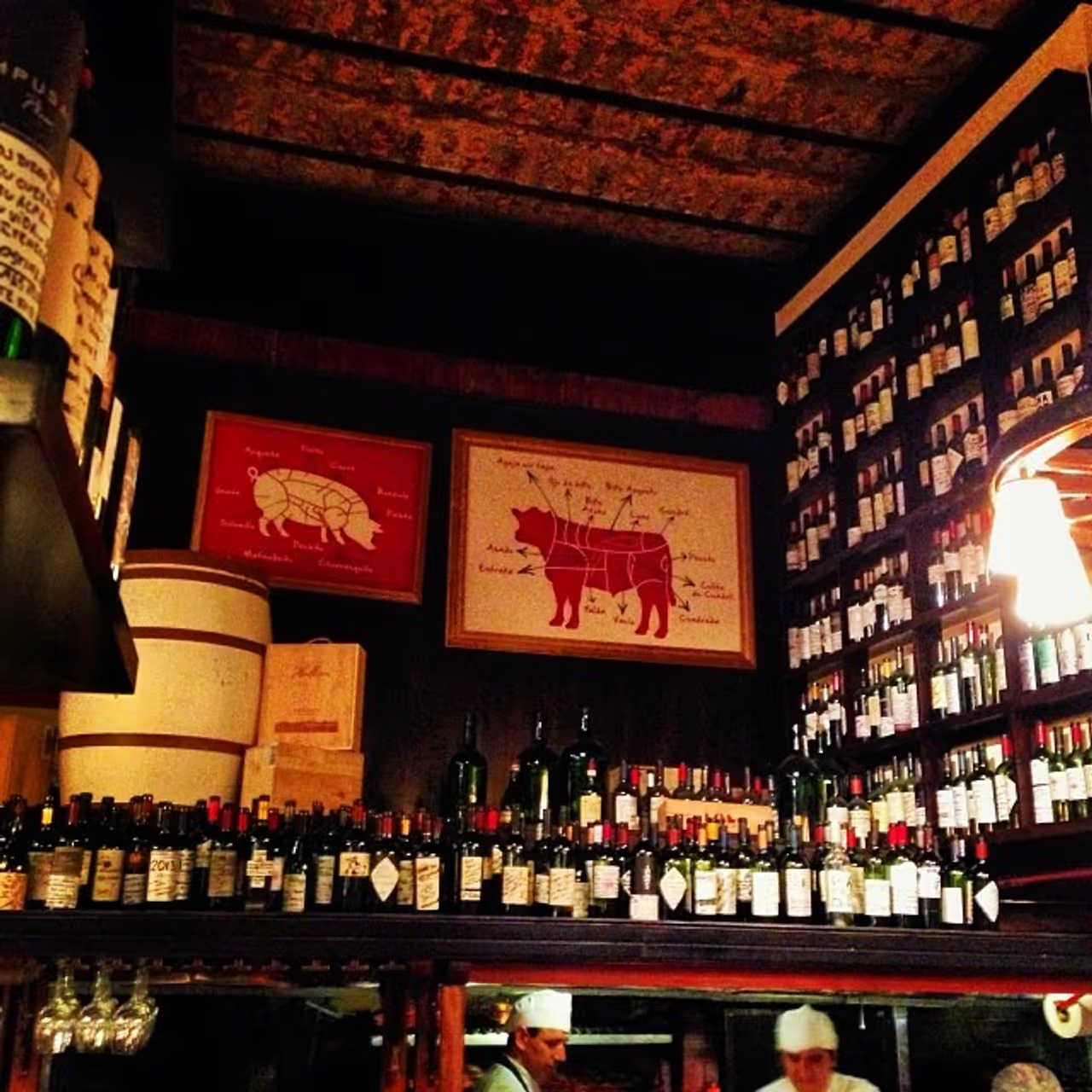
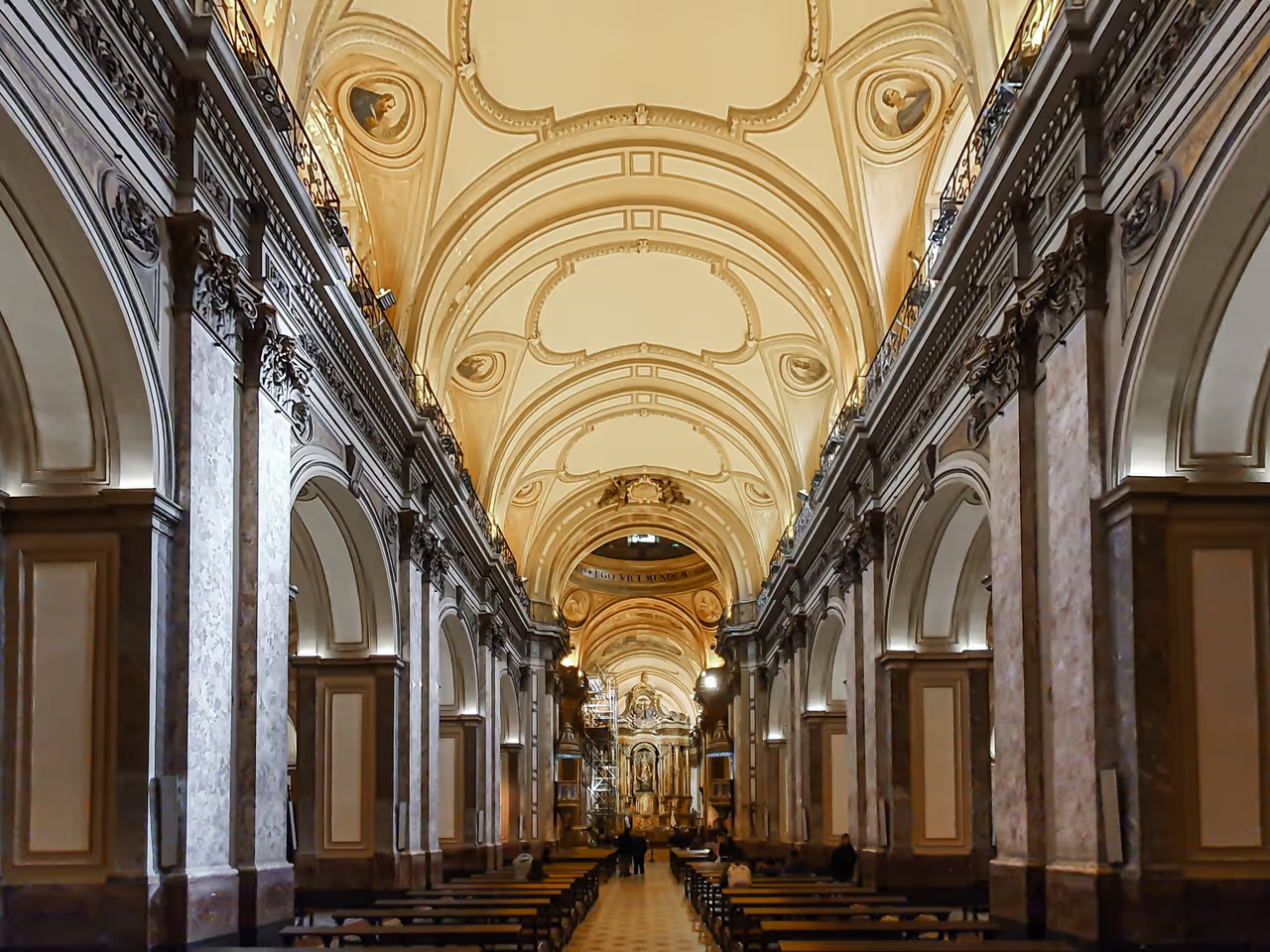
This tightly packed itinerary focuses exclusively on the absolute essentials of the city, perfect for a short layover. You will experience the grand political history, the opulent architecture, and the deeply rooted tango culture in a single, energetic sweep. It covers the monumental heart of the downtown area before moving to the historic, bohemian southern district. The day culminates with the quintessential local experience of phenomenal steak and passionate dance. It is a fast paced introduction designed to leave you craving a longer return visit.
view itinerary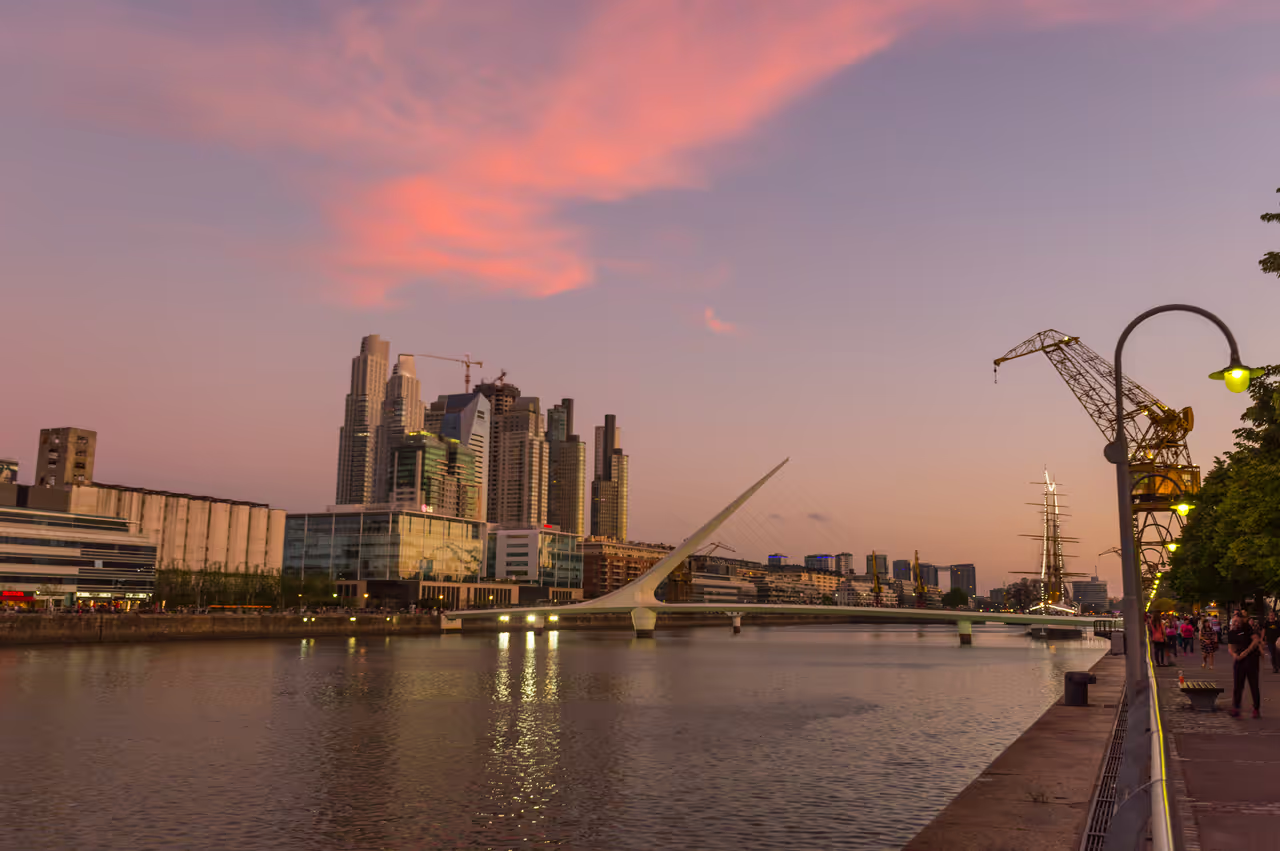
3 Days in Buenos Aires: Classic Experience Itinerary
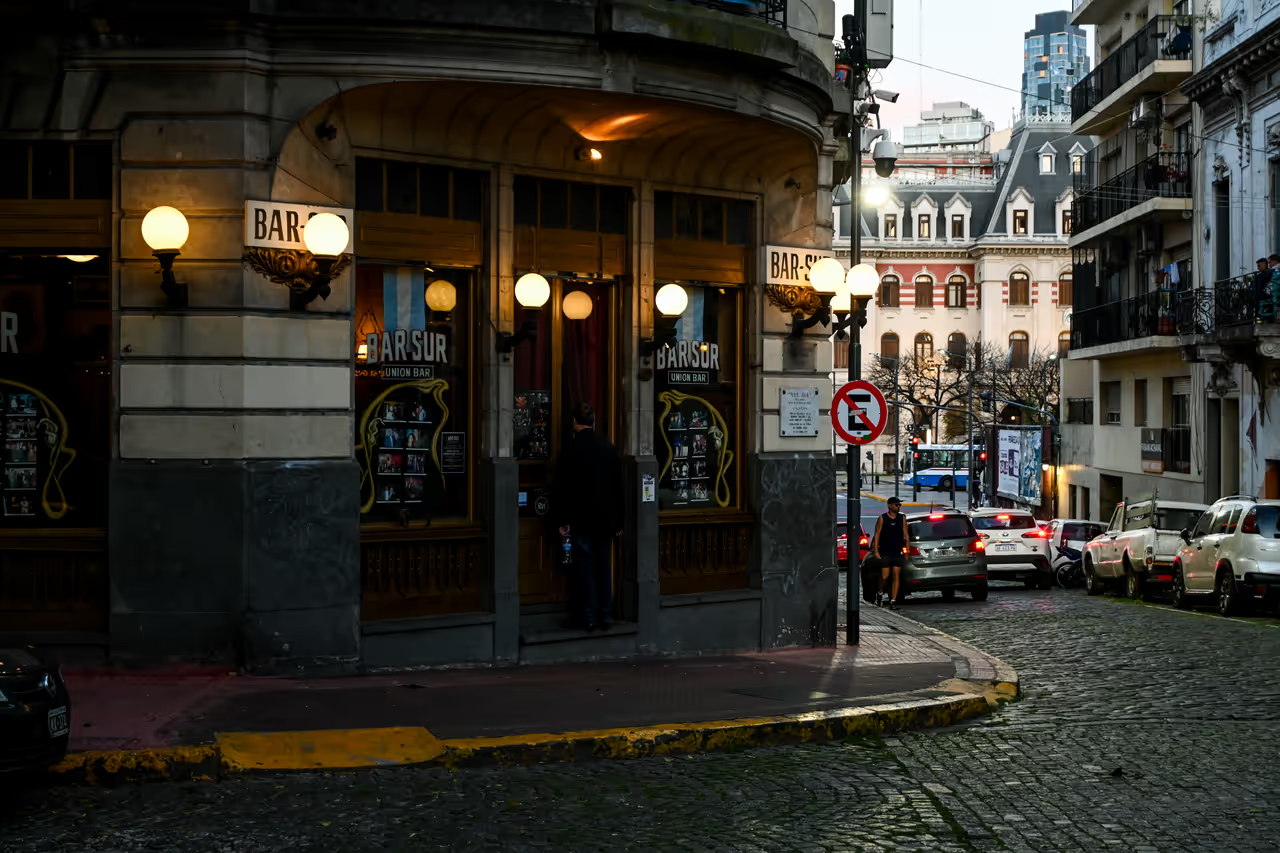
Over three days, you can comfortably explore the stark contrasts that define the metropolis, from its gritty ports to its aristocratic palaces. You will have time to delve into the elegant northern neighbourhoods, discovering grand cemeteries and sprawling green parks. The itinerary ensures you experience the vibrant street art and modern docklands, alongside the historic, cobblestone streets of the south. It strikes a perfect balance between checking off major monuments and soaking in the trendy, local nightlife. This provides a comprehensive, highly satisfying overview of the capital.
view itinerary
5 Days in Buenos Aires: The Deep Dive Itinerary
This generous five day itinerary allows you to completely sync with the late night, culturally rich rhythm of the city. Beyond the essential sights, you will have time to explore hidden architectural gems, massive ecological reserves, and venture outside the city limits. It provides the opportunity to engage in local activities, from learning polo to discovering the vibrant street art scene in detail. You can afford to linger in historic cafes and enjoy exceptionally long, relaxed dinners without feeling rushed. It is the definitive way to truly understand and absorb the complex soul of the capital.
view itinerary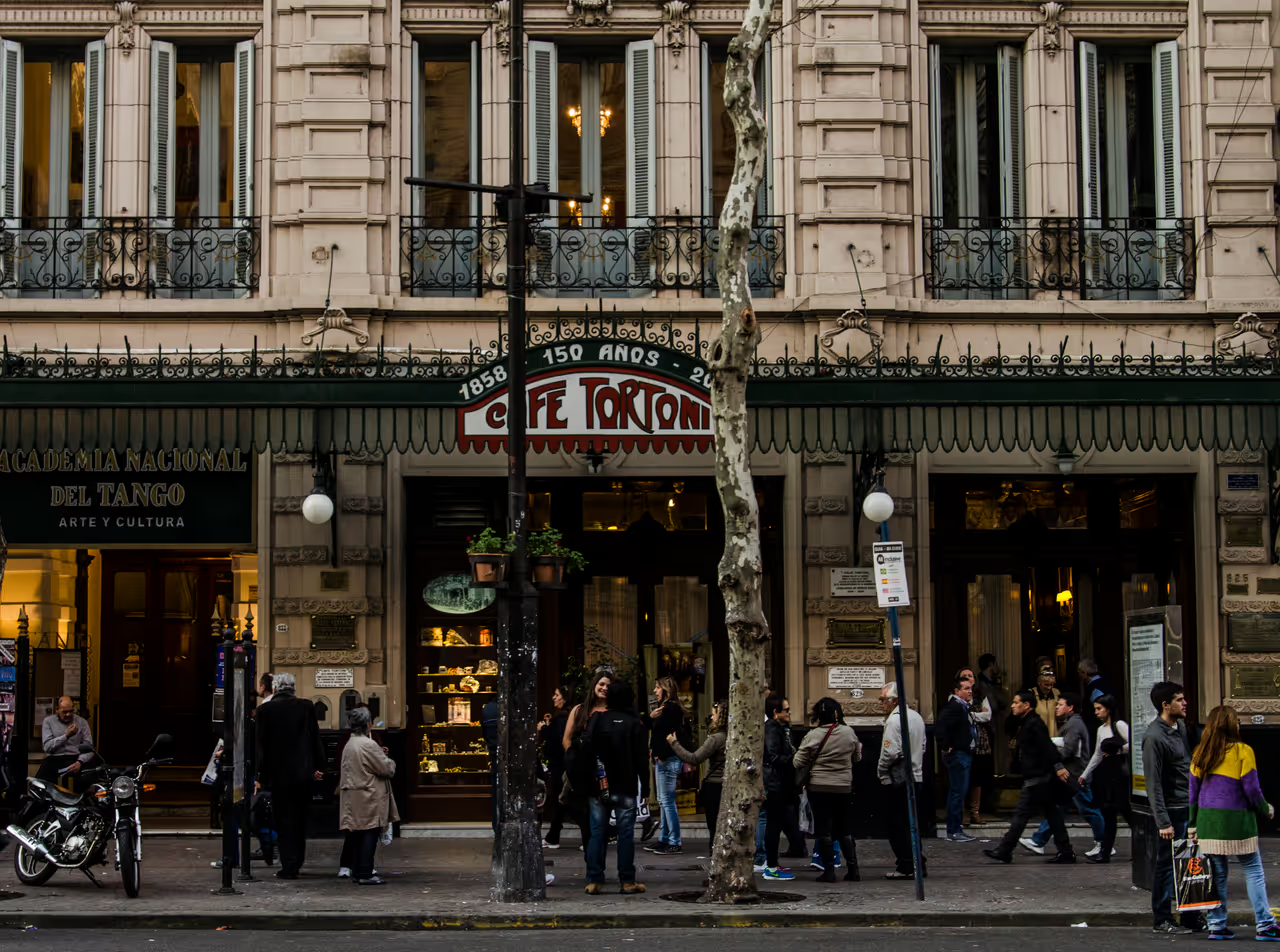
Literary Labyrinths
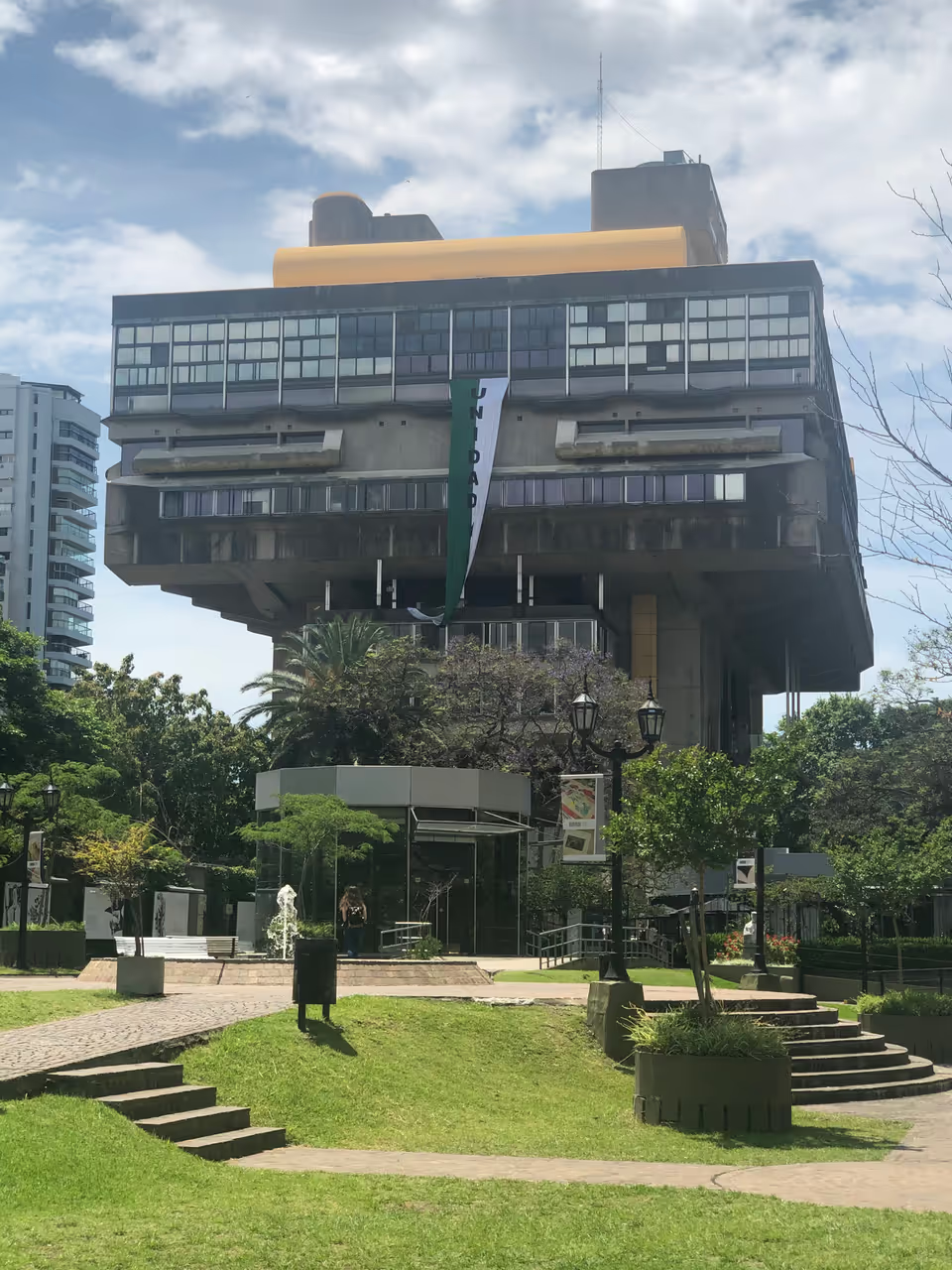
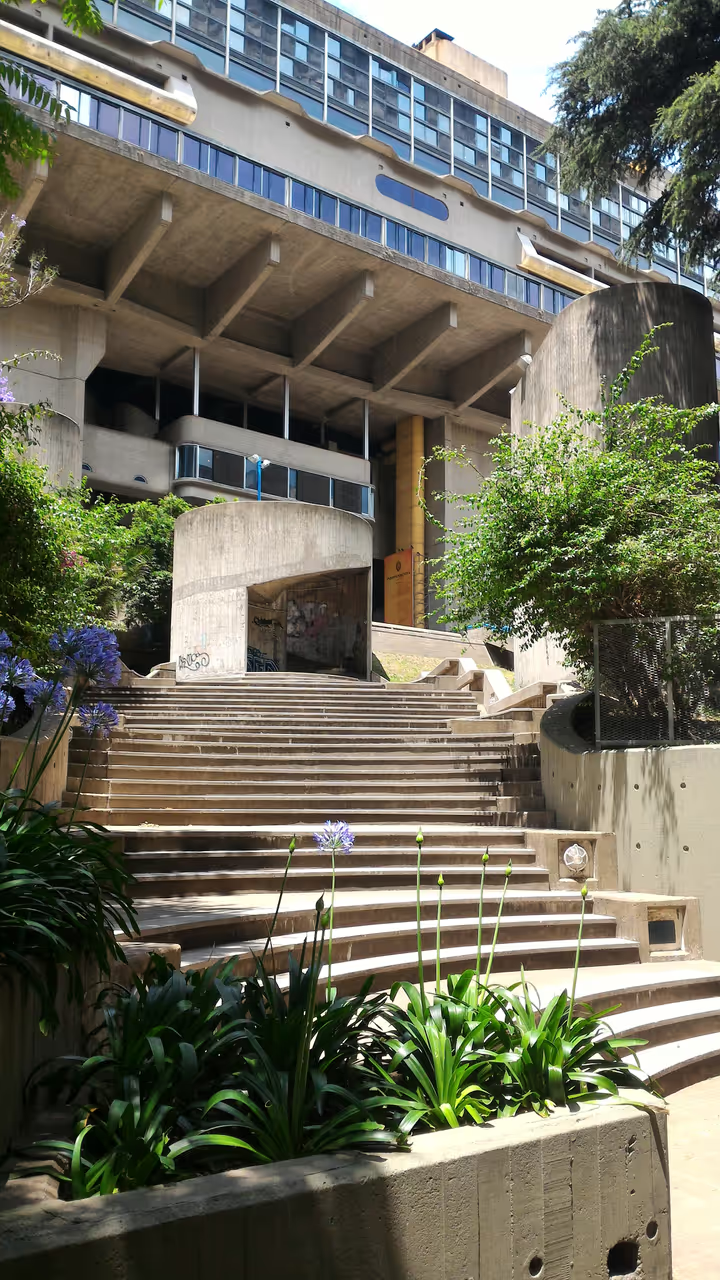
Delve into the intellectual soul of a city renowned for having the highest concentration of bookshops in the world. This self guided tour traces the footsteps of literary giants like Jorge Luis Borges, exploring the libraries, cafes, and grand bookstores they frequented. You will wander through historic reading rooms with magnificent painted ceilings and discover hidden shelves packed with rare, second hand editions. The journey captures the enduring local obsession with the printed word and philosophical debate. It is a quiet, contemplative exploration that appeals deeply to bibliophiles and romantic thinkers.
view self-guided tour
See all attractions in Buenos Aires
Casa Rosada, La Recoleta Cemetery, Metropolitan Cathedral of Buenos Aires, Obelisk of Buenos Aires, Teatro Colón, Caminito...