Teatro Colón
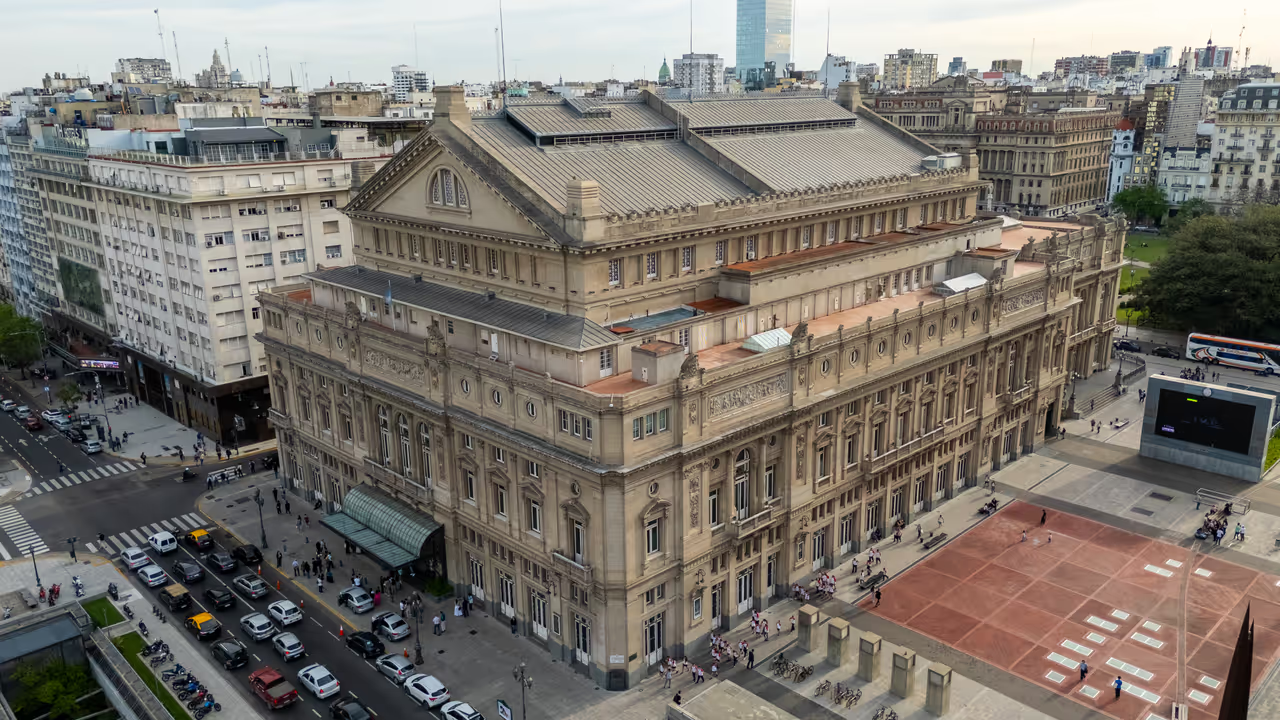
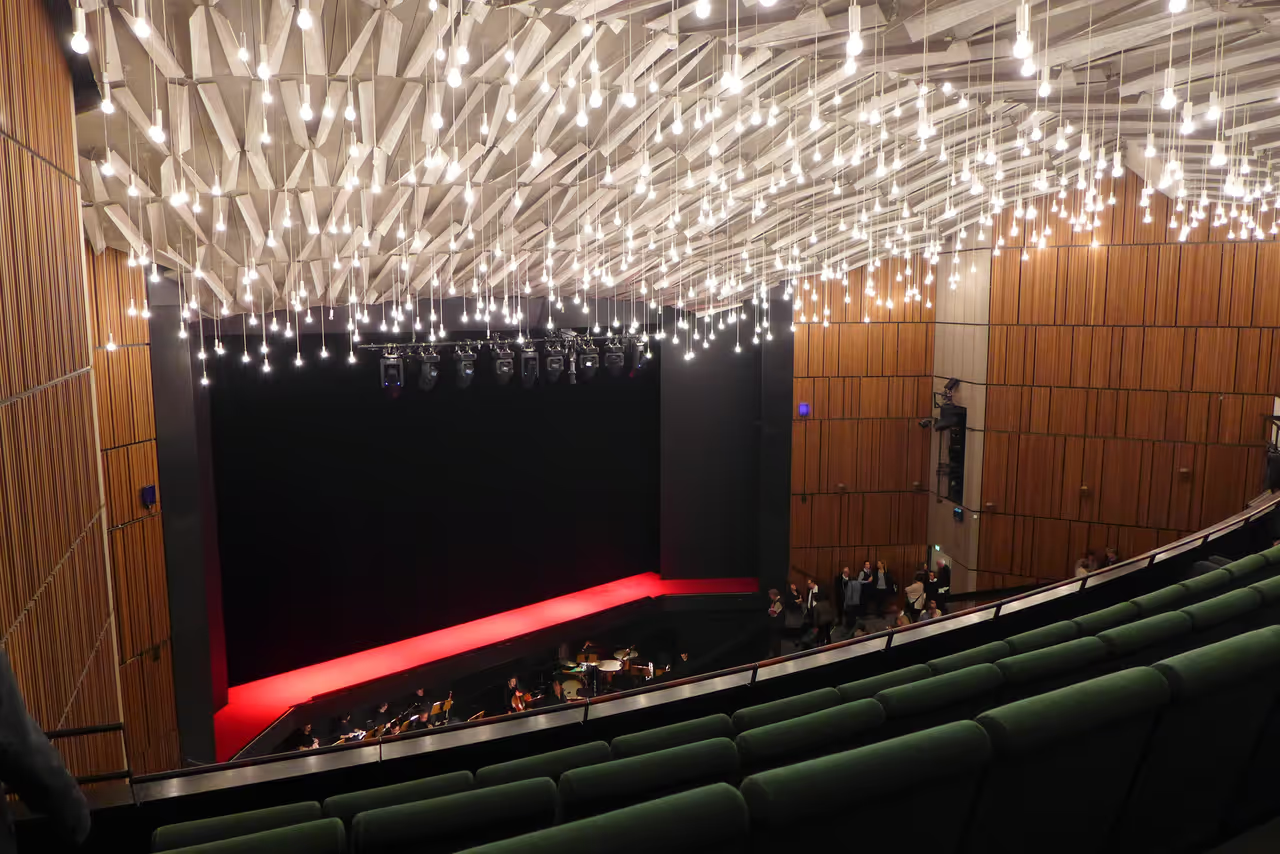
Stepping into the Teatro Colón feels like entering a golden age of elegance, where the air is thick with the history of the world's finest performers. This architectural masterpiece is consistently ranked among the top ten opera houses globally, boasting acoustics so precise they are considered the gold standard for orchestral and operatic performance. The horseshoe shaped auditorium, wrapped in rich scarlet and gold, creates an intimate atmosphere that transforms every evening into a special occasion. Visitors can wander through the ornate halls or attend a performance to experience firsthand why legends like Luciano Pavarotti held this venue in such high regard. It is the beating heart of Buenos Aires cultural life and a sanctuary for the arts. Whether you are a classical music fan or someone who appreciates breathtaking design, witnessing the grandeur of this house is an unforgettable experience.
Videos
History of Teatro Colón
The journey of the Teatro Colón is a testament to the ambition of Buenos Aires at the turn of the 20th century. Before the current structure existed, the city relied on a predecessor, which served the community faithfully from 1857. As the city grew, so did its hunger for a space that could rival the greatest stages in Europe. The construction of the current masterpiece was a complex saga that spanned two decades, marked by the tragic death of one lead architect and the murder of another, alongside the financial instability of the era. When it finally opened its doors in 1908, it revealed a stunning synthesis of Italian and French influences. Architects Francesco Tamburini, Vittorio Meano, and Julio Dormal poured their vision into the creation, resulting in a building of modest height that hides a cavernous, six floor interior. This space was engineered for visual beauty and sonic perfection, utilizing materials and structural designs that ensure sound travels with crystalline clarity to every seat in the house. Throughout the 20th century, the theatre cemented its reputation as a global nexus for culture, drawing the greatest conductors, dancers, and opera stars of their generation. It has survived political turmoil, anarchist bombings, and economic shifts, constantly reinventing itself while keeping its core identity intact. Following a massive, years long restoration that concluded in time for the Argentina Bicentennial in 2010, the theatre now stands as a revitalized beacon of artistic excellence. It remains a place where the history of music is preserved and actively lived through every performance that graces its stage.
Events spanning 121 years
Fun Facts
- • During the 1910 bombing incident, the reaction of the patrons was so defiant that it became a legend in the city, with the opera house filling again immediately despite the trauma.
- • In the past, the theatre provided a specialized, sequestered gallery with separate entrances for people who were in mourning, allowing them to attend performances without being seen by the public.
- • It is the only theatre in the world that houses all of its own resident performing groups, including the symphony orchestra, choir, and ballet company.
- • Luciano Pavarotti once remarked on the perfection of the acoustics with a humorous complaint, noting that the venue was so good that any mistake made by a performer was immediately noticeable to the entire audience.
- • Raúl Soldi, a renowned 20th century artist, painted the magnificent frescoes on the cupola in 1966, adding a vibrant layer of artistic history to the ceiling.
- • The 2006 to 2010 restoration project was a massive undertaking that involved 1,500 workers and 130 professional architects and engineers to ensure every detail was historically preserved.
- • The acoustics are so highly regarded that experts often cite the venue as having the best sound quality in the world for opera.
- • The building features a massive central chandelier that is adorned with 700 light bulbs, creating a radiant glow that highlights the intricate scarlet and gold interior design.
- • The site of the current theatre was previously occupied by the Plaza Parque station, which served as the original terminus for the Buenos Aires Western Railway.
- • The stage dimensions are 20 metres wide, 15 metres high, and 20 metres deep, designed to accommodate the most ambitious and complex operatic productions.
RESOURCES
Official WebsiteTeatro Colón FAQ
While we strive to keep this information accurate and up to date, we recommend verifying any details independently before making decisions based on them.
Teatro Colón Map & Neighborhood Explorer
This interactive map is centered on Teatro Colón. Zoom in and move the map around to automatically discover Wikipedia photos and summaries of other nearby sights, monuments, and historical points of interest and stories in real-time!
Places near Teatro Colón
Make the most of your trip. Check out these top-rated spots located nearby.
 327m
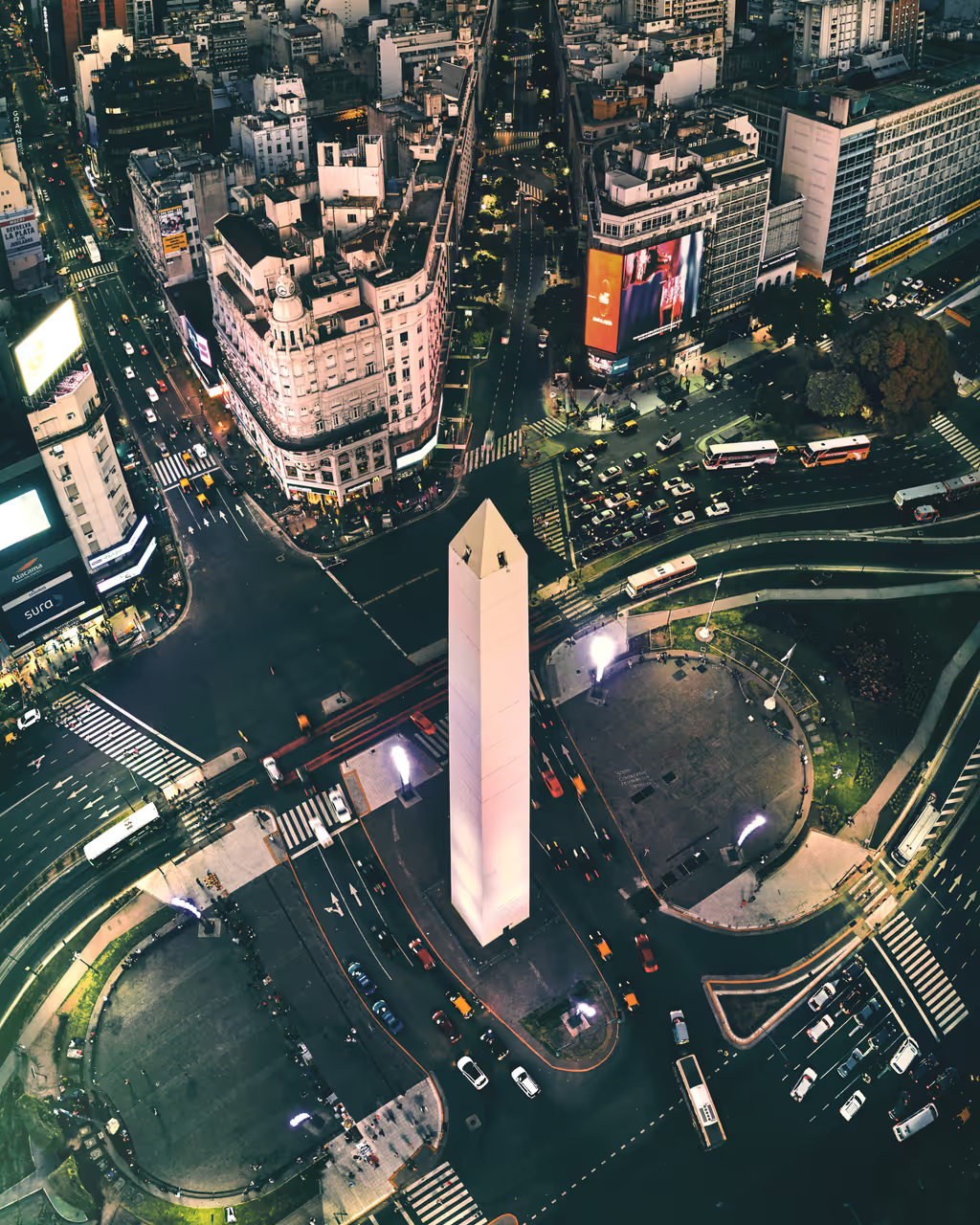
327mObelisk of Buenos Aires
The Obelisk of Buenos Aires is the heartbeat of the capital, standing tall as a silent guardian at the intersection of Corrientes and 9 de Julio avenues. This iconic structure is far more than a simple monument, serving as a central meeting point for historic celebrations and local protests alike. Visitors are drawn to its clean, modern silhouette which pierces the sky, symbolising the ambition and resilience of the city since its construction in 1936. Whether you are marvelling at its sheer scale from street level or learning about the historic church that once stood in its place, the experience is deeply rooted in the identity of local residents. It is the perfect starting point for any exploration, offering a glimpse into the dramatic spirit of this vibrant metropolis. Make sure to look for the inscriptions on its base, which detail the history of the city and its proud evolution.
attraction view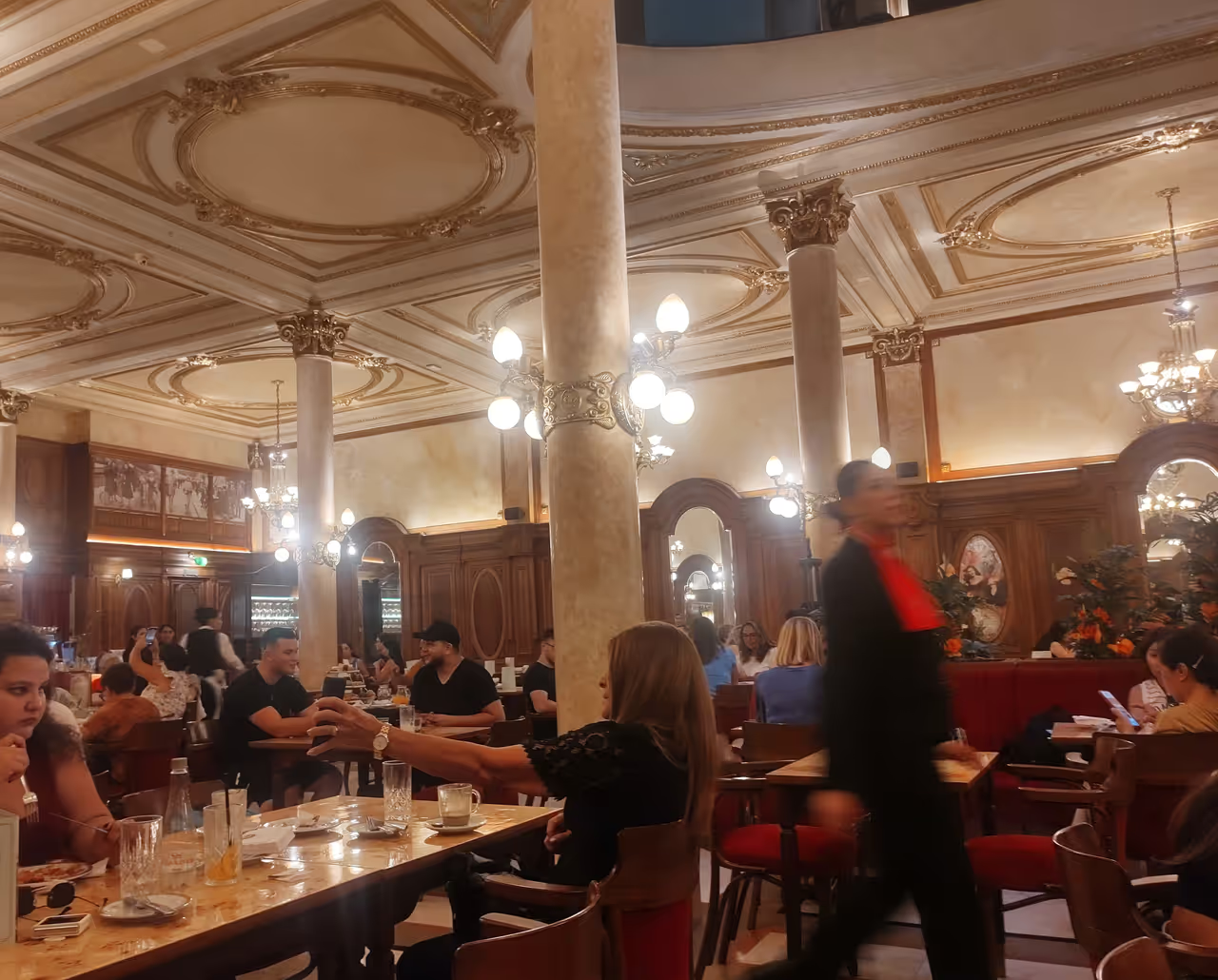 444m
444mIdeal Confectionery
Tucked away on a busy central street, stepping into this establishment is like walking directly into the decadent past of the 1920s. It is a wonderfully ornate, slightly decaying historic cafe and dance hall featuring marble pillars, bronze chandeliers, and dark wood panelling. While tourists flock to other famous cafes, this venue retains a slightly more authentic, melancholic charm closely tied to its legendary afternoon tango sessions. You can sip coffee under stained glass skylights while watching seasoned locals glide across the worn wooden dance floor. It is a profoundly atmospheric spot that oozes old world romanticism.
hidden gem view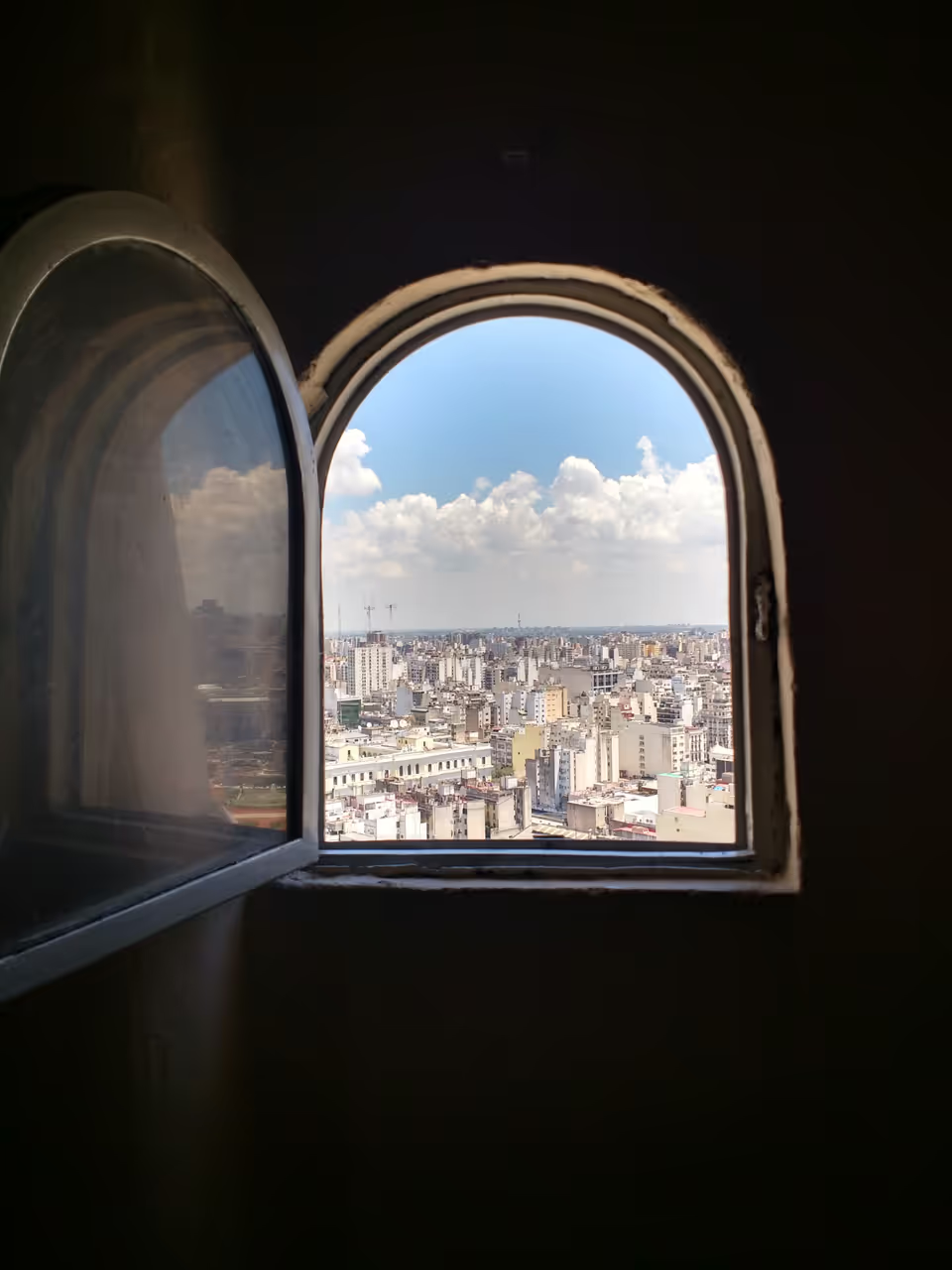 963m
963mBarolo Palace
This breathtakingly bizarre skyscraper was constructed entirely as an architectural homage to Dante's Divine Comedy. The building is divided structurally into hell, purgatory, and heaven, culminating in a functioning lighthouse at the very top. When it was completed, it was the tallest building in South America, visible even from across the river in Uruguay. The interior is filled with intricate neo-romantic detailing, Latin inscriptions, and beautifully preserved vintage lifts. Exploring its ornate, symbolic corridors is like stepping into a literary fantasy.
architecture view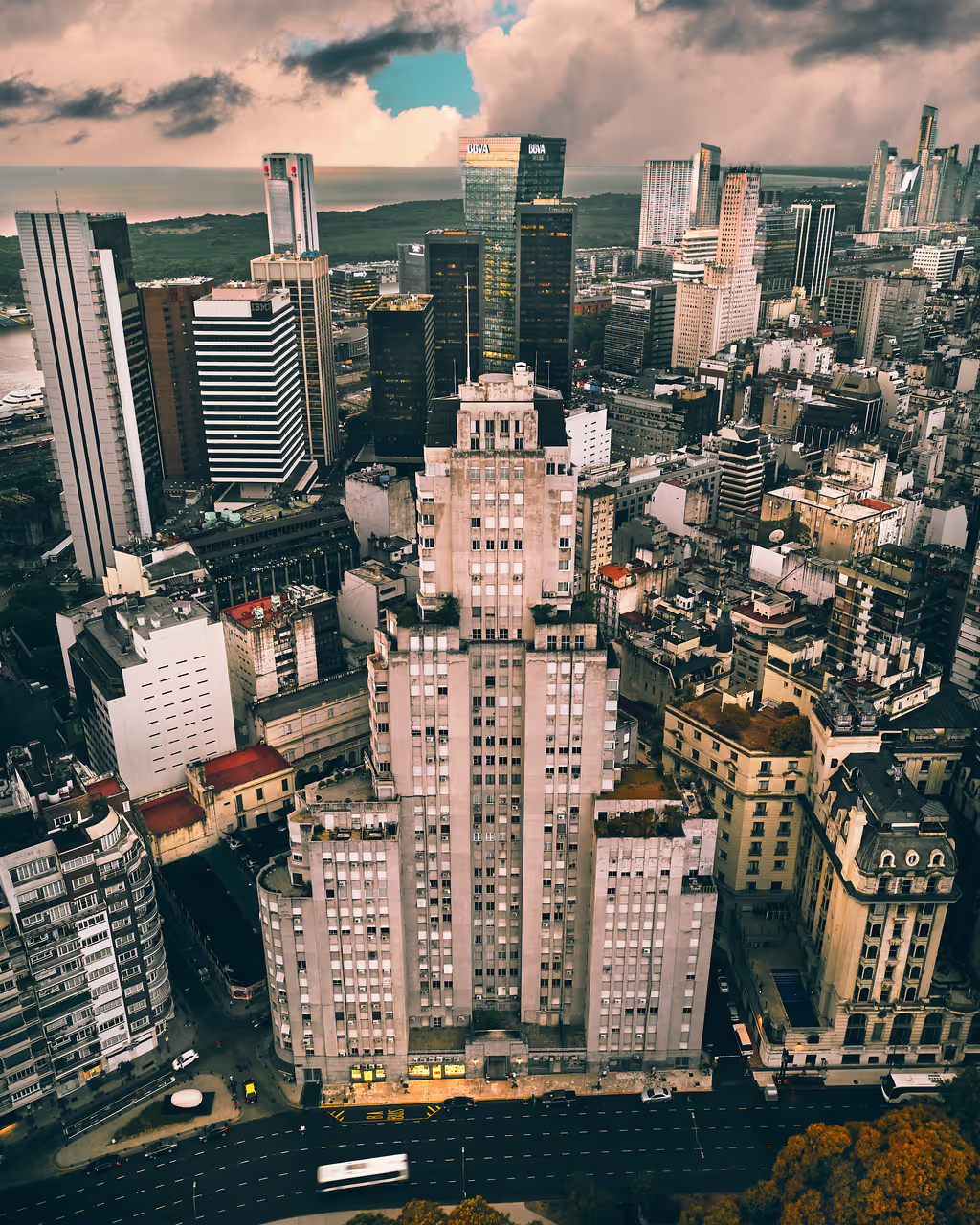 998m
998mKavanagh Building
A towering masterpiece of rationalist and Art Deco design, this structure dramatically dominates the skyline above Plaza San Martín. Built in the 1930s by a wealthy heiress supposedly as an act of revenge against an aristocratic family, its staggered, concrete form resembles the bow of a massive ship. It was the first building in the world to feature a centralised air conditioning system, highlighting its incredible modernity at the time. Its sleek, stepped profile remains one of the most elegant and imposing silhouettes in the entire city. It is a stunning reminder of the city's twentieth century architectural ambition.
architecture view
Explore Similar Places in This Collection
Featured on This Itinerary
See all attractions in Buenos Aires
Casa Rosada, El Ateneo Grand Splendid, La Recoleta Cemetery, Metropolitan Cathedral of Buenos Aires, Obelisk of Buenos Aires, Caminito...