Obelisk of Buenos Aires
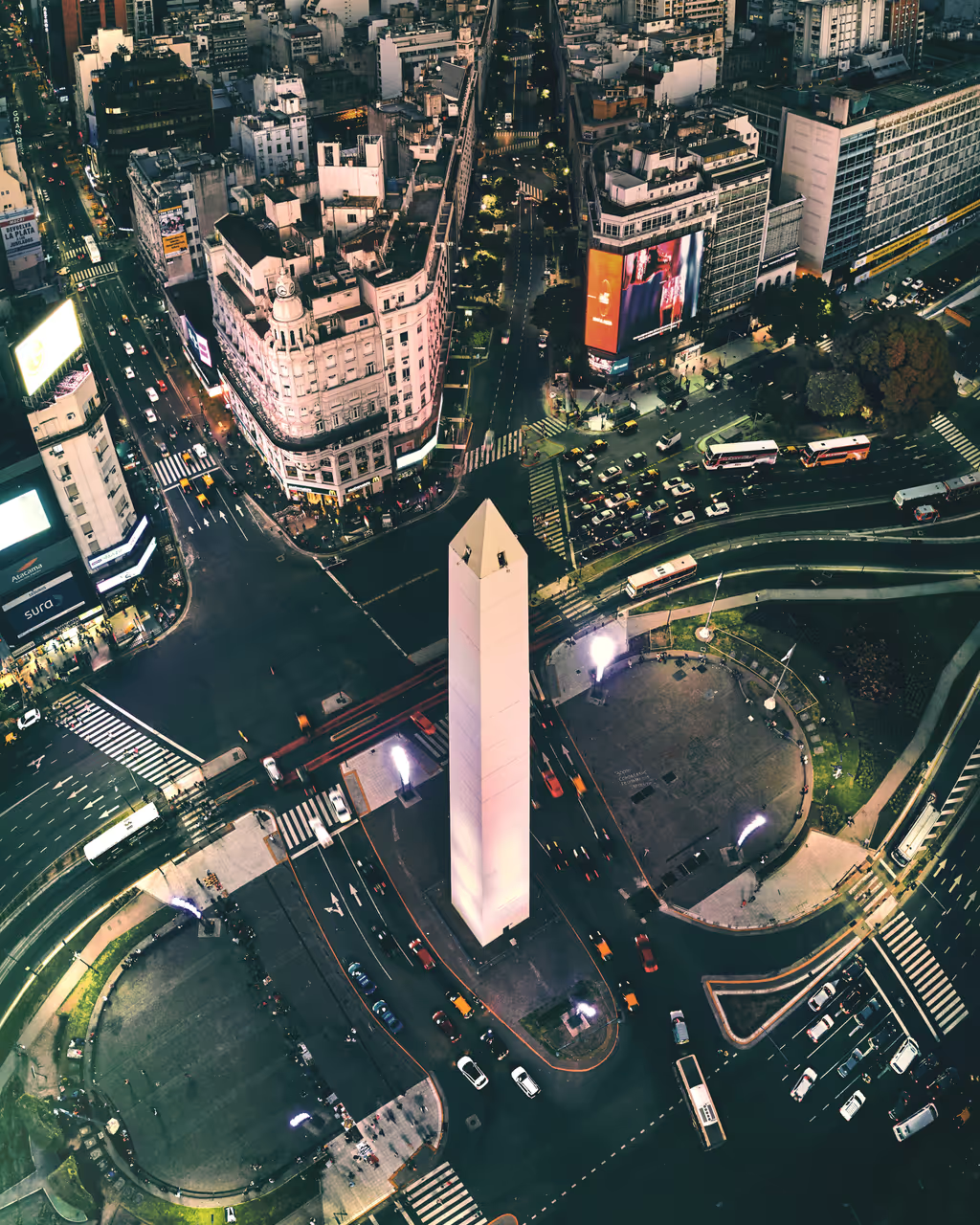
The Obelisk of Buenos Aires is the heartbeat of the capital, standing tall as a silent guardian at the intersection of Corrientes and 9 de Julio avenues. This iconic structure is far more than a simple monument, serving as a central meeting point for historic celebrations and local protests alike. Visitors are drawn to its clean, modern silhouette which pierces the sky, symbolising the ambition and resilience of the city since its construction in 1936. Whether you are marvelling at its sheer scale from street level or learning about the historic church that once stood in its place, the experience is deeply rooted in the identity of local residents. It is the perfect starting point for any exploration, offering a glimpse into the dramatic spirit of this vibrant metropolis. Make sure to look for the inscriptions on its base, which detail the history of the city and its proud evolution.
Videos
History of Obelisk of Buenos Aires
The story of the Obelisk begins in 1936 during the celebrations of the four hundredth anniversary of the first foundation of Buenos Aires. Designed by the visionary architect Alberto Prebisch, the structure was completed in a mere 31 days. This rapid construction was a feat of engineering, requiring 157 workers to pour concrete and layer it with white stone from the Córdoba province. While some contemporaries argued over its aesthetic, the monument was intended to provide the capital with a definitive landmark. Its construction required the demolition of the church of St. Nicholas of Bari, a decision that caused significant local controversy at the time. Despite its status today, the Obelisk faced an existential crisis in 1939 when the city council voted for its demolition citing safety and aesthetic concerns. The executive branch intervened to save the tower, noting that it was an essential piece of national heritage. The structure became a focal point for the political climate of the country. In 1975, during a period of state repression, a rotating sign bearing the motto Silence is health was installed around the monument. Many citizens interpreted this as a sinister suggestion that political passivity was the key to safety, cementing the role of the site as a witness to the turbulent history of the country. Today the Obelisk is widely considered the undisputed symbol of the city. It has evolved beyond its original purpose as a mere monument, functioning as a vibrant canvas for public expression. It has been transformed into a giant pencil, a Christmas tree, and a massive awareness symbol for health crises. It is also the focal point for monumental celebrations, most famously the sea of millions who gathered there after national football victories. For any traveller, the Obelisk offers a direct connection to the soul of Buenos Aires in addition to a photo opportunity.
Events spanning 86 years
Fun Facts
- • Architect Alberto Prebisch preferred to simply call it a monument because the geometric shape needed a label.
- • Before the structure existed, a church dedicated to St. Nicholas of Bari stood on the spot, marking the historical location where the Argentine flag first flew in the city.
- • City officials attempted to order its demolition in 1939, but the executive branch blocked the motion, protecting the landmark for future generations.
- • During the middle of the 1970s, the monument was encircled by a sign reading Silence is health, a phrase that many locals perceived as a chilling warning about the dangers of political dissent.
- • Inside the solid concrete pillar lies a single, straight staircase comprising 206 steps that leads to four viewing windows at the summit.
- • Standing at 67.5 metres, the monument is an anchor for the city, visible from numerous vantage points across the sprawling metropolis.
- • The design incorporates a lightning rod that is completely hidden from public view to ensure the monument retains its sharp, pristine appearance.
- • The monument remains a focal point for national gatherings, serving as the ultimate stage for everything from football championship celebrations to intense public demonstrations.
- • The structure was completed in 31 days by a team of 157 dedicated workers.
- • Throughout its existence, the tower has been creatively repurposed, appearing as a giant Christmas tree, a massive pencil, and even a pink awareness symbol for World AIDS Day.
Obelisk of Buenos Aires FAQ
While we strive to keep this information accurate and up to date, we recommend verifying any details independently before making decisions based on them.
Obelisk of Buenos Aires Map & Neighborhood Explorer
This interactive map is centered on Obelisk of Buenos Aires. Zoom in and move the map around to automatically discover Wikipedia photos and summaries of other nearby sights, monuments, and historical points of interest and stories in real-time!
Places near Obelisk of Buenos Aires
Make the most of your trip. Check out these top-rated spots located nearby.
 171m
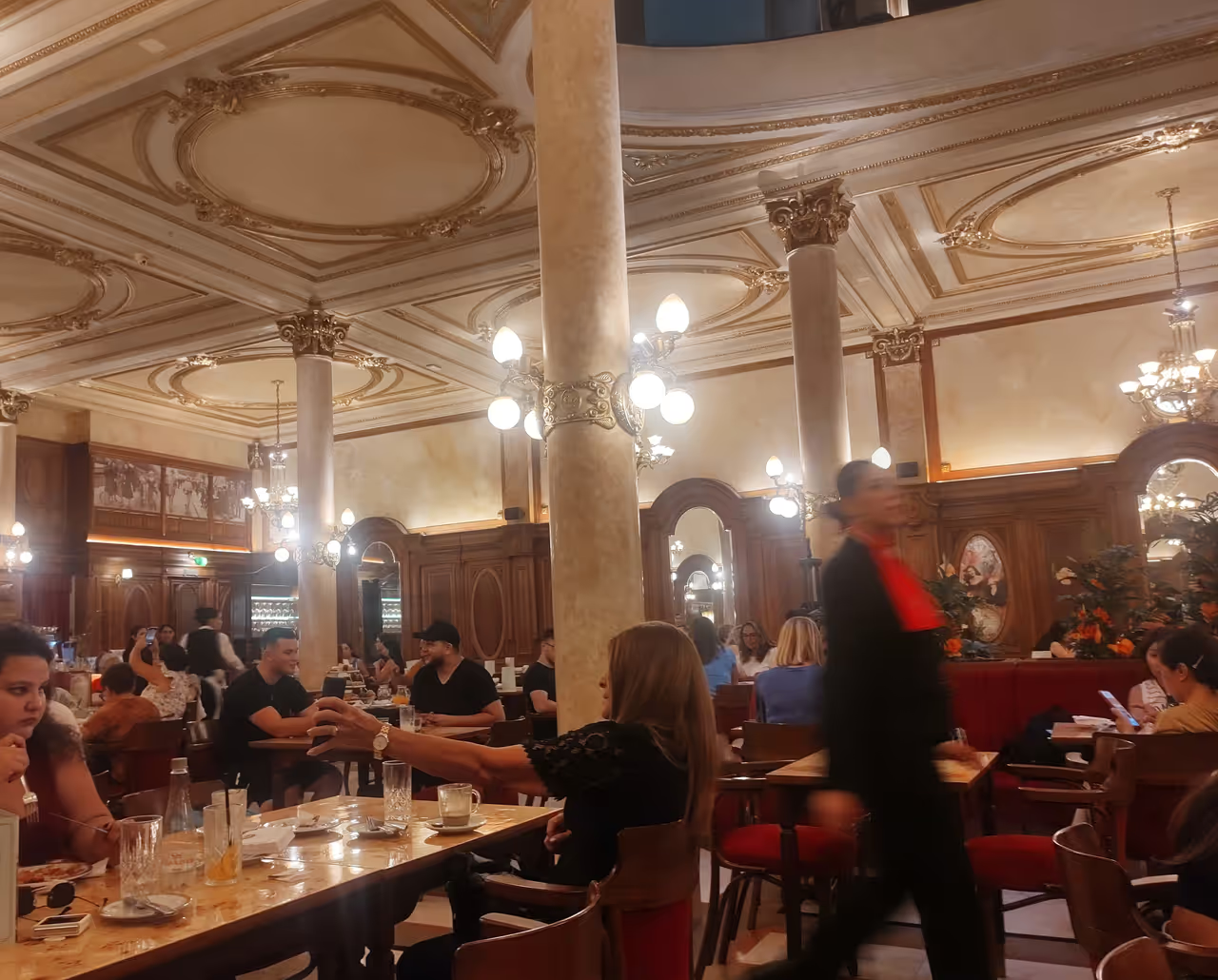
171mIdeal Confectionery
Tucked away on a busy central street, stepping into this establishment is like walking directly into the decadent past of the 1920s. It is a wonderfully ornate, slightly decaying historic cafe and dance hall featuring marble pillars, bronze chandeliers, and dark wood panelling. While tourists flock to other famous cafes, this venue retains a slightly more authentic, melancholic charm closely tied to its legendary afternoon tango sessions. You can sip coffee under stained glass skylights while watching seasoned locals glide across the worn wooden dance floor. It is a profoundly atmospheric spot that oozes old world romanticism.
hidden gem view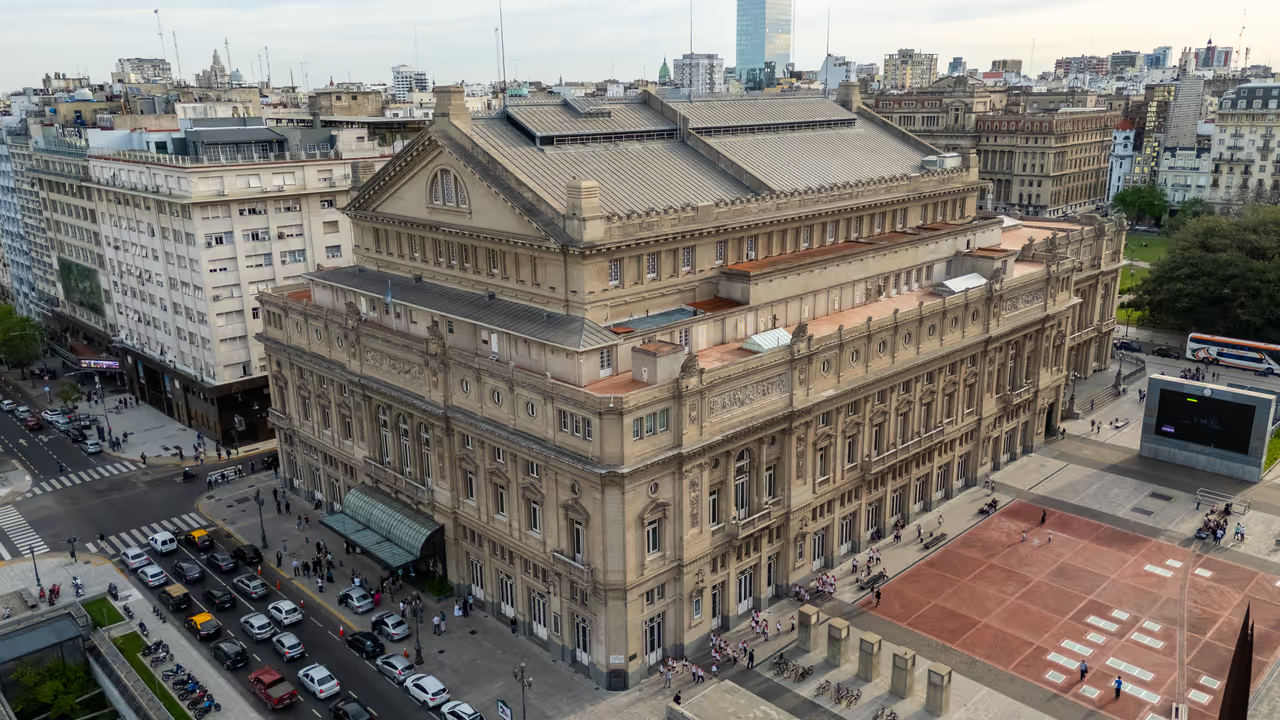 327m
327mTeatro Colón
Stepping into the Teatro Colón feels like entering a golden age of elegance, where the air is thick with the history of the world's finest performers. This architectural masterpiece is consistently ranked among the top ten opera houses globally, boasting acoustics so precise they are considered the gold standard for orchestral and operatic performance. The horseshoe shaped auditorium, wrapped in rich scarlet and gold, creates an intimate atmosphere that transforms every evening into a special occasion. Visitors can wander through the ornate halls or attend a performance to experience firsthand why legends like Luciano Pavarotti held this venue in such high regard. It is the beating heart of Buenos Aires cultural life and a sanctuary for the arts. Whether you are a classical music fan or someone who appreciates breathtaking design, witnessing the grandeur of this house is an unforgettable experience.
attraction view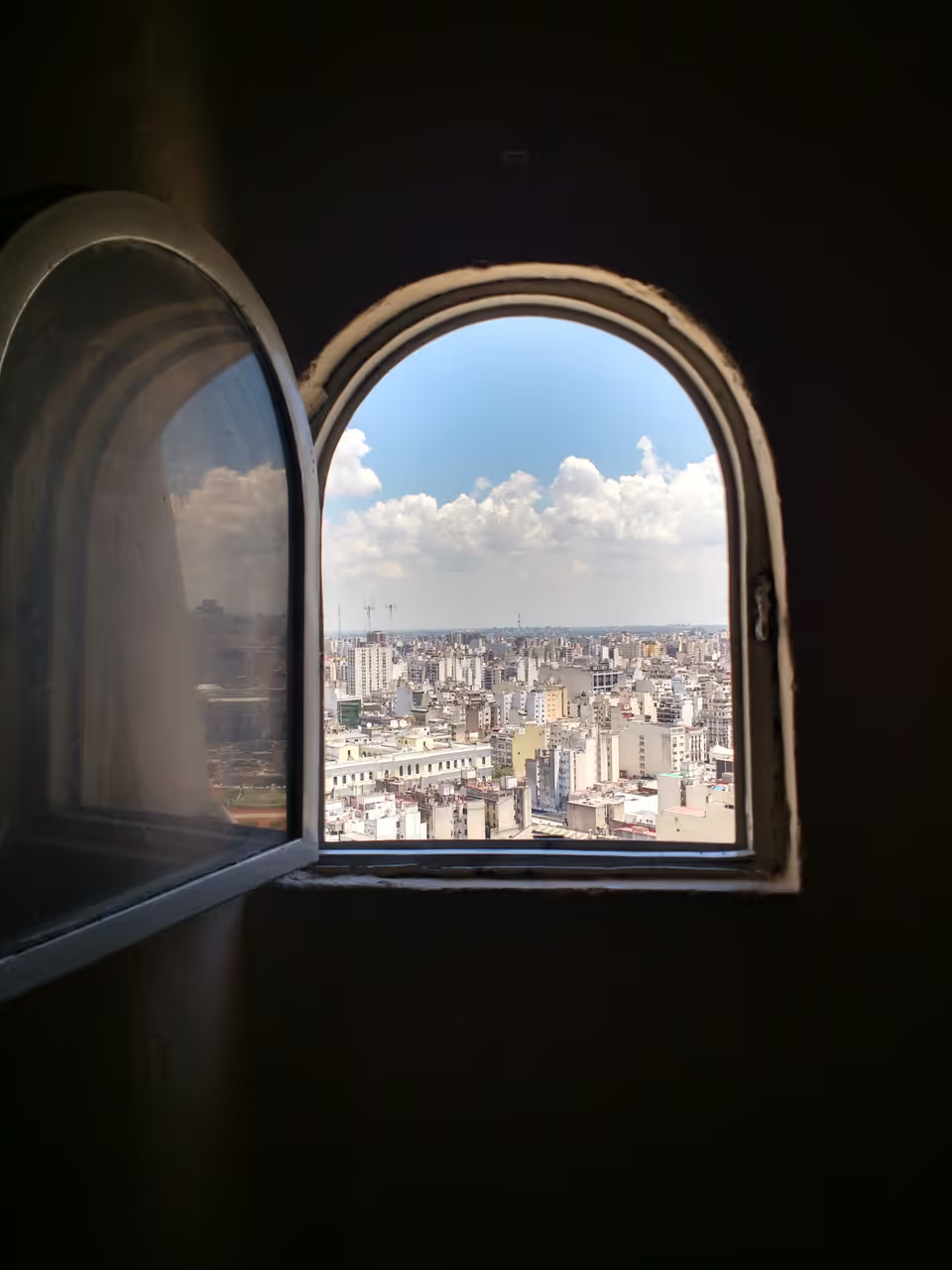 750m
750mBarolo Palace
This breathtakingly bizarre skyscraper was constructed entirely as an architectural homage to Dante's Divine Comedy. The building is divided structurally into hell, purgatory, and heaven, culminating in a functioning lighthouse at the very top. When it was completed, it was the tallest building in South America, visible even from across the river in Uruguay. The interior is filled with intricate neo-romantic detailing, Latin inscriptions, and beautifully preserved vintage lifts. Exploring its ornate, symbolic corridors is like stepping into a literary fantasy.
architecture view- 818m
San Fernando Ecological Market
Located a short train ride away in the northern suburbs, this unique market focuses strictly on sustainable, ethically produced goods. It offers a refreshing alternative to the tourist heavy spots, connecting buyers directly with local organic farmers and eco conscious artisans. You can browse fresh vegetables, handmade musical instruments, natural cosmetics, and artisanal clothing in a very relaxed, community focused environment. Visitors are encouraged to bring their own reusable bags, reflecting the strong environmental ethos of the organizers. It provides a fascinating glimpse into the growing sustainable lifestyle movement within the region.
market view
Featured on These Itineraries and Routes
3 Days in Buenos Aires: Classic Experience Itinerary
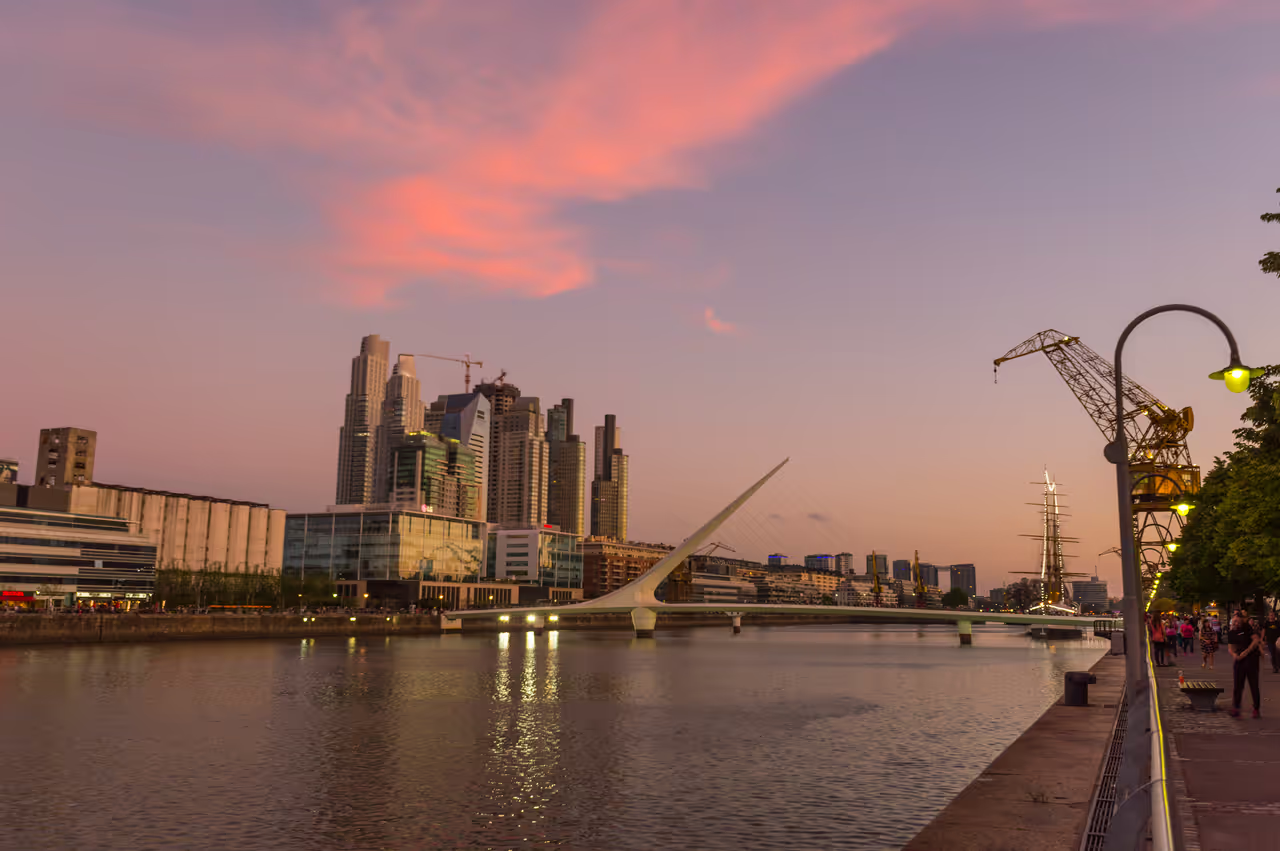
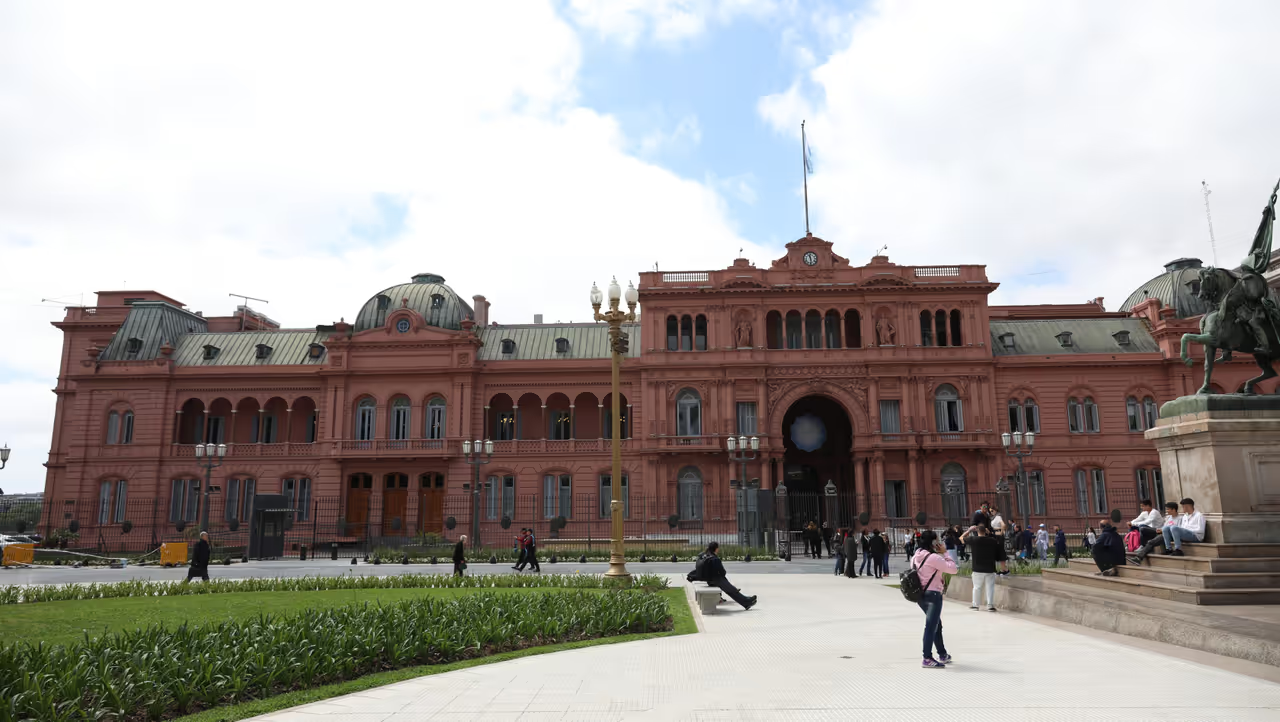
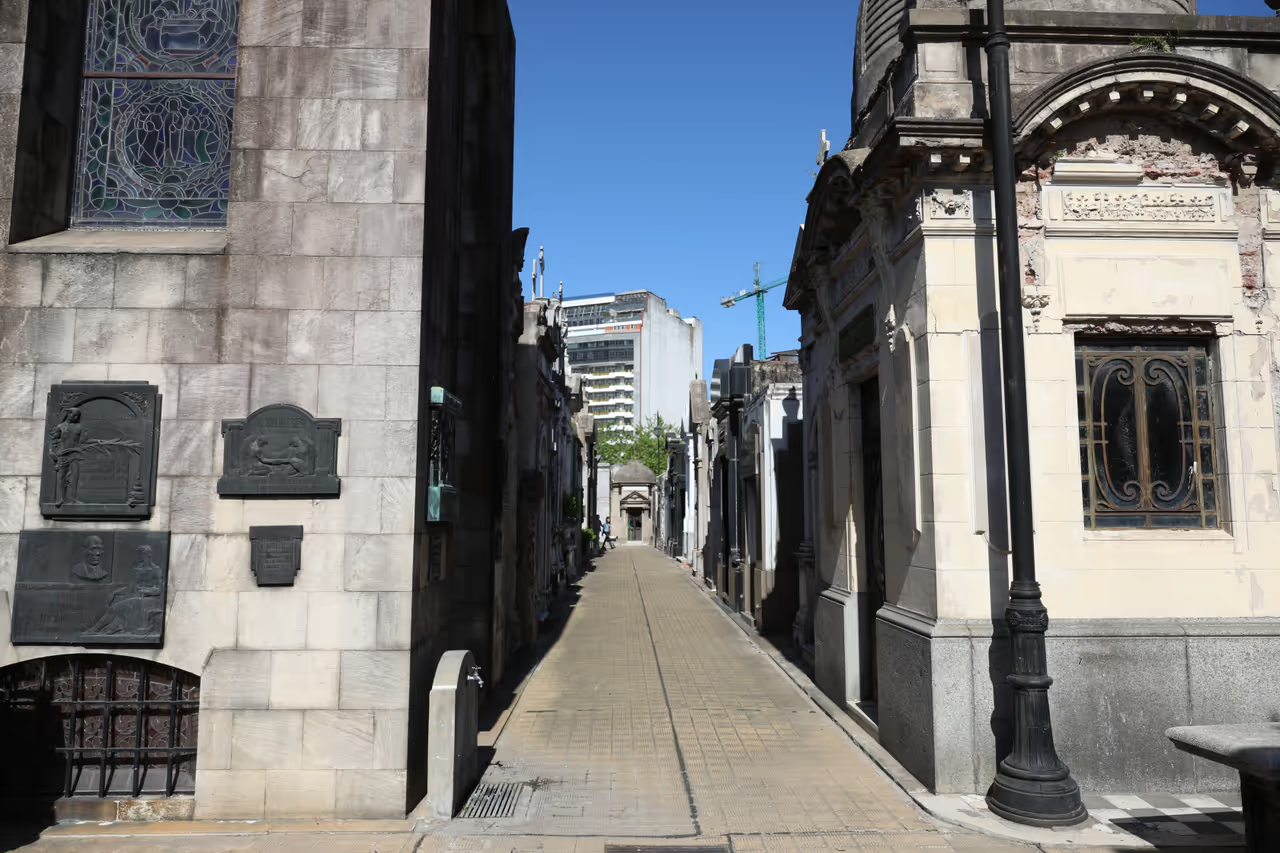
Over three days, you can comfortably explore the stark contrasts that define the metropolis, from its gritty ports to its aristocratic palaces. You will have time to delve into the elegant northern neighbourhoods, discovering grand cemeteries and sprawling green parks. The itinerary ensures you experience the vibrant street art and modern docklands, alongside the historic, cobblestone streets of the south. It strikes a perfect balance between checking off major monuments and soaking in the trendy, local nightlife. This provides a comprehensive, highly satisfying overview of the capital.
view itinerary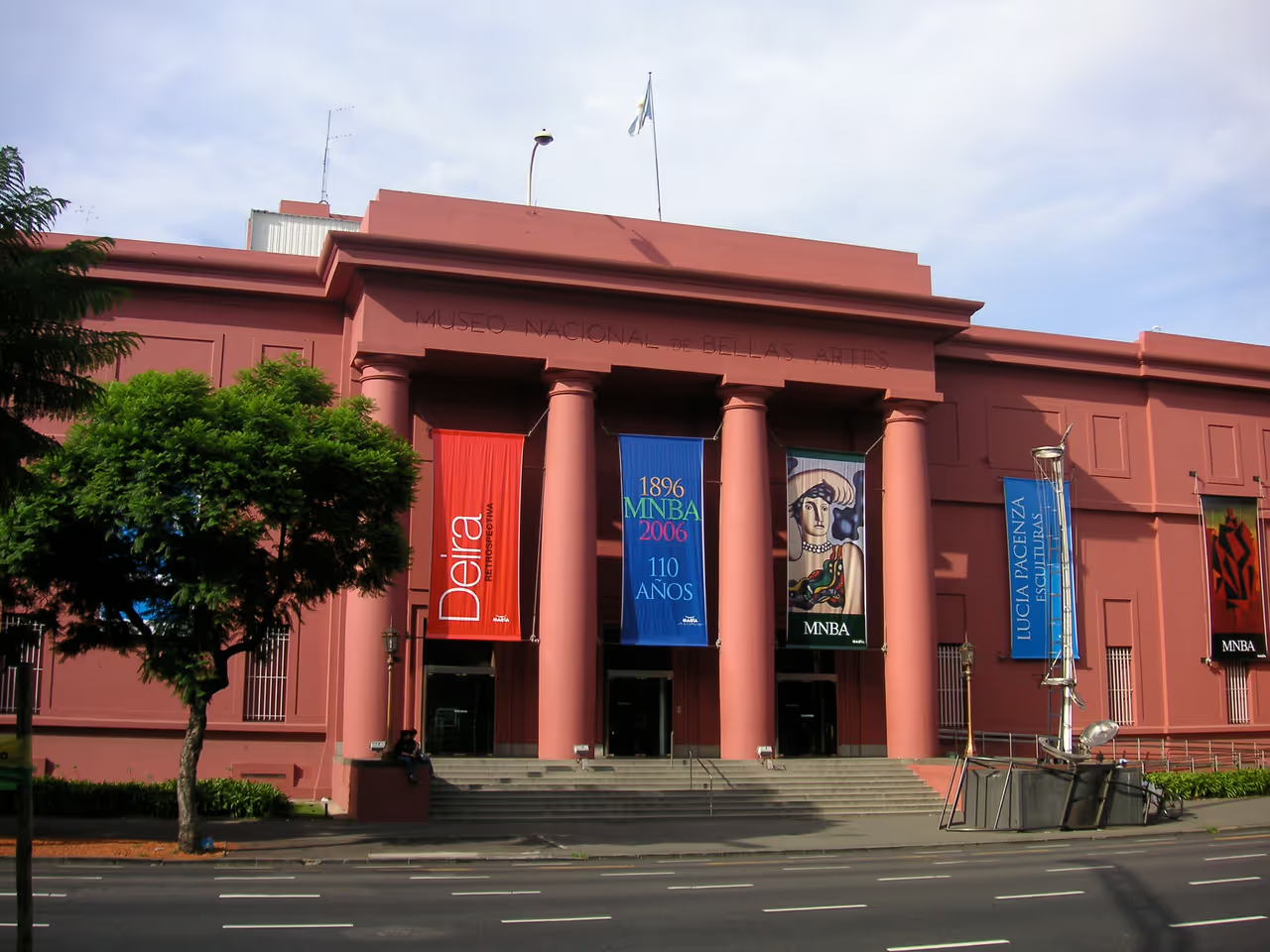
5 Days in Buenos Aires: The Deep Dive Itinerary
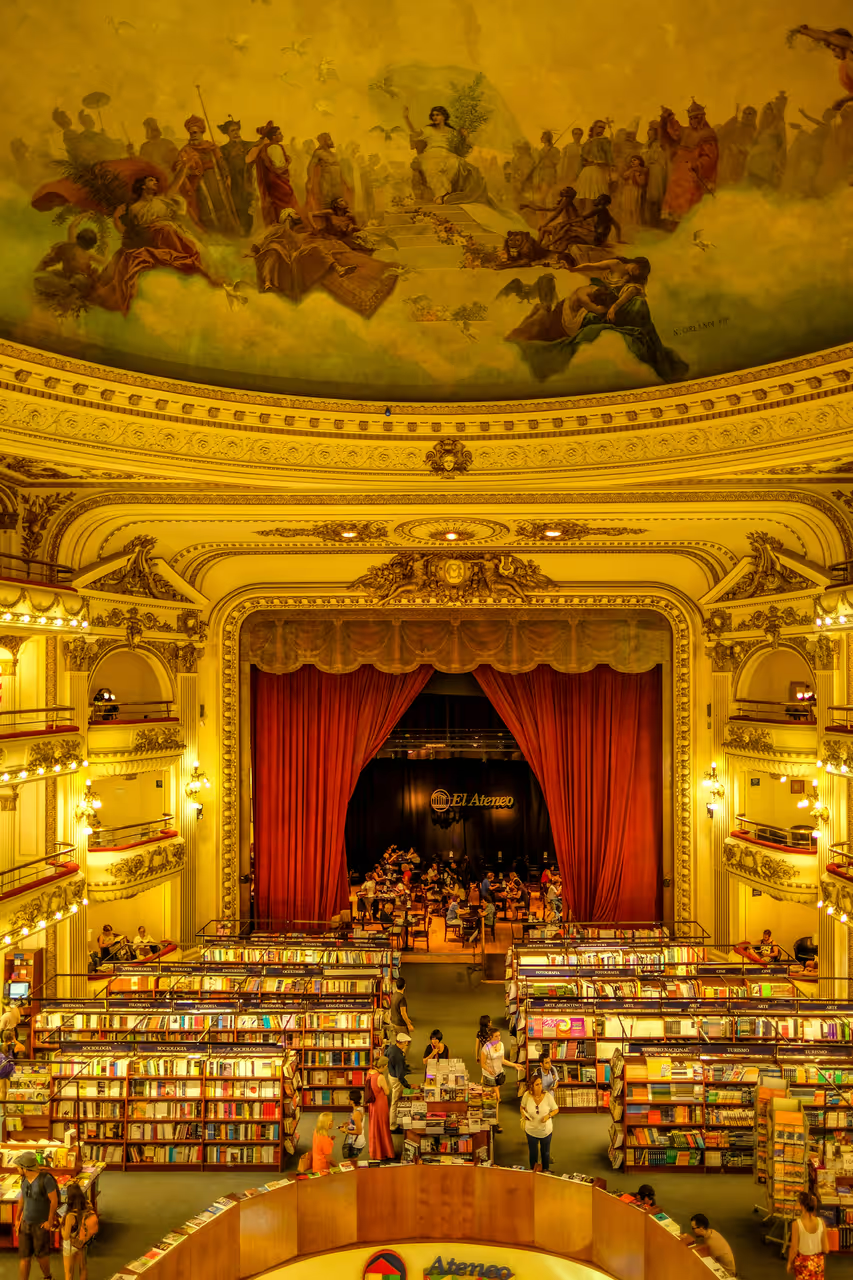
This generous five day itinerary allows you to completely sync with the late night, culturally rich rhythm of the city. Beyond the essential sights, you will have time to explore hidden architectural gems, massive ecological reserves, and venture outside the city limits. It provides the opportunity to engage in local activities, from learning polo to discovering the vibrant street art scene in detail. You can afford to linger in historic cafes and enjoy exceptionally long, relaxed dinners without feeling rushed. It is the definitive way to truly understand and absorb the complex soul of the capital.
view itinerary
Microcentro Pedestrian Pulse
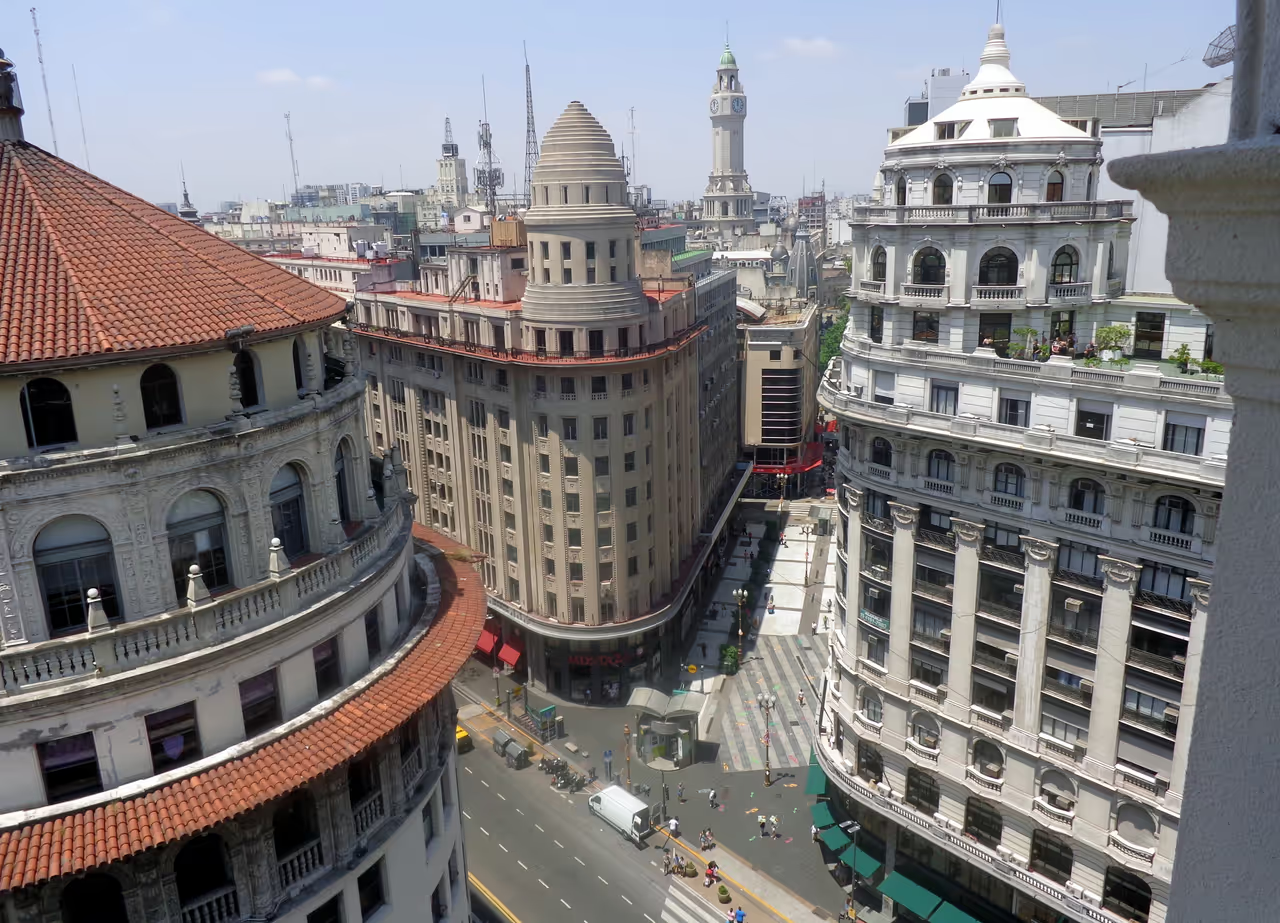
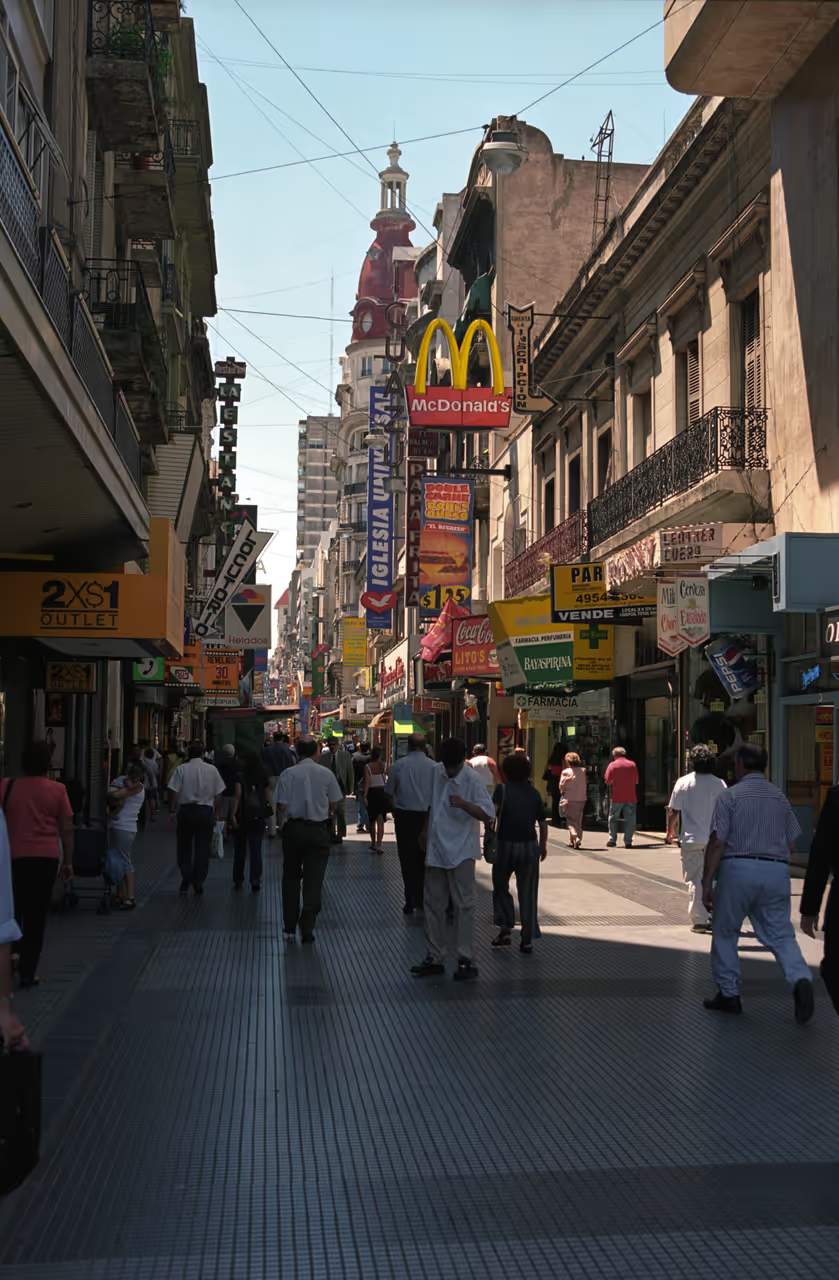
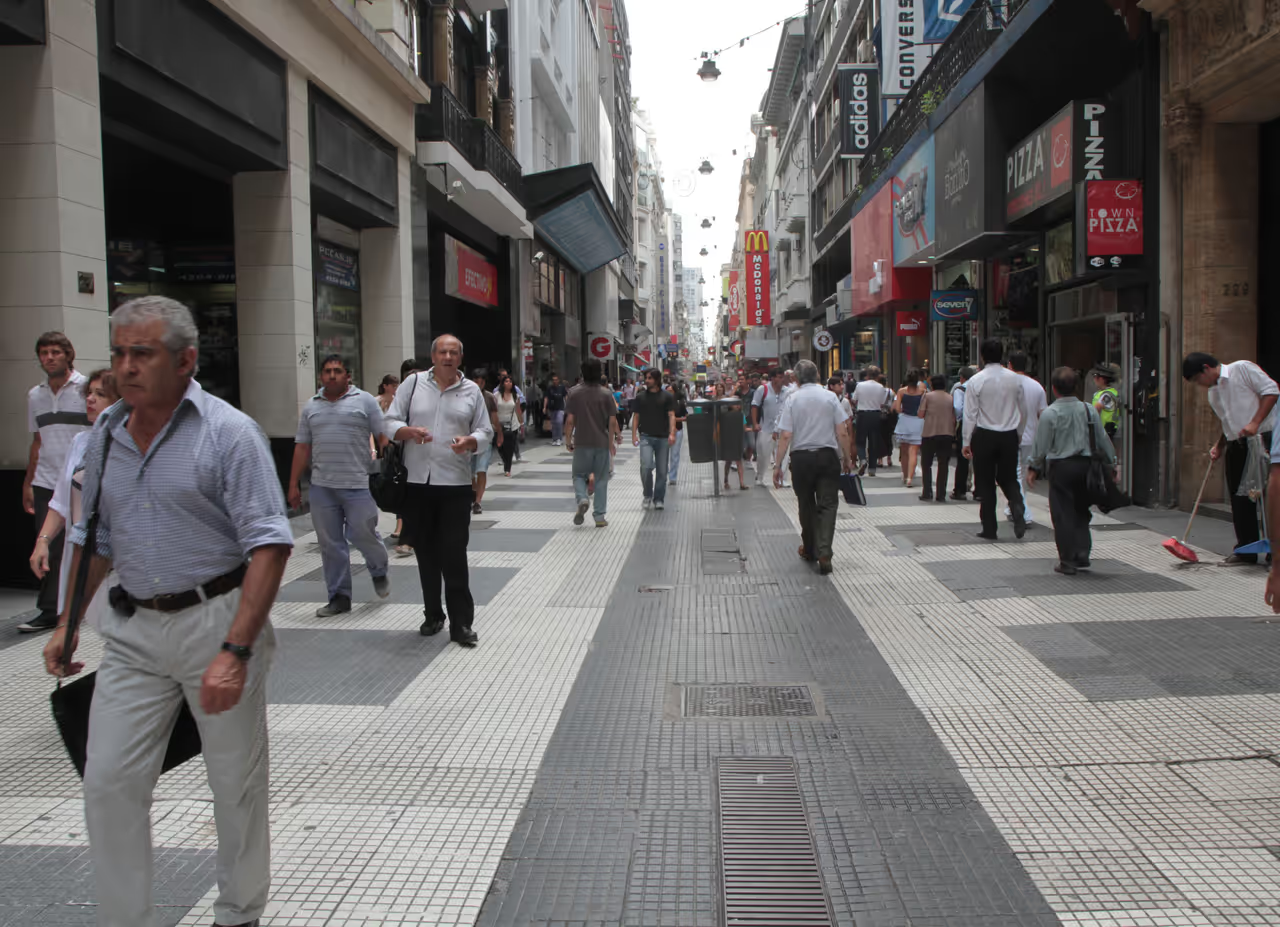
Dive headfirst into the chaotic, buzzing commercial heart of the capital along its famous pedestrianised streets. This energetic walk exposes you to a dizzying array of window displays, street vendors, and intense local commerce. The air is filled with the shouts of money changers and the melodies of talented buskers hoping to catch your attention. You will be walking in the shadows of grand, historic bank buildings and ornate shopping arcades that hint at a glorious past. It is an unapologetically busy, fast paced stroll that perfectly captures the daily hustle of the metropolis.
view walking route
See all attractions in Buenos Aires
Casa Rosada, El Ateneo Grand Splendid, La Recoleta Cemetery, Metropolitan Cathedral of Buenos Aires, Teatro Colón, Caminito...