Luanda
Full City Guide, Map & 116 Things To Do
2,165,867 people live here.
That's 6.02% of the entire population of Angola.
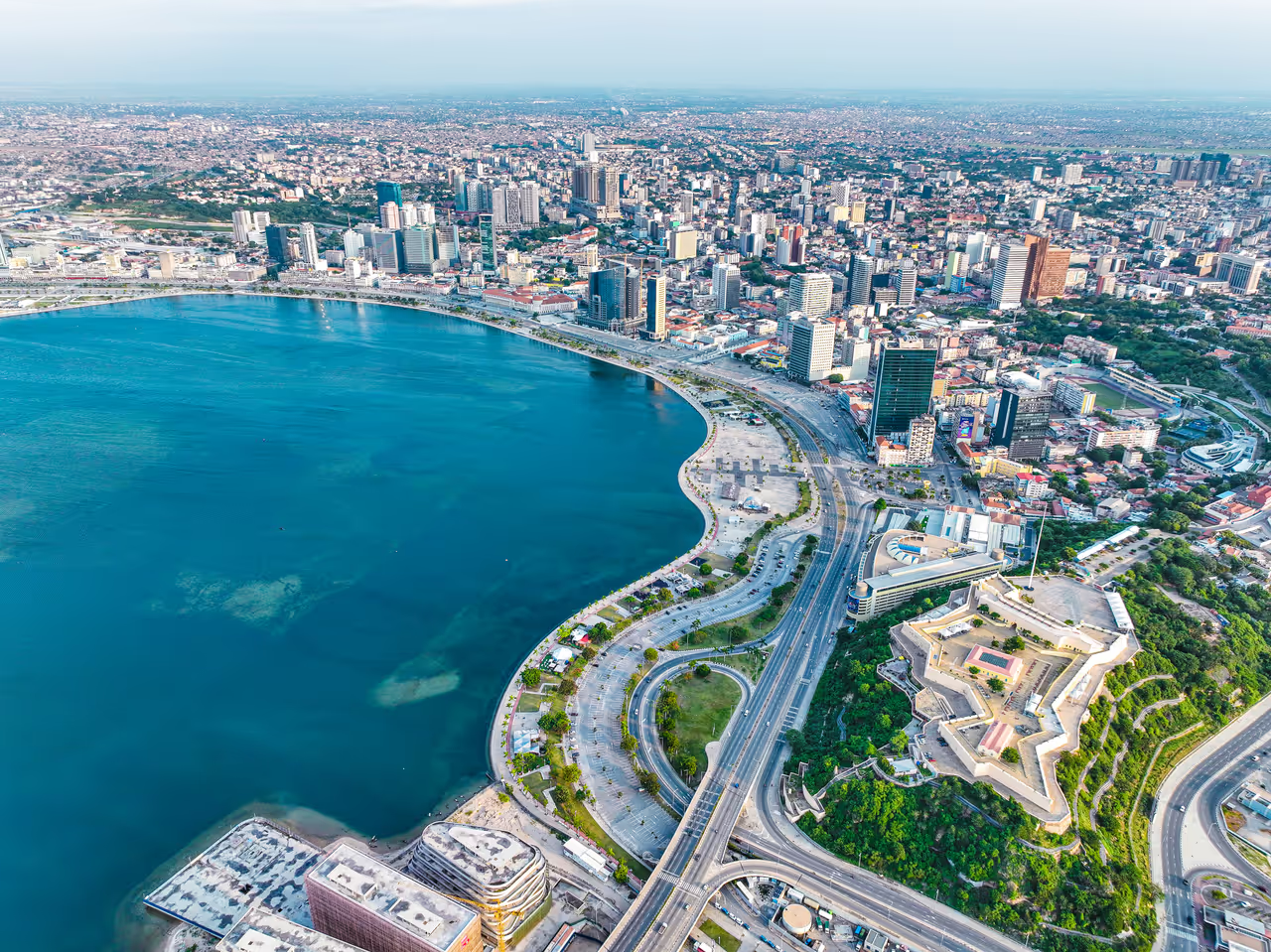
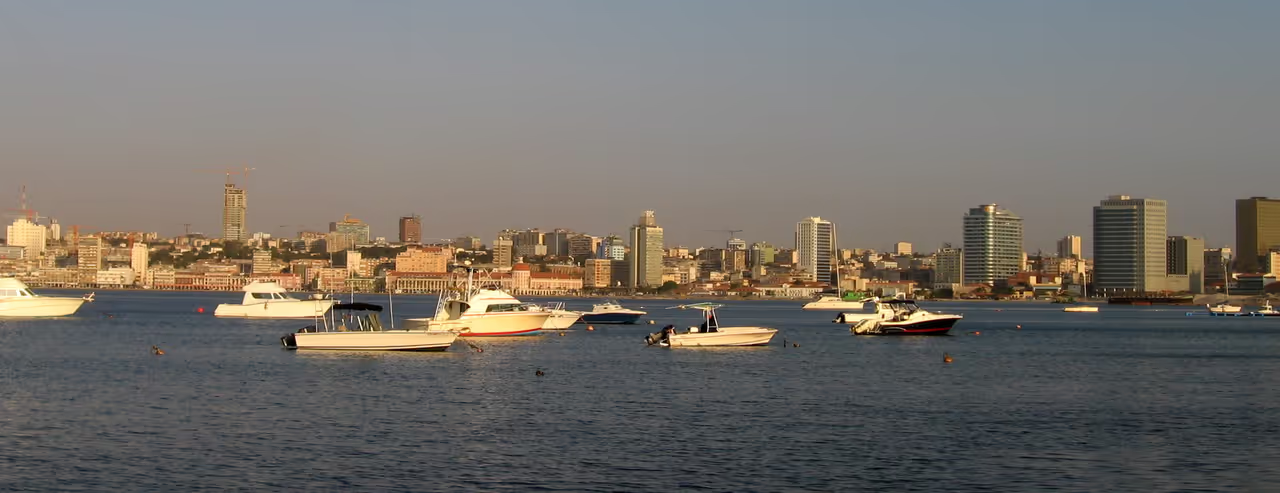
Luanda stands as a dynamic metropolis where a rapidly modernising skyline meets the deep blue waters of the Atlantic Ocean. Once known as the Paris of Africa, this capital city is undergoing an extraordinary renaissance fuelled by natural resources. Gleaming skyscrapers and luxury developments now contrast sharply with historic Portuguese colonial architecture. The beautiful curve of the Luanda Bay forms the city's scenic heart, inviting both locals and visitors to enjoy its landscaped promenades. Just offshore lies the Ilha de Luanda, a sandy peninsula famous for its palm fringed beaches, exclusive restaurants and energetic nightlife. A visit here offers a raw, authentic look at an African economic powerhouse reshaping its identity.
Luanda DNA
History of Luanda
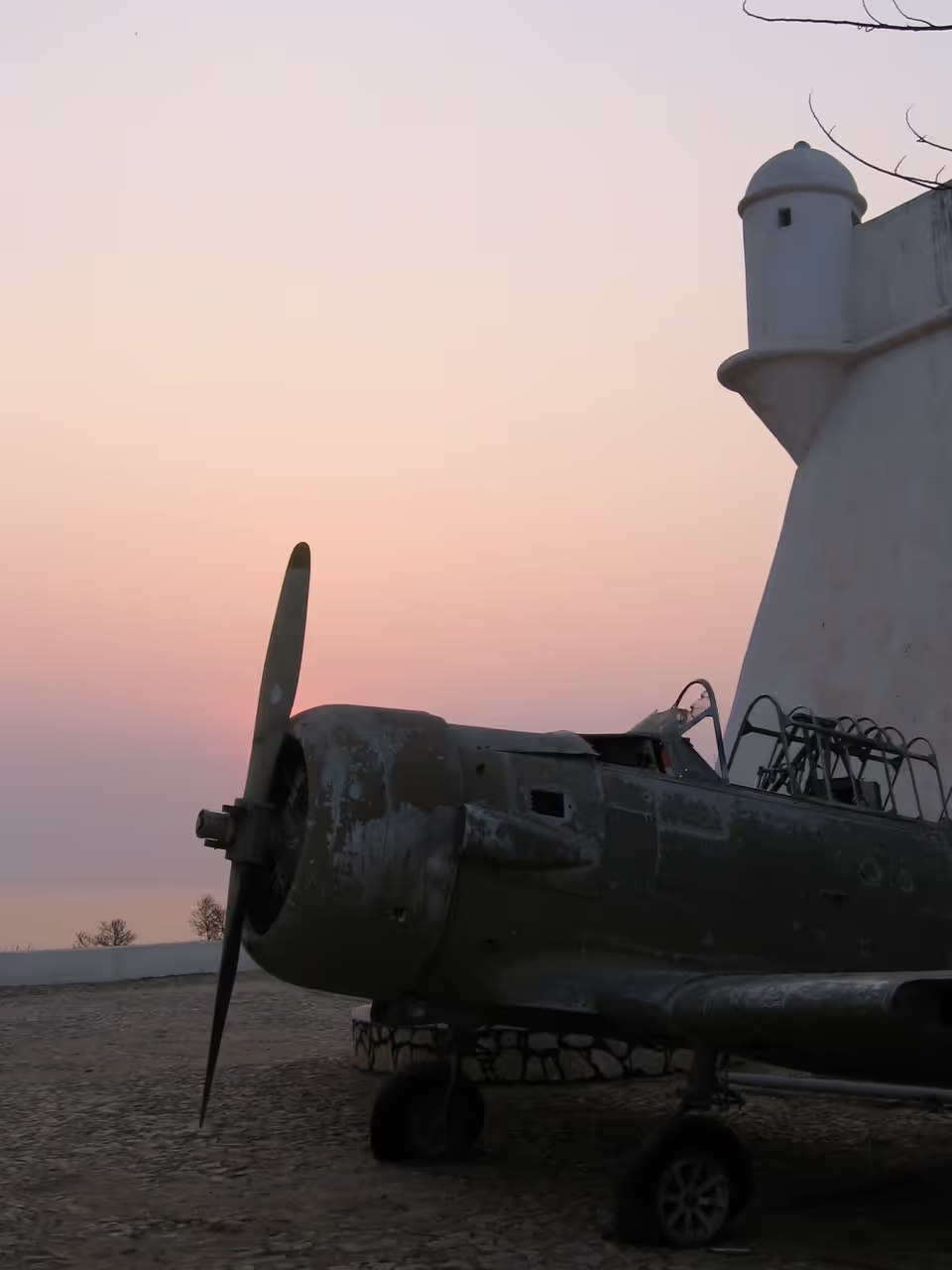
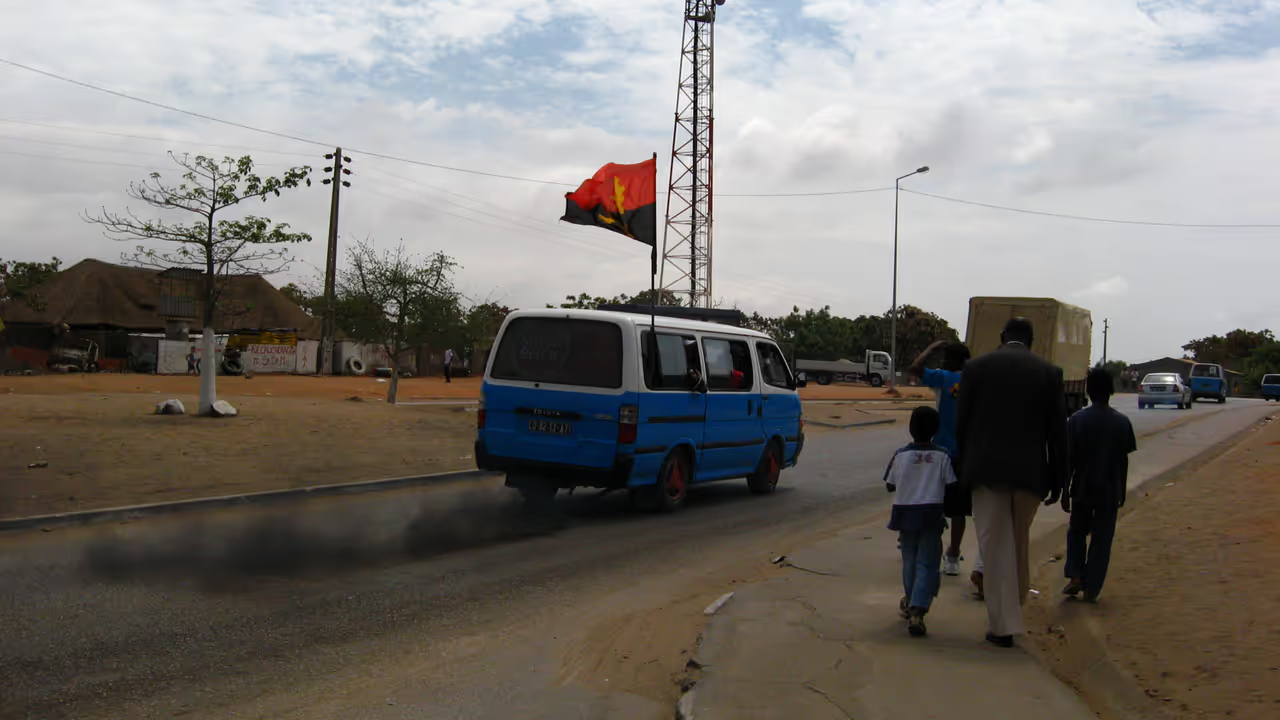
In January 1576, Paulo Dias de Novais dropped anchor on the northern Atlantic coast and immediately began constructing a military foothold. He brought one hundred settler families and four hundred soldiers to a sandy stretch of land they called São Paulo da Assunção de Loanda. The new arrivals huddled mostly within the stone walls of what would become the Fortaleza de São Miguel. This imposing fortification still watches over the bay today. For nearly three centuries, the port operated as a highly lucrative and brutal bridgehead for the transatlantic slave trade. Ships sailed back and forth across the ocean so frequently that the town began to feel like a colonial outpost of Brazil rather than Portugal. Local merchants and Imbangala warriors drove a commerce that stripped the interior of its people. By the time the trade was outlawed in 1836, Brazilian cultural habits had permanently anchored themselves in the coastal soil. The end of human trafficking forced a sharp economic pivot. Officials opened the port to foreign shipping in 1844, transforming the coastal settlement into an export powerhouse. Warehouses piled high with palm oil, copal, ivory, and locally pressed cassava flour lined the narrow streets of the Baixa de Luanda. The city faced a severe lack of fresh water until Governor Brito Capelo finally opened the gates of a new aqueduct in 1889. Clean water flooded the public fountains, and a new Angolan bourgeoisie began to accumulate vast fortunes. During the twentieth century under the Estado Novo dictatorship, the capital swelled into a wealthy cosmopolitan enclave. While the Portuguese Colonial War raged in the distant hinterlands during the 1960s, the coastal centre remained eerily insulated from the conflict. Boulevards filled with cafes and expensive cars earned it the title of the Paris of Africa among visiting dignitaries and wealthy expatriates. That insulated bubble burst in 1975. The Carnation Revolution in Lisbon triggered Angolan independence, and almost overnight, the majority of the Portuguese population packed their bags and fled as refugees. As a civil war consumed the countryside, thousands of internal refugees sought safety on the coast. They built sprawling, makeshift neighbourhoods known as musseques that stretched for kilometres beyond the colonial city limits. Cuban soldiers, originally flown in to support the new government, ended up running the water and power plants just to keep the capital functioning. The guns finally fell silent following the 2002 Luanda Agreement, unlocking a ferocious wave of petrodollar wealth. Oil and diamond profits funded a surreal and rapid reconstruction phase. Today, glass skyscrapers reflect the Atlantic along the Marginal promenade, and imported goods can sell for absurd sums in local supermarkets. Below the gleaming commercial towers on Rua Kwame Nkrumah, thousands of white and blue Toyota minibuses called candongueiros aggressively navigate the traffic, carrying commuters between the old colonial core and the expanding urban fringes.
13 Events spanning 447 years
Map of Luanda
Interactive Destination & Itinerary Map
This map blends our curated city guides—featuring best photo spots, scenic walks, viewpoints, hidden gems and much more—with a live Wikipedia explorer. Click on our numbered pins to plan your routes, or zoom in on the surrounding neighborhoods to discover verified local landmarks, museums, and stories with dynamic Wikipedia summaries and photos!
Fun Facts
- • Luanda frequently topped global indexes as the most expensive city in the world for expatriates during the height of the oil boom.
- • The city is home to a massive fleet of pale blue and white Toyota Hiace vans called Candongueiros, which serve as the chaotic lifeblood of local public transport.
- • A surprising cultural loop exists with Brazil, originating from the tragic slave trade but resulting in shared culinary traditions, language nuances, and martial arts like Capoeira.
- • During its mid twentieth century economic peak, the city was widely known as the Paris of Africa due to its elegant architecture and cosmopolitan flair.
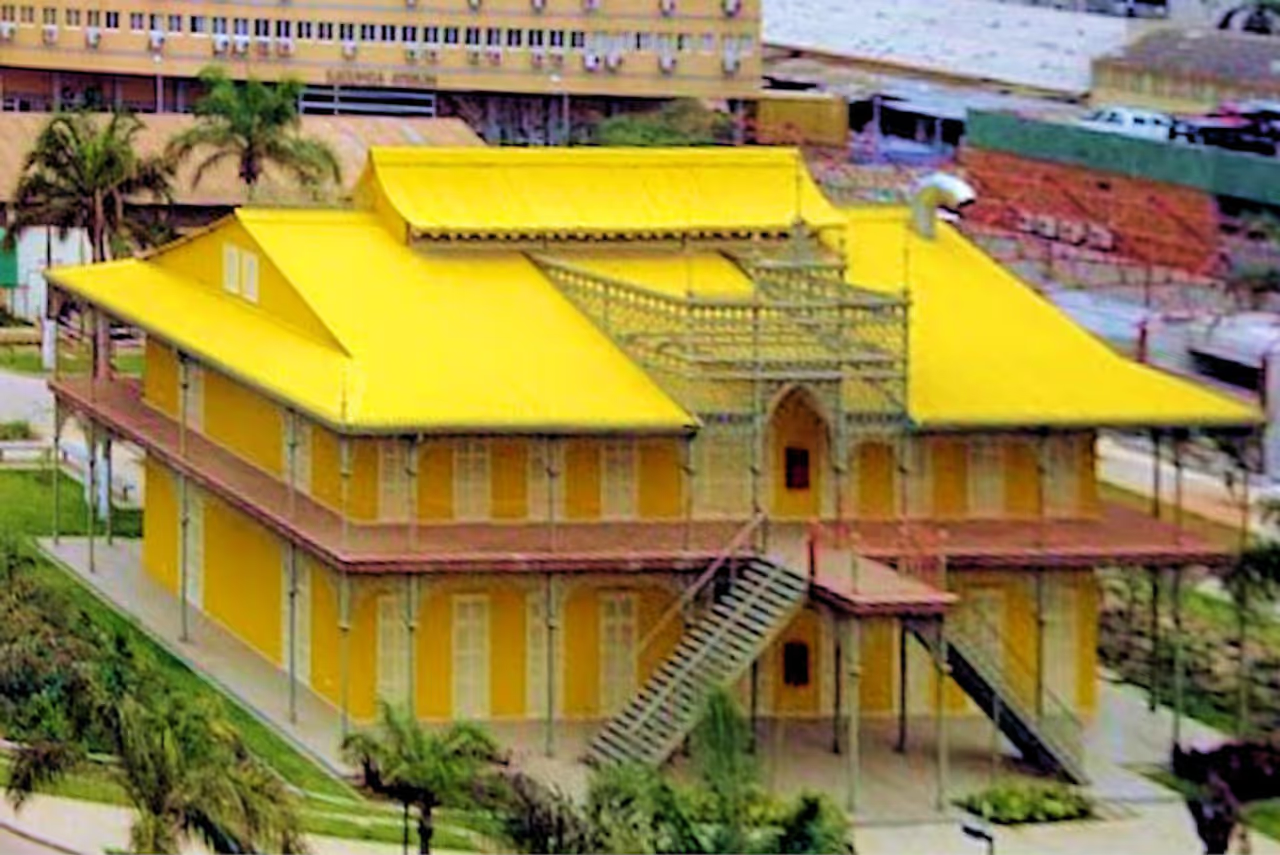
- • The striking Palácio de Ferro is surrounded by persistent local rumours that it was designed by Gustave Eiffel, the architect behind the famous Parisian tower.
- • It is strictly illegal to take the local currency, the Kwanza, out of the country, and airport officials frequently confiscate any local cash found on departing passengers.
Did You Know?
- • The city sits at a tropical latitude but experiences a surprisingly dry semi desert climate due to the cooling effect of the offshore Benguela Current.
- • Luanda is officially the most populous Portuguese speaking capital city in the entire world, surpassing even Lisbon and Brasília.
- • The urban population exploded from roughly 475,000 in 1970 to nearly 9 million today, driven largely by internal refugees fleeing the decades long civil war.
- • The Port of Luanda is one of the busiest maritime hubs in Africa, serving as the primary gateway for the country's massive oil and diamond exports.
- • Between the 16th and 19th centuries, the city's harbour was the epicentre of the transatlantic slave trade, with millions of enslaved individuals departing these shores for South America.
- • The post war reconstruction of the city represents one of the largest infrastructure overhauls in modern African history, heavily financed and executed by international development firms.
Videos of Luanda
Seasons
Spring
As the cooler, completely dry winter months come to an end, the temperature begins to climb steadily into the high twenties...
Summer
This is the absolute peak of the coastal heat, with temperatures hovering around thirty degrees and the tropical humidity rising...
Autumn
This short transitional period brings the highly unpredictable, heavy tropical rains that the region desperately needs to wash...
Winter
The dry season takes full control of the capital, bringing surprisingly mild, deeply comfortable temperatures in the low...
Top Attractions in Luanda
Iron Palace
Standing as a striking piece of architectural mystery, the Iron Palace is one of Luanda's most fascinating treasures. Its...
view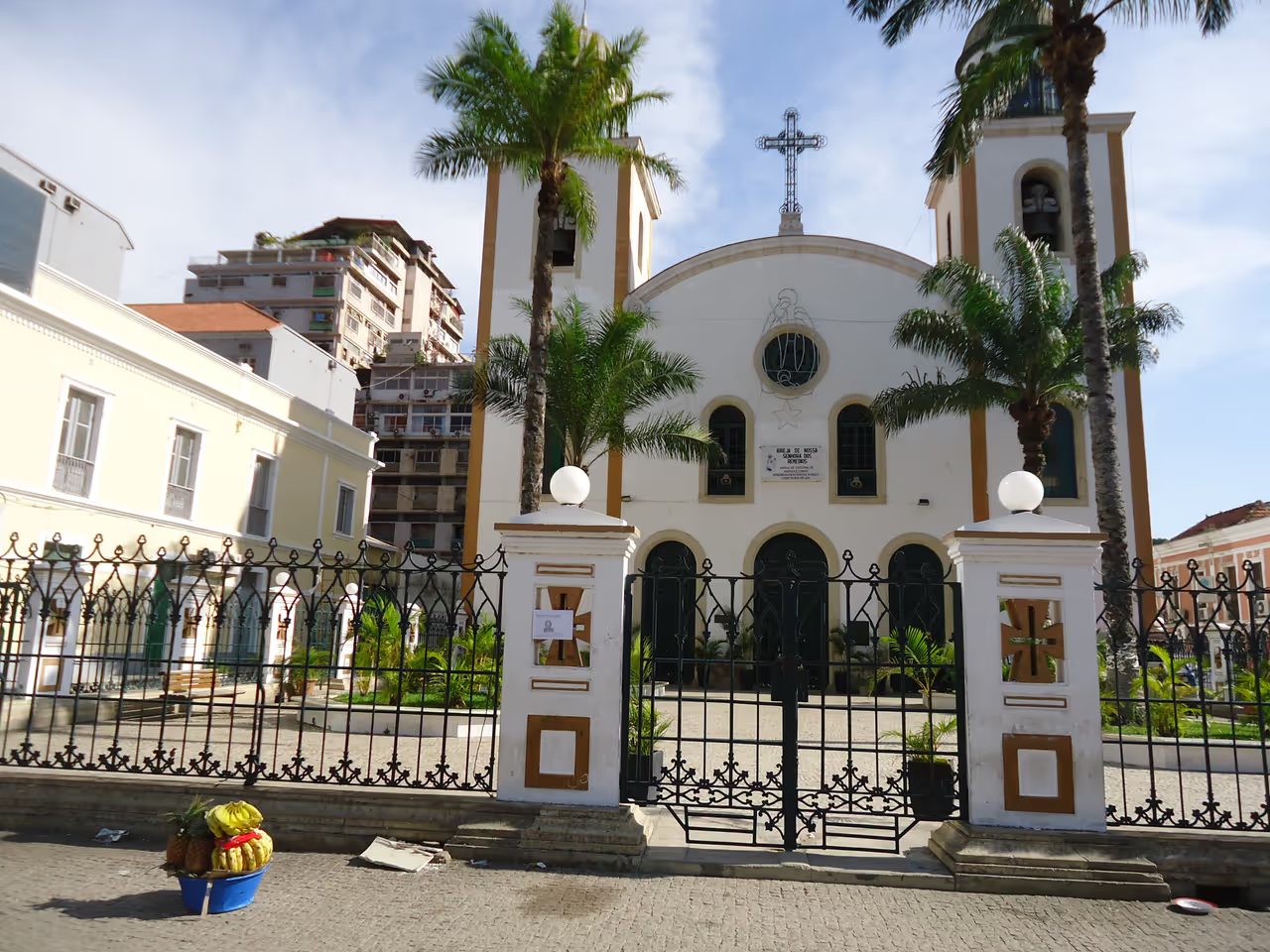
Luanda Cathedral
The Luanda Cathedral, known locally as the Church of Our Lady of Remedies, serves as the spiritual heart of the city and remains...
view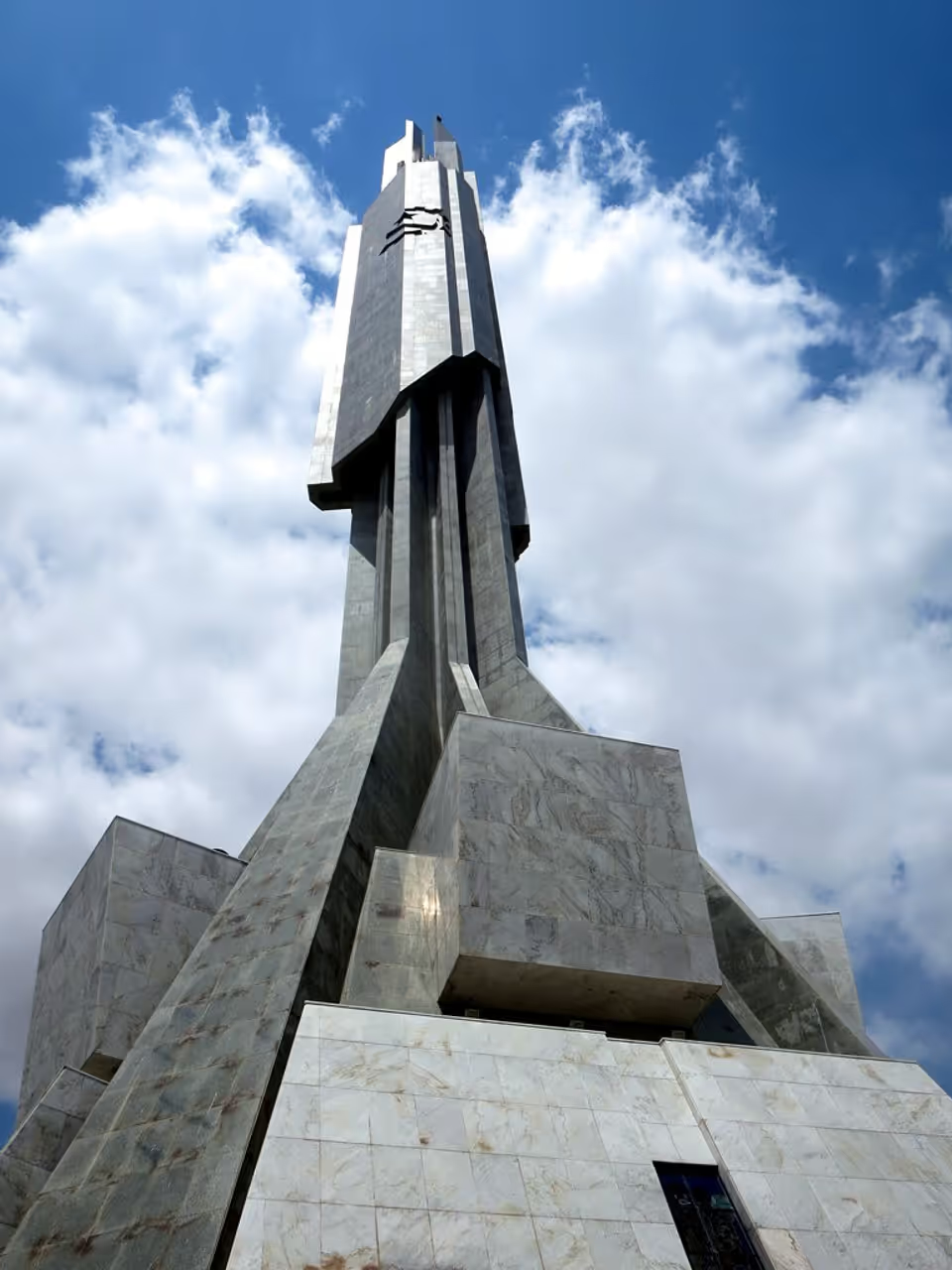
Mausoleum of António Agostinho Neto
Rising sharply above the Luanda skyline, this striking concrete spire serves as a powerful testament to the nation's history and...
view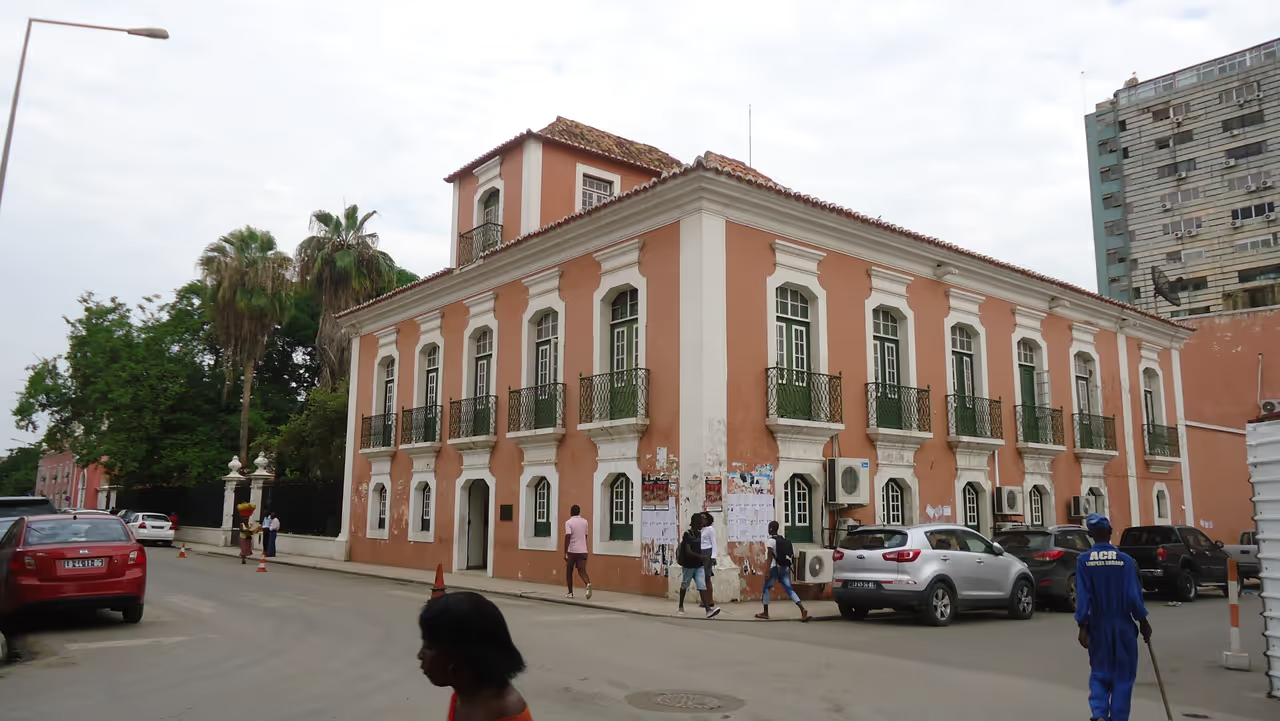
National Museum of Anthropology
Nestled in the heart of Luanda's Ingombota district, the National Museum of Anthropology serves as a vital gateway into the rich...
view
Best Views
Luanda Itineraries
TRIP PLANNER
3 Days Recommended
Three days offer the perfect amount of time to explore the city's core historical sights, impressive museums, and the famous Ilha de Luanda without feeling rushed. You can dedicate one day to the downtown fortresses and colonial architecture, another day to the museums and waterfront promenades, and use the final day for a coastal excursion to nearby natural wonders.
1 Day in Luanda Itinerary
This highly condensed route focuses entirely on the historic waterfront, taking you through the most iconic architectural sights and the vibrant heart of the city's rebirth. You will explore ancient stone fortresses, wander the beautifully landscaped bay, and witness the bizarre, metal structure of the Iron Palace. It captures the essential, extreme contrast between the heavy colonial past and the gleaming, oil-wealthy future. This route is designed to be easily walkable and keeps you within the safest, most visually impressive downtown areas.
view itinerary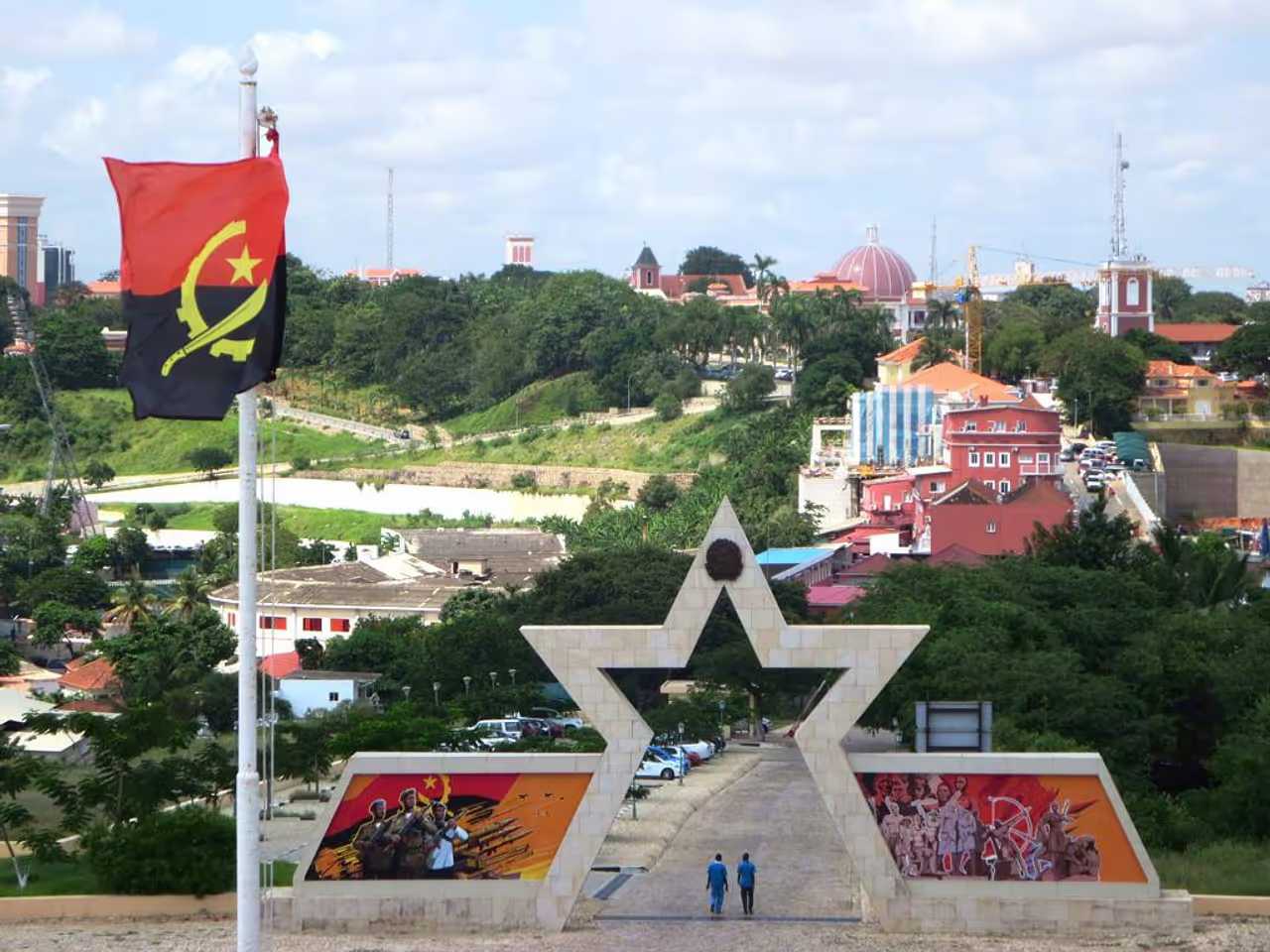
3 Days in Luanda Itinerary
This balanced, three-day journey allows you to dive much deeper into the complex cultural tapestry and legendary coastal leisure lifestyle of the capital. Beyond the central bay, you will explore the rich indigenous history preserved in the downtown museums, paying your respects to the ancient African roots of the nation. The itinerary also dedicates an entire afternoon to the famous peninsula, ensuring you experience the highly authentic, chaotic local seafood scene before enjoying the tropical beaches. It provides a complete, well-rounded picture of the city's historical depth and modern energy.
view itinerary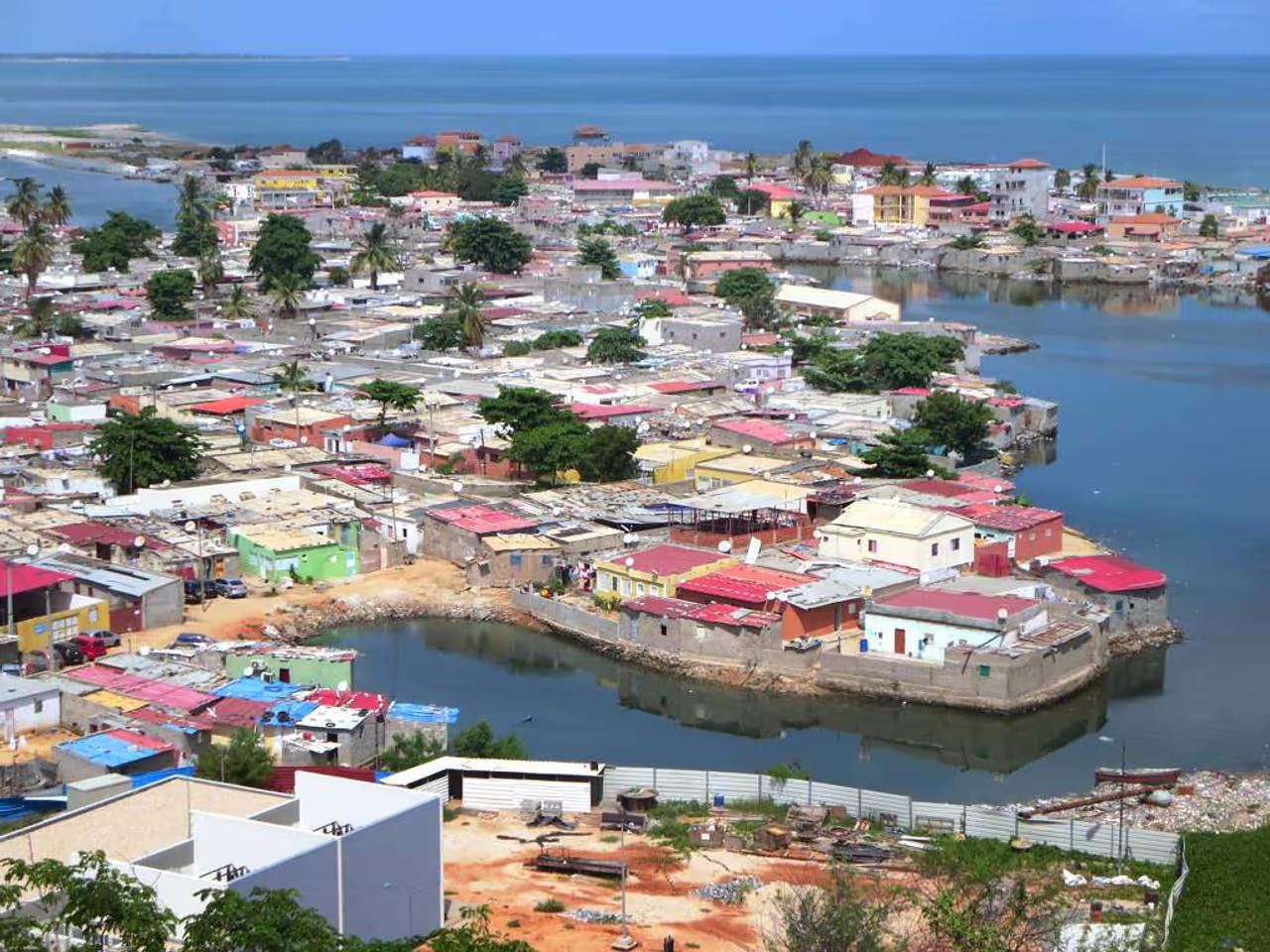
5 Days in Luanda Itinerary
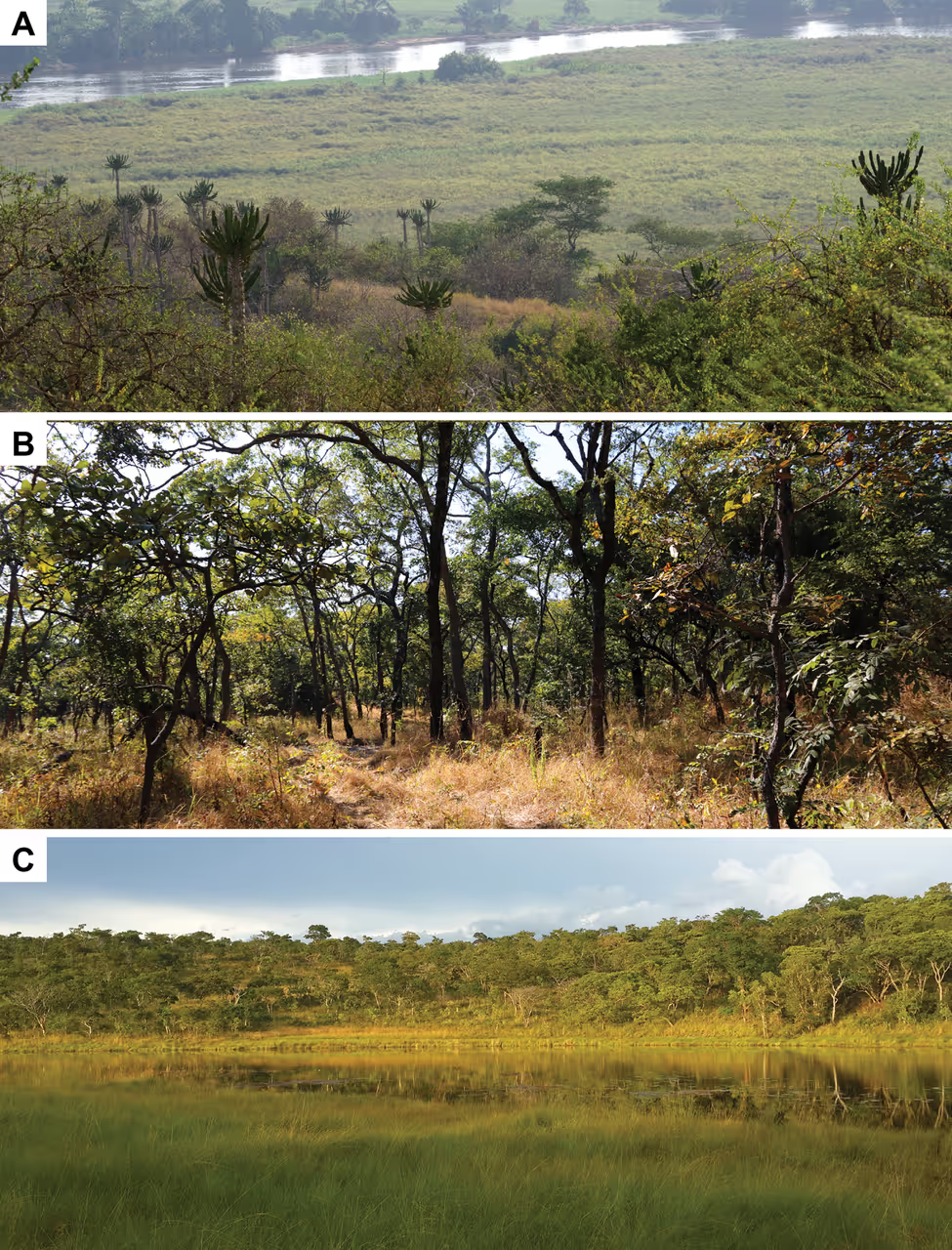
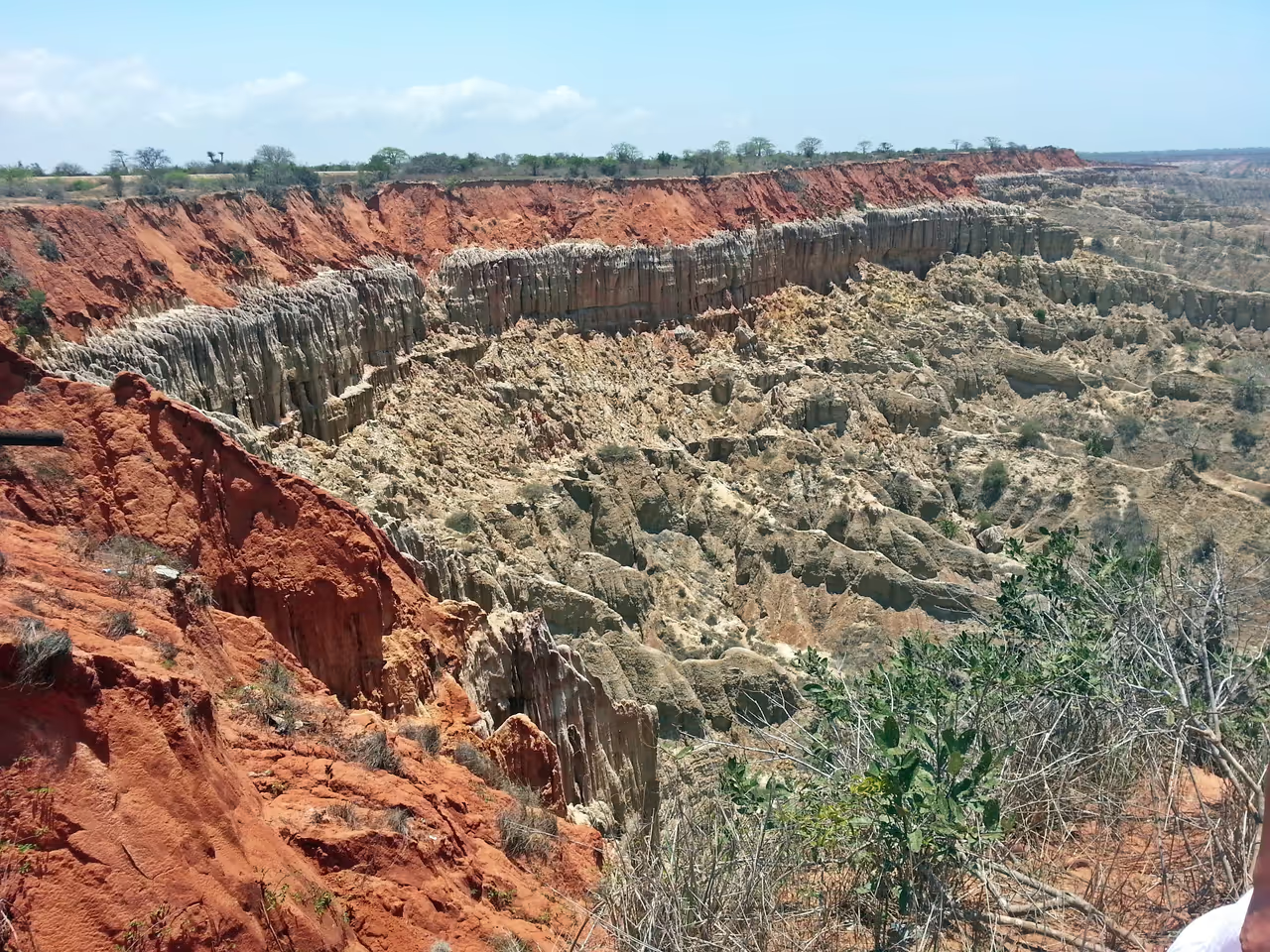
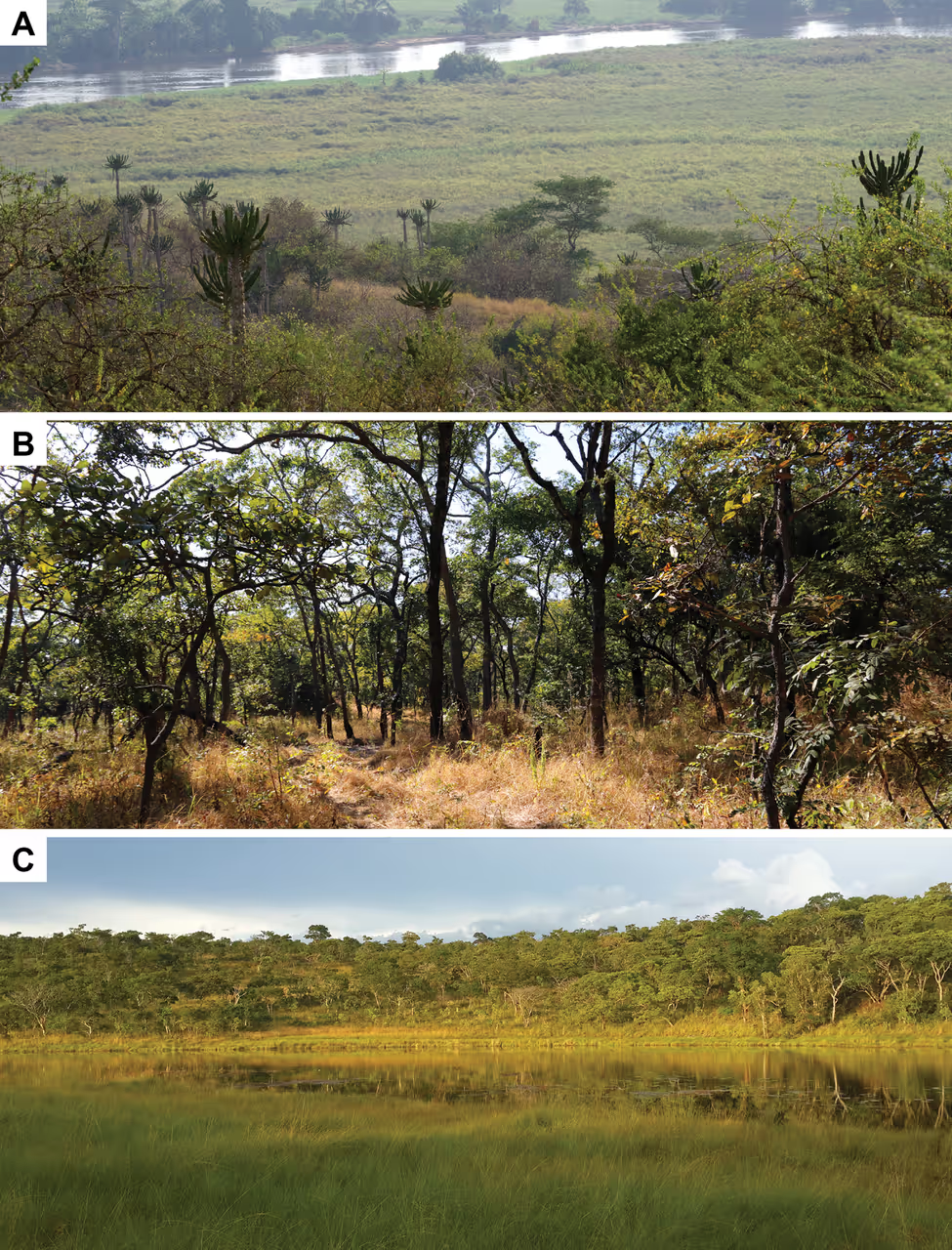
This extensive five-day adventure breaks you out of the congested urban core to reveal the stunning, wild landscapes and deep historical sites located just outside the city limits. You will experience the full spectrum of the capital, from the glittering downtown glass skyscrapers to the massive, chaotic open-air artisan markets in the southern suburbs. The route dedicates a full day to an authentic African wildlife safari, contrasting sharply with the surreal, eroded coastal cliffs of the lunar valley. It is the ultimate, comprehensive journey for travellers wanting to fully understand both the city and its surrounding natural power.
view itinerary
Food in Luanda
Free Things to do in Luanda
Parks & Nature
Kissama National Park
Located a short drive from the capital of Luanda, Kissama National Park offers a profound encounter with the raw beauty of the...
view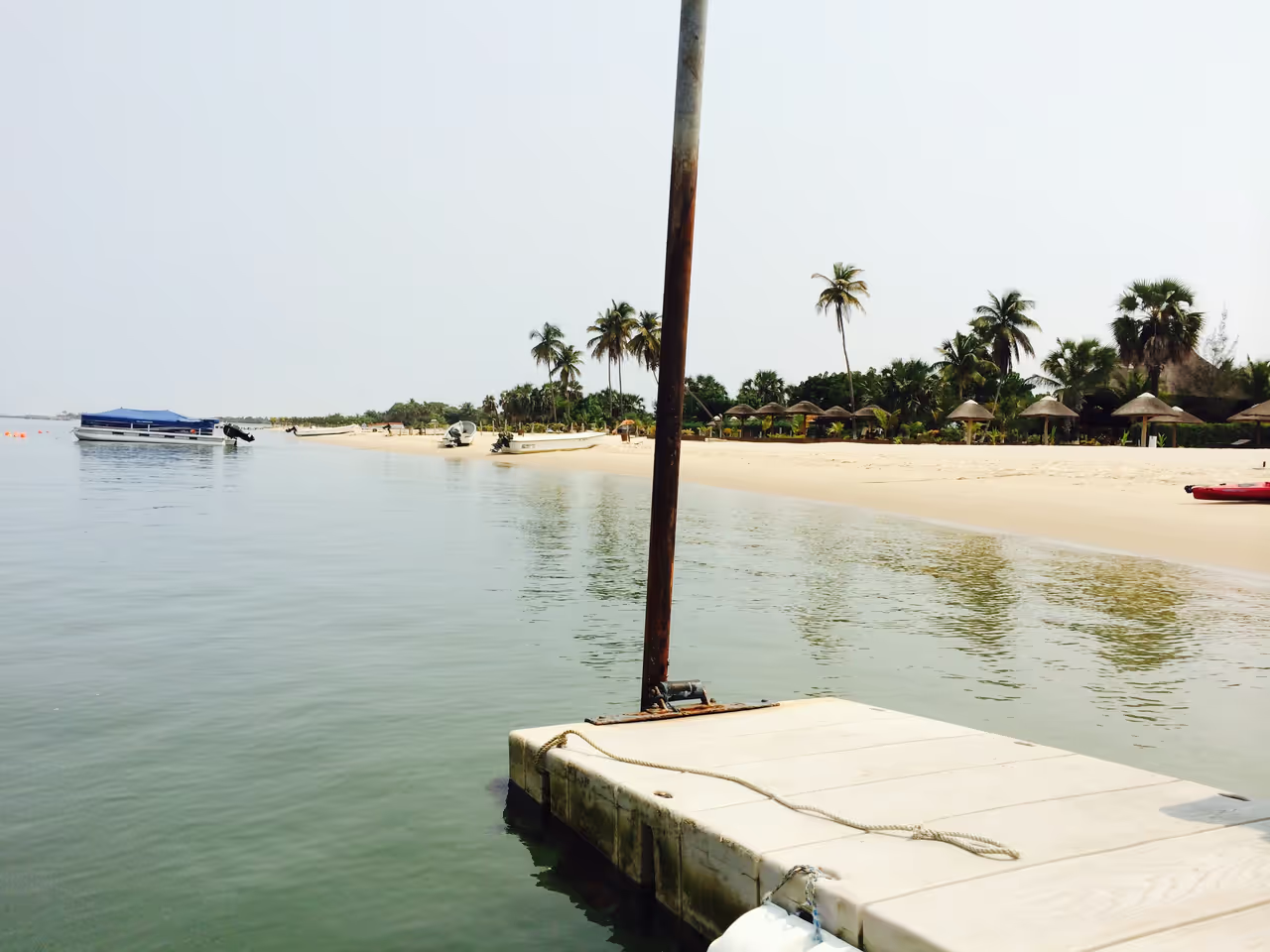
Mussulo Peninsula
A 30-kilometre stretch of sand separating the mighty Atlantic Ocean from the tranquil waters of the bay, Mussulo is the ultimate...
view
Highlights & Must-Sees
Explore the Upper City
Perched on a hill overlooking the frenetic port below, this district is the historic and political nerve centre of the nation...
viewRelax on the Peninsula
This incredibly long, narrow sandbar stretches out into the ocean, acting as the city's primary playground. The ocean-facing...
viewWalk the Marginal Promenade
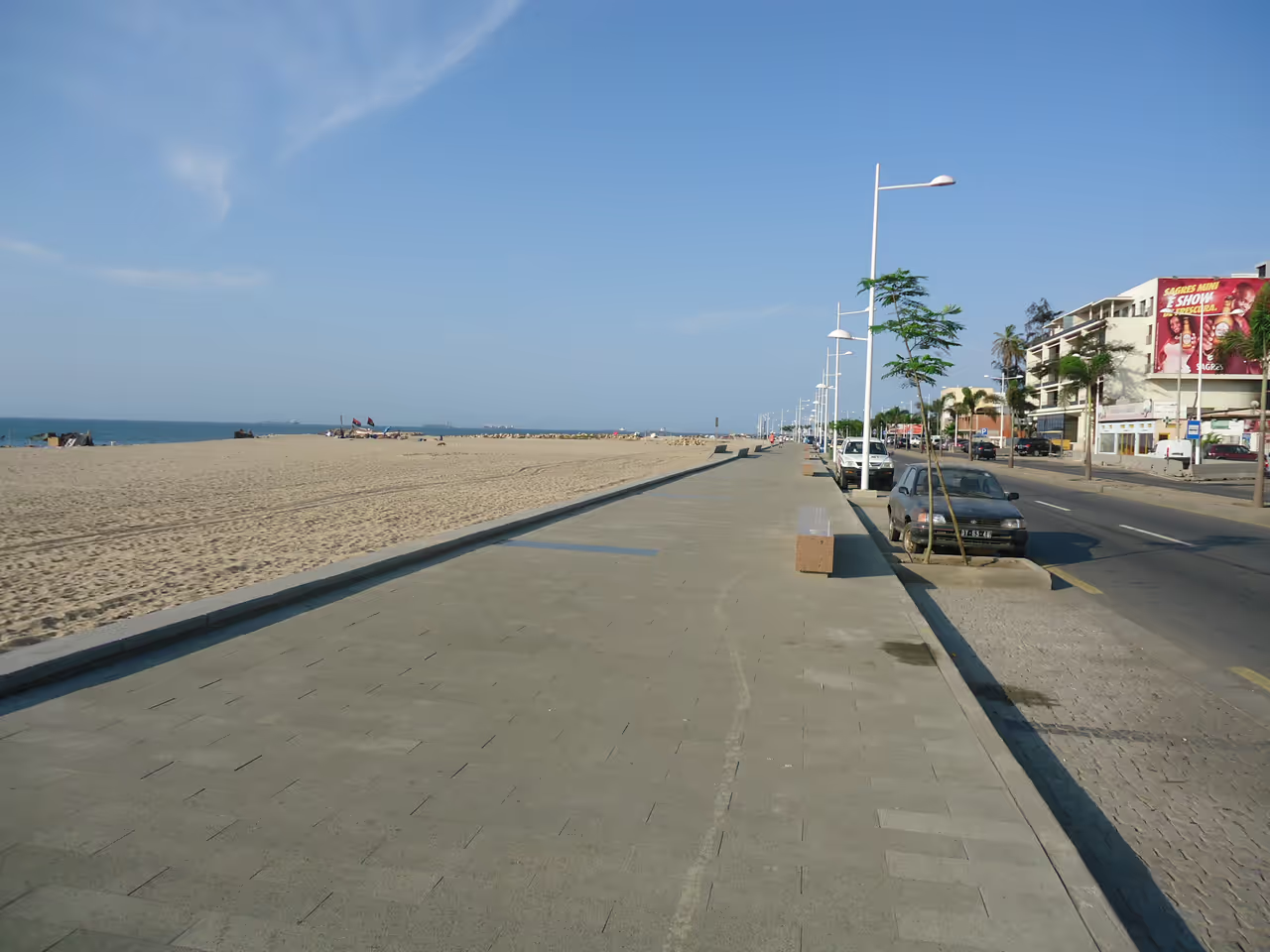
The beautifully repaved waterfront boulevard is the vibrant, beating heart of the city's public life. Stretching gracefully...
view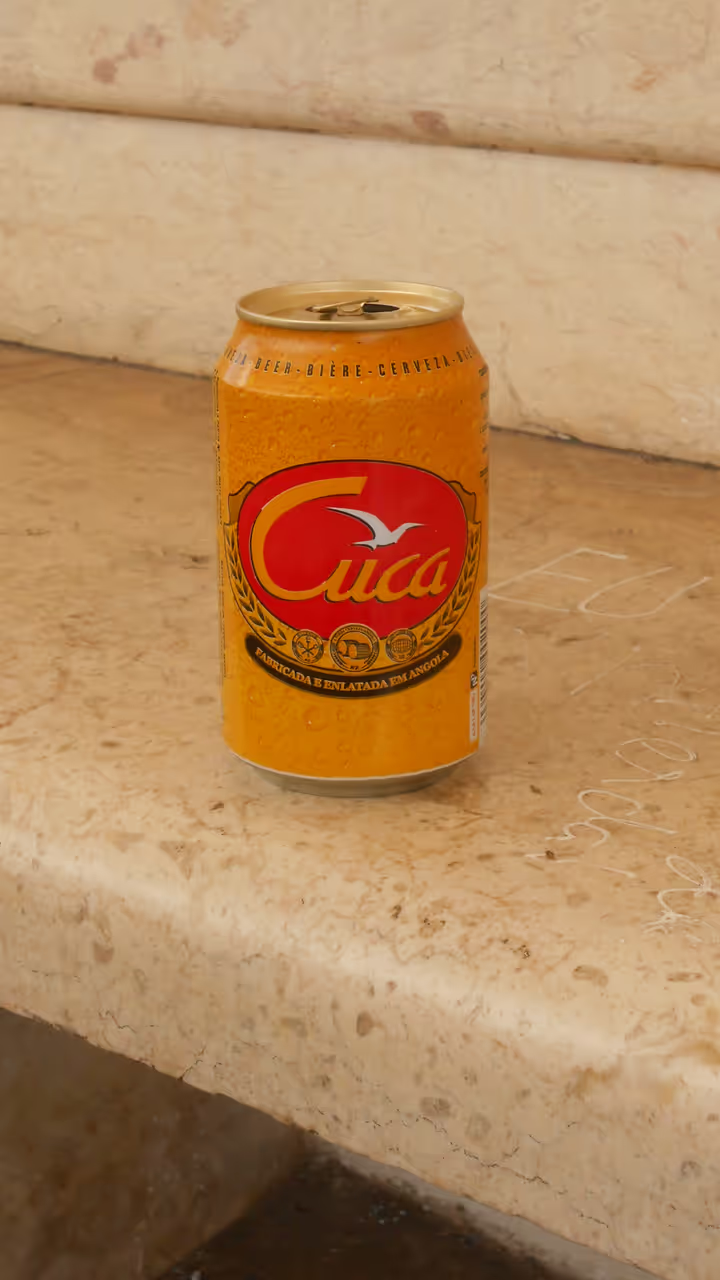
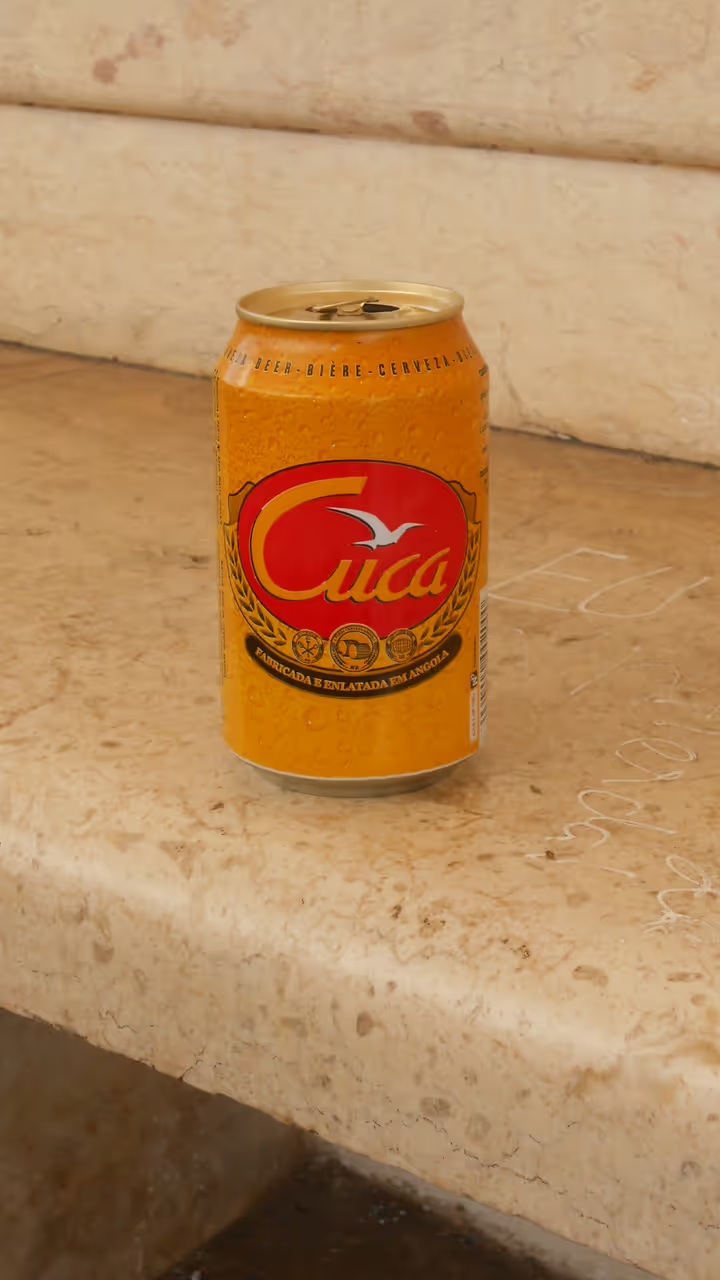
Drink an Ice-Cold Cuca
No visit is complete without cracking open a wildly popular, locally brewed Cuca beer. It is deeply ingrained in the local...
view
Best Walks in Luanda
Peninsula Sunset Stroll
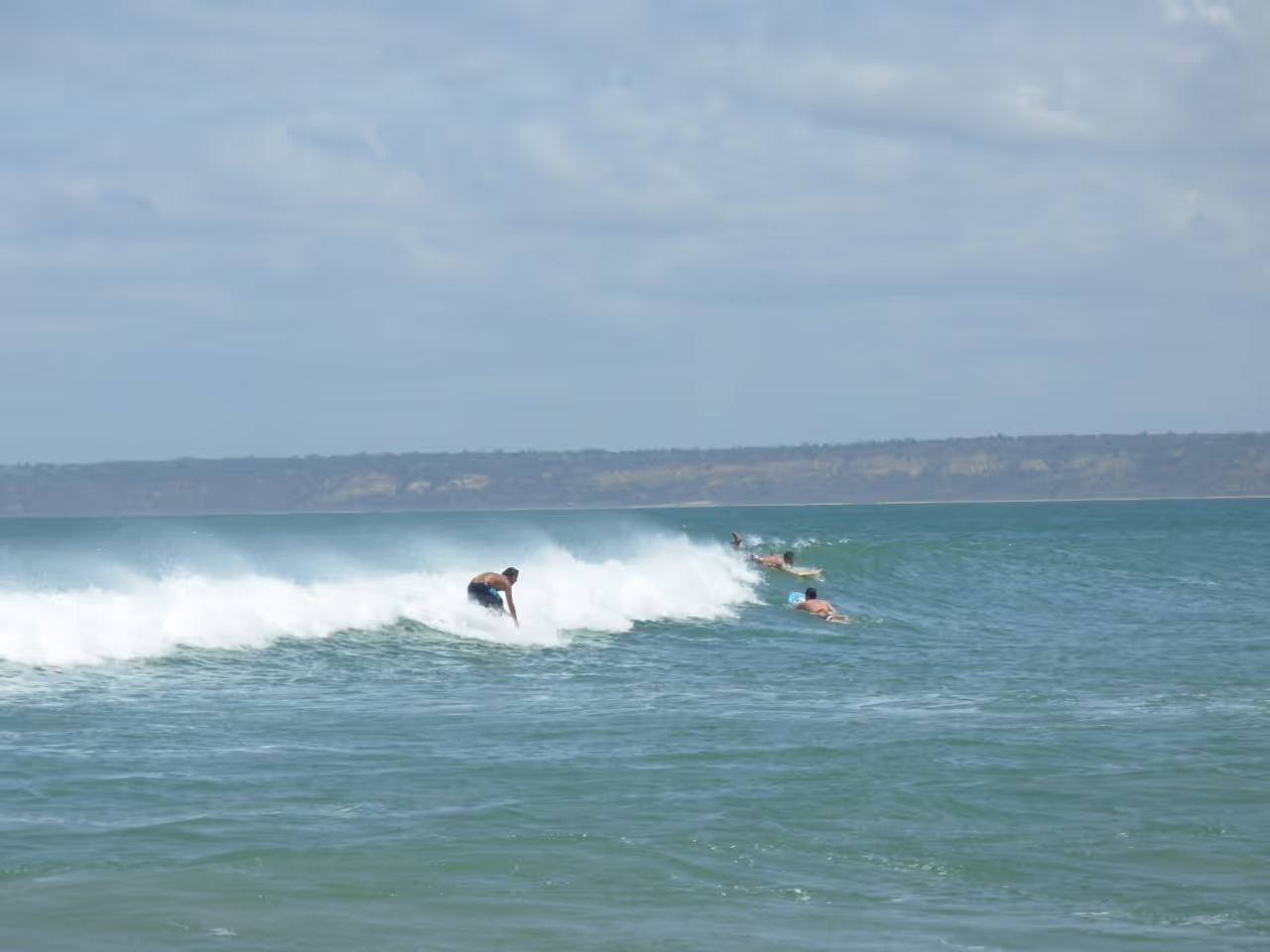
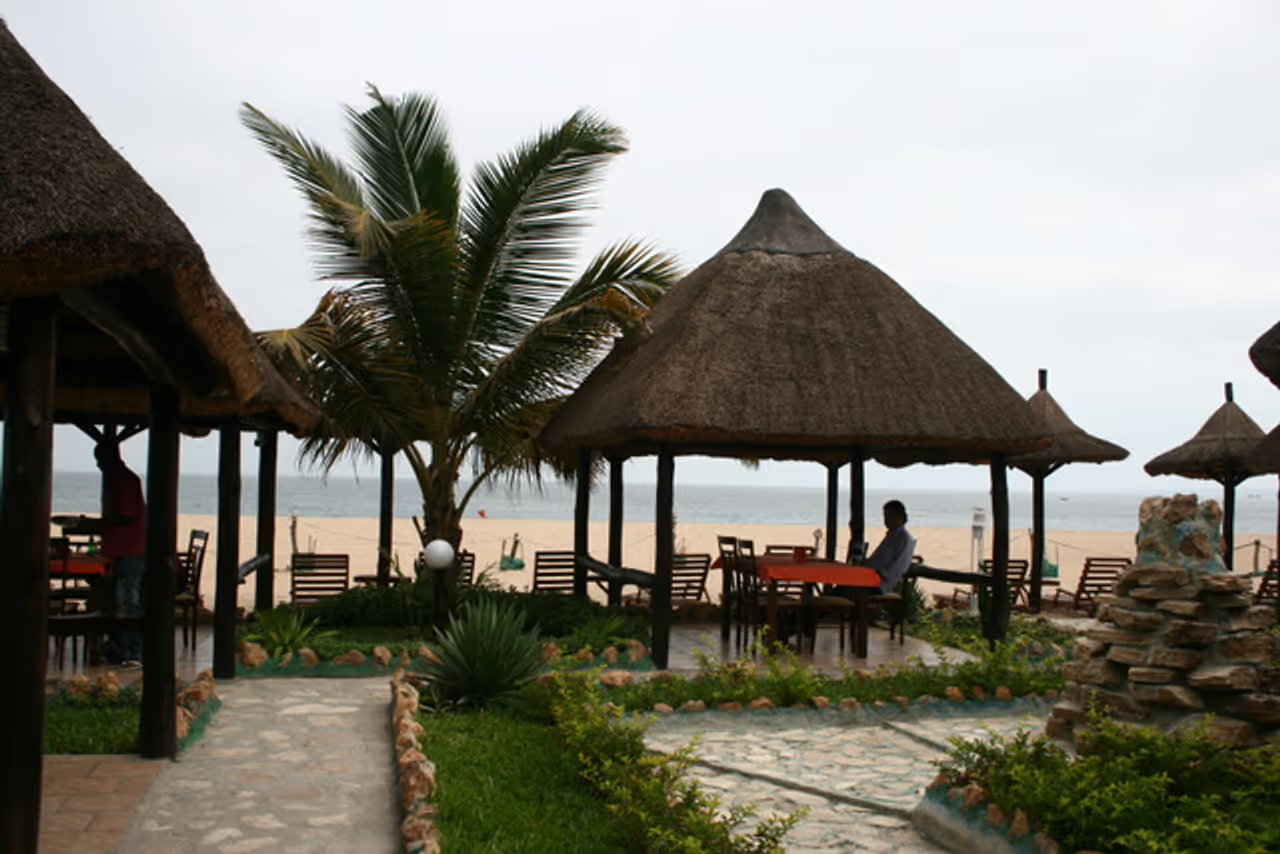
Walking along the sandy shores of the city's famous peninsula is an incredibly relaxing escape from the urban concrete. The sound of cars is entirely replaced by the crashing of massive Atlantic waves and the faint rhythm of music drifting from nearby beach clubs. The sand is soft, the water is warm, and the atmosphere feels distinctly tropical and carefree. It is the perfect place to kick off your shoes and feel the ocean breeze directly on your skin.
Upper City Historical Walk
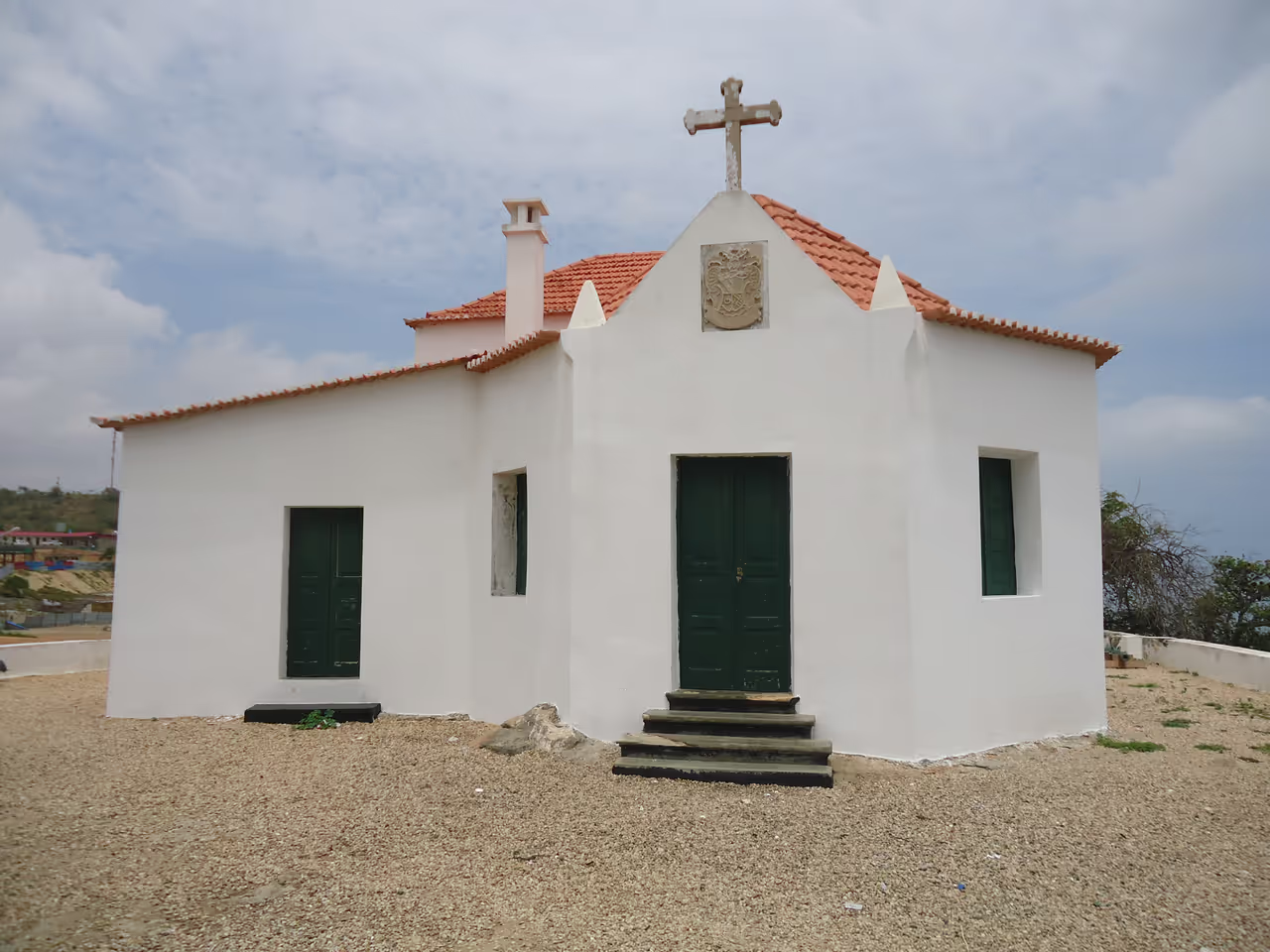
Elevated above the bustling port, this historic district was once the exclusive domain of the colonial ruling class. The streets here are significantly quieter, lined with impeccably preserved pastel coloured administrative buildings and ancient churches. Shaded by large, ancient trees, the area exudes an air of solemn authority and deep historical significance. It is a fantastic place to wander slowly and admire the intricate architectural details that have survived centuries of political upheaval.
- HIGHLY RECOMMENDED
Bay Promenade Walk
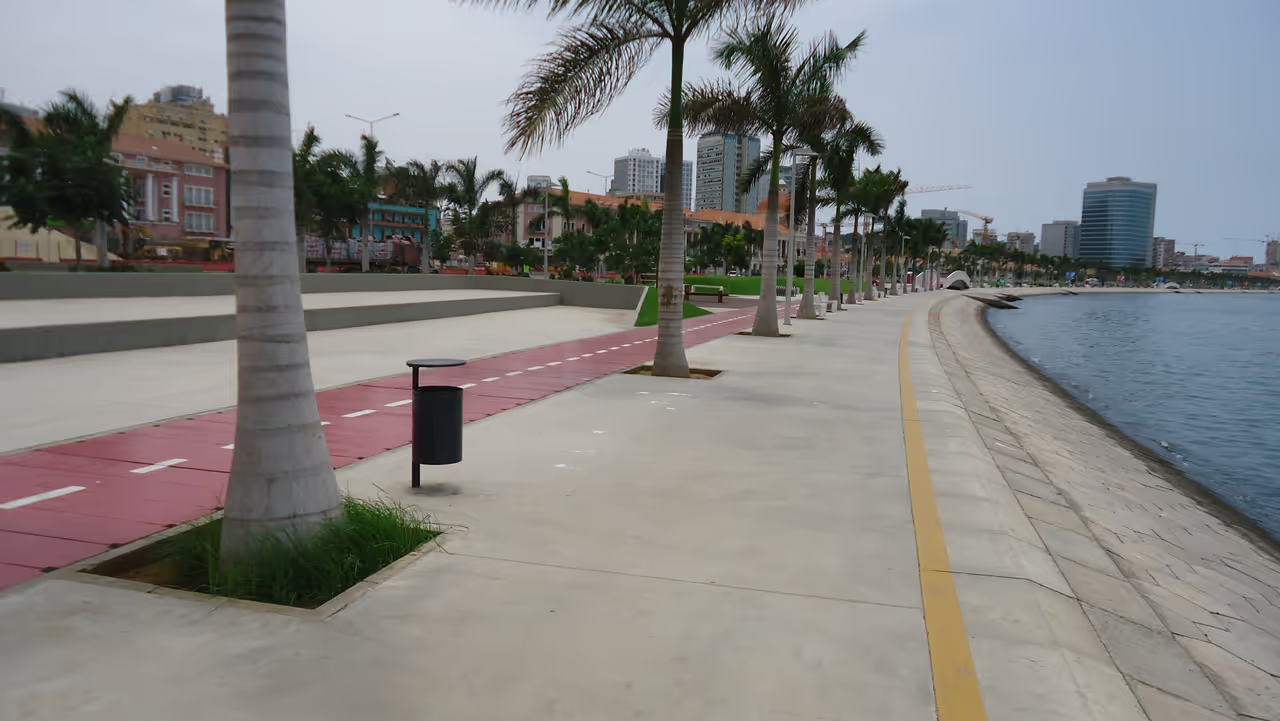
A leisurely walk along the city's completely redeveloped waterfront boulevard is the quintessential local experience. The wide, meticulously clean pavement curves gracefully around the deep blue harbour, shaded by tall, slender palm trees. It is heavily populated by joggers, families, and couples enjoying the ocean breeze and the striking views of the city's skyline. The combination of historical pink facades and towering modern glass creates a visually captivating backdrop for a long walk.
Architecture & Landmarks
National Bank
Arguably the most beautiful, iconic colonial building on the entire bay, this massive structure is impossible to miss. Featuring...
view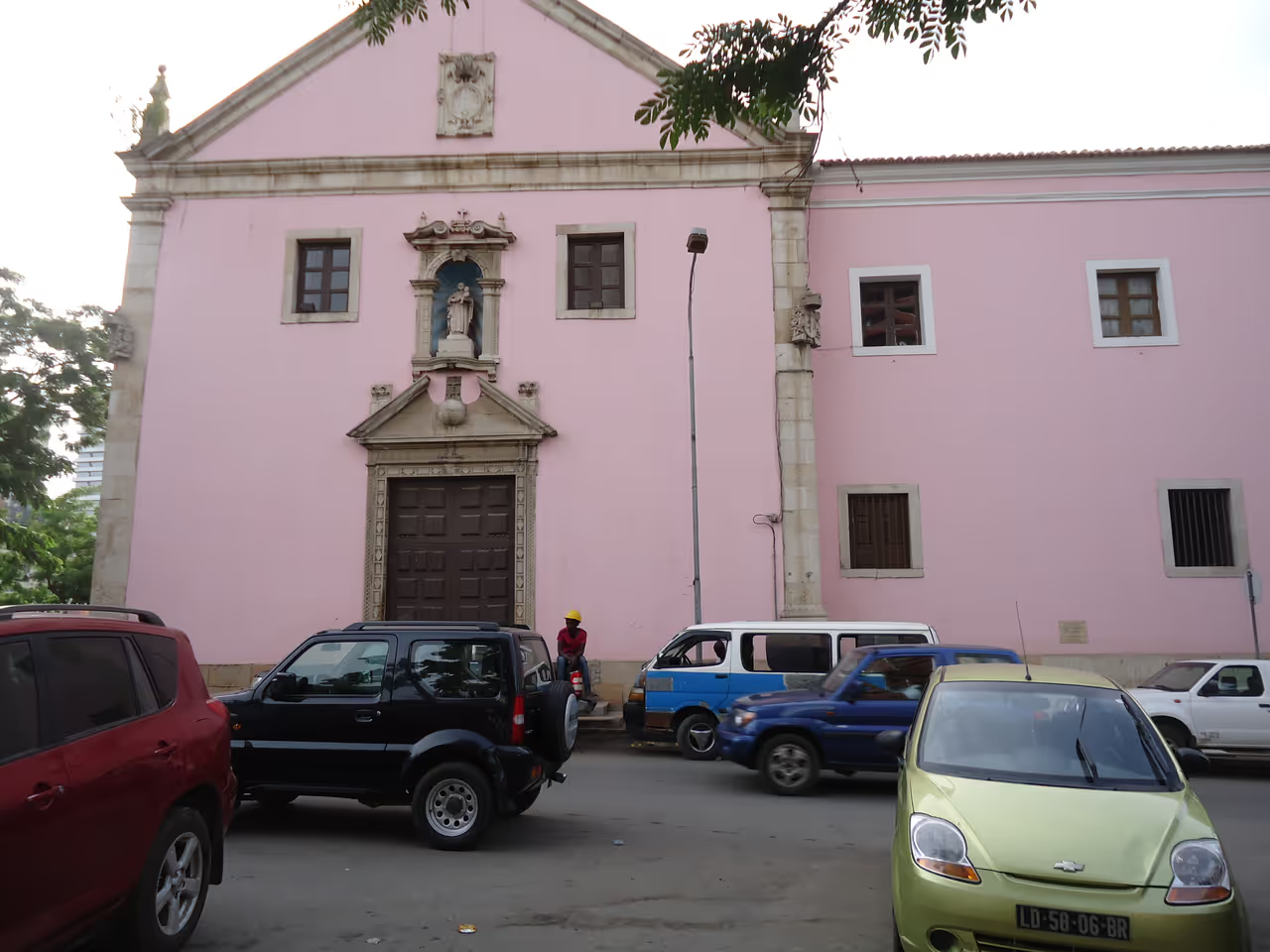
Church of Carmo
Dating back to 1669, this stunning religious structure is arguably the finest surviving example of early colonial baroque...
view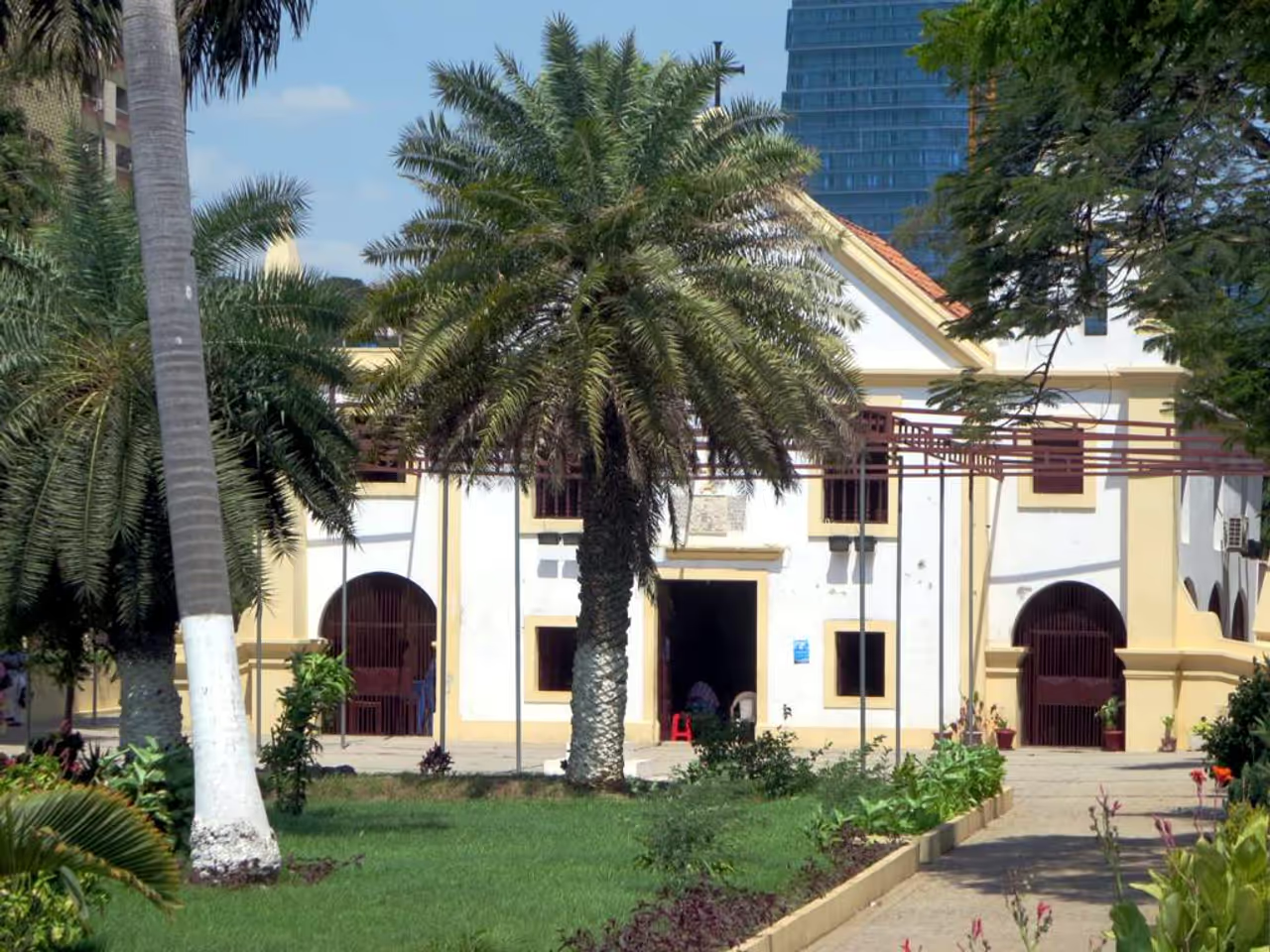
Church of Our Lady of Nazareth
Constructed in 1664 near the edge of the bay, this relatively small, unassuming church holds an incredibly rich interior. The...
view
National Assembly
This massive, highly modern complex is a striking symbol of the nation's post war democratic ambitions. Featuring sweeping...
view
Markets & Shopping
Luanda Nightlife
Photo Spots
Activities & Experiences
Cycling Routes
Peninsula Coastal Ride
Stretching out into the Atlantic Ocean, this long, narrow sand spit provides a wonderfully breezy and vibrant cycling environment. The route takes you past high end beach clubs, traditional fishing shacks, and endless stretches of sandy shores. The ocean wind keeps the temperature surprisingly cool, while the rhythmic sound of waves provides a constant soundtrack. It is a fantastic way to witness the extreme social contrasts that define modern local life.
- HIGHLY RECOMMENDED
Marginal Promenade Ride
This smooth, newly paved route follows the elegant curve of the city's main bay, providing a completely flat and highly accessible ride. It offers uninterrupted, panoramic views of the water on one side and a striking contrast of historic architecture and modern skyscrapers on the other. Dedicated pedestrian and slow traffic lanes make it one of the safest areas in the city for casual cycling. Riding here as the sun sets over the Atlantic creates an unforgettable visual spectacle.
Southern Coastal Path
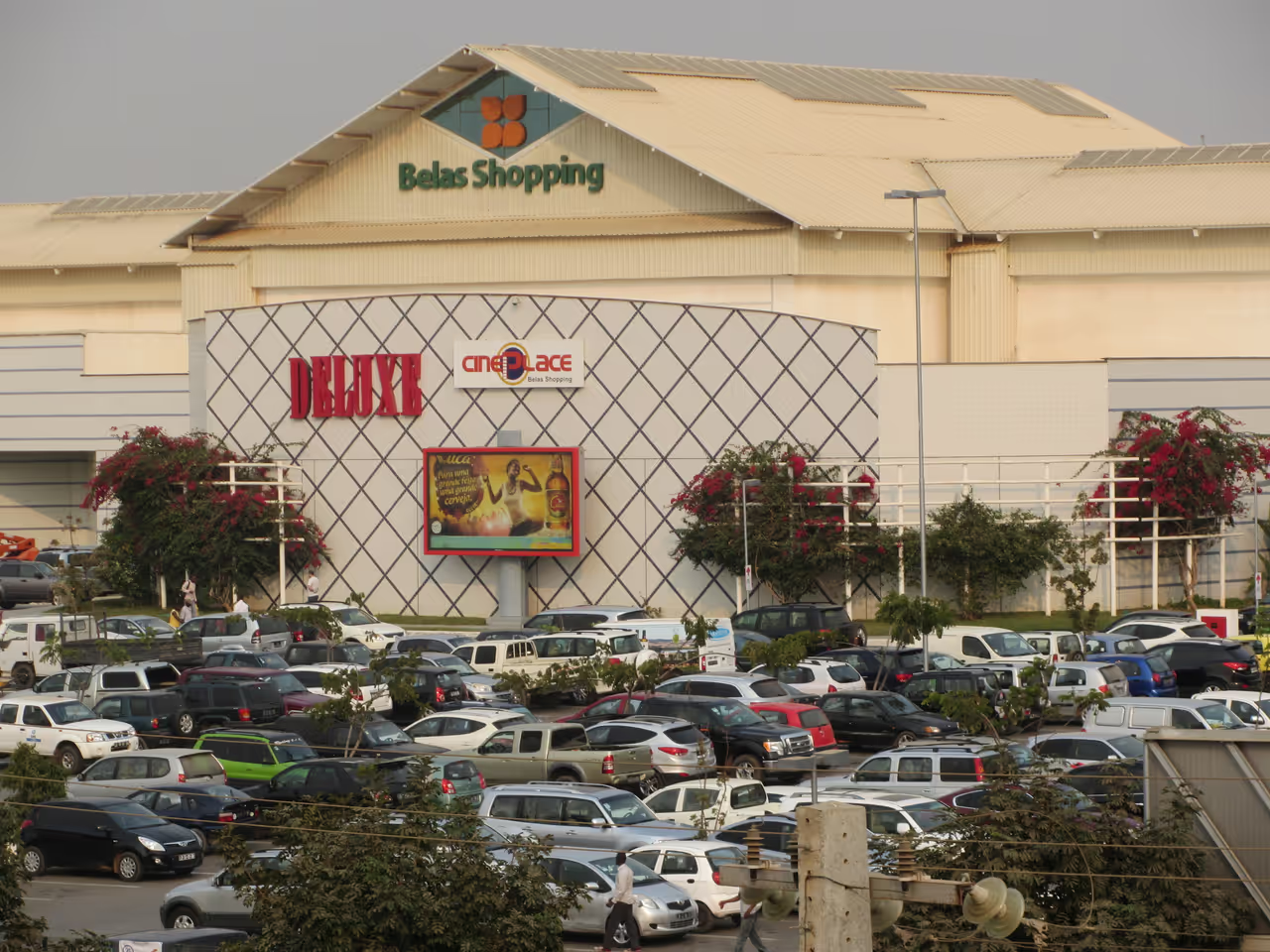
Leaving the congested city centre behind, this route explores the modern, wealthy southern suburbs before reaching the expansive southern beaches. The roads here are generally newer and wider, passing by massive gated communities and huge shopping complexes. As you ride further south, the urban landscape quickly gives way to wilder, scrubby coastal terrain and quieter shores. It provides a fascinating look at the direction in which the city is rapidly expanding.
Self-Guided Tours
- HIGHLY RECOMMENDED
Colonial Architecture Discovery
This route winds through the historic core of the lower city, tracing the physical legacy of centuries of Portuguese rule. You will encounter beautifully restored churches featuring intricate European tilework, alongside grand, crumbling administrative blocks that whisper of past imperial glory. The tour highlights the distinct architectural adaptations made to survive the harsh tropical climate, such as wide verandas and shaded courtyards. It is a fascinating visual journey through the layers of history that built this coastal capital.
Cultural Heritage Trail
This intellectually enriching route links the city's primary institutions dedicated to preserving the deep indigenous culture and natural biodiversity of the region. You will encounter incredible collections of ancient tribal masks, traditional hunting weaponry, and extensive displays of local flora and fauna. The tour moves away from the colonial narrative to focus entirely on the incredibly diverse African roots of the nation. It is an ideal journey for those looking to understand the complex tribal tapestry that makes up the modern country.
- HIGHLY RECOMMENDED
Path to Independence
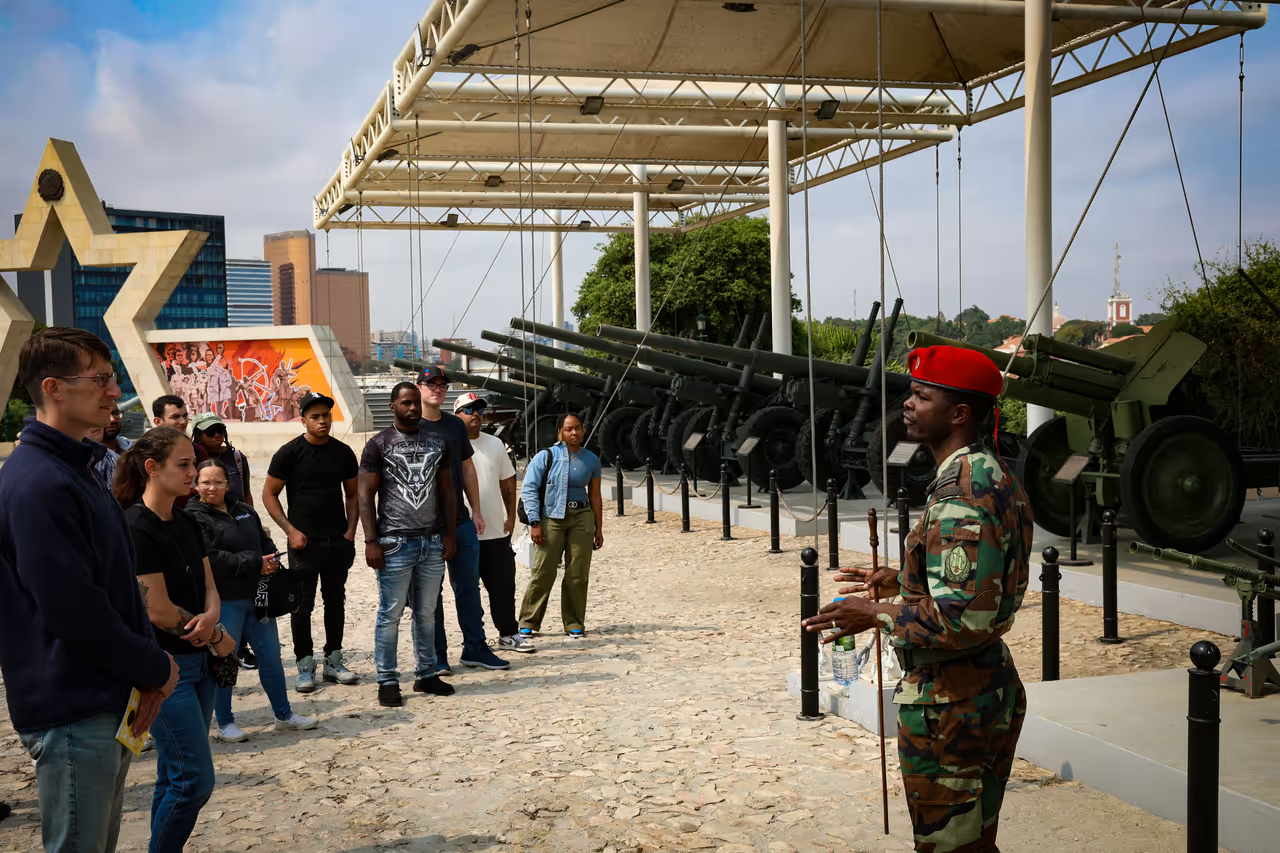
This powerful tour focuses on the monuments, museums, and locations deeply tied to the nation's long and bloody struggle for freedom. It explores the dark legacy of the transatlantic slave trade, the oppressive colonial era, and the ultimate triumph of the liberation movements. The route moves from ancient fortresses that imprisoned freedom fighters to towering modern monuments celebrating the nation's founding fathers. It provides essential context for understanding the fierce pride and resilience of the local people.
Annual Festivals & Events
 HIGHLY RECOMMENDED
Luanda Carnival
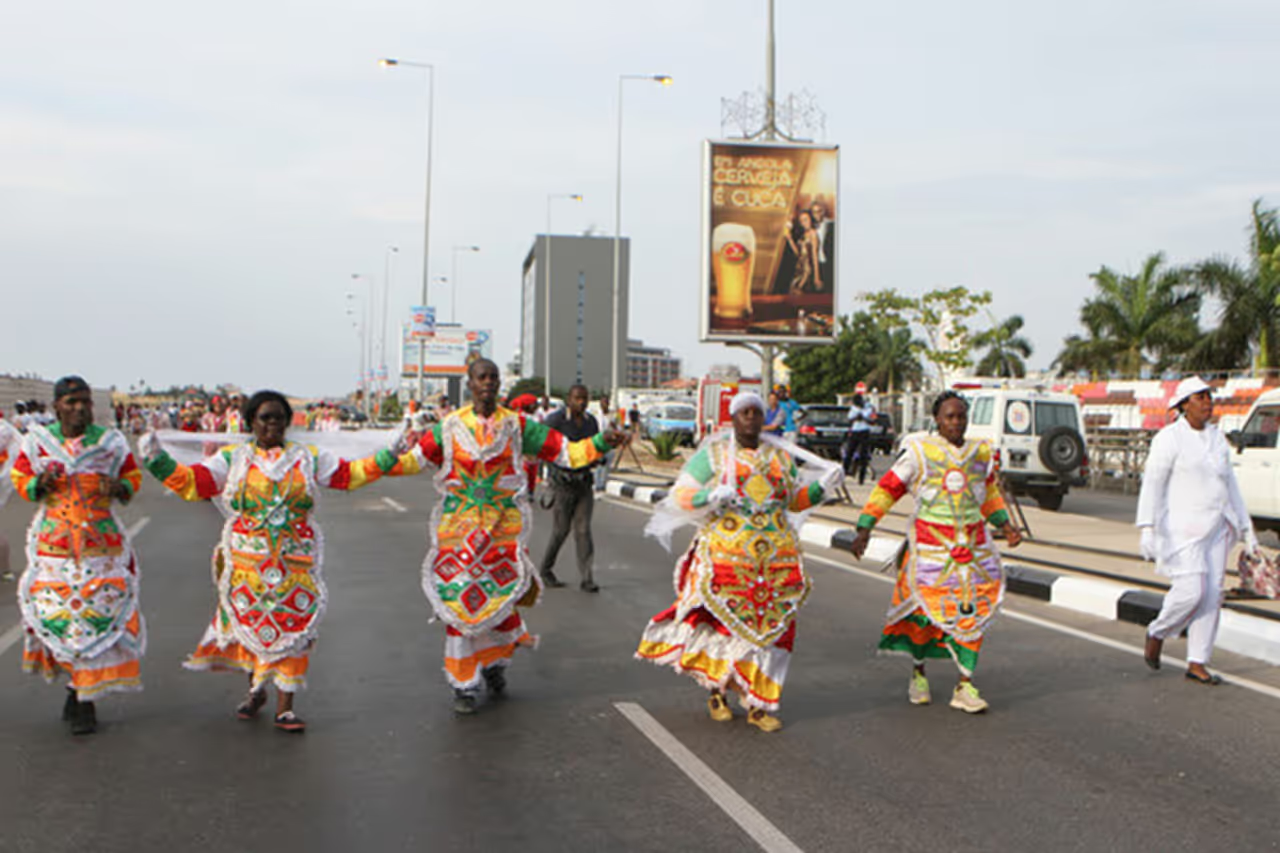
A vibrant, pulsating explosion of colour and rhythm that takes over the streets in the days leading up to Lent. Neighbourhood groups known as 'blocos' spend months preparing elaborate costumes and choreographing traditional dances like Semba and Kizomba. The main parade usually occurs along the Marginal, drawing massive crowds of cheering locals. The infectious energy and loud music provide a phenomenal window into the joyful spirit of the Angolan people.
Independence Day Celebrations
Marking the monumental day in 1975 when the nation gained freedom from Portuguese rule, this national holiday is taken very seriously. The capital hosts impressive military parades, political speeches, and large scale concerts featuring popular local musicians. The sky above the bay is usually illuminated by a grand fireworks display in the evening. It is a day of deep national pride, reflection, and exuberant celebration.
Luanda International Jazz Festival
This highly anticipated musical event brings together world class international jazz musicians and incredible local African talent. The festival takes place over several days, transforming various venues across the city into hubs of smooth melodies and rhythmic improvisation. It offers a sophisticated atmosphere where music lovers gather to appreciate complex sounds under the warm evening sky. The event beautifully showcases the city's growing status as a cultural capital on the continent.
Insider Tips
Only use the blue and white Candongueiro minibuses if you have a local guide with you, as the routes are unwritten and the driving style is notoriously aggressive.
Always carry a crisp stack of US dollars and exchange them for Kwanza as you go, because international credit cards frequently fail at local payment terminals.
Make sure to spend all your local currency before heading to the airport to depart, as it is illegal to take Kwanza out of the country and customs officers will confiscate it.
Never take photographs of police officers, military personnel, or government buildings, as this is strictly forbidden and can result in your camera being confiscated.
Keep the original copy of your passport locked safely in your hotel room and only carry a verified photocopy with you while walking the streets to satisfy random police checks.
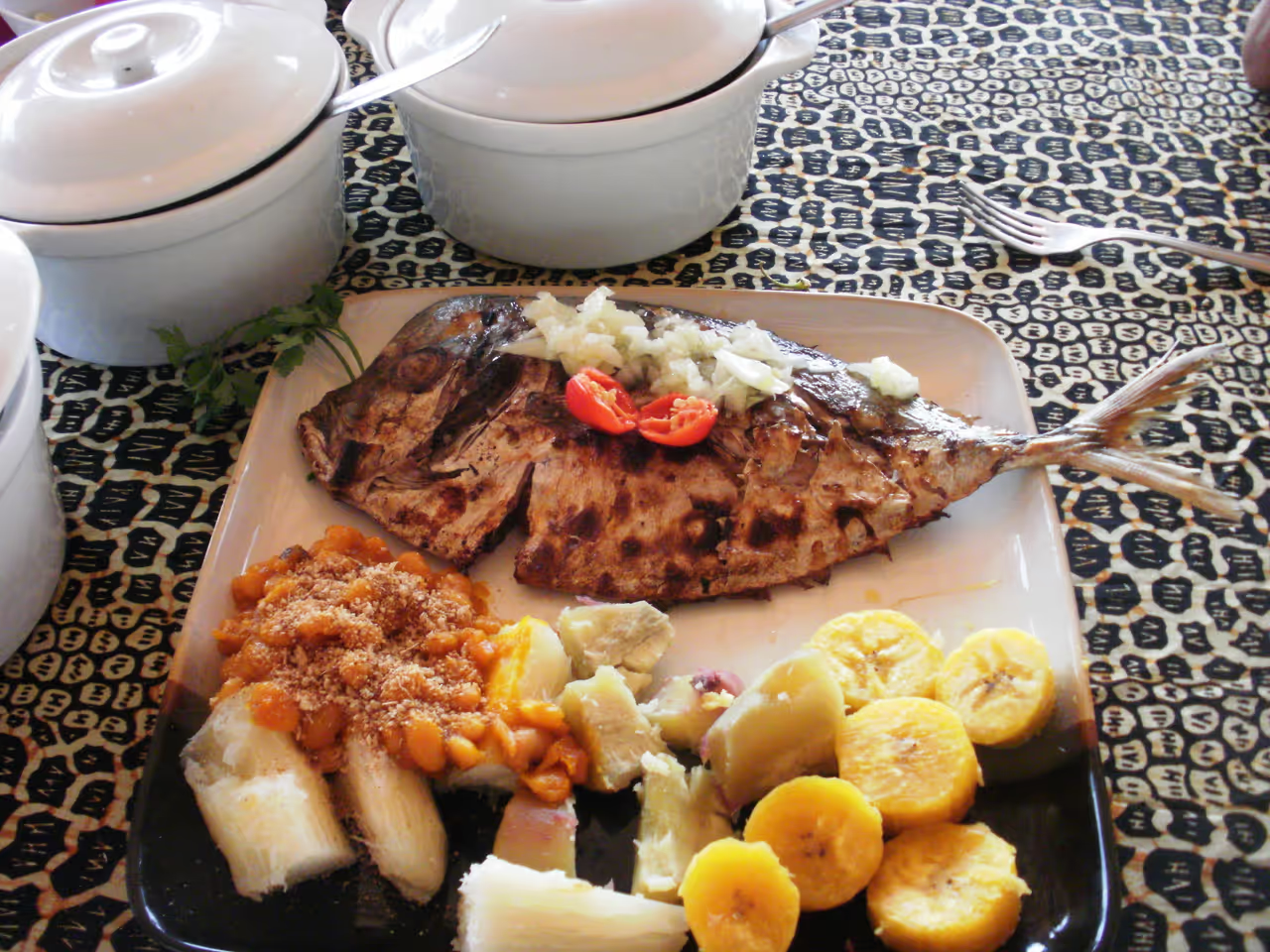
For the most authentic and affordable grilled seafood, head to the Chicala neighbourhood rather than the expensive upscale restaurants on the main peninsula.
Avoid wearing business attire or flashy jewellery while exploring on foot, as looking wealthy makes you a prime target for pickpockets in crowded areas.
PERFECT FOR
This destination is perfect for intrepid travellers, international business professionals, and culture enthusiasts fascinated by the complex historical ties between Africa and the Portuguese speaking world. Visitors who enjoy seeing a nation in the midst of a massive, rapid transformation will find the stark contrasts deeply compelling. It requires a sense of adventure, a flexible budget, and an appreciation for vibrant local street life.
VIBE
The atmosphere is a high energy collision of extreme wealth and vibrant street culture set against a tropical coastal backdrop. Traffic weaves through a maze of gleaming new towers and faded colonial buildings, while the ocean breeze provides a cooling respite from the intense equatorial sun. It feels raw, ambitious, and relentlessly forward looking, with a nightlife that pulses with infectious local music.
Frequently Asked Questions about Luanda
While we strive to keep this information accurate and up to date, we recommend verifying any details independently before making decisions based on them.