Iron Palace
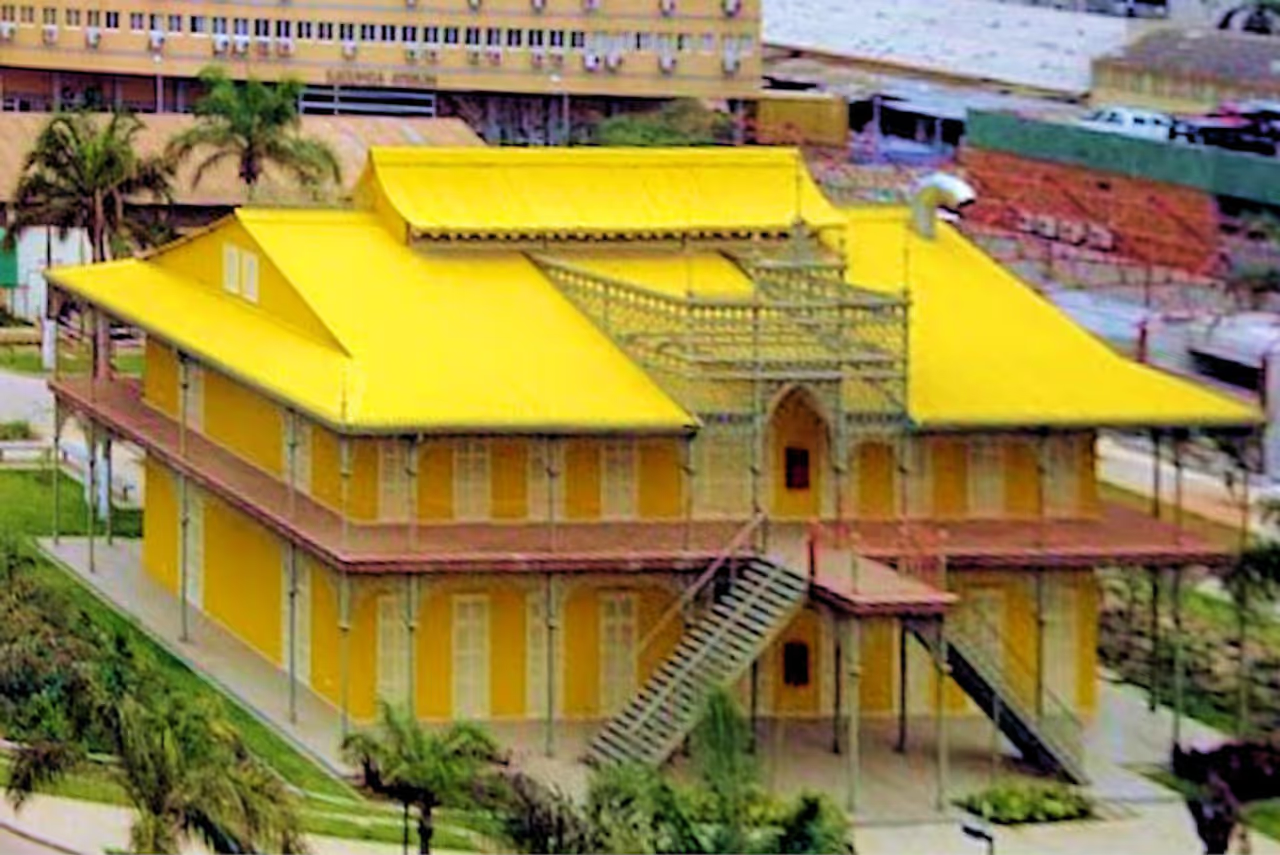
Standing as a striking piece of architectural mystery, the Iron Palace is one of Luanda's most fascinating treasures. Its intricate metalwork and unique history draw curious travellers, as local legend whispers that the structure was designed by Gustave Eiffel himself. Once left to rust and fade, this beautiful building has been painstakingly restored, reclaiming its spot as a symbol of the city's vibrant rebirth. Whether you admire it from the outside or step inside to see the craftsmanship up close, the palace offers a rare glimpse into a colonial past wrapped in iron. It remains a recommended stop for anyone wanting to understand the layers of history that shape modern Angola.
Videos
History of Iron Palace
The origins of the Palácio de Ferro read like a plot from a historical novel. In the late 19th century, a mysterious prefabricated structure was built in France, allegedly by the workshop of Gustave Eiffel. It was intended for Madagascar, but fate intervened when the ship carrying the precious cargo was caught by the powerful Benguela Current. The vessel ran aground on the coast, and Portuguese colonial authorities seized the contents, ultimately erecting the iron palace in the heart of Luanda. For years, the palace held a place of prestige, serving as a cultural hub for the city. However, the subsequent decades of instability and the Angolan Civil War took a heavy toll. The once elegant structure fell into severe disrepair, eventually becoming a forgotten relic overshadowed by a parking lot. It stood as a silent witness to the turbulent changes sweeping the nation, with its rusted iron frames slowly succumbing to the salty Atlantic air. The dawn of the 21st century brought a new chapter for the palace. Fuelled by Angola's economic growth, a major restoration project began in 2009, involving intricate work by Brazilian experts who meticulously restored the original floor tiles and iron balustrades. Today, the building stands as a powerful symbol of resilience and rebirth. It bridges the gap between Angola's complex past and its bright, modern future, serving as a tangible reminder that even in the face of decay, history can be reclaimed and honoured.
Events spanning 119 years
Fun Facts
- • Before its restoration, the area surrounding the historic building was used as a simple parking lot.
- • During the colonial era, the palace served as a prestigious art centre for the local community.
- • It was never actually intended for Angola; the original destination for the prefabricated structure was Madagascar.
- • Portuguese colonial rulers seized the ship and all its contents after it grounded, unwittingly acquiring a piece of French architectural history.
- • Restoration efforts were funded by profits from Angola’s significant oil boom.
- • The 2009 restoration was a collaborative effort, with many iron balustrades and floor tiles shipped to Rio de Janeiro for expert repair.
- • The building is constructed almost entirely of iron, which was a revolutionary and daring material choice for the late 19th century.
- • The building is shrouded in mystery, with many attributing its design to the legendary Gustave Eiffel, creator of the Parisian landmark.
- • The palace owes its presence in Luanda to a dramatic shipwreck caused by the notorious Benguela Current.
- • The structure endured significant damage and neglect during the Angolan Civil War, leaving it to rust in the coastal air.
Iron Palace FAQ
While we strive to keep this information accurate and up to date, we recommend verifying any details independently before making decisions based on them.
Iron Palace Map & Neighborhood Explorer
This interactive map is centered on Iron Palace. Zoom in and move the map around to automatically discover Wikipedia photos and summaries of other nearby sights, monuments, and historical points of interest and stories in real-time!
Places near Iron Palace
Make the most of your trip. Check out these top-rated spots located nearby.
 242m
242mLuanda Carnival
A vibrant, pulsating explosion of colour and rhythm that takes over the streets in the days leading up to Lent. Neighbourhood groups known as 'blocos' spend months preparing elaborate costumes and choreographing traditional dances like Semba and Kizomba. The main parade usually occurs along the Marginal, drawing massive crowds of cheering locals. The infectious energy and loud music provide a phenomenal window into the joyful spirit of the Angolan people.
festival view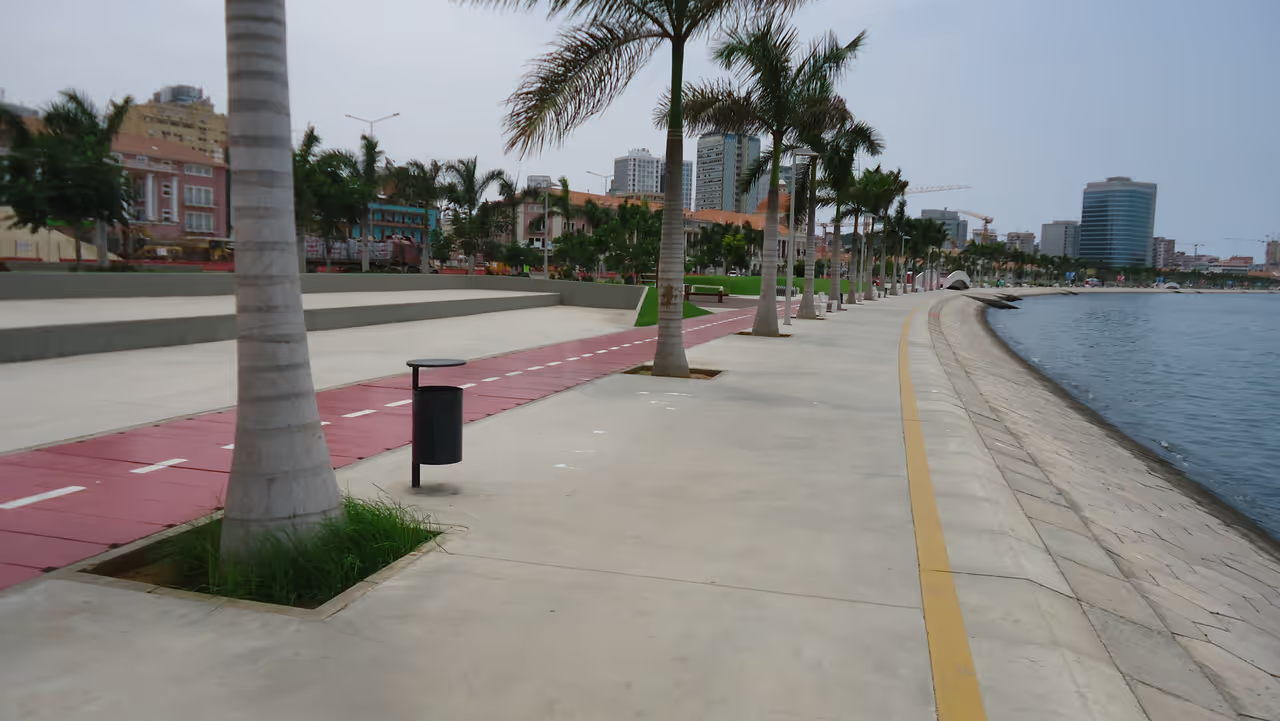 266m
266mWalk the Marginal Promenade
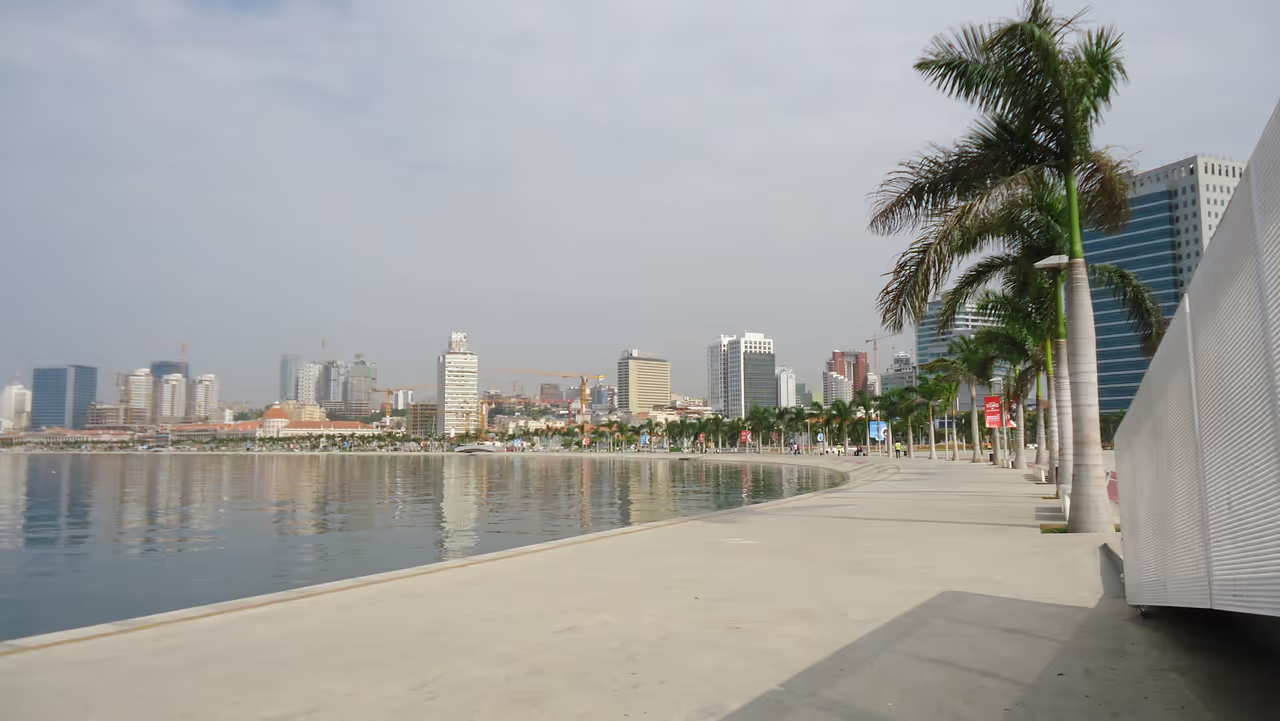
The beautifully repaved waterfront boulevard is the vibrant, beating heart of the city's public life. Stretching gracefully along the curve of the bay, it is flanked by swaying palm trees, manicured lawns, and striking modern art installations. Locals flock here in the evenings to jog, gossip, and enjoy the cooling breezes blowing in from the Atlantic Ocean. It offers the absolute best vantage point to appreciate the stark contrast between the city's faded colonial structures and its gleaming new skyscrapers. Walking this path at sunset is a mandatory and deeply relaxing experience.
highlight view 329m
329mIndependence Day Celebrations
Marking the monumental day in 1975 when the nation gained freedom from Portuguese rule, this national holiday is taken very seriously. The capital hosts impressive military parades, political speeches, and large scale concerts featuring popular local musicians. The sky above the bay is usually illuminated by a grand fireworks display in the evening. It is a day of deep national pride, reflection, and exuberant celebration.
festival view- 365m
In Our Shade Garden Café
Hidden completely from the noisy, heavily congested downtown streets, this incredibly peaceful, leafy garden café is a true oasis for those in the know. Tucked behind thick green foliage just a block away from the Natural History Museum, the tables are set entirely in the deep, refreshing shade of massive tropical plants. It is deeply popular with local workers seeking a quiet, cheap, and highly relaxing escape from the punishing equatorial sun. They serve fantastic, incredibly affordable local lunch dishes and huge glasses of freshly squeezed fruit juices. It also doubles as a small plant nursery, adding to the intensely lush, green atmosphere.
hidden gem view
Featured on These Itineraries and Routes
1 Day in Luanda Itinerary
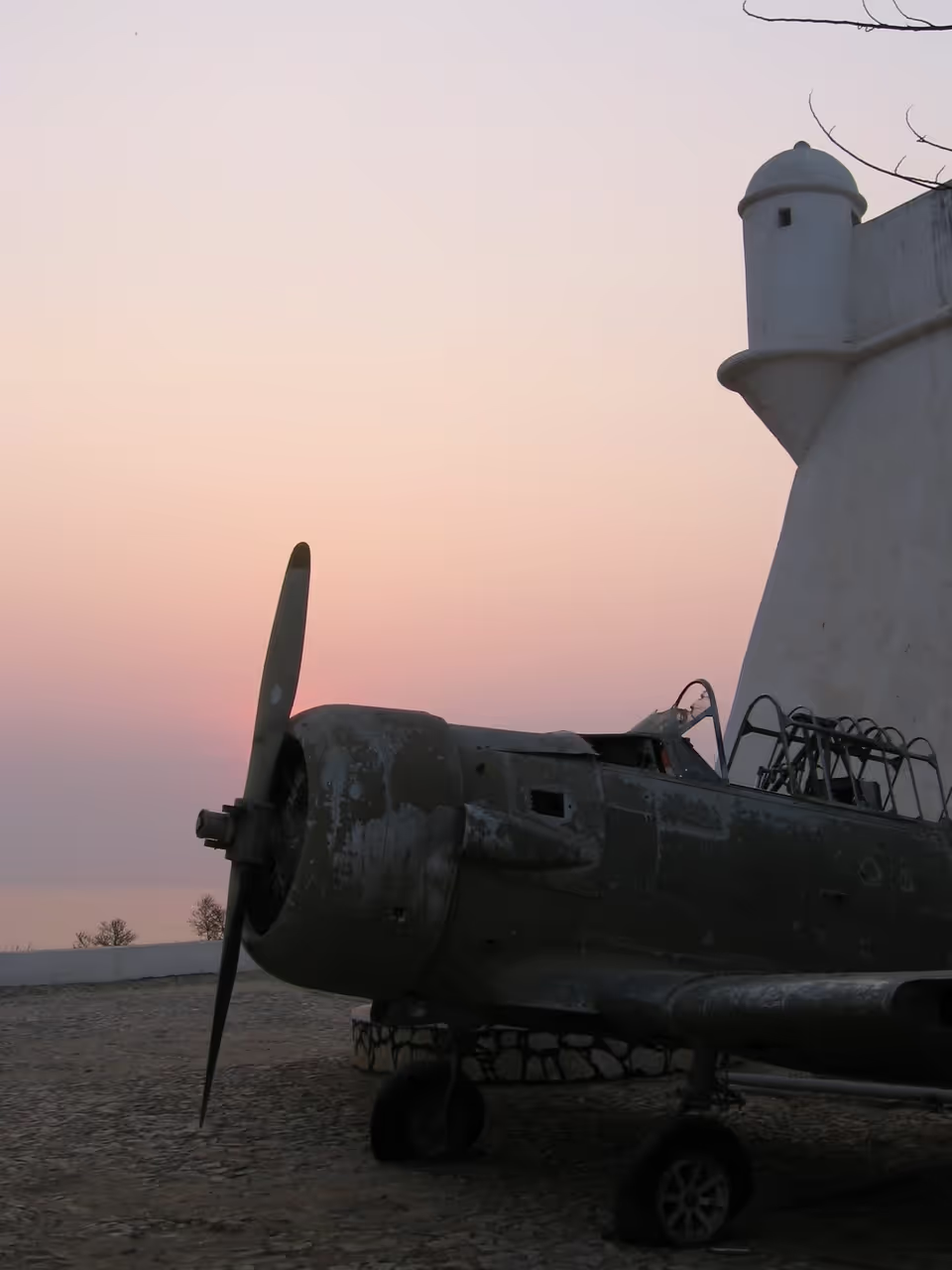
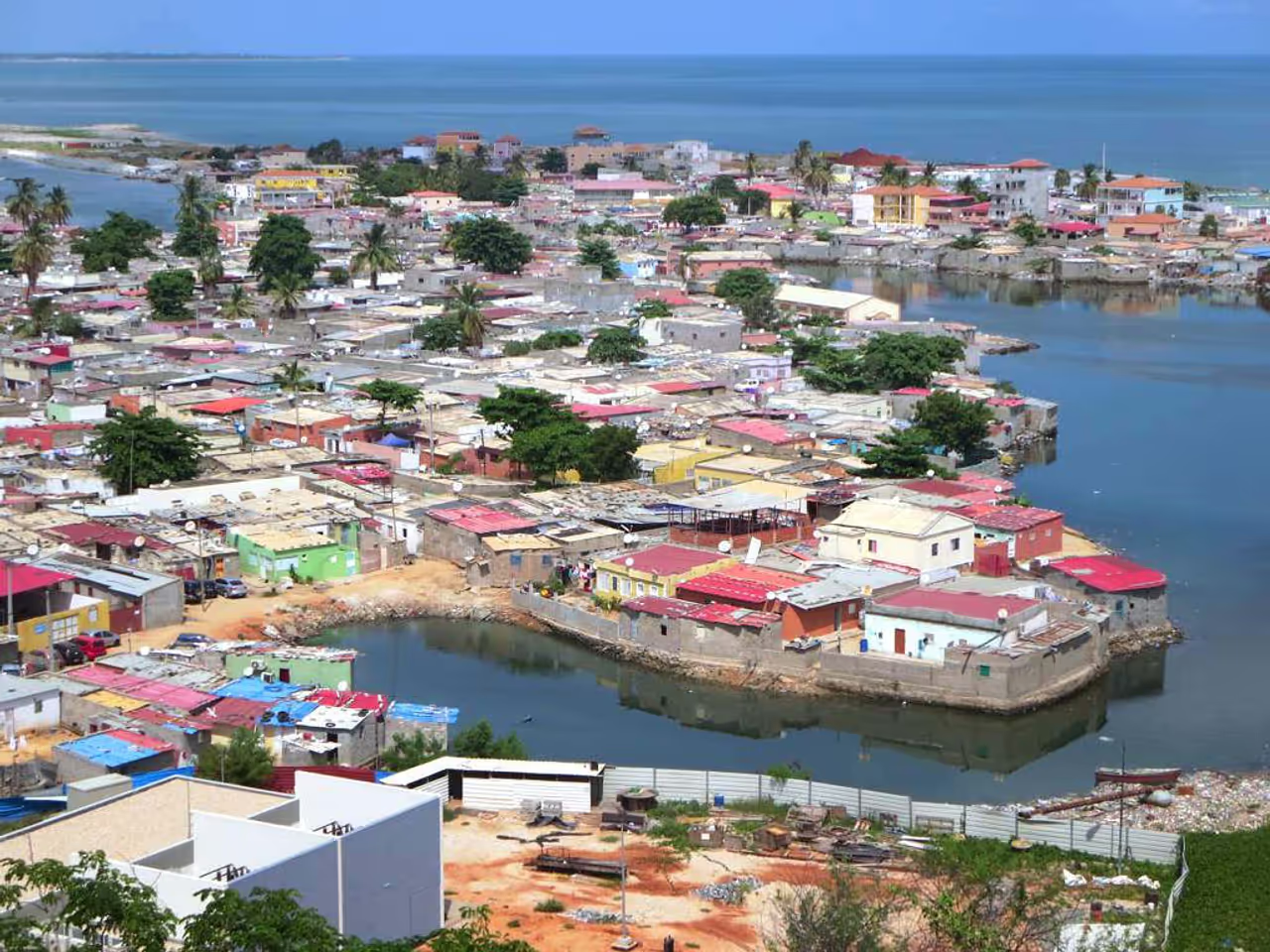
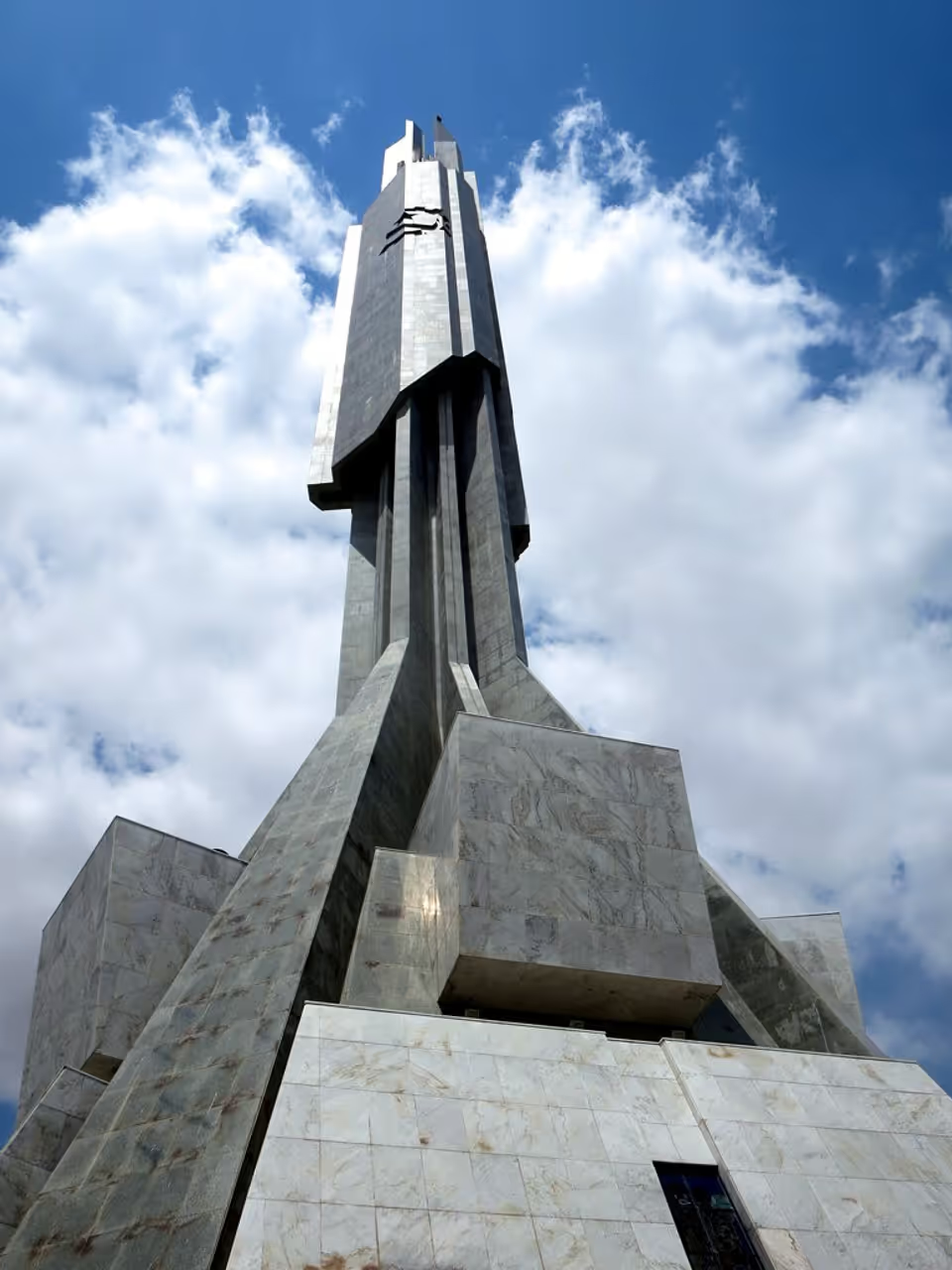
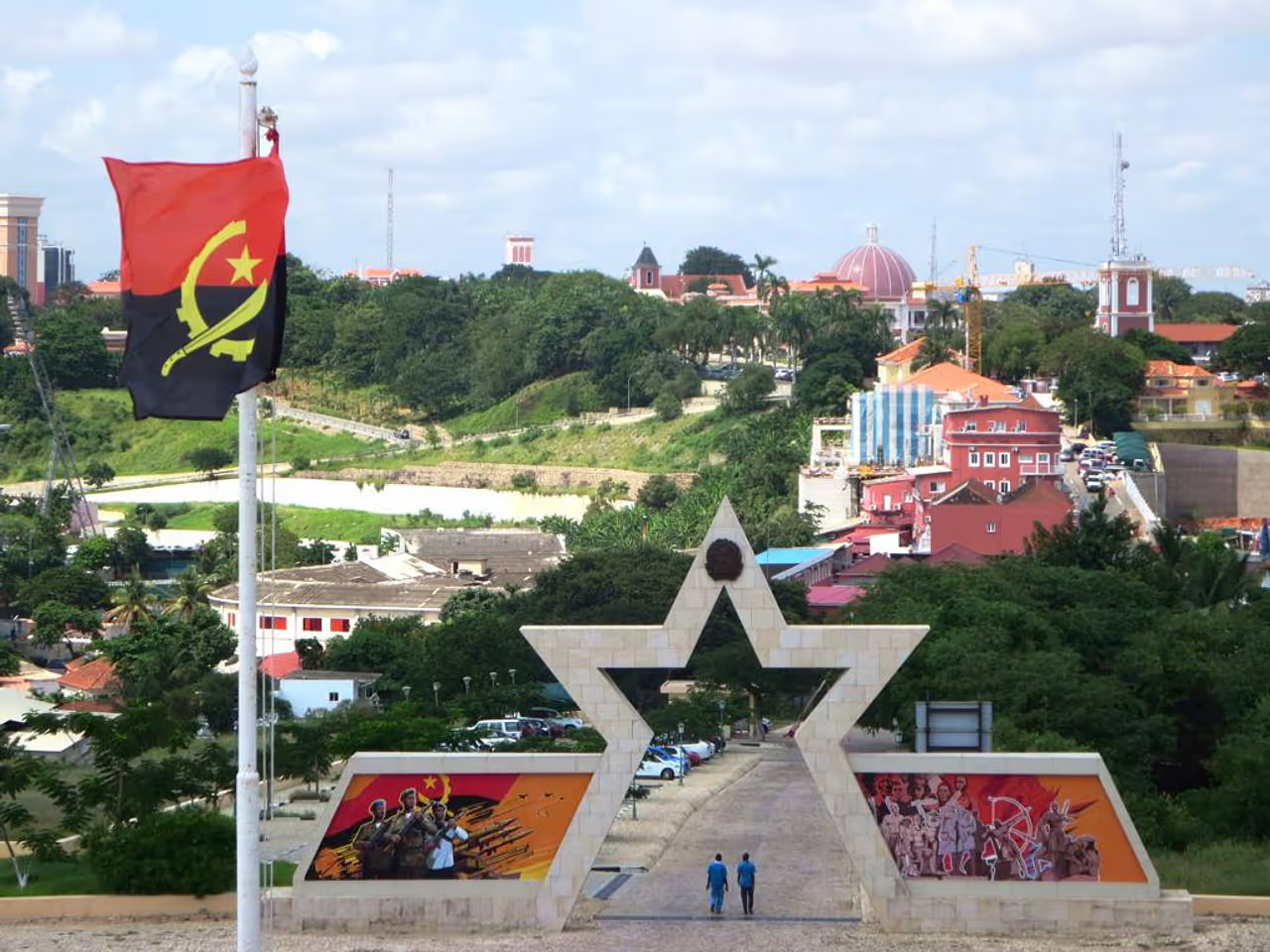
This highly condensed route focuses entirely on the historic waterfront, taking you through the most iconic architectural sights and the vibrant heart of the city's rebirth. You will explore ancient stone fortresses, wander the beautifully landscaped bay, and witness the bizarre, metal structure of the Iron Palace. It captures the essential, extreme contrast between the heavy colonial past and the gleaming, oil-wealthy future. This route is designed to be easily walkable and keeps you within the safest, most visually impressive downtown areas.
view itinerary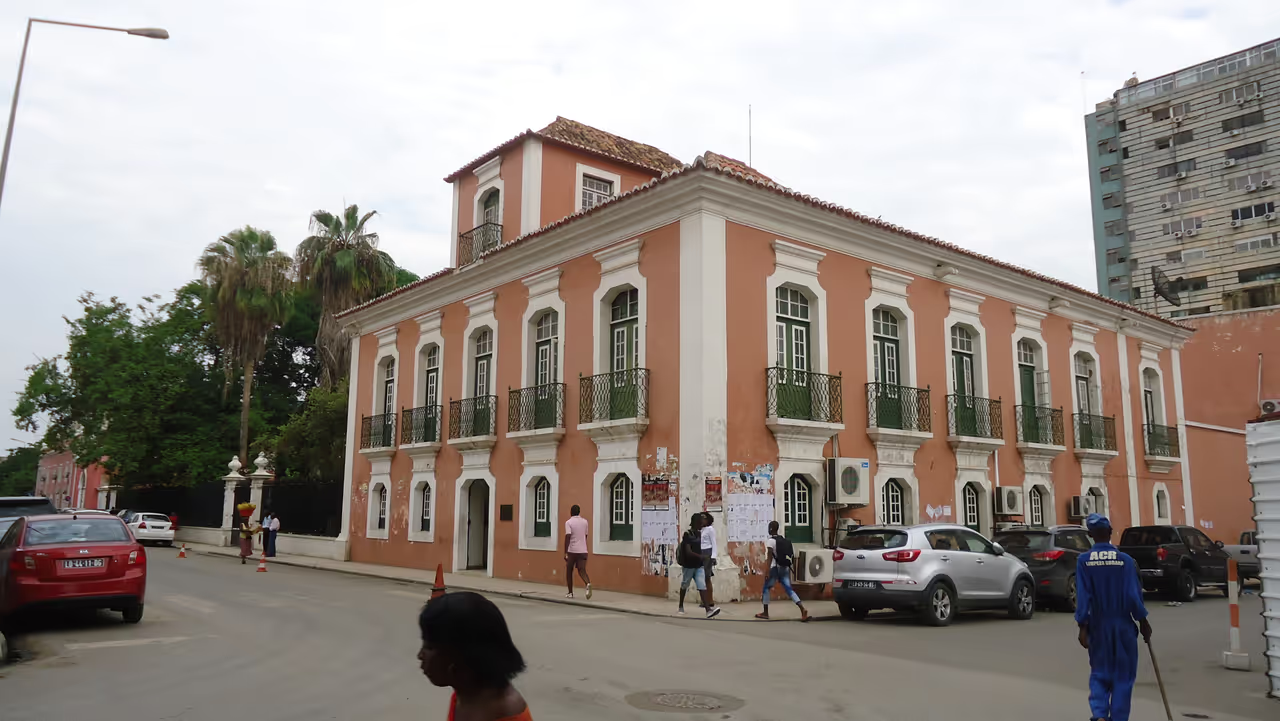
3 Days in Luanda Itinerary
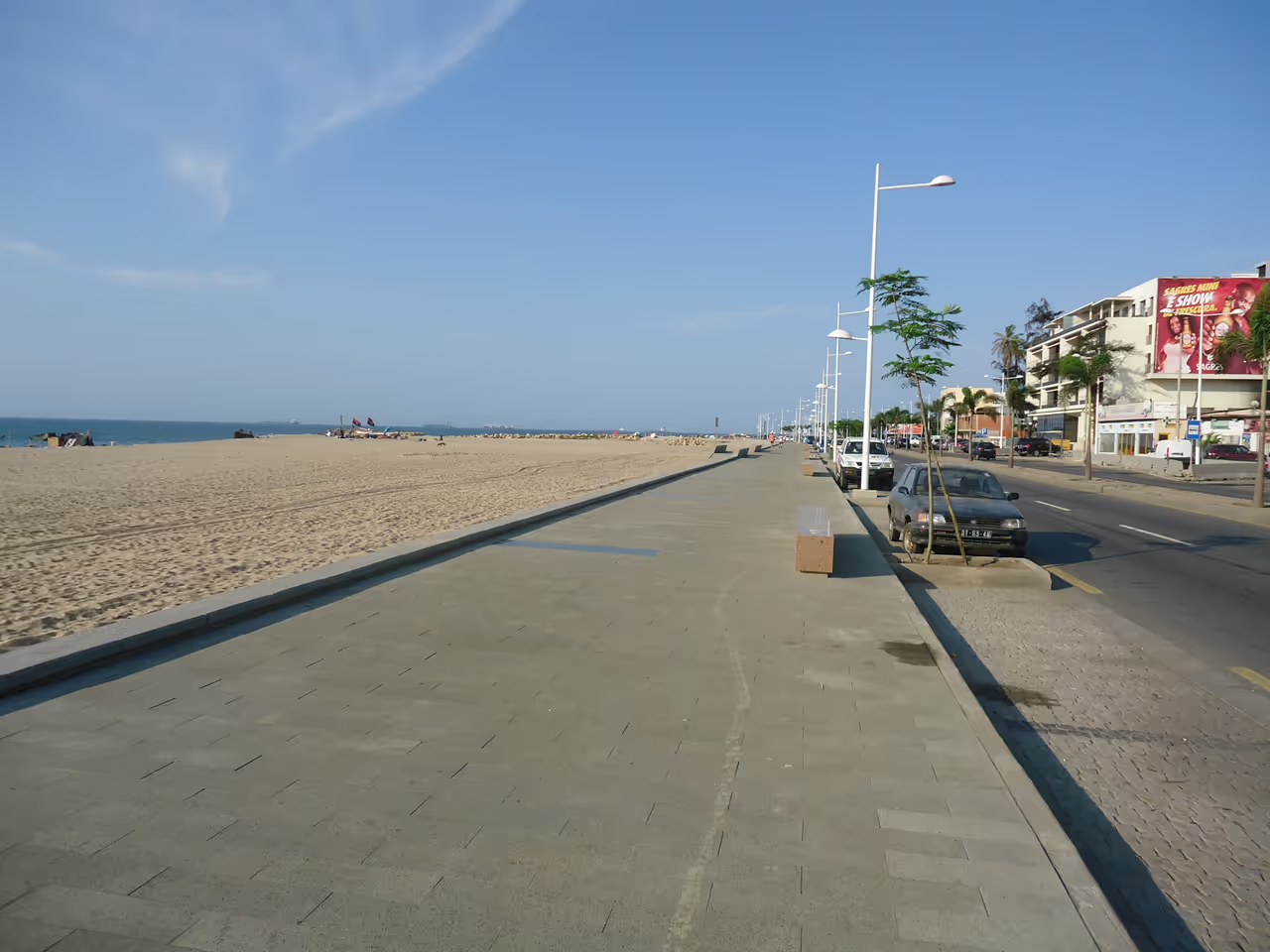
This balanced, three-day journey allows you to dive much deeper into the complex cultural tapestry and legendary coastal leisure lifestyle of the capital. Beyond the central bay, you will explore the rich indigenous history preserved in the downtown museums, paying your respects to the ancient African roots of the nation. The itinerary also dedicates an entire afternoon to the famous peninsula, ensuring you experience the highly authentic, chaotic local seafood scene before enjoying the tropical beaches. It provides a complete, well-rounded picture of the city's historical depth and modern energy.
view itinerary
5 Days in Luanda Itinerary
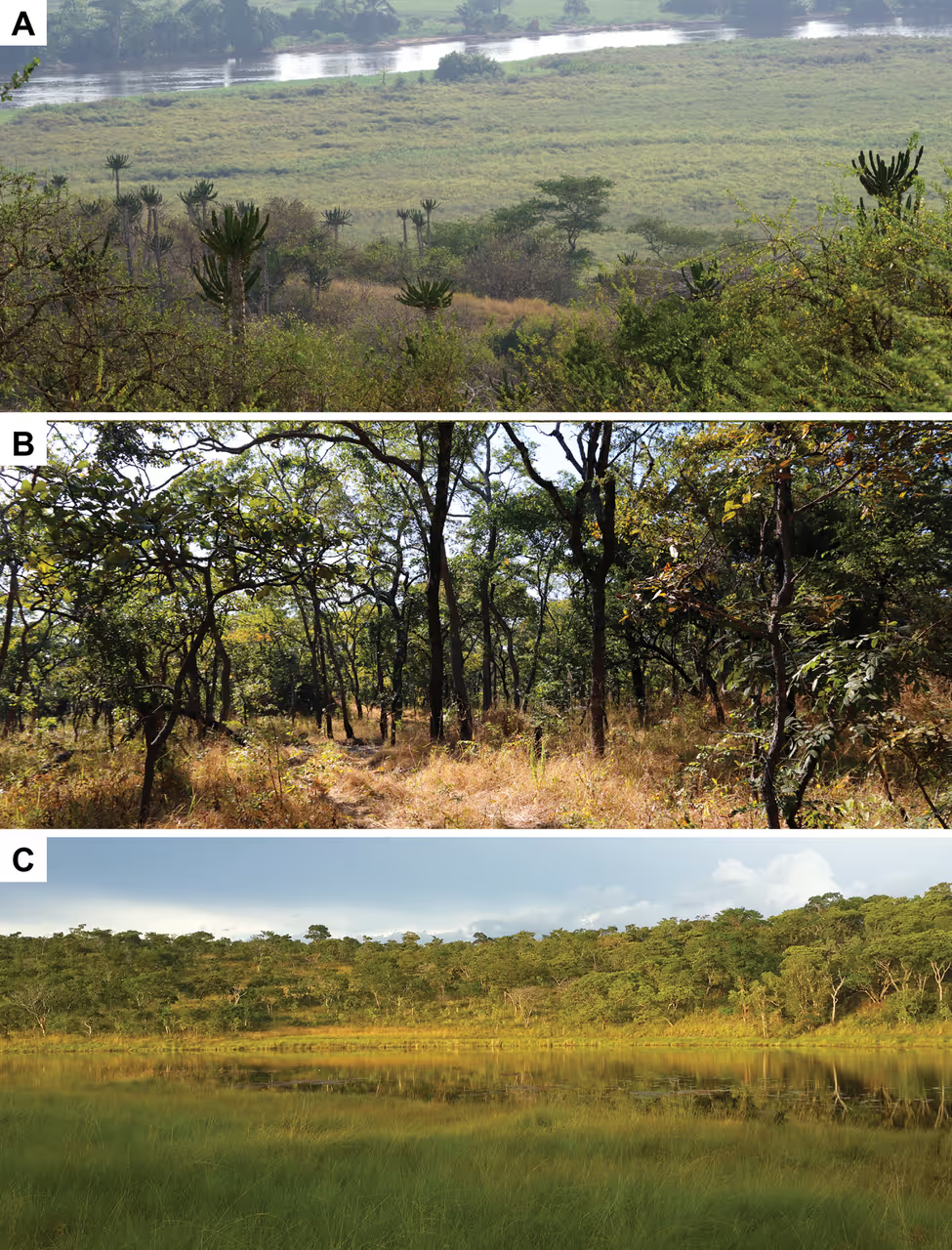
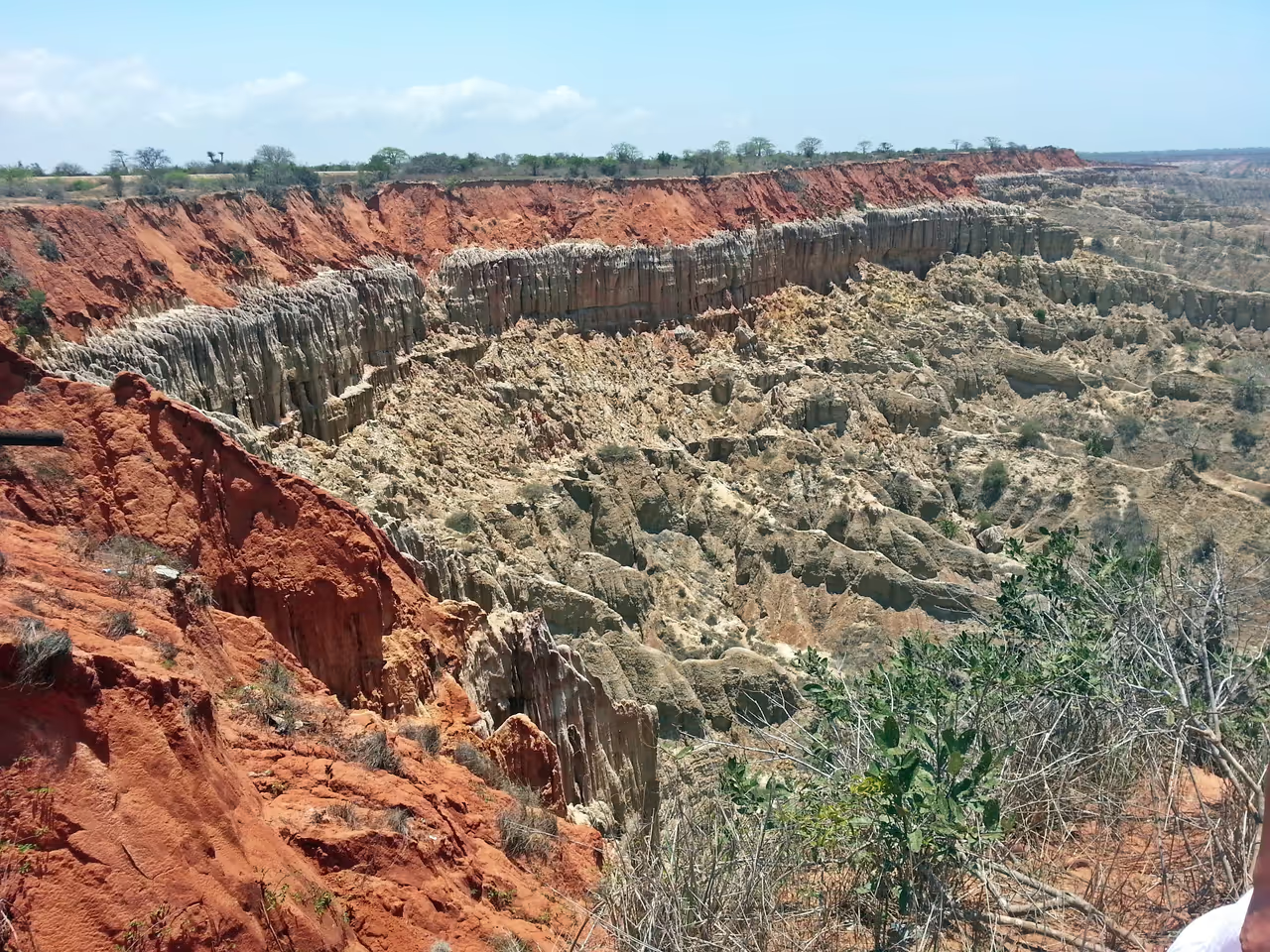
This extensive five-day adventure breaks you out of the congested urban core to reveal the stunning, wild landscapes and deep historical sites located just outside the city limits. You will experience the full spectrum of the capital, from the glittering downtown glass skyscrapers to the massive, chaotic open-air artisan markets in the southern suburbs. The route dedicates a full day to an authentic African wildlife safari, contrasting sharply with the surreal, eroded coastal cliffs of the lunar valley. It is the ultimate, comprehensive journey for travellers wanting to fully understand both the city and its surrounding natural power.
view itinerary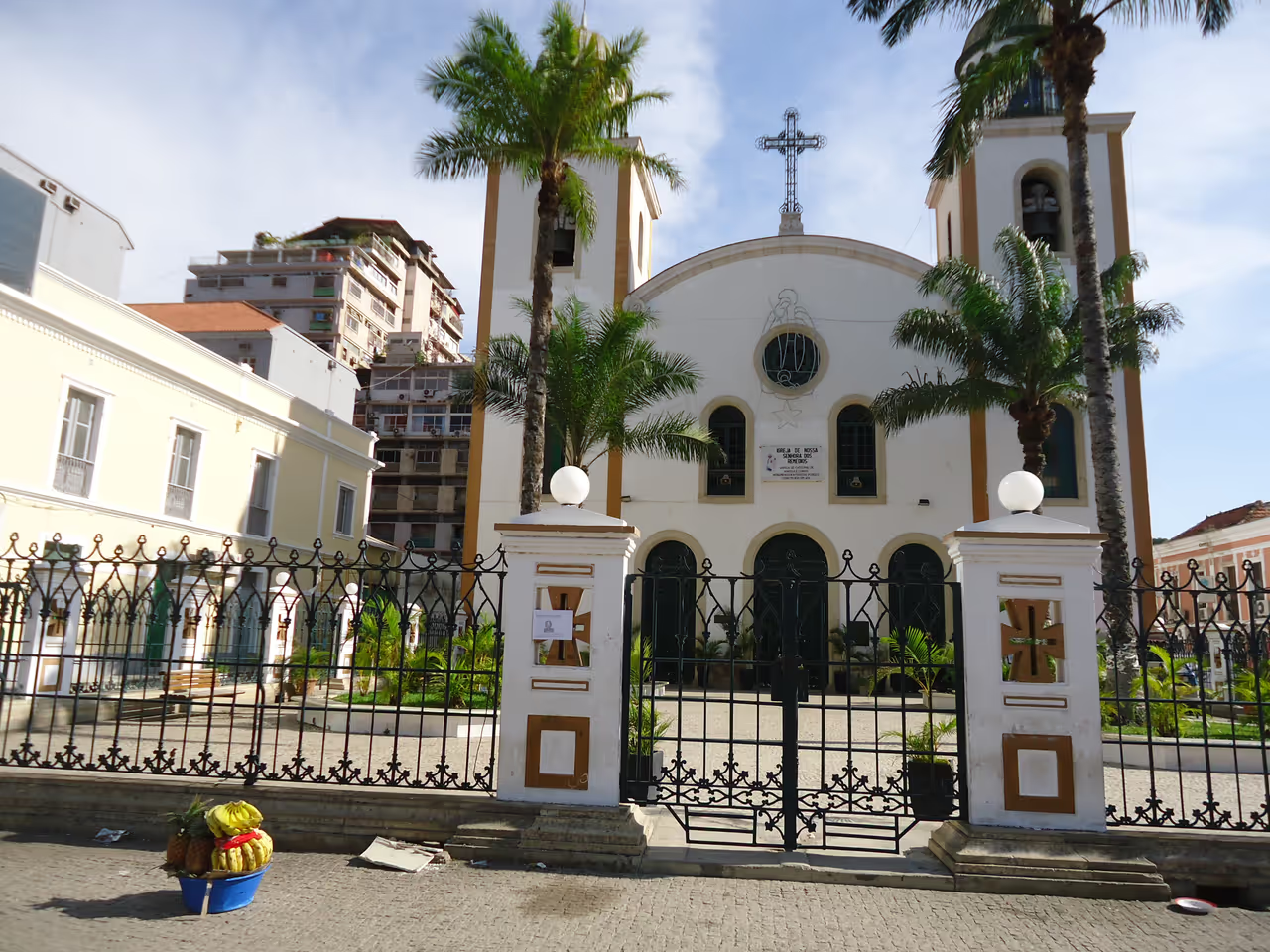
Colonial Architecture Discovery
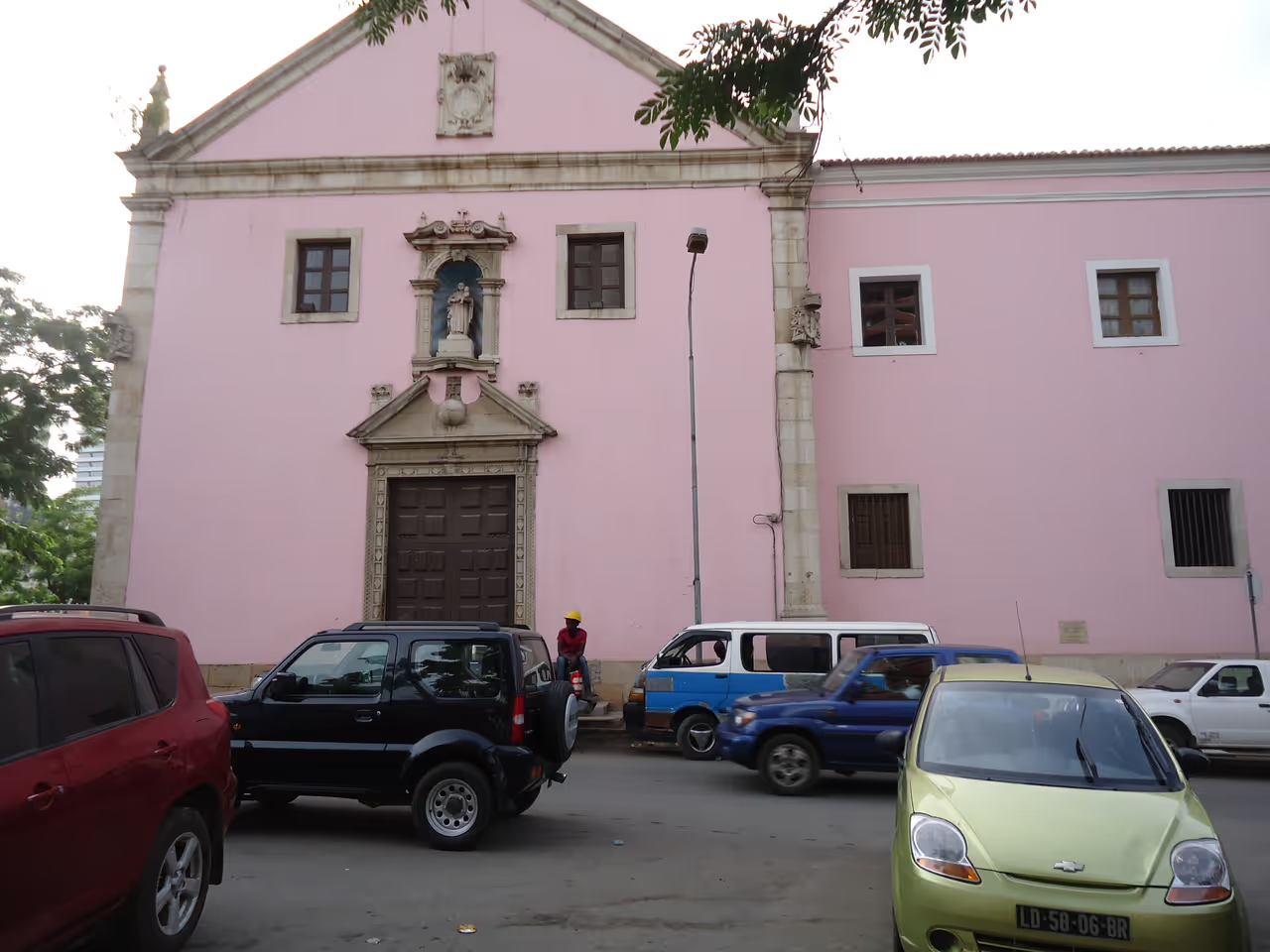
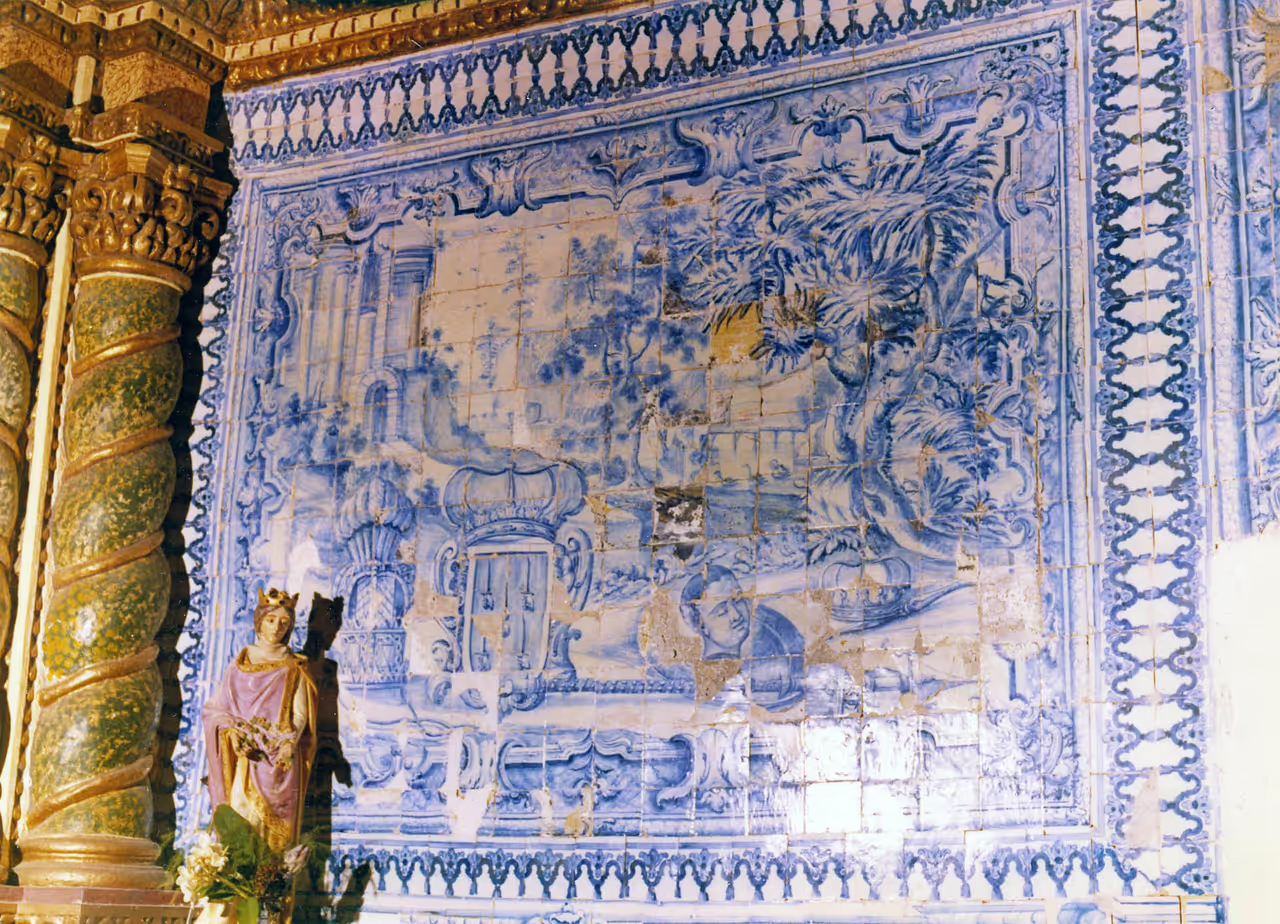
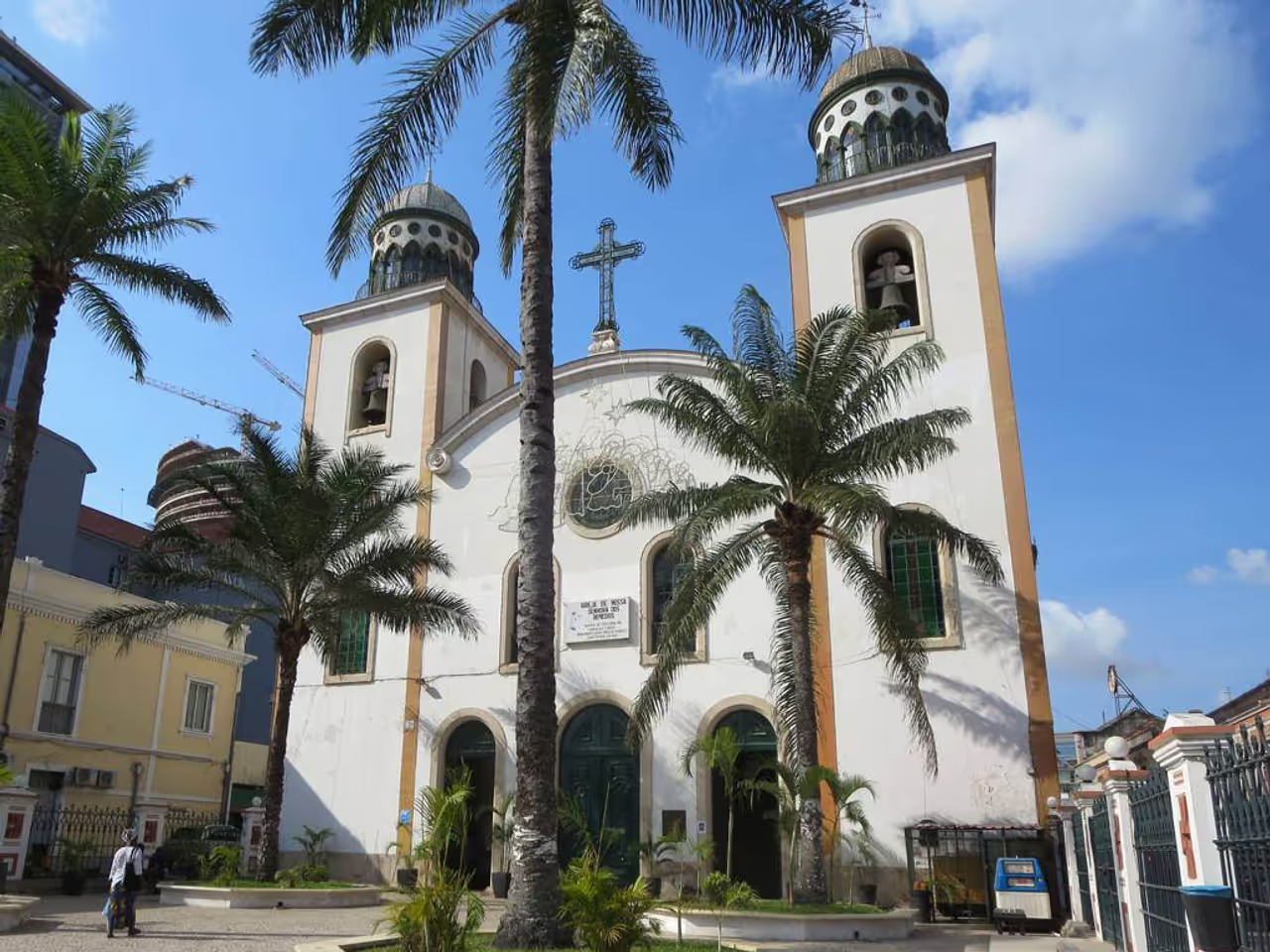
This route winds through the historic core of the lower city, tracing the physical legacy of centuries of Portuguese rule. You will encounter beautifully restored churches featuring intricate European tilework, alongside grand, crumbling administrative blocks that whisper of past imperial glory. The tour highlights the distinct architectural adaptations made to survive the harsh tropical climate, such as wide verandas and shaded courtyards. It is a fascinating visual journey through the layers of history that built this coastal capital.
view self-guided tour
See all attractions in Luanda
Luanda Cathedral, Mausoleum of António Agostinho Neto, National Museum of Anthropology, National Museum of Natural History of Angola, National Museum of Slavery, Saint Michael Fortress...