Hidden Gems & Local Secrets in Luanda

Step off the tourist trail and experience the authentic side of the city. We've bypassed the crowded landmarks to uncover the best-kept local secrets—from quiet neighborhood courtyards to underground art scenes. Dive into the forgotten histories and unique stories that make these spots truly special.

  • Baptismal Font

    PIA BATISMAL DA CAPA DE CASA GRANDE
    1 H

    Hidden inside a small, unassuming white chapel on a coastal hill south of the city, this simple stone basin carries an incredibly dark, heavy history. It sits in the exact centre of the room, completely devoid of any grand plaques or detailed explanations, which only adds to its chilling atmosphere. This is the very font where countless enslaved Africans were forcefully baptised by colonial priests before being violently marched onto ships bound for the Americas. Standing in the quiet, windswept room, the heavy historical reality of the transatlantic slave trade feels devastatingly close and deeply personal. It is a sombre, uncommercialised site that demands quiet reflection.

    LOCATION

    Loading map...

    FULL PLACE DETAILS

    OVERVIEW & STATS

    Established
    In 1997, making it 29 years old

    ARCHITECTURE & HERITAGE

    Heritage Status
    Heritage Of Portuguese Influence
  • Chicala Fishing Quarter

    BAIRRO DA CHICALA
    2 H

    Wedged precariously between the towering glass skyscrapers of the mainland and the ultra-luxurious beach clubs of the peninsula, this incredibly dense, informal neighbourhood is a vibrant slice of authentic African street life. The sandy, unpaved alleyways are a chaotic maze of tin-roofed shacks, loud music, and massive open-air charcoal grills. It is entirely unpretentious, incredibly welcoming, and widely acknowledged by locals as having the absolute best, freshest, and cheapest grilled seafood in the entire capital. Venturing into this loud, smoky, and joyful maze provides a deeply real, unfiltered experience of how the vast majority of the city's residents actually live and eat.

    HISTORY & HIGHLIGHTS

    Long before the massive glass towers of the modern oil boom pierced the skyline, the sandy stretch of land connecting the mainland to the peninsula was inhabited by generations of traditional fishermen. They relied entirely on the incredibly rich, fertile waters of the Atlantic, pulling in massive daily catches of tilapia, lobster, and horse mackerel to feed the growing capital. As the city exploded in population and wealth, massive development projects began to rapidly consume the surrounding coastline. Despite the intense pressure from wealthy property developers looking to bulldoze the area for luxury condominiums, the deeply rooted community of Chicala stubbornly held its ground. The neighbourhood absorbed waves of internal refugees fleeing the devastating civil war, growing increasingly dense and chaotic, yet maintaining its incredibly strong, tight-knit fishing culture. The residents simply set up open-air grills in the sandy streets, creating a thriving, informal seafood economy that feeds thousands of people daily. Today, it stands as a fascinating, chaotic island of traditional, raw street culture completely surrounded by extreme, modern wealth. It is a powerful testament to the resilience of the local people, who have managed to preserve their way of life and their incredible culinary traditions in the face of overwhelming, rapid urbanisation.

    Events spanning 152 years

    YEAR 1850

    Traditional Fishing Hub

    The sandy spit of land naturally evolves into the primary settlement for local fishermen feeding the growing colonial capital.

    YEAR 1975

    The Population Explosion

    The outbreak of the civil war forces thousands of rural refugees into the city, massively increasing the density of the neighbourhood.

    YEAR 2002

    The Oil Boom Encroachment

    The end of the war triggers a massive construction boom, with luxury skyscrapers rising rapidly right to the very edges of the sandy shacks.

    LOCATION

    Loading map...
  • In Our Shade Garden Café

    A NOSSA SOMBRA
    1 H

    Hidden completely from the noisy, heavily congested downtown streets, this incredibly peaceful, leafy garden café is a true oasis for those in the know. Tucked behind thick green foliage just a block away from the Natural History Museum, the tables are set entirely in the deep, refreshing shade of massive tropical plants. It is deeply popular with local workers seeking a quiet, cheap, and highly relaxing escape from the punishing equatorial sun. They serve fantastic, incredibly affordable local lunch dishes and huge glasses of freshly squeezed fruit juices. It also doubles as a small plant nursery, adding to the intensely lush, green atmosphere.

    HISTORY & HIGHLIGHTS

    The downtown core of the capital is notorious for its intense, suffocating traffic, incredibly loud construction noise, and punishing tropical heat reflecting off the concrete. Finding a quiet, shaded place to rest in the middle of the day is a significant challenge for both locals and visitors. In response to this chaotic urban environment, a small, unassuming garden space was slowly transformed into a quiet, leafy retreat right in the very heart of the business district. By combining a small, functioning plant nursery with a few scattered plastic tables and a simple kitchen, the owners created a highly unique, deeply relaxing micro-environment. It quickly became a closely guarded secret among local office workers and nearby museum staff, who would flock to the dense shade of the tropical plants to escape the midday heat and enjoy cheap, home-cooked local meals. Unlike the hyper-expensive, heavily air-conditioned luxury restaurants that dominate the modern city, this garden cafe has stubbornly maintained its simple, unpretentious, and affordable nature. It offers a rare, peaceful glimpse into the slower, more relaxed daily rhythms of local life, entirely hidden away behind a wall of green leaves.

    Events spanning 8 years

    YEAR 2002

    The Downtown Boom

    The end of the civil war triggers massive, noisy construction across the downtown core, removing many of the old shaded public spaces.

    YEAR 2010

    A Green Retreat

    The small garden space is slowly opened to the public, providing a desperately needed, quiet refuge for local office workers.

    LOCATION

    Loading map...
  • Old Nautical Club

    CLUBE NÁUTICO DA ILHA DE LUANDA
    1 H 30 M

    Tucked away on the bay-facing side of the glamorous peninsula, this deeply historic boating club offers an incredibly relaxed, nostalgic atmosphere far removed from the loud beach clubs nearby. Founded in 1924, the wooden decks and shaded terraces exude a faded, classic maritime charm that has miraculously survived decades of war and rapid modern development. Locals gather here on weekend afternoons to sip cold beers, eat fresh crab, and watch the small sailboats glide quietly across the calm harbour. It feels like stepping into a slow-paced, bygone era of coastal leisure, completely ignoring the frantic, modern metropolis skyline just across the water. It is the perfect, quiet retreat for an afternoon sundowner.

    HISTORY & HIGHLIGHTS

    During the early twentieth century, the city began to experience a significant economic boom, leading to the rise of a wealthy, leisure-focused merchant class. Eager to take advantage of the incredibly calm, sheltered waters of the massive natural bay, a group of local sailing enthusiasts banded together to form the city's very first recreational boating club in 1924. Originally named the Nun'Alvares Sports Club, it quickly became the epicentre of high-society maritime life in the colonial capital. Remarkably, the club managed to survive the devastating decades of the civil war that followed independence, providing a rare, peaceful sanctuary amidst the surrounding chaos and violence. The wooden decks and small sailing vessels remained a stubborn symbol of the city's enduring connection to the sea. Following a government decree aimed at removing colonial names, the club officially adopted its current title in 1979. Today, it holds the prestigious title of being the most decorated yacht club in the country, yet it maintains an incredibly humble, welcoming, and slightly faded charm. It stands as a rare, surviving piece of living history where the chaotic, modern oil wealth of the city has not completely erased the slow, relaxed coastal traditions of the past.

    Events spanning 55 years

    YEAR 1924

    Club Foundation

    The club is originally established by sailing enthusiasts under the name Clube Desportivo Nun'Alvares.

    YEAR 1975

    Surviving the Conflict

    The club manages to stay open and maintain its boats despite the outbreak of the devastating civil war.

    YEAR 1979

    A Change of Name

    Complying with post-colonial government directives, the club officially drops its Portuguese moniker and adopts its current name.

    LOCATION

    Loading map...

    FULL PLACE DETAILS

    OVERVIEW & STATS

    Established
    In 1924, making it 102 years old
  • Northern Fortress

    FORTALEZA DE SÃO PEDRO DA BARRA
    45 M

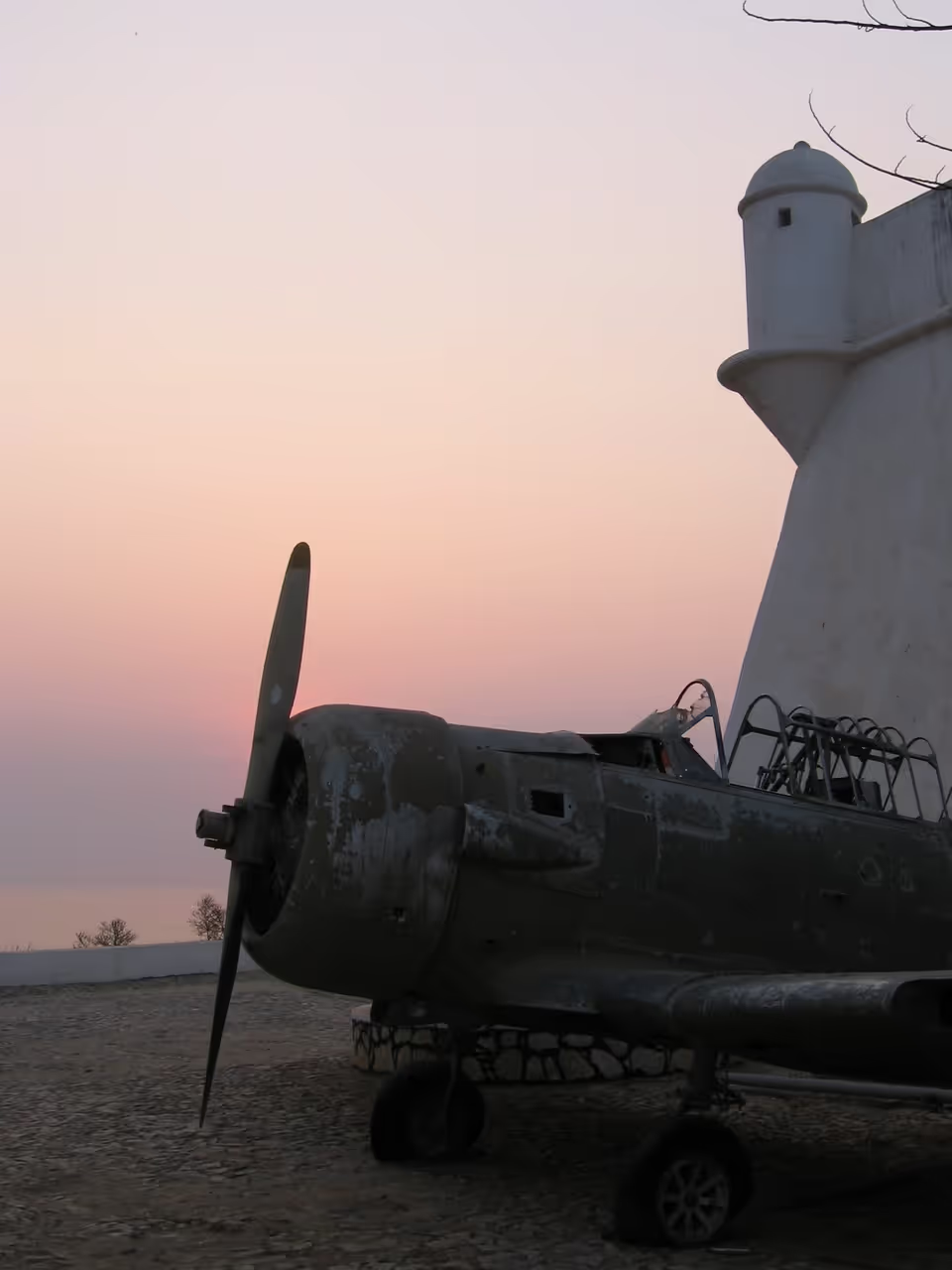
    While almost all tourists visit the massive central fortress on the bay, this older, crumbling coastal fortification located in the northern port area is rarely seen by outsiders. Originally built in 1618, it is a raw, uncommercialised ruin that sits heavily on a vertical rock overlooking the ocean. Because it is located in a restricted military and industrial zone, visiting requires a bit of determination and local permission, but the reward is a deeply authentic, eerie historical site. The thick stone walls echo with a very dark past, having served as both a holding pen for the slave trade and a brutal nationalist prison. It is a powerful, silent monument to centuries of suffering.

    HISTORY & HIGHLIGHTS

    Recognising the immense strategic and economic value of the deep natural harbour, the Portuguese colonial forces constructed this imposing fortress in 1618. Perched dangerously on the vertical rock of Cassondama Hill, its heavy bronze cannons were designed to protect the highly lucrative northern approaches to the city from rival European naval powers. However, as the centuries progressed, the military function of the imposing stone walls took on a much darker, internal purpose. During the height of the transatlantic slave trade, the deep, dark dungeons of the fortress were repurposed as a massive holding pen. Thousands of captive Africans were imprisoned within the suffocating stone walls, listening to the crashing waves while awaiting the arrival of the ships that would take them to Brazil. Centuries later, during the fierce struggle for national independence between 1961 and 1975, the colonial government used the very same dungeons to brutally imprison and torture local nationalist fighters. Today, the fortress sits quietly in a highly restricted, heavily industrialised zone, far removed from the pristine tourist paths. The crumbling, weathered walls are rarely visited, standing as a silent, powerful, and deeply tragic monument to the centuries of exploitation, suffering, and incredible resilience that forged the modern nation.

    Events spanning 357 years

    YEAR 1618

    Fortress Construction

    The massive stone fortification is built on Cassondama Hill to protect the northern approaches of the harbour.

    YEAR 1750

    The Slave Pens

    The deep dungeons of the fort are heavily utilised to imprison captive Africans awaiting forced transport across the Atlantic.

    YEAR 1961

    The Nationalist Prison

    During the war for independence, the colonial government repurposes the fort into a brutal prison and forced labour camp for local rebels.

    YEAR 1975

    National Independence

    The country gains independence, and the heavily stained, tragic walls of the fortress are finally emptied of political prisoners.

    LOCATION

    Loading map...

    FULL PLACE DETAILS

    ARCHITECTURE & HERITAGE

    Heritage Status
    Heritage Of Portuguese InfluenceTentative World Heritage Site
KEEP EXPLORING

More to see in Luanda