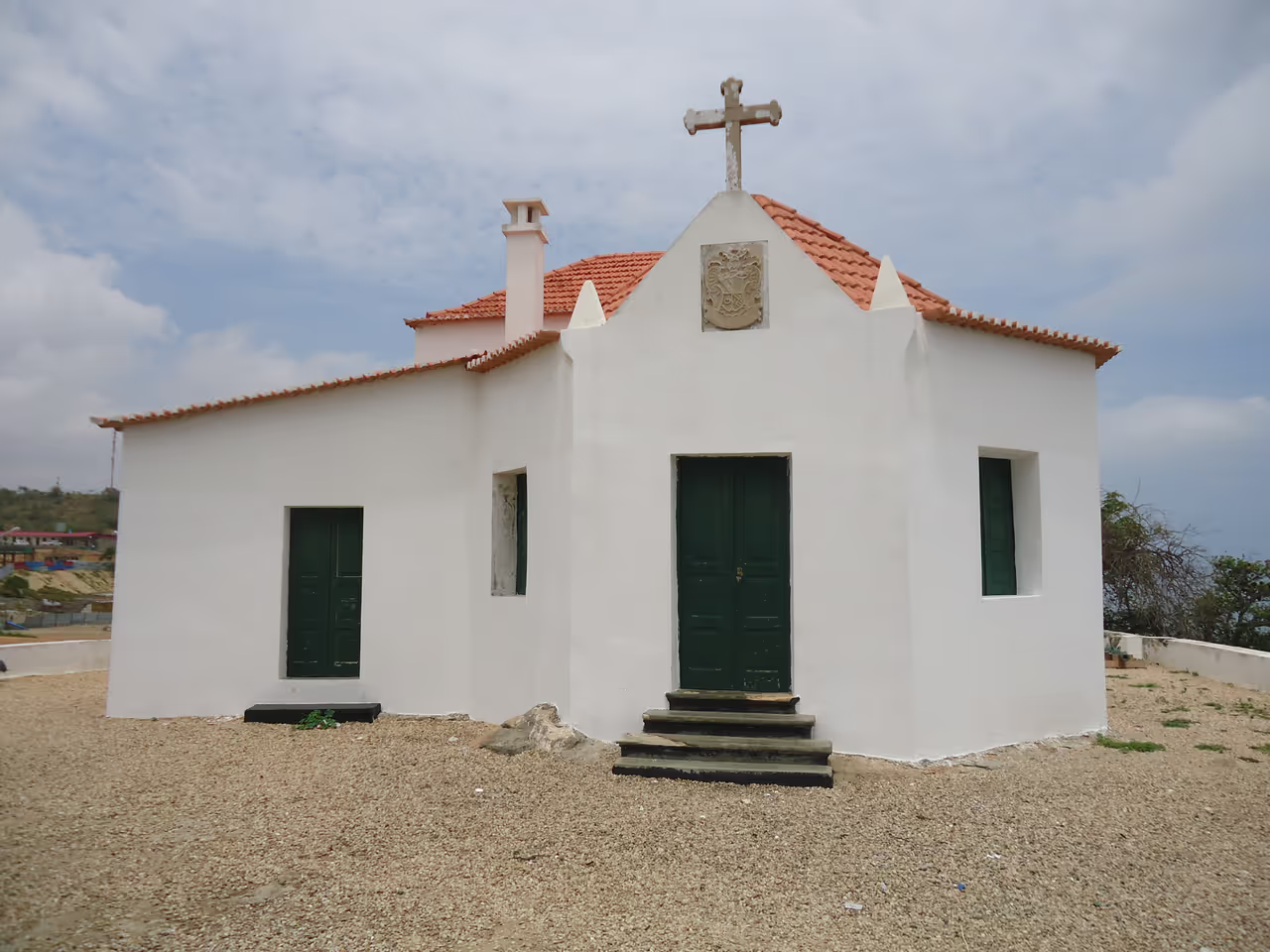
National Museum of Slavery
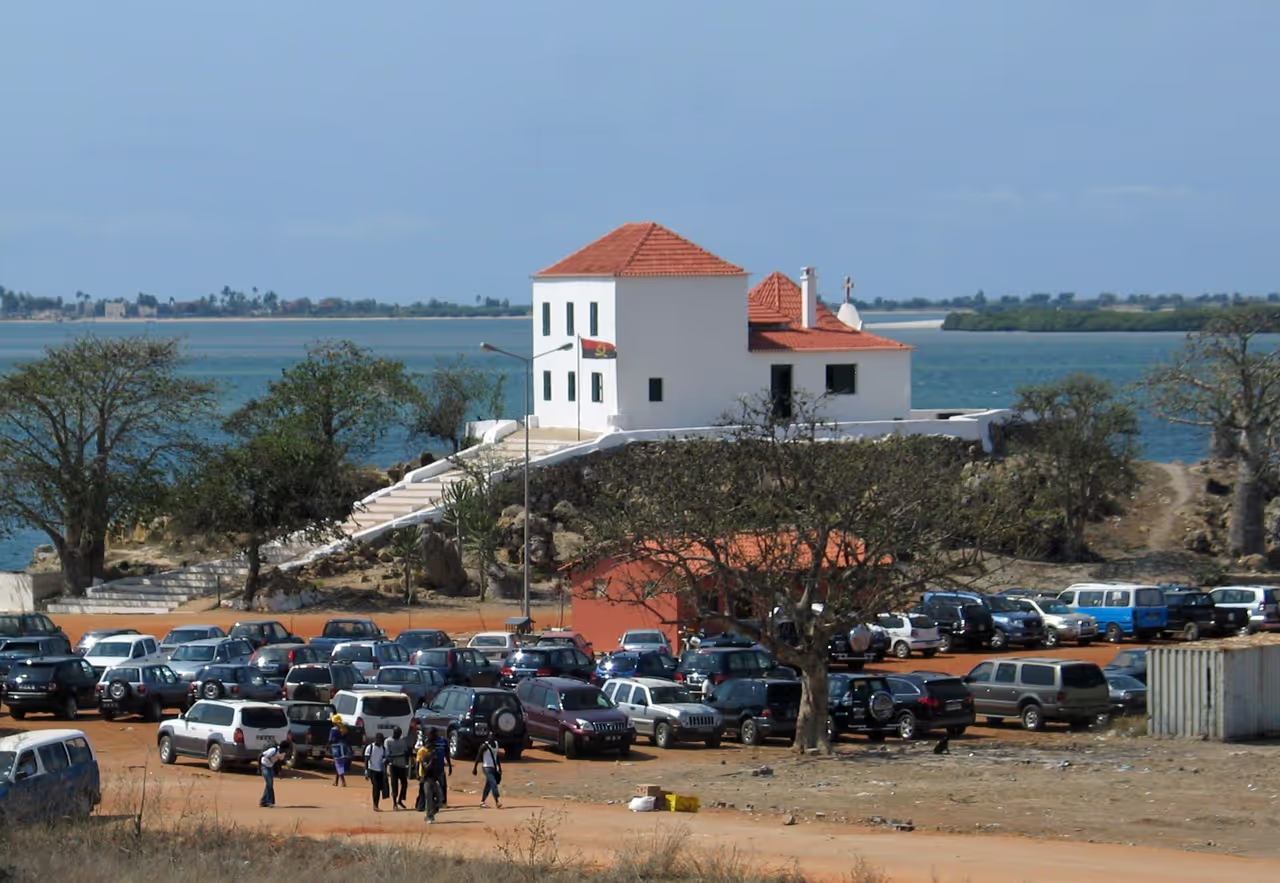
Perched on the scenic Morro da Cruz, the National Museum of Slavery stands as a poignant reminder of Angola’s complex past. This site offers an immersive look into the history of the transatlantic slave trade and its devastating impact on the region. Visitors can explore the preserved chapel from the seventeenth century where enslaved people were baptised before their forced journeys. The museum displays a collection of items used during that era, providing a sombre but vital educational experience. It is a place for reflection and understanding, allowing guests to connect deeply with the stories of those who suffered and survived. The museum serves as an essential stop for anyone wanting to grasp the historical forces that shaped modern Angola.
Videos
History of National Museum of Slavery
The origins of the National Museum of Slavery are as heavy as they are important. Situated on the grounds of what was once the property of Álvaro de Carvalho Matoso, a prominent figure in the slave trade during the eighteenth century, the site carries the weight of history in its very walls. Matoso was a captain of the presidio for major forts across the region, making his estate a central hub for the commerce of human lives. He and his family continued their involvement in this trade until the practice was finally outlawed in 1836, following a royal decree by Maria II of Portugal. For decades, the site stood as a testament to these dark times. In 1977, the National Institute of Cultural Patrimony transformed this estate into a sanctuary for history. By creating the museum, they ensured that the stories of the thousands who passed through these grounds would never be silenced. Today, it stands as a place for education, reflection, and truth. Visiting provides a unique perspective on the resilience of the human spirit. While the surroundings are beautiful, the interior is dedicated to memory and preservation. It bridges the gap between past and present, challenging visitors to engage with the realities of history in a meaningful way. This institution remains a vital part of the cultural landscape, inviting people from across the globe to learn and pay their respects.
Events spanning 377 years
Fun Facts
- • Established in 1977, the museum was specifically designed to document the painful history of slavery within Angola.
- • Following the death of Matoso in 1798, his family continued to run the trading operations from this estate for nearly four decades.
- • Its location at Morro da Cruz provides a dramatic contrast between the beautiful coastal landscape and the grim history housed within the museum walls.
- • The 1836 abolition of the slave trade by Maria II of Portugal forced a significant shift in the economic structure of the entire Portuguese Empire.
- • The adjacent Capela da Casa Grande was used to baptise enslaved individuals before they were sent away on ships across the Atlantic.
- • The institution works closely with historians to preserve local narratives that might otherwise be lost to time.
- • The museum houses a significant collection of manacles, shackles, and other items that illustrate the brutal conditions of the trade.
- • The museum is situated in the former residence of Álvaro de Carvalho Matoso, one of the most prolific slave traders on the African coast during the eighteenth century.
- • The museum serves as a centre for research into the cultural impact of the slave trade on the African diaspora.
- • The site serves as a monument to the thousands of people who were forcibly removed from their homes through the port of Luanda.
National Museum of Slavery FAQ
While we strive to keep this information accurate and up to date, we recommend verifying any details independently before making decisions based on them.
National Museum of Slavery Map & Neighborhood Explorer
This interactive map is centered on National Museum of Slavery. Zoom in and move the map around to automatically discover Wikipedia photos and summaries of other nearby sights, monuments, and historical points of interest and stories in real-time!
Places near National Museum of Slavery
Make the most of your trip. Check out these top-rated spots located nearby.
- 6827m
Benfica Handcrafts Market
Located just south of the city centre, this sprawling open air market is the ultimate destination for authentic African art and souvenirs. Wandering through the dense stalls, visitors can find intricately carved wooden masks, beautiful woven baskets, bronze sculptures, and traditional animal skins. The vendors are eager to negotiate, making haggling an essential and expected part of the experience. It offers a chaotic, colourful, and highly rewarding shopping adventure for those seeking unique cultural artefacts.
market view 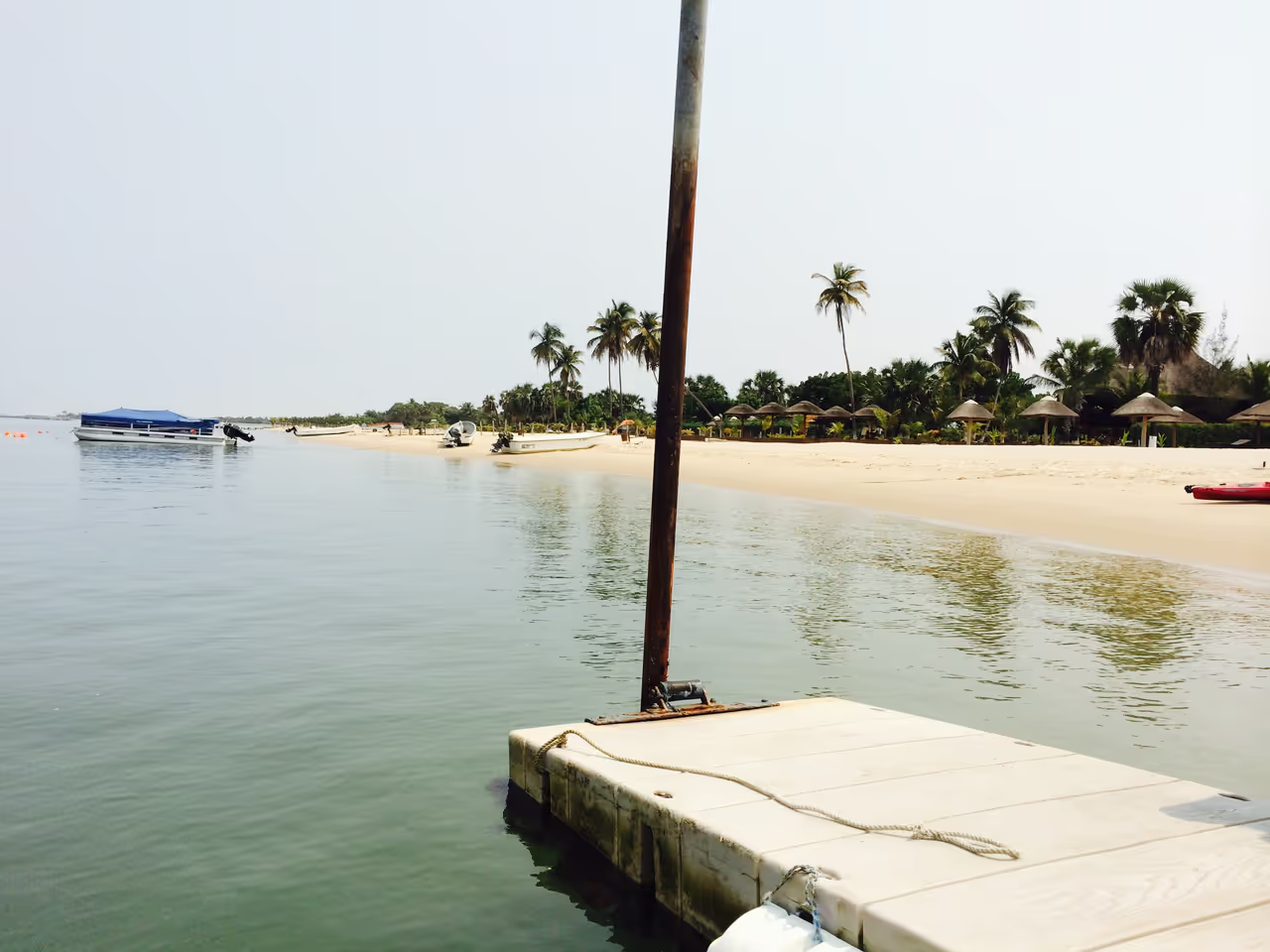 9510m
9510mMussulo Peninsula
A 30-kilometre stretch of sand separating the mighty Atlantic Ocean from the tranquil waters of the bay, Mussulo is the ultimate weekend escape from the heart of Luanda. This slender spit of land, formed by centuries of sediment drift, offers two entirely different coastal experiences. On the western side, wild waves crash against the shore, while the eastern side creates a serene, glass-like lagoon perfect for swimming and water sports. It is the go-to spot for locals seeking respite, dotted with rustic beach huts, seafood restaurants, and sun-drenched palms. Whether you are looking to lounge by the water with a drink in hand or explore the coast by boat, this peninsula captures the laid-back spirit of the Angolan coast.
park & nature view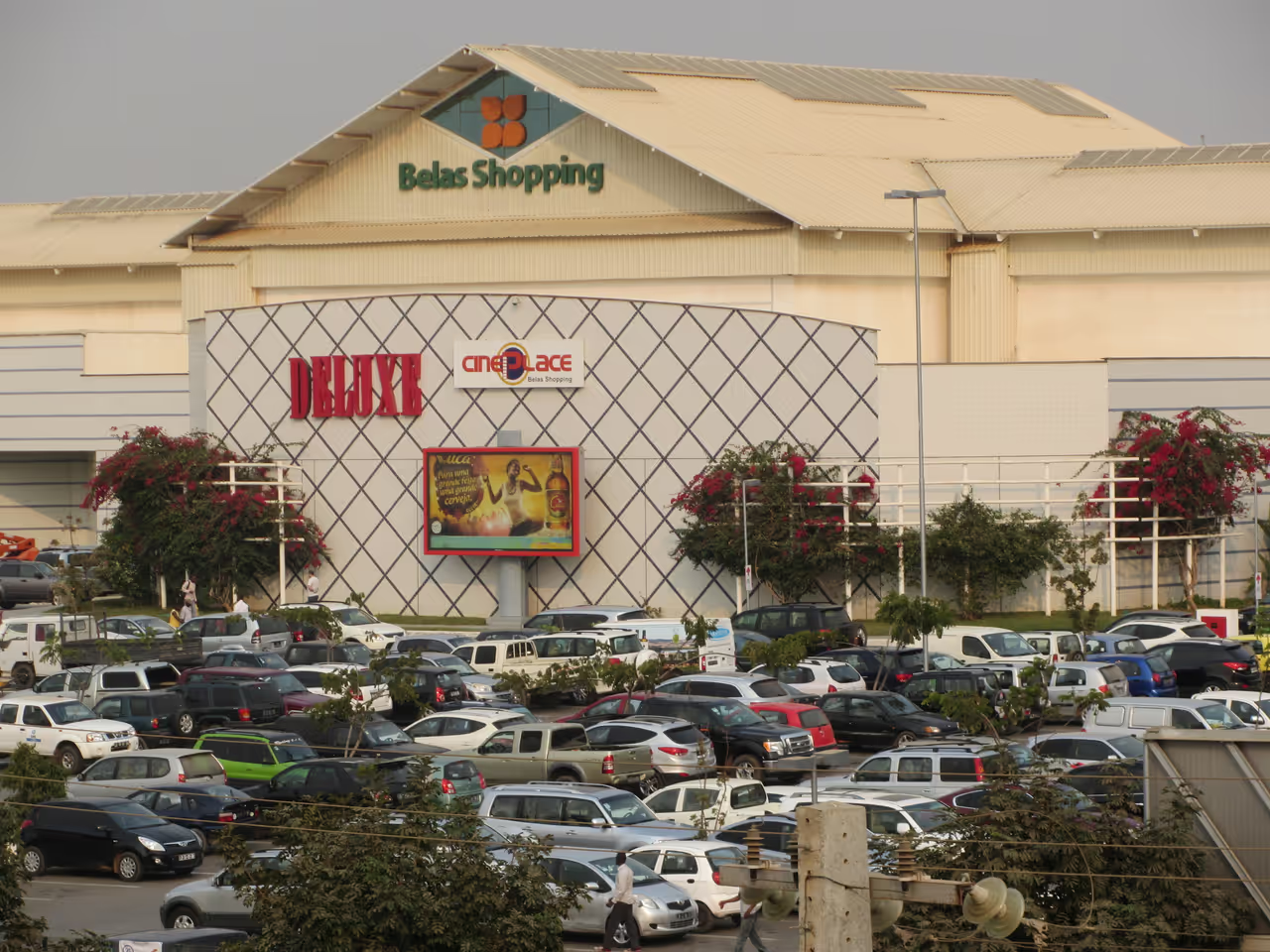 9718m
9718mShop at the Mega Mall
When it opened in 2007, this massive complex marked the arrival of modern consumer culture in the country. Featuring a huge cinema, a sprawling food court, and dozens of international brand stores, it is a monument to the nation's post war economic boom. It provides a fascinating, air conditioned glimpse into the lifestyle of the city's rapidly expanding middle and upper classes. If the equatorial heat becomes entirely unbearable, escaping into this pristine, westernised environment offers a comforting respite. It is an excellent place to grab a quick, familiar meal.
highlight view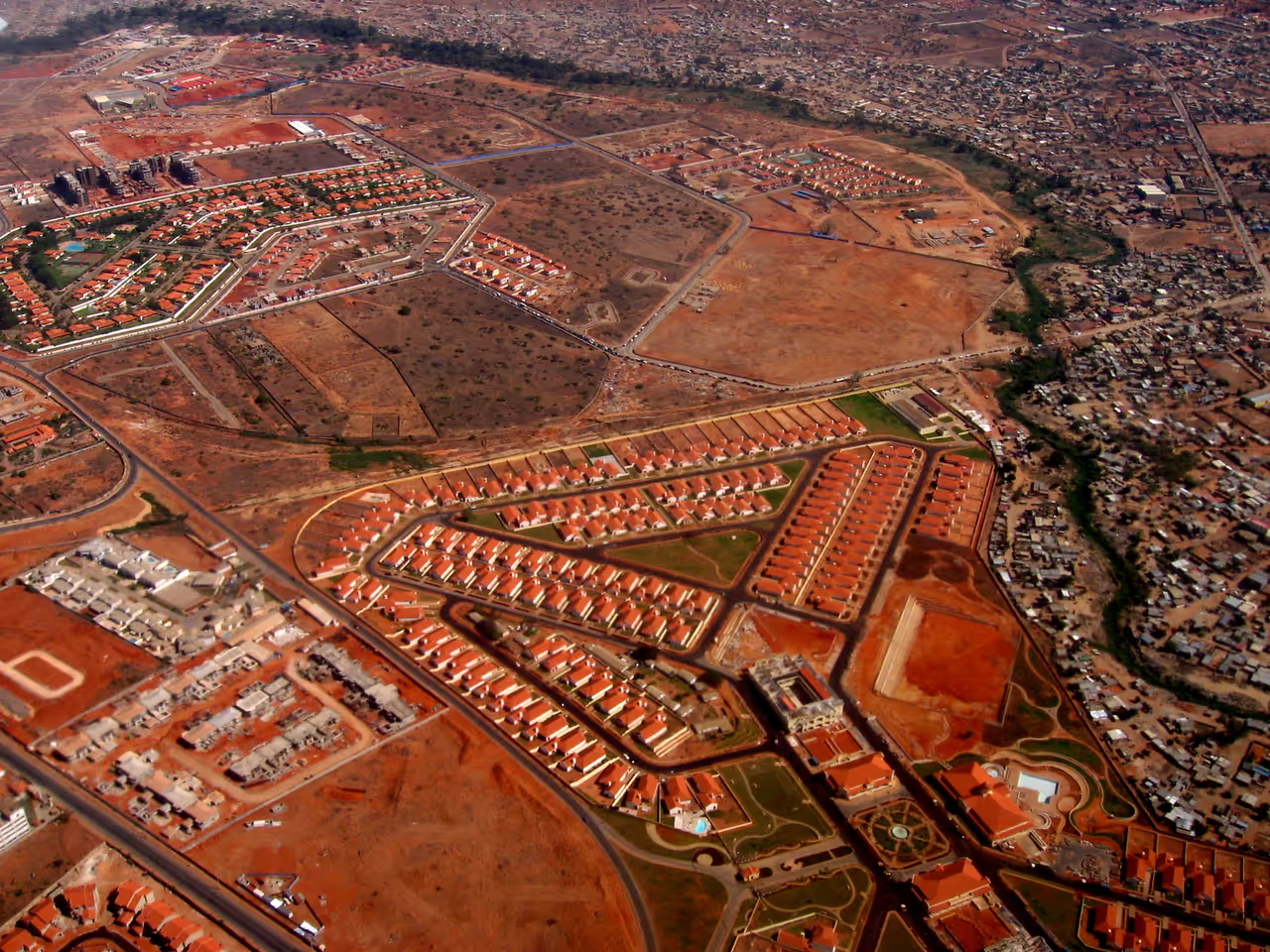 9796m
9796mTalatona District
Located south of the historic centre, this rapidly developing modern district caters heavily to affluent locals and international workers. The nightlife here is concentrated in high end shopping complexes and luxurious hotel bars, offering a highly sanitised and secure environment. You will find premium wine bars, sleek modern pubs, and exclusive late night lounges. It provides a taste of the city's new oil wealth in a pristine, master planned setting.
nightlife view
Explore Similar Places in This Collection
Featured on These Itineraries and Routes
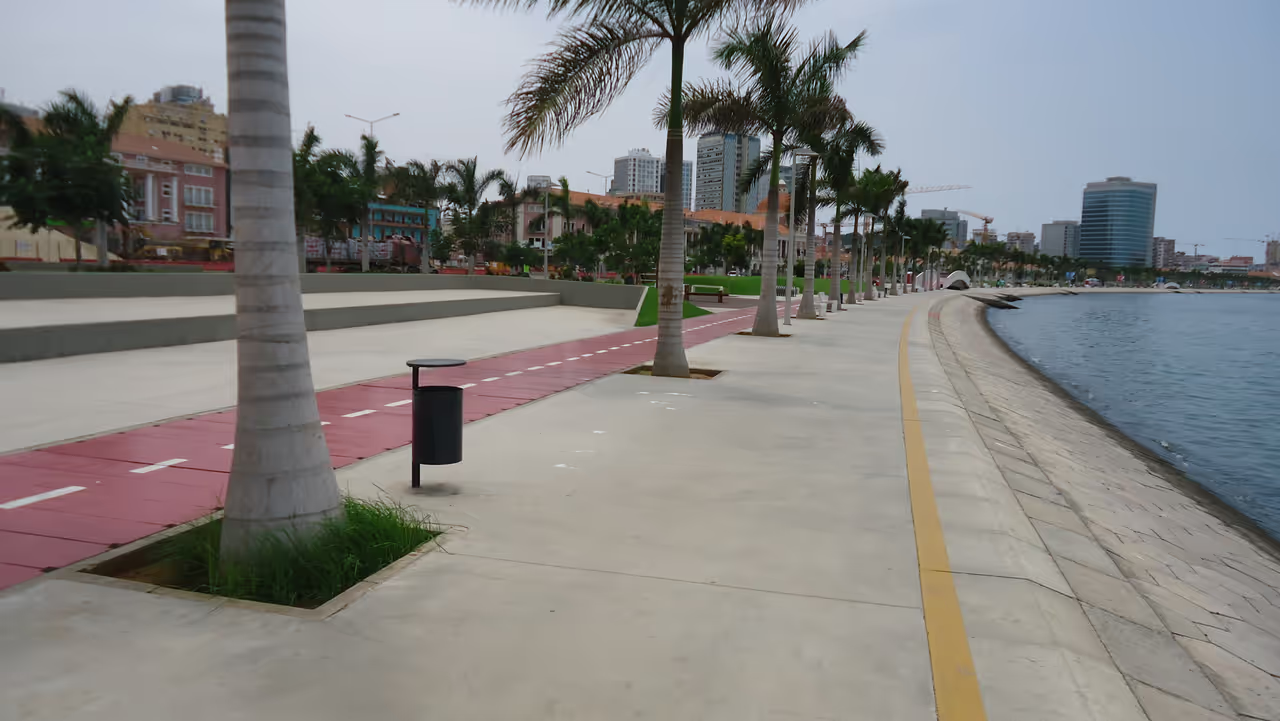
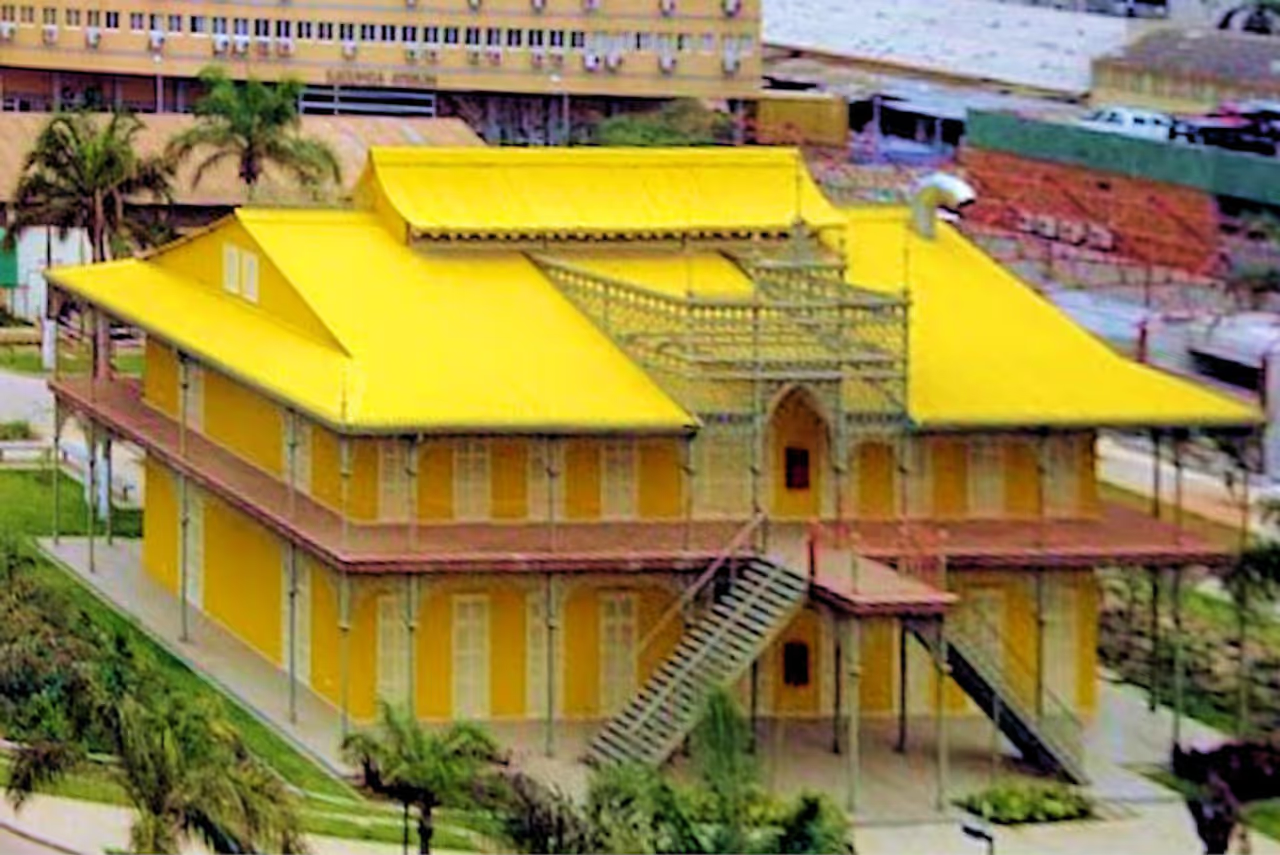
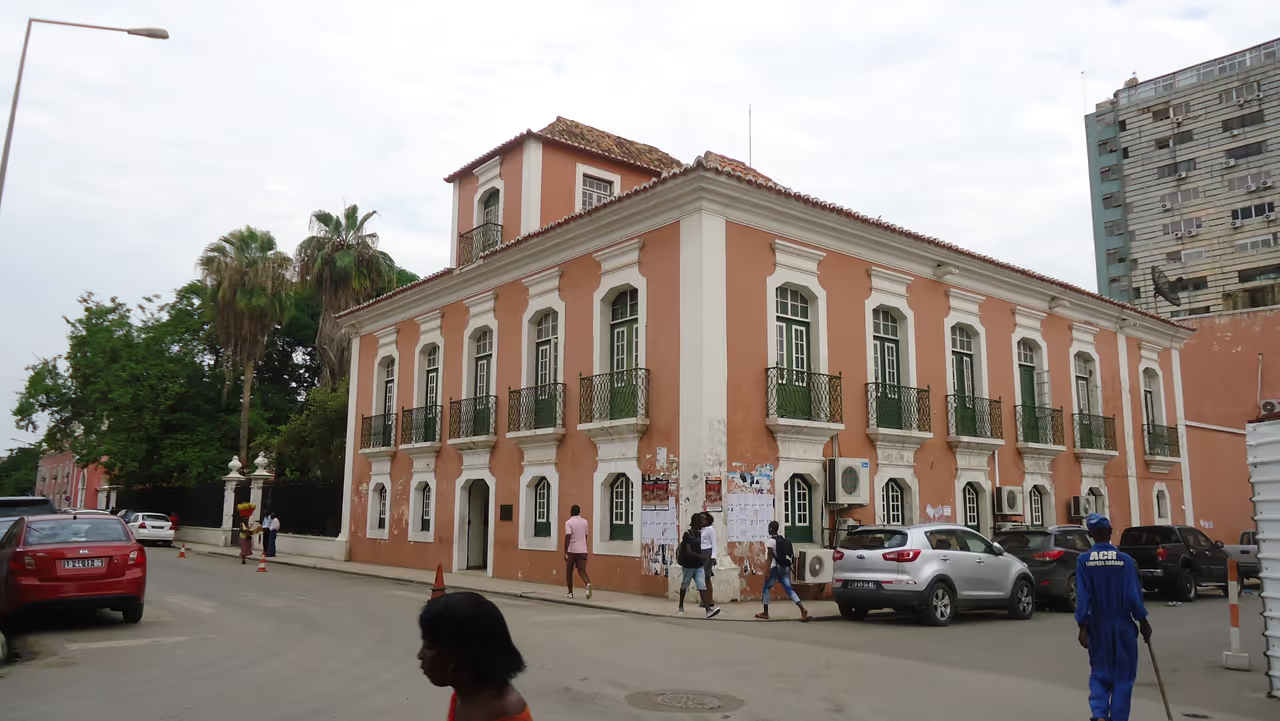
5 Days in Luanda Itinerary
This extensive five-day adventure breaks you out of the congested urban core to reveal the stunning, wild landscapes and deep historical sites located just outside the city limits. You will experience the full spectrum of the capital, from the glittering downtown glass skyscrapers to the massive, chaotic open-air artisan markets in the southern suburbs. The route dedicates a full day to an authentic African wildlife safari, contrasting sharply with the surreal, eroded coastal cliffs of the lunar valley. It is the ultimate, comprehensive journey for travellers wanting to fully understand both the city and its surrounding natural power.
view itinerary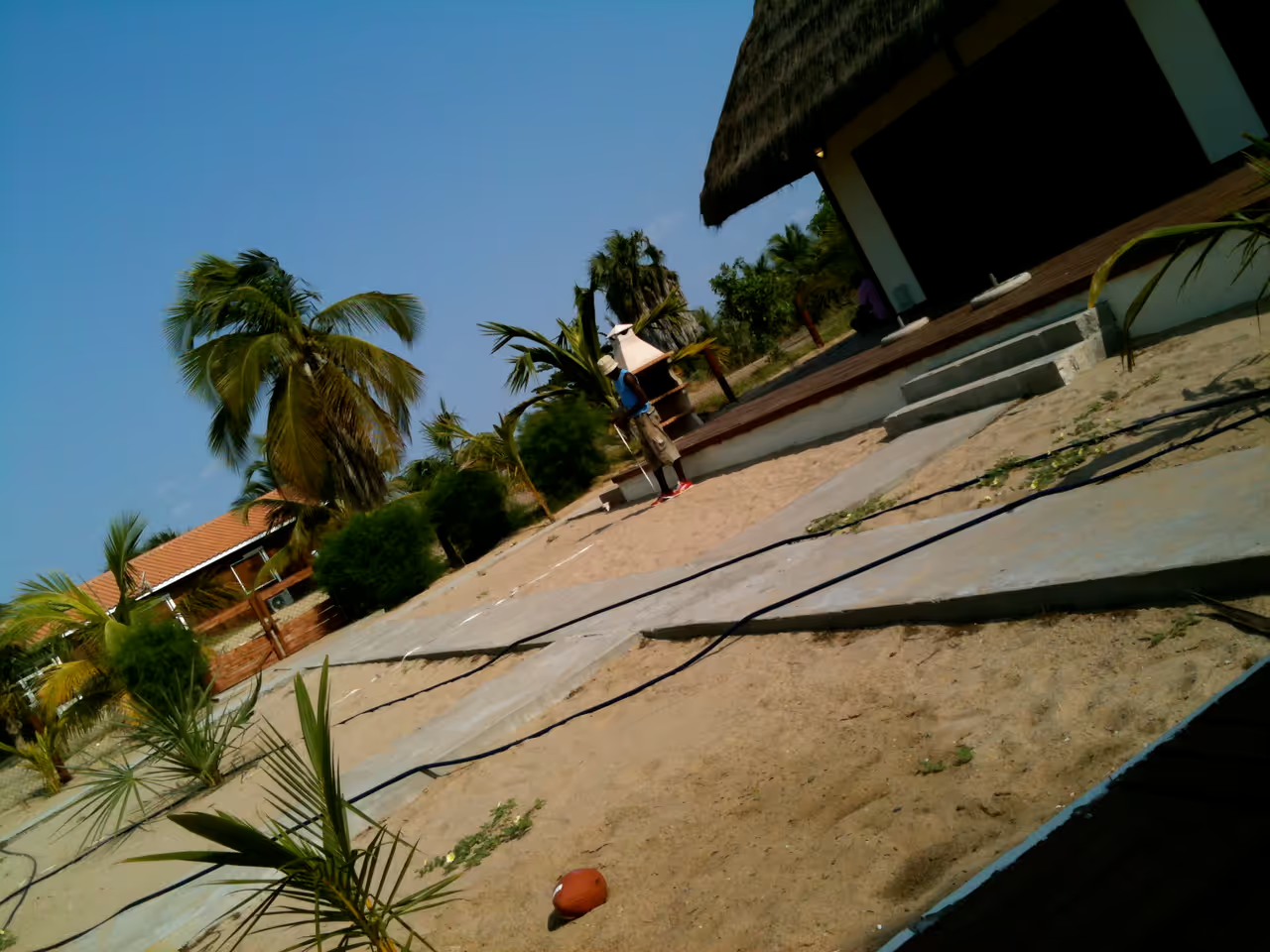
Southern Coastal Path
Leaving the congested city centre behind, this route explores the modern, wealthy southern suburbs before reaching the expansive southern beaches. The roads here are generally newer and wider, passing by massive gated communities and huge shopping complexes. As you ride further south, the urban landscape quickly gives way to wilder, scrubby coastal terrain and quieter shores. It provides a fascinating look at the direction in which the city is rapidly expanding.
view cycling route
See all attractions in Luanda
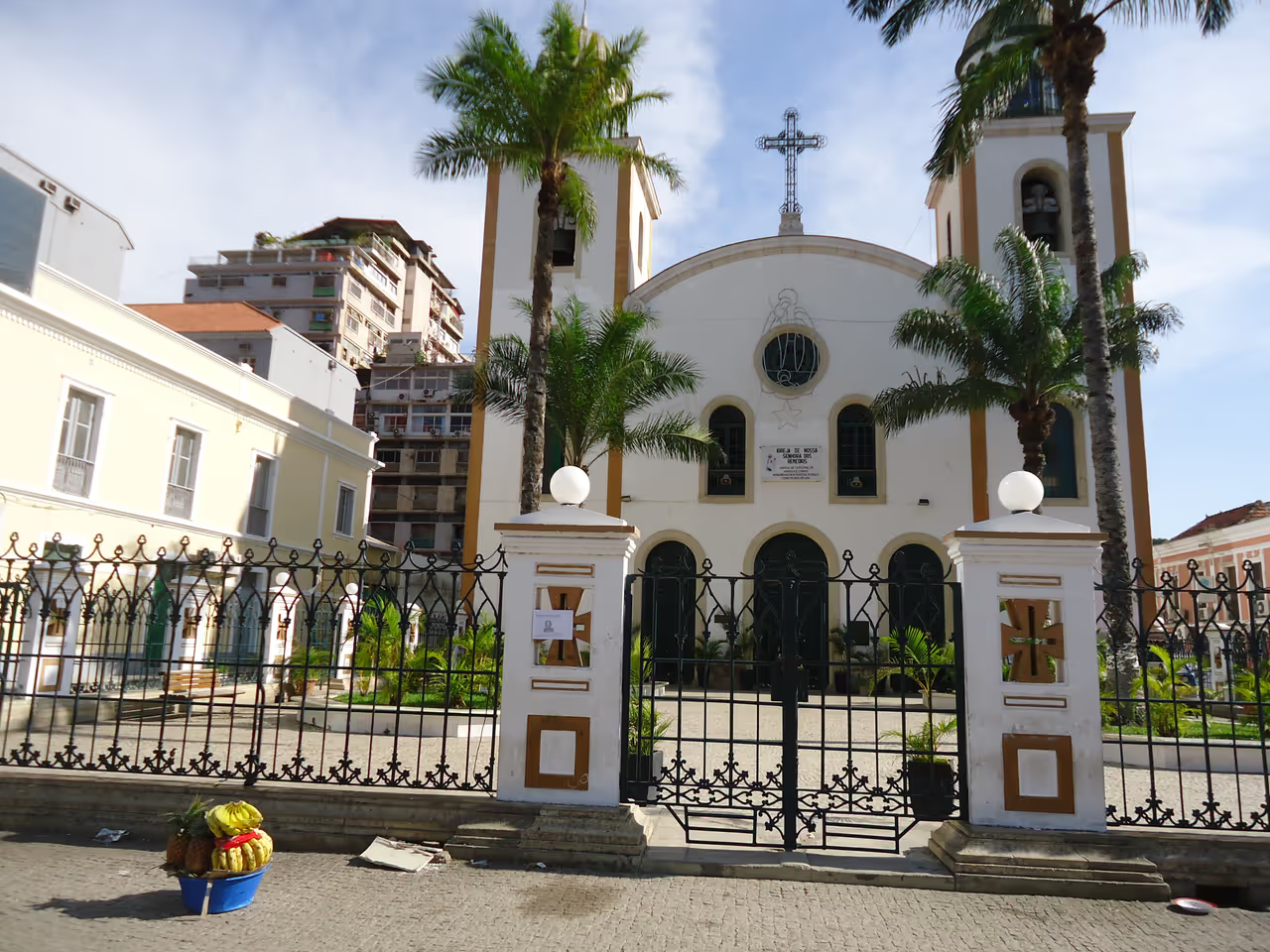
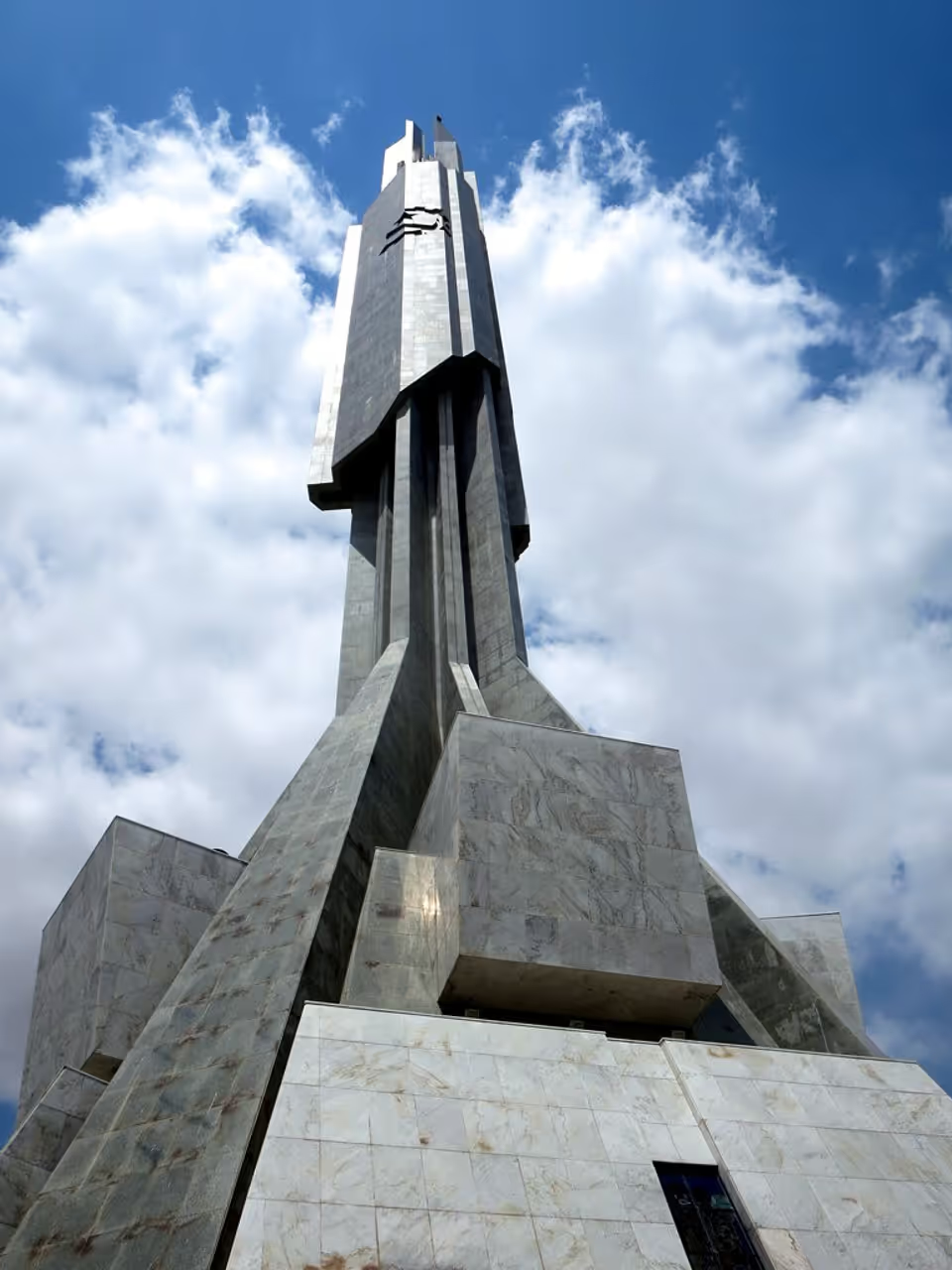
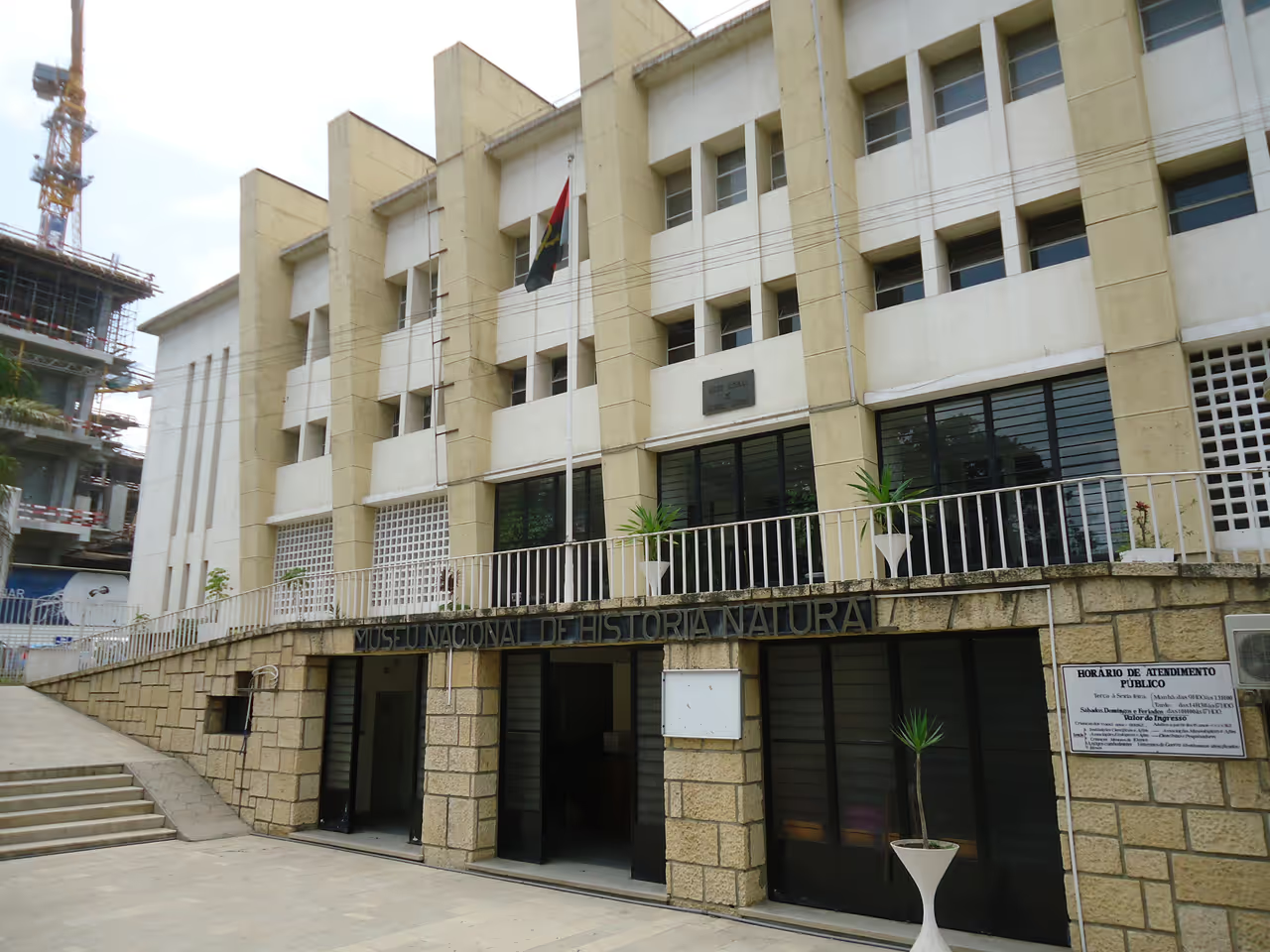
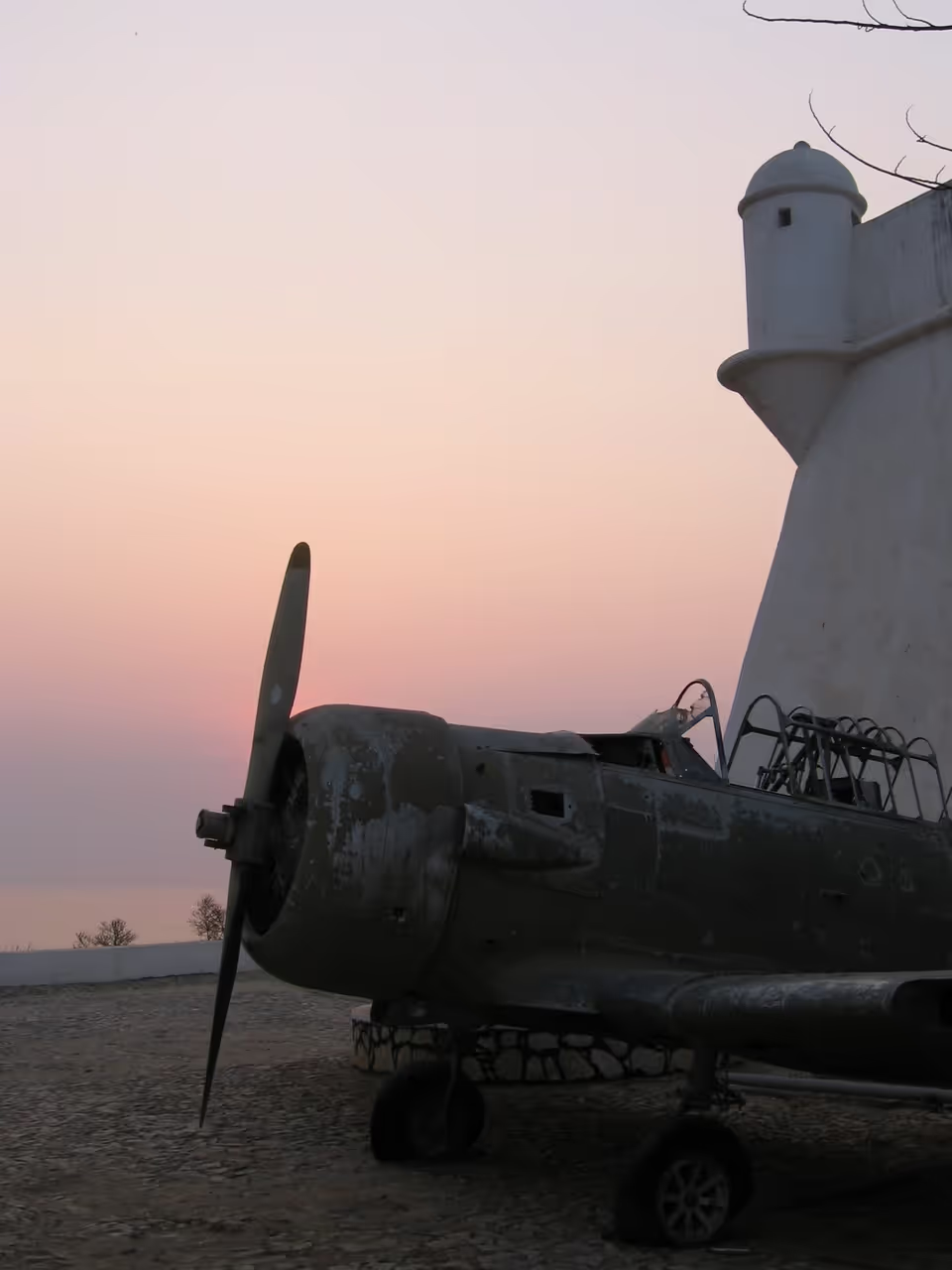
Iron Palace, Luanda Cathedral, Mausoleum of António Agostinho Neto, National Museum of Anthropology, National Museum of Natural History of Angola, Saint Michael Fortress...