Mausoleum of António Agostinho Neto
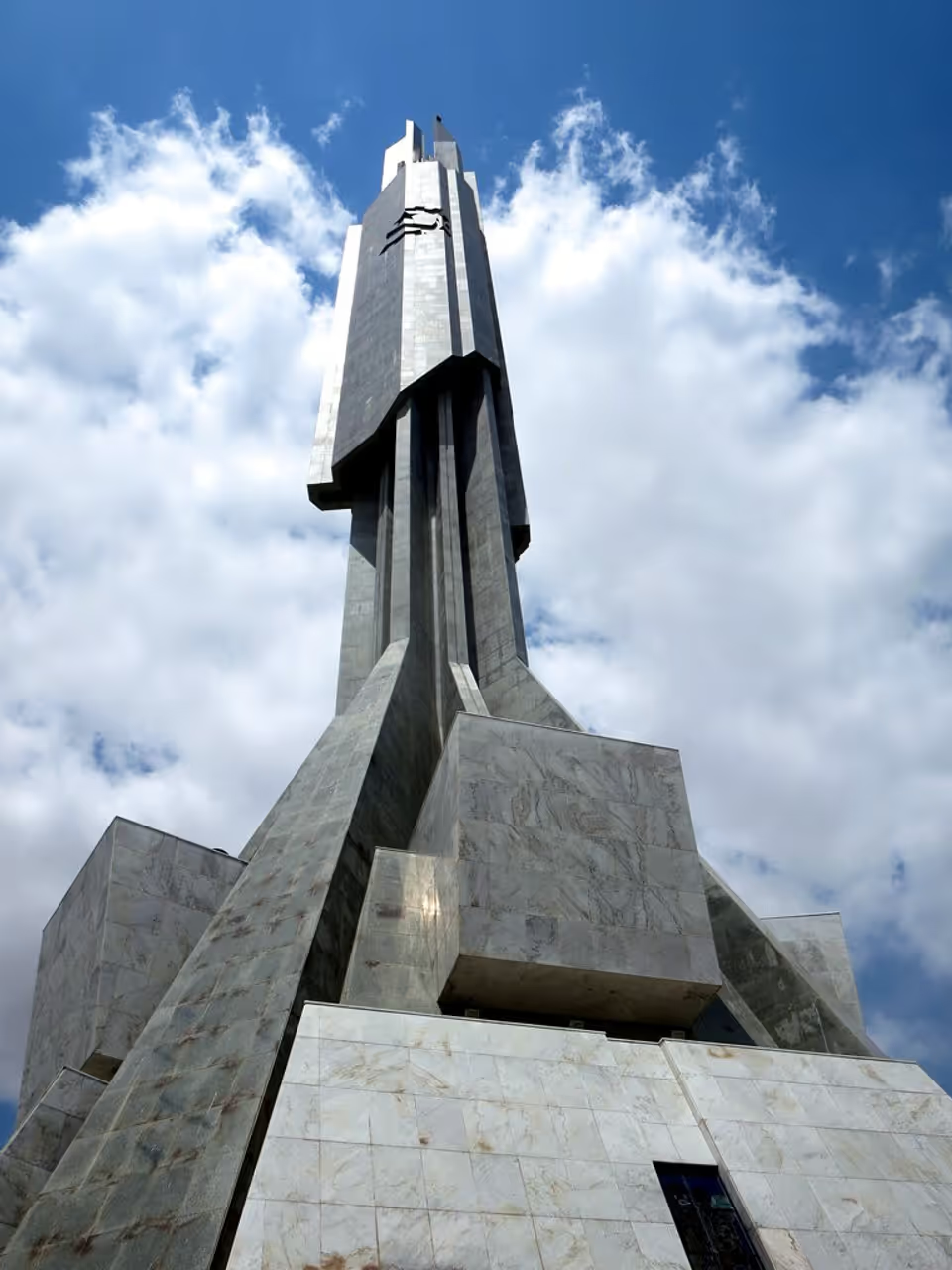
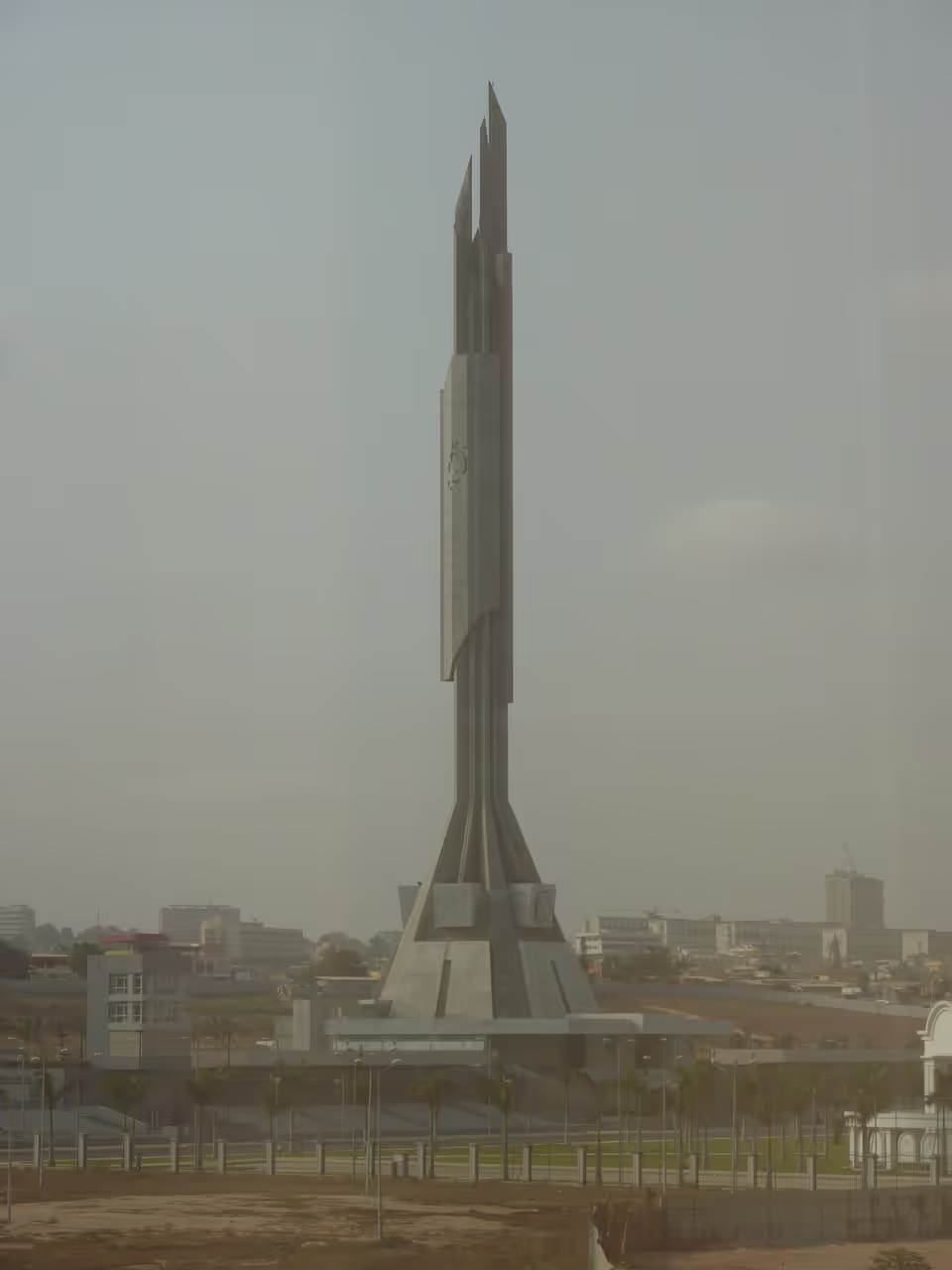
Rising sharply above the Luanda skyline, this striking concrete spire serves as a powerful testament to the nation's history and its founding figure. Known affectionately by locals as the Space Rocket, or Foguetão, the structure is a masterclass in brutalist design that captures the imagination the moment you arrive. Inside the pyramid base, you can pay your respects to the first president of Angola and explore a contemplative space that houses significant national heritage. Beyond the tomb, the campus functions as a vibrant cultural centre featuring museums, libraries, and galleries that shed light on the story of the country. Whether you appreciate bold architecture or are keen to understand the political evolution of the nation, a visit here offers a profound experience. The site stands as a beacon of reflection, allowing you to connect with the defining moments that shaped modern Angola.
Videos
History of Mausoleum of António Agostinho Neto
The origins of this site trace back to the passing of Agostinho Neto in 1979. Shortly after his death, the government commissioned a monumental tribute to honour the founding president. Soviet designers led the initial phase, and on September 17, 1982, what would have been the president's sixtieth birthday, the first stones were laid. It was a project conceived to create a concrete utopia for a leader who defined the early days of an independent nation. The journey toward completion was far from smooth. Economic instability combined with the harsh realities of the Angolan Civil War brought construction to a halt in the late eighties. For many years, the site remained unfinished, standing as a silent witness to the challenges a new country faced while navigating international politics and internal strife. It was a period of waiting, where the skeletal frame of the project stood against the skyline, reflecting the uncertainties of that era. Hope returned when the government secured the necessary funding and international partnerships to finish the work. With assistance from Brazilian architects and North Korean builders, the structure finally reached its intended height in 2011. It was inaugurated in 2012, standing today as a landmark of resilience and a venue for state ceremonies. The site now hosts everything from presidential inaugurations to public wakes, serving as the literal heart of the national memory.
Events spanning 40 years
Fun Facts
- • Construction involved the Mansudae Overseas Projects, a North Korean firm notable for creating large scale public monuments across Africa.
- • During the pandemic, the site expanded its reach by making its extensive art collection available for viewing online.
- • Forty eight commemorative plates line the gallery, displaying heartfelt eulogies and significant quotations from speeches.
- • The experts responsible for the embalming of Vladimir Lenin were also tasked with the preservation of Agostinho Neto.
- • The interior houses a gallery containing twelve impressive sculptures crafted in a neo socialist realist style.
- • The mausoleum serves as the final resting place for both Agostinho Neto and his successor, José Eduardo dos Santos.
- • The monument held the title of the tallest structure in Luanda until the completion of the IMOB Business Tower in 2018.
- • The site encompasses a sprawling 18 hectare campus located on the Praia do Bispo.
- • The structure is widely known by the nickname Foguetão, or Space Rocket, owing to its towering and futuristic silhouette.
- • The tower design draws inspiration from Neto's own poetry, specifically his famous work titled Pathway to the Stars.
Mausoleum of António Agostinho Neto FAQ
While we strive to keep this information accurate and up to date, we recommend verifying any details independently before making decisions based on them.
Mausoleum of António Agostinho Neto Map & Neighborhood Explorer
This interactive map is centered on Mausoleum of António Agostinho Neto. Zoom in and move the map around to automatically discover Wikipedia photos and summaries of other nearby sights, monuments, and historical points of interest and stories in real-time!
Places near Mausoleum of António Agostinho Neto
Make the most of your trip. Check out these top-rated spots located nearby.
 275m
275mNational Heroes Day
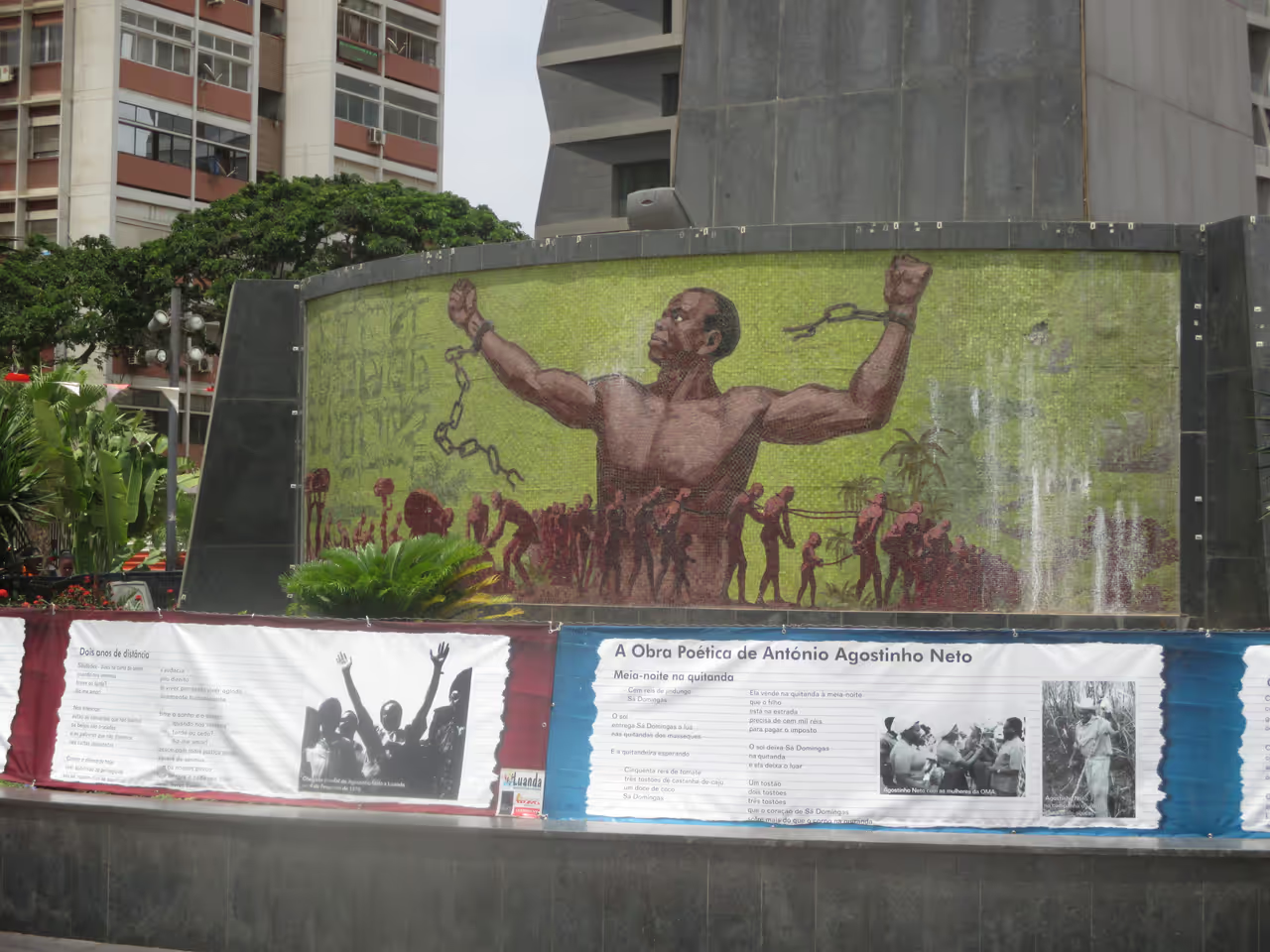
Celebrated on the birthday of the nation's first president, António Agostinho Neto, this public holiday honours all those who fought for independence. Cultural exhibitions, poetry readings, and solemn wreath laying ceremonies take place around his towering mausoleum. Schools and civic groups perform traditional songs and dances to keep the memory of the liberation struggle alive. It is an excellent time for visitors to engage with the modern political history of the country.
festival view 608m
608mNational Assembly
This massive, highly modern complex is a striking symbol of the nation's post war democratic ambitions. Featuring sweeping, futuristic curves and an enormous central dome, the building completely dominates the skyline of the upper city. It was constructed heavily with Chinese investment, reflecting the modern economic realities of the country's rapid infrastructural overhaul. The massive, pristine plazas surrounding the main structure offer a stark, fascinating contrast to the crumbling, congested colonial streets below. It is arguably the most impressive piece of contemporary architecture in the entire capital.
architecture view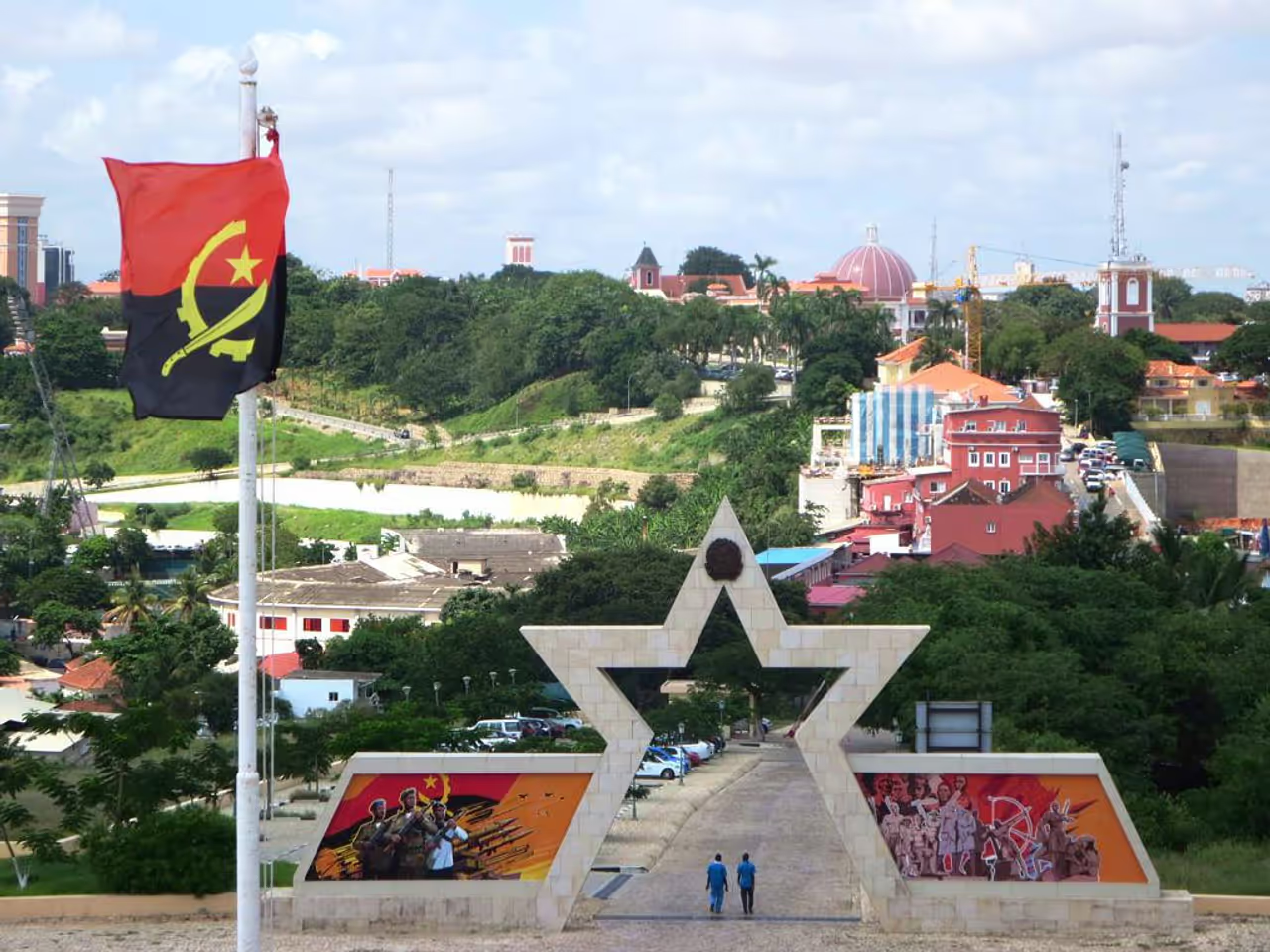 940m
940mUpper City Balcony
From the quiet, tree-lined edges of the historic upper city, this natural balcony looks directly down over the chaotic, noisy downtown core and the bustling commercial port. Because this area houses the Presidential Palace, it is heavily guarded and incredibly peaceful, allowing you to observe the frantic city below in complete silence. The view perfectly captures the dense, chaotic mix of crumbling colonial rooftops wedged tightly between gleaming modern glass skyscrapers. It is the absolute best place to understand the challenging, layered geography of the sprawling coastal capital.
viewpoint view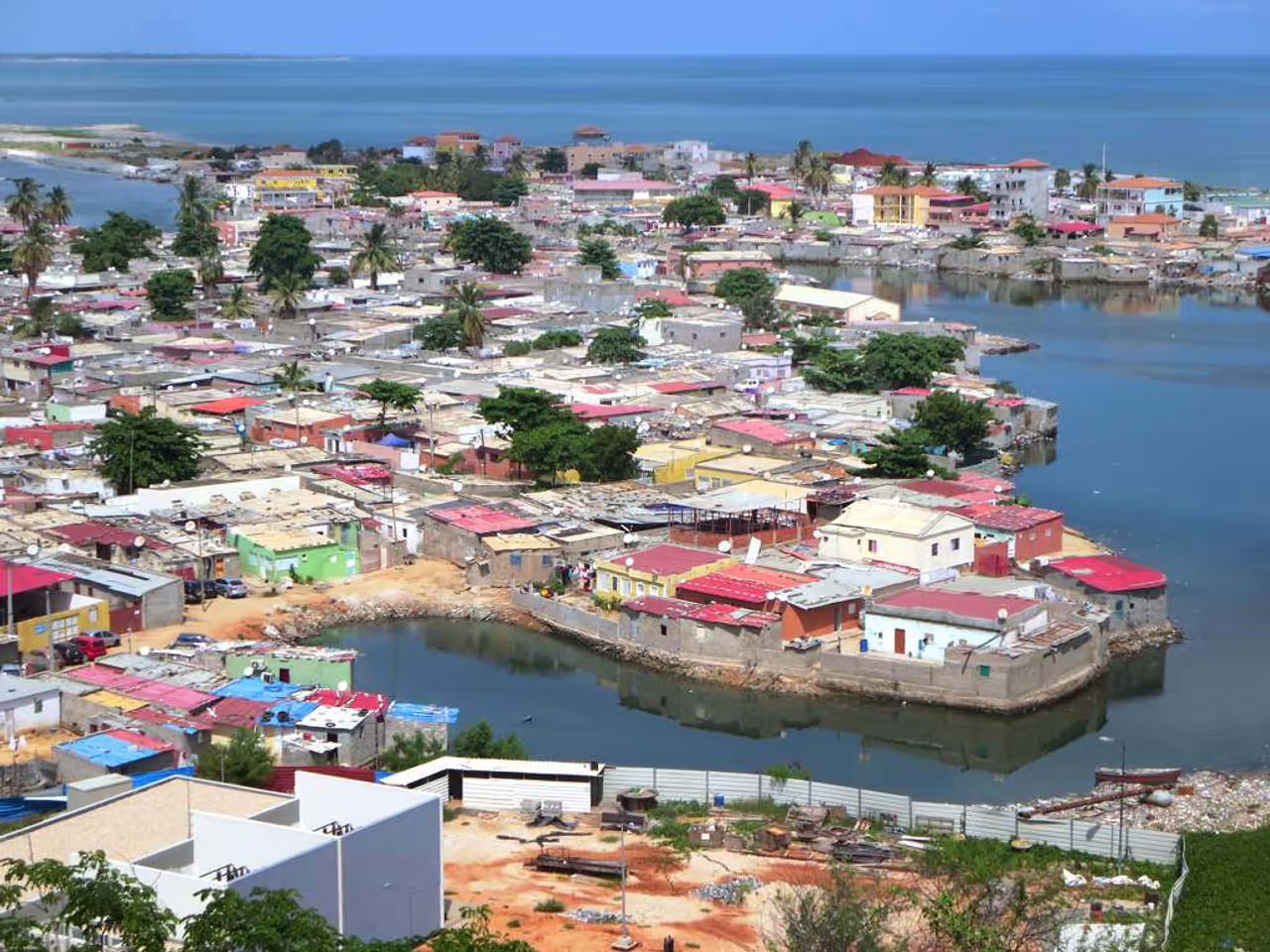 1152m
1152mChicala Fishing Quarter
Wedged precariously between the towering glass skyscrapers of the mainland and the ultra-luxurious beach clubs of the peninsula, this incredibly dense, informal neighbourhood is a vibrant slice of authentic African street life. The sandy, unpaved alleyways are a chaotic maze of tin-roofed shacks, loud music, and massive open-air charcoal grills. It is entirely unpretentious, incredibly welcoming, and widely acknowledged by locals as having the absolute best, freshest, and cheapest grilled seafood in the entire capital. Venturing into this loud, smoky, and joyful maze provides a deeply real, unfiltered experience of how the vast majority of the city's residents actually live and eat.
hidden gem view
Explore Similar Places in This Collection
Featured on These Itineraries and Routes
3 Days in Luanda Itinerary
This balanced, three-day journey allows you to dive much deeper into the complex cultural tapestry and legendary coastal leisure lifestyle of the capital. Beyond the central bay, you will explore the rich indigenous history preserved in the downtown museums, paying your respects to the ancient African roots of the nation. The itinerary also dedicates an entire afternoon to the famous peninsula, ensuring you experience the highly authentic, chaotic local seafood scene before enjoying the tropical beaches. It provides a complete, well-rounded picture of the city's historical depth and modern energy.
view itinerary
5 Days in Luanda Itinerary
This extensive five-day adventure breaks you out of the congested urban core to reveal the stunning, wild landscapes and deep historical sites located just outside the city limits. You will experience the full spectrum of the capital, from the glittering downtown glass skyscrapers to the massive, chaotic open-air artisan markets in the southern suburbs. The route dedicates a full day to an authentic African wildlife safari, contrasting sharply with the surreal, eroded coastal cliffs of the lunar valley. It is the ultimate, comprehensive journey for travellers wanting to fully understand both the city and its surrounding natural power.
view itinerary
Path to Independence
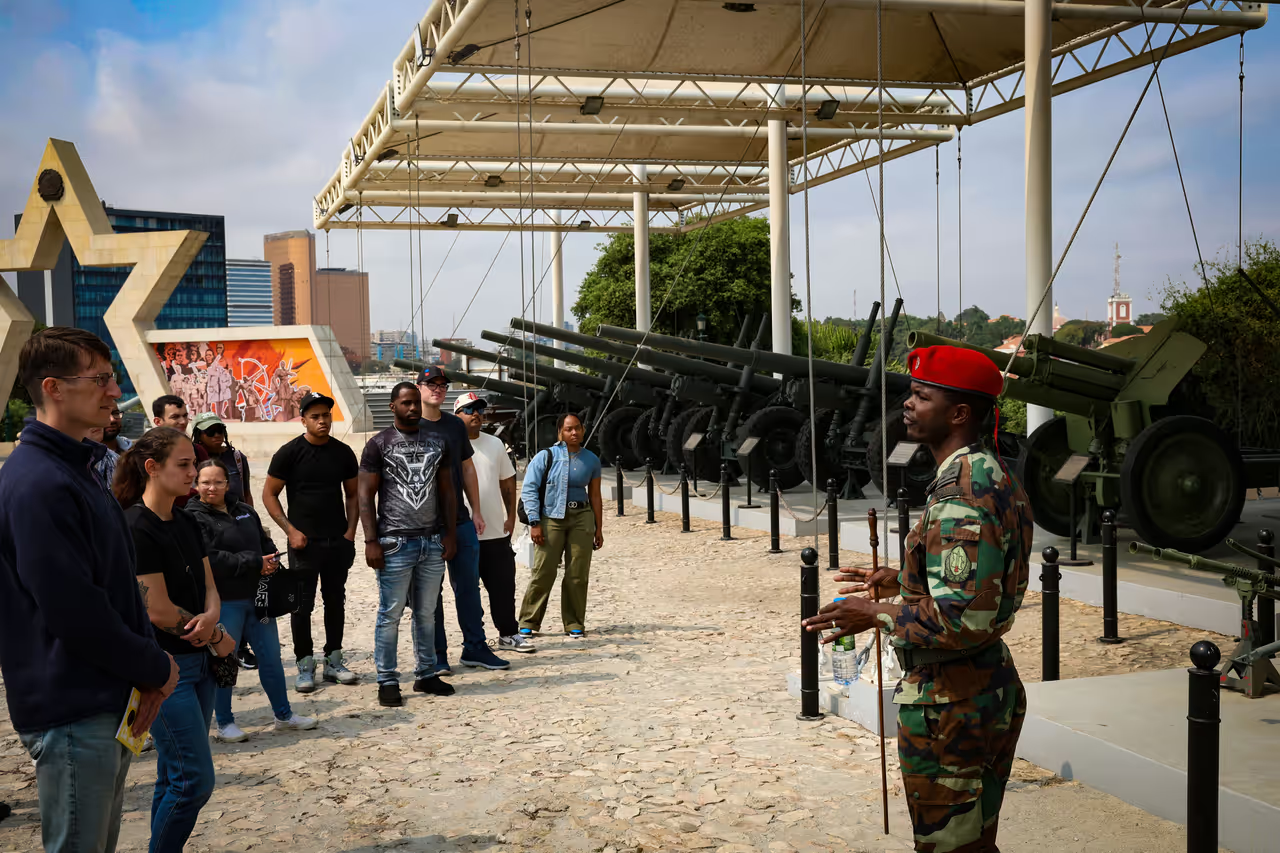
This powerful tour focuses on the monuments, museums, and locations deeply tied to the nation's long and bloody struggle for freedom. It explores the dark legacy of the transatlantic slave trade, the oppressive colonial era, and the ultimate triumph of the liberation movements. The route moves from ancient fortresses that imprisoned freedom fighters to towering modern monuments celebrating the nation's founding fathers. It provides essential context for understanding the fierce pride and resilience of the local people.
view self-guided tour
See all attractions in Luanda
Iron Palace, Luanda Cathedral, National Museum of Anthropology, National Museum of Natural History of Angola, National Museum of Slavery, Saint Michael Fortress...