National Museum of Anthropology
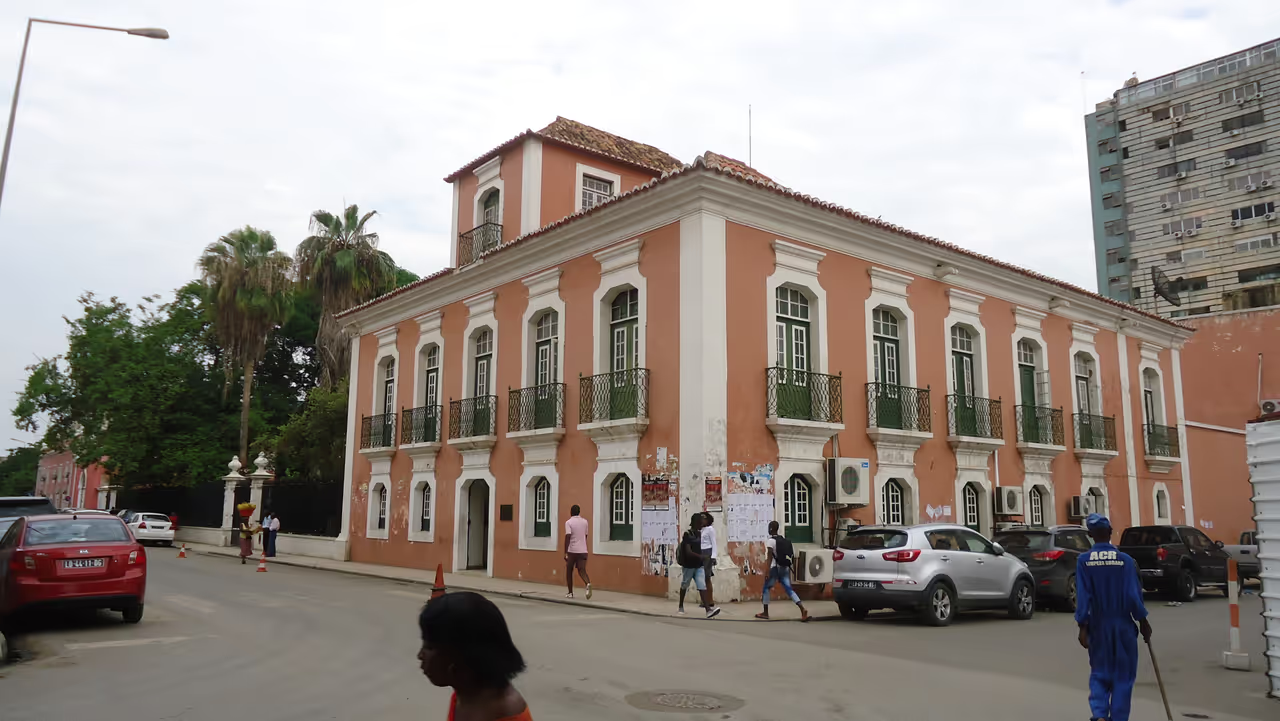
Nestled in the heart of Luanda's Ingombota district, the National Museum of Anthropology serves as a vital gateway into the rich tapestry of Angolan history. With over six thousand artefacts spanning two floors and fourteen distinct exhibition rooms, the museum offers an intimate look at the daily lives and traditions of the nation's diverse ethnic groups. From the intricate artistry of traditional masks used in Bantu rituals to the practical craftsmanship of iron tools and hunting equipment, every item tells a unique story of survival and creativity. Visitors can immerse themselves in the rhythmic heritage of the country through musical instruments like the marimba, or explore the legacy of the Khoisan people. It is a profoundly rewarding experience for anyone seeking to understand the soul of Angola beyond its modern facade.
Videos
History of National Museum of Anthropology
The National Museum of Anthropology stands as a custodian of collective memory in Luanda. Born in the transformative year of 1976, just after the nation gained its independence, the institution emerged from a profound need to protect, study, and cherish the cultural legacy that had long been shaped by diverse influences. It was about ensuring that the narratives of the Bantu people, the distinct traditions of regional tribes, and the daily survival stories of ancestors remained accessible to future generations. The structure itself acts as a living archive. Within its walls, the contrast between the delicate jewellery of the past and the sturdy, industrial nature of iron foundry equipment offers a snapshot of a society defined by both artistry and resourcefulness. The museum has evolved over the decades from a local research centre into a pivotal site for international dialogue, particularly regarding the restoration of cultural property and the ethical revaluation of history. This ongoing commitment to transparency and conservation continues to redefine how the museum engages with its own past and the wider world.
Events spanning 46 years
Fun Facts
- • Founded in 1976, it represents one of the earliest cultural initiatives in newly independent Angola.
- • It features a range of rare photographs depicting the lives of the Khoisan people.
- • Located in the Ingombota district, the building serves as a central hub for studying the cultural heritage of the city.
- • The collection includes a wide array of musical instruments, with the marimba being a standout attraction.
- • The dedicated mask room displays key symbols from ancient Bantu rituals.
- • The museum actively engages in global efforts to document and preserve items sourced from colonial contexts.
- • The museum holds important historical memorabilia related to the development of women's rights in Angola.
- • The museum houses a significant collection of over 6,000 historical objects.
- • Visitors can find a rustic furnace traditionally used for melting iron.
RESOURCES
Official WebsiteNational Museum of Anthropology FAQ
While we strive to keep this information accurate and up to date, we recommend verifying any details independently before making decisions based on them.
National Museum of Anthropology Map & Neighborhood Explorer
This interactive map is centered on National Museum of Anthropology. Zoom in and move the map around to automatically discover Wikipedia photos and summaries of other nearby sights, monuments, and historical points of interest and stories in real-time!
Places near National Museum of Anthropology
Make the most of your trip. Check out these top-rated spots located nearby.
 212m
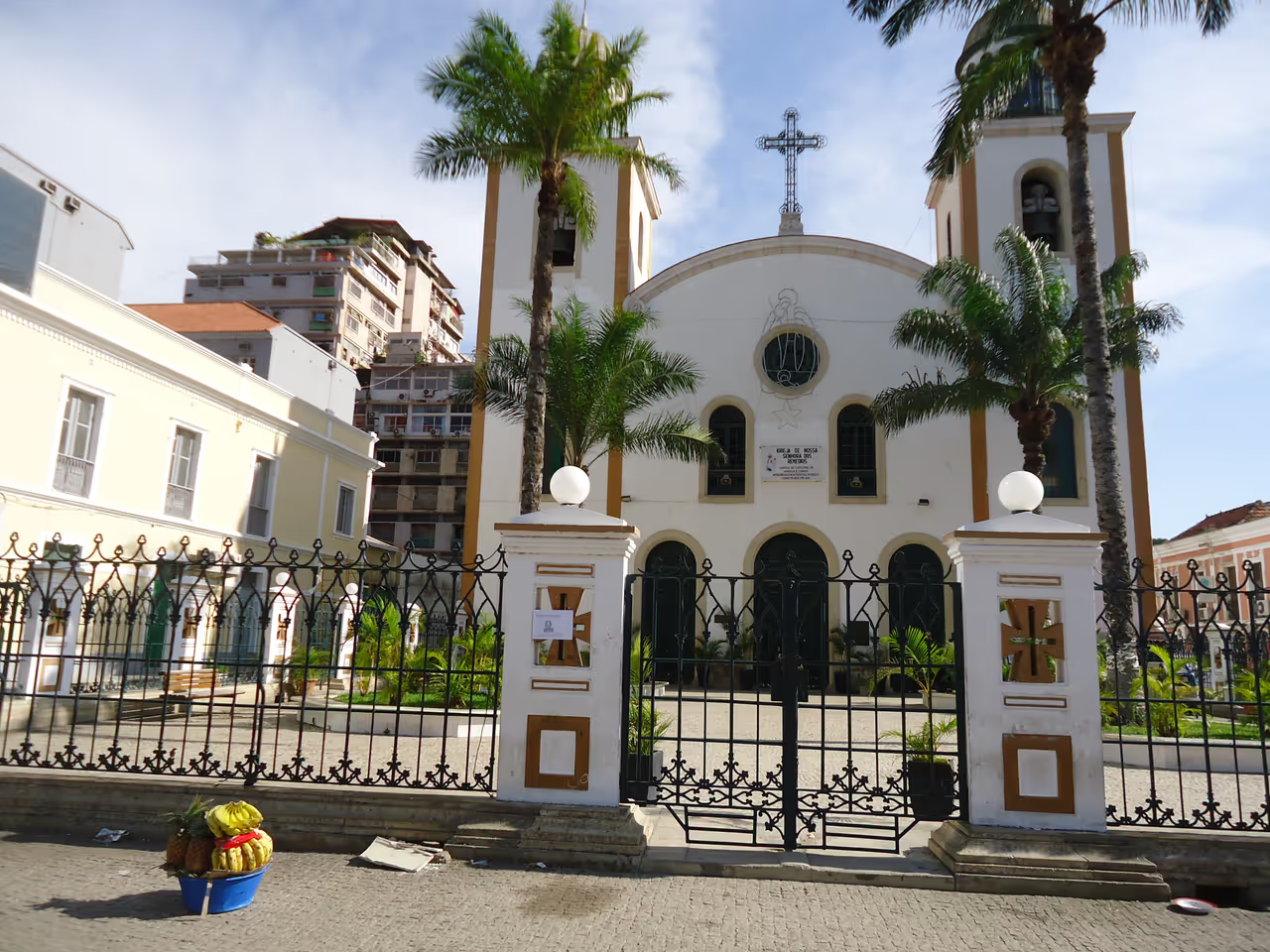
212mLuanda Cathedral
The Luanda Cathedral, known locally as the Church of Our Lady of Remedies, serves as the spiritual heart of the city and remains one of its most poignant historical landmarks. Visitors are often struck by its stoic architecture, which provides a tranquil sanctuary amidst the dynamic energy of the surrounding urban landscape. Stepping inside reveals a serene interior where centuries of faith and community devotion echo through the halls. It is a place where history feels tangible, offering a quiet moment of reflection for those exploring the deep roots of the Angolan capital. Whether you have a passion for religious history or simply seek a peaceful interlude, this cathedral stands as a testament to the city’s endurance.
attraction view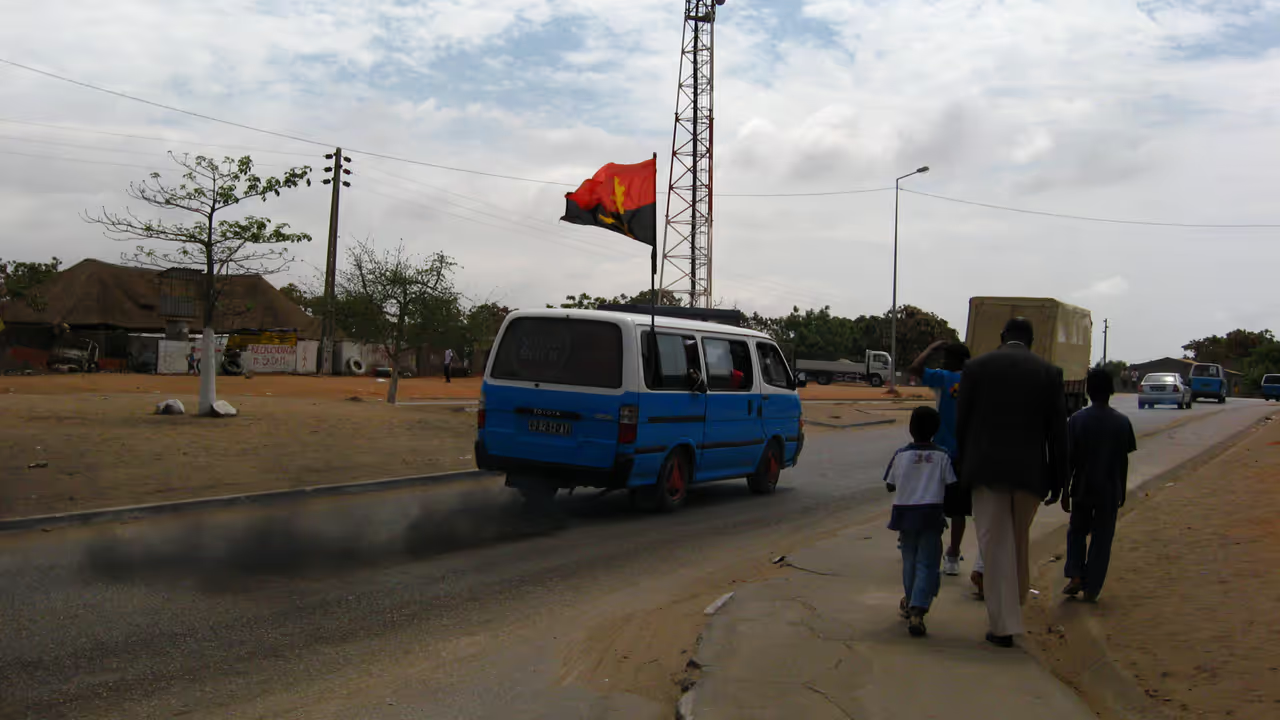 483m
483mIndependence Day Celebrations
Marking the monumental day in 1975 when the nation gained freedom from Portuguese rule, this national holiday is taken very seriously. The capital hosts impressive military parades, political speeches, and large scale concerts featuring popular local musicians. The sky above the bay is usually illuminated by a grand fireworks display in the evening. It is a day of deep national pride, reflection, and exuberant celebration.
festival view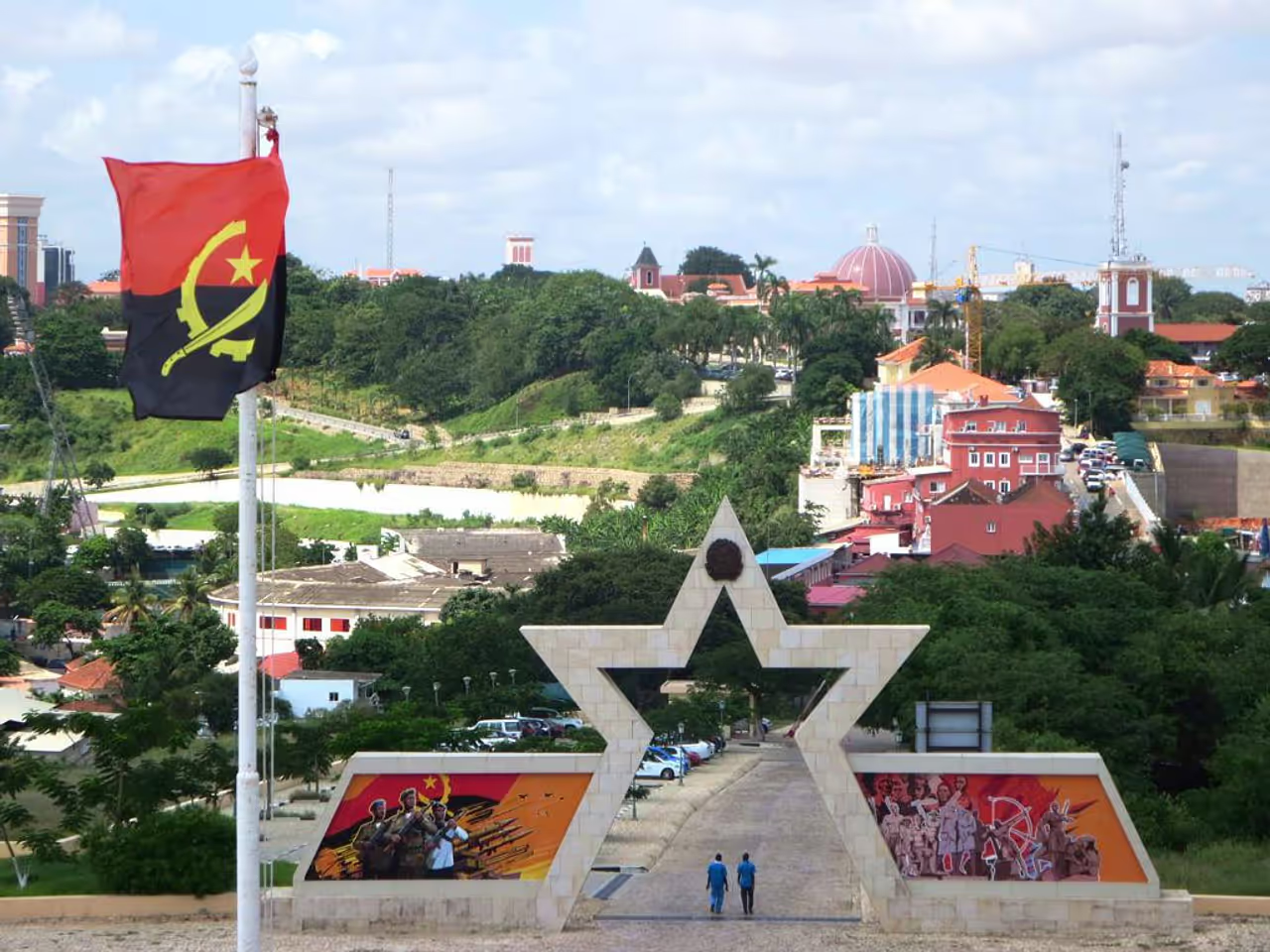 586m
586mUpper City Balcony
From the quiet, tree-lined edges of the historic upper city, this natural balcony looks directly down over the chaotic, noisy downtown core and the bustling commercial port. Because this area houses the Presidential Palace, it is heavily guarded and incredibly peaceful, allowing you to observe the frantic city below in complete silence. The view perfectly captures the dense, chaotic mix of crumbling colonial rooftops wedged tightly between gleaming modern glass skyscrapers. It is the absolute best place to understand the challenging, layered geography of the sprawling coastal capital.
viewpoint view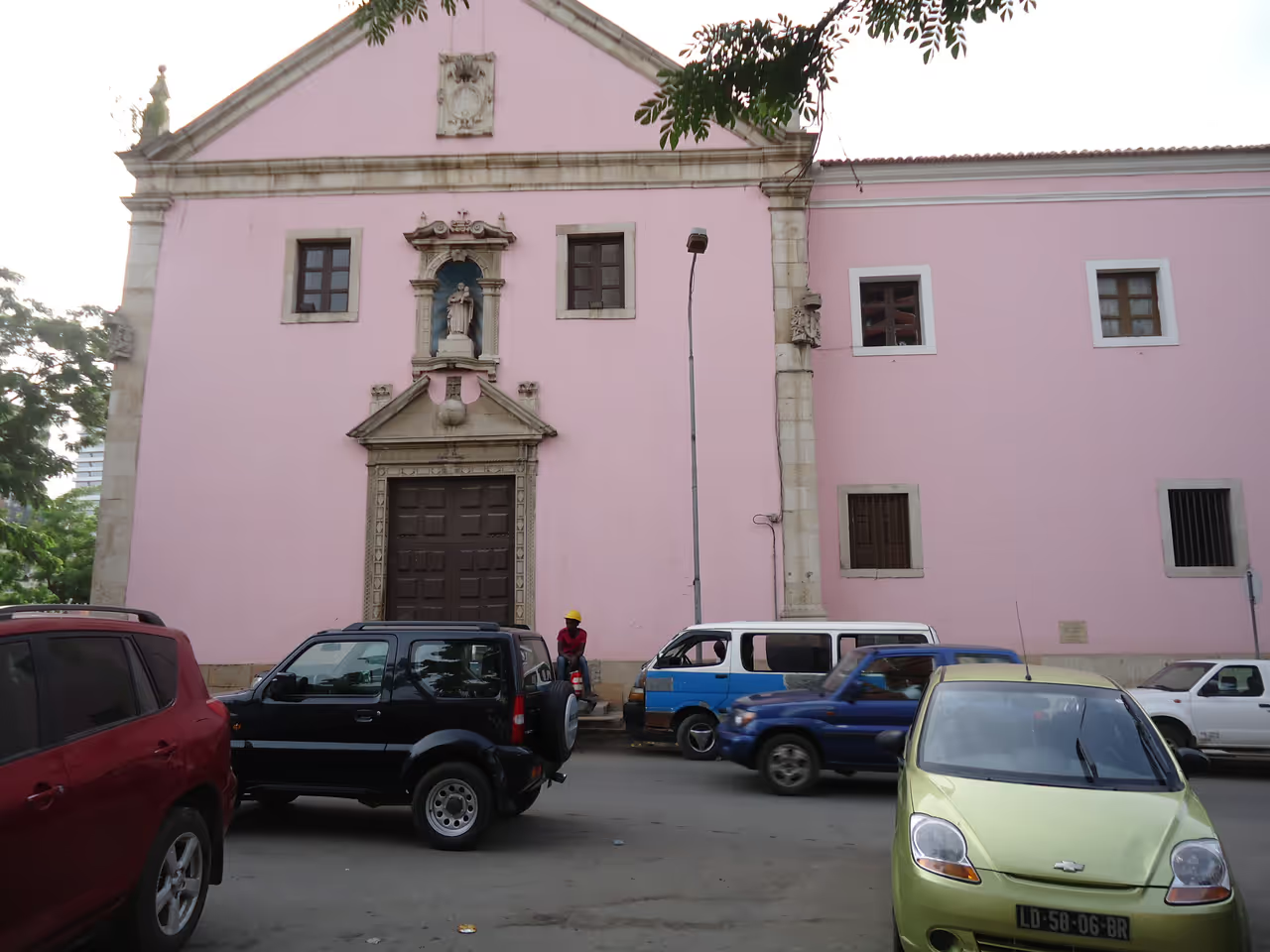 630m
630mChurch of Carmo
Dating back to 1669, this stunning religious structure is arguably the finest surviving example of early colonial baroque architecture in the country. The facade is wonderfully ornate, featuring delicate stonework and classical twin bell towers that rise gracefully above the busy commercial streets of the old town. The interior is a dark, cool sanctuary from the intense tropical heat, filled with incredibly intricate, hand-carved wooden altars imported directly from Portugal. The ceiling features faded but beautiful frescoes, creating an atmosphere of deep, hushed historical reverence completely at odds with the frantic city outside.
architecture view
Explore Similar Places in This Collection
Featured on These Itineraries and Routes
3 Days in Luanda Itinerary
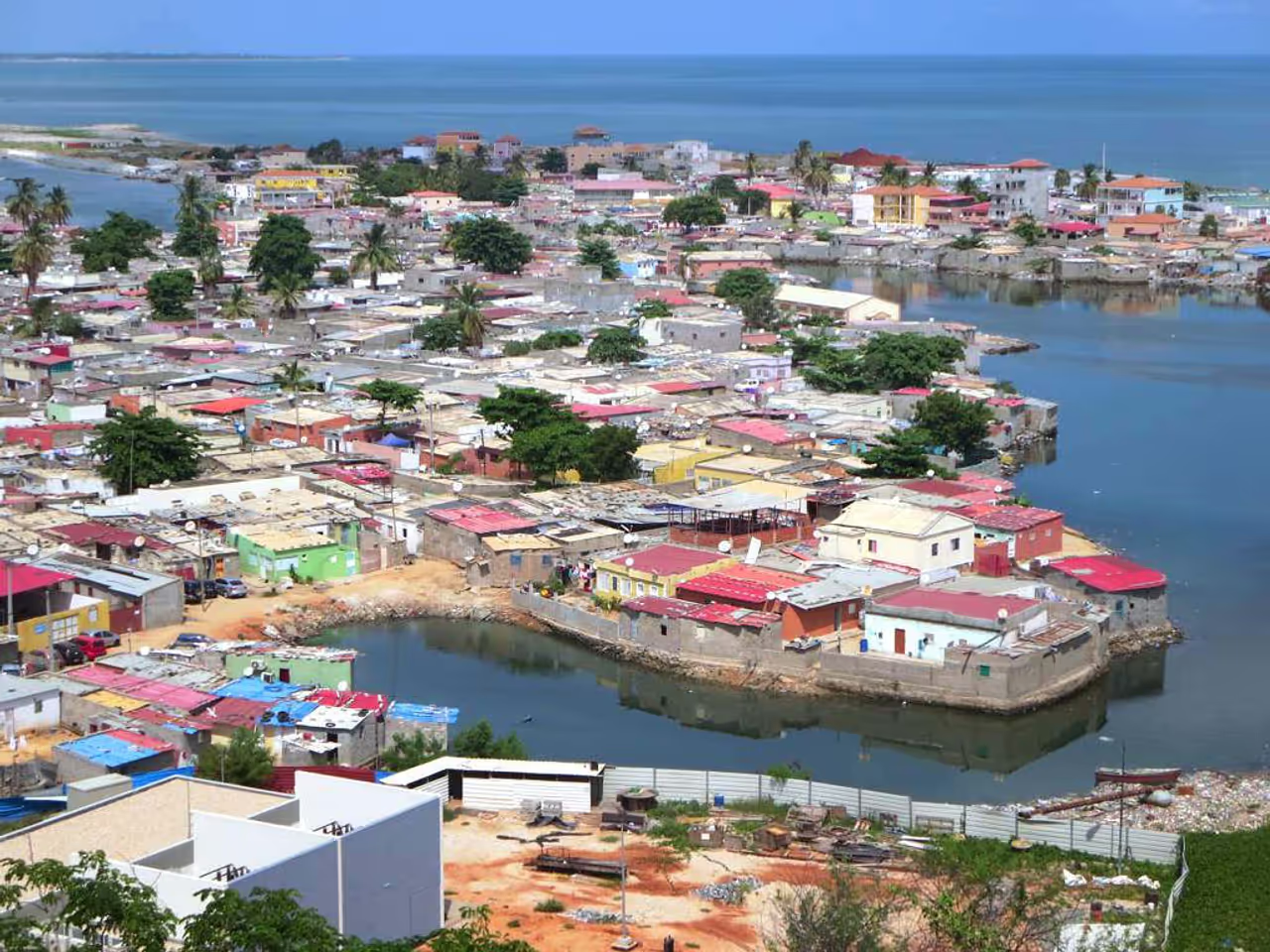
This balanced, three-day journey allows you to dive much deeper into the complex cultural tapestry and legendary coastal leisure lifestyle of the capital. Beyond the central bay, you will explore the rich indigenous history preserved in the downtown museums, paying your respects to the ancient African roots of the nation. The itinerary also dedicates an entire afternoon to the famous peninsula, ensuring you experience the highly authentic, chaotic local seafood scene before enjoying the tropical beaches. It provides a complete, well-rounded picture of the city's historical depth and modern energy.
view itinerary
5 Days in Luanda Itinerary
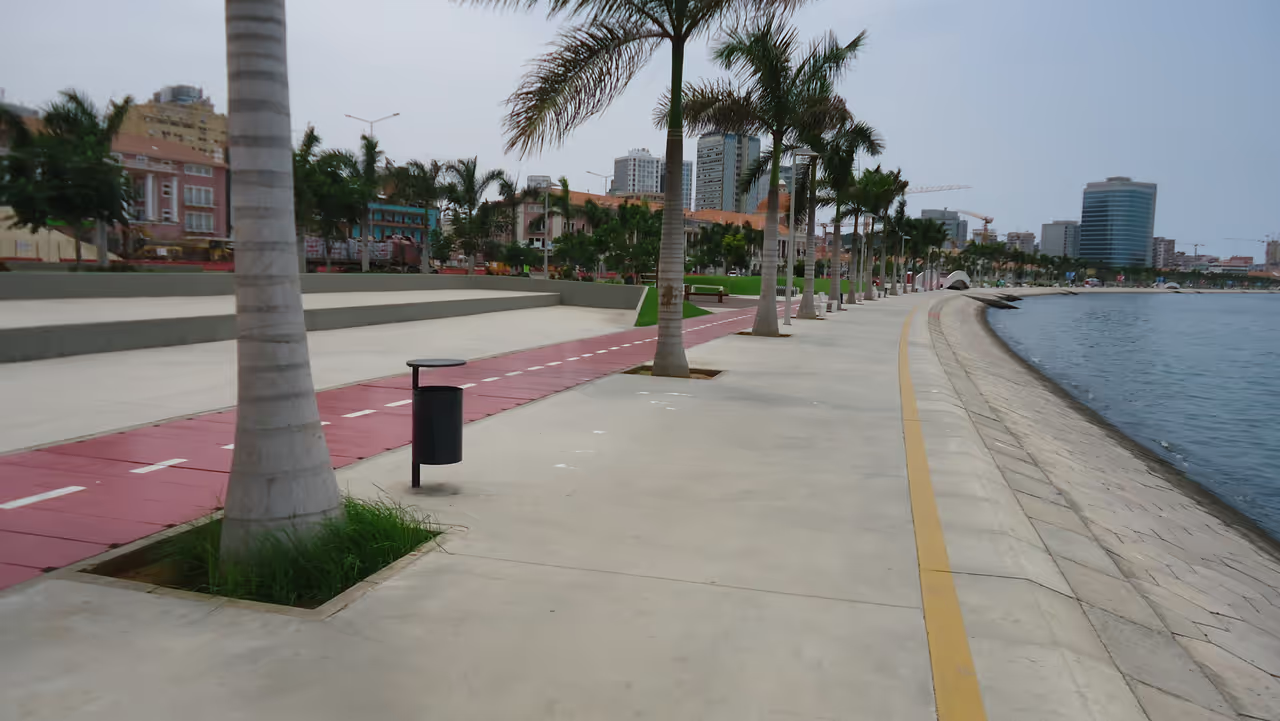
This extensive five-day adventure breaks you out of the congested urban core to reveal the stunning, wild landscapes and deep historical sites located just outside the city limits. You will experience the full spectrum of the capital, from the glittering downtown glass skyscrapers to the massive, chaotic open-air artisan markets in the southern suburbs. The route dedicates a full day to an authentic African wildlife safari, contrasting sharply with the surreal, eroded coastal cliffs of the lunar valley. It is the ultimate, comprehensive journey for travellers wanting to fully understand both the city and its surrounding natural power.
view itinerary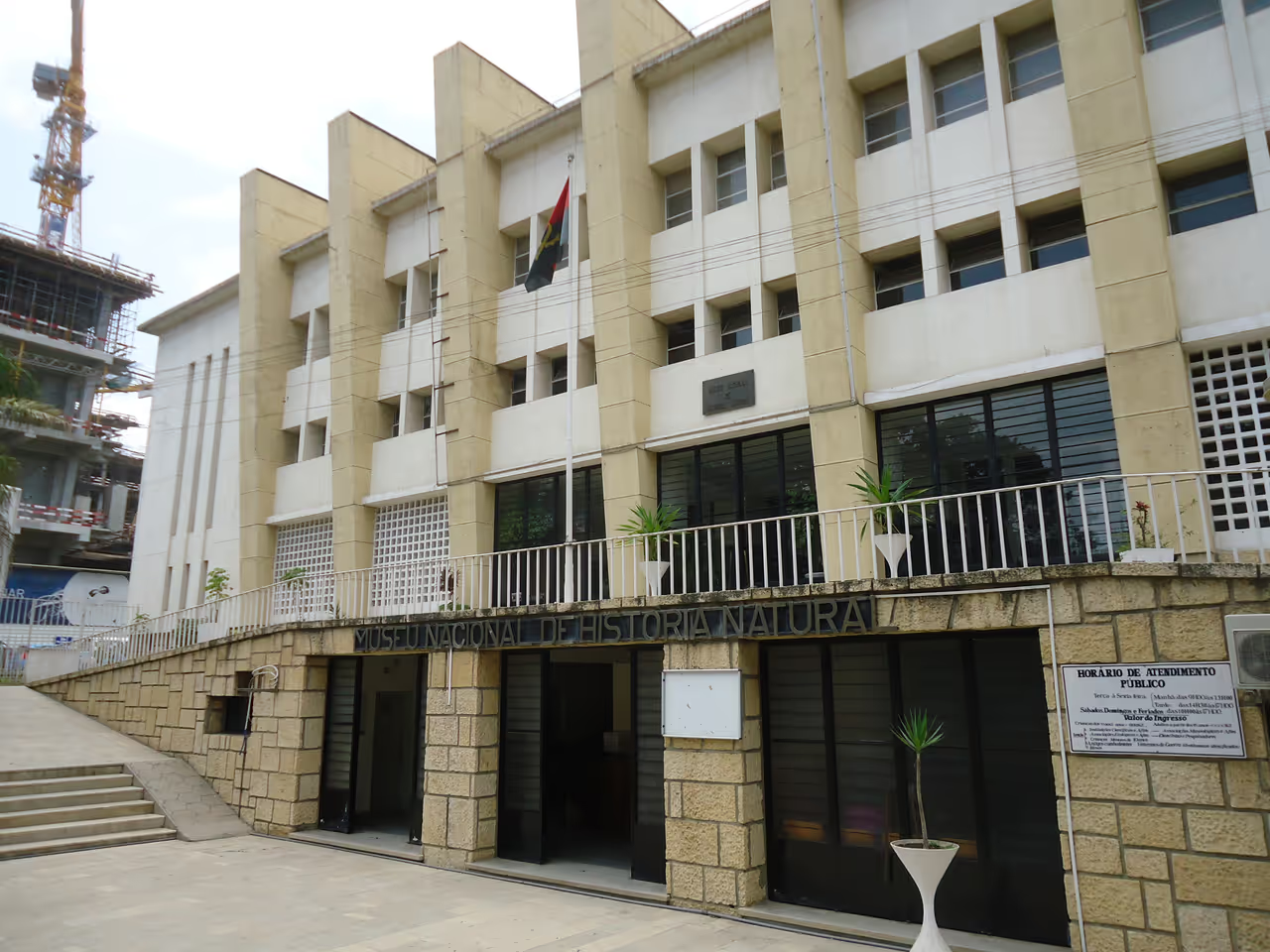
Cultural Heritage Trail
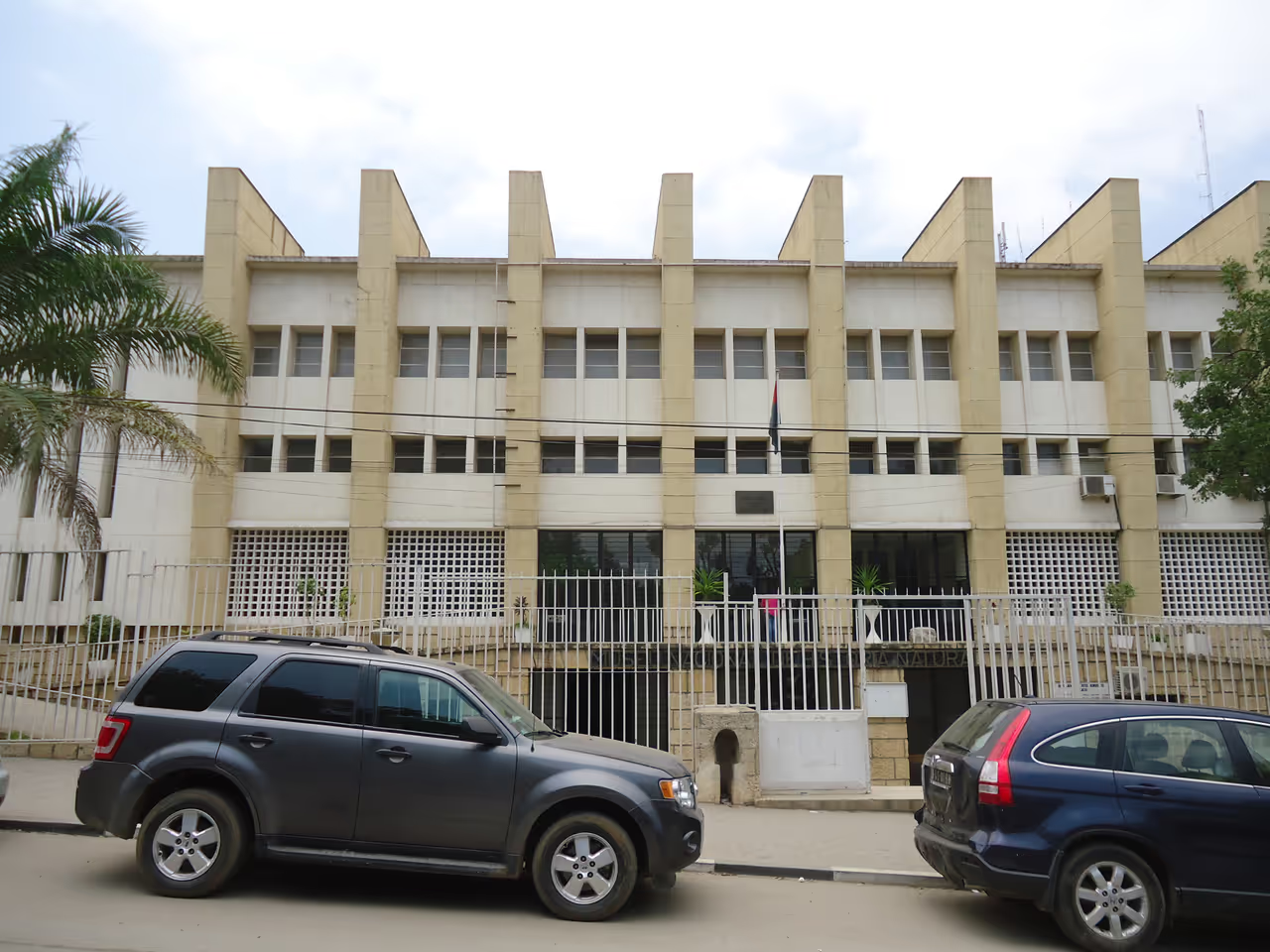
This intellectually enriching route links the city's primary institutions dedicated to preserving the deep indigenous culture and natural biodiversity of the region. You will encounter incredible collections of ancient tribal masks, traditional hunting weaponry, and extensive displays of local flora and fauna. The tour moves away from the colonial narrative to focus entirely on the incredibly diverse African roots of the nation. It is an ideal journey for those looking to understand the complex tribal tapestry that makes up the modern country.
view self-guided tour
See all attractions in Luanda
Iron Palace, Luanda Cathedral, Mausoleum of António Agostinho Neto, National Museum of Natural History of Angola, National Museum of Slavery, Saint Michael Fortress...