Kissama National Park
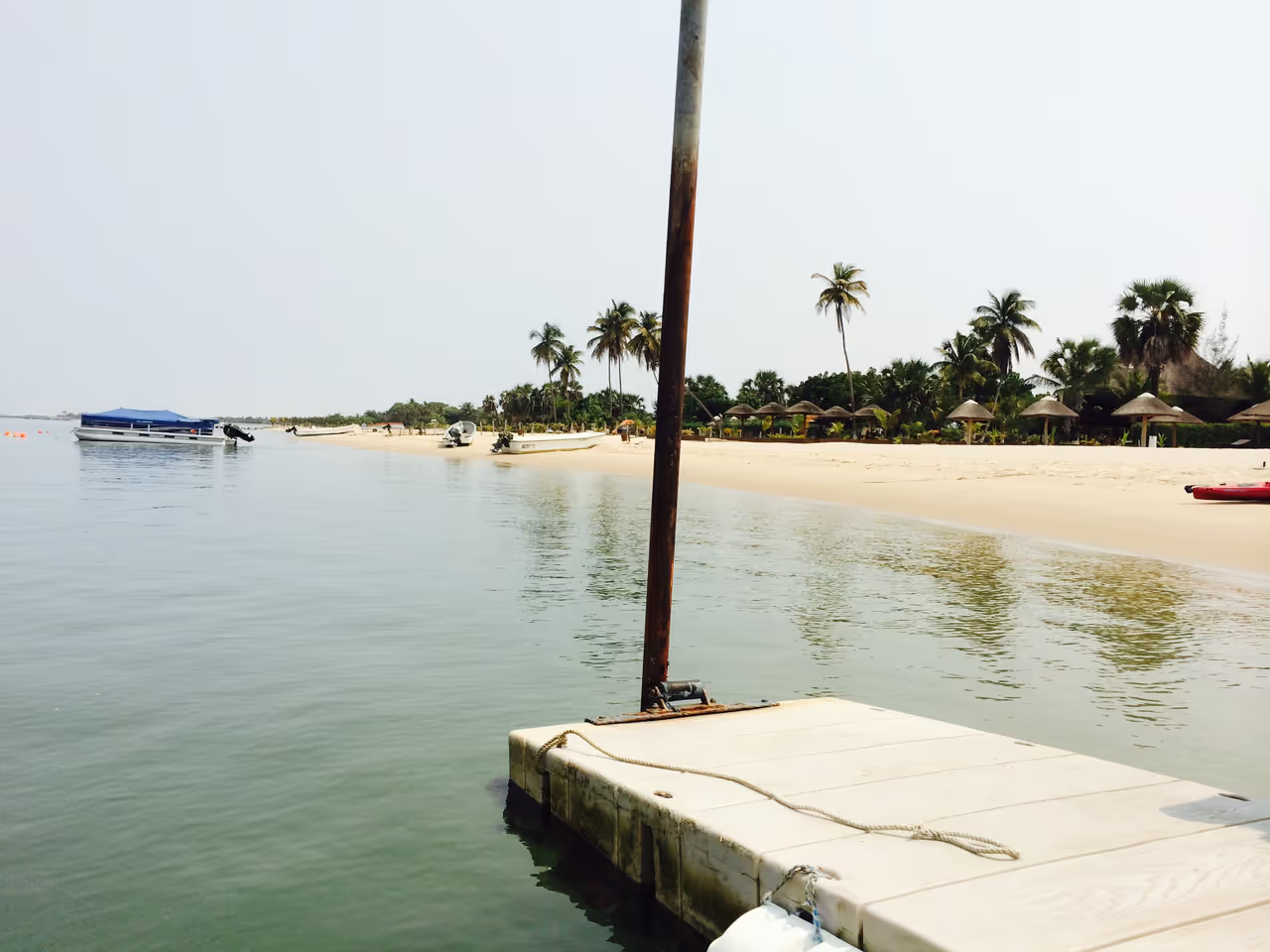
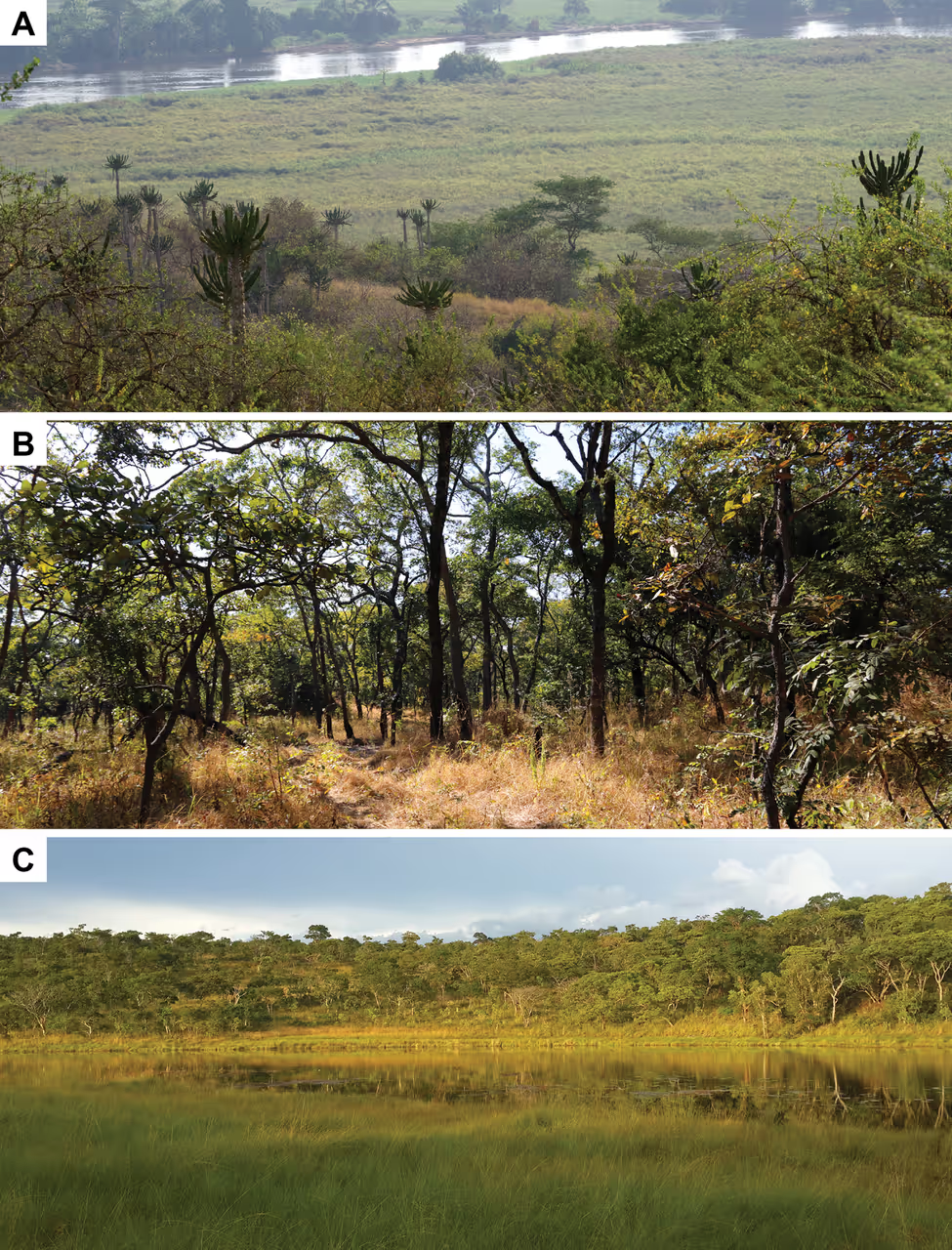
Located a short drive from the capital of Luanda, Kissama National Park offers a profound encounter with the raw beauty of the African wilderness. This vast protected area stretches along the Atlantic coastline, creating a striking contrast between the deep blue ocean and the dry, sprawling savannah landscape. It stands as a testament to human resilience and conservation, having been successfully brought back from the brink of total collapse after years of conflict. Visitors can explore the diverse ecosystems that host a rebounding wildlife population, providing an intimate look at nature in recovery. It is a rare destination where the spirit of conservation feels tangible, making every game drive or riverside sunset a deeply moving experience.
Videos
History of Kissama National Park
In the early twentieth century, the land now known as the Kissama National Park was set aside to protect the incredible biodiversity of the Angolan landscape. It began as a humble game reserve in 1938 before earning official national park status in 1957 under the Portuguese administration. For decades, this area thrived, becoming a sanctuary for elephants and the rare giant sable antelope. However, the subsequent decades of civil war took a devastating toll, leaving the land desolate and the wildlife populations virtually extinct. The turn of the millennium marked a turning point that would define the modern legacy of the park. In 2001, a visionary group of Angolans and South Africans launched Operation Noah's Ark. This ambitious initiative involved the complex relocation of wildlife from overpopulated reserves in Botswana and South Africa to this forgotten corner of Angola. It remains one of the largest animal transplant operations in history, serving as a beacon of hope and a model for ecological restoration across the continent. Today, the park stands as a symbol of rejuvenation and the enduring strength of nature when given a second chance. With its status as a Lion Conservation Unit and its recent designation as a UNESCO biosphere reserve in 2025, the area continues to flourish. The park offers visitors a rare opportunity to witness an ecosystem in its prime, where the silence of the bush is broken only by the natural rhythms of life. It serves as a reminder of what is possible when communities unite to heal the land.
Events spanning 87 years
Fun Facts
- • Elephants relocated from Botswana during the early 2000s have adapted remarkably well to the unique environmental conditions of the park.
- • In 2005, the park was identified as a critical Lion Conservation Unit, highlighting its role in the survival of African big cats.
- • It is currently the only functioning national park in Angola, as others remain hampered by the remnants of the conflict period.
- • Operation Noah's Ark, initiated in 2001, remains one of the largest animal relocation projects ever attempted on the African continent.
- • The Cuanza and Longa Rivers act as natural borders, shaping the distinct ecosystems found within the park.
- • The Giant Sable Antelope, a symbol of Angola and one of the rarest antelopes in the world, once roamed these lands in large numbers.
- • The UNESCO biosphere designation in 2025 ensures international oversight and protection for the park's diverse flora and fauna.
- • The name Quiçama refers to the local ethnic group, the Kissama, who have inhabited this region for centuries.
- • The park experienced such severe poaching during the civil war that almost all large mammals were eradicated before the restoration project began.
- • The park spans over 3 million acres, making it more than twice the size of the American state of Rhode Island.
- • The western border consists of 120 kilometres of pristine Atlantic coastline, offering a unique meeting point of desert and ocean.
Kissama National Park FAQ
While we strive to keep this information accurate and up to date, we recommend verifying any details independently before making decisions based on them.
Kissama National Park Map & Neighborhood Explorer
This interactive map is centered on Kissama National Park. Zoom in and move the map around to automatically discover Wikipedia photos and summaries of other nearby sights, monuments, and historical points of interest and stories in real-time!
Places near Kissama National Park
Make the most of your trip. Check out these top-rated spots located nearby.
 111792m
See the Valley of the Moon
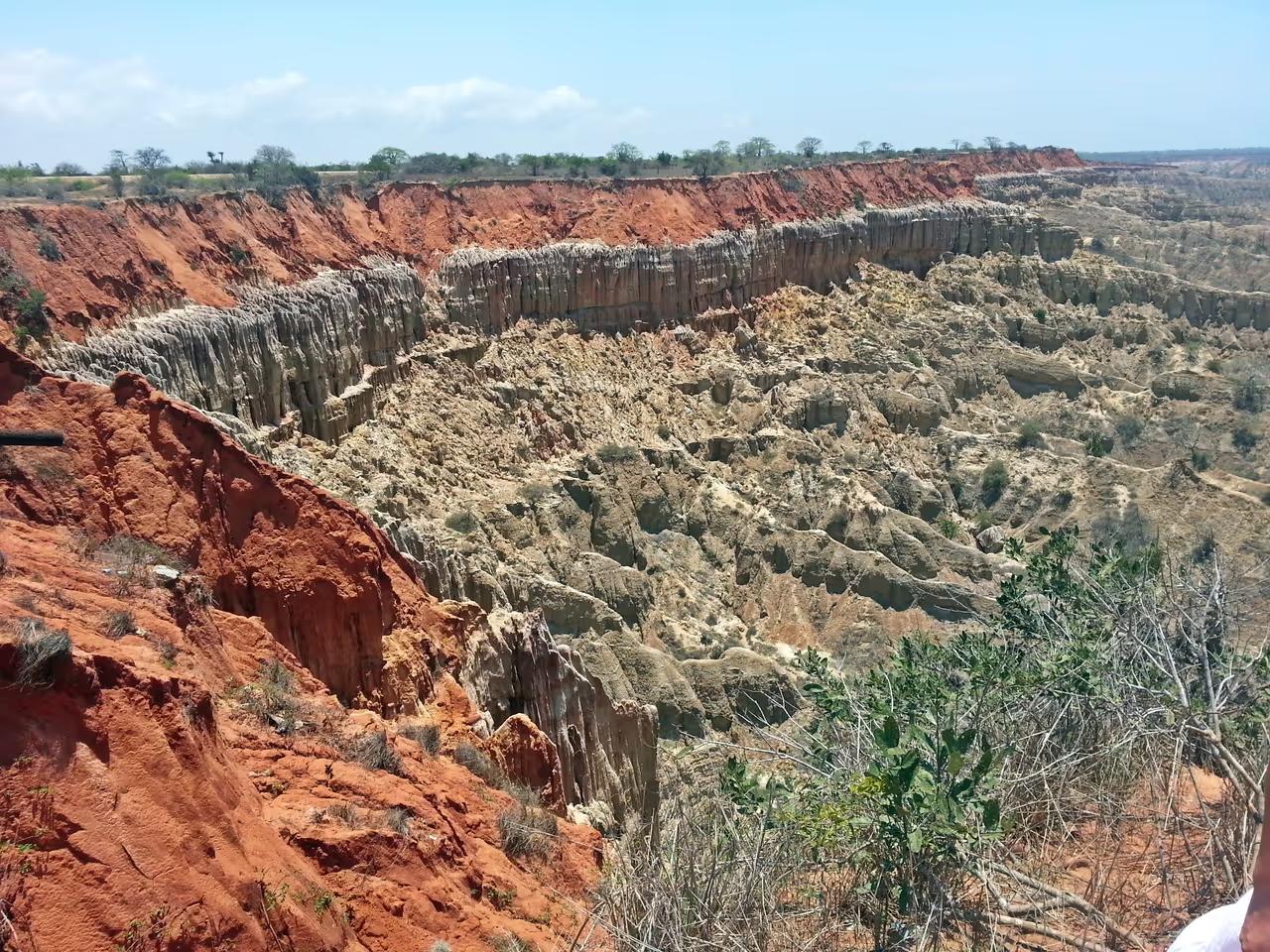
Located a short drive south of the city limits, this bizarre geological formation is utterly spectacular. Decades of wind and rain erosion have carved the coastal cliffs into sharp, towering pinnacles and deep, sweeping ravines that perfectly resemble a lunar landscape. The earth transitions through vibrant shades of red, orange, and pale yellow, creating an incredibly striking visual contrast against the deep blue ocean below. It is a surreal, completely natural wonder that feels entirely out of place on the lush African coast. Photographers will find this location absolutely irresistible.
highlight view- 115288m
Watch a Basketball Game
Basketball is an absolute national obsession, and the local teams are historically among the most dominant forces on the entire African continent. Attending a live match at the massive, modern arena offers an electrifying, high volume plunge into local sports culture. The fans are incredibly passionate, constantly chanting, drumming, and dancing in the stands regardless of the score. The athleticism on the court is matched only by the sheer joy and energy of the crowd in the bleachers. It is a thrilling, deeply authentic community experience.
highlight view  126659m
Shop at the Mega Mall
When it opened in 2007, this massive complex marked the arrival of modern consumer culture in the country. Featuring a huge cinema, a sprawling food court, and dozens of international brand stores, it is a monument to the nation's post war economic boom. It provides a fascinating, air conditioned glimpse into the lifestyle of the city's rapidly expanding middle and upper classes. If the equatorial heat becomes entirely unbearable, escaping into this pristine, westernised environment offers a comforting respite. It is an excellent place to grab a quick, familiar meal.
highlight view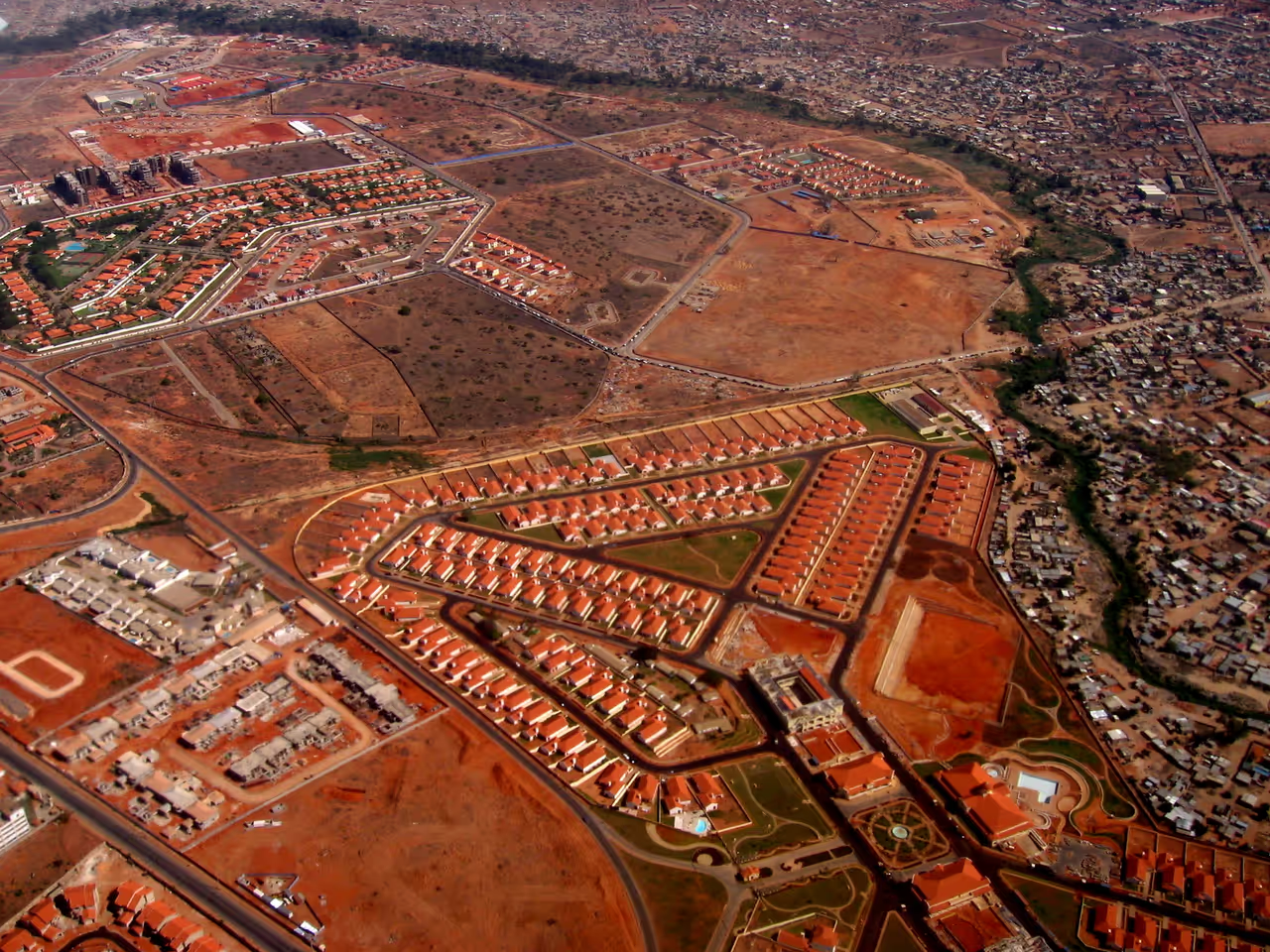 127494m
Talatona District
Located south of the historic centre, this rapidly developing modern district caters heavily to affluent locals and international workers. The nightlife here is concentrated in high end shopping complexes and luxurious hotel bars, offering a highly sanitised and secure environment. You will find premium wine bars, sleek modern pubs, and exclusive late night lounges. It provides a taste of the city's new oil wealth in a pristine, master planned setting.
nightlife view
Featured on This Itinerary
See all nature & parks in Luanda
Mussulo Peninsula...