Algiers
Full City Guide, Map & 109 Things To Do
30,395 people live here.
That's 0.07% of the entire population of Algeria.
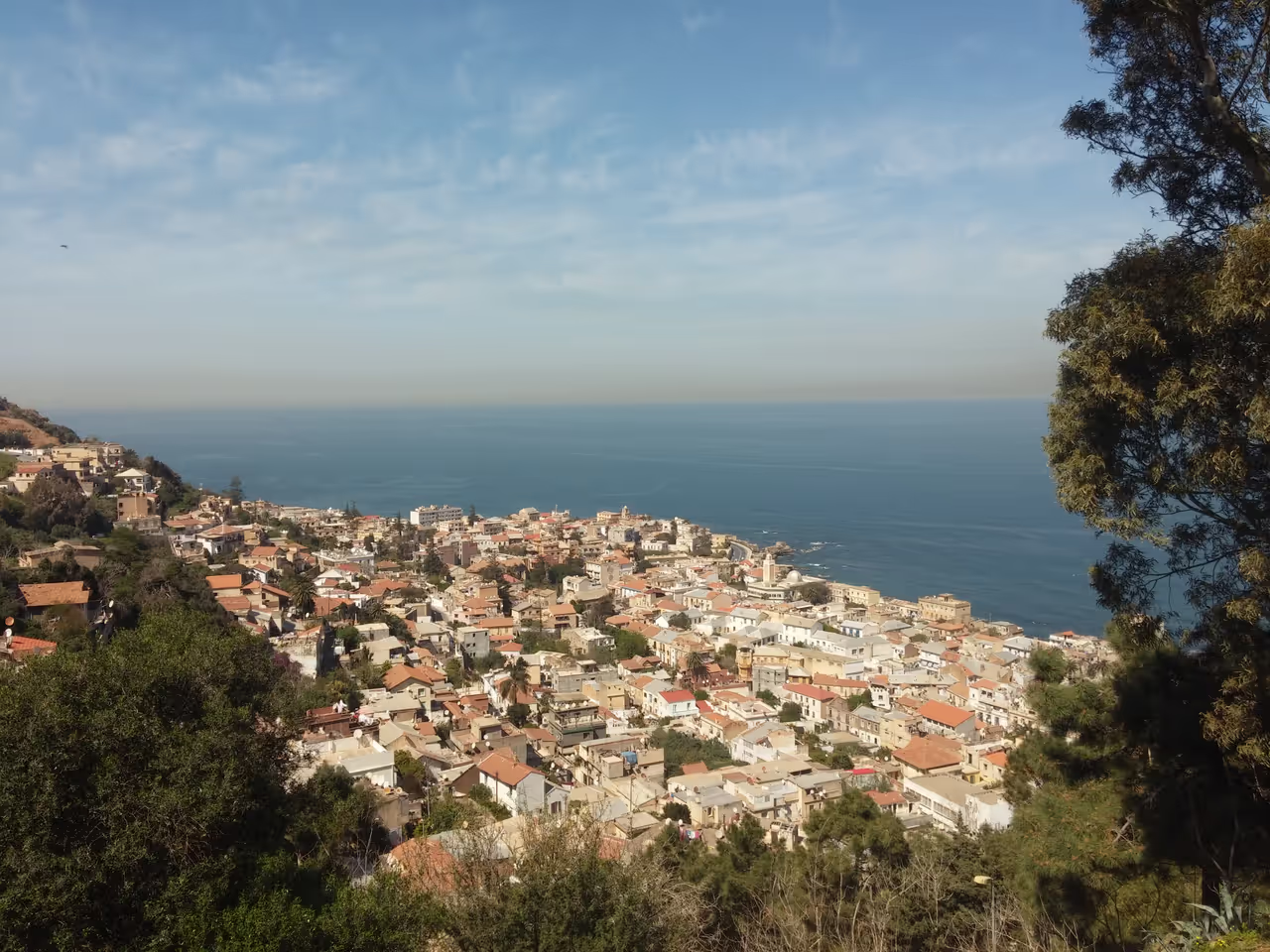
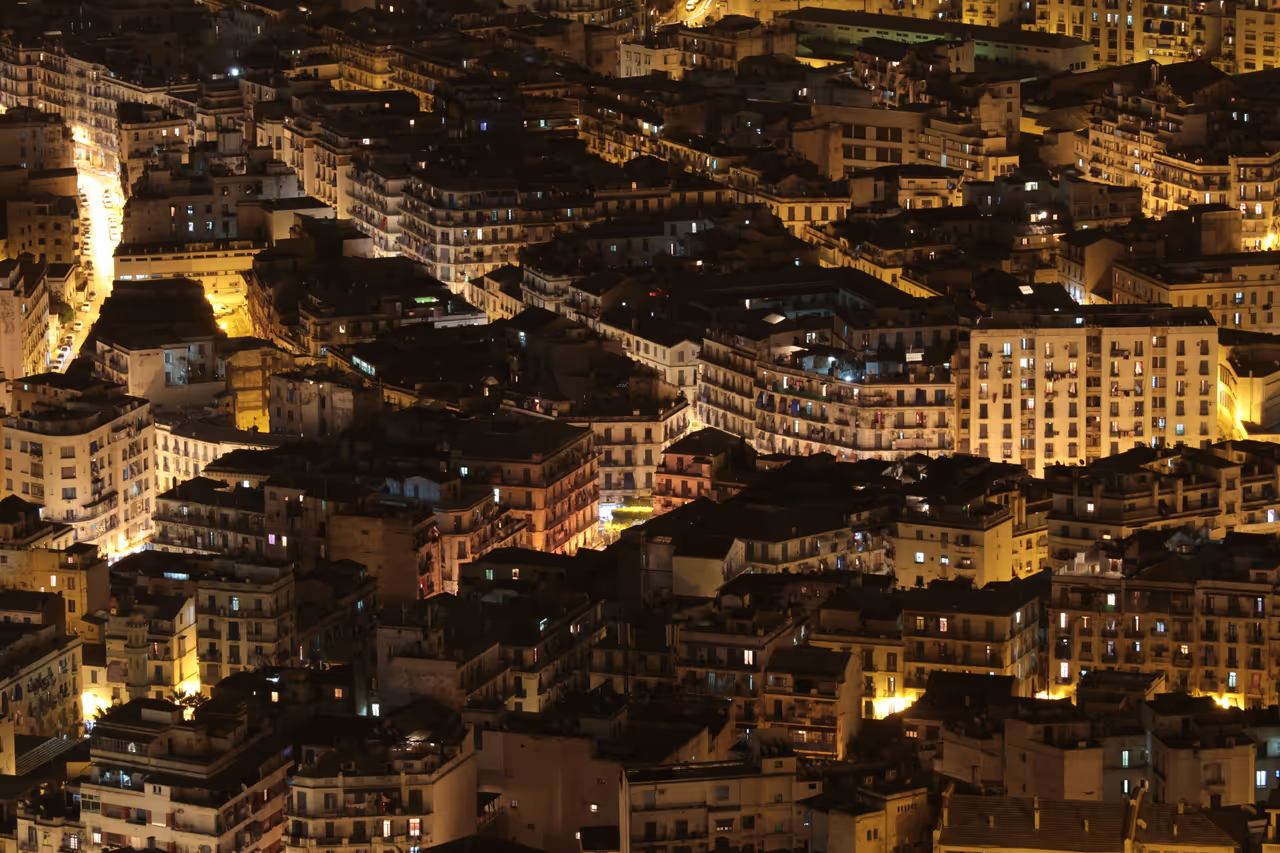
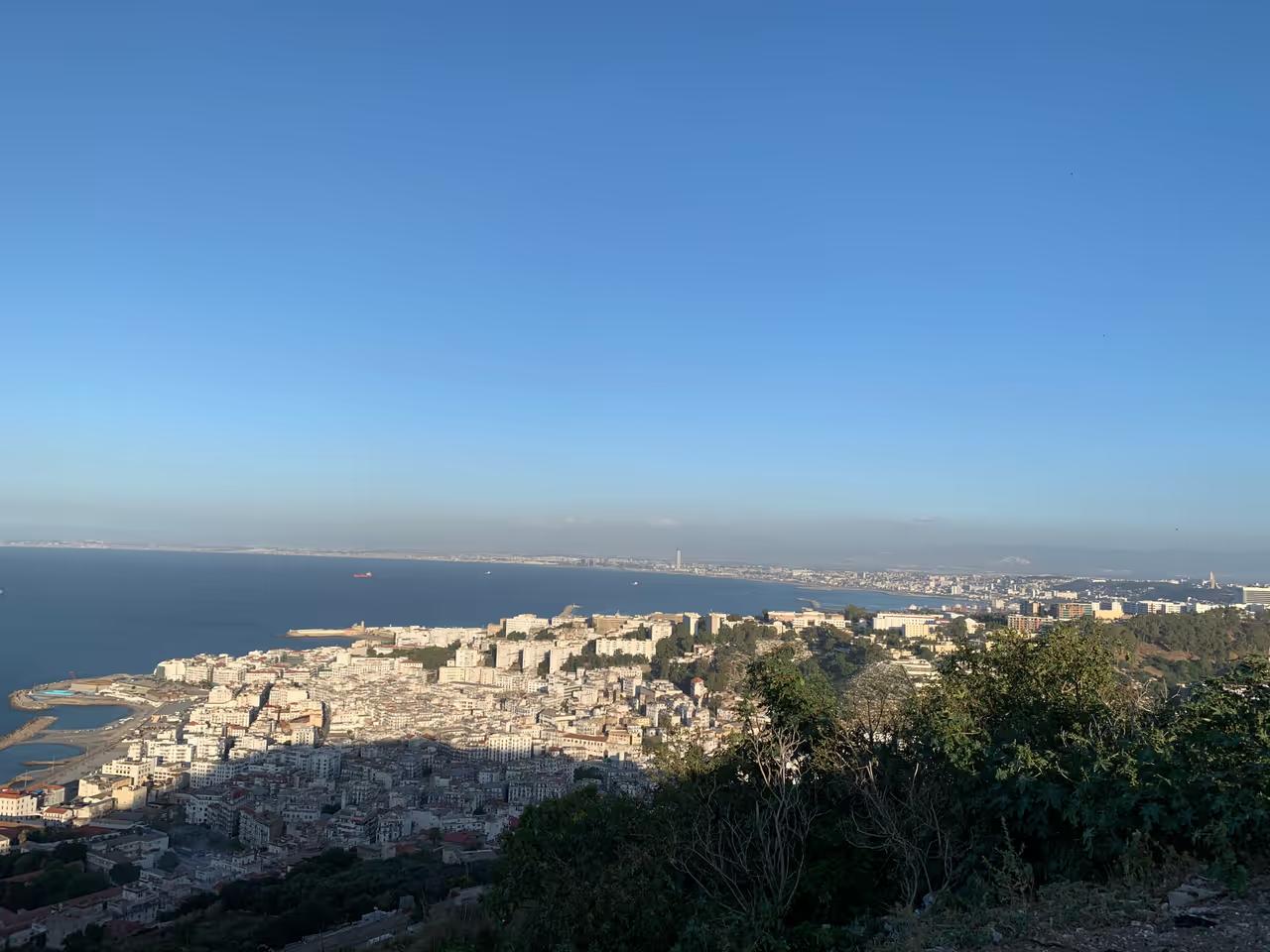
Algiers cascades down dramatic coastal hills towards the sparkling Mediterranean Sea, earning its famous nickname as the White City due to its gleaming whitewashed buildings. The capital presents an enthralling visual contrast where ancient Ottoman palaces sit gracefully alongside broad French colonial boulevards and striking modern monuments. Visitors are immediately captivated by the authentic atmosphere that permeates its legendary historic quarters and lively seafront promenades. The city serves as the ultimate gateway to understanding the complex, resilient and triumphant spirit of the Algerian nation. Exploring these streets feels like walking through living history, accompanied by warm hospitality and breathtaking coastal panoramas at every turn.
Algiers DNA
History of Algiers
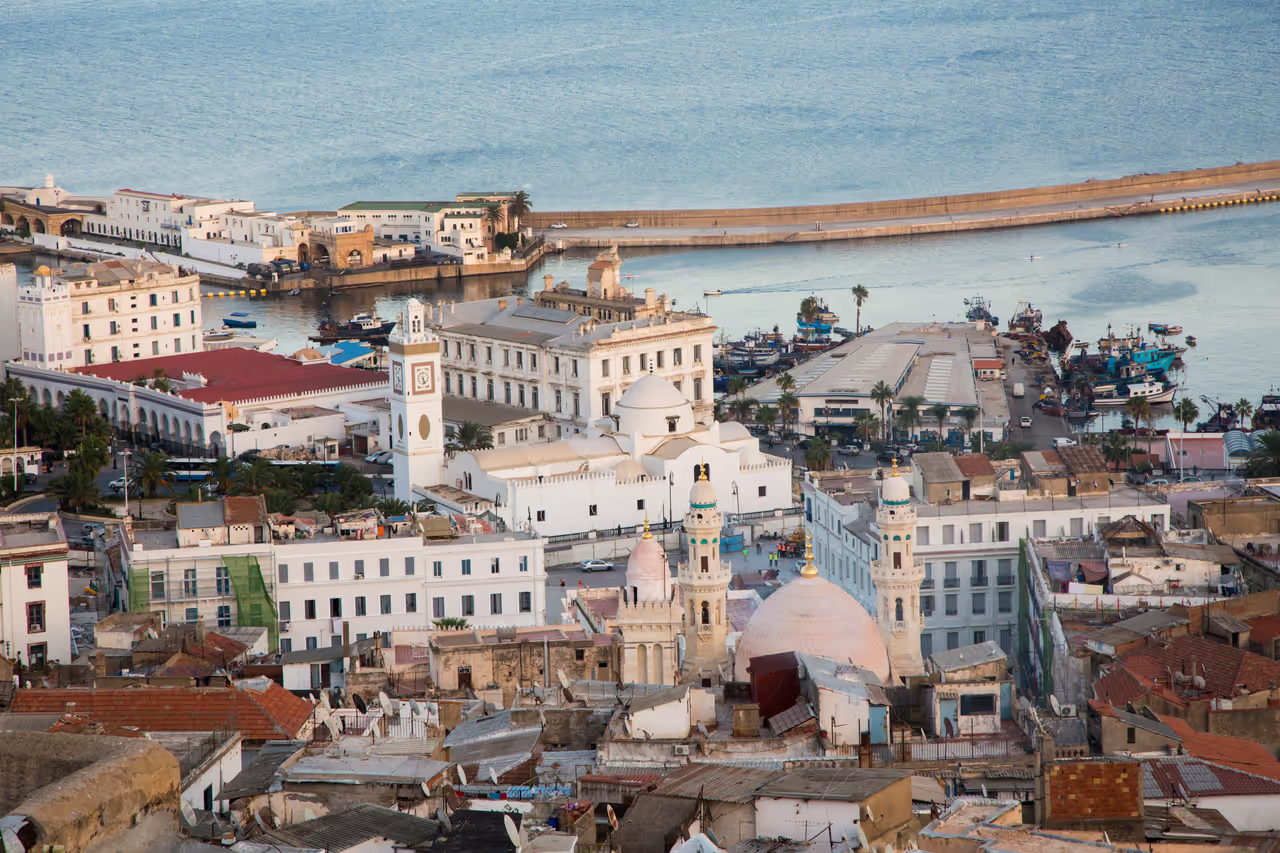
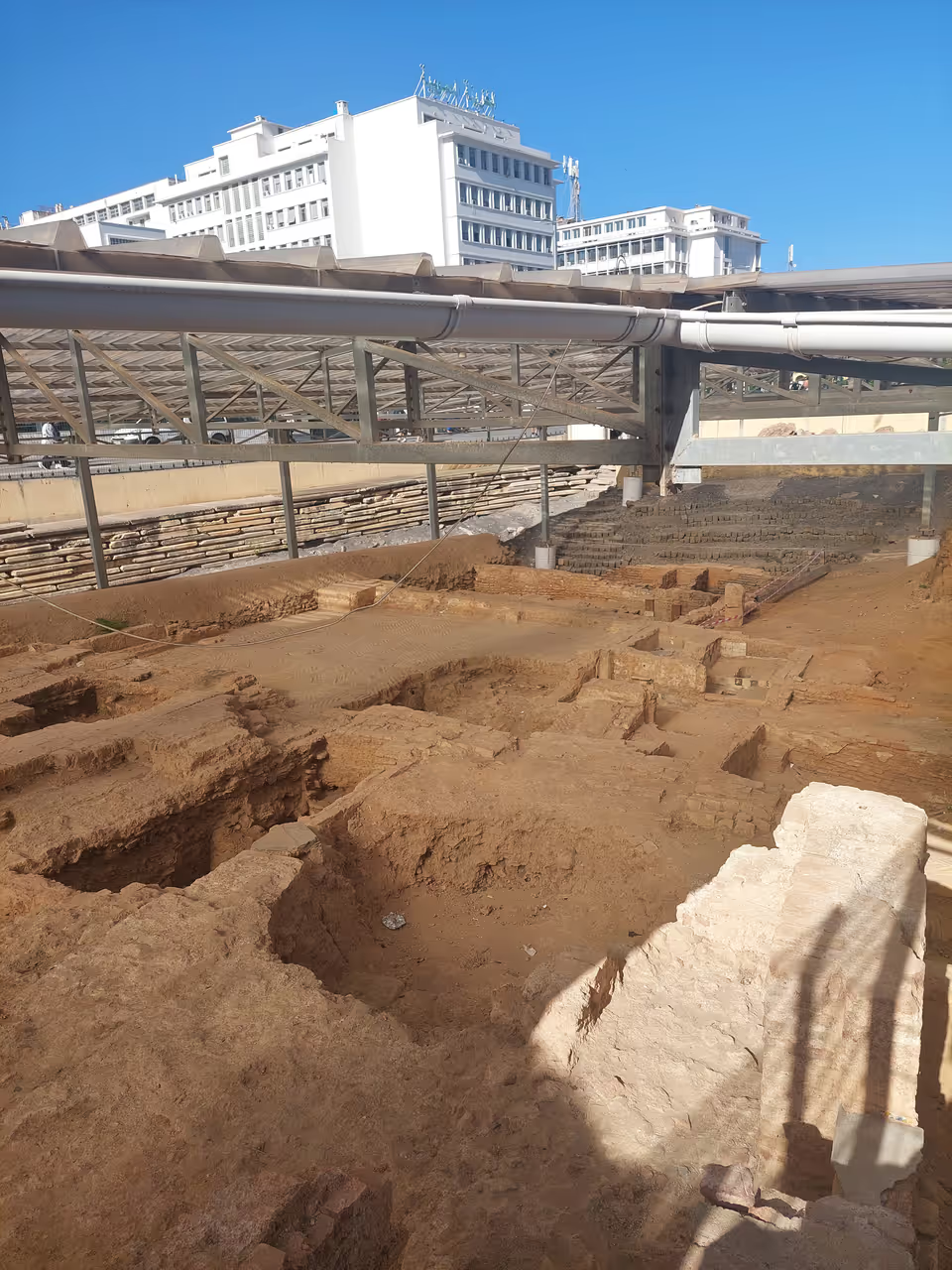
The ancient Greeks believed Algiers was founded by twenty companions of Hercules, resting near the Atlas Mountains after completing their gruelling labours. They called the small port Ikósion, a nod to the Greek word for twenty. In reality, the site began as a modest Carthaginian trading post where Phoenician ships swapped goods along the Mediterranean. Romans, Vandals, and Byzantine forces all took their turns occupying the coastal footprint over the centuries. It was not until 972 AD that Buluggin ibn Ziri laid the stones of the modern city directly over the ancient Punic ruins. He named the settlement Jazāʾir Banī Mazghanna, referring to the four small islands just offshore that would eventually give the capital its modern name. Piracy transformed this stretch of coastline into an intimidating naval fortress. After the Spanish set up a garrison on the Peñón of Algiers in the early 1500s, local rulers invited the corsair brothers Oruç Reis and Hayreddin Barbarossa to expel them. The brothers seized the town, pledged it to the Ottoman Empire, and turned the bay into the chief seat of the Barbary pirates. For centuries, the local economy ran entirely on captured European ships and ransomed sailors. The future author of Don Quixote, Miguel de Cervantes, spent five years locked in an Algiers prison, later weaving the whitewashed alleyways of the upper city into his plays. English outlaws even fled here to convert to Islam and take powerful government jobs, such as Samson Rowlie, who rose to become the treasurer in a room filled with captured Mediterranean gold. A single swat of a fly whisk completely rewrote the nation's trajectory. In April 1827, the local ruler Hussein Dey hosted a tense meeting inside the Palace of the Dey to demand that France repay its outstanding debts. When the French consul dismissed the request, the Dey struck him in the face with the handle of his whisk. King Charles X of France used the slight as an excuse to launch a naval blockade and a full scale invasion in 1830. French troops marched through the Bab Azoun gate on the fifth of July. The Ottoman regency was finished. The incoming regime immediately started carving a European metropolis out of the ancient Islamic citadel. Military engineers tore down the lower walls of the historic Casbah to construct the wide, Haussmann style Place des Martyrs overlooking the water. Imposing colonial apartment blocks sprouted along the seafront, while centuries old mosques were abruptly repurposed. The ornate Ketchaoua Mosque, with its Moorish plaster work and Byzantine arches, was converted into a Catholic cathedral. Native residents were pushed into segregated, densely packed hillside neighbourhoods. In the 1930s, the architect Le Corbusier visited the divided capital and loudly criticised the crumbling colonial aesthetics, an opinion the French administration promptly ignored. The European settlers lived in cramped grid systems while the native population inhabited the winding, sunlit terraces of the upper Casbah. Allied forces landed on the nearby beaches during World War II, turning the city into a temporary administrative centre for Free France. This global conflict sparked a demand for local independence that soon boiled over into the Battle of Algiers. Throughout 1956 and 1957, guerrilla fighters and French paratroopers engaged in severe urban combat through the labyrinthine alleys of the old quarters. Algeria ultimately secured independence in 1962, and the city became a beacon for developing nations. Today, the concrete leaves of the Maqam Echahid monument stand at the edge of a cliff in the Sidi M'Hamed district, shielding an eternal flame that watches over the cargo ships sailing in and out of the Bay of Algiers.
15 Events spanning 1048 years
Map of Algiers
Interactive Destination & Itinerary Map
This map blends our curated city guides—featuring best photo spots, scenic walks, viewpoints, hidden gems and much more—with a live Wikipedia explorer. Click on our numbered pins to plan your routes, or zoom in on the surrounding neighborhoods to discover verified local landmarks, museums, and stories with dynamic Wikipedia summaries and photos!
Fun Facts
- • The city earned the nickname Alger la Blanche, meaning Algiers the White, because the gleaming whitewashed buildings rise so brilliantly from the sea.
- • The name of the country actually comes from the name of this capital city, which roughly translates from Arabic to mean The Islands.
- • In the seventeenth century, European renegades voluntarily converted to Islam and moved here to escape the law, with some even becoming powerful treasurers for the local rulers.
- • The famous Cathedral of the Sacred Heart was designed to look like a massive concrete cooling tower, making it one of the most unconventional religious structures in Africa.
- • During the golden age of piracy, up to forty percent of the entire population consisted of captured Europeans who were held for ransom by the wealthy corsairs.
- • The original islands that gave the city its name no longer exist independently, as they were physically connected to the mainland by a massive pier built in 1525.
- • The renowned architect Le Corbusier absolutely despised the colonial design of the city and drew up radical plans to completely demolish and rebuild it, which were thankfully ignored.
- • The local metro system features an incredibly strict security official known affectionately by locals as Whistle Man, who loudly polices the platforms for the slightest rule infractions.
Did You Know?
- • The magnificent Djamaa el Djazair features a minaret that reaches over two hundred and sixty metres into the sky, making it the tallest religious structure on the planet.
- • The ancient Casbah remains one of the finest surviving examples of a traditional historic Maghreb city, seamlessly blending Andalusian, Ottoman and local Berber architectural styles.
- • Climate scientists predict that without intervention, the rising sea levels could cause up to eighty six billion dollars in cumulative damages to coastal African cities like this one by 2050.
- • The impressive Botanical Garden Hamma covers eighty hectares and serves as one of the most important acclimatisation gardens in the world for exotic plant species.
- • Despite its vast size, the metropolitan area extends over dozens of different communes without actually having a single, unified municipal governing body to oversee them all.
- • The original Phoenician settlement of Icosium was supposedly founded by twenty companions of the mythological hero Hercules during his legendary travels across the Atlas Mountains.
- • The city contributes roughly twenty percent to the entire national gross domestic product, operating as the undisputed financial and commercial beating heart of the nation.
RESOURCES
Official WebsiteVideos of Algiers
Seasons
Spring
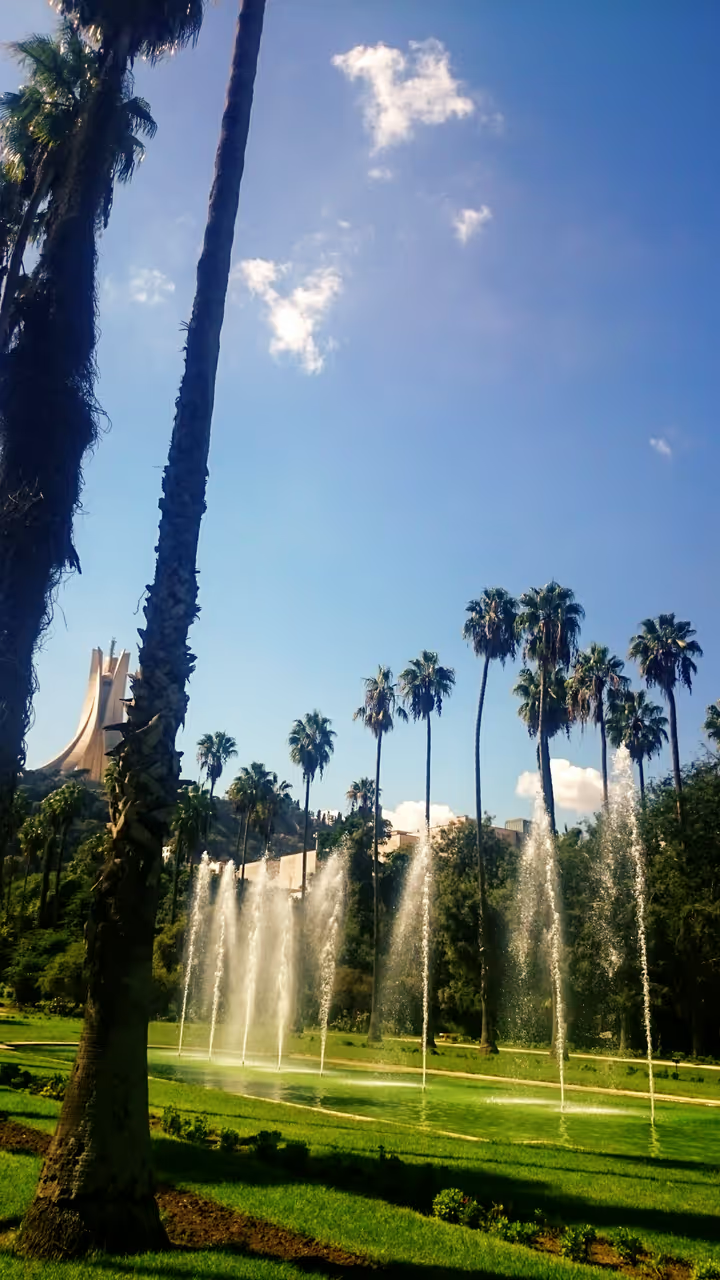
This is arguably the absolute best time to visit, as the intense summer heat has not yet arrived. The temperatures are...
Summer
The heat becomes intense during these months, driving the entire city's focus towards the sparkling Mediterranean waters...
Autumn
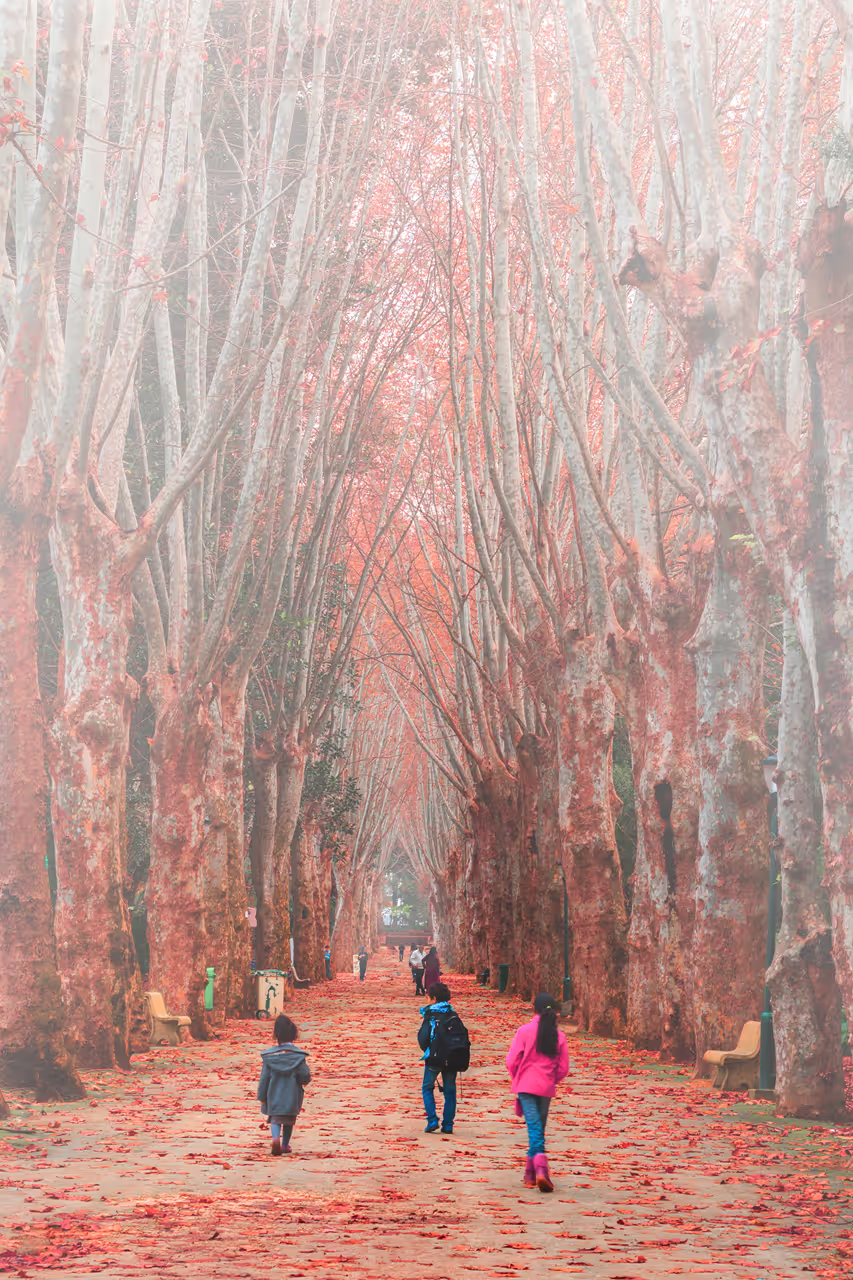
As the fierce summer heat finally breaks, the city returns to a highly comfortable and energetic rhythm. The Mediterranean...
Winter
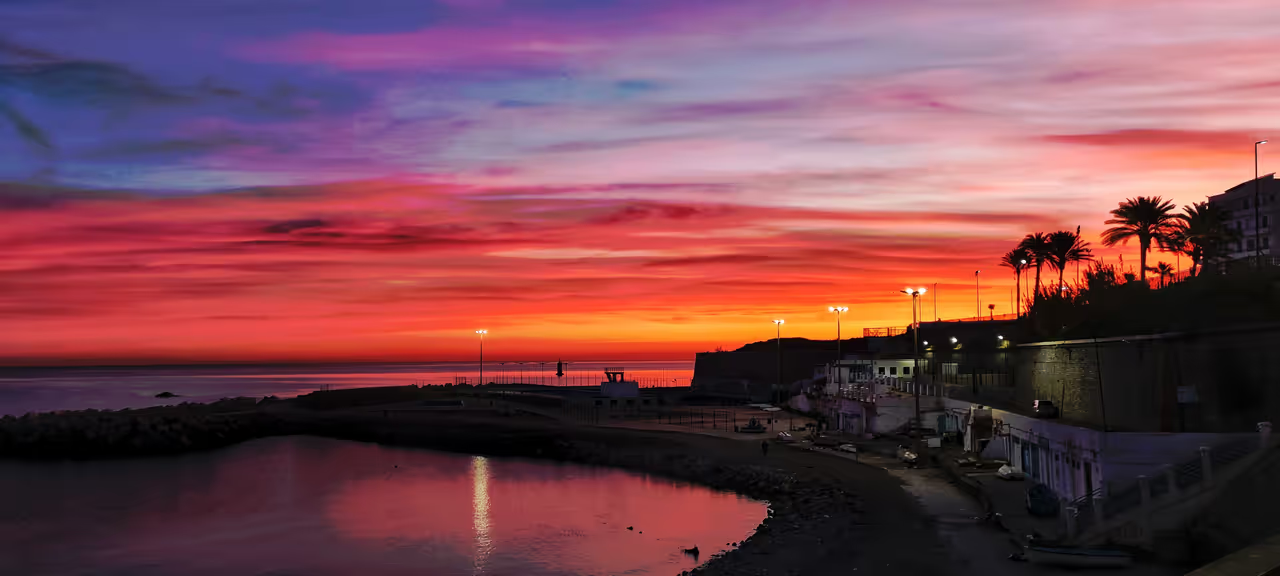
The weather becomes noticeably cooler and much rainier, though temperatures rarely drop to uncomfortable extremes. This is the...
Top Attractions in Algiers
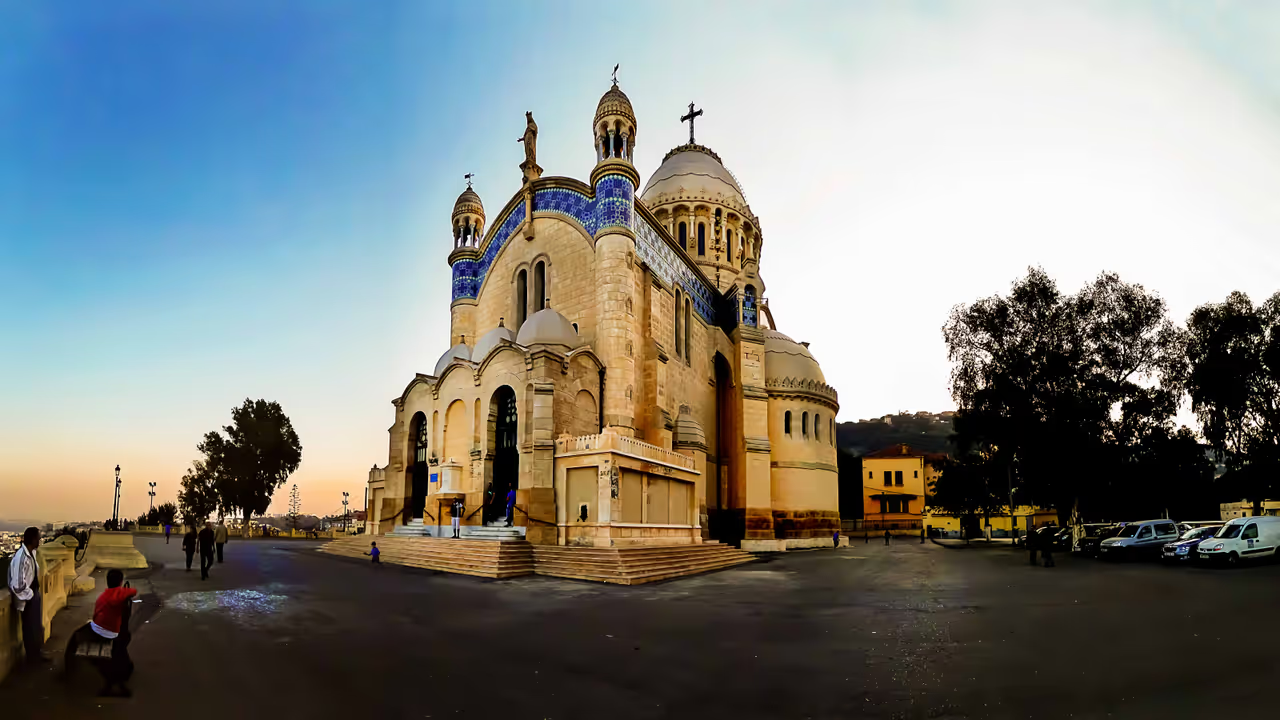
Basilica of Our Lady of Africa
Perched on a cliff overlooking the shimmering Bay of Algiers, this architectural marvel serves as a beacon of peace and...
view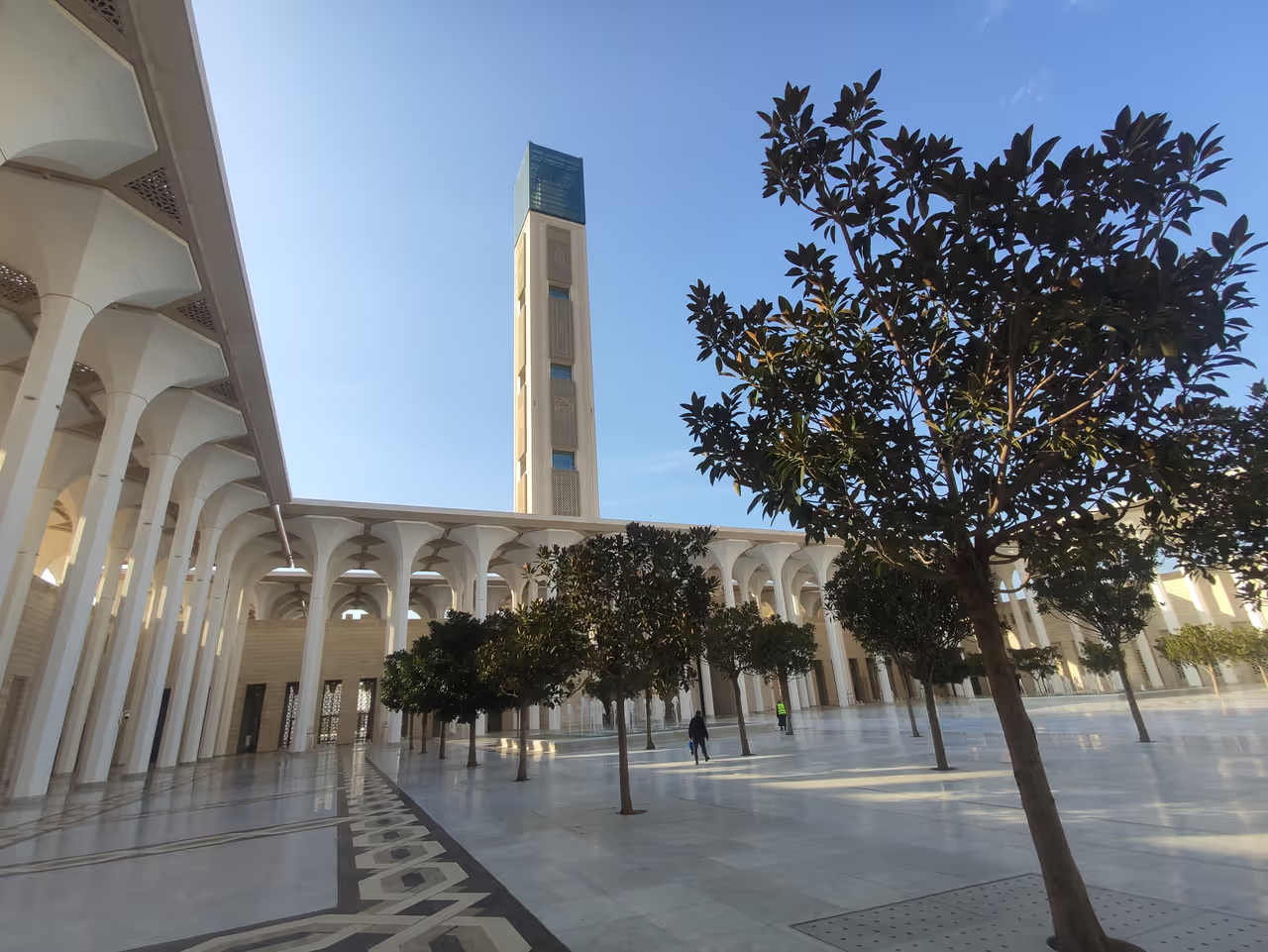
Great Mosque of Algiers
Rising above the Algiers skyline, the Great Mosque of Algiers is a breathtaking feat of modern engineering and Islamic...
view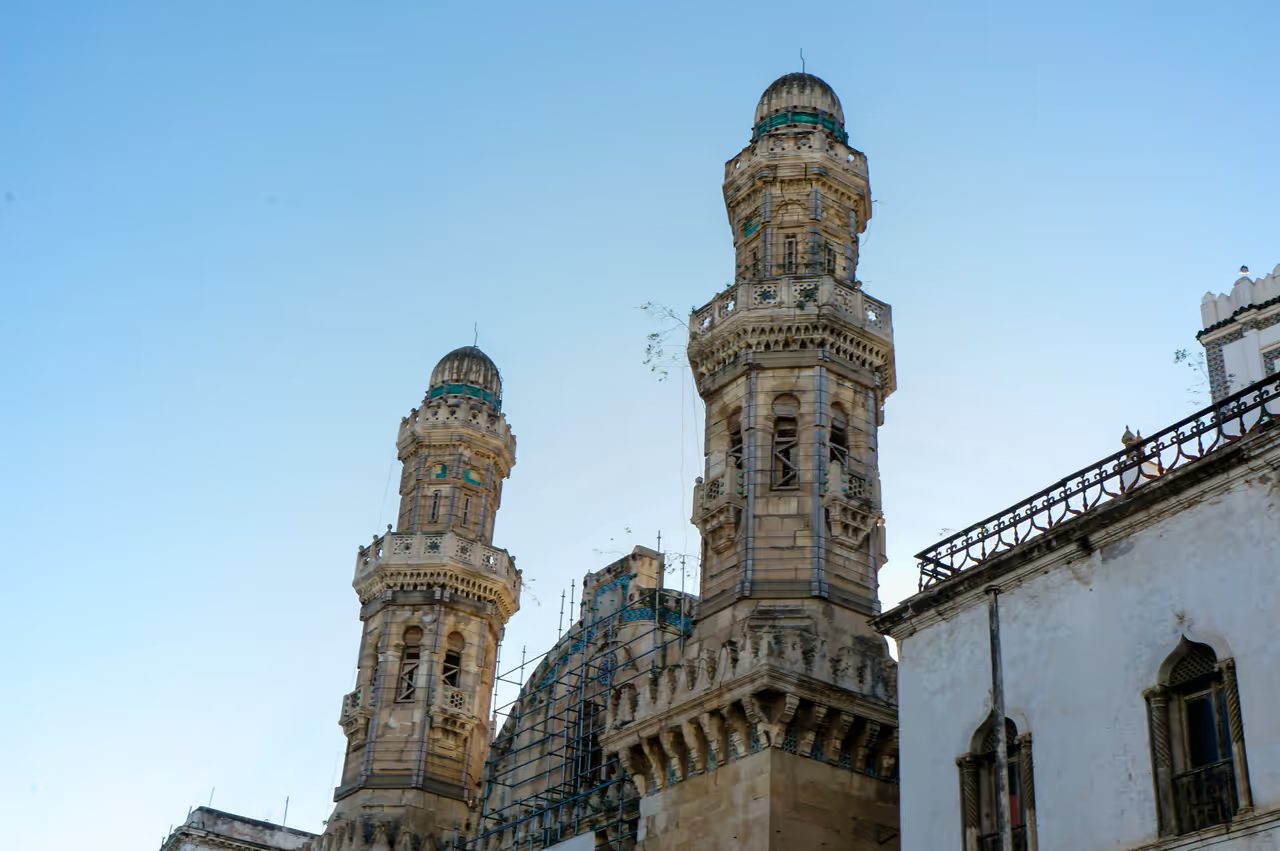
Ketchaoua Mosque
The Ketchaoua Mosque stands as a powerful testament to the layered history of Algiers, perched dramatically at the foot of the...
view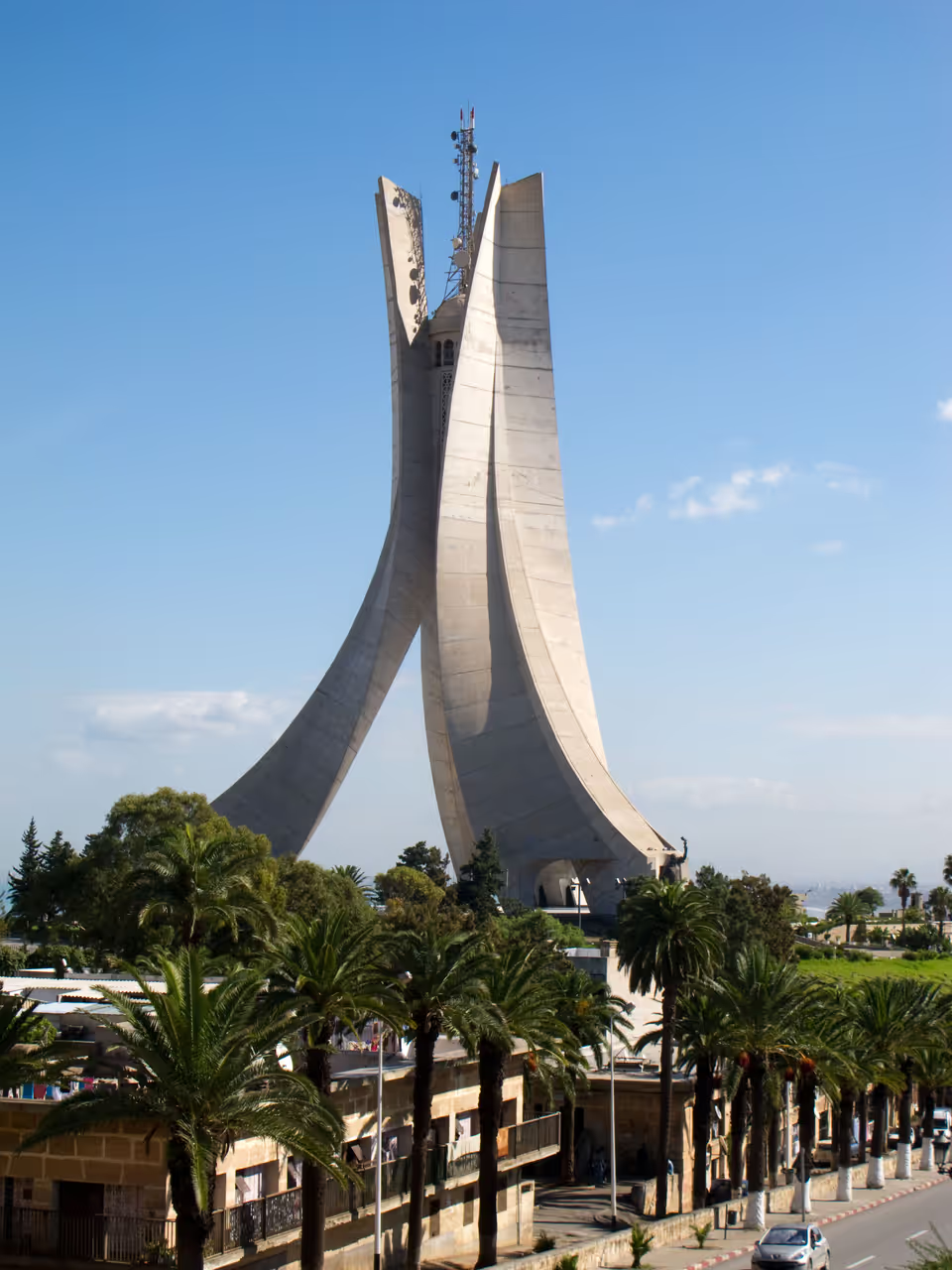
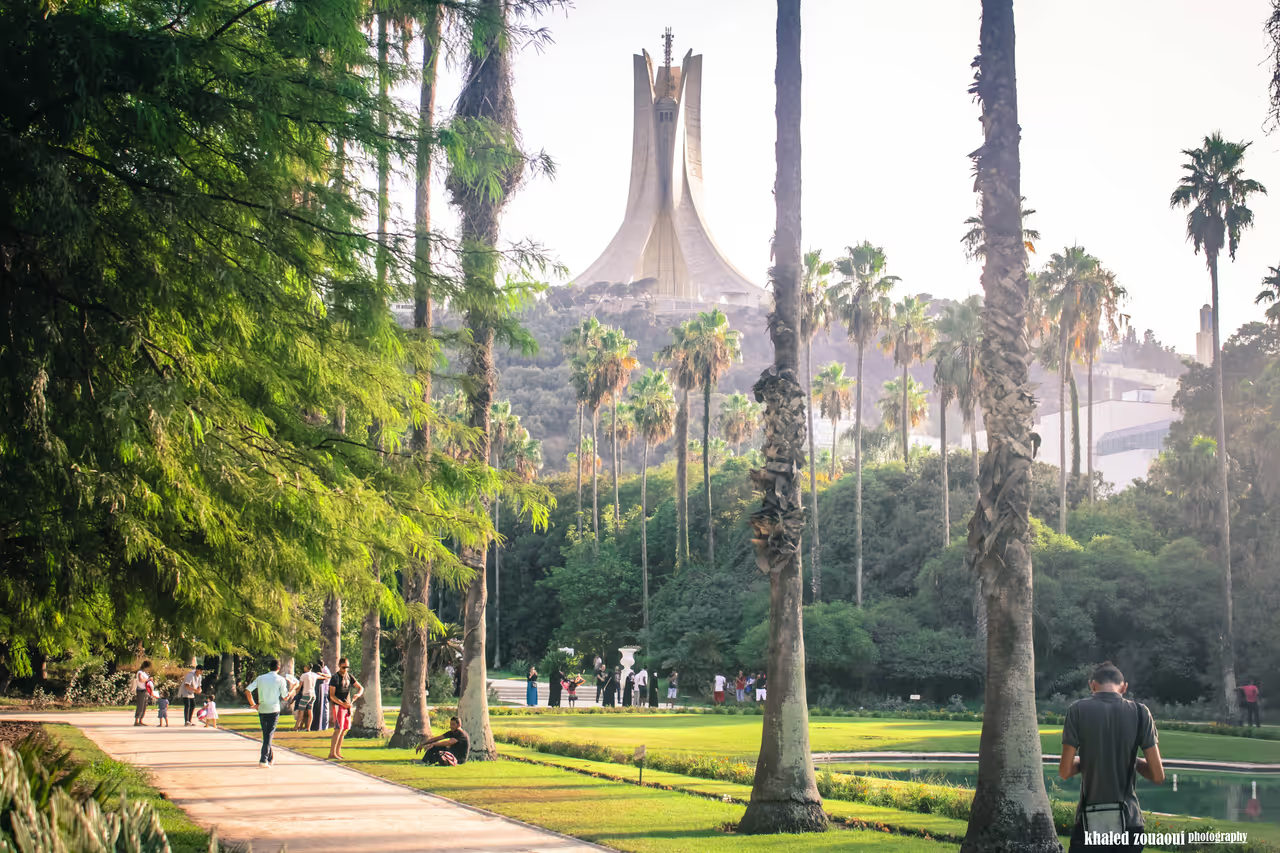
Martyrs' Memorial
Dominating the skyline of Algiers, the Martyrs' Memorial serves as an evocative and powerful tribute to the heroes of the...
view
Best Views
Algiers Itineraries
TRIP PLANNER
3 Days Recommended
Three days provides the perfect window to navigate the steep alleys of the Casbah, visit the primary museums, and take in the stunning coastal promenades. It allows for a comfortable pace that accommodates the inevitable traffic and gives you time to enjoy leisurely local meals. You will have enough time to see both the historic core and the modern developments along the bay.
1 Day in Algiers: White City Highlights Itinerary
If you only have a single day to experience the capital, this highly focused itinerary ensures you see the absolute most iconic sights without wasting time on transport. You will dive straight into the ancient history of the medina, marvel at the grand French colonial architecture, and finish with breathtaking panoramic views over the Mediterranean. It is a fast paced but incredibly rewarding journey that captures the true essence of the city.
view itinerary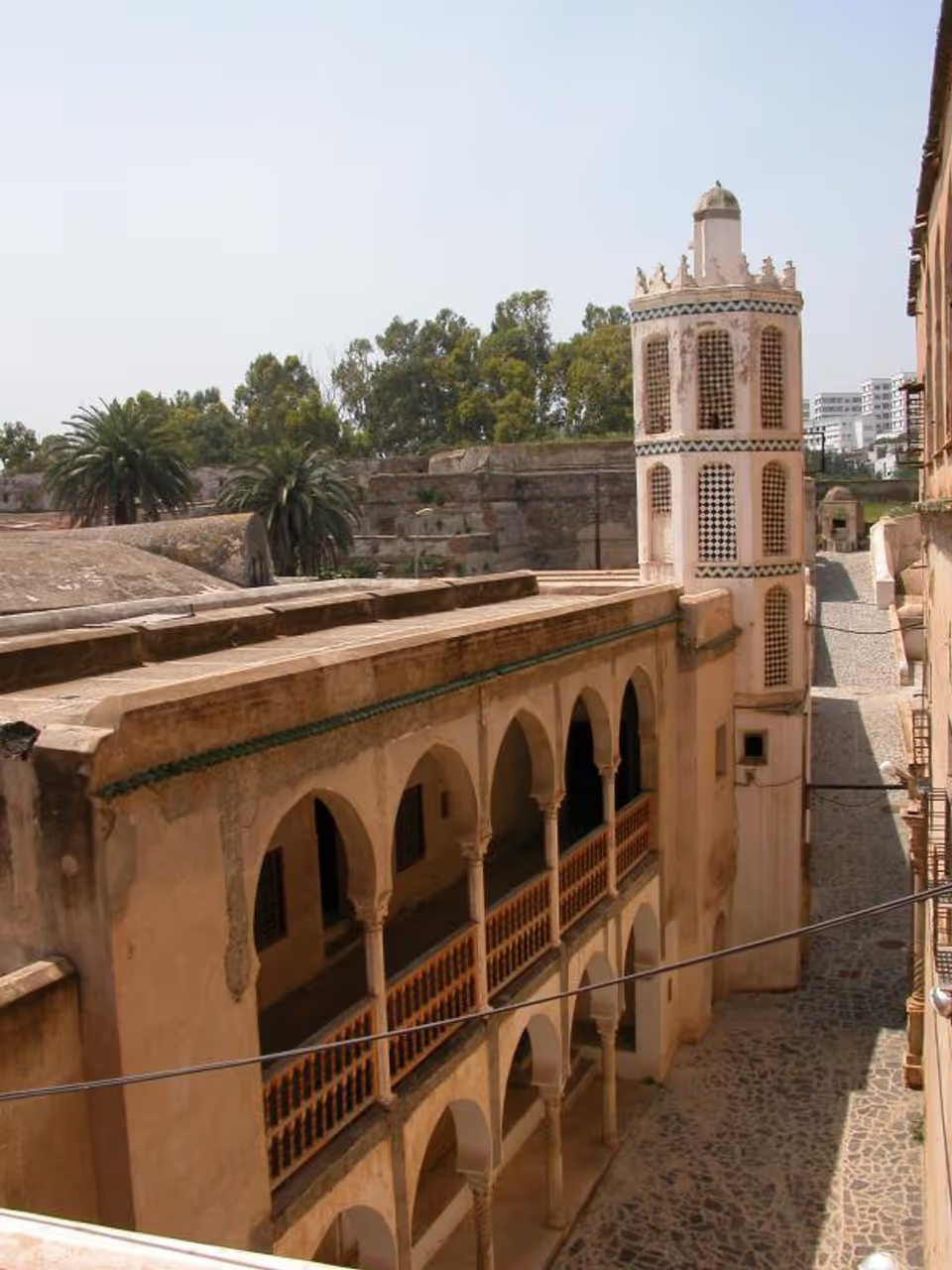
3 Days in Algiers: Culture and Coastline Itinerary
This balanced itinerary allows you to explore the rich, layered history of the city at a much more comfortable pace. Over three days, you will uncover the secrets of the ancient corsair palaces, appreciate the vast botanical diversity, and experience the modern seafront developments. It provides enough time to enjoy long, leisurely lunches and properly soak in the relaxed Mediterranean atmosphere. You will leave with a profound understanding of the local culture.
view itinerary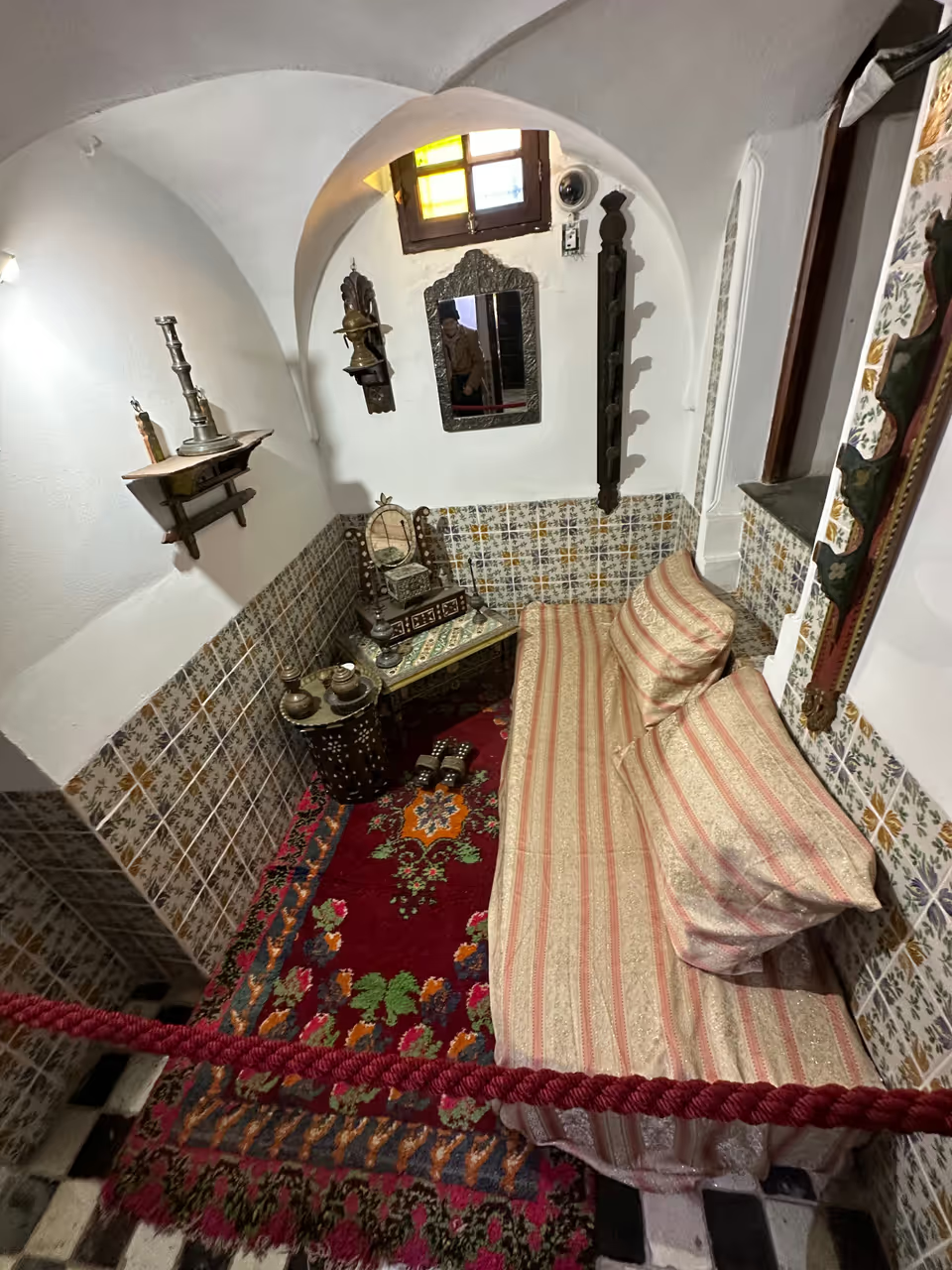
5 Days in Algiers: Ultimate Explorer Itinerary
For the traveller who wants to uncover every hidden facet of the capital, this extensive five day plan goes far beyond the typical tourist trail. You will have time to explore the affluent diplomatic districts, the intense working class neighbourhoods, and the relaxing western beach resorts. It includes deep dives into specialised museums and offers plenty of time for spontaneous discoveries. This is the ultimate way to fully integrate into the rhythm of the city.
view itinerary
Food in Algiers
UNESCO World Heritage Sites
Free Things to do in Algiers
Parks & Nature
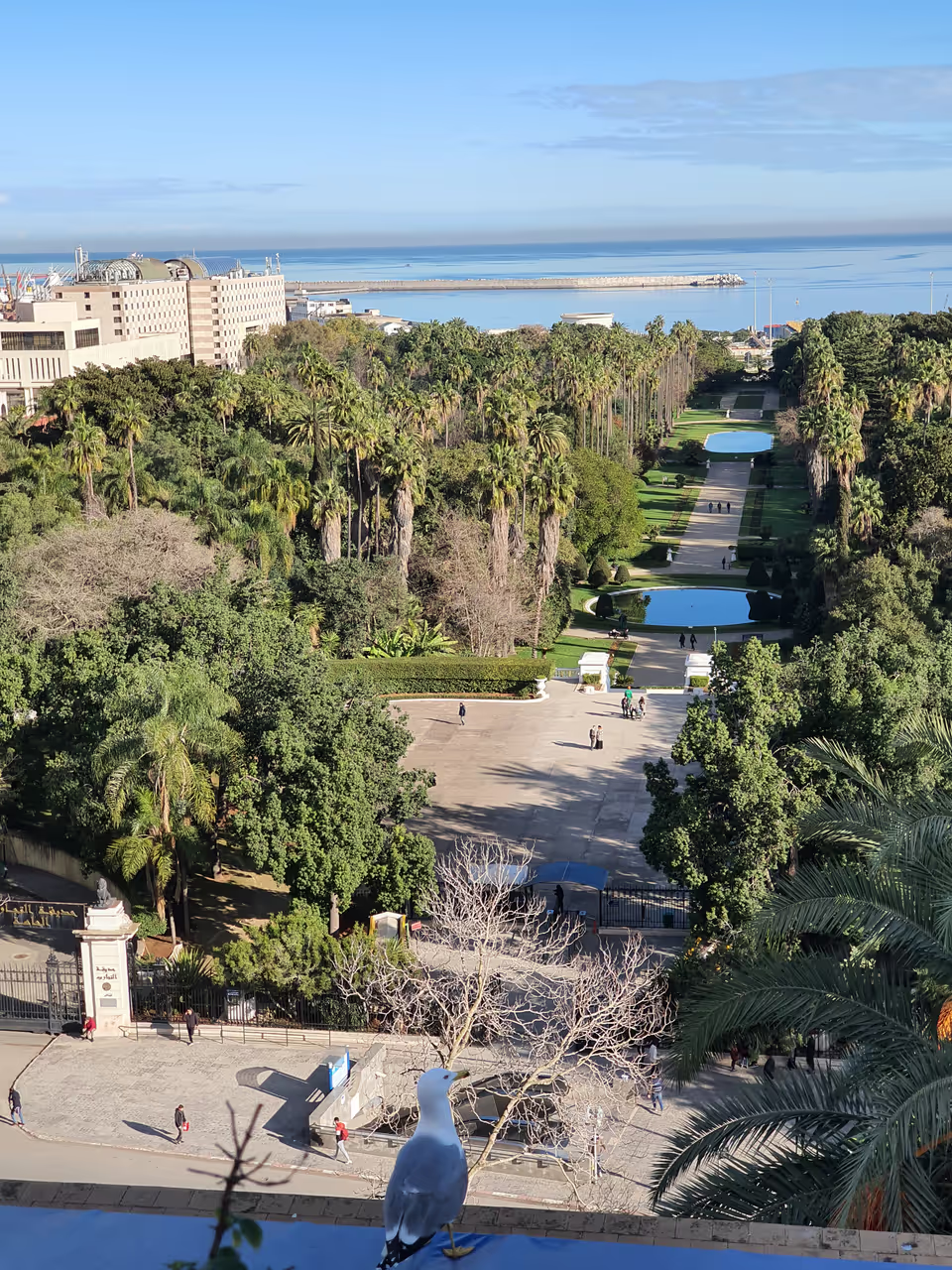
Jardin d'Essai du Hamma
Step into a verdant sanctuary where time slows down amidst the city's energy. The Jardin d'Essai du Hamma serves as a...
view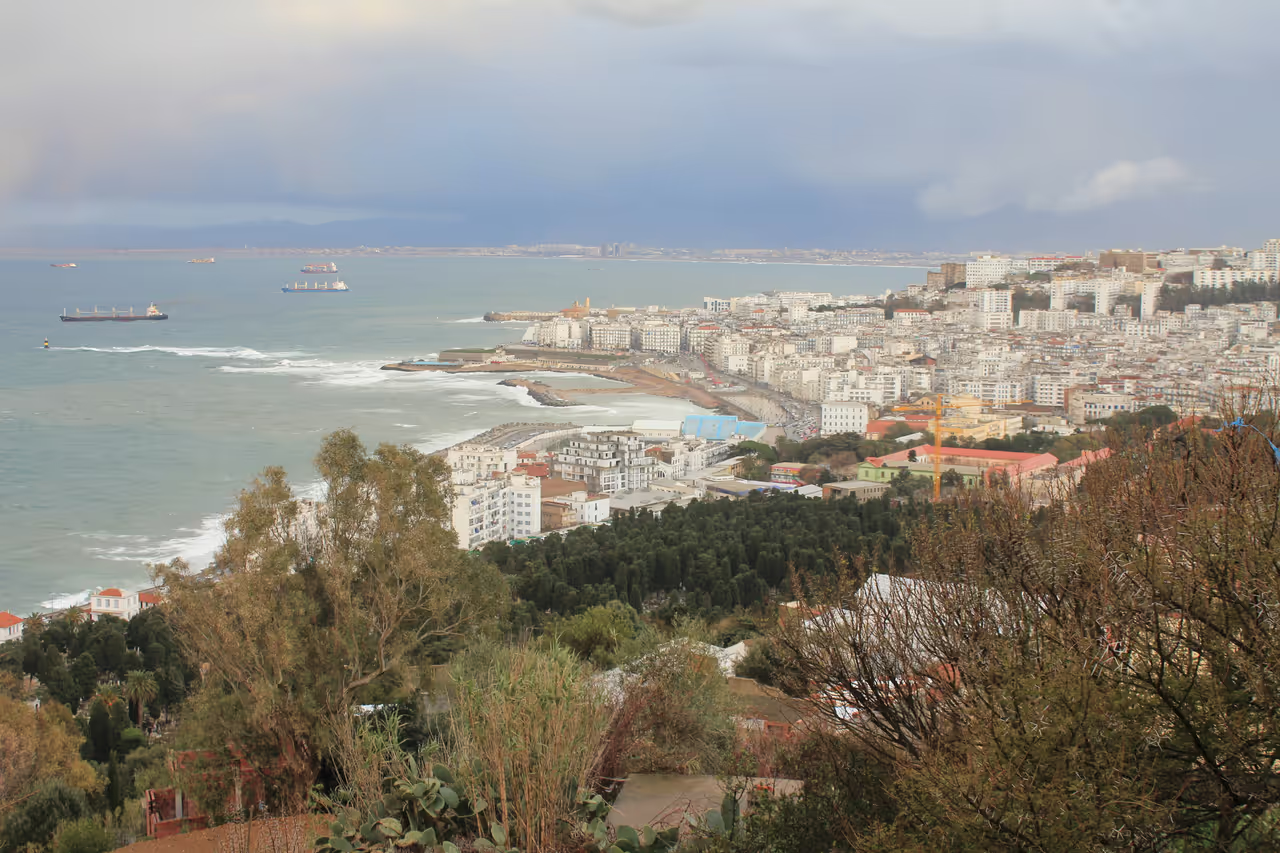
Bologhine
Bologhine is a captivating suburb that hugs the Mediterranean coastline, offering a blend of deep historical roots and a vibrant...
view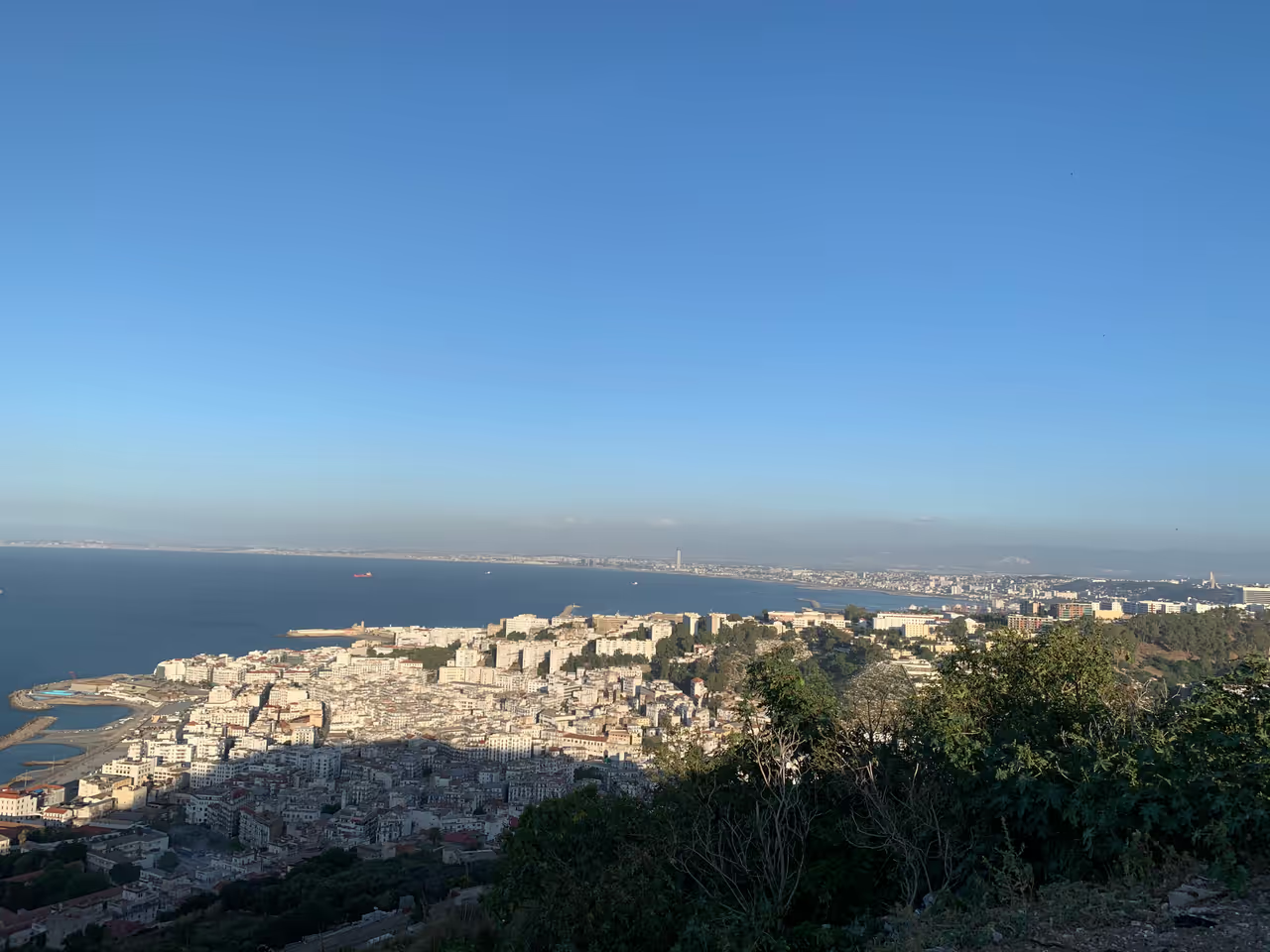
Bouzaréah
Perched at an altitude of over 300 metres, Bouzaréah offers a refreshing vantage point that sets it apart from the coastal heat...
view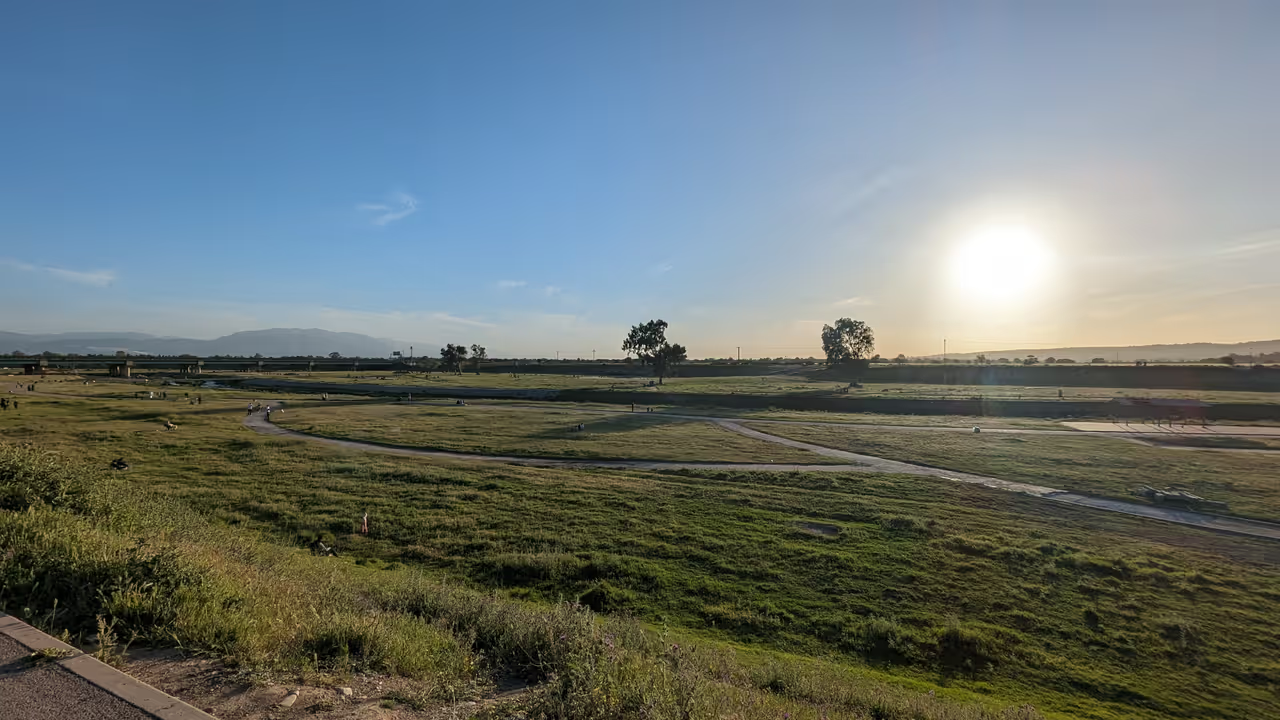
El Harrach
El Harrach is a vibrant and essential suburb of Algiers that offers a unique glimpse into the authentic pulse of the Algerian...
view
Highlights & Must-Sees
Martyrs Square
This enormous public plaza acts as the main transitional space between the waterfront, the commercial district and the ancient...
viewBab El Oued District
This famous working class neighbourhood is the undisputed cultural engine of the capital. It is renowned for its intense street...
viewEmir Abdelkader Square
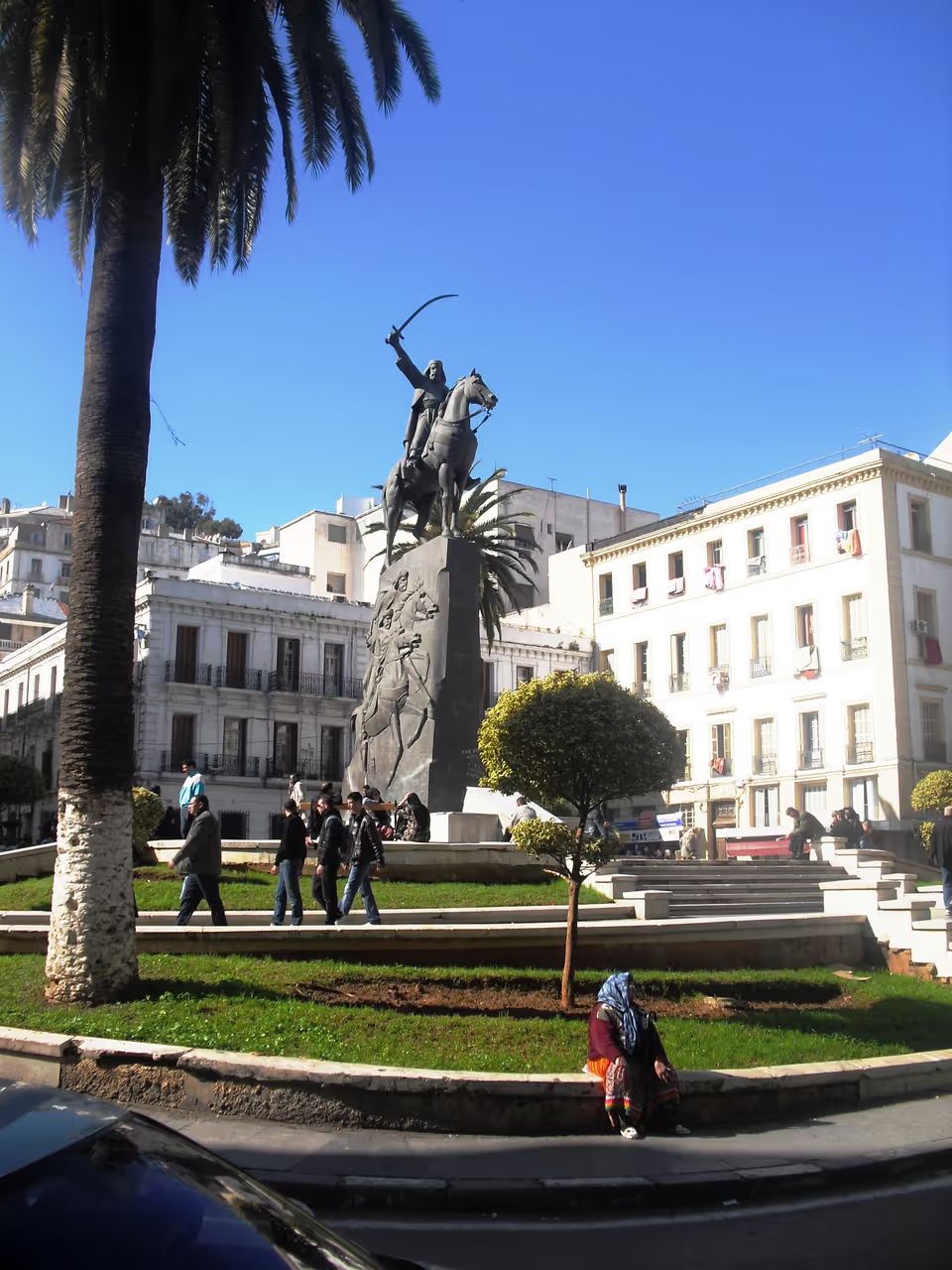
This elegant public square acts as a prominent focal point in the downtown area, named in honour of the famous nineteenth...
view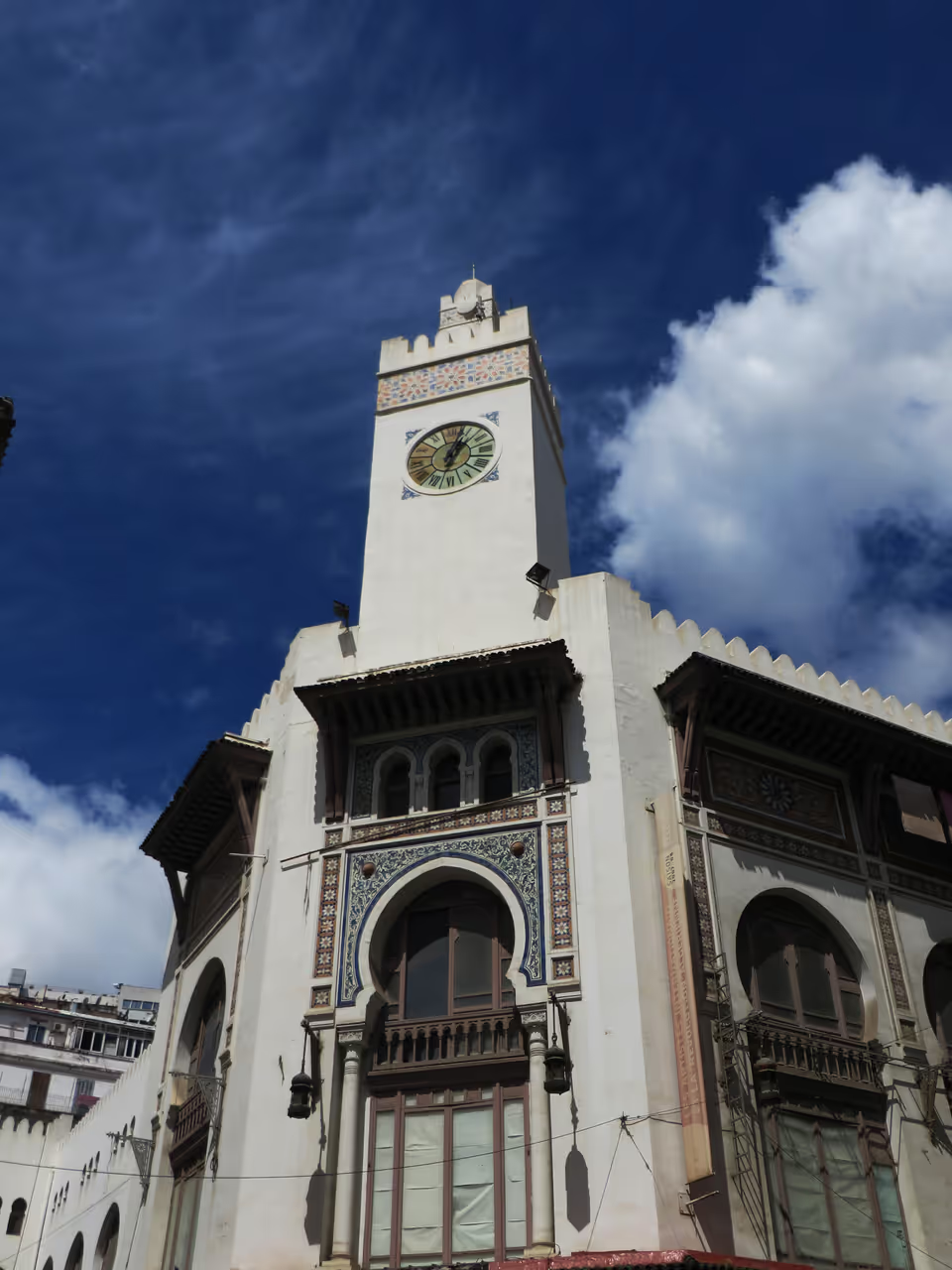
Museum of Modern Art
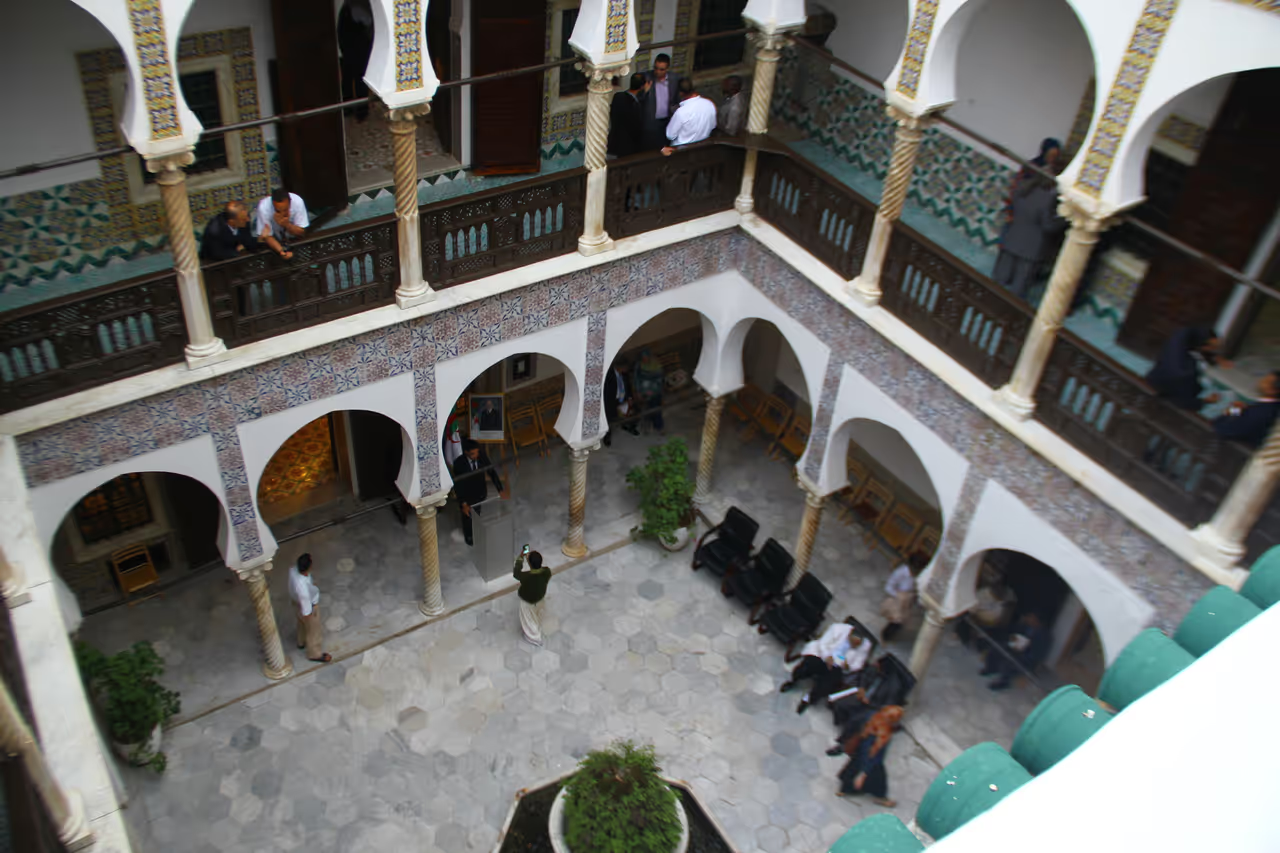
Often referred to as MAMA, this impressive institution is housed in a beautifully restored neo Moorish building that originally...
view
Best Walks in Algiers
- HIGHLY RECOMMENDED
Historic Casbah Descent
Wandering through the ancient medina is an unparalleled sensory experience that transports you back several centuries. Because the district is built on a steep hill, it is highly recommended to start at the top near the citadel and walk downwards toward the sea. The labyrinthine alleys are incredibly narrow, shaded by overhanging Ottoman style wooden balconies and whitewashed walls. You will pass hidden fountains, small artisan workshops and children playing on the ancient stone steps. It is a profound immersion into the surviving soul of the old city.
Haussmannian Seafront Walk
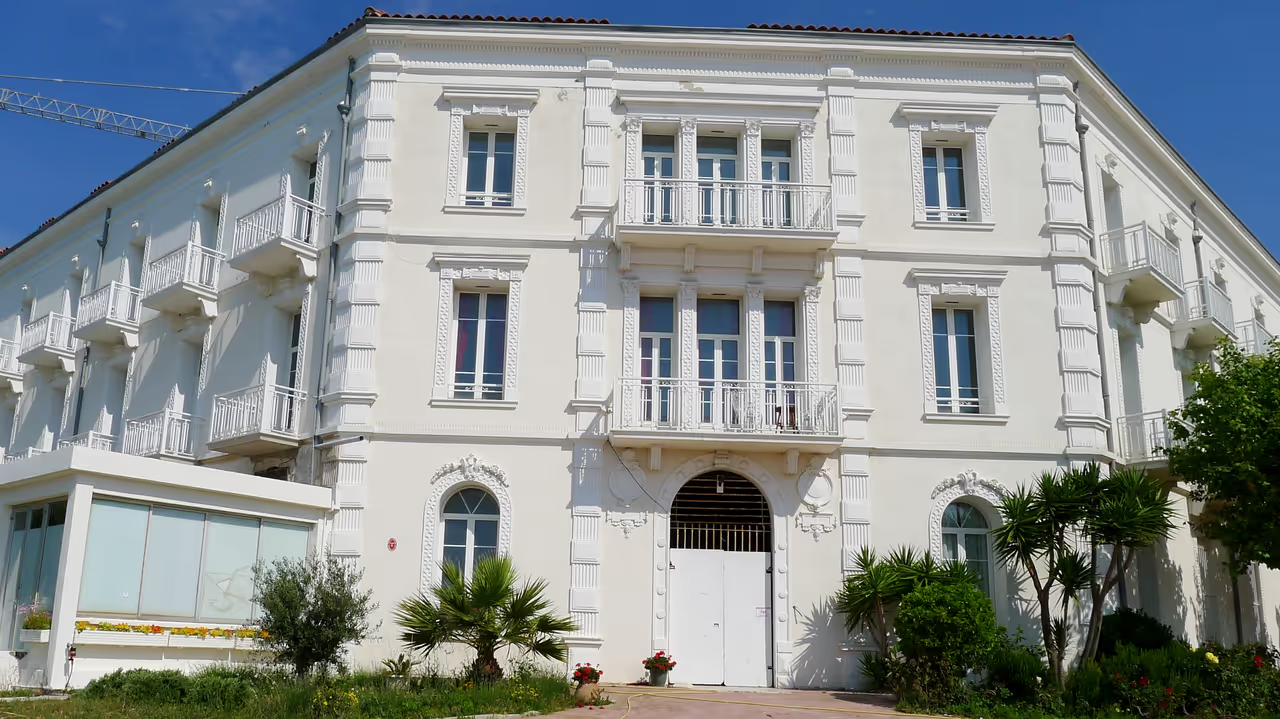
This walk highlights the grand, European face of the city, defined by the sweeping French colonial architecture that lines the waterfront. The wide boulevards are fringed with elegant arcades, ornate balconies and mature trees. On one side, you have the monumental facades of the nineteenth century, and on the other, the bustling port and the open sea. It is a fantastic route for admiring architectural details and people watching. The flat terrain makes for a very comfortable and elegant promenade.
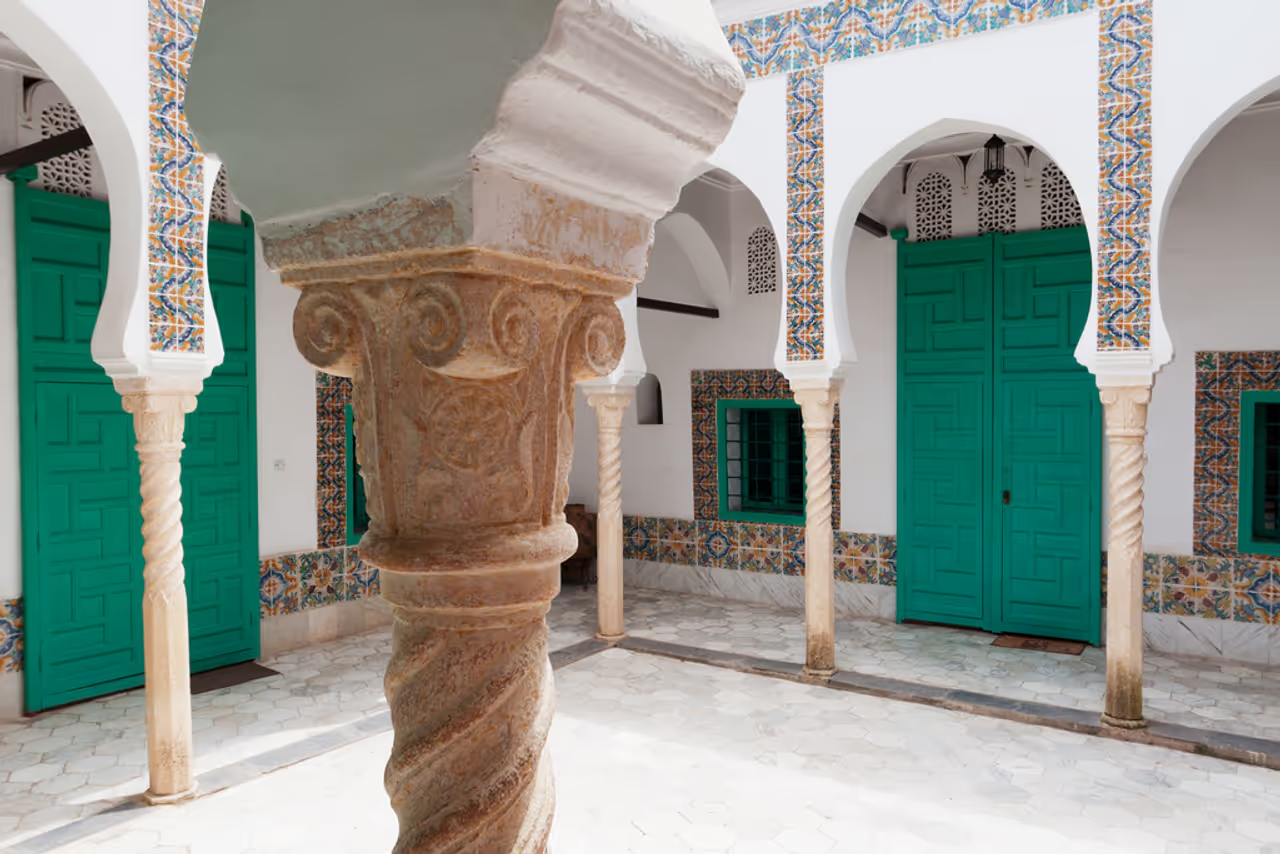
Architecture & Landmarks
Grande Poste Details
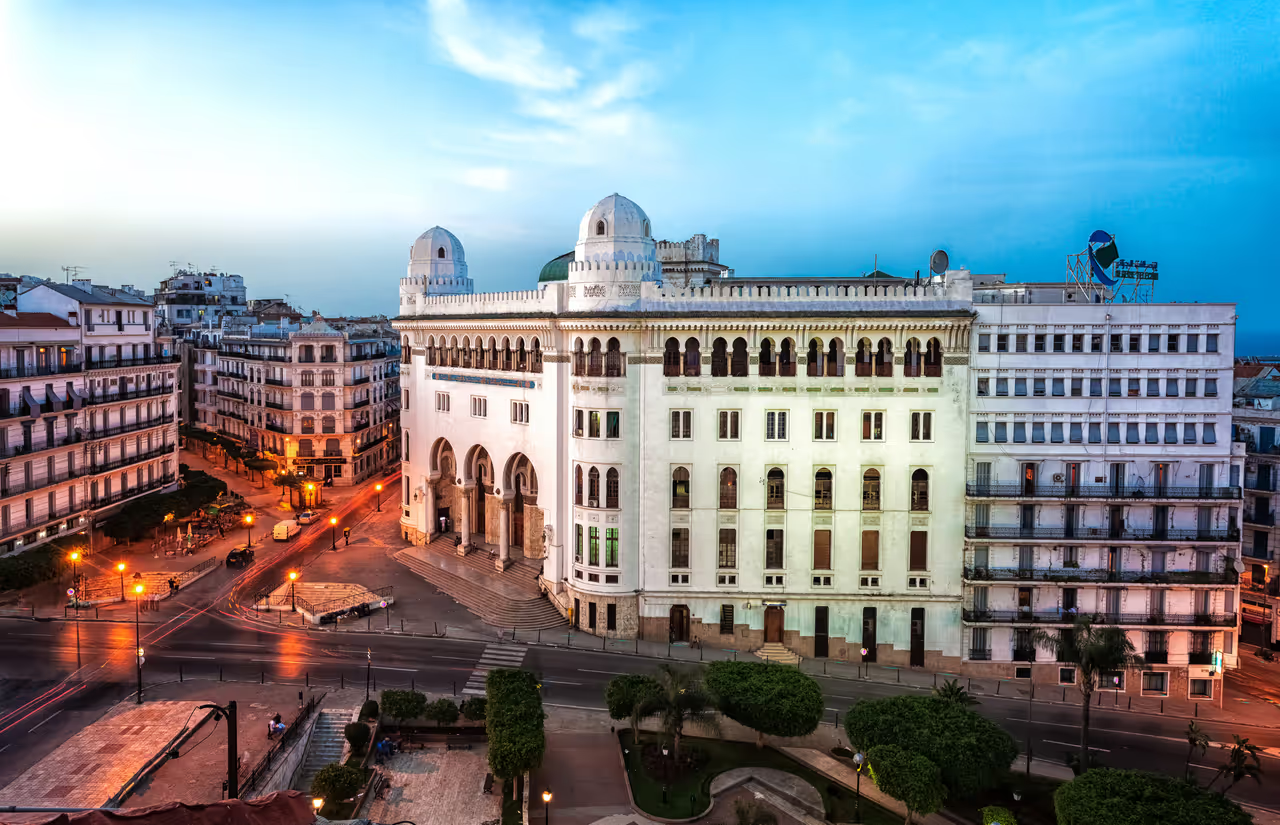
This structure is the absolute pinnacle of the neo Moorish architectural style, an aesthetic movement that sought to blend...
viewGreat Mosque Design
This monumental structure redefines the modern skyline, featuring the tallest minaret in the world at two hundred and sixty five...
viewBasilica Architecture
Constructed between 1858 and 1872, this cliffside basilica is a spectacular example of the neo Byzantine style mixed with...
viewPalace of the Dey
This sixteenth century fortress serves as the ultimate surviving example of Ottoman military and residential architecture in the...
view
Markets & Shopping
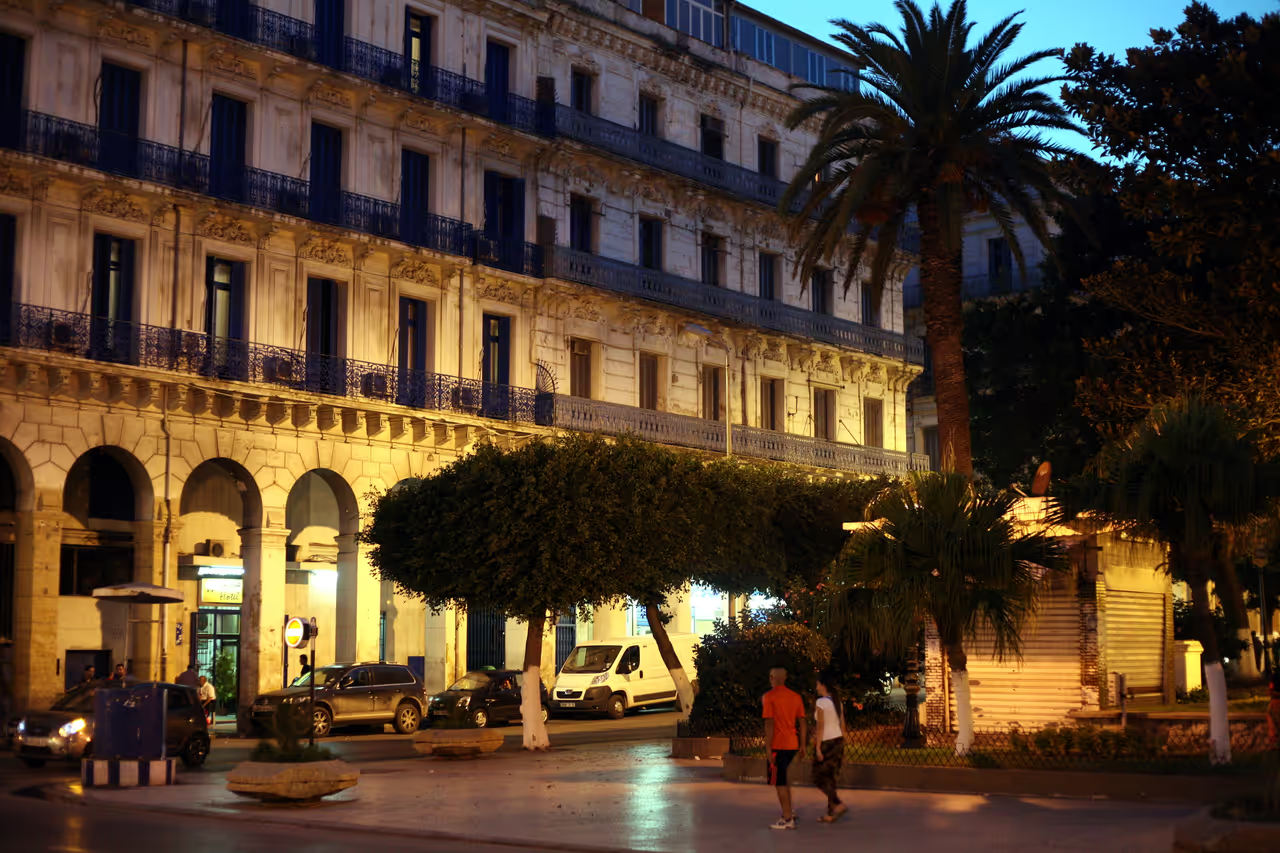
Algiers Nightlife
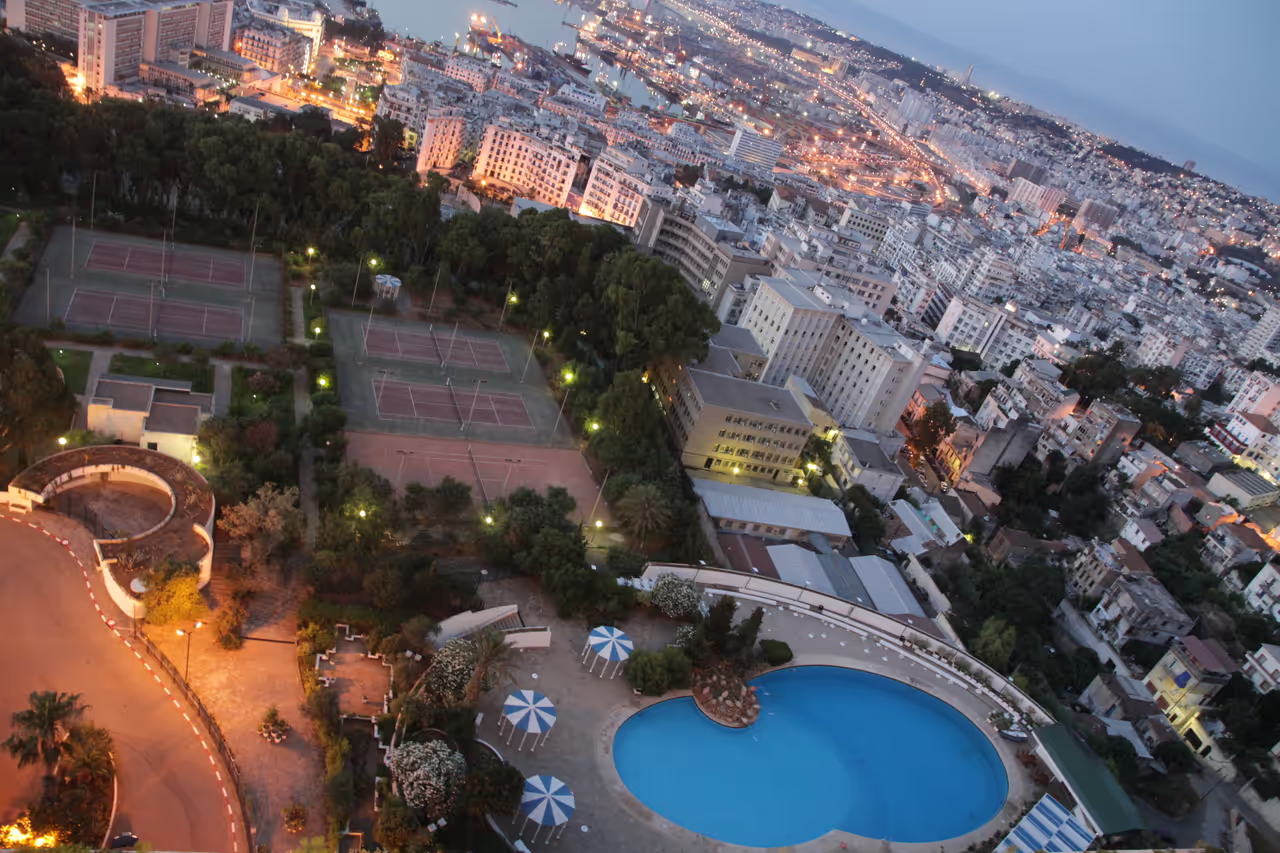
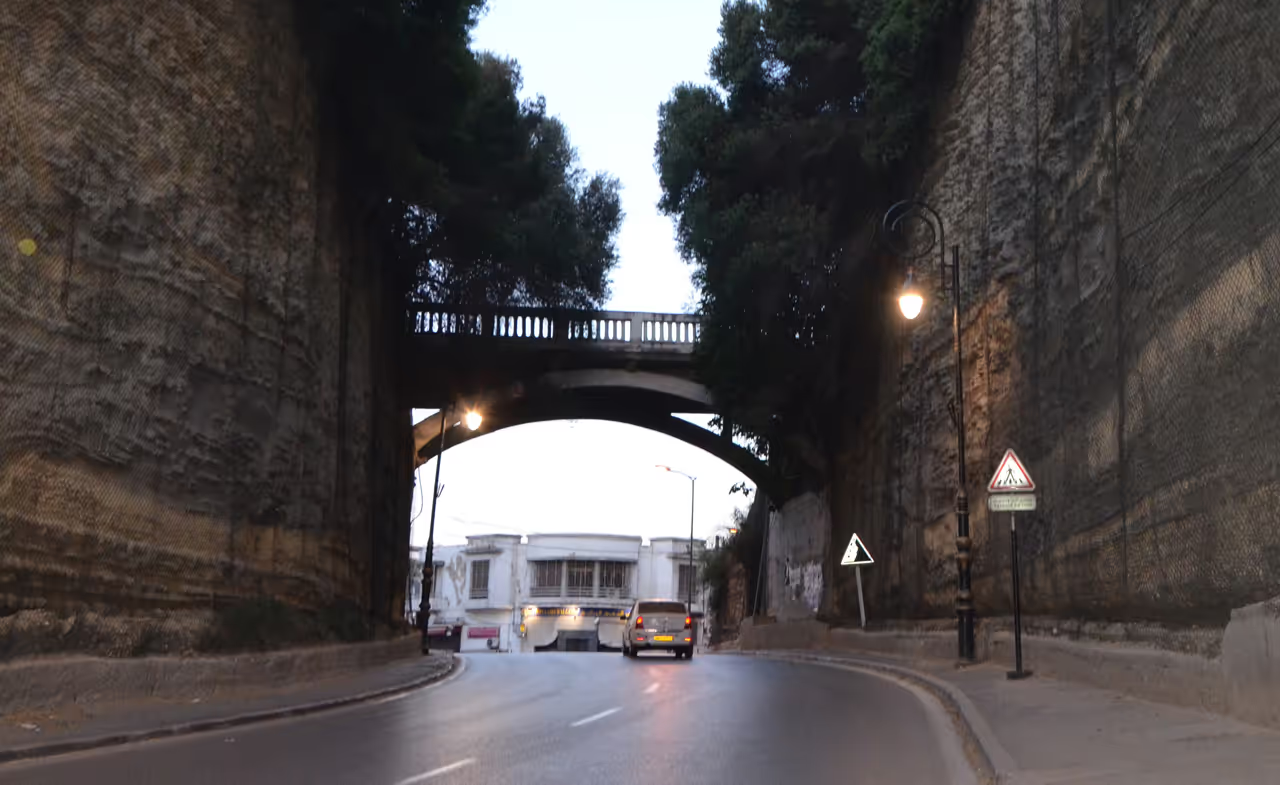
Photo Spots
Activities & Experiences
Cycling Routes
- HIGHLY RECOMMENDED
Sablettes Seafront Cruise
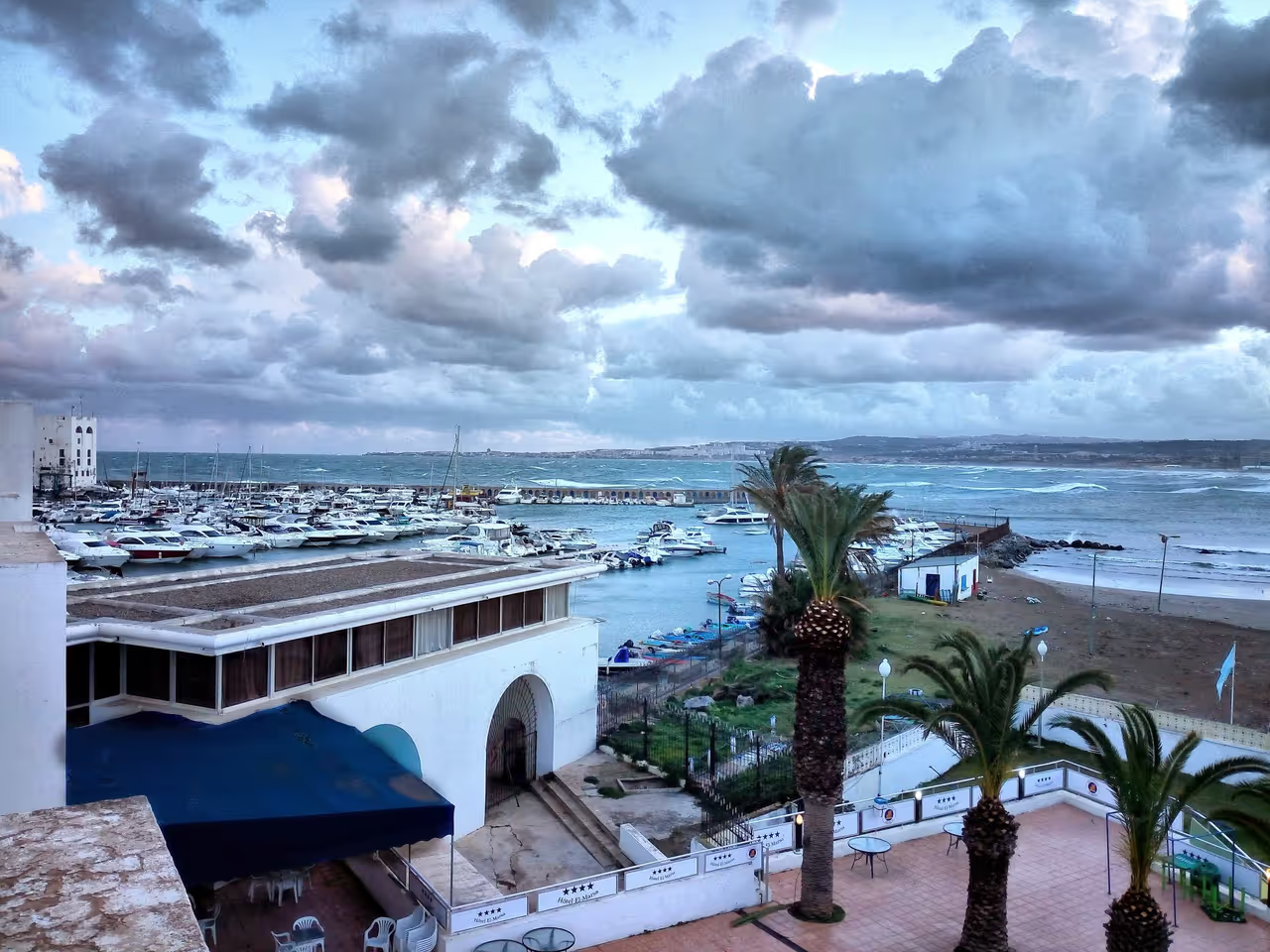
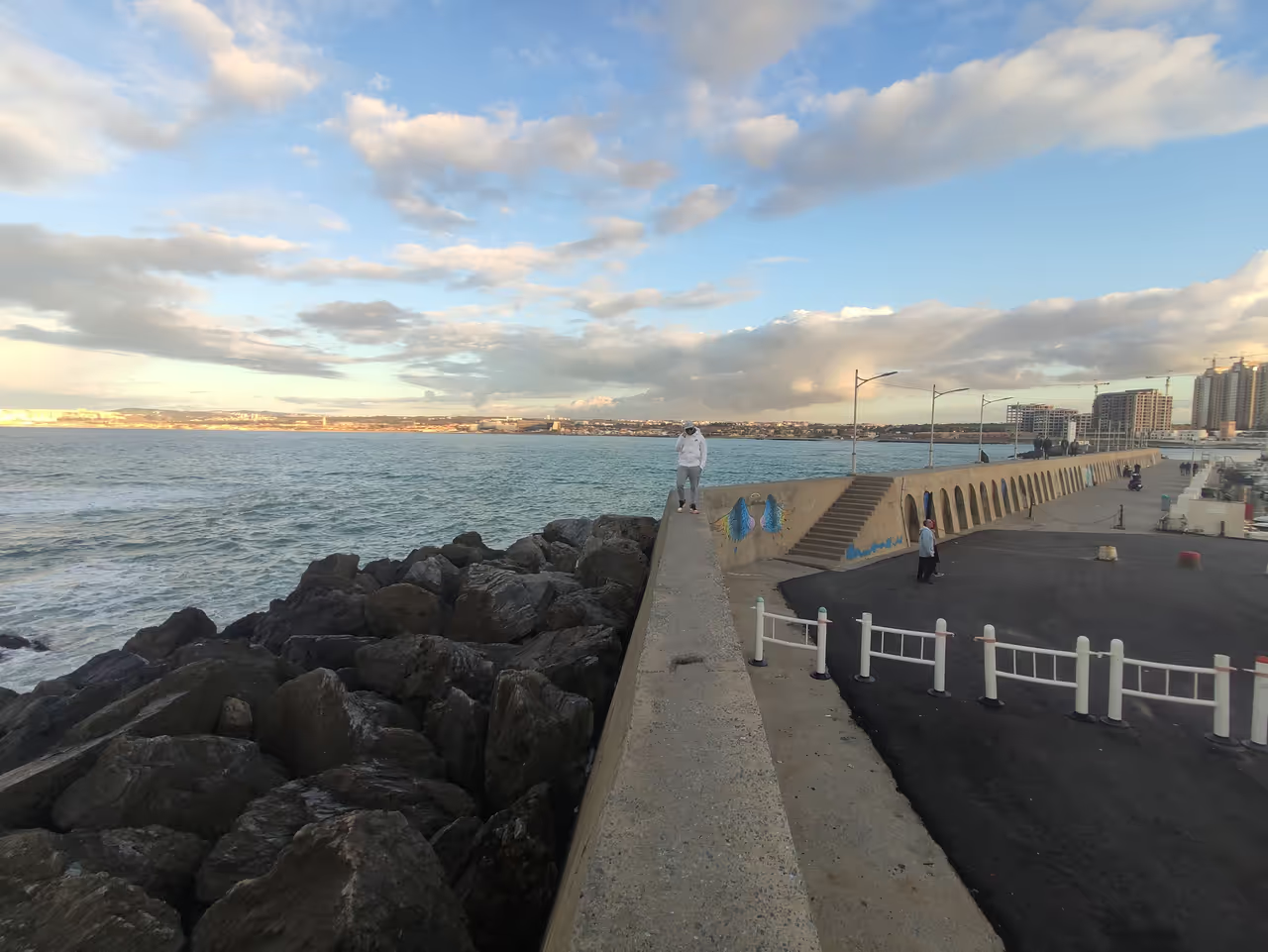
This entirely flat and dedicated cycle path offers a stress free ride right along the edge of the Mediterranean. It is perfect for those who want to feel the sea breeze and watch the waves without dealing with the chaotic city traffic. The route provides sweeping views of the bay and the distant skyline of the capital. It is an incredibly popular area for locals, adding a vibrant social element to your leisurely ride. The path is well maintained and illuminated, making it a safe choice even as dusk approaches.
Botanical to Arcades Climb
This route takes you from the lush greenery of the lower city up into the elevated, forested hills. While it requires a bit of effort to tackle the incline, the transition from urban jungle to peaceful woodland is incredibly rewarding. The winding roads are shaded by massive trees, providing relief from the sun. Once you reach the top, you are treated to magnificent panoramic views over the historic monuments and the sea. It is a fantastic mix of nature and urban exploration.
Western Beaches Ride
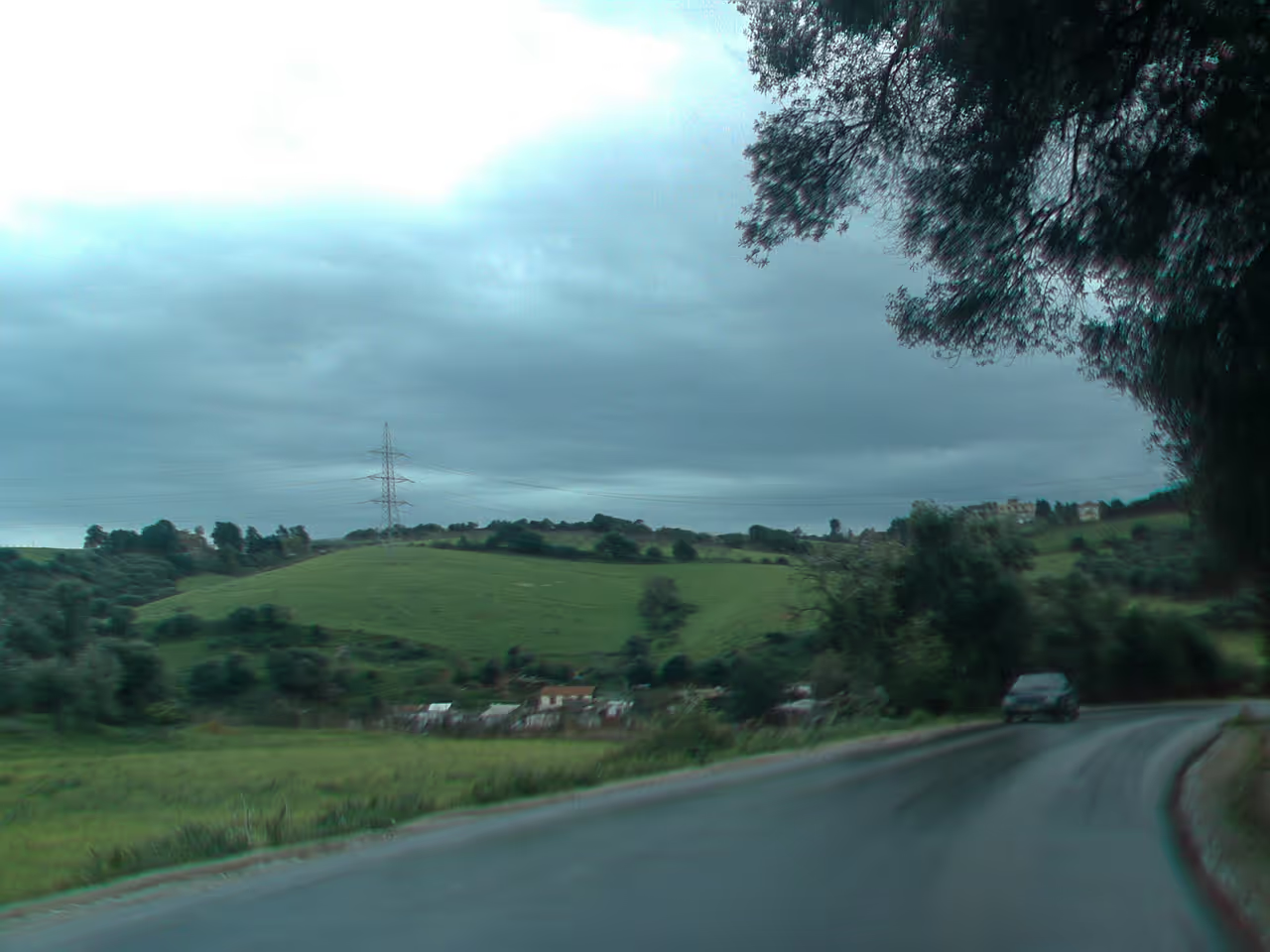
Head out to the suburbs for a refreshing ride along the western coastline, far from the dense downtown traffic. This route connects several popular seaside resorts and sandy beaches. You will experience a more relaxed, holiday atmosphere with less congestion and wider roads. The sound of the crashing waves accompanies you for the majority of the journey. It is a brilliant way to explore the recreational side of the region.
Self-Guided Tours
Architectural Wonders of the French Era
This journey examines the ambitious and often experimental architecture left behind by over a century of colonial rule. You will discover how European designers attempted to blend their traditional styles with local Moorish elements, creating a unique hybrid aesthetic. The route covers monumental public buildings, striking religious structures and the grand boulevards designed to project imperial power. It is a fascinating study of how politics and culture are permanently cemented into the physical landscape. Understanding this era is crucial to understanding the modern layout of the capital.
- HIGHLY RECOMMENDED
Ottoman Legacy in the Casbah
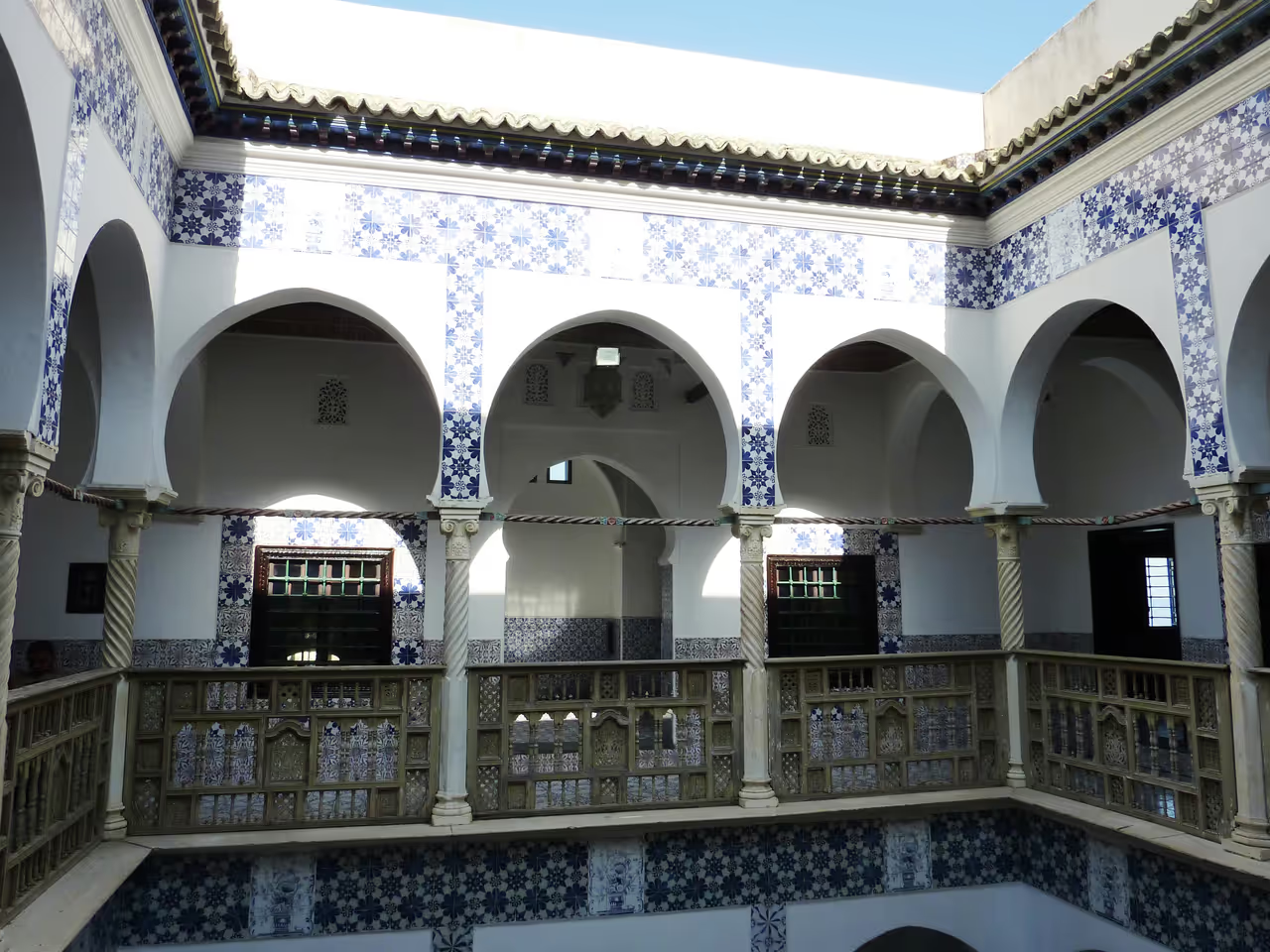
Step into the shadowy, mysterious world of the former corsair capital. This tour focuses on the structures built during the powerful Regency era, when the city was a feared and wealthy pirate haven. You will explore defensive citadels, ornate palaces built for wealthy dignitaries, and ancient mosques that have survived centuries of conflict. The dense layout itself was a defensive strategy, designed to confuse invaders and provide shelter from the intense sun. It is a deep dive into the most romanticised and secretive period of the local history.
- HIGHLY RECOMMENDED
Path to Independence
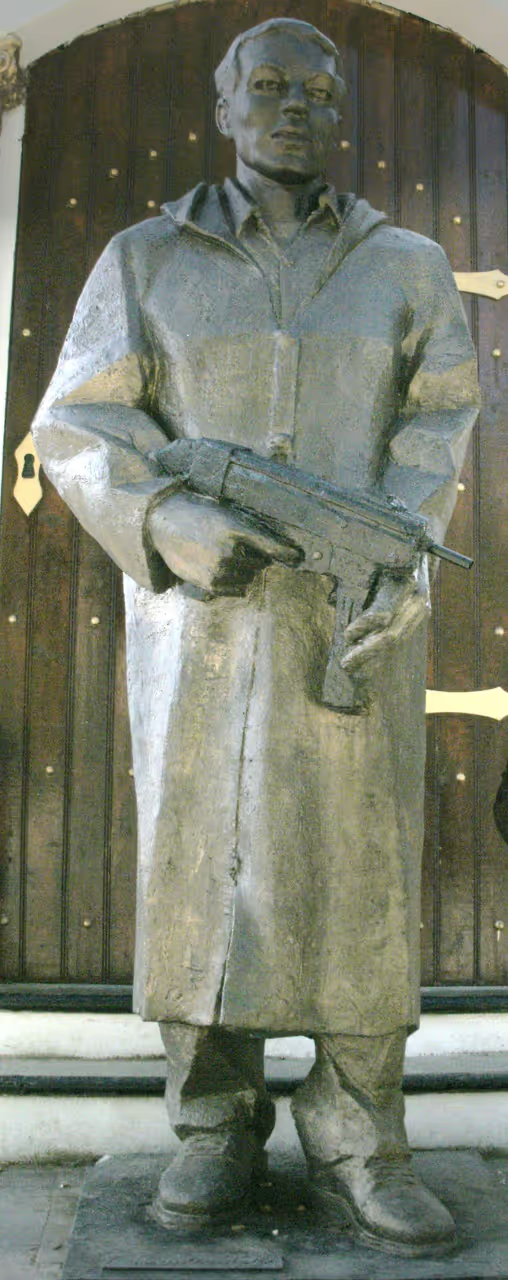
Trace the poignant and heroic struggle of the Algerian people against colonial rule. This deeply emotional tour visits the key sites associated with the revolution and the famous Battle of Algiers. You will see where resistance fighters hid, where monumental sacrifices were made, and how the modern nation memorialises its heroes. The history here is raw and relatively recent, making the experience incredibly powerful. It offers vital context for understanding the fierce pride of the modern nation.
Annual Festivals & Events
 HIGHLY RECOMMENDED
Independence Day Celebrations
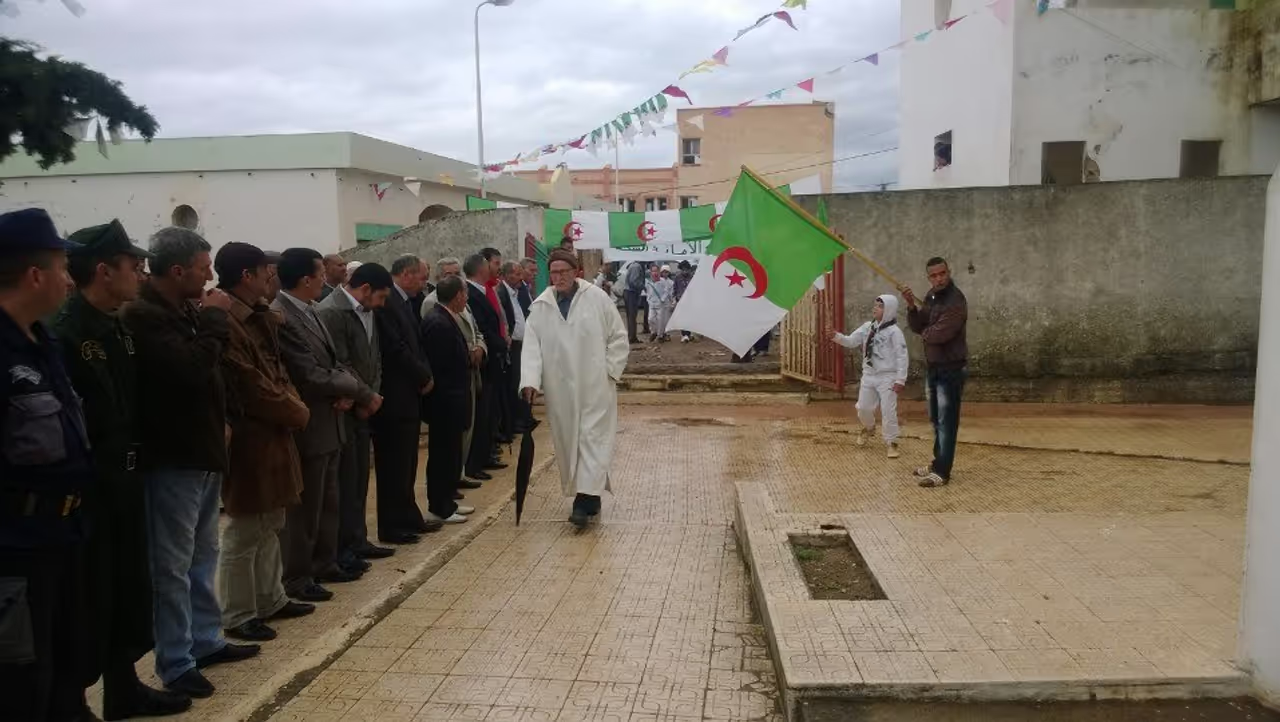
The fifth of July marks the most significant national holiday, commemorating the hard fought liberation of the country in 1962. The capital comes alive with intense patriotic pride, featuring grand parades, impressive military displays and vibrant street festivals. Families gather along the main boulevards and public squares to wave flags and enjoy the festive atmosphere. The evening usually culminates in spectacular fireworks displays illuminating the Bay of Algiers. It is a profoundly moving time to witness the unity and resilience of the local people. Visiting during this period offers unparalleled insight into the national identity.
- HIGHLY RECOMMENDED
Ramadan and Eid Festivities
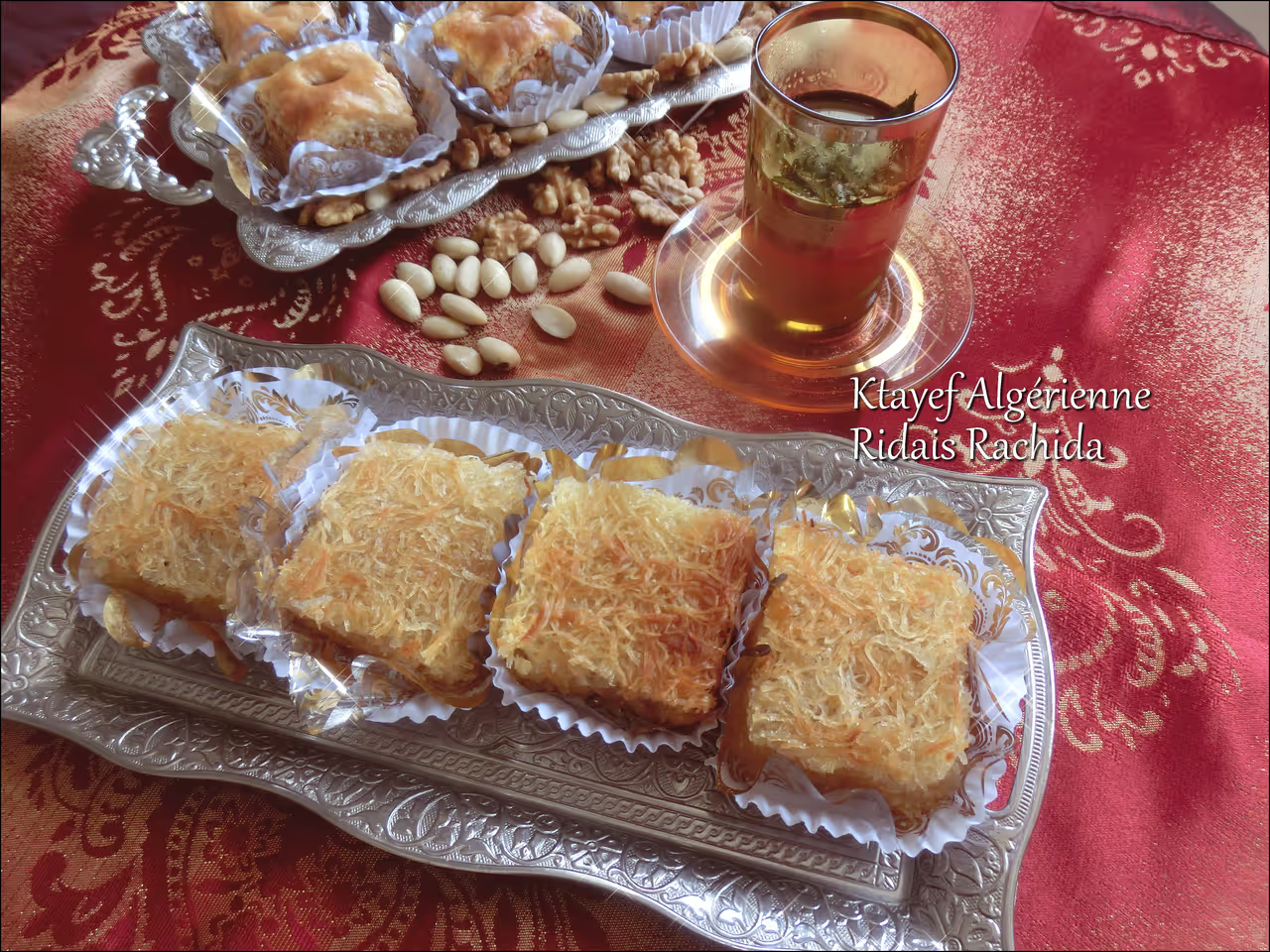
The holy month brings a unique rhythm to the capital, where daytime fasting gives way to incredibly lively nights. After the sunset meal is consumed, the streets suddenly burst into life as families head out for late night strolls, shopping and socialising. Cafes stay open until dawn, serving traditional sweet pastries and endless cups of mint tea. The conclusion of the month brings the joyous Eid celebrations, marked by new clothes, charitable giving and massive communal prayers. Experiencing the city during this time offers a profound look into Islamic traditions and local community bonds. The night time energy during this period is absolutely unmatched.
Algiers International Fair
This massive annual exhibition transforms the city into a major hub for global trade, culture and technological exchange. Pavilions from dozens of different countries showcase everything from traditional handicrafts to cutting edge industrial innovations. It acts as a fascinating crossroads where international delegations mingle with curious local families enjoying a day out. Beyond the business aspect, there are numerous cultural performances, food stalls and interactive displays to explore. It highlights the modern, outward looking ambitions of the capital. The energy in the exhibition halls is incredibly contagious.
Insider Tips
Download ride hailing applications like Yassir or Heetch to navigate the streets, as they provide upfront pricing and eliminate the need to negotiate fares with traditional taxi drivers.
Currency exchange is widely and openly conducted on the parallel market around Square Port Said, where you will receive a significantly better rate for Euros than at official banks.
When riding the Metro, keep a respectful distance from the platform edges and follow the rules closely to avoid drawing the deafening attention of the strict station guards.
The terrain in the older districts is incredibly steep and composed of uneven cobblestones, so wearing comfortable and sturdy walking shoes is absolutely essential.
While French is widely understood alongside the local Arabic dialect, learning a few basic Arabic greetings will instantly earn you warm smiles and excellent hospitality from shopkeepers.
Dress modestly when exploring areas outside the immediate tourist zones or upscale hotels, keeping shoulders and knees covered to respect the local cultural norms.
PERFECT FOR
Intrepid explorers and history enthusiasts will find endless fascination in the layered architecture and complex past. Travellers seeking authentic Mediterranean culture away from crowded tourist resorts will appreciate the genuine local hospitality. It is perfectly suited for those who love uncovering hidden narratives on foot and engaging with proud local communities.
VIBE
Sea breezes sweep through narrow alleyways carrying the scent of fresh pastries and strong coffee. The atmosphere shifts effortlessly between the energetic chaos of the ancient medina and the relaxed elegance of broad seaside promenades. It feels deeply authentic and wonderfully untamed, offering visitors a genuine slice of daily Mediterranean life.
Frequently Asked Questions about Algiers
While we strive to keep this information accurate and up to date, we recommend verifying any details independently before making decisions based on them.