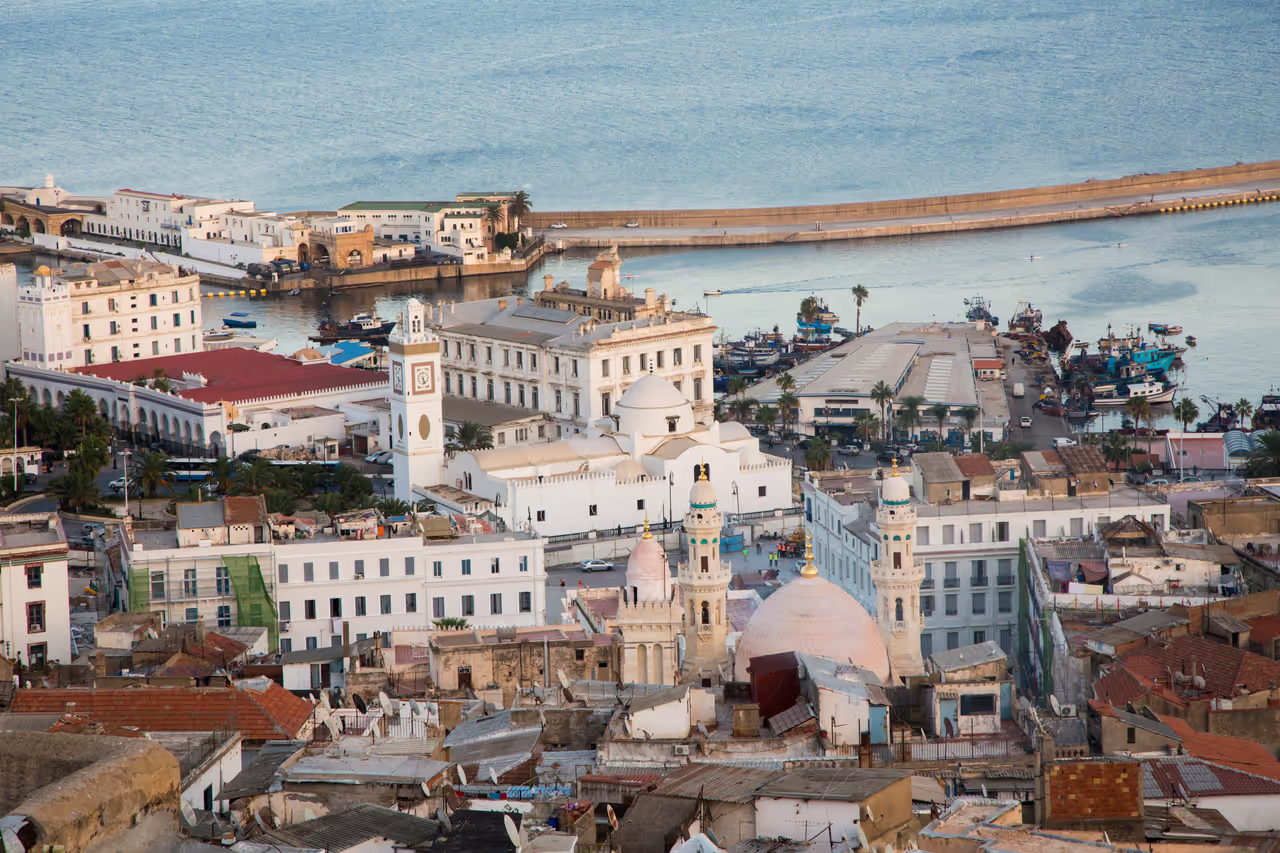
Casbah of Algiers
The Casbah of Algiers is a living testament to centuries of history, cascading down the hillside like a white, stone pyramid toward the sparkling Mediterranean Sea. Walking through its narrow, winding alleys offers a rare and authentic glimpse into a North African medina, where the scent of baking bread, the call of history, and the gentle sea breeze create a truly evocative atmosphere. This UNESCO World Heritage site is more than just a historic district; it is the spiritual and cultural heart of the city, having inspired artists, writers, and poets for generations. You will find here a complex, multi-layered urban fabric featuring secret courtyards, ancient mosques, and intricate Moorish architecture that has miraculously survived to the modern day. Visiting this place is an essential experience for those wishing to understand the soul of Algiers, offering a poignant journey from its Punic origins and Ottoman glory to its pivotal role in the struggle for Algerian independence.
Videos
History of Casbah of Algiers
The Casbah of Algiers is a place where history does not just sit in books but breathes within the very walls that lean against one another in a delicate, architectural embrace. Its origins stretch back into the mists of antiquity, first known to the Phoenicians as Ikosim and later as a Roman outpost. However, the city we recognise today began to take its true shape in the 10th century under the Zirid dynasty, who founded a settlement that would eventually grow to dominate the central Maghreb. It was a site defined by its relationship with the Mediterranean, serving both as a welcoming port for traders and an intimidating fortress for those who dared challenge its sovereignty. By the 16th century, the city entered its golden age as the capital of the Regency of Algiers. This was a time of corsairs, immense wealth, and a unique architectural blossoming. Merchants, scholars, and builders transformed the hillside into a labyrinth of white homes, opulent palaces, and grand mosques, all protected by sturdy ramparts that held off imperial powers from across the sea. The Casbah became a melting pot where diverse influences from the Arab, Berber, Andalusian, and Ottoman worlds converged to create a refined, distinctively Algerian culture. It was a city of intellectuals and sailors, where the sound of the zorna music echoed through the souks alongside the lively debate of the medina. When the French arrived in the 19th century, the Casbah was irrevocably altered, yet it remained a symbol of fierce resistance. During the 1950s, it stood as the bedrock of the Algerian struggle for independence, its intricate, narrow streets proving to be a natural fortress for those fighting for sovereignty. Today, while the district faces the immense challenges of preservation, it remains a proud, resilient heart of the capital. It persists as a testament to the endurance of its people, a place where the echoes of ancient maritime empires and the spirit of revolution still define the character of every stone and archway.
Events spanning 1032 years
Fun Facts
- • Donkeys remain an essential part of daily life in the Casbah, serving as the primary method of transport for waste collection and supply delivery through alleys far too narrow for cars.
- • During the Ottoman Regency, Algiers developed an advanced hydraulic system of aqueducts and fountains, utilising the clever souterazi technique which balanced water pressure across the hilly terrain.
- • In 1827, an incident occurred where the Dey Hussein struck the French consul with his fly whisk, an act that France would later use as a convenient pretext for their full-scale invasion of the city three years later.
- • Local artisans in the Casbah continue to preserve traditional crafts, such as brassware and intricate woodwork, despite the pressures of modern mass-produced goods.
- • The Casbah's architectural identity is defined by the kbou, a distinctive cantilevered window that allows for extra living space in tightly packed houses while maintaining privacy.
- • The Casbah's narrow, winding streets are specifically designed to navigate the steep terrain, ensuring that almost every house terrace enjoys an unobstructed view of the Mediterranean Sea.
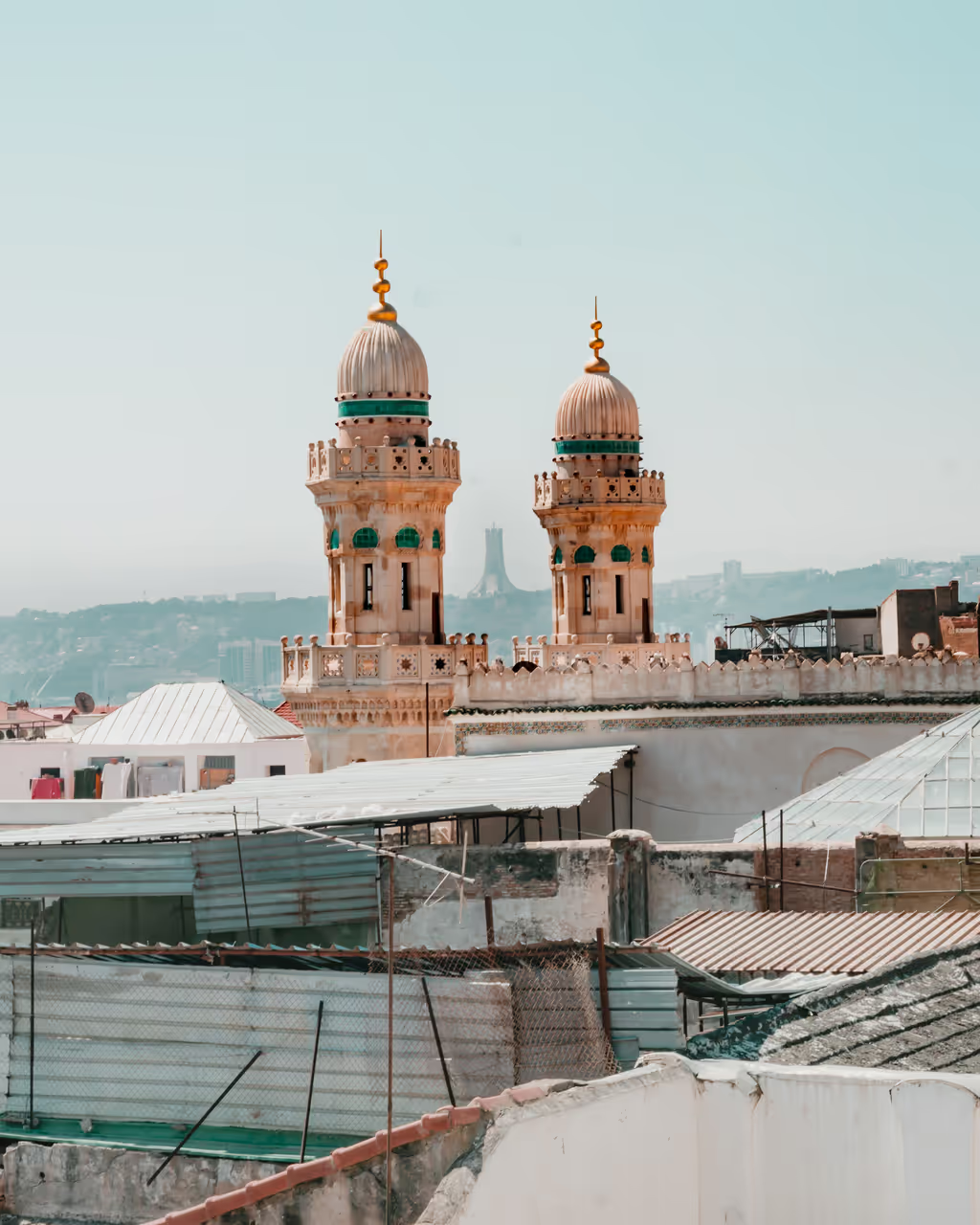
- • The Ketchaoua Mosque boasts a unique architectural history, having served as a mosque, then a cathedral under French rule, before being returned to Islamic worship after independence.
- • The legendary cartoon character Pepé Le Pew was inspired by actor Charles Boyer's performance as a Casbah-based thief in the classic film Algiers.
- • The name Algiers originates from the Arabic Al Djazaïr, which translates to The Islets, referring to the small islands that once guarded the harbor before being connected to the mainland.
- • The traditional boqala is an ancient oral poetry game, often played by women in the Casbah on terraces during Ramadan, blending entertainment with playful divination.
RESOURCES
Heritage UNESCO SiteCasbah of Algiers FAQ
While we strive to keep this information accurate and up to date, we recommend verifying any details independently before making decisions based on them.
Casbah of Algiers Map & Neighborhood Explorer
This interactive map is centered on Casbah of Algiers. Zoom in and move the map around to automatically discover Wikipedia photos and summaries of other nearby sights, monuments, and historical points of interest and stories in real-time!
Places near Casbah of Algiers
Make the most of your trip. Check out these top-rated spots located nearby.
 110m
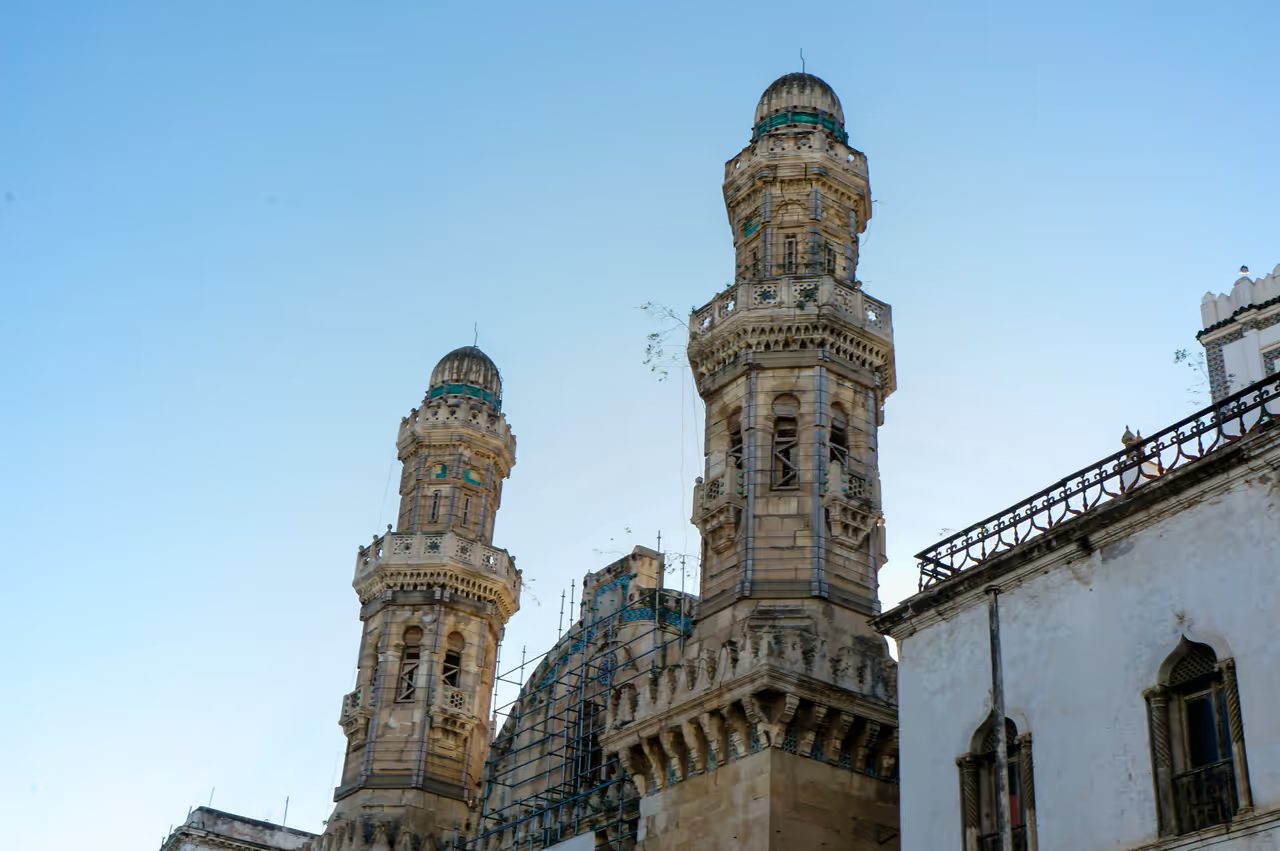
110mKetchaoua Mosque
The Ketchaoua Mosque stands as a powerful testament to the layered history of Algiers, perched dramatically at the foot of the Casbah. Its stunning facade, a unique fusion of Moorish and Byzantine design, captures the eye, while the white marble columns and intricate plasterwork inside evoke a sense of deep serenity. This site serves as a symbol of endurance that has navigated centuries of upheaval to remain a spiritual heart of the city. Exploring it offers a profound connection to the past, from its 17th-century origins to its modern-day restoration, making it an unmissable highlight for anyone wandering the labyrinthine streets of the old city. Visitors will find that the mosque provides a quiet, reflective counterpoint to the vibrant energy of the surrounding neighbourhood.
attraction view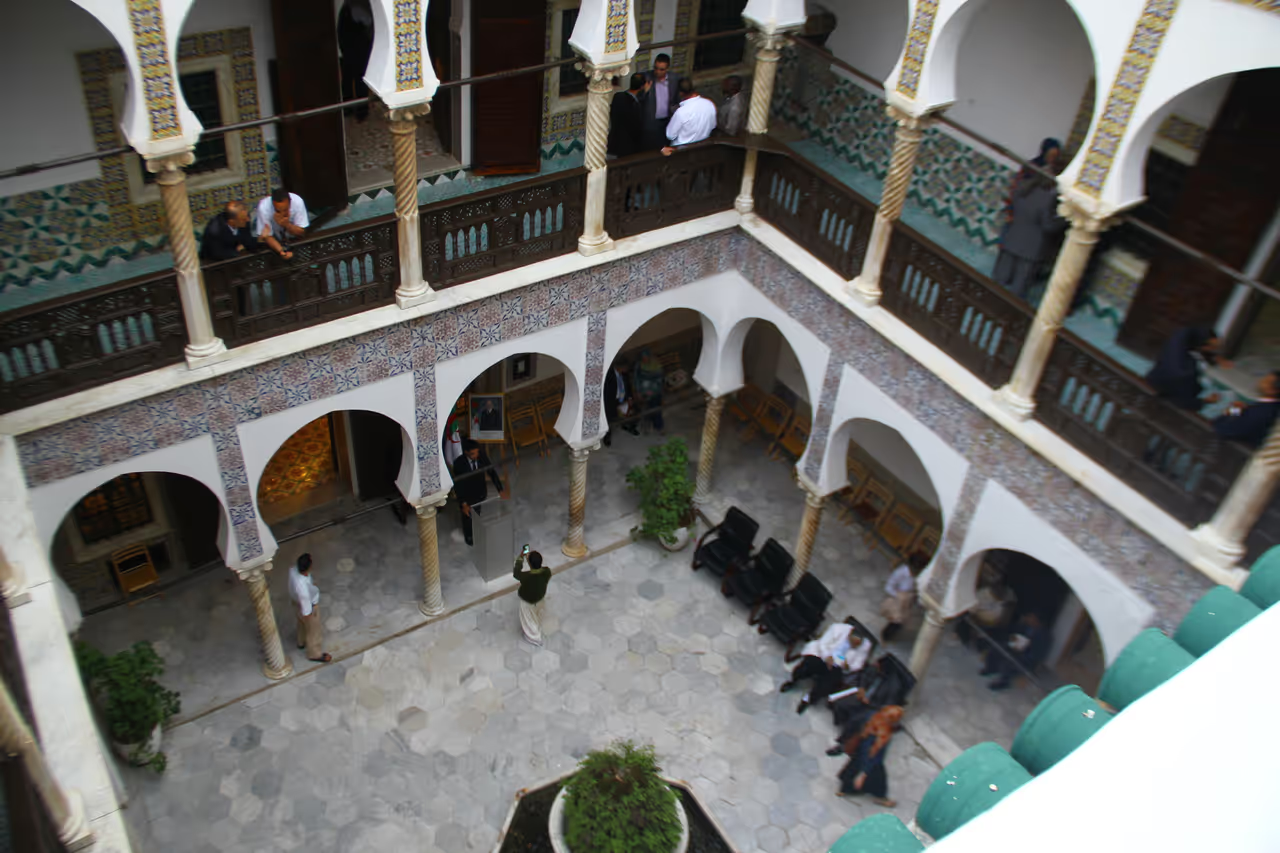 155m
155mDar Mustapha Pacha
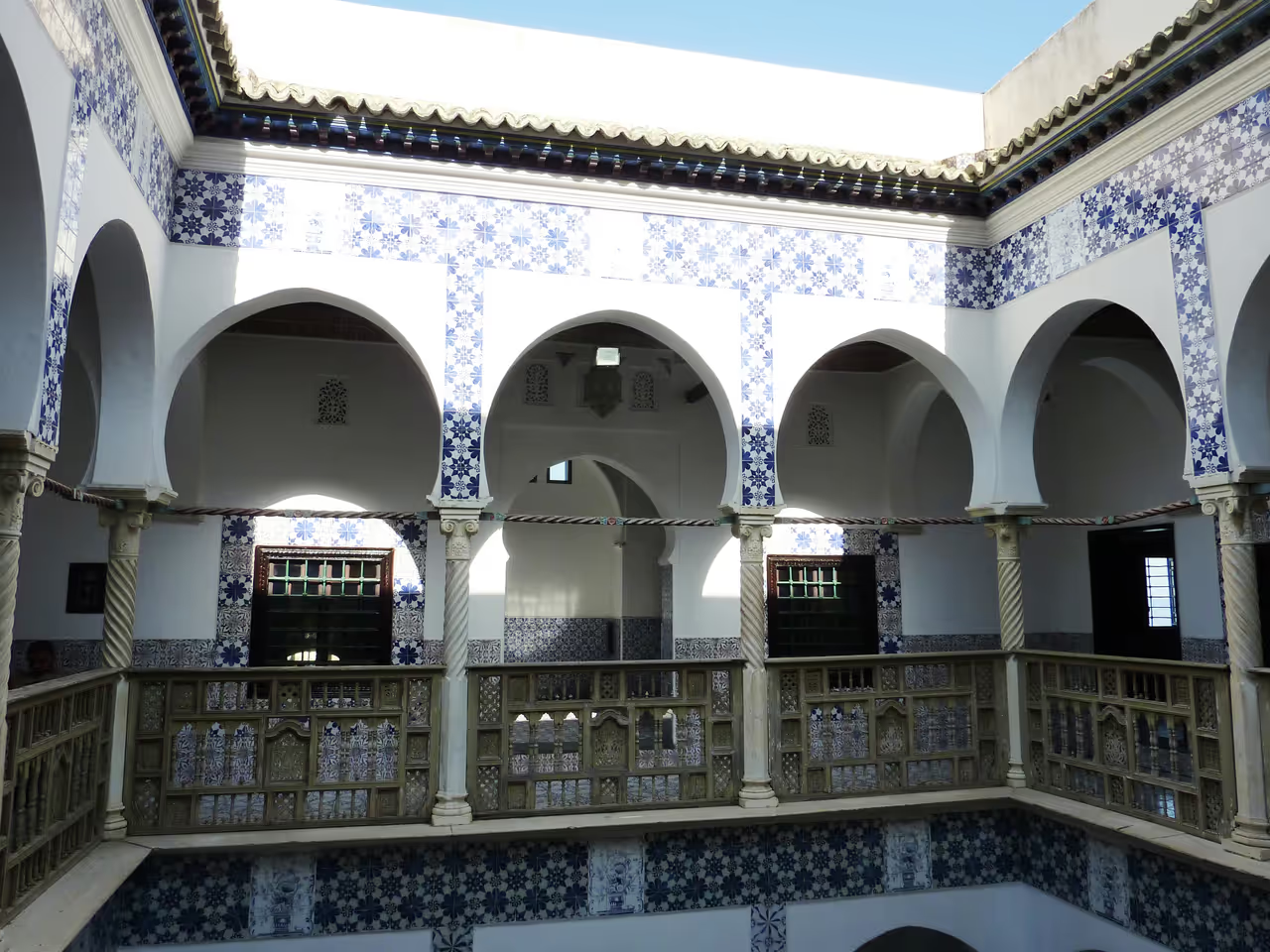
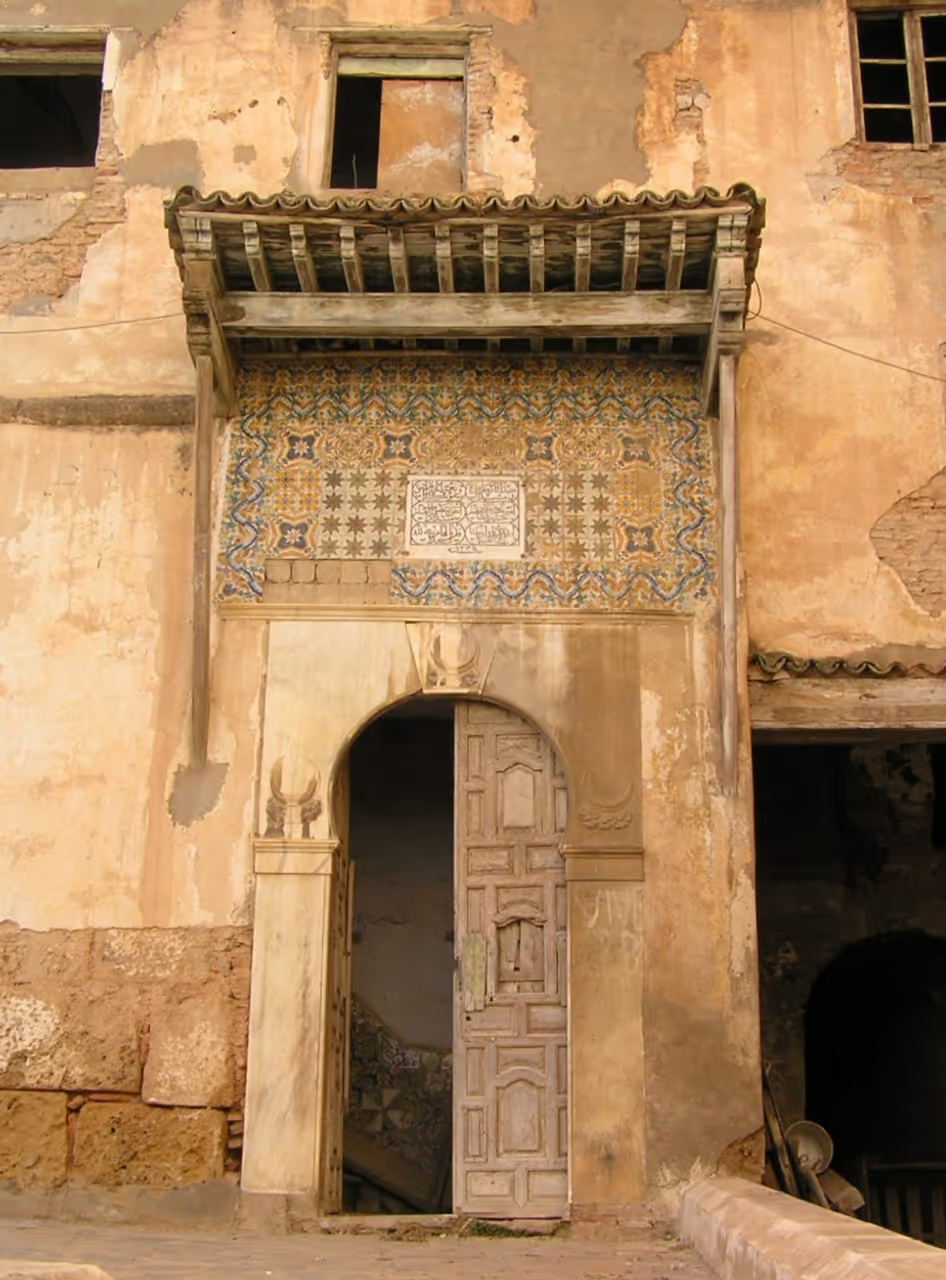
Hidden behind a heavy, unassuming wooden door in the lower Casbah lies one of the most magnificent eighteenth century palaces in the city. The interior courtyard is an absolute masterpiece of Ottoman design, featuring marble columns, intricate archways and thousands of imported Dutch Delft tiles. It originally belonged to a powerful Dey and perfectly encapsulates the extraordinary wealth accumulated during the corsair era. The building now quietly hosts the National Museum of Miniatures, Illumination and Calligraphy. Escaping the noisy streets into this cool, perfectly proportioned courtyard feels like a genuine revelation. It is a brilliant, quiet spot for admiring historic interior design.
hidden gem view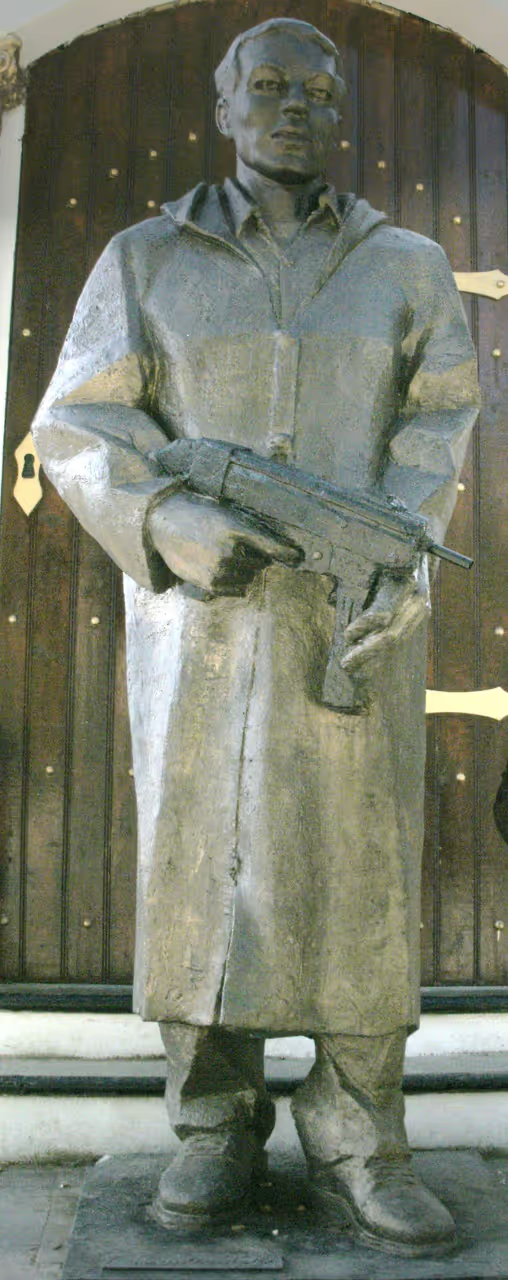 178m
178mAli la Pointe Museum
Tucked deep within the confusing maze of the Casbah, this tiny museum occupies the exact house where a legendary resistance hero made his final stand. The humble space is dedicated to Ali la Pointe and his companions, who hid in the concealed walls to evade French paratroopers during the Battle of Algiers. The building was ultimately blown up by military forces, and the restored site now serves as a deeply emotional memorial. The exhibits are simple, featuring personal items, newspaper clippings and intense historical context. Visitors usually stumble upon it with the help of a local guide. It offers a raw, unfiltered look at the brutal reality of the urban independence struggle.
hidden gem view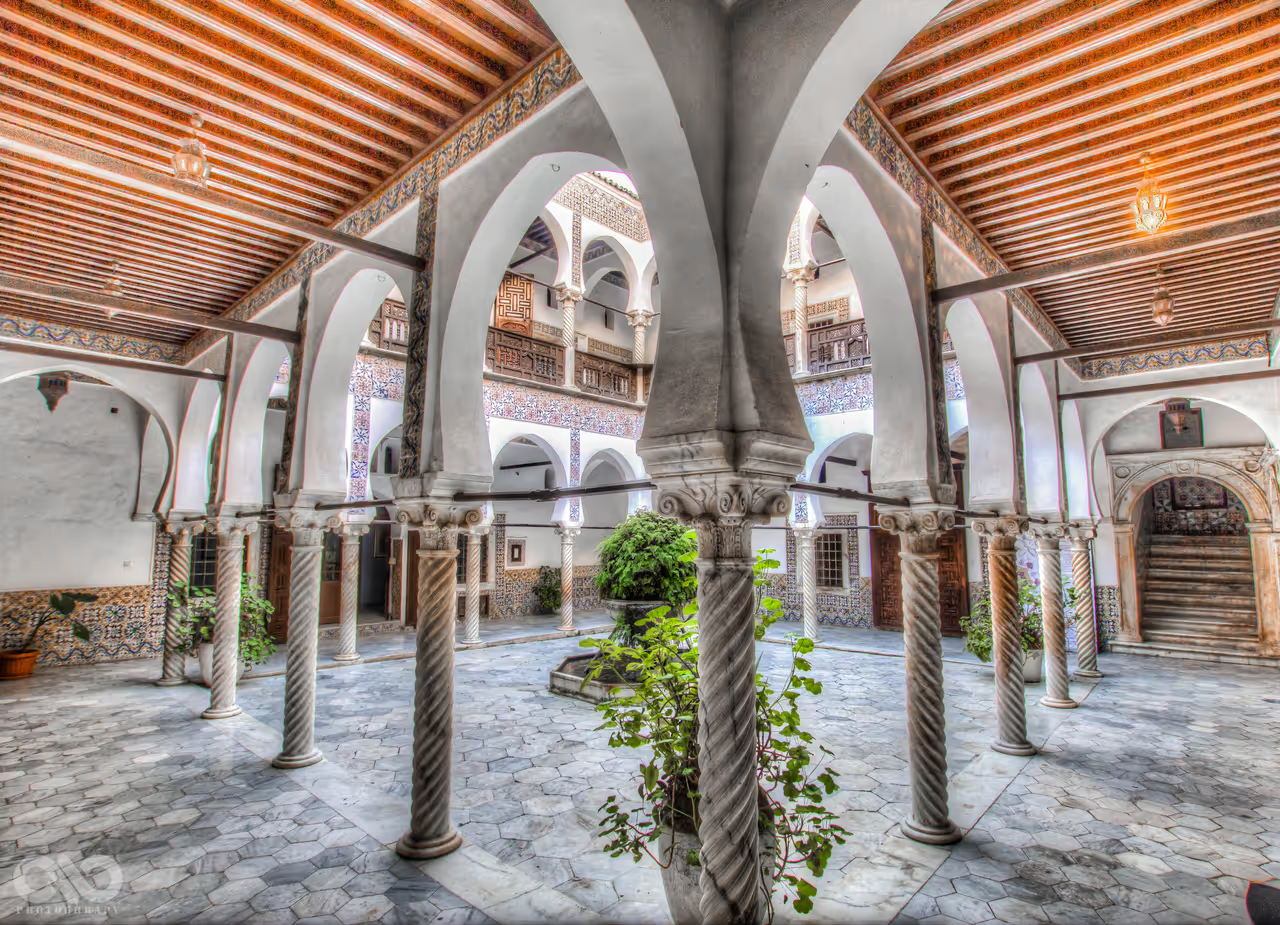 246m
246mMuseum of Popular Arts and Traditions
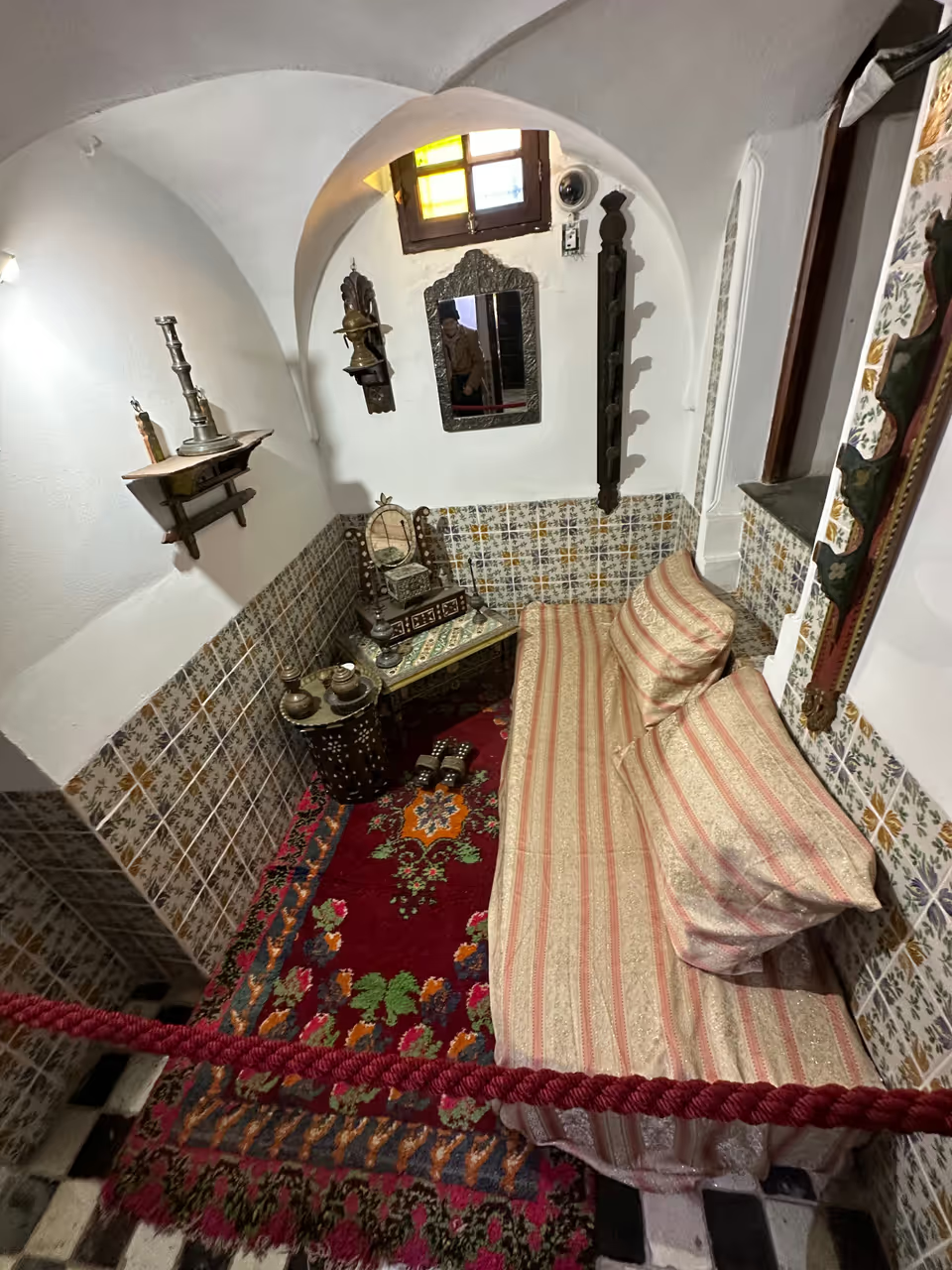
Housed within a stunning sixteenth century Ottoman palace, this museum offers a fascinating glimpse into the daily lives of previous generations. The collection includes exquisite traditional clothing, ornate Berber jewellery, intricate carpets and beautiful ceramics sourced from across the country. The building itself is an architectural masterpiece, featuring a peaceful inner courtyard adorned with original tiles and carved wooden galleries. Wandering through the cool, quiet rooms provides an excellent understanding of the diverse regional crafts that make up the national identity. It is a visually rich experience that contrasts sharply with the busy streets outside. The craftsmanship on display is truly exceptional.
highlight view
Featured on These Itineraries and Routes
1 Day in Algiers: White City Highlights Itinerary
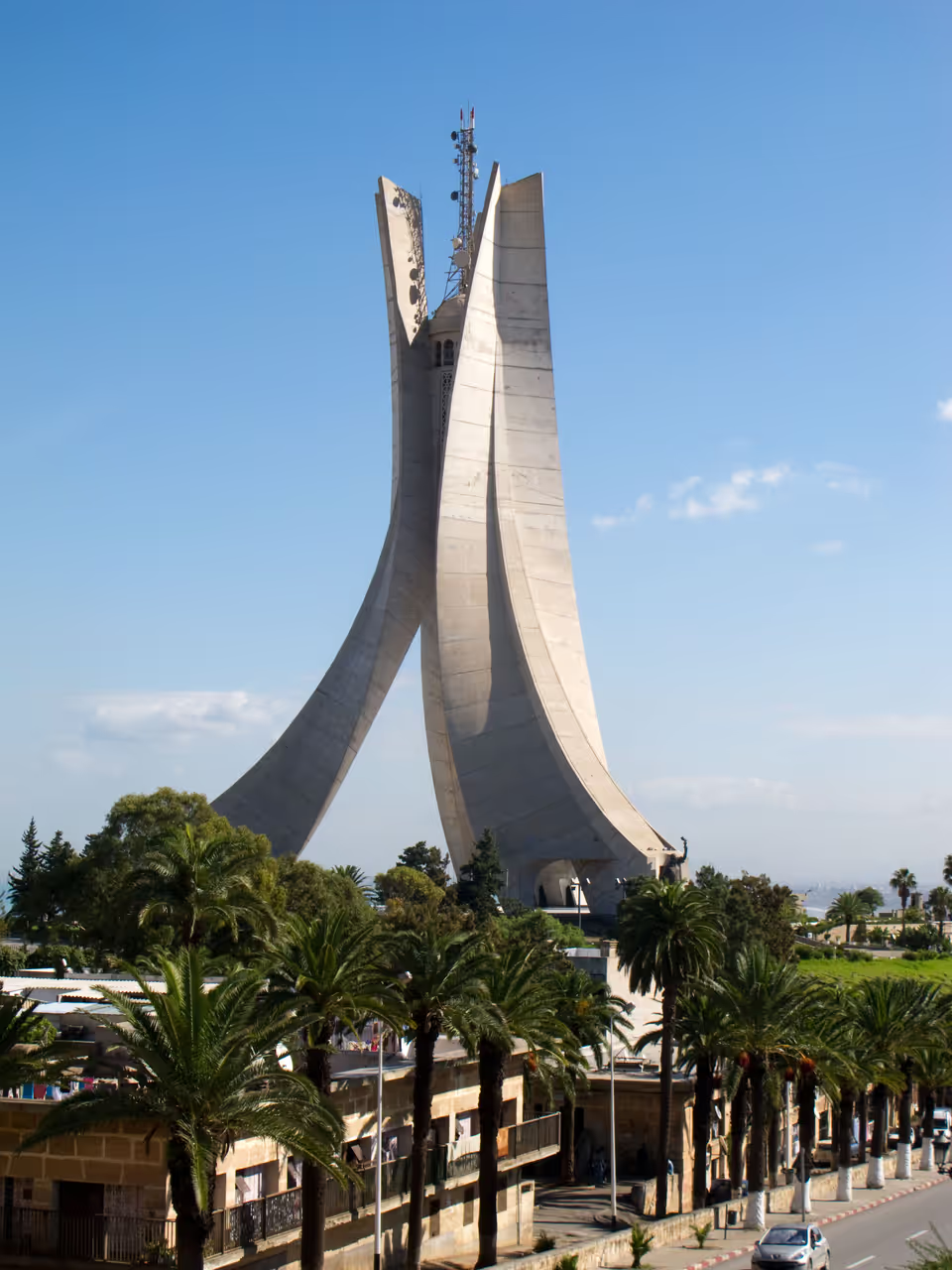
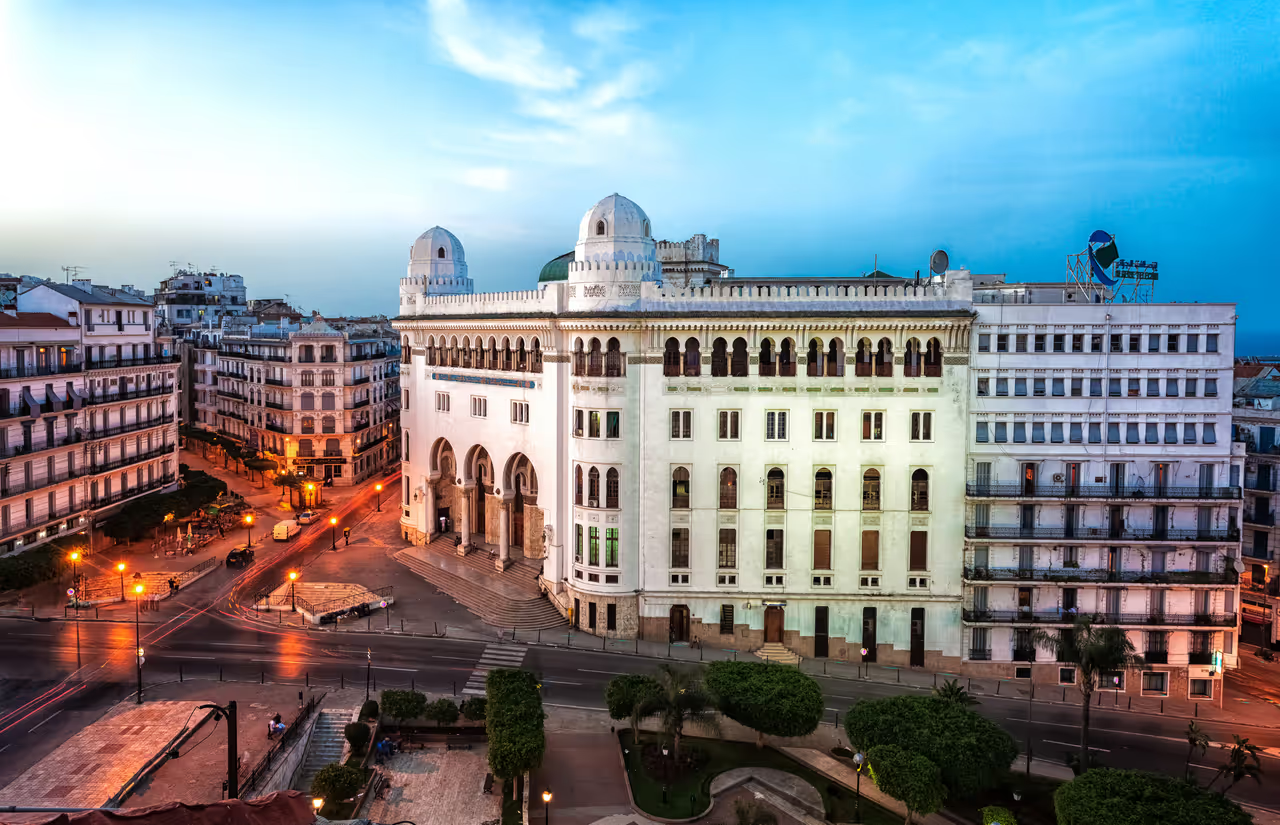
If you only have a single day to experience the capital, this highly focused itinerary ensures you see the absolute most iconic sights without wasting time on transport. You will dive straight into the ancient history of the medina, marvel at the grand French colonial architecture, and finish with breathtaking panoramic views over the Mediterranean. It is a fast paced but incredibly rewarding journey that captures the true essence of the city.
view itinerary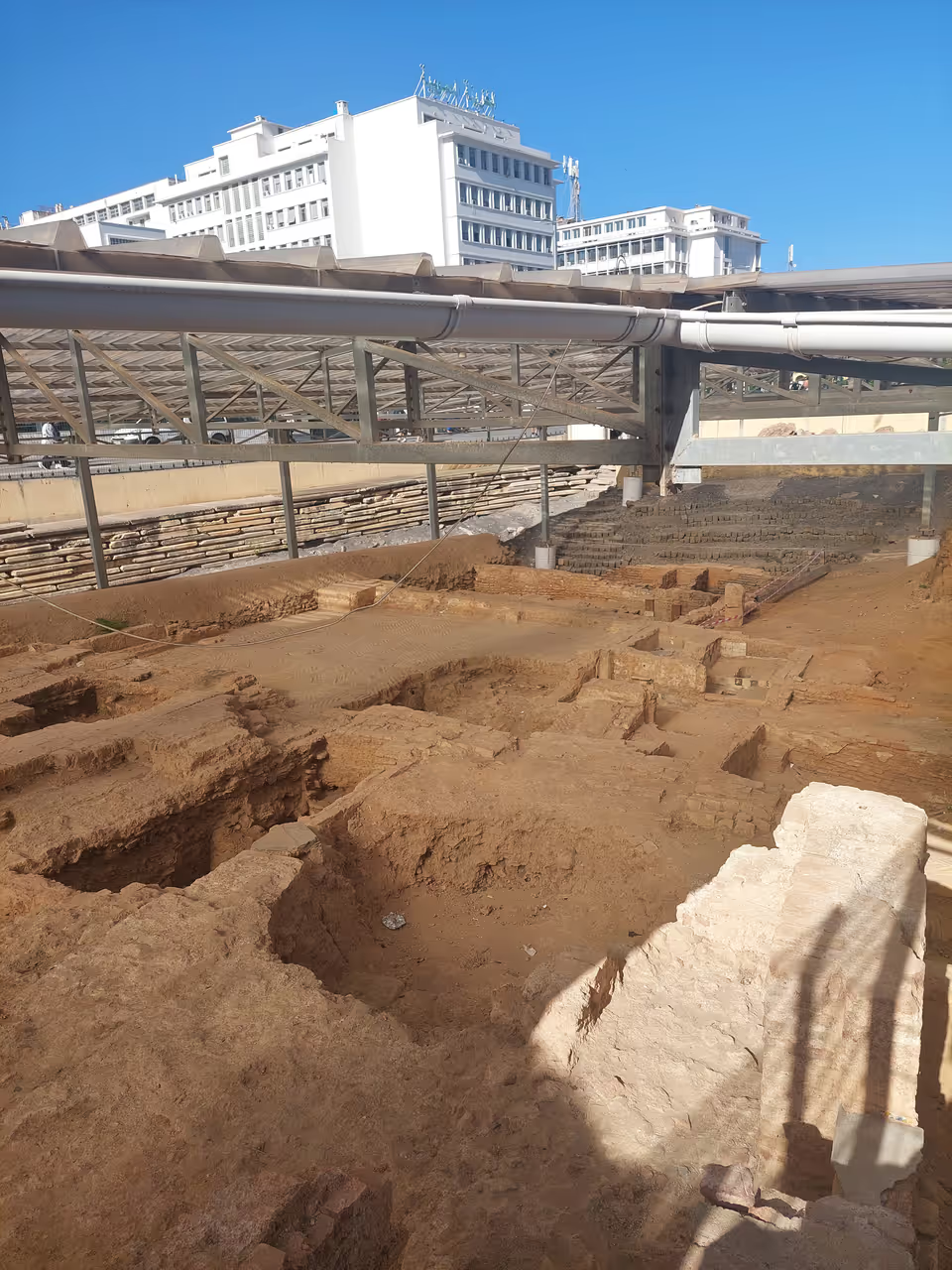
3 Days in Algiers: Culture and Coastline Itinerary
This balanced itinerary allows you to explore the rich, layered history of the city at a much more comfortable pace. Over three days, you will uncover the secrets of the ancient corsair palaces, appreciate the vast botanical diversity, and experience the modern seafront developments. It provides enough time to enjoy long, leisurely lunches and properly soak in the relaxed Mediterranean atmosphere. You will leave with a profound understanding of the local culture.
view itinerary
5 Days in Algiers: Ultimate Explorer Itinerary
For the traveller who wants to uncover every hidden facet of the capital, this extensive five day plan goes far beyond the typical tourist trail. You will have time to explore the affluent diplomatic districts, the intense working class neighbourhoods, and the relaxing western beach resorts. It includes deep dives into specialised museums and offers plenty of time for spontaneous discoveries. This is the ultimate way to fully integrate into the rhythm of the city.
view itinerary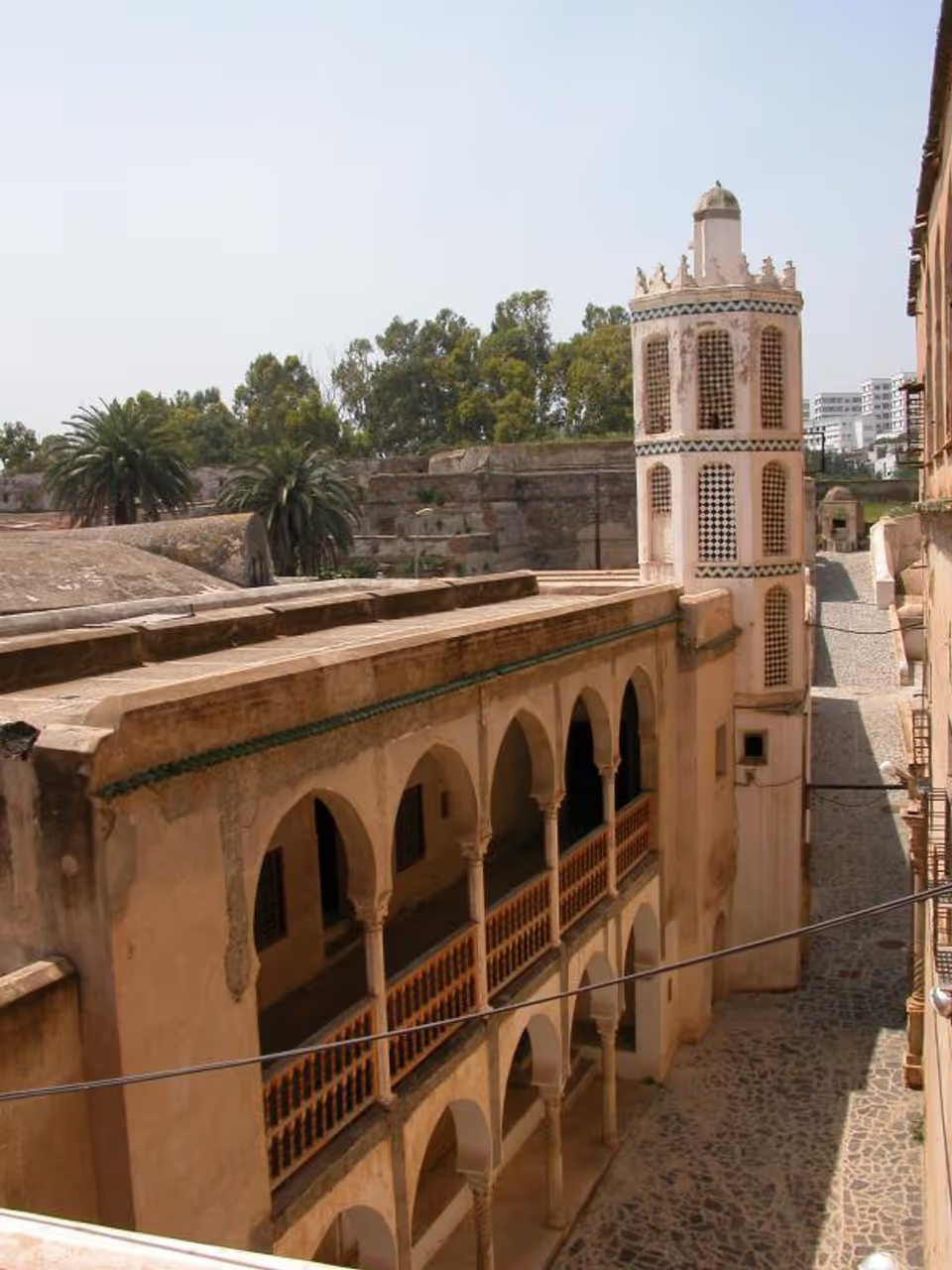
Historic Casbah Descent
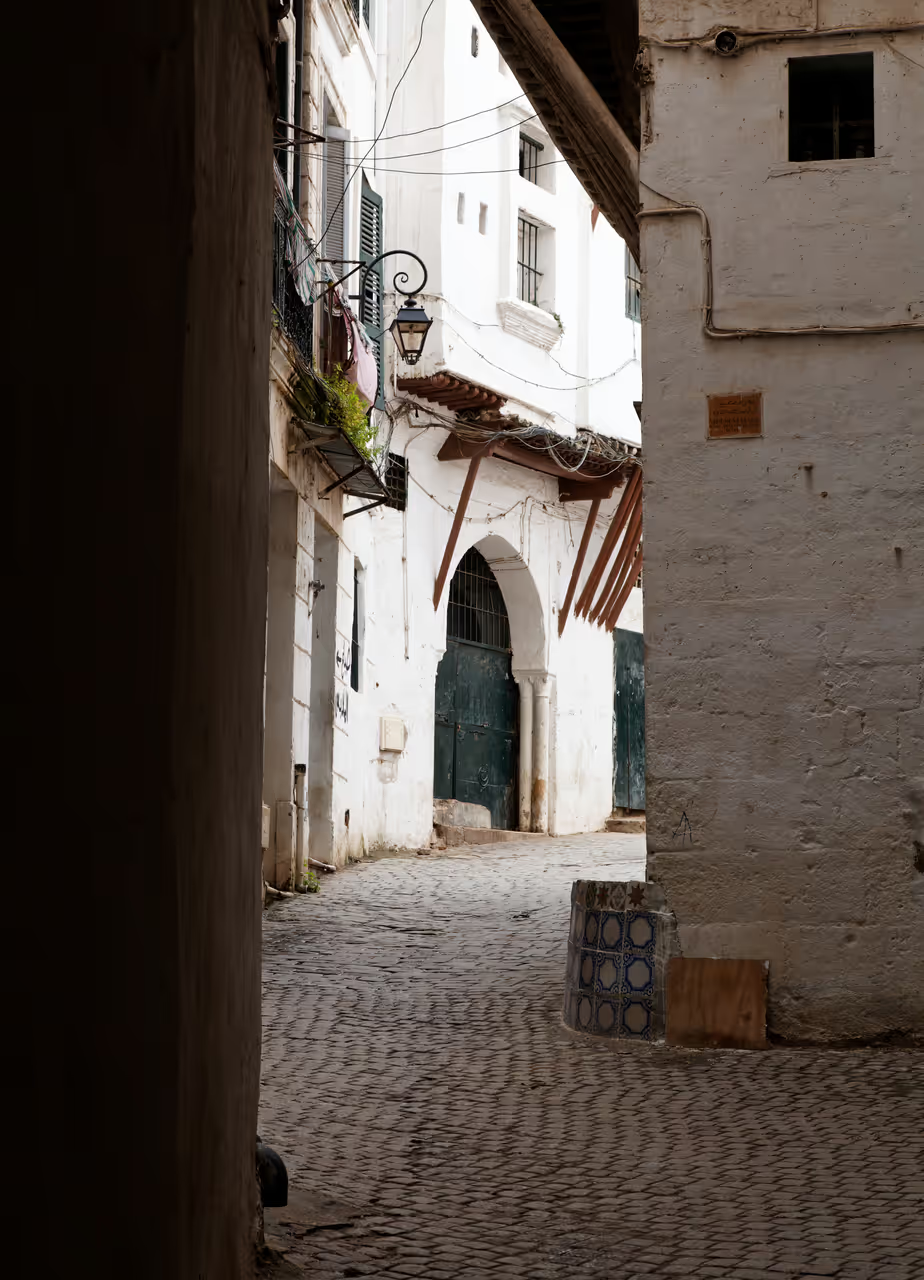
Wandering through the ancient medina is an unparalleled sensory experience that transports you back several centuries. Because the district is built on a steep hill, it is highly recommended to start at the top near the citadel and walk downwards toward the sea. The labyrinthine alleys are incredibly narrow, shaded by overhanging Ottoman style wooden balconies and whitewashed walls. You will pass hidden fountains, small artisan workshops and children playing on the ancient stone steps. It is a profound immersion into the surviving soul of the old city.
view walking route