Ketchaoua Mosque
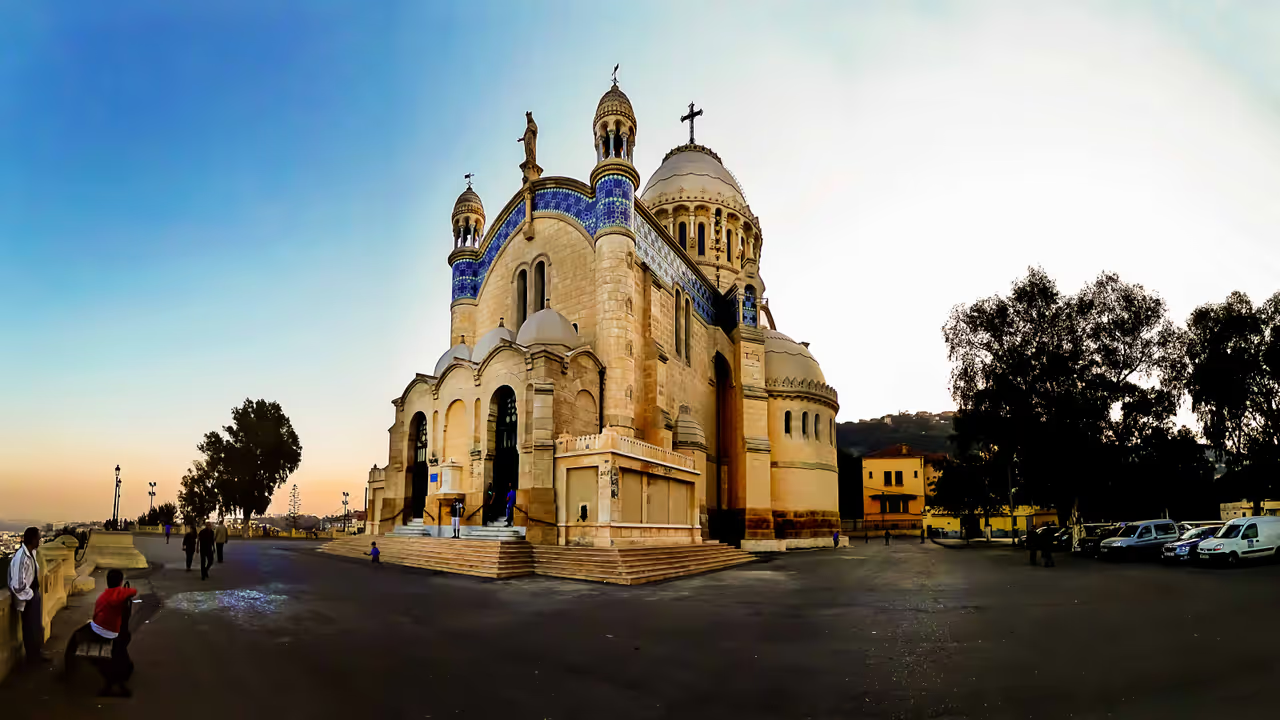
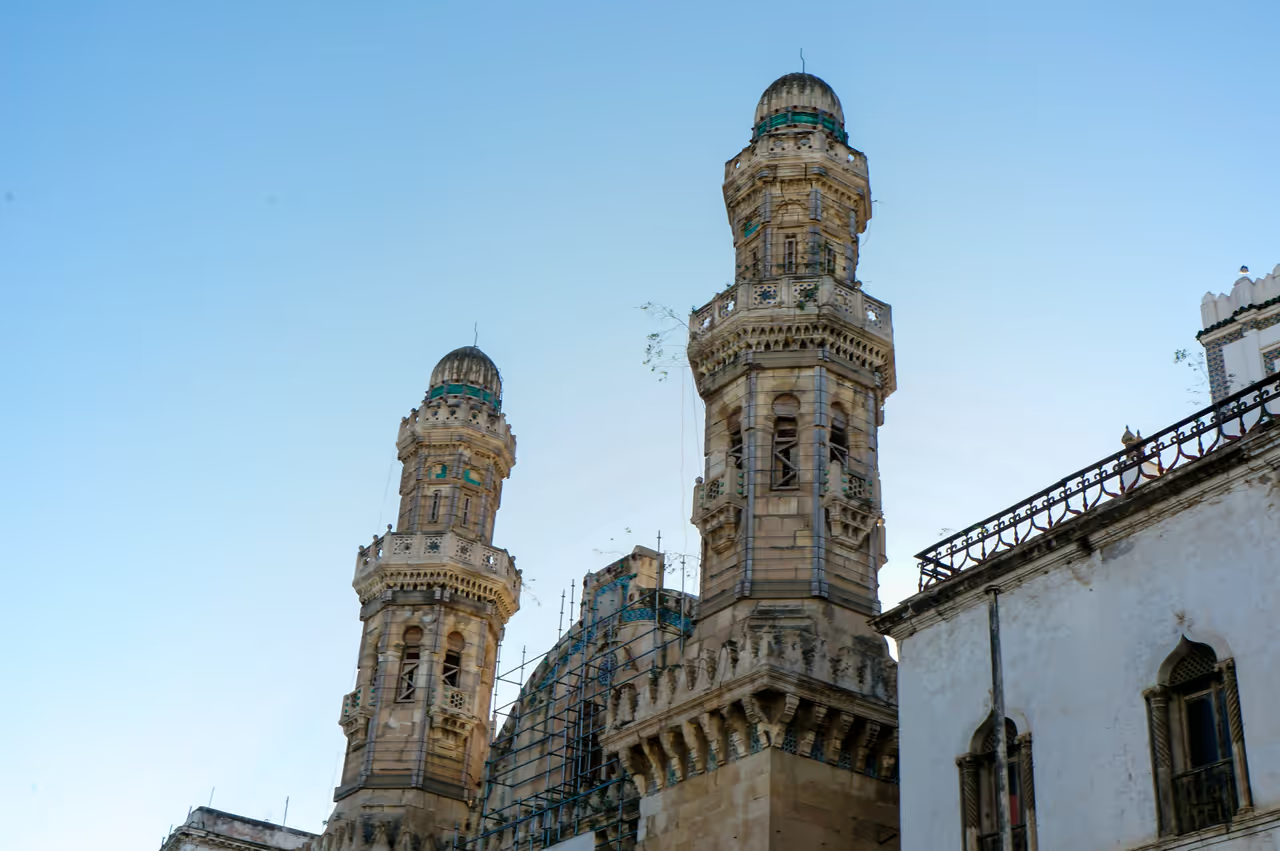
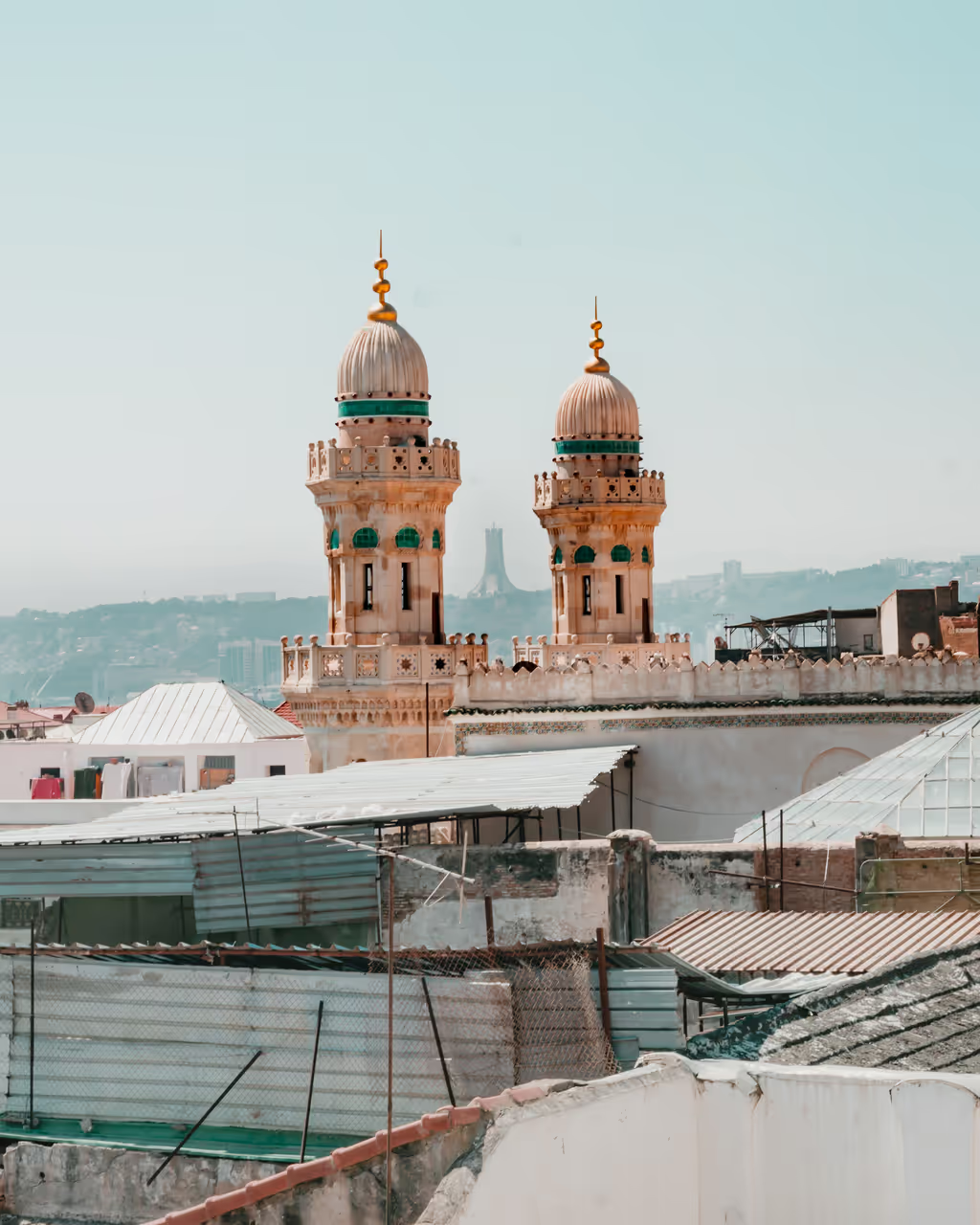
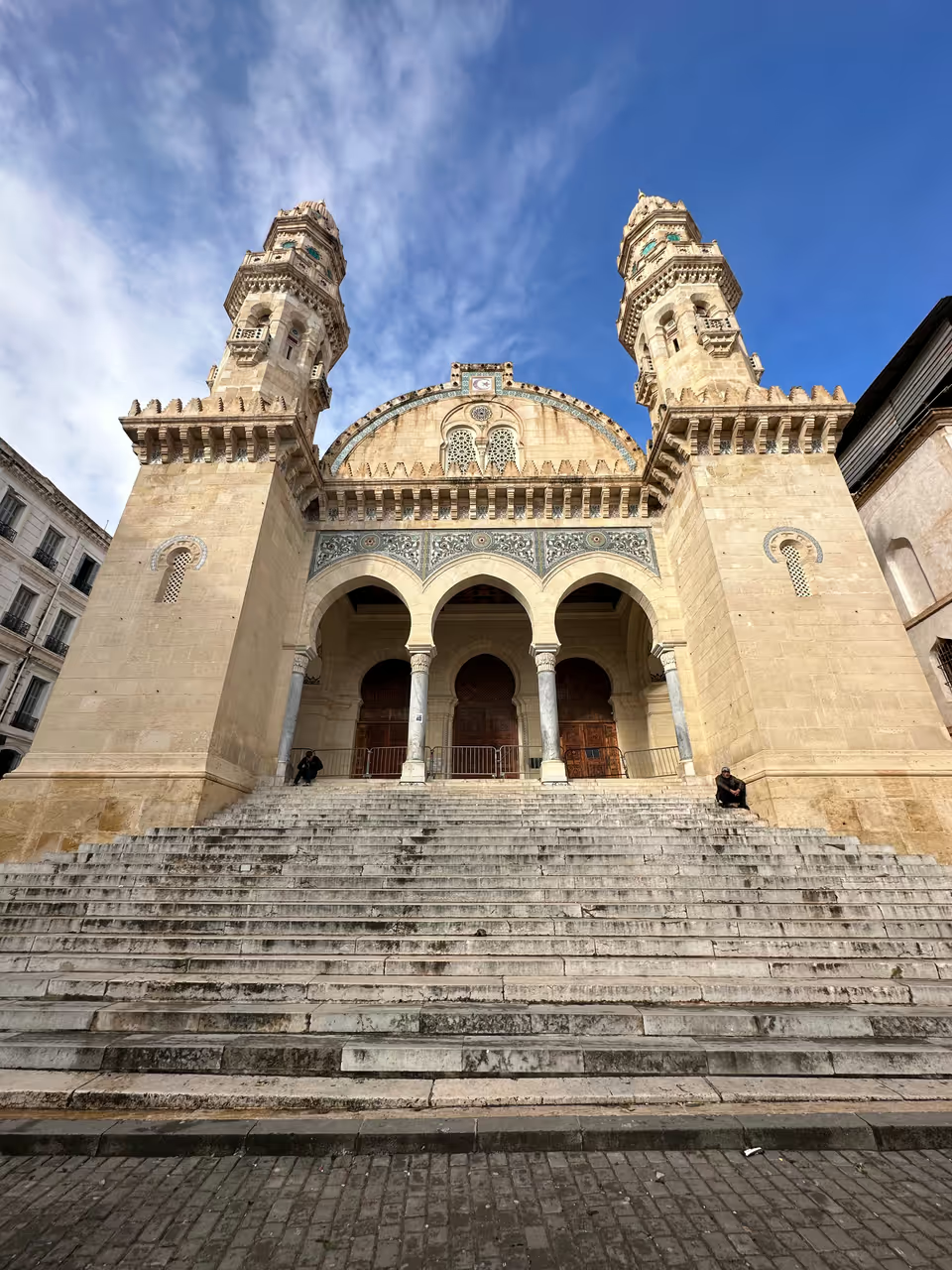
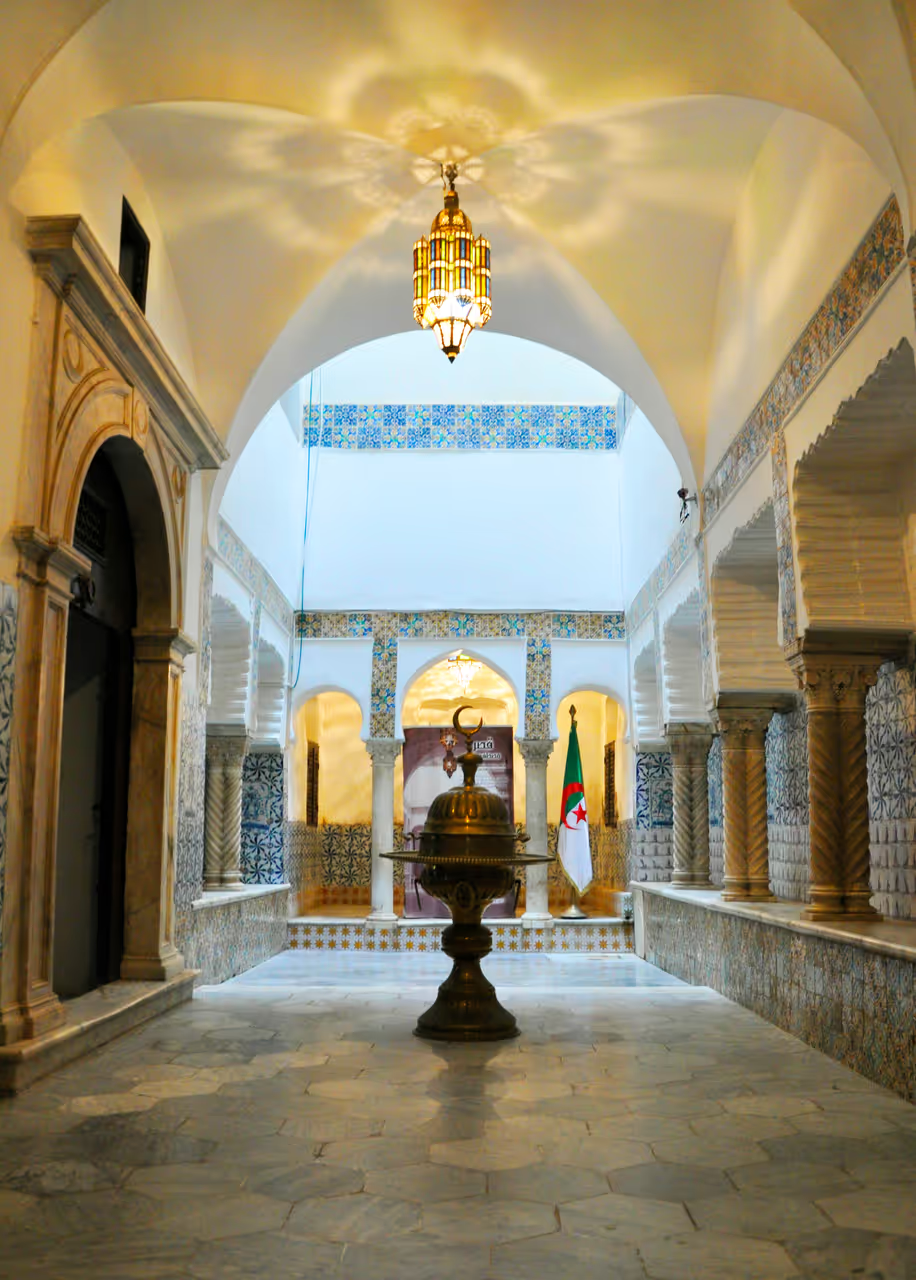
The Ketchaoua Mosque stands as a powerful testament to the layered history of Algiers, perched dramatically at the foot of the Casbah. Its stunning facade, a unique fusion of Moorish and Byzantine design, captures the eye, while the white marble columns and intricate plasterwork inside evoke a sense of deep serenity. This site serves as a symbol of endurance that has navigated centuries of upheaval to remain a spiritual heart of the city. Exploring it offers a profound connection to the past, from its 17th-century origins to its modern-day restoration, making it an unmissable highlight for anyone wandering the labyrinthine streets of the old city. Visitors will find that the mosque provides a quiet, reflective counterpoint to the vibrant energy of the surrounding neighbourhood.
History of Ketchaoua Mosque
The history of the Ketchaoua Mosque is the story of Algiers itself. Founded in the 17th century, the mosque was established at the heart of the Casbah, a neighbourhood that served as the social and political centre of the Ottoman Regency. Its location, at the intersection of roads leading to the city's five gates, made it a vital landmark for the residents of the aristocratic district. For generations, the mosque stood as a symbol of the city's Islamic identity, adorned with fine marble and exquisite plasterwork that spoke to the artisan skill of the period. The 19th century brought a traumatic shift in the mosque's identity. With the arrival of French colonial forces, the building was seized and converted into the Cathedral of Saint Philippe in 1831. This was a period of intense cultural friction, during which the original mosque was eventually demolished to make room for a new cathedral structure. For over a century, the building stood as a prominent symbol of colonial rule, its silhouette dominating the view of the harbour and the Casbah below, representing the radical transformation that the city was forced to endure. Everything changed with the dawn of Algerian independence in 1962. In a move that carried immense symbolic weight for the newly liberated nation, the structure was reconsecrated as a mosque. This act served as a cornerstone for the recovery of Algeria's cultural integrity and authenticity. Today, the mosque stands fully restored, its architecture a unique blend of Ottoman and later influences. It remains a place where the heavy weight of history meets the quiet endurance of faith, allowing visitors to stand within a space that has lived through centuries of change to find its way back to its roots.
Events spanning 406 years
Fun Facts
- • During its time as a cathedral, the building housed the remains of San Geronimo, a figure of local historical and religious interest.
- • Following the building's reconversion into a mosque in 1962, the cathedral bells were gifted to the church of Le Vieux-Marché in France.
- • Many of the white marble columns visible in the current structure date back to the original 17th-century construction, having survived multiple periods of renovation and repurposing.
- • The 2018 restoration project was conducted in collaboration with the Turkish International Cooperation and Development Agency, focusing on preserving the original Ottoman architectural plans.
- • The building's design serves as a rare example of the synthesis of Moorish and Byzantine architectural traditions.
- • The mosque is built upon the site of an ancient Phoenician settlement known as Icosium, highlighting the layered antiquity of the location.
- • The mosque sits at a critical intersection in the Casbah, located on the first of the district's many steep stairways that lead to the old city gates.
- • The mosque was at the centre of the aristocratic district in Ottoman-era Algiers, where the most politically prominent families resided.
- • The mosque's minarets suffered severe damage during the 2003 Boumerdès earthquake, which necessitated extensive structural intervention.
Ketchaoua Mosque FAQ
While we strive to keep this information accurate and up to date, we recommend verifying any details independently before making decisions based on them.
Ketchaoua Mosque Map & Neighborhood Explorer
This interactive map is centered on Ketchaoua Mosque. Zoom in and move the map around to automatically discover Wikipedia photos and summaries of other nearby sights, monuments, and historical points of interest and stories in real-time!
Places near Ketchaoua Mosque
Make the most of your trip. Check out these top-rated spots located nearby.
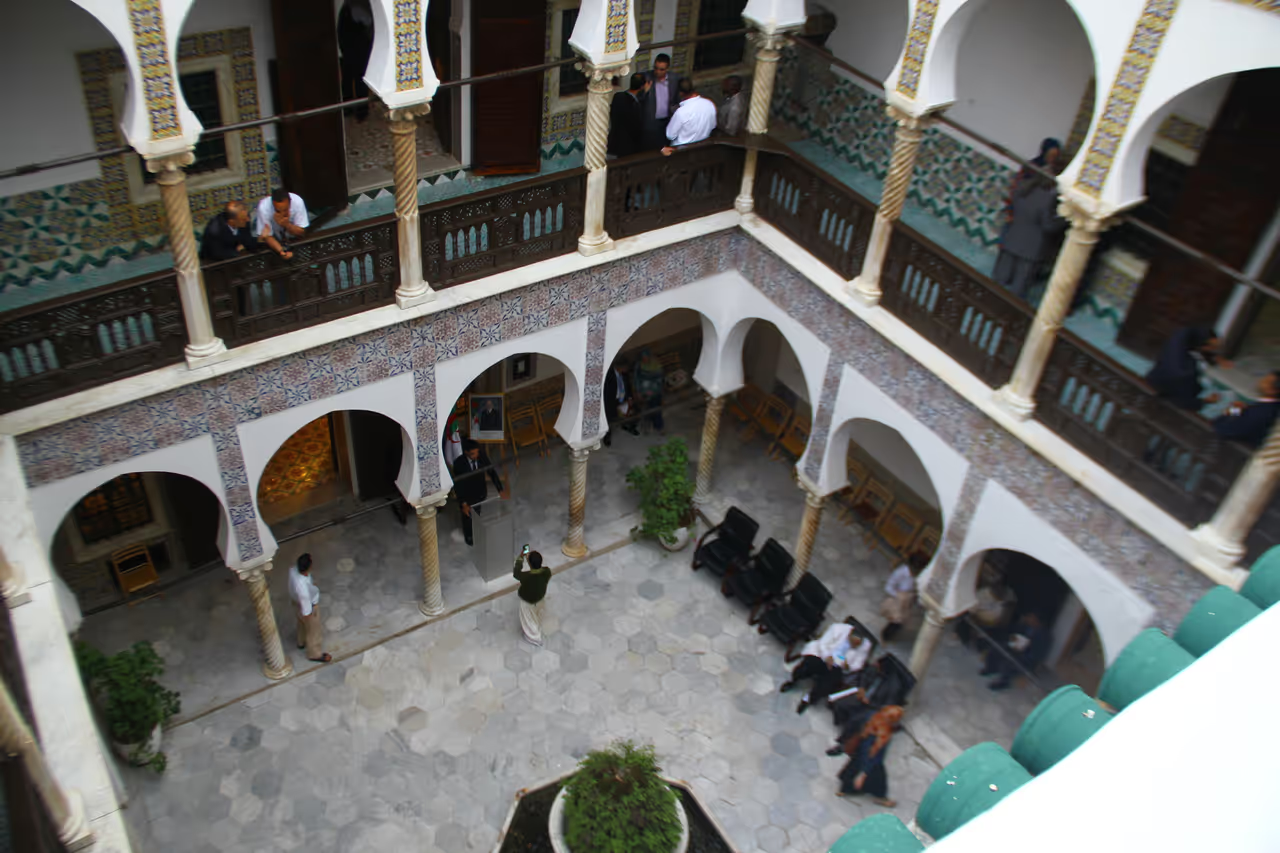 67m
67mDar Mustapha Pacha
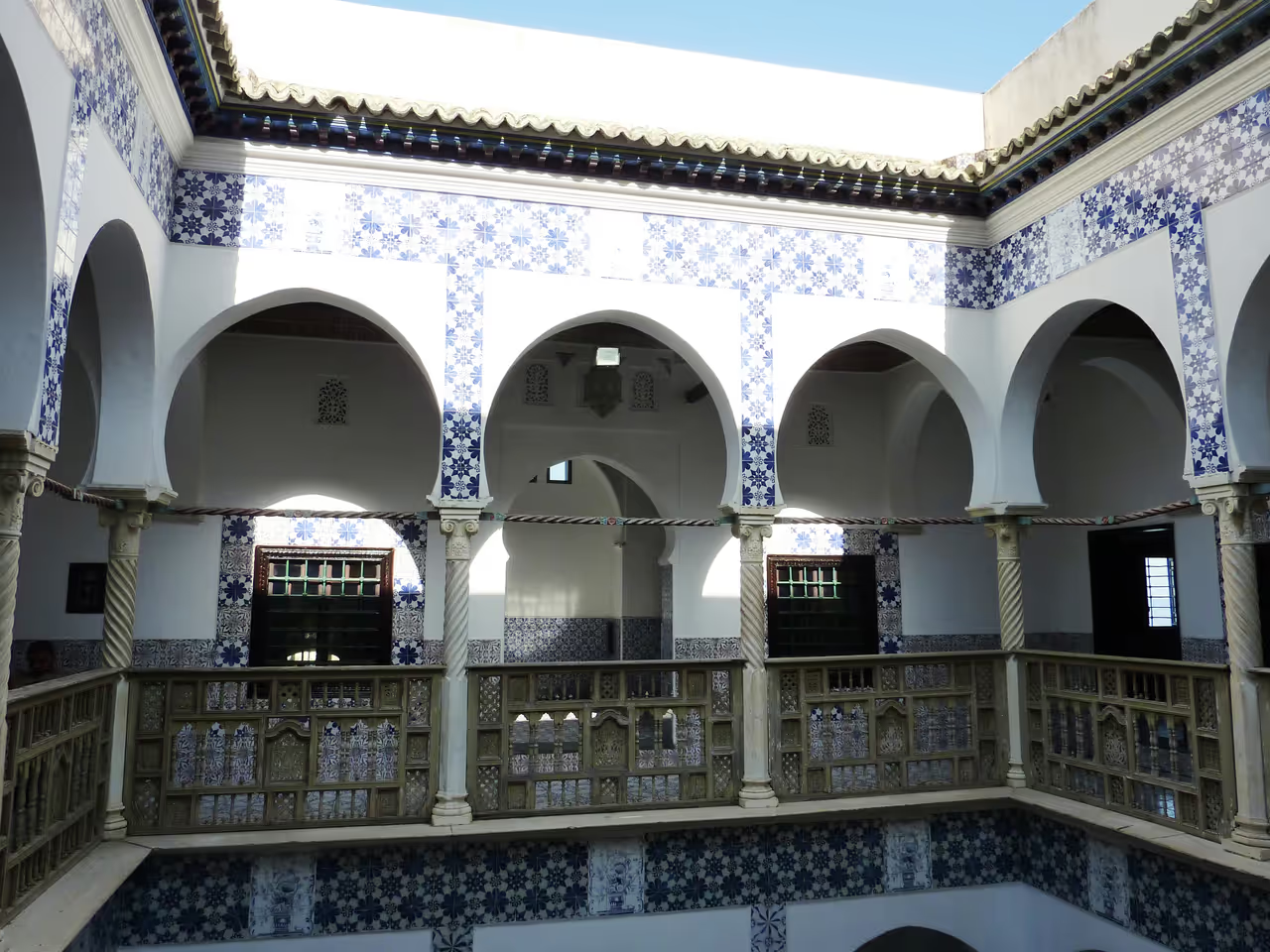
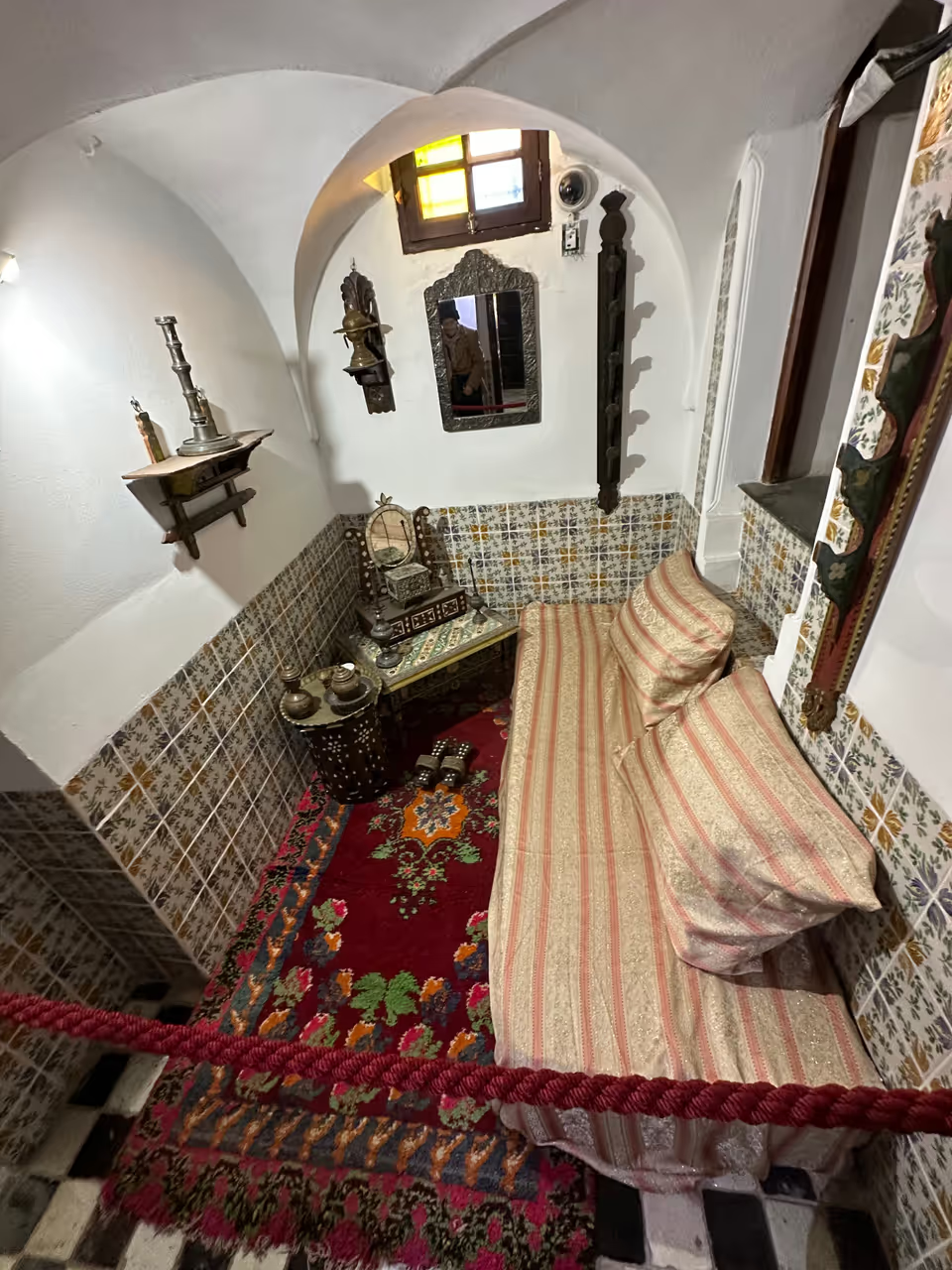
Hidden behind a heavy, unassuming wooden door in the lower Casbah lies one of the most magnificent eighteenth century palaces in the city. The interior courtyard is an absolute masterpiece of Ottoman design, featuring marble columns, intricate archways and thousands of imported Dutch Delft tiles. It originally belonged to a powerful Dey and perfectly encapsulates the extraordinary wealth accumulated during the corsair era. The building now quietly hosts the National Museum of Miniatures, Illumination and Calligraphy. Escaping the noisy streets into this cool, perfectly proportioned courtyard feels like a genuine revelation. It is a brilliant, quiet spot for admiring historic interior design.
hidden gem view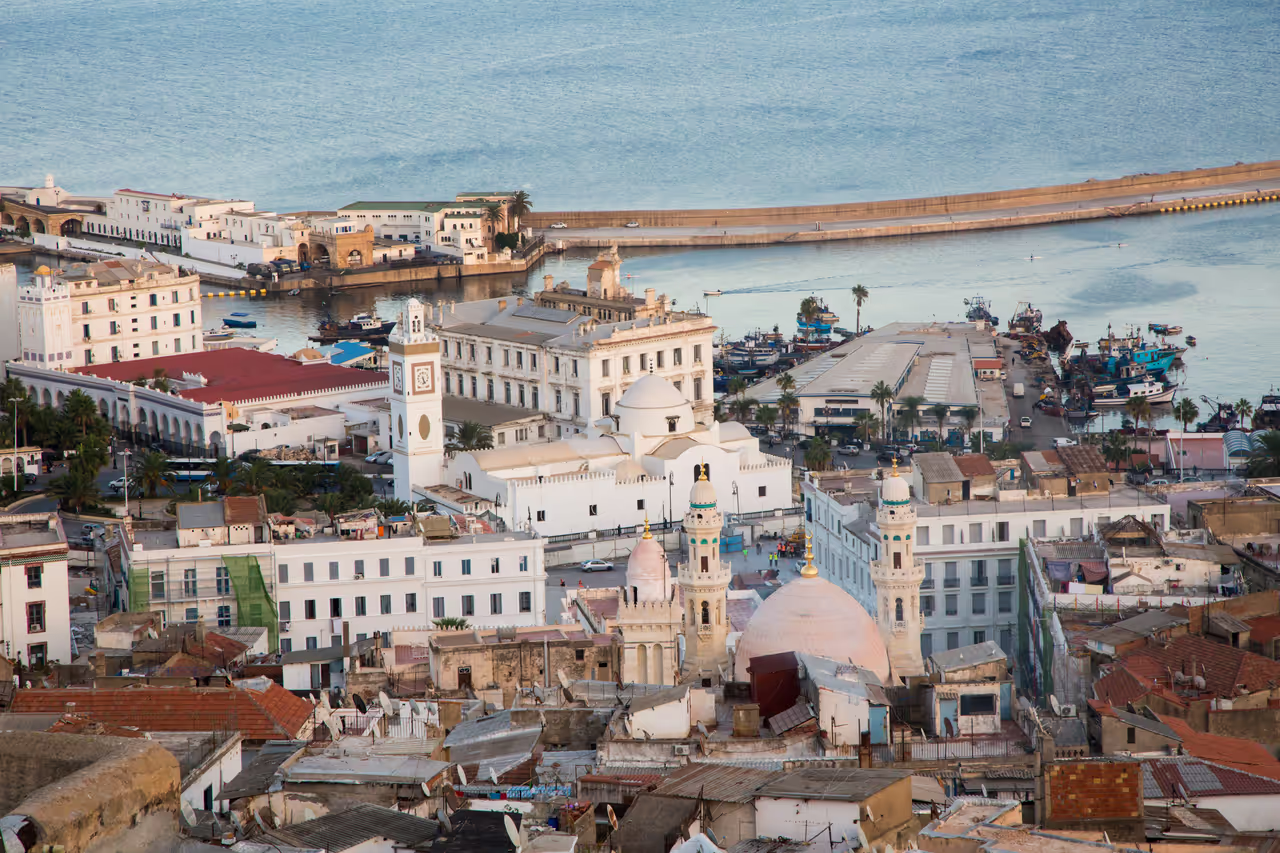 110m
110mCasbah of Algiers
The Casbah of Algiers is a living testament to centuries of history, cascading down the hillside like a white, stone pyramid toward the sparkling Mediterranean Sea. Walking through its narrow, winding alleys offers a rare and authentic glimpse into a North African medina, where the scent of baking bread, the call of history, and the gentle sea breeze create a truly evocative atmosphere. This UNESCO World Heritage site is more than just a historic district; it is the spiritual and cultural heart of the city, having inspired artists, writers, and poets for generations. You will find here a complex, multi-layered urban fabric featuring secret courtyards, ancient mosques, and intricate Moorish architecture that has miraculously survived to the modern day. Visiting this place is an essential experience for those wishing to understand the soul of Algiers, offering a poignant journey from its Punic origins and Ottoman glory to its pivotal role in the struggle for Algerian independence.
unesco heritage site view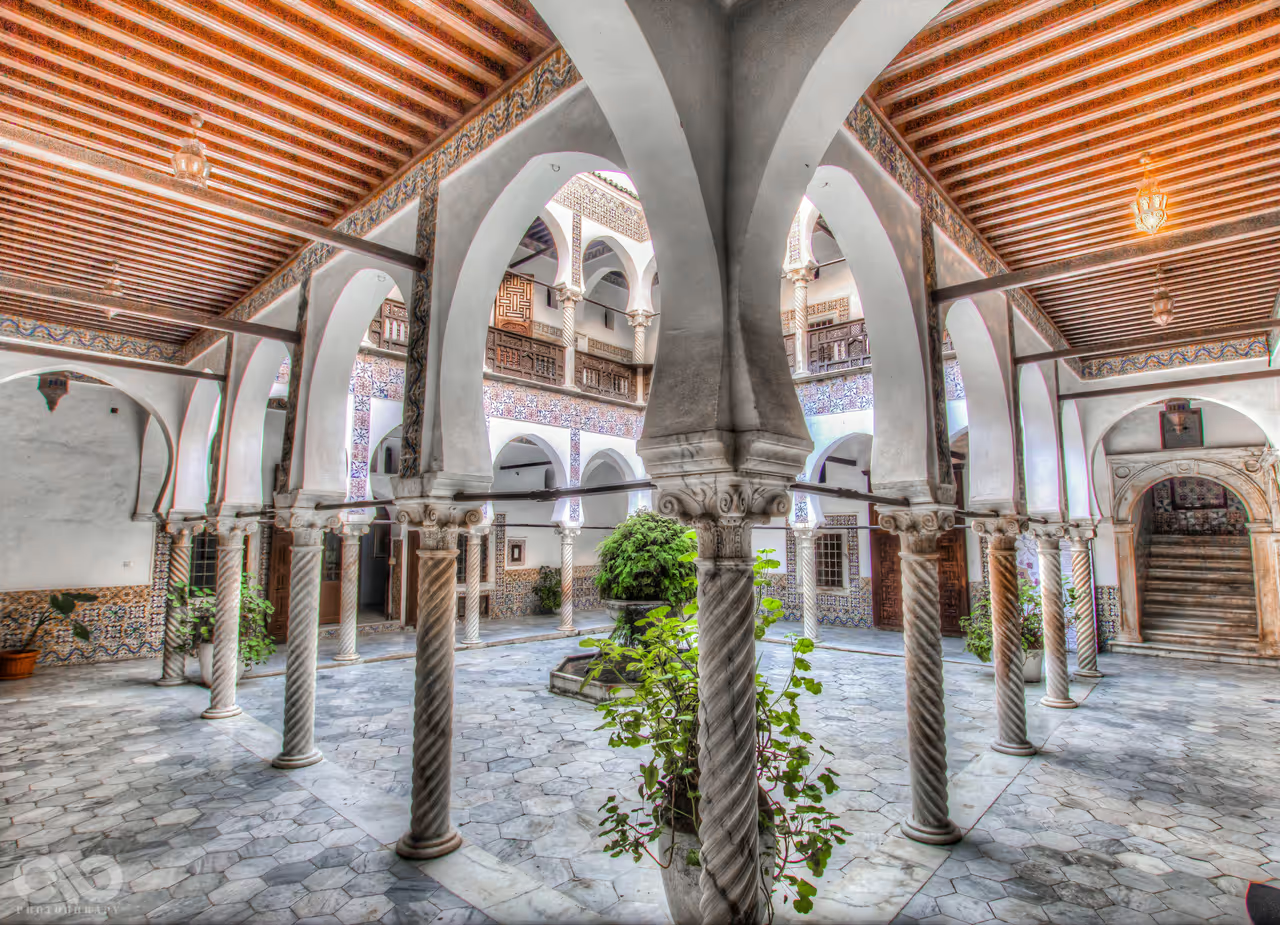 180m
180mMuseum of Popular Arts and Traditions
Housed within a stunning sixteenth century Ottoman palace, this museum offers a fascinating glimpse into the daily lives of previous generations. The collection includes exquisite traditional clothing, ornate Berber jewellery, intricate carpets and beautiful ceramics sourced from across the country. The building itself is an architectural masterpiece, featuring a peaceful inner courtyard adorned with original tiles and carved wooden galleries. Wandering through the cool, quiet rooms provides an excellent understanding of the diverse regional crafts that make up the national identity. It is a visually rich experience that contrasts sharply with the busy streets outside. The craftsmanship on display is truly exceptional.
highlight view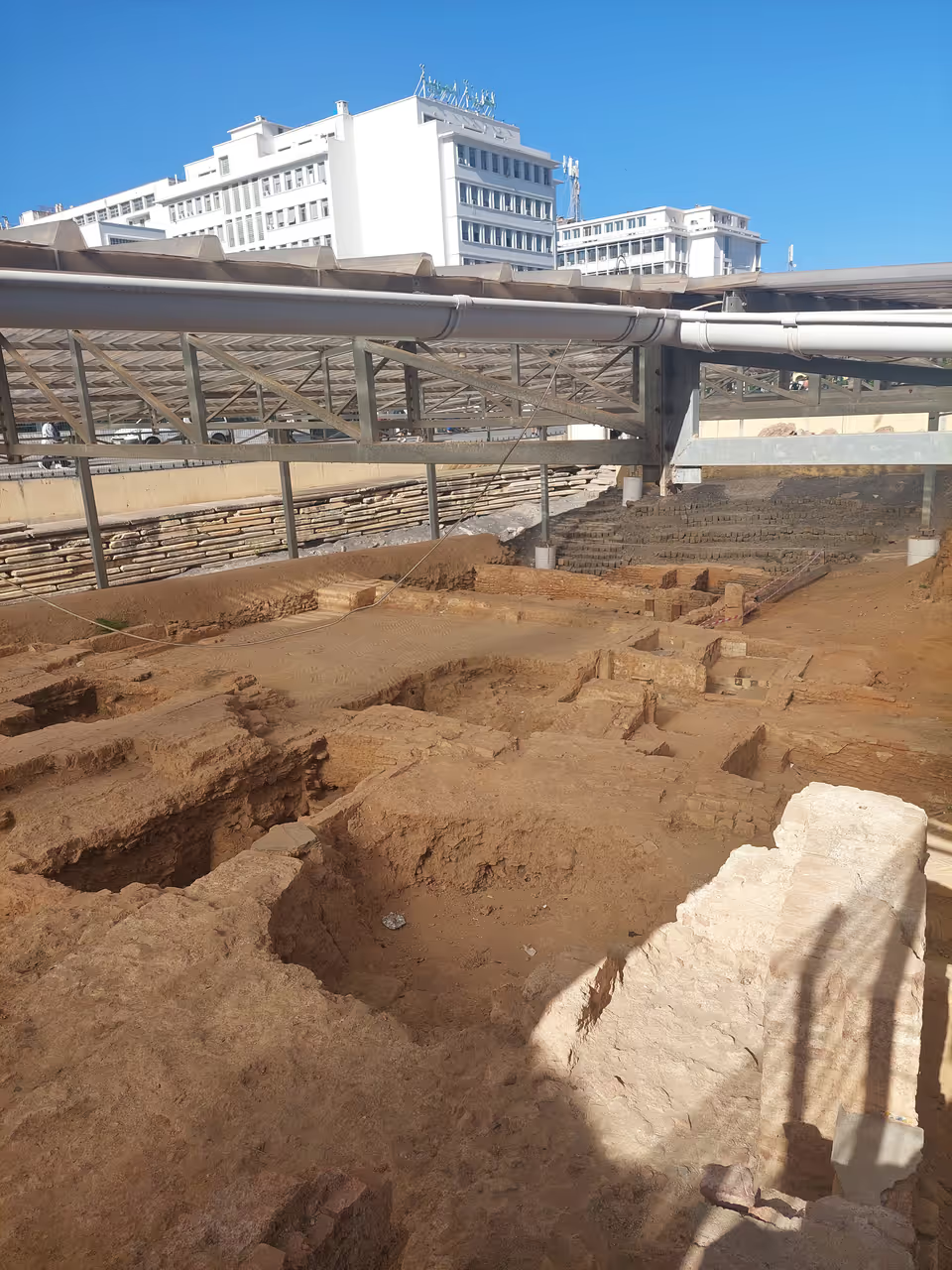 200m
200mMartyrs Square
This enormous public plaza acts as the main transitional space between the waterfront, the commercial district and the ancient Casbah. It was created by the French who demolished lower sections of the old medina, and today it serves as a chaotic, energetic hub of daily life. The square is framed by the striking El Djedid Mosque and offers sweeping views of the port. Recent excavations for the metro line unearthed fascinating Roman and Ottoman ruins right in the middle of the square, which have been preserved for public viewing. It is an essential place to absorb the complex, layered history and frantic pace of the capital. You will feel the true pulse of the city here.
highlight view
Explore Similar Places in This Collection
Featured on These Itineraries and Routes
1 Day in Algiers: White City Highlights Itinerary
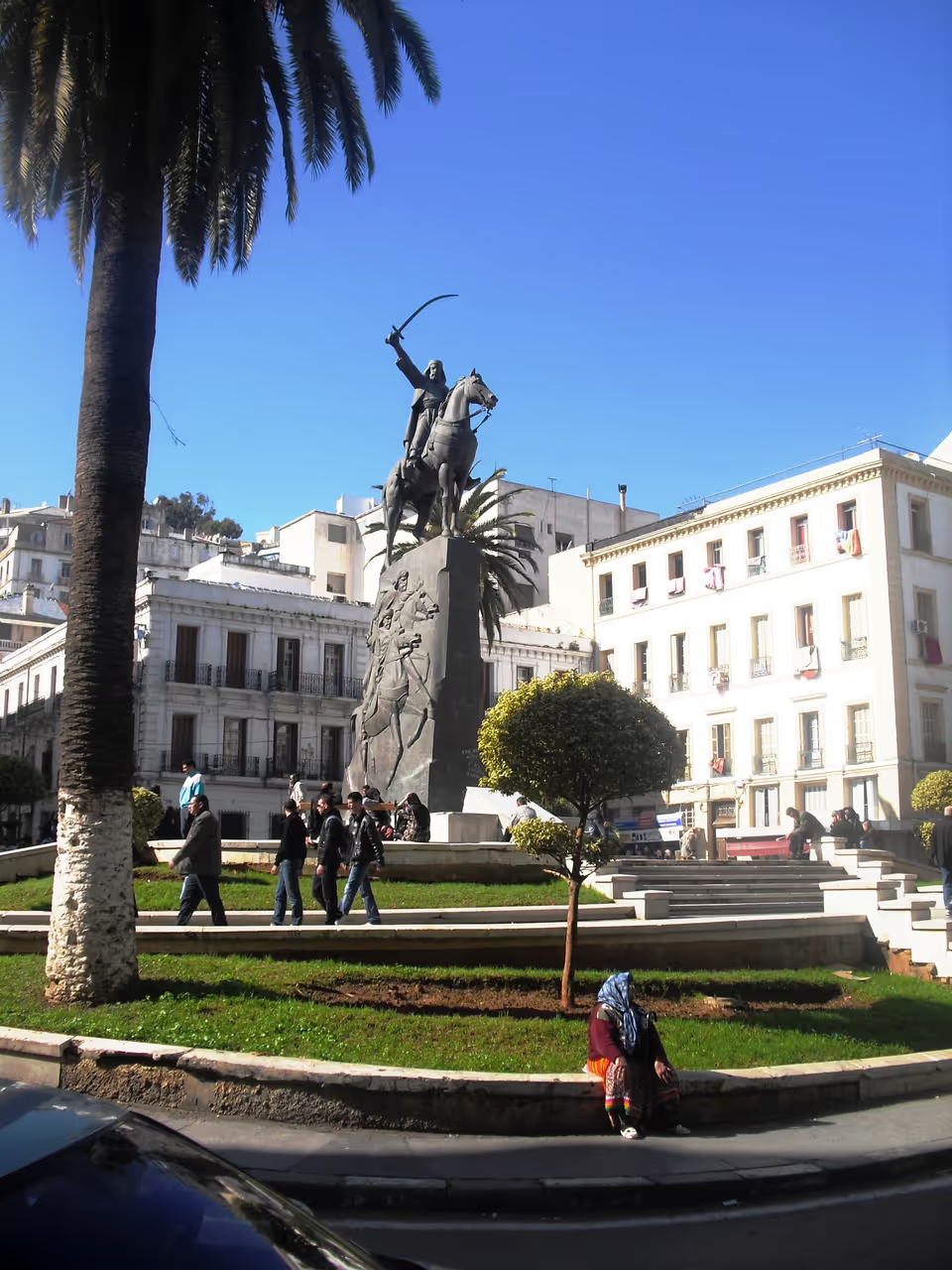
If you only have a single day to experience the capital, this highly focused itinerary ensures you see the absolute most iconic sights without wasting time on transport. You will dive straight into the ancient history of the medina, marvel at the grand French colonial architecture, and finish with breathtaking panoramic views over the Mediterranean. It is a fast paced but incredibly rewarding journey that captures the true essence of the city.
view itinerary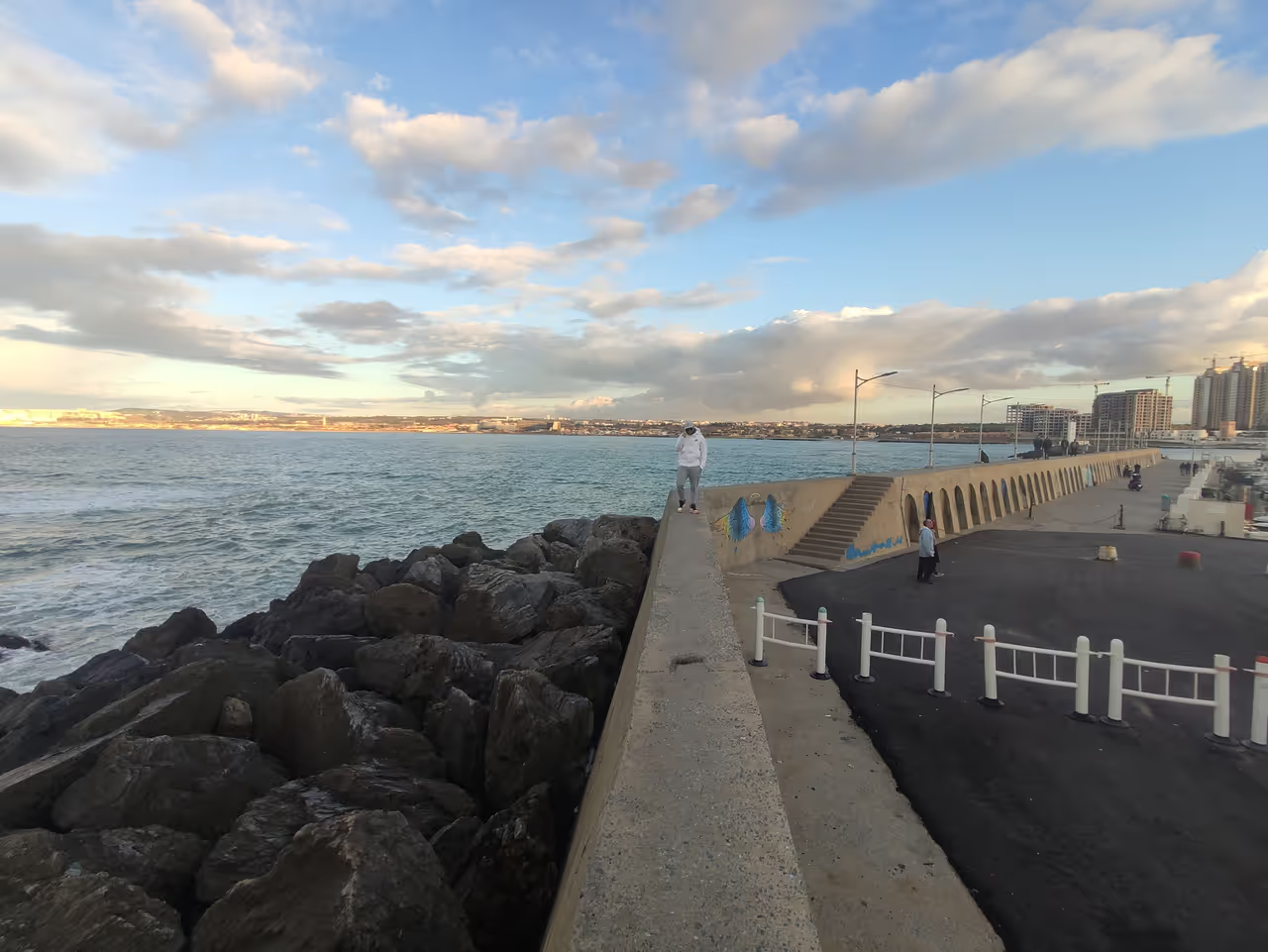
5 Days in Algiers: Ultimate Explorer Itinerary
For the traveller who wants to uncover every hidden facet of the capital, this extensive five day plan goes far beyond the typical tourist trail. You will have time to explore the affluent diplomatic districts, the intense working class neighbourhoods, and the relaxing western beach resorts. It includes deep dives into specialised museums and offers plenty of time for spontaneous discoveries. This is the ultimate way to fully integrate into the rhythm of the city.
view itinerary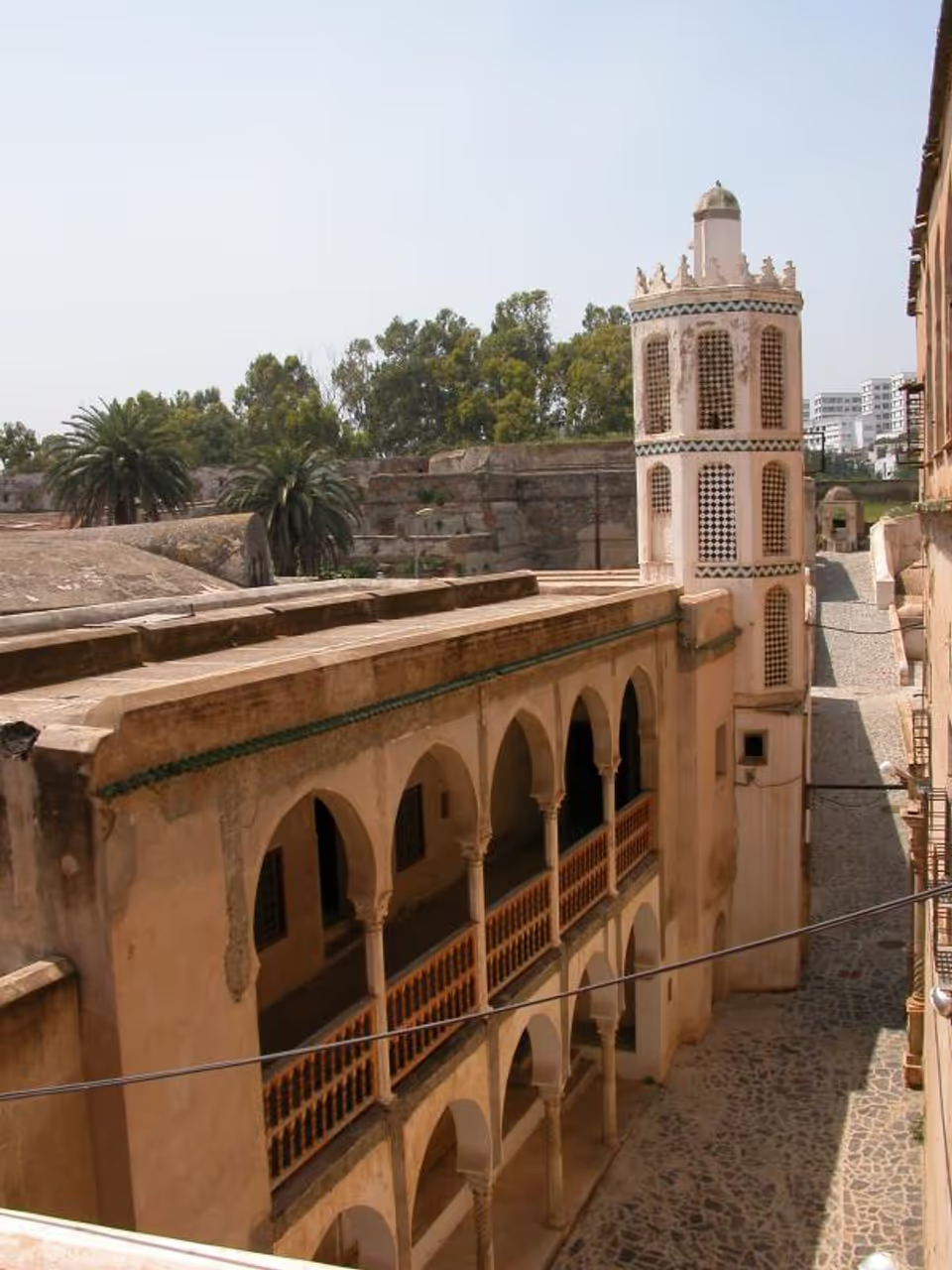
Historic Casbah Descent
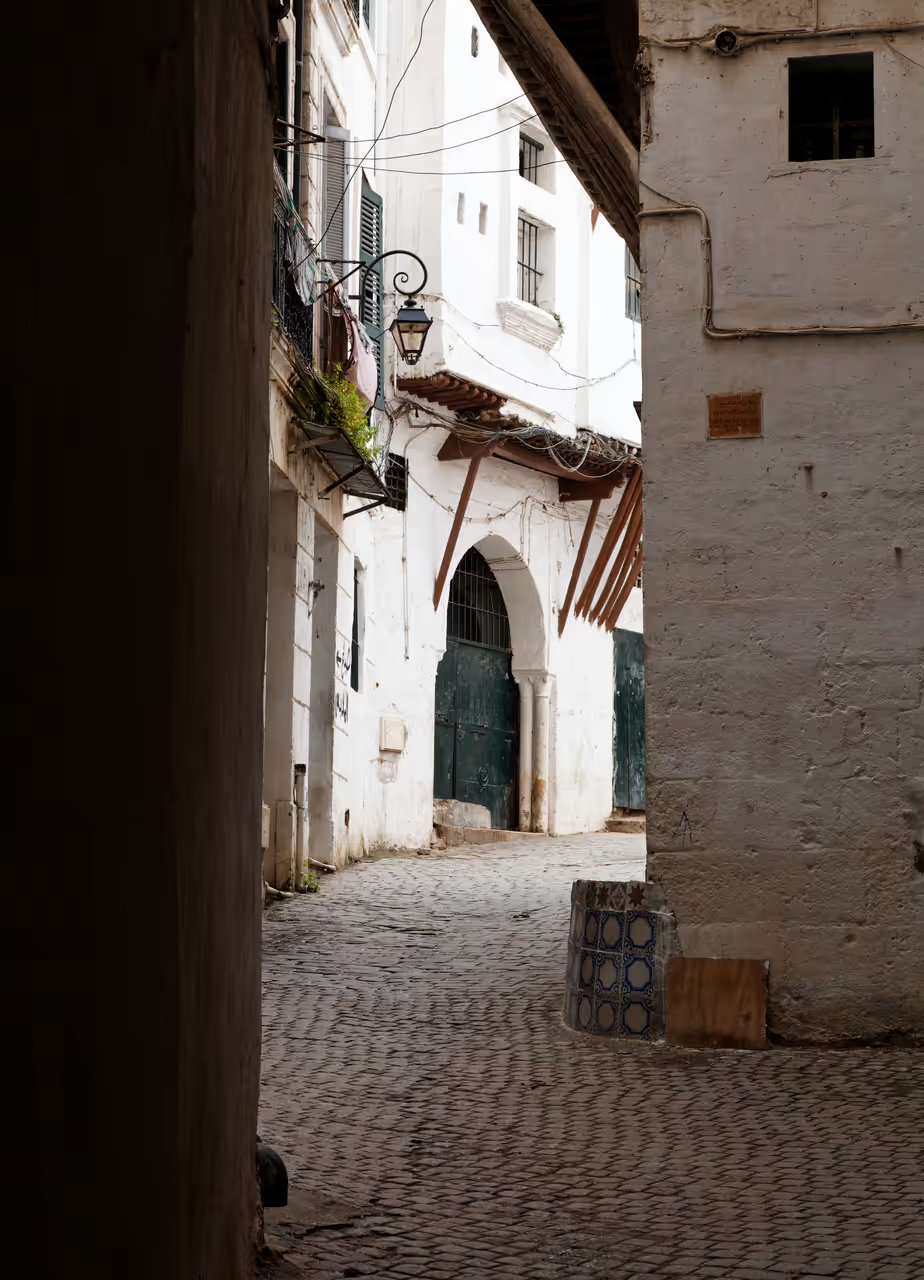
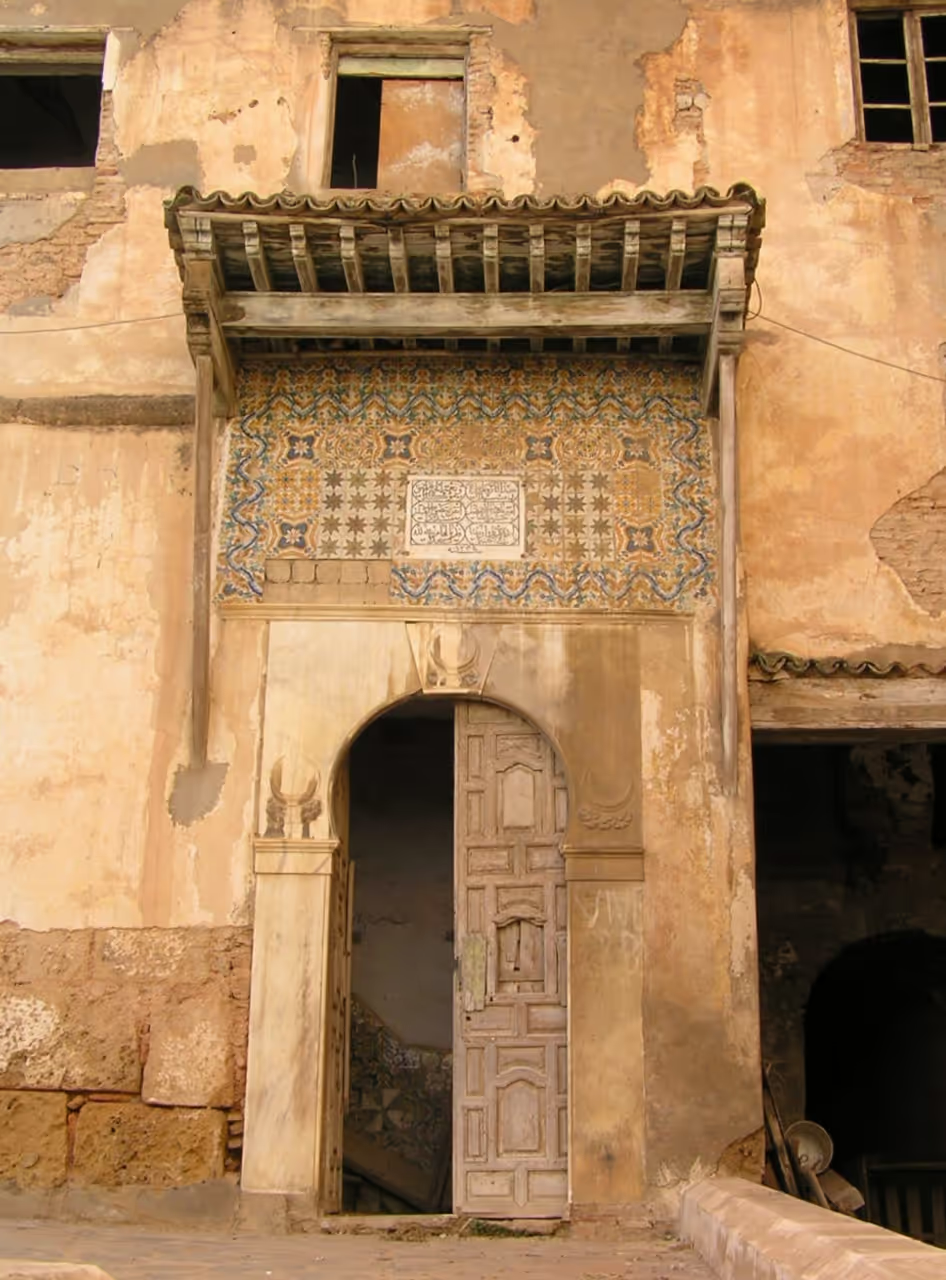
Wandering through the ancient medina is an unparalleled sensory experience that transports you back several centuries. Because the district is built on a steep hill, it is highly recommended to start at the top near the citadel and walk downwards toward the sea. The labyrinthine alleys are incredibly narrow, shaded by overhanging Ottoman style wooden balconies and whitewashed walls. You will pass hidden fountains, small artisan workshops and children playing on the ancient stone steps. It is a profound immersion into the surviving soul of the old city.
view walking route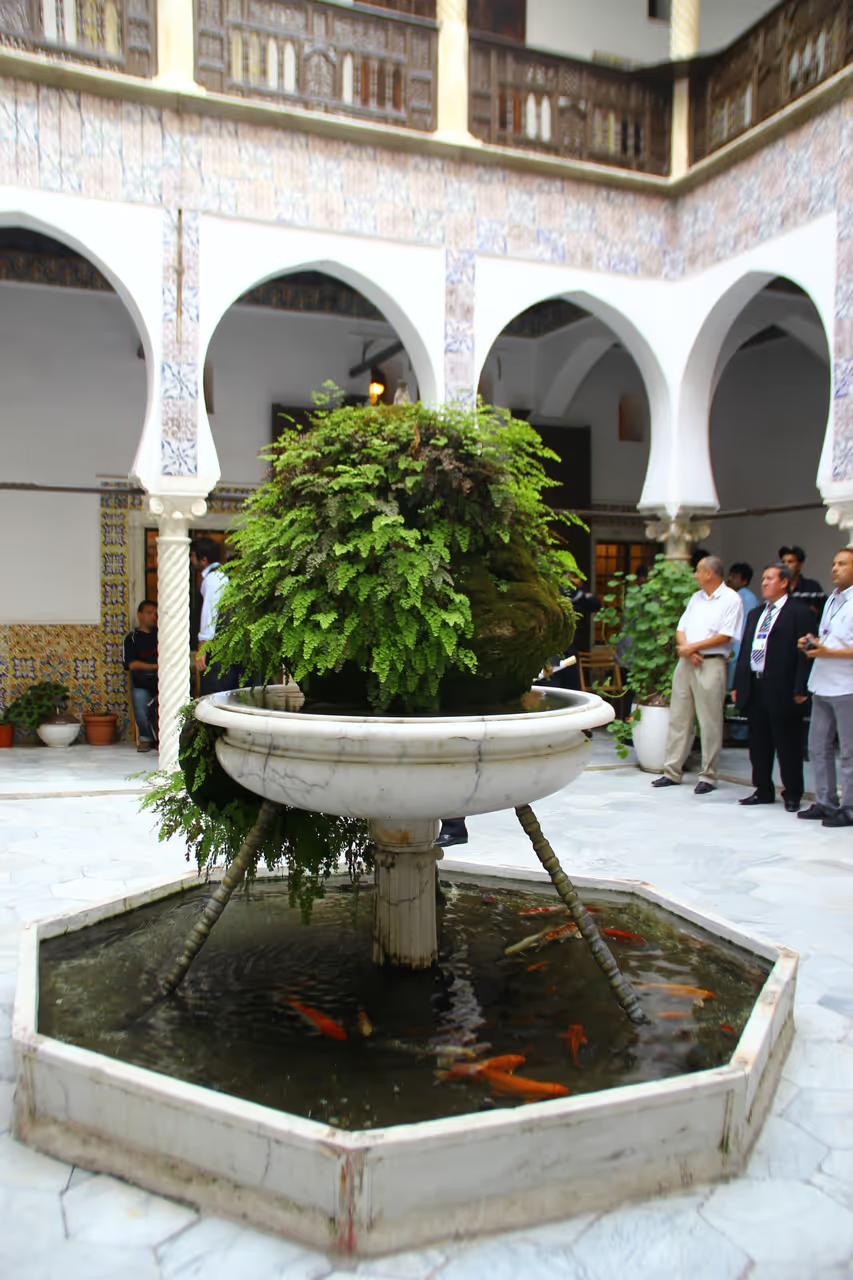
Ottoman Legacy in the Casbah
Step into the shadowy, mysterious world of the former corsair capital. This tour focuses on the structures built during the powerful Regency era, when the city was a feared and wealthy pirate haven. You will explore defensive citadels, ornate palaces built for wealthy dignitaries, and ancient mosques that have survived centuries of conflict. The dense layout itself was a defensive strategy, designed to confuse invaders and provide shelter from the intense sun. It is a deep dive into the most romanticised and secretive period of the local history.
view self-guided tour
See all attractions in Algiers
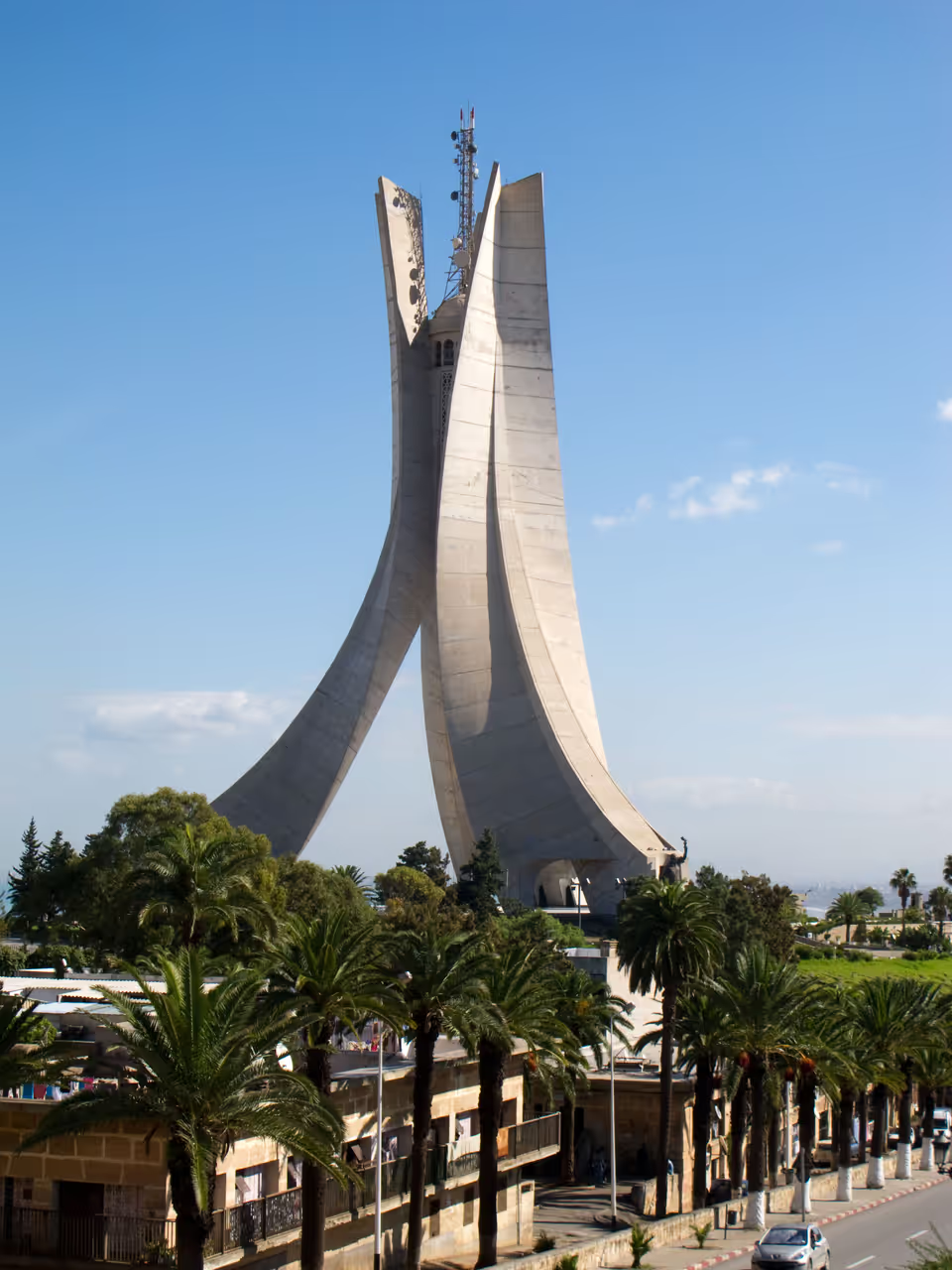
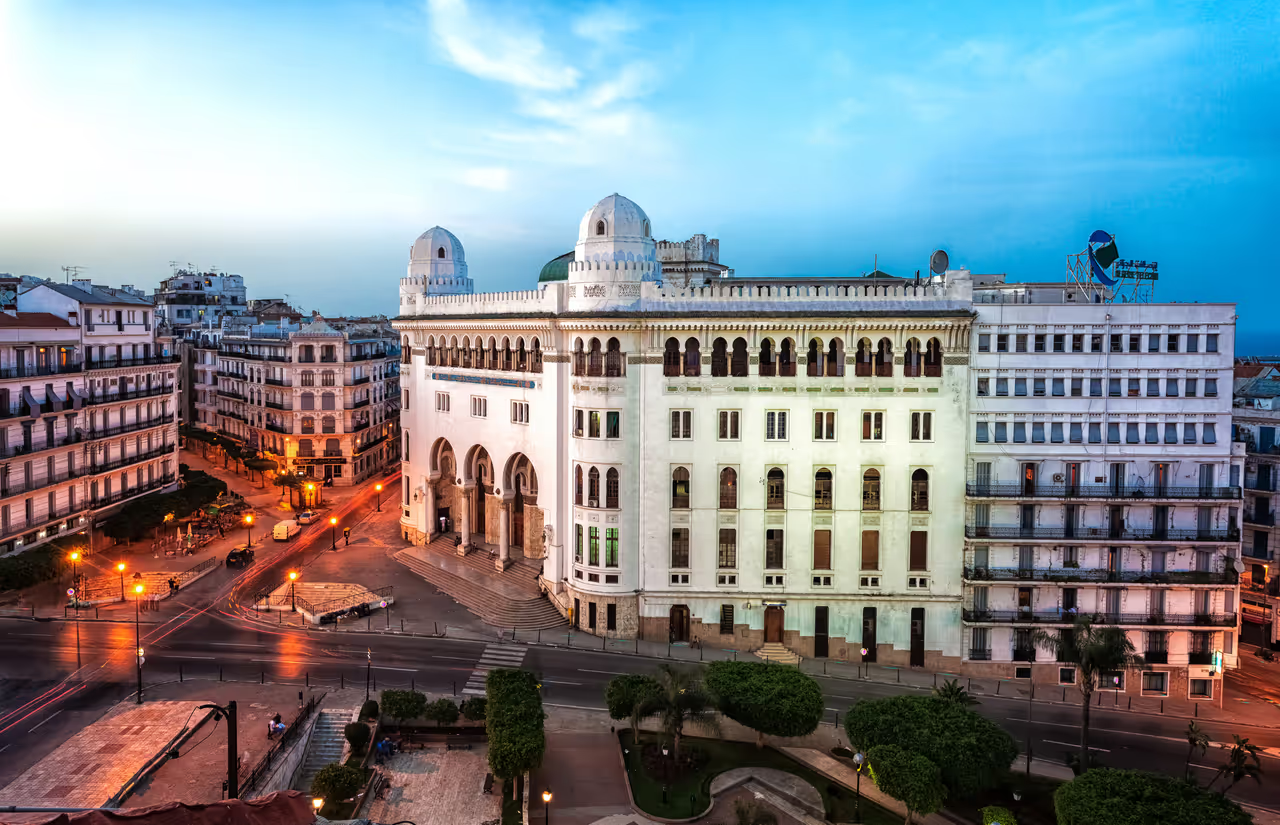
Basilica of Our Lady of Africa, Great Mosque of Algiers, Martyrs' Memorial, National Museum of Fine Arts, Palais des Rais, Algiers Central Post Office, Bardo National Museum of Prehistory and Ethnography...