Bologhine
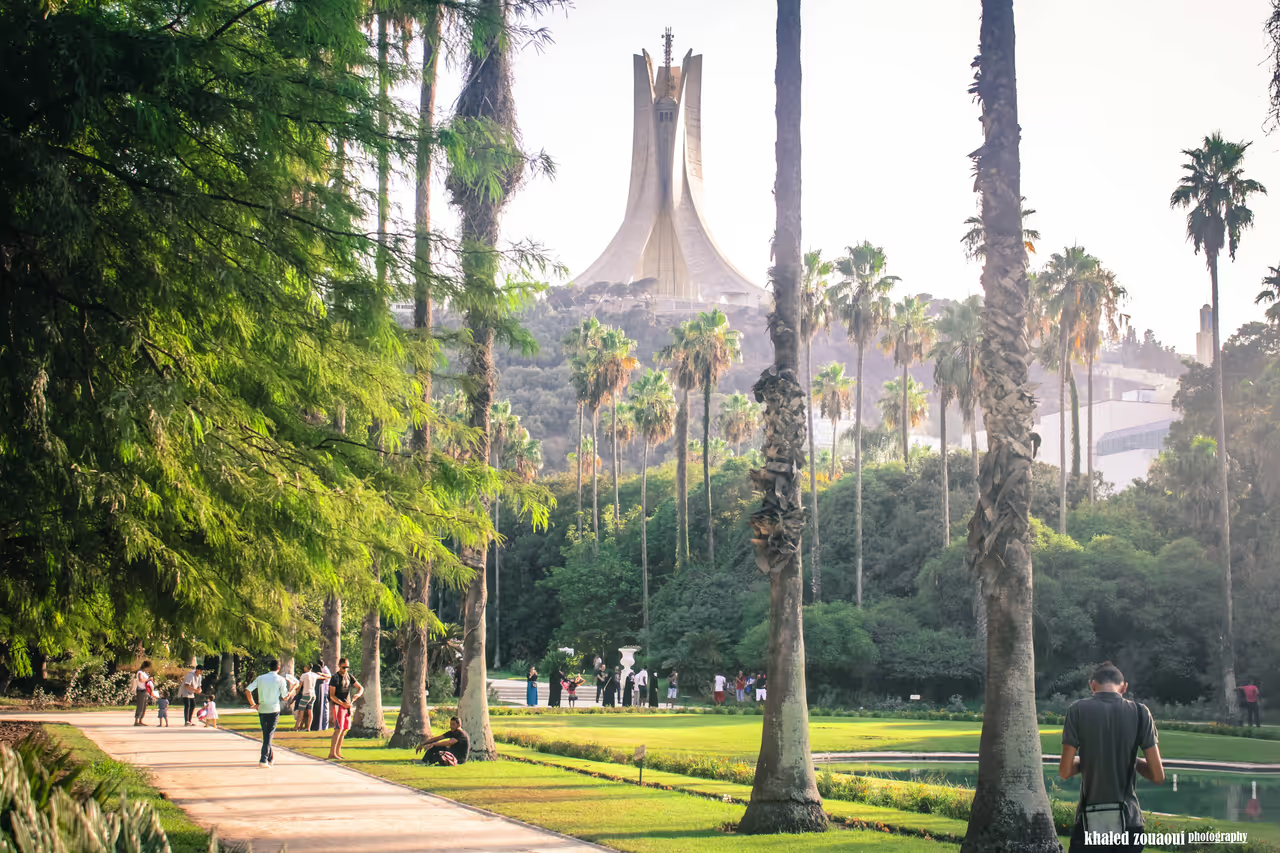
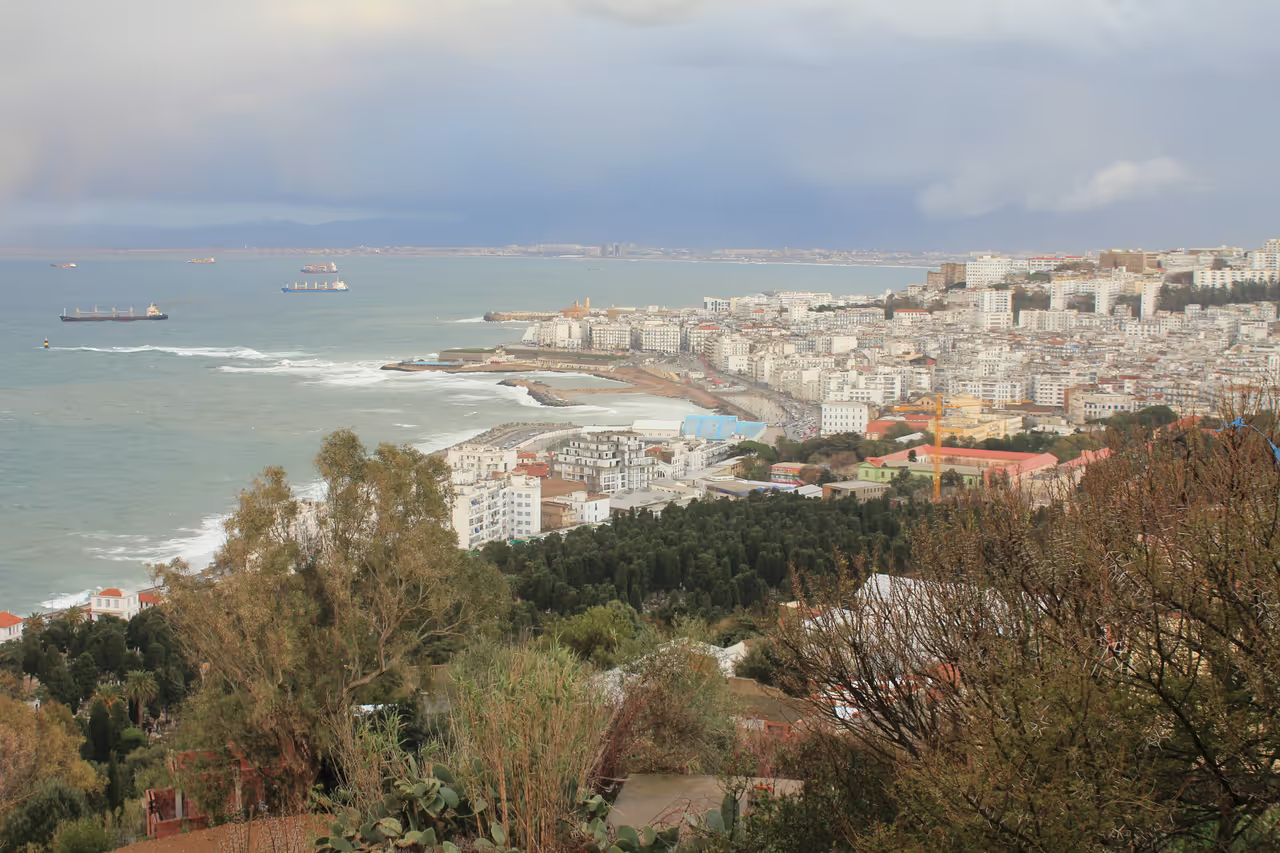
Bologhine is a captivating suburb that hugs the Mediterranean coastline, offering a blend of deep historical roots and a vibrant modern atmosphere. Originally established by a Berber prince in the 10th century, this area has evolved through centuries of change, retaining a distinct character that stands apart from the nearby central districts. Visitors can wander through streets that echo with stories from the medieval Zirid dynasty and the later colonial era. It is an ideal spot to witness the authentic rhythm of daily life in Algiers, complemented by stunning views of the sea. Whether you are curious about the architectural shifts or the local sports culture, this neighbourhood provides a unique window into the soul of Algeria. It is a place that invites you to slow down and appreciate the layers of history that define this beautiful stretch of the coastline.
History of Bologhine
The story of Bologhine is a narrative of resilience and deep historical continuity. It began in the 10th century when Bologhine ibn Ziri, a formidable leader of the Sanhaja Berber tribe, chose this coastal location to establish a settlement that would eventually evolve into the heart of Algiers. His vision was rooted in the strategic necessity of controlling the Mediterranean shoreline, and the city he founded served as a beacon of power and trade for centuries to come. The legacy of the Zirid dynasty is still felt in the very name of the district, which serves as a constant reminder of the region's indigenous foundations. As the centuries turned, the area underwent a transformation during the period of French colonial rule. Renamed Saint-Eugène, the district saw the introduction of new architectural styles and a shift in social dynamics that defined its character for over a hundred years. This era turned the quiet coastal stretch into a significant suburb, marked by the construction of grand villas and public spaces that merged European sensibilities with the rugged Algerian terrain. The identity of the area during this time was complex, reflecting the tensions and exchanges between different cultures living side by side. With the dawn of independence in 1962, the district underwent a profound shift once again, reclaiming its original name and stepping into a new chapter of its history. Today, Bologhine is a vibrant part of Algiers, celebrated for its unique atmosphere and the passion of its residents. It is home to the iconic Omar Hamadi Stadium, where the local football culture thrives, providing a lively heartbeat to the neighbourhood. The modern spirit of Bologhine is one of pride, where the weight of ancient history meets the aspirations of a contemporary urban community, making it an essential stop for anyone wanting to understand the layers of life in this coastal city.
Events spanning 1018 years
Fun Facts
- • Bologhine ibn Ziri, the founder of the modern city of Algiers, was a Berber leader of the Sanhaja tribe who transformed this stretch of the coast into a strategic stronghold.
- • Bologhine is home to the famous Omar Hamadi Stadium, which serves as the historic and spiritual home ground for the USM Alger football club.
- • During the 20th century, the area became a hub for residential development, blending traditional courtyard houses with colonial era architecture.
- • Football is deeply embedded in the local culture, with the match days at the Omar Hamadi Stadium often bringing a palpable energy to the surrounding streets.
- • Since independence, the municipality has focused on preserving its unique heritage while accommodating the growth of the larger Algiers metropolitan area.
- • The area was officially designated Saint-Eugène during the French administration, a name derived from the local church that served the European settler population at the time.
- • The geography of the district provides a rare vantage point where the hills slope dramatically down towards the Mediterranean Sea, offering panoramic views of the Algiers bay.
- • The name Bologhine carries significant historical weight, honouring the Berber dynasty that helped define the medieval period of North African history.
- • The proximity of the district to the Basilica of Notre Dame d'Afrique makes it a culturally rich area, where the spires of the church and the minarets of local mosques define the skyline.
- • The suburb is strategically located between the old city of the Casbah and the western coastal plains, serving as a vital link in the city's coastal infrastructure.
Bologhine FAQ
While we strive to keep this information accurate and up to date, we recommend verifying any details independently before making decisions based on them.
Bologhine Map & Neighborhood Explorer
This interactive map is centered on Bologhine. Zoom in and move the map around to automatically discover Wikipedia photos and summaries of other nearby sights, monuments, and historical points of interest and stories in real-time!
Places near Bologhine
Make the most of your trip. Check out these top-rated spots located nearby.
 414m
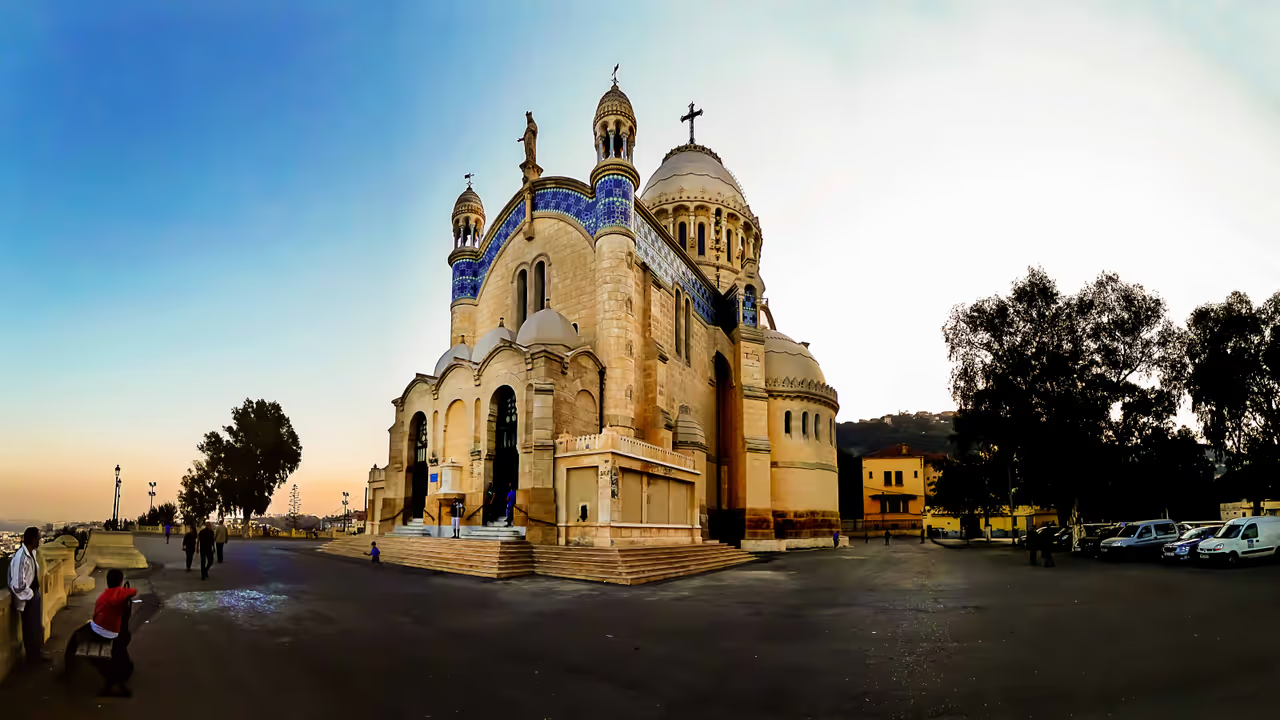
414mBasilica of Our Lady of Africa
Perched on a cliff overlooking the shimmering Bay of Algiers, this architectural marvel serves as a beacon of peace and reflection. Its stunning Neo Byzantine style and ornate interiors create an atmosphere of profound serenity that contrasts with the vibrant energy of the city below. Visitors are often captivated by the powerful inscription inside, which asks the Virgin Mary to pray for both Christians and Muslims, highlighting the enduring spirit of harmony. It is a place where history, art, and spirituality converge to offer a unique vantage point of the Mediterranean coast. Taking time to wander through its beautifully restored halls is a rewarding way to connect with the city's complex and layered past.
attraction view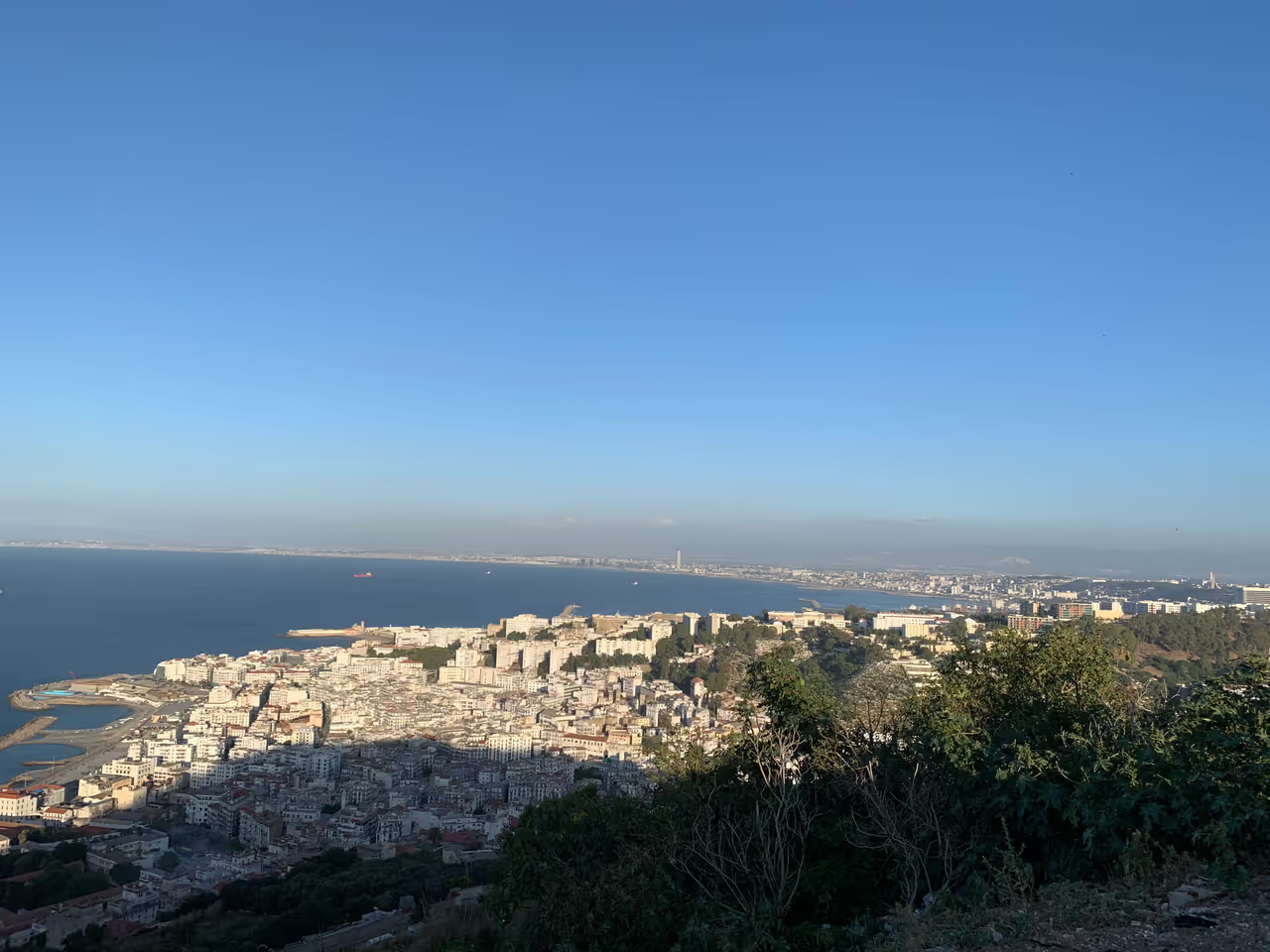 1264m
1264mBouzaréah
Perched at an altitude of over 300 metres, Bouzaréah offers a refreshing vantage point that sets it apart from the coastal heat. Known poetically as the city of the wind, this district acts as a sophisticated hilltop retreat, housing several foreign embassies and prestigious institutions like the Algerian Space Agency and the historic Algiers Observatory. Beyond its administrative importance, the area is a green escape where the forests of Baïnem and Bologhine invite peaceful walks away from the urban rhythm. Visiting here offers a chance to experience a more elevated, academic, and serene side of the capital, marked by grand views and a rich, scholarly atmosphere. It is the ideal spot for travellers looking to gain perspective on both the city below and the vast sky above.
park & nature view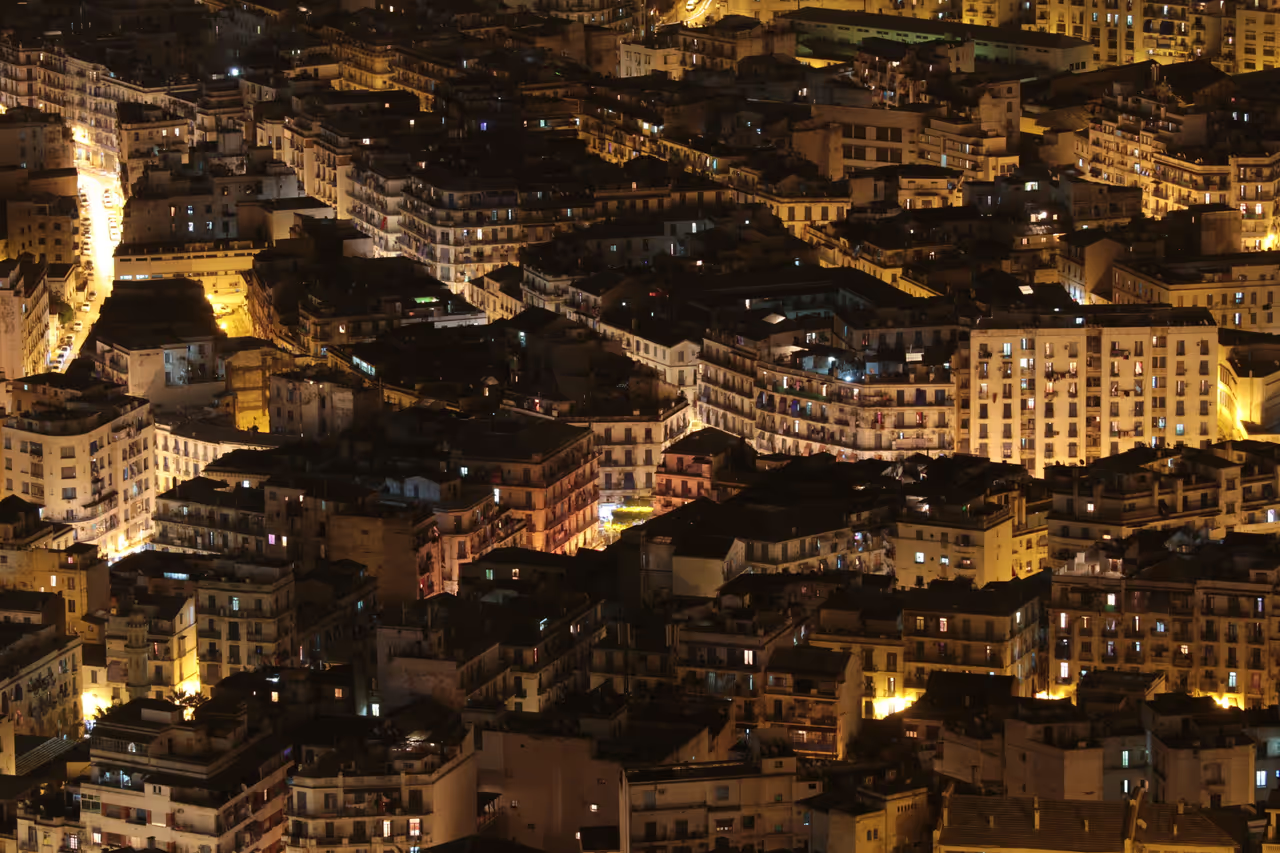 1744m
1744mBab El Oued Market
Located in one of the most famous working class districts, this sprawling market is the beating heart of local daily life. The sounds of vendors enthusiastically shouting their prices mix with the scent of fresh spices, ripe produce and roasting meats. You can find everything from vibrant seasonal fruits to household goods and traditional Algerian clothing stacked high on wooden stalls. It is an intensely authentic experience where you will be shoulder to shoulder with locals doing their daily shopping. The atmosphere is raw, energetic and completely devoid of tourist trappings. Wandering through here gives you an unfiltered glimpse into the true character of the capital.
market view- 2306m
Climat de France
This colossal, fortress like residential complex in the Bab El Oued district is an awe inspiring piece of modernist architecture that tourists rarely venture to see. Designed by Fernand Pouillon in the 1950s, the centrepiece is a massive public square surrounded by hundreds of towering stone columns. The sheer scale of the stone architecture feels ancient and monumental, almost like a modern Roman amphitheatre. It is a raw, densely populated residential area with a gritty and intense local atmosphere. Architecture enthusiasts will be absolutely floored by its imposing design. It stands as a complicated, monumental relic of late colonial urban planning.
hidden gem view
See all nature & parks in Algiers
Jardin d'Essai du Hamma, Bouzaréah, El Harrach, Reghaïa...