Basilica of Our Lady of Africa
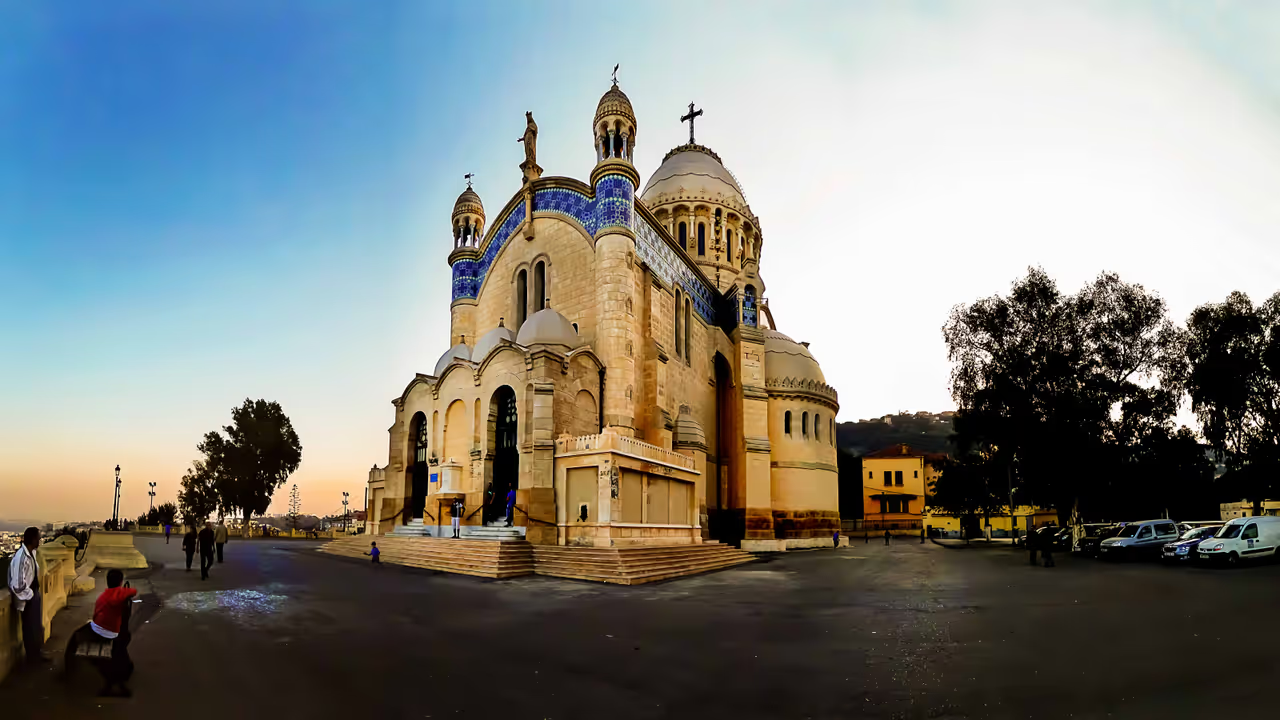
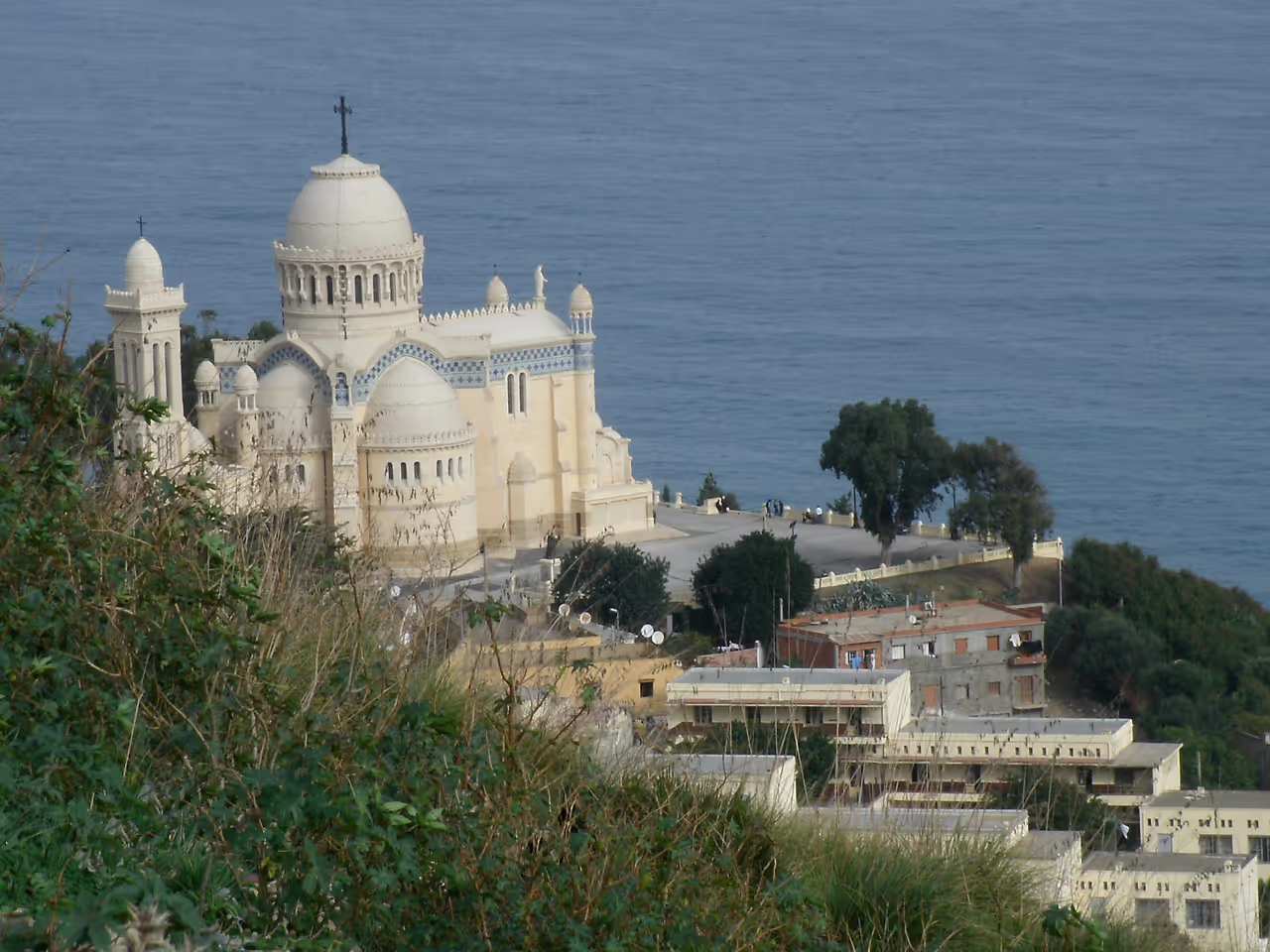
Perched on a cliff overlooking the shimmering Bay of Algiers, this architectural marvel serves as a beacon of peace and reflection. Its stunning Neo Byzantine style and ornate interiors create an atmosphere of profound serenity that contrasts with the vibrant energy of the city below. Visitors are often captivated by the powerful inscription inside, which asks the Virgin Mary to pray for both Christians and Muslims, highlighting the enduring spirit of harmony. It is a place where history, art, and spirituality converge to offer a unique vantage point of the Mediterranean coast. Taking time to wander through its beautifully restored halls is a rewarding way to connect with the city's complex and layered past.
Videos
History of Basilica of Our Lady of Africa
Standing high above the Mediterranean, the Basilica of Our Lady of Africa represents a collision of cultures and a desire for peace. Founded in the late nineteenth century by Charles Lavigerie, the church was intended to serve as a spiritual lighthouse for sailors and the sick. The architect Jean Eugene Fromageau utilised a Neo Byzantine style, inspired by the grand churches of the East, creating a landmark that would dominate the skyline of Algiers for over a century. Through the tumultuous years of the twentieth century, the basilica became more than a religious site. It became a witness to global history. When World War II engulfed the region, the vibrant stained glass windows were lost to the violence of war. Later, the structure survived the devastating Boumerdes earthquake in 2003, which threatened to silence its bells forever. The subsequent restoration was a testament to the community's determination to preserve this piece of their heritage. Today, the basilica stands as a bridge between faiths. The inscription within the apse, pleading for intercession for both Christians and Muslims, serves as a quiet reminder of shared humanity. It remains a place where the music of an historic organ fills the air, and where locals and travellers alike find a rare moment of stillness. It is a monument that watches over the bay and invites everyone to consider the possibility of coexistence.
Events spanning 145 years
Fun Facts
- • Inside, visitors can find a revered statue of a Black Madonna, which has been a source of devotion for sailors and travellers for generations.
- • It houses a renowned organ donated in 1930 by the wife of Albert Weddell, who was a close friend of the famous composer Camille Saint Saens.
- • Originally reachable by a cable car from the city centre, the site has long served as a pilgrimage point for those seeking solace and a spectacular view.
- • The Neo Byzantine style was chosen by architect Jean Eugene Fromageau to create a structure that felt both monumental and welcoming against the Mediterranean skyline.
- • The basilica features a distinct floor plan with the choir oriented toward the southeast, defying the typical eastern orientation of most Catholic churches.
- • The building is often considered the architectural sibling to Notre Dame de la Garde in Marseille, standing as a visual bridge across the Mediterranean Sea.
- • The extensive restoration project following the 2003 earthquake cost 5.1 million euros and took three years to return the site to its former glory.
- • The inscription in the apse, which reads Our Lady of Africa, pray for us and for the Muslims, serves as a unique and poignant symbol of interfaith respect in Algeria.
RESOURCES
Official WebsiteBasilica of Our Lady of Africa FAQ
While we strive to keep this information accurate and up to date, we recommend verifying any details independently before making decisions based on them.
Basilica of Our Lady of Africa Map & Neighborhood Explorer
This interactive map is centered on Basilica of Our Lady of Africa. Zoom in and move the map around to automatically discover Wikipedia photos and summaries of other nearby sights, monuments, and historical points of interest and stories in real-time!
Places near Basilica of Our Lady of Africa
Make the most of your trip. Check out these top-rated spots located nearby.
 414m
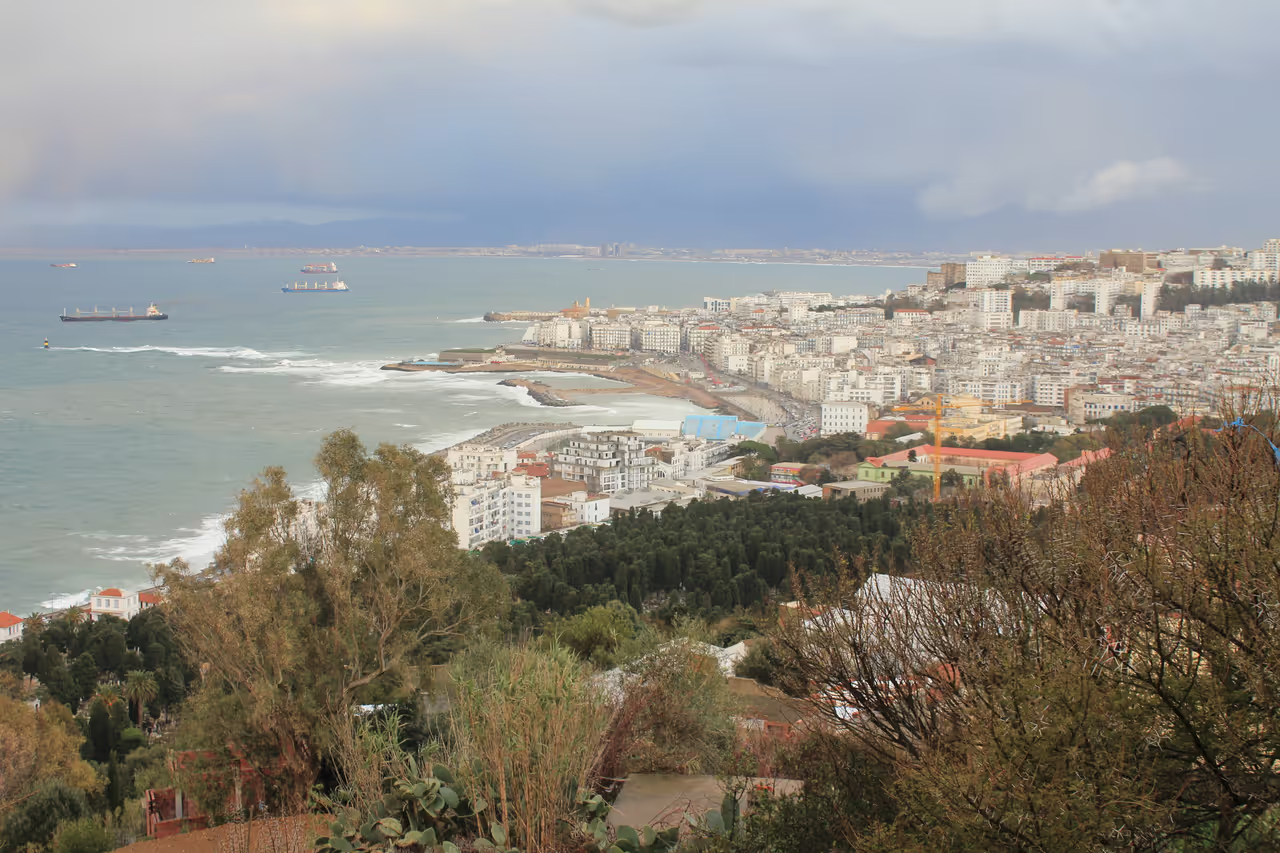
414mBologhine
Bologhine is a captivating suburb that hugs the Mediterranean coastline, offering a blend of deep historical roots and a vibrant modern atmosphere. Originally established by a Berber prince in the 10th century, this area has evolved through centuries of change, retaining a distinct character that stands apart from the nearby central districts. Visitors can wander through streets that echo with stories from the medieval Zirid dynasty and the later colonial era. It is an ideal spot to witness the authentic rhythm of daily life in Algiers, complemented by stunning views of the sea. Whether you are curious about the architectural shifts or the local sports culture, this neighbourhood provides a unique window into the soul of Algeria. It is a place that invites you to slow down and appreciate the layers of history that define this beautiful stretch of the coastline.
park & nature view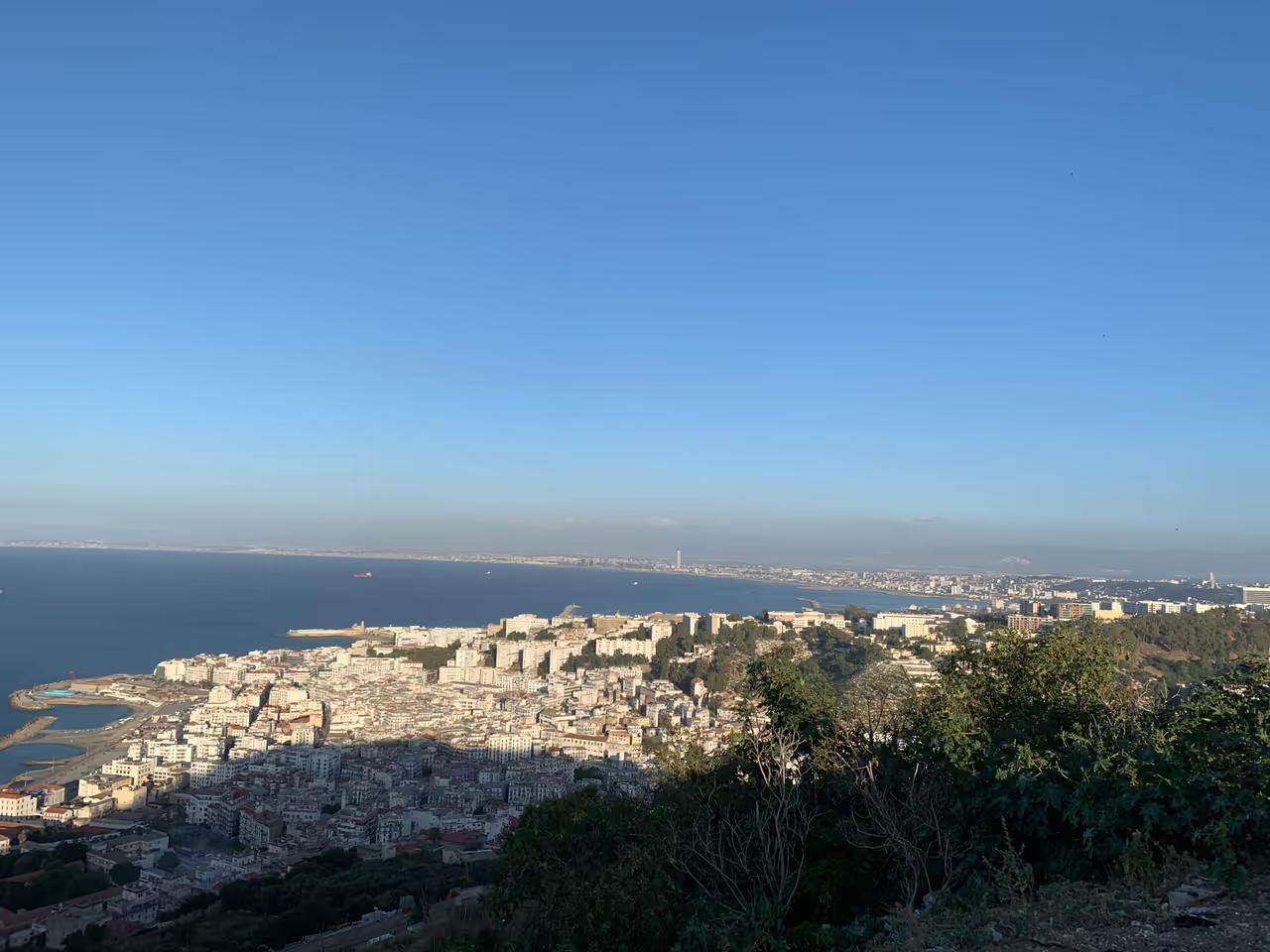 952m
952mBouzaréah
Perched at an altitude of over 300 metres, Bouzaréah offers a refreshing vantage point that sets it apart from the coastal heat. Known poetically as the city of the wind, this district acts as a sophisticated hilltop retreat, housing several foreign embassies and prestigious institutions like the Algerian Space Agency and the historic Algiers Observatory. Beyond its administrative importance, the area is a green escape where the forests of Baïnem and Bologhine invite peaceful walks away from the urban rhythm. Visiting here offers a chance to experience a more elevated, academic, and serene side of the capital, marked by grand views and a rich, scholarly atmosphere. It is the ideal spot for travellers looking to gain perspective on both the city below and the vast sky above.
park & nature view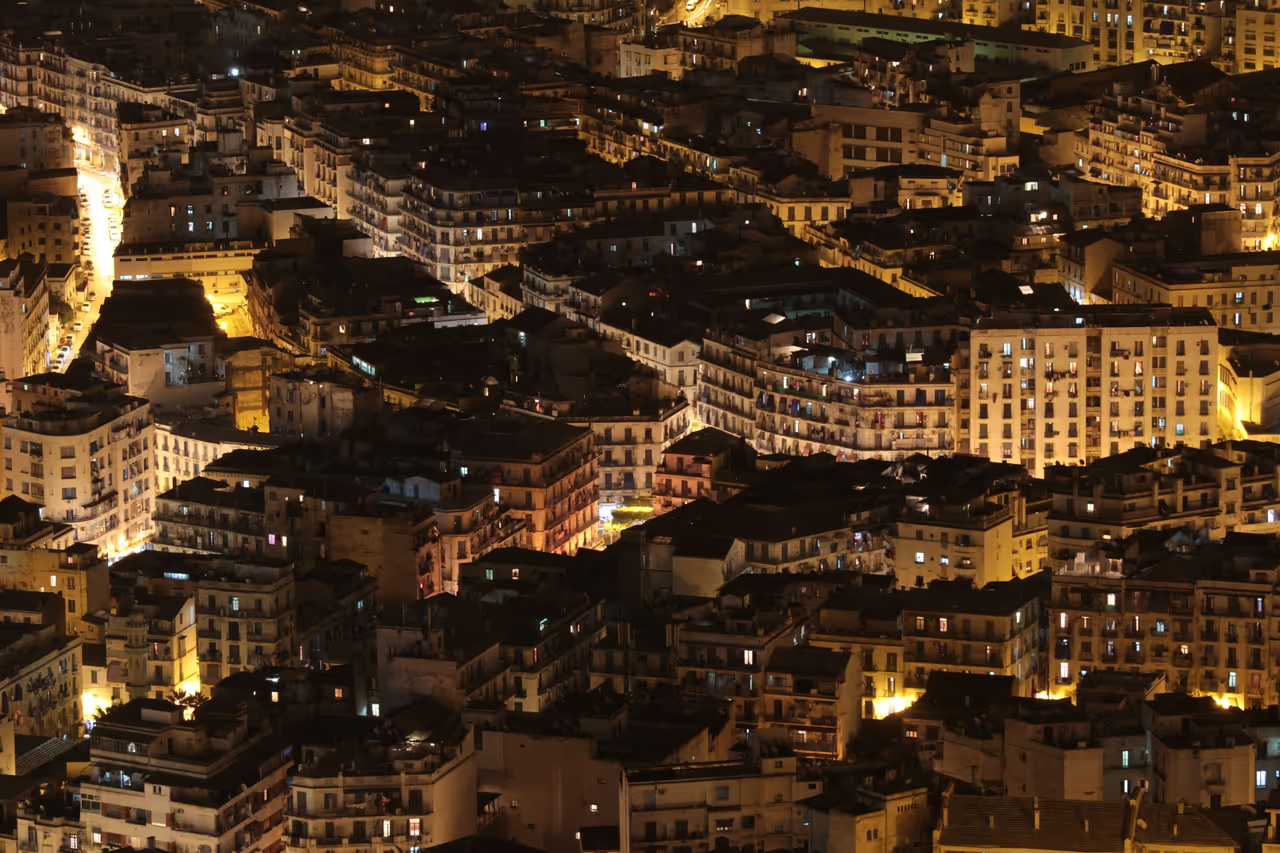 1486m
1486mBab El Oued Market
Located in one of the most famous working class districts, this sprawling market is the beating heart of local daily life. The sounds of vendors enthusiastically shouting their prices mix with the scent of fresh spices, ripe produce and roasting meats. You can find everything from vibrant seasonal fruits to household goods and traditional Algerian clothing stacked high on wooden stalls. It is an intensely authentic experience where you will be shoulder to shoulder with locals doing their daily shopping. The atmosphere is raw, energetic and completely devoid of tourist trappings. Wandering through here gives you an unfiltered glimpse into the true character of the capital.
market view- 1936m
Climat de France
This colossal, fortress like residential complex in the Bab El Oued district is an awe inspiring piece of modernist architecture that tourists rarely venture to see. Designed by Fernand Pouillon in the 1950s, the centrepiece is a massive public square surrounded by hundreds of towering stone columns. The sheer scale of the stone architecture feels ancient and monumental, almost like a modern Roman amphitheatre. It is a raw, densely populated residential area with a gritty and intense local atmosphere. Architecture enthusiasts will be absolutely floored by its imposing design. It stands as a complicated, monumental relic of late colonial urban planning.
hidden gem view
Explore Similar Places in This Collection
Featured on These Itineraries and Routes
3 Days in Algiers: Culture and Coastline Itinerary
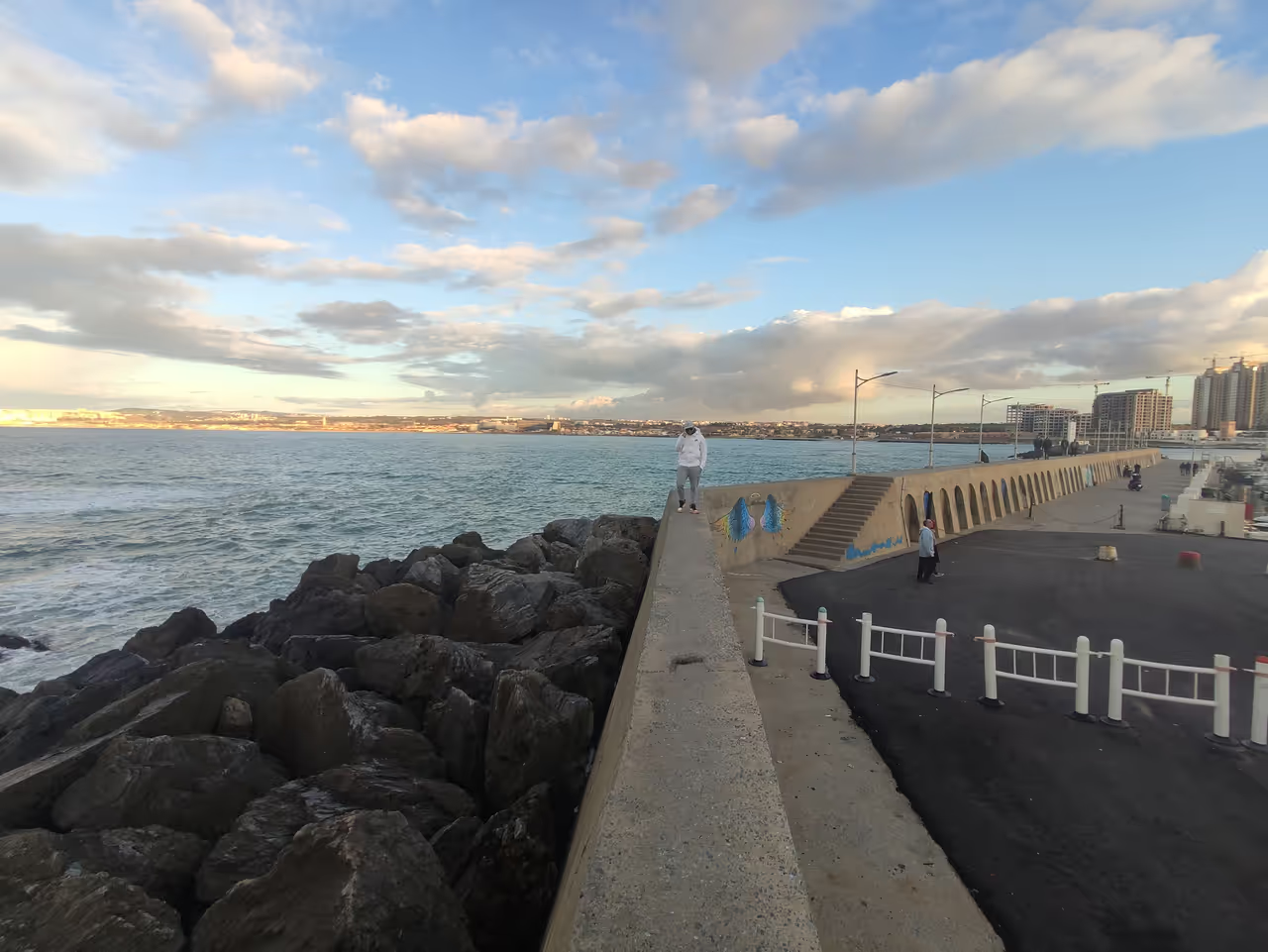
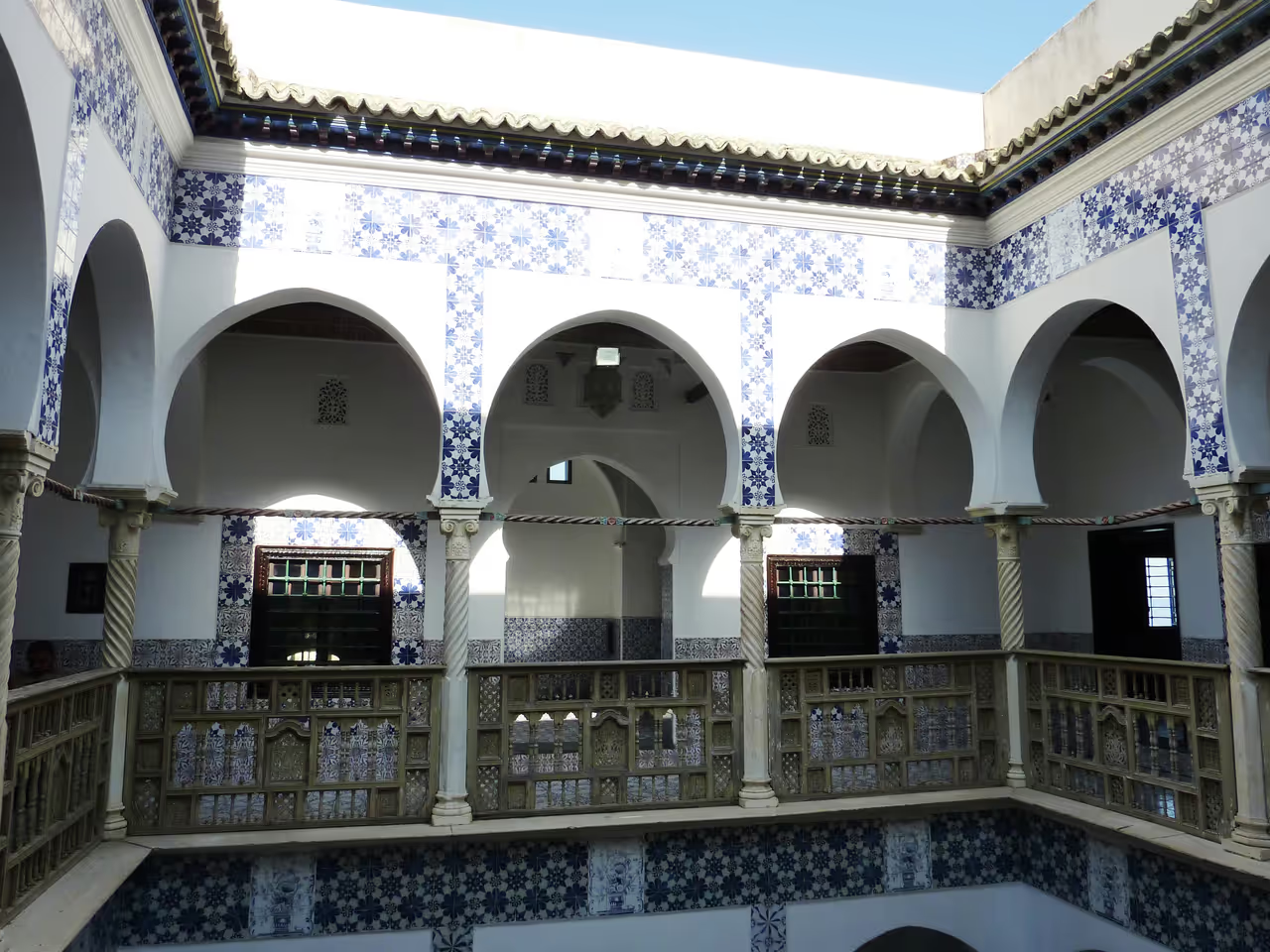
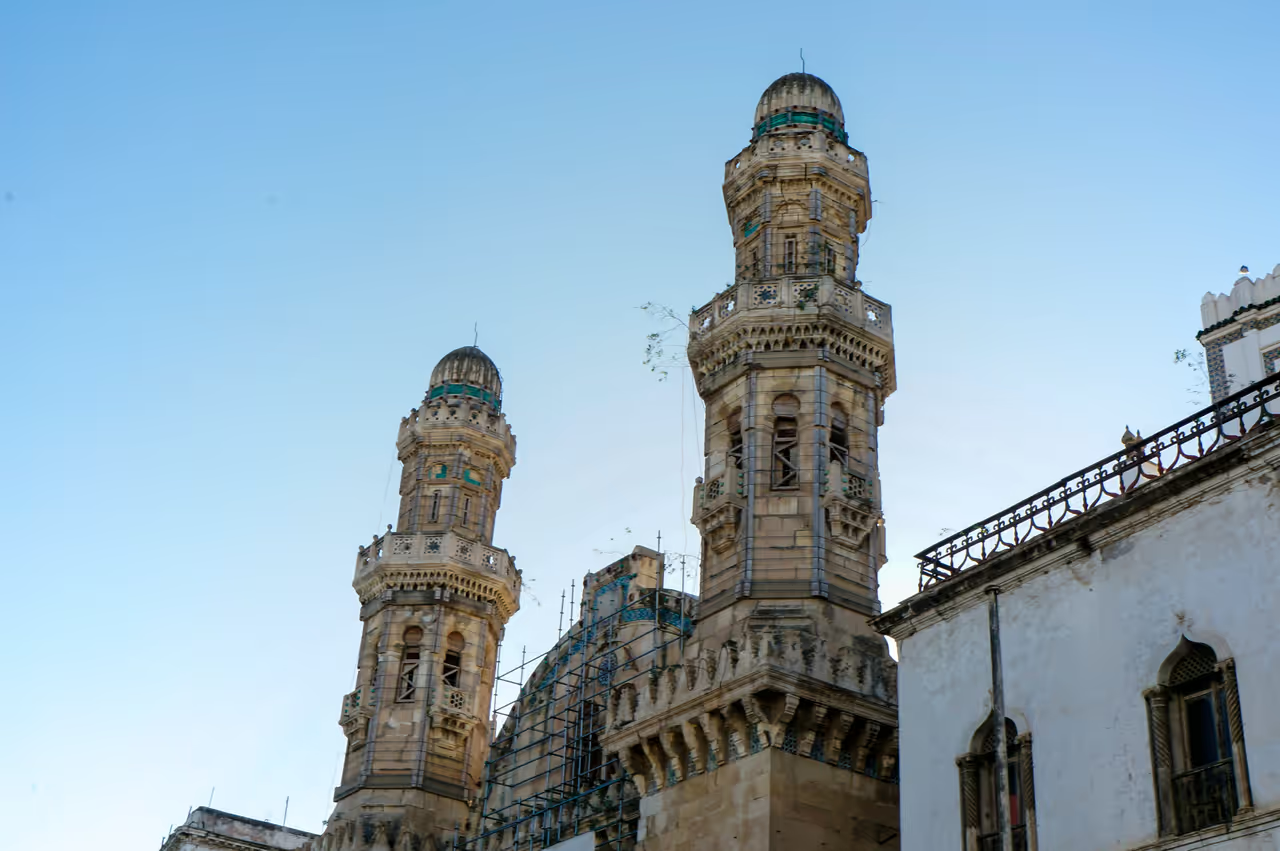
This balanced itinerary allows you to explore the rich, layered history of the city at a much more comfortable pace. Over three days, you will uncover the secrets of the ancient corsair palaces, appreciate the vast botanical diversity, and experience the modern seafront developments. It provides enough time to enjoy long, leisurely lunches and properly soak in the relaxed Mediterranean atmosphere. You will leave with a profound understanding of the local culture.
view itinerary
5 Days in Algiers: Ultimate Explorer Itinerary
For the traveller who wants to uncover every hidden facet of the capital, this extensive five day plan goes far beyond the typical tourist trail. You will have time to explore the affluent diplomatic districts, the intense working class neighbourhoods, and the relaxing western beach resorts. It includes deep dives into specialised museums and offers plenty of time for spontaneous discoveries. This is the ultimate way to fully integrate into the rhythm of the city.
view itinerary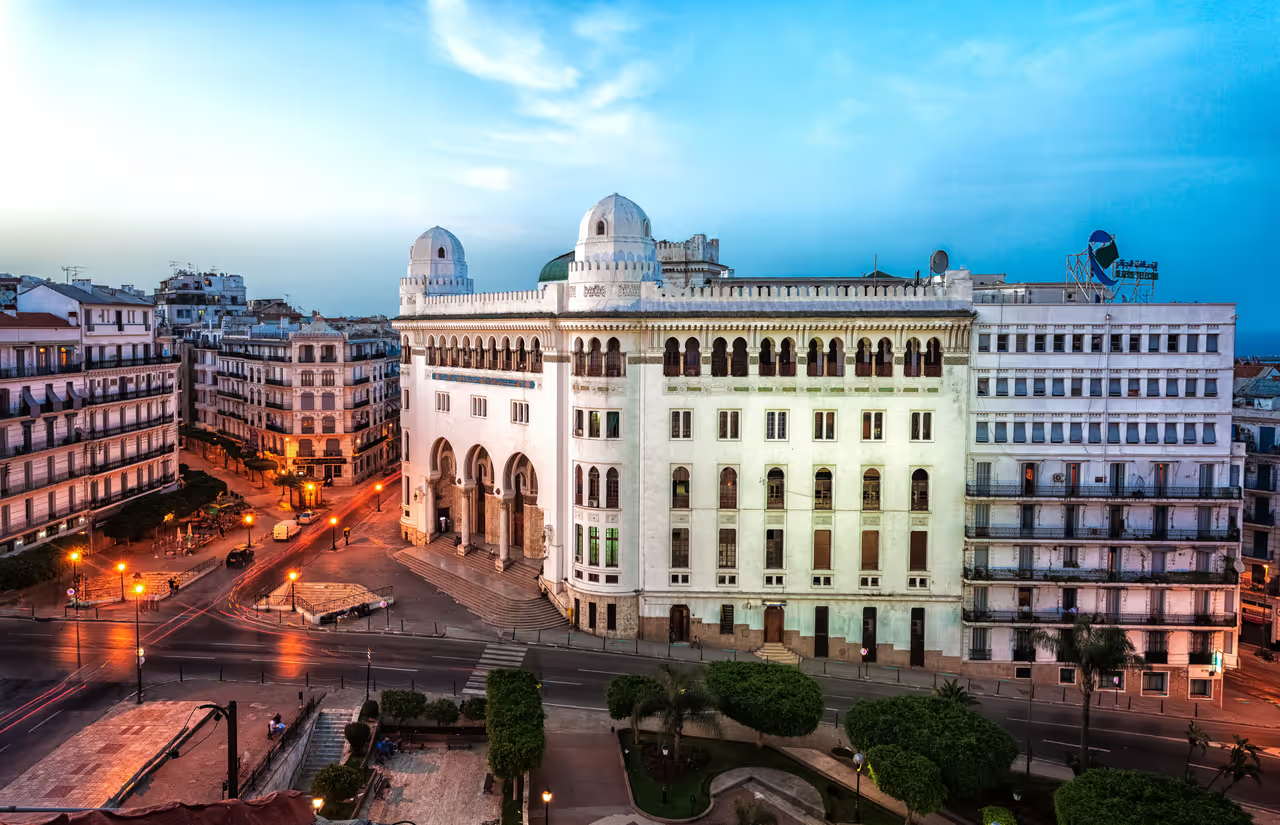
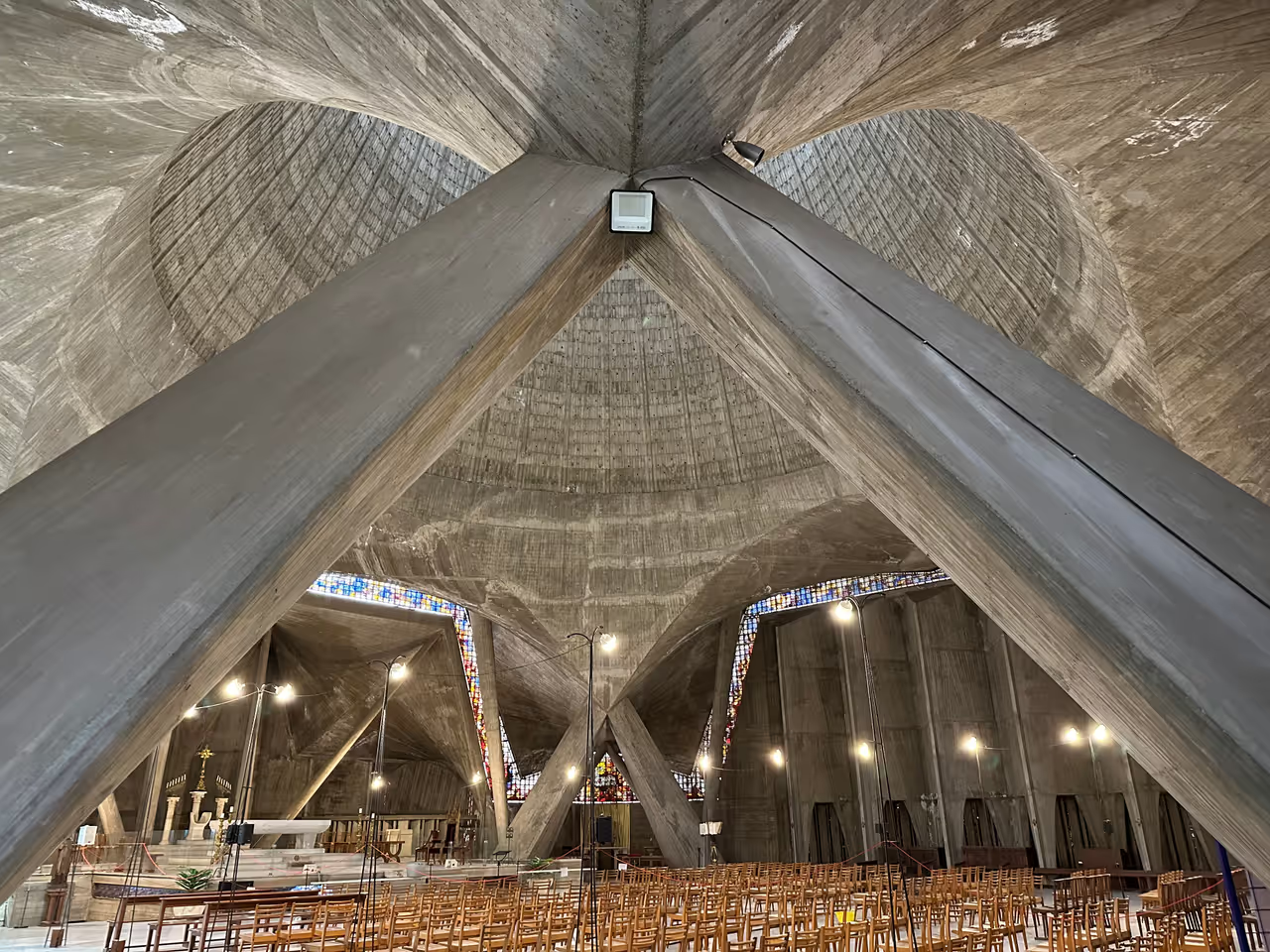
Architectural Wonders of the French Era
This journey examines the ambitious and often experimental architecture left behind by over a century of colonial rule. You will discover how European designers attempted to blend their traditional styles with local Moorish elements, creating a unique hybrid aesthetic. The route covers monumental public buildings, striking religious structures and the grand boulevards designed to project imperial power. It is a fascinating study of how politics and culture are permanently cemented into the physical landscape. Understanding this era is crucial to understanding the modern layout of the capital.
view self-guided tour
See all attractions in Algiers
Great Mosque of Algiers, Ketchaoua Mosque, Martyrs' Memorial, National Museum of Fine Arts, Palais des Rais, Algiers Central Post Office, Bardo National Museum of Prehistory and Ethnography...