Jardin d'Essai du Hamma
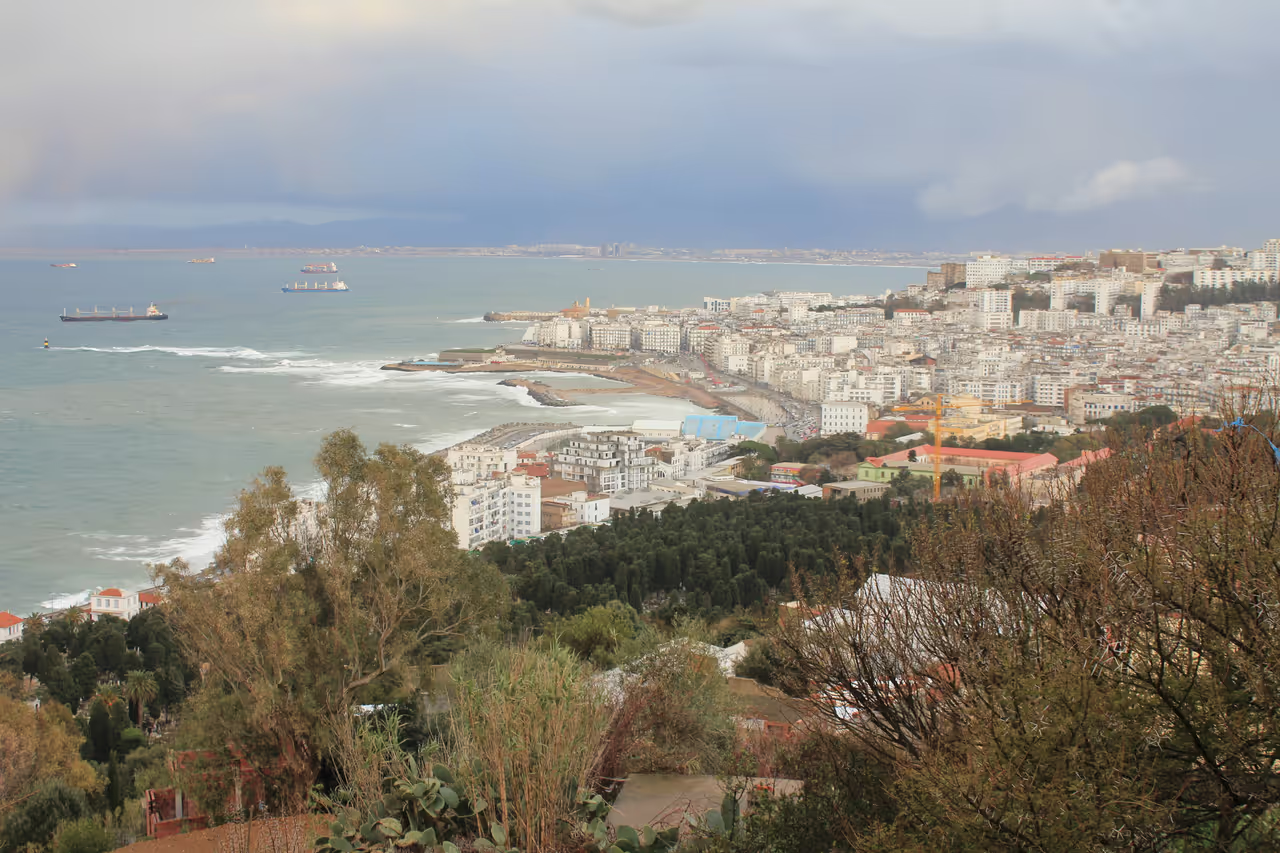
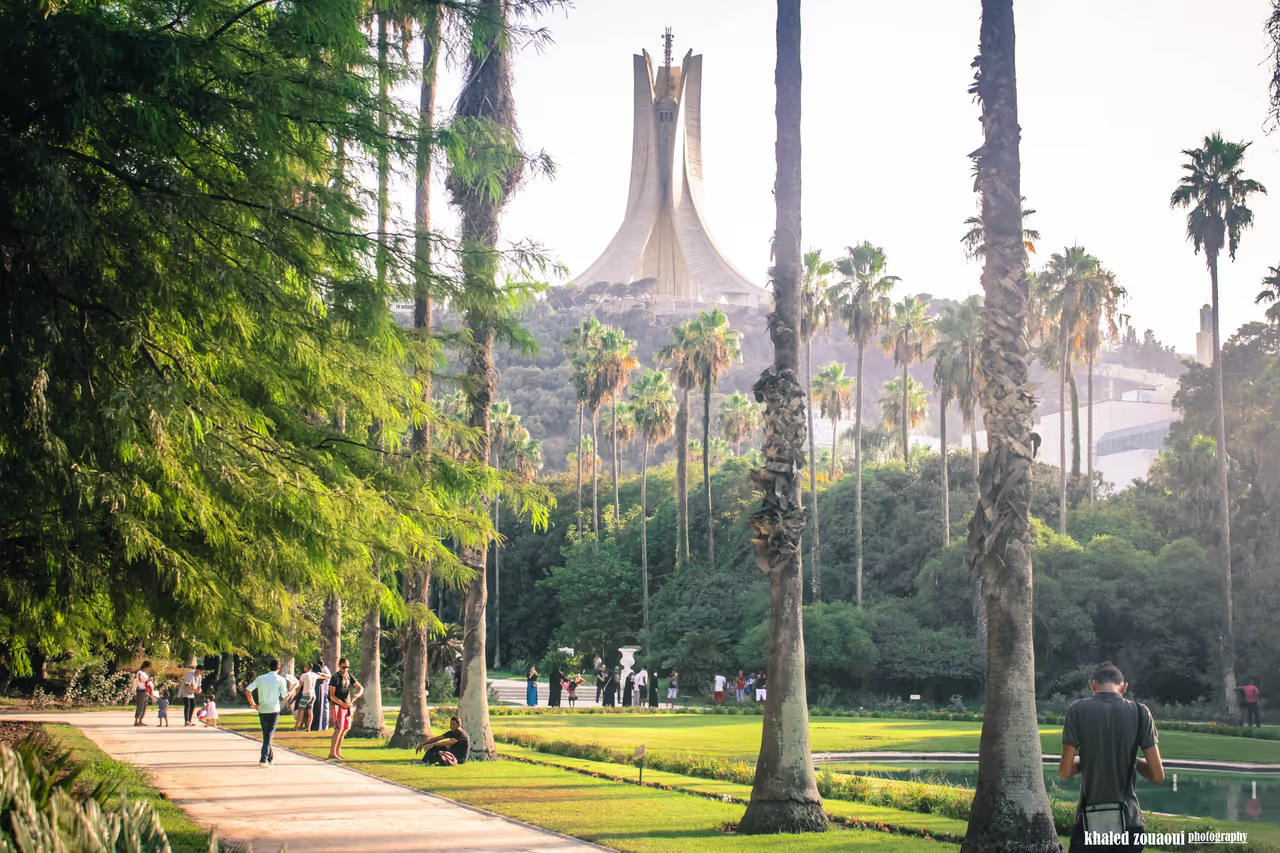
Step into a verdant sanctuary where time slows down amidst the city's energy. The Jardin d'Essai du Hamma serves as a breathtaking green lung for Algiers, blending an extensive botanical garden with a charming zoological section. Wander through meticulously curated pathways that transition from French-style formal gardens to vibrant, tropical landscapes. Originally an experimental site for acclimatising foreign plants, it now stands as a beloved public retreat for locals and visitors alike. It is a place where history meets nature, perfect for a peaceful afternoon stroll under the shade of ancient trees. Whether you are interested in botany or simply craving a moment of tranquillity, this historic oasis offers an unforgettable escape.
Videos
History of Jardin d'Essai du Hamma
The history of the Jardin d'Essai du Hamma began in 1832, born from a practical necessity. Civil Intendant Pierre Genty De Bussy and General Antoine Avisard set their sights on the marshy lowlands near the Arcades hill, envisioning a site that could do more than just exist as a park. Their plan was to establish a model farm and a test garden, a scientific endeavour meant to acclimatise foreign plant species to the Algerian landscape. It was a bold experiment in agriculture that transformed a swampy, forgotten corner of Algiers into a thriving hub of discovery. Under the guidance of director Auguste Hardy, who arrived in 1842, the garden truly came into its own. Hardy expanded the vision, integrating animal species and creating an industrial site that became essential for the region's agricultural development. By the late 19th century, the garden had become a renowned scientific institution, housing thousands of species and serving as a vital resource for settlers and public organisations alike. It was a place where global botany was brought to life in North Africa, creating a microclimate that allowed exotic flora to flourish in ways rarely seen elsewhere. The 21st century marked a new chapter for this historic landmark. After a period of decline, a comprehensive restoration programme between 2004 and 2009 breathed fresh life into the garden, modernising its infrastructure while preserving its 19th-century charm. Today, it operates as the base for the Algerian National Institute of Agronomical Research, maintaining its scientific roots while opening its gates to the public. It stands as a testament to the city's resilience and its enduring appreciation for nature, remaining a favourite destination for those seeking to understand the intersection of Algiers' past and its living, growing present.
Events spanning 177 years
Fun Facts
- • During its 19th-century peak, the garden became so significant that by 1867 it was home to an estimated 8,214 distinct plant species.
- • Hollywood fame visited the grounds in 1932 when the garden served as a filming location for the movie Tarzan the Ape Man, utilising its lush, jungle-like aesthetic.
- • It is one of the few botanical gardens in the world that continues to function as a core facility for a national agricultural research institute.
- • The 2004 to 2009 restoration was a significant national project designed to save the garden from deterioration and restore its status as one of the most beautiful in the Mediterranean.
- • The layout includes a striking transition from formal, structured French garden design to wilder, more sprawling tropical areas.
- • The original 1832 project was conceived not as a simple pleasure garden, but as a crucial agricultural laboratory to drain marshes and test new crop varieties.
- • The park features a distinct separation between a scientific arboretum and a recreational zoo, housing animals ranging from Bengal tigers to Japanese carp.
- • The unique valley location creates a protected microclimate, allowing plant species from all over the world to thrive in Algiers that would otherwise struggle in the local environment.
RESOURCES
Official WebsiteJardin d'Essai du Hamma FAQ
While we strive to keep this information accurate and up to date, we recommend verifying any details independently before making decisions based on them.
Jardin d'Essai du Hamma Map & Neighborhood Explorer
This interactive map is centered on Jardin d'Essai du Hamma. Zoom in and move the map around to automatically discover Wikipedia photos and summaries of other nearby sights, monuments, and historical points of interest and stories in real-time!
Places near Jardin d'Essai du Hamma
Make the most of your trip. Check out these top-rated spots located nearby.
 361m
361mNational Museum of Fine Arts
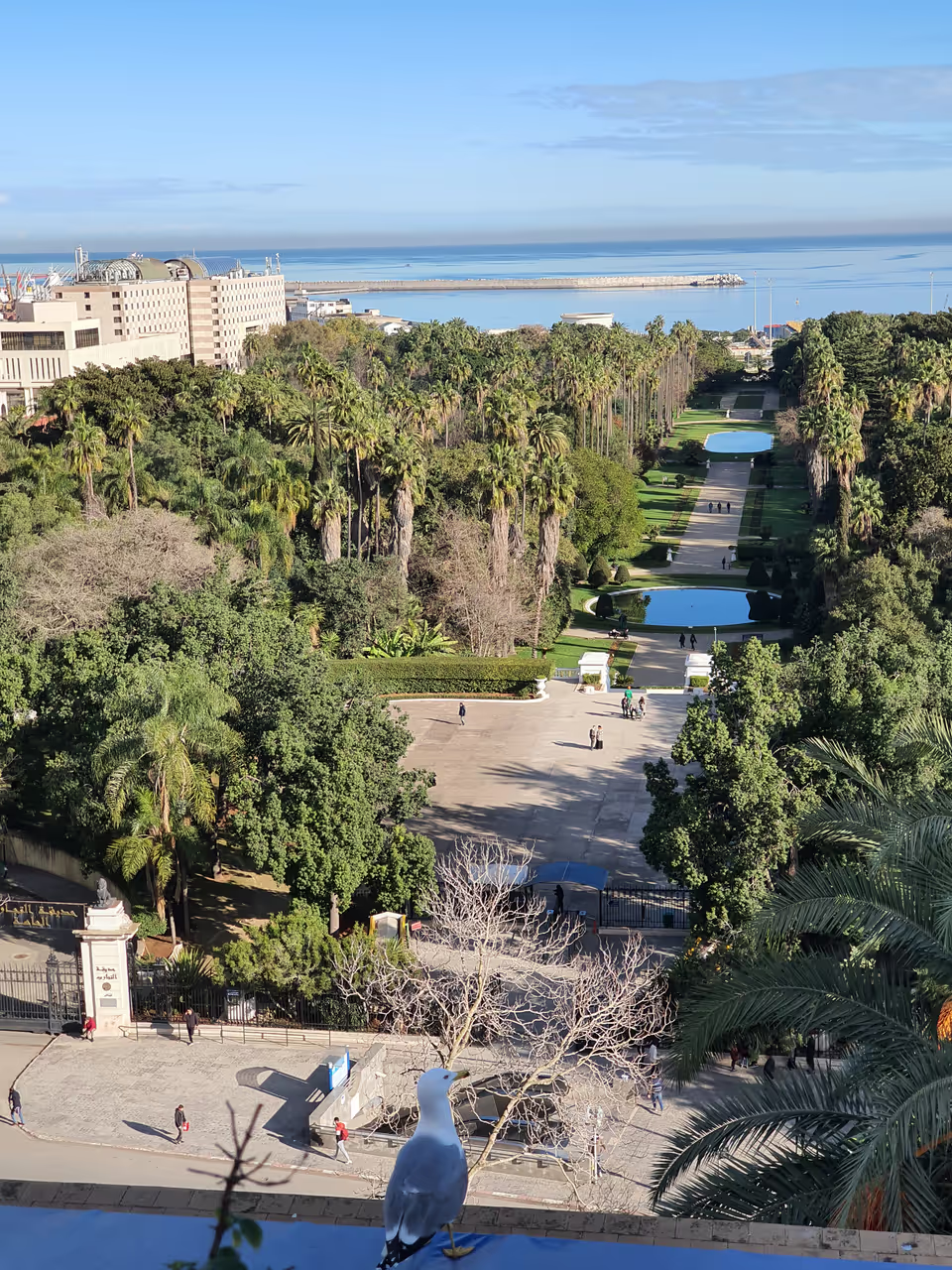
Perched overlooking the verdant Hamma district, the National Museum of Fine Arts stands as a testament to the artistic soul of the country. Visitors can explore an impressive collection of over 8,000 works, ranging from European masterpieces by iconic names like Monet and Gauguin to the vibrant expressions of celebrated Algerian artists such as Baya and Racim. The museum serves as a serene sanctuary where time seems to slow down, inviting you to wander through spacious galleries filled with paintings, sculptures, and exquisite decorative arts. Its location adjacent to the famous Hamma Test Garden makes it an ideal spot for a thoughtful and relaxing afternoon. This institution is a reflection of the nation's journey through the twentieth century and beyond. Exploring these halls offers a rare opportunity to witness how diverse artistic traditions have shaped the national spirit and identity over the decades.
attraction view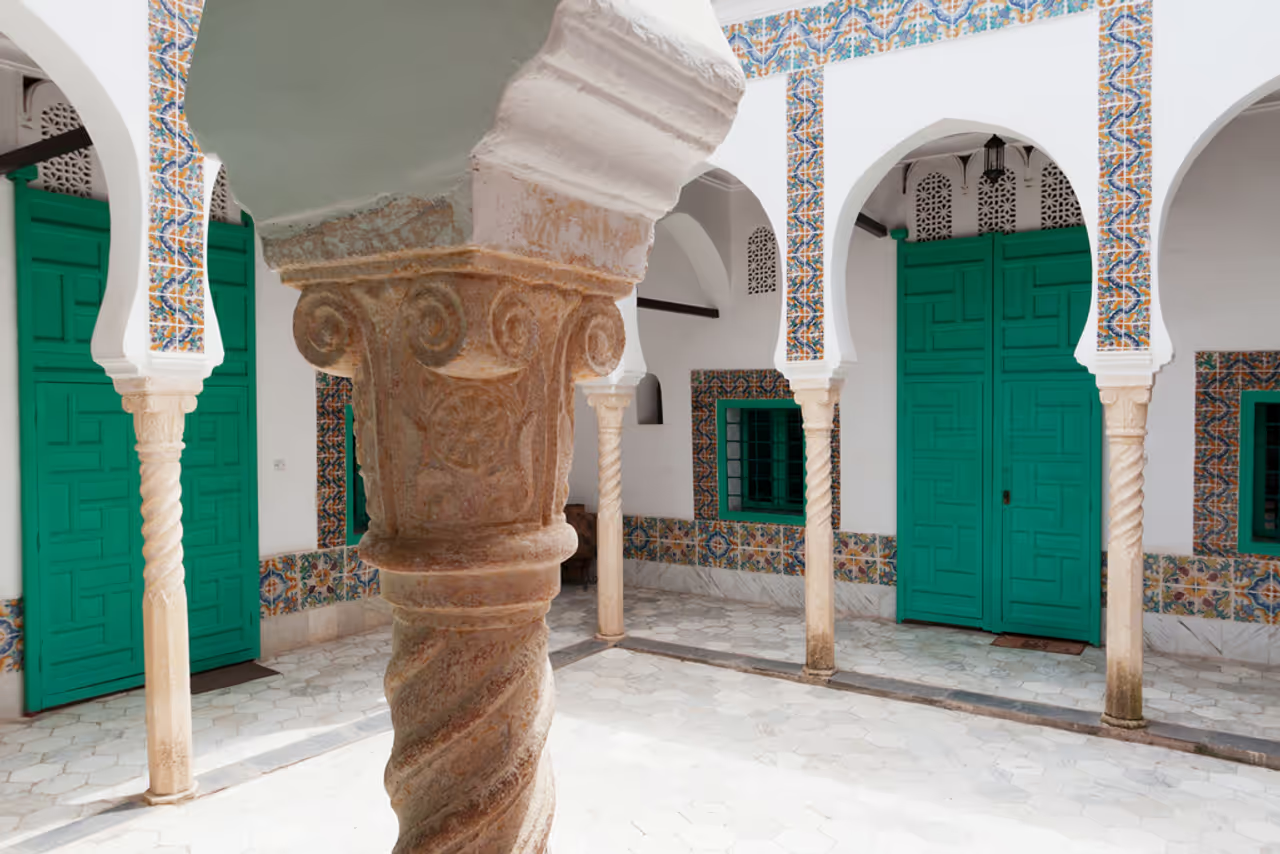 392m
392mVilla Abd-el-Tif
This exquisite Ottoman era mansion sits quietly above the Botanical Gardens, hidden from the main tourist trails. Originally built as a luxurious rural retreat for wealthy dignitaries, it features stunning tiled courtyards, trickling fountains and elegant arched galleries. During the colonial period, it famously served as a prestigious residency for visiting French painters who were captivated by the local light and culture. Today, the restored villa continues to host artists and provides a wonderfully peaceful atmosphere. Wandering through its empty, echoing halls feels like discovering a secret palace. It is a masterpiece of historical preservation.
hidden gem view- 498m
Relax in Bois des Arcades
Escape the dense urban environment without spending a penny by wandering up into this elevated, forested hill area. The quiet roads are shaded by massive pine trees, providing a cool and highly peaceful environment. The primary draw here is the sweeping, completely free panoramic views over the entire bay and cityscape. It is a wonderful location for a quiet afternoon picnic or a sunset walk.
free thing to do view 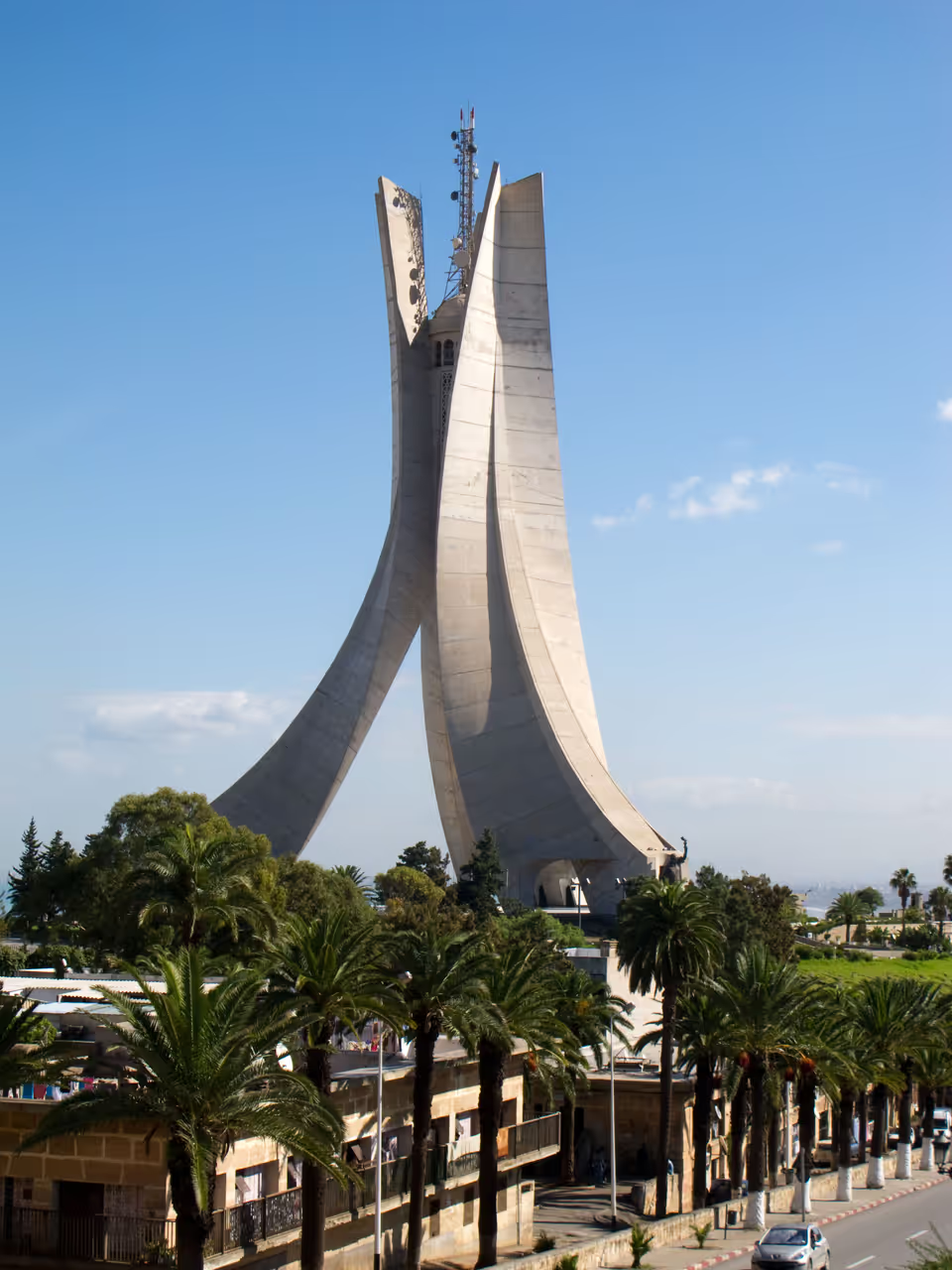 595m
595mMartyrs' Memorial
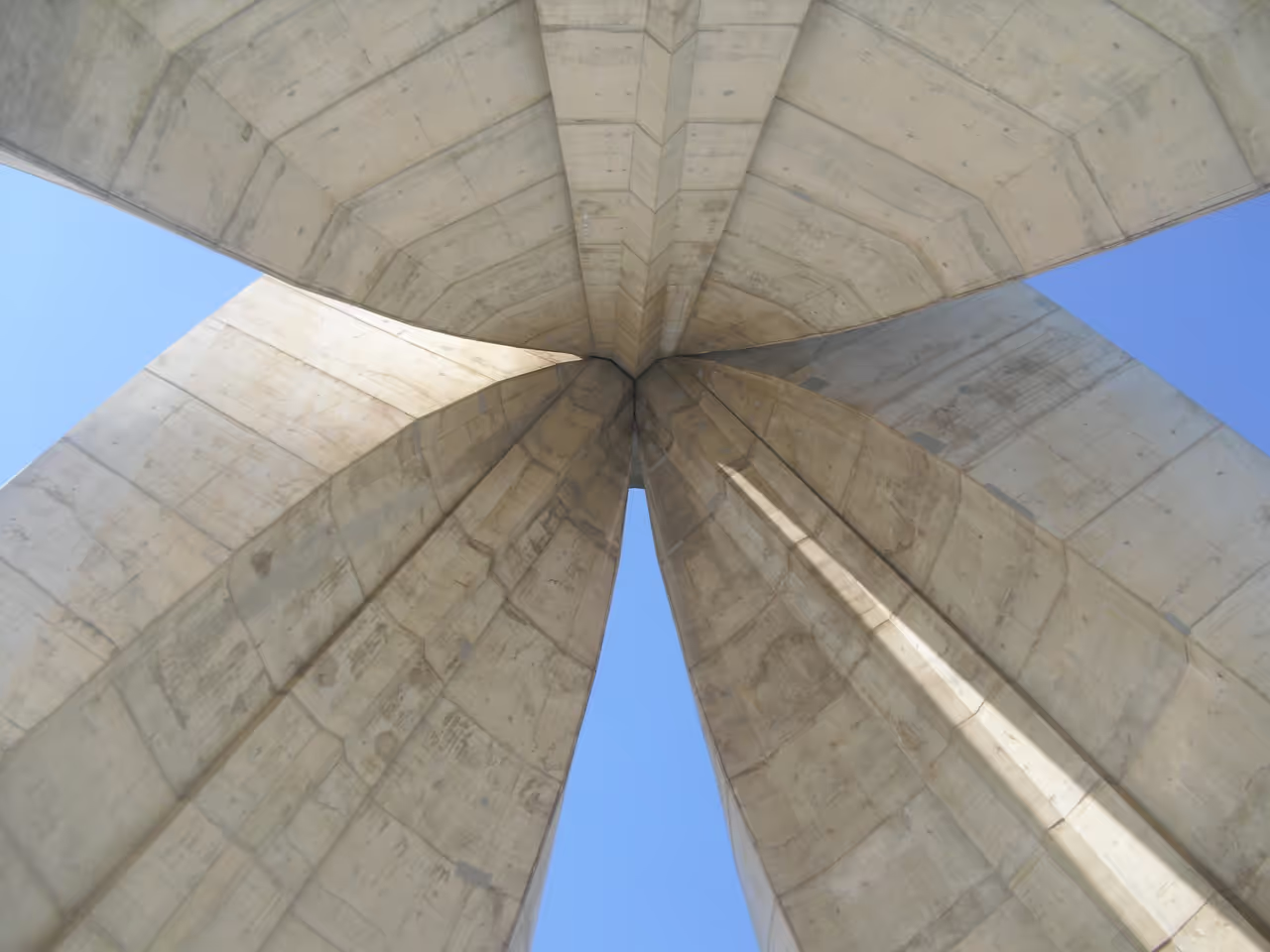
Dominating the skyline of Algiers, the Martyrs' Memorial serves as an evocative and powerful tribute to the heroes of the Algerian struggle for independence. This concrete masterpiece takes the shape of three stylized palm leaves which shelter an eternal flame at their base. Visitors can explore the solemn statues at the base of each fin, each representing a distinct chapter of national history. Beyond the monument itself, the site offers breathtaking views across the Bay of Algiers and houses a fascinating underground museum. It remains an essential stop for anyone wanting to connect with the deep national pride and resilience of Algeria. At night, the memorial comes alive with a dynamic lighting scheme, transforming it into a glowing beacon visible for miles.
attraction view
Featured on These Itineraries and Routes
3 Days in Algiers: Culture and Coastline Itinerary
This balanced itinerary allows you to explore the rich, layered history of the city at a much more comfortable pace. Over three days, you will uncover the secrets of the ancient corsair palaces, appreciate the vast botanical diversity, and experience the modern seafront developments. It provides enough time to enjoy long, leisurely lunches and properly soak in the relaxed Mediterranean atmosphere. You will leave with a profound understanding of the local culture.
view itinerary
5 Days in Algiers: Ultimate Explorer Itinerary
For the traveller who wants to uncover every hidden facet of the capital, this extensive five day plan goes far beyond the typical tourist trail. You will have time to explore the affluent diplomatic districts, the intense working class neighbourhoods, and the relaxing western beach resorts. It includes deep dives into specialised museums and offers plenty of time for spontaneous discoveries. This is the ultimate way to fully integrate into the rhythm of the city.
view itinerary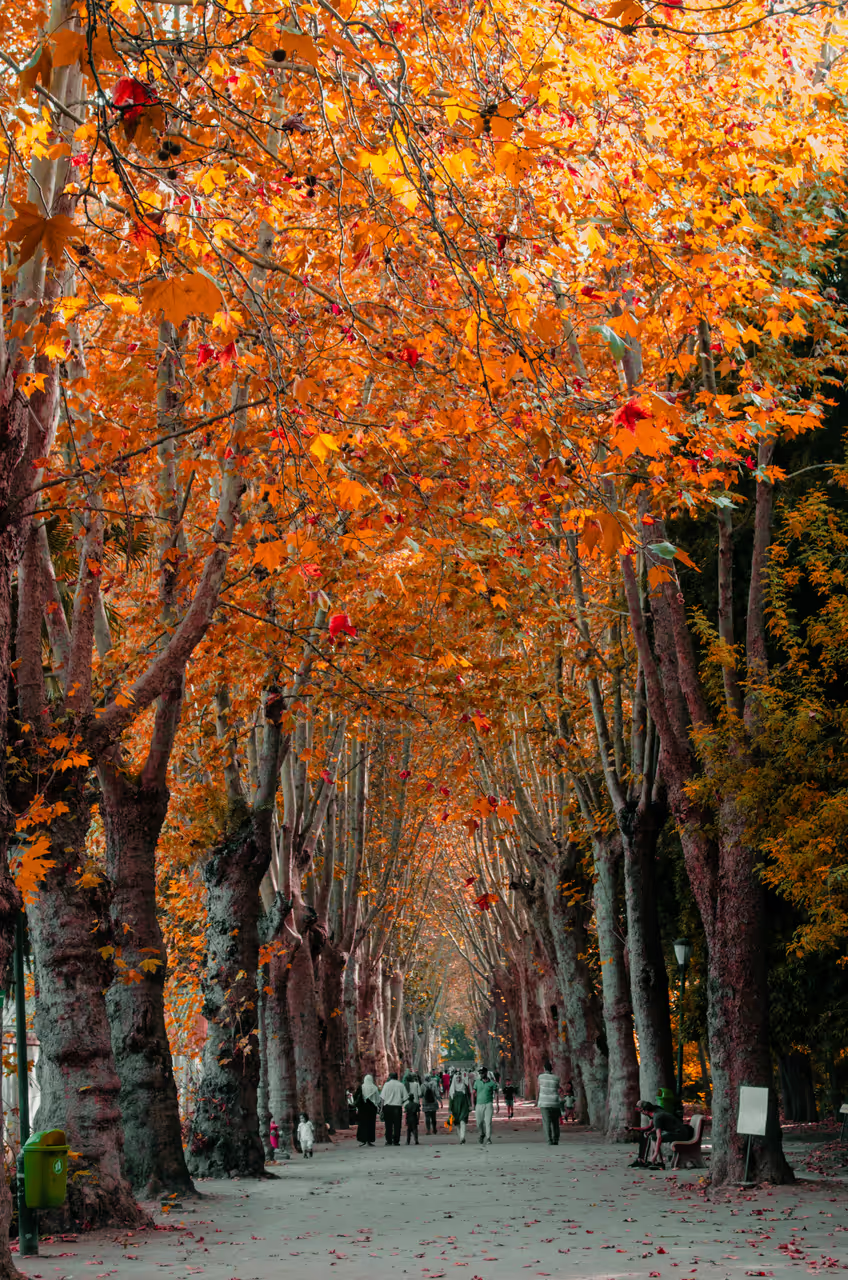

Botanical to Arcades Climb
This route takes you from the lush greenery of the lower city up into the elevated, forested hills. While it requires a bit of effort to tackle the incline, the transition from urban jungle to peaceful woodland is incredibly rewarding. The winding roads are shaded by massive trees, providing relief from the sun. Once you reach the top, you are treated to magnificent panoramic views over the historic monuments and the sea. It is a fantastic mix of nature and urban exploration.
view cycling route
See all nature & parks in Algiers
Bologhine, Bouzaréah, El Harrach, Reghaïa...