National Museum of Fine Arts
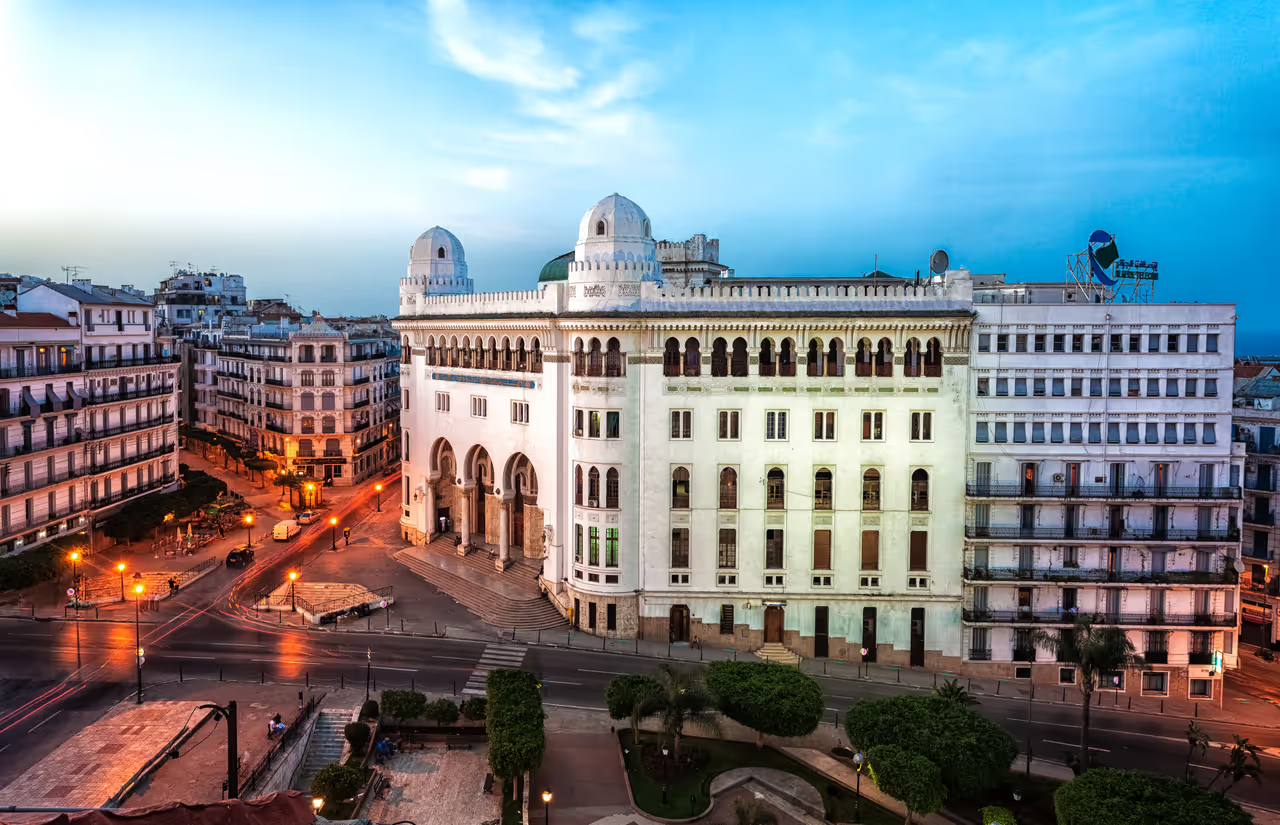
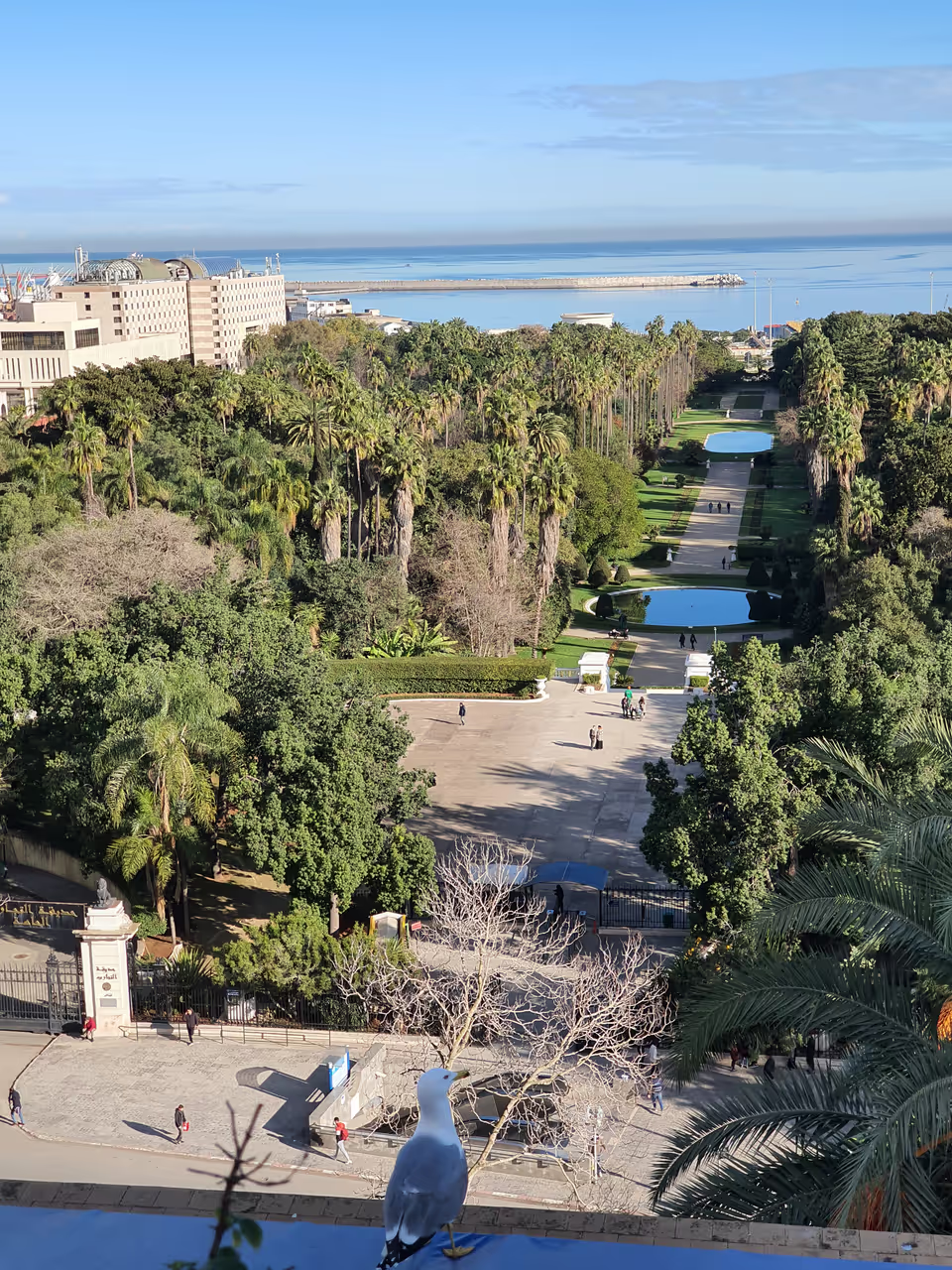
Perched overlooking the verdant Hamma district, the National Museum of Fine Arts stands as a testament to the artistic soul of the country. Visitors can explore an impressive collection of over 8,000 works, ranging from European masterpieces by iconic names like Monet and Gauguin to the vibrant expressions of celebrated Algerian artists such as Baya and Racim. The museum serves as a serene sanctuary where time seems to slow down, inviting you to wander through spacious galleries filled with paintings, sculptures, and exquisite decorative arts. Its location adjacent to the famous Hamma Test Garden makes it an ideal spot for a thoughtful and relaxing afternoon. This institution is a reflection of the nation's journey through the twentieth century and beyond. Exploring these halls offers a rare opportunity to witness how diverse artistic traditions have shaped the national spirit and identity over the decades.
Videos
History of National Museum of Fine Arts
The history of this museum is deeply intertwined with the shifting political landscape of the twentieth century. Originally conceived during the colonial era to celebrate the centenary of the French presence in Algeria, the building itself was designed by Paul Guion. It was constructed to be a beacon of culture, aiming to bring the grandeur of European fine arts to the shores of North Africa. The architecture remains a defining feature today, reflecting a desire to blend Mediterranean tradition with a modern, rectilinear aesthetic that still commands attention on the hill overlooking the Hamma district. As the struggle for independence intensified, the museum became a flashpoint for tension. In the final, turbulent days of the conflict, the institution faced the threat of destruction, prompting a controversial and clandestine operation. Fearing looting or ideological destruction, French authorities removed over three hundred of the museum's most valuable paintings and sculptures in the middle of the night, spiriting them away to the Louvre in Paris. For the local staff who discovered empty frames on the walls the following morning, it was a moment of profound shock that underscored the deep cultural wounds of the era. Today, the museum stands as a symbol of restored sovereignty and cultural continuity. The successful repatriation of the stolen works in 1970, achieved after years of delicate diplomatic negotiation, remains one of the few instances of cooperation during a fractured time. This institution now serves as a bridge, housing European masterpieces alongside the works of legendary Algerian artists. Visitors who walk through its halls today find a space that has moved beyond its origins to become a vital part of the national identity, where history is not just remembered but celebrated.
Events spanning 40 years
Fun Facts
- • During the chaotic months preceding independence in 1962, museum staff discovered that hundreds of artworks had vanished, realizing only then that they had been secretly shipped to France.
- • It holds a significant collection of orientalist art, offering a fascinating window into how European artists interpreted North African life throughout the colonial era.
- • Its library and print room contain an impressive array of etchings, miniatures, and calligraphy that remain hidden gems for many visitors.
- • The galleries feature a notable selection of Impressionist works, including pieces by Camille Pissarro and Pierre Auguste Renoir, which are rare to find in such concentration in the region.
- • The institution houses an expansive collection exceeding 8,000 pieces, including rare ceramics, furniture, and decorative arts.
- • The museum building was designed by the architect Paul Guion and opened its doors in 1930, featuring a style that marries Mediterranean influences with modern design.
- • The museum is strategically located on the hill overlooking the Hamma Test Garden, a lush botanical site that provides a stunning backdrop for the museum grounds.
- • The museum played a pivotal role in elevating the status of Algerian artists like Baya and Mohammed Racim, providing them with a platform for national and international recognition.
- • The oldest item in the entire collection is a painting titled Baptism of Christ, created by Barnaba da Modena in 1367.
- • The repatriation of the artworks in 1970 stands as a remarkable example of successful cultural diplomacy and goodwill between Algeria and France following the war.
RESOURCES
Official WebsiteNational Museum of Fine Arts FAQ
While we strive to keep this information accurate and up to date, we recommend verifying any details independently before making decisions based on them.
National Museum of Fine Arts Map & Neighborhood Explorer
This interactive map is centered on National Museum of Fine Arts. Zoom in and move the map around to automatically discover Wikipedia photos and summaries of other nearby sights, monuments, and historical points of interest and stories in real-time!
Places near National Museum of Fine Arts
Make the most of your trip. Check out these top-rated spots located nearby.
 148m
148mVilla Abd-el-Tif
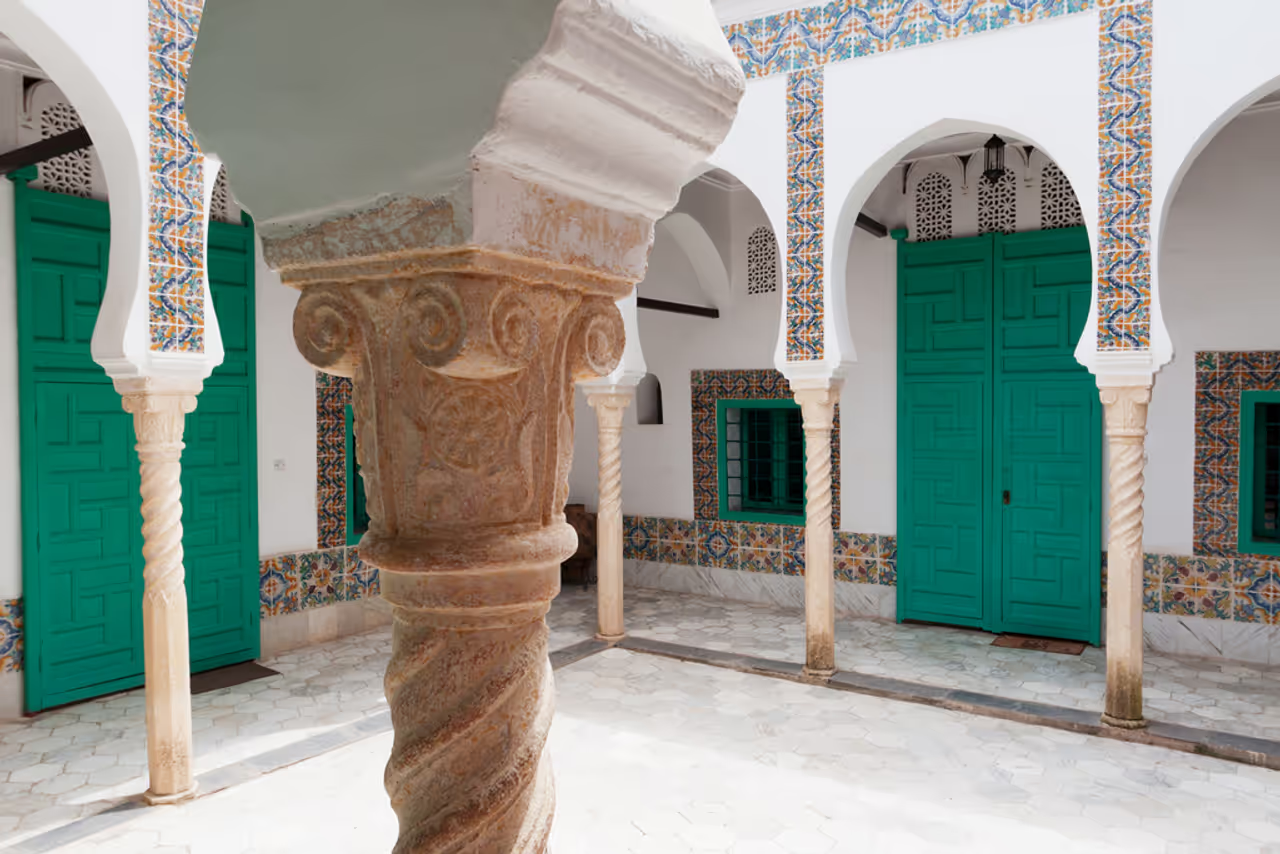
This exquisite Ottoman era mansion sits quietly above the Botanical Gardens, hidden from the main tourist trails. Originally built as a luxurious rural retreat for wealthy dignitaries, it features stunning tiled courtyards, trickling fountains and elegant arched galleries. During the colonial period, it famously served as a prestigious residency for visiting French painters who were captivated by the local light and culture. Today, the restored villa continues to host artists and provides a wonderfully peaceful atmosphere. Wandering through its empty, echoing halls feels like discovering a secret palace. It is a masterpiece of historical preservation.
hidden gem view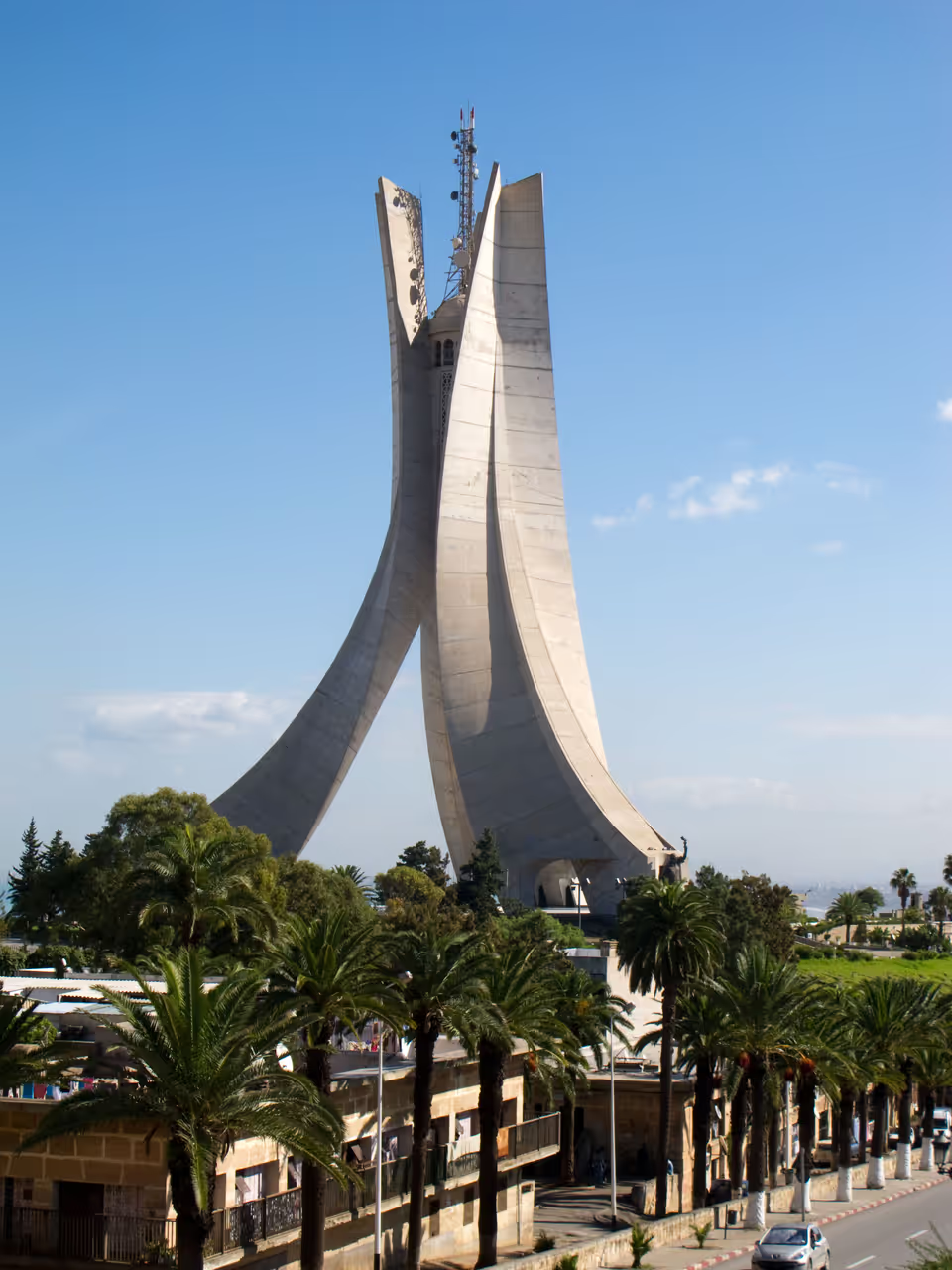 241m
241mMartyrs' Memorial
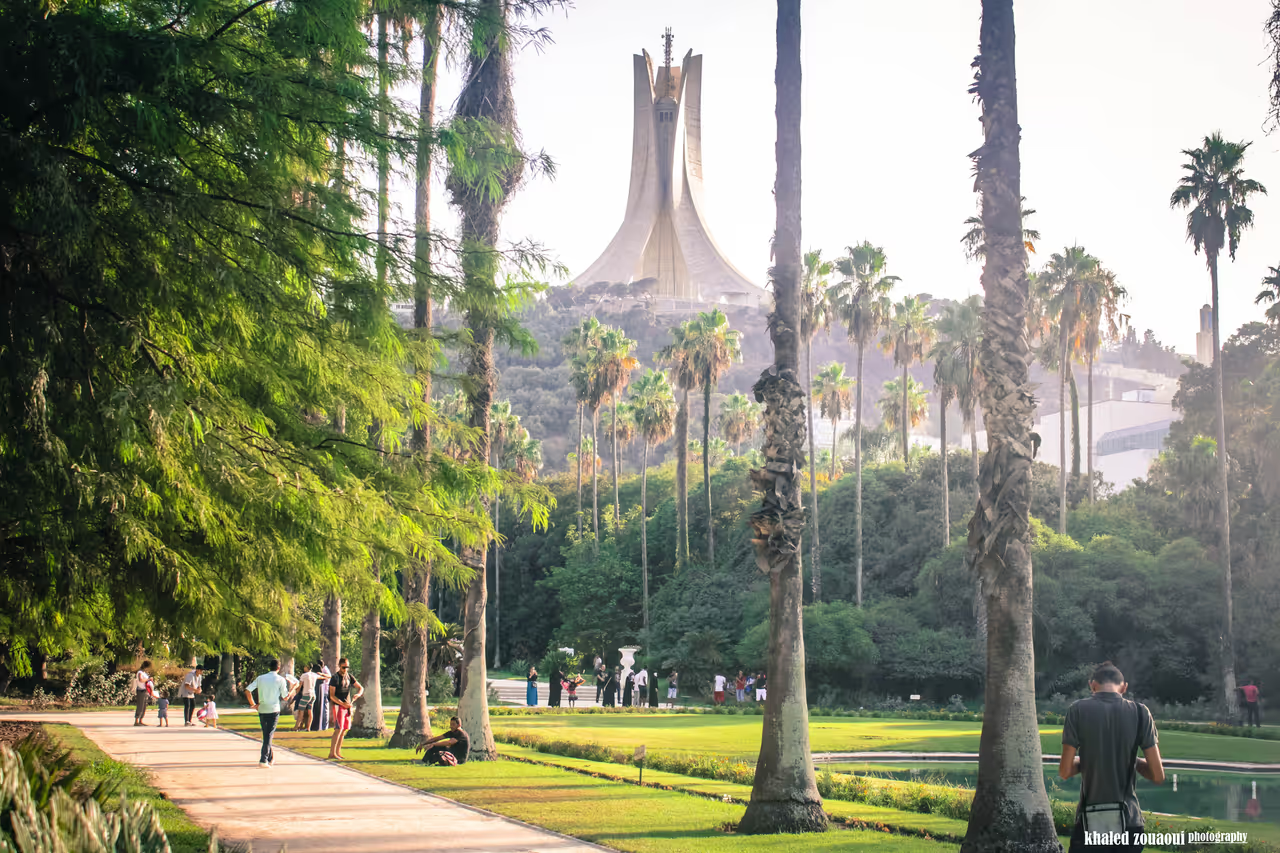
Dominating the skyline of Algiers, the Martyrs' Memorial serves as an evocative and powerful tribute to the heroes of the Algerian struggle for independence. This concrete masterpiece takes the shape of three stylized palm leaves which shelter an eternal flame at their base. Visitors can explore the solemn statues at the base of each fin, each representing a distinct chapter of national history. Beyond the monument itself, the site offers breathtaking views across the Bay of Algiers and houses a fascinating underground museum. It remains an essential stop for anyone wanting to connect with the deep national pride and resilience of Algeria. At night, the memorial comes alive with a dynamic lighting scheme, transforming it into a glowing beacon visible for miles.
attraction view- 250m
Relax in Bois des Arcades
Escape the dense urban environment without spending a penny by wandering up into this elevated, forested hill area. The quiet roads are shaded by massive pine trees, providing a cool and highly peaceful environment. The primary draw here is the sweeping, completely free panoramic views over the entire bay and cityscape. It is a wonderful location for a quiet afternoon picnic or a sunset walk.
free thing to do view - 361m
European Cultural Festival
Organised annually to celebrate the artistic links across the Mediterranean, this festival brings weeks of world class entertainment to the capital. Audiences can enjoy an eclectic mix of jazz concerts, theatrical performances, contemporary dance and independent film screenings. Various European embassies and cultural institutes collaborate to showcase their finest talents in historic local venues. It is a fantastic opportunity to see how global art forms interact with local Algerian audiences. The events are typically highly affordable and draw a sophisticated, artsy crowd. It breathes fresh creative energy into the mild spring evenings.
festival view
Explore Similar Places in This Collection
Featured on This Itinerary
See all attractions in Algiers
Basilica of Our Lady of Africa, Great Mosque of Algiers, Ketchaoua Mosque, Martyrs' Memorial, Palais des Rais, Algiers Central Post Office, Bardo National Museum of Prehistory and Ethnography...