Miami
Full City Guide, Map & 124 Things To Do
1,681 people live here.
That's 0% of the entire population of United States.
Miami pulses with a humid, relentless energy that radiates from its neon-lit avenues and palm-lined shores. This south-eastern metropolis operates on its own cultural frequency, heavily directed by Latin American and Caribbean rhythms. Skyscrapers in Brickell gleam beside Biscayne Bay, casting shadows over historic neighbourhoods where sweet, dark cafecitos fuel the afternoon rush. The air often carries the scent of roasted pork and sea salt, blending the tropical environment with a fierce urban momentum. Visitors arrive to absorb its distinctive Art Deco flair, massive annual electronic music festivals, and a nightlife scene that famously stretches well past sunrise.
Miami DNA
History of Miami
The story of this coastal metropolis begins at the mouth of the Miami River, where the Tequesta people built a thriving settlement over two thousand years ago. Spanish ships eventually navigated these shallow waters, claiming the territory and establishing a mission in 1567. The area remained a wild, mosquito-ridden frontier for centuries, largely ignored by colonial powers who found the dense mangrove swamps too hostile for large-scale development. Ownership transferred to the United States in 1821, prompting the military to construct Fort Dallas to wage a protracted war against the Seminole tribe. Major settlement stayed away until a wealthy widow named Julia Tuttle purchased land along the river in the late nineteenth century. A devastating citrus freeze in 1894 wiped out crops across the entire state of Florida, but Tuttle's orange groves survived completely unscathed. She immediately mailed a fresh, unblemished orange blossom to railway magnate Henry Flagler, proving the region's unique agricultural promise. Convinced, Flagler extended his Florida East Coast Railway south, and the city officially incorporated in 1896 with just over three hundred residents. Bahamian labourers laid the early infrastructure, building the roads and wooden hotels that would soon attract wealthy northern tourists seeking winter refuge. A massive land boom in the 1920s transformed the skyline, earning the town the nickname 'The Magic City' for its overnight growth. The prosperity halted violently when a catastrophic hurricane struck in 1926, tearing roofs from new developments and sinking the local economy. The military took over during the Second World War, filling luxury resort hotels with soldiers training for anti-submarine warfare just off the coast. Fidel Castro's 1959 revolution in Cuba altered the cultural fabric entirely, sending hundreds of thousands of exiles across the Florida Straits. They settled in areas like Little Havana, opening cafeterias and cigar factories that redefined the local culinary scene. The 1980s brought a darker chapter, as rival cartels fought violently for control of the lucrative cocaine trade, cementing a dangerous reputation broadcast worldwide through television and film. Modern international investment eventually cleaned up the streets and funded a wave of sleek high-rise construction in the Brickell district. Today, the metropolis operates as a crucial financial link to Latin America, blending tropical hedonism with serious international commerce.
13 events spanning 2522 years
Map of Miami
Interactive Destination & Itinerary Map
This map blends our curated city guides—featuring best photo spots, scenic walks, viewpoints, hidden gems and much more—with a live Wikipedia explorer. Click on our numbered pins to plan your routes, or zoom in on the surrounding neighborhoods to discover verified local landmarks, museums, and stories with dynamic Wikipedia summaries and photos!
Fun Facts
- • Miami holds the rare distinction of being the only major city in the United States founded by a woman, thanks to local citrus grower Julia Tuttle.
- • Snow flurries fell on the city for the first and only time in recorded history on the 19th of January 1977, shocking local residents.
- • The local bedrock consists of Miami oolite, a highly porous limestone that makes digging underground subway tunnels nearly impossible.
- • ATMs in the nightlife districts occasionally dispense fifty dollar notes alongside the standard twenties, catering to the cash-heavy local club economy.
- • The city's name comes from the Mayaimi tribe, who lived around Lake Okeechobee, translating roughly to 'big water'.
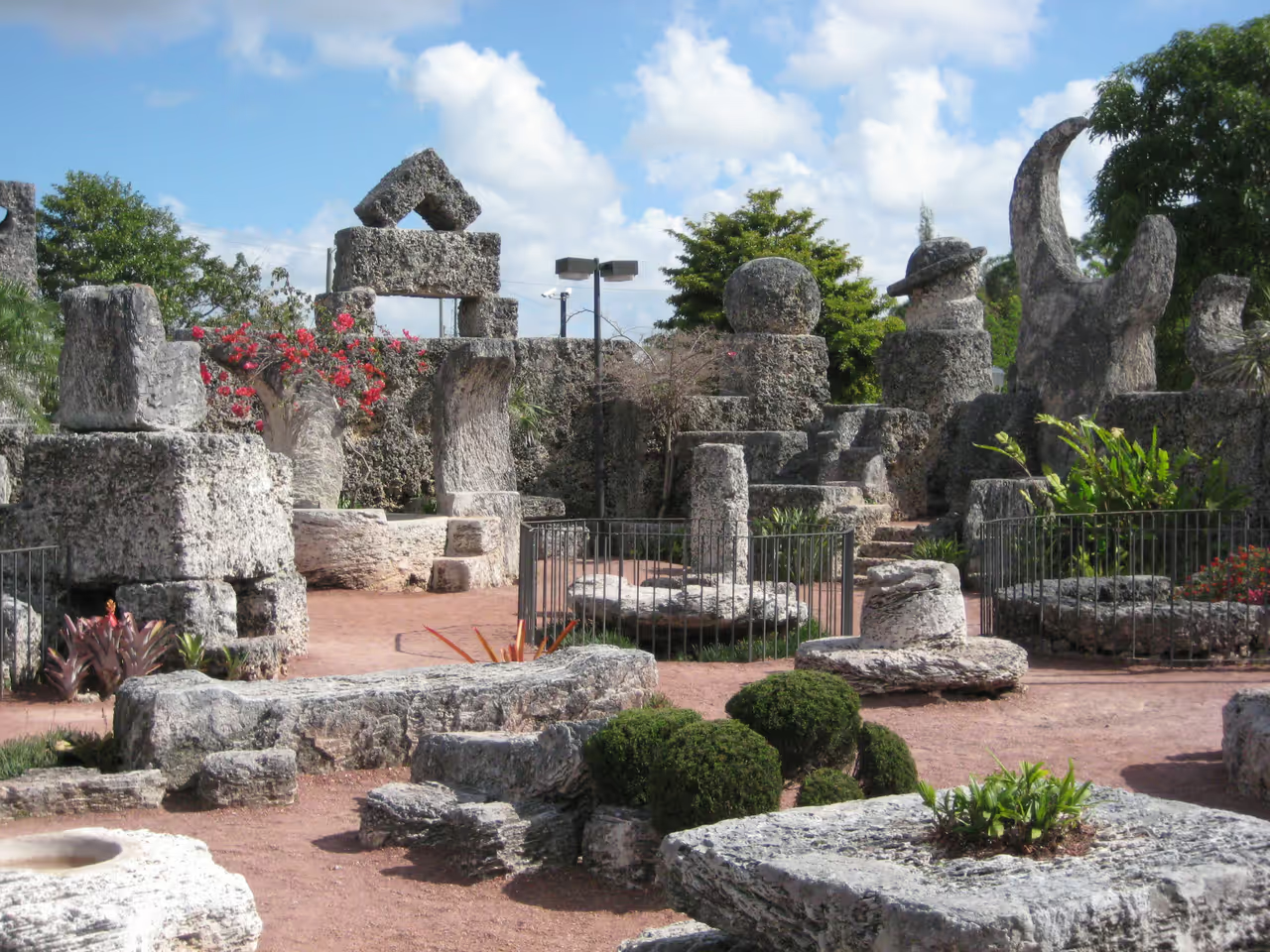
- • A heartbreak inspired the enigmatic Coral Castle, where a tiny Latvian immigrant named Edward Leedskalnin spent 28 years secretly carving over a thousand tons of solid limestone using only hand tools and pulleys.
- • Flocks of feral, brightly coloured peacocks roam freely across the lawns and roofs of Coconut Grove, tracing their lineage back to birds imported during the 1920s and surviving today under fierce legal protection.
- • During the Second World War, a local pharmacist named Benjamin Green used red veterinary petrolatum to invent the first widely distributed sunscreen to protect soldiers training on the sweltering local beaches.
- • The infamous pirate Black Caesar allegedly used the dense, confusing mangrove networks of Biscayne Bay to hide his ship, ambushing wealthy merchant galleons travelling along the nearby Florida Straits.
Did You Know?
- • The metropolitan economy generates over 500 billion dollars annually, making it the largest urban economy in the entire state of Florida.
- • Over seventy percent of the population identifies as Hispanic or Latino, creating the second-largest Spanish-speaking majority in any US city.
- • PortMiami retains its title as the busiest cruise passenger port in the world, serving millions of maritime travellers every single year.
- • The local landscape sits perilously close to sea level, prompting the government to invest heavily in raising roads and installing massive water pumps.
- • Downtown Brickell contains the largest concentration of international banks anywhere in the United States outside of New York City.
- • The entire metropolitan area rests directly on top of the Biscayne Aquifer, a highly permeable underground river of fresh water that makes digging traditional basements or subterranean train tunnels physically impossible.
- • A massive, heavily fortified and windowless building in the downtown core operates as the NAP of the Americas, routing the vast majority of all global internet traffic travelling between the United States and Latin America.
- • The local Health District operates as the second-largest medical and research hub in the country, anchored tightly by Jackson Memorial Hospital which manages over fifteen hundred patient beds.
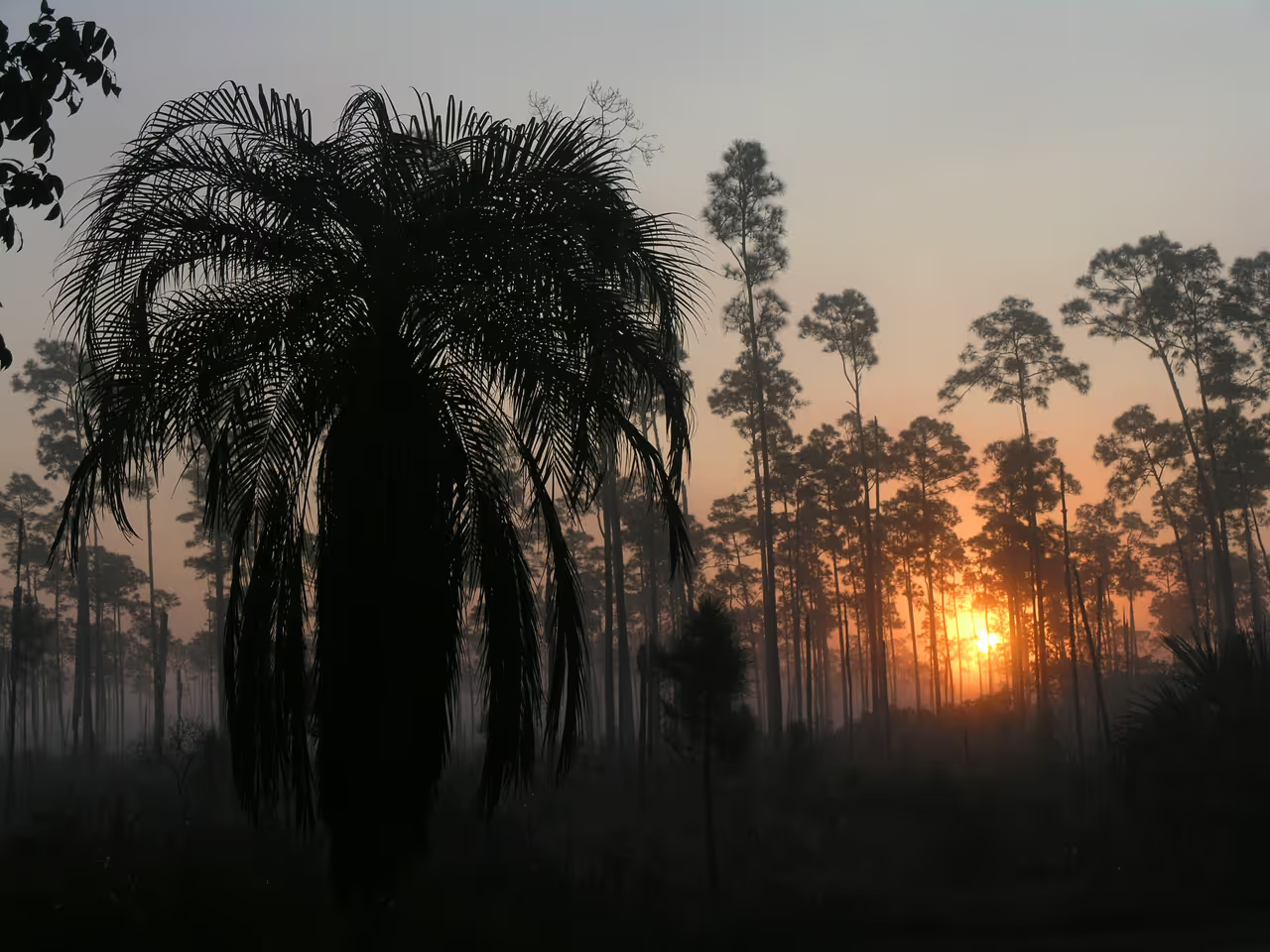
- • It holds the geographical distinction of being the only major city in the United States sandwiched directly between two distinct national parks: the sprawling Everglades to the west and the mostly underwater Biscayne National Park to the east.
- • Urban planners are actively fighting a battle against the encroaching ocean, forcing newly constructed high-rises to drastically elevate their ground floors and installing massive industrial tidal pumps underneath the streets.
RESOURCES
Official WebsiteVideos of Miami
Seasons
Spring
The weather remains exceptionally comfortable, marked by low humidity and steady ocean breezes. March brings the massive Ultra...
Summer
The heat becomes intensely oppressive, driving locals indoors to heavily air-conditioned spaces or directly into the ocean...
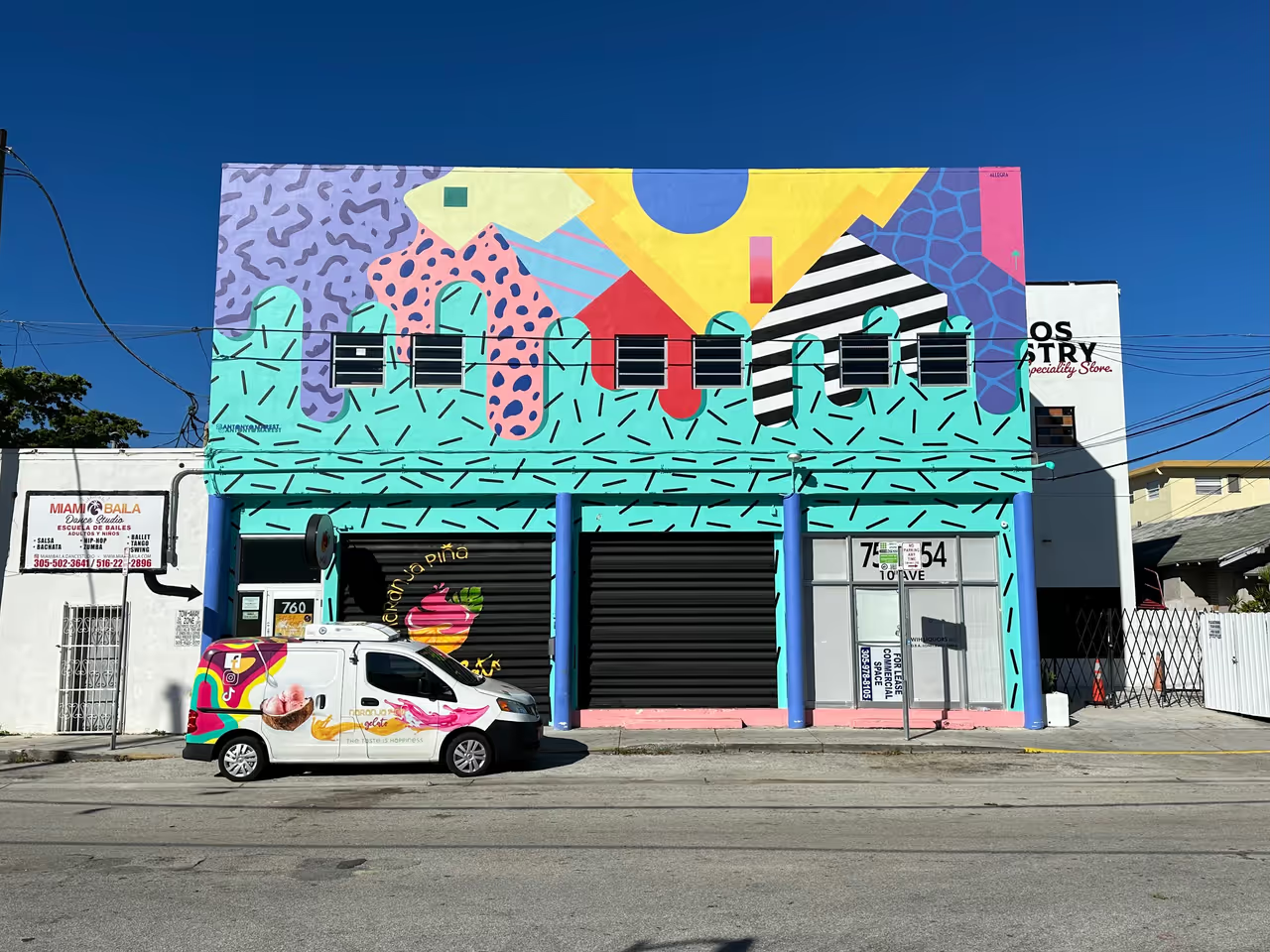
Autumn
The threat of aggressive hurricanes lingers heavily through September and October, keeping locals constantly checking the...
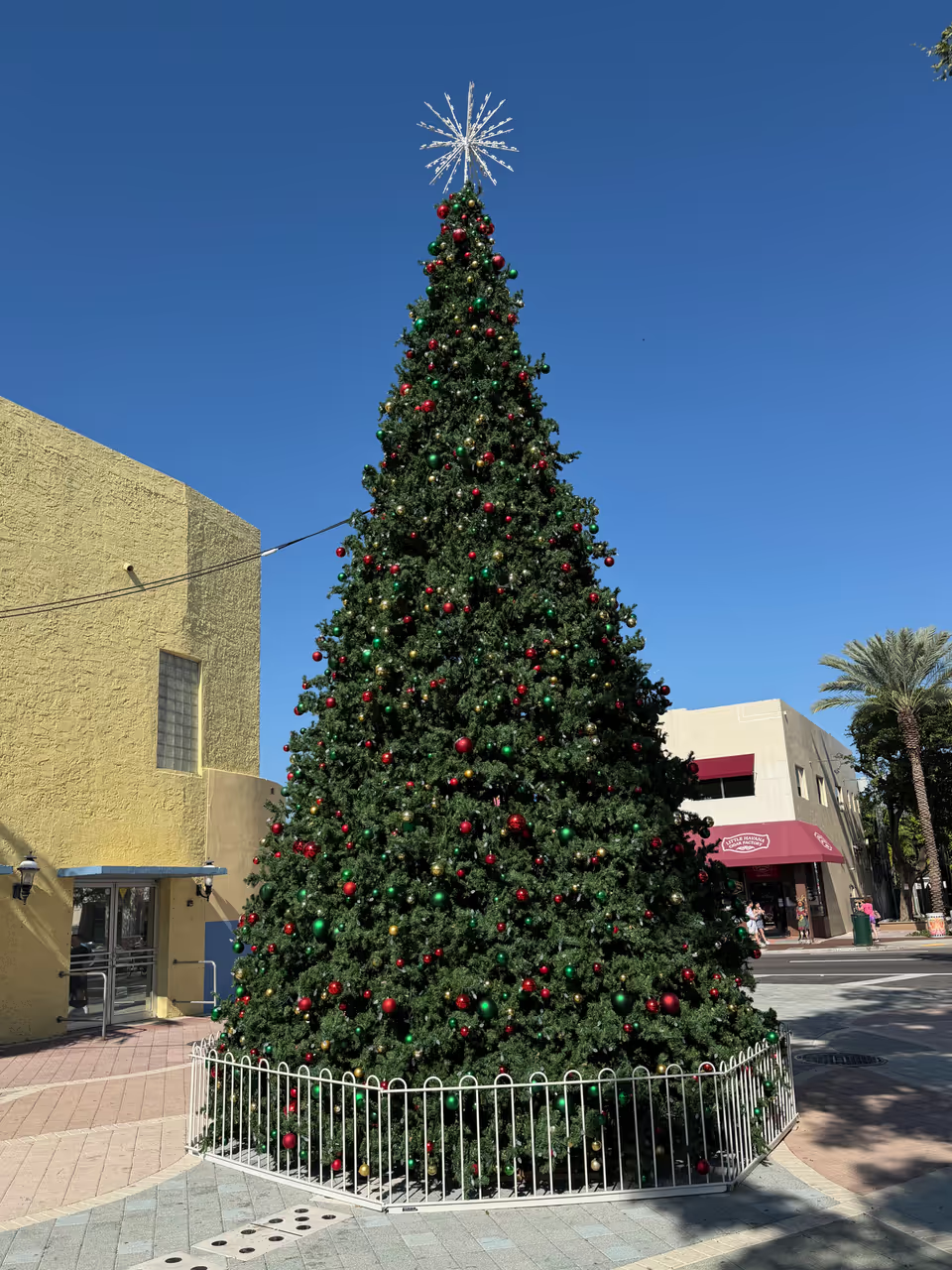
Winter
Crisp, blue skies and cool breezes make this the most desirable time to be in the city. The season kicks off with the globally...
Top Attractions in Miami
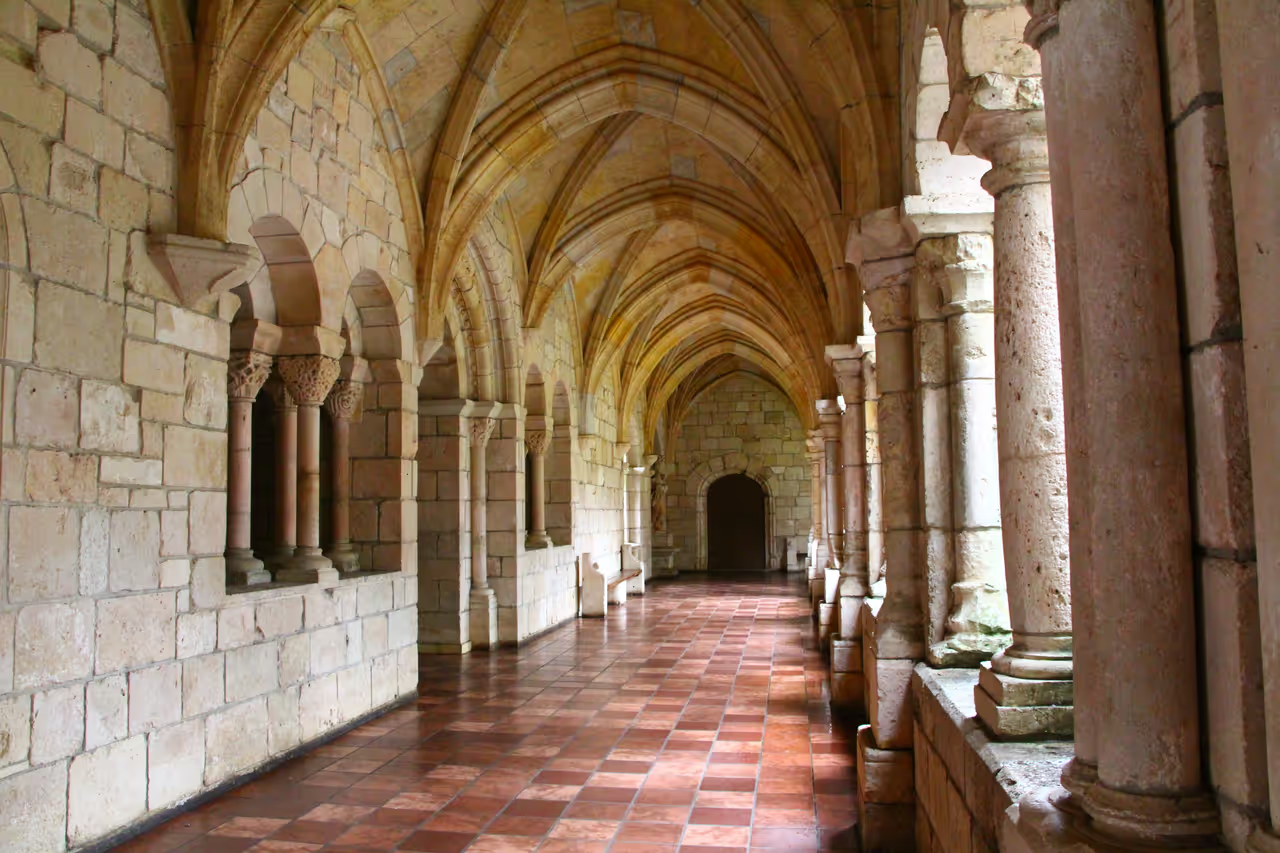
Ancient Spanish Monastery
Step into a piece of medieval Spain, astonishingly transported and reassembled in North Miami Beach. The Ancient Spanish...
view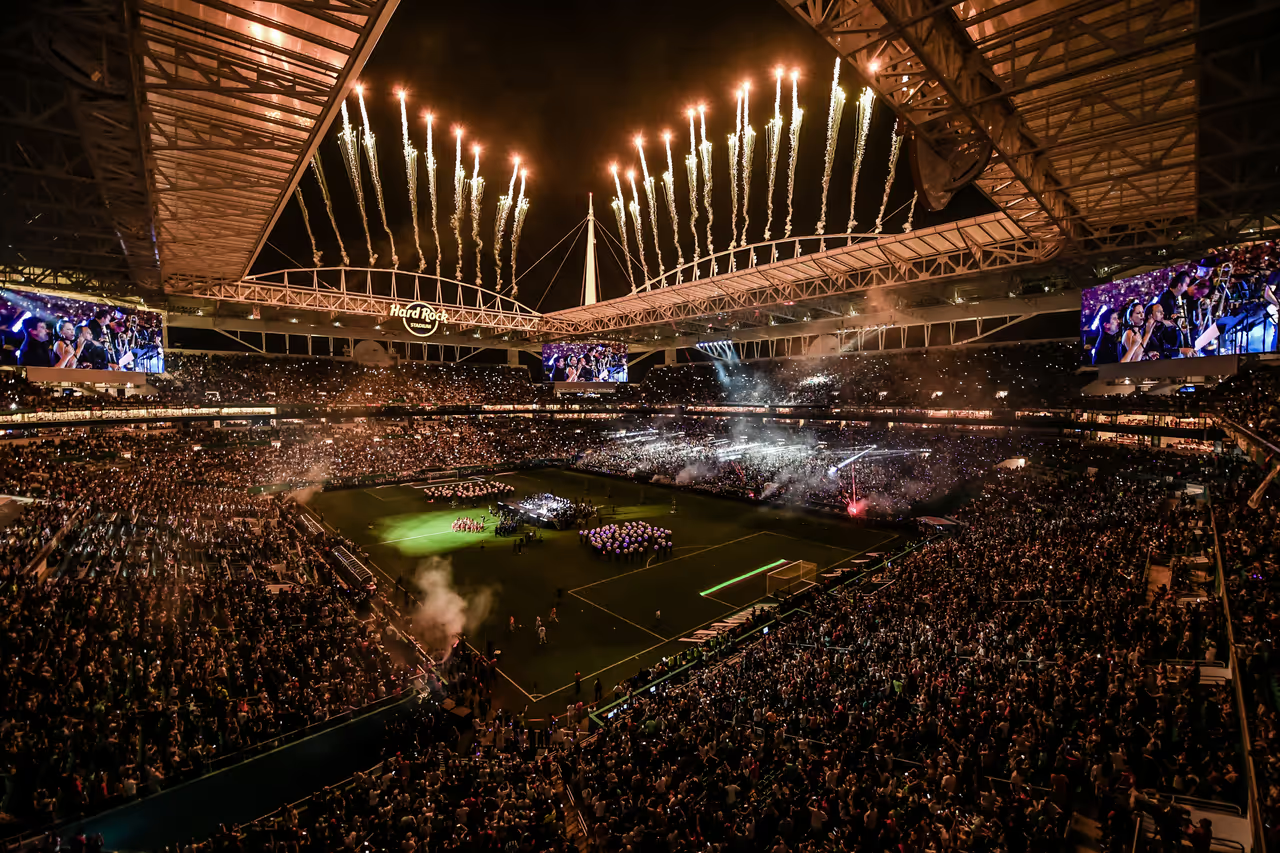
Hard Rock Stadium
Hard Rock Stadium isn't just a sports venue; it's a monumental landmark in Miami Gardens that has redefined the concept of a...
view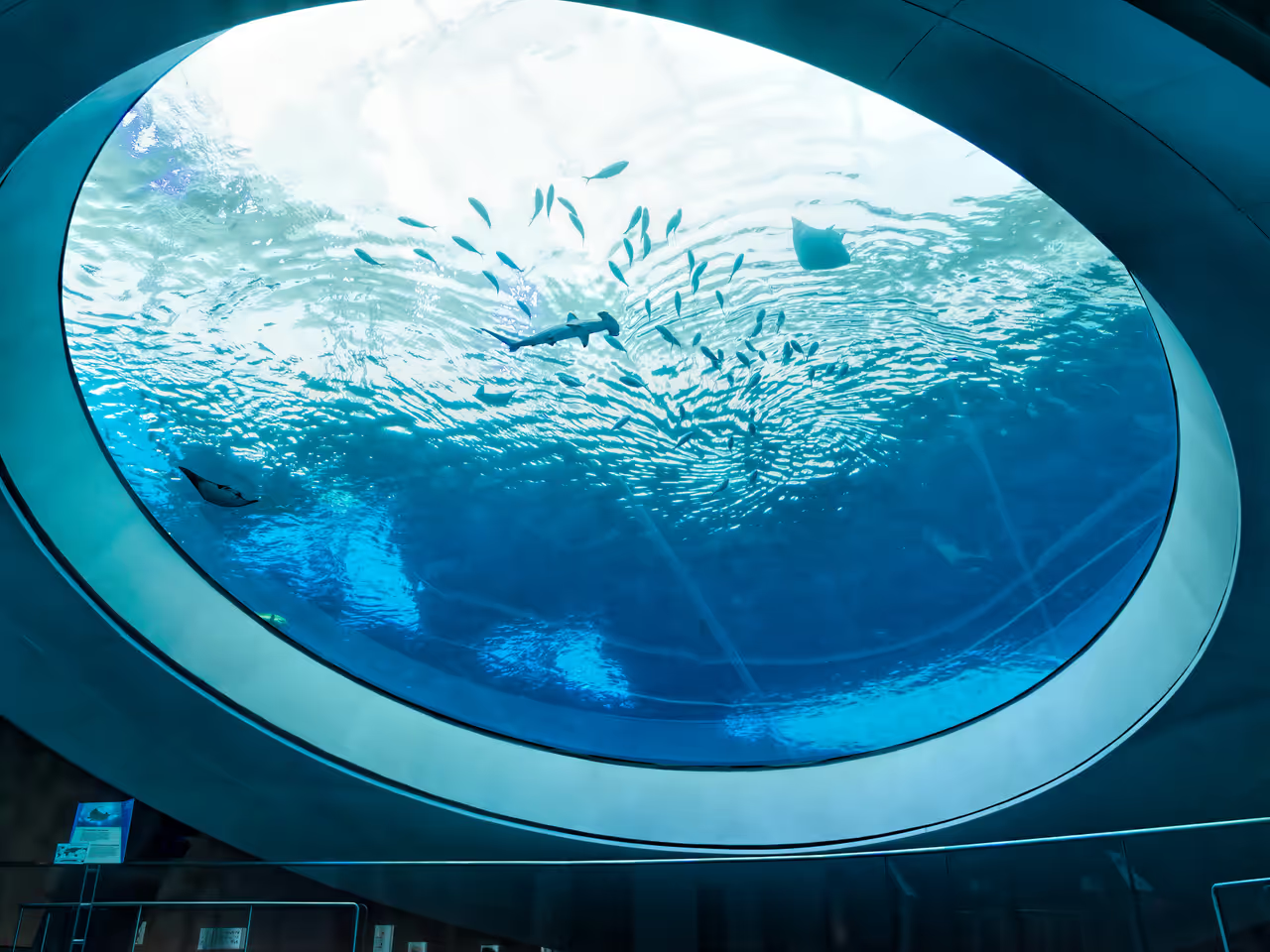
Phillip and Patricia Frost Museum of Science
Standing beneath the thirty-one-foot oculus lens of the Gulf Stream aquarium feels less like visiting a typical exhibition hall...
view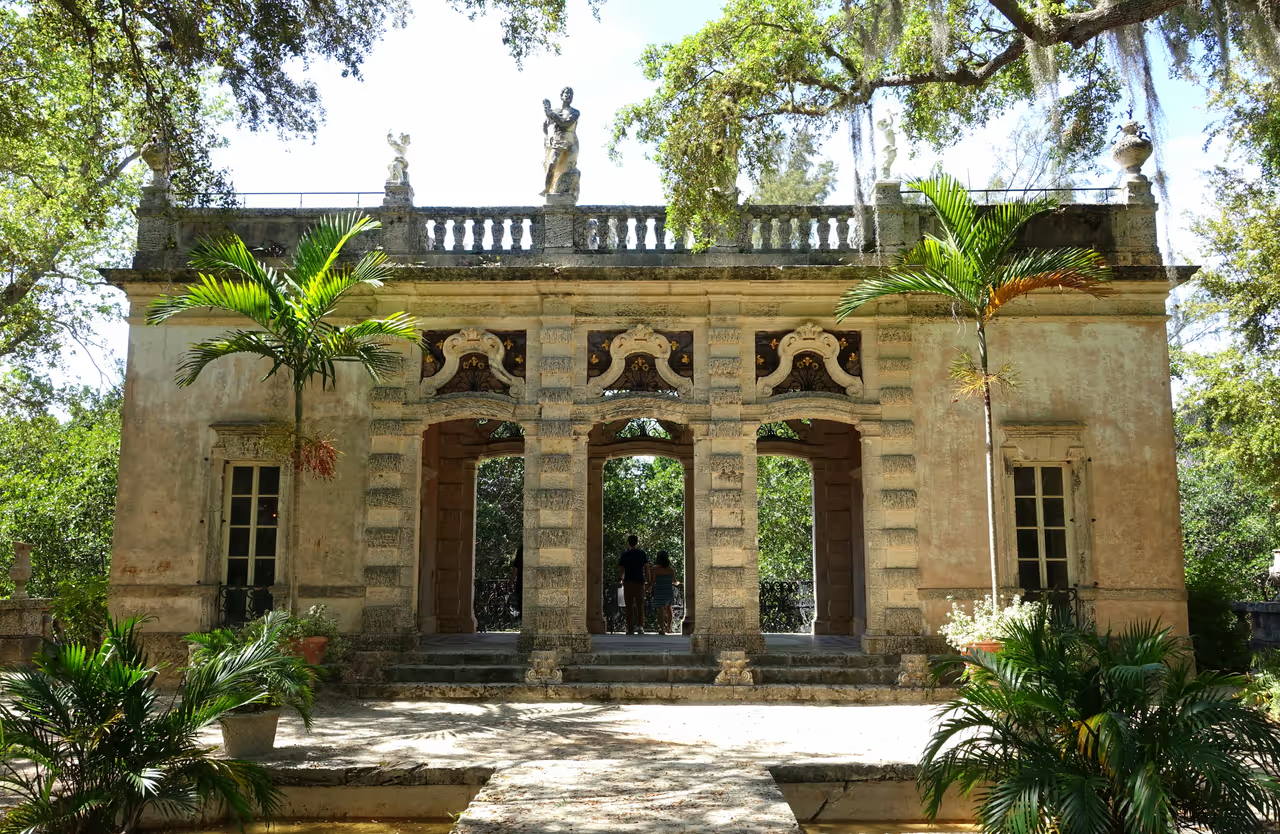
Vizcaya Museum and Gardens
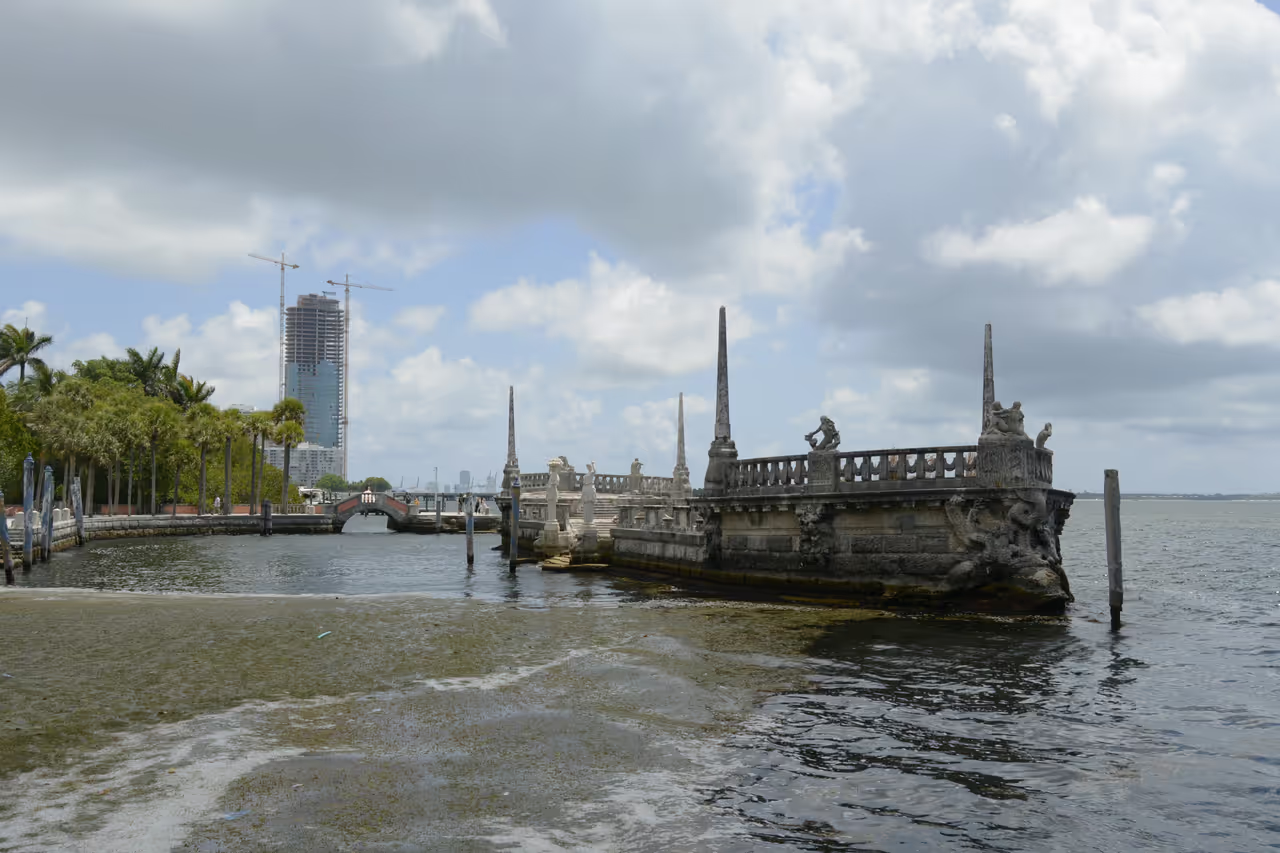
Stepping onto the East Terrace of this Gilded Age estate, your eyes immediately lock onto the breakwater. It is carved out of...
view
Best Views
Miami Itineraries
TRIP PLANNER
4 Days Recommended
Four days allows enough time to explore the street art of Wynwood, taste through the cafeterias of Little Havana, and spend a full afternoon relaxing by the ocean. You can comfortably fit in a visit to Vizcaya Museum and Gardens without rushing your evening dinner plans.
1 Day in Miami
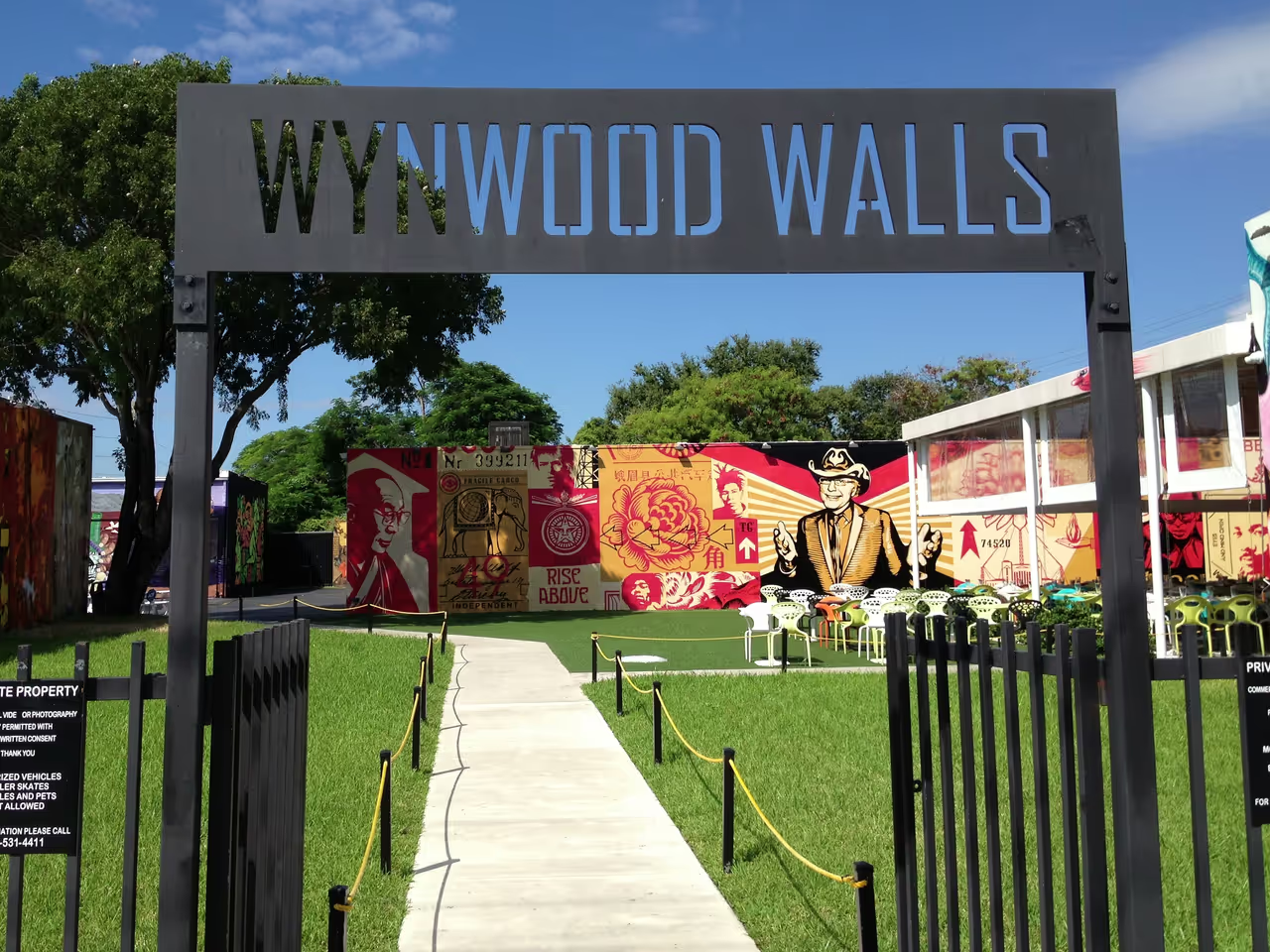
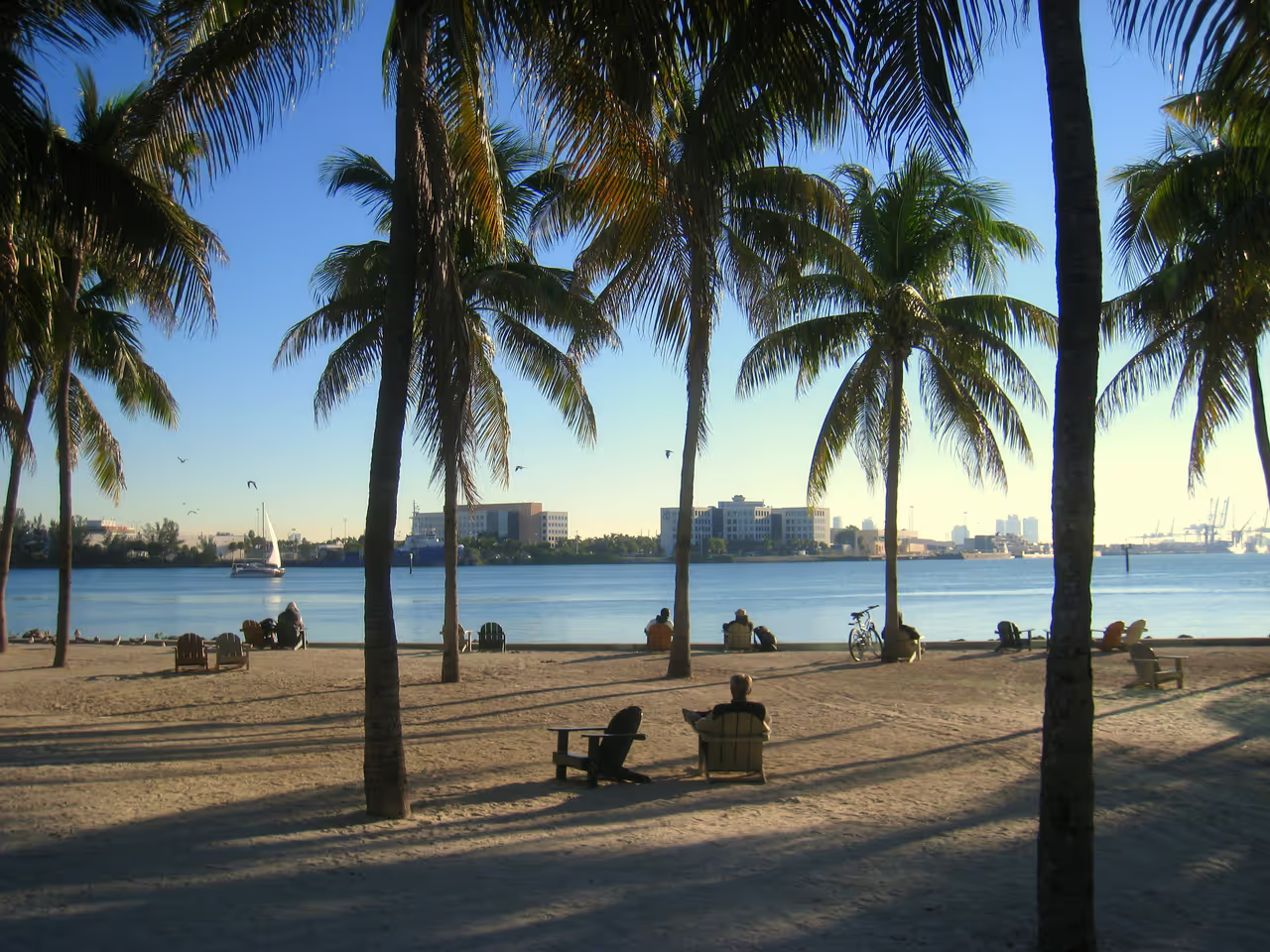
This rapid itinerary focuses entirely on the cultural extremes that define the city. You begin with the opulent, European-style wealth of an early twentieth-century estate before plunging into the loud, fiercely authentic heart of the Cuban exile community. The day concludes in a gritty warehouse district completely covered in world-class graffiti. It sacrifices beach time to deliver a highly concentrated dose of history, food, and contemporary art. Expect to move quickly and rely heavily on ride-sharing to cross the sprawling neighbourhoods.
view itinerary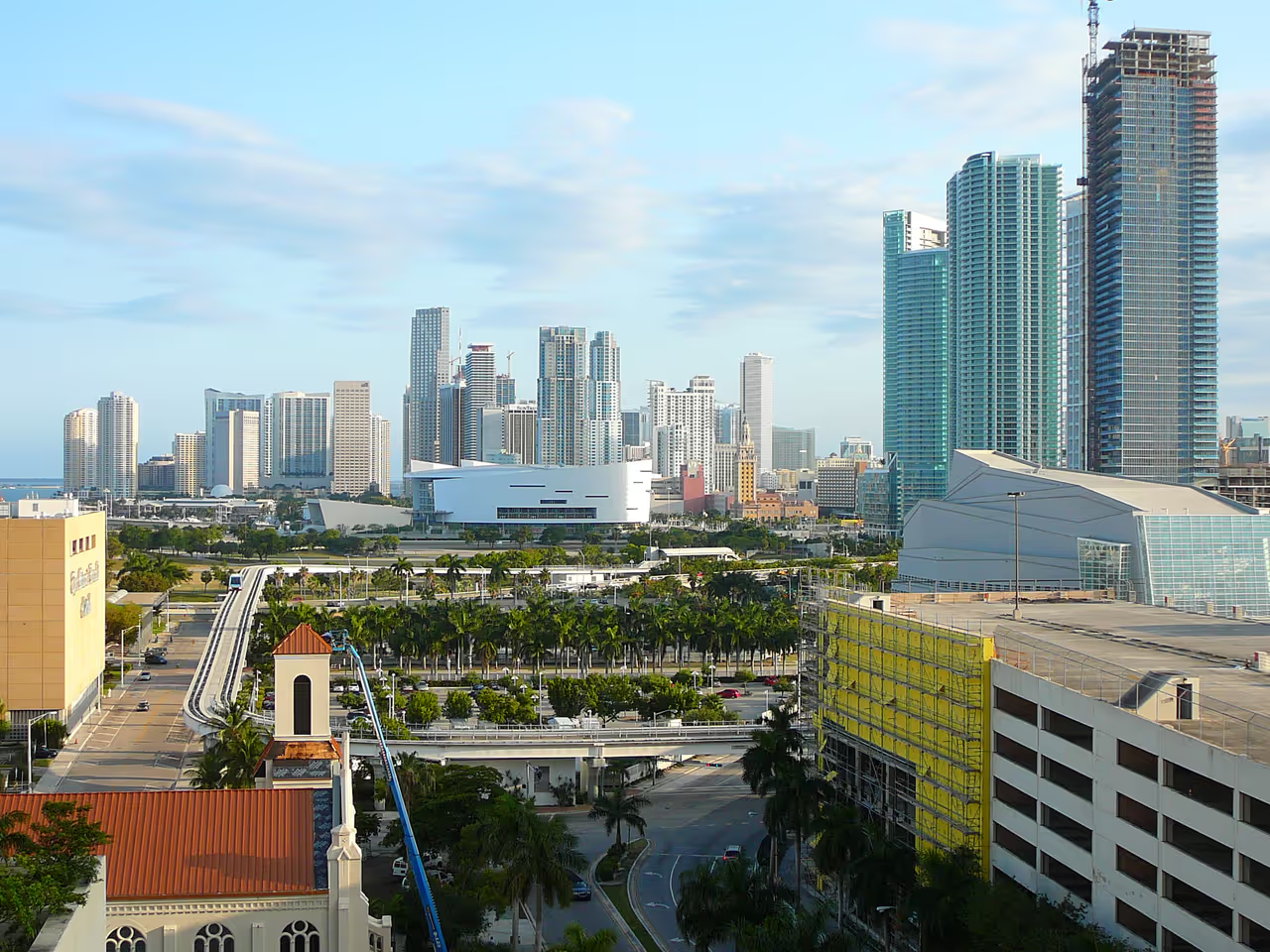
3 Days in Miami
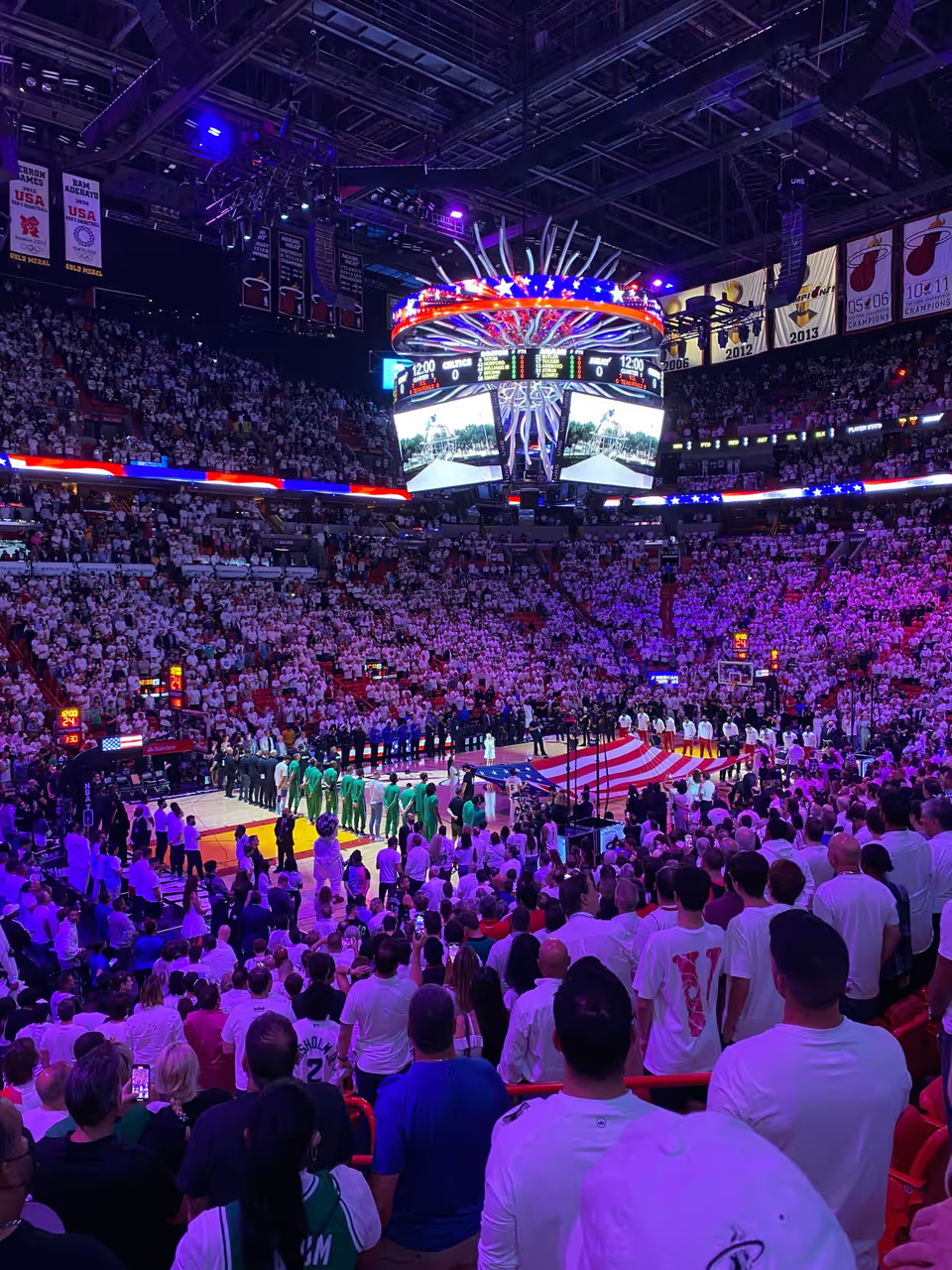
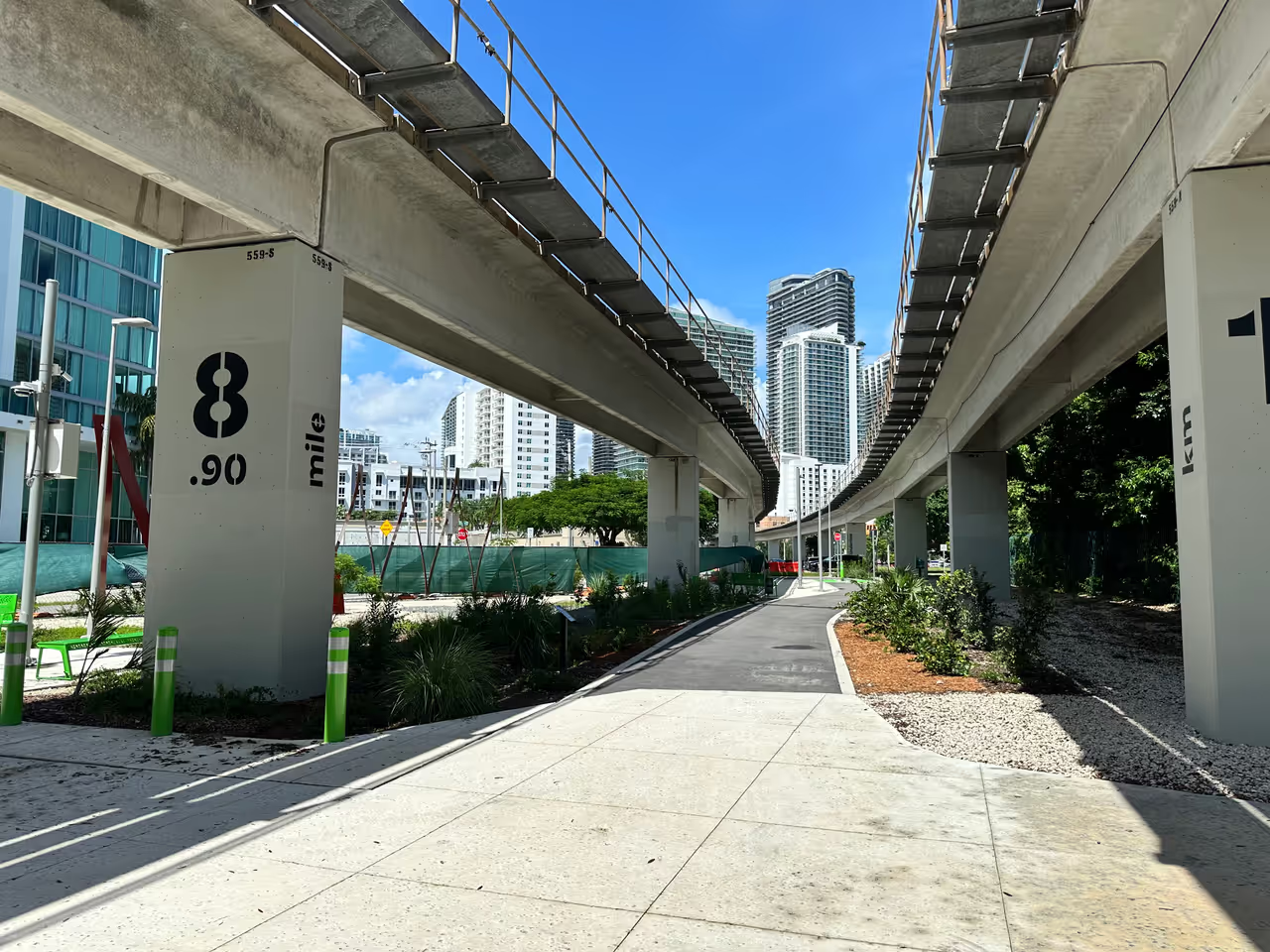
This plan balances the heavy concrete of the downtown core with the lush, shaded history of the southern suburbs. The first day tackles the urban centre, utilising the elevated train to view the skyline before heading out on the water. The second day slows the pace entirely, exploring the bohemian roots and historic pioneer homes hidden in the dense canopy of Coconut Grove. The final day pivots to modern art and nature, contrasting high-end retail architecture with a dense mangrove forest. It offers a well-rounded look at the city beyond just the famous beaches.
view itinerary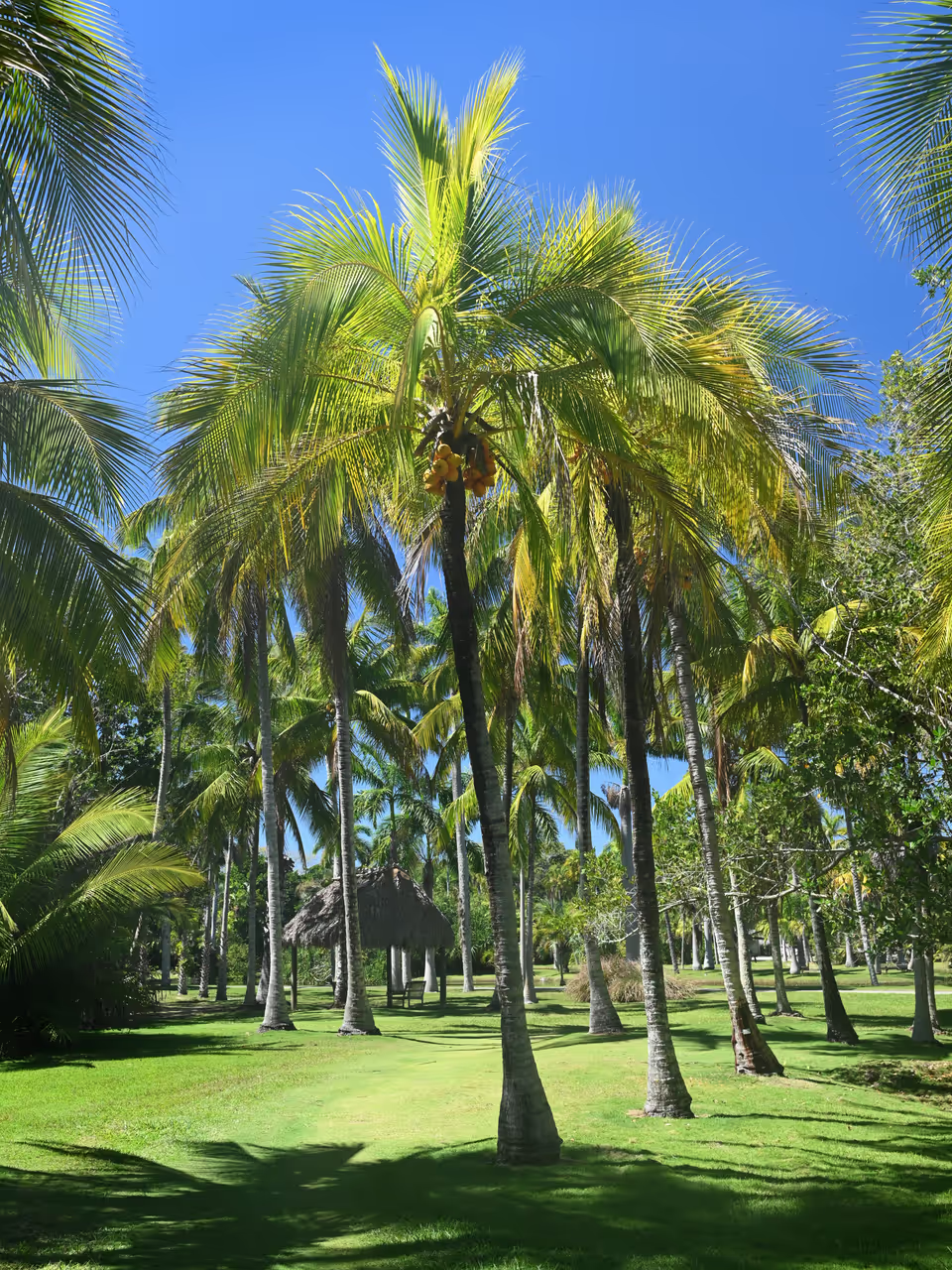
5 Days in Miami
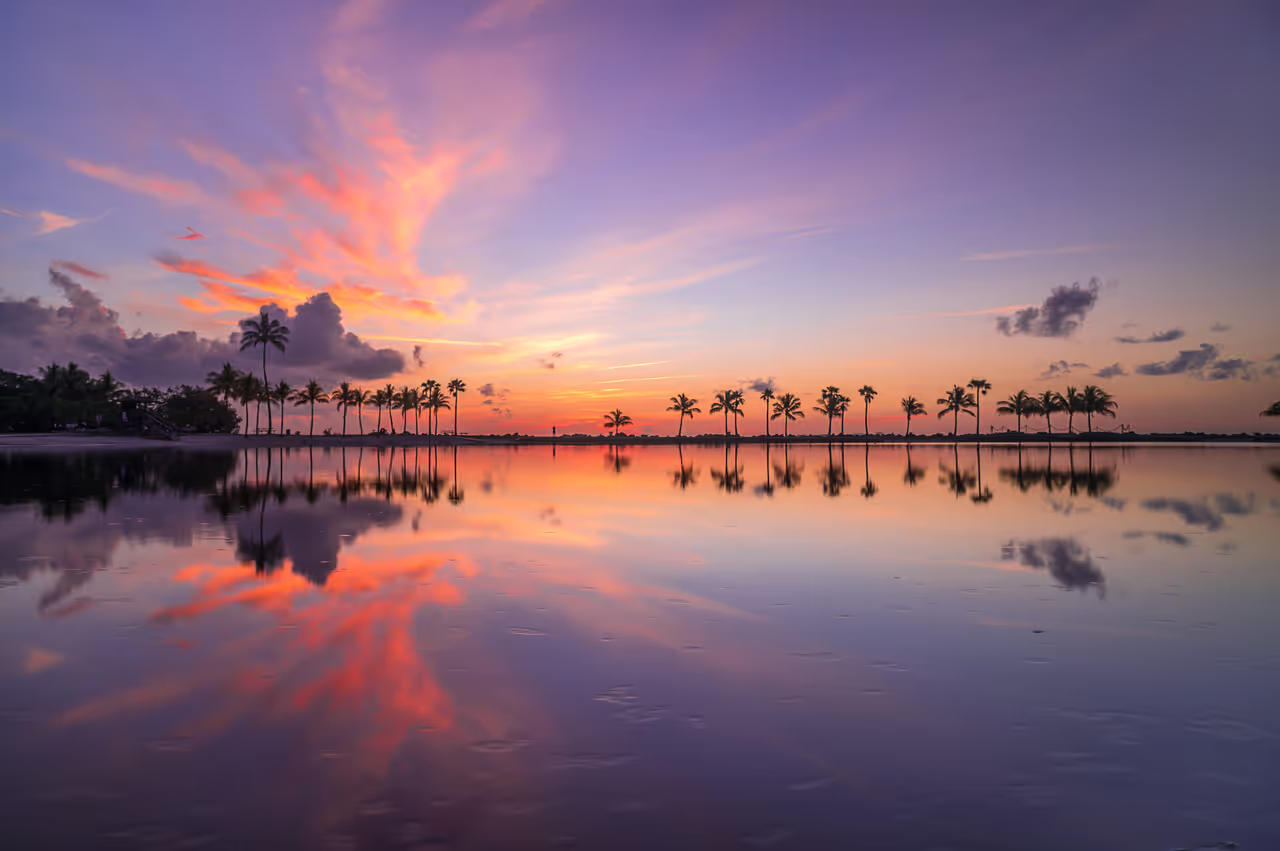
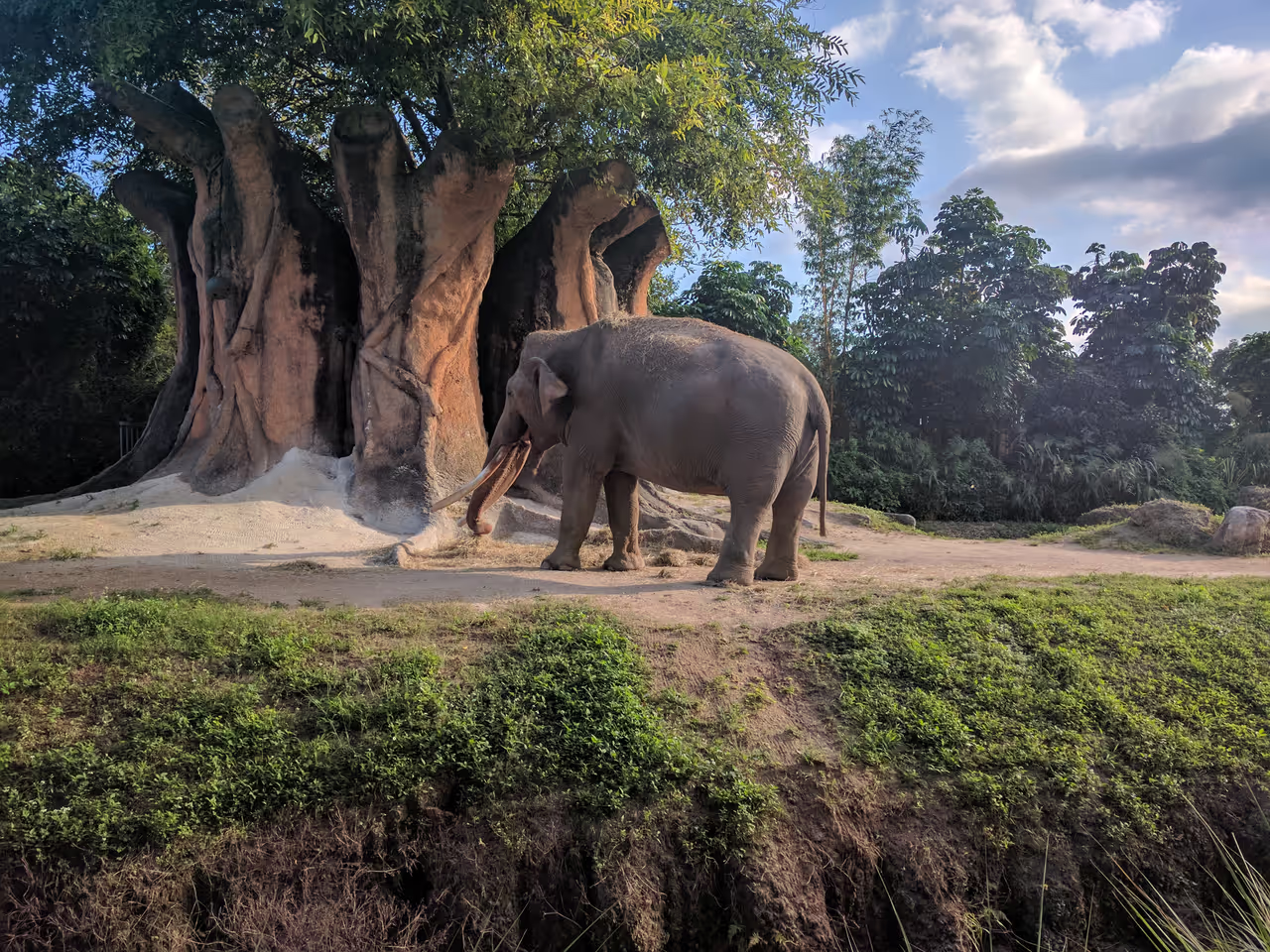
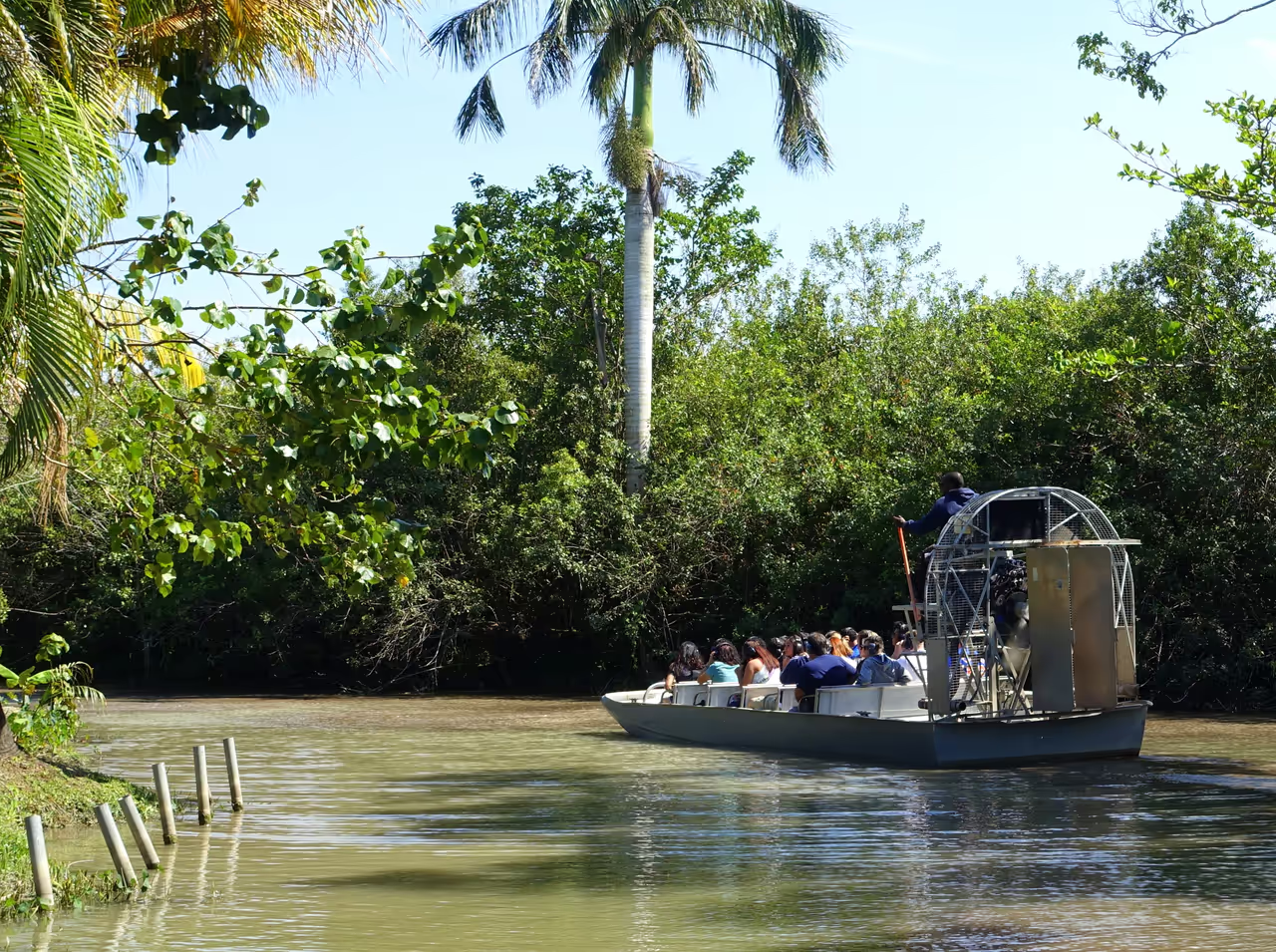
Five days allows you to push past the urban boundaries and explore the massive environmental preserves bordering the city. You will tackle the deep southern suburbs, visiting expansive botanical gardens and a bizarre, hand-carved stone castle. The itinerary dedicates an entire morning to the 'River of Grass', ensuring you experience the wild ecosystem that makes human settlement here so difficult. The final days cover the essential maritime history and the iconic, neon-soaked retail districts. It is a comprehensive dive into both the natural and manufactured appeal of the region.
view itinerary
Food in Miami
UNESCO World Heritage Sites
Free Things to do in Miami
Parks & Nature
Bayfront Park
Bayfront Park is downtown Miami’s sprawling green heart, a 32-acre urban oasis right on Biscayne Bay. This isn't just a park...
view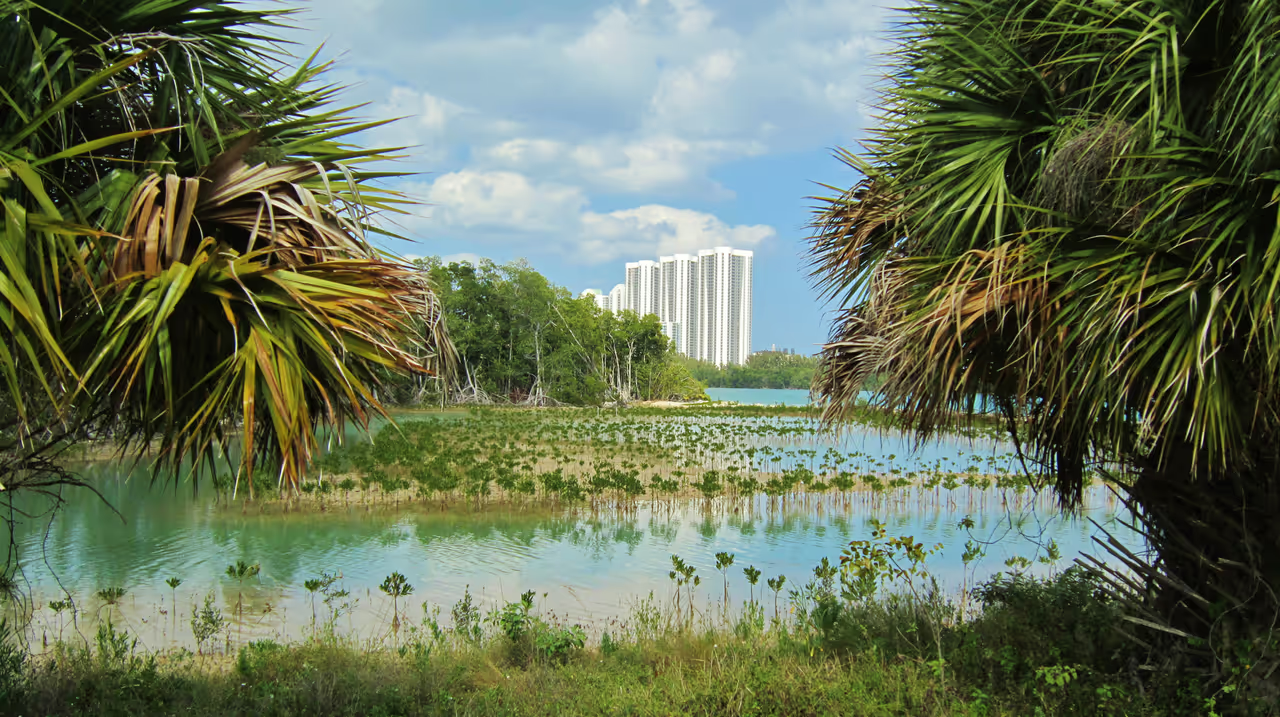
Oleta River State Park
Escape the urban pulse of Miami and discover Oleta River State Park, a lush, 1,033-acre natural sanctuary. This sprawling green...
viewFairchild Tropical Botanic Garden
Step inside the Clinton Family Conservatory, and a brilliant blue Morpho butterfly might just land directly on your shoulder...
viewMatheson Hammock Park
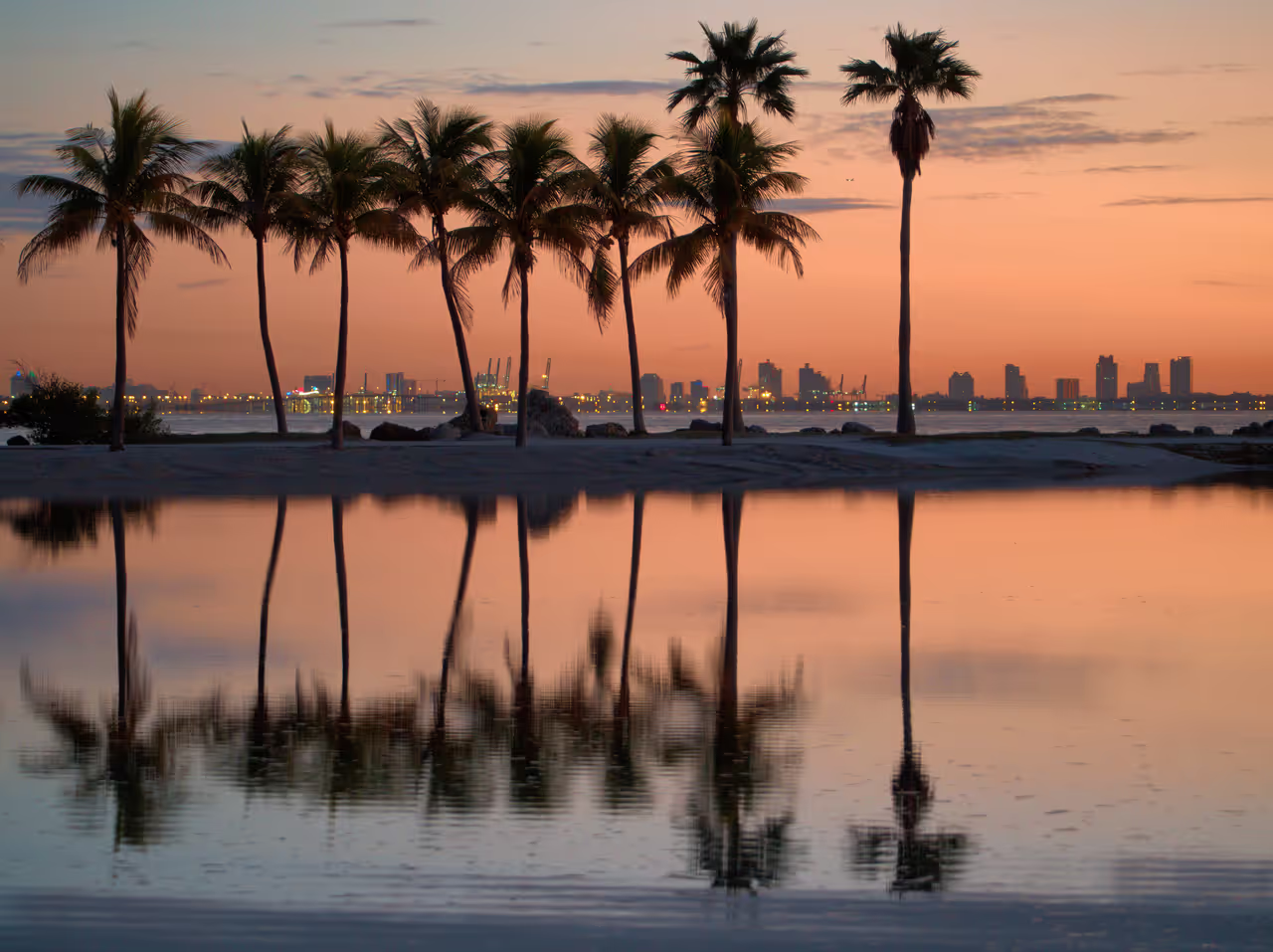
Matheson Hammock Park offers a peaceful escape in metropolitan Miami, renowned for its distinctive man-made atoll pool. This...
view
Highlights & Must-Sees
Exploring the Wynwood Walls
What started as a collection of abandoned warehouses has transformed into a globally recognised outdoor art gallery. World-class...
view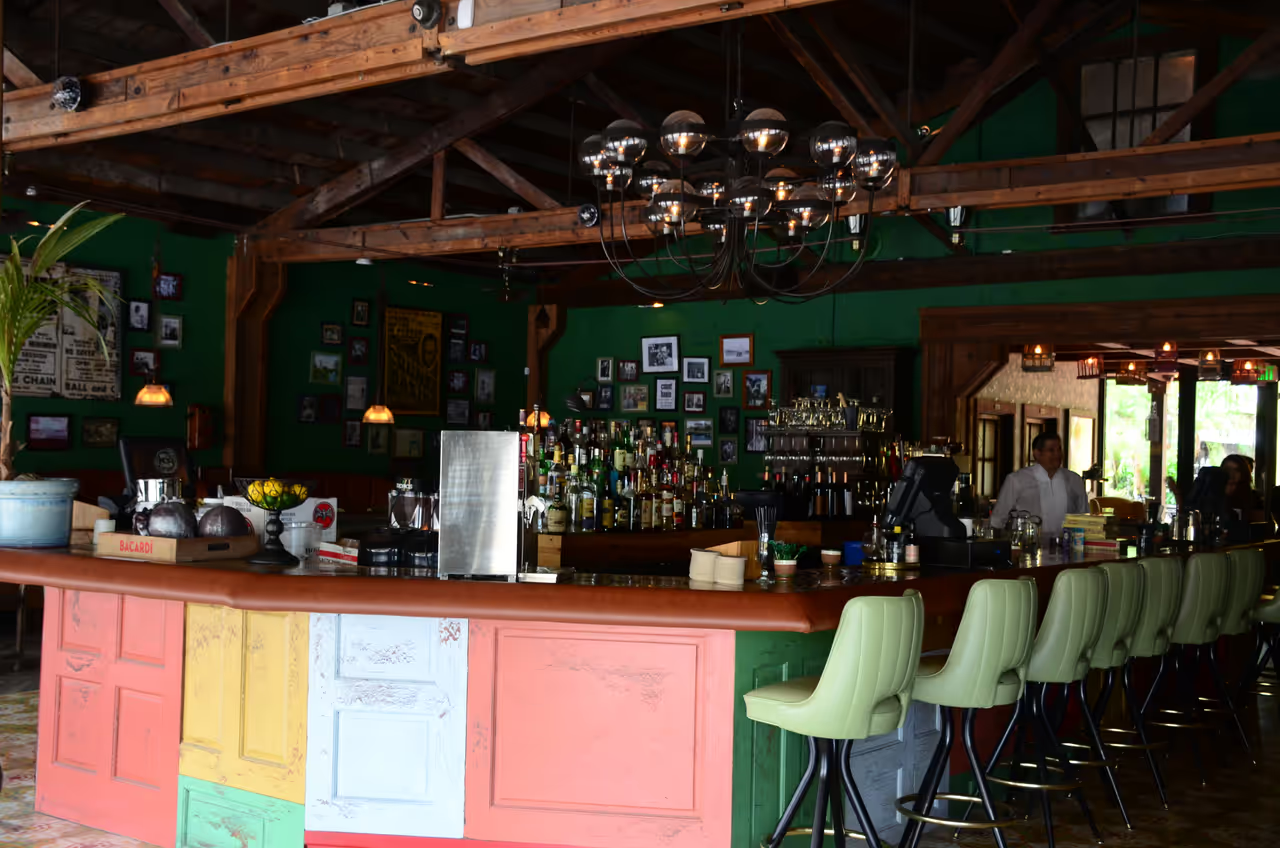
Tasting Little Havana
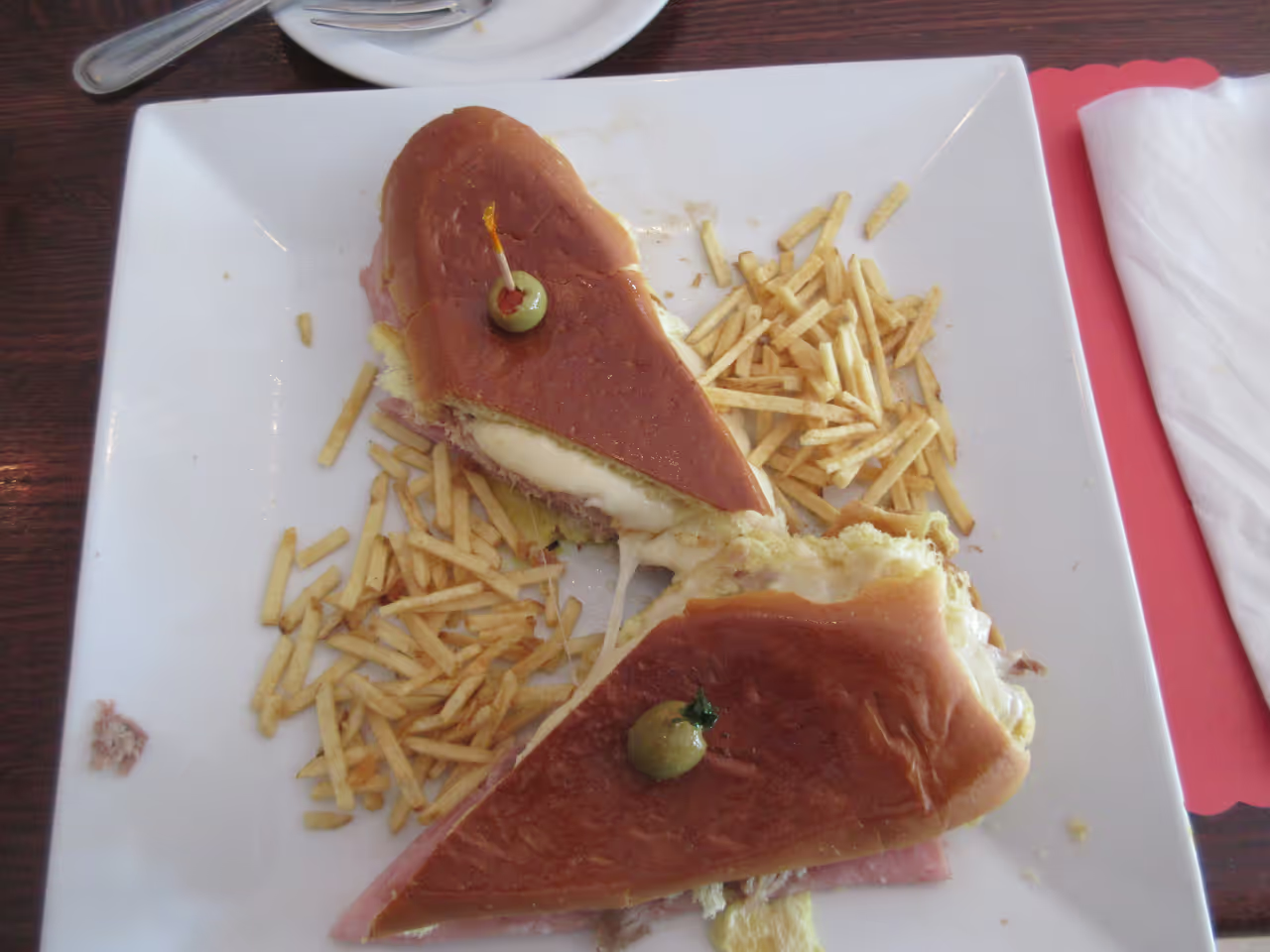
Guided culinary walks lead visitors away from the tourist traps and into the authentic, family-run bakeries and cafeterias...
view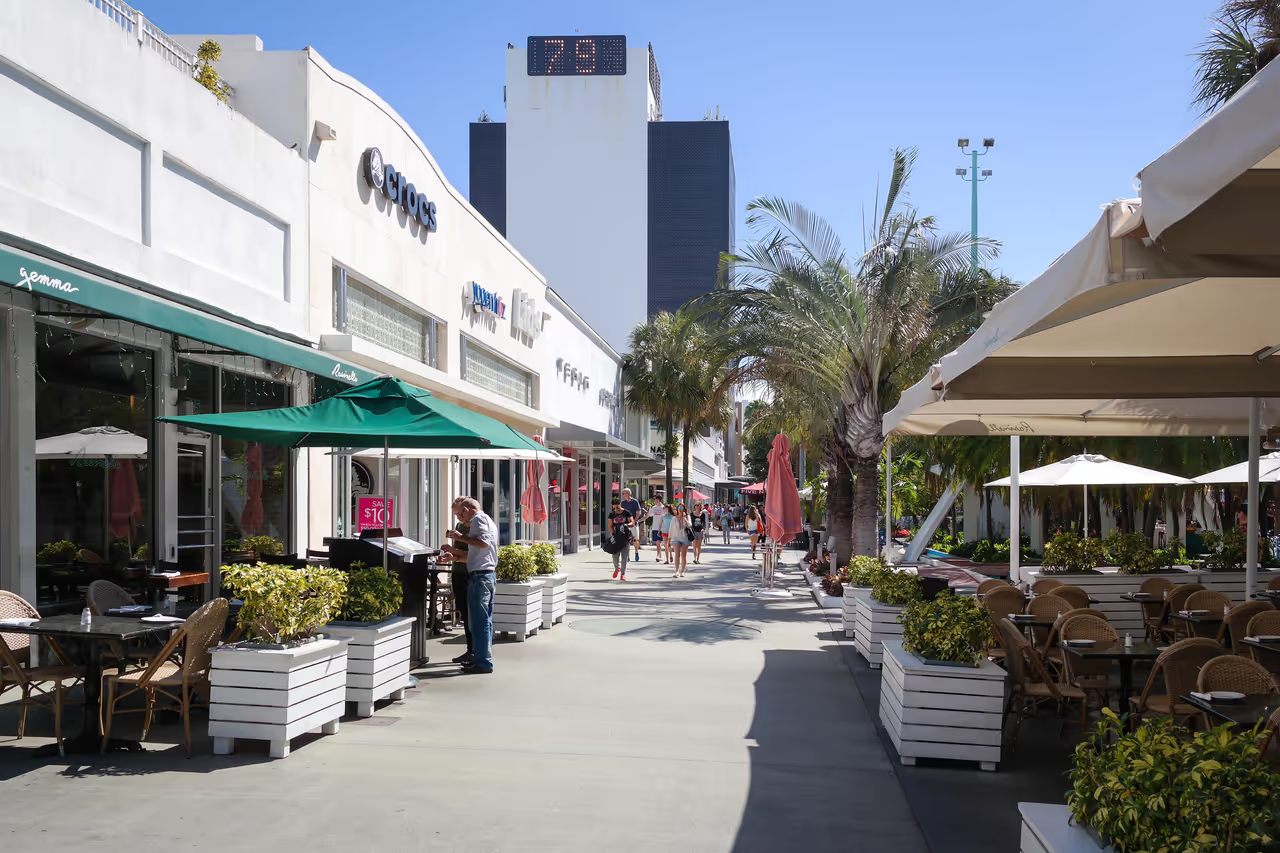
Strolling Down Lincoln Road
This wide pedestrian promenade cuts directly through the centre of South Beach, operating as a massive outdoor living room...
view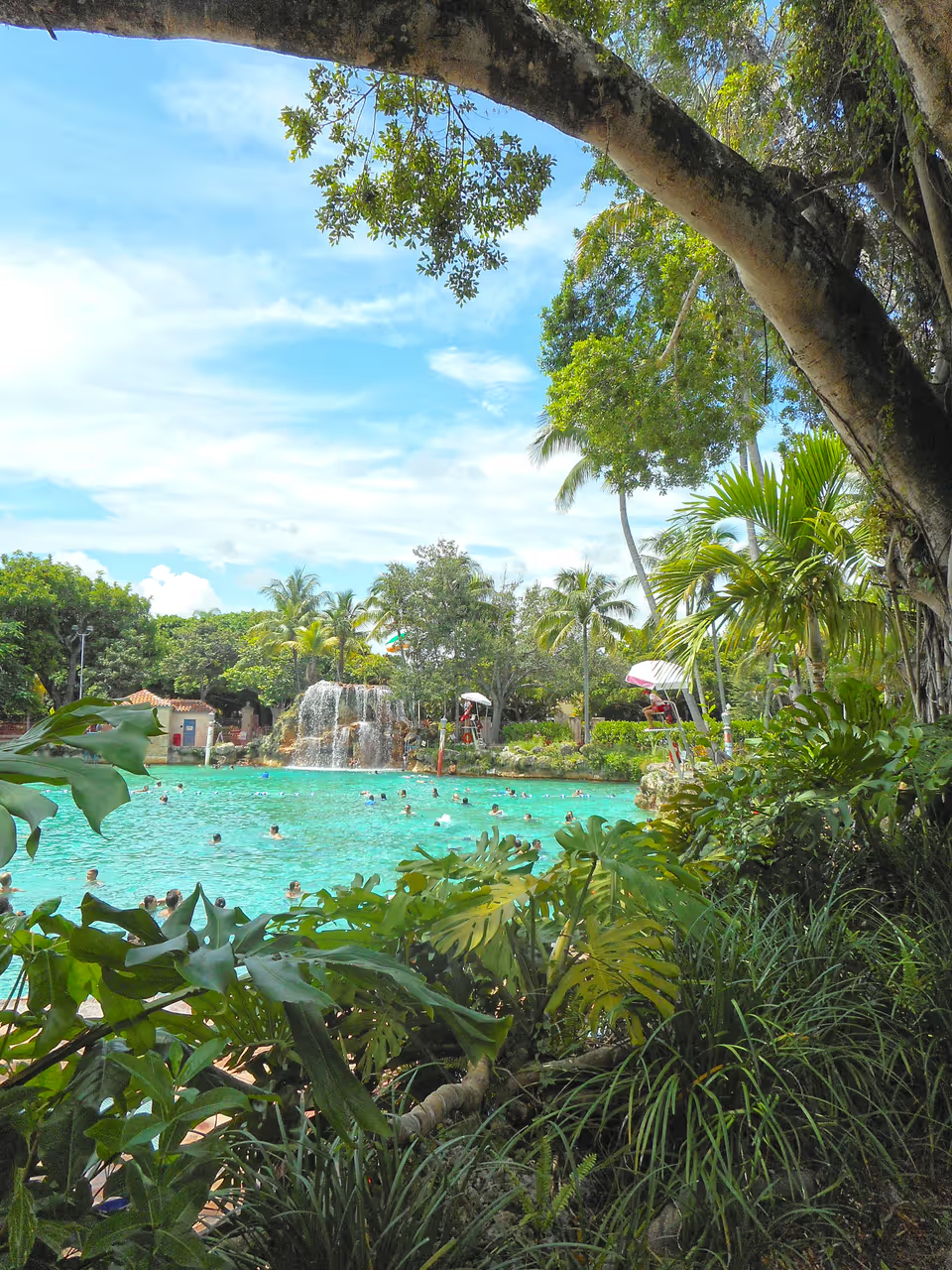
Swimming at the Venetian Pool
In the 1920s, developers transformed an ugly limestone quarry into a sprawling, Mediterranean-style swimming oasis. Fresh, cool...
view
Best Walks in Miami
 HIGHLY RECOMMENDED
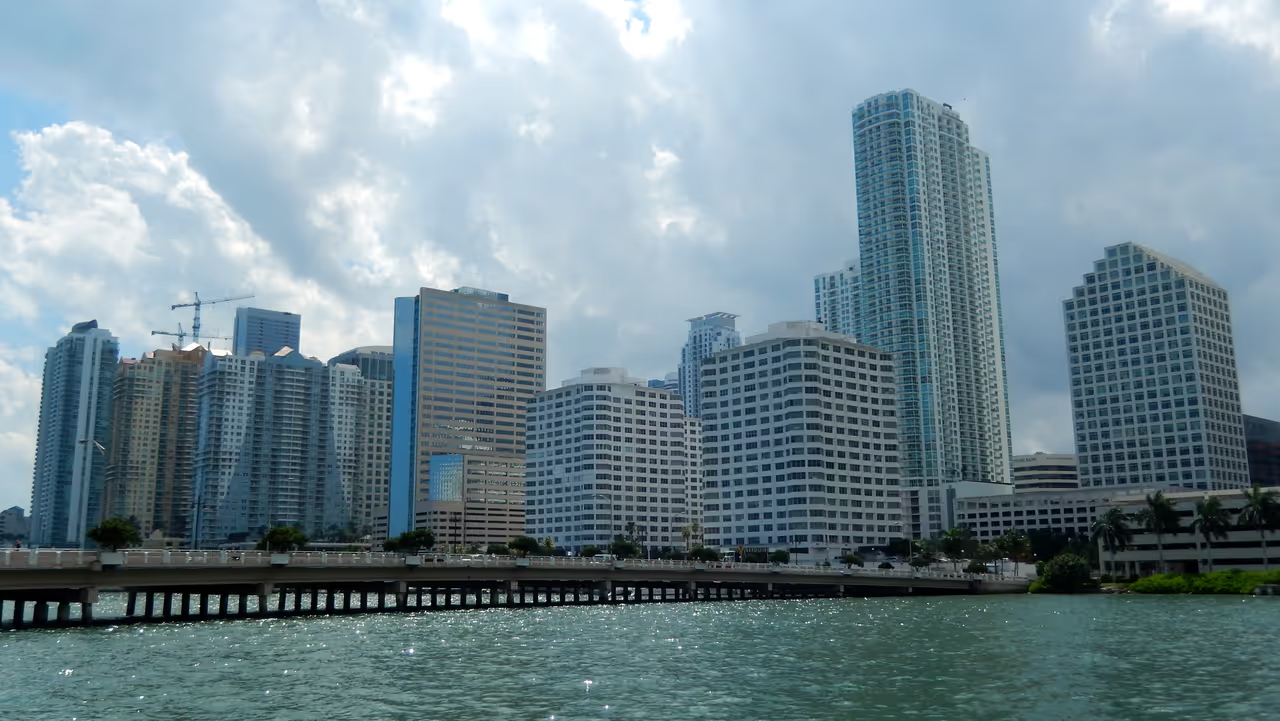
Miami Riverwalk to Brickell Key
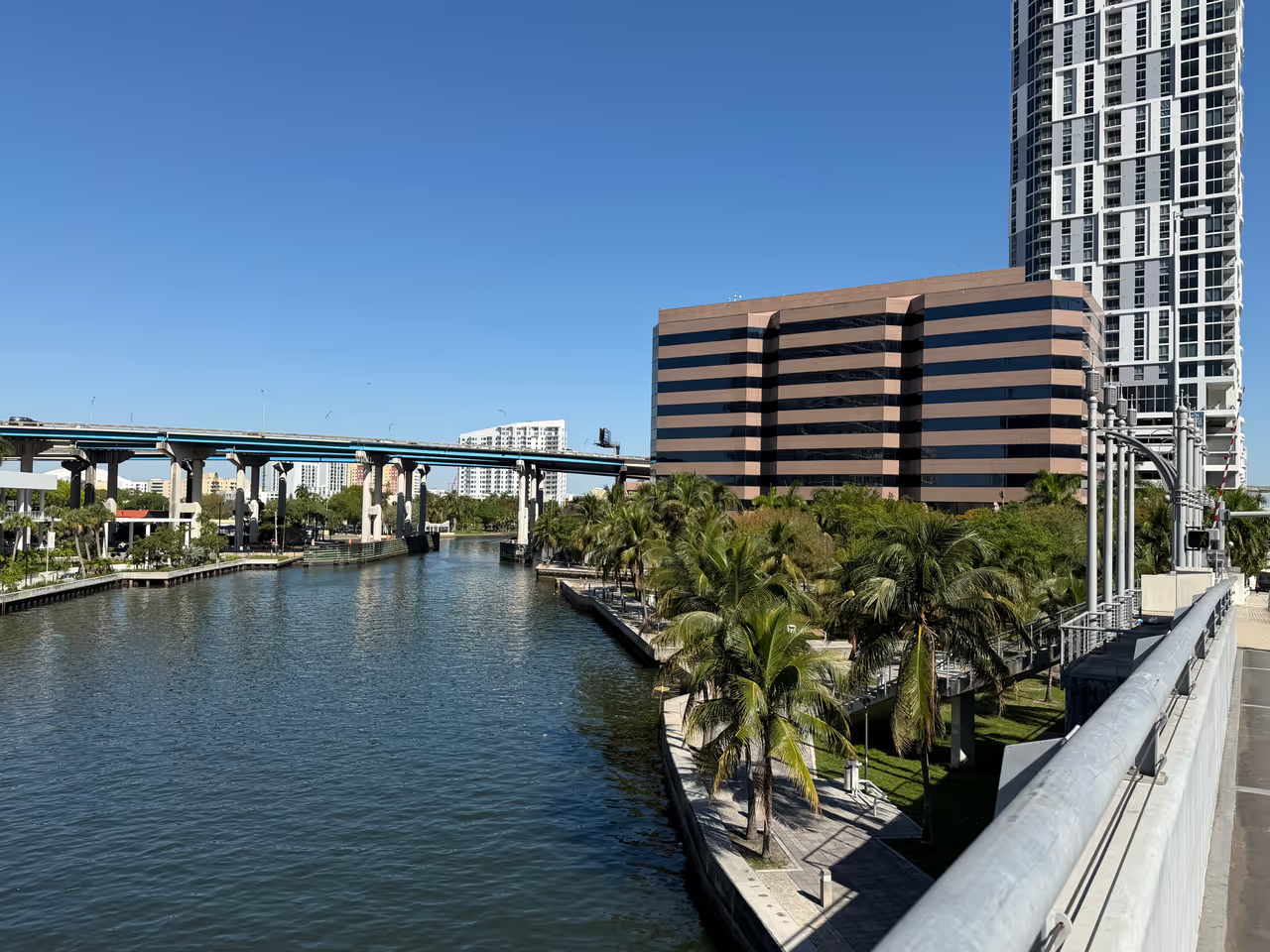
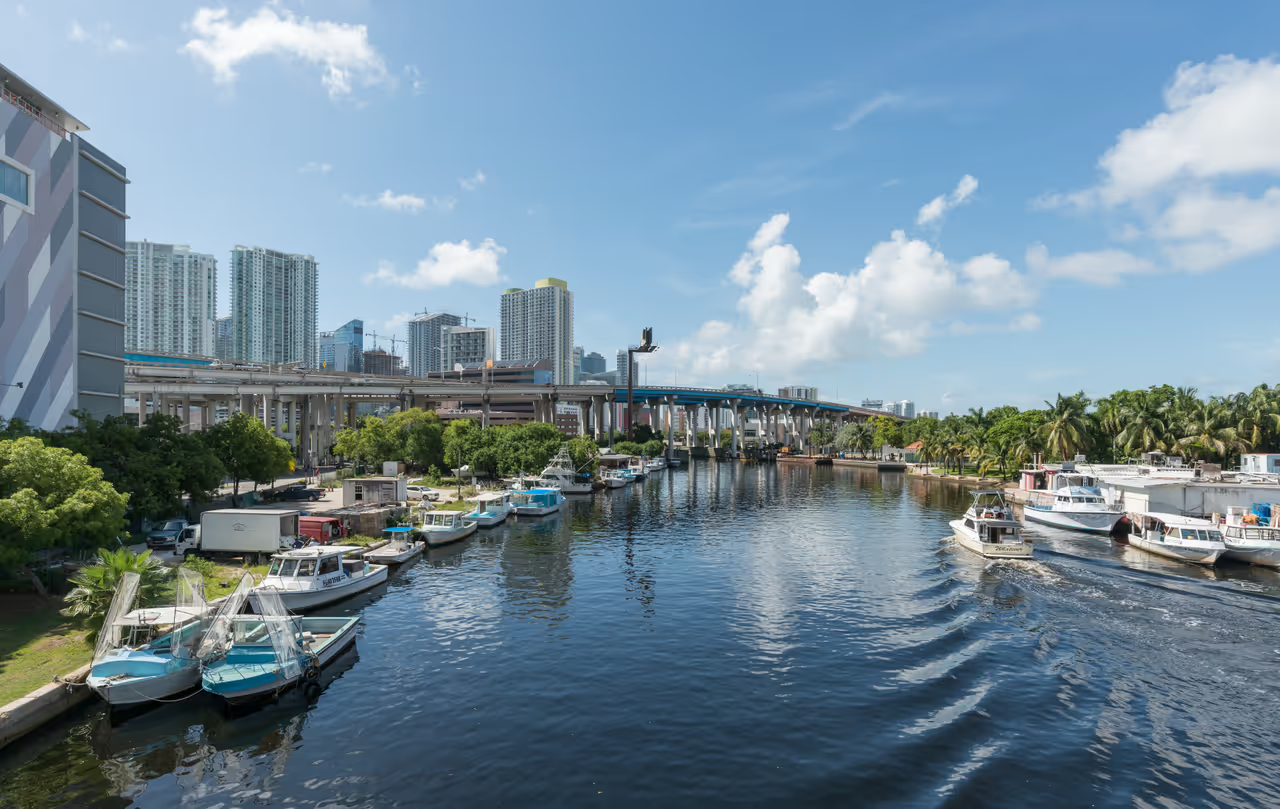
This pedestrian path traces the edge of the working river before crossing over to an exclusive, man-made island. Tugboats and massive luxury yachts idle in the water, navigating the tight currents between the skyscrapers. The concrete walkway passes directly behind sleek corporate towers and busy waterfront seafood restaurants. The ambient noise combines the hum of city traffic with the deep rumble of marine diesel engines.
 HIGHLY RECOMMENDED
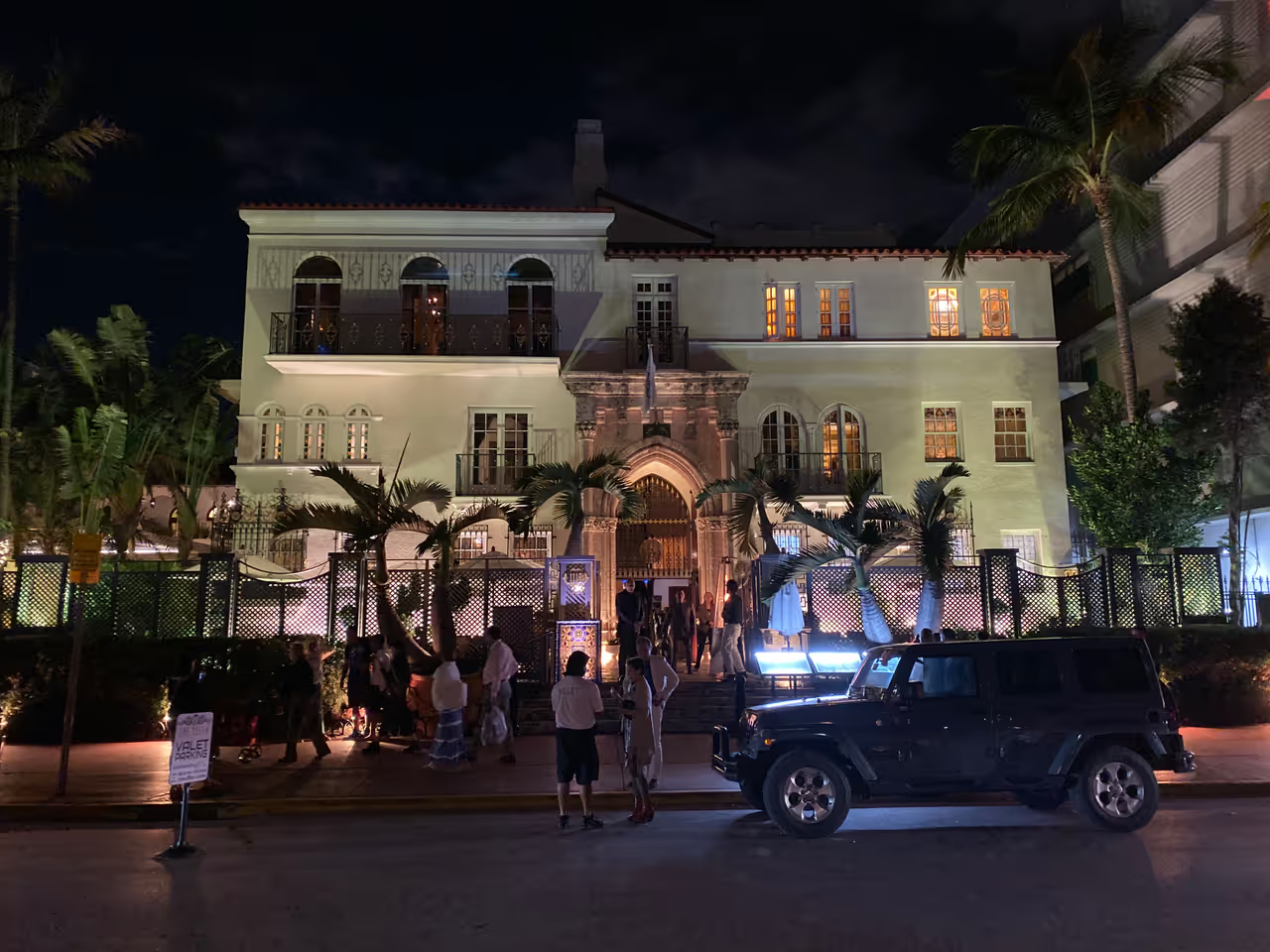
Ocean Drive and Lummus Park
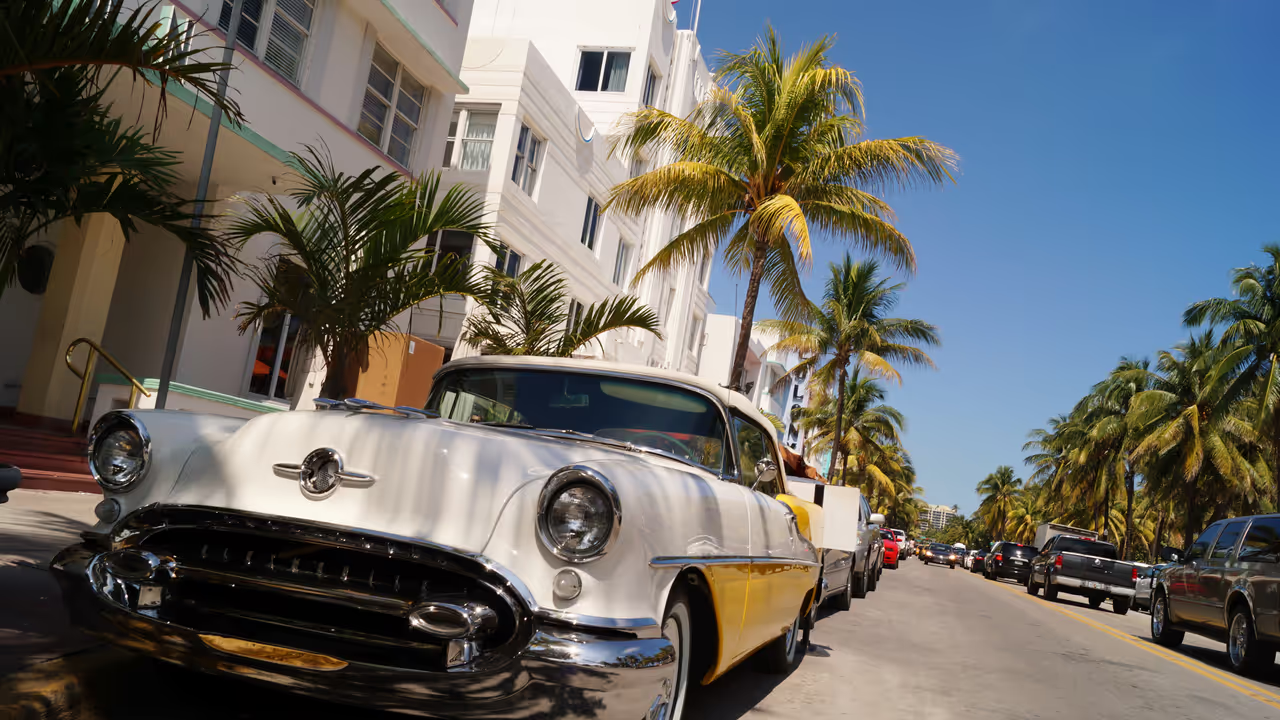
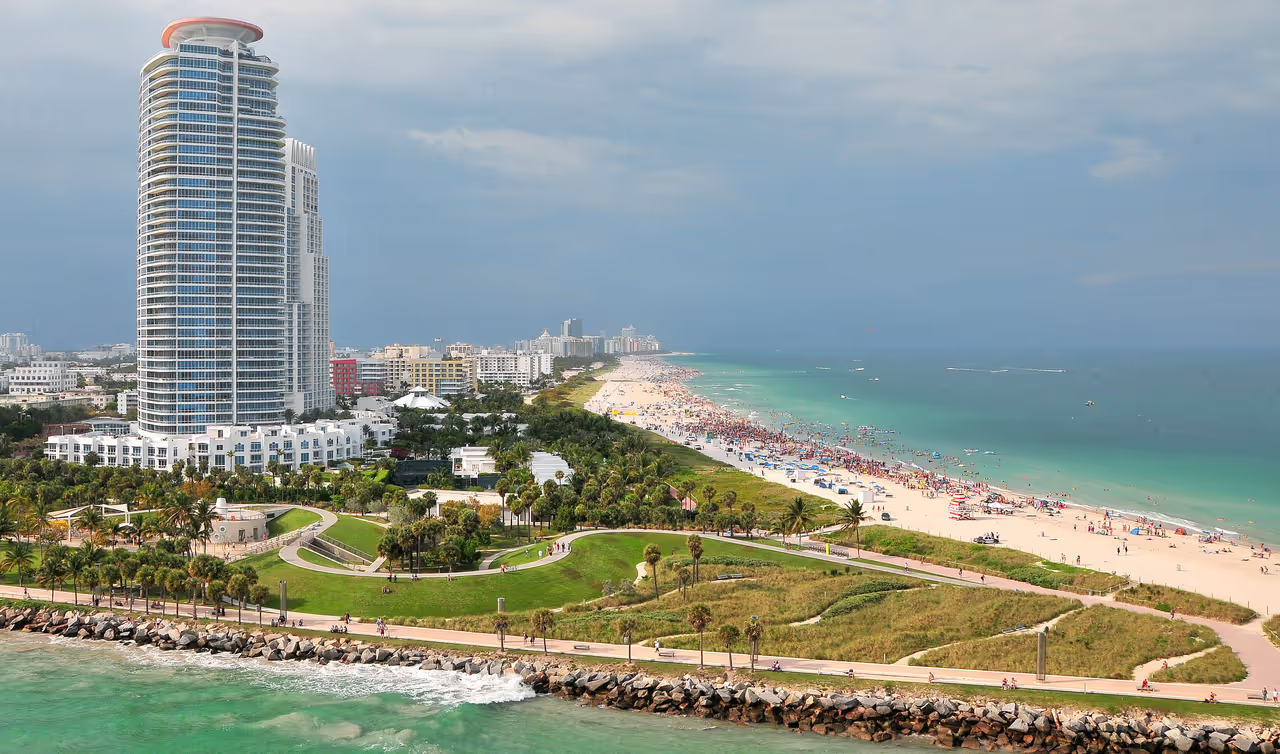
A winding, palm-fringed sidewalk separates the iconic Art Deco hotels from the wide, sandy beach. The area operates as a continuous outdoor runway, heavily populated by rollerbladers, models, and tourists holding oversized cocktails. Neon signs buzz to life as the sun sets, casting pastel light across the vintage hotel facades. The air smells strongly of tanning oil, sea salt, and cigar smoke.
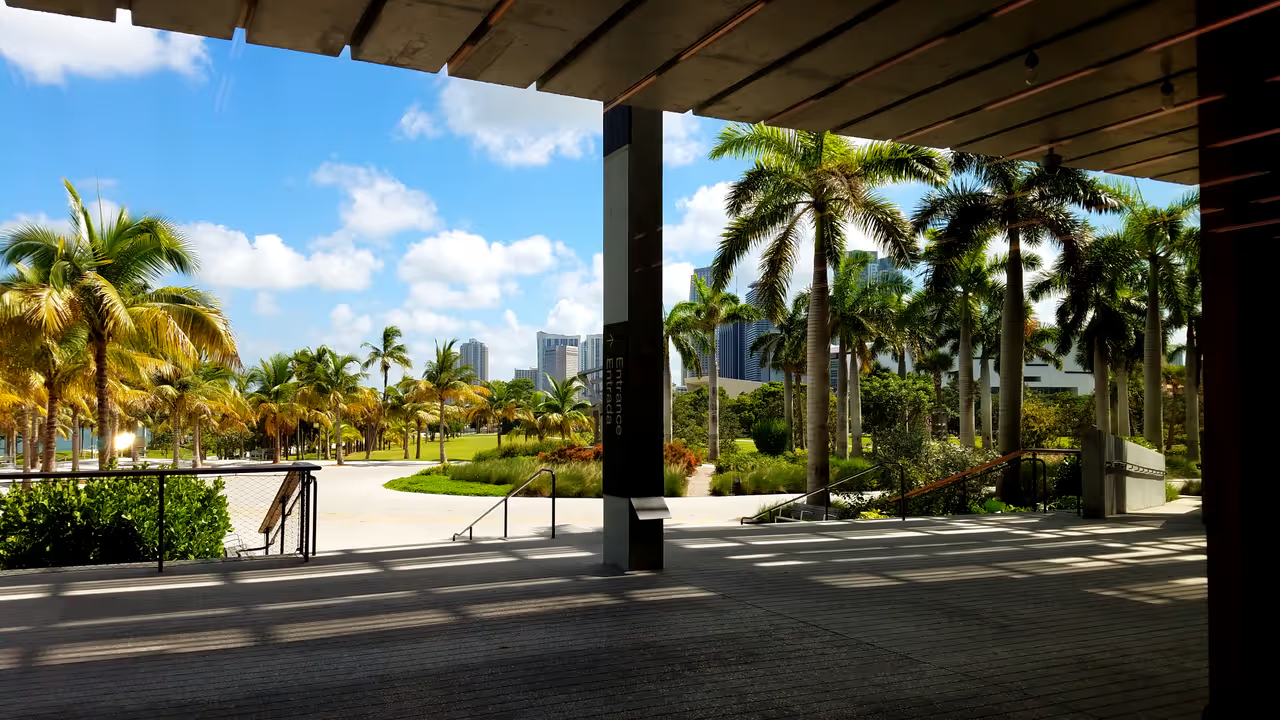
Downtown Bayfront Walk
This route connects several major civic parks along the edge of the deepwater basin. It offers a wide, unobstructed view of the cruise ships docked at PortMiami just across the channel. The concrete paths weave past large public art installations and an outdoor amphitheatre. It remains one of the few places in the urban core where the skyline completely recedes behind you.
Architecture & Landmarks
Freedom Tower
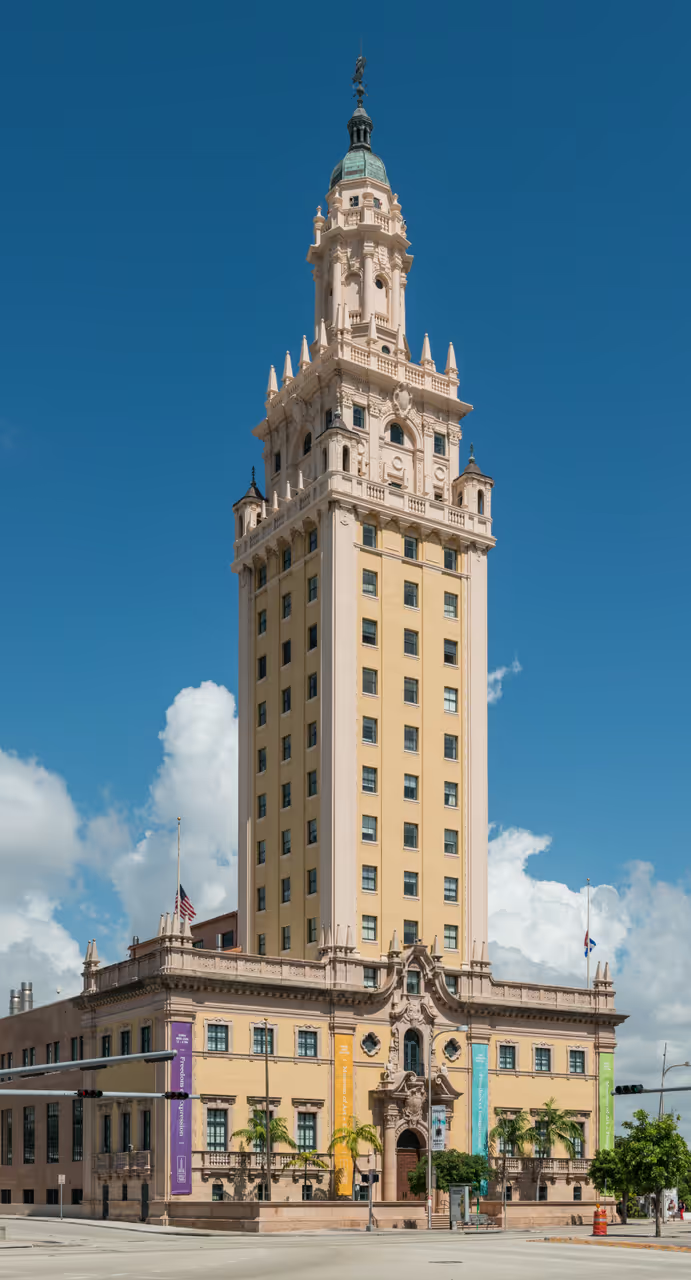
This yellow, cupola-topped skyscraper was modeled explicitly after the Giralda bell tower in Seville, Spain. Constructed in...
view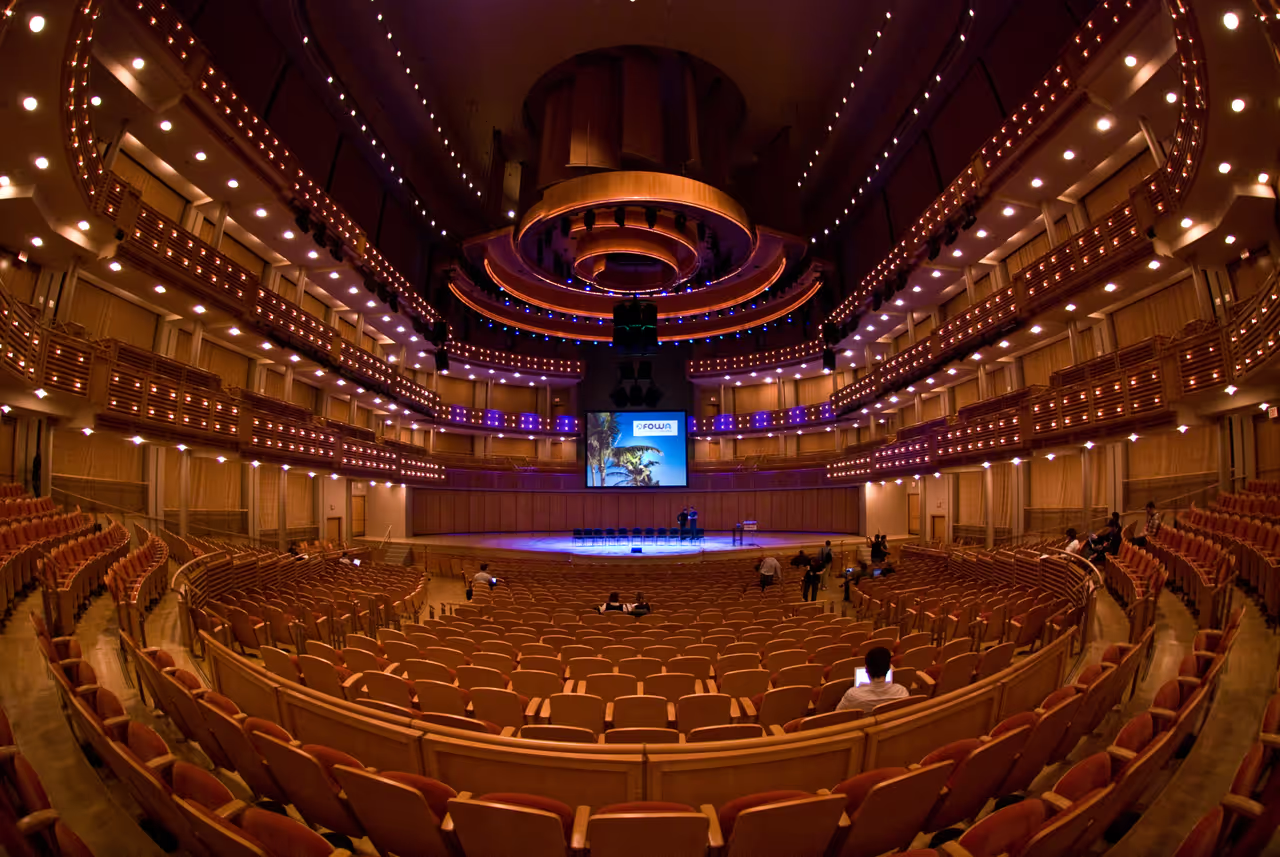
Adrienne Arsht Center
Massive sweeps of white steel and glass cut sharply across the skyline, dominating the northern edge of the downtown core. The...
view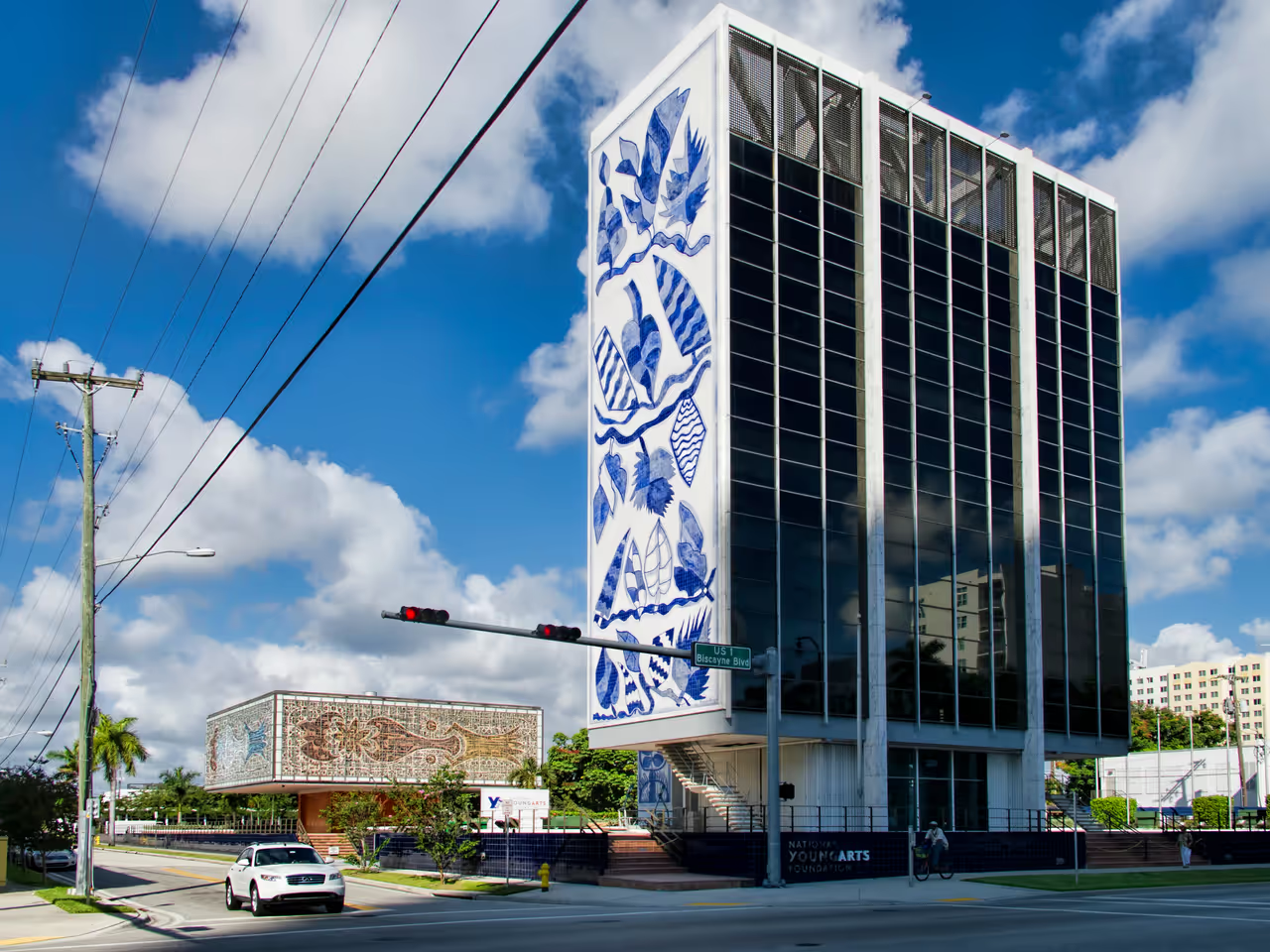
Bacardi Building
Two striking mid-century towers sit prominently on Biscayne Boulevard, originally serving as the US headquarters for the famous...
view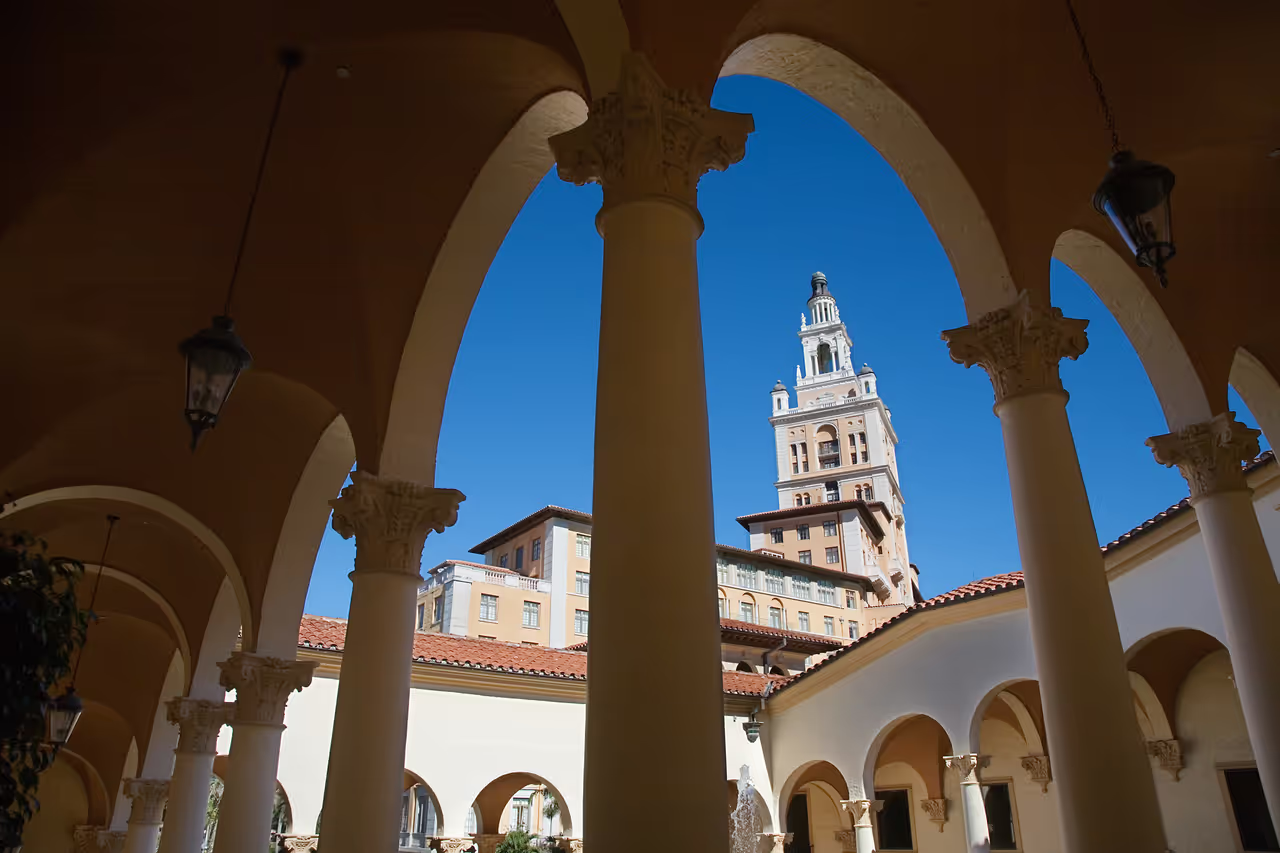
Biltmore Hotel
A massive, ornate tower rises out of the flat suburban canopy of Coral Gables, visible for miles in every direction. The 1920s...
view
Markets & Shopping
Miami Nightlife
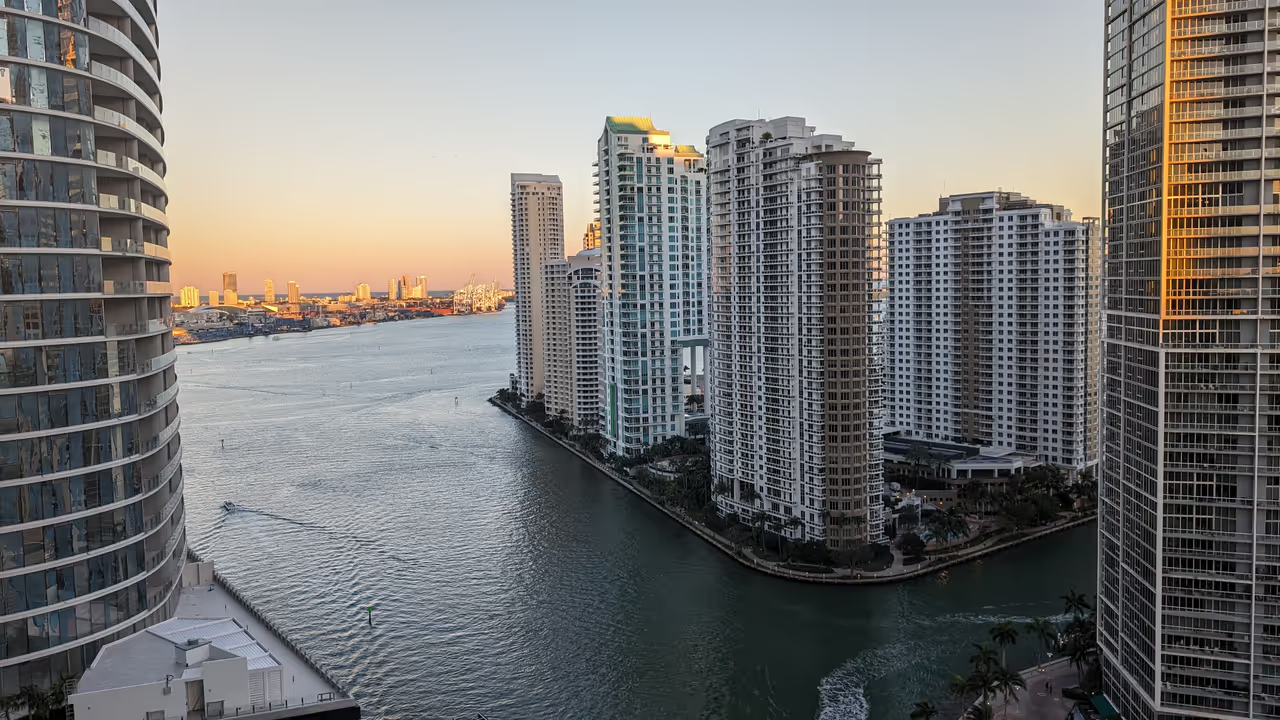
Photo Spots
Activities & Experiences
Cycling Routes
 HIGHLY RECOMMENDED
Rickenbacker Causeway to Key Biscayne
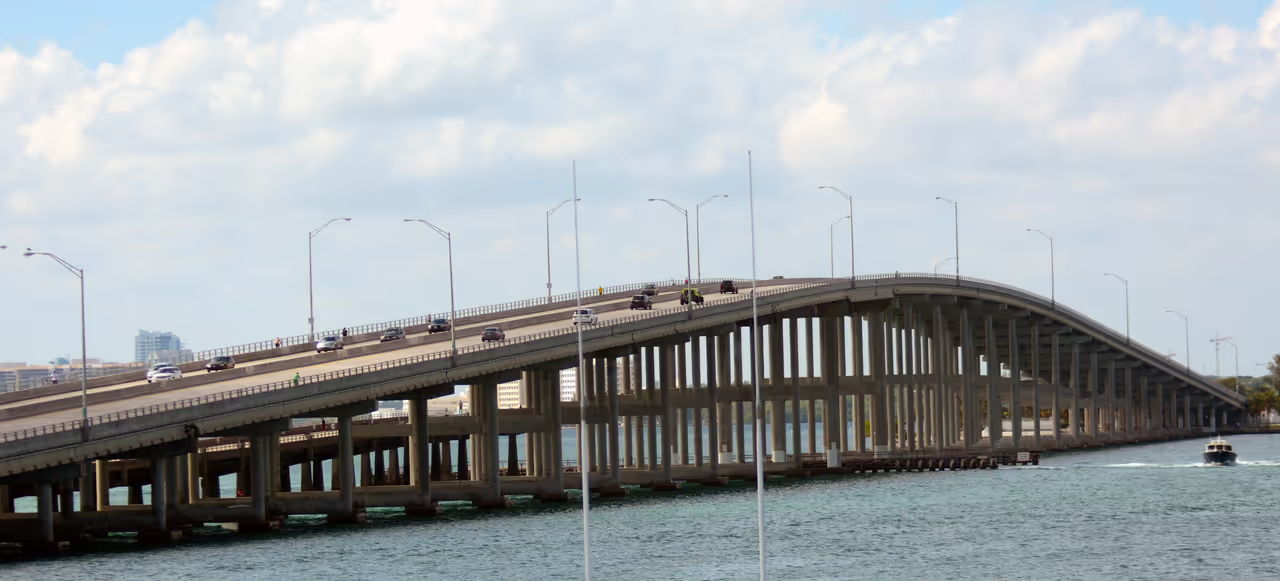
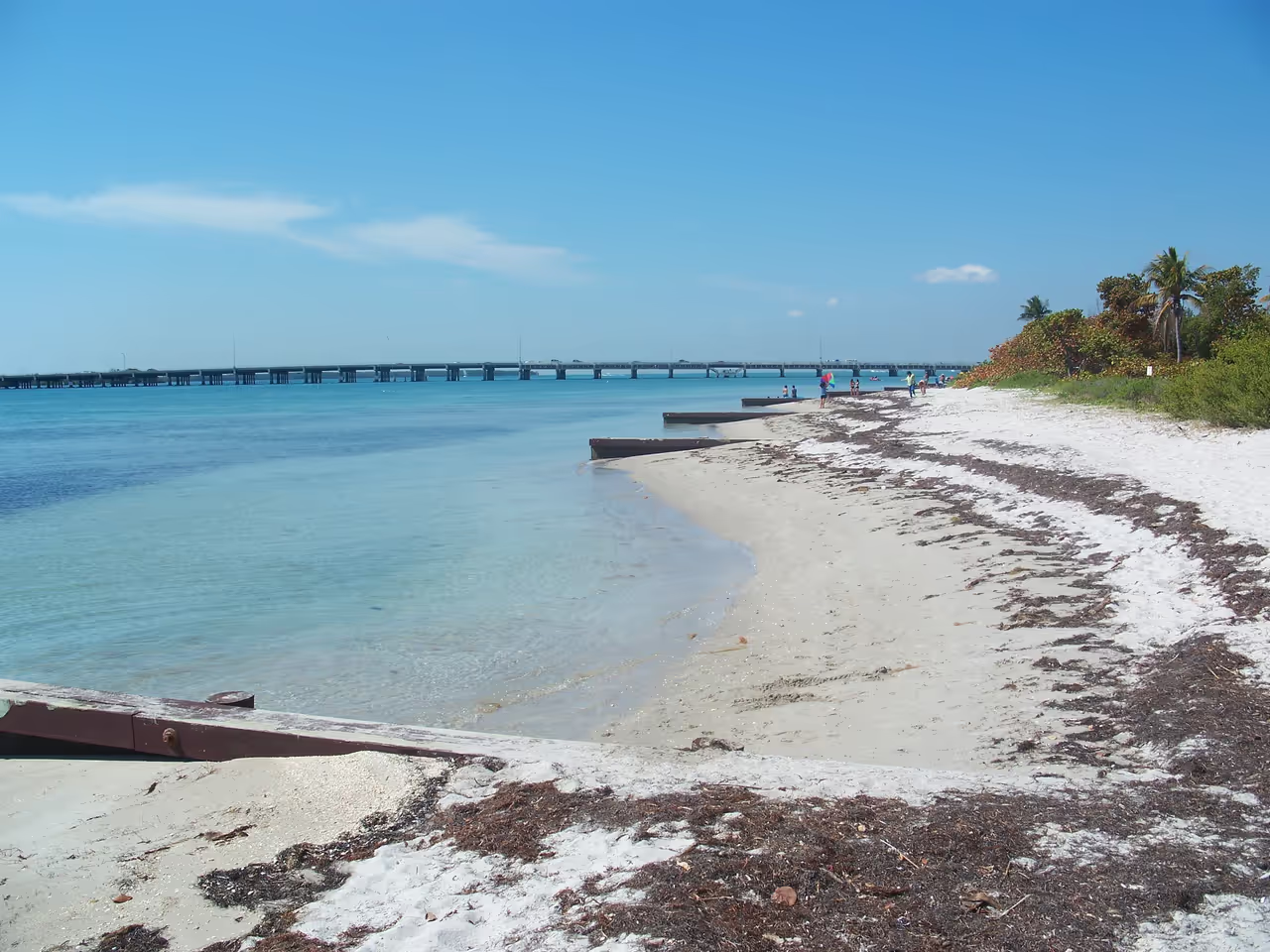
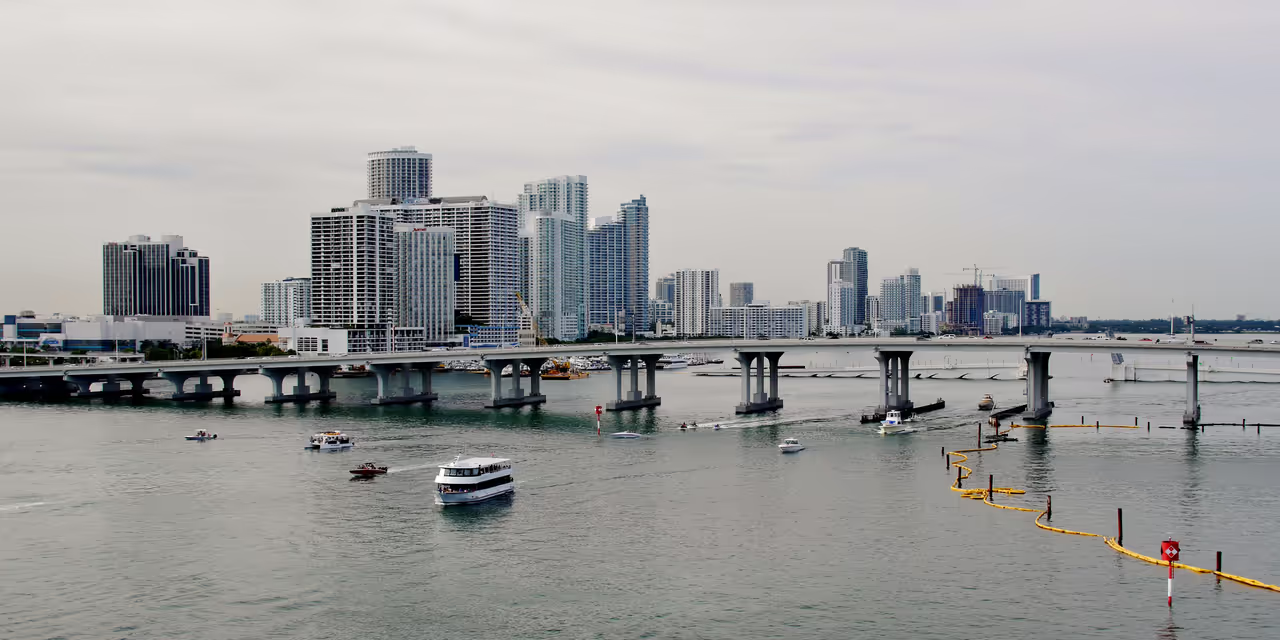
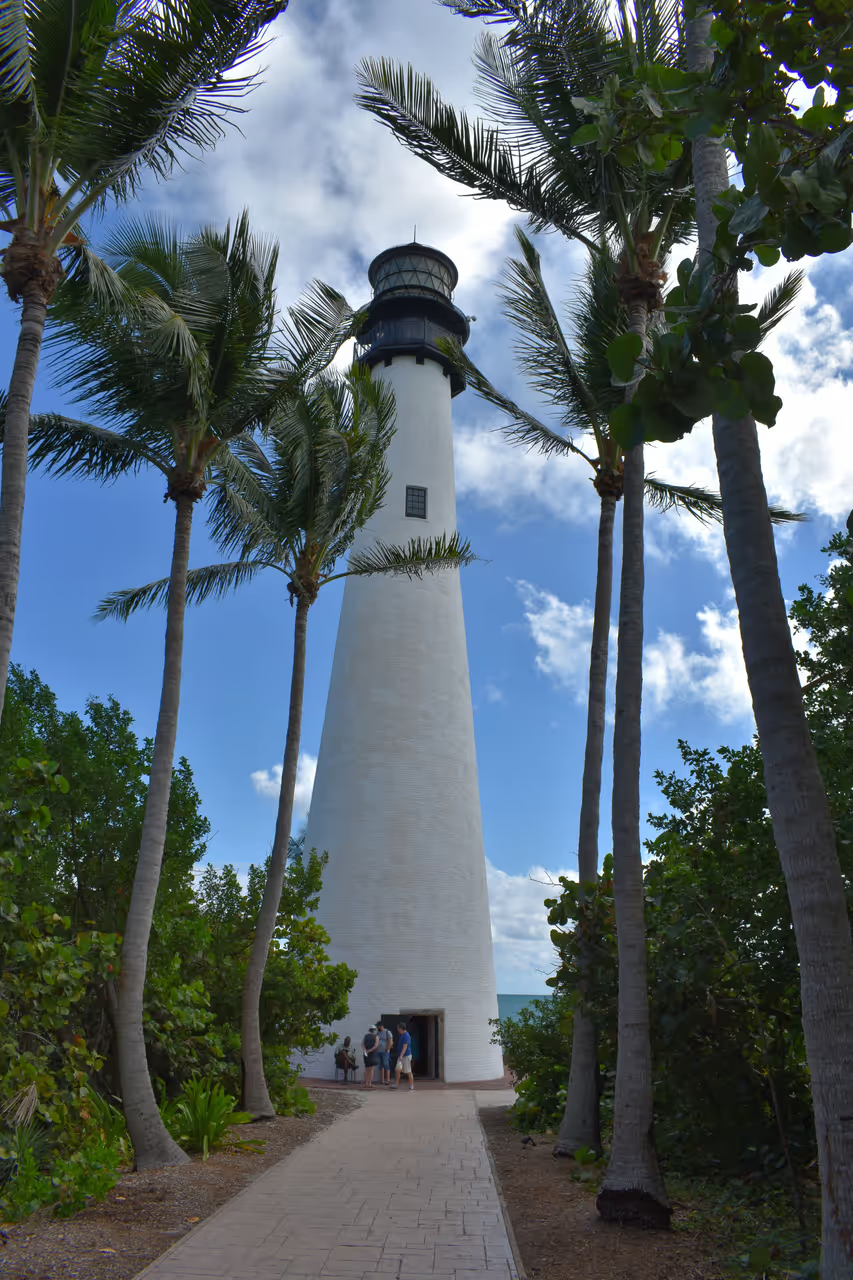
This route crosses the massive bridge connecting the mainland to the lush barrier islands. Cyclists push up the steep incline of the bridge before enjoying a long, breezy descent toward the beaches. The dedicated bike lane provides a safe buffer from the heavy vehicle traffic heading to the parks. The ride concludes deep within a state park, surrounded by native coastal vegetation and historic structures.
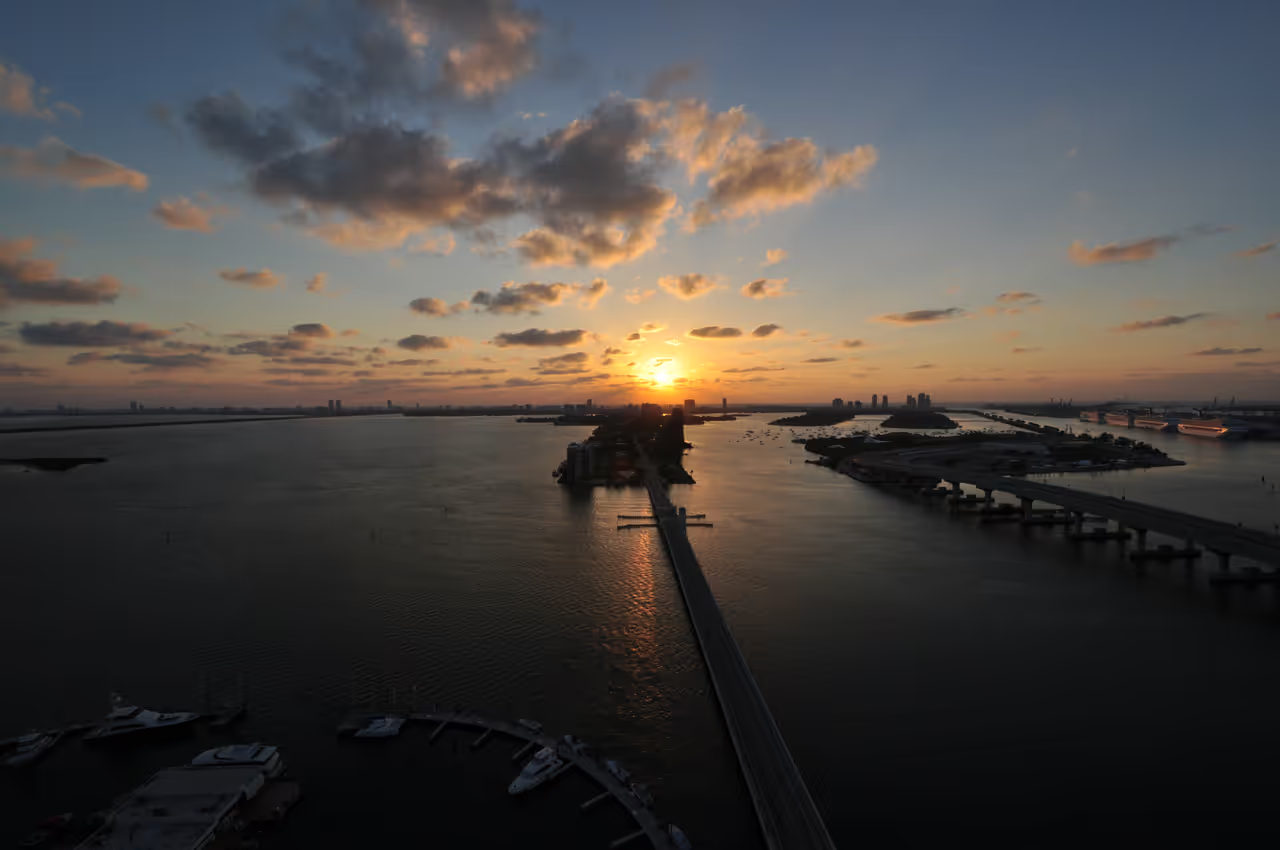
Venetian Causeway to South Beach
A series of low, historic drawbridges connect a chain of artificial islands filled with luxurious waterfront homes. The speed limit for cars is kept low, making the shared roadway feel unusually safe and relaxed for cyclists. Boats pass directly underneath the bridges, occasionally forcing riders to pause and enjoy the view while the spans raise. The route drops you directly into the bustling heart of Miami Beach.
Coconut Grove Waterfront Ride
The route winds under the heavy, cooling shade of massive oak and banyan trees that define this historic neighbourhood. The path follows the curve of the bay, passing by crowded marinas and quiet, hidden parks. The terrain is flat but visually complex, with roots occasionally buckling the older sections of the pavement. It feels entirely removed from the stark concrete aesthetic of the downtown core.
Self-Guided Tours
- HIGHLY RECOMMENDED
Little Havana Cultural Walk
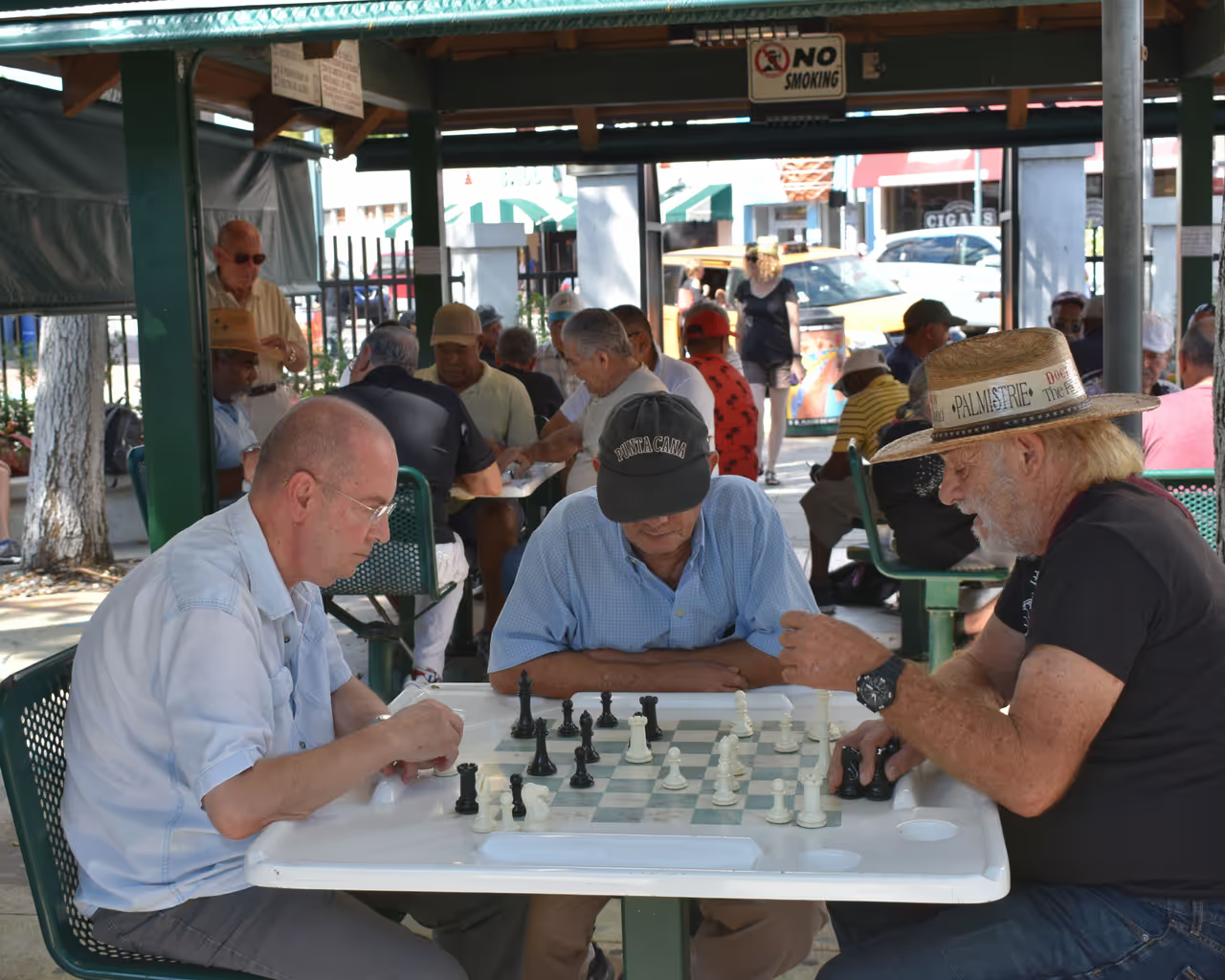
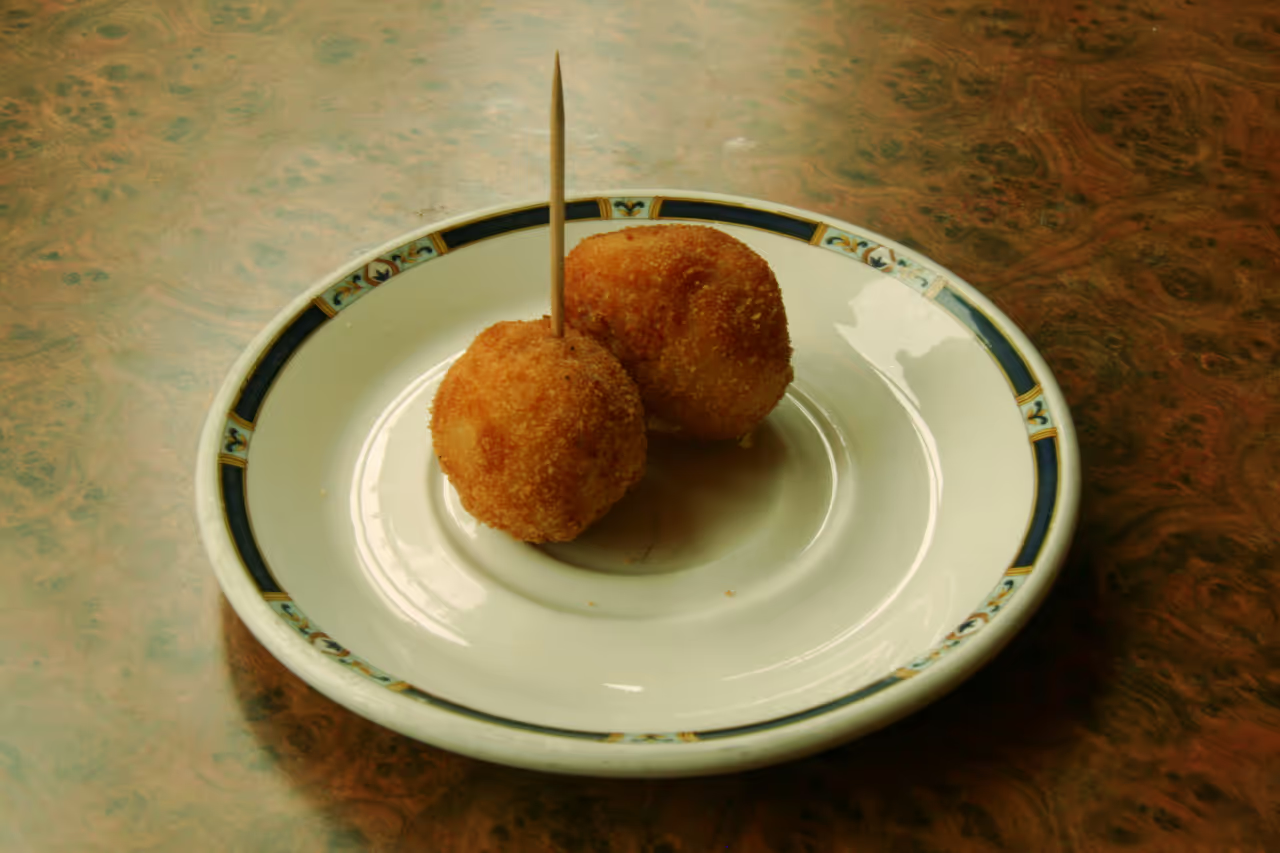
This short stretch of Southwest 8th Street serves as the cultural heartbeat for the Cuban exile community. The smell of strong espresso and sweet tobacco rolls out of the open storefronts to greet walkers. Roosters roam freely across the pavements, weaving between tourists and locals queuing for hot croquetas. It feels entirely disconnected from the glossy, high-rise aesthetic of the rest of the city.
 HIGHLY RECOMMENDED
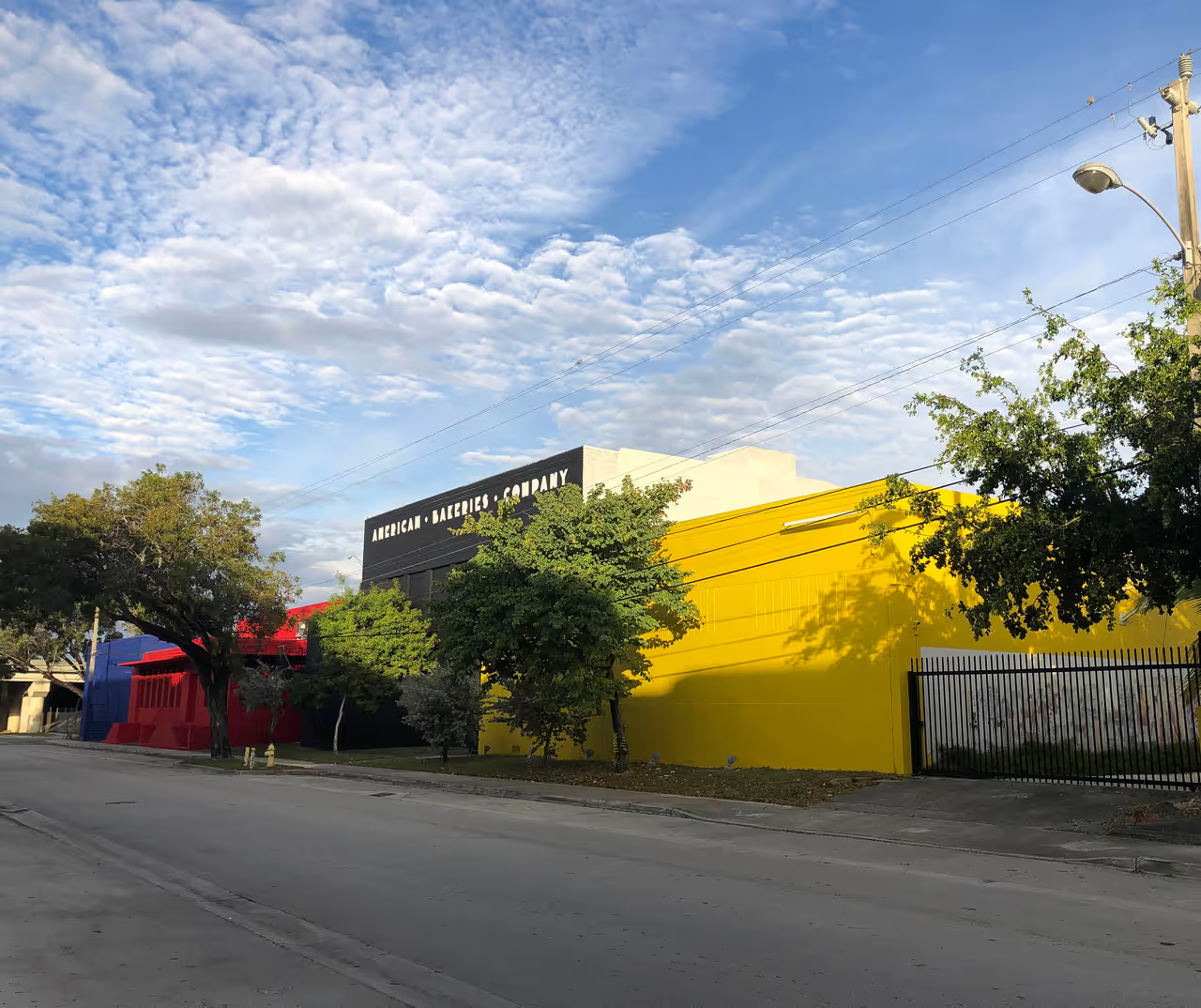
Wynwood Street Art Exploration
This route navigates the gridded streets of a former manufacturing district that has been entirely claimed by graffiti artists. Nearly every blank wall, loading dock, and storefront is covered in layers of bright aerosol paint. The art ranges from elaborate, commissioned murals to chaotic, illegal tags fighting for space. The visual overload is intense, drawing photographers and art critics from around the globe.
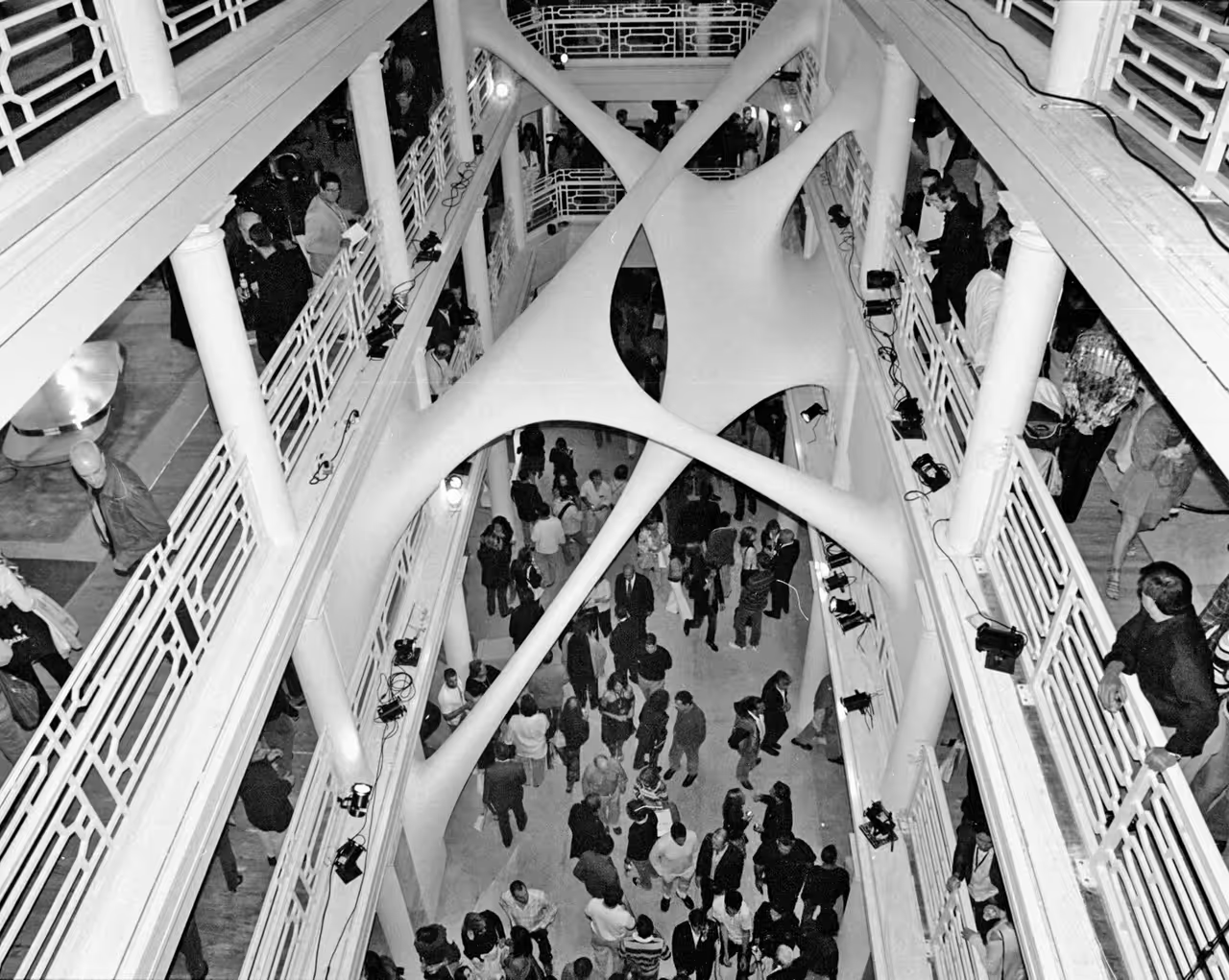
Design District Architecture and Art
A compact grid of streets combines ultra-luxury retail with cutting-edge contemporary architecture and public art. Flagship designer stores boast wildly creative facades, using twisted glass, perforated metal, and bold geometric shapes. Large-scale sculptures sit in the middle of pedestrian plazas, blurring the line between a shopping mall and an art installation. The area feels meticulously planned, spotless, and intimidatingly expensive.
Annual Festivals & Events
 HIGHLY RECOMMENDED
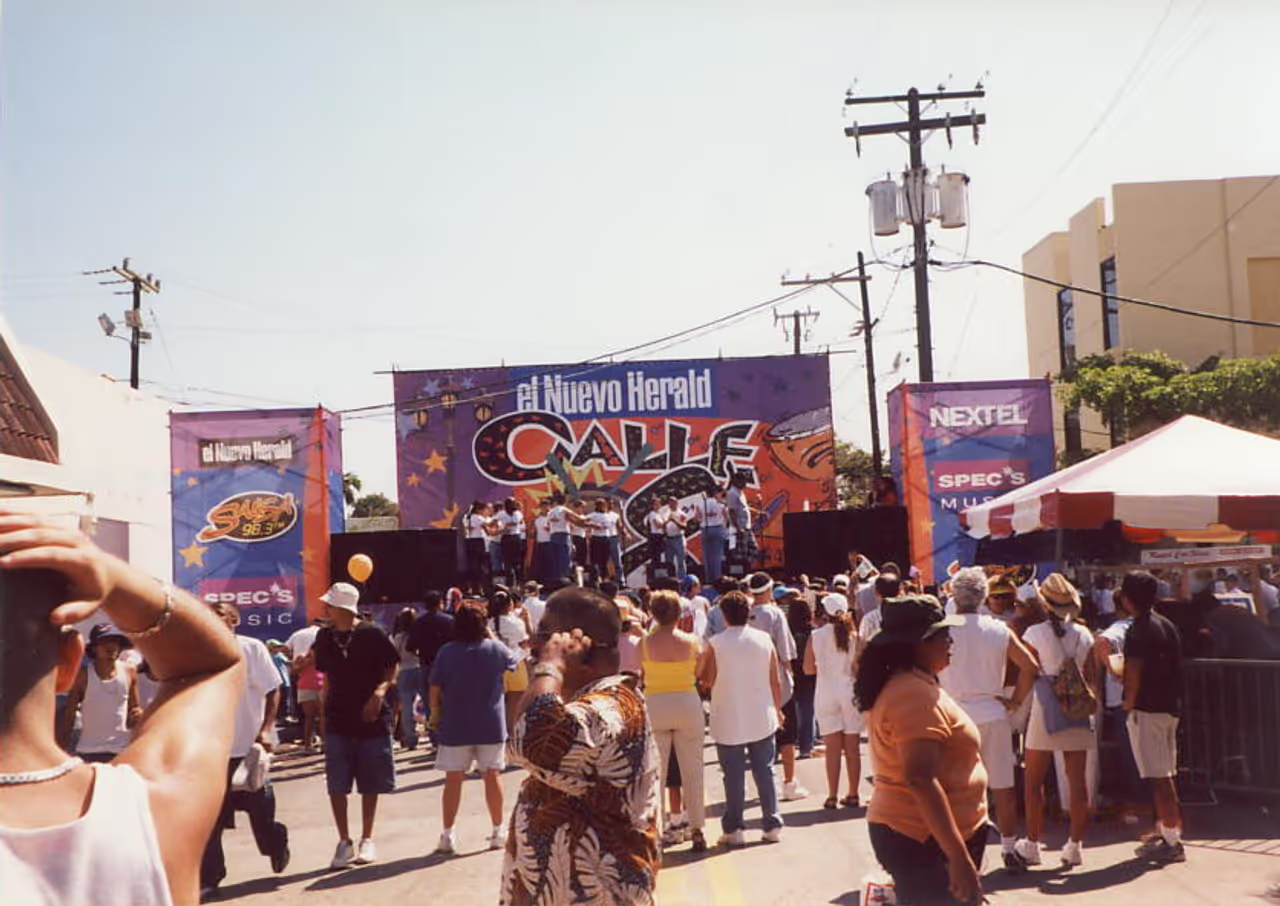
Calle Ocho Festival
This sprawling block party completely takes over Southwest 8th Street, celebrating Latin American culture on a massive scale. Stages host live salsa, merengue, and reggaeton performances while crowds dance directly on the asphalt. Vendors line the pavements selling empanadas, arepas, and fresh coconut water to keep the energy high. It stands as the grand finale of Carnaval Miami, drawing over a million people to the heart of Little Havana.
 HIGHLY RECOMMENDED
Ultra Music Festival
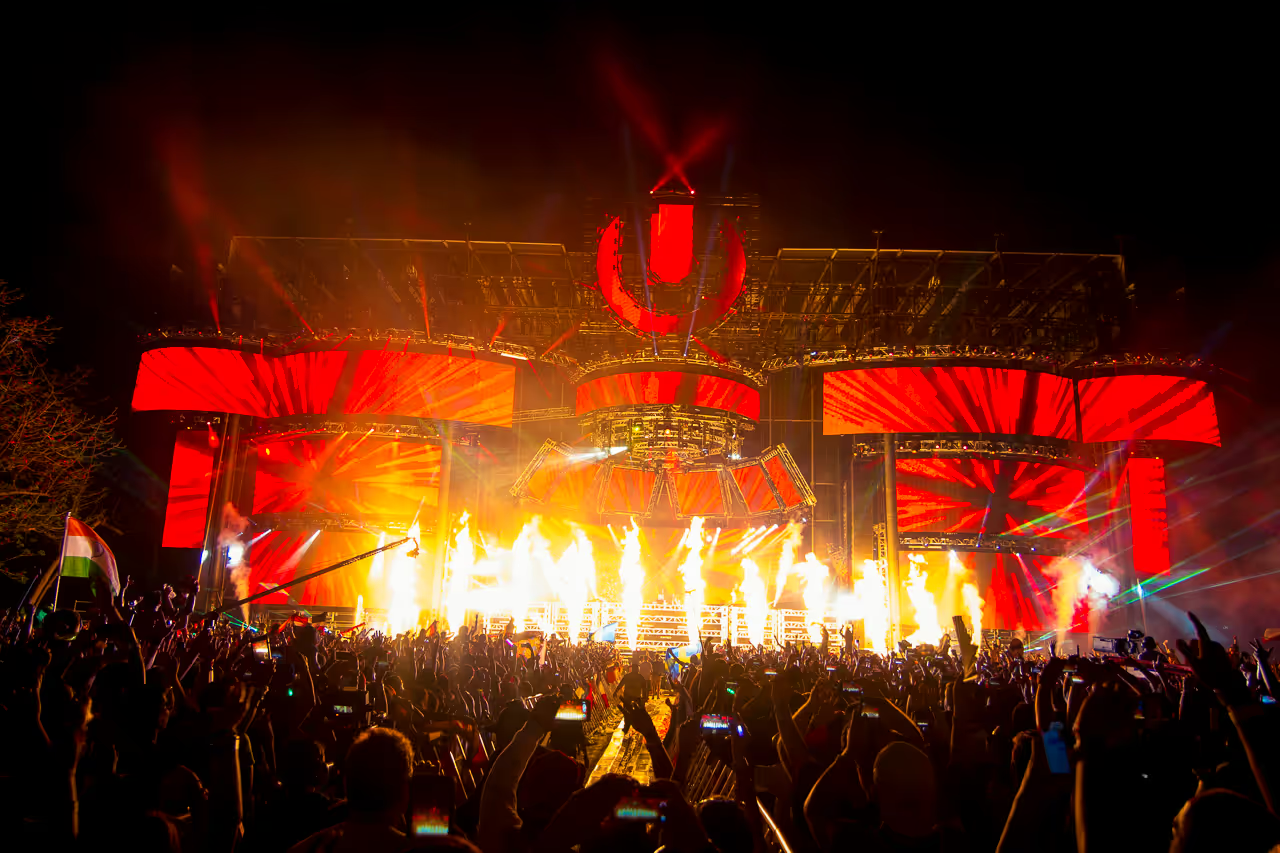
Thousands of electronic music fans descend on the downtown streets for this massive, three-day sonic marathon. The world's top DJs perform on elaborate, laser-lit stages constructed right against the Biscayne Bay waterfront. The bass vibrates through the surrounding skyscrapers, turning the entire district into an open-air club. Attendees dress in elaborate neon outfits, dancing continuously from the afternoon heat into the early morning hours.

Miami International Film Festival
Independent cinemas across the city open their doors to screen international features, documentaries, and short films over ten days. The event places a heavy emphasis on Ibero-American cinema, reflecting the demographic makeup of the host city. Directors and actors frequently attend screenings to host Q&A sessions with the audience. The atmosphere feels sophisticated yet accessible, bridging the gap between serious cinephiles and casual moviegoers.
Insider Tips
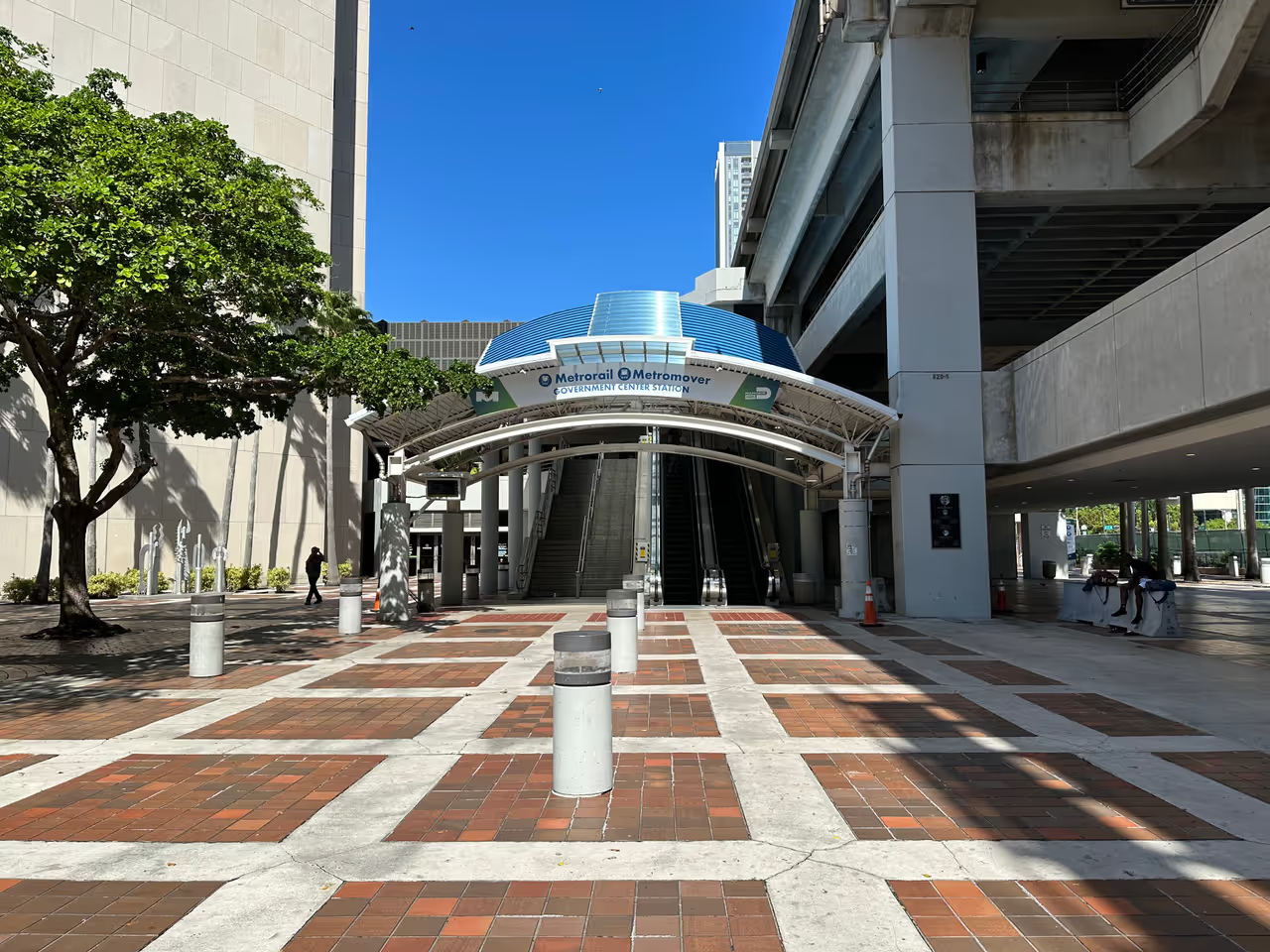
Take the free Metromover to navigate Downtown and Brickell without sitting in notorious gridlock.
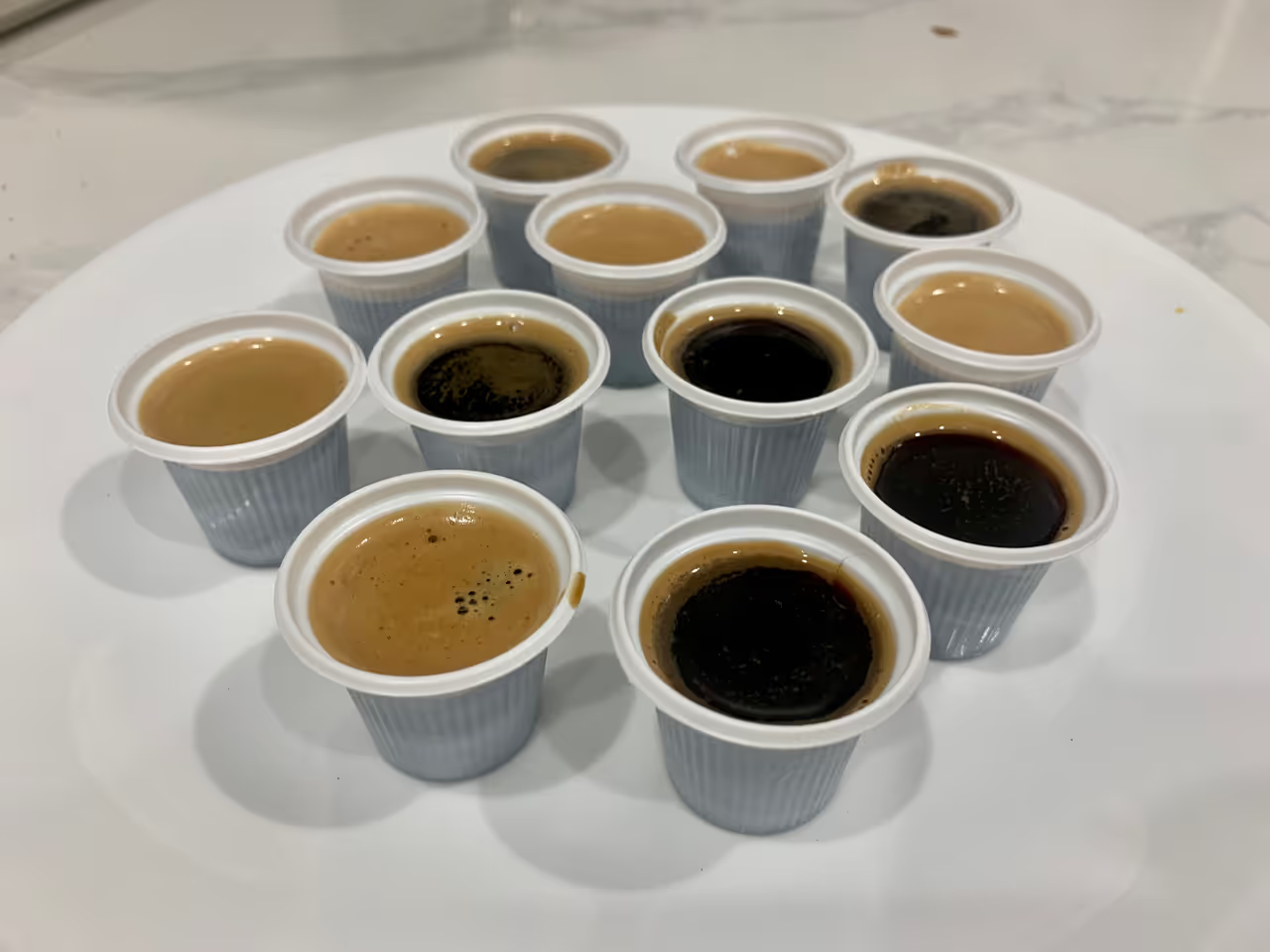
Order a 'cafecito' at a ventanita (walk-up window) instead of a standard coffee shop for a potent, sugary espresso shot.
Do not expect dinner to start at 18:00; locals typically dine after 20:00, and many restaurants peak around 22:00.
Pay attention to purple flags at the beaches, which indicate dangerous marine life like jellyfish are in the water.
Check your restaurant bill carefully, as a 15 to 20 percent gratuity is often automatically added in popular tourist areas.
Use the approach rule when asking for directions; many residents speak Spanish as a first language, so starting with a polite 'hola' breaks the ice.
PERFECT FOR
This coastal hub caters directly to night owls, art enthusiasts, and culinary explorers eager for bold Latin and Caribbean flavours. Visitors who enjoy high-energy environments, contemporary gallery hopping, and sprawling sandy coastlines will find endless entertainment. It rewards those who prefer a fast-paced, highly social travel style.
VIBE
The streets hum with a blend of tropical languor and fierce ambition. Salsa beats spill from open cafe windows in Little Havana, contrasting sharply with the sleek, high-speed corporate rush of the Brickell financial district.
Frequently Asked Questions about Miami
While we strive to keep this information accurate and up to date, we recommend verifying any details independently before making decisions based on them.
Similar Destination in United States
Continue your journey. Explore this highly recommended city and uncover more of what United States has to offer.