Ancient Spanish Monastery
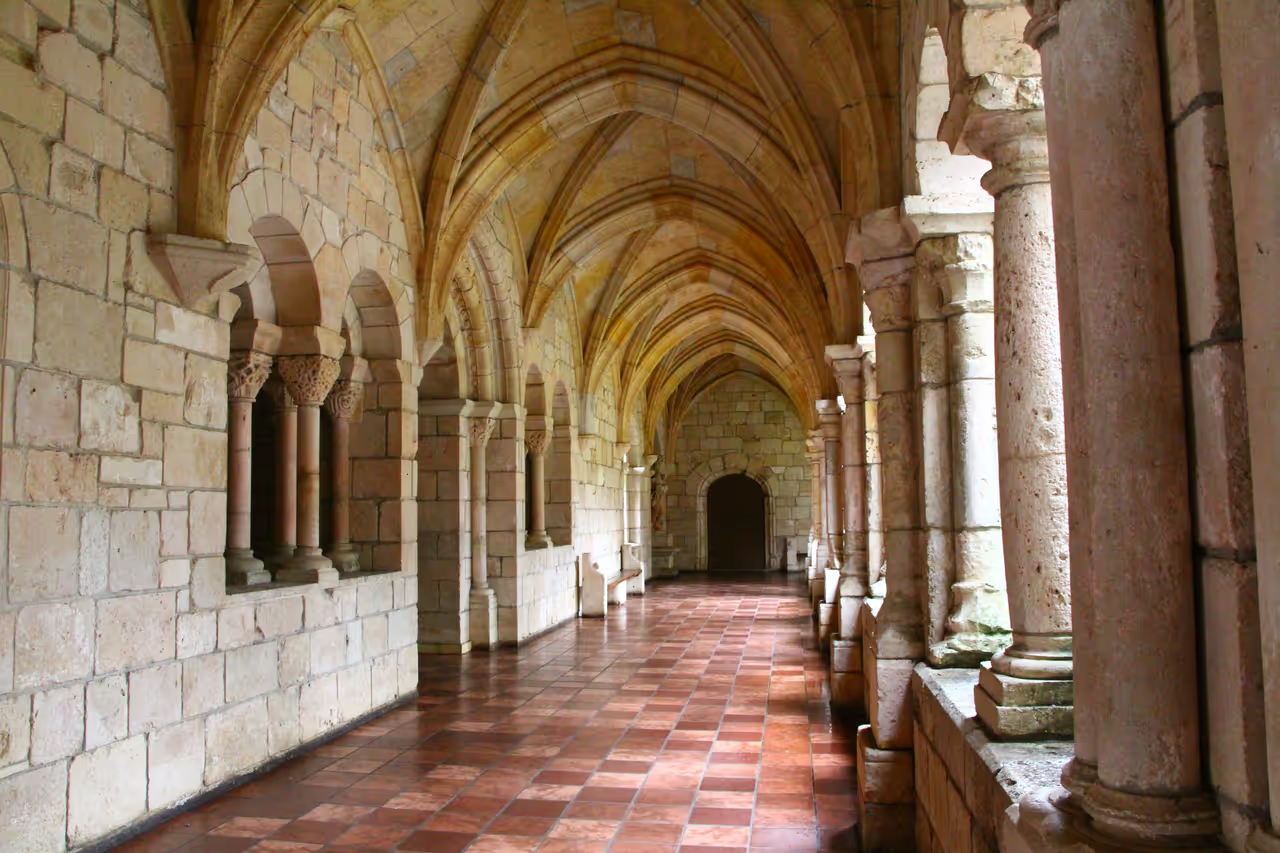
Step into a piece of medieval Spain, astonishingly transported and reassembled in North Miami Beach. The Ancient Spanish Monastery, originally constructed in the 12th century, offers a tranquil escape, its Romanesque cloisters and serene gardens creating an atmosphere of profound peace. Imagine centuries of Cistercian monks walking these very corridors, now offering solace to Floridians. It’s a place where history isn't just displayed, but truly felt, inviting you to wander through an architectural marvel that journeyed across an ocean to find its new home. This unusual blend of European antiquity and tropical setting makes for an unforgettable visit, truly a one-of-a-kind experience.
Videos
History of Ancient Spanish Monastery
The story of the Ancient Spanish Monastery begins in the heart of Spain, between 1133 and 1141, when Alfonso VII of Castile and León founded a Cistercian monastery near Sacramenia. Initially named "Monastery of Our Lady, Queen of the Angels," it was later dedicated to Saint Bernard of Clairvaux, becoming a beacon of Christian life and learning. For nearly seven centuries, monks walked its Romanesque cloisters, cultivating both land and spirit in a region known for its harsh climate and strategic importance. The monastery stood as a testament to faith and architectural prowess, built with a defensive strength that hinted at the area's history of conflict and cultural assimilation. The 19th century brought an abrupt end to this long monastic tradition. Amidst Spain's period of social unrest and the Ecclesiastical Confiscations of Mendizábal in the 1830s, the monastery was seized by the state. Its sacred halls were sold off and repurposed, serving ignominiously as a granary and a stable. The once vibrant spiritual heart of the Coto de San Bernardo lay dormant, its stones witnessing the passage of a different kind of history, one of practical utility rather than pious devotion. Even as part of the structure was declared a Spanish national monument in 1931, its most iconic elements had already embarked on an extraordinary, clandestine journey. In 1926, American newspaper magnate William Randolph Hearst, known for his insatiable appetite for art and architecture, controversially purchased the cloister and its associated buildings. Defying Spanish government restrictions on the export of such treasures, Hearst orchestrated the meticulous dismantling of the monastery. Each stone, arch, and column was carefully numbered, packed into 11,000 wooden crates, and shipped across the Atlantic. However, fate intervened. A hoof-and-mouth disease outbreak in Segovia led to the crates being opened and their hay packing burned during a quarantine in the US. During the hurried repackaging, the numbering system was lost, turning the reconstruction into a colossal, three-dimensional jigsaw puzzle. Hearst's financial difficulties meant his dream of reassembling the monastery at his San Simeon estate never materialized. For decades, the scattered stones lay forgotten in a Brooklyn warehouse, a monumental and expensive pile of history. It was not until 1952 that two businessmen, Raymond Moss and William Edgemon, purchased the crates. They decided to bring the ancient structure to life in an entirely unexpected location: a plant nursery in North Miami Beach, Florida. The monumental task of reconstruction took 19 months, costing nearly 1.5 million dollars, with many of the original stones requiring careful identification and placement. They even integrated a magnificent coat of arms from the House of Alburquerque, originally from another Spanish monastery, into the cloister. Completed in 1964, the reassembled monastery opened as a tourist attraction, a medieval marvel in a subtropical setting. That same year, the Episcopal Diocese of South Florida acquired the property. Facing its own financial challenges, the diocese eventually sold the monastery to Colonel Robert Pentland Jr., who, in a benevolent act, gifted it to the Episcopal parish of St. Bernard de Clairvaux. Today, the Ancient Spanish Monastery continues its dual life as both a vibrant, active Episcopal church and a captivating historical site, inviting visitors to marvel at its unlikely journey and enduring beauty. It stands as a unique bridge between old-world charm and Florida's sunshine.
8 events spanning 831 years
Fun Facts
- • Alfonso VII of Castile and León, who introduced Cistercian monasteries to Spain, granted the monastery privileges, including exemptions from right-of-way taxes and freedom for grazing flocks.
- • During the Christian Reconquista, the newly founded monasteries like this one served as crucial centres for evangelization and colonization in areas previously populated by Muslims.
- • Even today, some of the original stones from the 12th-century monastery remain unused, testaments to the complex and challenging relocation.
- • For almost seven centuries, it operated as a Cistercian monastery in Spain until it was seized and used as a granary and stable in the 1830s.
- • Hearst's grand plans to reassemble the monastery at his California estate, San Simeon, were thwarted by his severe financial difficulties, leaving the stones in storage for decades.
- • Intriguingly, three original doors from the monastery are no longer part of the Florida structure and are now found in a private home in Atlanta, Georgia.
- • Not all stones in the current structure are original to the Sacramenia monastery; the large, round carved-stone coat of arms in the cloister hails from the House of Alburquerque and came from the monastery of San Francisco de Cuellar, also in Segovia province.
- • The area in Sacramenia, Spain, where the monastery once stood, is known for its extreme weather and is dotted with other medieval churches, chapels, and castles.
- • The monastery was originally known as "Monastery of Our Lady, Queen of the Angels" before being renamed to honor Saint Bernard of Clairvaux upon his canonization.
- • The reassembly project in Miami, led by Raymond Moss and William Edgemon, took 19 months and cost an astonishing 1.5 million dollars, a vast sum in the 1960s.
- • To transport the monastery, 11,000 crates of carefully numbered stones were shipped to the United States, but a quarantine for hoof-and-mouth disease in Segovia led to the burning of the hay packaging and a catastrophic mix-up of the stones during repackaging.
- • William Randolph Hearst acquired the cloister and outbuildings in 1926 despite explicit restrictions from the Spanish government against such sales, sparking controversy.
Ancient Spanish Monastery FAQ
While we strive to keep this information accurate and up to date, we recommend verifying any details independently before making decisions based on them.
Ancient Spanish Monastery Map & Neighborhood Explorer
This interactive map is centered on Ancient Spanish Monastery. Zoom in and move the map around to automatically discover Wikipedia photos and summaries of other nearby sights, monuments, and historical points of interest and stories in real-time!
Places near Ancient Spanish Monastery
Make the most of your trip. Check out these top-rated spots located nearby.
 1902m
1902mOleta River State Park
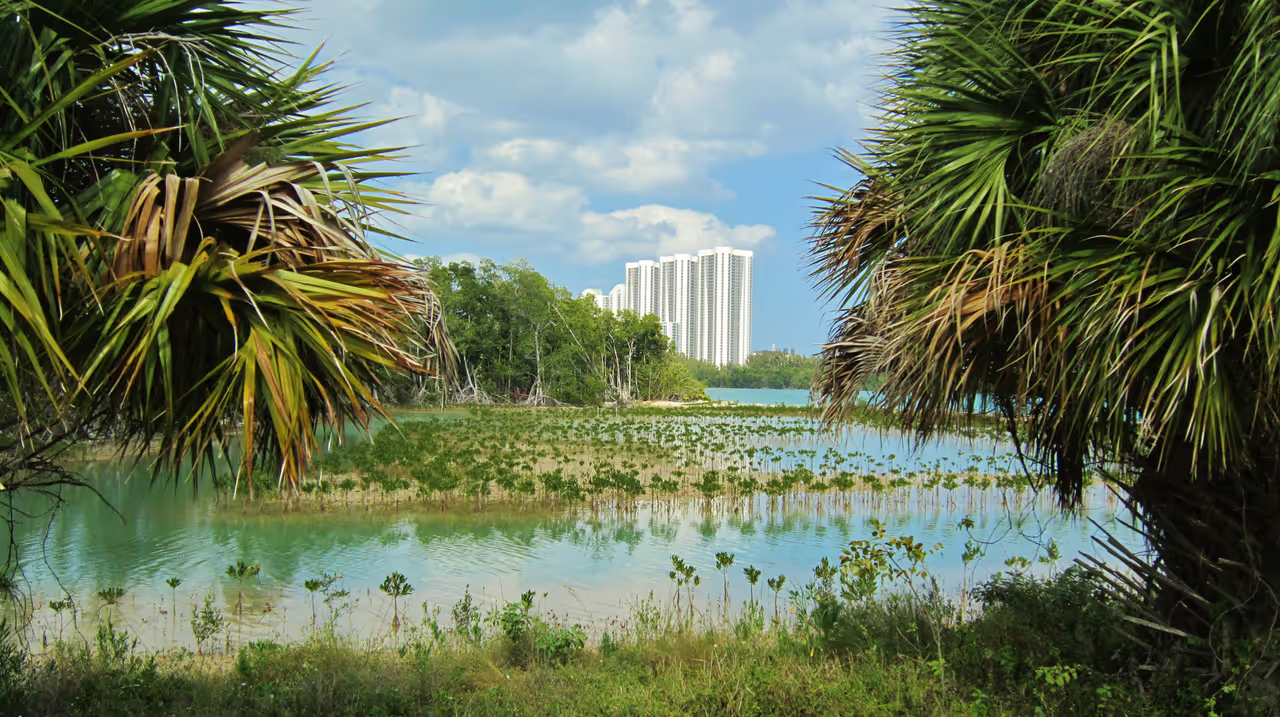
Escape the urban pulse of Miami and discover Oleta River State Park, a lush, 1,033-acre natural sanctuary. This sprawling green space, Florida's largest urban state park, offers an incredible array of outdoor pursuits, from paddling the tranquil Oleta River in a kayak to tackling challenging wilderness bike trails that attract enthusiasts and triathletes alike. With its serene beach along Biscayne Bay and vital mangrove forests teeming with aquatic life, it is a truly unique place where nature thrives just moments from the city. Visiting Oleta means stepping into a world where historic waterways meet thrilling adventure, providing a refreshing contrast to Miami's lively rhythm. Come for the adrenaline or simply to unwind by the water's edge, surrounded by the calming embrace of Florida's wild beauty.
park & nature view 9008m
9008mHard Rock Stadium
Hard Rock Stadium isn't just a sports venue; it's a monumental landmark in Miami Gardens that has redefined the concept of a multi-purpose arena. From exhilarating NFL games and high-stakes college football showdowns with the Miami Dolphins and Hurricanes, to hosting two World Series and even the Miami Open tennis tournament, this place buzzes with energy. Its constant evolution, marked by significant renovations and a fascinating history of name changes, showcases a commitment to delivering world-class experiences. You'll find yourself immersed in the electric atmosphere, whether cheering on your favorite team under the impressive canopy or singing along at a global music concert. It truly stands as a vibrant hub of entertainment and athletic prowess in South Florida.
attraction view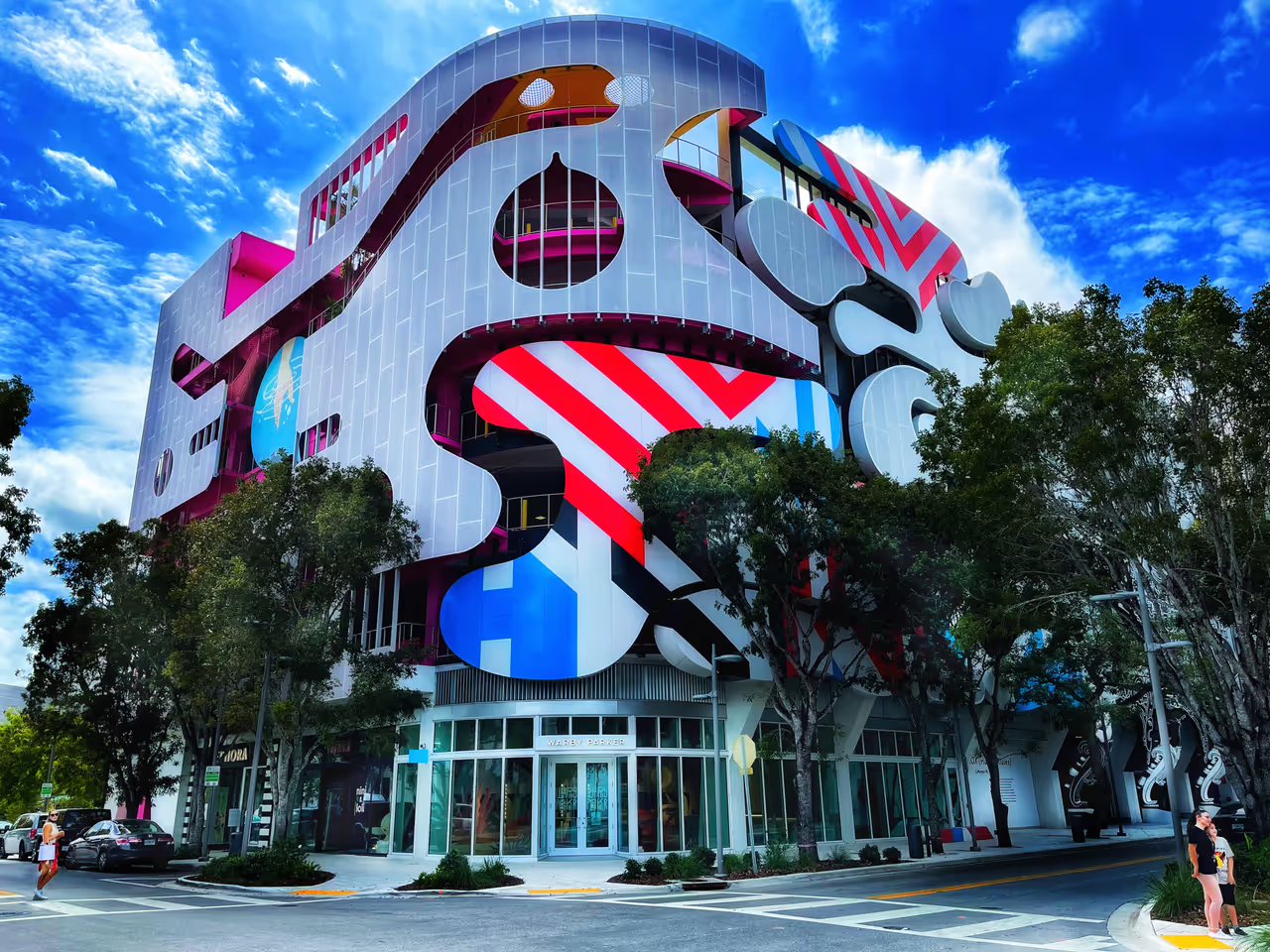 13348m
Touring the Design District
A grid of pristine streets combines ultra-luxury retail with cutting-edge contemporary architecture and massive public art. Flagship designer stores boast wildly creative facades, using twisted glass, perforated metal, and bold geometric shapes. Large-scale sculptures sit in the middle of pedestrian plazas, blurring the line between a shopping mall and a museum installation. The area feels meticulously planned, spotless, and intimidatingly expensive. It attracts serious art collectors and fashion enthusiasts looking for the absolute latest trends.
highlight view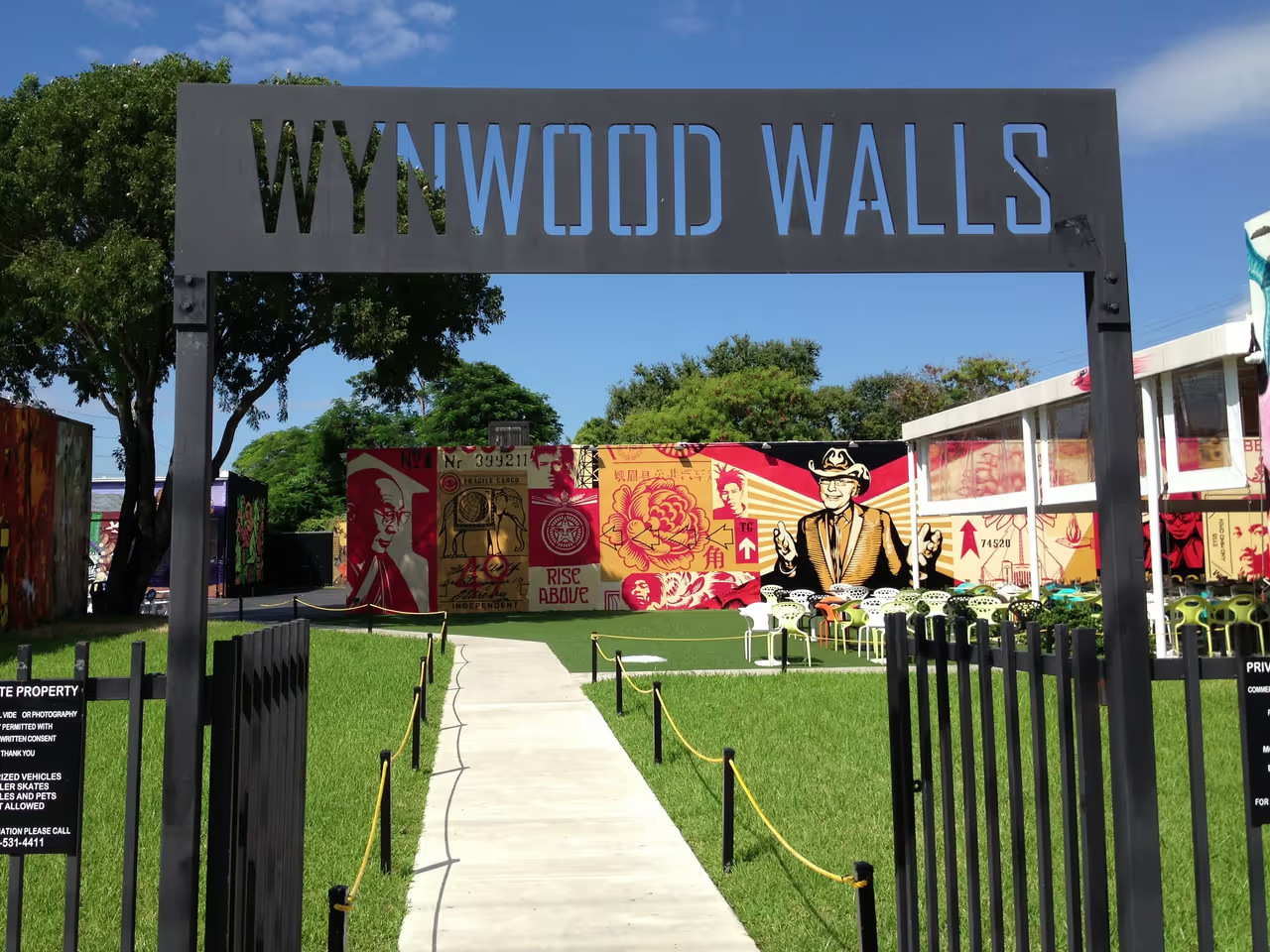 15010m
Wynwood Walls Murals
The concentration of high-quality, large-scale street art here is practically unmatched. Artists constantly paint over old murals, ensuring the backgrounds for photographs change almost every season. The bright, saturated aerosol colours pop violently against the harsh Florida sunlight. Photographers utilise the industrial textures of the corrugated metal doors and chain-link fences to frame their shots. It serves as the absolute epicentre for social media photography in the city.
photo spot view
Featured on This Itinerary
See all attractions in Miami
Including Hard Rock Stadium, Phillip and Patricia Frost Museum of Science, Vizcaya Museum and Gardens, and more