Vizcaya Museum and Gardens
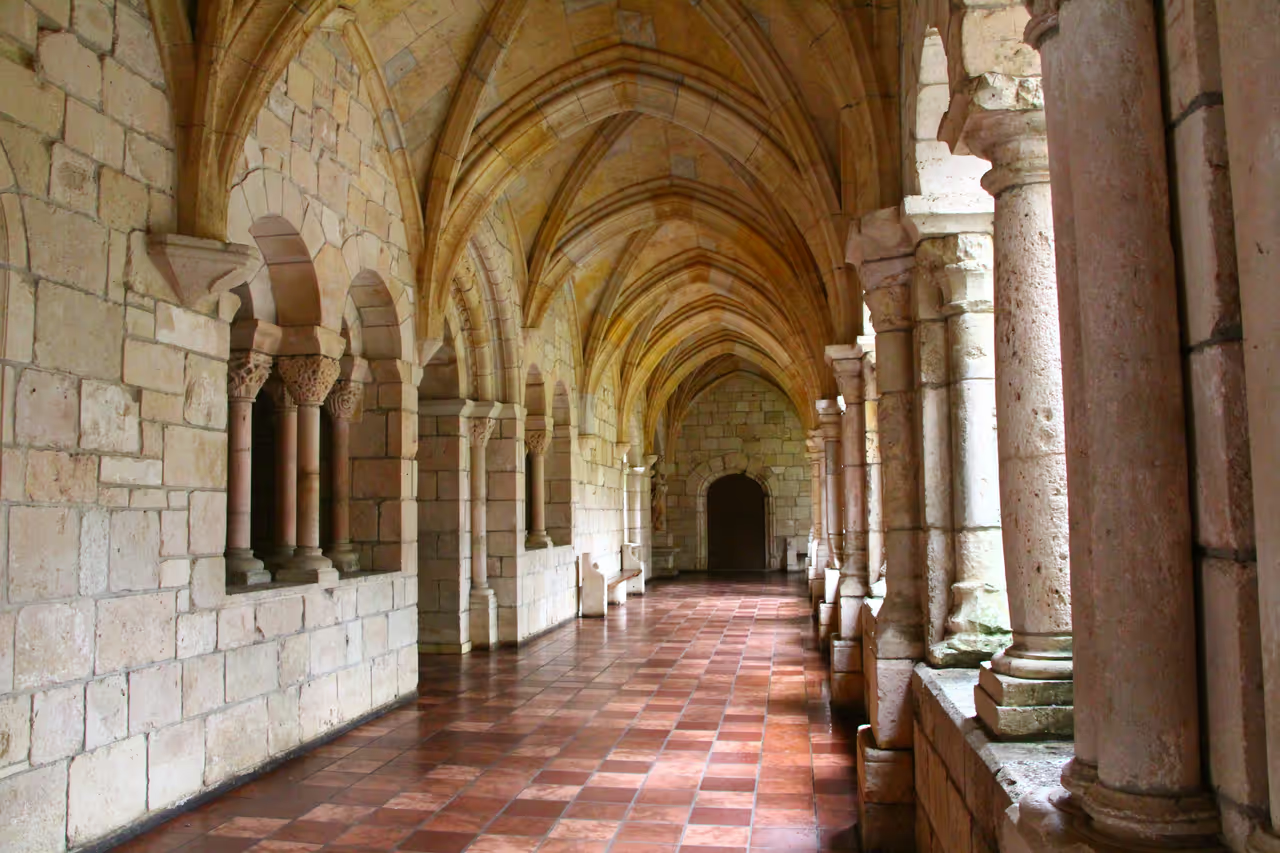
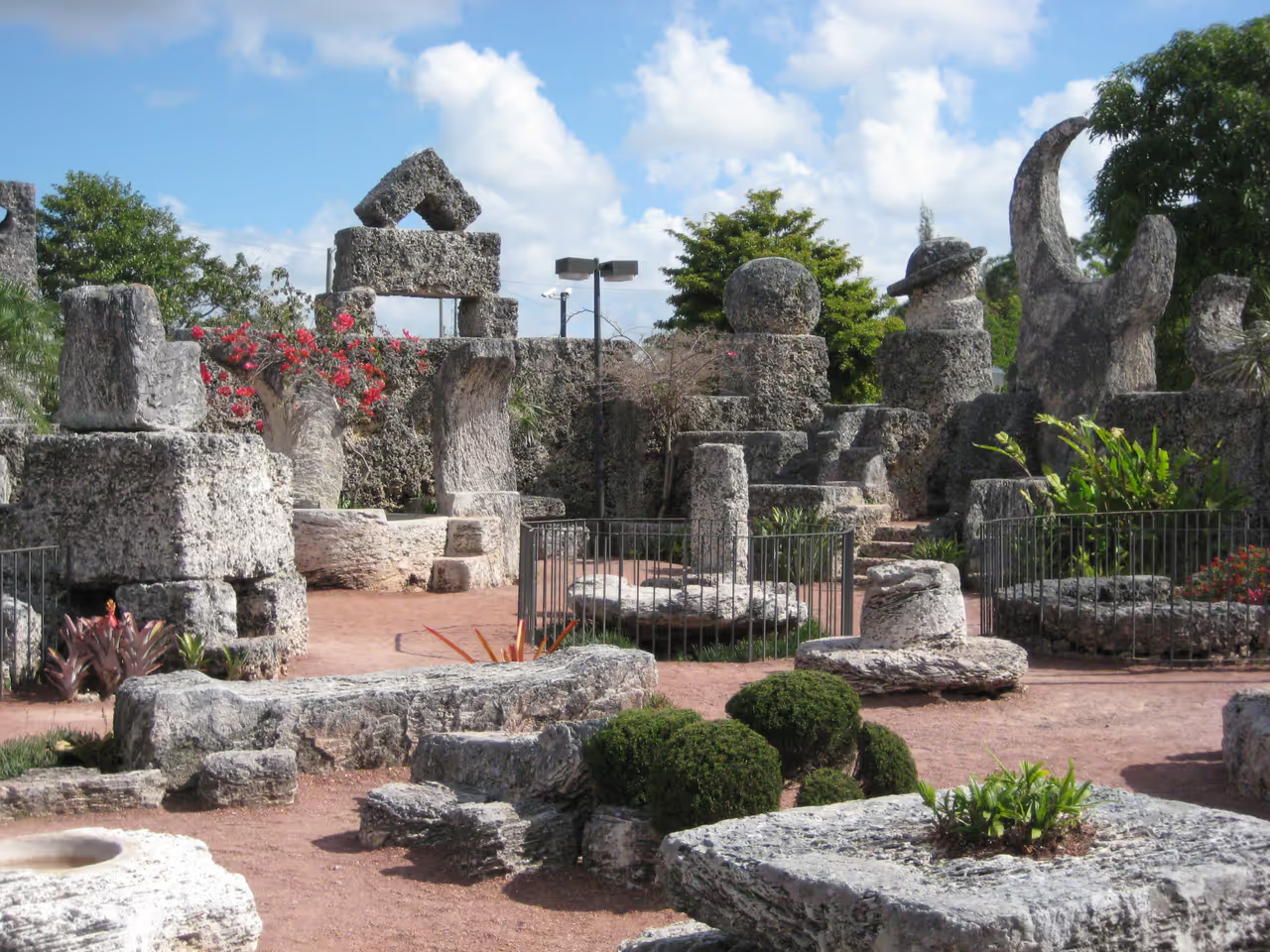
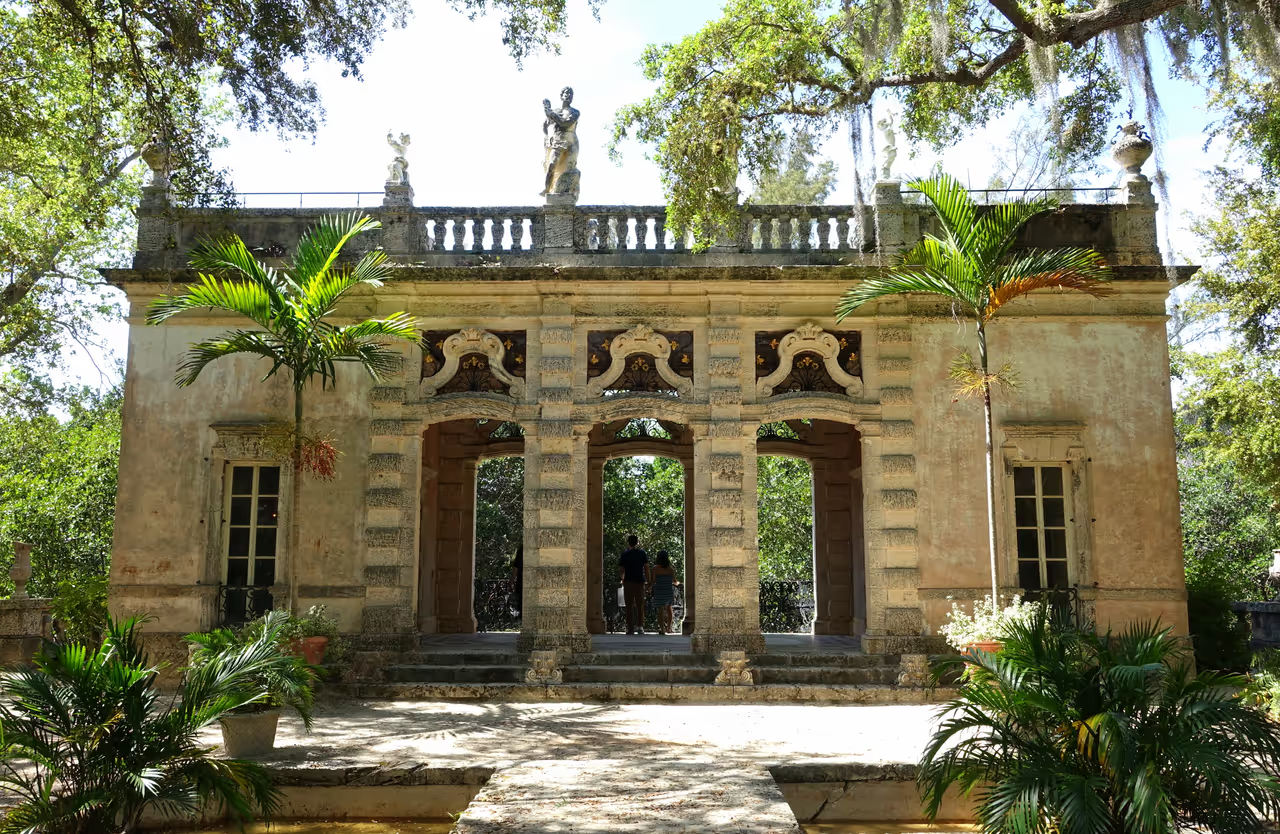
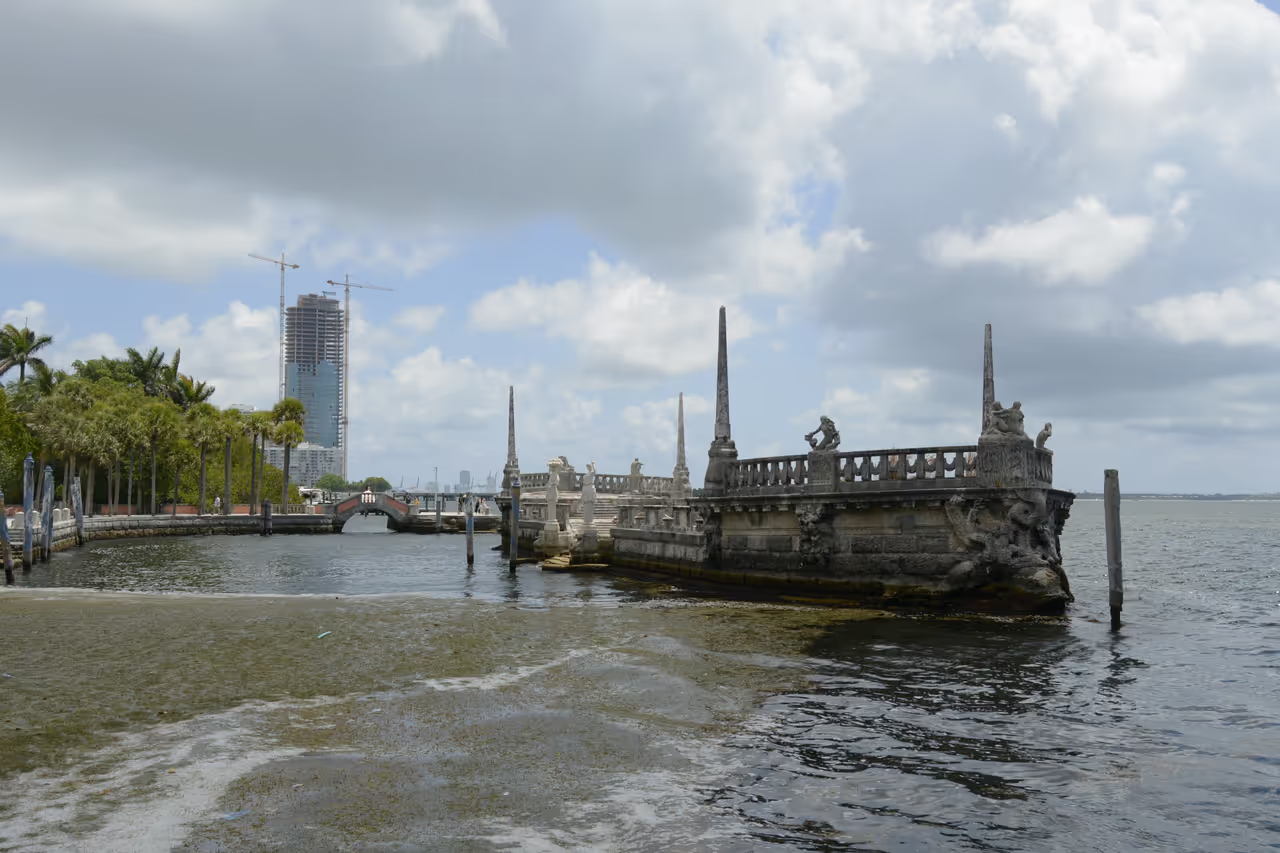
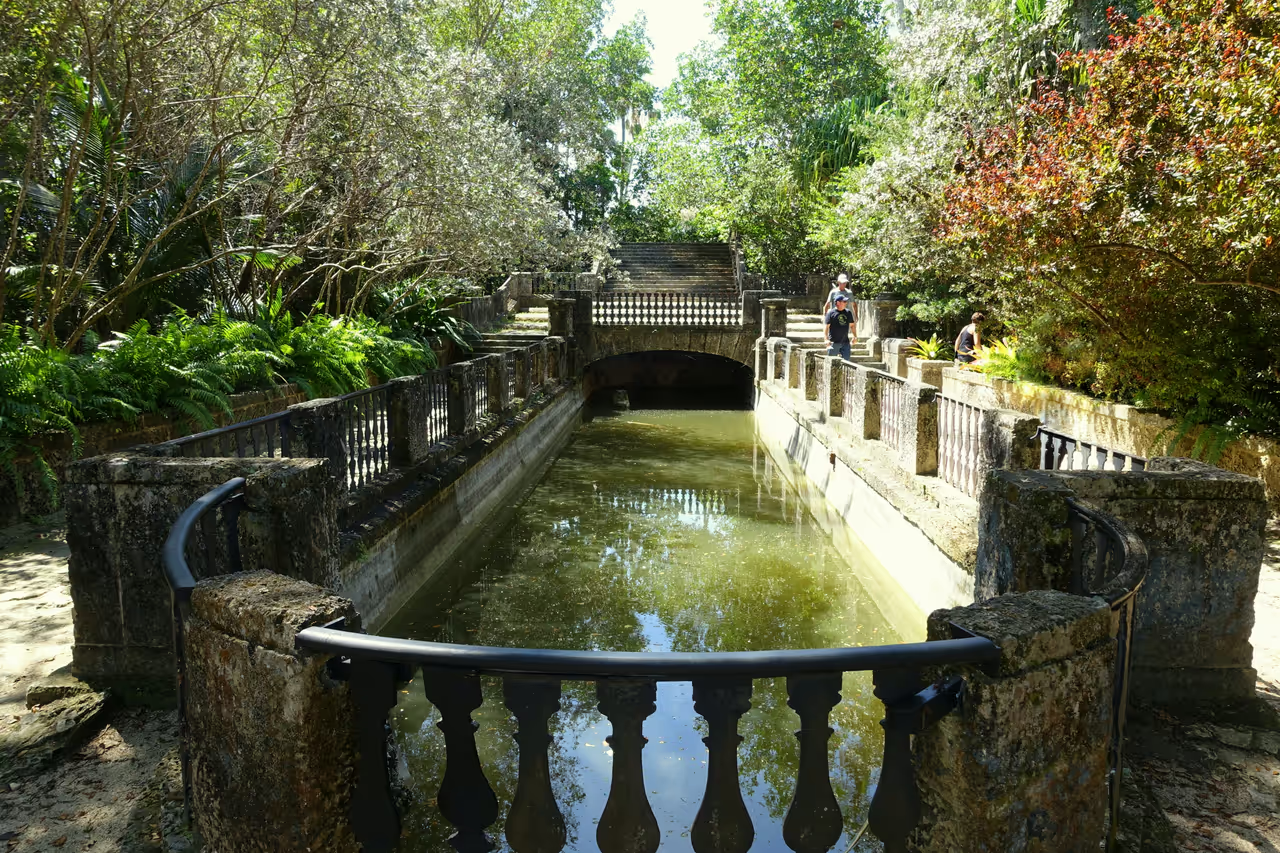
Stepping onto the East Terrace of this Gilded Age estate, your eyes immediately lock onto the breakwater. It is carved out of local oolitic limestone into the shape of a massive, half-sunken Venetian barge. James Deering built this winter retreat in the 1910s to look as though an Italian aristocratic family had inhabited Biscayne Bay for four centuries, and he largely succeeded. Inside the Main House, Renaissance tapestries and Roman antiquities sit alongside early twentieth-century luxuries like a central vacuum system and an automated telephone exchange. Moving outside, the thick humidity of the subtropical afternoon wraps around you the moment you leave the air-conditioned loggia, though the dense shade of the native mangrove forest provides quick relief. You can easily spend hours tracing the geometric patterns of the formal gardens, passing coral-rock grottos and climbing the stone steps of the Mound pavilion. Down by the water, striped mooring poles cast long, rippling shadows across the bay as the afternoon sun catches the glazed roof tiles of the tea house.
Videos
History of Vizcaya Museum and Gardens
Industrialist James Deering was ordered by his doctors to find a warmer climate for his deteriorating health, and his solution was to construct a sprawling Mediterranean fantasy on the edge of Biscayne Bay. Rather than hiring a traditional architect to lead the project in 1914, Deering entrusted the entire vision to Paul Chalfin, a former painter and art curator with theatrical tastes and zero architectural qualifications. The two men travelled across Europe buying up entire ceilings, fireplaces, and wrought-iron gates from neglected Italian villas. They shipped these salvaged treasures back to Florida to form the puzzle pieces of a completely new estate. Chalfin and Deering wanted the property to feel like a generational family seat that had evolved over centuries, rather than a fresh construction in a dense mangrove swamp. To anchor this illusion, landscape architect Diego Suarez spent months figuring out how to merge classic Italian formal gardens with a flat, subtropical jungle. Suarez eventually hit upon the idea of building artificial mounds and using native oolitic limestone, which gave the structures an instantly weathered, porous look. An army of Bahamian stonemasons and local labourers spent eight years cutting the coral rock and hauling Deering's imported treasures through the heat. Deering only enjoyed his completed winter refuge for a few short years before dying on a ship returning from Europe in 1925. The following year, the Great Miami Hurricane swept violently through the estate, submerging the formal gardens and badly damaging the Venetian barge breakwater. Deering's nieces inherited the property and managed to repair the grounds, though the mounting costs of maintaining such an enormous estate eventually led them to sell the surrounding land and transfer the main house to Miami-Dade County in 1952. Today, the estate remains entirely surrounded by encroaching urban development, operating as an autonomous bubble of the 1910s. The sea wall still takes a battering during storm seasons, requiring constant conservation to stop the saltwater from eroding the Italian marble. In the music room, a Neapolitan rococo cabinet holds its position just yards from the subtropical waterline, completely unbothered by the century of wild weather that has passed outside the windows.
8 events spanning 105 years
Fun Facts
- • Artistic director Paul Chalfin systematically erased the main architect, F. Burrall Hoffman, from early publications about the estate, leading to a bitter feud over who actually designed the house.
- • During the Prohibition era, James Deering hid his extensive wine and liquor collection in a secret, reinforced vault hidden beneath the main staircase to protect it from federal agents and opportunistic thieves.
- • The estate functioned as a completely self-sufficient village, complete with its own dairy herd, poultry house, greenhouse, and a mule stable to support the massive staff required to run the property.
- • The estate possessed the first automated telephone exchange in Miami, alongside early electric elevators and a massive pipe organ built directly into the walls of the banqueting hall.
- • The famous stone barge in the bay was sculpted by Alexander Stirling Calder, who carved mythical Caribbean sea creatures into the local limestone to act as a decorative breakwater against the choppy waters.
- • The swimming pool is partially built into a vaulted, coral-rock grotto directly beneath the house, designed with ceiling fissures that allow natural sunlight to dapple the water like a hidden sea cave.
- • To counter the harsh afternoon glare reflecting off Biscayne Bay, landscape architect Diego Suarez designed the formal gardens in a fan shape, manipulating the perspective to draw the eye toward the shady, artificial mounds.
- • To create an instantly aged appearance for the main house, Deering purchased thousands of faded, mismatched Cuban roof tiles from demolished buildings in Havana and shipped them across the Florida Straits.
Vizcaya Museum and Gardens FAQ
While we strive to keep this information accurate and up to date, we recommend verifying any details independently before making decisions based on them.
Vizcaya Museum and Gardens Map & Neighborhood Explorer
This interactive map is centered on Vizcaya Museum and Gardens. Zoom in and move the map around to automatically discover Wikipedia photos and summaries of other nearby sights, monuments, and historical points of interest and stories in real-time!
Places near Vizcaya Museum and Gardens
Make the most of your trip. Check out these top-rated spots located nearby.
 2323m
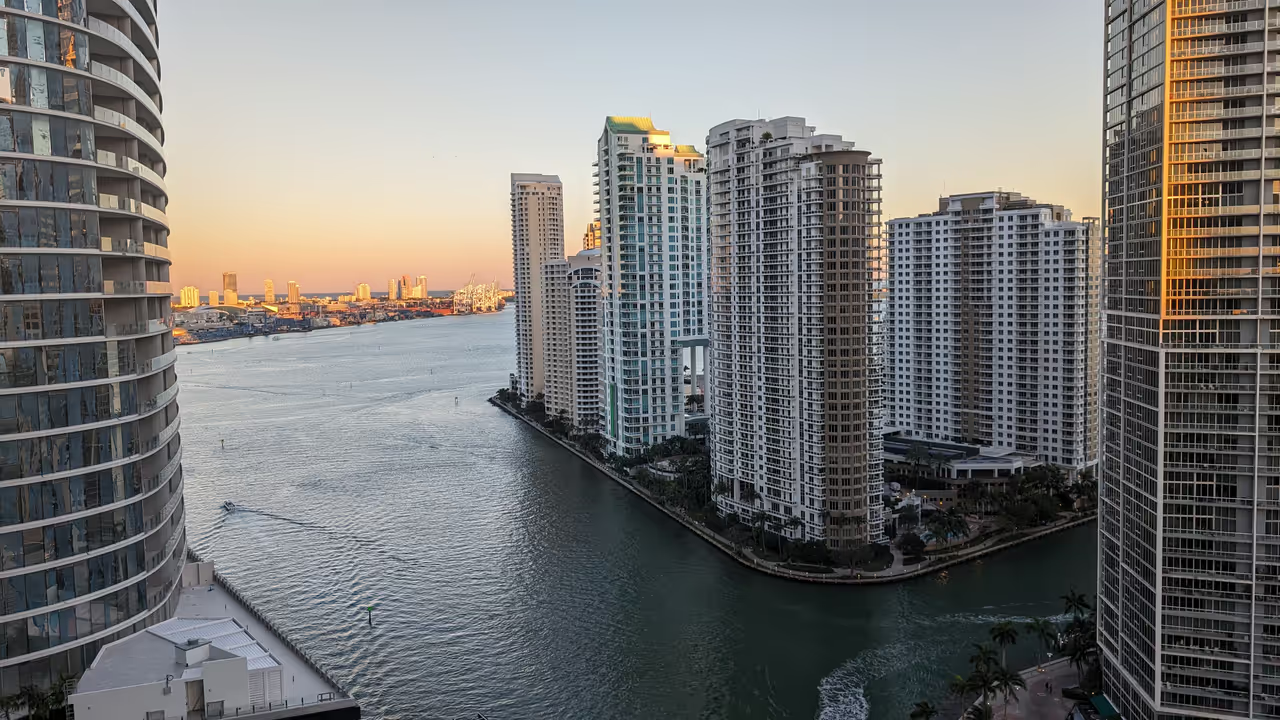
2323mBrickell Financial District
The corporate crowd unspools their ties and heads directly to the upscale lounges nestled among the high-rises. Rooftop bars offer sweeping views of the illuminated skyline and the dark waters of Biscayne Bay. Cocktail menus focus on premium spirits and elaborate presentations, poured by bartenders in crisp uniforms. The atmosphere remains sharply dressed and highly social, heavily geared toward networking and seeing who else is out.
nightlife view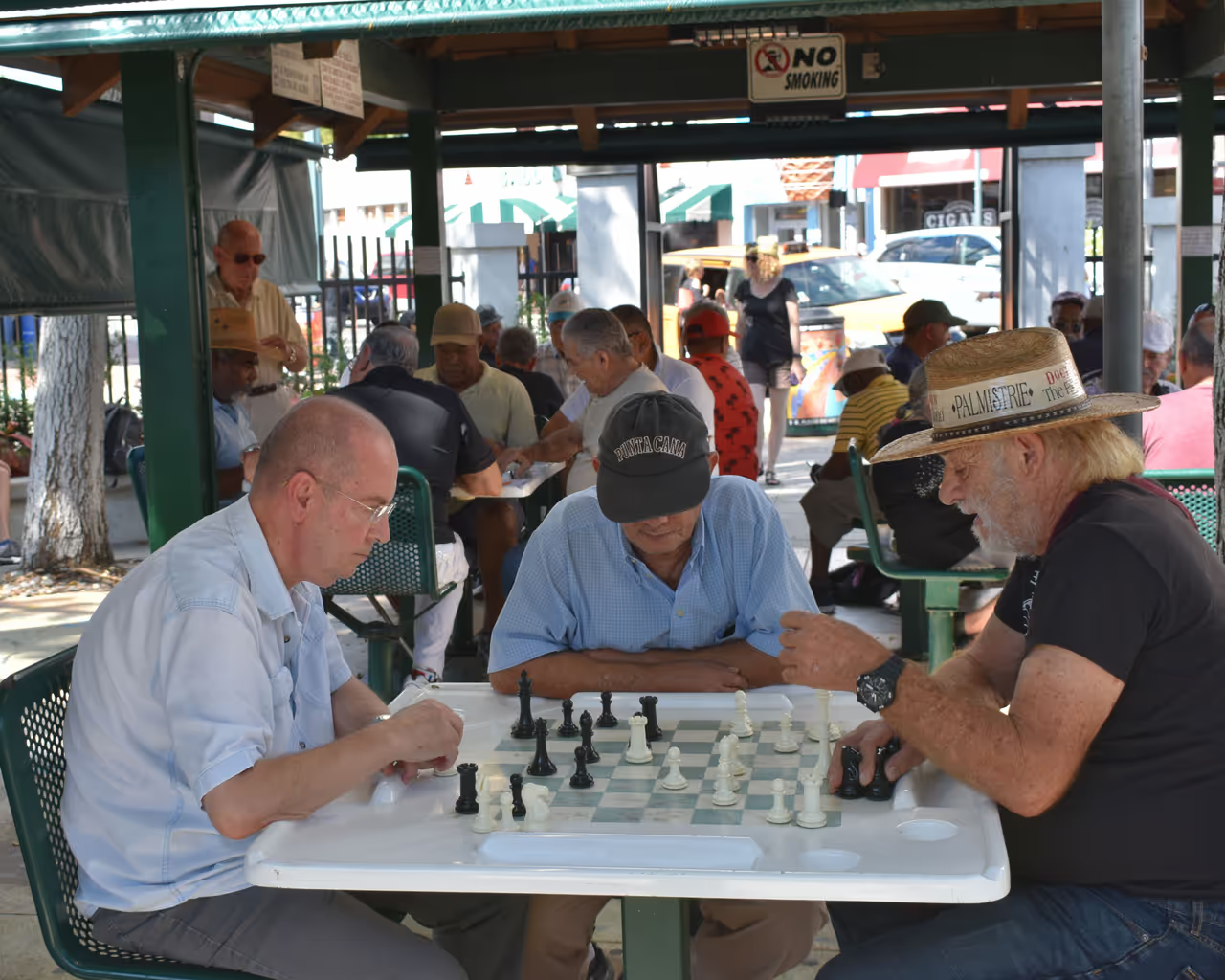 2526m
2526mWatching Matches at Domino Park
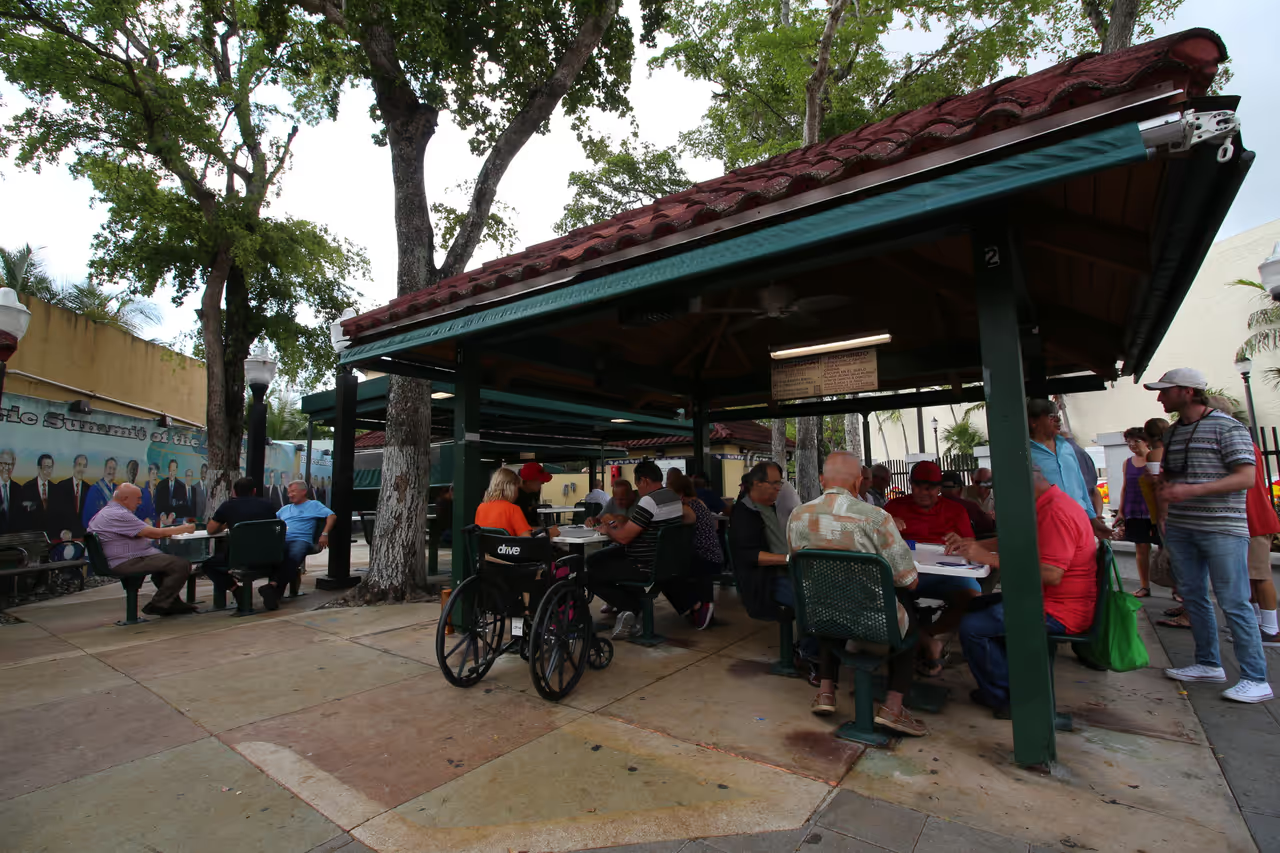
Older Cuban men gather daily at this small, fenced-in courtyard to slam dominoes onto tiled tables with intense focus. The air fills with rapid-fire Spanish arguments, the clatter of the tiles, and thick cigar smoke. It serves as the undisputed social hub for the senior exile community living in Little Havana. Tourists stand politely at the perimeter, watching a fiercely competitive ritual that has remained unchanged for decades. The park offers an unfiltered, highly concentrated dose of the neighbourhood's authentic character.
highlight view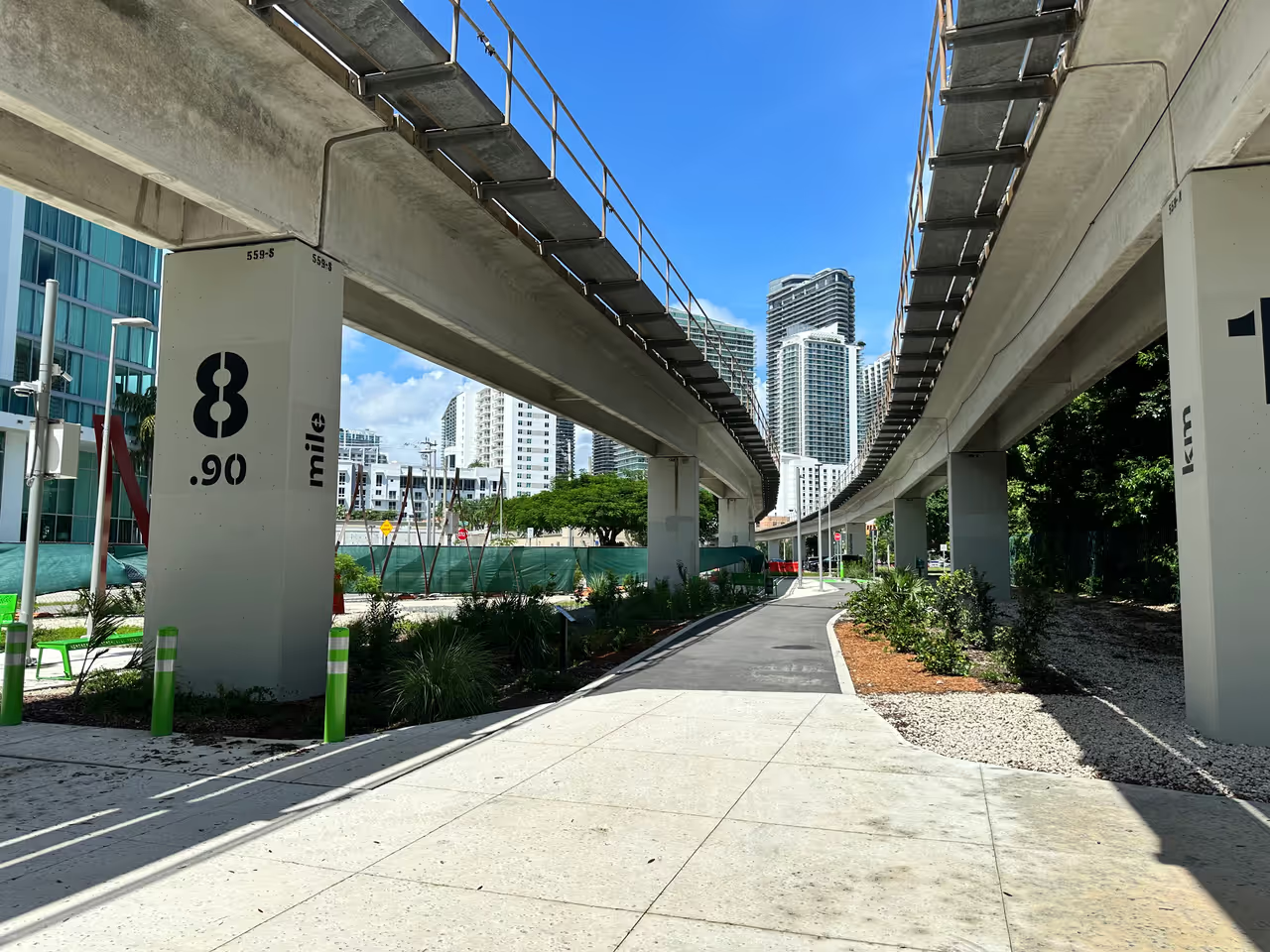 2843m
2843mExplore The Underline
This ambitious urban park reclaims the dead space beneath Miami's elevated Metrorail, transforming it into a lush, ten-mile linear greenway. Cyclists and pedestrians share wide, paved trails that navigate safely beneath the chaotic downtown traffic. The path features native butterfly gardens, outdoor gym equipment, and rotating contemporary art installations. It provides a highly functional, completely free corridor for exploring the city on foot, connecting the financial district down through the southern suburbs.
free thing to do view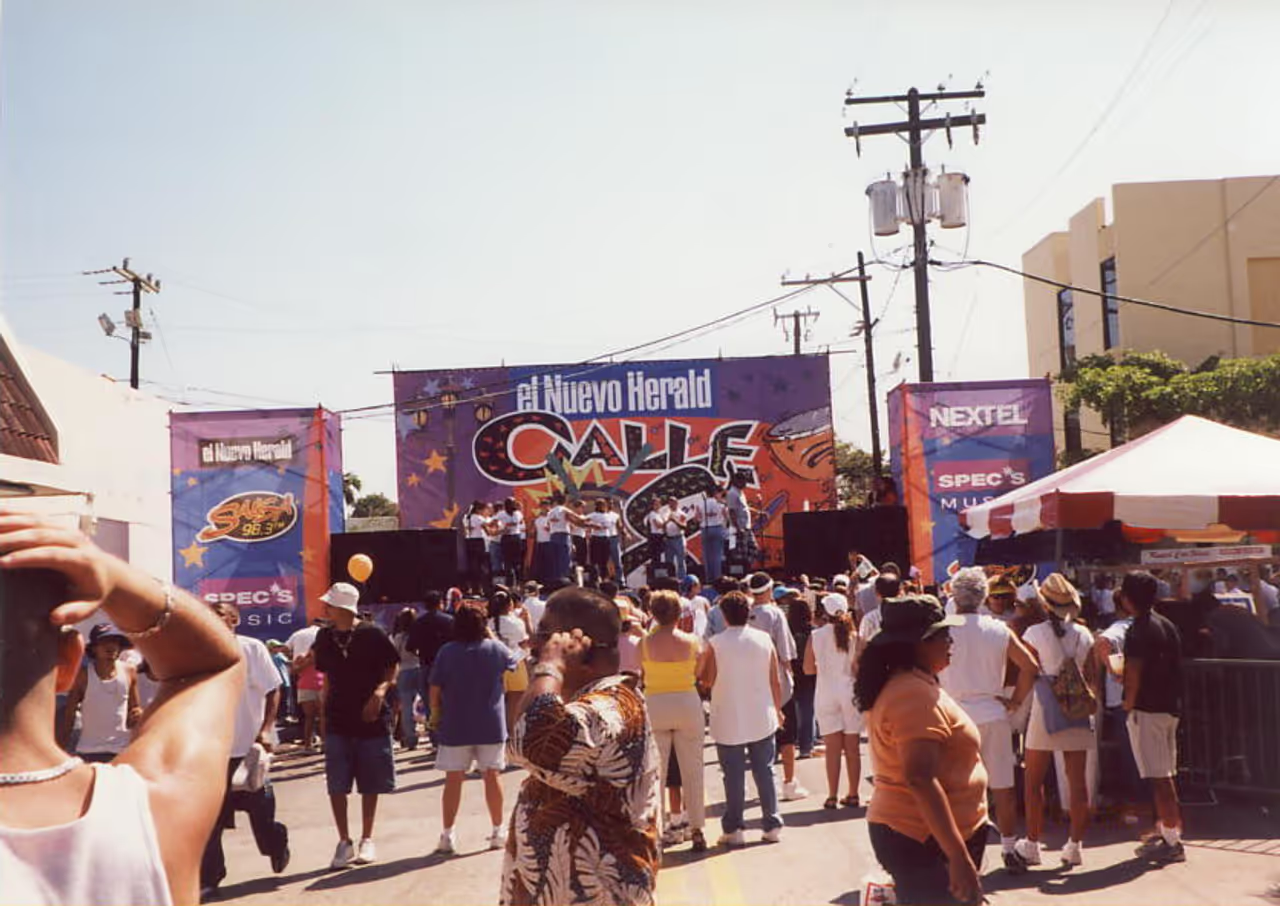 2865m
2865mCalle Ocho Festival
This sprawling block party completely takes over Southwest 8th Street, celebrating Latin American culture on a massive scale. Stages host live salsa, merengue, and reggaeton performances while crowds dance directly on the asphalt. Vendors line the pavements selling empanadas, arepas, and fresh coconut water to keep the energy high. It stands as the grand finale of Carnaval Miami, drawing over a million people to the heart of Little Havana.
festival view
Explore Similar Places in These Collections


Featured on These Itineraries and Routes
1 Day in Miami
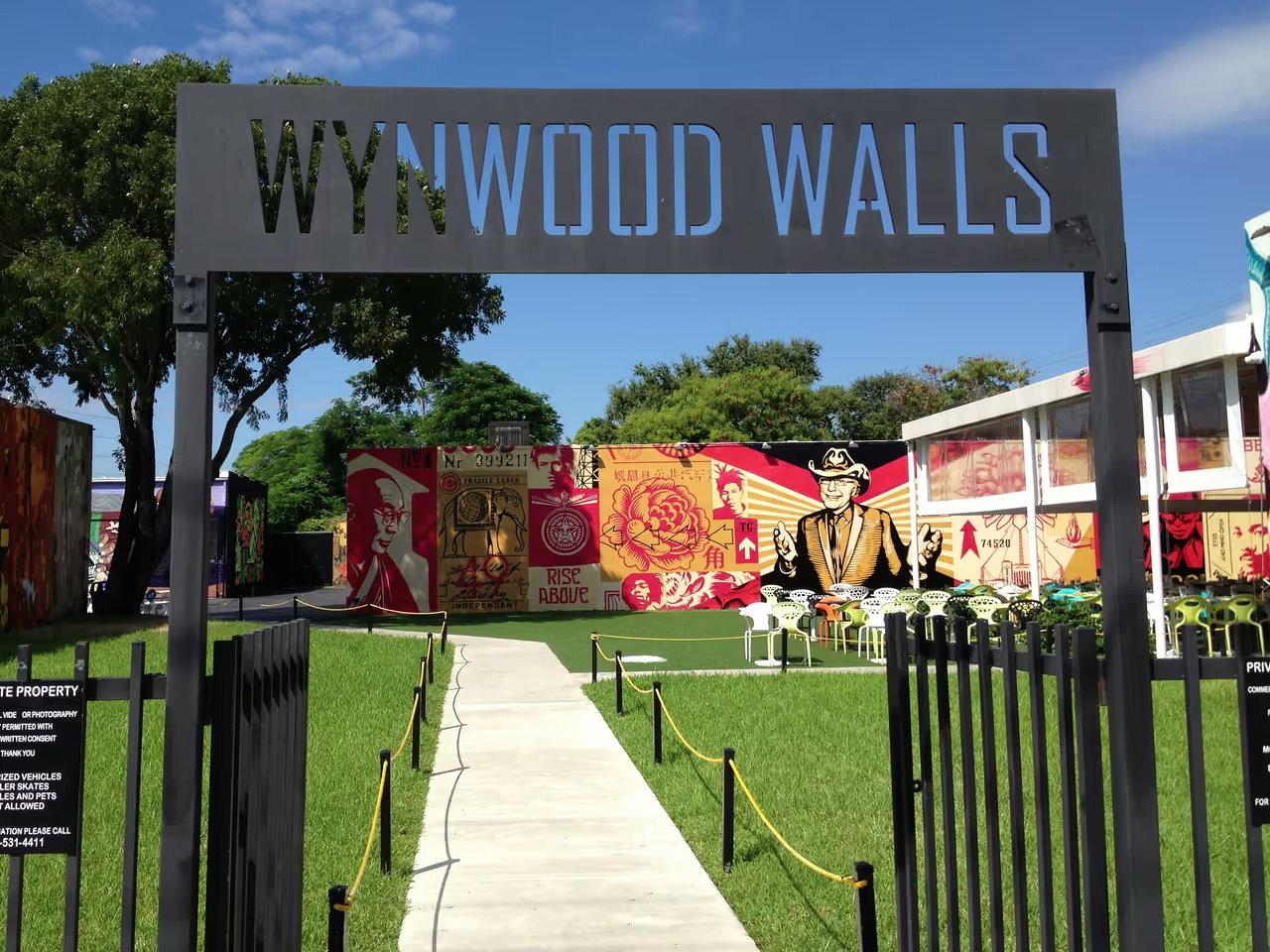
This rapid itinerary focuses entirely on the cultural extremes that define the city. You begin with the opulent, European-style wealth of an early twentieth-century estate before plunging into the loud, fiercely authentic heart of the Cuban exile community. The day concludes in a gritty warehouse district completely covered in world-class graffiti. It sacrifices beach time to deliver a highly concentrated dose of history, food, and contemporary art. Expect to move quickly and rely heavily on ride-sharing to cross the sprawling neighbourhoods.
view itinerary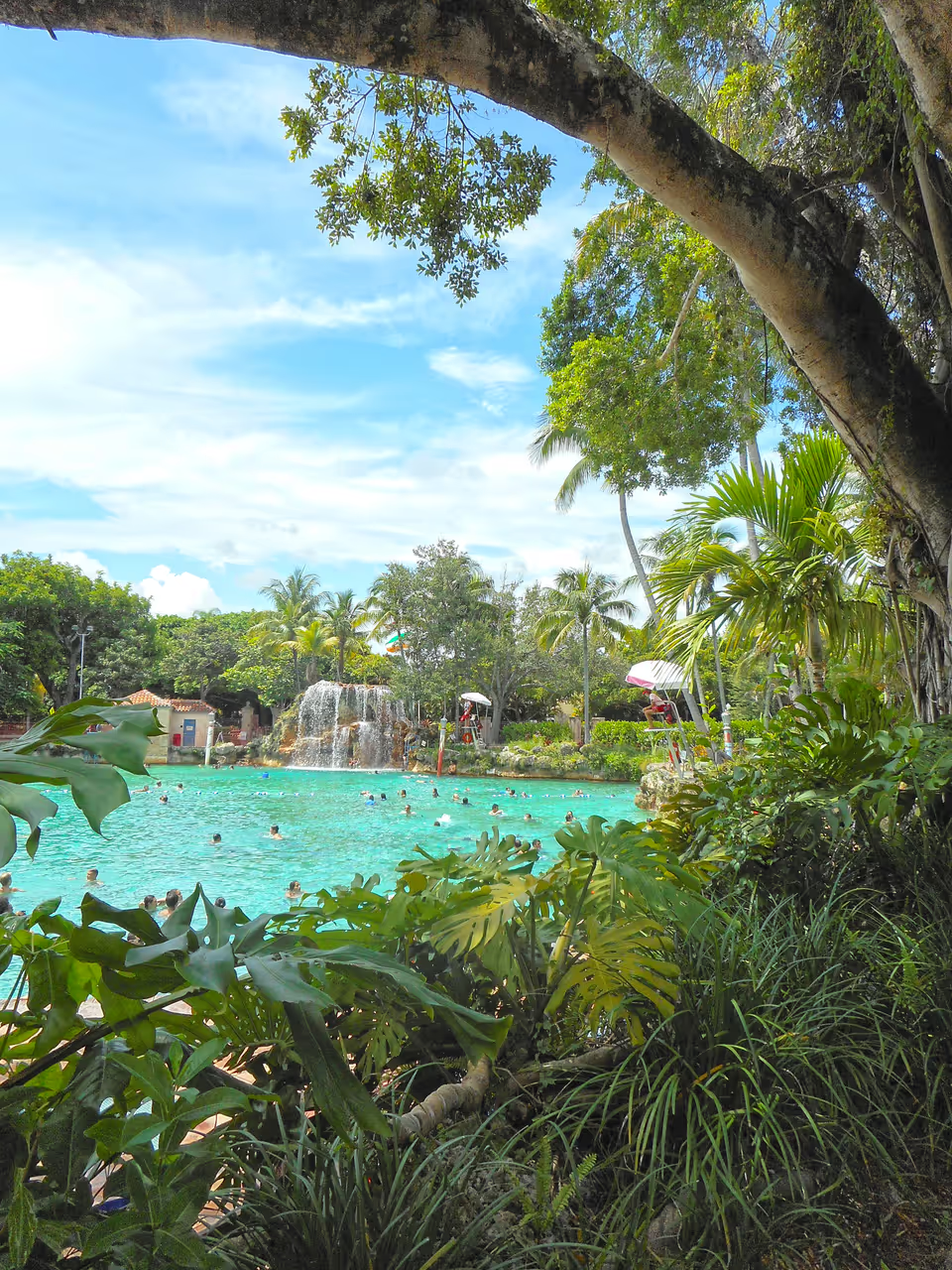
3 Days in Miami
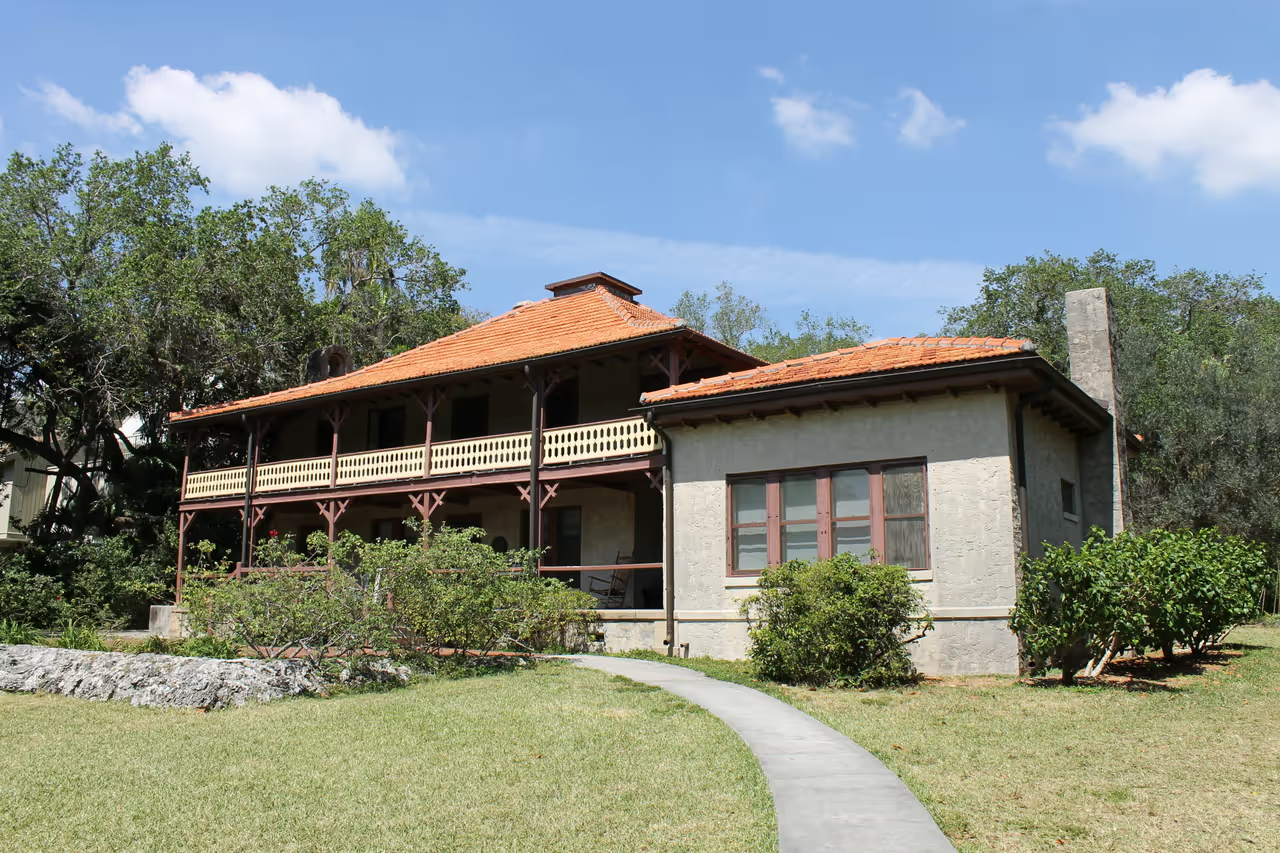
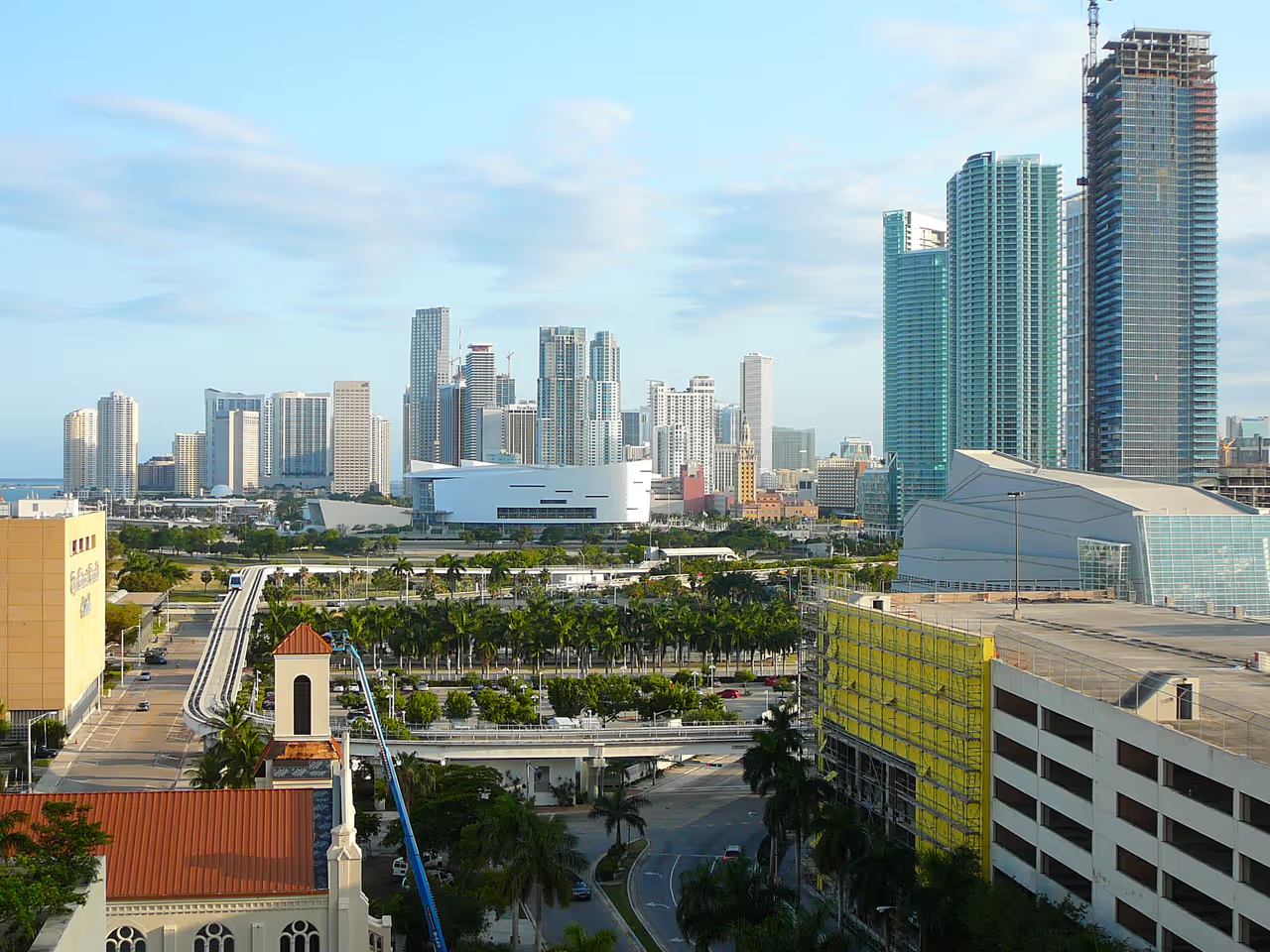
This plan balances the heavy concrete of the downtown core with the lush, shaded history of the southern suburbs. The first day tackles the urban centre, utilising the elevated train to view the skyline before heading out on the water. The second day slows the pace entirely, exploring the bohemian roots and historic pioneer homes hidden in the dense canopy of Coconut Grove. The final day pivots to modern art and nature, contrasting high-end retail architecture with a dense mangrove forest. It offers a well-rounded look at the city beyond just the famous beaches.
view itinerary
Coconut Grove Waterfront Ride
The route winds under the heavy, cooling shade of massive oak and banyan trees that define this historic neighbourhood. The path follows the curve of the bay, passing by crowded marinas and quiet, hidden parks. The terrain is flat but visually complex, with roots occasionally buckling the older sections of the pavement. It feels entirely removed from the stark concrete aesthetic of the downtown core.
view cycling route
See all attractions in Miami
Including Ancient Spanish Monastery, Hard Rock Stadium, Phillip and Patricia Frost Museum of Science, and more