Fairchild Tropical Botanic Garden
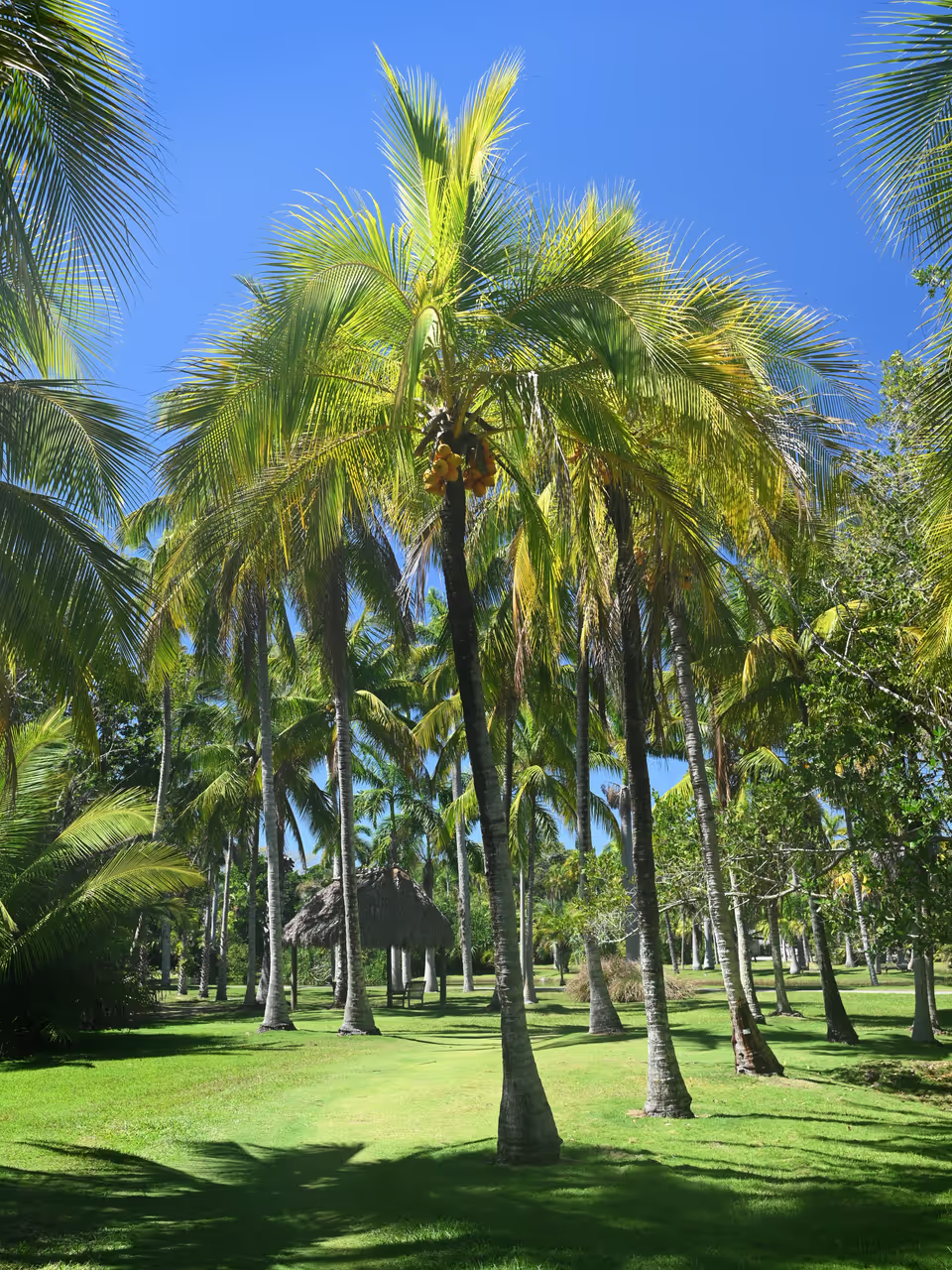
Step inside the Clinton Family Conservatory, and a brilliant blue Morpho butterfly might just land directly on your shoulder. Fairchild Tropical Botanic Garden spreads across 83 acres of Coral Gables, holding the largest collection of tropical bamboo on the planet within its meticulously designed landscape. Landscape architect William Lyman Phillips laid out these grounds in the 1930s specifically to guide visitors on a journey of discovery, using carefully spaced plantings to reveal sweeping vistas one moment and intimate, shaded walkways the next. You can wander through an expansive artificial rainforest complete with its own atmospheric misting system, or seek out the peculiar fragrance of a massive cannonball tree planted over eight decades ago. The institution actively tests edible plants for future space missions while simultaneously working to restore native orchids to the surrounding city streets. Finish an afternoon here by tasting rare tropical fruits or simply observing the sunlight filter through the tall fronds of the Montgomery Palmetum.
Videos
History of Fairchild Tropical Botanic Garden
In the mid 1930s, an accountant named Robert H. Montgomery possessed a deep obsession with plant collecting and a vision for an unparalleled tropical landscape in South Florida. He purchased a sprawling tract of land along Biscayne Bay and decided to name it after his friend David Fairchild, a legendary plant explorer who had recently retired to Miami. Fairchild had spent his career circling the globe for the US Department of Agriculture, personally introducing tens of thousands of crops to American soil. He brought in mangoes, pima cotton, and flowering cherry trees, completely altering the agricultural landscape of the nation. Montgomery brought in landscape architect William Lyman Phillips to shape the raw Florida land into something extraordinary. Phillips rejected rigid, symmetrical layouts, instead designing the grounds based on a philosophy of controlled openness and contrast. He carefully orchestrated every walkway and planting bed so that a visitor could only see small portions of the foliage at a time, forcing them to physically explore the terrain to uncover its secrets. His clever use of narrow paths and strategically spaced trees created pockets of dense, cooling shade that made wandering comfortable even in the intense heat. The gates officially opened in 1938, and the property quickly evolved from a simple display space into a massive living laboratory. Over the decades, it expanded to house immense collections of rare cycads, orchids, and fruit trees sourced from expeditions to the Amazon and Borneo. The institution has continually pushed the boundaries of botanical science, launching a massive urban conservation project to reintroduce millions of native orchids to the local canopy. Today, the facility even looks entirely past our own planet, running a dedicated botany lab in partnership with space agencies to determine exactly which edible plants will survive the journey on future interstellar missions.
events spanning 79 years
Fun Facts
- • A highly specialised botanical laboratory on the premises uses custom LED lighting and irrigation to mimic the exact environmental conditions found aboard the International Space Station.
- • A large section of the property has been artificially engineered to replicate an Amazonian rainforest, complete with a custom misting system designed to maintain exact jungle humidity levels.
- • During the 1930s, the garden's namesake David Fairchild planted a giant African baobab tree on the grounds, which remains one of the most iconic living specimens in the entire landscape today.
- • The garden actively cultivates a notorious Southeast Asian delicacy known as the durian, allowing researchers to study the infamously pungent fruit right in South Florida.
- • The garden holds the largest collection of tropical bamboo on the planet, featuring exactly 125 distinct species imported from various corners of the globe.
- • The grounds contain an extremely rare cannonball tree planted in 1938, named for its massive spherical fruits and famous for producing a uniquely complex, intoxicating fragrance.
- • The landscape design deliberately avoids grand, sweeping viewpoints in favour of narrow, winding lanes, forcing guests to constantly discover new botanical scenes rather than taking in the whole property at once.
- • Within the Clinton Family Conservatory, an exotic butterfly habitat operates as a tightly controlled federal facility with triple sets of doors specifically installed to prevent foreign insects from escaping into the wild.
Fairchild Tropical Botanic Garden FAQ
While we strive to keep this information accurate and up to date, we recommend verifying any details independently before making decisions based on them.
Fairchild Tropical Botanic Garden Map & Neighborhood Explorer
This interactive map is centered on Fairchild Tropical Botanic Garden. Zoom in and move the map around to automatically discover Wikipedia photos and summaries of other nearby sights, monuments, and historical points of interest and stories in real-time!
Places near Fairchild Tropical Botanic Garden
Make the most of your trip. Check out these top-rated spots located nearby.
 1776m
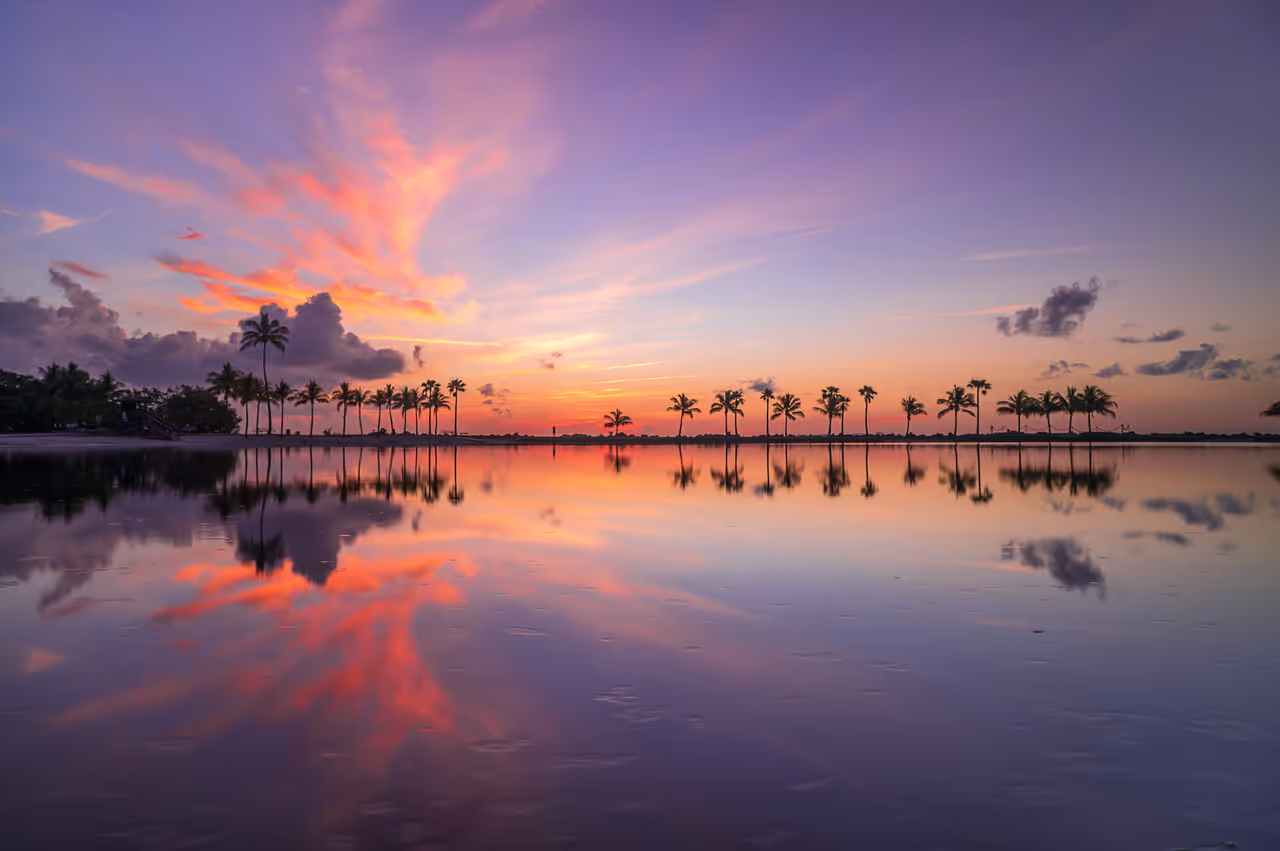
1776mMatheson Hammock Park
Matheson Hammock Park offers a peaceful escape in metropolitan Miami, renowned for its distinctive man-made atoll pool. This saltwater lagoon, naturally flushed by the tides of Biscayne Bay, provides a calm, family-friendly beach experience, perfect for little ones to splash safely. Beyond the calm waters, visitors can wander through lush nature trails, enjoy a leisurely picnic under the shade of mature trees, or simply soak in the coastal breeze. Its rich history as the first county park in Miami-Dade, shaped by the vision of William J. Matheson and the enduring craftsmanship of the Civilian Conservation Corps, adds a layer of character to its natural beauty. Dining at the historic coral stone restaurant here truly completes the charming, relaxed atmosphere, making it a beloved spot for both locals and those visiting Miami.
park & nature view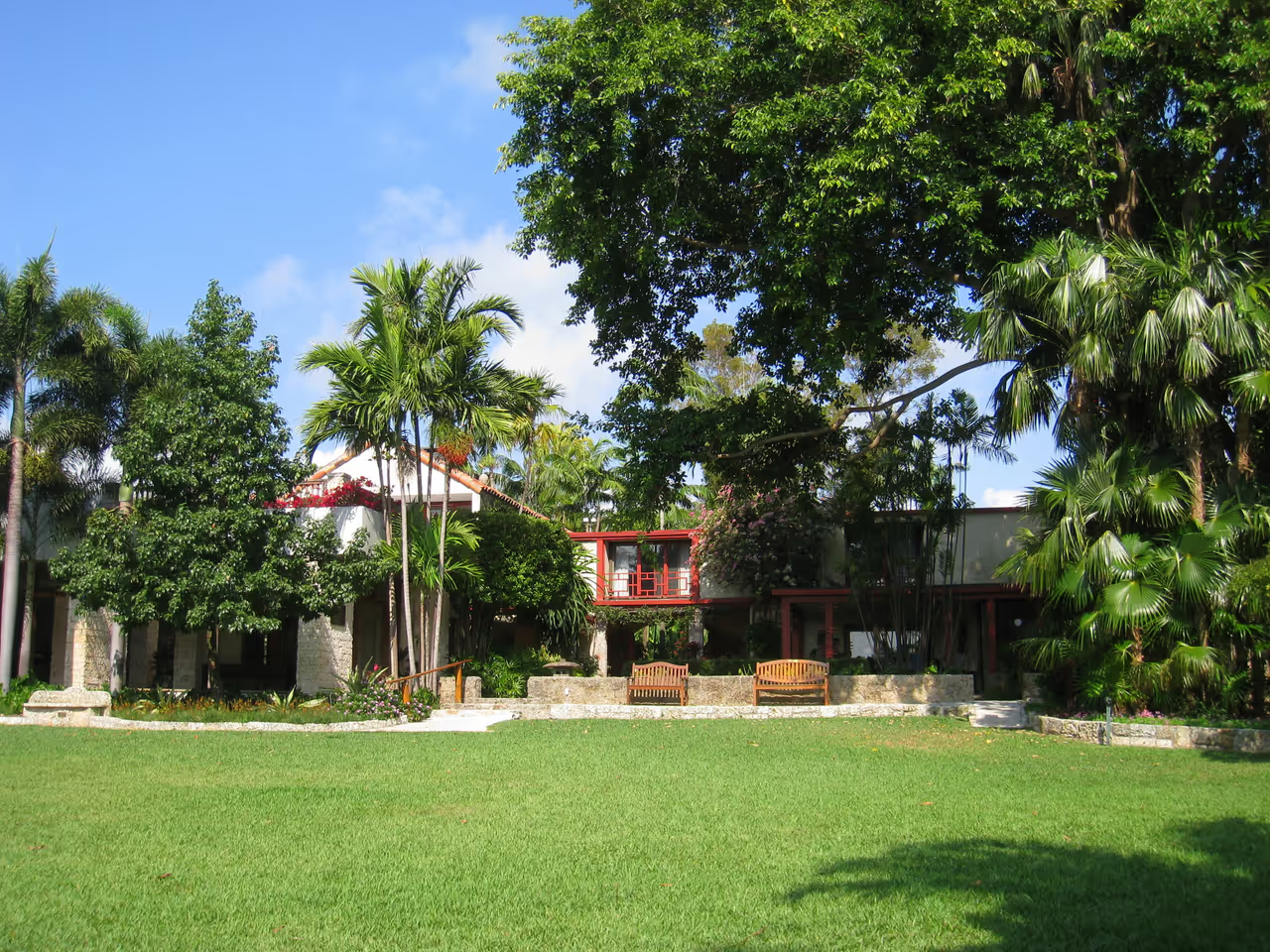 4765m
4765mKampong
Tucked behind a heavy stone wall in Coconut Grove, this lush, nine-acre estate functions as a working botanical research facility. Visitors wander through dense groves of exotic fruit trees, massive banyans, and fragrant flowering vines that feel entirely removed from the city. The property drops down to a quiet, secluded slice of Biscayne Bay, offering a peaceful waterfront view. It lacks the heavy crowds and manicured perfection of larger public gardens, retaining a slightly wild, overgrown charm. You must book a tour in advance, keeping the foot traffic incredibly low.
hidden gem view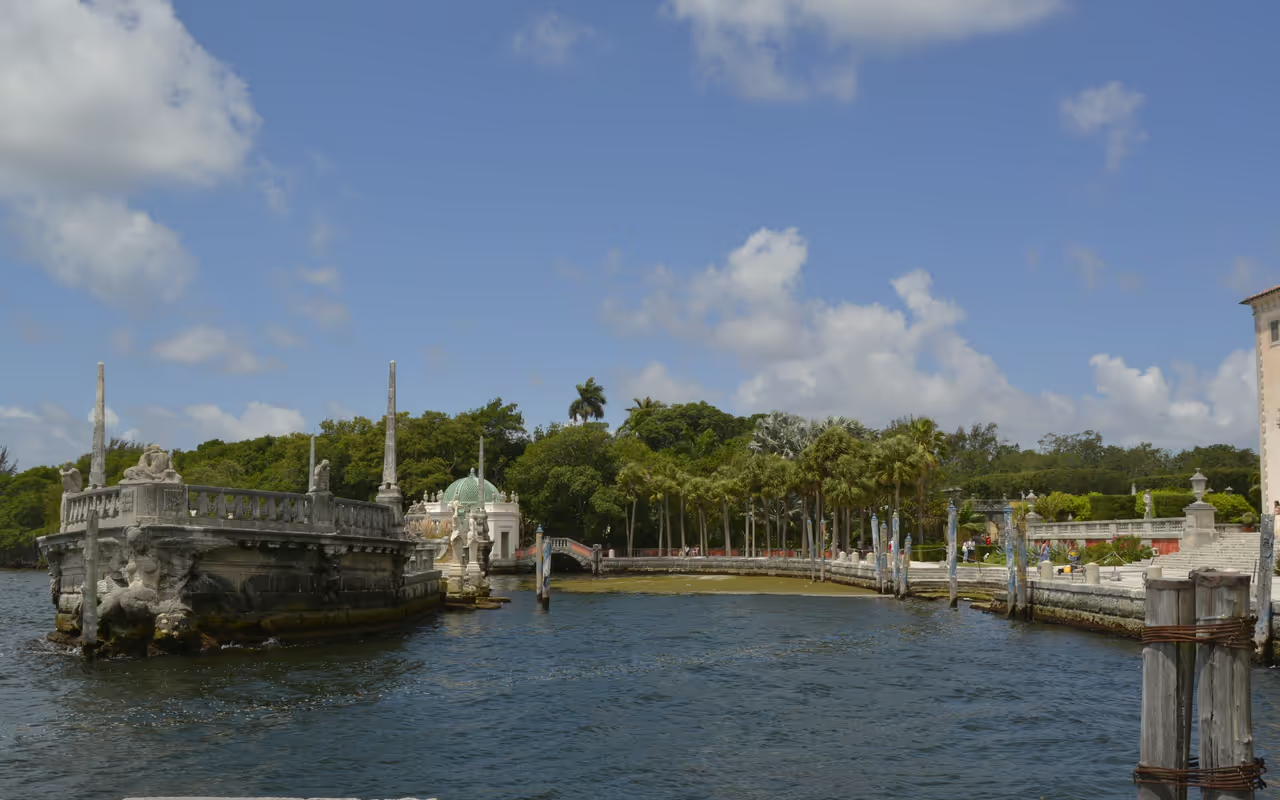 4898m
4898mCoconut Grove
University students and long-time locals gather in the tree-canopied streets to drink in laid-back pubs. The venues focus on casual enjoyment, offering pool tables, happy hour specials, and outdoor patios. Live cover bands play familiar rock hits while patrons share pitchers of beer. It serves as a comfortable, low-pressure escape from the intense demands of the city's primary party districts.
nightlife view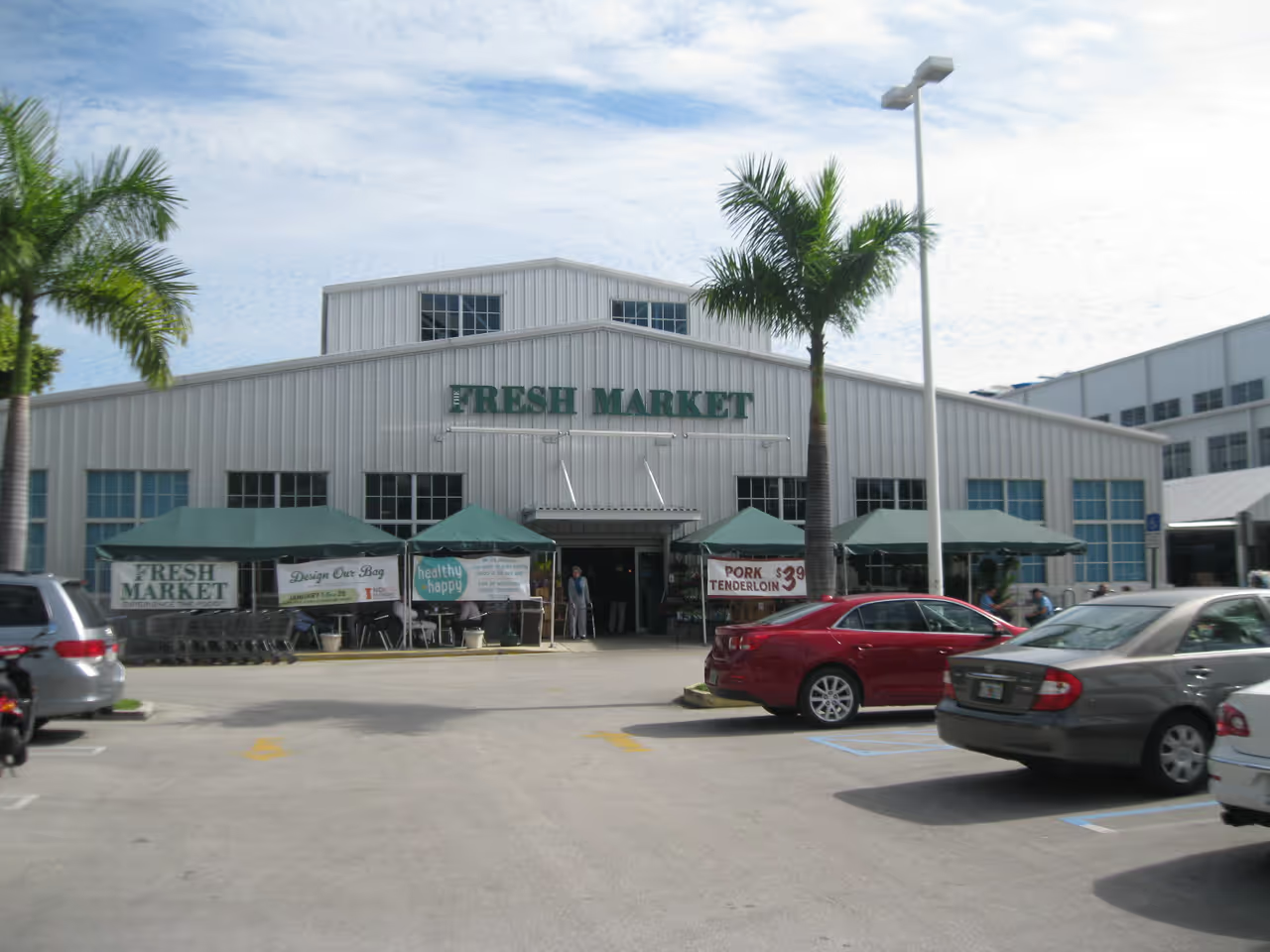 6022m
6022mCoconut Grove Saturday Organic Market
Tucked away in the shaded streets of the Grove, this market focuses heavily on raw, vegan, and organic foods. Vendors sell exotic fruits like jackfruit and mamey sapote, alongside fresh cashew milk and raw cashew cheese. The atmosphere feels distinctly bohemian, reflecting the historical counter-culture roots of the neighbourhood. Visitors grab a freshly pressed sugarcane juice and sit under the banyan trees to escape the midday heat.
market view
Featured on This Itinerary
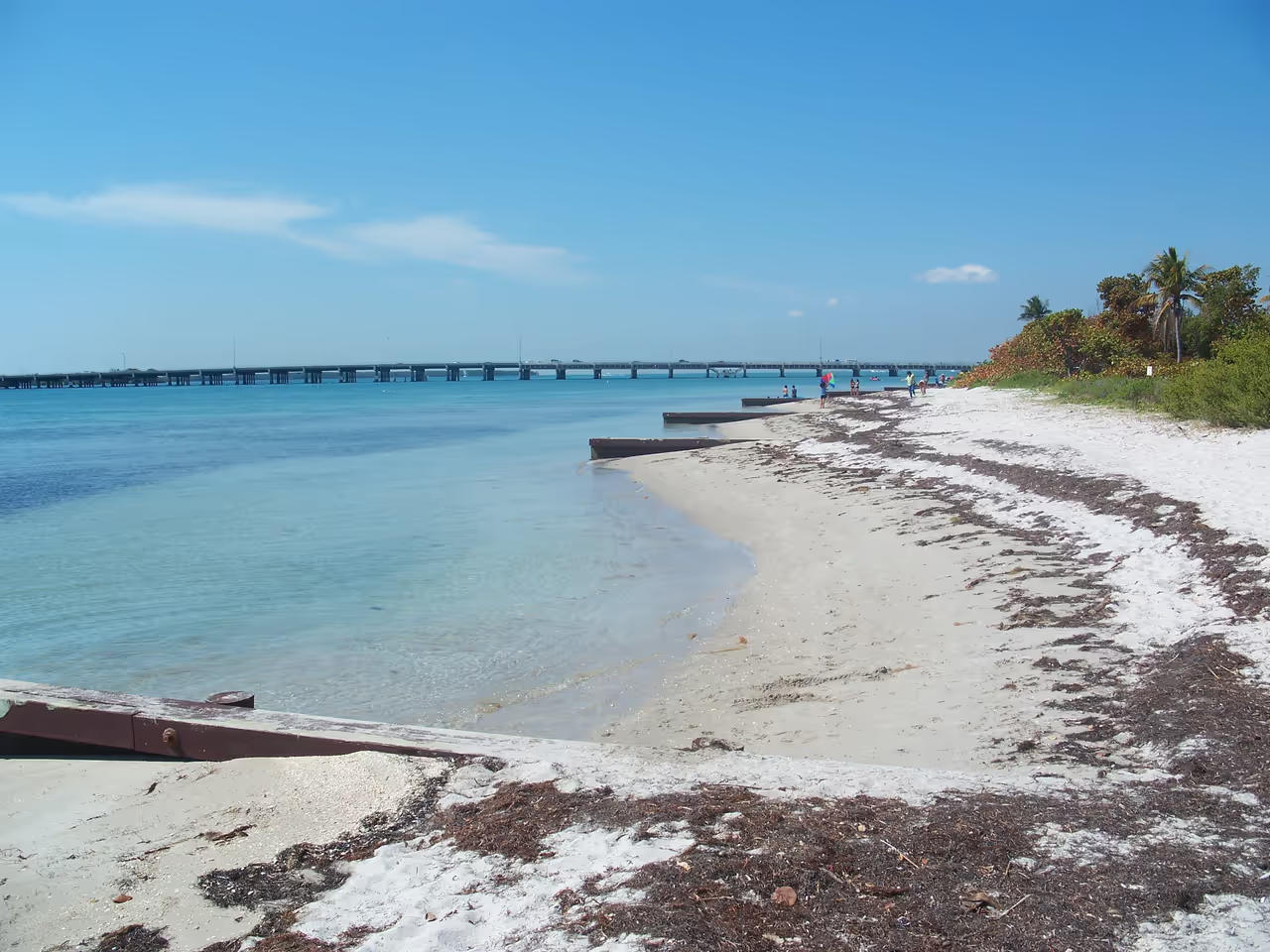
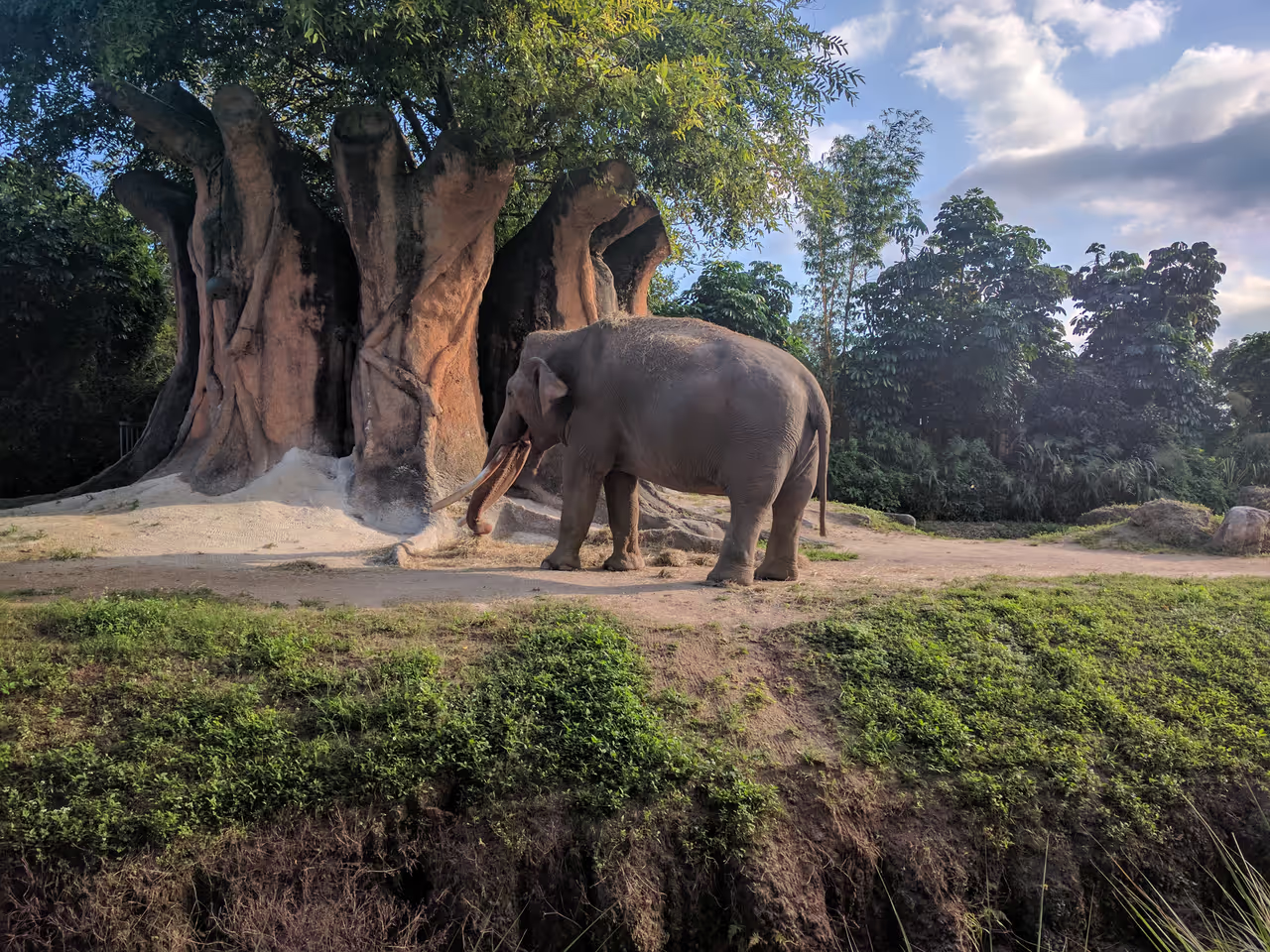
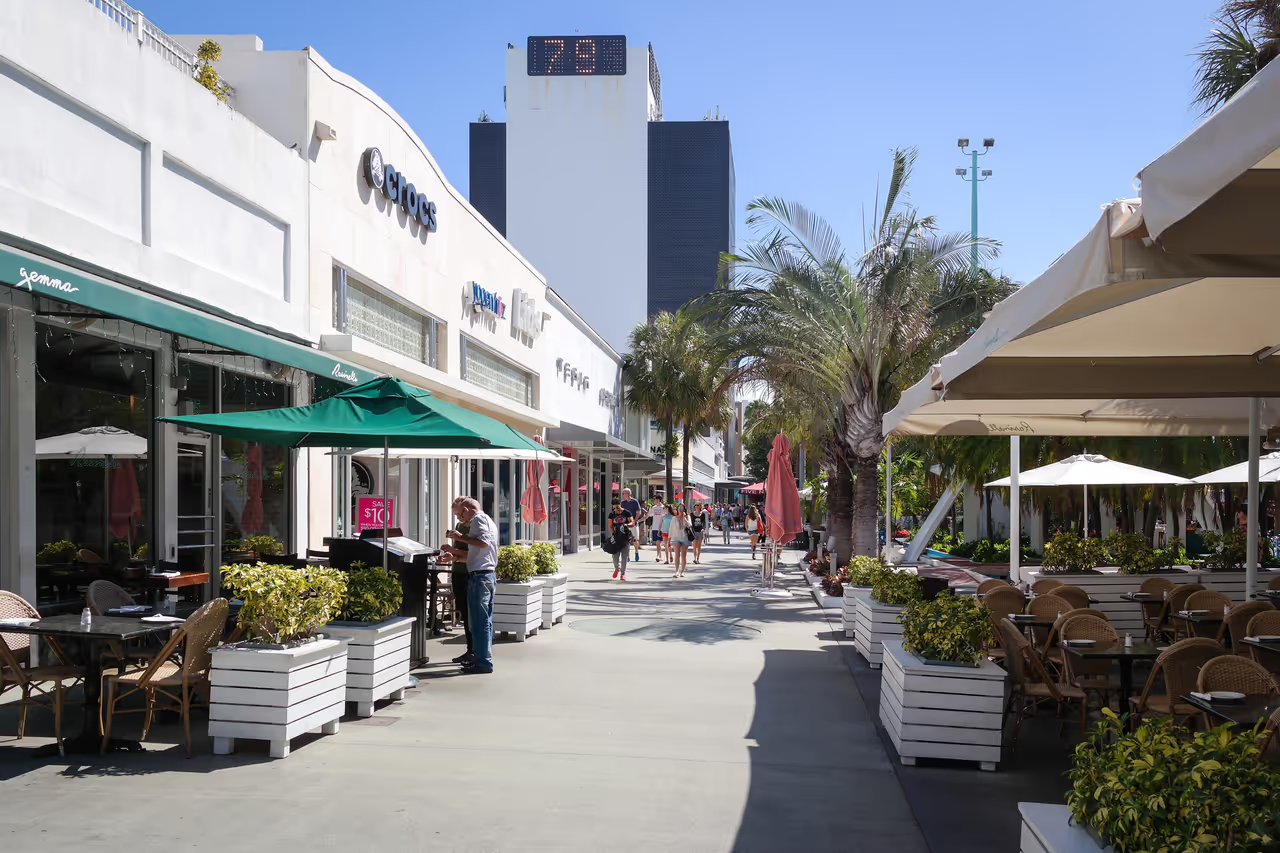
See all nature & parks in Miami
Including Bayfront Park, Oleta River State Park, Matheson Hammock Park, and more