Busan
Full City Guide, Map & 120 Things To Do
3,453,198 people live here.
That's 6.64% of the entire population of South Korea.
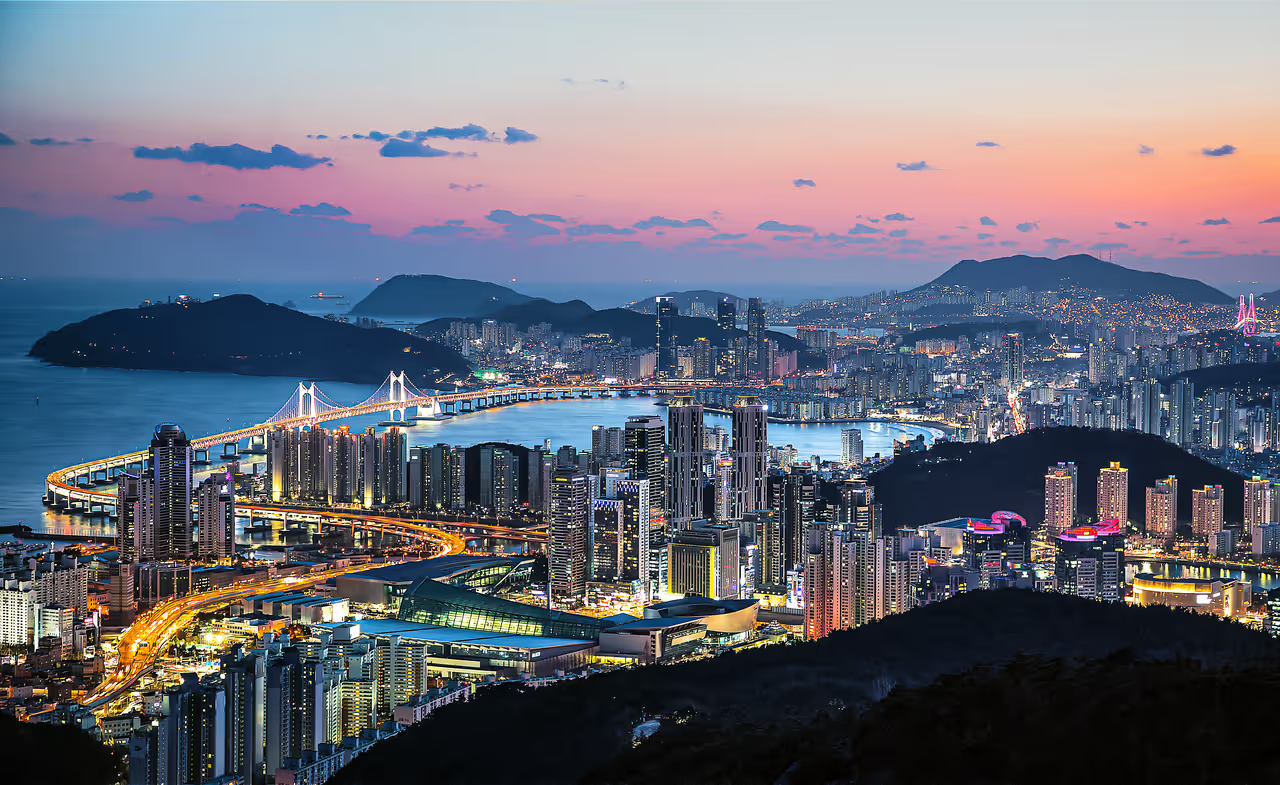
Busan presents a striking coastal environment where verdant mountains meet the sea. South Korea's second largest city serves as a major maritime gateway, offering a compelling mix of dynamic urban development and serene natural retreats. Visitors will discover vast sandy beaches, sprawling fish markets, and historic hillside temples. The city possesses a distinct identity forged by its strategic maritime location, creating a vibrant cultural landscape distinct from the capital. Contemporary skyscrapers overlook traditional neighbourhoods, providing an impressive visual contrast. The local culinary scene heavily features fresh seafood and unique regional specialities that draw food enthusiasts from across the globe.
Busan DNA
History of Busan
The area currently occupied by the city has roots stretching deep into antiquity. Early settlements thrived here during the Neolithic period, with inhabitants relying on the rich coastal waters for sustenance. Around the first century, a chiefdom known as Kochilsan guk emerged in the region. This rough mountain land was eventually absorbed by the Silla Kingdom and officially reorganised into an administrative district named Dongnae in 757. The establishment of the Beomeosa temple shortly after solidified the area's spiritual and cultural importance. Throughout the medieval period, the local port grew increasingly significant for international trade, particularly with neighbouring Japan. A designated Japanese concession community was established in 1423 to facilitate commerce and diplomatic relations. However, this proximity also brought danger, as the coastline suffered frequent raids from pirates. In response, local rulers constructed extensive fortresses to defend their vital maritime gateway, shaping the region's physical and administrative landscape for centuries. The late sixteenth century brought immense devastation during the Japanese invasions of Korea. The local fortress fell quickly under heavy siege, marking the beginning of a brutal conflict. Despite the overwhelming odds, civilian militias formed to resist the advancing forces. Following the war, the city slowly rebuilt its diplomatic and trade networks, eventually becoming the first place in Korea to cultivate sweet potatoes after they were introduced from Tsushima Island in 1763. The dawn of the modern era forced radical changes upon the harbour city. The Treaty of Ganghwa in 1876 compelled the opening of the port to foreign trade, transforming it into the country's first international maritime hub. Infrastructure expanded rapidly under foreign influence, including the construction of a major railway line linking the coast to the capital. Steam tramways and ferry services modernised the transport network, cementing the city's role as a vital industrial and logistical centre. Tragedy struck the peninsula in 1950, yet it proved to be a defining moment for the city's identity. As conflict engulfed the nation, the coastal stronghold remained one of the few areas not captured during the initial offensive. Hundreds of thousands of refugees flooded into the safety of the defensive perimeter, turning the city into the provisional capital. These displaced citizens built homes on the steep hillsides, creating distinctive terraced neighbourhoods that survive to this day. Following the conflict, the city experienced a massive industrial boom, driving the nation's economic recovery. It eventually became the first directly governed metropolis in the country, separate from its surrounding province. Today, it stands as a global maritime powerhouse and a celebrated centre for international cinema, successfully blending its resilient historical legacy with a dynamic, forward looking cultural vision.
13 Events spanning 1257 years
Map of Busan
Interactive Destination & Itinerary Map
This map blends our curated city guides—featuring best photo spots, scenic walks, viewpoints, hidden gems and much more—with a live Wikipedia explorer. Click on our numbered pins to plan your routes, or zoom in on the surrounding neighborhoods to discover verified local landmarks, museums, and stories with dynamic Wikipedia summaries and photos!
Fun Facts
- • The city was the very first place in the country to cultivate sweet potatoes, which were brought over from a neighbouring Japanese island in the eighteenth century.
- • During the devastating conflict of 1950, this harbour remained one of the only areas uncaptured, serving as the provisional capital and safe haven for half a million refugees.
- • A local retail giant holds the official global record for being the largest department store in the world, featuring an indoor ice rink and an extensive public spa.
- • The local baseball fans are legendary for their intense passion, despite their team suffering a championship drought that has lasted since the 1990s.
- • One of the most picturesque hillside neighbourhoods was actually built by desperate wartime refugees, resulting in the colourful, stair step houses seen today.
Did You Know?
- • The local harbour stands as the sixth largest container port globally, serving as a critical logistics hub connecting the Eurasian continent to the Pacific.
- • The city is home to the only cemetery in the world dedicated specifically to and managed by the United Nations, honouring soldiers from multiple countries.
- • Recognised globally for its cultural output, the city was officially designated as a Creative City of Film by UNESCO in 2014.
- • The nearby river delta is a protected natural monument and serves as a vital sanctuary for over 150 species of migratory birds during the winter months.
- • The local medical tourism sector is highly advanced, featuring a dedicated street district housing over 160 specialised cosmetic and medical clinics.
Videos of Busan
Seasons
Spring
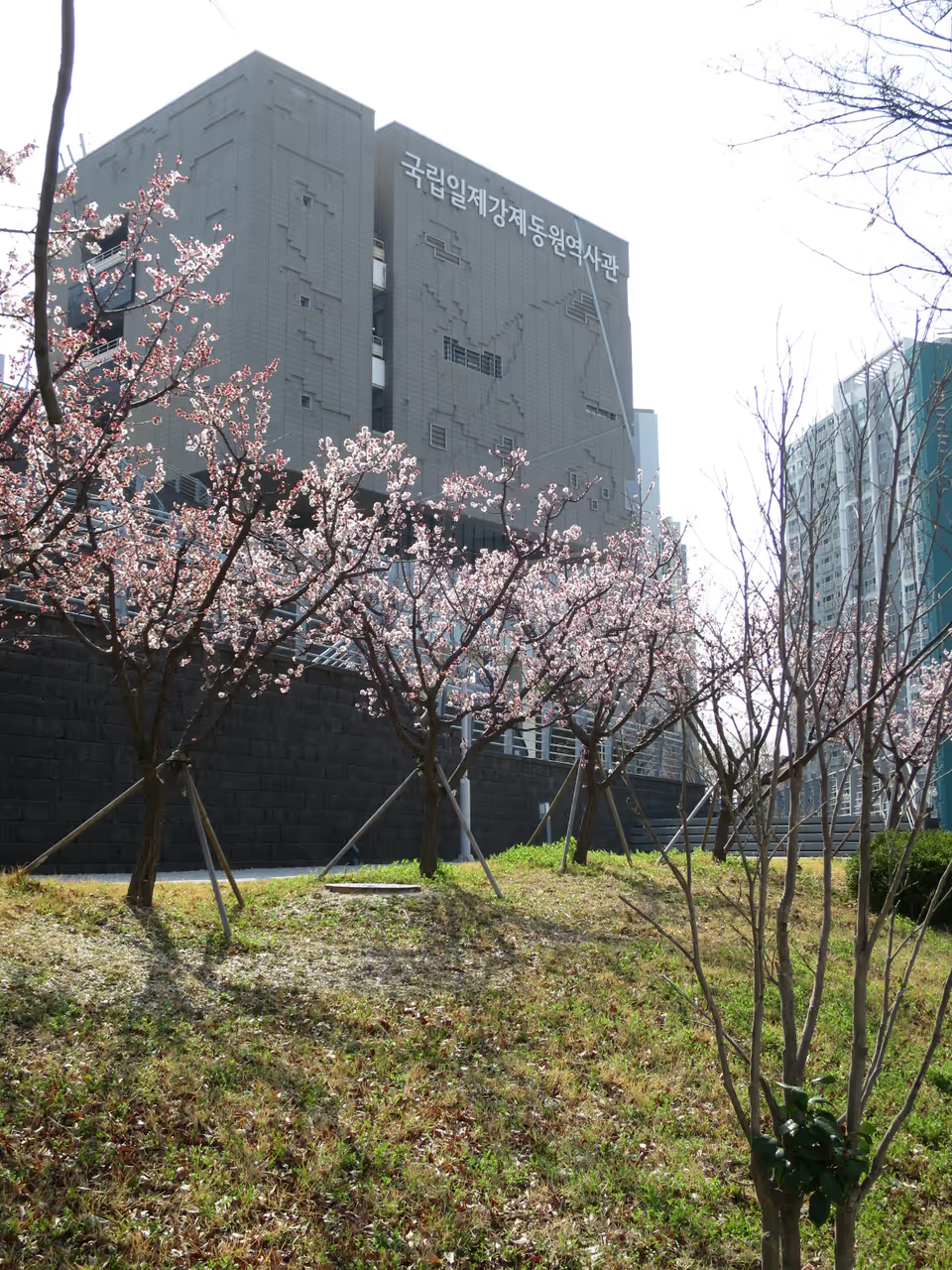
The city explodes into brilliant shades of pink and white as thousands of cherry blossom trees reach full bloom. The coastal...
Summer
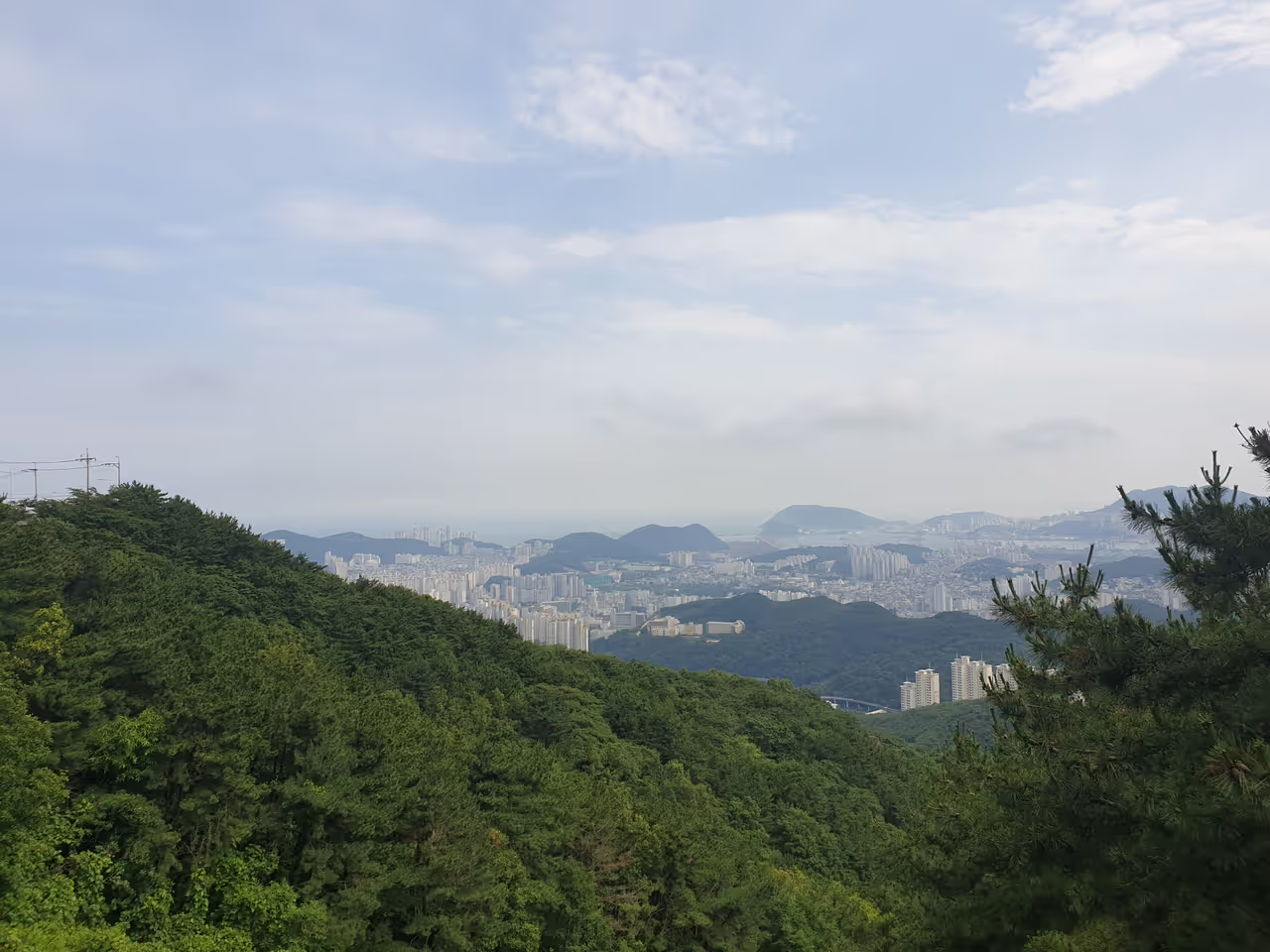
The coastal districts transform into the absolute epicentre of national tourism as millions flock to the sandy shores. The...
Autumn
The intense summer heat dissipates, replacing it with crisp, clear skies and highly pleasant temperatures. The city takes on a...
Winter
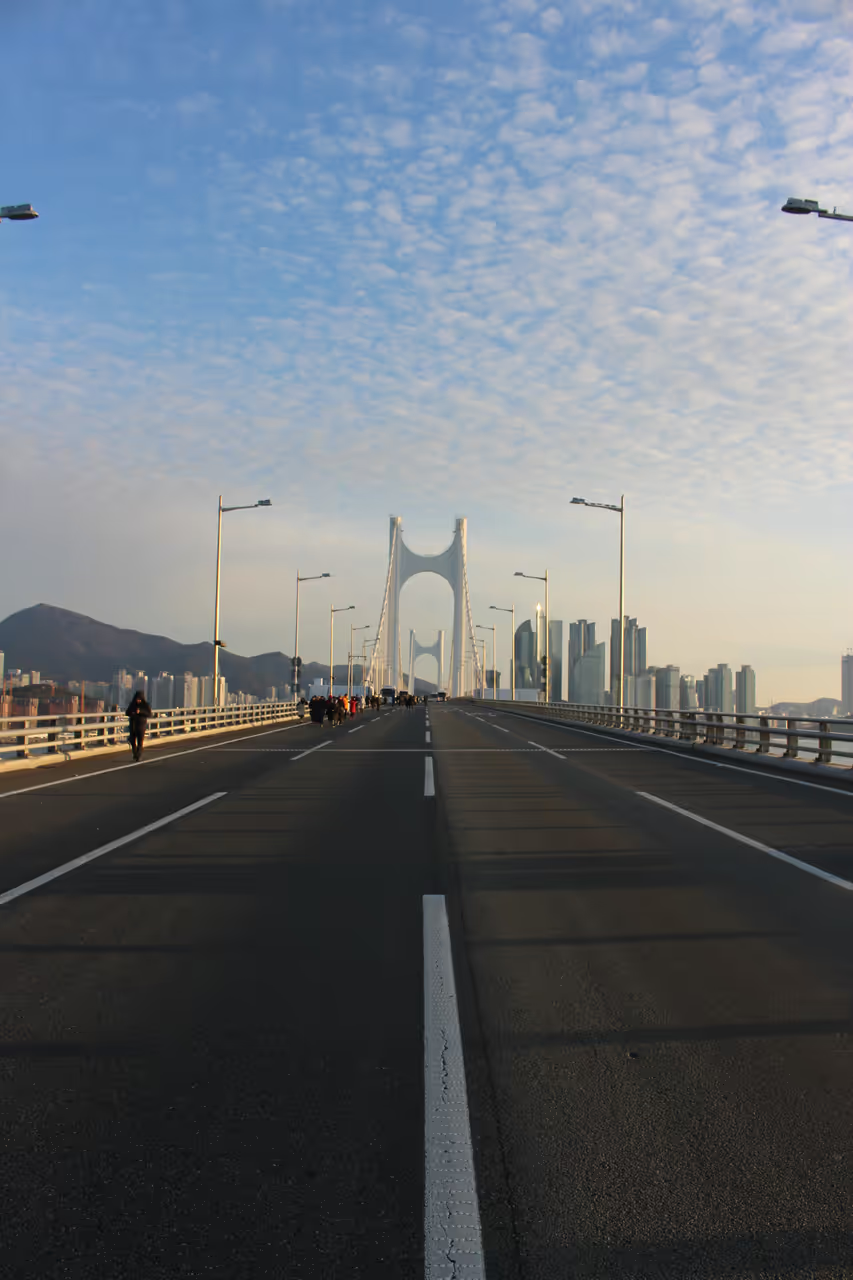
While the northern capital freezes, this southern harbour maintains relatively mild, manageable temperatures. The beaches are...
Top Attractions in Busan
Beomeosa Temple
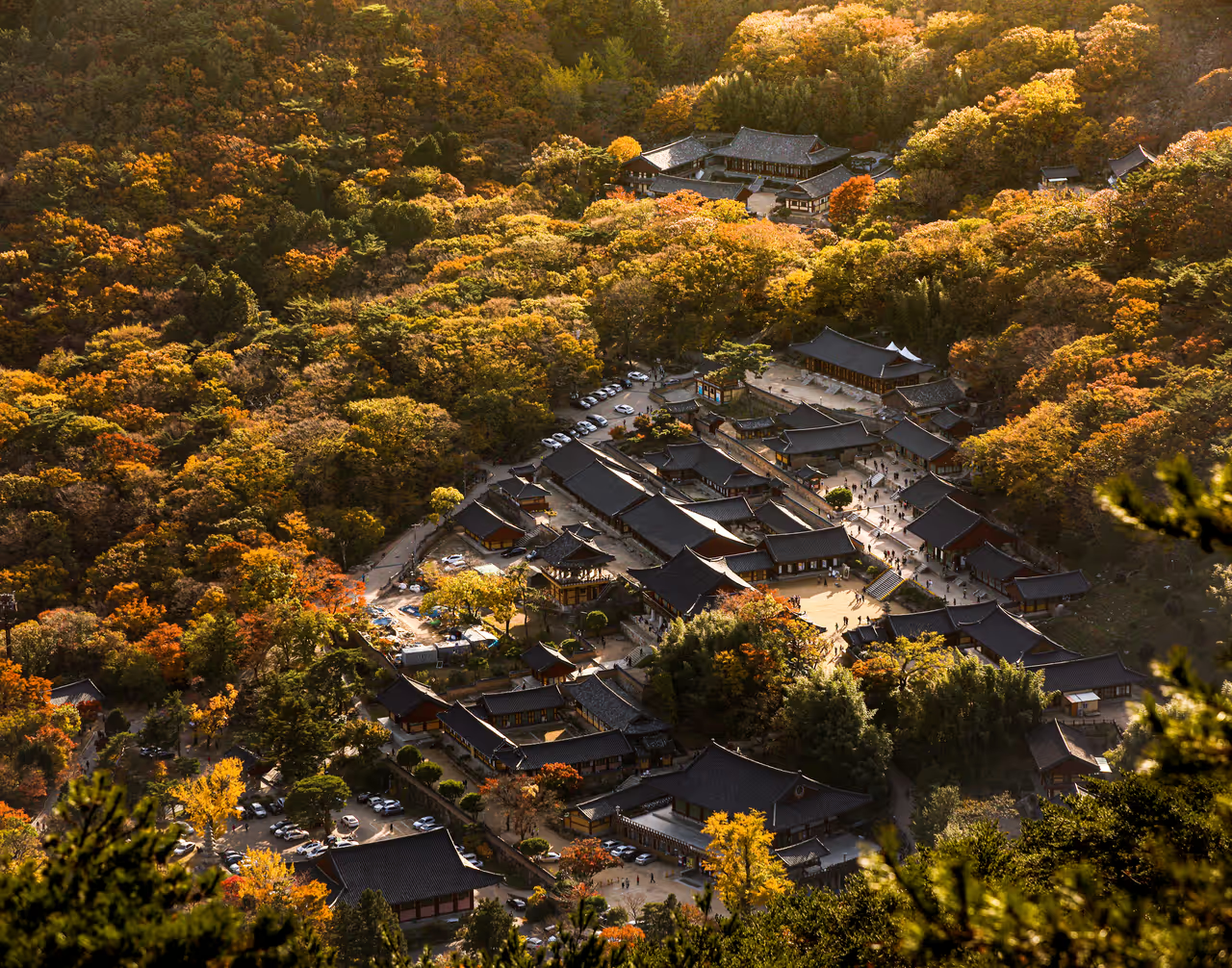
Perched on the wooded slopes of Geumjeongsan Mountain, Beomeosa offers a peaceful escape from the energy of Busan. As one of the...
view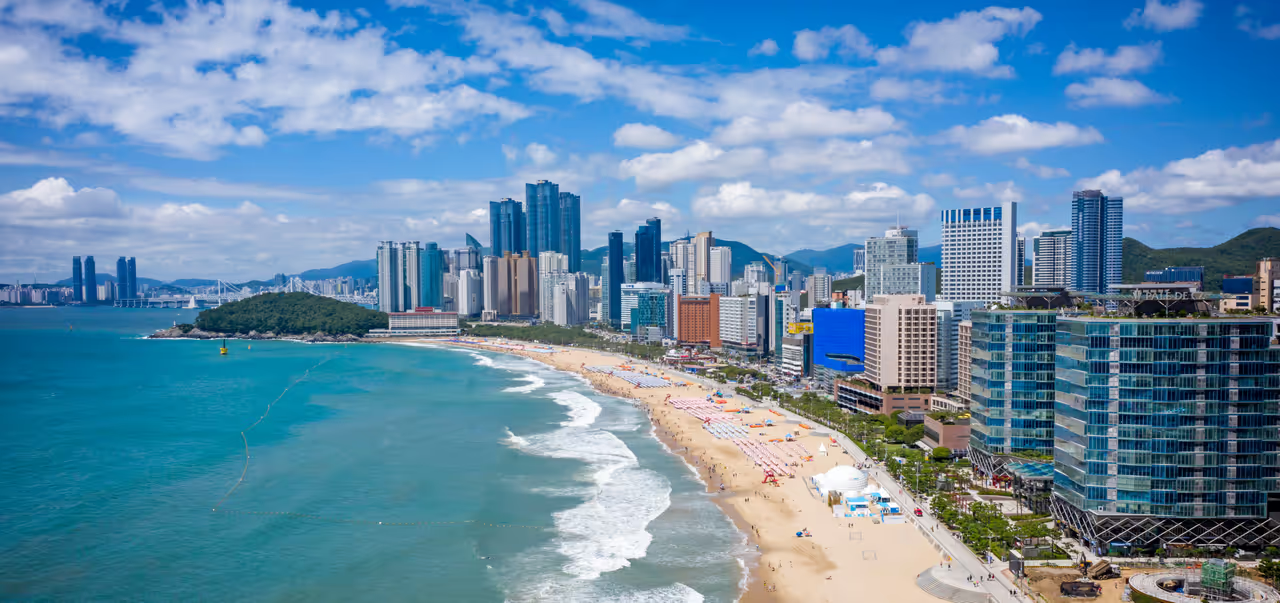
Haeundae Beach
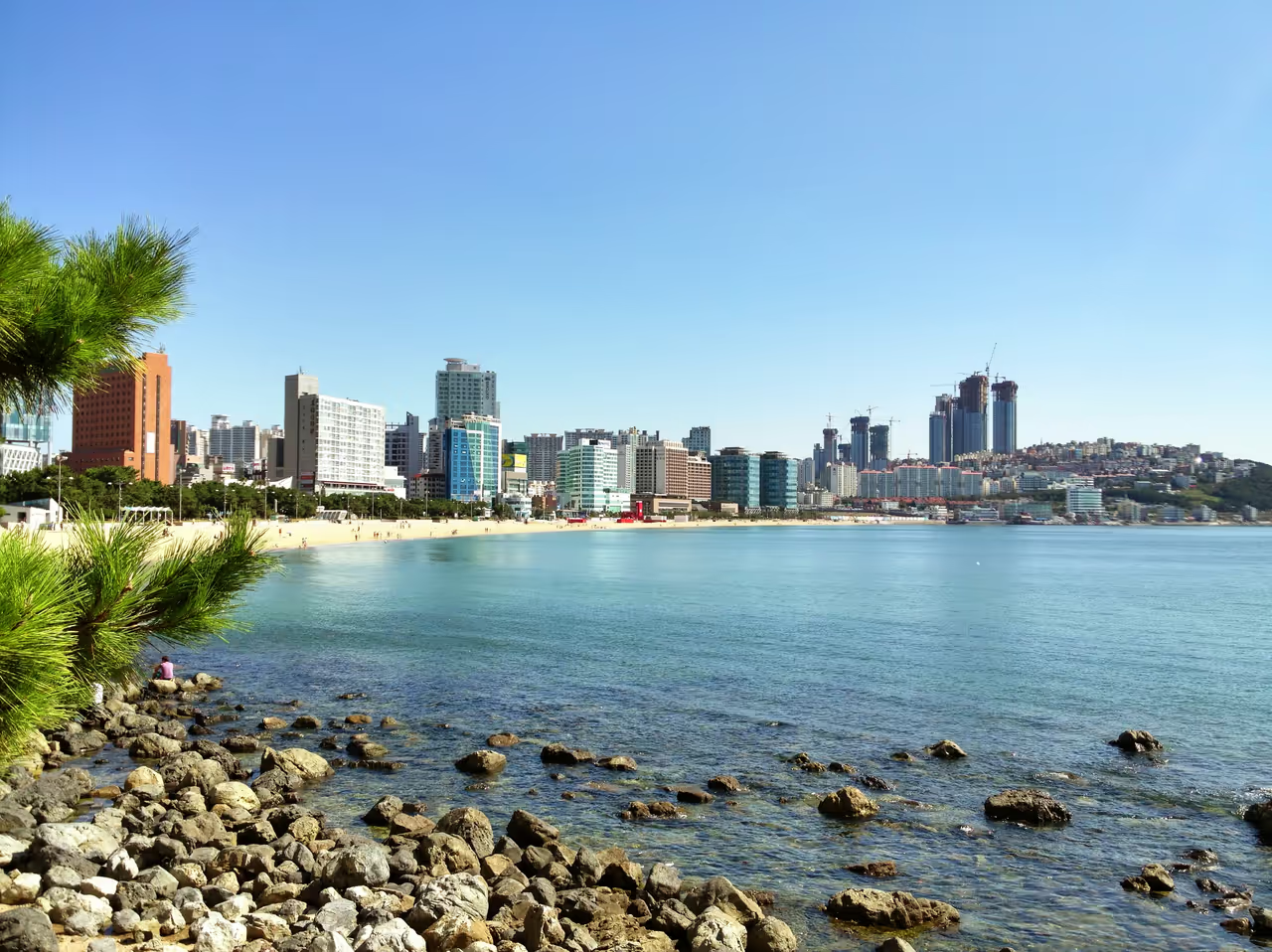
Haeundae Beach stands as the undisputed jewel of the Busan coastline, drawing millions of visitors who flock to its shimmering...
view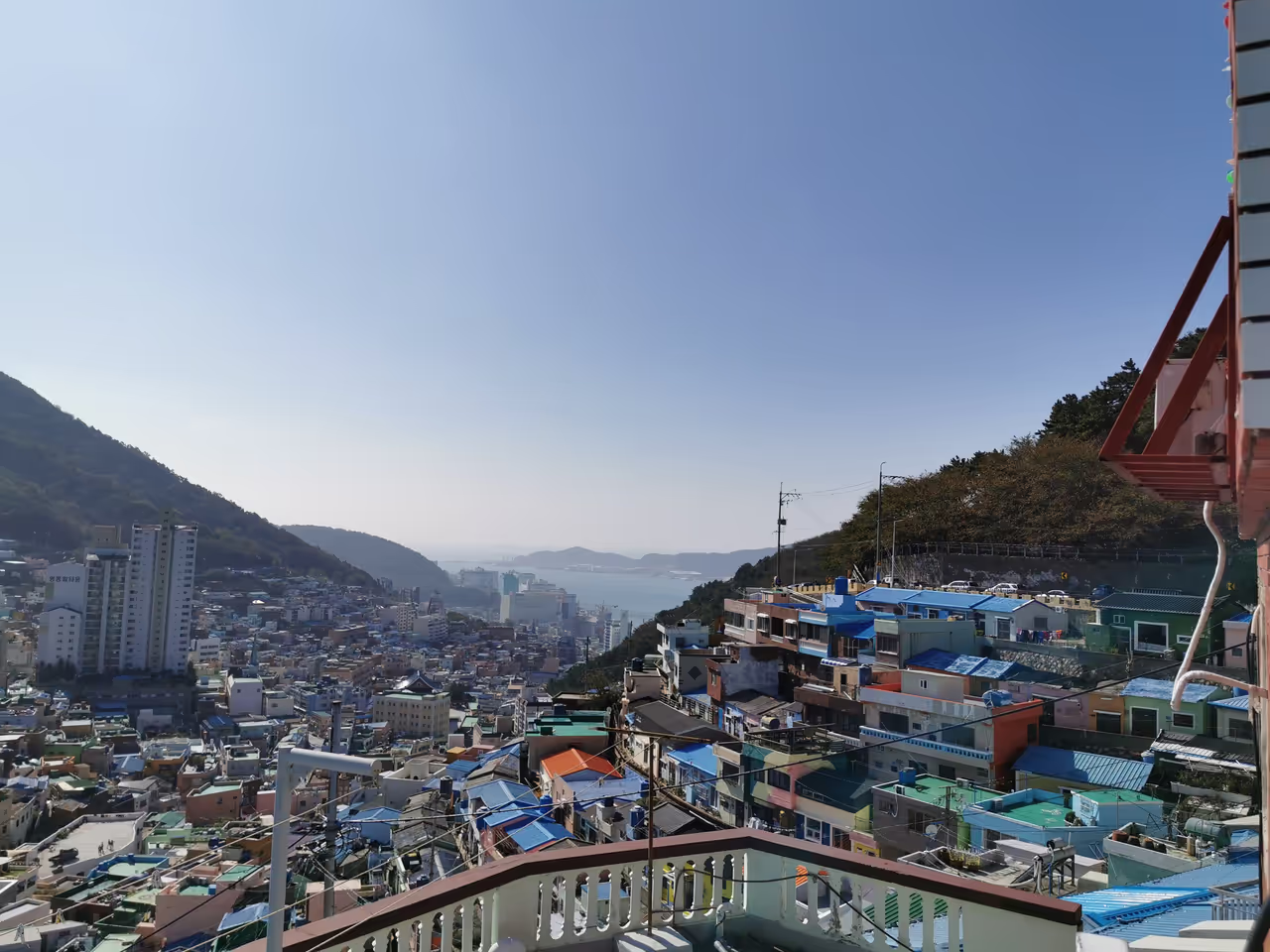
Gamcheon Culture Village
Perched on a steep mountainside, Gamcheon Culture Village offers a kaleidoscope of brightly painted houses that cascade down...
view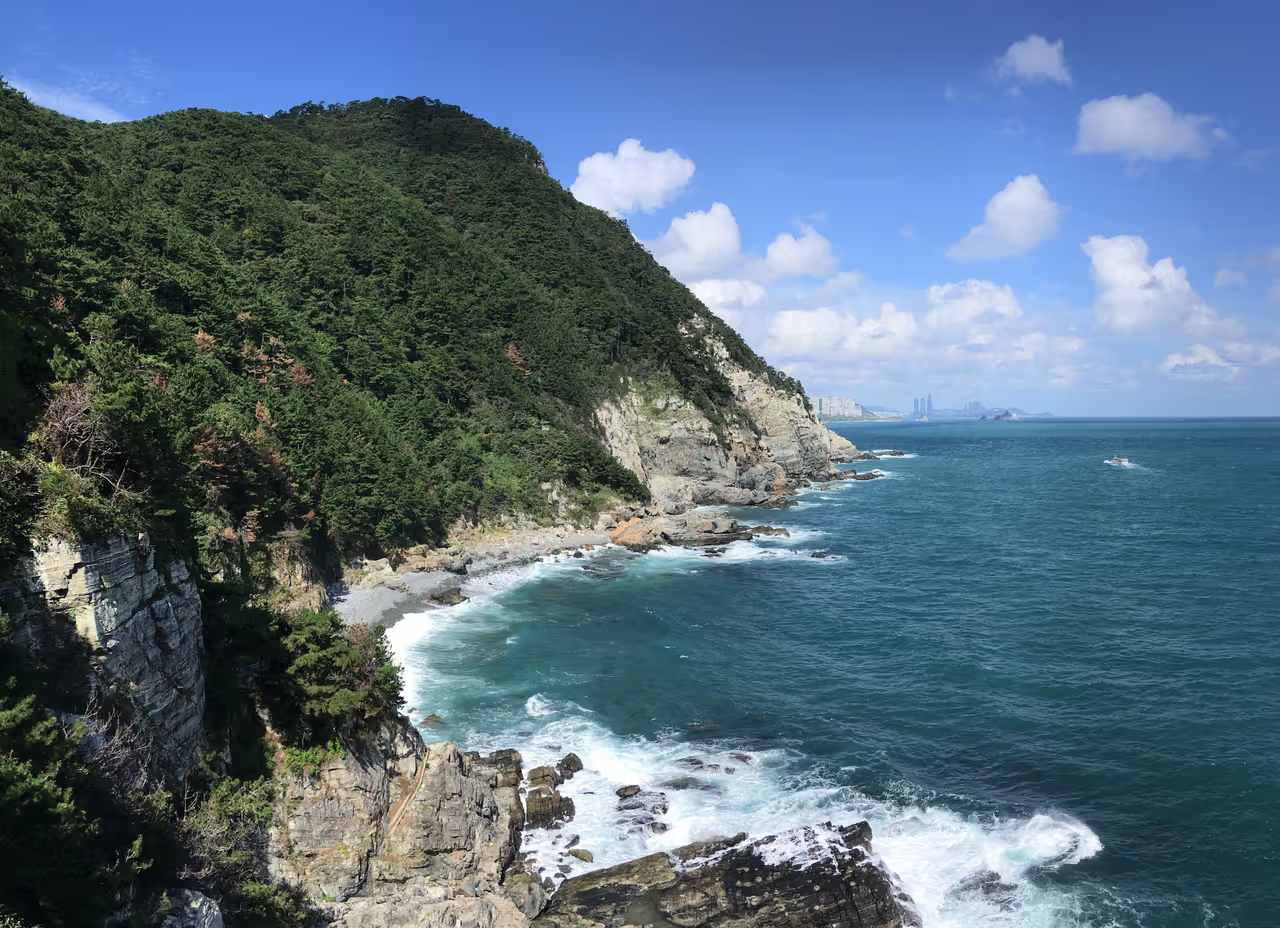
Taejongdae Resort Park
Taejongdae stands as a breathtaking natural sanctuary at the southernmost point of Yeongdo Island in Busan. Here, rugged cliffs...
view
Best Views
Busan Itineraries
TRIP PLANNER
4 Days Recommended
Four days provide the ideal balance to experience the varied geography without exhaustion. It allows dedicated time for the eastern beaches, the historic central markets, and the mountainous northern temples. This pace ensures visitors can appreciate the local culinary scene and coastal walks comfortably.
1 Day in Busan: Essential Itinerary
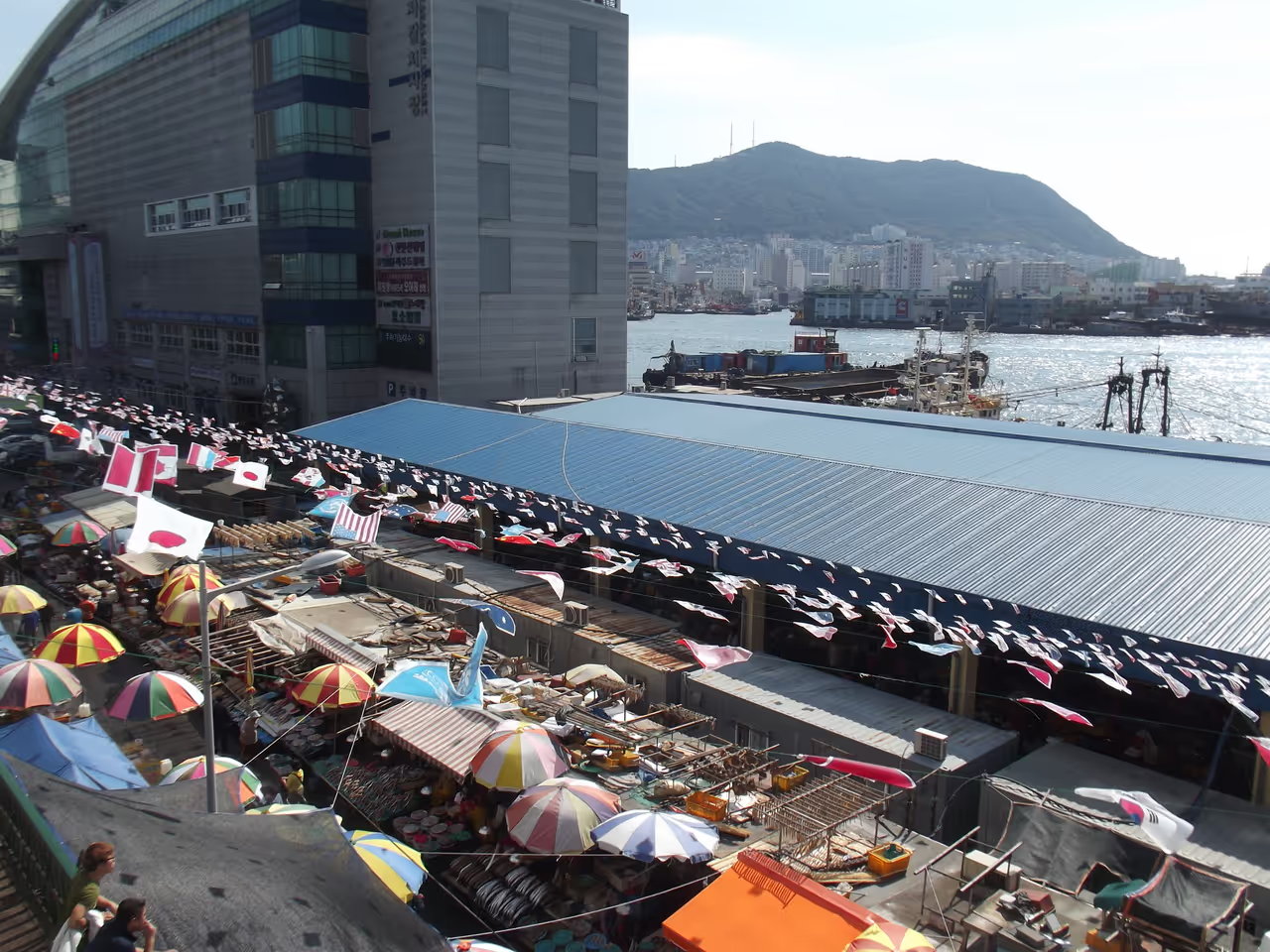
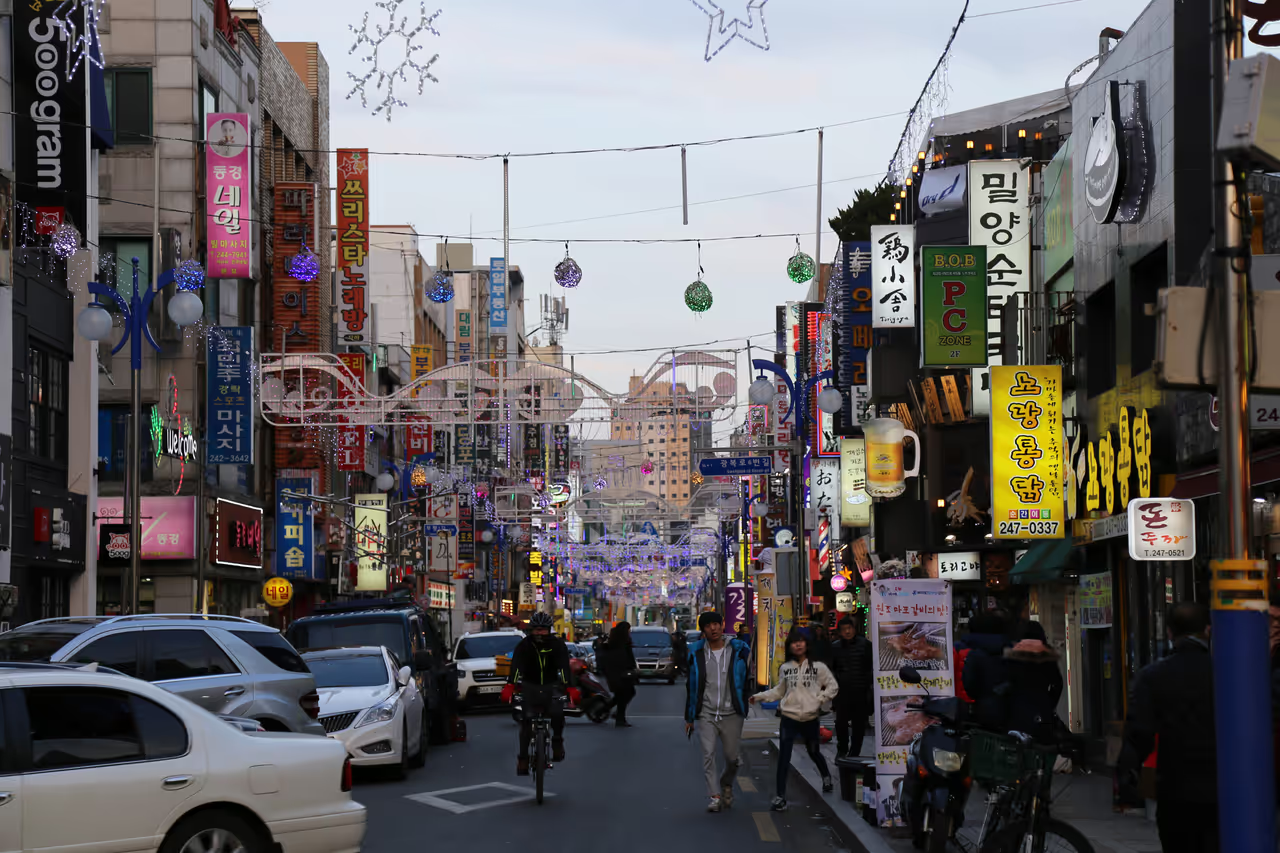
This highly efficient single day plan focuses strictly on the absolute must see iconic locations. It provides a sharp, fascinating contrast between the traditional spiritual sites, the busy commercial harbour, and the modern beach resorts. Visitors will experience the chaotic energy of the famous fish market before transitioning to the stunning coastal scenery in the east. It is a fast paced itinerary designed to deliver the quintessential flavour of the city in a tight timeframe. Perfect for travellers making a quick stopover or a day trip from the capital.
view itinerary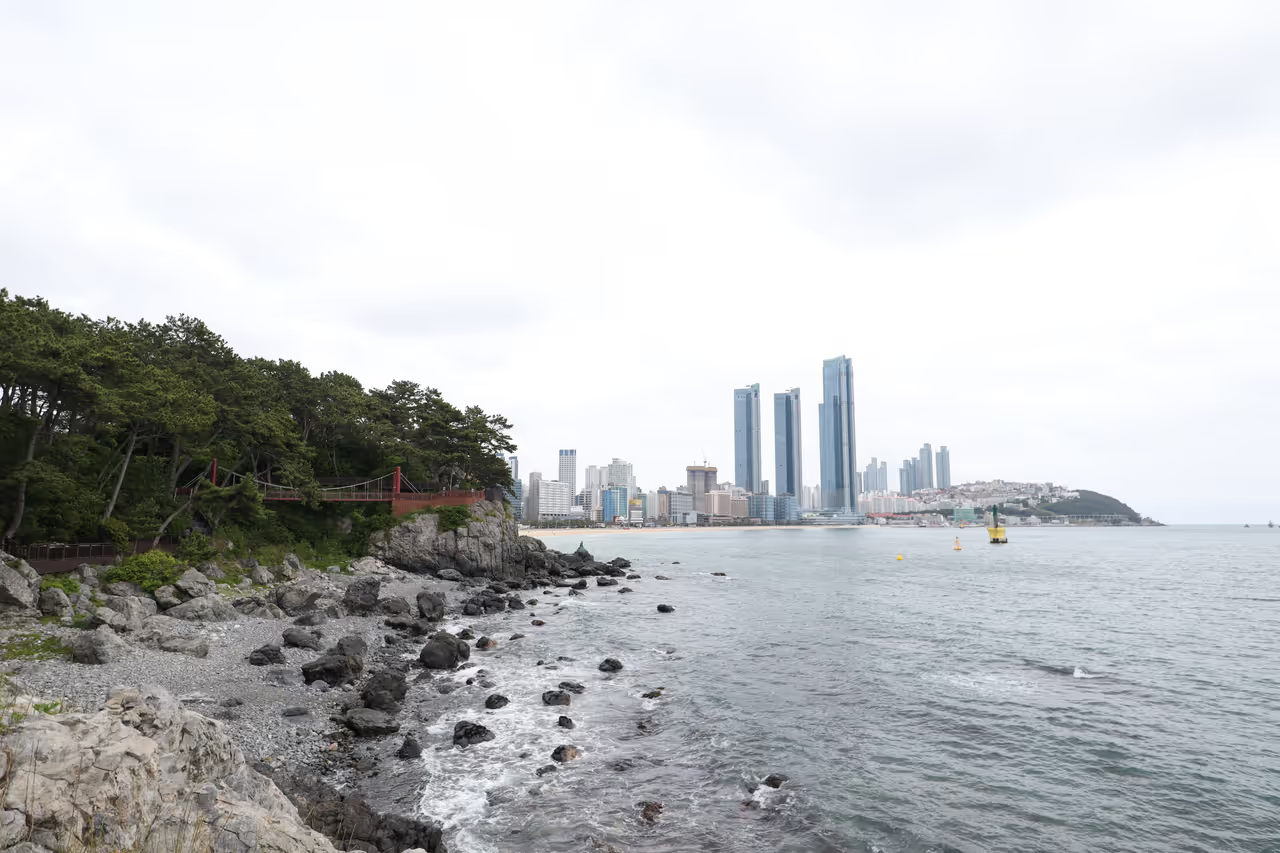
3 Days in Busan Itinerary
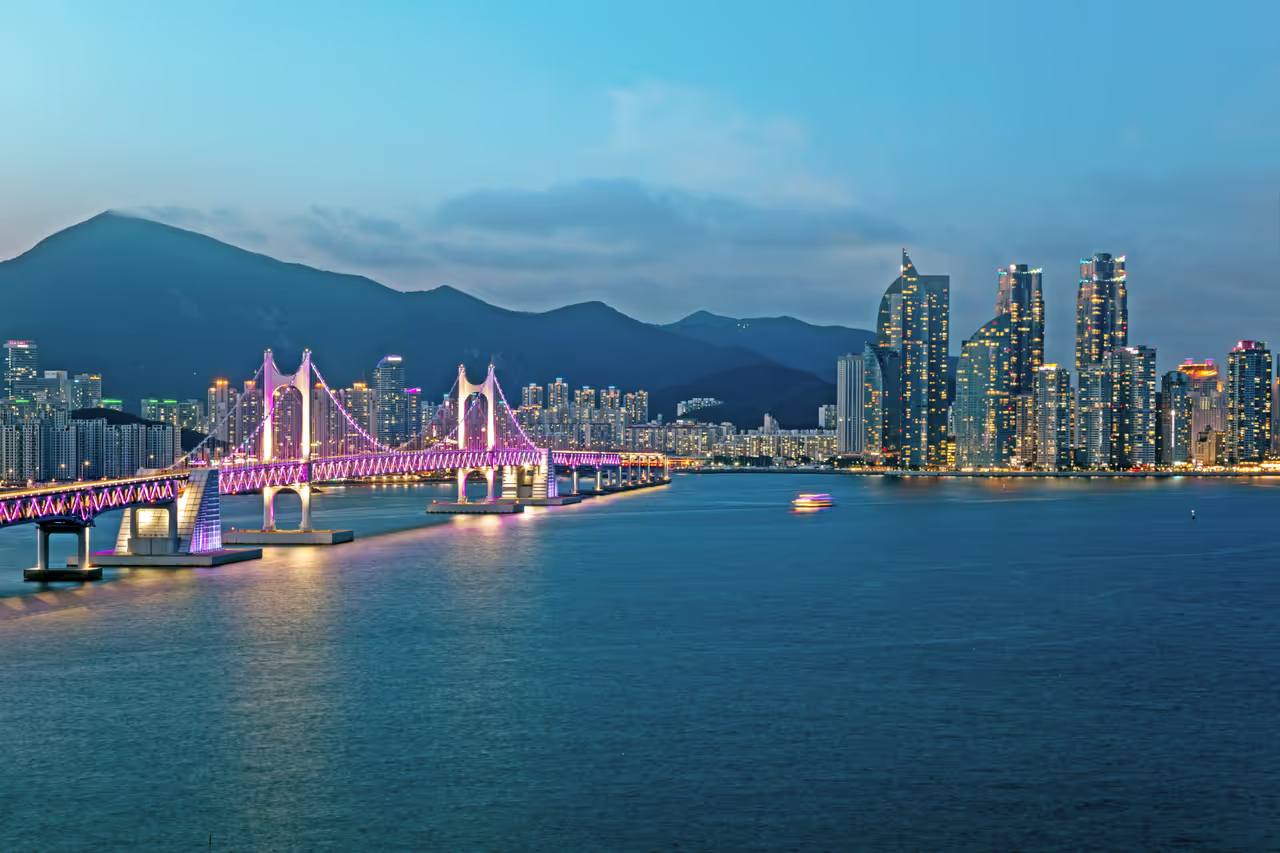
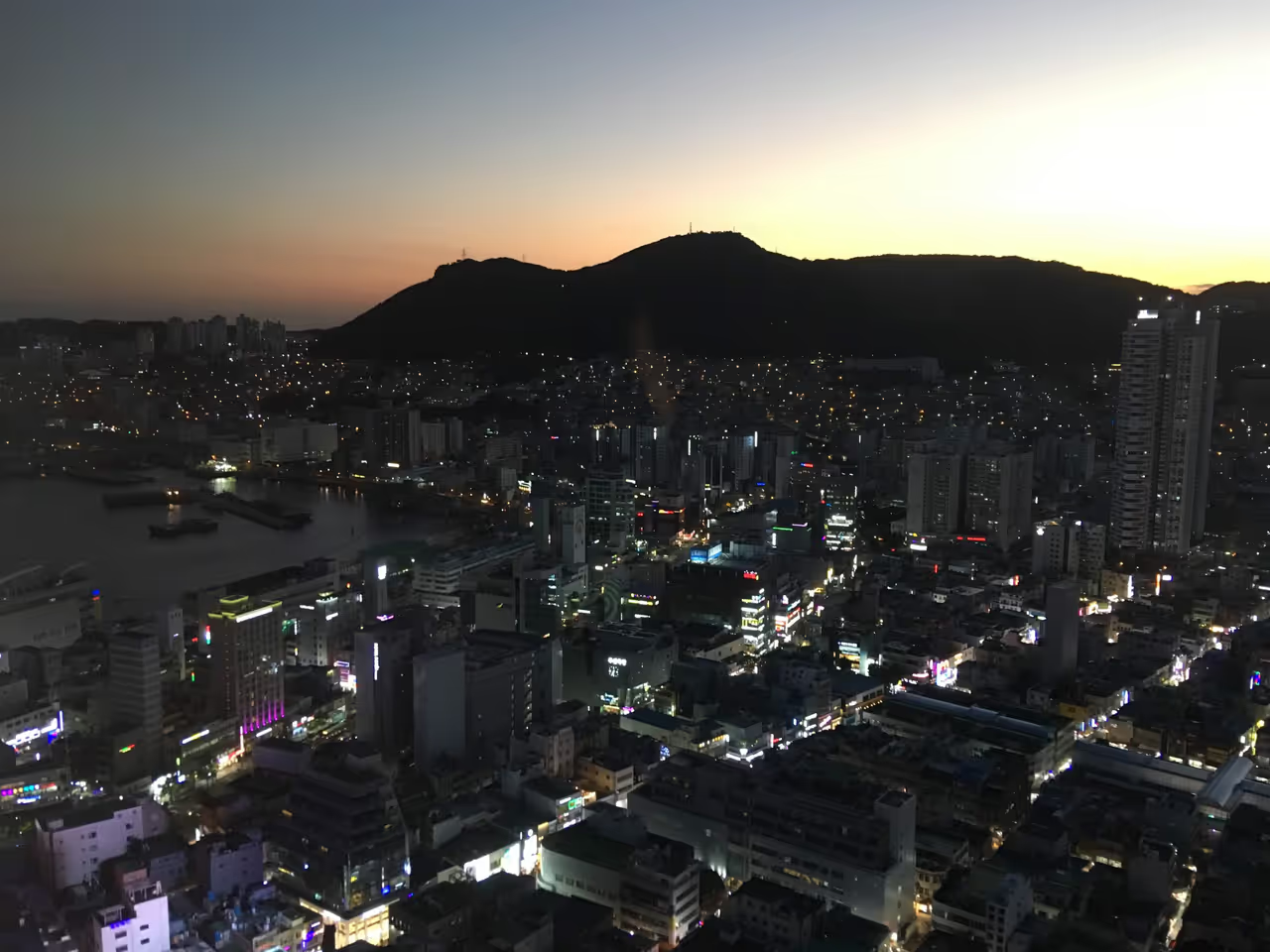
This balanced three day route allows for a deep, satisfying exploration of the city's varied districts. Day one concentrates on the glamorous eastern beaches, luxury modern architecture, and scenic coastal walks. Day two shifts focus entirely to the rugged, historic southern port area, uncovering wartime refugee history and authentic market culture. Day three provides time for spiritual reflection at an ancient mountain sanctuary before exploring the vibrant student nightlife. It perfectly encapsulates the contrasting natural and urban elements that make the city unique.
view itinerary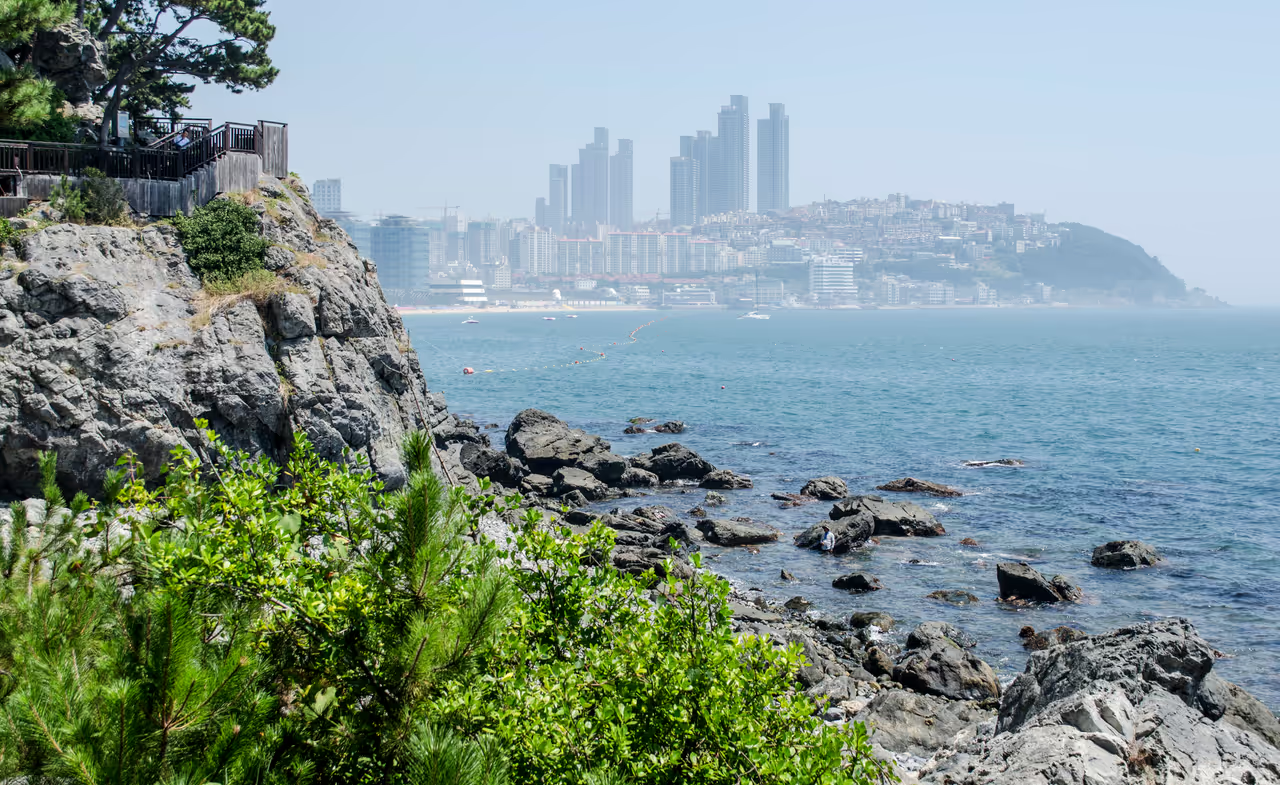
5 Days in Busan: Complete City Immersion Itinerary
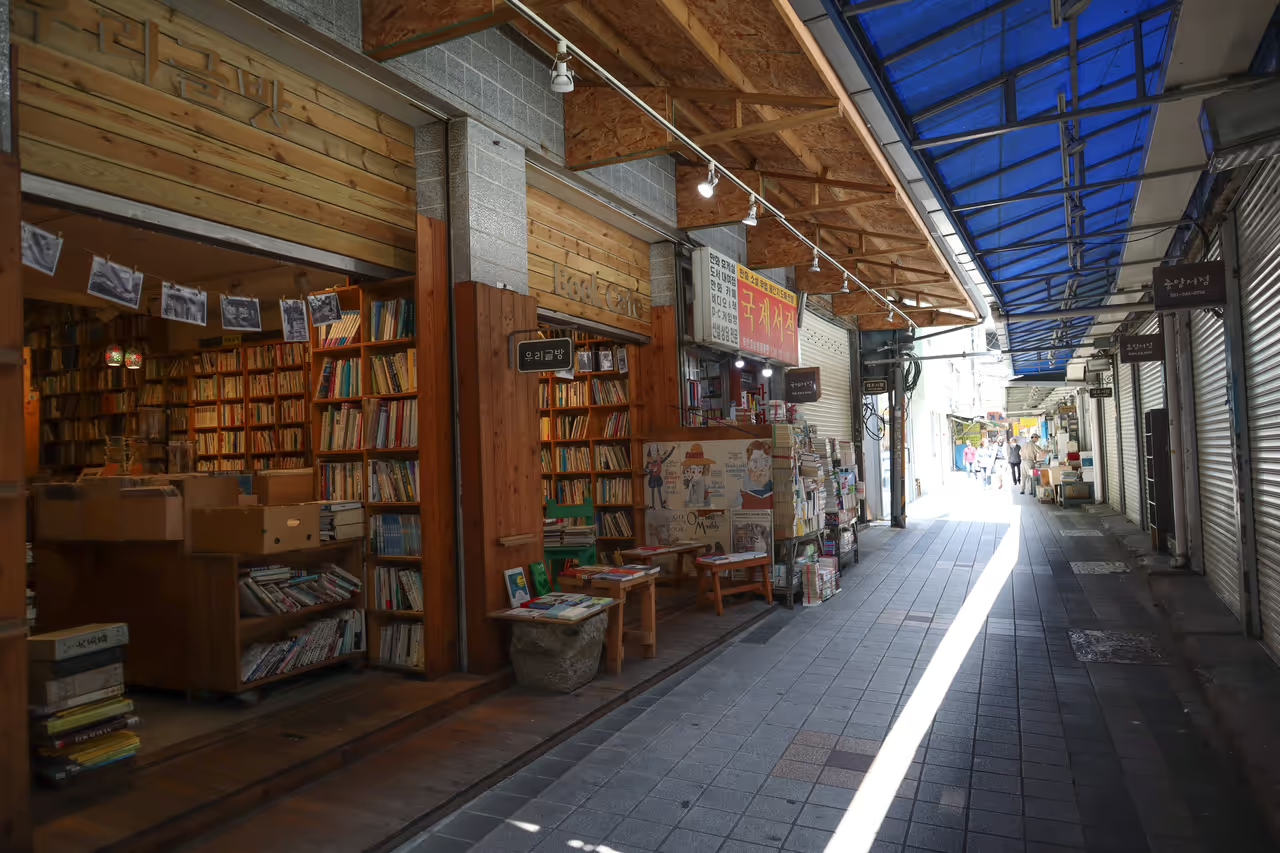
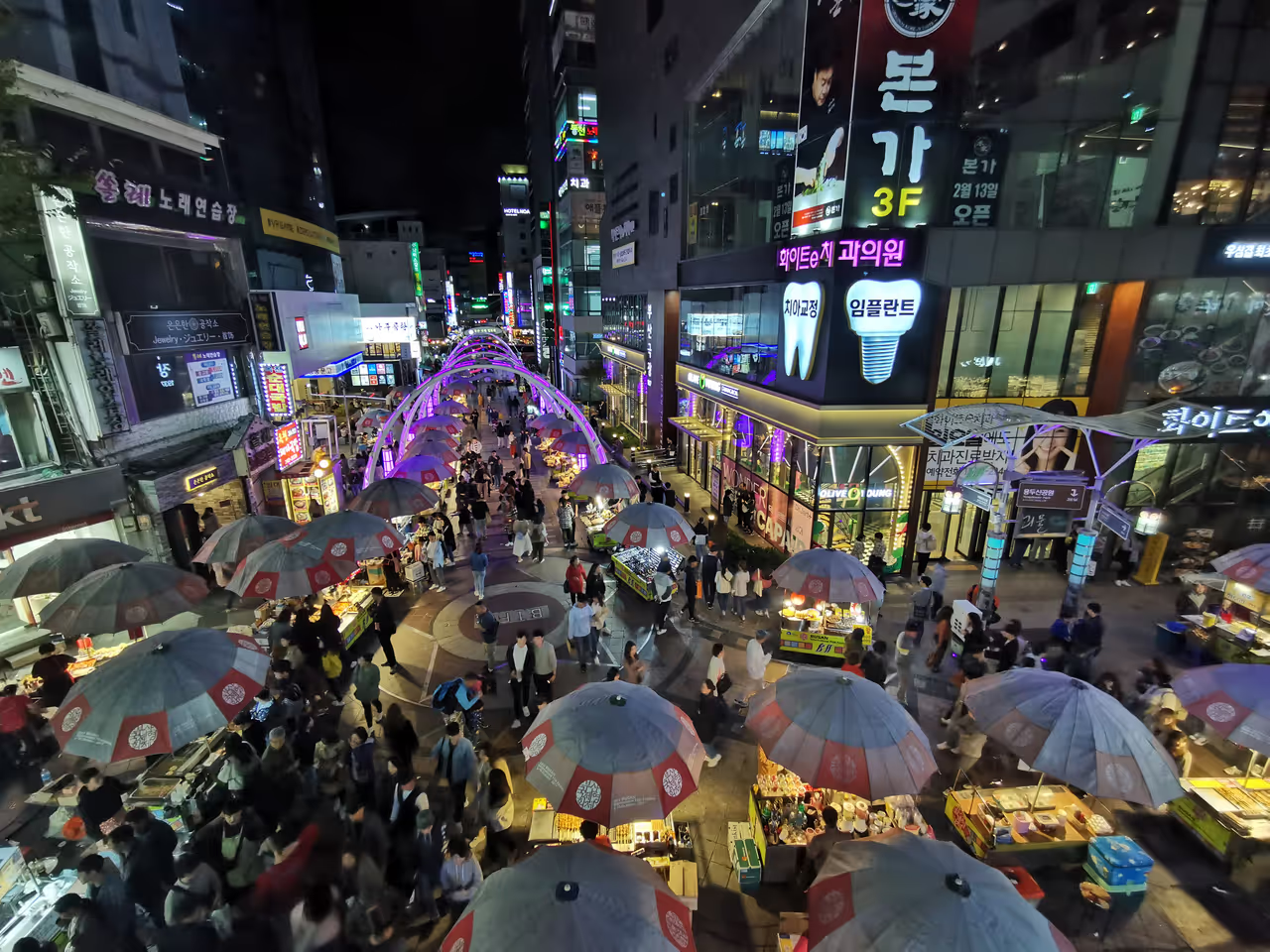
This extensive five day itinerary is designed for travellers wanting to uncover every significant facet of the metropolis. It covers everything from the highly popular tourist beaches to secluded mountain shrines and raw industrial cliffside villages. Visitors will have dedicated time to hike rugged coastal trails, explore massive ecological wetlands, and soak in famous natural hot springs. The pace allows for deep immersion into local culinary scenes and lesser known artistic enclaves. It is the ultimate blueprint for a thorough, highly rewarding coastal adventure.
view itinerary
Food in Busan
Free Things to do in Busan
Parks & Nature
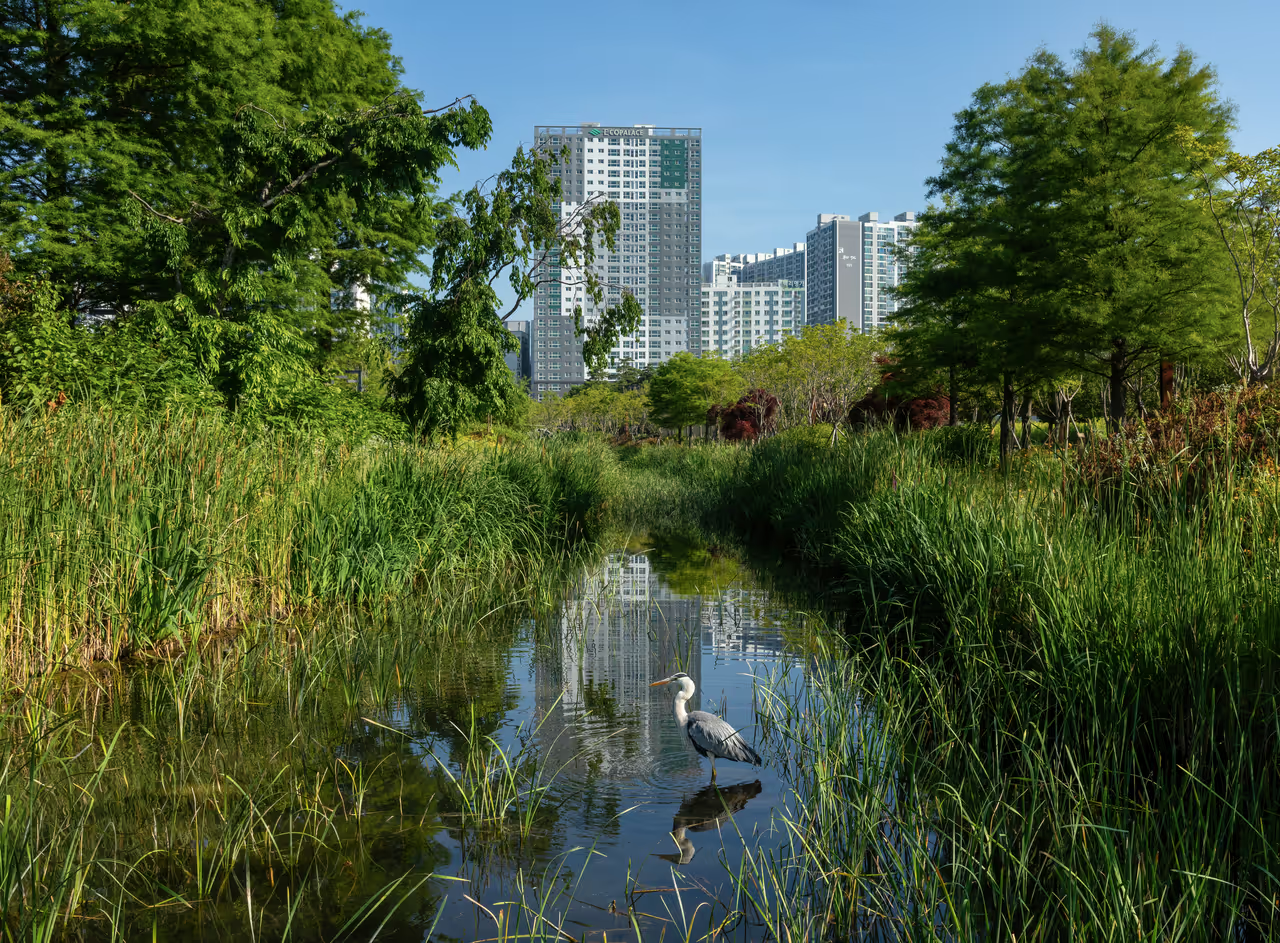
Busan Citizens Park
A lush urban oasis, this park is built on the grounds of the former US military base, Camp Hialeah. It offers a unique blend of...
viewDongbaek Island
Nestled at the edge of the world famous Haeundae Beach, Dongbaek Island offers a peaceful escape where nature meets the rhythm...
view
Highlights & Must-Sees
Gwangbokdong Food Street
This narrow, vibrant alleyway is a paradise for adventurous eaters looking to sample authentic local street fare. Makeshift...
view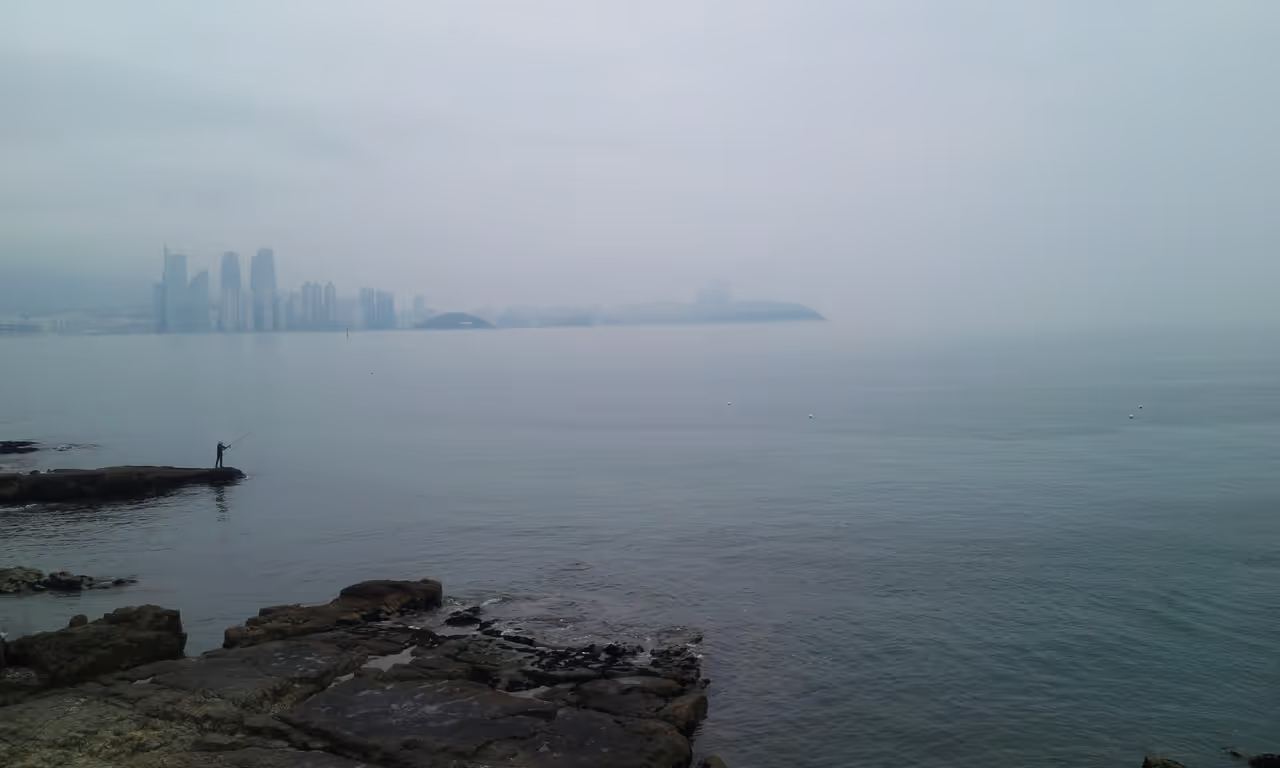
Igidae Coastal Park
This dramatic, untamed stretch of coastline offers a highly adventurous alternative to the polished sandy beaches found...
view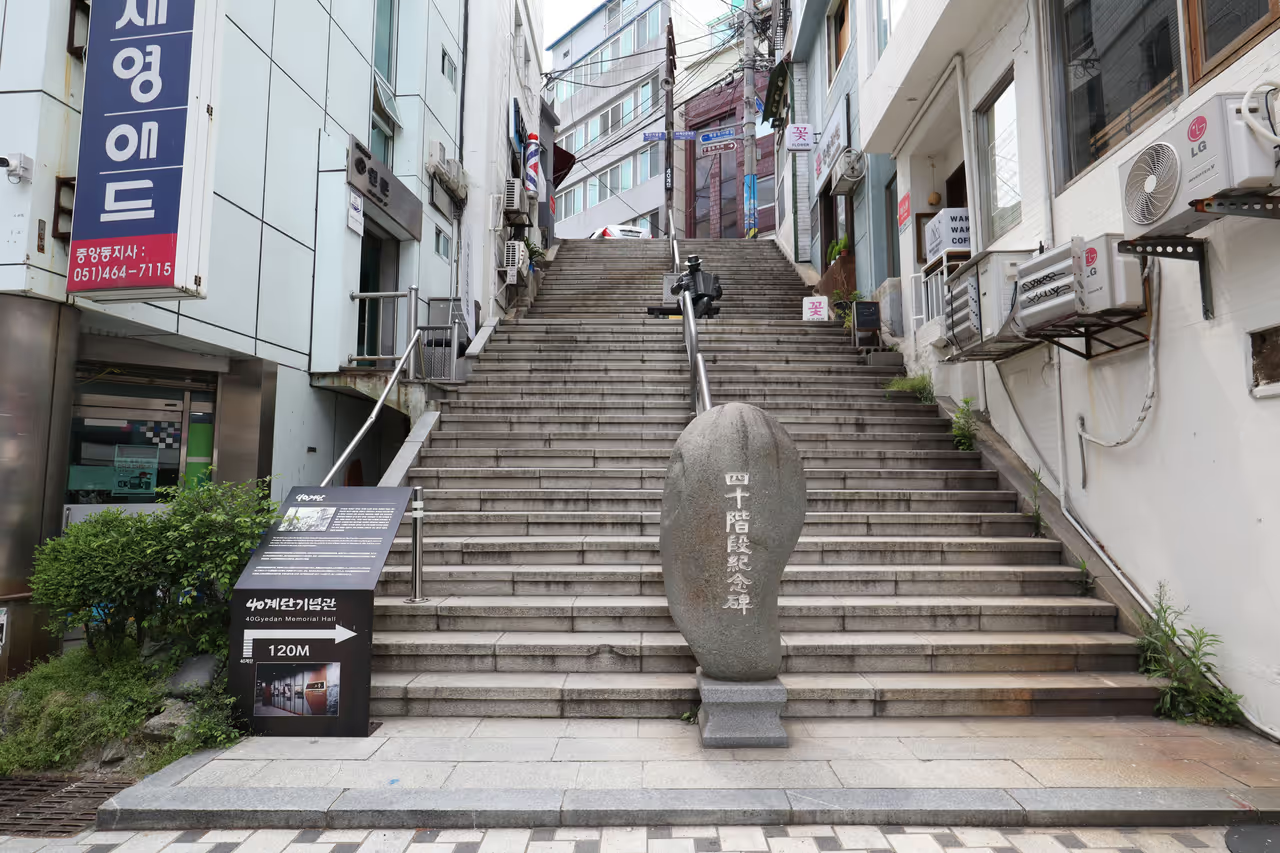
40 Steps Cultural Street
This short staircase and surrounding street serve as a poignant living monument to the hardships faced during the 1950s...
view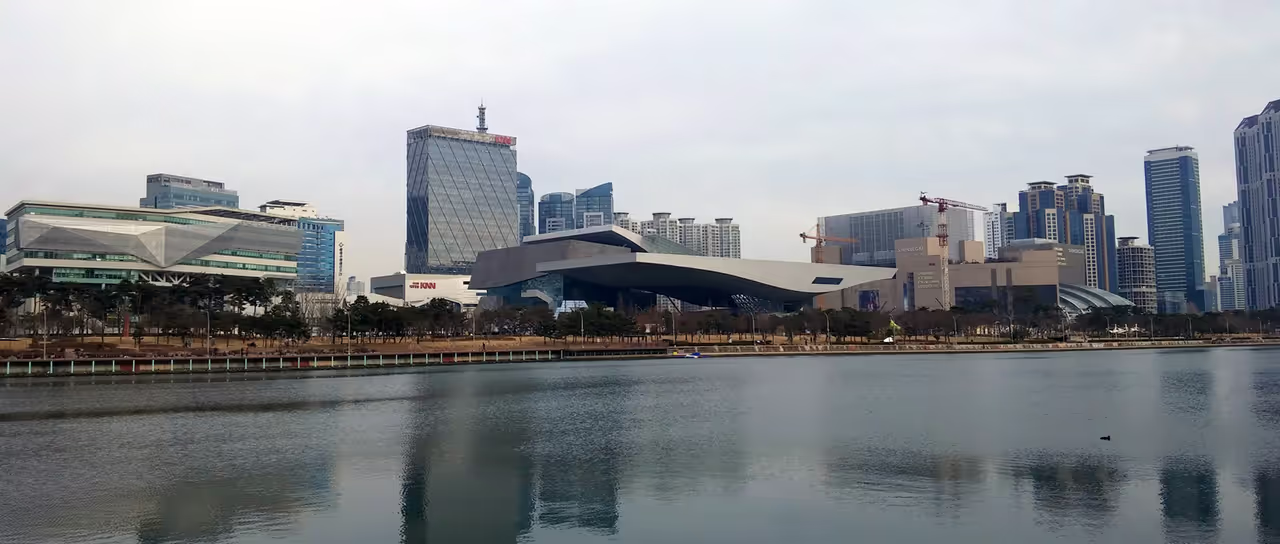
Centum City
This hyper modern district represents the city's ambitious, forward looking vision, constructed entirely on reclaimed land. It...
view
Best Walks in Busan
 HIGHLY RECOMMENDED
Island Park Circuit
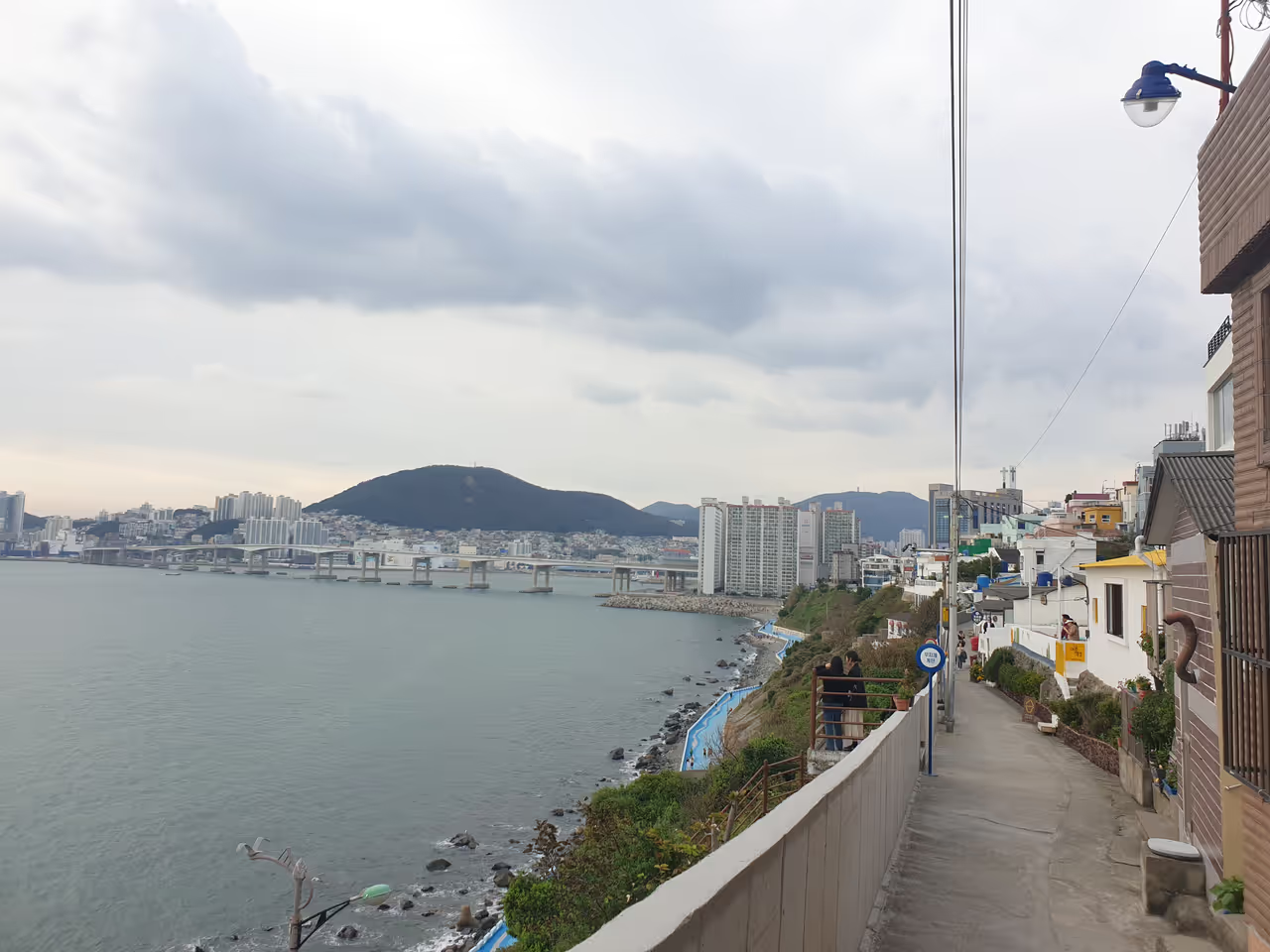
Follow a beautifully maintained wooden boardwalk that wraps around a small, forested peninsula. The trail weaves through dense stands of fragrant pine trees and vibrant camellias, offering spectacular vantage points over the water. Walkers can gaze out at the vast ocean, the impressive suspension bridge, and the distant city skyline. Along the route, a bronze mermaid statue sits perched on the rocks, adding a touch of local folklore. The sound of waves crashing against the stone cliffs provides a highly therapeutic acoustic backdrop.
Rugged Cliff Trail
Embrace the raw beauty of the coastline on this slightly more demanding seaside path. The route closely follows the contours of the rocky cliffs, featuring suspension bridges crossing small chasms and stairs carved directly into the stone. The open ocean stretches endlessly to the horizon, providing a dramatic and untamed atmosphere. It is an excellent escape from the polished urban environment, allowing walkers to connect directly with the region's geological heritage. The fresh, salty wind here is particularly invigorating.
Moonlit Forest Path
Venture along a peaceful, shaded trail specifically designed for contemplation and gentle exercise. This path winds through a dense forest situated high on a hill overlooking the sea. It is famously illuminated by soft, low lighting during the evening, creating a highly romantic and mysterious ambiance. Walkers can hear the distant crash of the waves while completely enveloped by the quiet rustling of leaves. It offers a unique sensory experience that feels entirely removed from the busy resort areas just a short distance away.
Architecture & Landmarks
Cinema Center
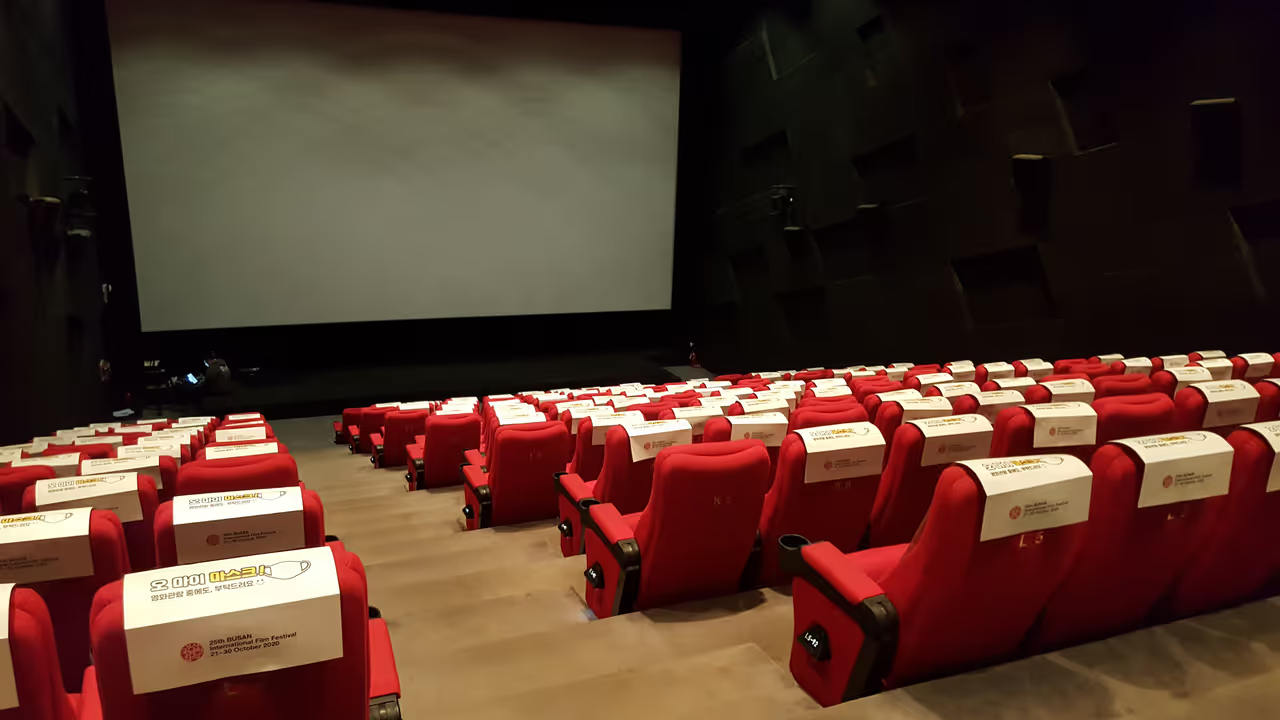
This breathtaking deconstructivist masterpiece serves as the architectural crown jewel of the city's international film...
viewDiamond Bridge
This monumental suspension bridge spans over seven kilometres across the bay, fundamentally defining the city's modern maritime...
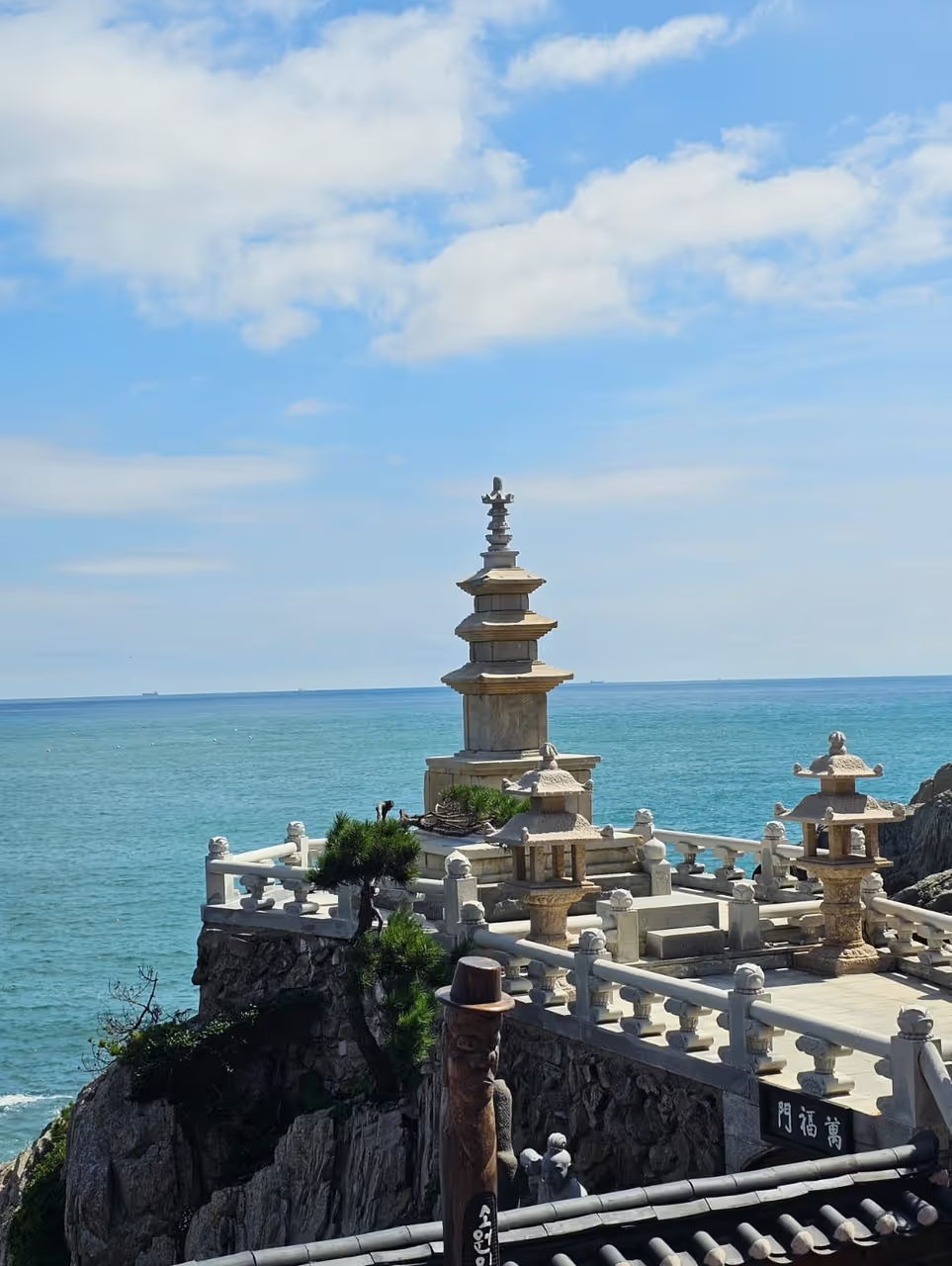
viewOcean Dragon Temple
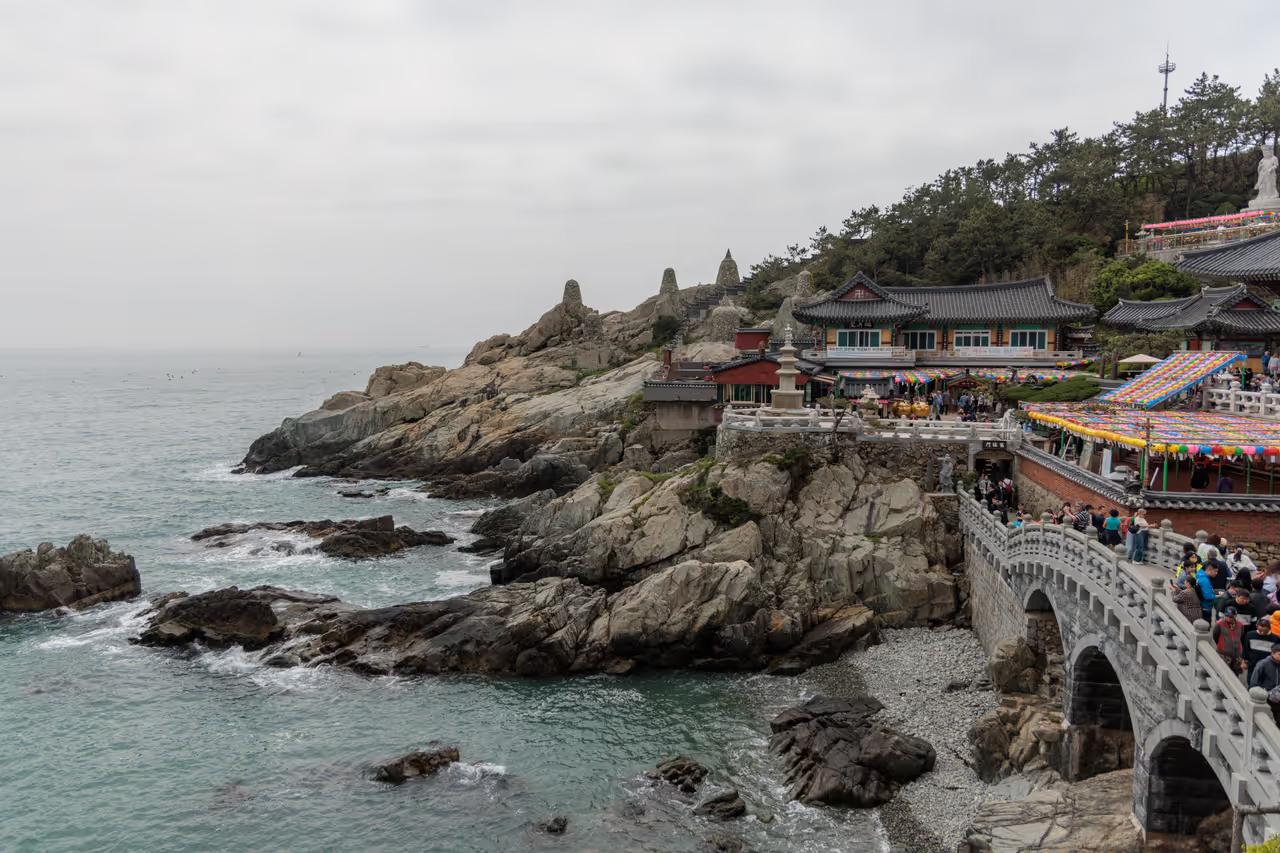
Unlike the vast majority of traditional shrines situated high in the mountains, this stunning complex is built directly onto...
view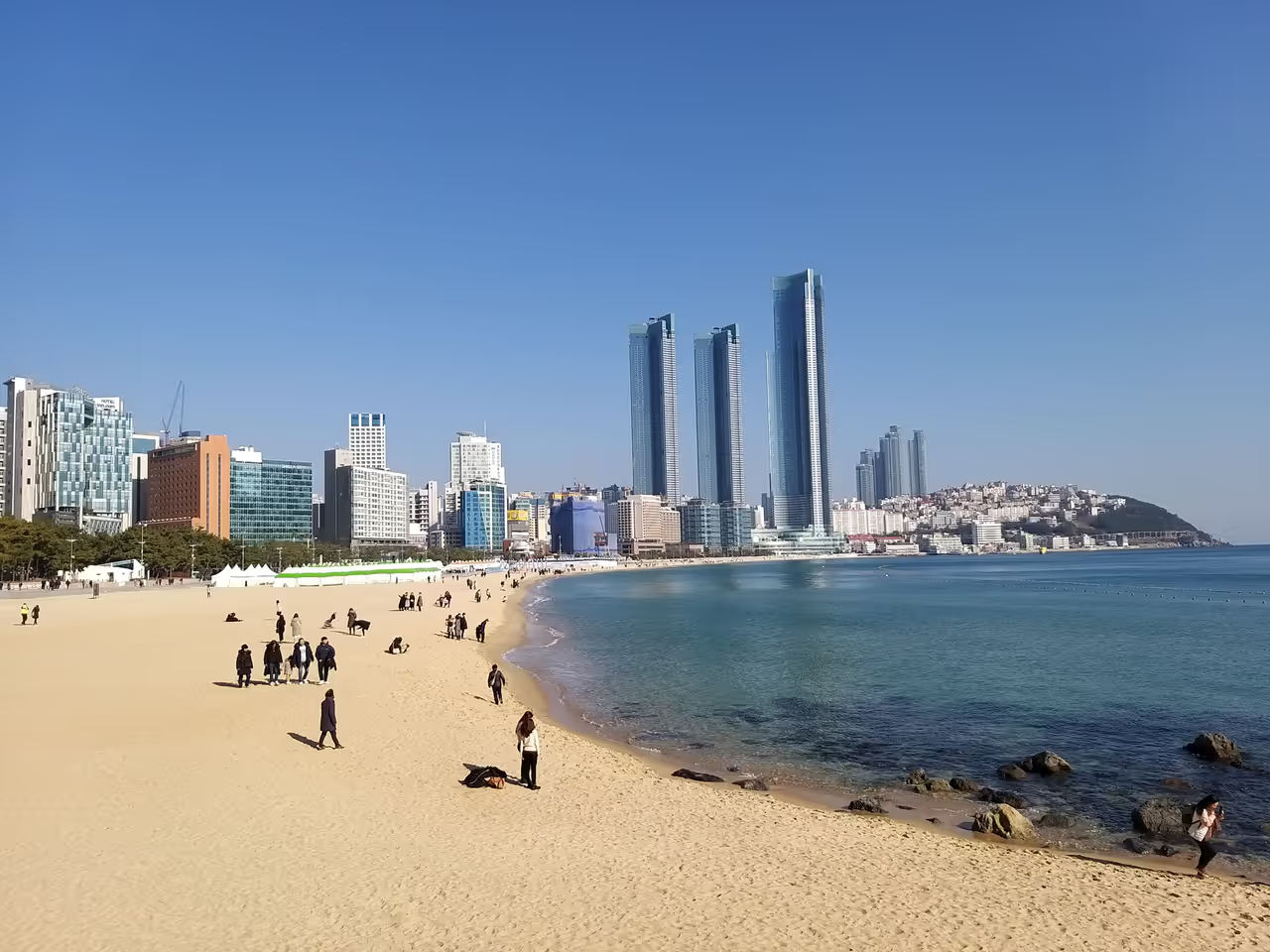
LCT The Sharp
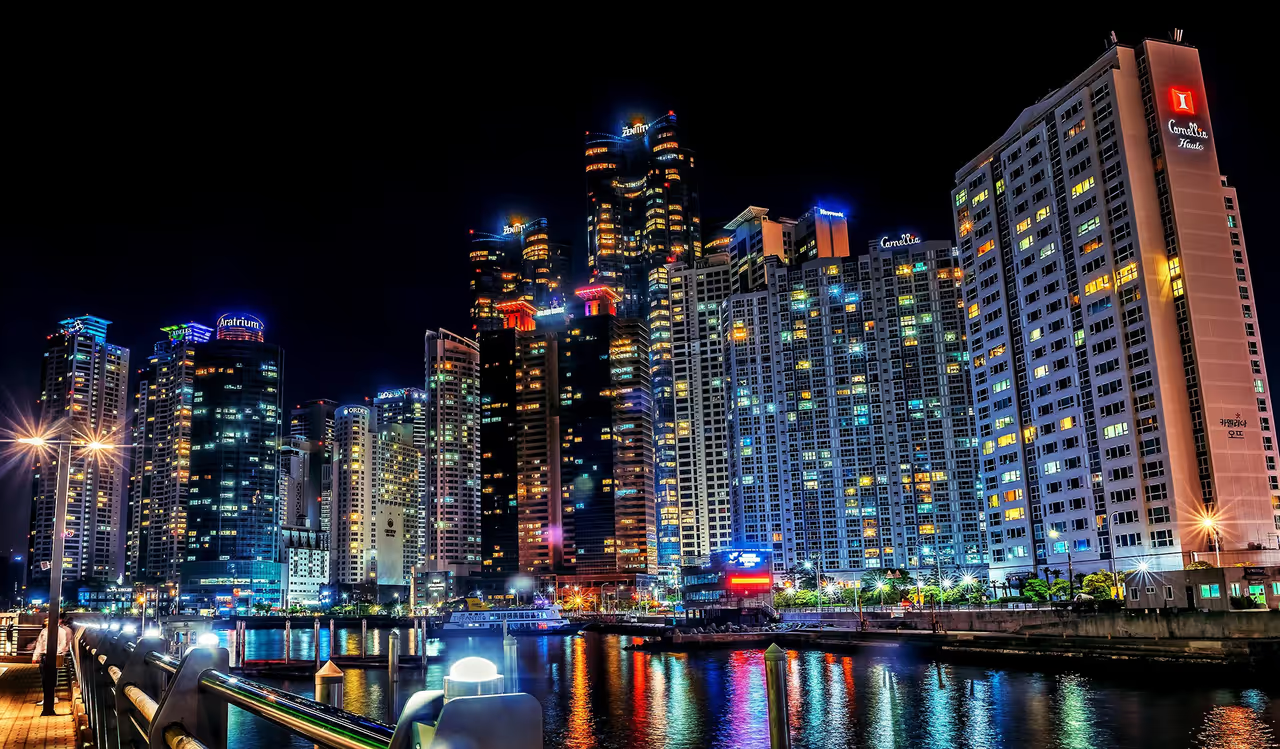
Dominating the eastern skyline, this trio of colossal skyscrapers represents the pinnacle of contemporary luxury residential...
view
Markets & Shopping
Busan Nightlife
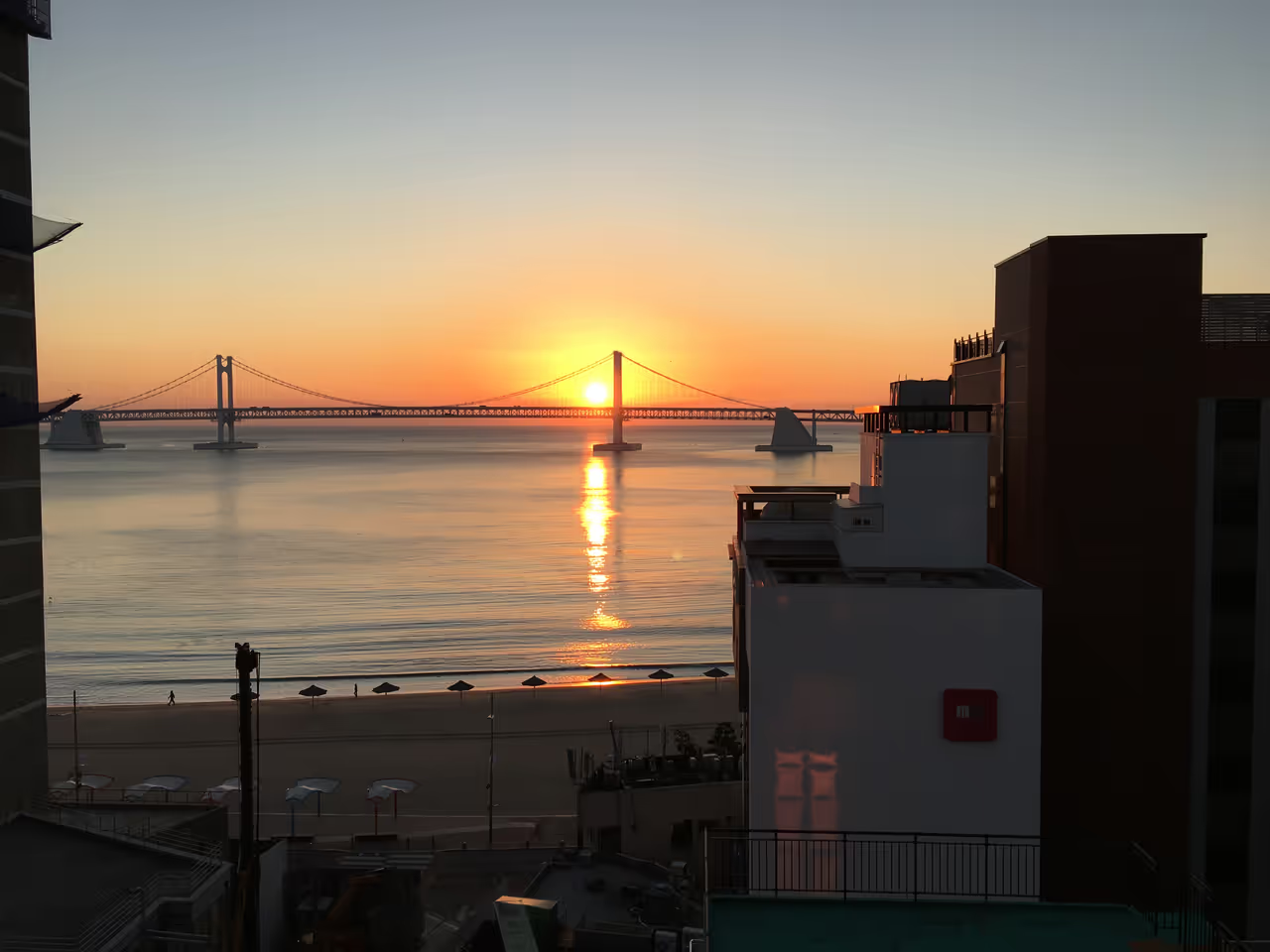
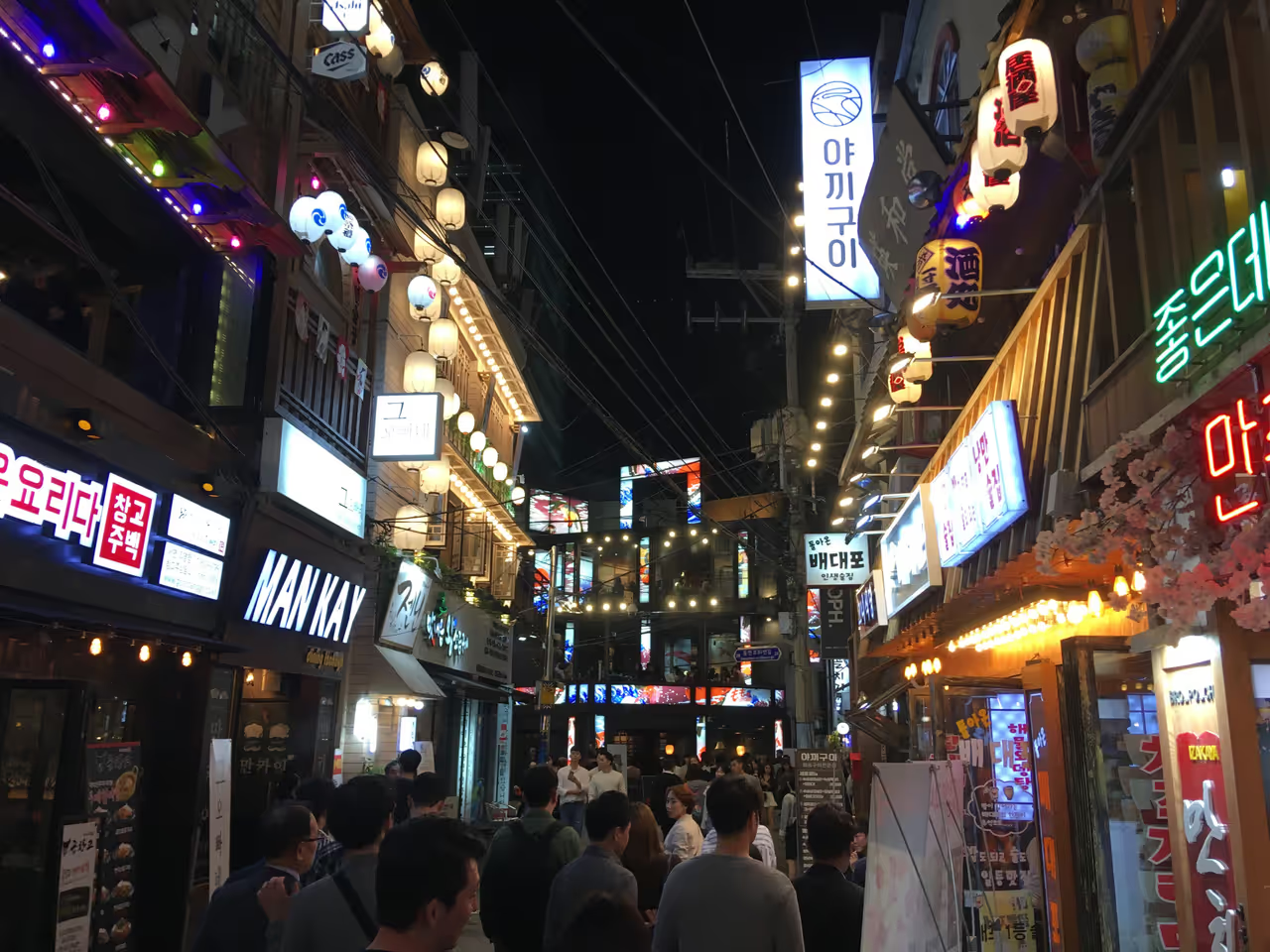
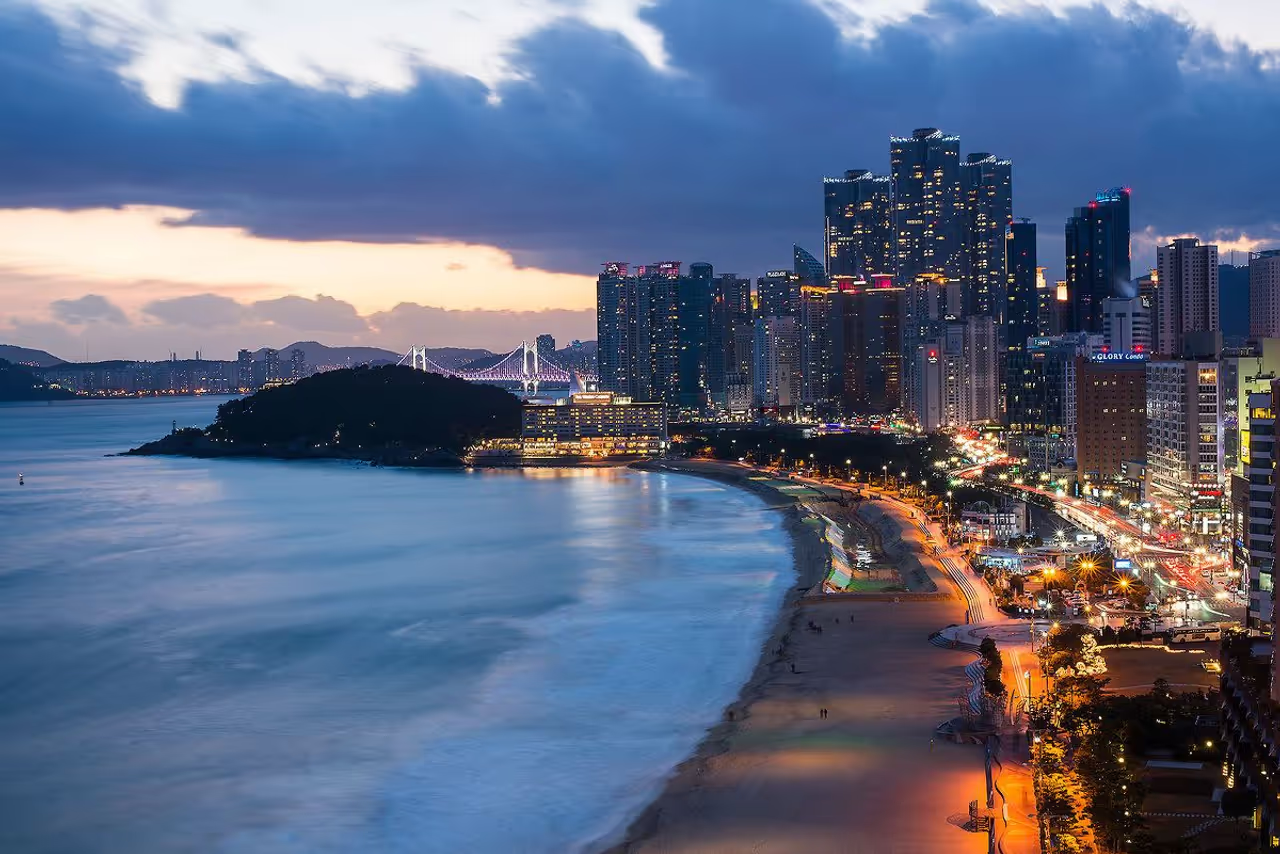
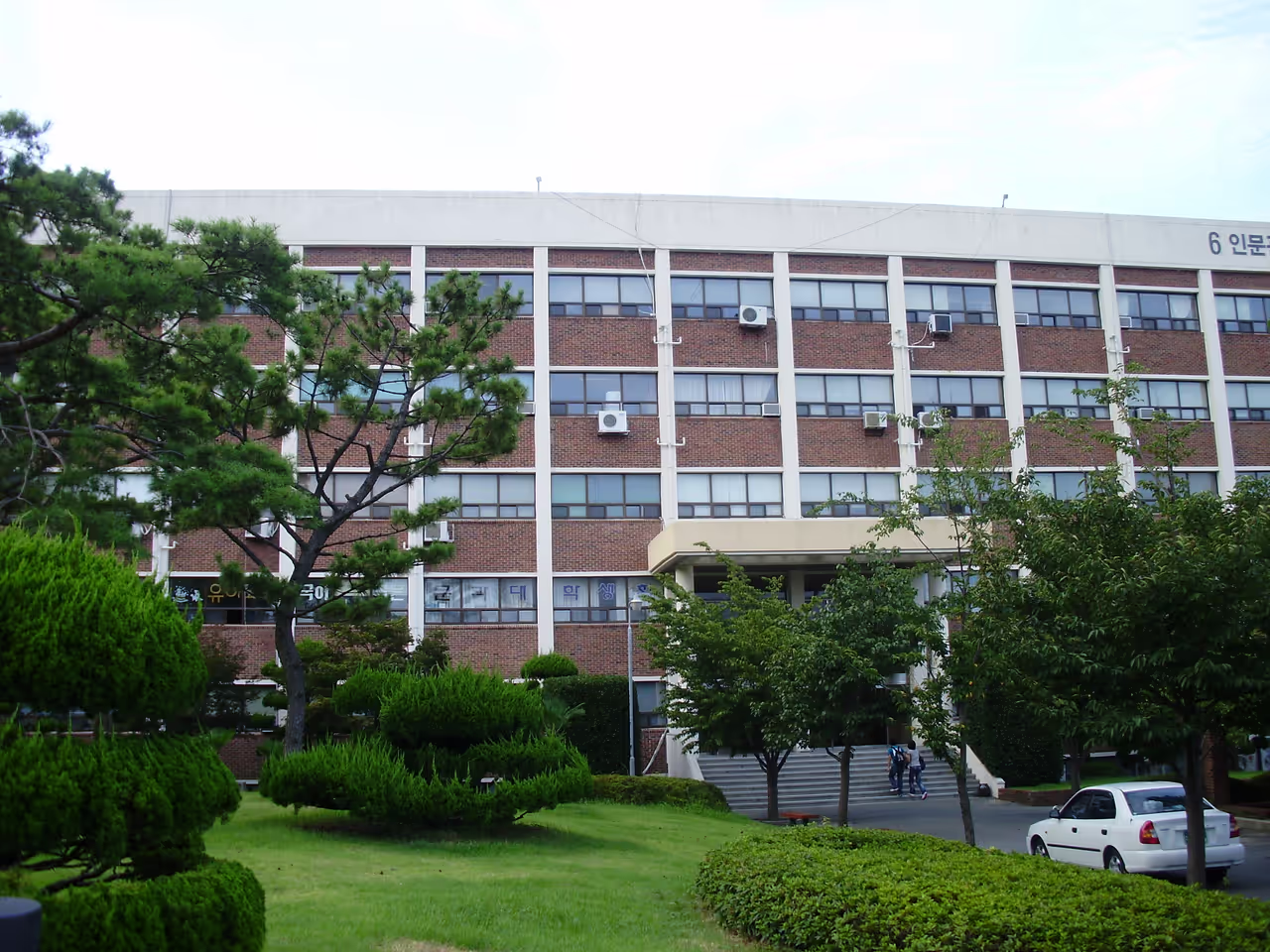
Photo Spots
Activities & Experiences
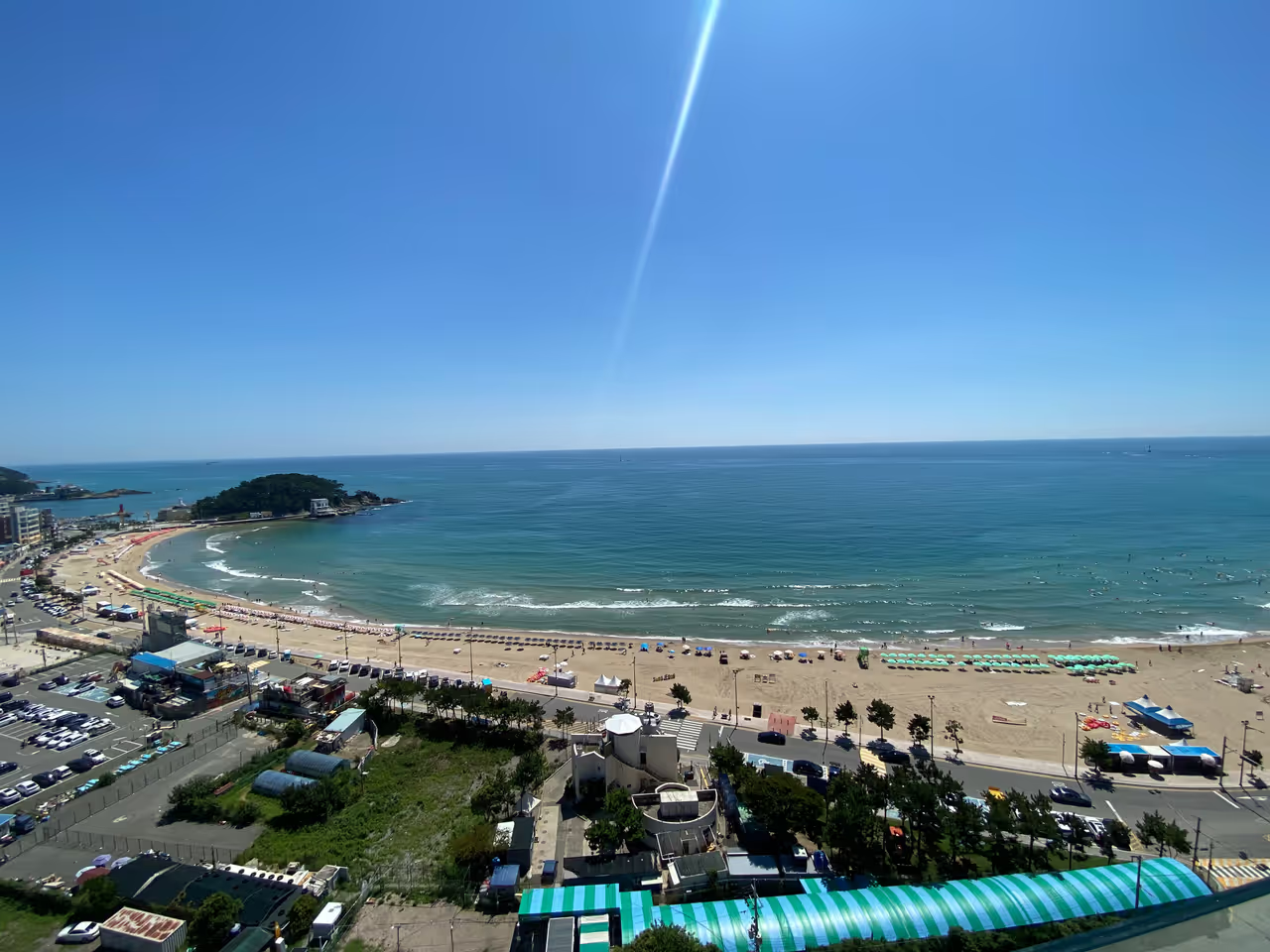
Cycling Routes
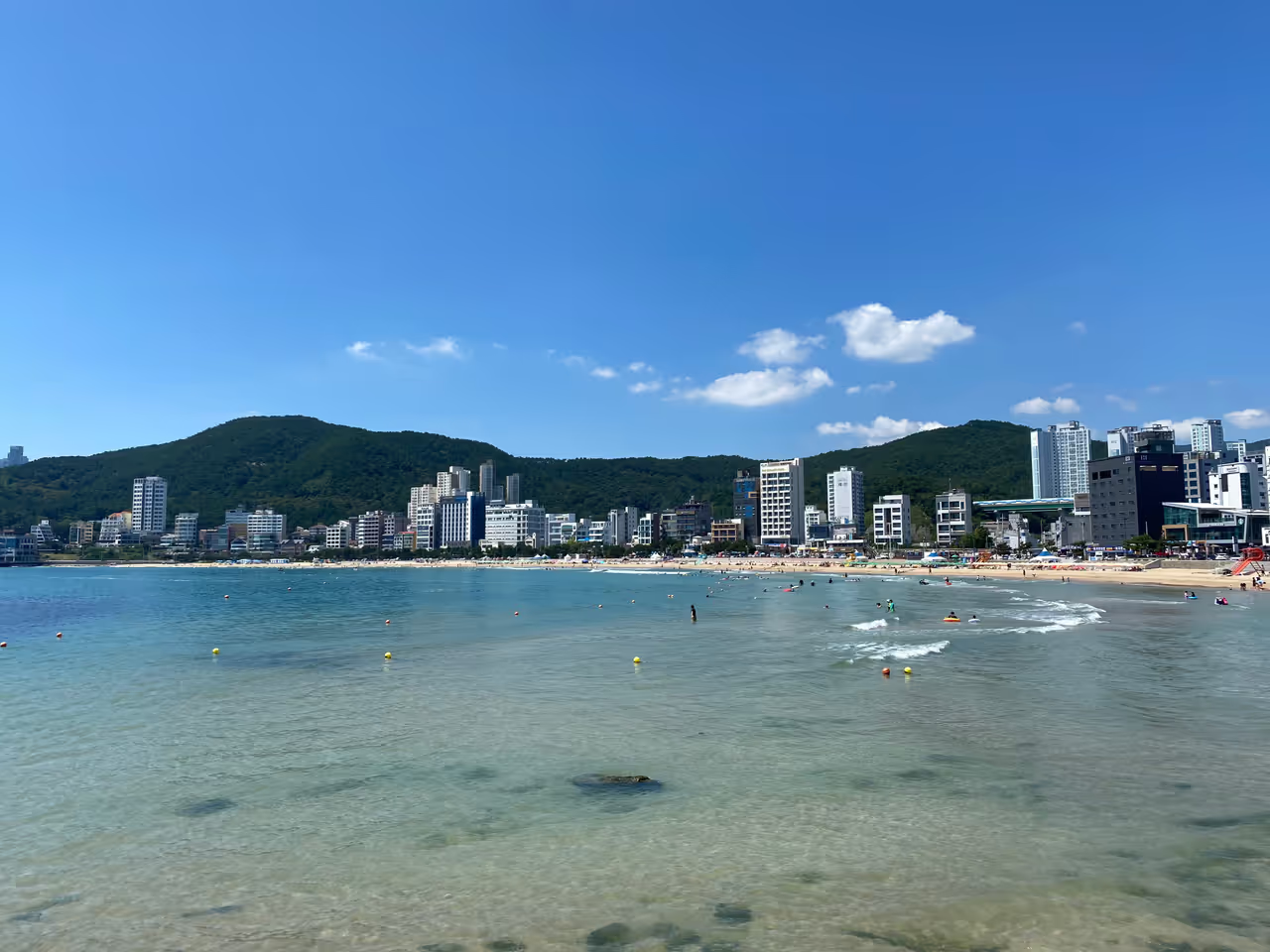
Eastern Beaches Ride
Pedal along the spectacular coastline, connecting the city's most famous sandy shores. The route offers uninterrupted views of the vast ocean and passes through fragrant pine forests. Cyclists will encounter elegant seaside cafes and sophisticated art galleries along the elevated sections of the road. It provides a fantastic way to experience the transition from busy urban beaches to quieter, more secluded coves. The gentle sea breeze and the sound of crashing waves make this a highly refreshing journey.
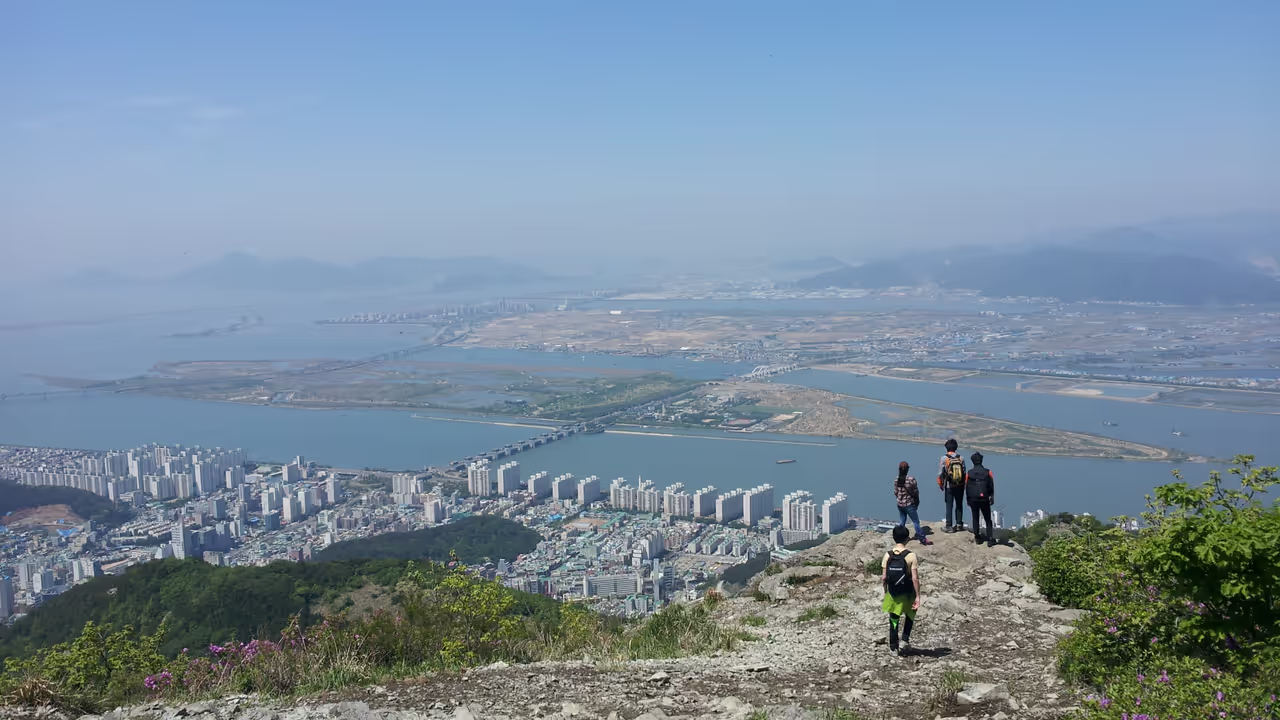
River Delta Greenway
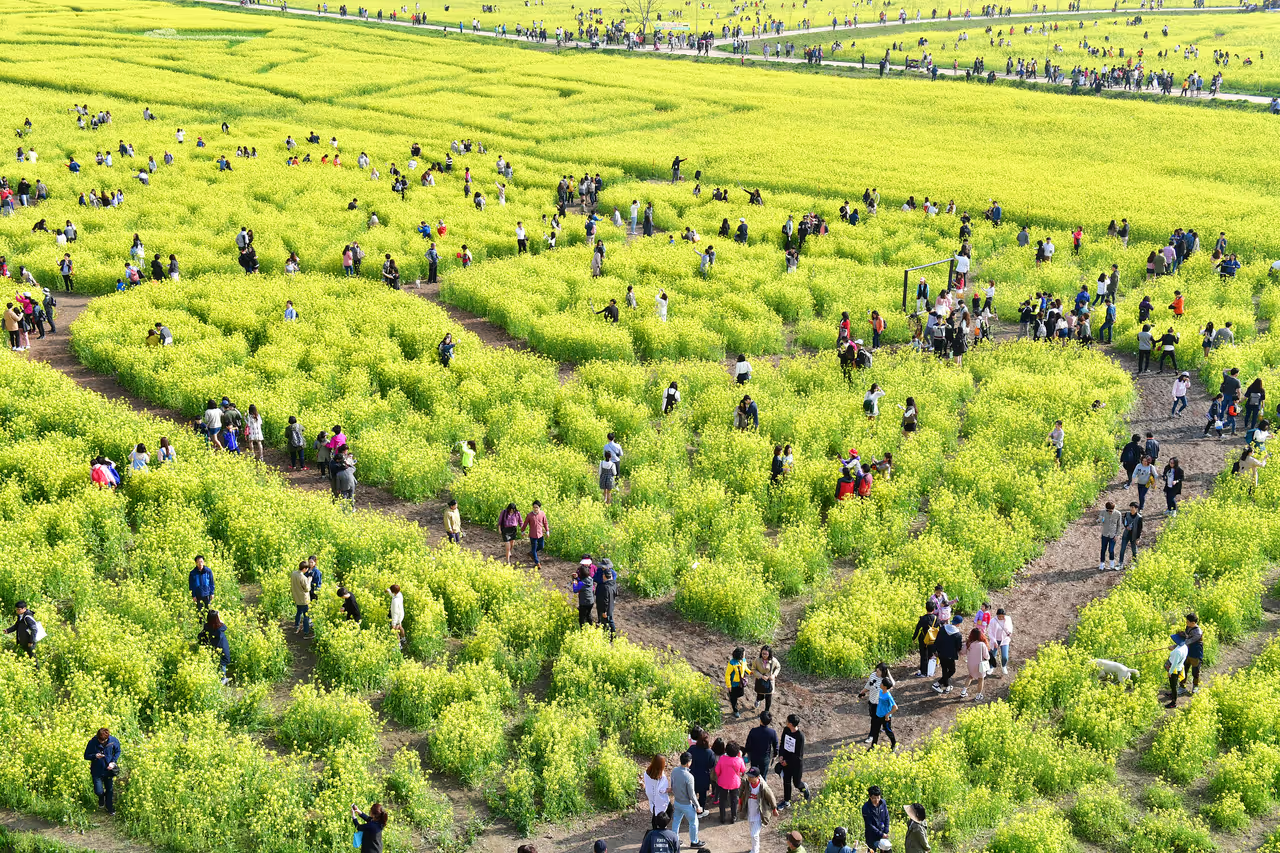
Explore the expansive, flat wetlands where the massive river meets the sea. The dedicated paths wind through tall reeds, vibrant flower fields, and serene natural habitats. This route is exceptionally flat and completely separated from motor traffic, making it perfect for a leisurely, stress free ride. Cyclists can observe numerous species of migratory birds that flock to this protected ecological zone. It offers a profound sense of peace and isolation, contrasting sharply with the dense urban core.
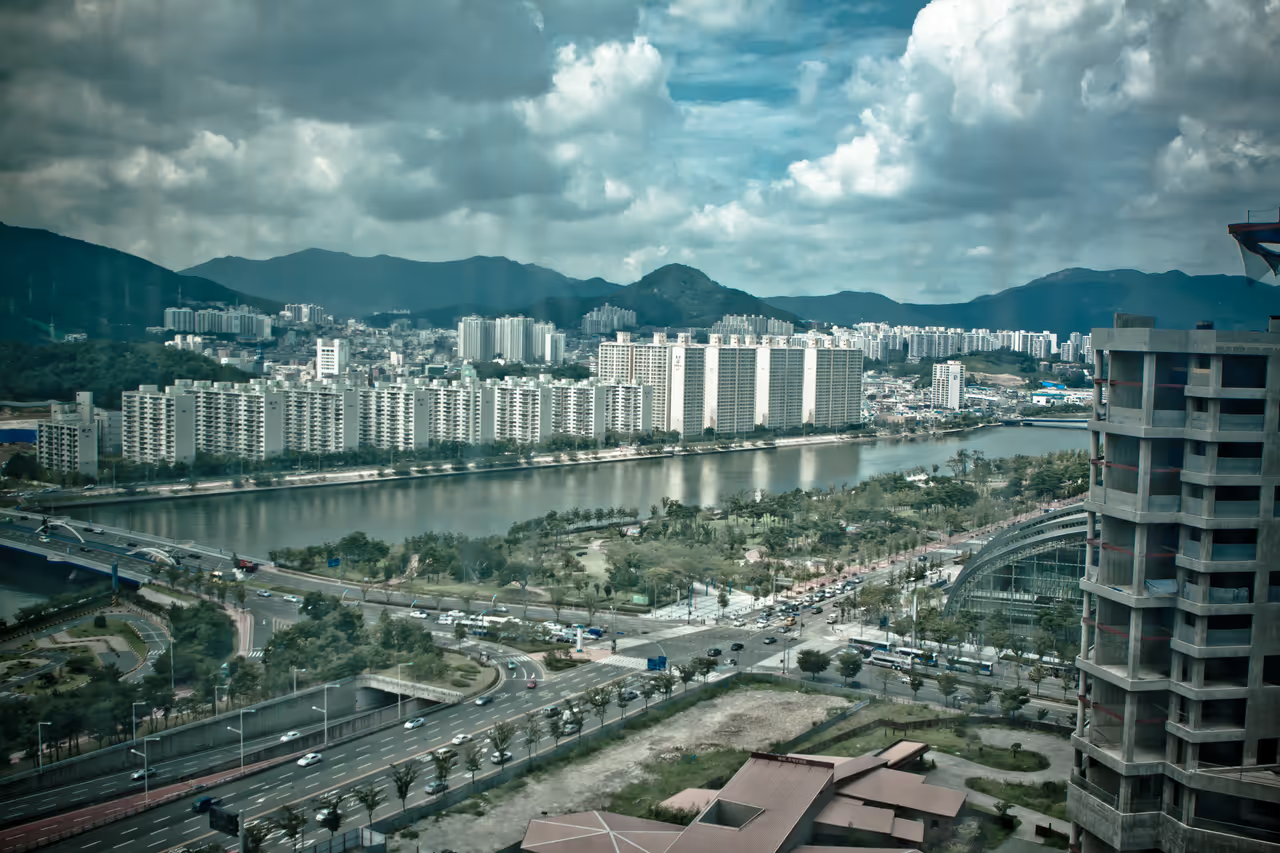
Urban Stream Path
Follow a revitalised waterway that cuts directly through the bustling residential heart of the city. The smoothly paved trail runs below street level, offering a surprisingly quiet corridor away from the traffic above. The banks are beautifully landscaped, featuring vibrant cherry blossom trees in the spring and lush greenery throughout the summer. Locals heavily utilise this path for daily exercise, providing a great opportunity for people watching. It is a fantastic example of successful urban renewal integrating nature into everyday life.
Self-Guided Tours
- HIGHLY RECOMMENDED
Historic Refugee Capital
Trace the poignant history of the city during the brutal 1950s conflict when it served as the nation's final sanctuary. This route navigates the steep, narrow alleys where desperate refugees carved out a living against all odds. Visitors will explore historic stairways that once served as vital meeting points and marketplaces built out of necessity. The journey reveals the incredible resilience of the human spirit in the face of tragedy. It provides crucial context for understanding the city's complex modern identity.
Spiritual Mountain Retreat
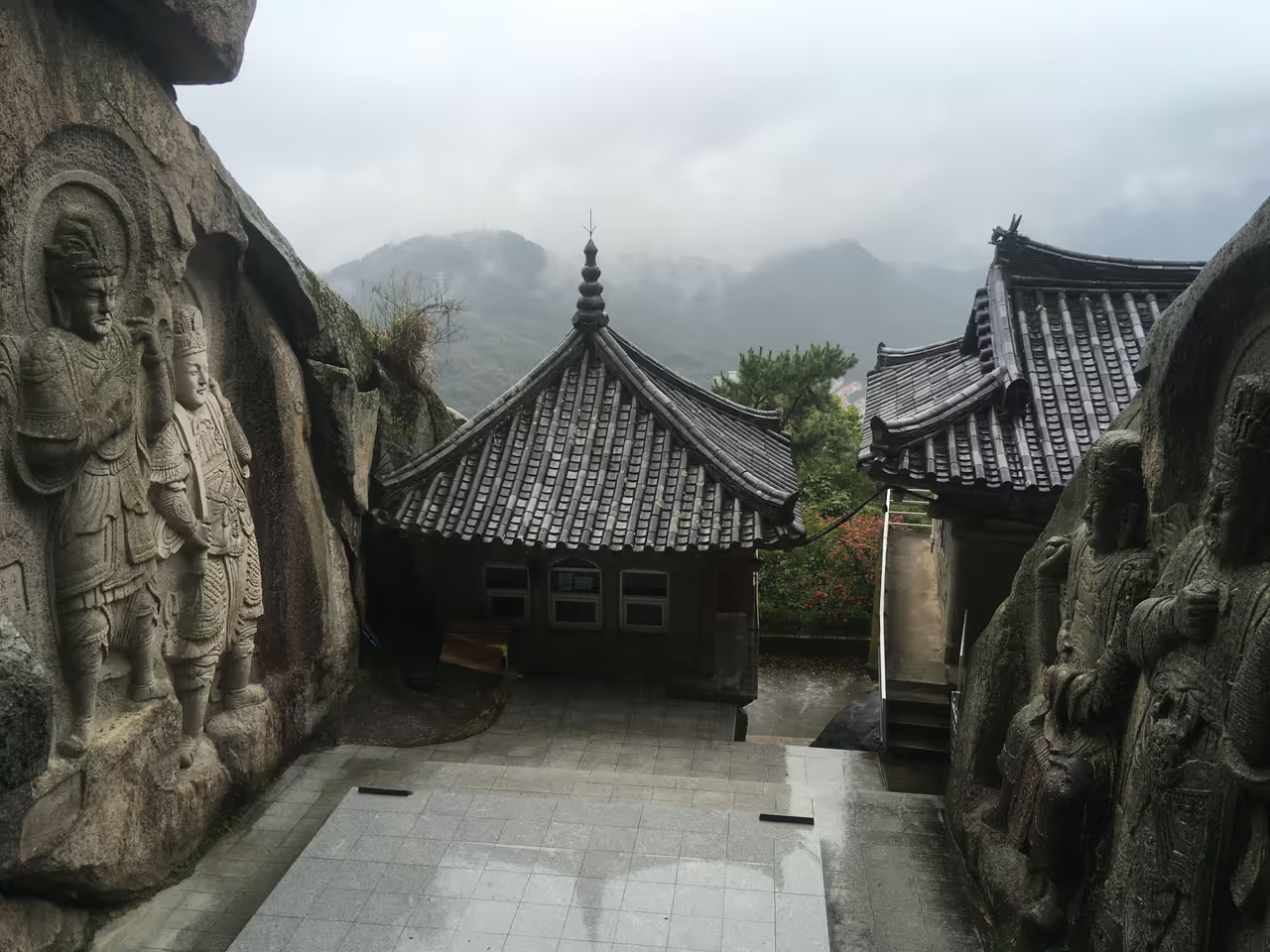
Delve into the rich spiritual heritage of the region by visiting its most significant ancient sanctuaries. This route takes explorers high into the mountains, far above the urban noise. The journey features beautifully painted wooden architecture, tranquil meditation courtyards, and the faint smell of burning incense. Visitors will also encounter monumental stone fortresses that once protected these sacred grounds from foreign invasion. It is an ideal path for those seeking a profound sense of peace and historical connection.
Modern Architecture and Cinema
Discover the futuristic ambition of the city through its most cutting edge structural achievements. This route explores a district entirely dedicated to contemporary design, luxury commerce, and international media. Walkers will marvel at gravity defying cantilever roofs, massive glass convention centres, and towering residential skyscrapers. The journey highlights the city's transformation into a powerhouse of Asian film and a premier destination for global events. It is a visually striking tour that showcases incredible modern engineering.
Annual Festivals & Events
 HIGHLY RECOMMENDED
International Film Festival
This prestigious event transforms the city into the cinematic capital of the continent every autumn. Thousands of industry professionals and cinema enthusiasts gather to watch groundbreaking international premieres and independent features. The spectacular architectural venue hosts glamorous red carpet events and open air screenings. Visitors can attend public interviews with famous directors and actors right on the beachfront. The atmosphere is electric, celebrating the art of storytelling through film.
 HIGHLY RECOMMENDED
International Fireworks Festival
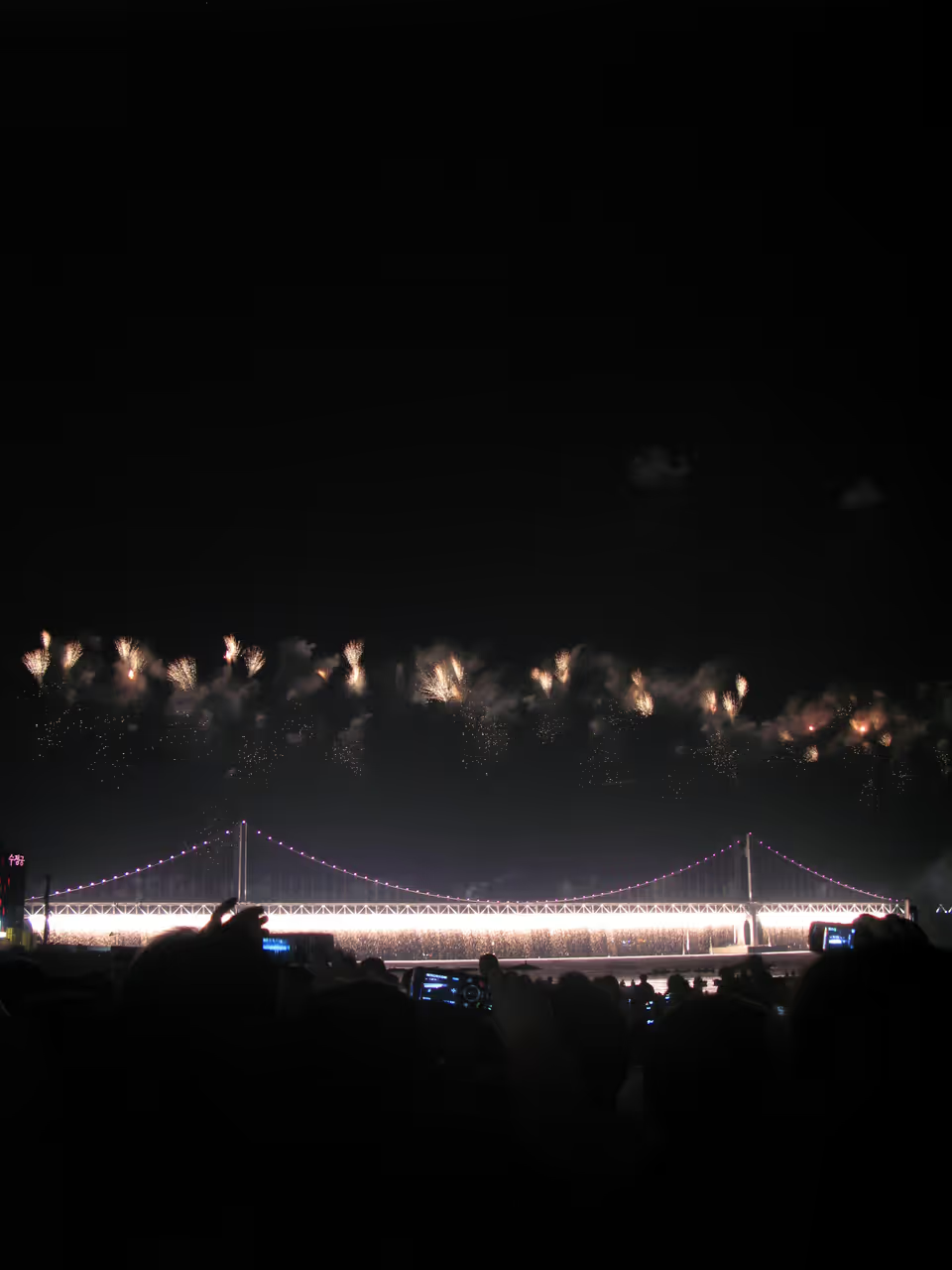
The night sky above the iconic suspension bridge erupts in a massive display of pyrotechnics and laser lights. Over a million visitors crowd the beaches and nearby mountains to witness this spectacular visual show. The intricate fireworks are choreographed to a booming musical soundtrack, creating a highly emotional experience. Crowds arrive hours early to secure the best viewing spots on the sand. The reflection of the colourful explosions on the dark ocean water is truly mesmerising.
Polar Bear Swim
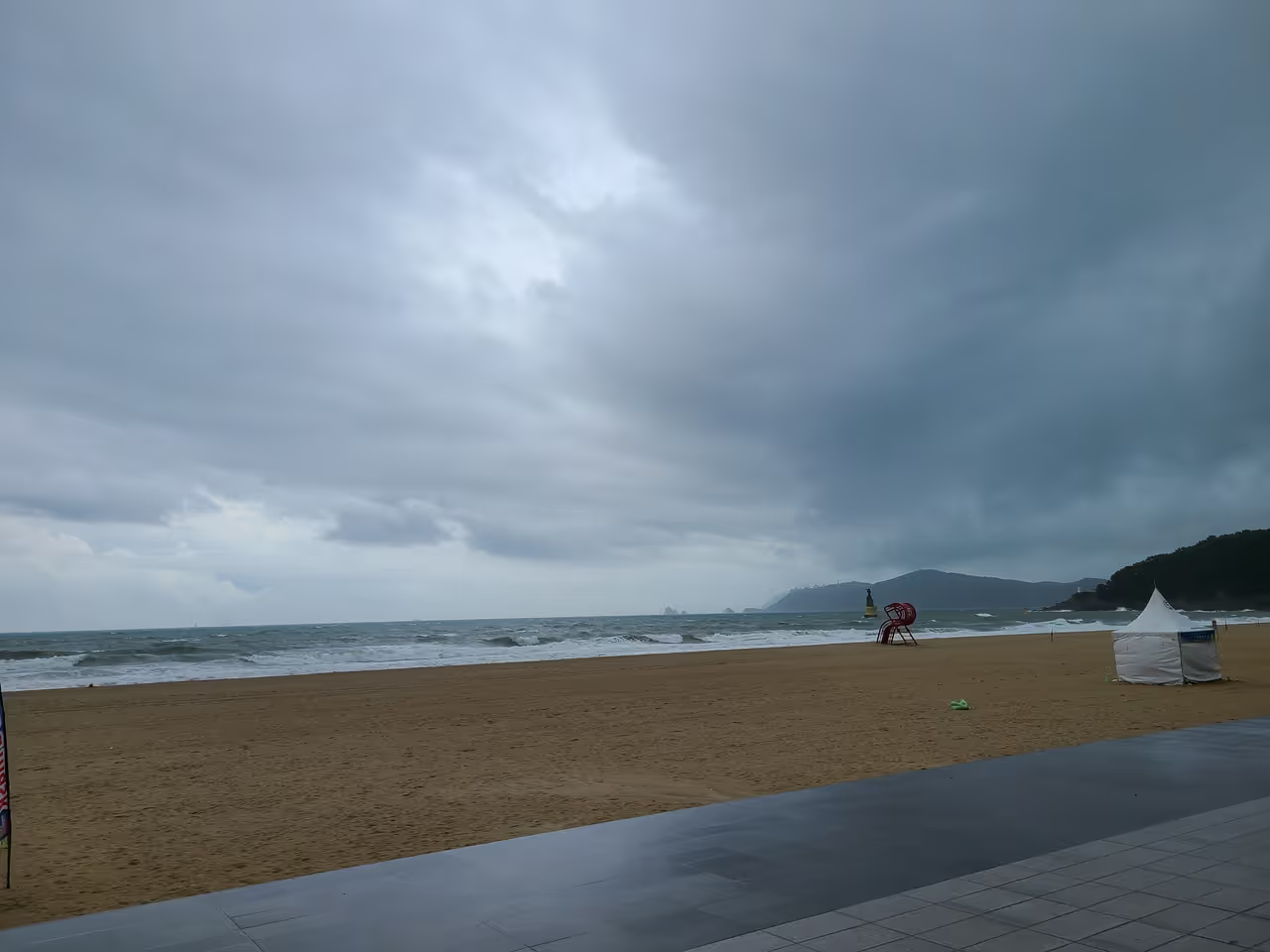
Thousands of brave participants gather on the freezing winter beach to welcome the new year with an icy plunge. This exhilarating tradition features people of all ages sprinting into the frigid ocean waters. The event promotes physical health and mental resilience, creating a joyous and slightly chaotic spectacle. Spectators line the sandy shores, wrapped in thick coats, cheering on the swimmers. Warm drinks and festive music help keep the energetic crowd motivated.
Insider Tips
Purchase a rechargeable transit card from a convenience store immediately upon arrival to secure discounted fares and free transfers between buses and trains.
Visit the main fish market very early in the morning to witness the energetic daily catch auctions before heading upstairs for a fresh seafood breakfast.
Seats with yellow covers at the front of public buses are strictly reserved for the elderly, pregnant, or disabled passengers.
The local dialect is distinct and can be difficult to understand even if you have studied standard Korean, so rely on translation apps for complex requests.
Always make eye contact and wait for drivers to fully stop at zebra crossings, as vehicles frequently ignore pedestrian right of way.
Be aware of coastal warning signs; while extreme weather is rare, the beaches do have active alert systems for high tides and severe storms during late summer.
PERFECT FOR
This destination is perfect for travellers who appreciate a blend of urban exploration and natural scenery. Food enthusiasts will find the local seafood markets and regional specialities highly rewarding. It is equally appealing to culture seekers attending international festivals and outdoor lovers looking to hike coastal mountains.
VIBE
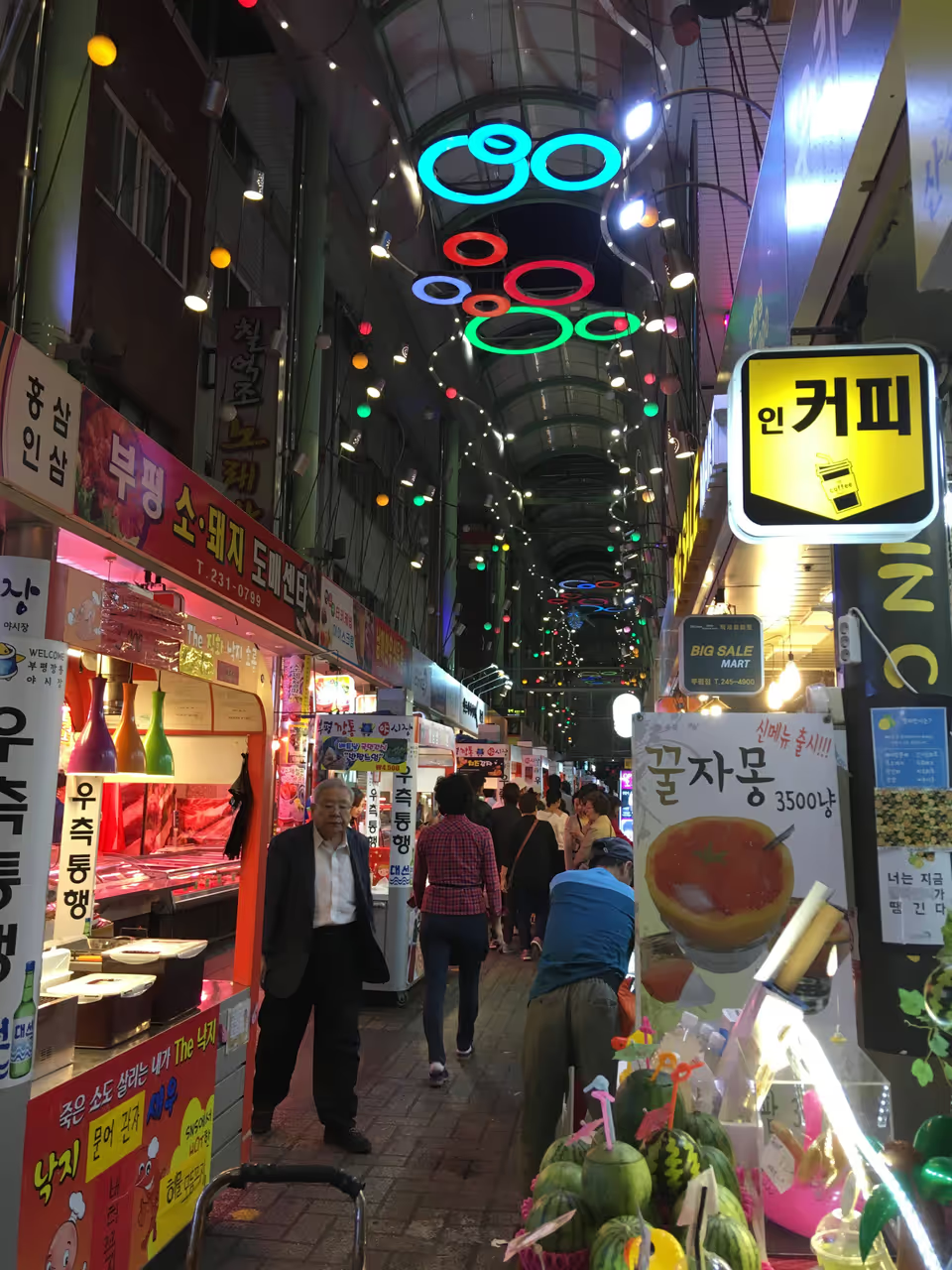
The atmosphere feels incredibly dynamic, blending the raw energy of a major working port with the relaxed rhythm of a beach resort. Salt air drifts through narrow market streets filled with the sounds of local merchants selling their daily catch. At night, the coastline transforms into a glittering display of neon lights reflecting over the dark ocean.
Frequently Asked Questions about Busan
While we strive to keep this information accurate and up to date, we recommend verifying any details independently before making decisions based on them.