Beomeosa Temple
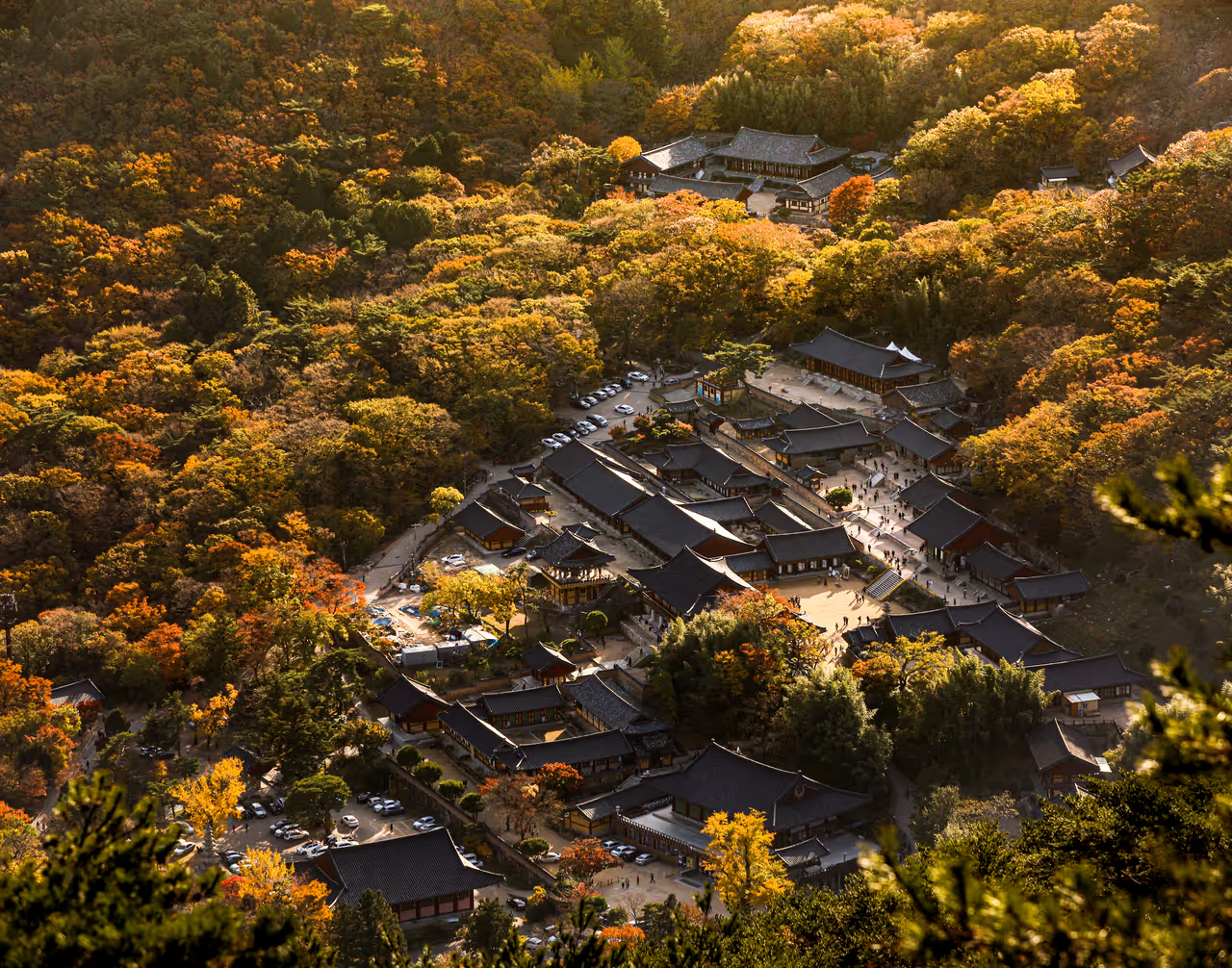
Perched on the wooded slopes of Geumjeongsan Mountain, Beomeosa offers a peaceful escape from the energy of Busan. As one of the most significant head temples of the Jogye Order of Korean Buddhism, its historic architecture and lush surroundings create an atmosphere of profound stillness. You can wander through ancient gates, marvel at the vibrant wisteria in spring, or even partake in a meditative temple stay to gain insight into monastic life. The temple’s unique name, which translates to Temple of the Nirvana Fish, is steeped in a fascinating legend about a golden fish from heaven that inhabits a mystical spring near the peak. It is a place where history, nature, and spirituality converge, offering a rare opportunity to connect with Korea’s rich cultural heritage.
Videos
History of Beomeosa Temple
Established in 678 during the Silla Kingdom, Beomeosa was born under the royal decree of King Munmu. It was envisioned as a grand sanctuary, encompassing vast lands and hundreds of dormitory rooms, serving as a pillar of the Avatamsaka School. This was a golden age of spirituality, where the temple stood not just as a religious site, but as a centre of profound intellectual and cultural activity, drawing pilgrims and scholars from across the peninsula to its quiet mountain perch. The centuries, however, brought severe trials, most notably the devastation wrought by the Japanese invasions in 1592. The temple was nearly reduced to ash, a loss that could have marked its end. Yet, the resilience of the monks and the local people prevailed. In 1613, a significant reconstruction effort led by masters such as Myojeon and Haemin brought the structures back to life. The main Buddha hall and the iconic gate were resurrected from the ruins, symbolising the temple's enduring spirit and its refusal to be erased by the tides of war. Moving into the modern era, Beomeosa reinvented itself once more by embracing the Seon tradition. With the arrival of Master Gyeongheo in 1900, the temple became a powerhouse of intensive meditation training, a legacy that continues today. The temple’s recognition in 2012 as a Geumjeong Chongnim solidified its status as one of the country's most vital monastic training centres. Today, Beomeosa stands as a bridge between the ancient wisdom of Silla era monks and the seekers of the modern age, inviting all who climb its slopes to discover the legacy of the Nirvana Fish.
Events spanning 1334 years
Fun Facts
- • Beomeosa is part of the Geumjeong Chongnim, a prestigious designation reserved for the most vital monastic training centres in the country.
- • In late spring, the surrounding forest transforms into a lavender wonderland as over 6,500 wild wisteria plants bloom simultaneously.
- • It is one of only three major temples in southeast Korea, often grouped in significance with the legendary Haeinsa and Tongdosa temples.
- • The One Pillar Gate, or Iljumun, is an architectural marvel where the structure appears to be supported by a single pillar when viewed from the side, representing the one true path to enlightenment.
- • The main hall, Daeungjeon, was meticulously rebuilt in 1614 and has stood through centuries of subsequent renovations.
- • The temple complex acts as a living museum, housing official treasures including a Three Story Stone Pagoda dating back to the Silla era.
- • The temple has a long history of fighting monks who defended the region during the Japanese invasions, a legacy of martial arts prowess that persists today.
- • The temple is named after a golden fish from the Brahma Heaven that allegedly lives in a golden well atop the mountain.
- • The temple stay programme offers a rare, unfiltered look at monastic life, where guests live, eat, and meditate alongside the monks.
- • Visitors can hike to the Geumsaem or golden well near the mountain peak, which is considered a site of mystical energy and the birthplace of the temple legend.
- • Wonhyoam, one of the affiliated hermitages, was the former residence of Wonhyo, one of the most influential monks in Korean Buddhist history.
Beomeosa Temple FAQ
While we strive to keep this information accurate and up to date, we recommend verifying any details independently before making decisions based on them.
Beomeosa Temple Map & Neighborhood Explorer
This interactive map is centered on Beomeosa Temple. Zoom in and move the map around to automatically discover Wikipedia photos and summaries of other nearby sights, monuments, and historical points of interest and stories in real-time!
Places near Beomeosa Temple
Make the most of your trip. Check out these top-rated spots located nearby.
 6181m
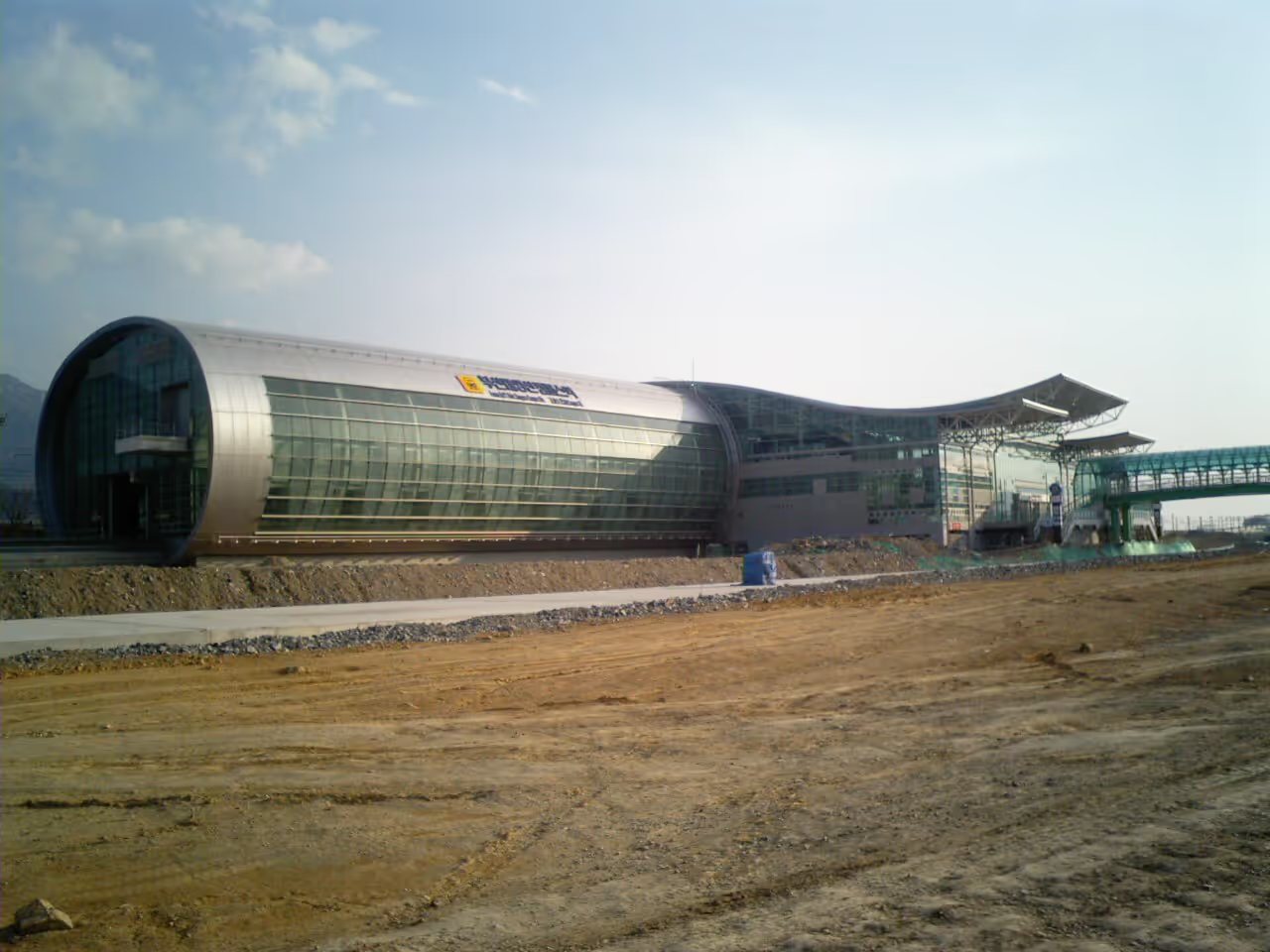
6181mPNU Area
Situated in the northern part of the city, this district offers a vibrant cultural and social scene tailored to the local student body. Weekend nights feature frequent open air street performances, adding a lively soundtrack to the evening strolls. The alleyways are filled with cosy cafes that transition into intimate bars as the sun goes down. The atmosphere is energetic yet slightly more community focused than the central downtown districts. It provides a highly authentic glimpse into the everyday social lives of local youth.
nightlife view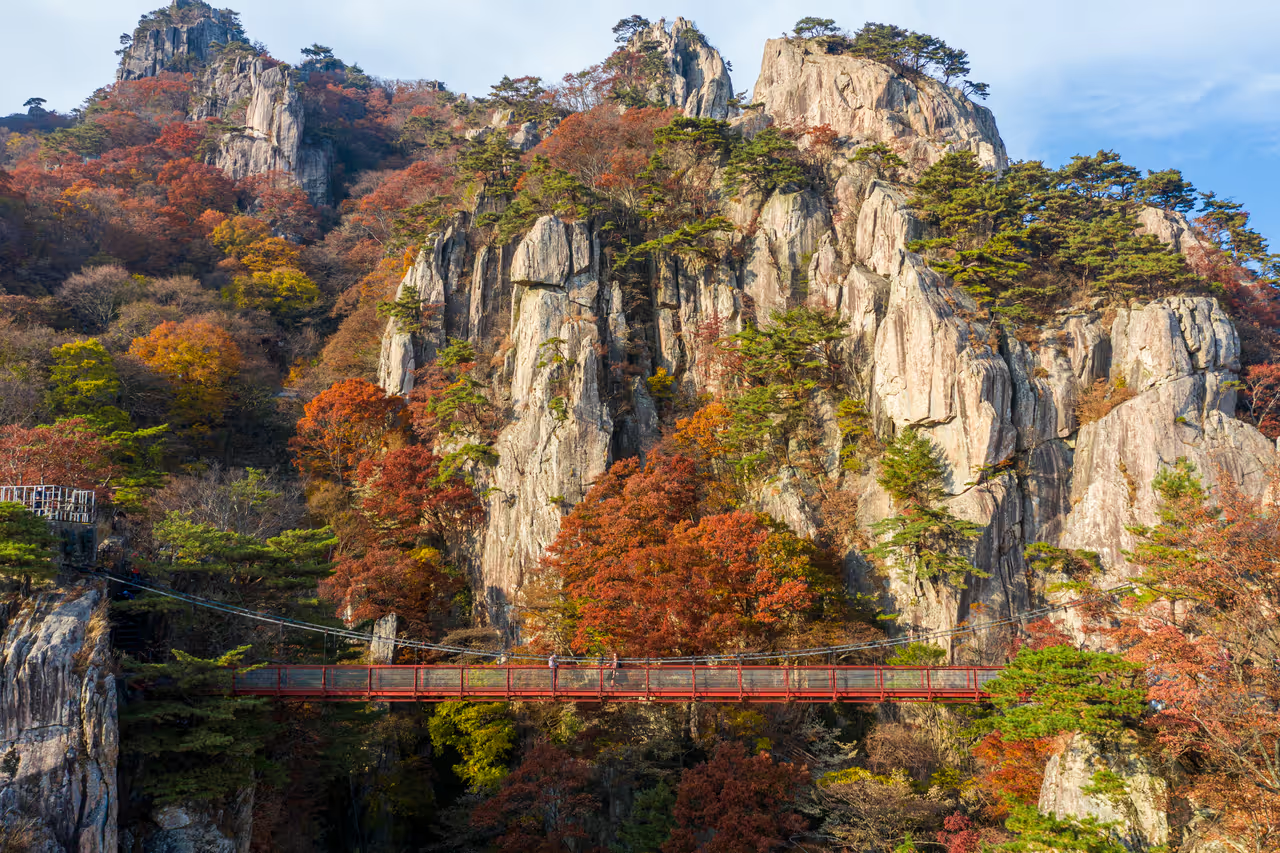 7006m
7006mGeumgang Botanical Park
Nestled at the base of the city's most famous mountain, this heavily forested retreat possesses a charming, slightly nostalgic atmosphere. Tall, ancient pine trees provide deep shade for a network of quiet walking trails and traditional wooden pavilions. Visitors can ride a vintage cable car high up the mountain slopes, offering a delightfully retro experience with excellent aerial views. The park is highly popular with older generations who gather to play traditional games and hike the lower trails. It is a fantastic destination for experiencing a slower, highly traditional approach to local leisure.
hidden gem view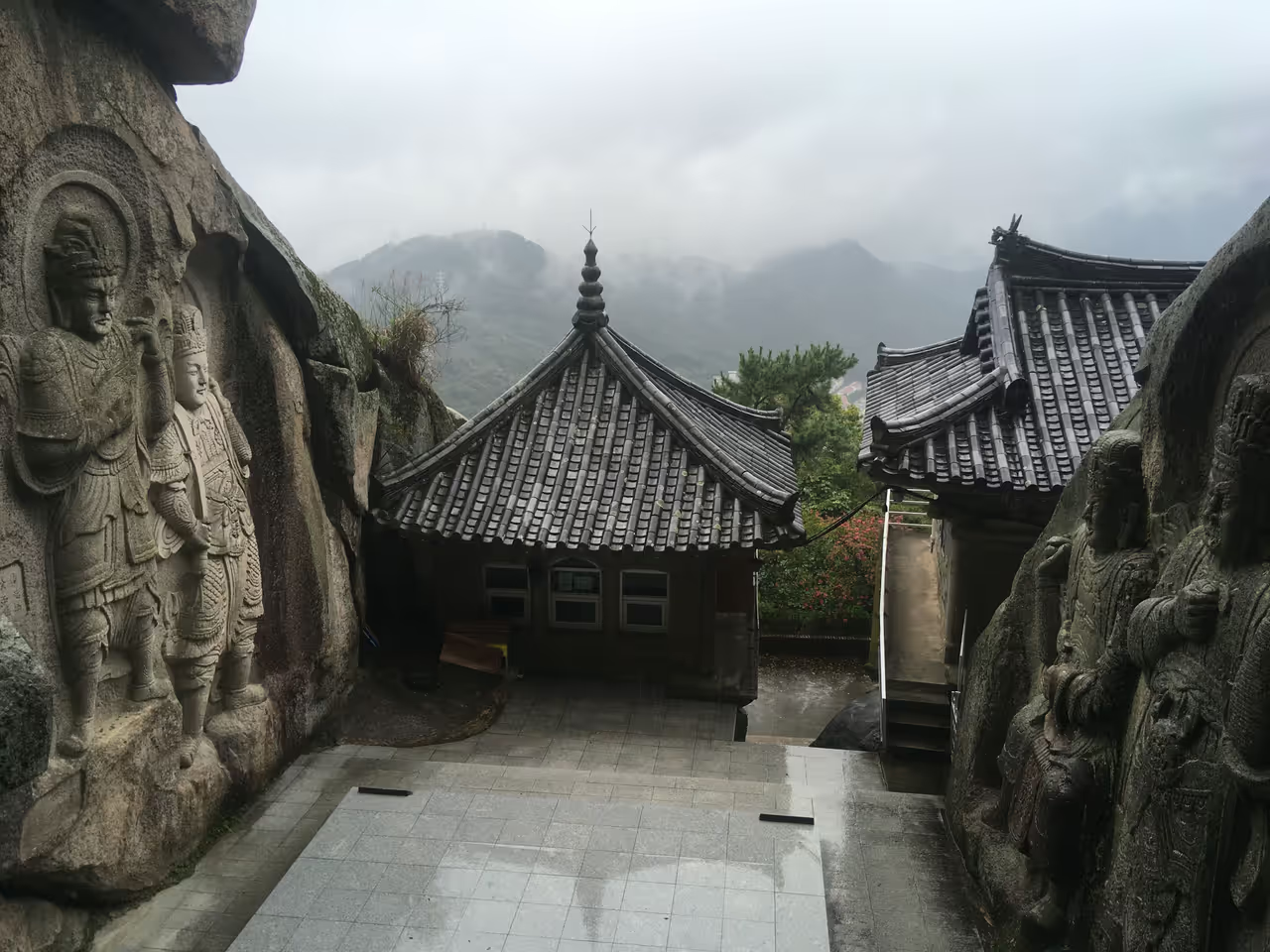 7213m
7213mStone Buddha Temple
Tucked away in a high, secluded mountain valley, this astonishing spiritual site requires significant effort to reach, making it completely free of tourist crowds. Its defining features are the monumental, incredibly detailed Buddhist figures carved directly into towering, sheer rock faces forming a natural courtyard. The acoustic quality between the stone walls is magnificent, amplifying the sounds of chanting and temple bells. It offers a profound sense of isolation and discovery that is exceedingly rare within city limits. The steep final ascent deters casual visitors, preserving the site's intense tranquillity.
hidden gem view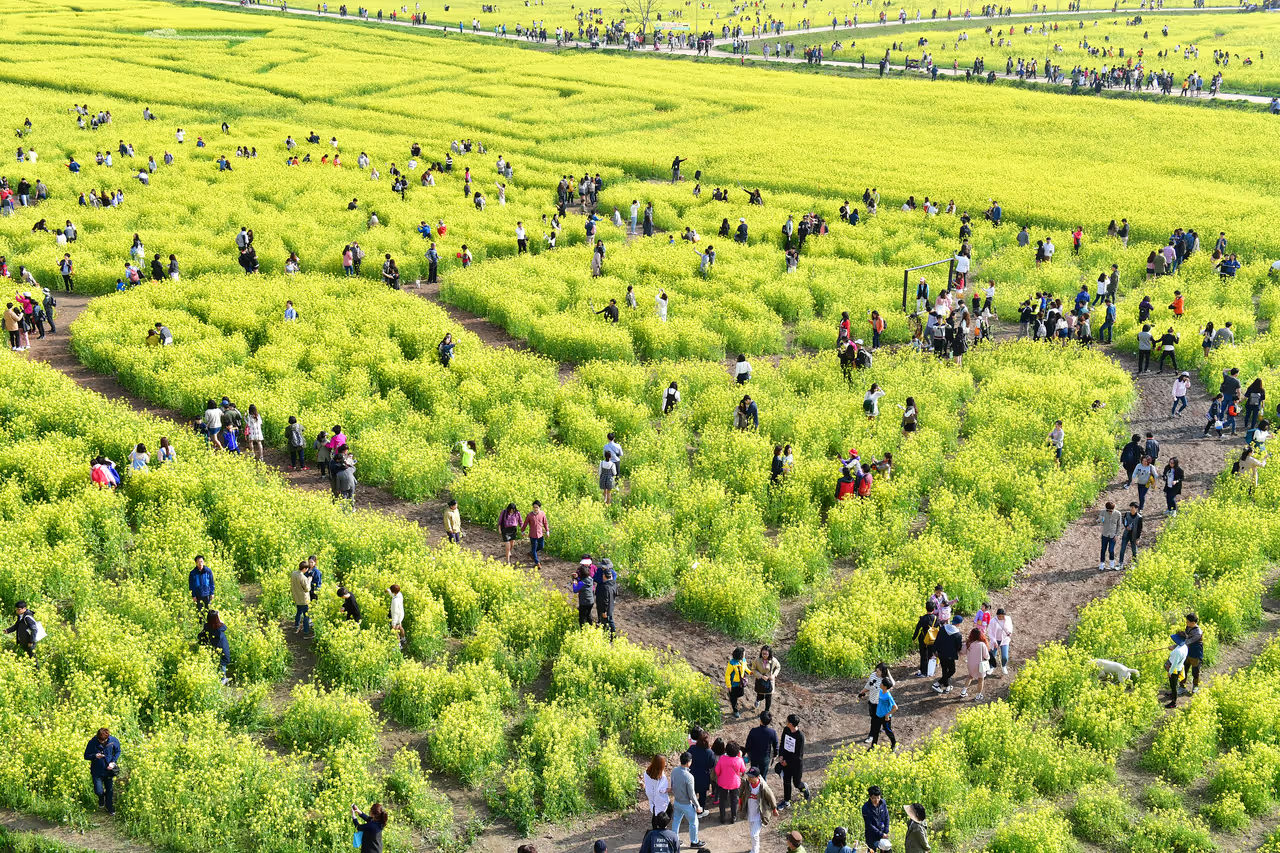 10774m
Daejeo Ecological Park
Spread across the vast delta of the country's longest river, this expansive wetland offers a stunning contrast to the densely packed metropolis. The area is heavily protected, serving as a vital wintering ground for numerous rare migratory bird species. In the spring, the park erupts into a spectacular sea of yellow as millions of canola flowers reach full bloom. Paved paths wind through tall reeds and lotus ponds, providing an exceptionally flat, accessible environment for cyclists and walkers. It feels completely removed from the intense urban energy, offering profound natural silence.
hidden gem view
Explore Similar Places in This Collection
Featured on These Itineraries and Routes
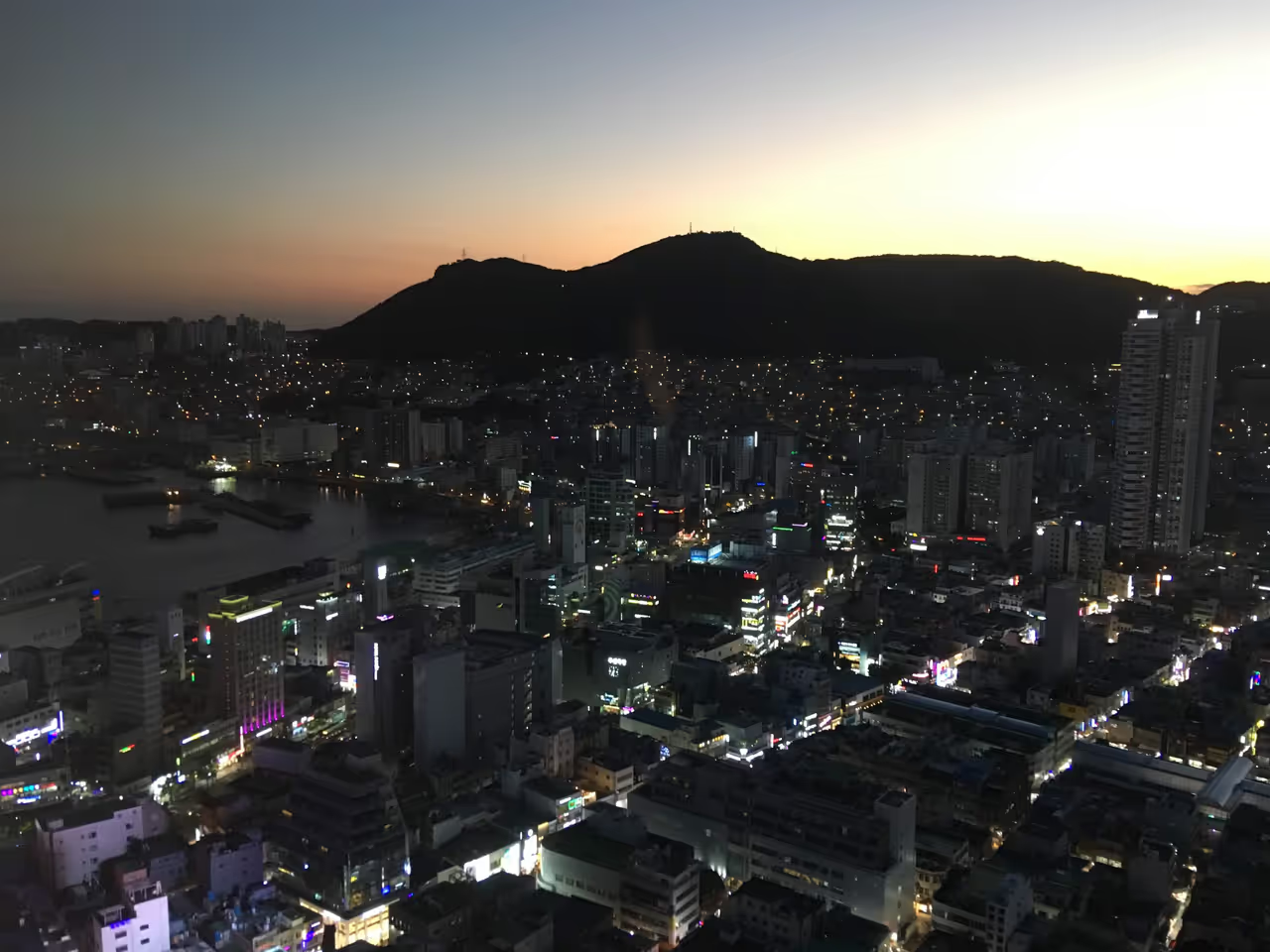

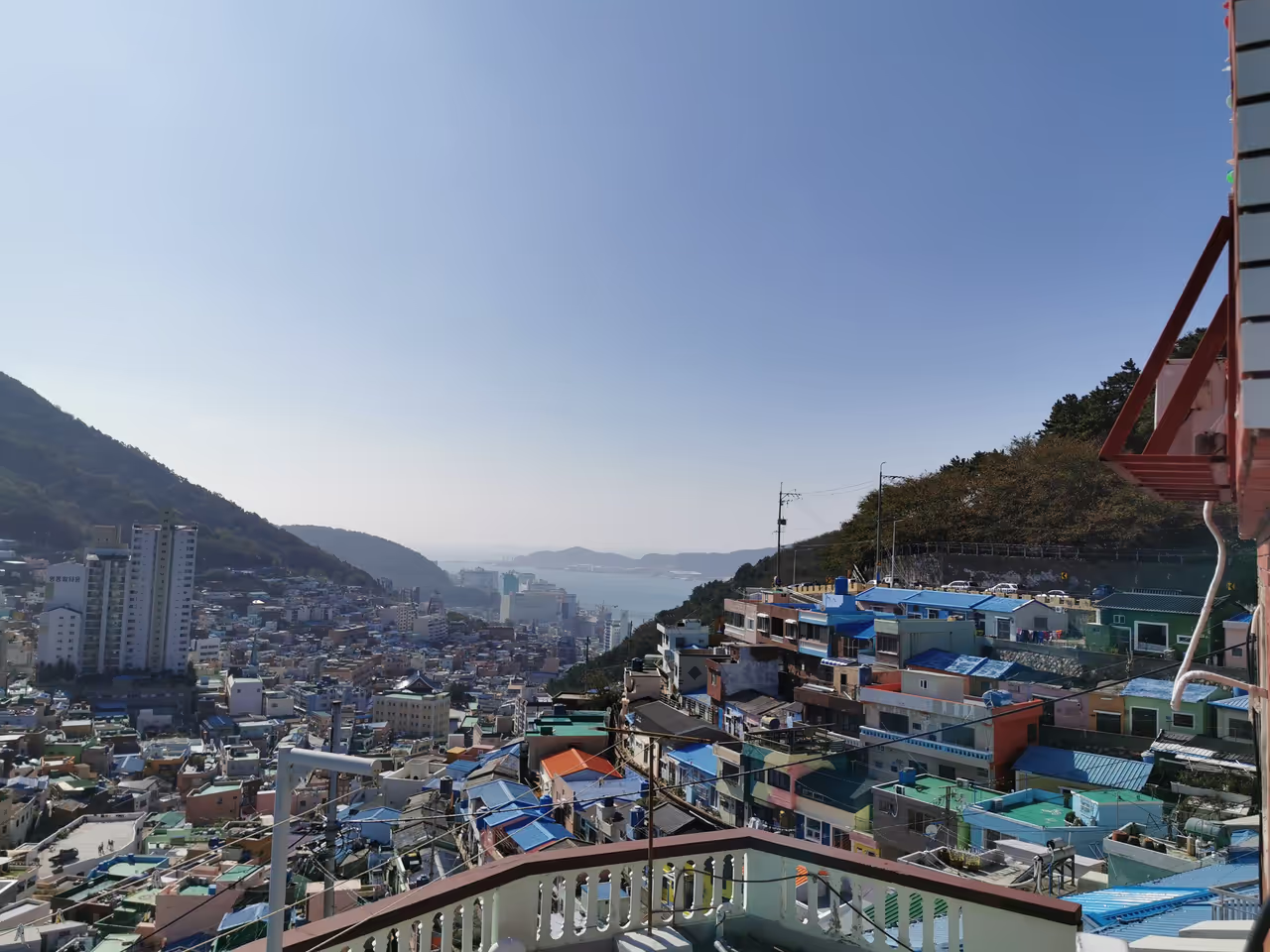
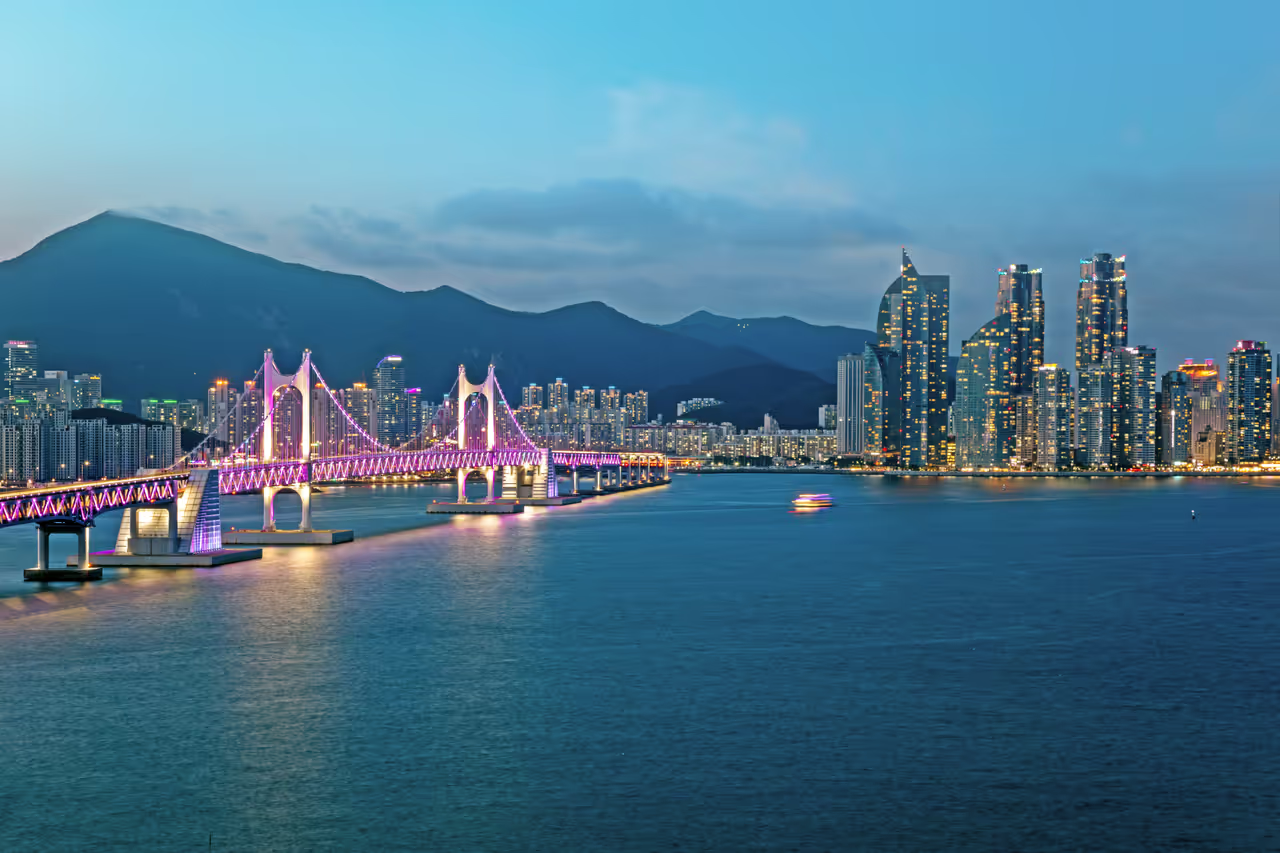
3 Days in Busan Itinerary
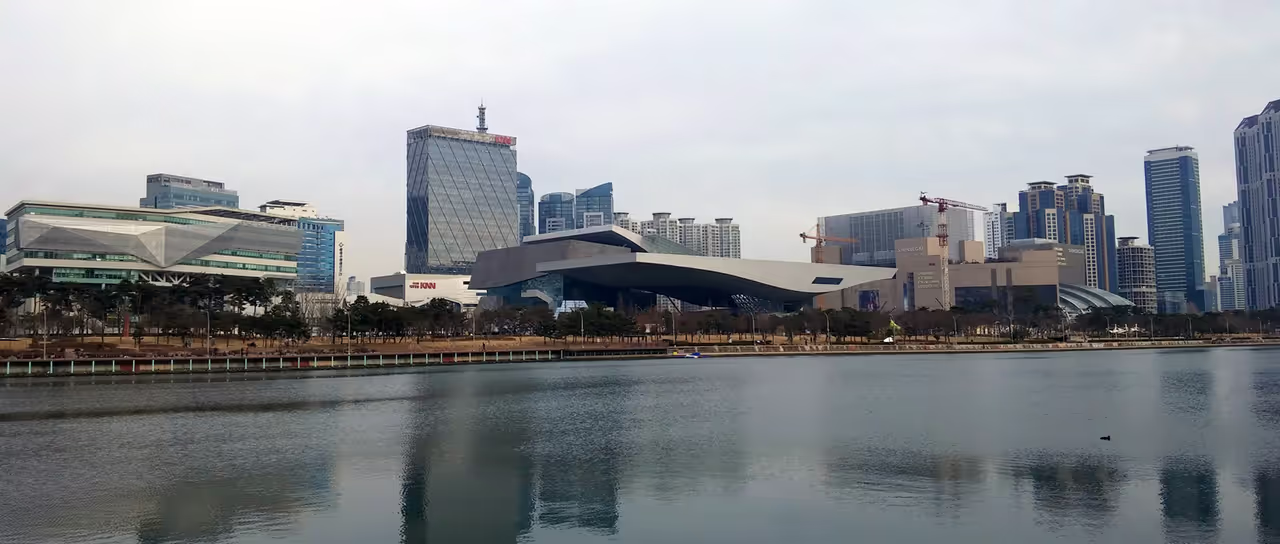
This balanced three day route allows for a deep, satisfying exploration of the city's varied districts. Day one concentrates on the glamorous eastern beaches, luxury modern architecture, and scenic coastal walks. Day two shifts focus entirely to the rugged, historic southern port area, uncovering wartime refugee history and authentic market culture. Day three provides time for spiritual reflection at an ancient mountain sanctuary before exploring the vibrant student nightlife. It perfectly encapsulates the contrasting natural and urban elements that make the city unique.
view itinerary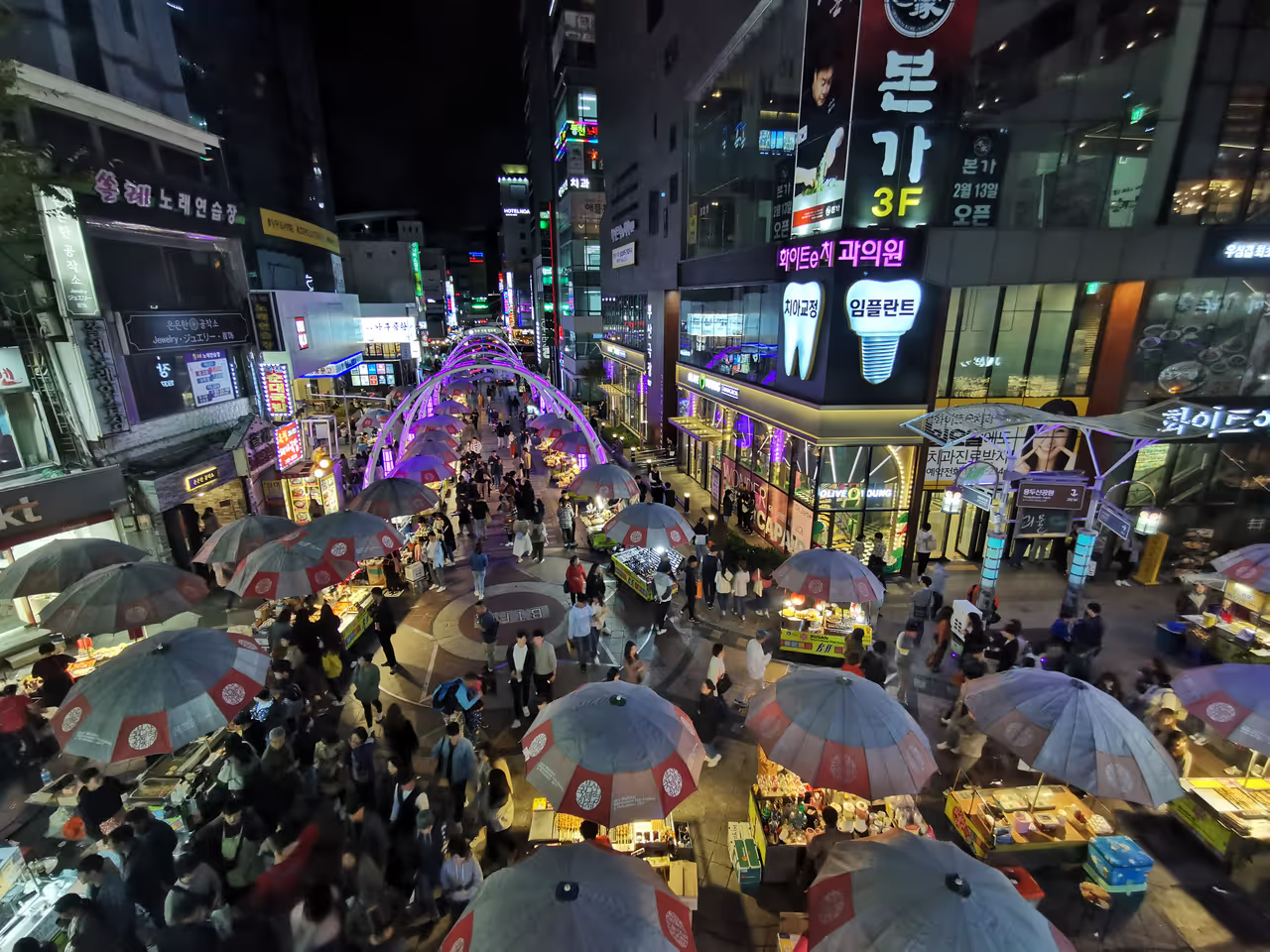
5 Days in Busan: Complete City Immersion Itinerary
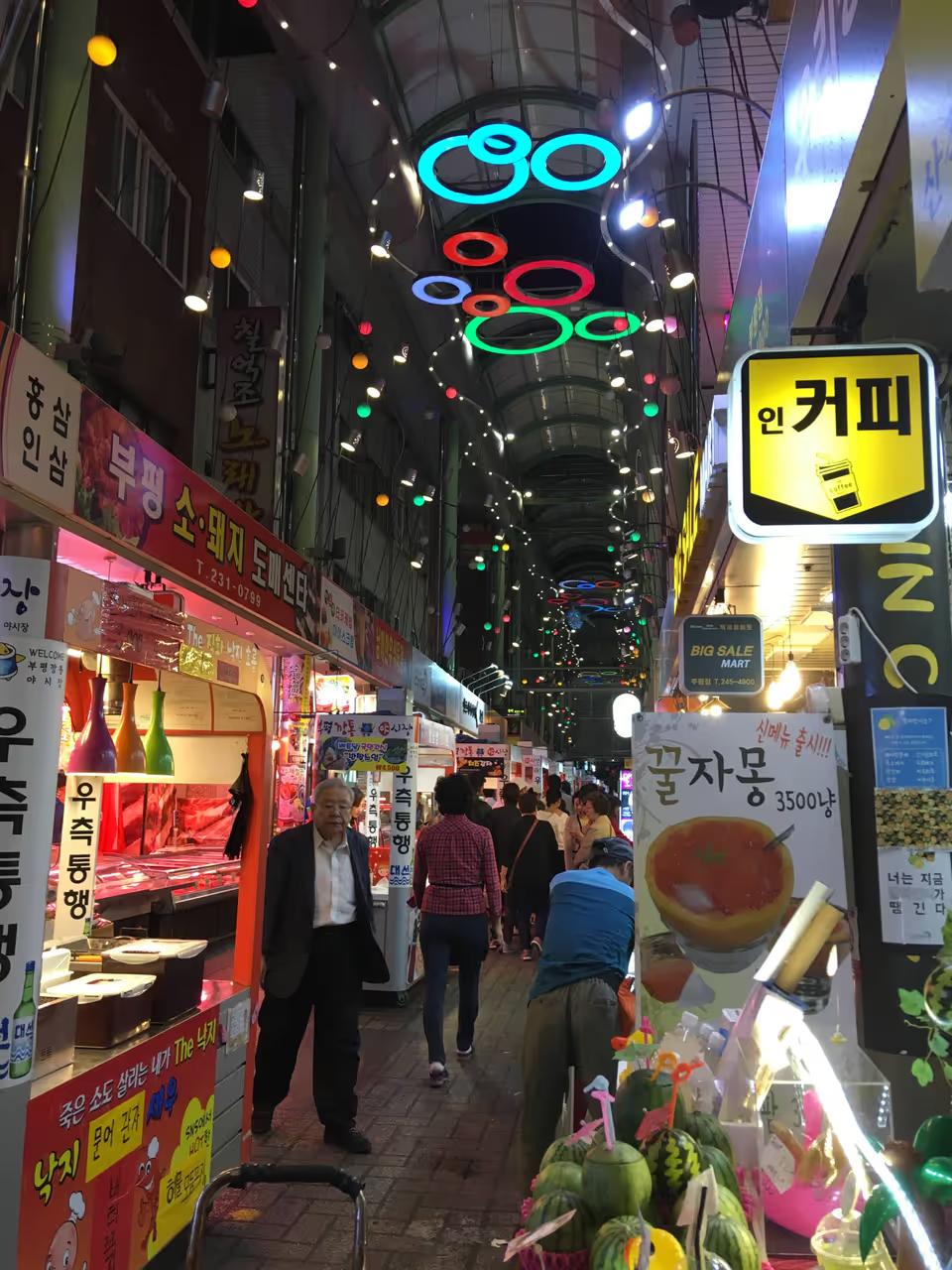
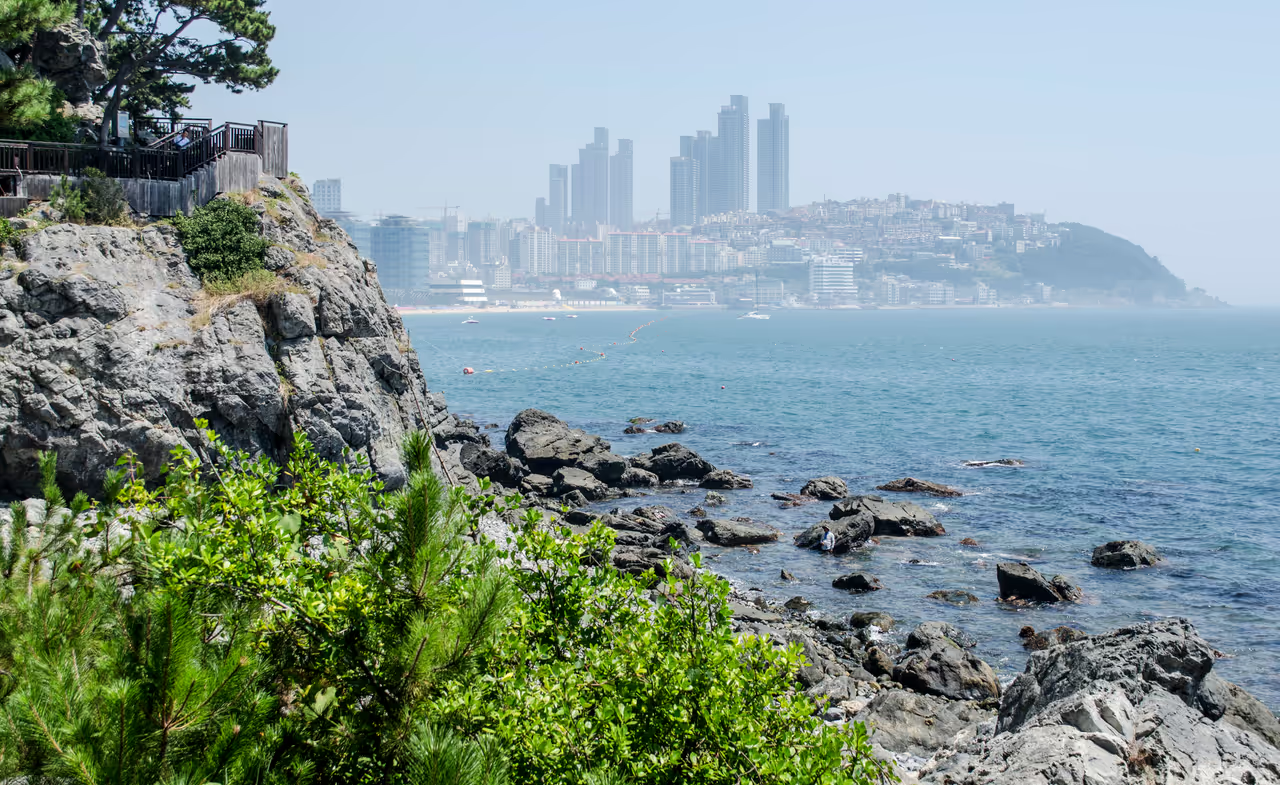
This extensive five day itinerary is designed for travellers wanting to uncover every significant facet of the metropolis. It covers everything from the highly popular tourist beaches to secluded mountain shrines and raw industrial cliffside villages. Visitors will have dedicated time to hike rugged coastal trails, explore massive ecological wetlands, and soak in famous natural hot springs. The pace allows for deep immersion into local culinary scenes and lesser known artistic enclaves. It is the ultimate blueprint for a thorough, highly rewarding coastal adventure.
view itinerary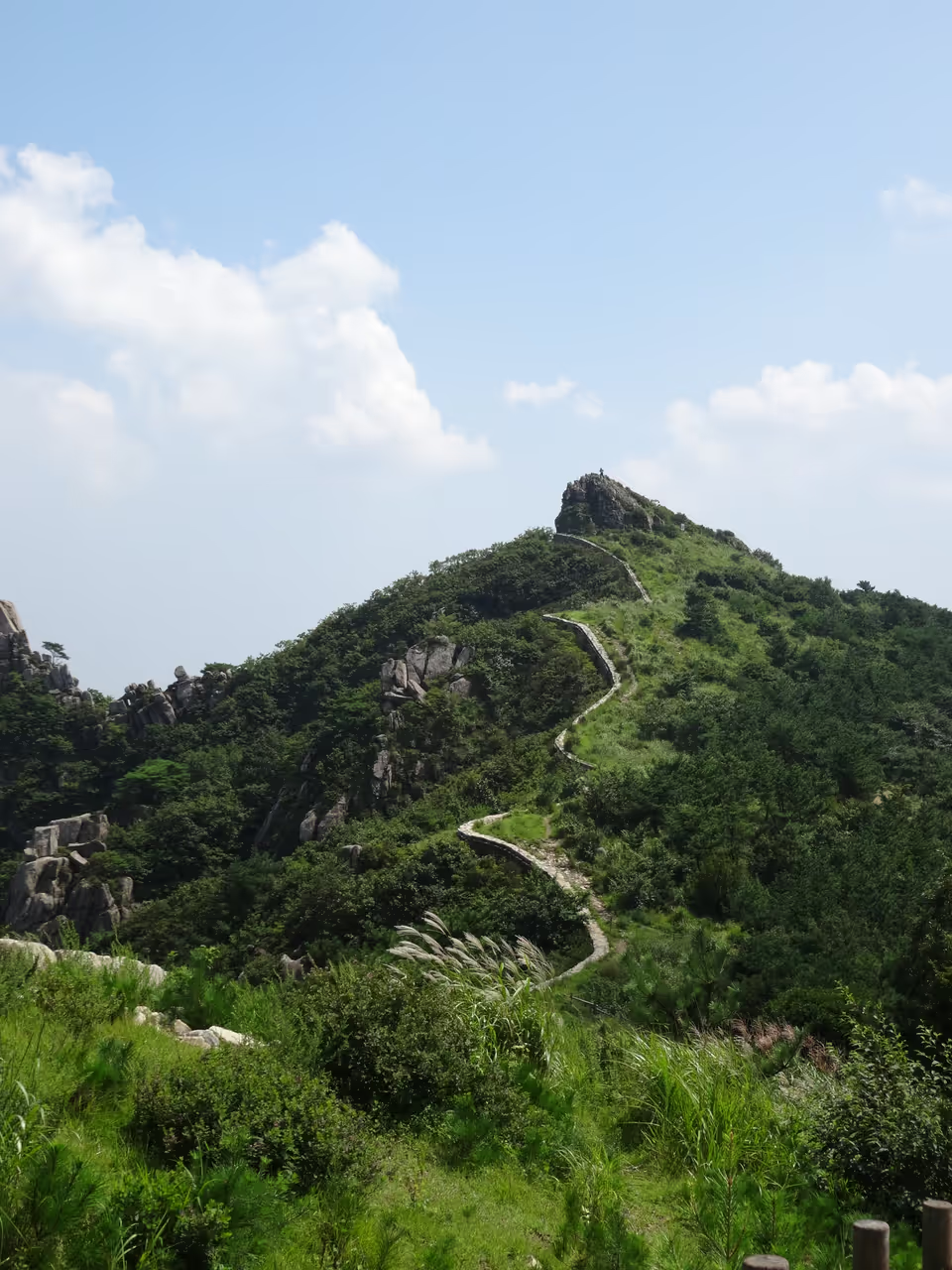
Spiritual Mountain Retreat
Delve into the rich spiritual heritage of the region by visiting its most significant ancient sanctuaries. This route takes explorers high into the mountains, far above the urban noise. The journey features beautifully painted wooden architecture, tranquil meditation courtyards, and the faint smell of burning incense. Visitors will also encounter monumental stone fortresses that once protected these sacred grounds from foreign invasion. It is an ideal path for those seeking a profound sense of peace and historical connection.
view self-guided tour
See all attractions in Busan
Haeundae Beach, Gamcheon Culture Village, Taejongdae Resort Park, United Nations Memorial Cemetery in Korea...