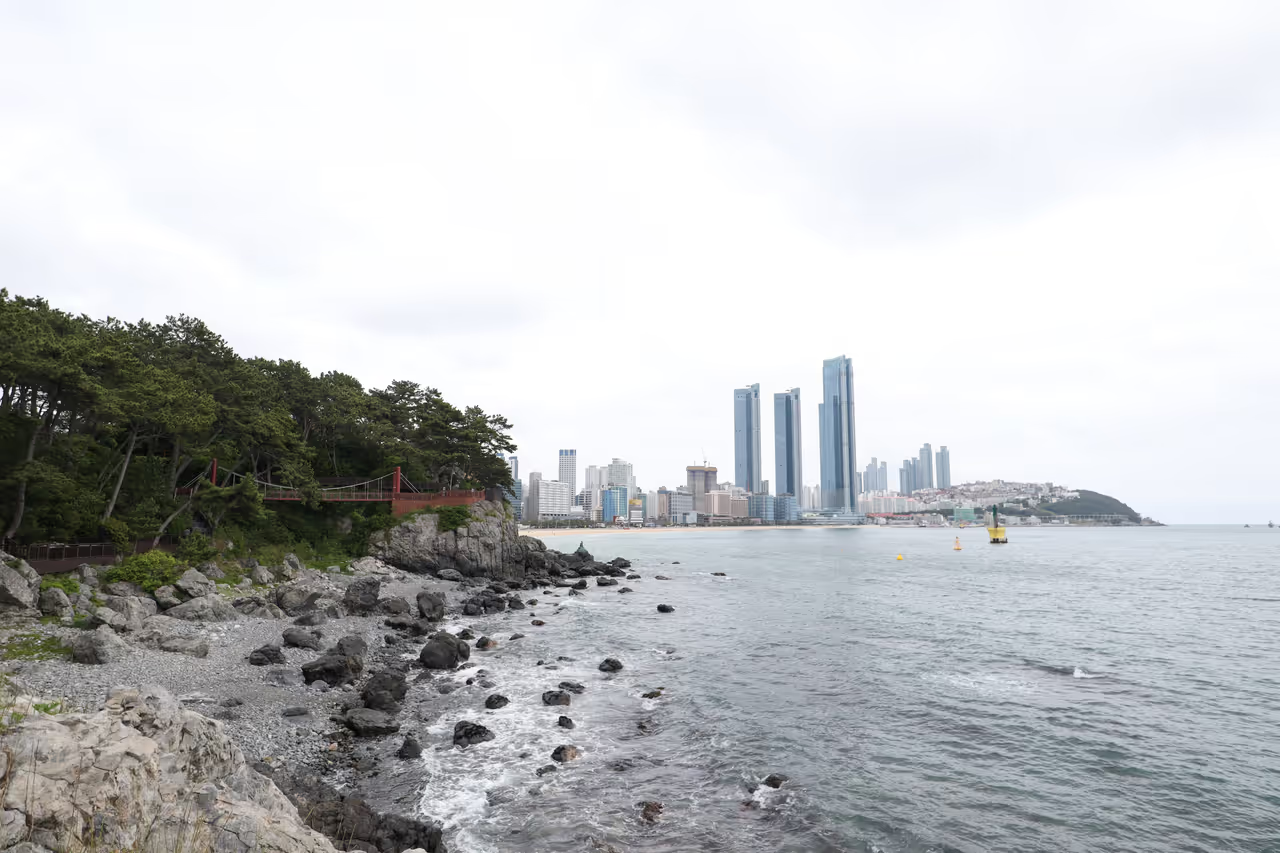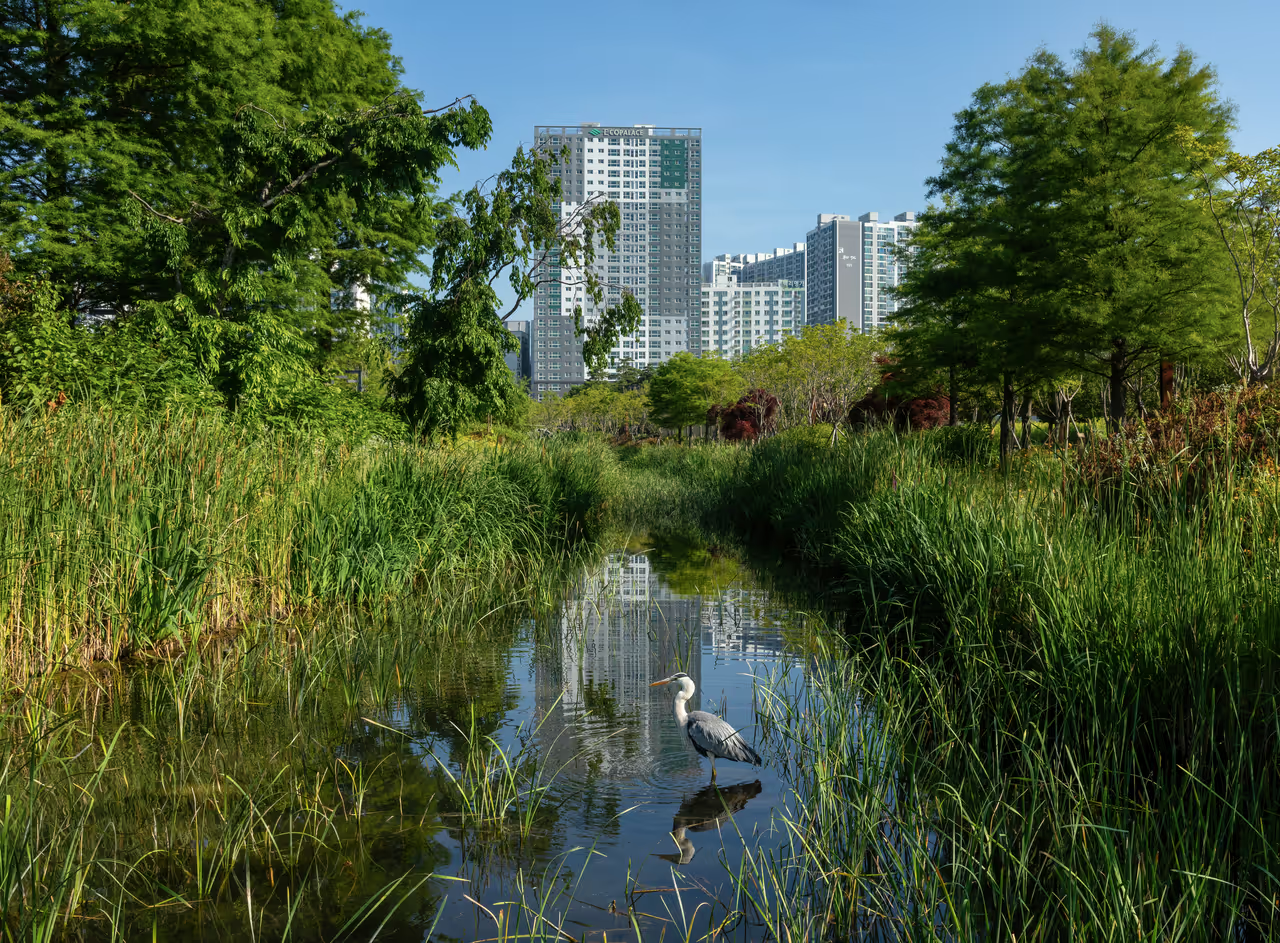
Busan Citizens Park
A lush urban oasis, this park is built on the grounds of the former US military base, Camp Hialeah. It offers a unique blend of historical reflection and modern relaxation, featuring beautifully landscaped gardens, art installations, and refurbished military structures that tell the story of its transformation. Visitors can enjoy wide open spaces, walking paths, and themed gardens that celebrate the spirit of Busan. It serves as a peaceful retreat from the intensity of the city, inviting families and travellers to explore its colourful flower beds and serene water features. With its diverse attractions and historic legacy, the park stands as a testament to the growth and vision of Busan.
Videos
History of Busan Citizens Park
The ground beneath Busan Citizens Park holds layers of history that mirror the complex evolution of South Korea itself. Once a landscape dominated by a horse racing track under Japanese colonial rule, the site shifted drastically after the Second World War. By 1945, it became Camp Hialeah, an American military base that stood as a strategic pillar for U.S. forces in East Asia. For over sixty years, this area remained an off-limits, high-security zone, disconnected from the life of the local community that grew up around its perimeter. The departure of the U.S. military in 2006 marked a transformative moment for Busan. What was once a place of military command and logistics began the arduous process of rebirth. Years of debate and environmental remediation were required to clear away the remnants of decades of industrial and military use. The vision for the future was clear: to return this massive plot of land to the people of Busan, converting a symbol of exclusion into a beacon of civic freedom and recreation. Today, the park serves as a testament to reconciliation and urban renewal. By repurposing structures like the historic Quonset huts, the city has managed to honour the military heritage of the site without letting it define the future. Visitors walking through the lush, thematic gardens and reflective ponds find a space that feels deeply personal to the locals, a place where the rigid lines of the past have been softened by trees, flowers, and the laughter of families. It is a triumphant example of a city reclaiming its land and inviting the public to walk paths that were once strictly off-limits.
Events spanning 104 years
Fun Facts
- • At its peak, the camp supported a population of 2,500 U.S. military personnel and Department of Defense civilian employees.
- • Camp Hialeah functioned for decades as a primary non-combatant evacuation route for U.S. personnel operating within the Republic of Korea.
- • During the Korean War, the base functioned as a critical logistical staging area that helped maintain the Pusan Perimeter, vital for United Nations efforts.
- • Several original Quonset huts from the military era were preserved and repurposed, serving as tangible links to the site's past military life.
- • The layout of the park is divided into five distinct themes, carefully designed to offer visitors varied experiences ranging from cultural arts to ecological education.
- • The name Camp Hialeah was reportedly suggested by a visiting American sailor who drew inspiration from the famous Hialeah Park Race Track in Florida.
- • The park covers a vast area of 133 acres, making it one of the largest and most significant urban renewal projects in Busan history.
- • The park features a unique Mirror Pond, which provides a serene, reflective landscape that stands in sharp contrast to its industrial origins.
- • The site served as the Imperial Japanese Army headquarters in Busan throughout the duration of the occupation.
- • The transformation of the site faced significant challenges, including a four-year delay to resolve disagreements over environmental cleanup costs.
RESOURCES
Official WebsiteBusan Citizens Park FAQ
While we strive to keep this information accurate and up to date, we recommend verifying any details independently before making decisions based on them.
Busan Citizens Park Map & Neighborhood Explorer
This interactive map is centered on Busan Citizens Park. Zoom in and move the map around to automatically discover Wikipedia photos and summaries of other nearby sights, monuments, and historical points of interest and stories in real-time!
Places near Busan Citizens Park
Make the most of your trip. Check out these top-rated spots located nearby.
 817m
817mSeomyeon Entertainment District
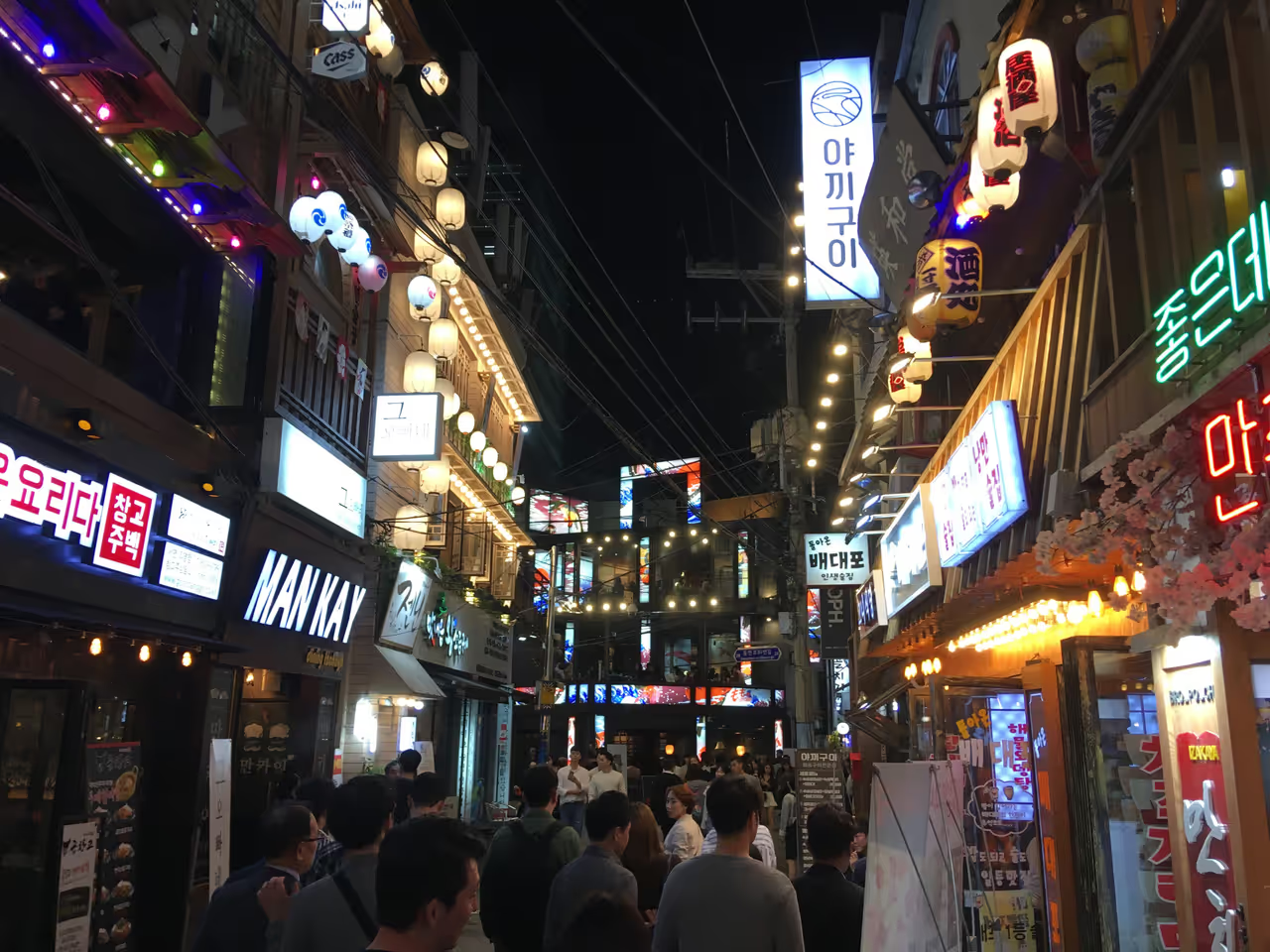
This central commercial hub acts as the undisputed epicentre for mainstream nightlife and youthful energy. The streets are intensely illuminated by towering neon signs, creating a cinematic urban atmosphere. Visitors will find countless multi level clubs, traditional drinking houses, and lively karaoke rooms packed tightly together. The area rarely sleeps, maintaining a high volume of foot traffic well into the early morning hours. It is the ideal destination for experiencing a high energy, modern metropolitan night out.
nightlife view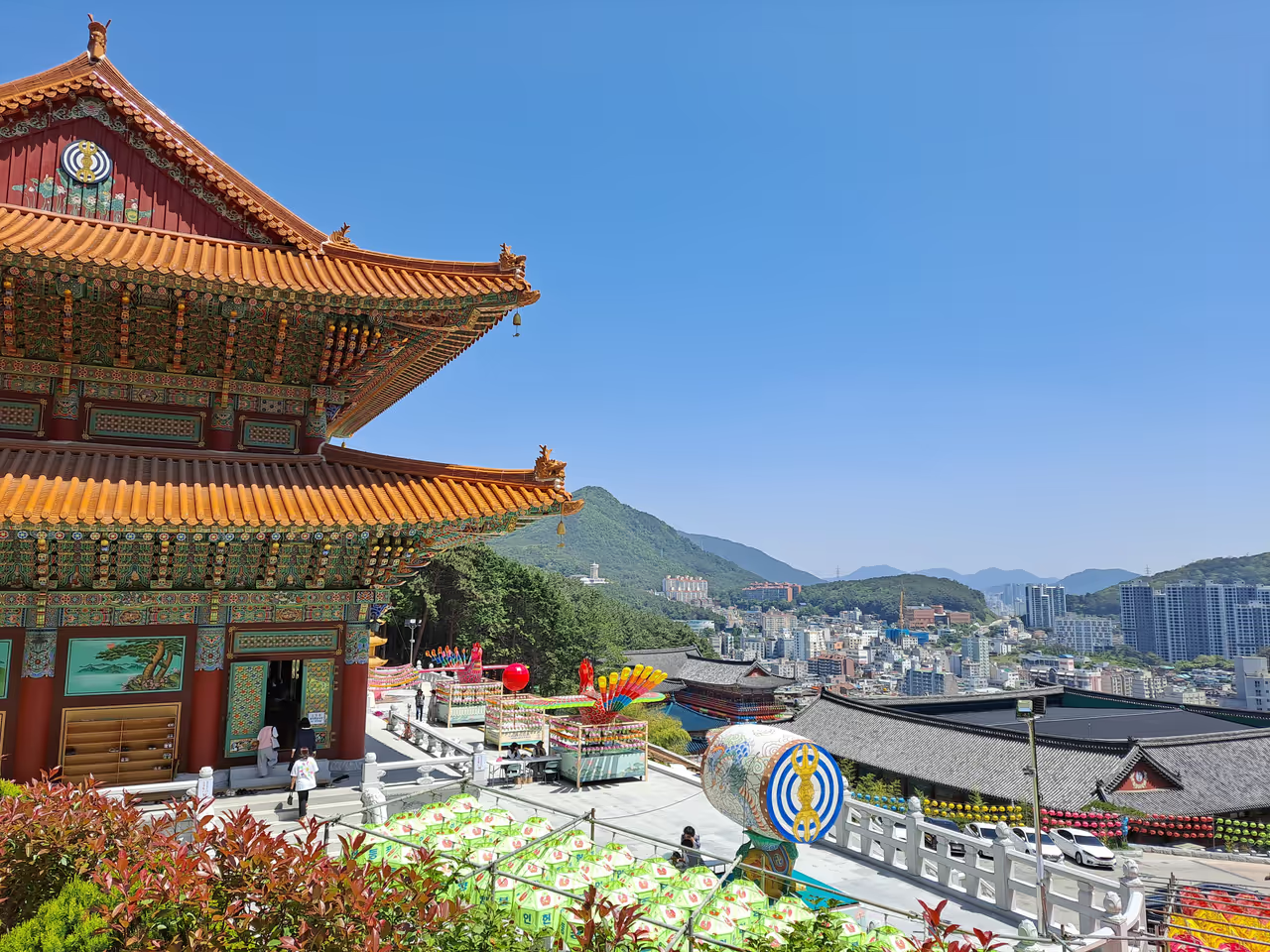 1665m
1665mLantern Festival Temple
While relatively modern compared to other regional shrines, this massive complex offers one of the most visually overwhelming spectacles in the country. Nestled into a steep hillside, the architecture is vast, capable of accommodating tens of thousands of worshippers. Its true magic is revealed during the weeks surrounding the Buddha's birthday, when the entire complex is blanketed by over forty thousand brightly coloured paper lanterns. The glowing canopy creates a surreal, incredibly photogenic environment that attracts international attention. Even outside festival times, the grand scale of the main towers is highly impressive.
hidden gem view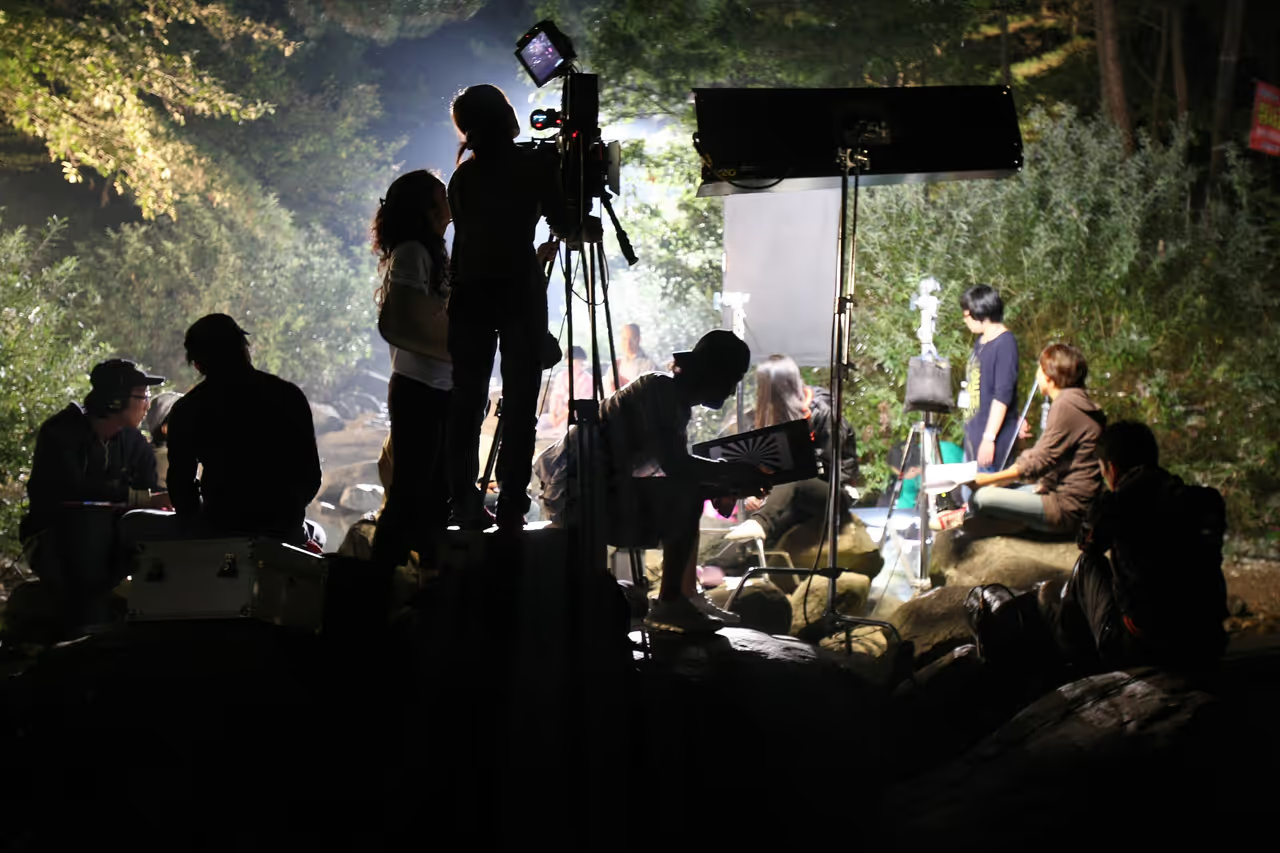 2291m
2291mInternational Film Festival
This prestigious event transforms the city into the cinematic capital of the continent every autumn. Thousands of industry professionals and cinema enthusiasts gather to watch groundbreaking international premieres and independent features. The spectacular architectural venue hosts glamorous red carpet events and open air screenings. Visitors can attend public interviews with famous directors and actors right on the beachfront. The atmosphere is electric, celebrating the art of storytelling through film.
festival view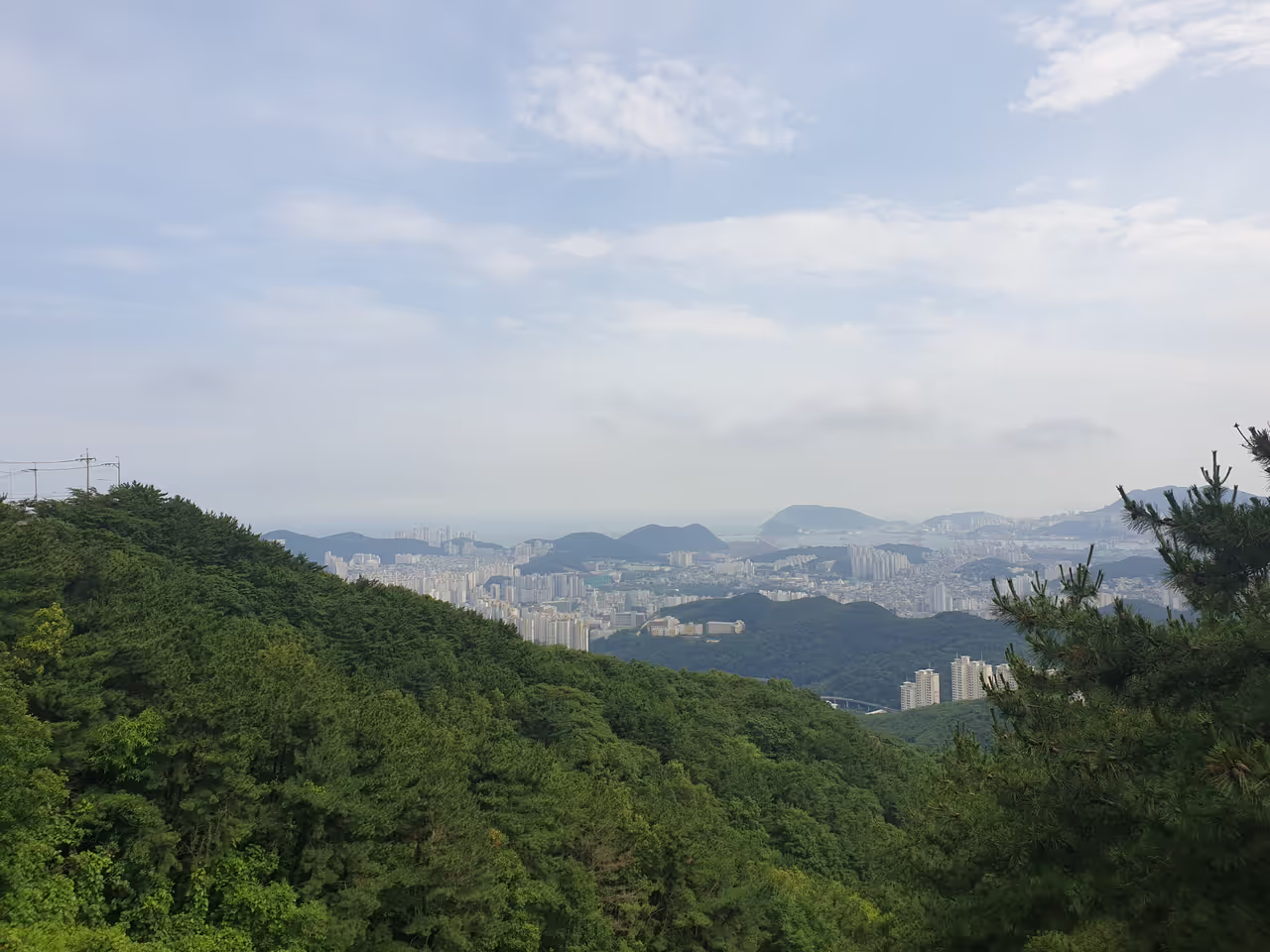 2384m
2384mMountain Observatory
Situated at the peak of a centrally located mountain, this viewing area provides arguably the most comprehensive panorama available. Visitors can see almost the entirety of the sprawling metropolis, from the western river delta to the eastern beaches. It is incredibly popular with local photographers, especially during the autumn fireworks festival when the aerial views are unmatched. The steep, winding road to the top is lined with cherry blossoms in the spring, adding to the scenic journey. It perfectly captures the dramatic intersection of intense urban density and steep mountainous terrain.
viewpoint view
See all nature & parks in Busan
Dongbaek Island...