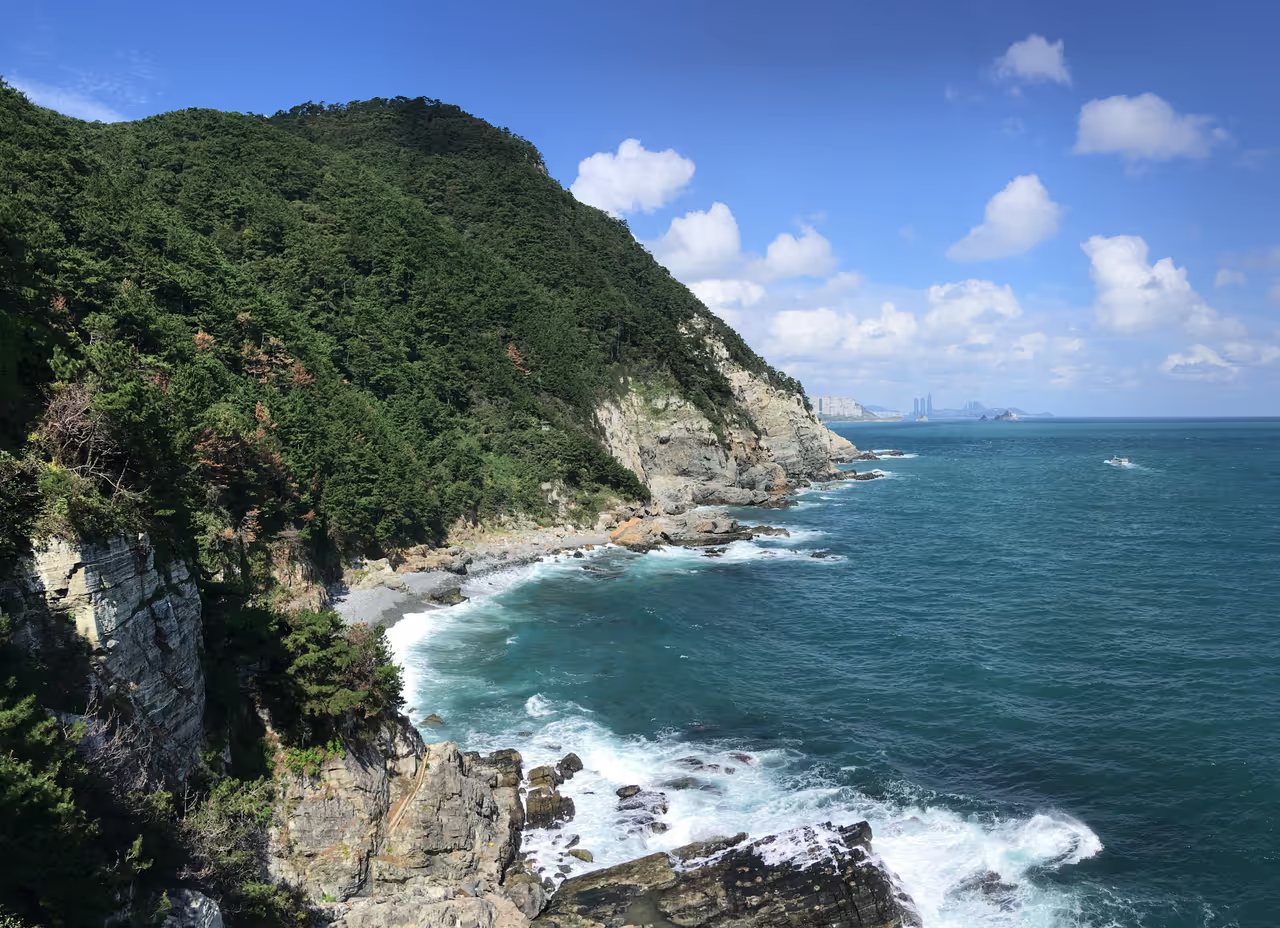
Taejongdae Resort Park
Taejongdae stands as a breathtaking natural sanctuary at the southernmost point of Yeongdo Island in Busan. Here, rugged cliffs plunge dramatically into the deep blue East Sea, creating a coastal panorama that feels a world away from the city centre. Legend whispers that the park earned its name from King Taejong Muyeol of the Silla Kingdom, who was so captivated by the scenery that he frequently visited to practise his archery. You can wander through lush, evergreen forests, explore the iconic lighthouse perched on the precipice, or take the open-air shuttle for a scenic tour of the entire headland. Whether you seek a quiet moment to watch the waves crash against the rocks or want to gaze across the horizon towards the sea, this park offers a deeply restorative experience.
Videos
History of Taejongdae Resort Park
The story of Taejongdae is as much about the sea as it is about the kings who once stood upon these cliffs. Long before it became a park, this rocky headland was a secluded retreat for Silla royalty. King Taejong Muyeol, a legendary figure in Korean history, reportedly found the location so enchanting that he would leave his palace to practise archery here. The sound of the wind whipping against the cliffs and the rhythmic crashing of the waves provided a backdrop of solitude that the king clearly valued, marking this spot as a place of reflection long before it appeared on any tourist map. Centuries later, the island of Yeongdo, which translates to the Island of Bridled Horses, found itself playing a different role. During the turbulent periods of Korean history, the military took control of the headland to protect the vital entrance to Busan Port. While this prevented the public from walking along the cliff paths, it inadvertently acted as a shield for nature. The lush evergreen forests and unique rock formations remained untouched by development, preserving a wild, untamed beauty that stands in sharp contrast to the urban expansion of the modern city nearby. Today, Taejongdae serves as a bridge between the ancient past and the vibrant future of Busan. Since its opening to the public in the late twentieth century, it has transformed into a cherished monument that captures the soul of the region. The lighthouse still guides ships into the harbour, just as the cliffs still tell the story of volcanic shifts from aeons ago. It is a testament to the enduring appeal of the natural world, offering a space where anyone can stand in the same spot as an ancient king, look out at the infinite ocean, and find a moment of peace.
Events spanning 1345 years
Fun Facts
- • On exceptionally clear days, visitors can peer across the vast East Sea and sometimes catch a faint glimpse of the Japanese coastline.
- • Taejongdae has been a significant cultural symbol for Busan residents for generations, often featured in literature and traditional songs about the sea.
- • The area is home to a diverse ecosystem, with dense evergreen forests that provide a lush contrast against the stark, salt-sprayed cliffs.
- • The geological formations found along the cliffs reveal fascinating layers of ancient volcanic activity that occurred millions of years ago.
- • The lighthouse, known as the Yeongdo Lighthouse, provides a vital navigational aid for the countless cargo ships entering the massive Busan Port nearby.
- • The name Taejongdae originates from the 29th king of Silla, Taejong Muyeol, who frequented the site to hone his archery skills.
- • The park is situated on Yeongdo Island, a place whose name translates to the Island of Bridled Horses, referencing its historical role in horse breeding for the royal court.
- • The park was once strictly closed to the public and served as a military restricted area, which ironically helped preserve its pristine natural beauty for decades.
- • There is a local legend about the Mother and Child Rock, a unique stone formation said to embody the spirit of filial piety and the struggles of Korean mothers.
- • Visitors can navigate the steep terrain using the popular Danubi Train, a bright, colourful shuttle that stops at the most scenic overlooks.
Taejongdae Resort Park FAQ
While we strive to keep this information accurate and up to date, we recommend verifying any details independently before making decisions based on them.
Taejongdae Resort Park Map & Neighborhood Explorer
This interactive map is centered on Taejongdae Resort Park. Zoom in and move the map around to automatically discover Wikipedia photos and summaries of other nearby sights, monuments, and historical points of interest and stories in real-time!
Places near Taejongdae Resort Park
Make the most of your trip. Check out these top-rated spots located nearby.
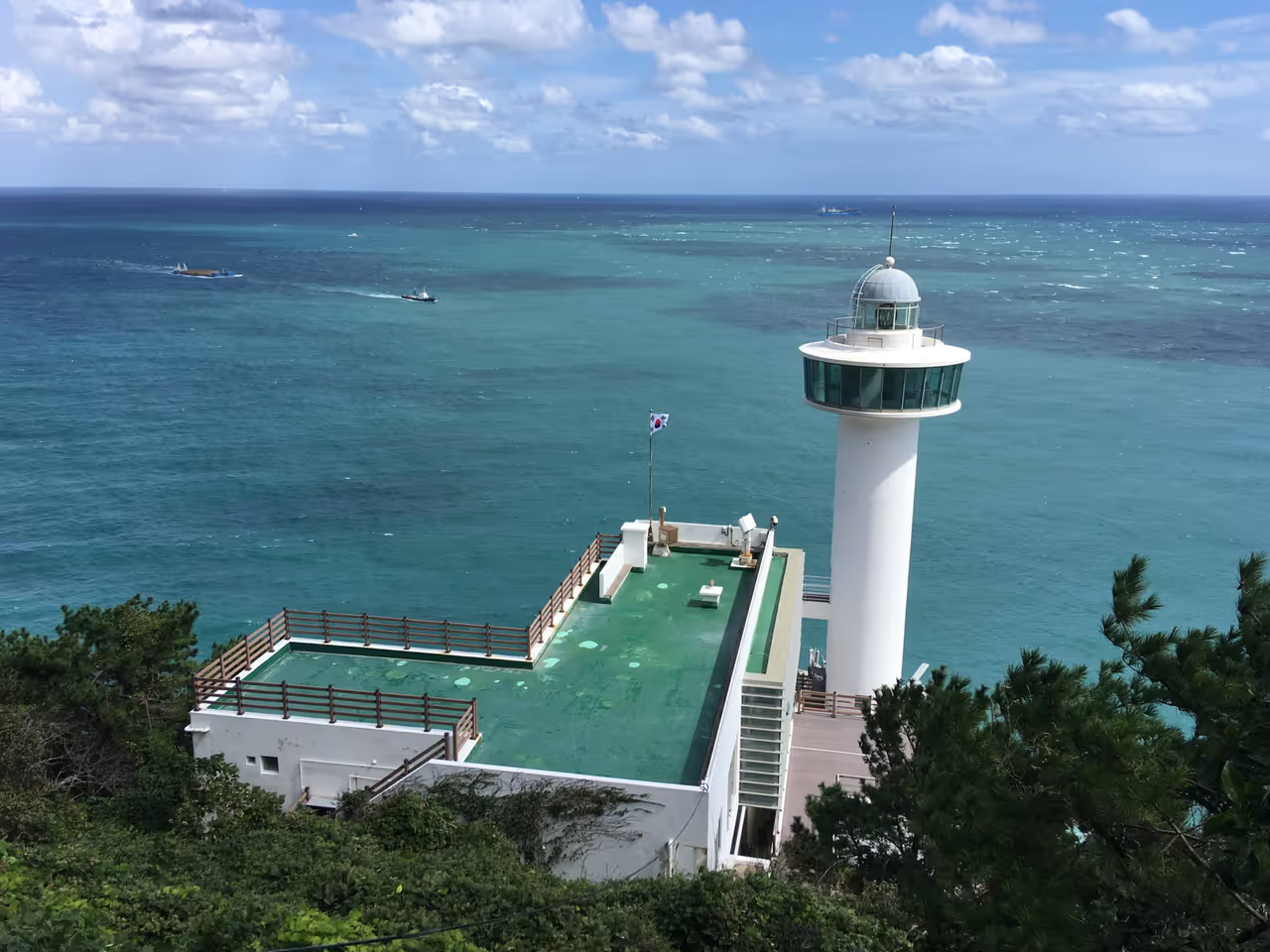 579m
579mCliff Lighthouse
Perched on the edge of dramatic, heavily forested cliffs, this historic white beacon looks out over the vast southern ocean. On clear days, visitors can spot the faint outline of a Japanese island on the distant horizon. The viewing areas require descending steep stairs carved into the rock, passing by small tents where locals sell freshly caught raw seafood. The combination of intense green foliage, stark white architecture, and deep blue water is visually stunning. It is a highly atmospheric location that feels completely removed from the busy city behind it.
viewpoint view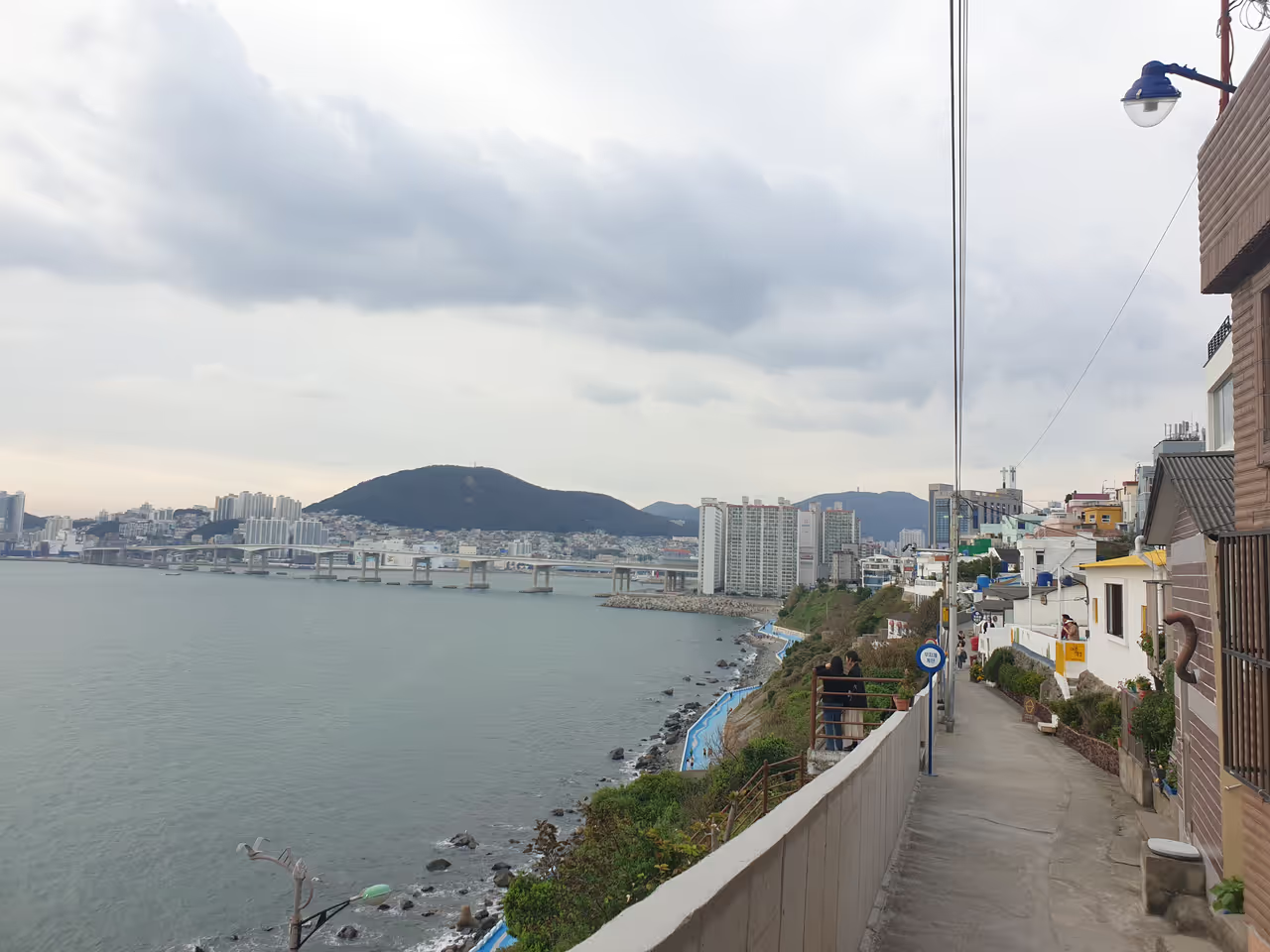 4557m
4557mCliffside Culture Village
Clinging precariously to a steep cliff overlooking the bustling harbour, this neighbourhood offers an incredibly scenic and authentic slice of local history. Originally settled by desperate wartime refugees, the small, densely packed houses share a magnificent, unhindered view of the sea. It has recently seen an influx of artists, resulting in charming independent cafes, small workshops, and subtle street murals. The narrow, winding coastal path below the houses provides a fantastic, breezy walk. It is a quieter, more atmospheric alternative to the highly commercialised cultural villages elsewhere in the city.
hidden gem view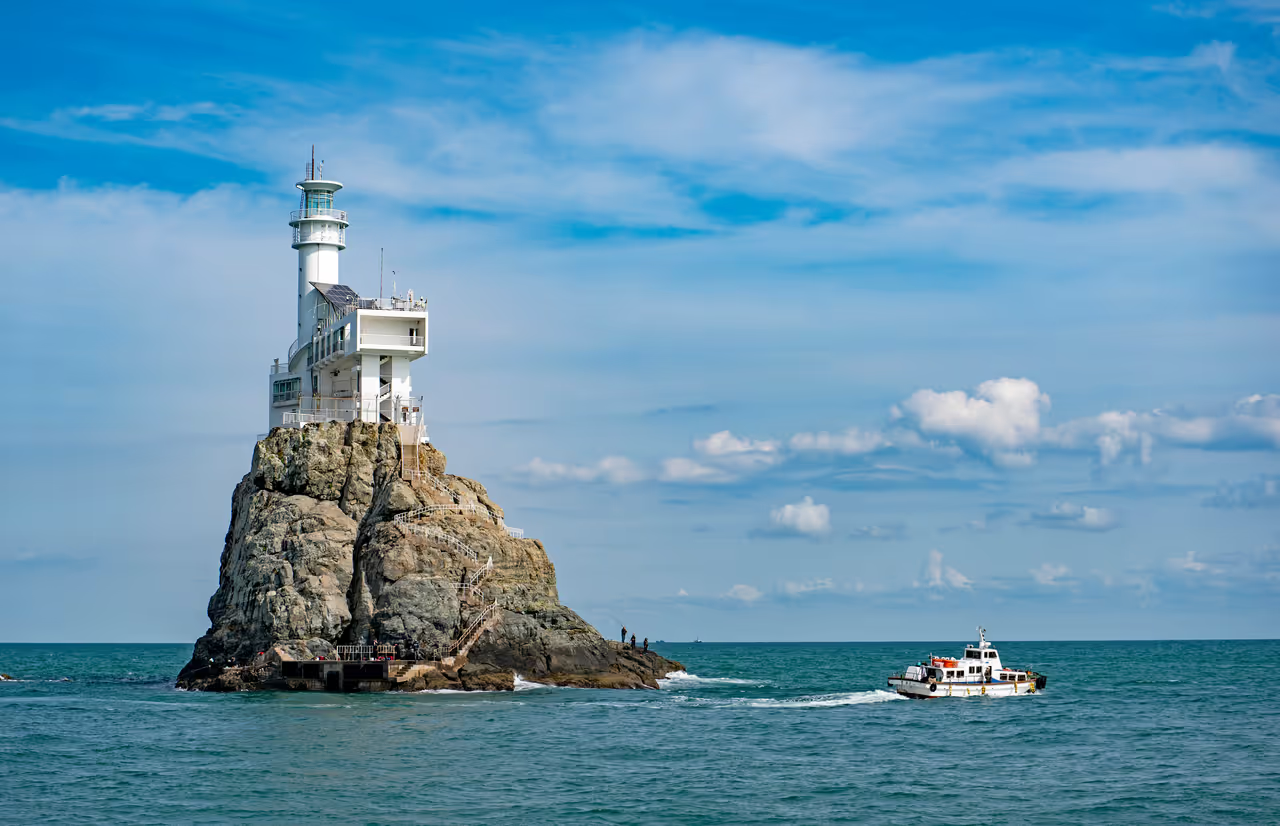 5930m
5930mCliffside Glass Walkway
Experience a thrilling rush of adrenaline by stepping out onto a transparent glass floor suspended high above the crashing ocean. The short, U shaped observation bridge extends directly out from a steep coastal cliff, providing highly dramatic views. Looking straight down through your feet at the swirling blue water is an exhilarating, slightly dizzying experience. On clear days, the distant rocky islets and the sweeping curve of the coastline are fully visible. This highly engineered attraction provides a premium tourist experience completely free of charge.
free thing to do view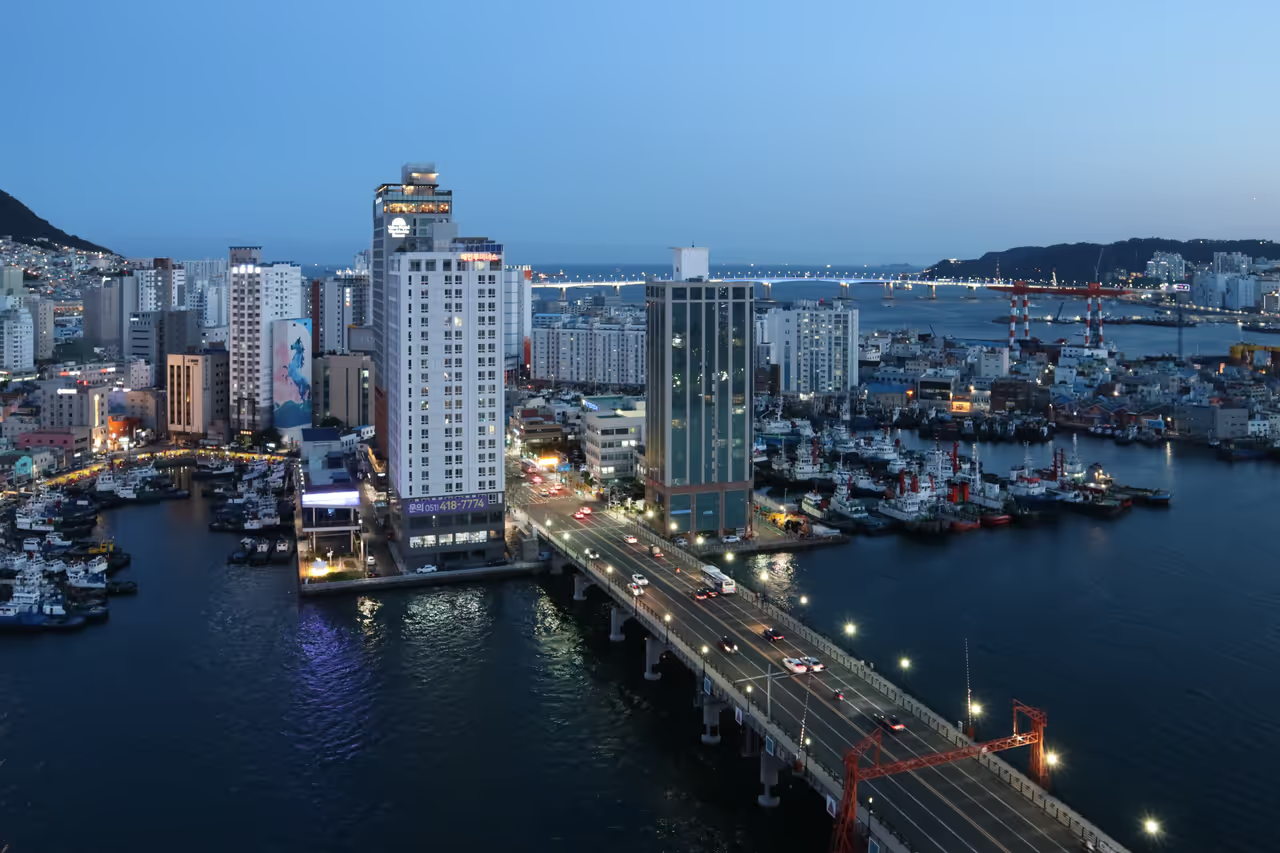 6419m
6419mBascule Bridge
This historic structure holds deep emotional significance, having served as a critical rendezvous point for separated families during wartime. It is the first and only bascule bridge in the city, designed to lift and allow large ships to pass underneath. After decades of being fixed in place, its lifting mechanism was recently restored and now operates daily for tourists. The lifting event draws large crowds who gather to watch the massive roadway pivot upwards. It is a fascinating piece of functional industrial heritage that bridges the gap between the city's past and present.
architecture view
Featured on This Itinerary
See all attractions in Busan
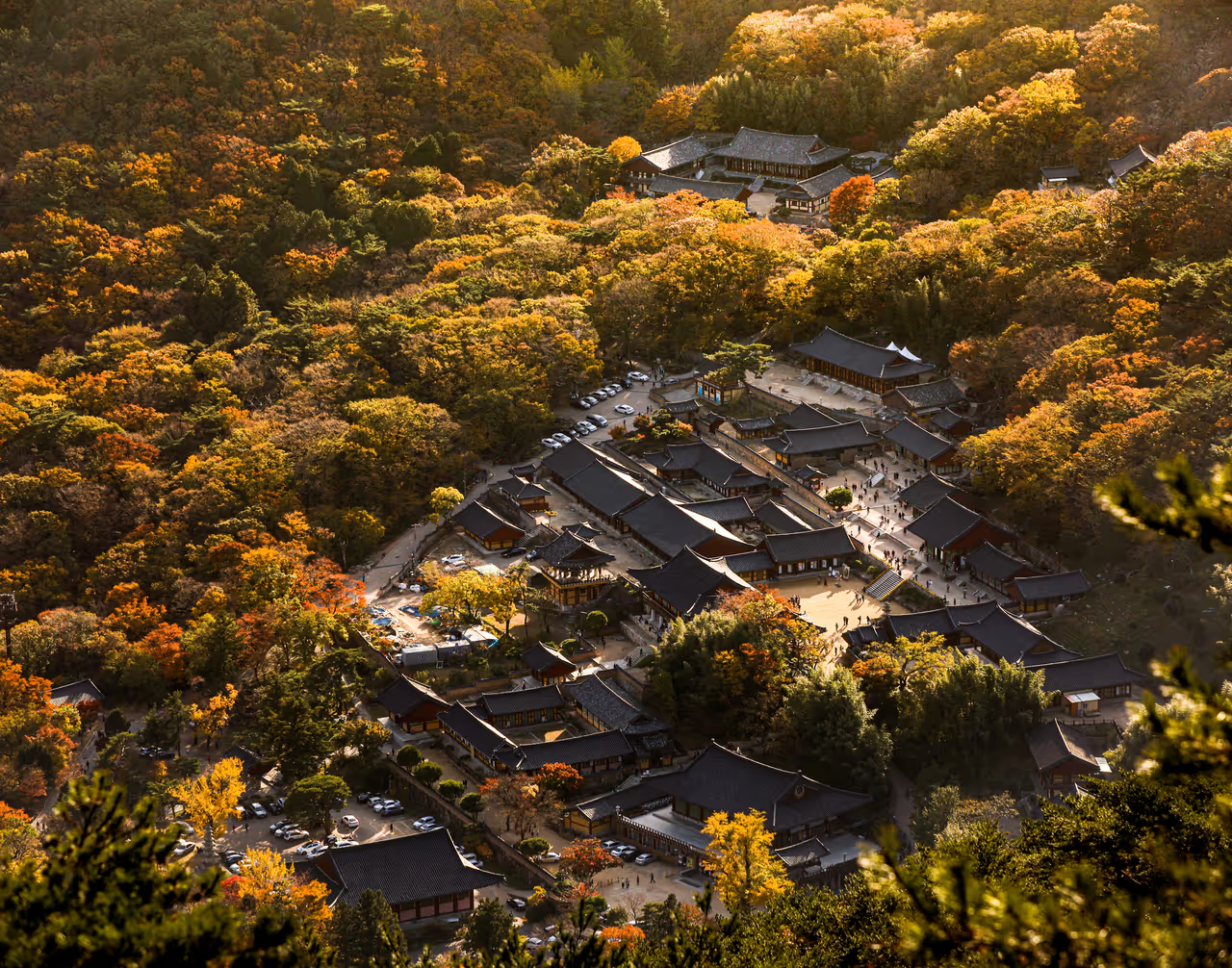
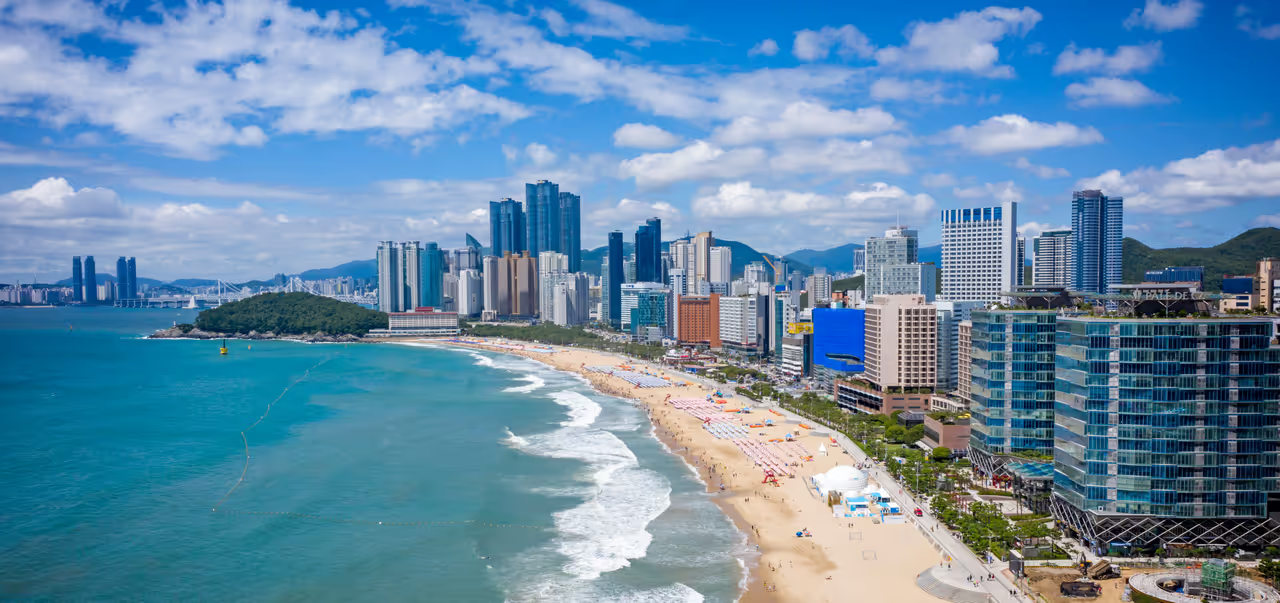
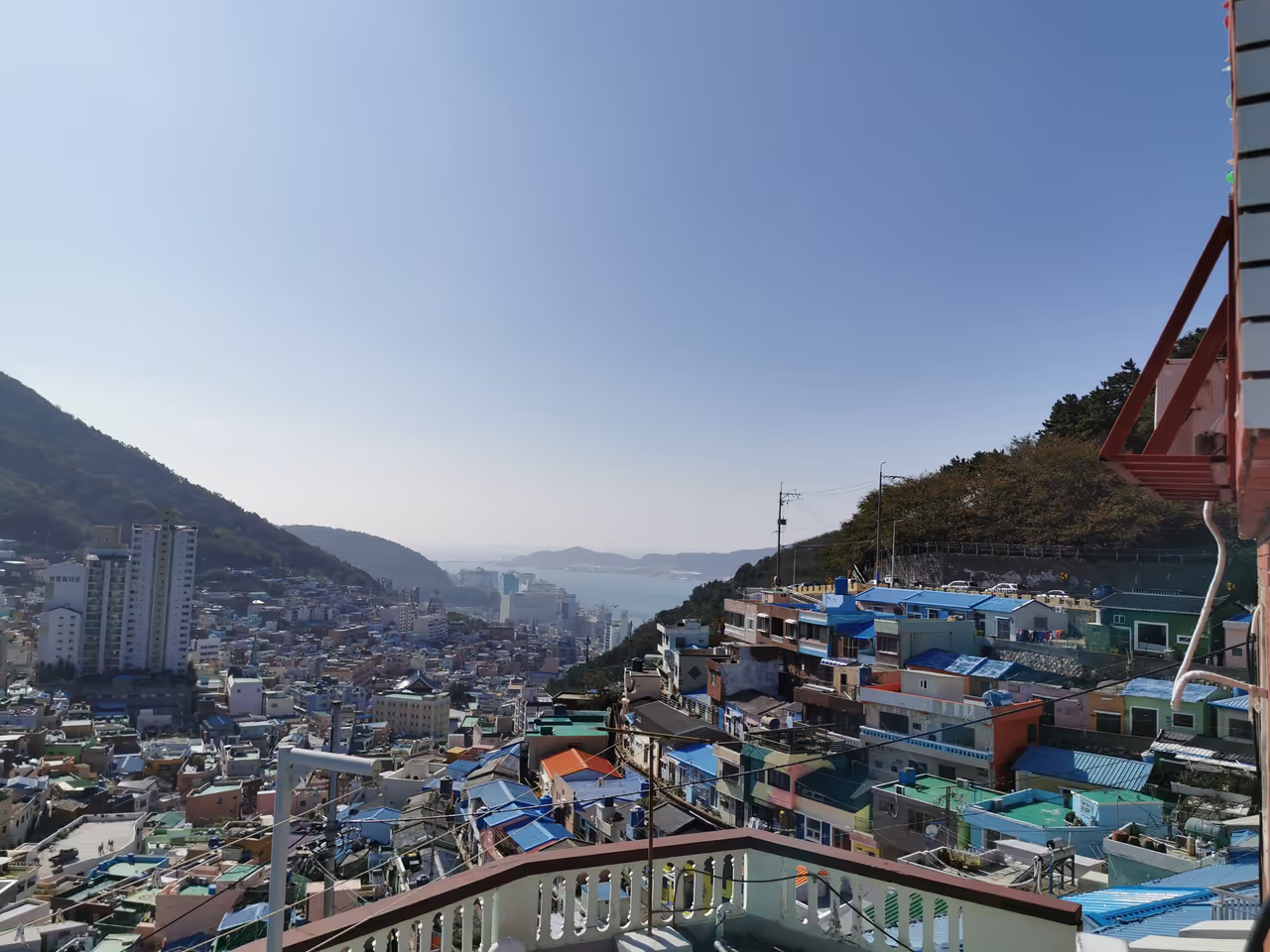
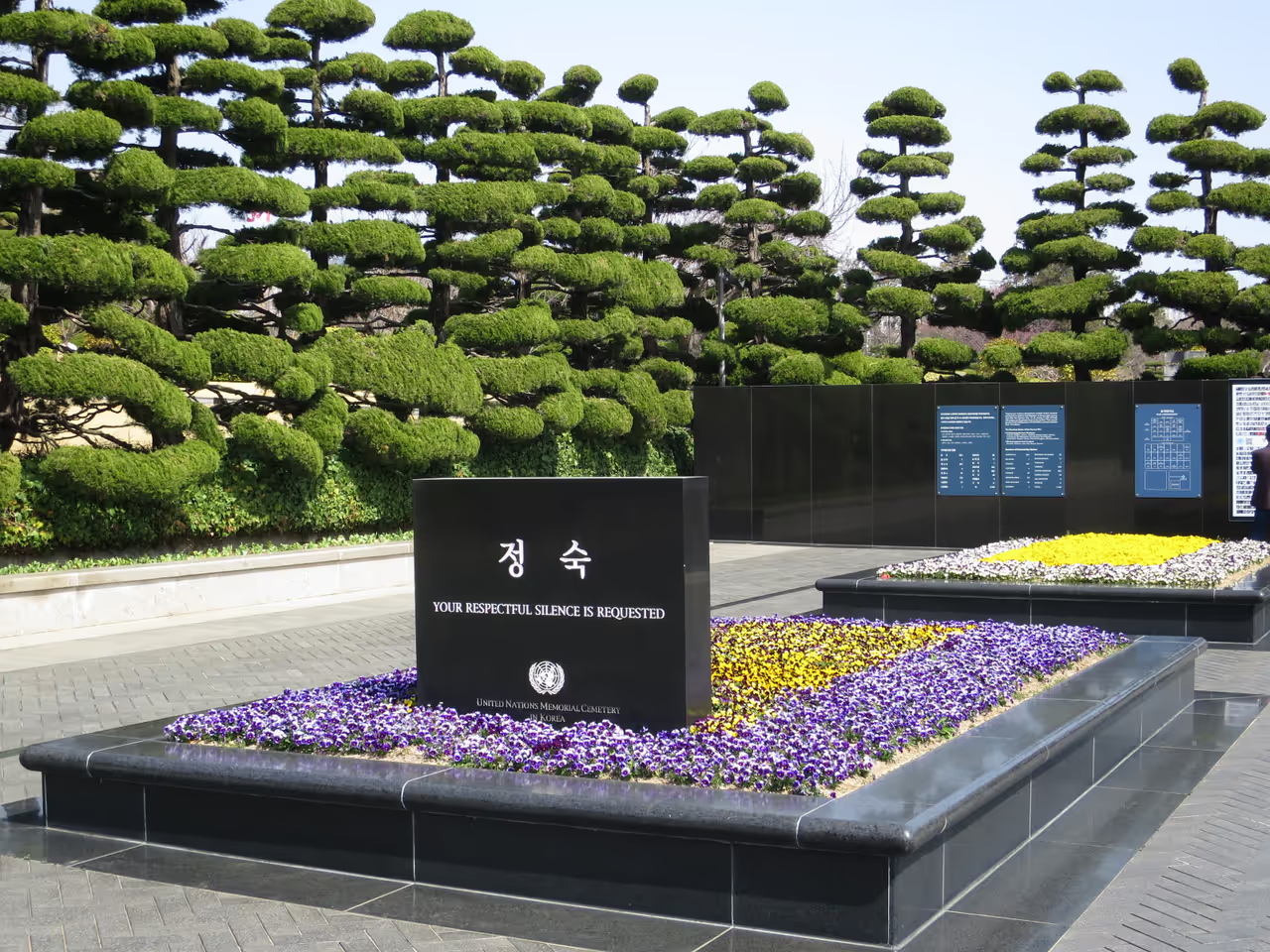
Beomeosa Temple, Haeundae Beach, Gamcheon Culture Village, United Nations Memorial Cemetery in Korea...