Dongbaek Island
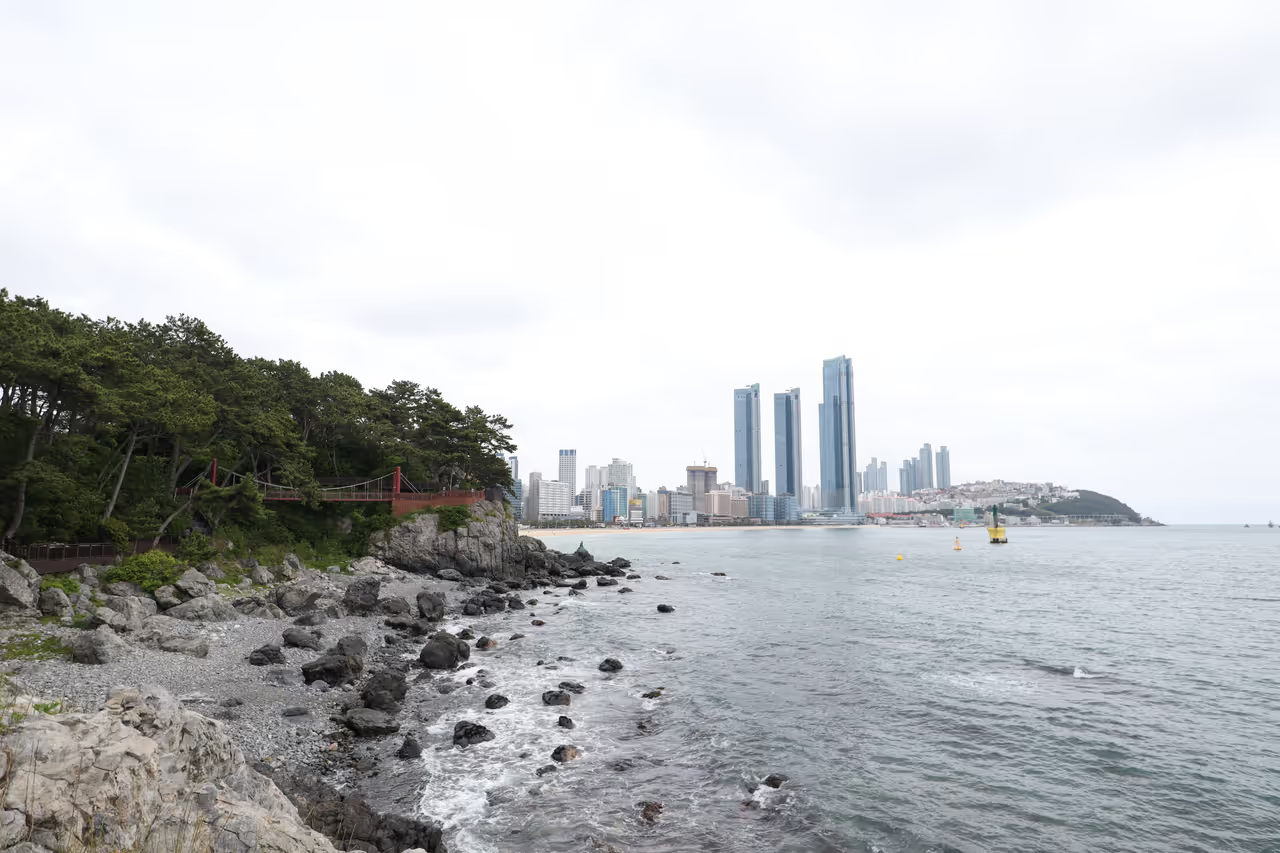
Nestled at the edge of the world famous Haeundae Beach, Dongbaek Island offers a peaceful escape where nature meets the rhythm of the city. Though it was once cut off by the sea, the land has shifted over time to join the mainland, turning it into a beautiful park accessible by a lovely coastal walk. You can wander along winding paths surrounded by fragrant camellia trees that burst into colour during the colder months. The island serves as a bridge between history and the modern era, housing the striking Nurimaru APEC House and offering panoramic views of the Gwangandaegyo Bridge. It is a place where you can breathe in the sea air while reflecting on the legends and poets who found inspiration here long ago.
Videos
History of Dongbaek Island
Long before it became a park, this land was a true island, surrounded by the turbulent currents of the East Sea. It drew the attention of scholars and poets, most notably the legendary Choe Chi won, who famously retreated to this tranquil spot during the Silla Dynasty. He was so taken by the beauty of the coastline that he left his mark, carving his name into the rocks, a testament to the allure that has drawn visitors here for over a millennium. Over the centuries, the relentless movement of the sea and the steady accumulation of soil worked a slow transformation, eventually binding the island to the mainland. This geologic shift allowed the area to evolve while preserving its distinct character. It ceased to be an isolated outpost and became a natural extension of the city, welcoming explorers who sought to walk its perimeter and listen to the rhythm of the waves crashing against the rocky shores. Today, the island stands as a perfect marriage of history and global significance. The establishment of the Nurimaru APEC House for the 2005 summit brought international eyes to this quiet corner of Busan. Yet despite the modern glass and steel, the spirit of the place remains rooted in its natural splendour. From the statue of the mythical Princess Hwangok to the winter camellias that provide a vivid splash of red against the sky, it remains a place where one can step out of the daily rush and into a timeless piece of Busan history.
Events spanning 1120 years
Fun Facts
- • A life sized bronze statue of Princess Hwangok, a mythical figure from a local legend, sits at the water edge to greet visitors.
- • Because of its position on the eastern edge of the Haeundae coast, it is widely considered one of the finest spots in the city to watch the sunrise.
- • Camellia trees on the island typically bloom in late winter, providing a vibrant red contrast to the cooler tones of the winter sea.
- • Geologically, the area was once an isolated island, but sediment accumulation over centuries gradually connected it to the mainland, forming a tombolo.
- • The Nurimaru APEC House was constructed with a modern architectural style intended to resemble a traditional Korean pavilion, sitting harmoniously with the coastline.
- • The coastal path around the island is perfectly paved and flat, making it an accessible route for families and those looking for a gentle seaside stroll.
- • The island acts as a natural breakwater, protecting the calm waters of the nearby yacht club and marina area.
- • The legendary Silla Dynasty scholar Choe Chi won is said to have visited the area and left an inscription on the rock face that remains a point of historical intrigue.
- • The name Dongbaek translates to Camellia in English, which refers to the dense forest of camellia trees that cover the island.
- • The site hosts a preserved section of coastal forest that feels worlds away from the urban density of central Busan.
- • There are several viewing platforms located along the trail that offer different vantage points of the cityscape and the open ocean.
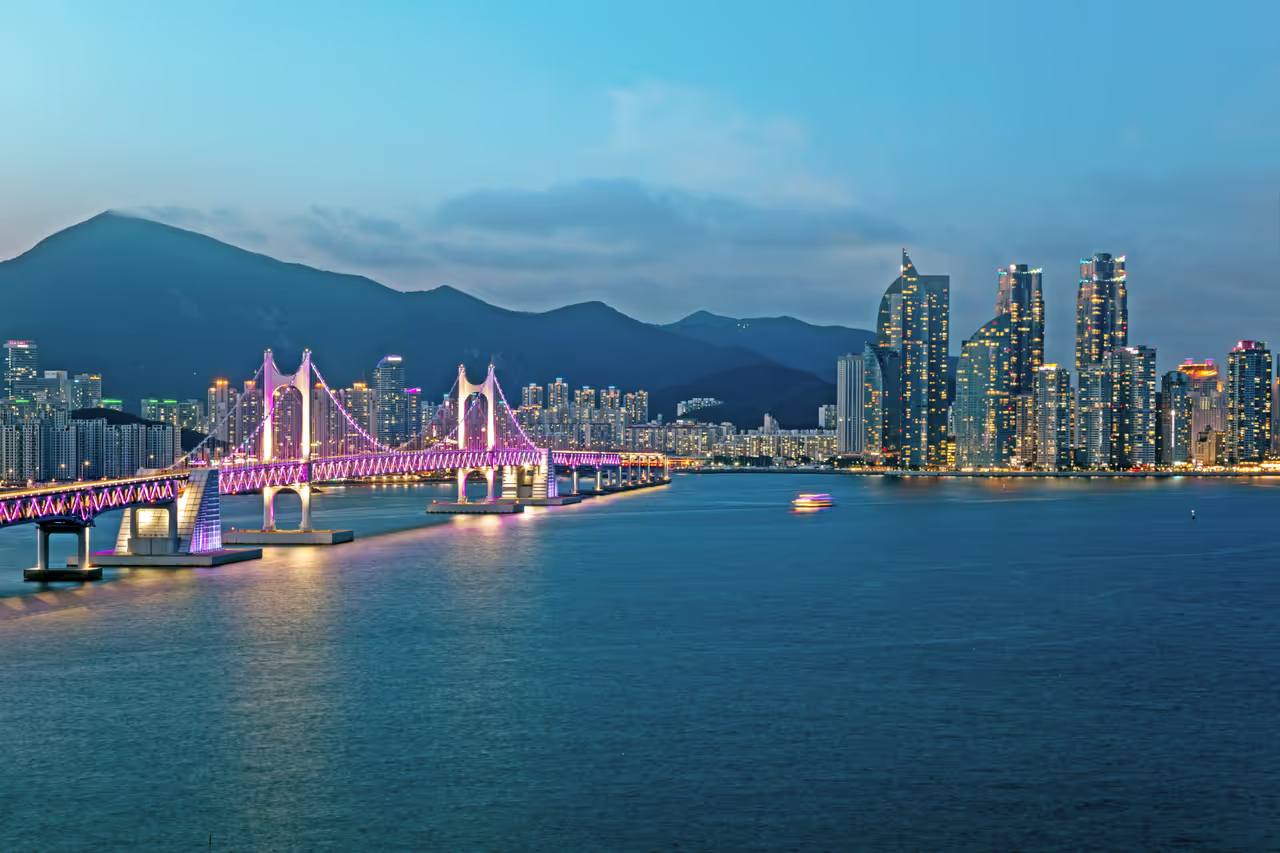
- • Visitors have an unobstructed view of the Gwangandaegyo Bridge from the island, which is particularly spectacular when the city lights reflect off the ocean at night.
Dongbaek Island FAQ
While we strive to keep this information accurate and up to date, we recommend verifying any details independently before making decisions based on them.
Dongbaek Island Map & Neighborhood Explorer
This interactive map is centered on Dongbaek Island. Zoom in and move the map around to automatically discover Wikipedia photos and summaries of other nearby sights, monuments, and historical points of interest and stories in real-time!
Places near Dongbaek Island
Make the most of your trip. Check out these top-rated spots located nearby.
 148m
148mAPEC Naru Park
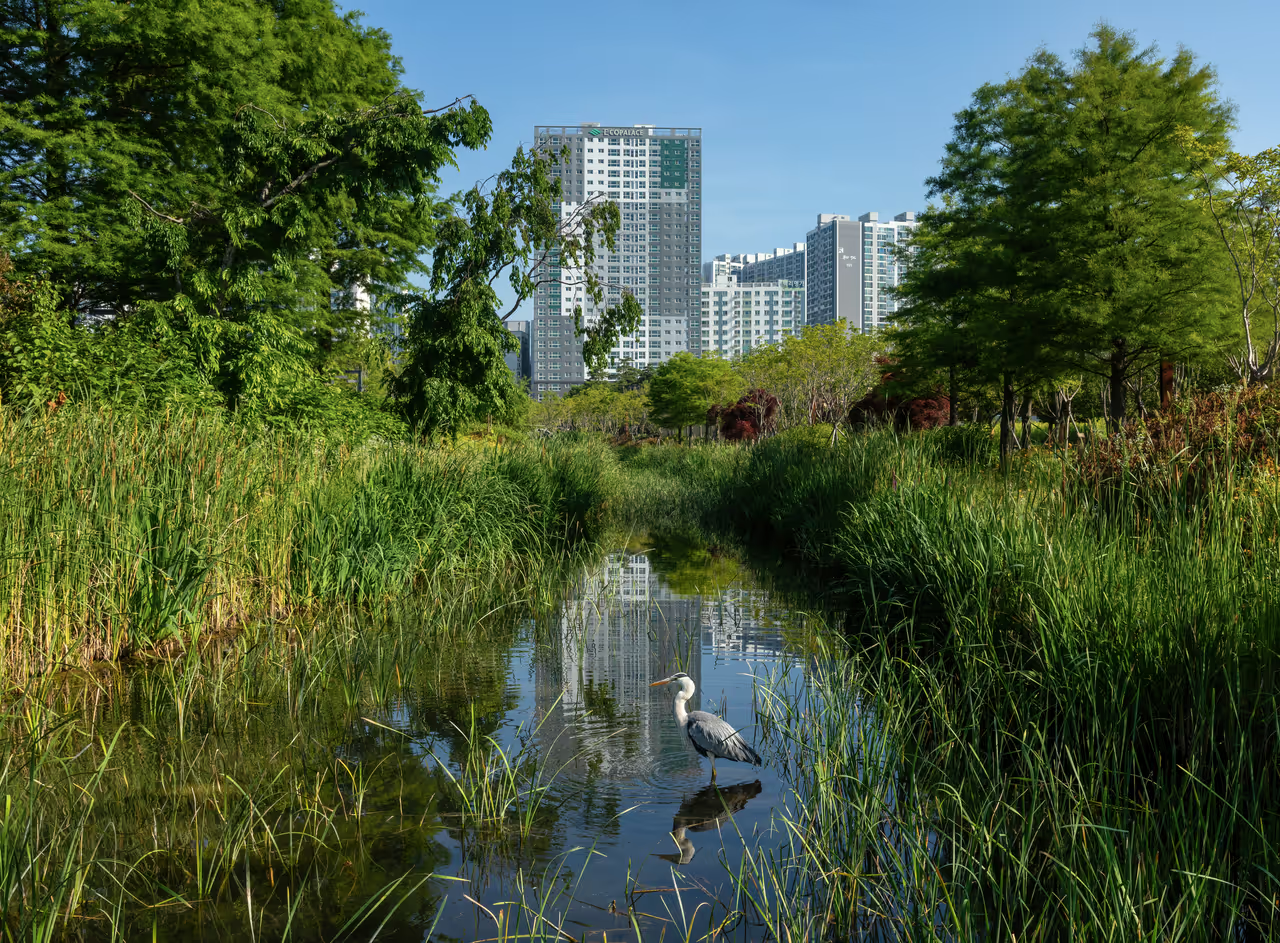
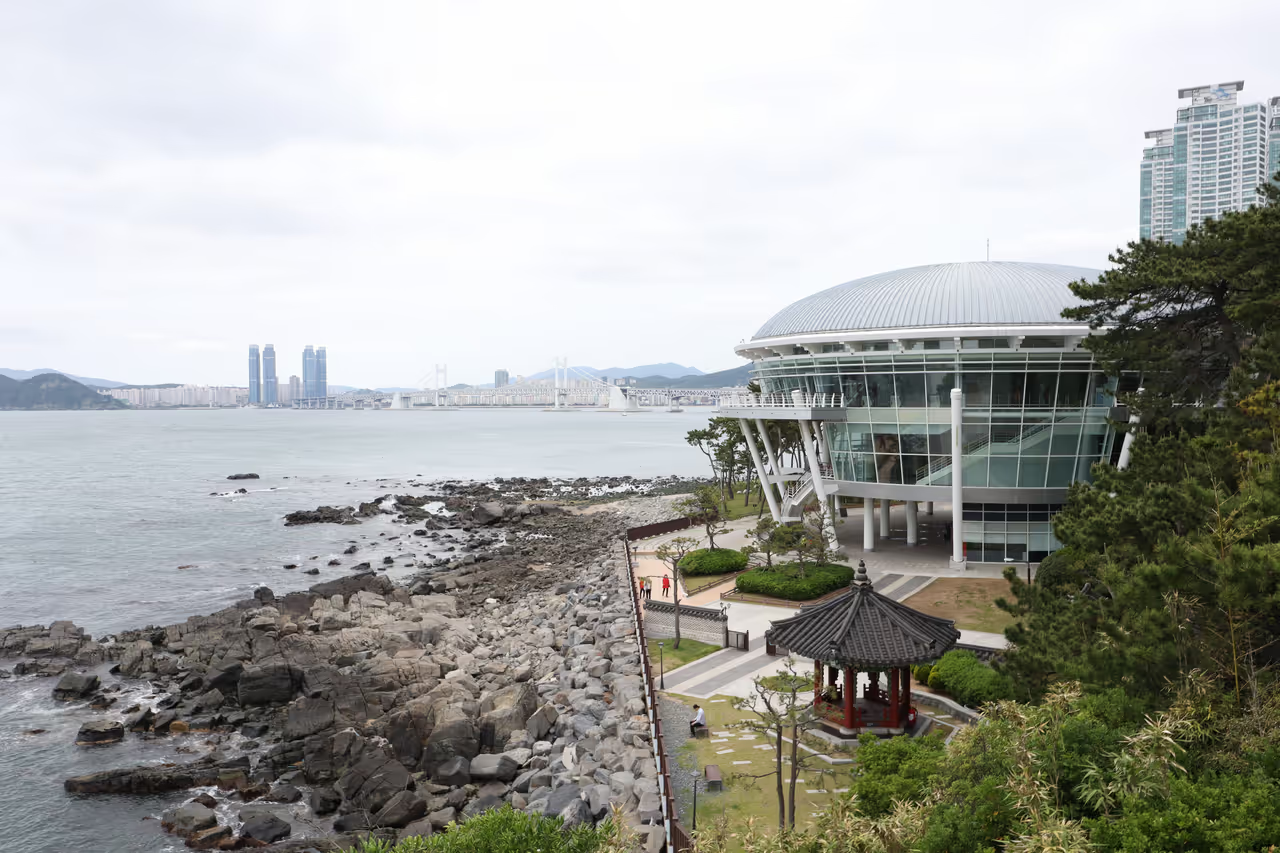
This beautifully landscaped riverside promenade was constructed to commemorate the major international summit held in the city. It runs gracefully alongside the waterway, providing a lush, green contrast to the towering glass skyscrapers of the adjacent modern commercial district. The path is dotted with interesting contemporary sculptures and perfectly manicured rest areas. It is exceptionally popular for evening strolls, offering spectacular views of the futuristic skyline reflecting on the calm river surface. The park provides a highly accessible, peaceful retreat right in the middle of the busiest modern hub.
highlight view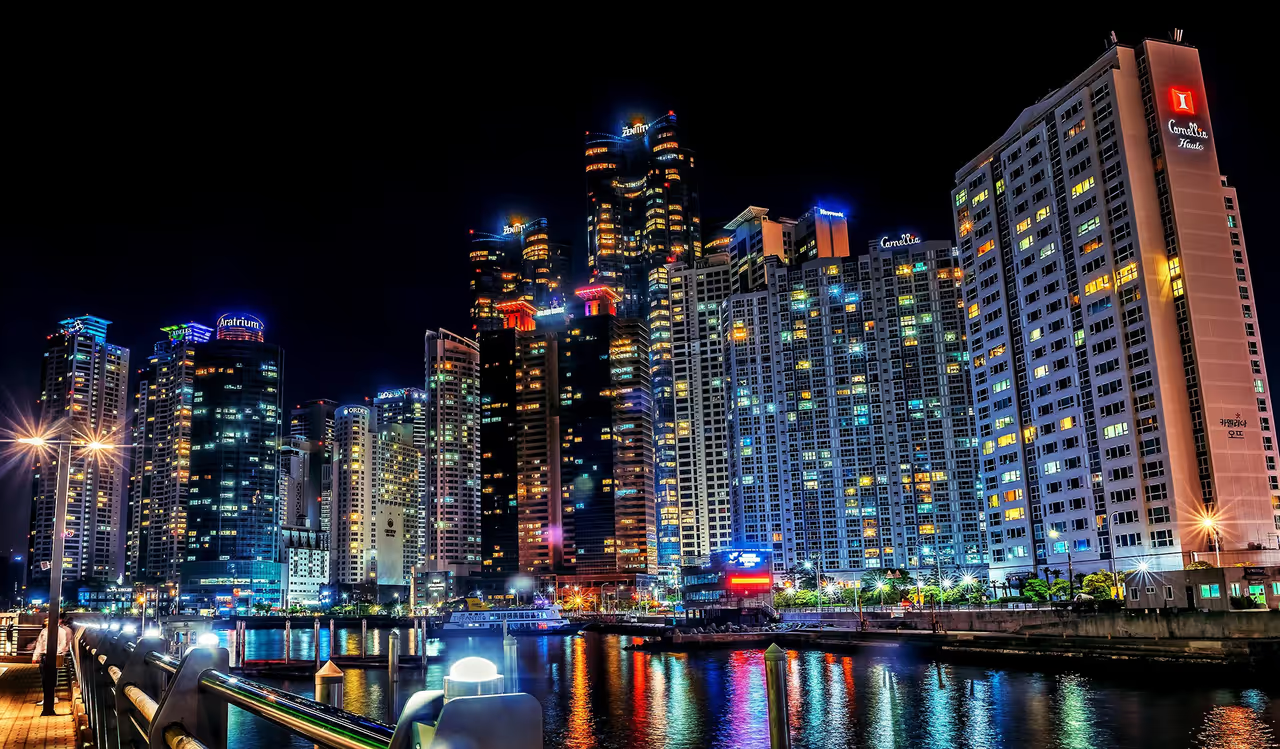 314m
314mMarina Reflections
This upscale marina facility has become legendary on social media for a very specific optical illusion. Visitors exploit the wet pavement near the water's edge to capture perfect, mirror like reflections of the towering luxury skyscrapers behind them. At night, the illuminated high rises create a spectacular, futuristic cyberpunk aesthetic against the dark sky. It is a highly popular spot for dramatic, stylised portrait photography.
photo spot view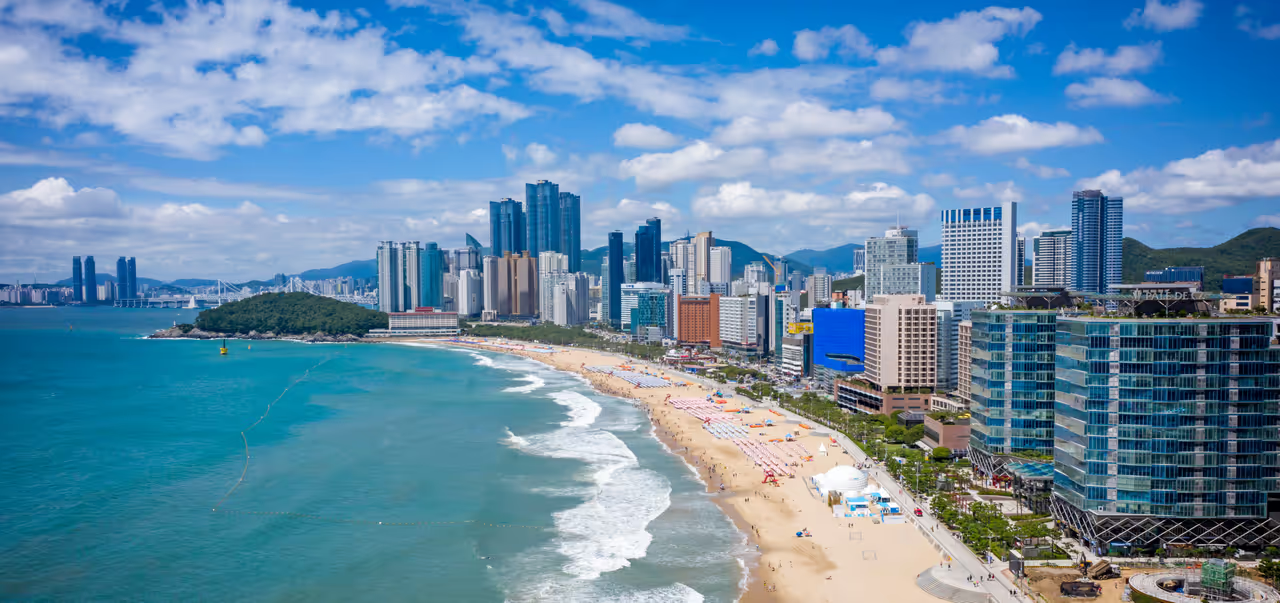 963m
963mHaeundae Beach
Haeundae Beach stands as the undisputed jewel of the Busan coastline, drawing millions of visitors who flock to its shimmering golden sands. Whether you seek to soak up the sun during the peak of summer or experience the stark, exhilarating beauty of a winter walk along the shoreline, the beach provides a vibrant atmosphere throughout the year. Towering skyscrapers frame the skyline, creating a unique contrast against the vast expanse of the Sea of Japan. You can spend your time exploring the nearby island of Dongbaekseom or simply enjoying the lively energy that pulses through the boardwalk. It remains a definitive stop for anyone visiting South Korea, perfectly blending urban convenience with the refreshing freedom of the ocean.
attraction view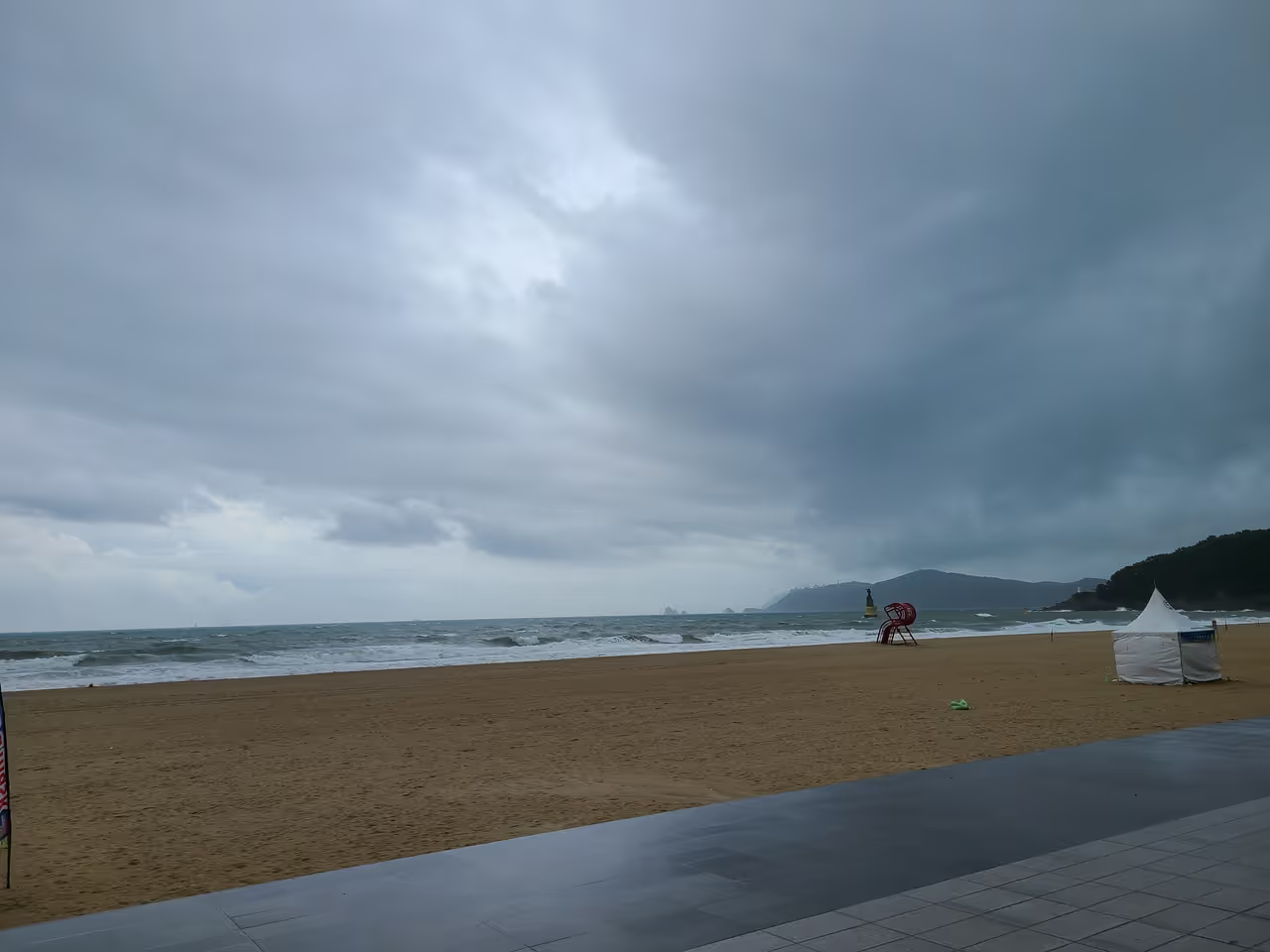 963m
963mPolar Bear Swim
Thousands of brave participants gather on the freezing winter beach to welcome the new year with an icy plunge. This exhilarating tradition features people of all ages sprinting into the frigid ocean waters. The event promotes physical health and mental resilience, creating a joyous and slightly chaotic spectacle. Spectators line the sandy shores, wrapped in thick coats, cheering on the swimmers. Warm drinks and festive music help keep the energetic crowd motivated.
festival view
Explore Similar Places in This Collection
Featured on These Itineraries and Routes
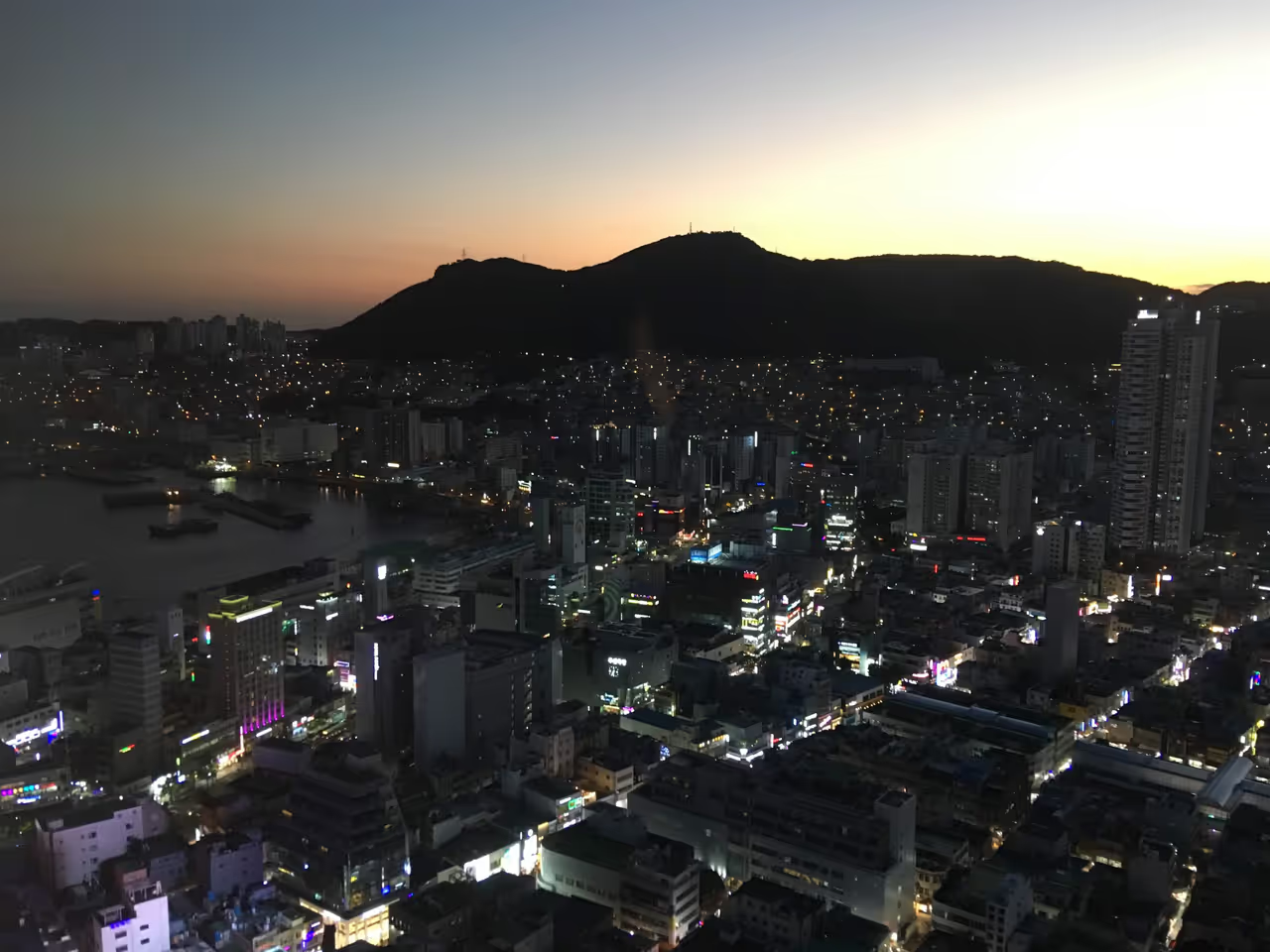
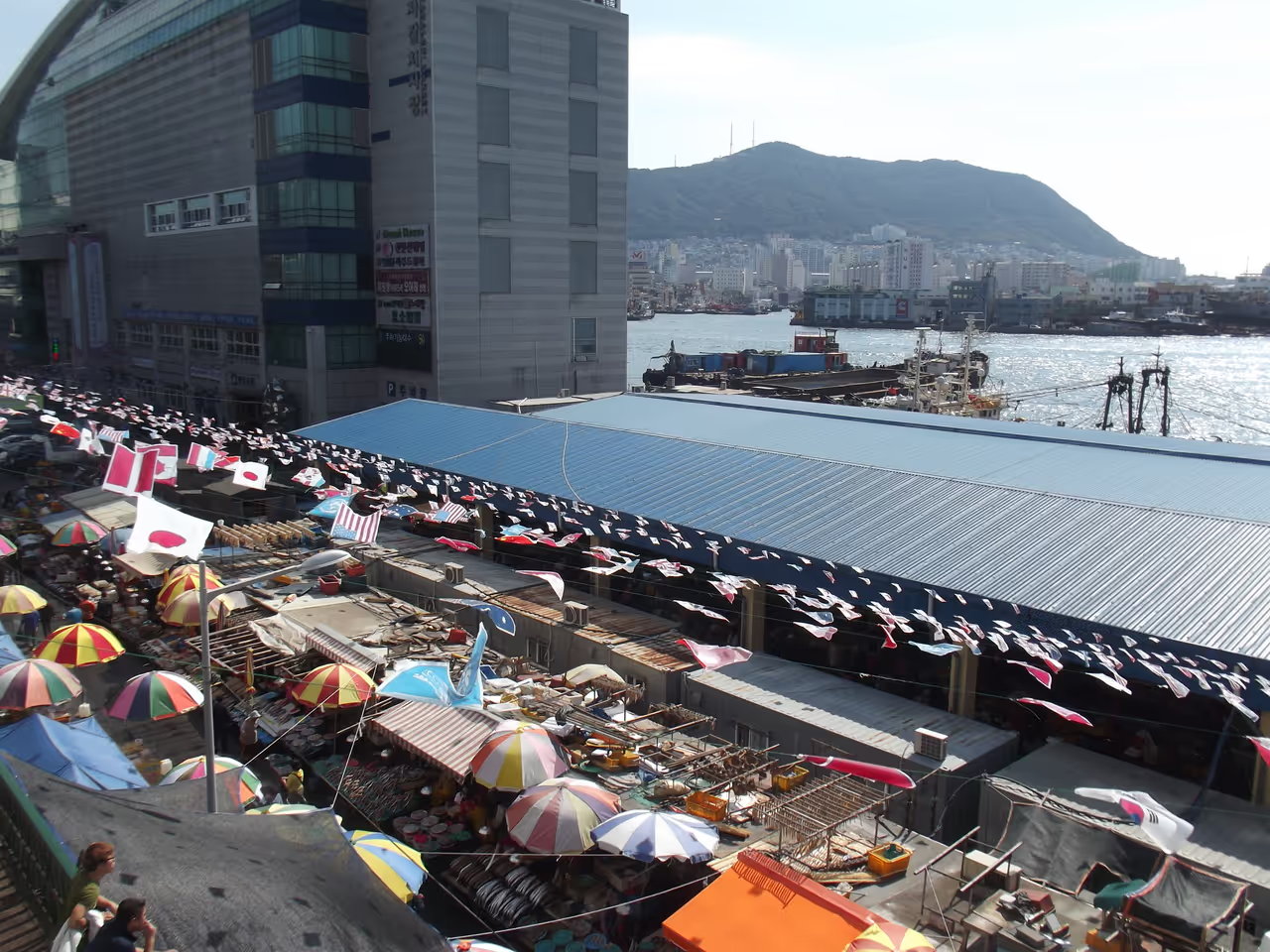
3 Days in Busan Itinerary
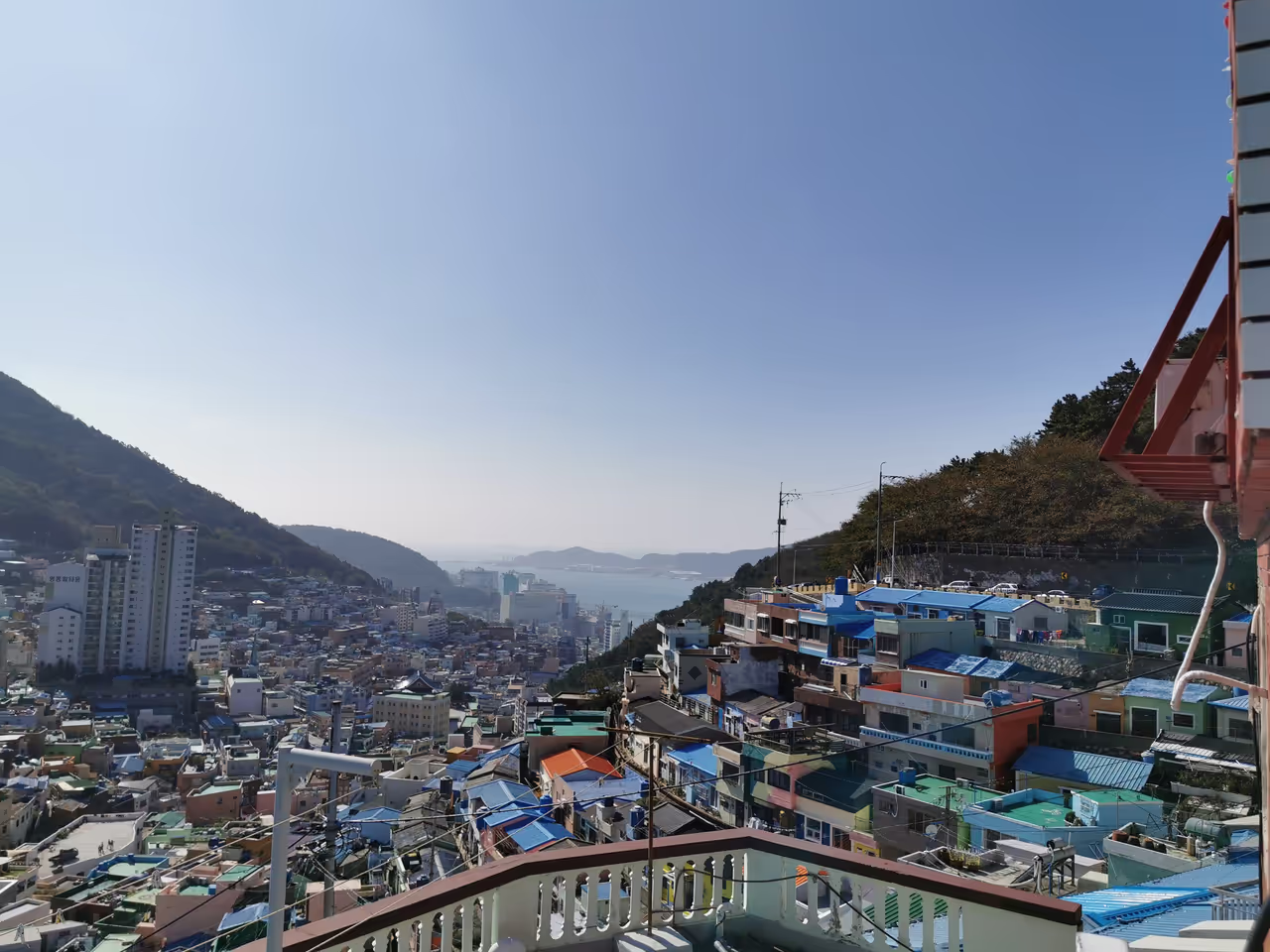
This balanced three day route allows for a deep, satisfying exploration of the city's varied districts. Day one concentrates on the glamorous eastern beaches, luxury modern architecture, and scenic coastal walks. Day two shifts focus entirely to the rugged, historic southern port area, uncovering wartime refugee history and authentic market culture. Day three provides time for spiritual reflection at an ancient mountain sanctuary before exploring the vibrant student nightlife. It perfectly encapsulates the contrasting natural and urban elements that make the city unique.
view itinerary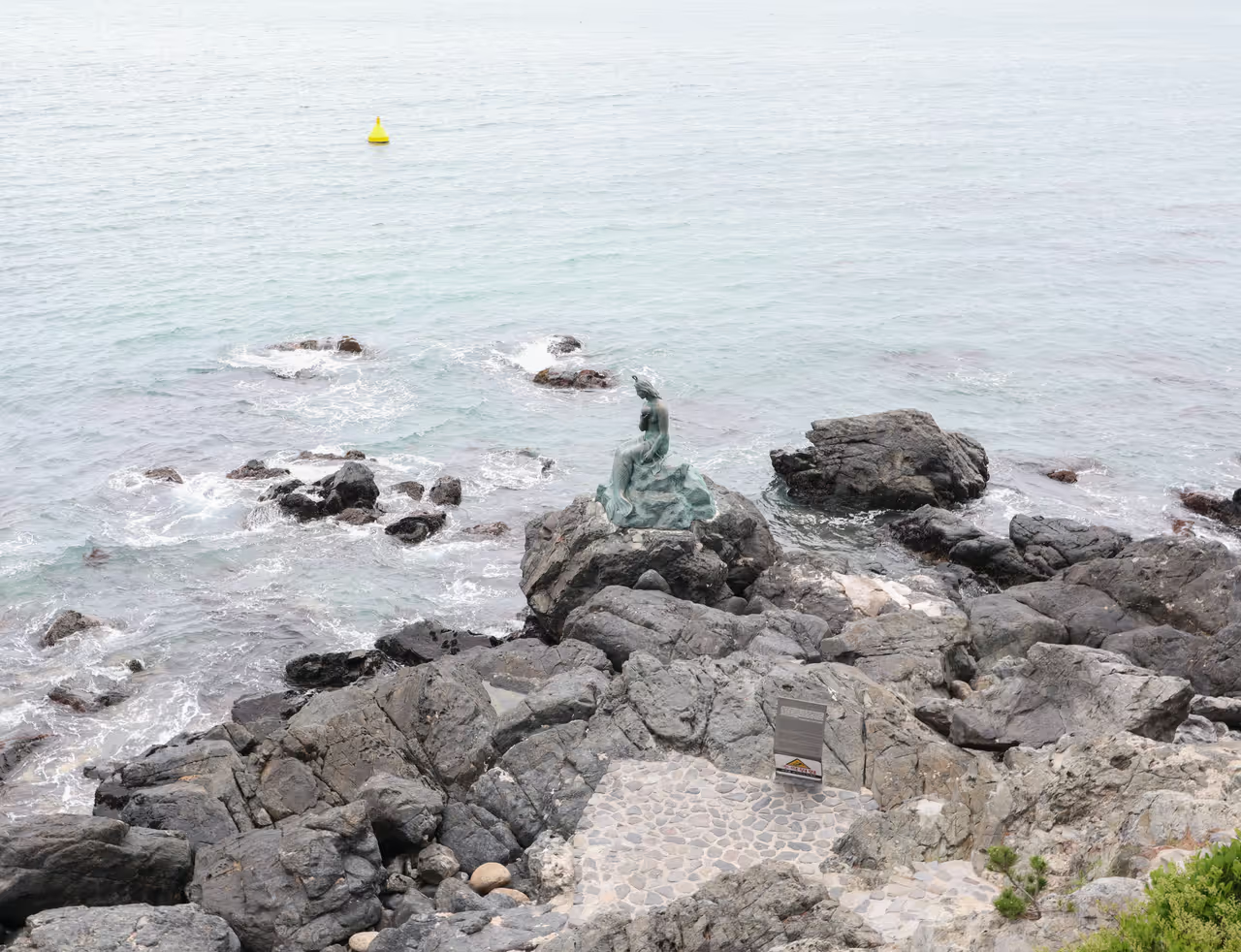
Island Park Circuit
Follow a beautifully maintained wooden boardwalk that wraps around a small, forested peninsula. The trail weaves through dense stands of fragrant pine trees and vibrant camellias, offering spectacular vantage points over the water. Walkers can gaze out at the vast ocean, the impressive suspension bridge, and the distant city skyline. Along the route, a bronze mermaid statue sits perched on the rocks, adding a touch of local folklore. The sound of waves crashing against the stone cliffs provides a highly therapeutic acoustic backdrop.
view walking route
See all nature & parks in Busan
Busan Citizens Park...