Haeundae Beach
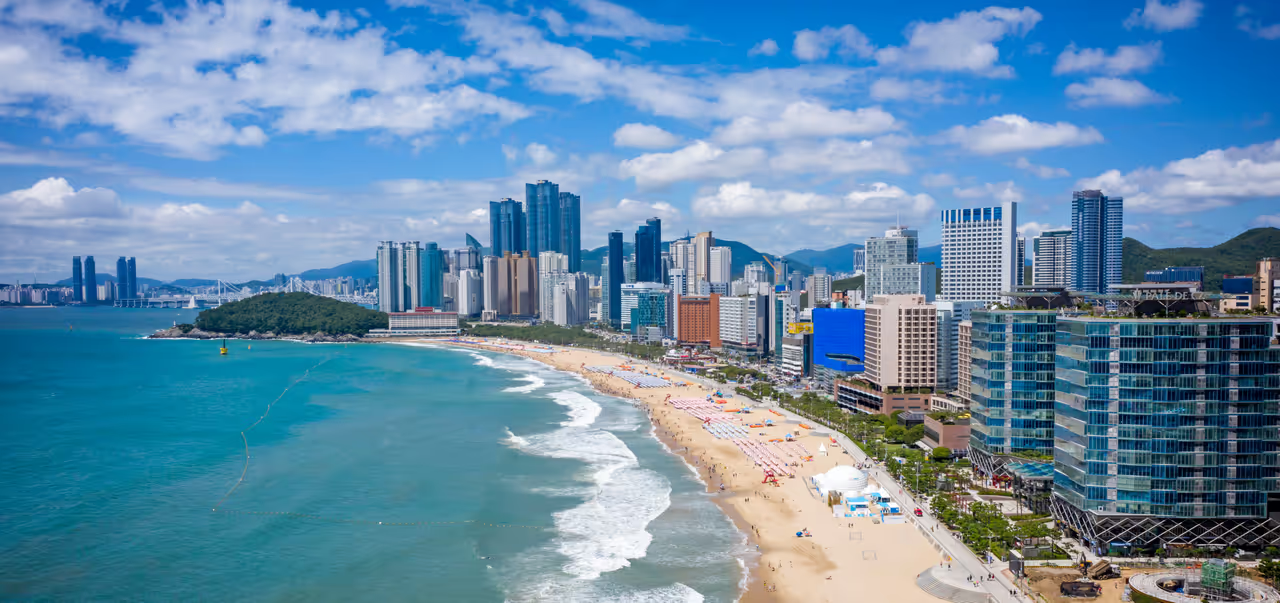
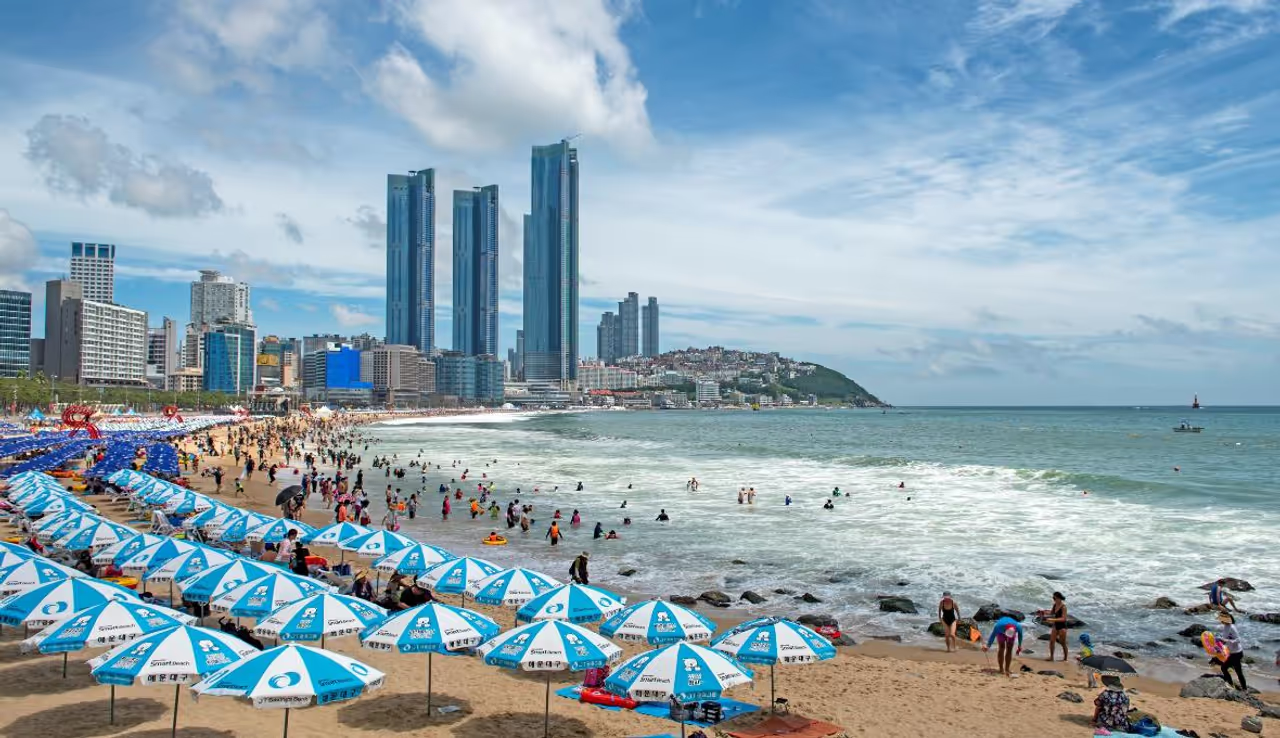
Haeundae Beach stands as the undisputed jewel of the Busan coastline, drawing millions of visitors who flock to its shimmering golden sands. Whether you seek to soak up the sun during the peak of summer or experience the stark, exhilarating beauty of a winter walk along the shoreline, the beach provides a vibrant atmosphere throughout the year. Towering skyscrapers frame the skyline, creating a unique contrast against the vast expanse of the Sea of Japan. You can spend your time exploring the nearby island of Dongbaekseom or simply enjoying the lively energy that pulses through the boardwalk. It remains a definitive stop for anyone visiting South Korea, perfectly blending urban convenience with the refreshing freedom of the ocean.
Videos
History of Haeundae Beach
Long before the high rises emerged, Haeundae was a tranquil fishing hamlet where local life revolved around the tides. Its transformation into a premier destination began in the late 19th century when the beauty of the coastline started attracting attention beyond the local community. During the Japanese colonial period, the area became a favoured spot for families, embedding the concept of seaside leisure into the local experience. The true turning point came during the Korean War, when the United States military utilised the beach for logistics and recreation, inadvertently introducing the location to a wider international audience. The official opening in 1965 marked the beginning of a new era as Haeundae solidified its reputation as the largest and most significant beach in South Korea. By 1994, it gained status as a special tourist area, which accelerated the development of the infrastructure seen today. This period of rapid modernisation saw the transformation of the shoreline, with the massive LCT Towers now standing as sentinels watching over the water. Despite these changes, the beach has maintained a spirit of celebration, hosting massive events from international film festivals to sand art competitions that define the local identity. The modern legacy of Haeundae is defined by the ongoing struggle against nature, specifically the persistent coastal erosion that threatened to wash away its signature sands. Authorities have implemented engineering feats like underwater breakwaters to hold back the tides, ensuring the beach remains a sustainable destination for future generations. Today, it stands as a testament to the resilience of both nature and urban planning, a place where history, cinema, and seaside tradition collide in a spectacular display of coastal life.
Events spanning 108 years
Fun Facts
- • Coastal erosion has significantly reduced the sandy area over the decades, leading the government to install underwater breakwaters and perform regular replenishment.
- • During the Korean War, the beach served as a staging area and recreational space for United States military personnel stationed in the region.
- • Each winter, thousands of brave swimmers jump into the near freezing waters for the annual Polar Bear Festival, a tradition that has continued since 1988.
- • It served as a key filming location for the 2009 blockbuster disaster film Tidal Wave, further cementing its place in popular culture.
- • The beach has hosted international e sports competitions, transforming the sand into a massive arena for competitive gaming.
- • The beach holds a unique Guinness World Record from 2008 for having 7,937 beach umbrellas on a single stretch of sand.
- • The beach is famous for its massive annual influx of visitors, often reaching over 10 million people in peak seasons.
- • The beach is the centrepiece for the Haeundae Sand Festival, which stands as the only eco friendly, sand focused festival in the entire country.
- • The iconic skyline view from the beach is dominated by the LCT Towers, which are among the tallest structures in South Korea.
- • The name Haeundae is linked to the scholar Choi Chi won, who, according to local legend, was so enchanted by the scenery that he carved the name onto a rock on Dongbaekseom Island.
RESOURCES
Official WebsiteHaeundae Beach FAQ
While we strive to keep this information accurate and up to date, we recommend verifying any details independently before making decisions based on them.
Haeundae Beach Map & Neighborhood Explorer
This interactive map is centered on Haeundae Beach. Zoom in and move the map around to automatically discover Wikipedia photos and summaries of other nearby sights, monuments, and historical points of interest and stories in real-time!
Places near Haeundae Beach
Make the most of your trip. Check out these top-rated spots located nearby.
 0m
0mPolar Bear Swim
Thousands of brave participants gather on the freezing winter beach to welcome the new year with an icy plunge. This exhilarating tradition features people of all ages sprinting into the frigid ocean waters. The event promotes physical health and mental resilience, creating a joyous and slightly chaotic spectacle. Spectators line the sandy shores, wrapped in thick coats, cheering on the swimmers. Warm drinks and festive music help keep the energetic crowd motivated.
festival view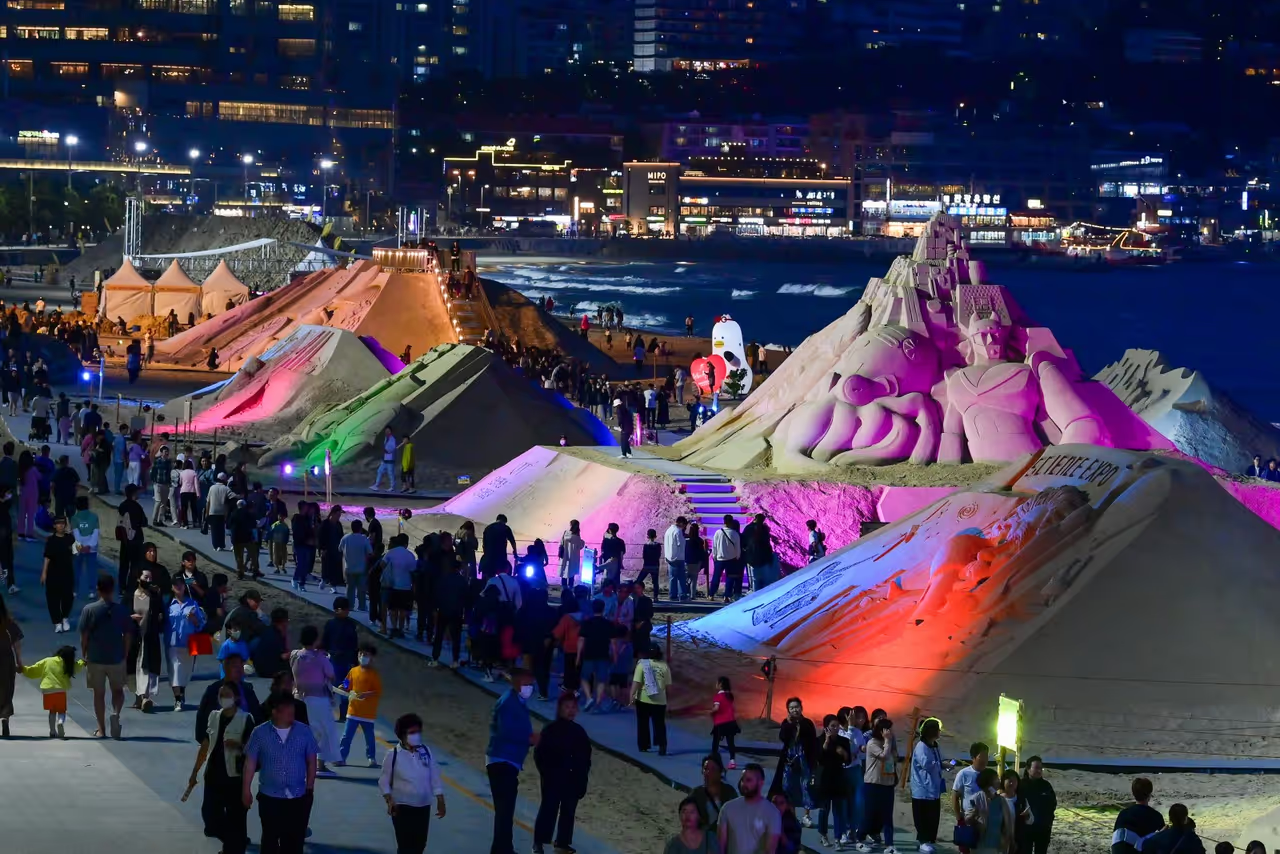 0m
0mSand Festival
Talented artists from around the world transform the expansive beach into an impressive outdoor sculpture gallery. Massive, intricate sandcastles and detailed figures dominate the shoreline, showcasing incredible temporary craftsmanship. The festival includes interactive workshops where visitors can try their hand at sand sculpting. At night, the sculptures are dramatically illuminated, creating a completely different visual experience. It perfectly captures the joyful, creative spirit of the approaching summer season.
festival view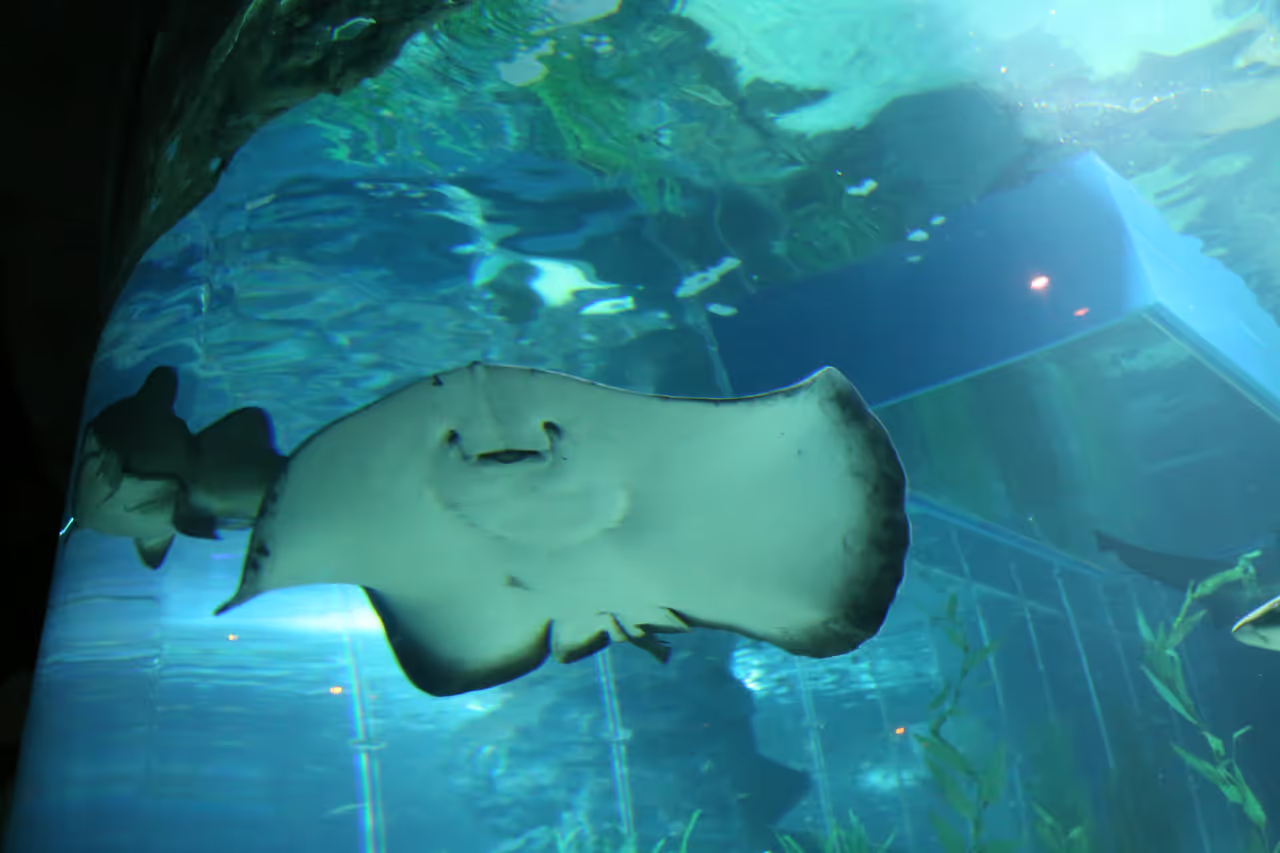 21m
21mSea Life Aquarium
Located directly beneath the sand of the city's most famous beach, this expansive facility houses thousands of marine creatures. Visitors can walk through an immersive 180 degree glass tunnel, watching sharks and rays glide effortlessly overhead. The exhibits are highly educational, focusing on local marine ecosystems and global conservation efforts. It provides an excellent, family friendly activity, particularly valuable during rainy days or extreme summer heat. The facility also features engaging 3D rides and interactive touching pools.
highlight view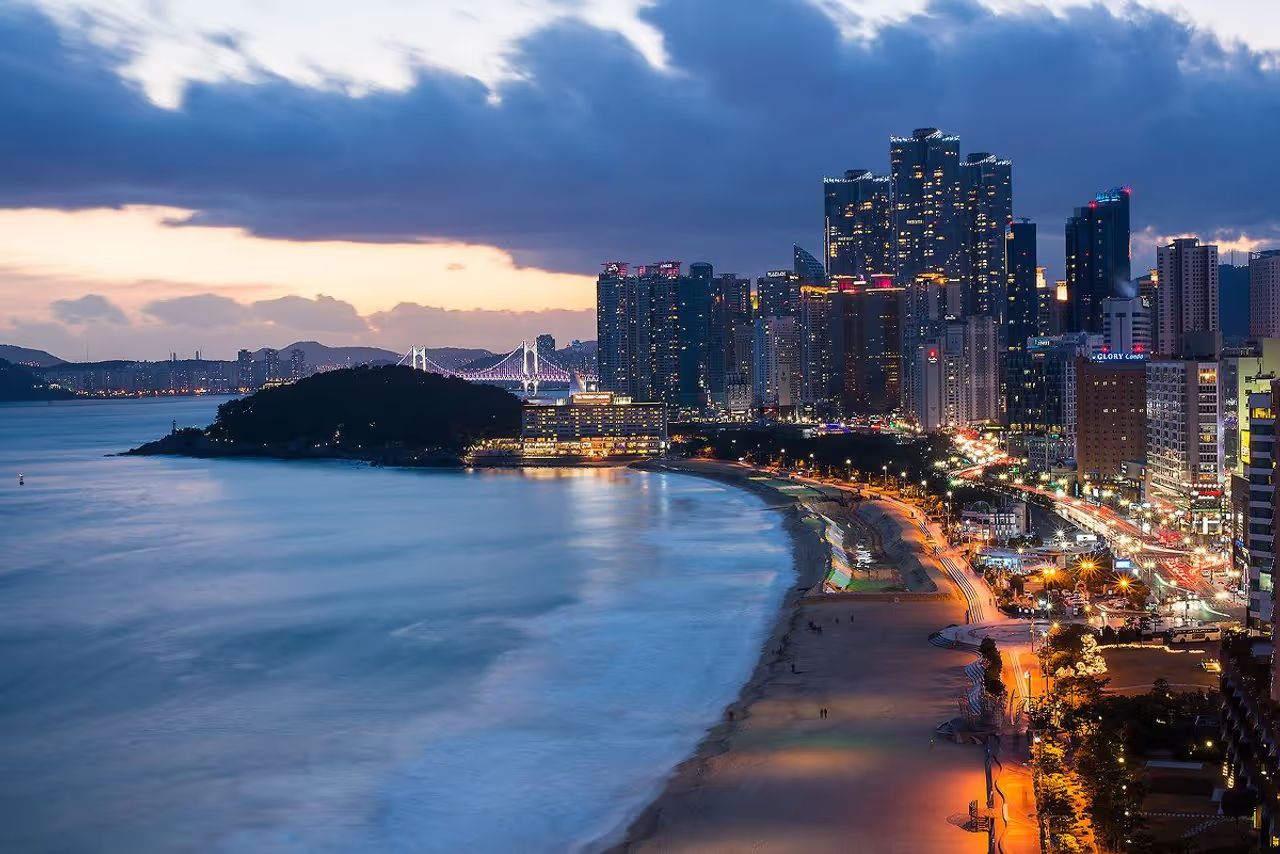 287m
287mHaeundae Main Strip
The broad avenue leading down to the famous beach serves as a playground for an international crowd seeking premium entertainment. Upscale hotel lounges, vibrant expat pubs, and sophisticated wine bars dominate the scene. During the summer, the party atmosphere spills out from the venues onto the pedestrian friendly street and the nearby sand. It has a slightly more luxurious and polished feel compared to other nightlife districts. Visitors can easily transition from a high end dinner to an energetic pub crawl within a few blocks.
nightlife view
Explore Similar Places in This Collection

Featured on These Itineraries and Routes
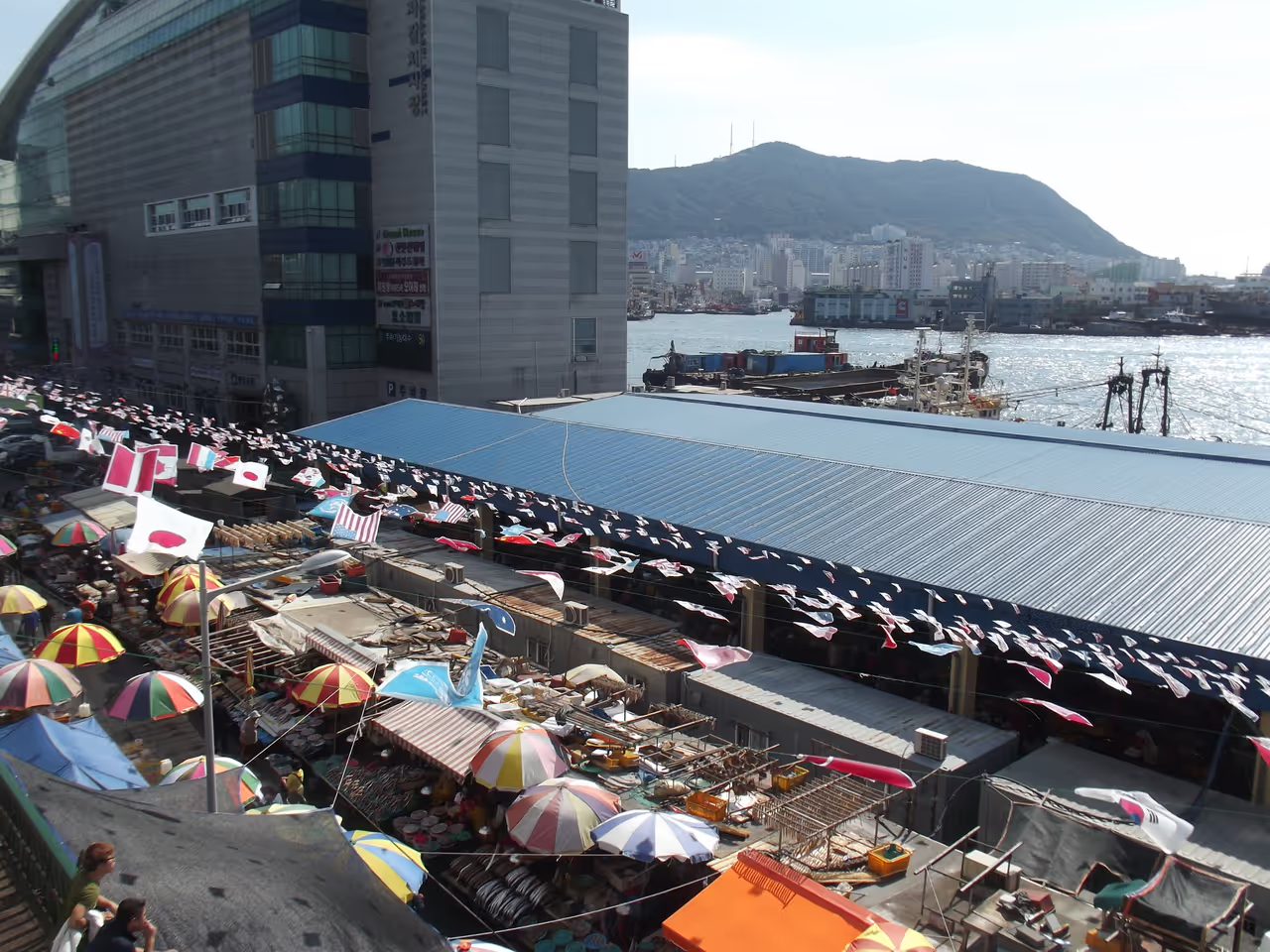
1 Day in Busan: Essential Itinerary
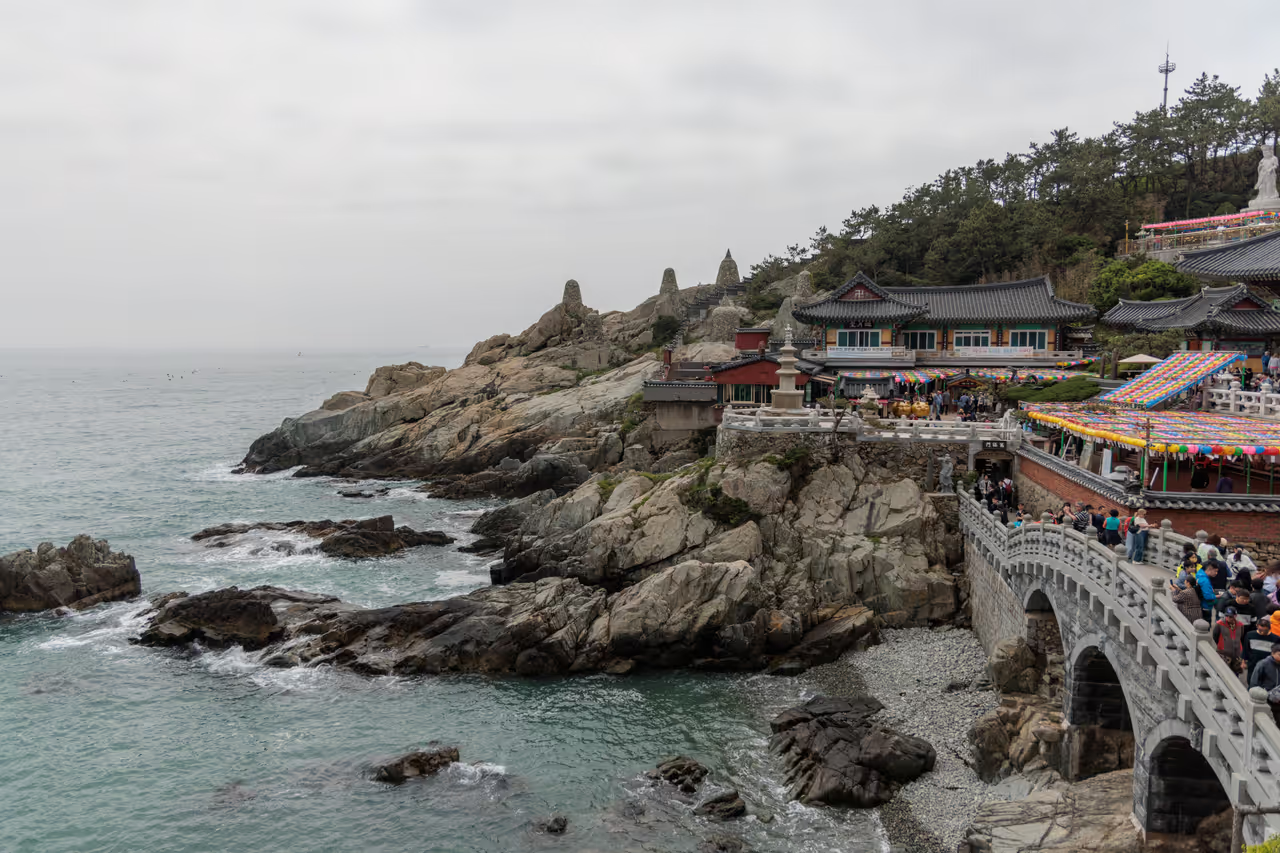
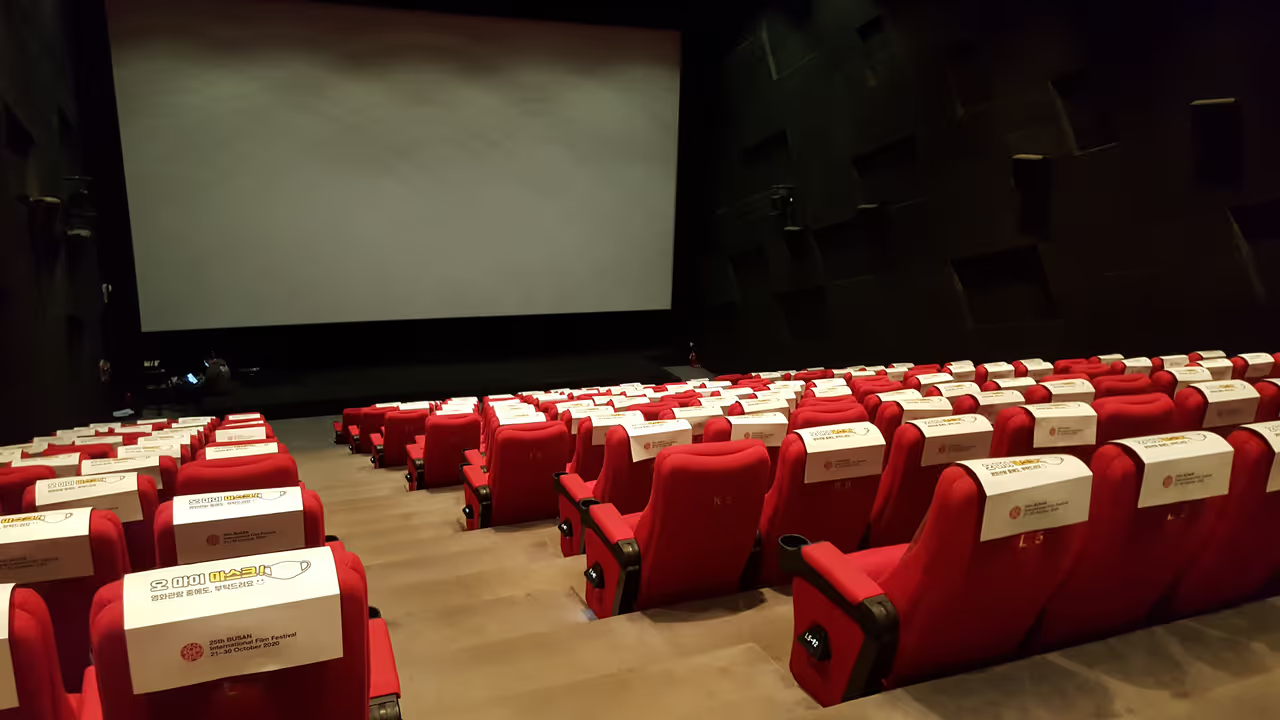
This highly efficient single day plan focuses strictly on the absolute must see iconic locations. It provides a sharp, fascinating contrast between the traditional spiritual sites, the busy commercial harbour, and the modern beach resorts. Visitors will experience the chaotic energy of the famous fish market before transitioning to the stunning coastal scenery in the east. It is a fast paced itinerary designed to deliver the quintessential flavour of the city in a tight timeframe. Perfect for travellers making a quick stopover or a day trip from the capital.
view itinerary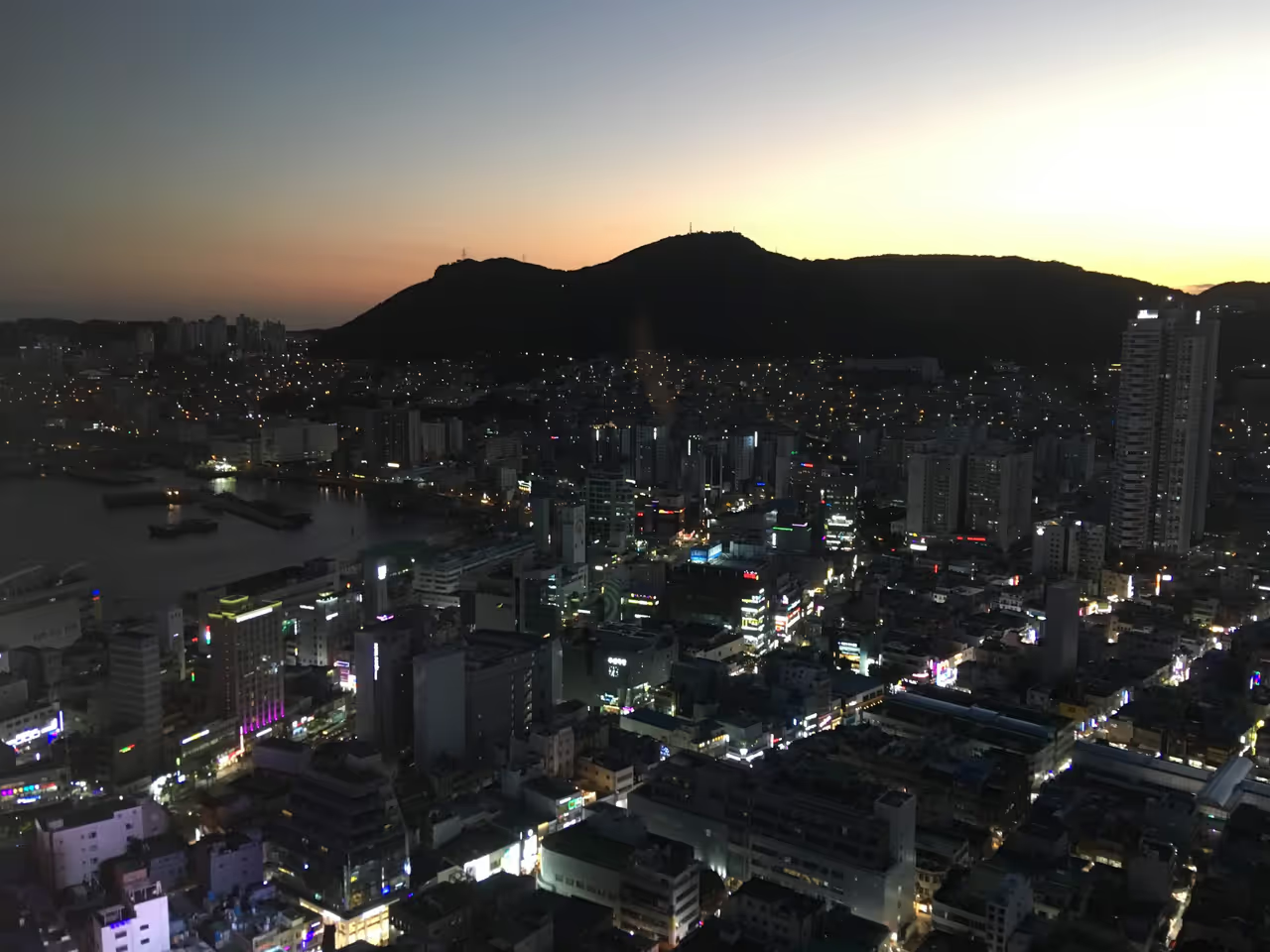
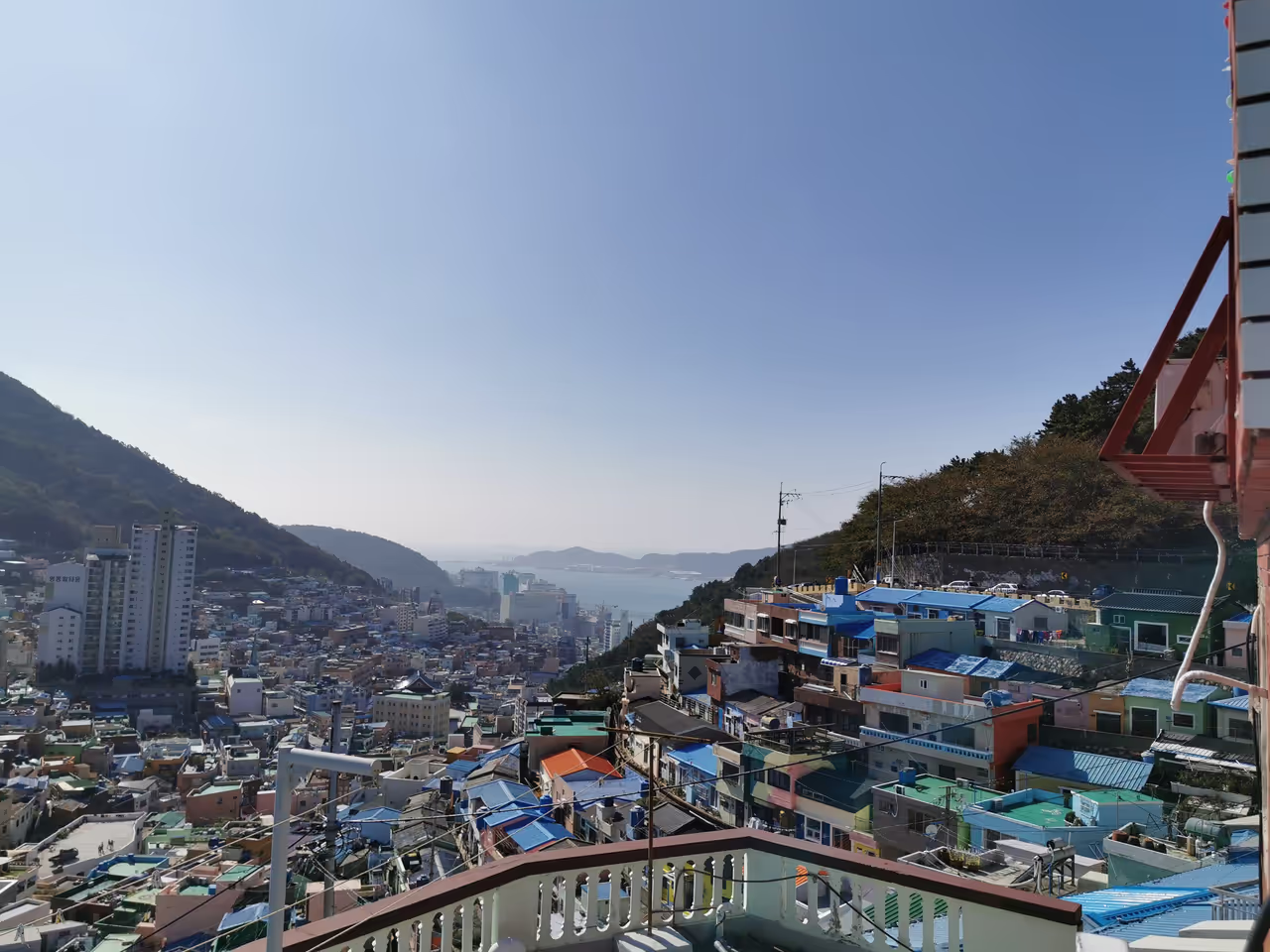
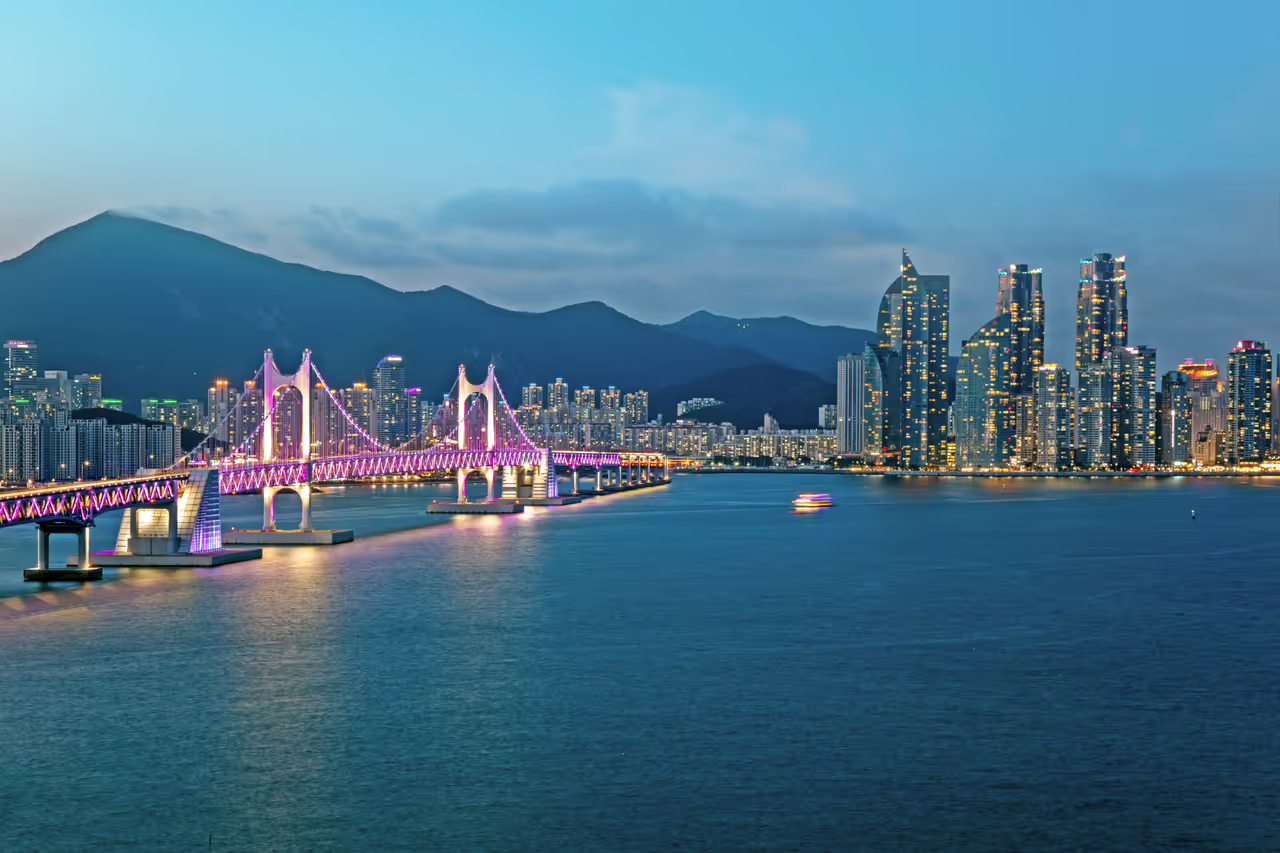
3 Days in Busan Itinerary
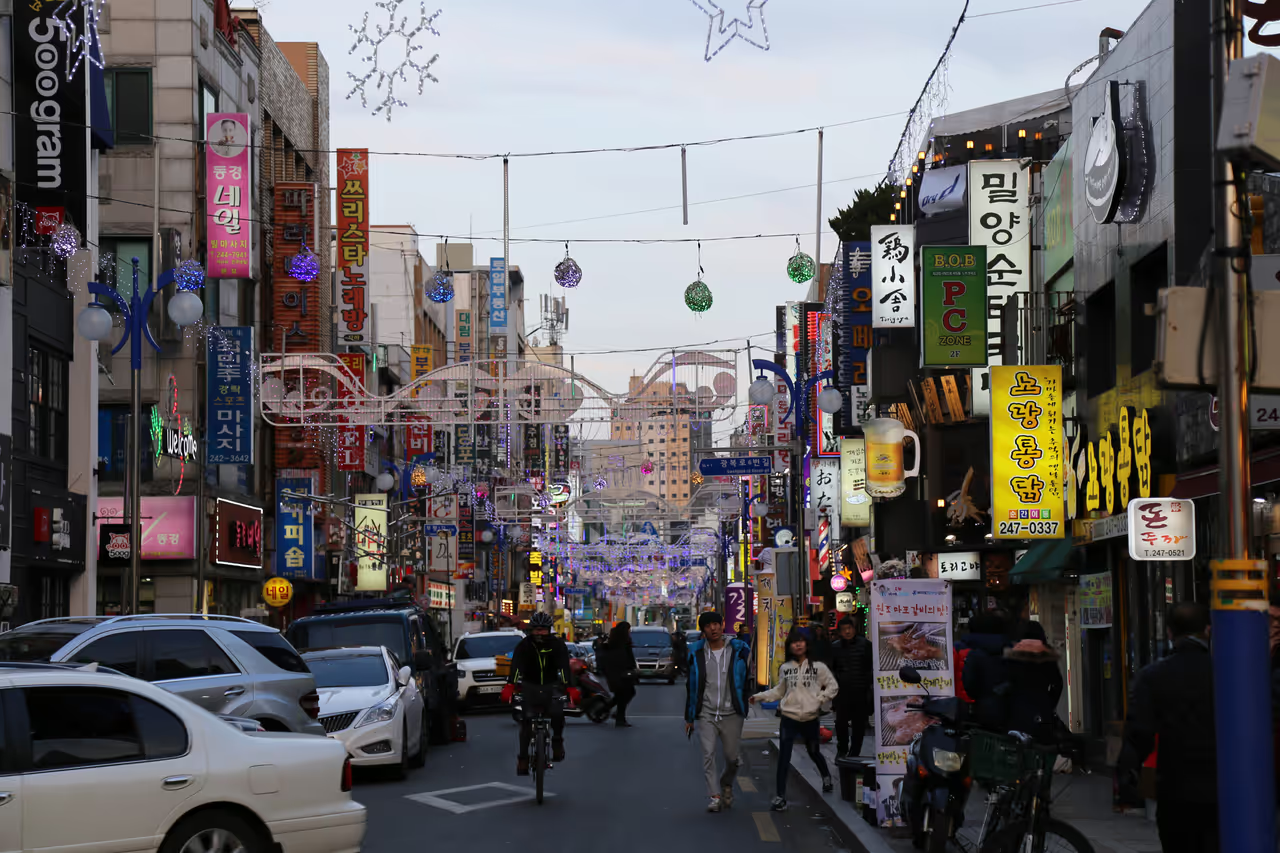
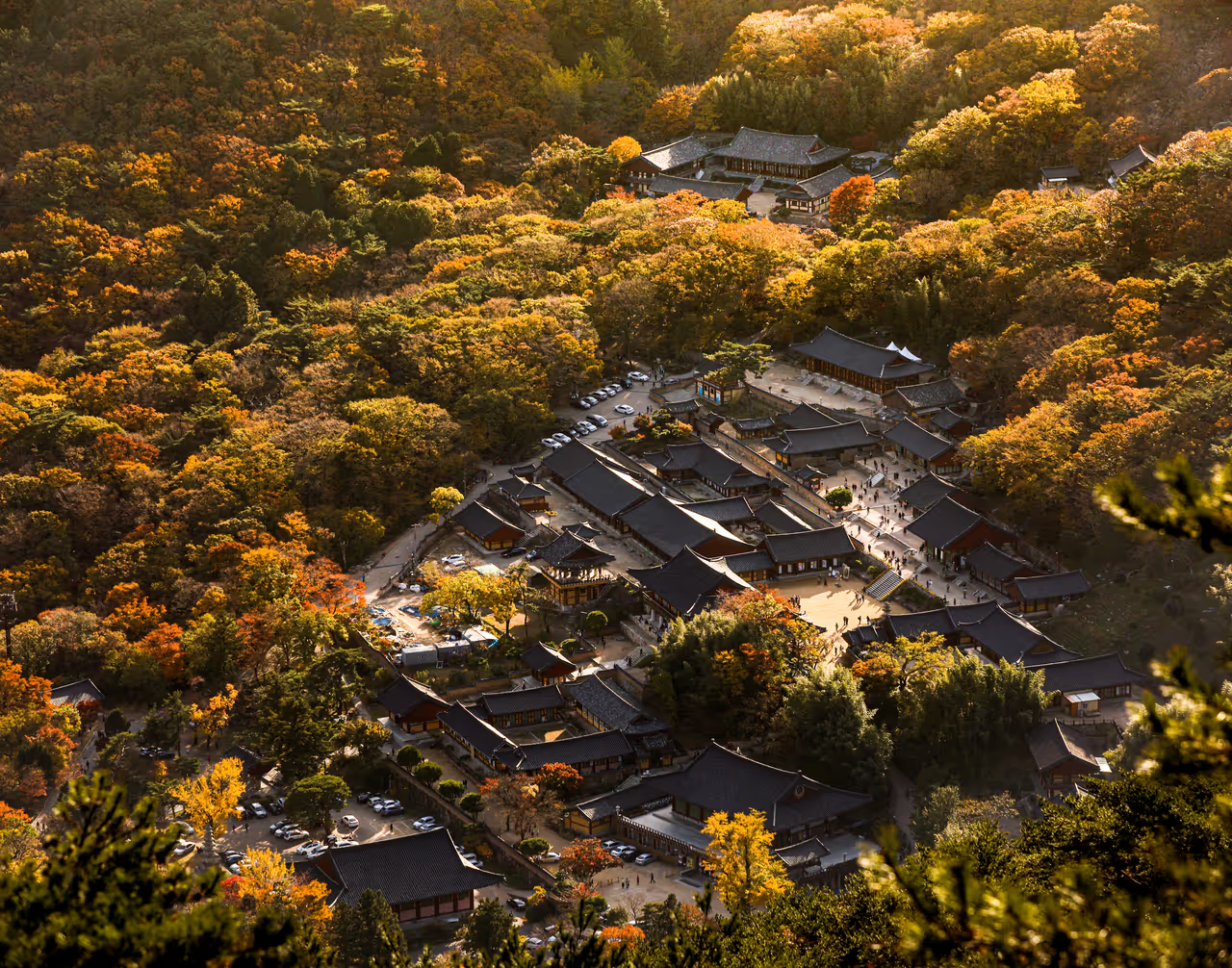
This balanced three day route allows for a deep, satisfying exploration of the city's varied districts. Day one concentrates on the glamorous eastern beaches, luxury modern architecture, and scenic coastal walks. Day two shifts focus entirely to the rugged, historic southern port area, uncovering wartime refugee history and authentic market culture. Day three provides time for spiritual reflection at an ancient mountain sanctuary before exploring the vibrant student nightlife. It perfectly encapsulates the contrasting natural and urban elements that make the city unique.
view itinerary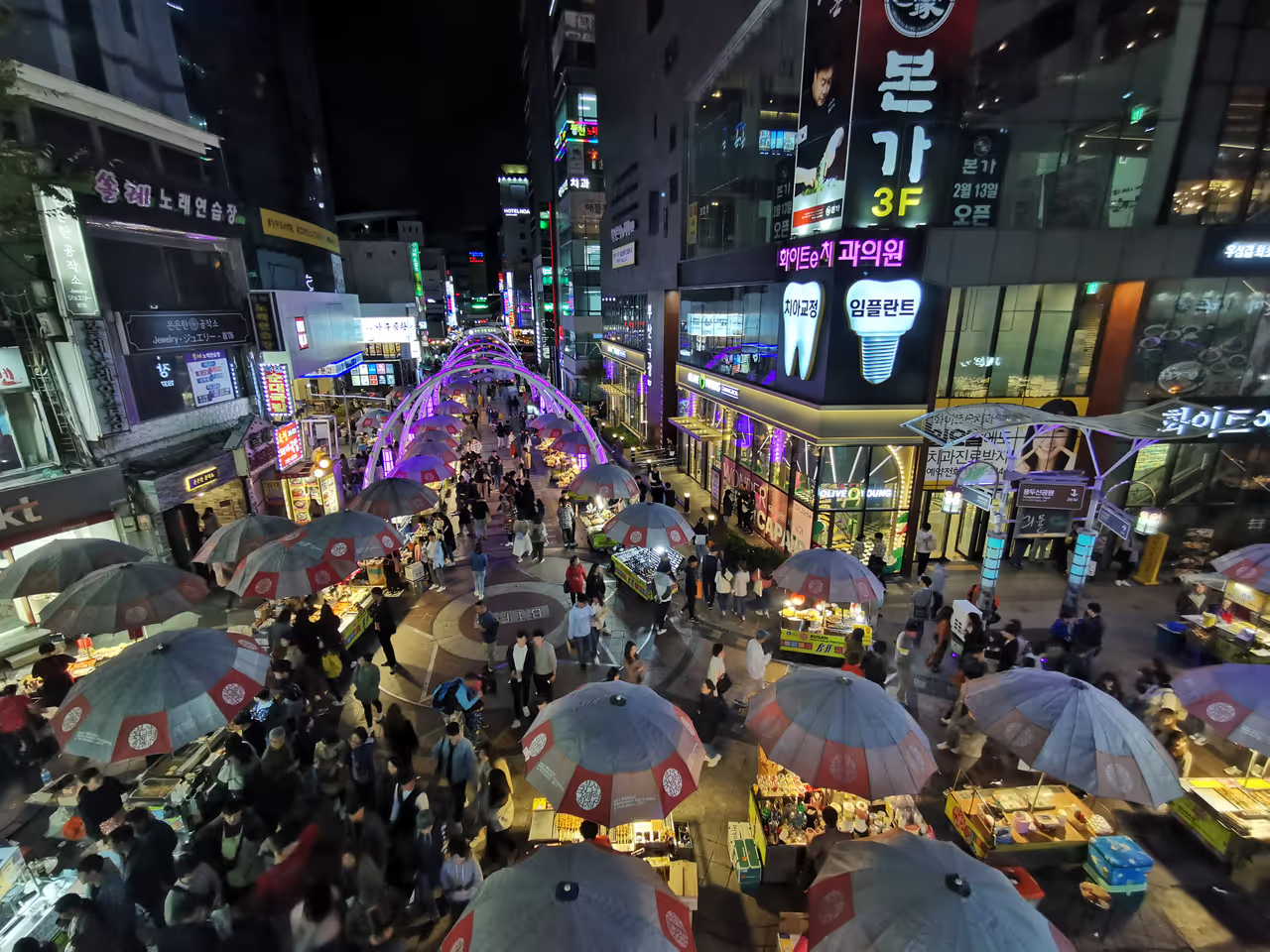
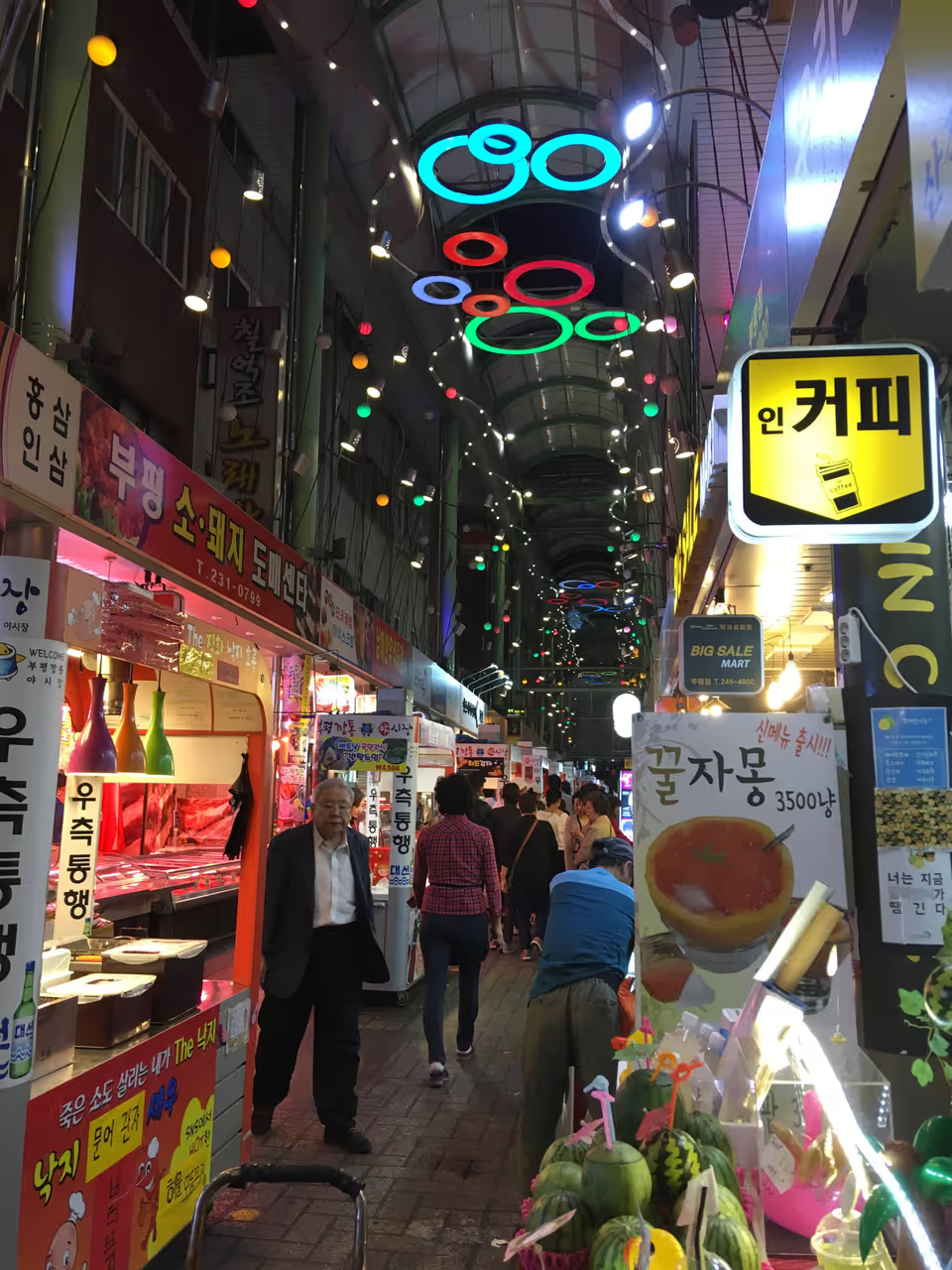
5 Days in Busan: Complete City Immersion Itinerary
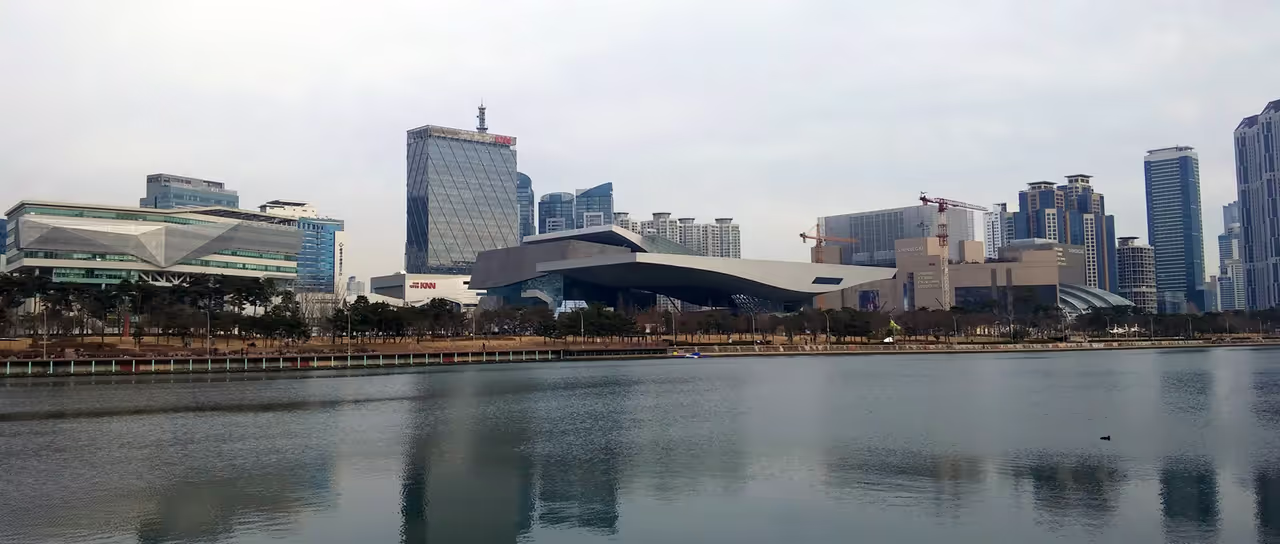
This extensive five day itinerary is designed for travellers wanting to uncover every significant facet of the metropolis. It covers everything from the highly popular tourist beaches to secluded mountain shrines and raw industrial cliffside villages. Visitors will have dedicated time to hike rugged coastal trails, explore massive ecological wetlands, and soak in famous natural hot springs. The pace allows for deep immersion into local culinary scenes and lesser known artistic enclaves. It is the ultimate blueprint for a thorough, highly rewarding coastal adventure.
view itinerary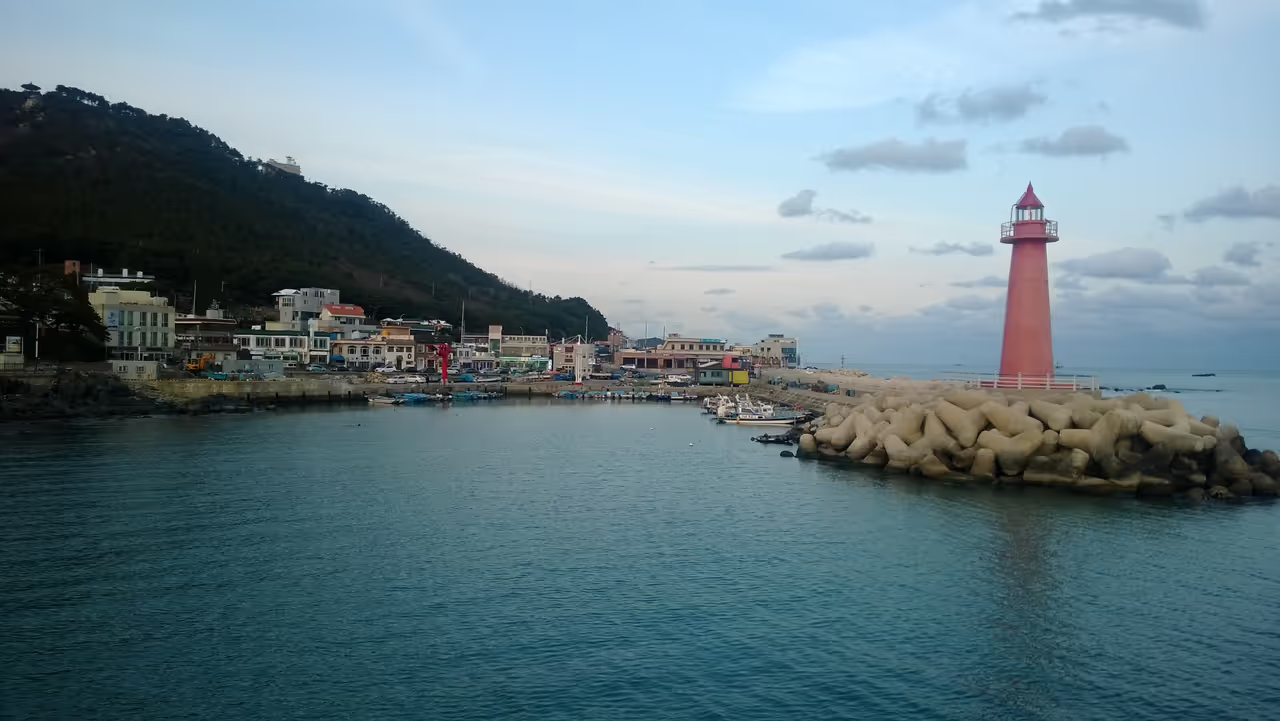
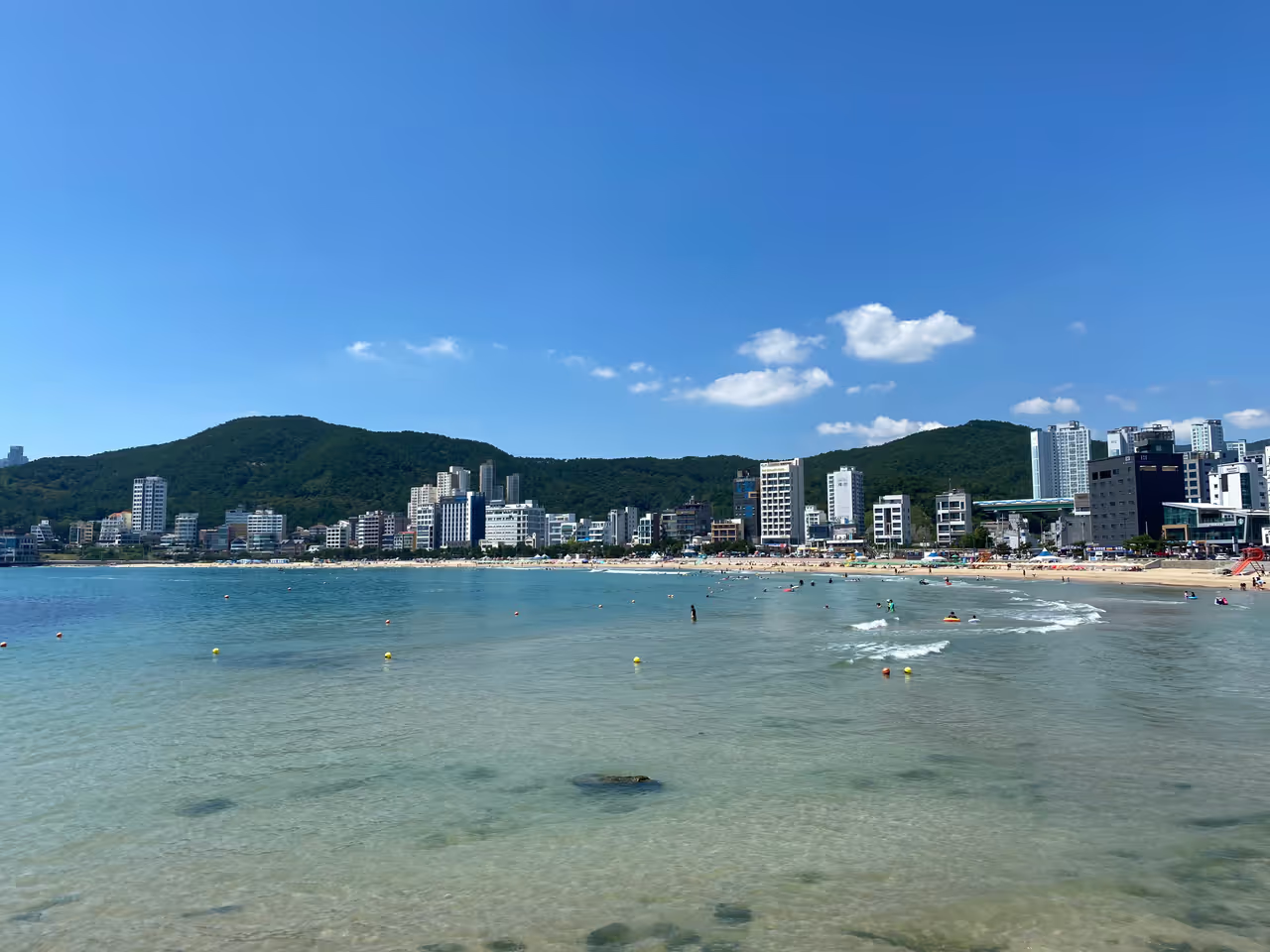
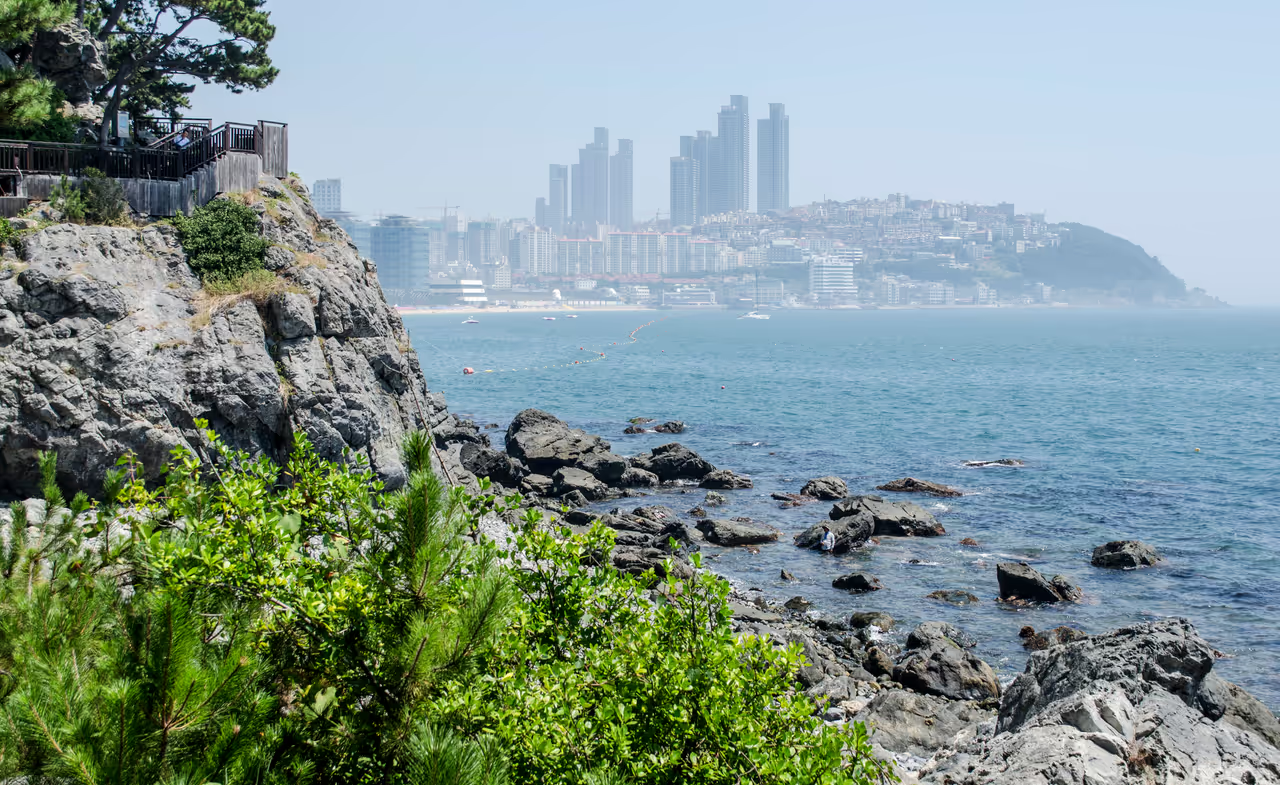
Eastern Beaches Ride
Pedal along the spectacular coastline, connecting the city's most famous sandy shores. The route offers uninterrupted views of the vast ocean and passes through fragrant pine forests. Cyclists will encounter elegant seaside cafes and sophisticated art galleries along the elevated sections of the road. It provides a fantastic way to experience the transition from busy urban beaches to quieter, more secluded coves. The gentle sea breeze and the sound of crashing waves make this a highly refreshing journey.
view cycling route
See all attractions in Busan
Beomeosa Temple, Gamcheon Culture Village, Taejongdae Resort Park, United Nations Memorial Cemetery in Korea...