Gamcheon Culture Village
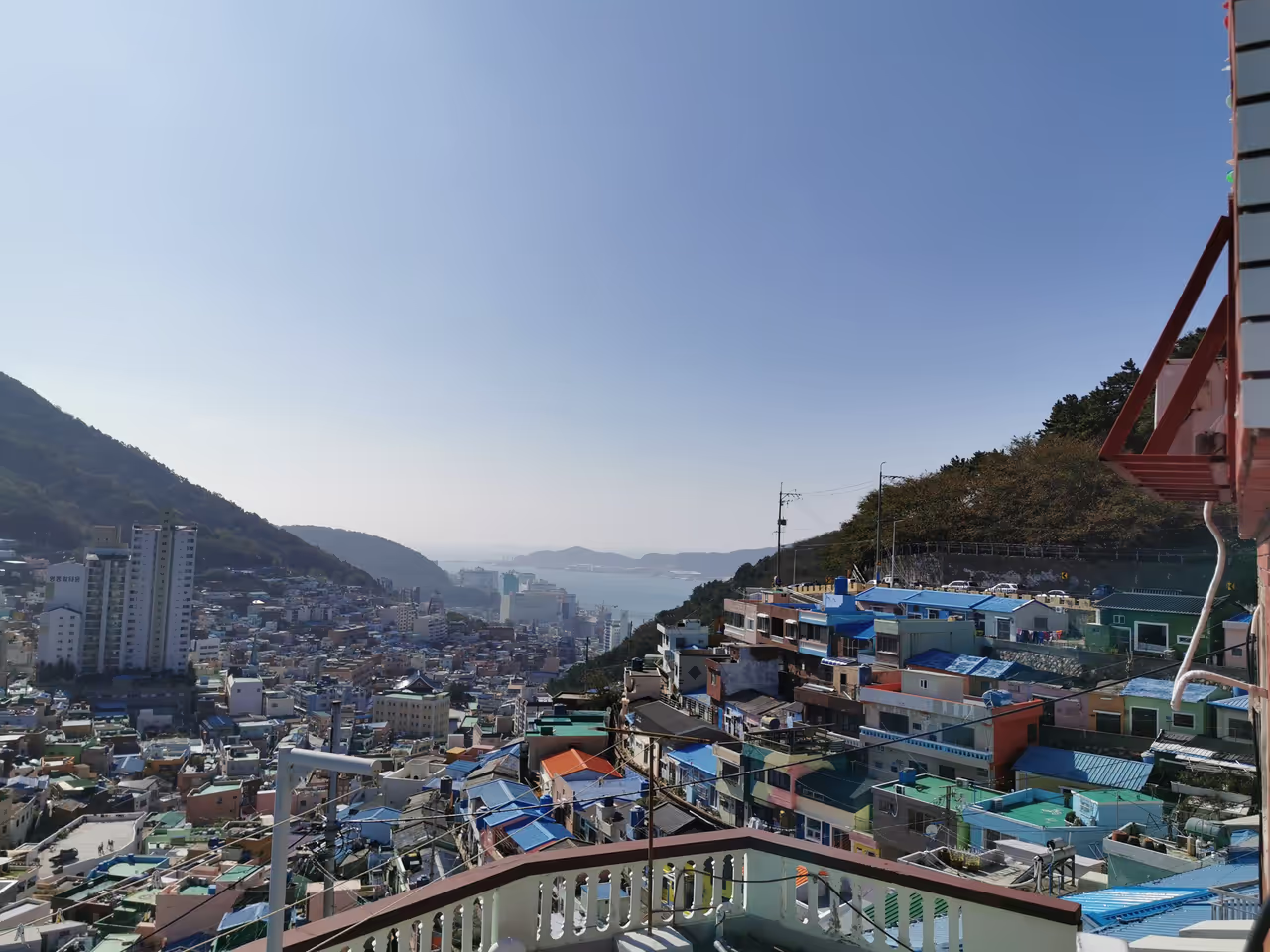
Perched on a steep mountainside, Gamcheon Culture Village offers a kaleidoscope of brightly painted houses that cascade down towards the sea, earning it the nickname the Machu Picchu of Busan. This vibrant maze of narrow, winding alleys invites visitors to lose themselves in an open-air art gallery where every corner reveals whimsical sculptures, playful murals, and hidden cafes. Once a humble sanctuary for refugees, the area has transformed into a dynamic creative hub that preserves its poignant history while embracing modern artistic expression. Exploring the village feels like stepping into a living painting, where the resilience of the community is celebrated through colour and creativity. It is a photographer's dream and a perfect spot for those looking to experience the artistic heartbeat of South Korea's second-largest city.
Videos
History of Gamcheon Culture Village
The story of this village is one of adaptation and reinvention. It began in the early twentieth century when city planners decided to move working-class families away from the port, forcing them to carve out lives on the steep, secluded slopes of the mountain. Following the devastation of the Korean War, the area became a vital refuge for hundreds of families, including many who followed the Taegeukdo religion. This unique spiritual community left a distinct mark on the village layout and culture. For decades, the residents lived in modest homes, navigating narrow alleyways and challenging terrain as the area struggled with poverty and isolation. Everything changed in 2009 when the government launched an ambitious public art initiative. Instead of razing the village to make way for modern apartments, they chose to embrace its unique architectural character. Artists, students, and locals joined forces to paint the houses in vibrant colours and install creative sculptures throughout the streets. The goal was to revitalise the community through art, turning neglected corners into open galleries and transforming what was once seen as a run-down neighbourhood into a celebrated creative destination. Today, the village stands as a fascinating example of urban regeneration. It manages the delicate balance between tourism and daily life, as some abandoned houses have been repurposed into studios, galleries, and shops. While the influx of visitors brings new challenges for the long-time residents, the village continues to thrive as a beacon of artistic spirit in Busan. It is a place where every winding path tells a story of hardship, reinvention, and the enduring power of community.
Events spanning 95 years
Fun Facts
- • Before the 2009 arts initiative, the village was widely considered an impoverished shanty town with minimal tourism infrastructure.
- • One of the most famous installations is the Little Prince and the Fennec Fox statue, which has become a pilgrimage point for tourists wanting the perfect photo opportunity with the village in the background.
- • Painted schools of fish installations can be found throughout the alleyways, acting as a creative wayfinding system to guide tourists through the complex, labyrinthine street network.
- • The 'Empty House' project converted many abandoned homes, left behind by people moving out of the village, into functional art galleries, museums, and studios.
- • The architecture remains unique because the houses were built without blocking the view of the residents living in the homes situated above them, a deliberate design for communal harmony.
- • The art project involved the community directly, encouraging local residents to maintain and decorate their own homes, which helped foster a sense of pride and ownership.
- • The nickname Machu Picchu of Busan was given to the village because of its terraced housing layout that clings to the steep mountainside, resembling the famous Peruvian site.
- • The village creates a striking visual contrast where the brightly coloured, modern art installations sit directly alongside weathered, older buildings that date back several decades.
- • The village owes much of its distinctive layout to the Taegeukdo religion, a branch of Jeungsanism, which dictated the initial spatial planning and residential arrangements of the refugee settlement.
- • Visitors often discover the 'Stairway to See the Stars', a challenging set of steep stairs that locals humorously claim makes you dizzy enough to see stars.
RESOURCES
Official WebsiteGamcheon Culture Village FAQ
While we strive to keep this information accurate and up to date, we recommend verifying any details independently before making decisions based on them.
Gamcheon Culture Village Map & Neighborhood Explorer
This interactive map is centered on Gamcheon Culture Village. Zoom in and move the map around to automatically discover Wikipedia photos and summaries of other nearby sights, monuments, and historical points of interest and stories in real-time!
Places near Gamcheon Culture Village
Make the most of your trip. Check out these top-rated spots located nearby.
 1570m
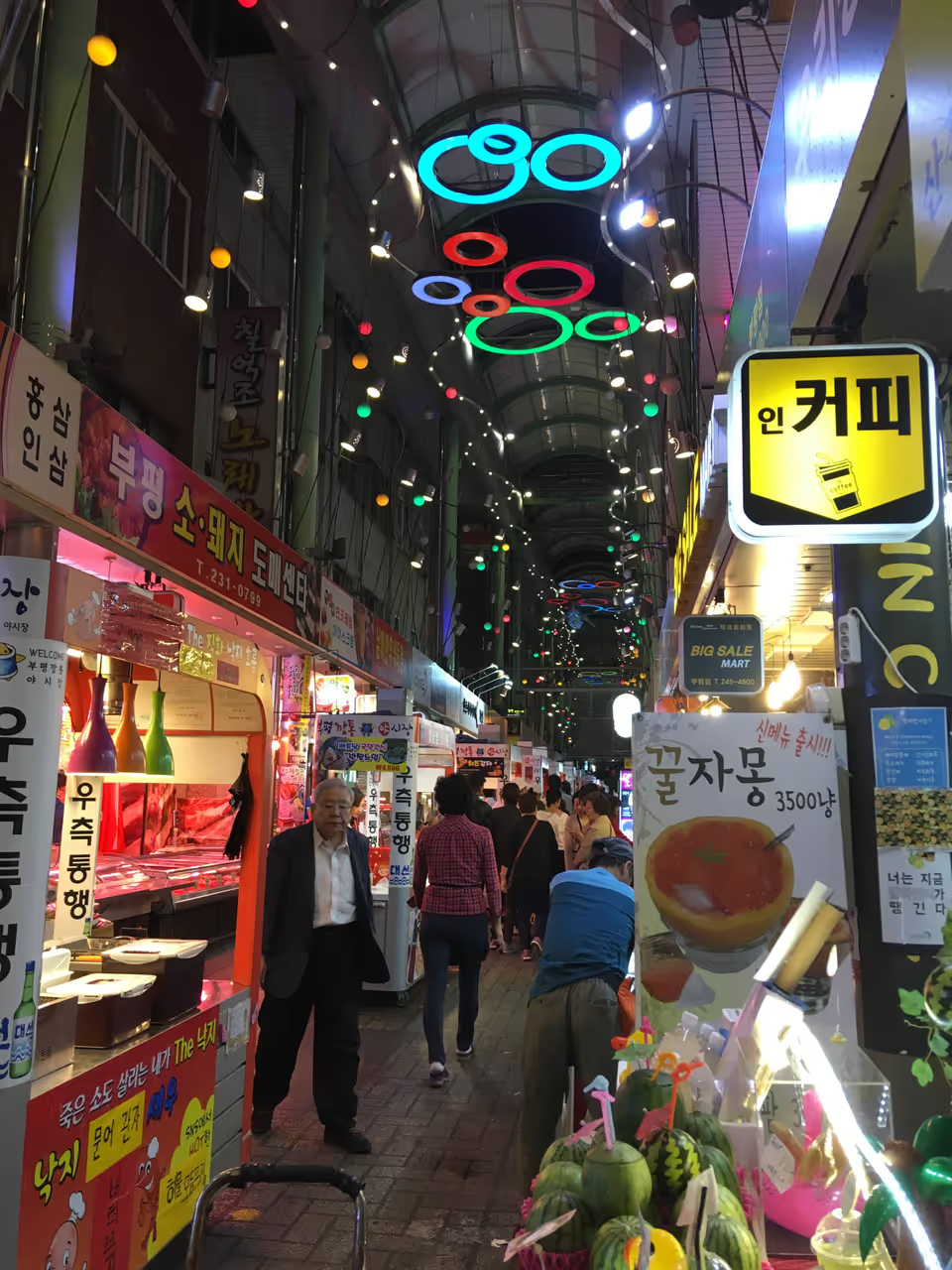
1570mBupyeong Kkangtong Market
Historically known as the 'Tin Can Market' for selling imported foreign canned goods, this area now shines brightest after dark. As evening falls, the narrow aisles transform into an incredibly popular food destination featuring regional specialities and international snacks. Visitors can sample warm fish cakes, sweet porridges, and spicy stews from brightly lit stalls. The energy is highly infectious, drawing crowds of hungry locals and curious tourists alike. It is the perfect place to experience the city's dynamic late night culinary culture.
market view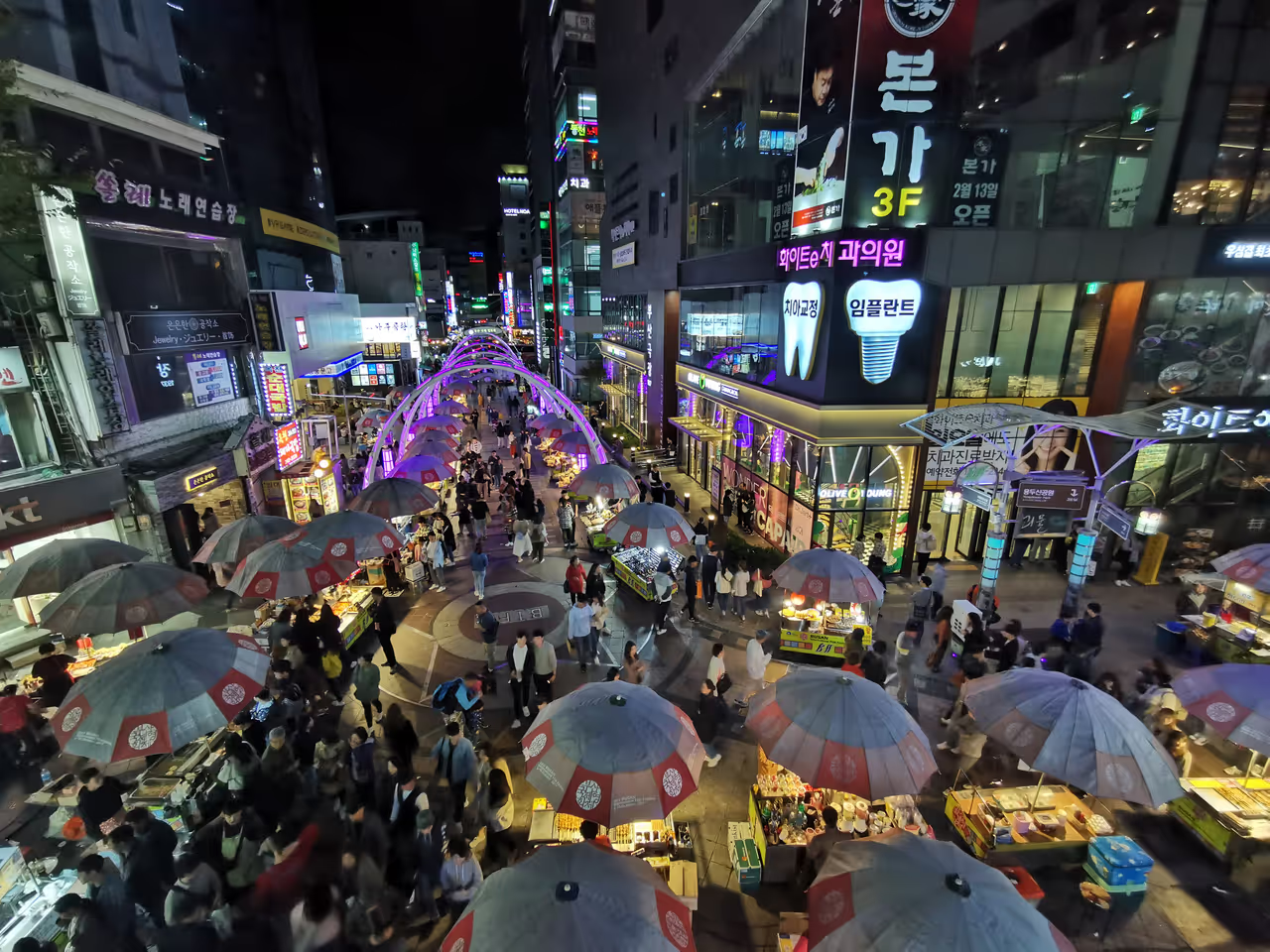 1759m
1759mInternational Market
Born out of necessity during wartime, this sprawling maze of alleyways has evolved into a vibrant commercial labyrinth. Stalls are packed tightly together, selling everything from vintage clothing and electronics to traditional homewares and souvenirs. It is famously easy to get lost here, but the chaotic charm is entirely part of the appeal. Visitors will find excellent bargains and a deep sense of historical resilience built into the very pavement. The area is also surrounded by fantastic local street food carts, perfect for a mid shopping snack.
market view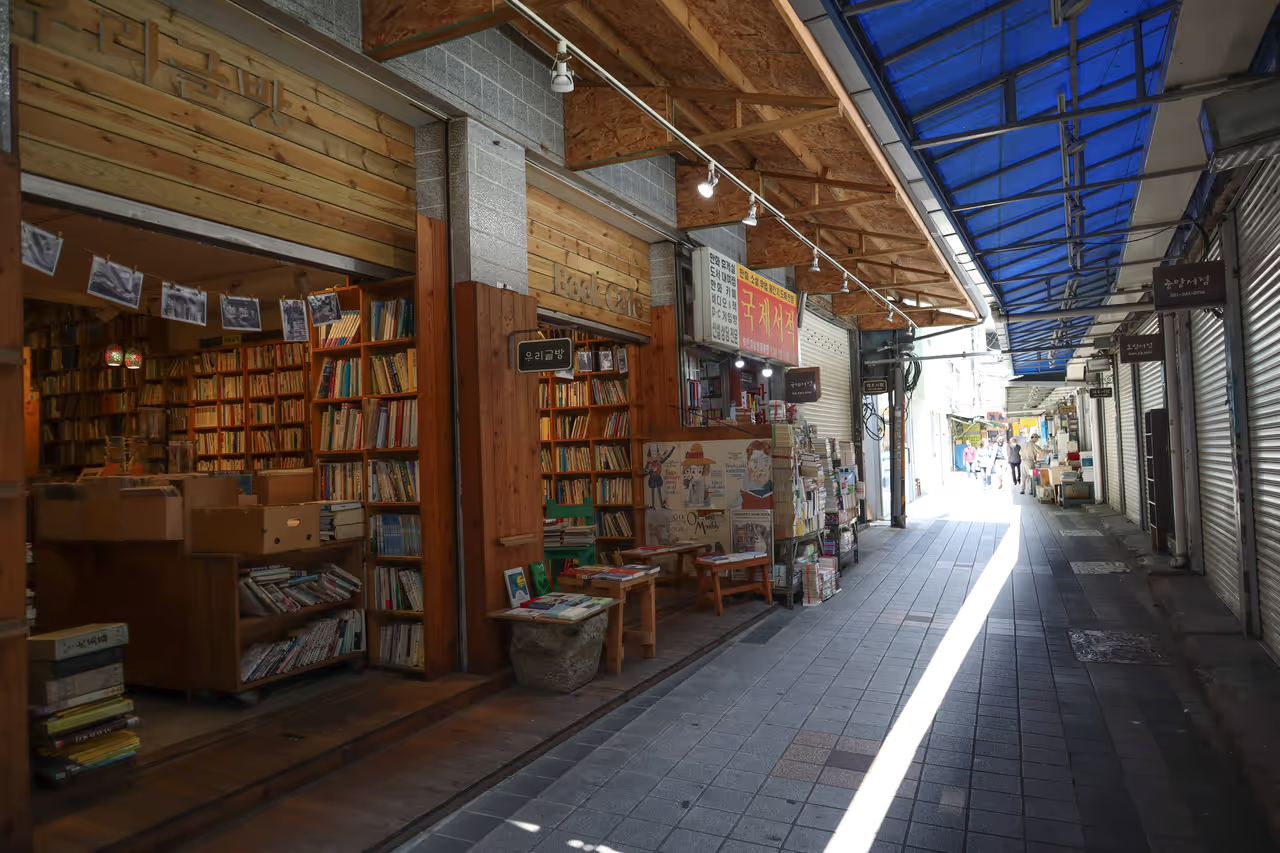 1774m
1774mAntique Book Alley
This narrow, highly nostalgic alley is packed wall to wall with towering stacks of second hand literature, magazines, and rare texts. It serves as a fascinating intellectual time capsule, far removed from the slick, modern shopping malls. Visitors can spend hours squeezing through the tight corridors, discovering old foreign language books, vintage comics, and historical documents. The smell of aged paper and the quiet, focused atmosphere make it incredibly charming. It is a beloved haven for local bibliophiles and photographers looking for authentic urban texture.
hidden gem view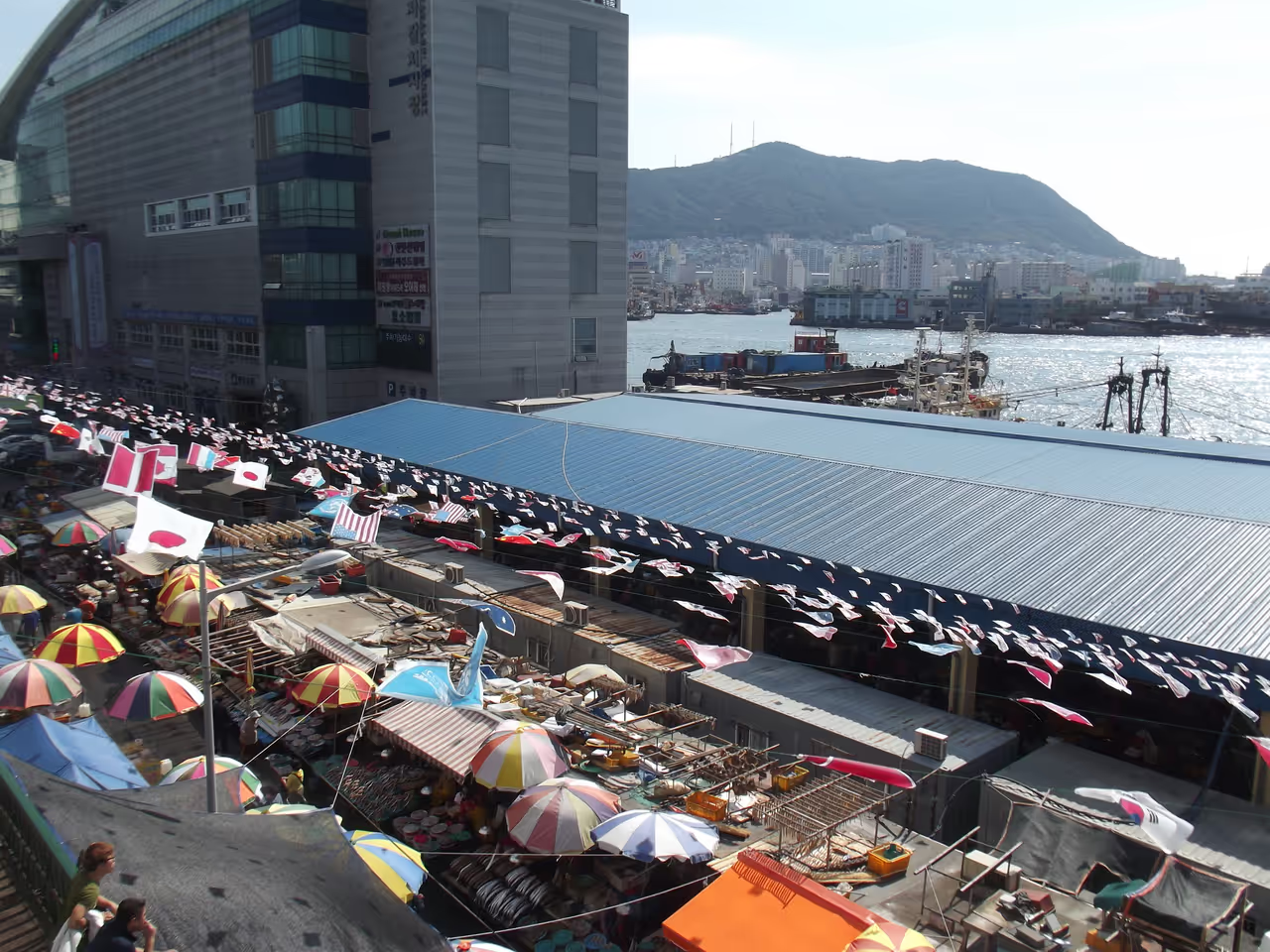 1870m
1870mJagalchi Fish Market
This colossal seafood hub is the beating heart of the city's culinary identity, famous for its energetic atmosphere and incredibly fresh produce. Visitors can wander past endless rows of tanks filled with exotic sea creatures, guided by the loud calls of the veteran female vendors. You can select your live seafood on the ground floor and take it upstairs to be expertly prepared into a raw or cooked meal immediately. The sensory experience of ocean smells, wet floors, and vibrant activity is unparalleled. It provides a raw, authentic glimpse into the daily lives of the local fishing community.
market view
Featured on These Itineraries
3 Days in Busan Itinerary
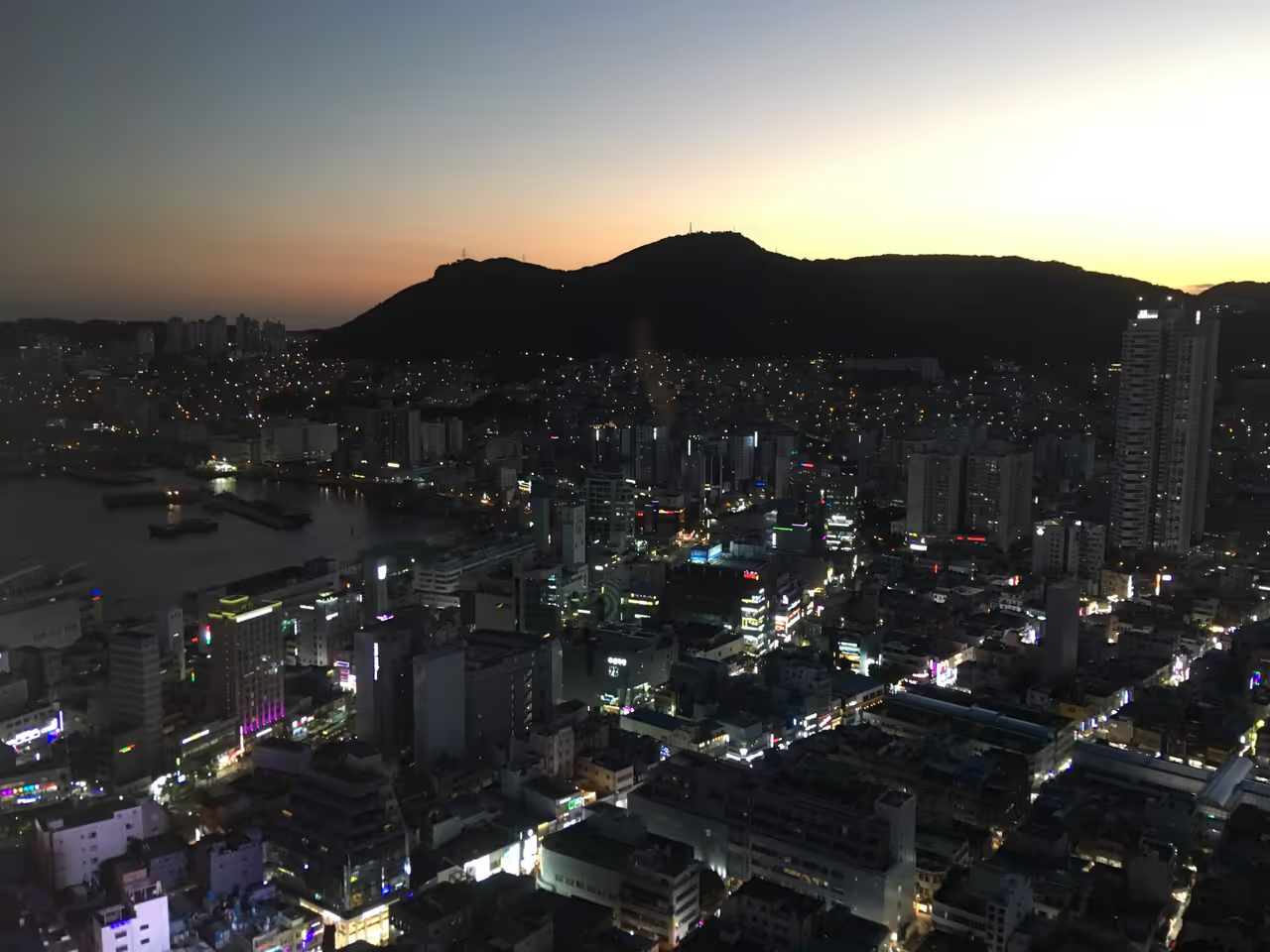
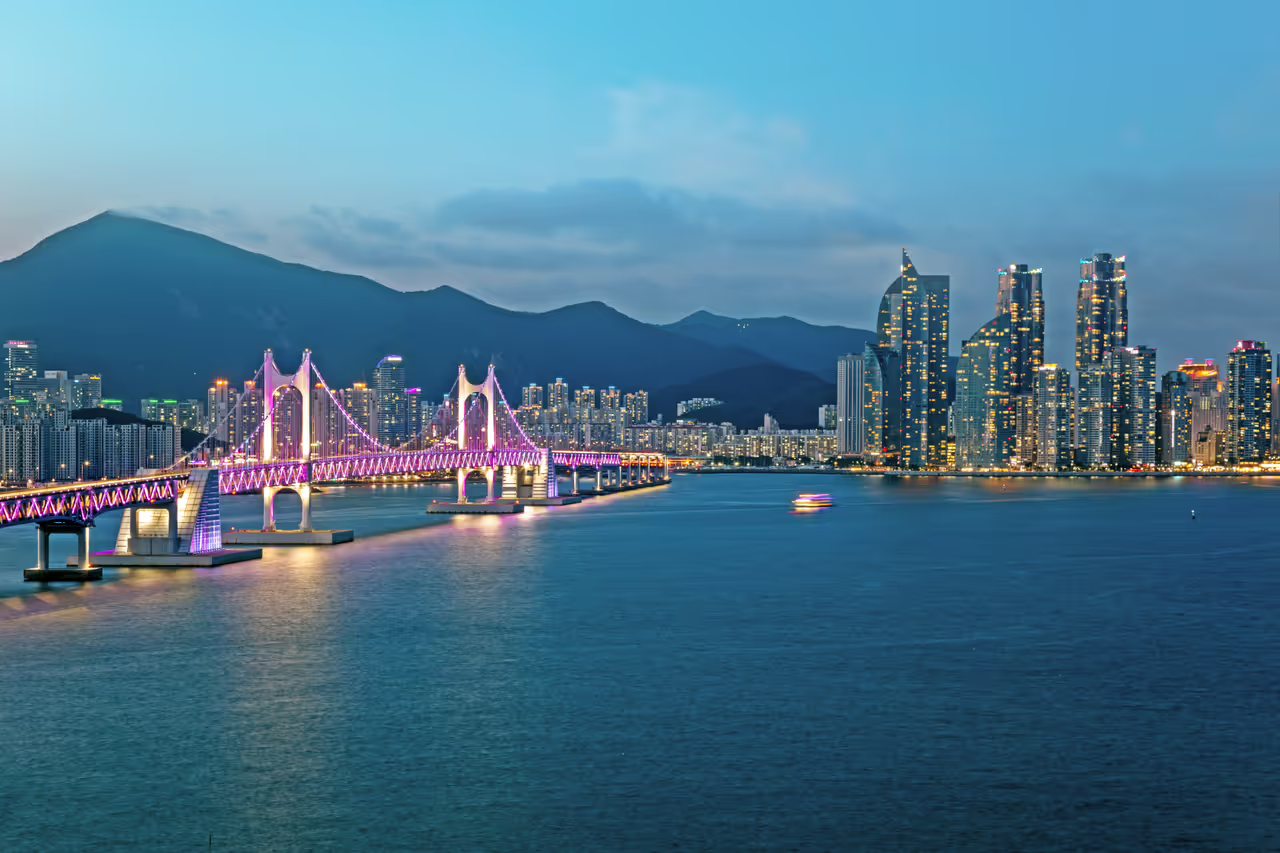
This balanced three day route allows for a deep, satisfying exploration of the city's varied districts. Day one concentrates on the glamorous eastern beaches, luxury modern architecture, and scenic coastal walks. Day two shifts focus entirely to the rugged, historic southern port area, uncovering wartime refugee history and authentic market culture. Day three provides time for spiritual reflection at an ancient mountain sanctuary before exploring the vibrant student nightlife. It perfectly encapsulates the contrasting natural and urban elements that make the city unique.
view itinerary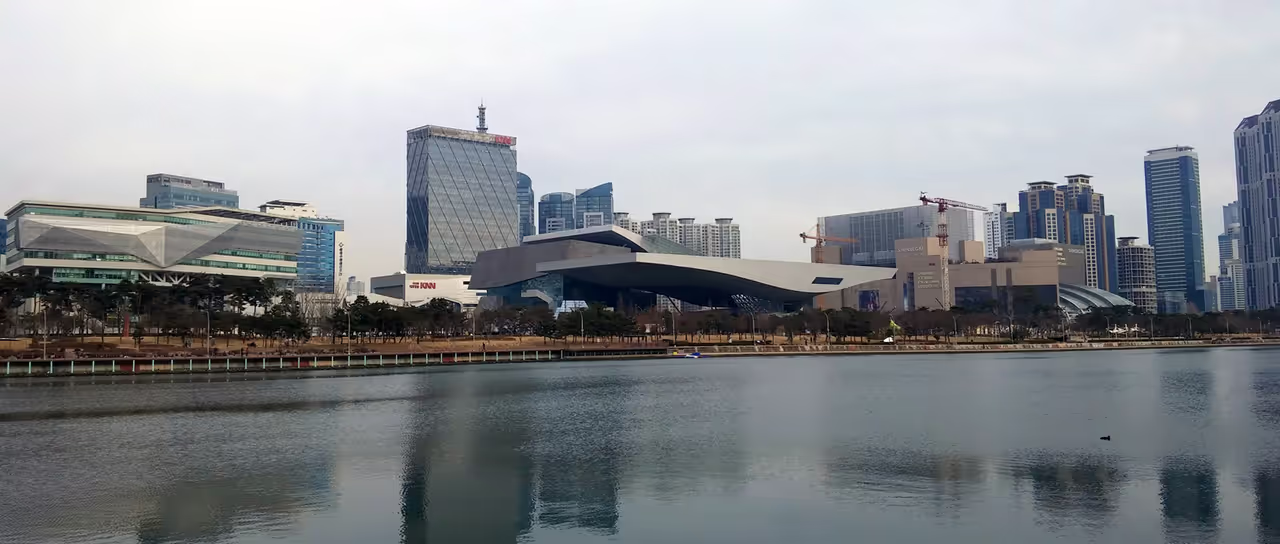
5 Days in Busan: Complete City Immersion Itinerary
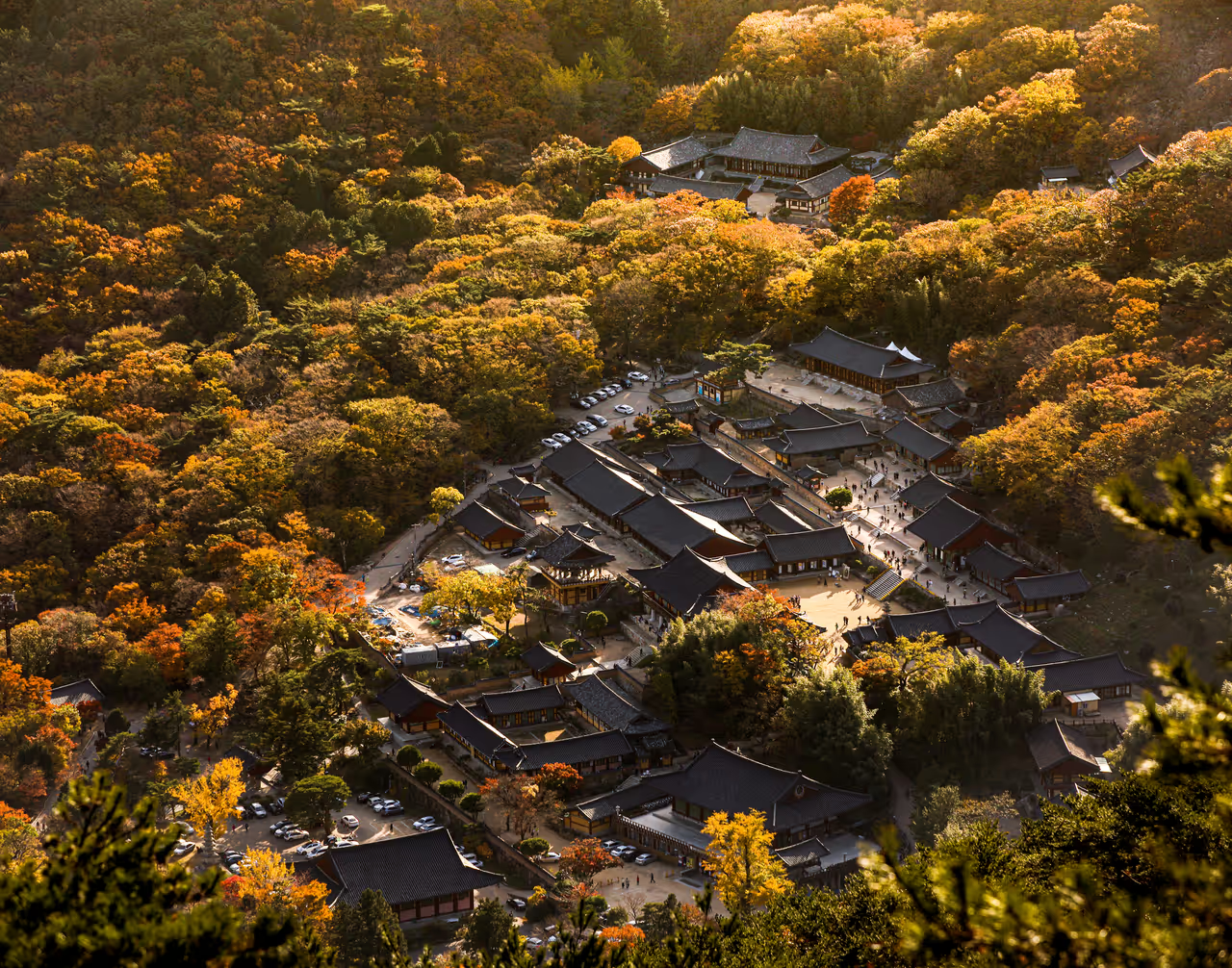
This extensive five day itinerary is designed for travellers wanting to uncover every significant facet of the metropolis. It covers everything from the highly popular tourist beaches to secluded mountain shrines and raw industrial cliffside villages. Visitors will have dedicated time to hike rugged coastal trails, explore massive ecological wetlands, and soak in famous natural hot springs. The pace allows for deep immersion into local culinary scenes and lesser known artistic enclaves. It is the ultimate blueprint for a thorough, highly rewarding coastal adventure.
view itinerary
See all attractions in Busan
Beomeosa Temple, Haeundae Beach, Taejongdae Resort Park, United Nations Memorial Cemetery in Korea...