Crypt of the Original Sin
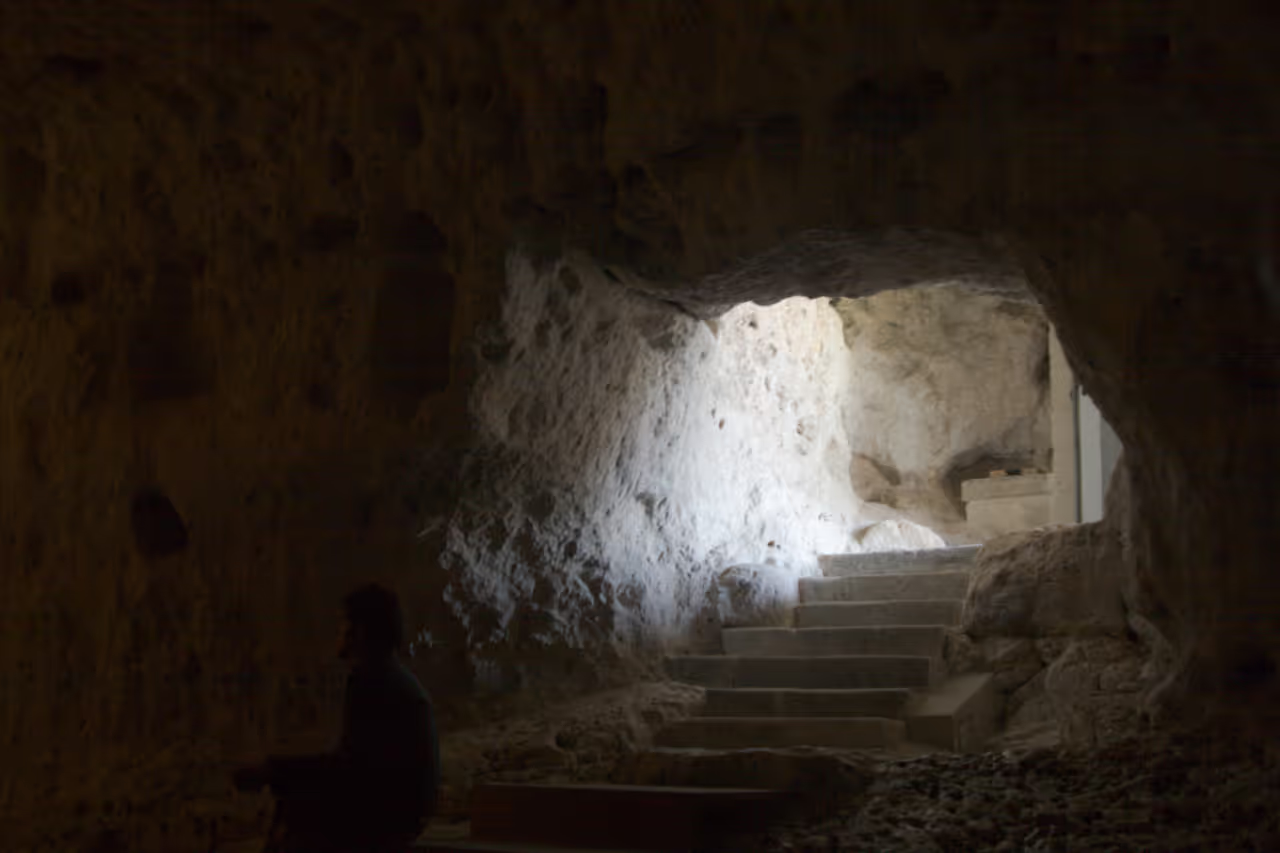
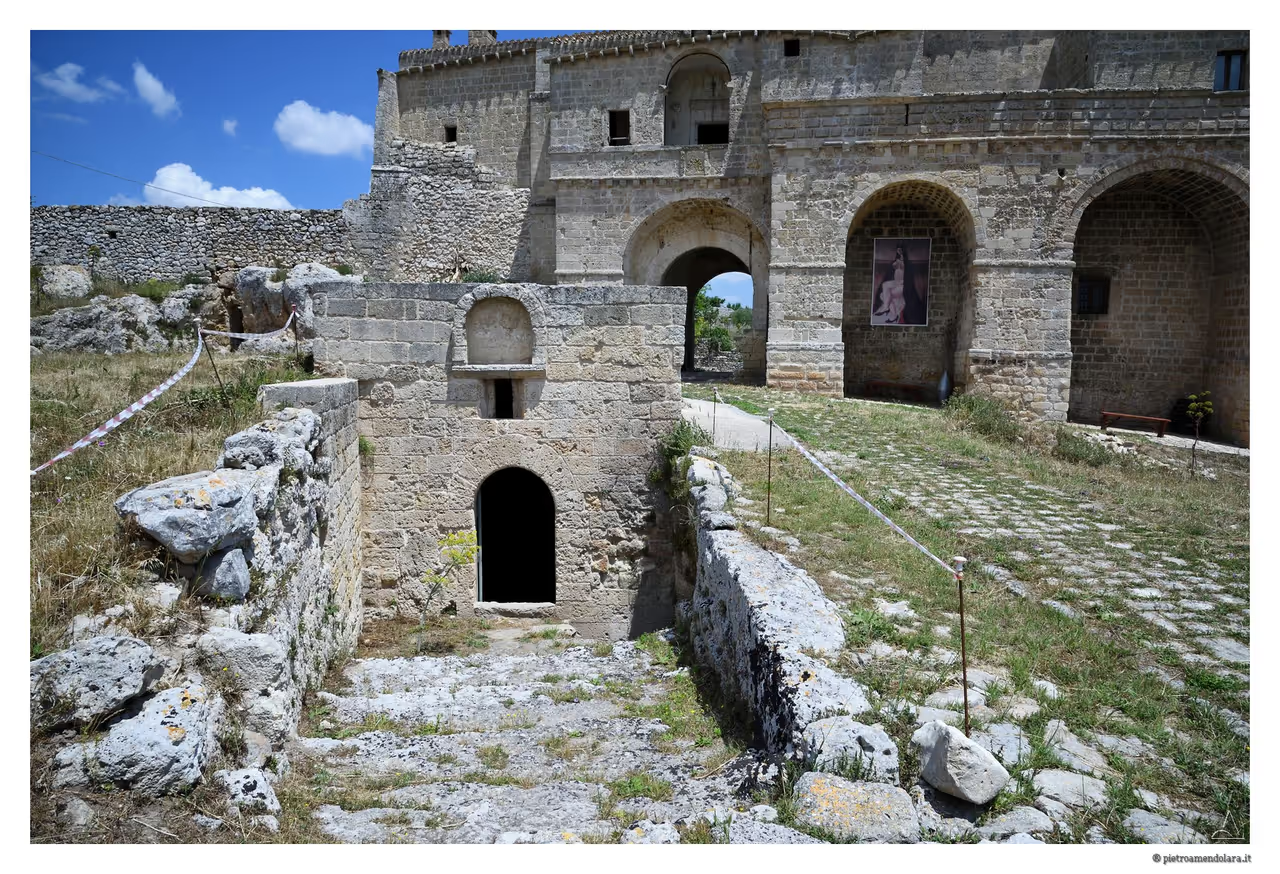
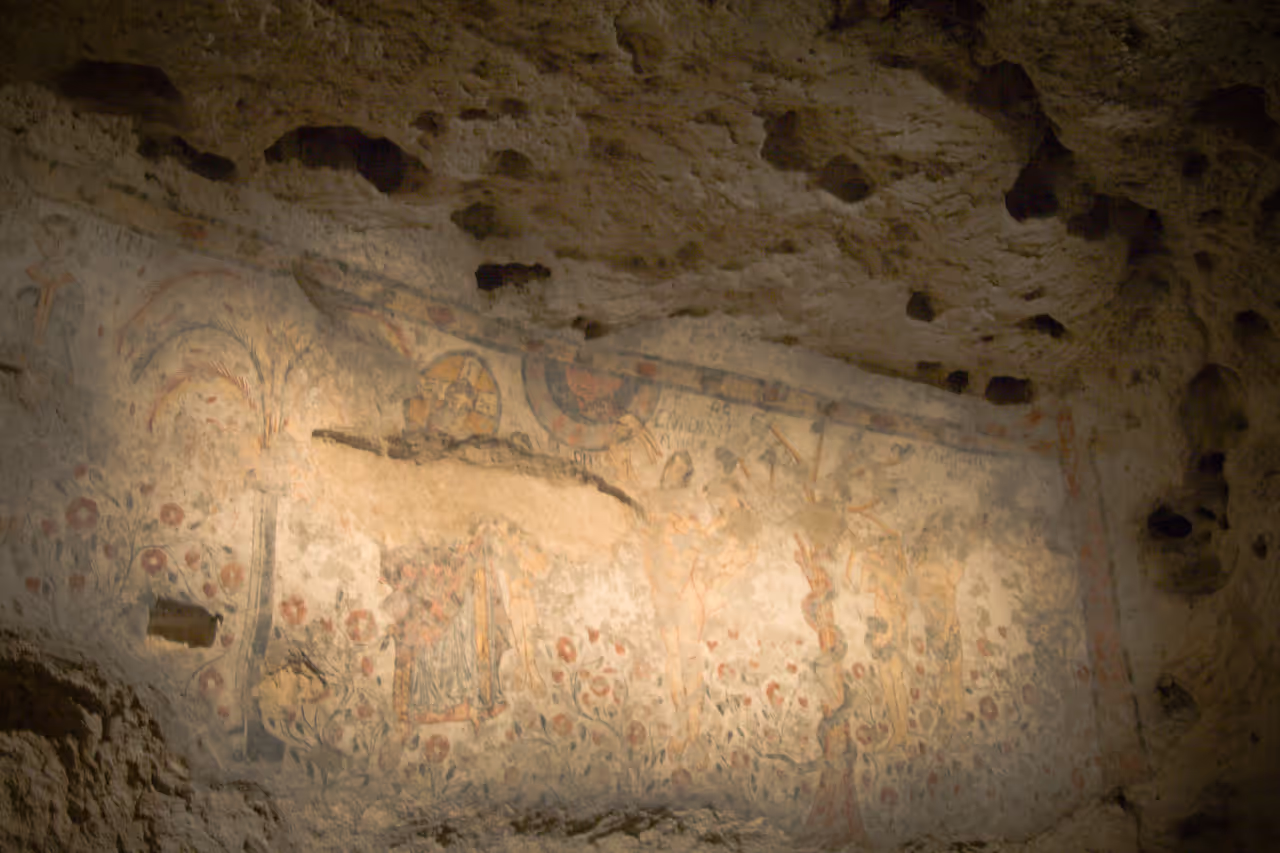
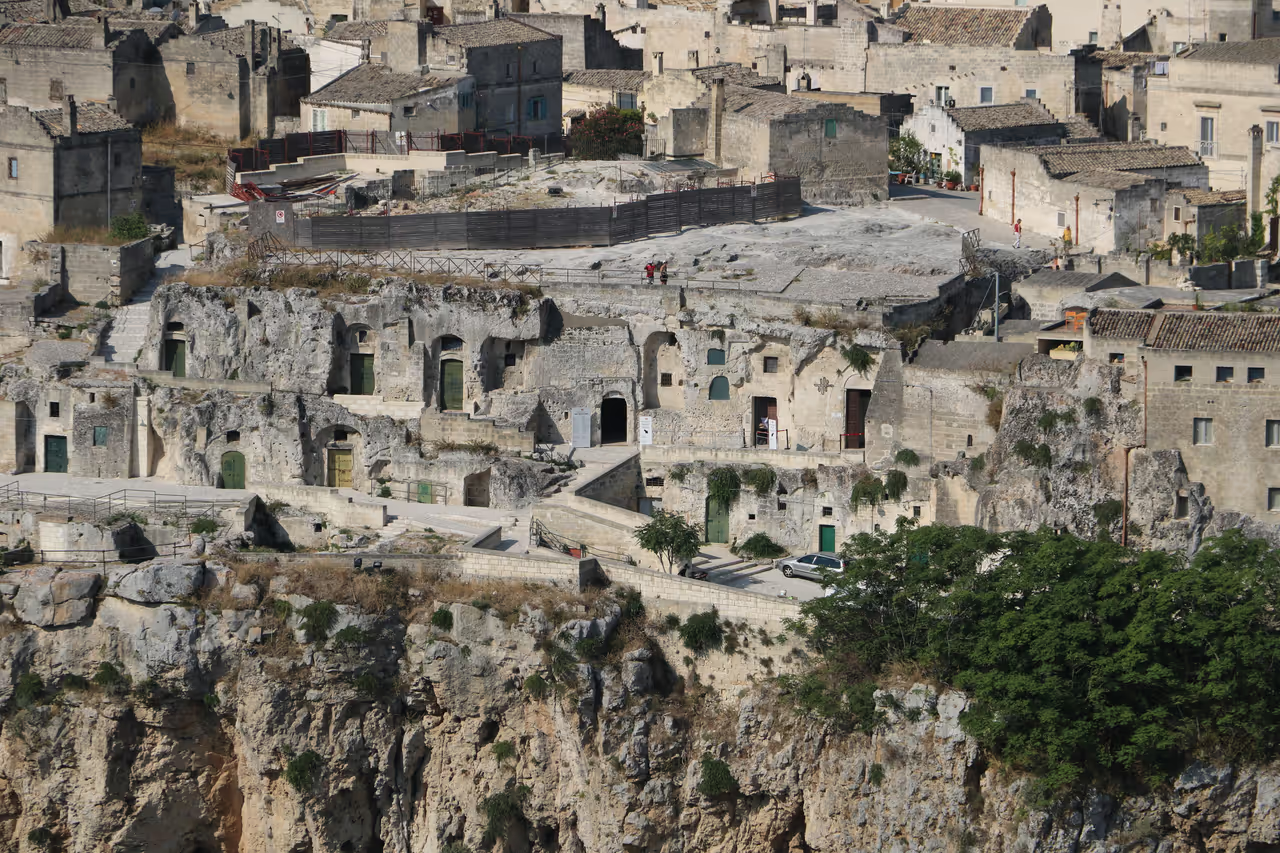
Hidden within the rugged cliffs of the Gravina di Picciano, the Crypt of the Original Sin is a breathtaking masterpiece of early medieval art. Often called the Sistine Chapel of rock art, this subterranean sanctuary houses a cycle of frescoes that dates back over a millennium. Visitors are treated to a vivid display of biblical scenes, including the Creation and the fall of man, painted with a unique expressive power. The atmosphere inside is solemn and awe-inspiring, offering a rare connection to the spiritual lives of monks who lived long ago. Exploring this site provides a fascinating look at the fusion of Lombard and Roman artistic styles in a truly dramatic setting. It is an essential stop for anyone wanting to understand the deep, soulful history of Matera's rocky landscape.
Videos
History of Crypt of the Original Sin
Deep within the silent Murgia plateau, during the 8th century, a group of Benedictine monks began the laborious task of carving a sanctuary into the soft limestone of the Gravina di Picciano. This was an era of profound spiritual transition, where the influence of Lombard lords met the enduring artistic traditions of Rome. These monks created more than just a cavern for prayer; they established a subterranean gallery that would become one of the most significant early medieval cultural landmarks in Southern Europe. As the centuries passed, the crypt slipped out of formal memory and into the quiet world of local folklore. Shepherds seeking refuge from the elements began using the cave to shelter their livestock, calling it the Cave of the Hundred Saints without fully realising the treasures hidden beneath the layers of dust and soot. Remarkably, the smoke from their small fires and the presence of animals acted as a shield, preserving the vibrant pigments of the mysterious artist known today as the Painter of the Flowers of Matera. The expressive faces of saints and the delicate red poppies remained patient in the darkness, waiting for a new era of appreciation. The modern story of the site began in 1963 when members of the La Scaletta cultural club, guided by local accounts, finally located the entrance to the cave. The discovery was a revelation for the art world, showing a level of detail and emotional resonance that few expected to find in such a remote location. Today, after a meticulous and technologically advanced restoration, the crypt serves as a powerful testament to human creativity and faith, offering an intimate and moving experience that feels as though the Middle Ages were only yesterday.
Events spanning 1255 years
Fun Facts
- • Delicate red flowers, thought to be poppies or lilies, decorate the lower sections of the walls and create a surprisingly vibrant atmosphere underground.
- • For several centuries, the cave served as a humble sheepfold, which accidentally helped preserve the frescoes from being seen and vandalised.
- • In the depiction of the Original Sin, Eve is shown offering Adam a fig instead of the more traditional apple often seen in later Western art.
- • It contains the oldest known depiction of the Virgin Mary in the Basilicata region, portrayed as a Byzantine empress in the Basilissa style.
- • Latin inscriptions accompany many of the figures, providing a rare linguistic link to the religious community that once inhabited the ravine.
- • The anonymous master who decorated the walls is referred to by historians as the Painter of the Flowers of Matera due to the floral motifs found throughout.
- • The artwork features three distinct triarchies, which are groups of three figures depicting Apostles, Archangels, and Virgin Queens.
- • This site is famously known as the Sistine Chapel of the Rupestrian world because of its incredible and complete cycle of early medieval frescoes.
RESOURCES
Official WebsiteCrypt of the Original Sin FAQ
While we strive to keep this information accurate and up to date, we recommend verifying any details independently before making decisions based on them.
Crypt of the Original Sin Map & Neighborhood Explorer
This interactive map is centered on Crypt of the Original Sin. Zoom in and move the map around to automatically discover Wikipedia photos and summaries of other nearby sights, monuments, and historical points of interest and stories in real-time!
Places near Crypt of the Original Sin
Make the most of your trip. Check out these top-rated spots located nearby.
 2351m
2351mSan Giuliano Regional Reserve
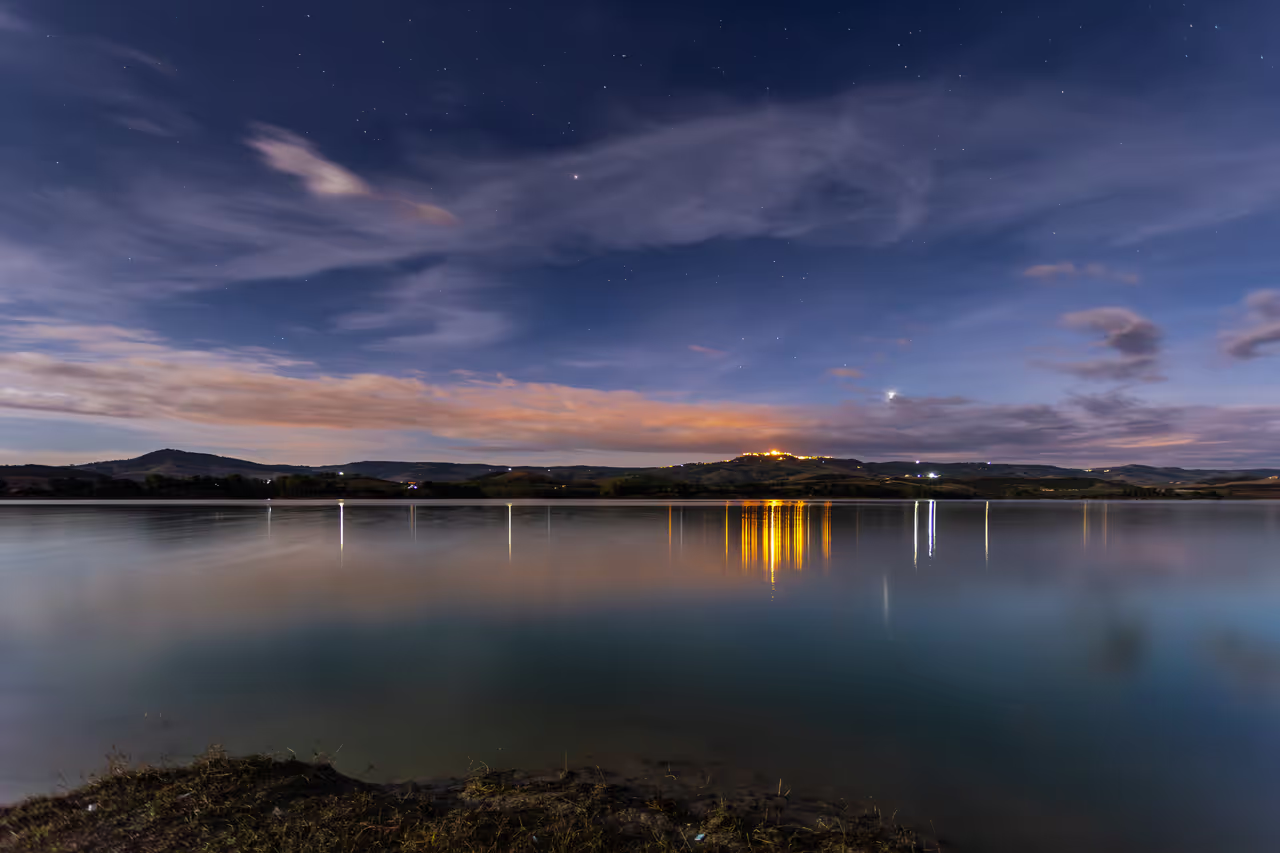
Tucked away near the ancient city of Matera, the San Giuliano Regional Reserve is a pristine sanctuary where nature and history intertwine beautifully. This tranquil oasis, formed by the damming of the Bradano River in the mid twentieth century, has evolved into a vital wetland that attracts birdwatchers and nature enthusiasts from across the globe. Visitors can wander through diverse landscapes ranging from lush riparian vegetation to the deep dramatic gravina valleys that characterise this unique part of Basilicata. It is a place where you can disconnect from the pace of modern life and immerse yourself in the sights and sounds of over 180 bird species including rare raptors and graceful herons. Beyond its current beauty the reserve hides deep secrets most notably as the site where a massive prehistoric whale fossil was unearthed. Whether you are seeking a peaceful afternoon walk or a deeper connection with the wilder side of Matera this reserve offers a serene escape that feels worlds away from the city centre.
park & nature view- 6335m
Macamarda Central Park
Located along Via Saragat, this modern green space is one of the more recent additions to the city's recreational areas. It is designed to cater to active residents, featuring open grassy areas, dedicated sports facilities, and winding walking paths. The atmosphere is distinctly local, far removed from the tourist heavy historical centre. It provides a fascinating look into how the city has expanded and prioritised community well being since the mid twentieth century. It is a fantastic place to stretch your legs, enjoy a picnic, or watch local sports matches.
free thing to do view 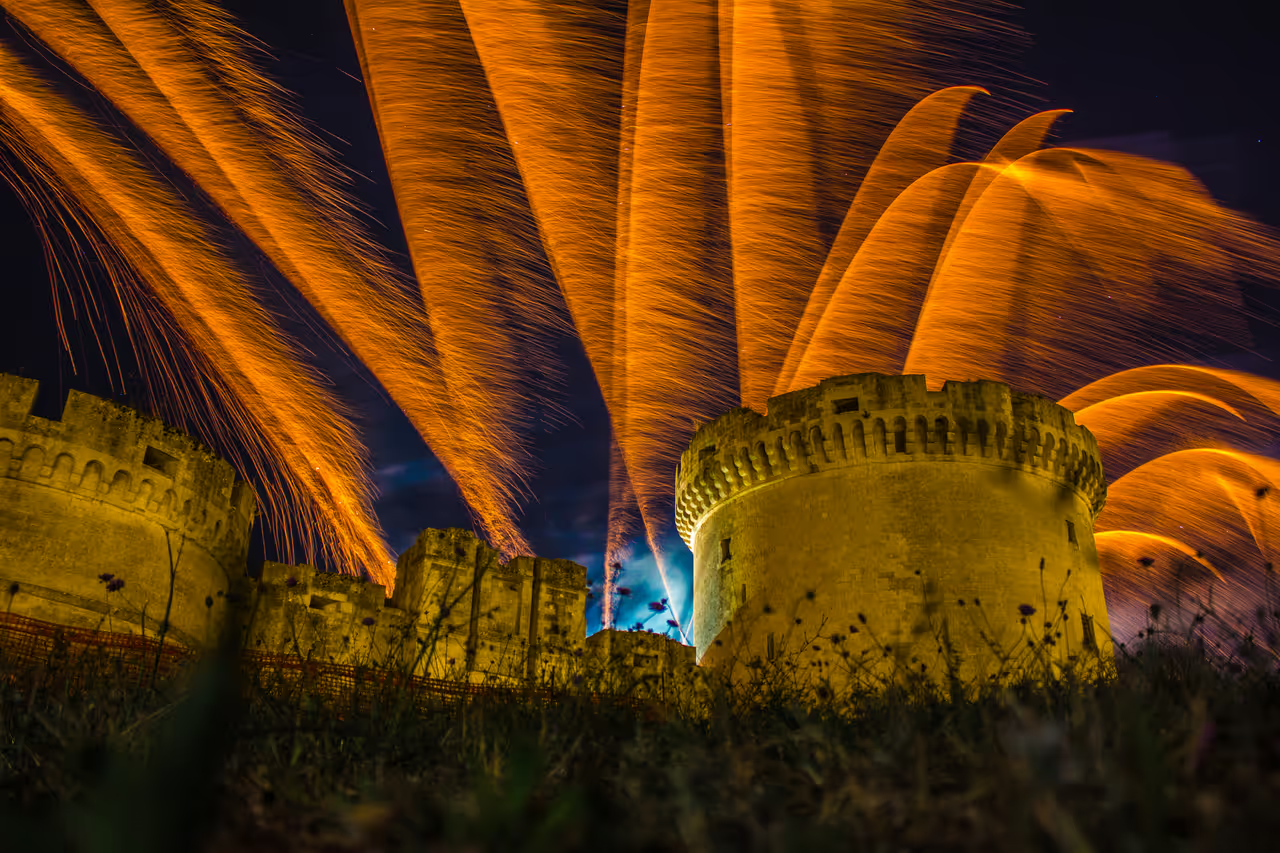 6504m
6504mCastle Park
Surrounding the imposing, unfinished Tramontano Castle, this leafy park provides a dramatic and historical setting for a leisurely walk. The lush green lawns contrast beautifully against the formidable, cylindrical towers of the sixteenth century Aragonese fortress. It is slightly elevated, offering pleasant breezes and charming glimpses of the surrounding urban landscape. Locals often come here to read, walk their dogs, or simply relax in the shadow of one of the city's most significant monuments. The open spaces make it an ideal spot for photography and quiet contemplation.
free thing to do view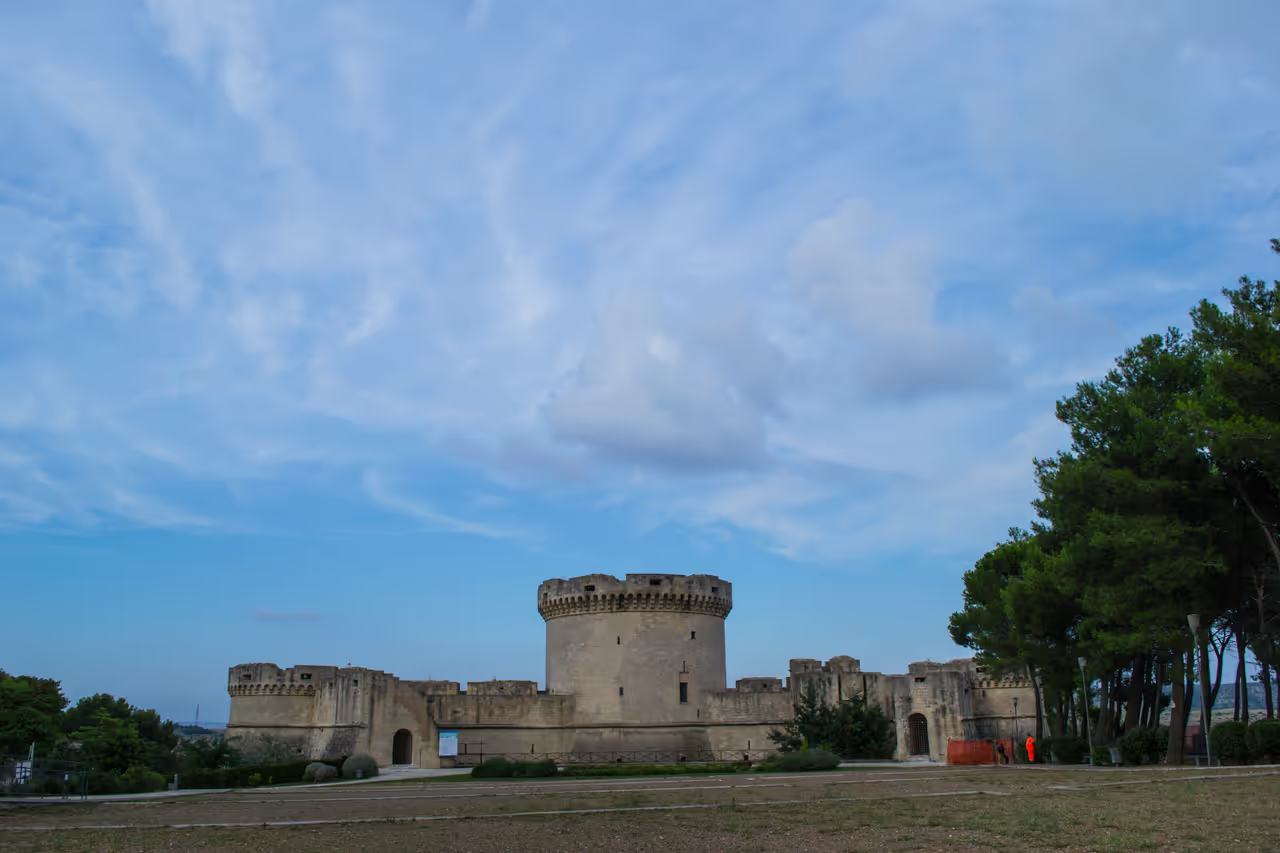 6573m
6573mTramontano Castle
Perched high upon the hill of Lapillo, Tramontano Castle stands as a striking sentinel over the city of Matera. Its Aragonese architecture, with a prominent central keep and circular towers, offers a dramatic glimpse into a turbulent period of feudal rule. Visitors can appreciate the commanding views of the historic city from its grounds and imagine the intense power struggles that once unfolded here. The site provides a compelling contrast to the ancient cave dwellings below, acting as a reminder of the aristocratic ambitions that once dominated the horizon. It is an evocative place that captures the complex history and enduring spirit of Matera.
attraction view
Explore Similar Places in These Collections

Featured on These Itineraries and Routes
5 Days in Matera: Deep Dive Itinerary
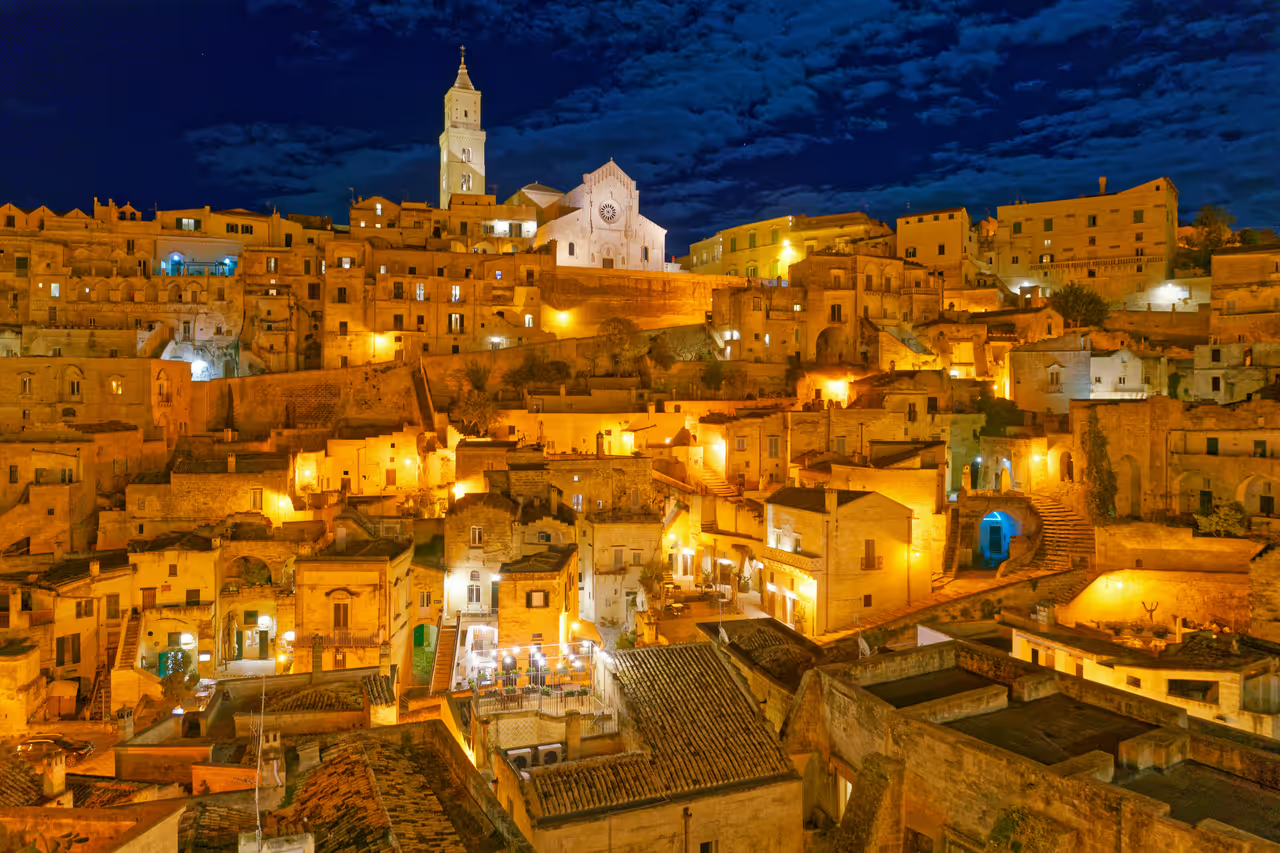
For those who want to truly uncover every layer of this fascinating destination, a five day stay is highly rewarding. This extensive itinerary covers the classic architectural highlights while dedicating ample time to exploring the wider region, including tranquil nature reserves and significant hidden gems. It allows you to slow down, interact with local artisans, and fully appreciate the complex juxtaposition of primitive caves and elegant Baroque palazzos. It is the ultimate, unhurried cultural immersion.
view itinerary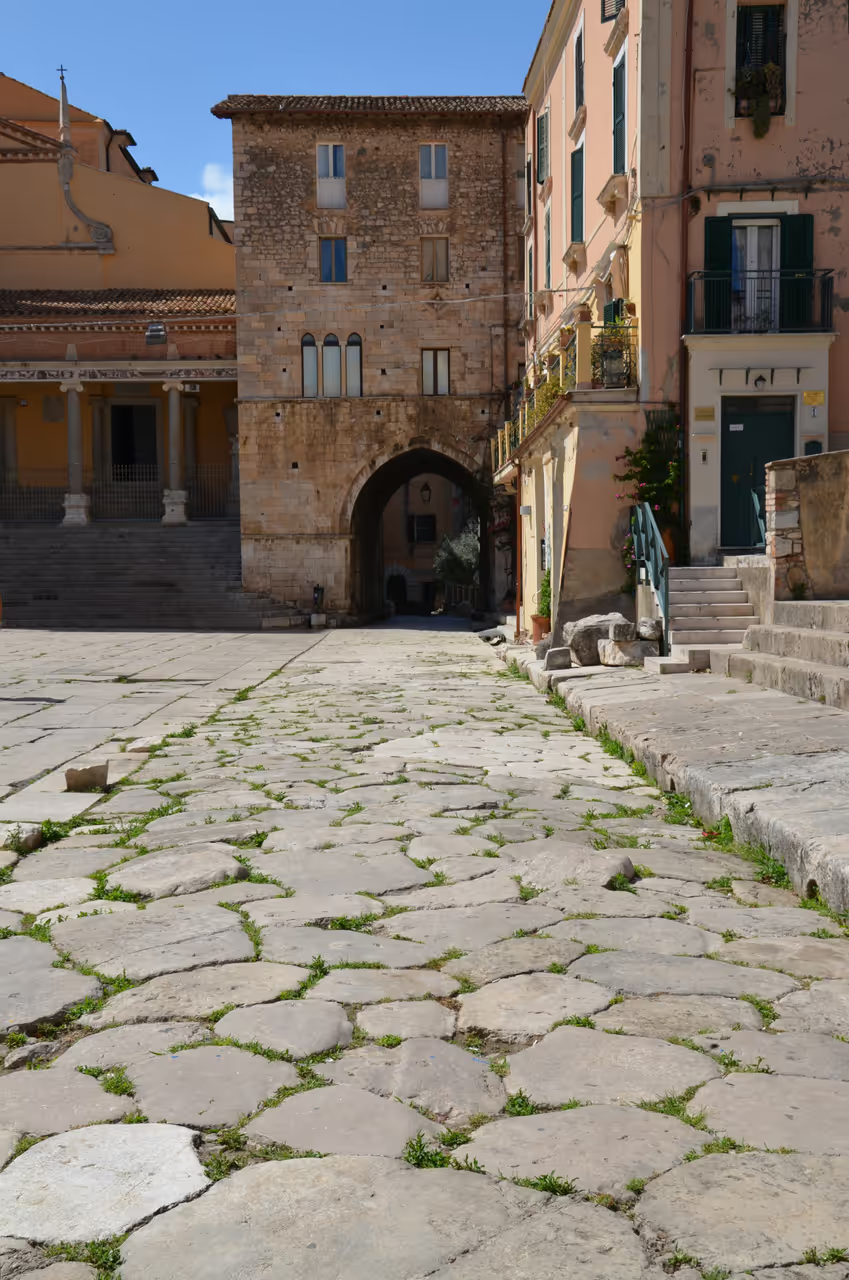
Appian Way Traces
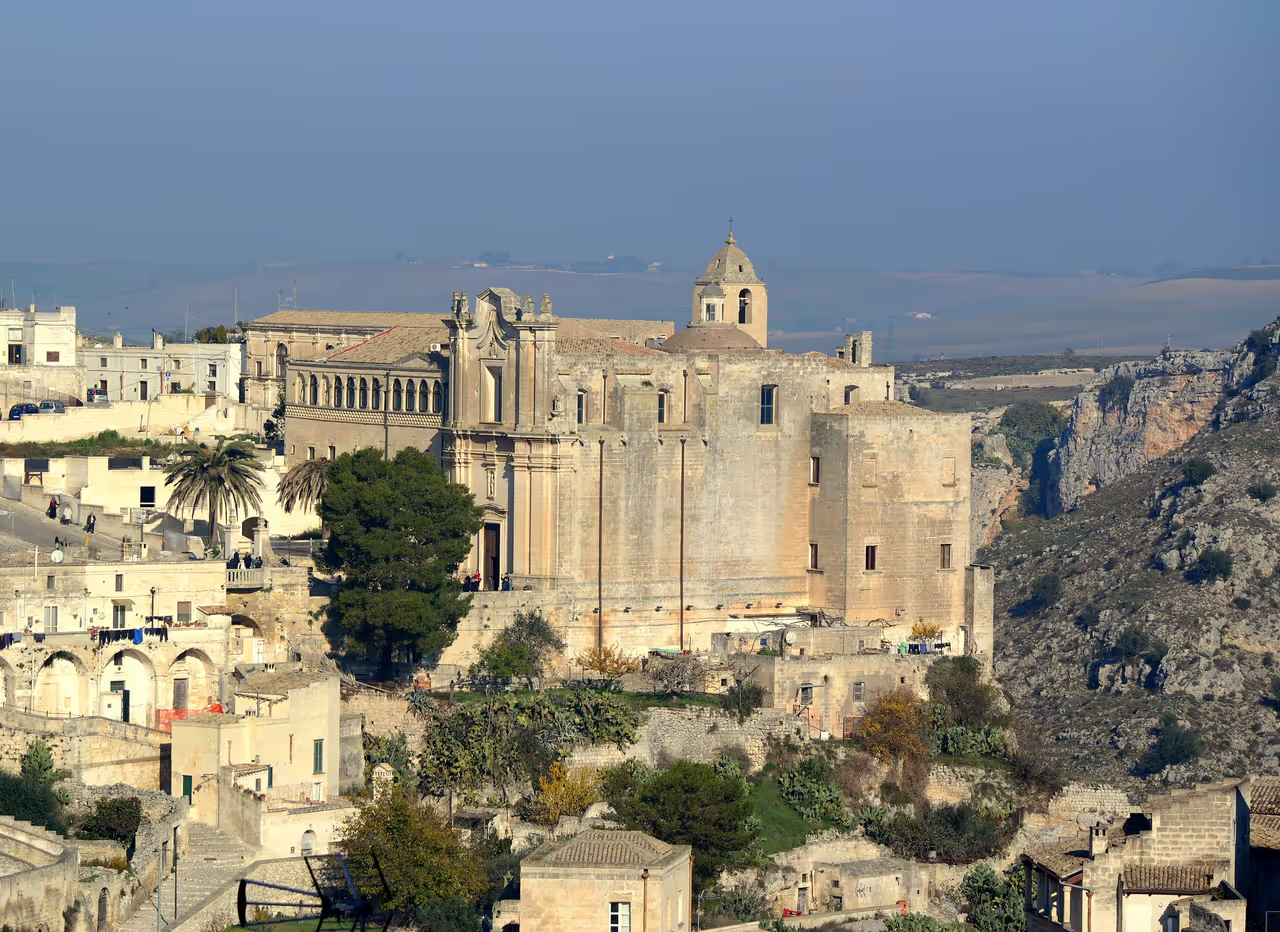
This route traces the historical path of the ancient Roman Appian Way as it passed through the local territory. Cyclists will ride through a mix of open farmland, gentle valleys, and historic agricultural estates. It is a journey that connects significant archaeological and artistic sites hidden within the countryside. The ride offers a profound sense of history, allowing you to cycle on paths that have been used by merchants and armies for millennia. The scenery is pastoral, quiet, and deeply evocative of ancient Italy.
view cycling route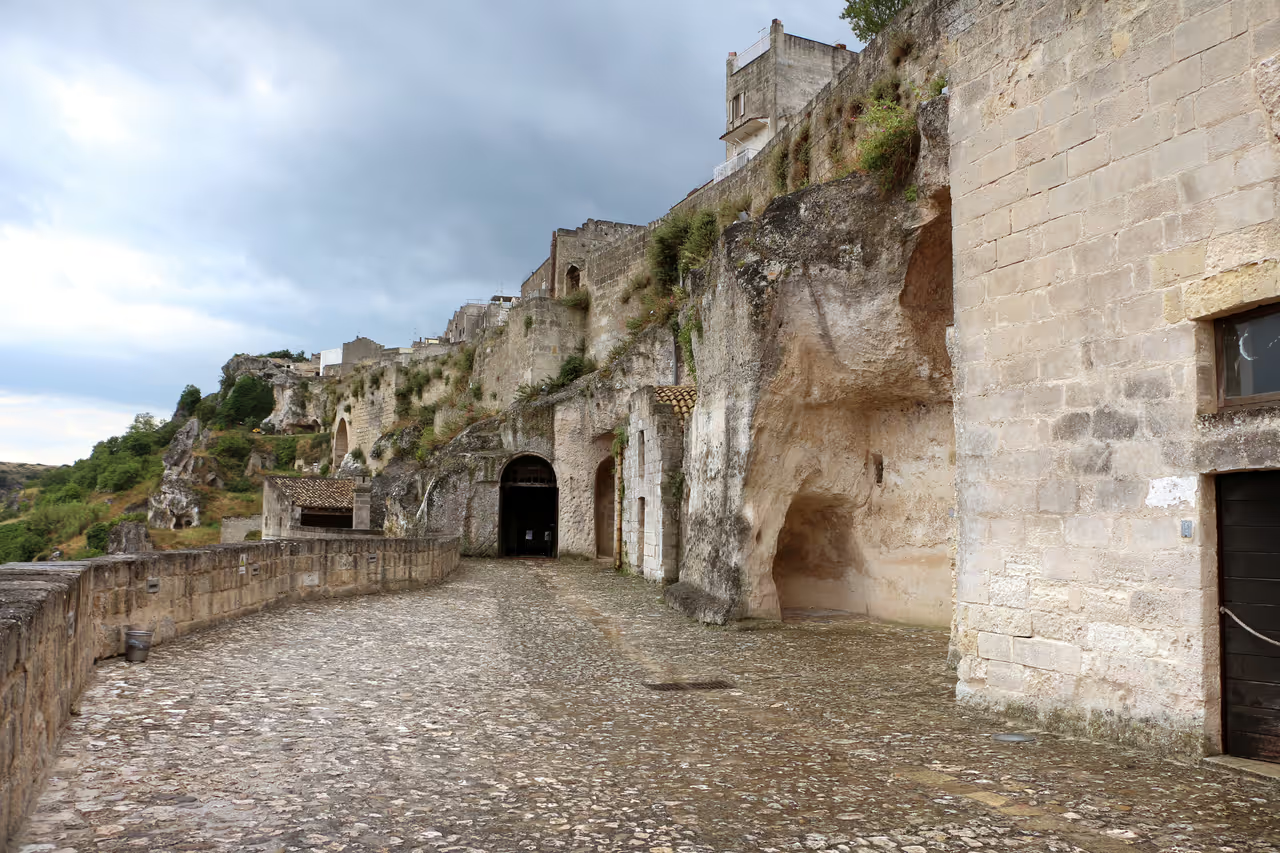
Rupestrian Frescoes Discovery
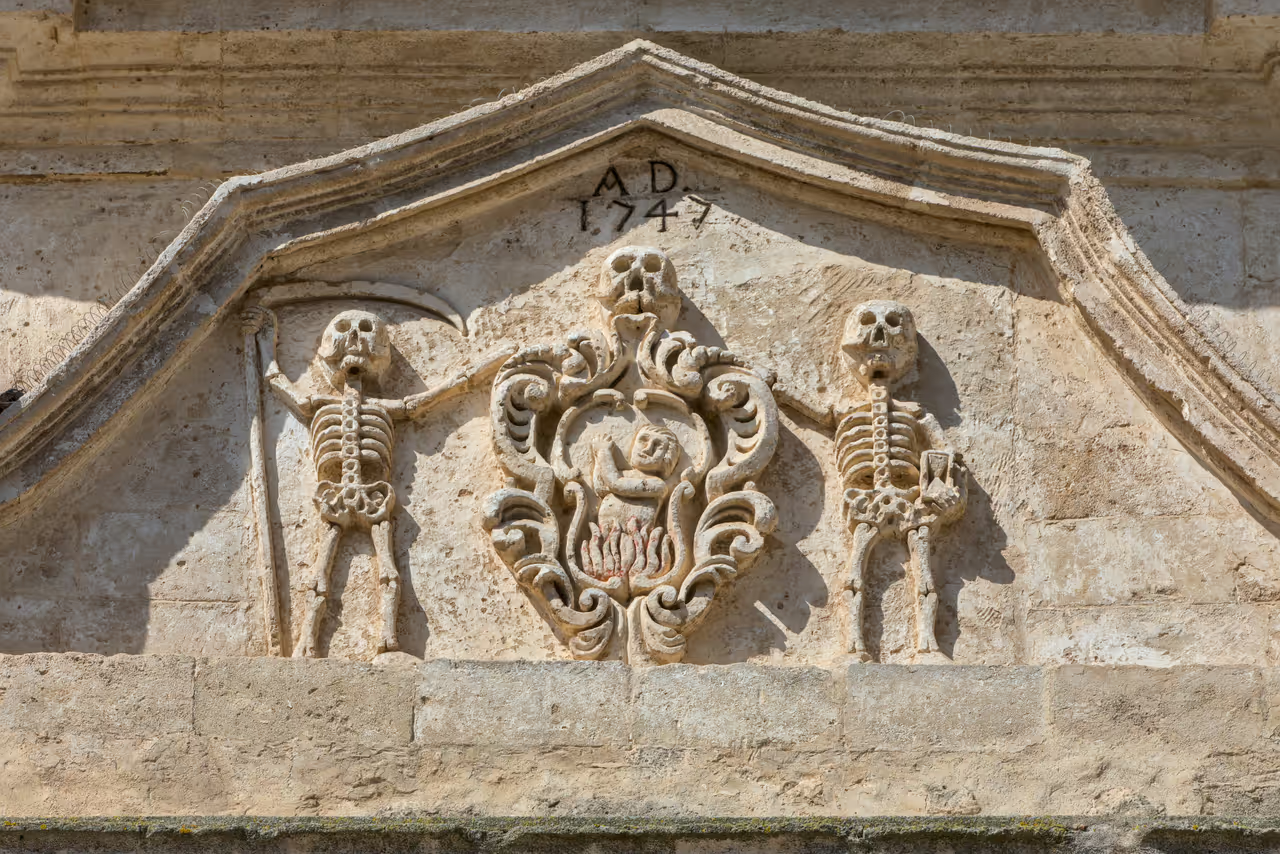
The surrounding landscape is famously dotted with over one hundred and fifty rupestrian churches carved out by monks over centuries. This curated route visits the most significant and beautifully decorated of these cave sanctuaries. The focus is on the incredible, vividly coloured Byzantine frescoes that have survived against all odds on the damp rock walls. The tour explores the deep spirituality and artistic heritage that flourished in isolation. It is a quiet, contemplative journey into medieval religious art.
view self-guided tour
See all attractions in Matera
Matera Cathedral, Palombaro Lungo, Museum of Contemporary Sculpture Matera (MUSMA), Tramontano Castle...