San Giuliano Regional Reserve
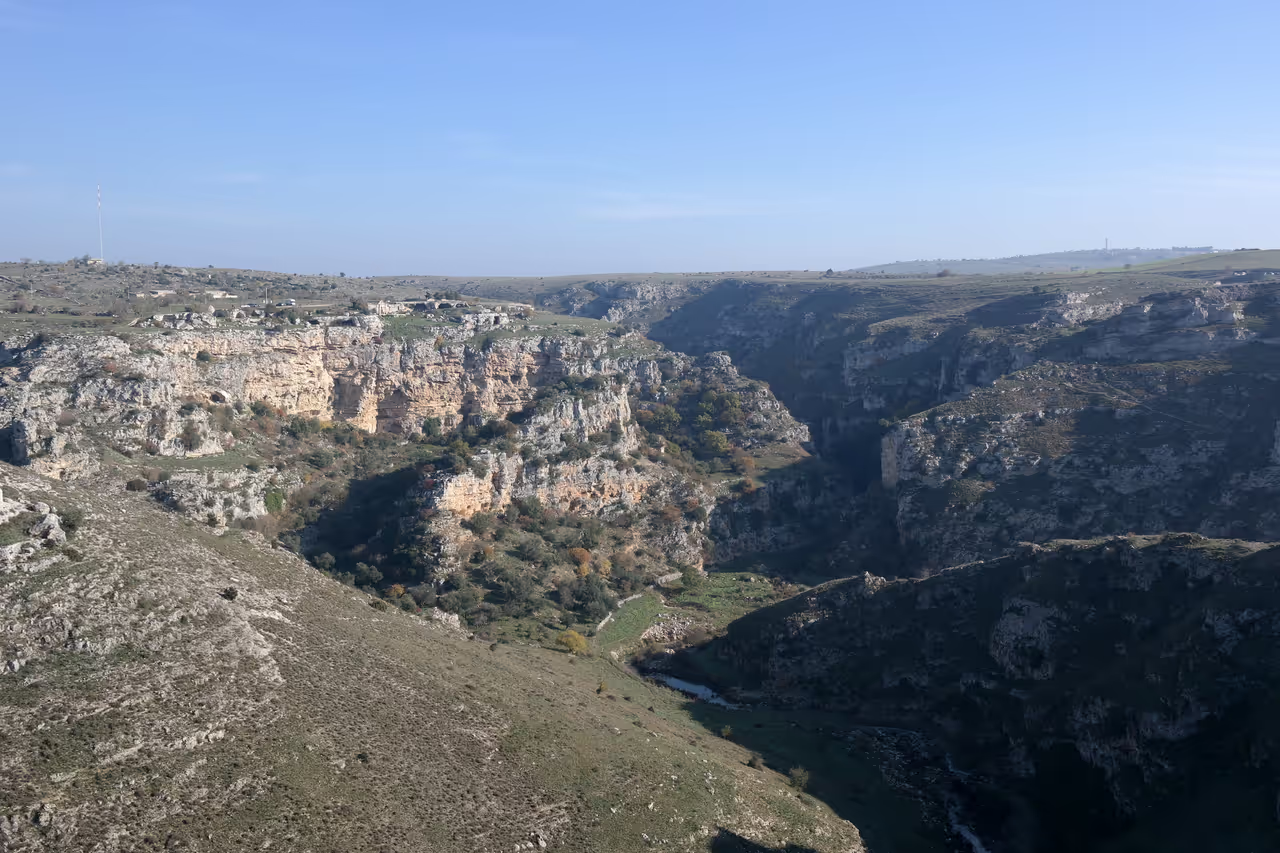
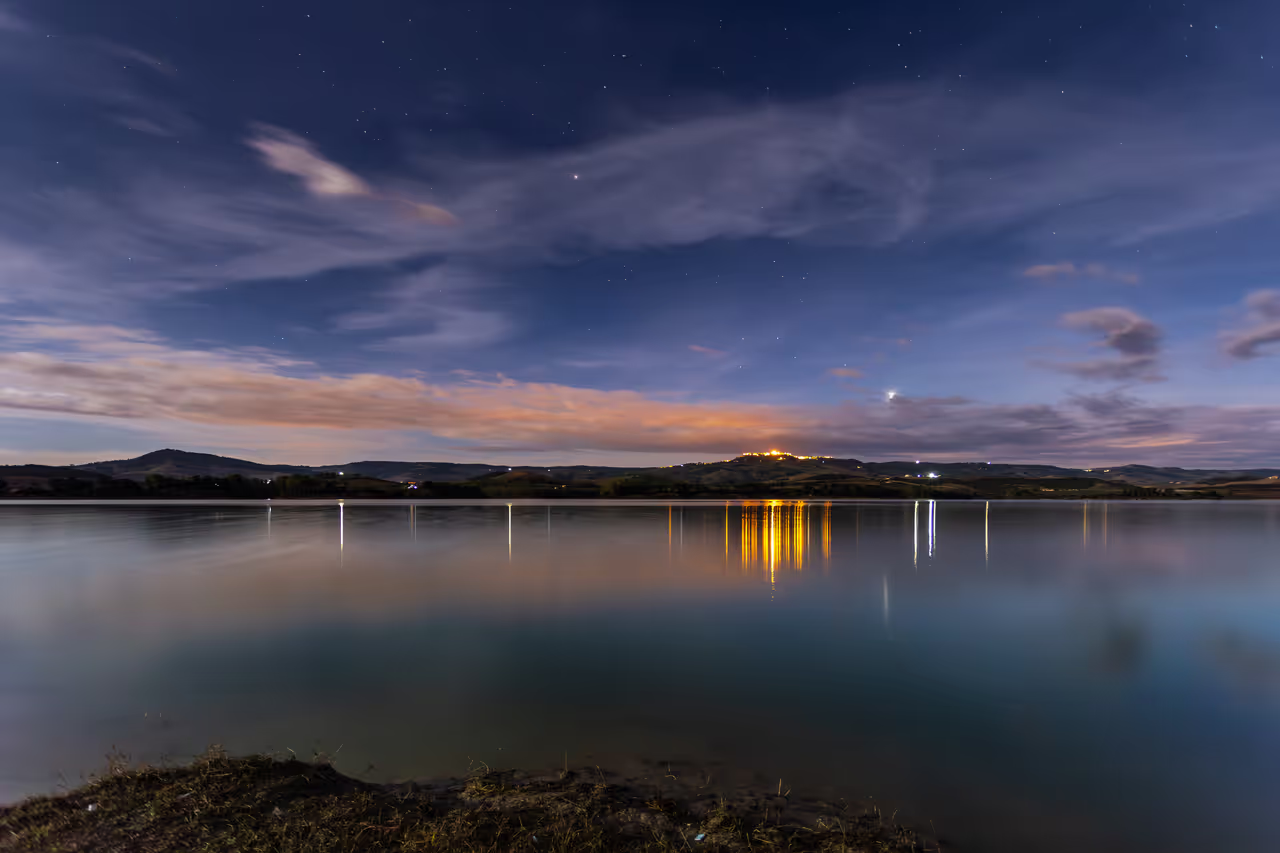
Tucked away near the ancient city of Matera, the San Giuliano Regional Reserve is a pristine sanctuary where nature and history intertwine beautifully. This tranquil oasis, formed by the damming of the Bradano River in the mid twentieth century, has evolved into a vital wetland that attracts birdwatchers and nature enthusiasts from across the globe. Visitors can wander through diverse landscapes ranging from lush riparian vegetation to the deep dramatic gravina valleys that characterise this unique part of Basilicata. It is a place where you can disconnect from the pace of modern life and immerse yourself in the sights and sounds of over 180 bird species including rare raptors and graceful herons. Beyond its current beauty the reserve hides deep secrets most notably as the site where a massive prehistoric whale fossil was unearthed. Whether you are seeking a peaceful afternoon walk or a deeper connection with the wilder side of Matera this reserve offers a serene escape that feels worlds away from the city centre.
History of San Giuliano Regional Reserve
The origins of the San Giuliano Regional Reserve are rooted in the ambitious infrastructure projects of the post war era. Between 1950 and 1957 the Bradano River was dammed as part of an economic recovery programme to secure vital water resources for irrigation. What was intended as a strictly functional water management project unexpectedly blossomed into a vibrant wetland ecosystem. As the waters settled a new sanctuary emerged attracting migratory birds and local wildlife, which prompted authorities to transition the area from a simple reservoir into an official protected oasis by the late 1980s. Beneath the calm surface of the lake lies a geological timeline that stretches back millions of years. In 2000 a startling discovery was made when the skeletal remains of a 27 metre long prehistoric whale were found along the banks of the lake. This marine giant from the Pleistocene era serves as a stark reminder that this region was once a deep ocean. The fossil affectionately known as Giuliana degli Abissi has undergone meticulous restoration work and now serves as a central attraction in the local archaeological narrative offering a fascinating counterpoint to the modern birdlife above ground. Today the reserve stands as a testament to how human intervention can sometimes yield a thriving natural legacy. Managed with an emphasis on biodiversity and conservation the site holds prestigious international designations including status as a Ramsar wetland. It plays a crucial role in the preservation of the local gravina landscape and acts as a refuge for rare species such as otters and various birds of prey. The reserve invites visitors to witness a landscape where the prehistoric past meets the living present and where the quiet flow of water sustains a complex and resilient network of life.
Events spanning 53 years
Fun Facts
- • It is one of the few places in the region where elusive and protected mammals like the otter and the wild cat can occasionally be spotted by patient observers.
- • Since its designation as a Ramsar site, the reserve is protected under an international treaty for the conservation of wetlands.
- • The 27 metre whale fossil discovered here is known as Giuliana degli Abissi and offers proof that the region was once submerged under a prehistoric ocean.
- • The dam was built using international aid funds, which fundamentally altered the local ecology and created the unexpected wildlife haven that exists today.
- • The lake covers a surface area of approximately 1,000 hectares and holds 100 million cubic metres of water, providing crucial hydration for the surrounding agricultural plains.
- • The reserve includes a stunning gravina landscape, a deep canyon formed by erosion, which provides a dramatic contrast to the flat plains of the lake.
- • The reserve protects over 180 species of birds, making it one of the most significant stopover points for migratory avifauna in Southern Italy.
- • The restored fossils of the ancient whale are now permanently housed and displayed at the Domenico Ridola National Archaeological Museum in Matera.
- • The site acts as a critical refuge for the penduline tit, which serves as the official symbol of the WWF oasis here.
San Giuliano Regional Reserve FAQ
While we strive to keep this information accurate and up to date, we recommend verifying any details independently before making decisions based on them.
San Giuliano Regional Reserve Map & Neighborhood Explorer
This interactive map is centered on San Giuliano Regional Reserve. Zoom in and move the map around to automatically discover Wikipedia photos and summaries of other nearby sights, monuments, and historical points of interest and stories in real-time!
Places near San Giuliano Regional Reserve
Make the most of your trip. Check out these top-rated spots located nearby.
 2351m
2351mCrypt of the Original Sin
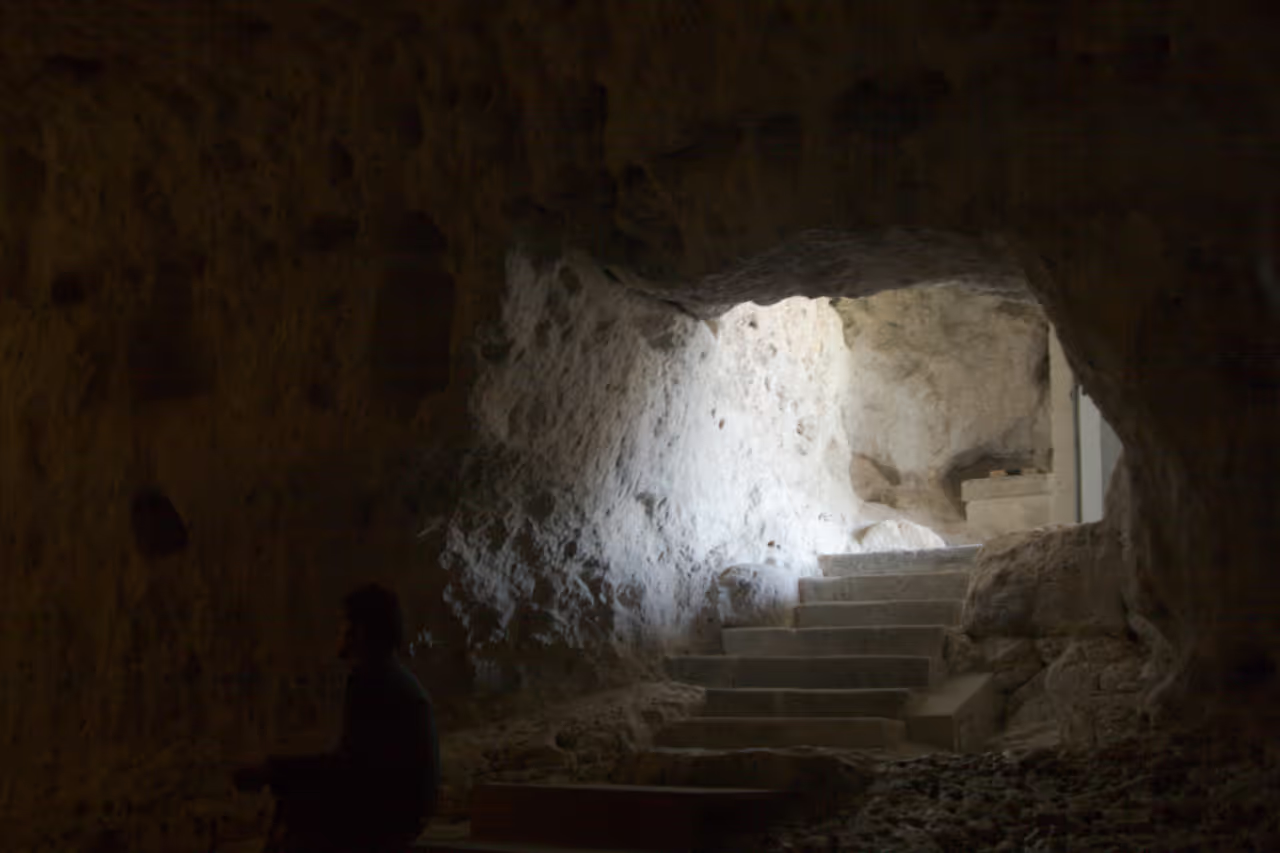
Hidden within the rugged cliffs of the Gravina di Picciano, the Crypt of the Original Sin is a breathtaking masterpiece of early medieval art. Often called the Sistine Chapel of rock art, this subterranean sanctuary houses a cycle of frescoes that dates back over a millennium. Visitors are treated to a vivid display of biblical scenes, including the Creation and the fall of man, painted with a unique expressive power. The atmosphere inside is solemn and awe-inspiring, offering a rare connection to the spiritual lives of monks who lived long ago. Exploring this site provides a fascinating look at the fusion of Lombard and Roman artistic styles in a truly dramatic setting. It is an essential stop for anyone wanting to understand the deep, soulful history of Matera's rocky landscape.
attraction view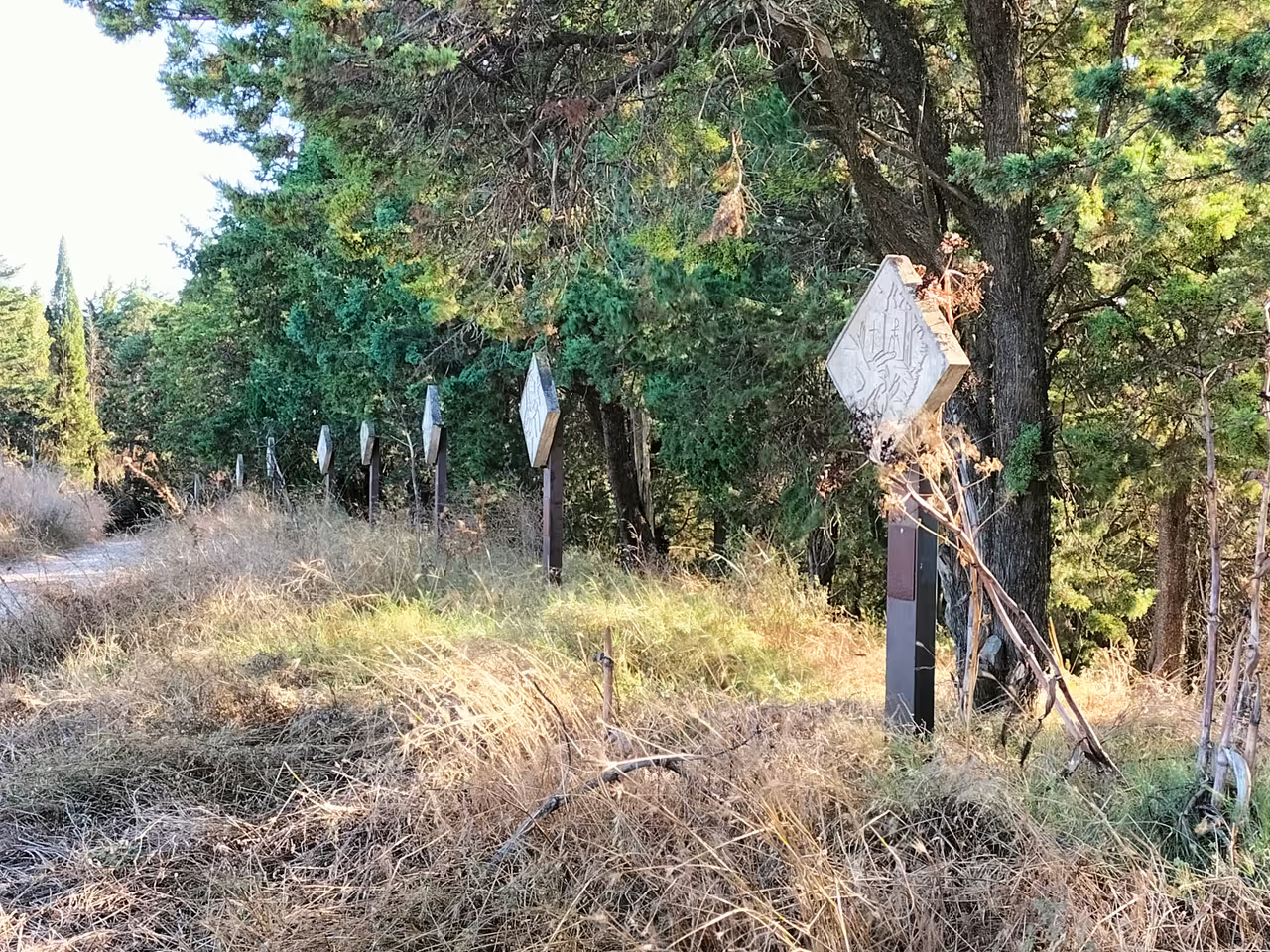 8142m
8142mTimmari Hill
Located about fifteen kilometres from the bustling city centre, this elevated green lung provides a tranquil escape surrounded by pine forests and ancient history. The hill overlooks the Bradano valley and the serene San Giuliano lake, offering breathtaking, uninterrupted countryside panoramas. It is a significant archaeological area where numerous prehistoric and Apulian artifacts have been discovered, many of which are now housed in the national museum. At its summit rests the small, charming Sanctuary of San Salvatore, dating back to 1310. It is a favoured weekend retreat for locals seeking quiet picnics and gentle nature walks away from the tourist crowds.
hidden gem view- 8686m
Macamarda Central Park
Located along Via Saragat, this modern green space is one of the more recent additions to the city's recreational areas. It is designed to cater to active residents, featuring open grassy areas, dedicated sports facilities, and winding walking paths. The atmosphere is distinctly local, far removed from the tourist heavy historical centre. It provides a fascinating look into how the city has expanded and prioritised community well being since the mid twentieth century. It is a fantastic place to stretch your legs, enjoy a picnic, or watch local sports matches.
free thing to do view 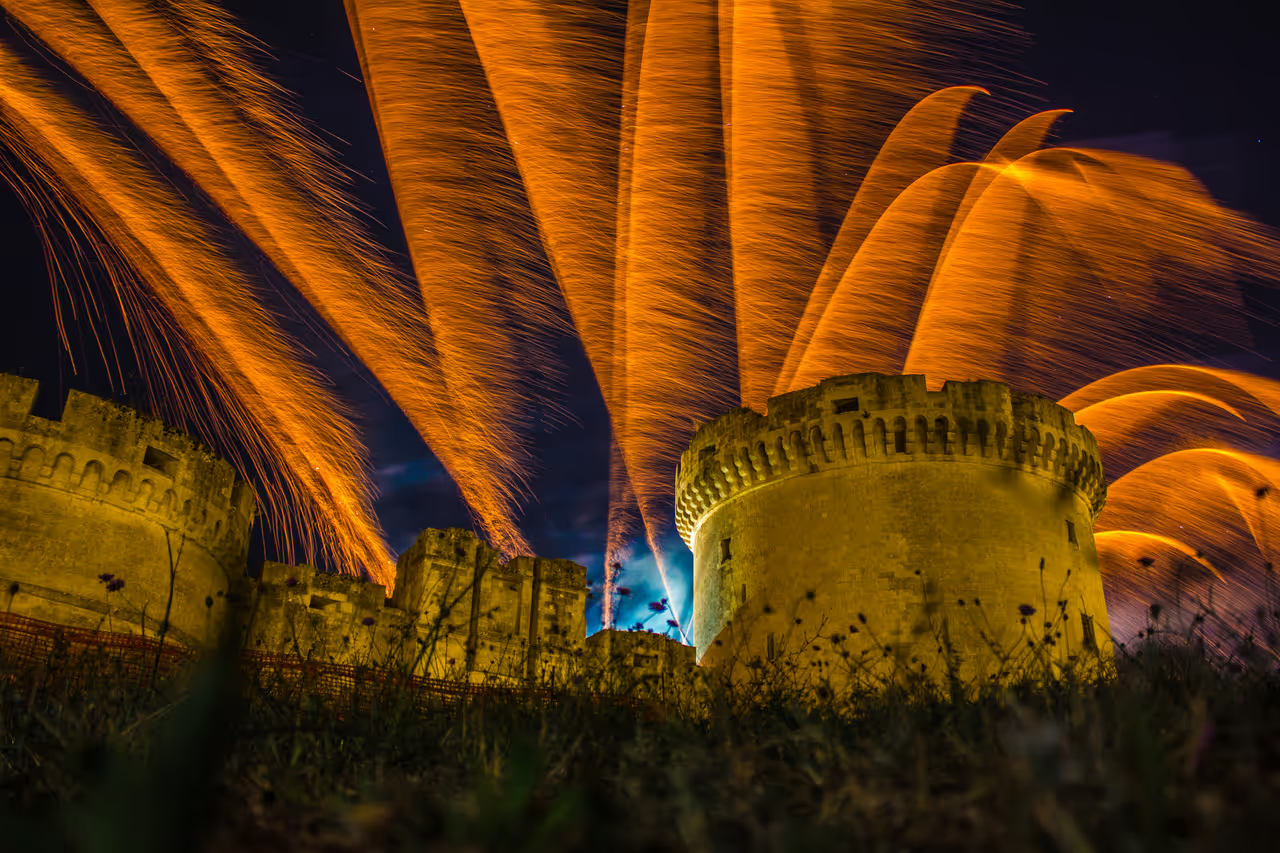 8849m
8849mCastle Park
Surrounding the imposing, unfinished Tramontano Castle, this leafy park provides a dramatic and historical setting for a leisurely walk. The lush green lawns contrast beautifully against the formidable, cylindrical towers of the sixteenth century Aragonese fortress. It is slightly elevated, offering pleasant breezes and charming glimpses of the surrounding urban landscape. Locals often come here to read, walk their dogs, or simply relax in the shadow of one of the city's most significant monuments. The open spaces make it an ideal spot for photography and quiet contemplation.
free thing to do view
Featured on These Itineraries and Routes
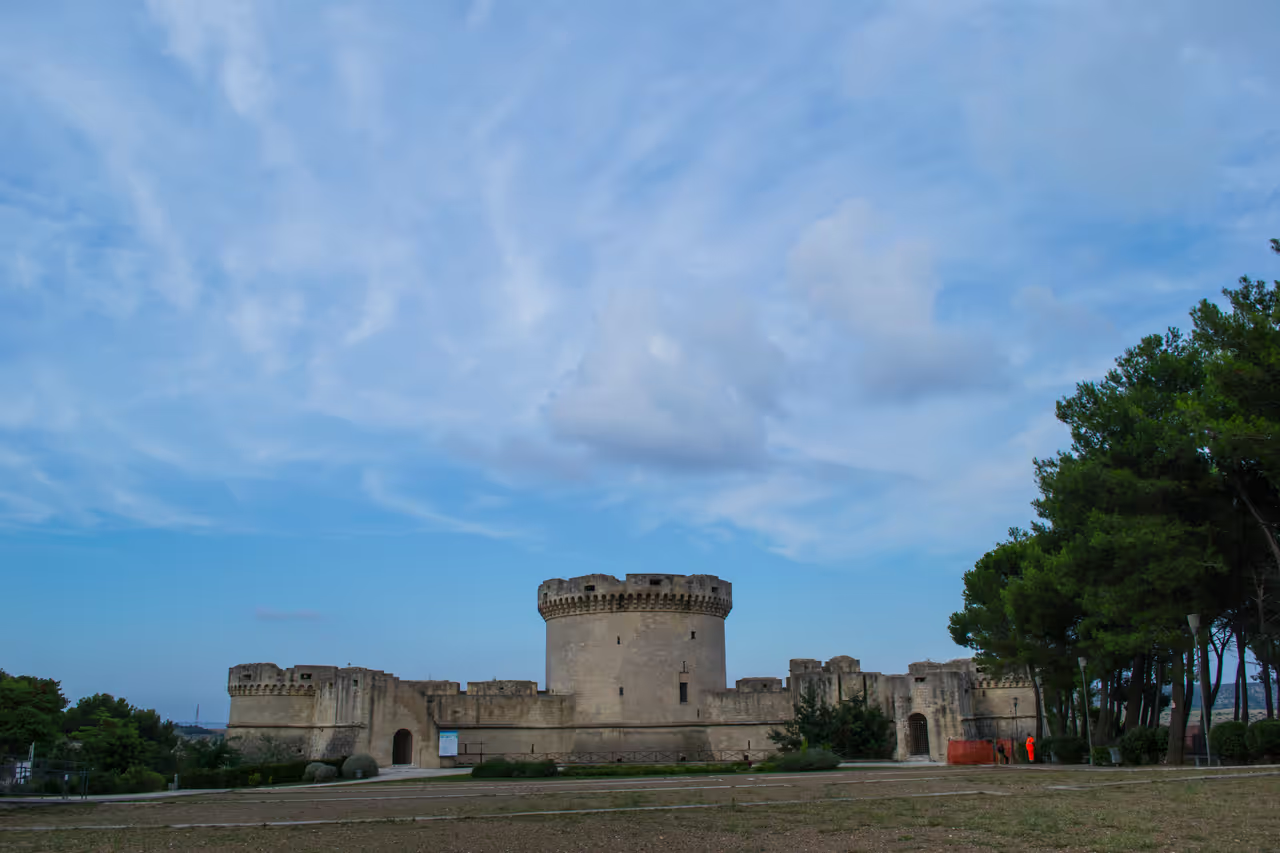
5 Days in Matera: Deep Dive Itinerary
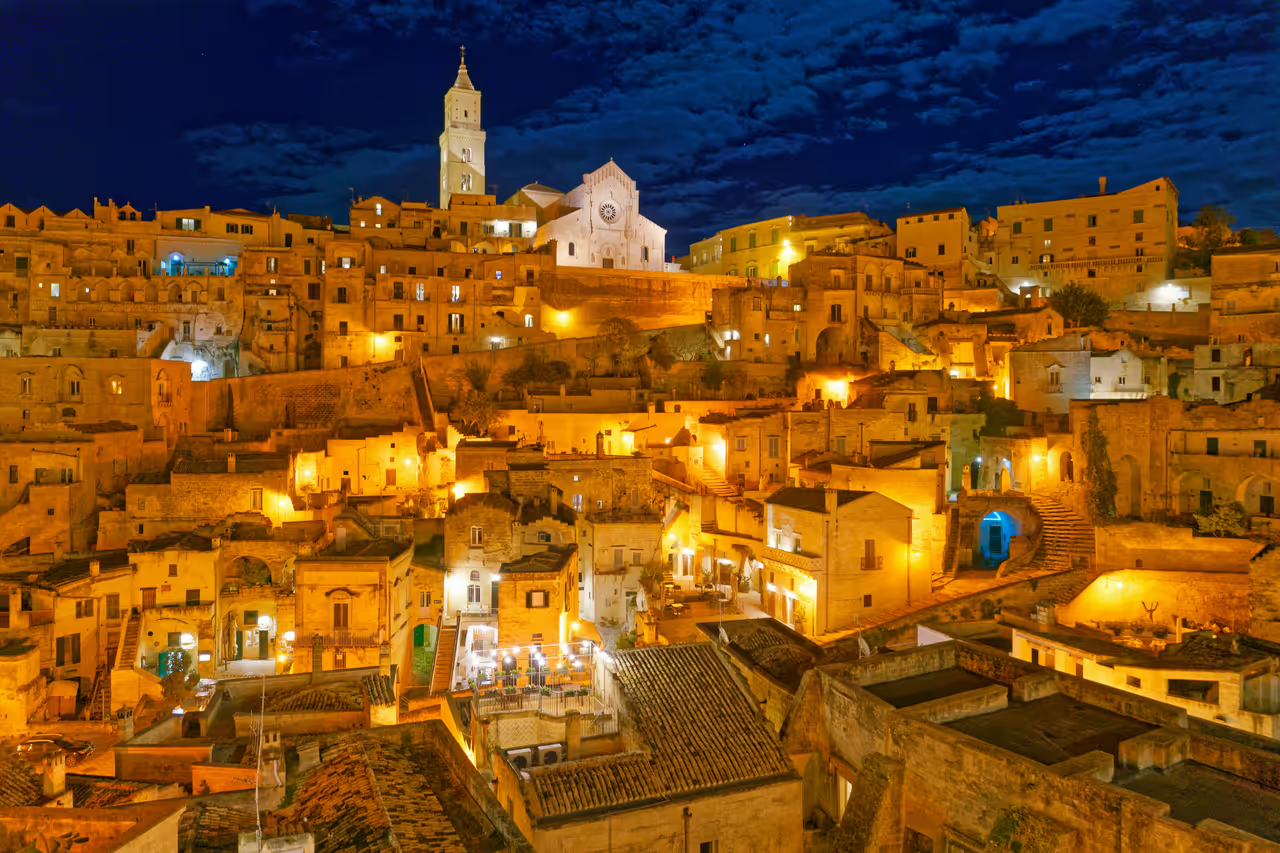
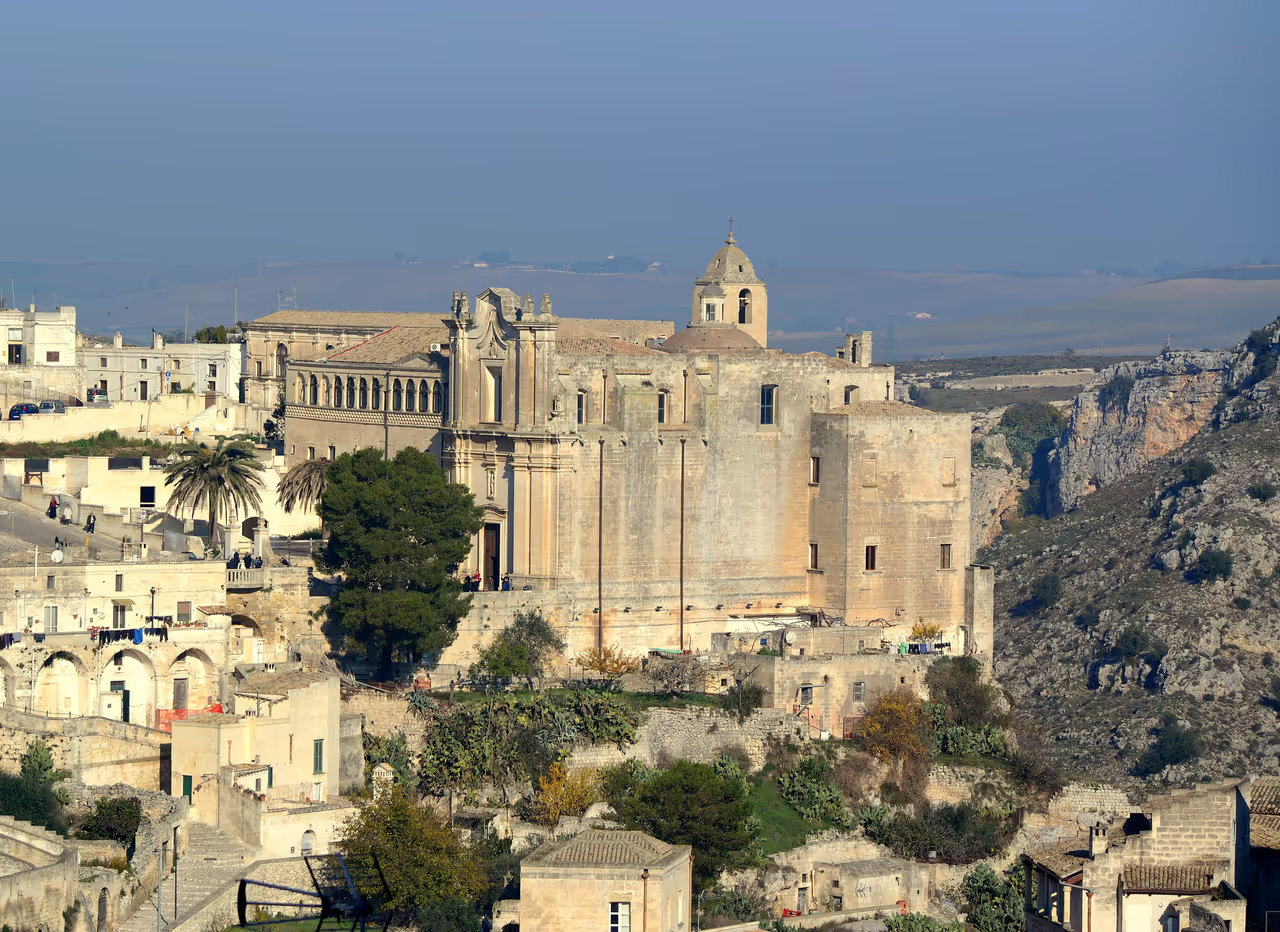
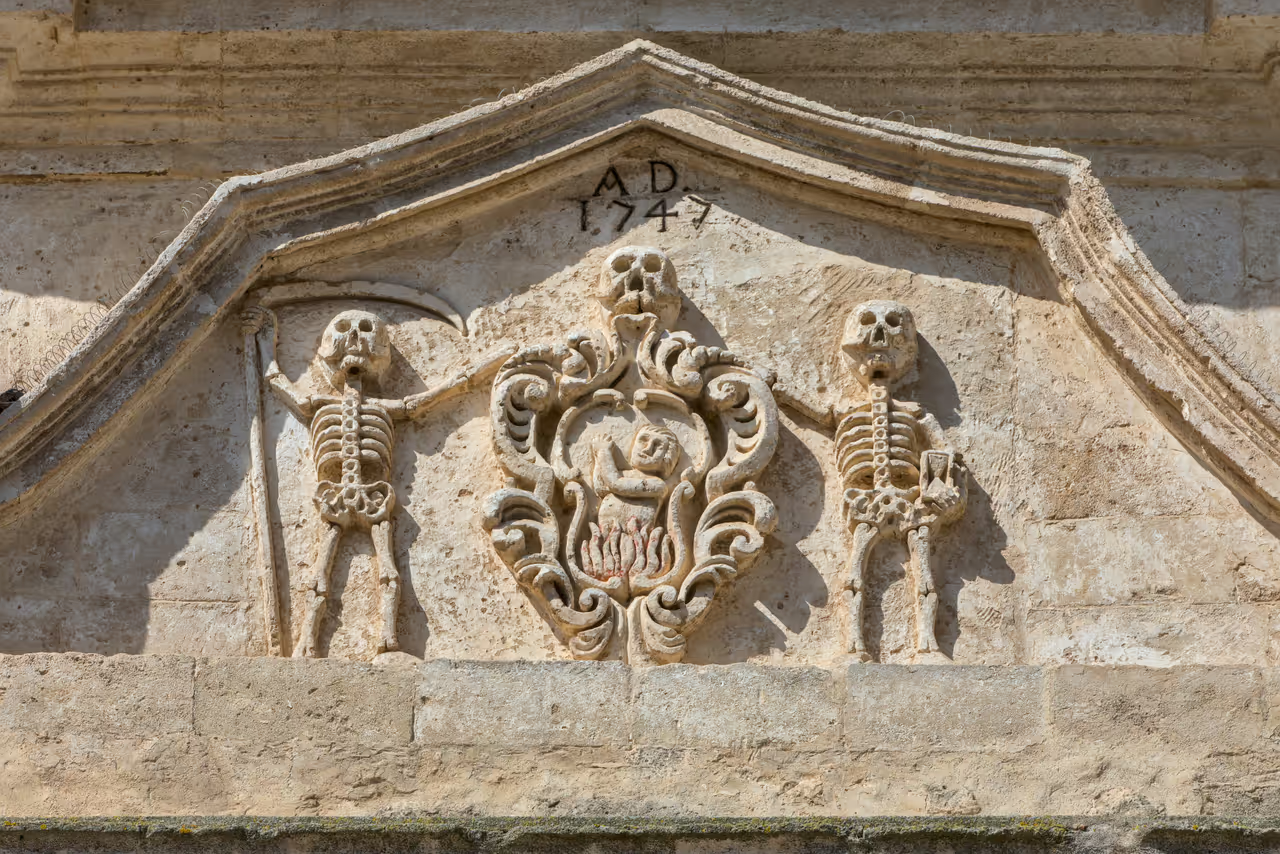
For those who want to truly uncover every layer of this fascinating destination, a five day stay is highly rewarding. This extensive itinerary covers the classic architectural highlights while dedicating ample time to exploring the wider region, including tranquil nature reserves and significant hidden gems. It allows you to slow down, interact with local artisans, and fully appreciate the complex juxtaposition of primitive caves and elegant Baroque palazzos. It is the ultimate, unhurried cultural immersion.
view itinerary
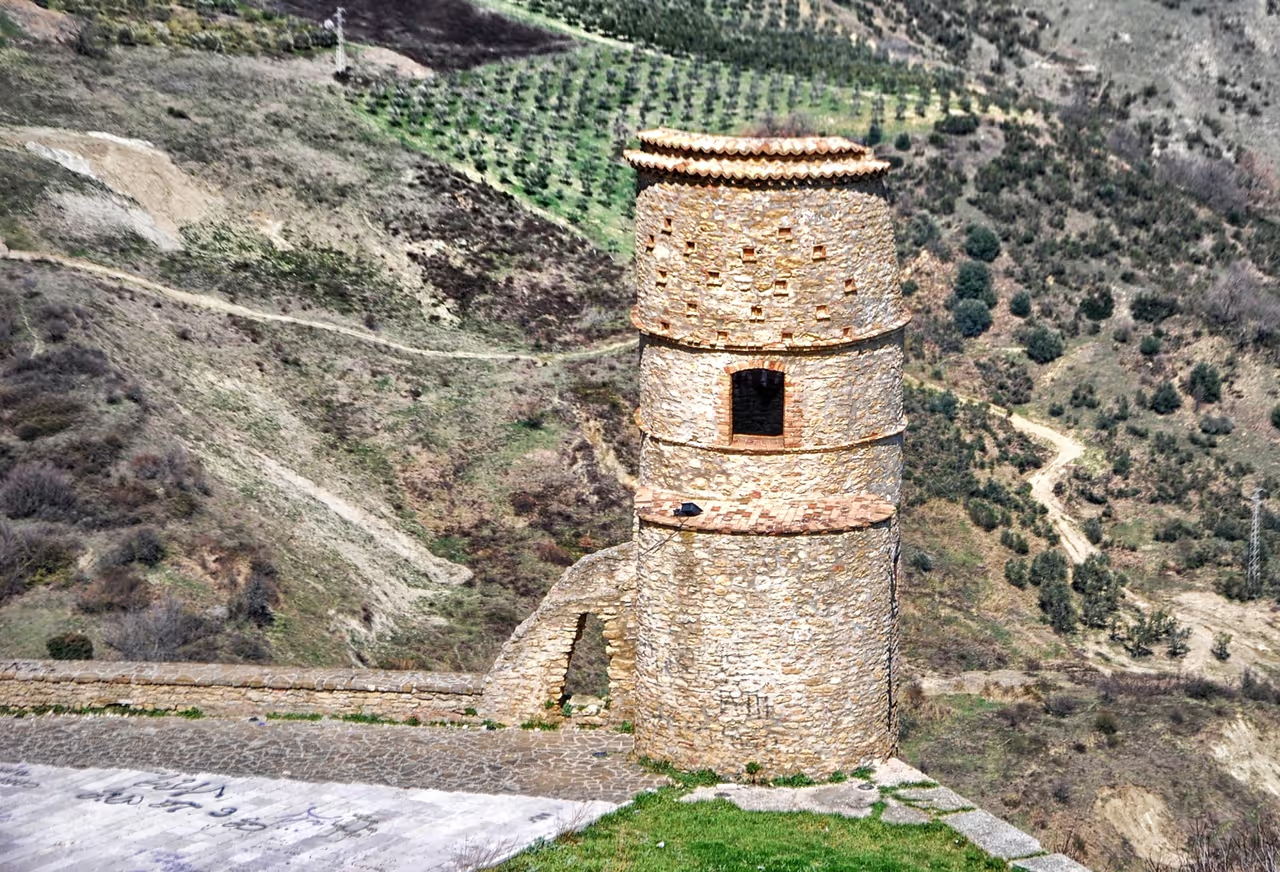
San Giuliano Lake Loop
This peaceful ride takes cyclists away from the stone city and into a lush, protected regional nature reserve. The route generally follows quiet country roads and gentle dirt tracks that circle the expansive artificial lake. The surrounding environment is incredibly green, providing a refreshing contrast to the arid limestone of the gorge. Riders will experience tranquil waterside views, dense forestry, and excellent opportunities to spot local wildlife. It is a highly relaxing journey perfect for a sunny afternoon.
view cycling route
See all nature & parks in Matera
Murgia Materana Park...