Tramontano Castle
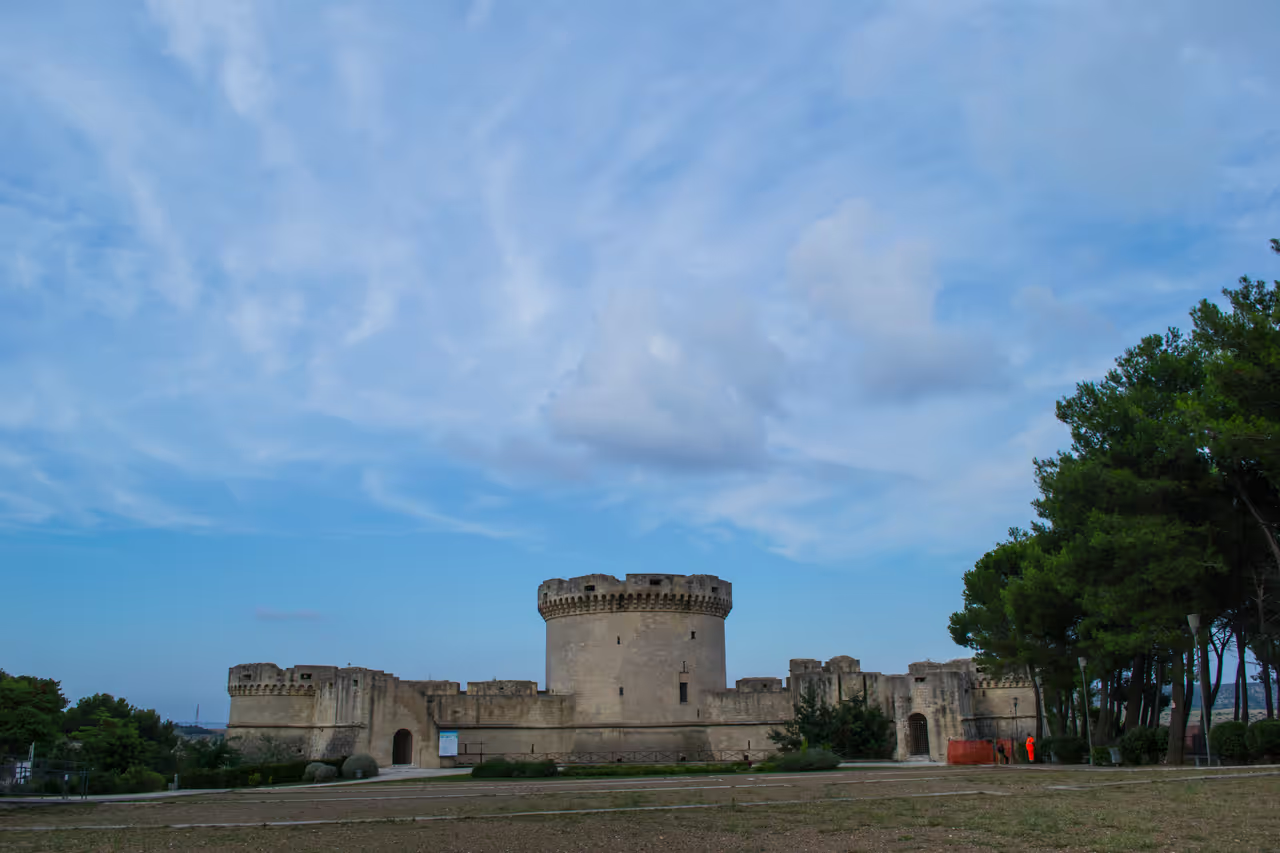
Perched high upon the hill of Lapillo, Tramontano Castle stands as a striking sentinel over the city of Matera. Its Aragonese architecture, with a prominent central keep and circular towers, offers a dramatic glimpse into a turbulent period of feudal rule. Visitors can appreciate the commanding views of the historic city from its grounds and imagine the intense power struggles that once unfolded here. The site provides a compelling contrast to the ancient cave dwellings below, acting as a reminder of the aristocratic ambitions that once dominated the horizon. It is an evocative place that captures the complex history and enduring spirit of Matera.
Videos
History of Tramontano Castle
The story of Tramontano Castle is deeply intertwined with the rebellious heart of Matera. In 1496, Count Giovan Carlo Tramontano secured the county of Matera by leveraging his debts with the Royal Treasury, effectively bypassing the King's earlier promises to keep the city independent. He sought to solidify his feudal grip on the landscape, positioning his new fortress on a high hill overlooking the city. Construction began in 1501, and the site was intended to be an imposing statement of authority, built with taxes that weighed heavily upon the local population. The locals viewed the rising walls with deep resentment. The castle was not designed for the protection of Matera, but rather to watch over and control the populace. Tensions boiled over, and citizens allegedly gathered behind a large boulder, known locally as the stone of bad counsel, to plot their liberation. The atmosphere in the city grew increasingly desperate as the count's financial mismanagement and harsh levies continued to drain the city’s resources, turning the once grand project into a symbol of oppression. The reckoning arrived on 29 December 1514. Shortly after leaving the cathedral, the Count was intercepted and assassinated in a side street, an event so significant that the street was renamed Via del Riscatto, or the Road of Redemption. With his death, the project collapsed, and the castle was abandoned in its incomplete state. Today, the fortress remains a poignant monument to the citizens who refused to accept tyranny, standing as a quiet guardian that finally belongs to the people it was once built to dominate.
Events spanning 512 years
Fun Facts
- • A local boulder, referred to as 'u pizzon' du mal consigghj', serves as the legendary meeting spot where citizens plotted the Count's downfall.
- • Archaeological evidence suggests the castle was originally planned to be much larger, with additional towers that were never completed.
- • Despite its formidable appearance, the castle never saw active military service due to the premature death of its creator.
- • Restoration efforts have focused on recovering the surrounding park and repairing the tuff stone walls of the original moat.
- • Some of the castle's subterranean structures were discovered beneath the modern Piazza Vittorio Veneto in the city centre.
- • The castle design was inspired by the Aragonese military style, featuring a central keep that was meant to be the heart of the fortress.
- • The castle's construction was funded by taxing the local Materan population, which led to significant public outrage and resentment.
- • The street where Count Tramontano was assassinated is still known as 'Via del Riscatto', which translates to 'Way of the Redemption'.
RESOURCES
Official WebsiteTramontano Castle FAQ
While we strive to keep this information accurate and up to date, we recommend verifying any details independently before making decisions based on them.
Tramontano Castle Map & Neighborhood Explorer
This interactive map is centered on Tramontano Castle. Zoom in and move the map around to automatically discover Wikipedia photos and summaries of other nearby sights, monuments, and historical points of interest and stories in real-time!
Places near Tramontano Castle
Make the most of your trip. Check out these top-rated spots located nearby.
- 31m
John Paul II Park
Nestled in the newer part of the city, this expansive urban park is a favourite local gathering spot offering a refreshing break from the stone streets of the historic centre. It features wide, tree lined avenues, well maintained lawns, and shaded benches perfect for a midday rest. Families frequently bring their children here to play, giving it a lively, authentic community atmosphere. It is an excellent place for a peaceful morning jog or a relaxed evening stroll among the local residents. The park seamlessly bridges the gap between the ancient cave districts and modern urban life.
free thing to do view 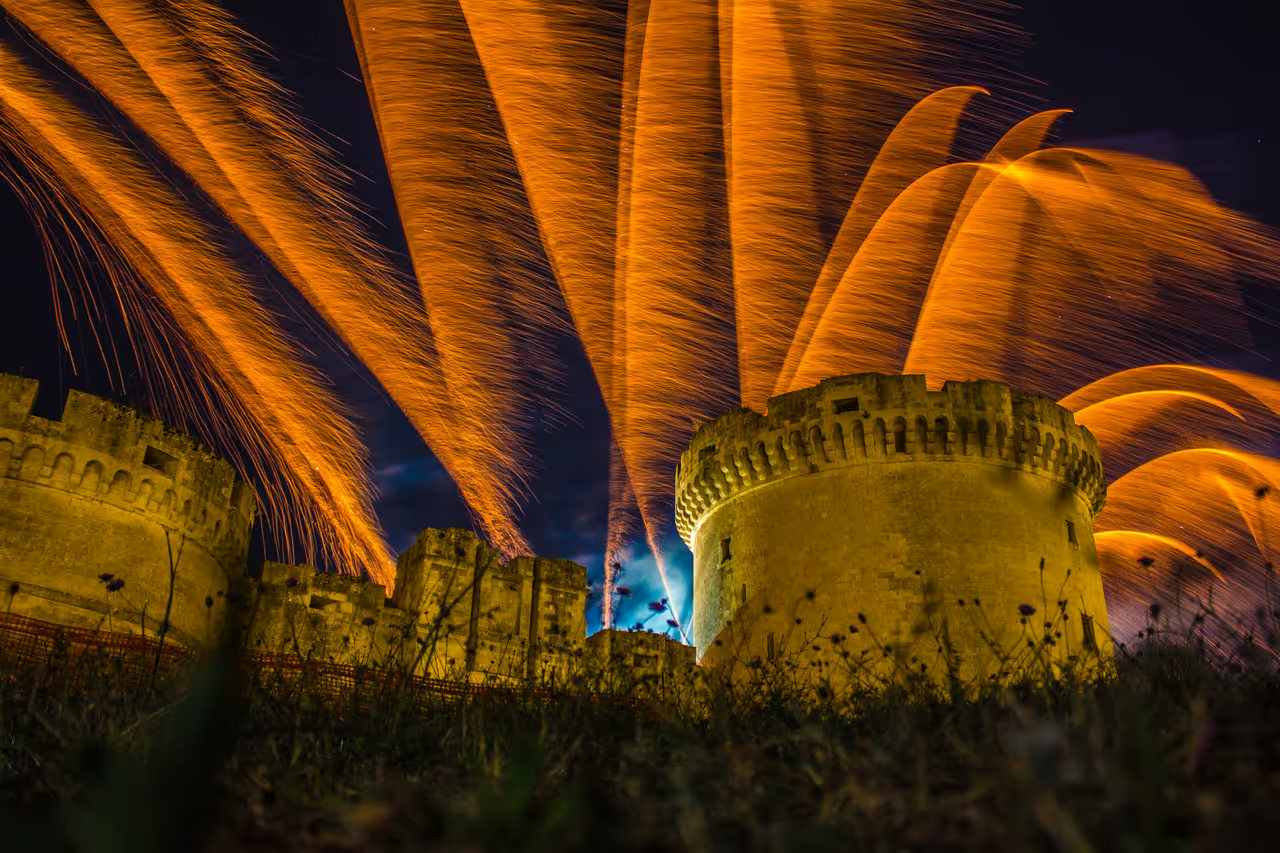 90m
90mCastle Park
Surrounding the imposing, unfinished Tramontano Castle, this leafy park provides a dramatic and historical setting for a leisurely walk. The lush green lawns contrast beautifully against the formidable, cylindrical towers of the sixteenth century Aragonese fortress. It is slightly elevated, offering pleasant breezes and charming glimpses of the surrounding urban landscape. Locals often come here to read, walk their dogs, or simply relax in the shadow of one of the city's most significant monuments. The open spaces make it an ideal spot for photography and quiet contemplation.
free thing to do view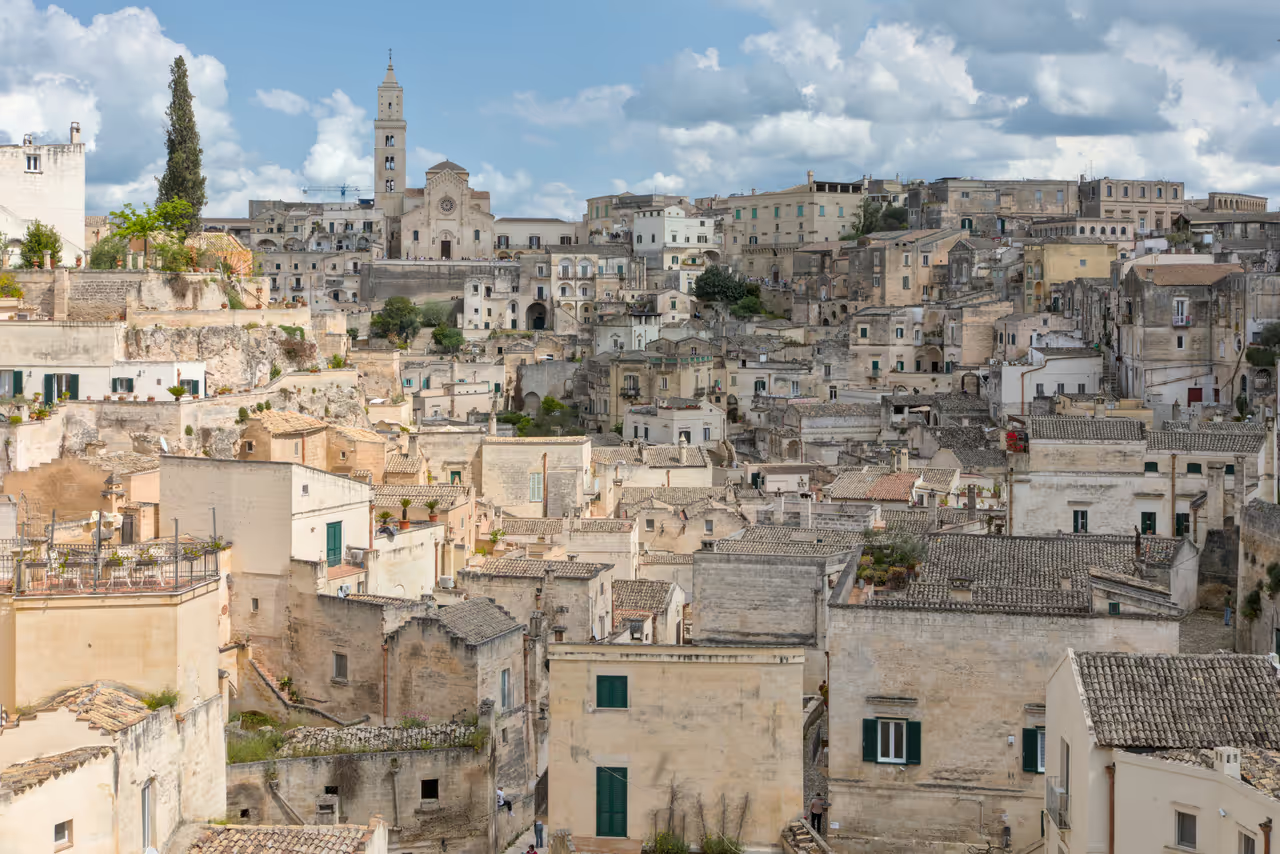 187m
187mLuigi Guerricchio Belvedere
Situated directly beneath the arches of the main square, this terrace offers a sudden, breathtaking perspective of the northern cave district. Because it is located slightly lower than the main street level, it feels as though you are suspended directly over the ancient rooftops. The view perfectly frames the labyrinthine alleys, the rock hewn churches, and the stark contrast between the excavated caves and the built facades. It is often the very first glimpse of the subterranean city that visitors experience. The visual impact of seeing the ancient stone world open up beneath you is genuinely profound.
viewpoint view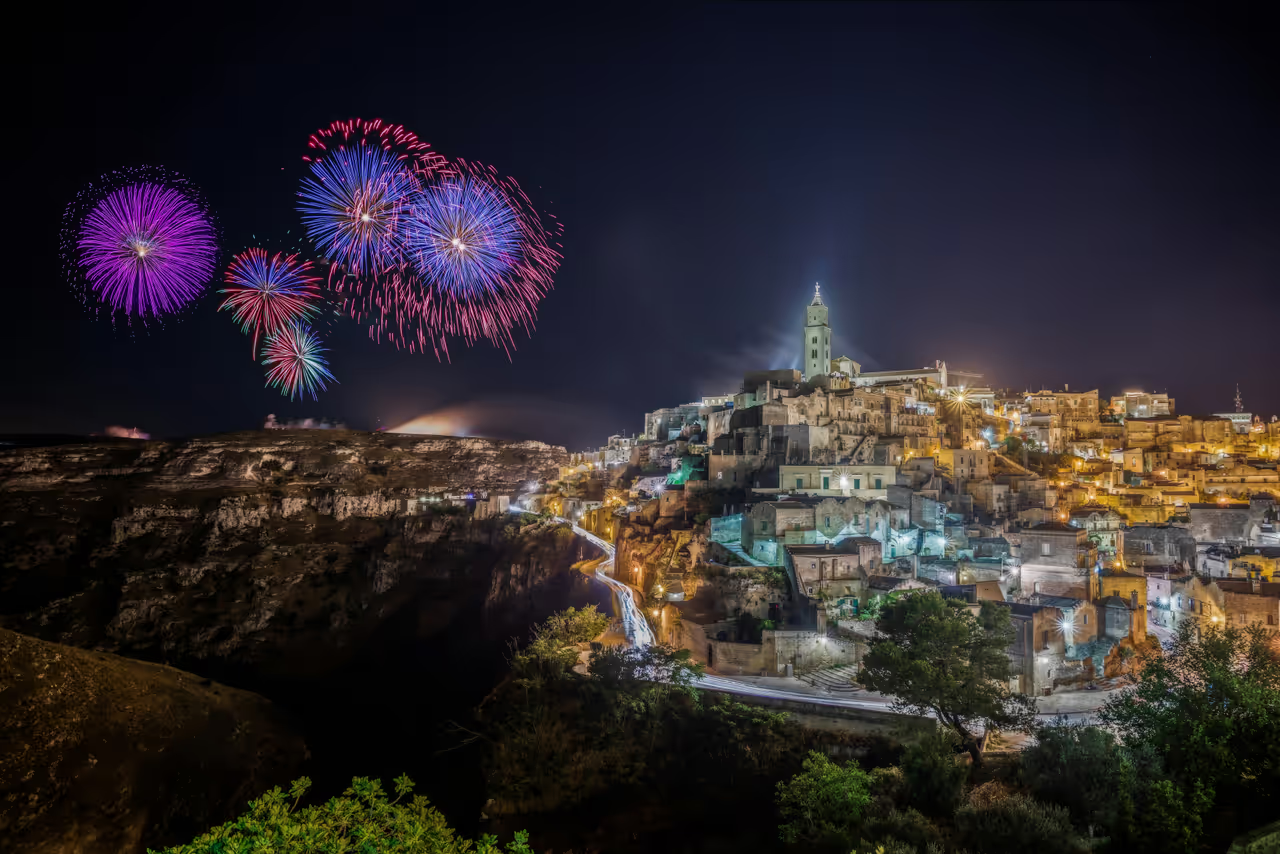 240m
240mFeast of the Madonna della Bruna
This magnificent event is the most important date on the local calendar, boasting a tradition that dates back to 1389. The celebration involves a mixture of deep religious devotion and chaotic pagan rituals dedicated to the patron saint. The absolute highlight occurs in the evening when a beautifully crafted, massive papier mâché chariot is paraded through the streets. Once it reaches the main square, the crowd excitedly attacks and completely destroys the chariot, tearing it apart to take home a piece for good luck. A spectacular fireworks display over the ravine concludes the long day of festivities.
festival view
Explore Similar Places in This Collection
Featured on These Itineraries
3 Days in Matera: Sassi, Murgia, and History Itinerary
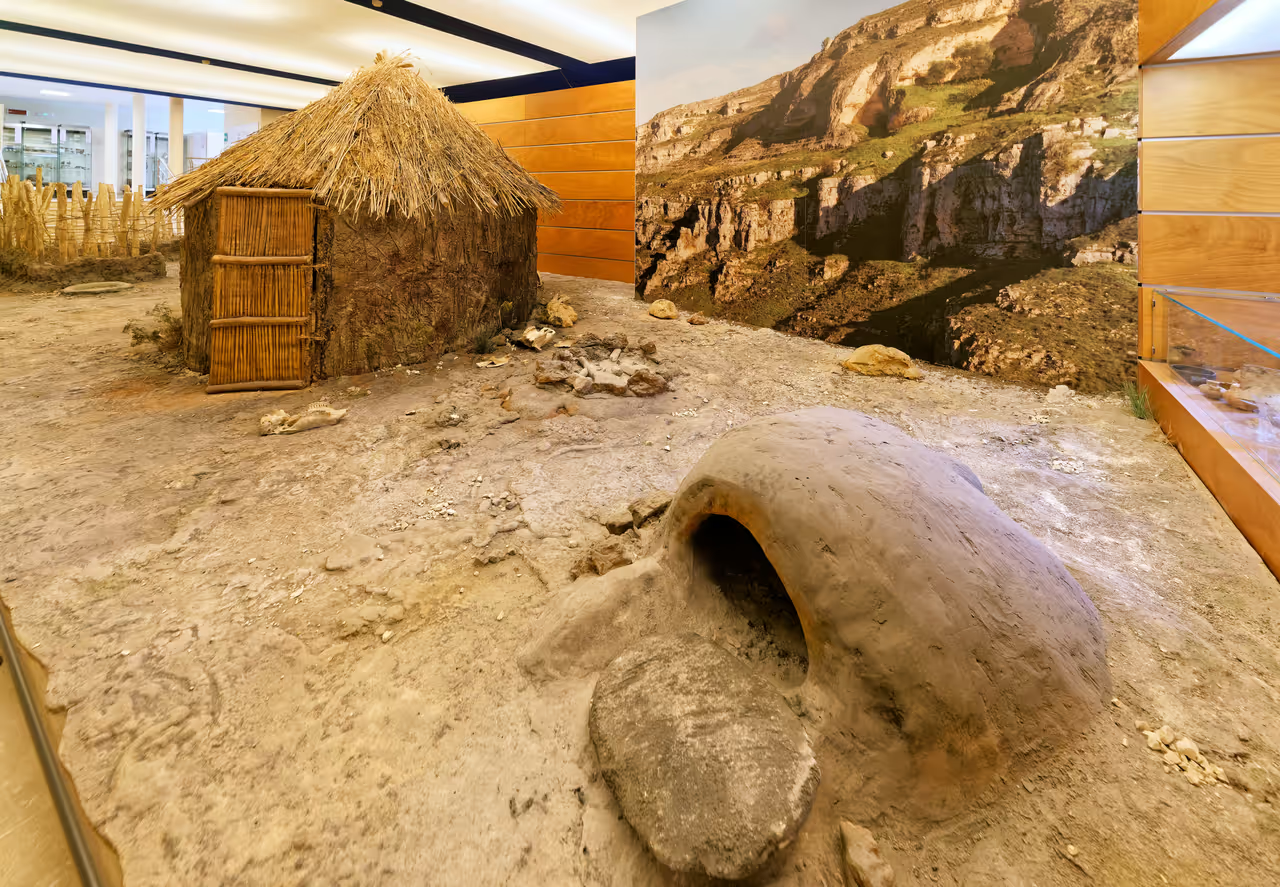
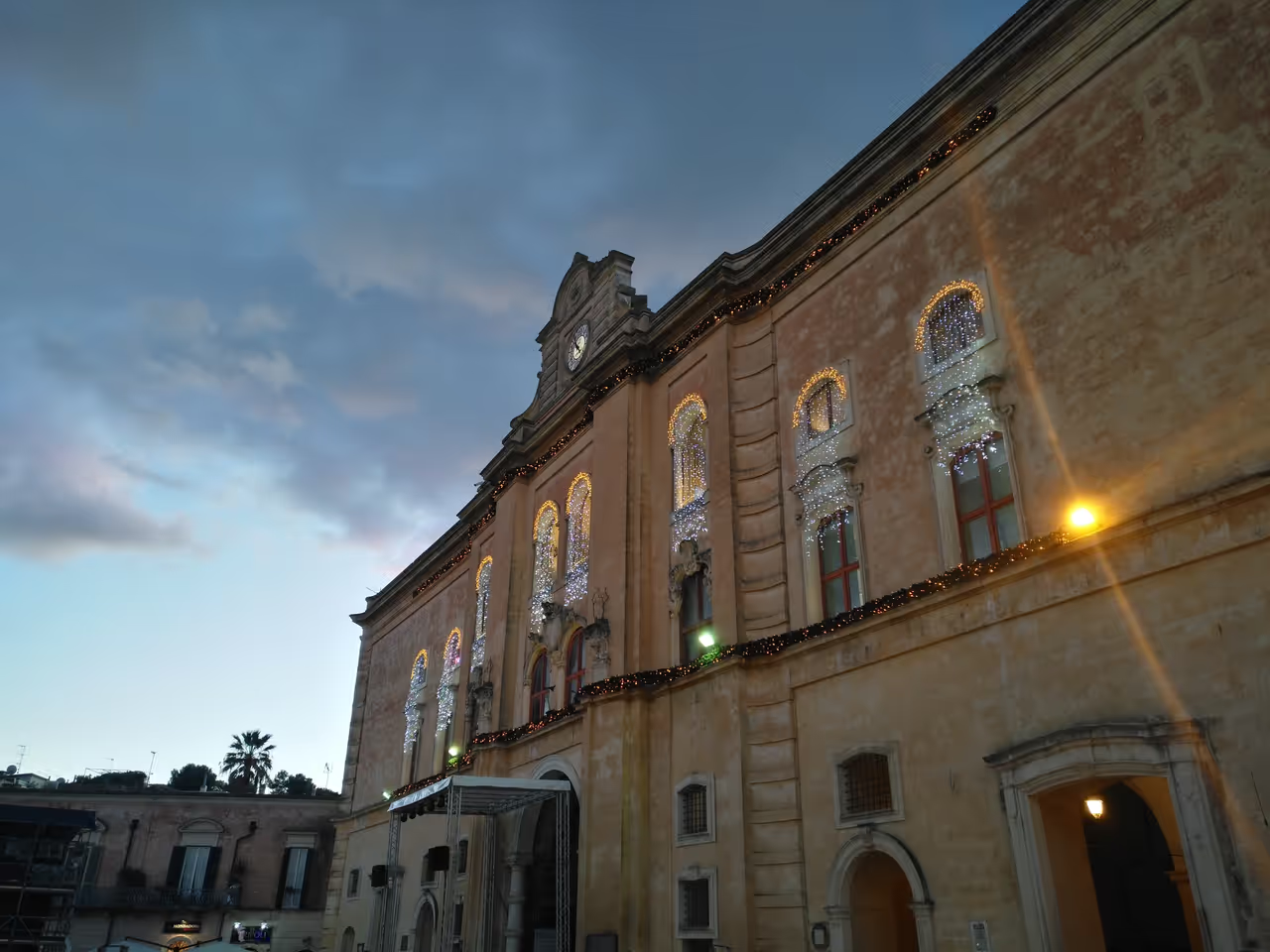
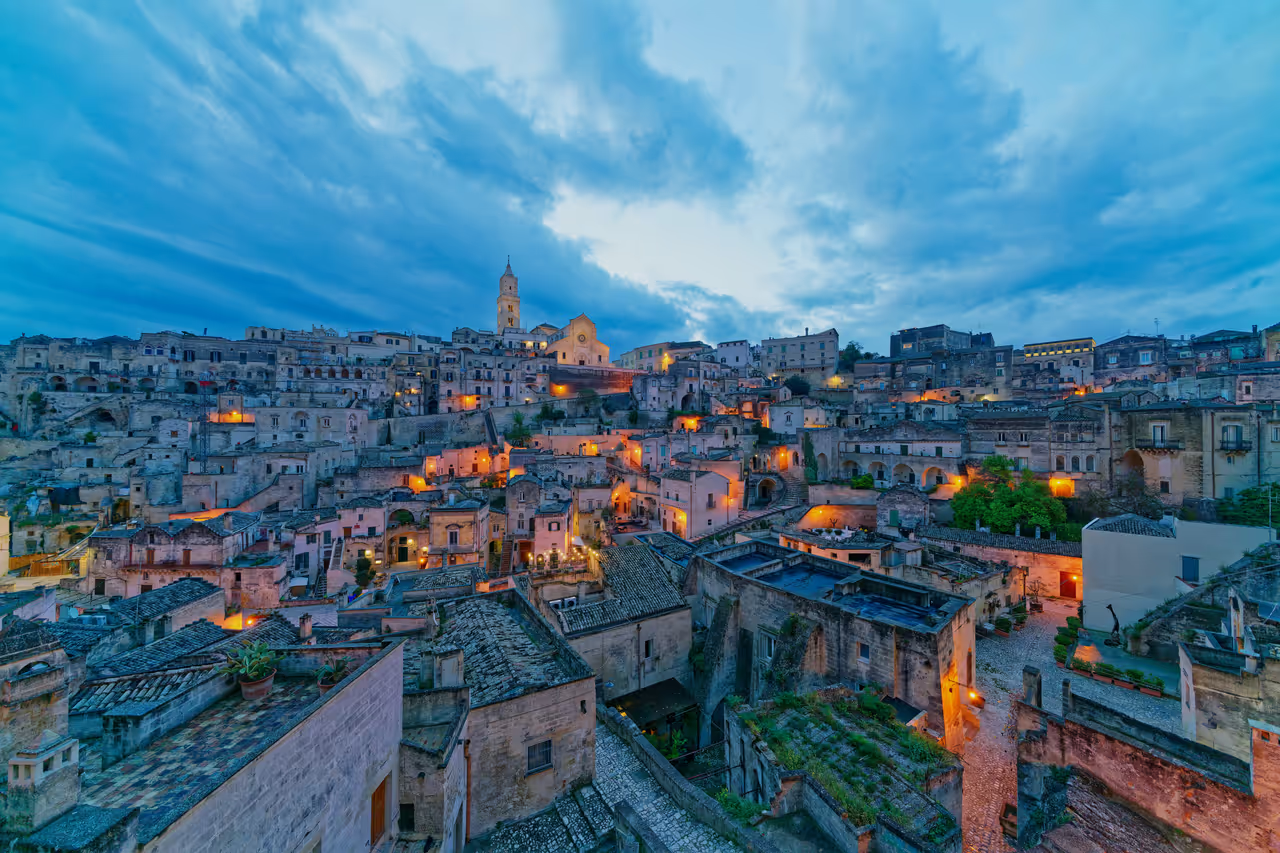
Three days is the perfect amount of time to fully absorb the city's complex history without feeling rushed. This itinerary balances deep exploration of the ancient urban cave dwellings with an adventurous hike across the dramatic ravine. You will have time to delve into world class museums that explain the region's artistic and archaeological heritage. It allows for relaxed evenings enjoying the local culinary scene and partaking in the traditional evening stroll along the upper plateau.
view itinerary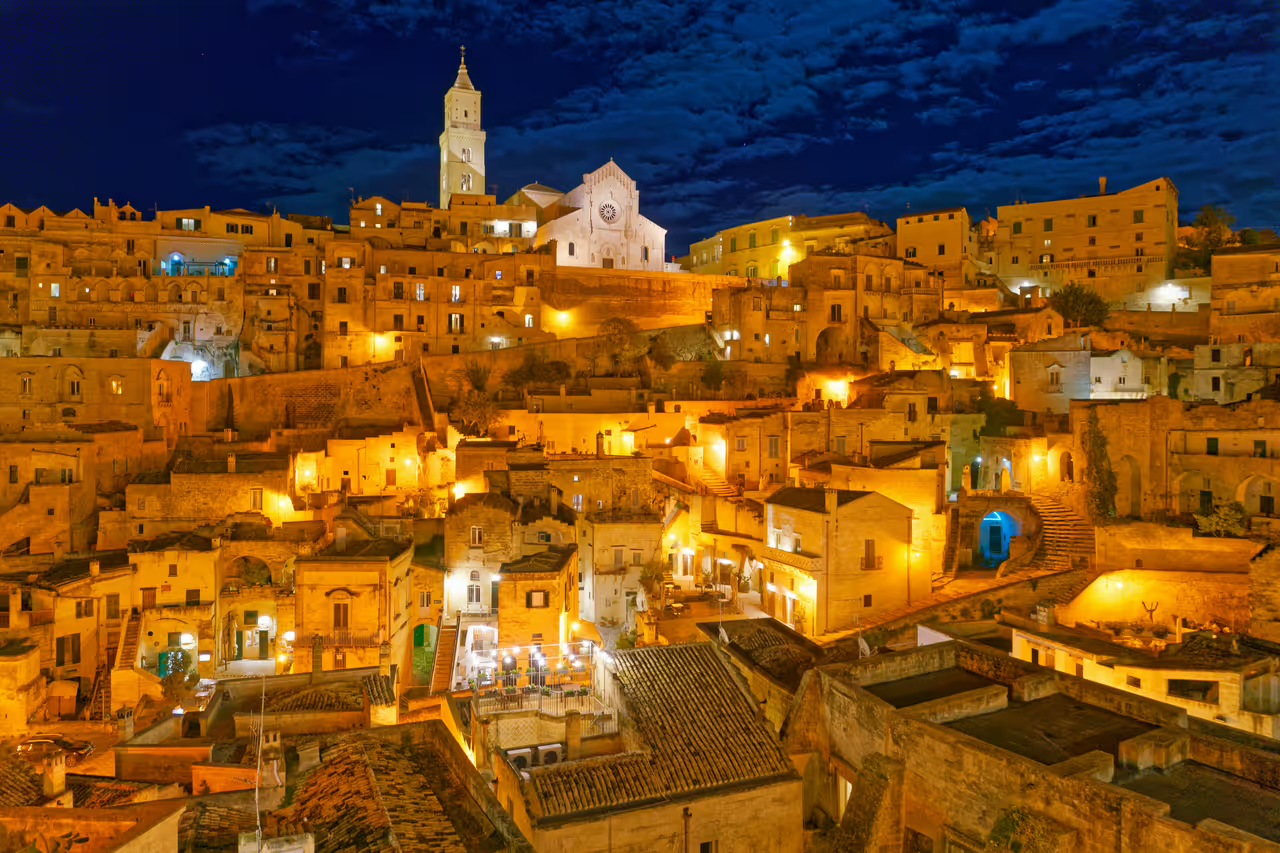
5 Days in Matera: Deep Dive Itinerary
For those who want to truly uncover every layer of this fascinating destination, a five day stay is highly rewarding. This extensive itinerary covers the classic architectural highlights while dedicating ample time to exploring the wider region, including tranquil nature reserves and significant hidden gems. It allows you to slow down, interact with local artisans, and fully appreciate the complex juxtaposition of primitive caves and elegant Baroque palazzos. It is the ultimate, unhurried cultural immersion.
view itinerary
See all attractions in Matera
Crypt of the Original Sin, Matera Cathedral, Palombaro Lungo, Museum of Contemporary Sculpture Matera (MUSMA)...