Accra
Full City Guide, Map & 119 Things To Do
1,782,150 people live here.
That's 5.27% of the entire population of Ghana.
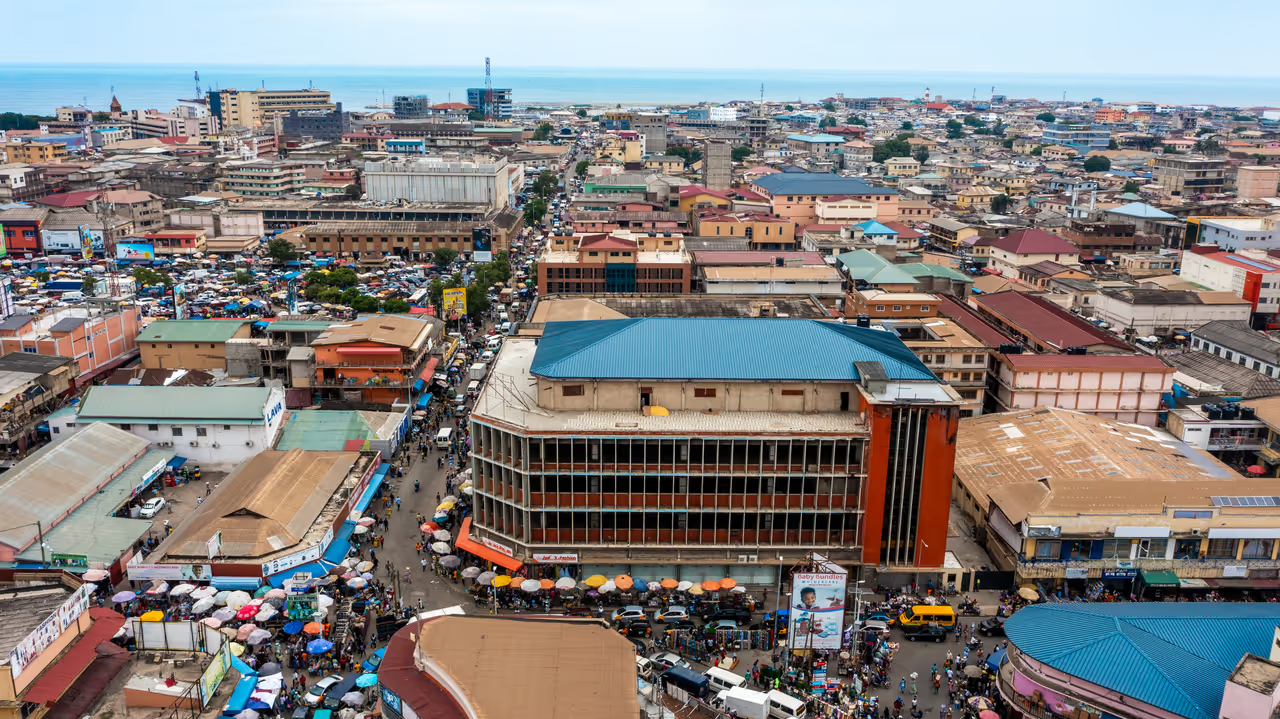
Accra is the energetic and culturally rich capital of Ghana, positioned beautifully along the Atlantic coast. It offers a fascinating blend of historical depth, from ancient forts to powerful monuments of African independence, alongside a vibrant modern lifestyle. Visitors can explore lively markets, sample incredible local flavours, and experience the warmth of the Ga people. The city serves as a perfect gateway to West Africa, boasting golden beaches, a thriving arts scene, and a nightlife that pulses with highlife and afrobeats. Exploring this city promises an unforgettable journey through resilience, creativity, and incredible hospitality.
Accra DNA
History of Accra
Tall, red mounds of earth once dotted the plains along the Gulf of Guinea. Twi speakers observed the aggressive soldier ants swarming these anthills and applied their word for the insects, Nkran, to the local Ga people. The name eventually warped into Accra. The early kingdom operated out of Ayawaso and showed little patience for outside interference. When a Portuguese fort was erected in the sixteenth century, local inhabitants simply destroyed it in 1576. European merchants had to conduct their trade directly on the open sand. A bizarre diplomatic incident shattered the region in 1677. Using the circumcision of a visiting prince as an excuse, the expanding Akwamu Empire invaded. The attackers sacked Ayawaso and executed the local king. His son, Ofori, fled to the coastline and set up a refuge named Small Accra under the protective stone walls of the Dutch Fort Crèvecœur. Danish cannons from nearby Fort Christiansborg initially kept the invaders at bay. The relief was strictly temporary. The Akwamu fomented a rebellion within the Danish garrison, seized the stronghold, and returned in 1681 to burn Small Accra down, chasing Ofori into exile in Fetu. Britain systematically bought out the Danish and Dutch interests, transferring the capital of the Gold Coast from Cape Coast to Accra in 1877 simply because the weather was drier. The original settlement was squeezed tightly between Ussher Fort and the Korle Lagoon. Colonial administrators soon built Victoriaborg as an exclusive residential enclave for Europeans. A severe bubonic plague outbreak in 1908 forced authorities to completely redraw the map. They established the Adabraka neighbourhood to the north to relieve severe overcrowding in the original districts. Infrastructure followed the expanding borders. By 1923, a new bridge spanned the Korle Lagoon, opening up western areas like Korle Gonno and Chokor for rapid settlement. Frustration with colonial rule boiled over in 1948. Nii Kobina Bonney III, a local chief from Osu Alata, organised a sweeping boycott of European goods just as returning military veterans began demanding their promised wartime pay. The ensuing unrest paved the way for independence in 1957. Prime Minister Kwame Nkrumah completely reimagined the urban landscape to project a fierce new nationalism. He directed the construction of immense public areas like Black Star Square to display Pan African confidence. Today, the physical legacy of these colliding eras dictates the morning commute. Minibuses modified from Nissan Urvans and Mercedes Sprinters weave past colonial remnants and the geometric roof of the National Theatre, their bumpers heavily decorated with local proverbs and football club crests.
13 Events spanning 523 years
Map of Accra
Interactive Destination & Itinerary Map
This map blends our curated city guides—featuring best photo spots, scenic walks, viewpoints, hidden gems and much more—with a live Wikipedia explorer. Click on our numbered pins to plan your routes, or zoom in on the surrounding neighborhoods to discover verified local landmarks, museums, and stories with dynamic Wikipedia summaries and photos!
Fun Facts
- • The city's name is derived from the Akan word Nkran, which literally translates to ants, referencing the numerous large anthills that once dotted the surrounding countryside.
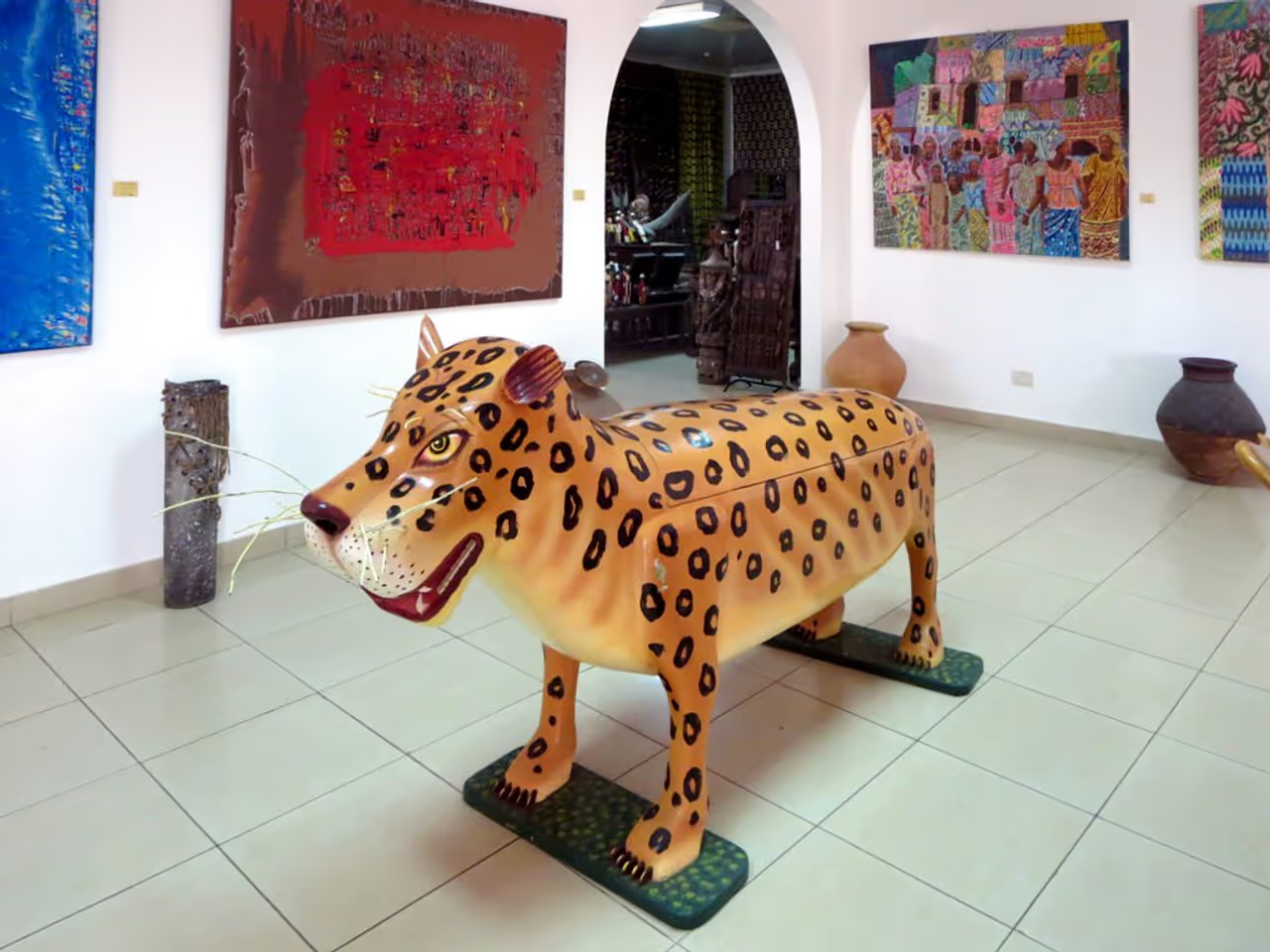
- • Local artisans in the Teshie neighbourhood are world famous for creating fantasy coffins, crafting custom burial boxes shaped like everything from aeroplanes to chilli peppers to celebrate the deceased's life.
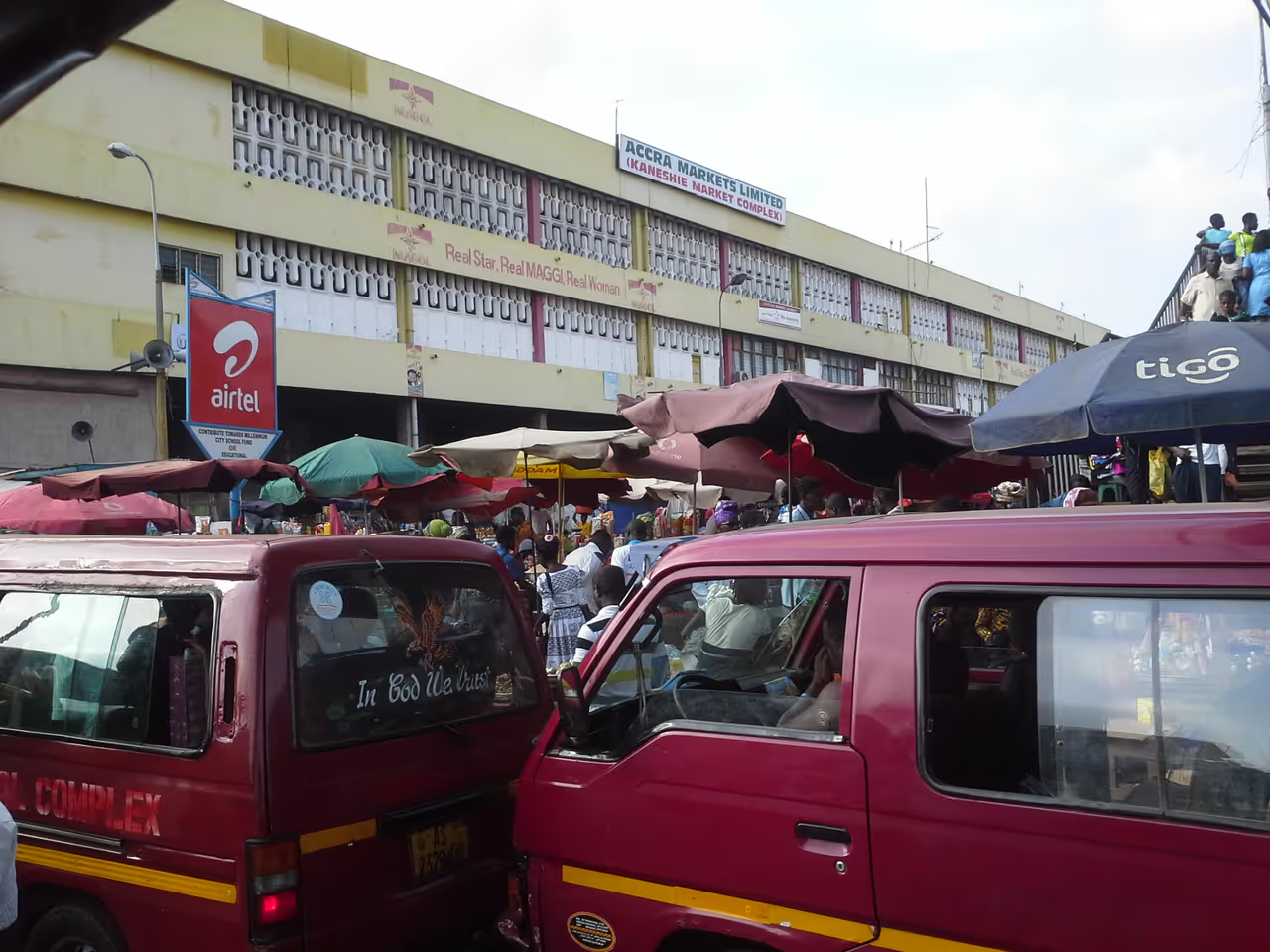
- • The enormous Makola Market is overwhelmingly run by powerful female merchants affectionately known as market queens, who control much of the local economy.
- • Public transport minibuses, known as tro tros, are usually decorated with fascinating decals, ranging from religious proverbs to local slang and international football club logos.
- • Despite its massive urban sprawl, the city sits incredibly close to the equator and the prime meridian, making it geographically one of the most central cities on the planet.
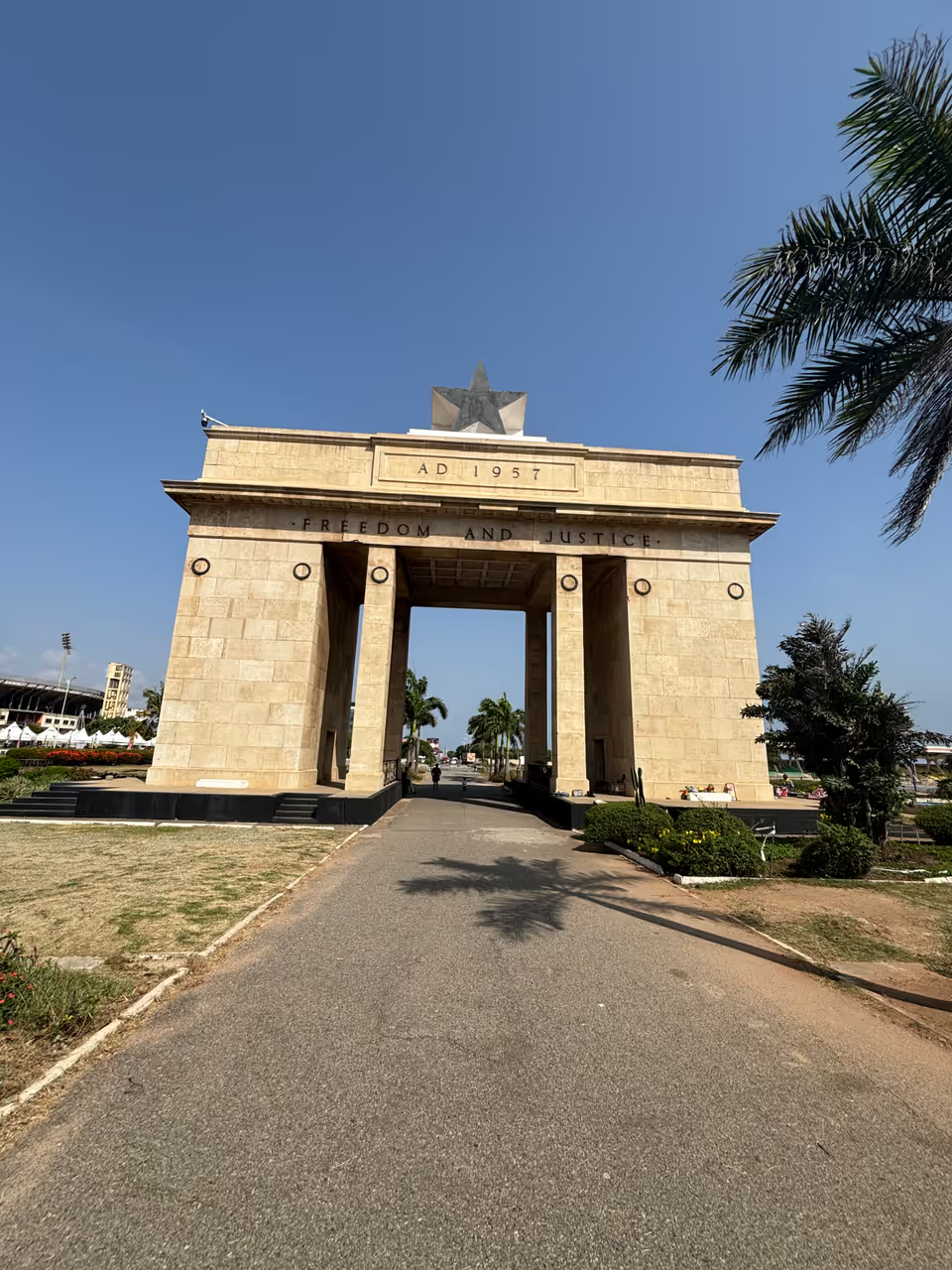
- • The iconic Black Star Square is so massive that it ranks as one of the largest public squares in the world, capable of hosting over thirty thousand people.
Did You Know?
- • The tragic shooting of unarmed veterans at the Christiansborg crossroads in 1948 directly triggered the movement that led to Ghana becoming the first sub Saharan African nation to gain independence.
- • The celebrated African American civil rights activist W.E.B. Du Bois chose to spend his final years in the city, cementing its reputation as a global centre for Pan African philosophy.
- • The city's coastal forts, including Osu Castle and Ussher Fort, are officially recognised by UNESCO as World Heritage Sites due to their profound historical impact during the transatlantic slave trade.
- • The Kantamanto Market is one of the largest second hand clothing markets in the world, handling an overwhelming flow of discarded fast fashion and highlighting complex global recycling challenges.
- • Ghana's first president, Kwame Nkrumah, deliberately chose to build grand new national monuments rather than a lavish parliament complex, aiming to inspire pride and nationalism across the entire African continent.
- • The Agbogbloshie area became internationally known as a major hub for e waste recycling, drawing attention to the severe environmental impacts of global electronic disposal networks.
Videos of Accra
Seasons
Spring
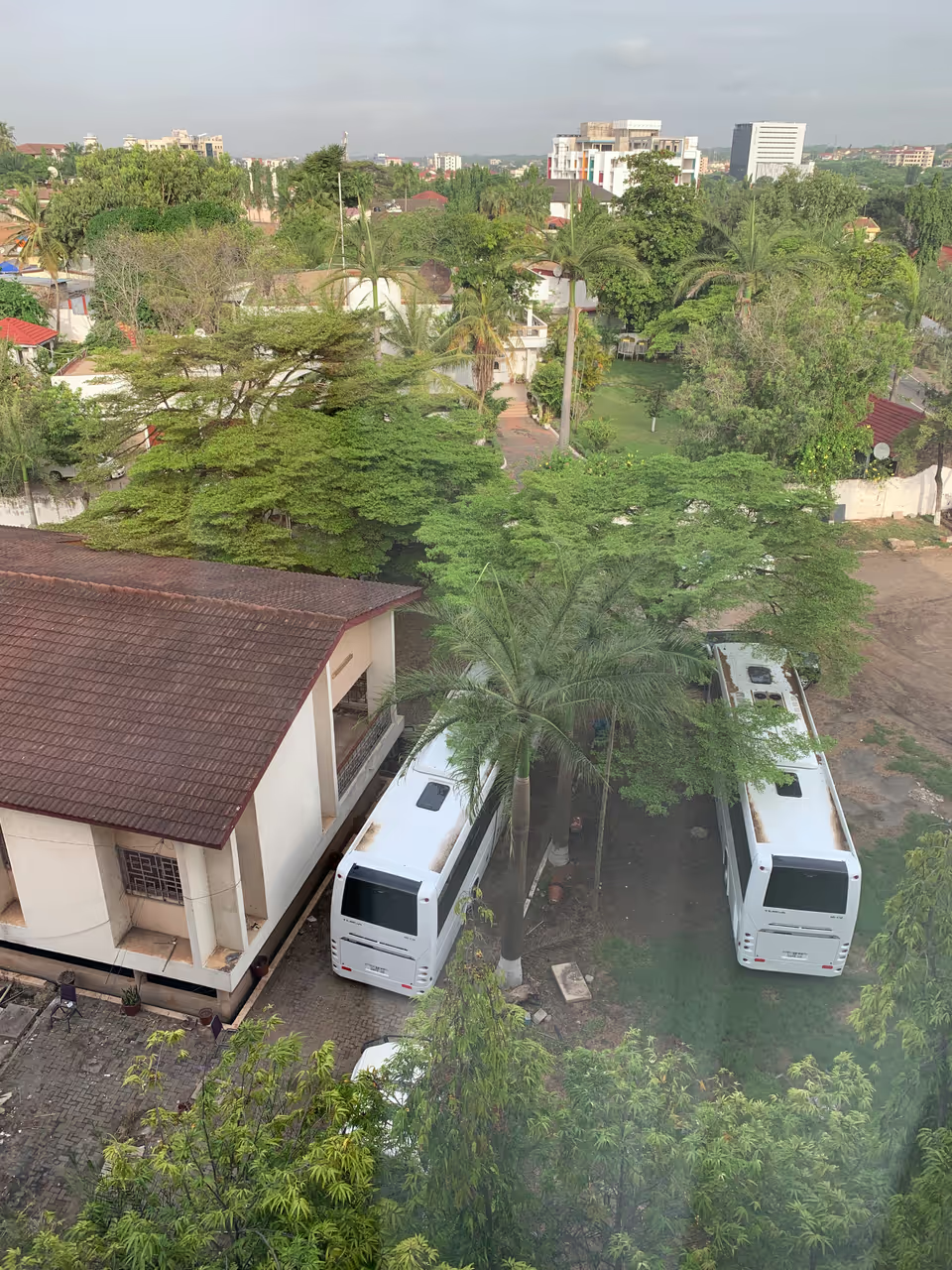
This period marks the transition into the primary rainy season, bringing intense but usually brief afternoon thunderstorms that...
Summer
Ironically, this is the coolest time of the year, with temperatures dropping to their lowest and the heavy rains beginning to...
Autumn
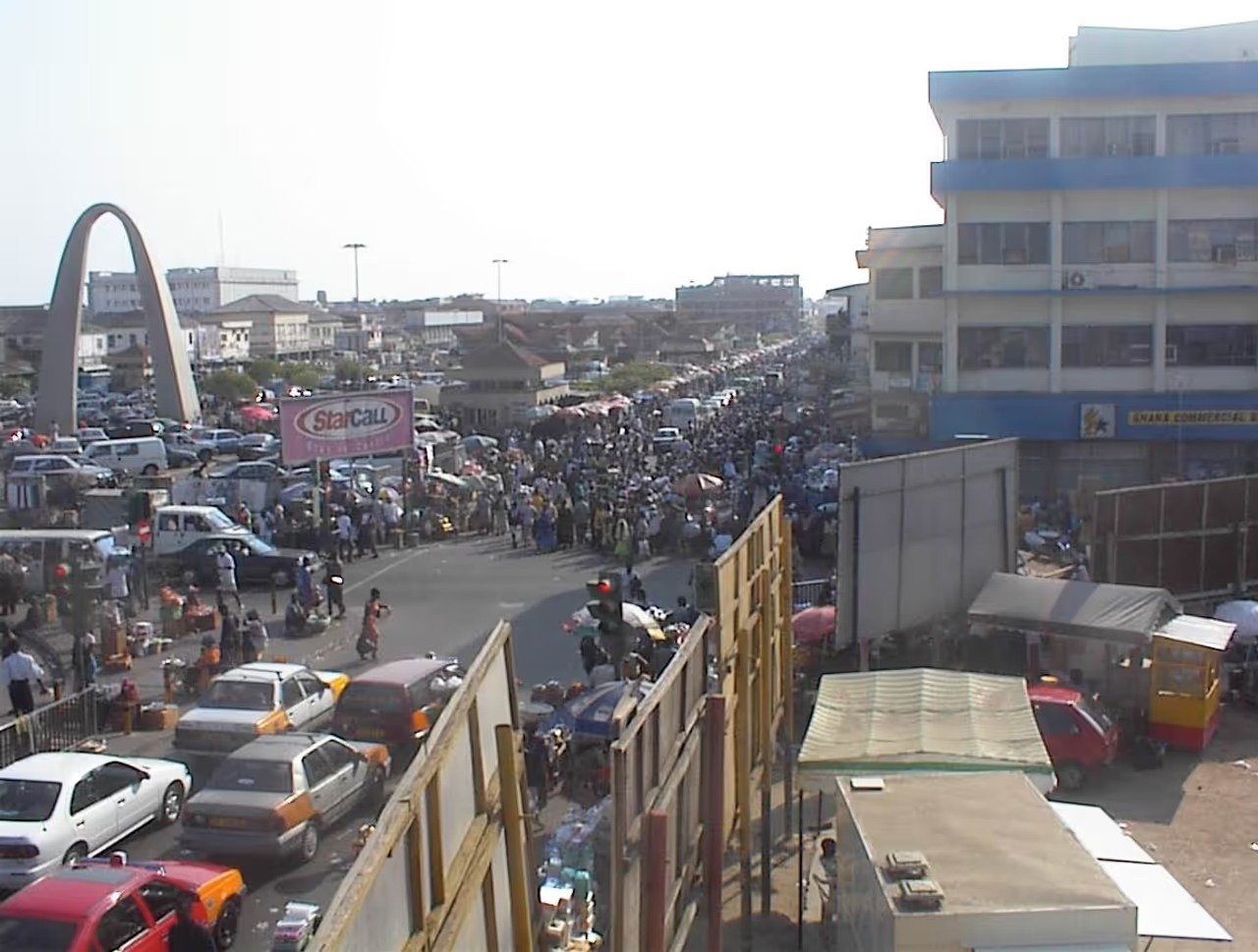
The city experiences a weaker, secondary rainy season during these months, characterised by intermittent showers. The weather...
Winter
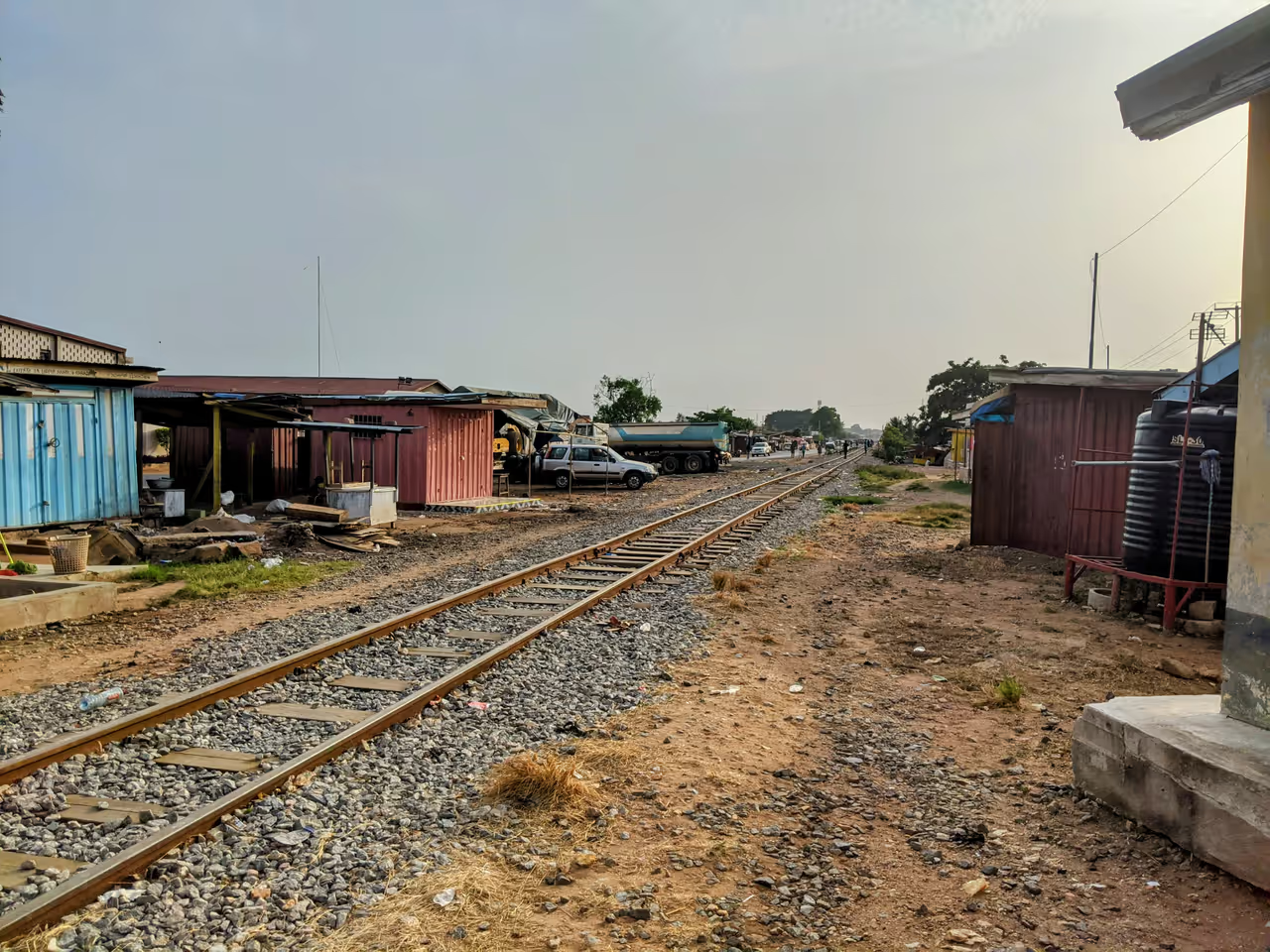
This season is heavily defined by the Harmattan, a dry, dusty wind blowing down from the Sahara, which dramatically lowers the...
Top Attractions in Accra
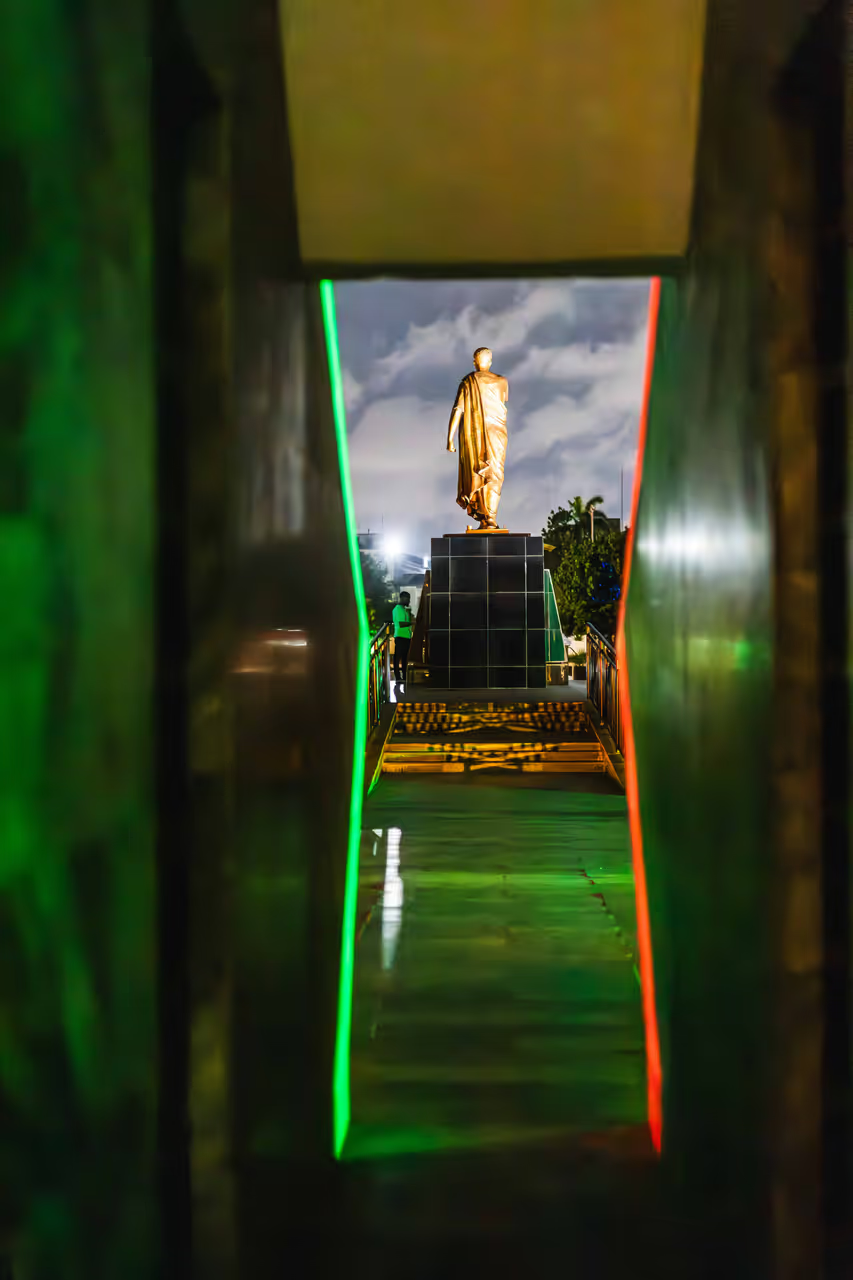
Kwame Nkrumah Memorial Park and Mausoleum
Visit the final resting place of Ghana's founding father and immerse yourself in the rich history of the nation's independence...
view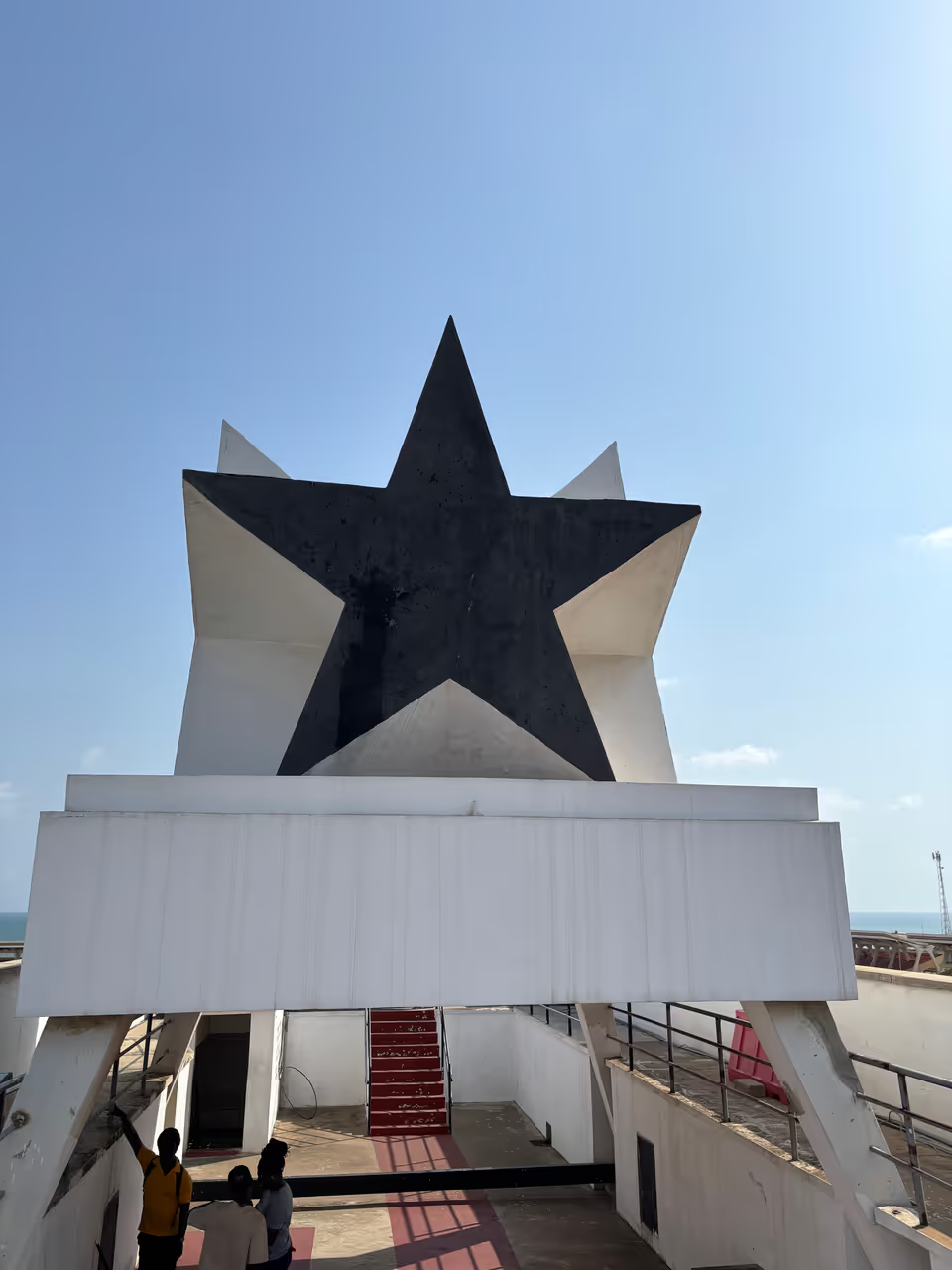
Monumental Black Star Square
Standing as a powerful emblem of Ghanaian liberty, this massive public space acts as the heart of national pride in Accra. It...
view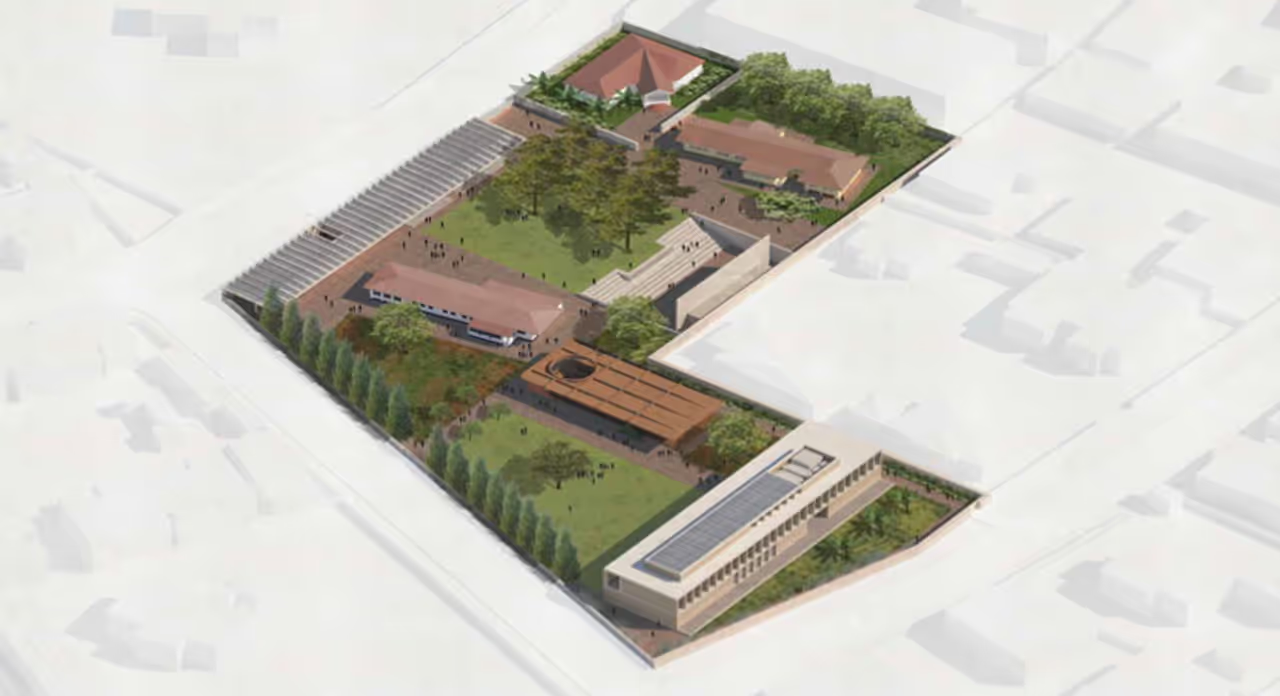
W. E. B. Du Bois Memorial Centre
Stepping into the W. E. B. Du Bois Memorial Centre feels like entering the heart of the global Pan African movement. This...
view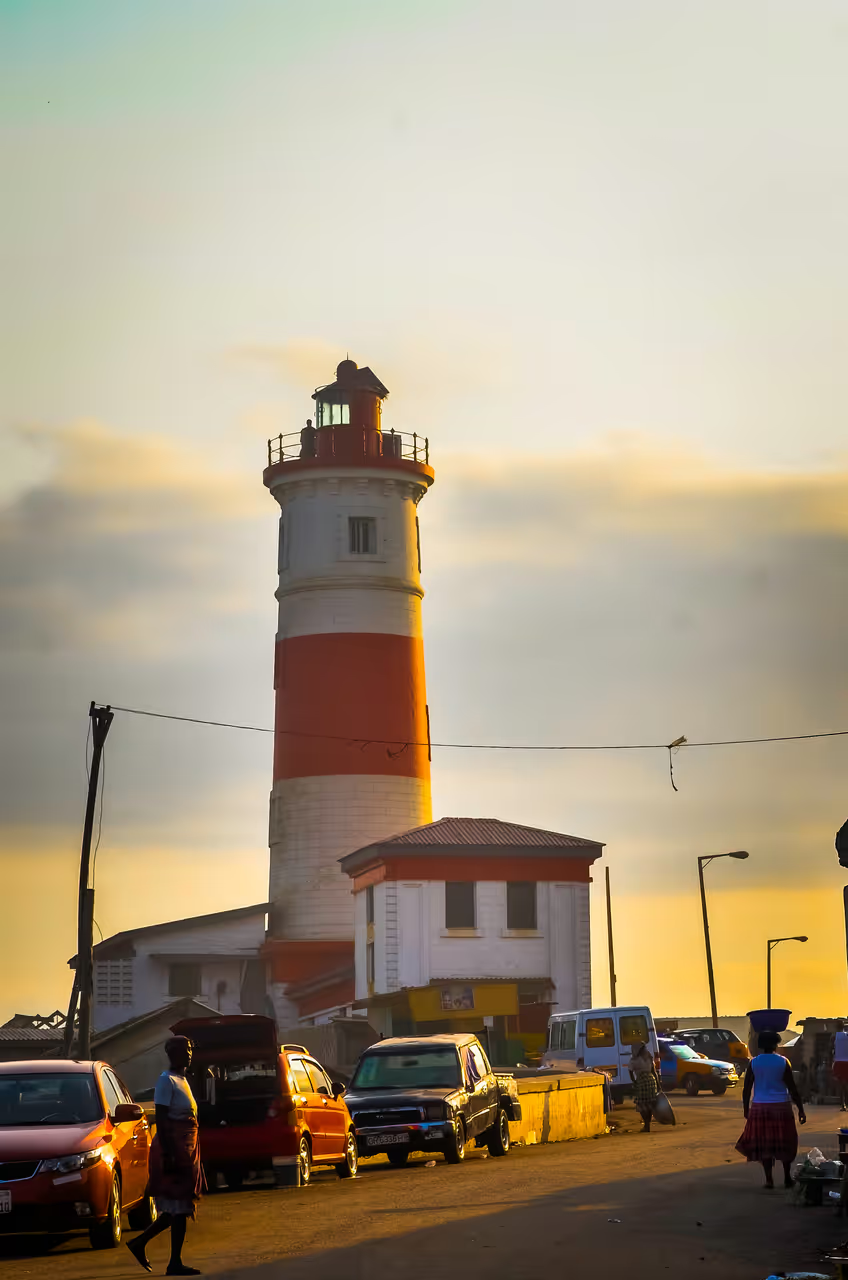
Jamestown Lighthouse
Perched on the coastline of Ghana, the iconic red and white striped Jamestown Lighthouse serves as a proud beacon of history and...
view
Best Views
Accra Itineraries
TRIP PLANNER
4 Days Recommended
Four days provide the perfect window to experience the city's highlights without feeling rushed. This allows enough time to dedicate a day to historical forts and museums, another day to navigate the vibrant markets, a day for coastal relaxation and cultural centres, and an extra day for a nearby excursion.
1 Day in Accra Itinerary
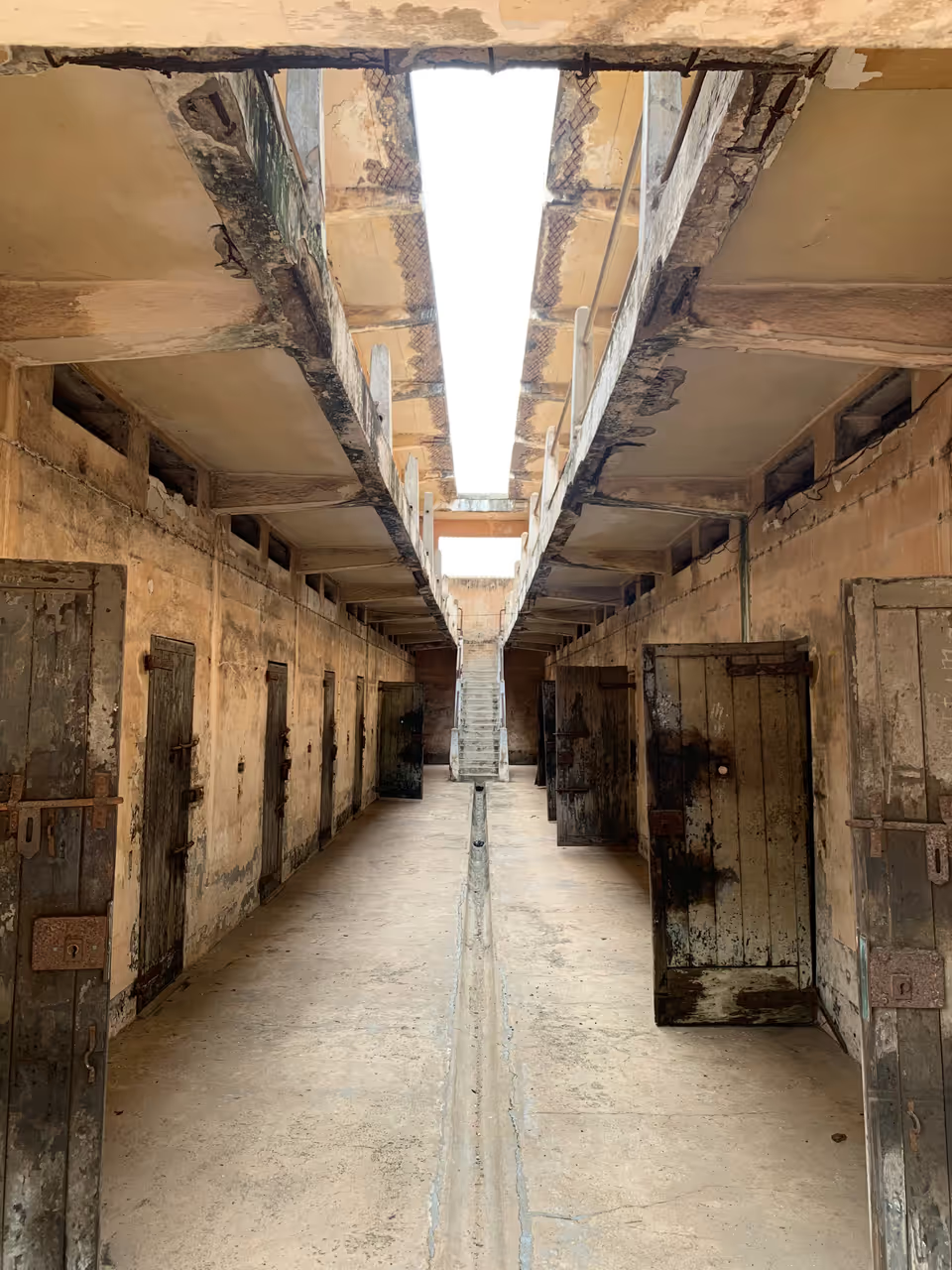
If you only have twenty four hours in the capital, this fast paced itinerary hits the absolute most critical historical and cultural landmarks. You will experience the monumental pride of the nation's independence, plunge into the chaotic energy of its largest market, and end the day in the city's most vibrant entertainment district. It is designed to give you a powerful, condensed taste of both the past and the energetic modern pulse of the city.
view itinerary
3 Days in Accra: Culture and Coast Itinerary
This balanced three day plan allows you to dig much deeper into the city's complex colonial history, its vibrant artistic movements, and its relaxing coastal offerings. You will explore the historic fishing districts, view incredible contemporary art, and have time to unwind on the sand. It provides a perfect mix of intense urban exploration and essential tropical relaxation.
view itinerary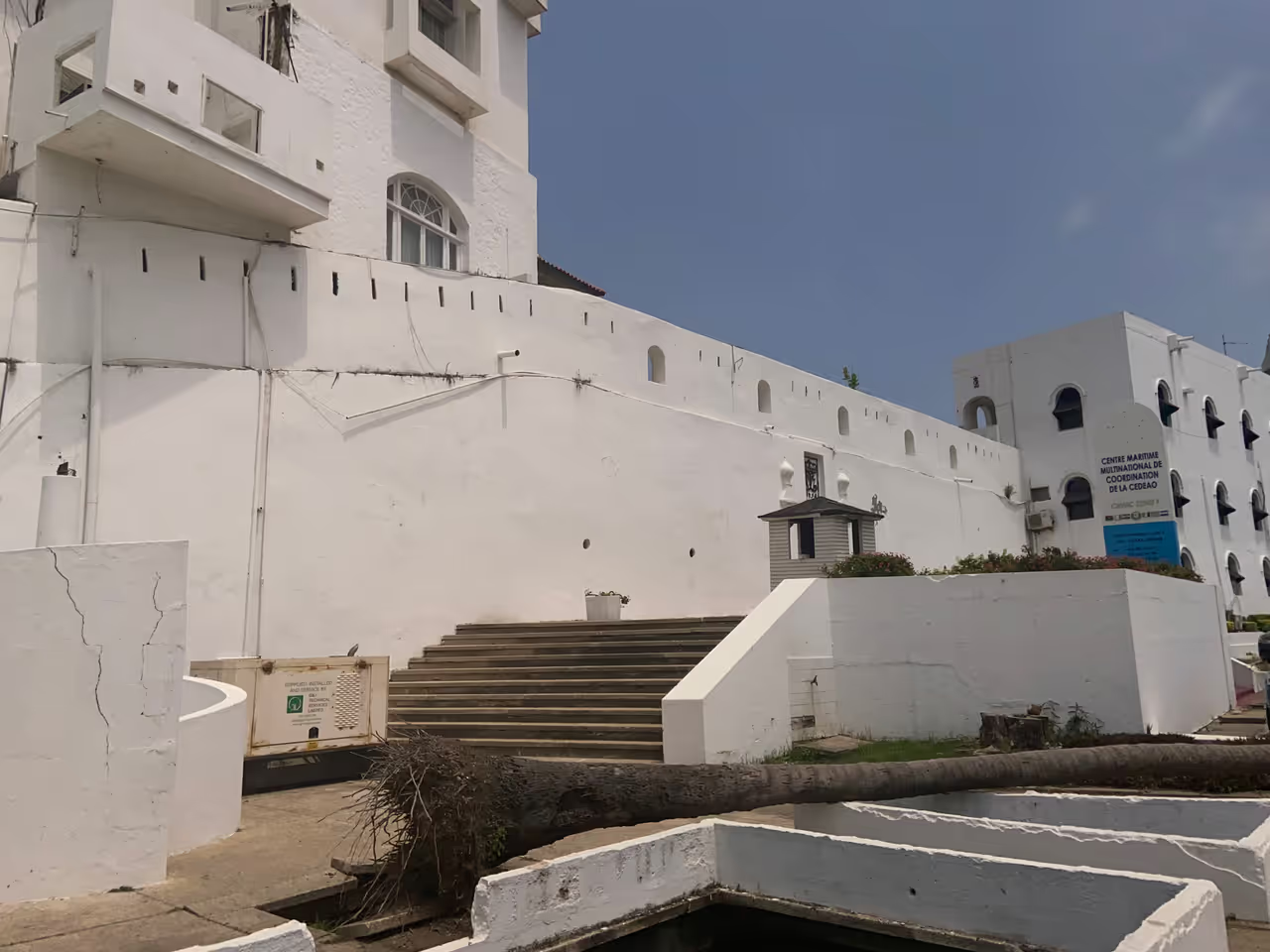
5 Days in Accra: Complete Capital Experience Itinerary
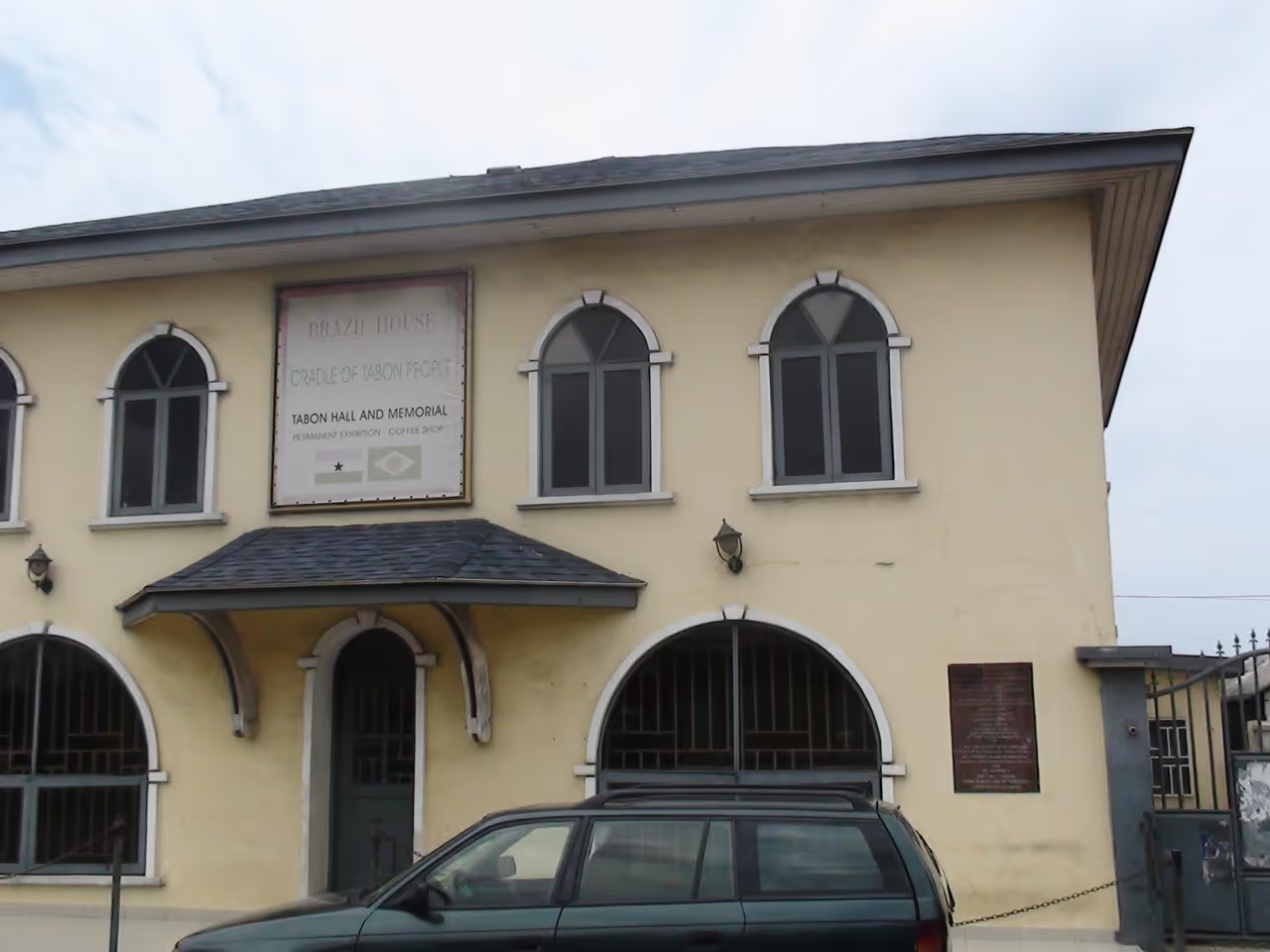
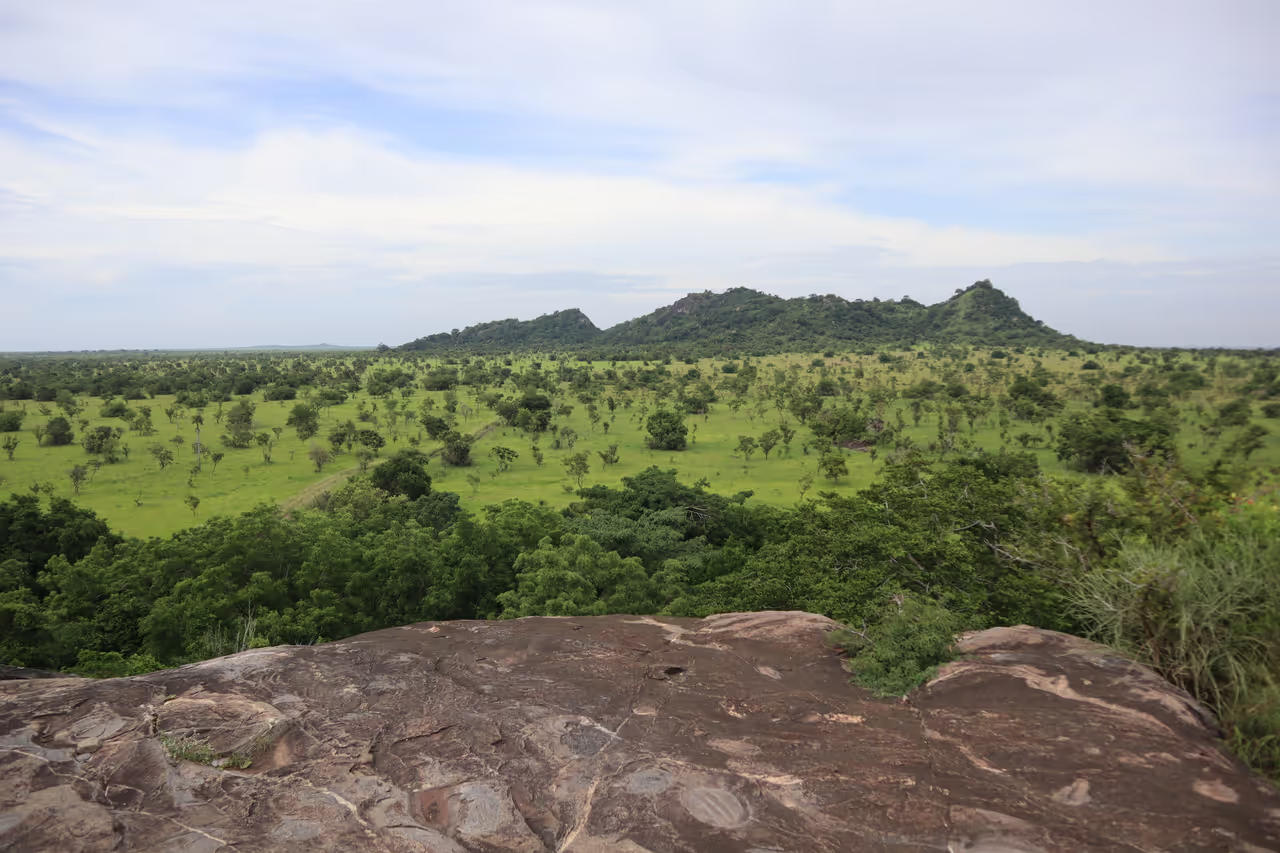
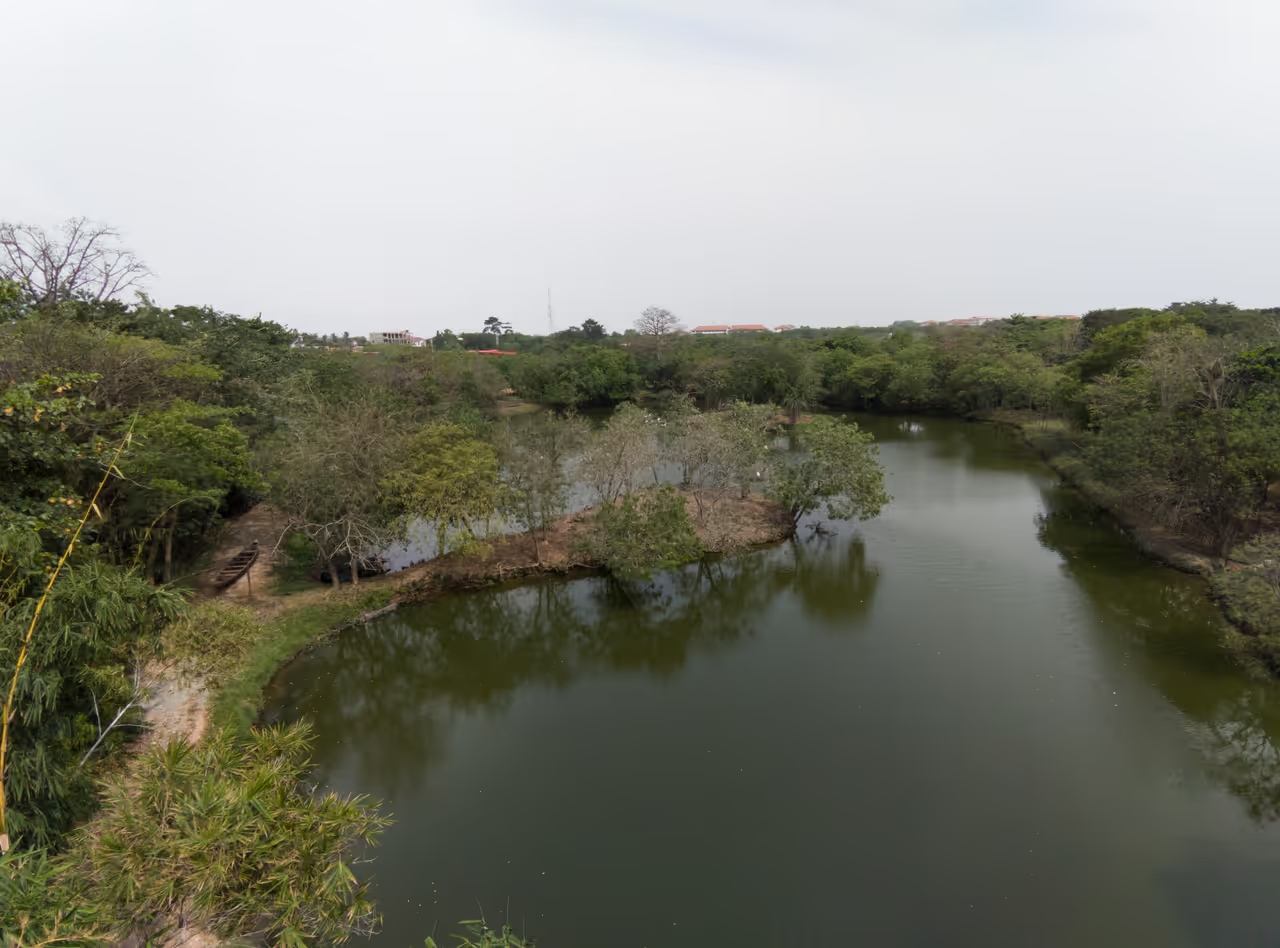
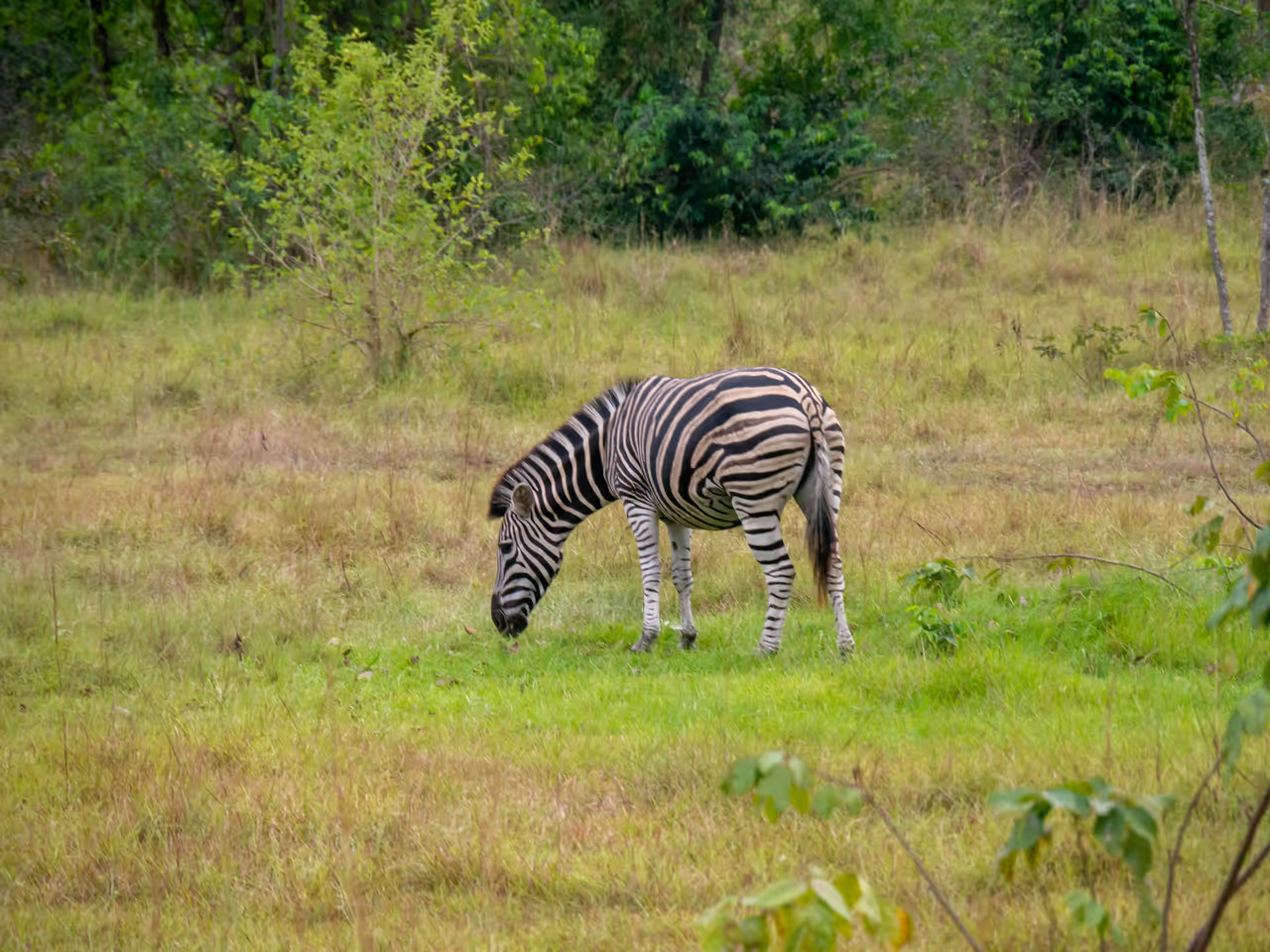
A comprehensive five day journey allows you to truly sync with the city's rhythm, exploring its bustling centre and escaping to its scenic outskirts. You will cover all the essential historical and cultural sites, while also making time for a mini safari and discovering hidden culinary gems. This itinerary ensures you leave with a profound, well rounded understanding of the capital and its surrounding environment.
view itinerary
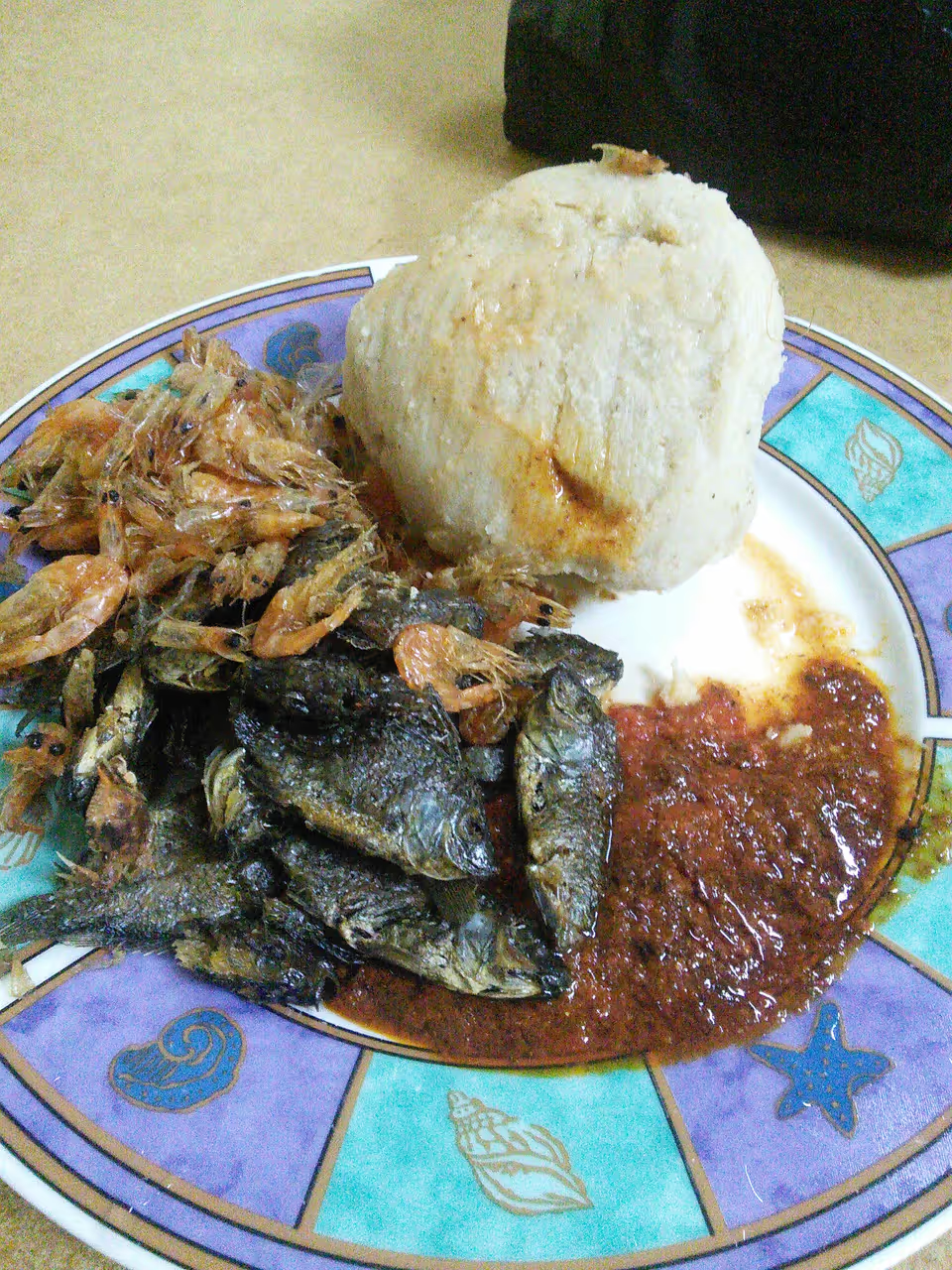
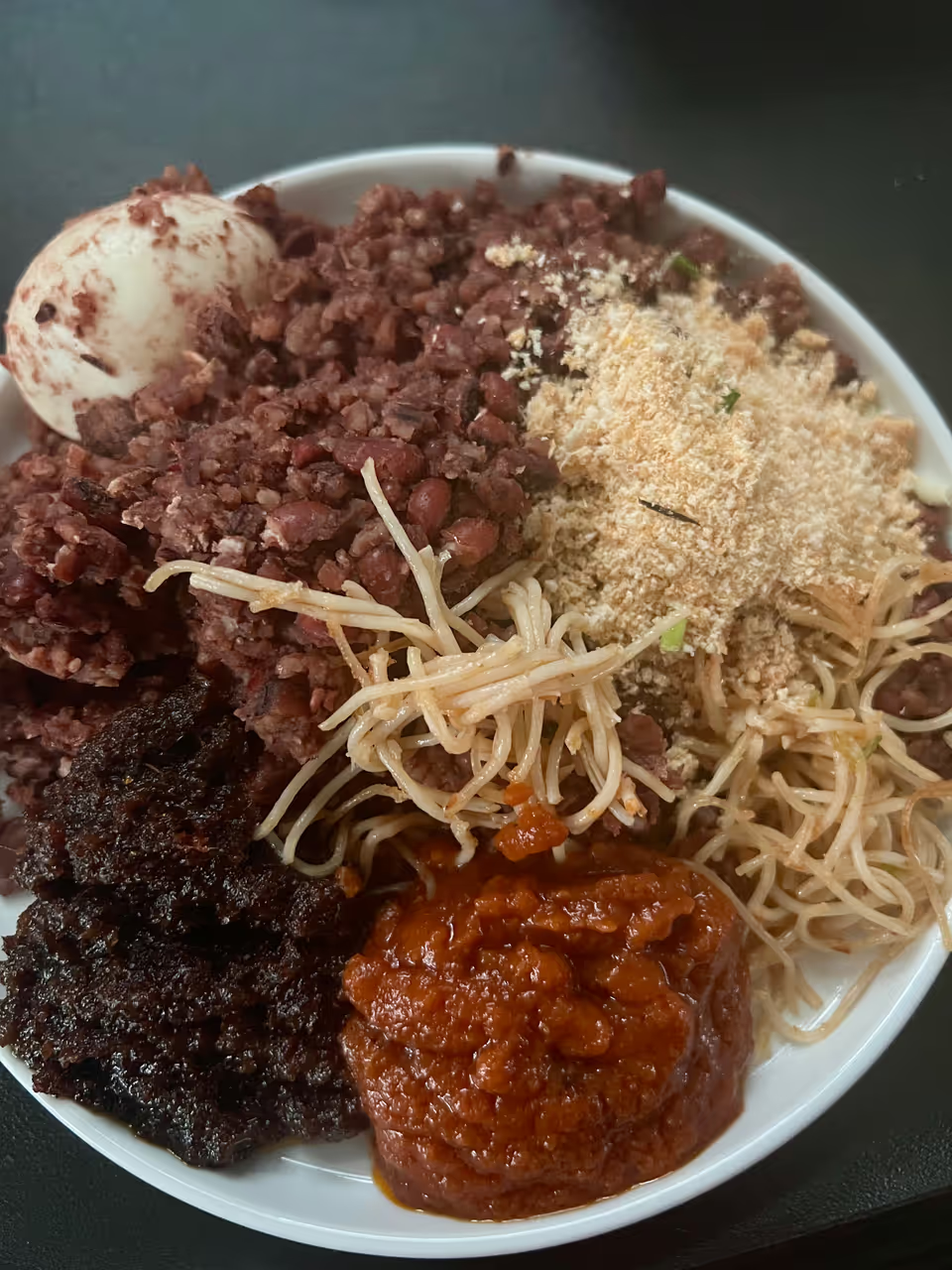
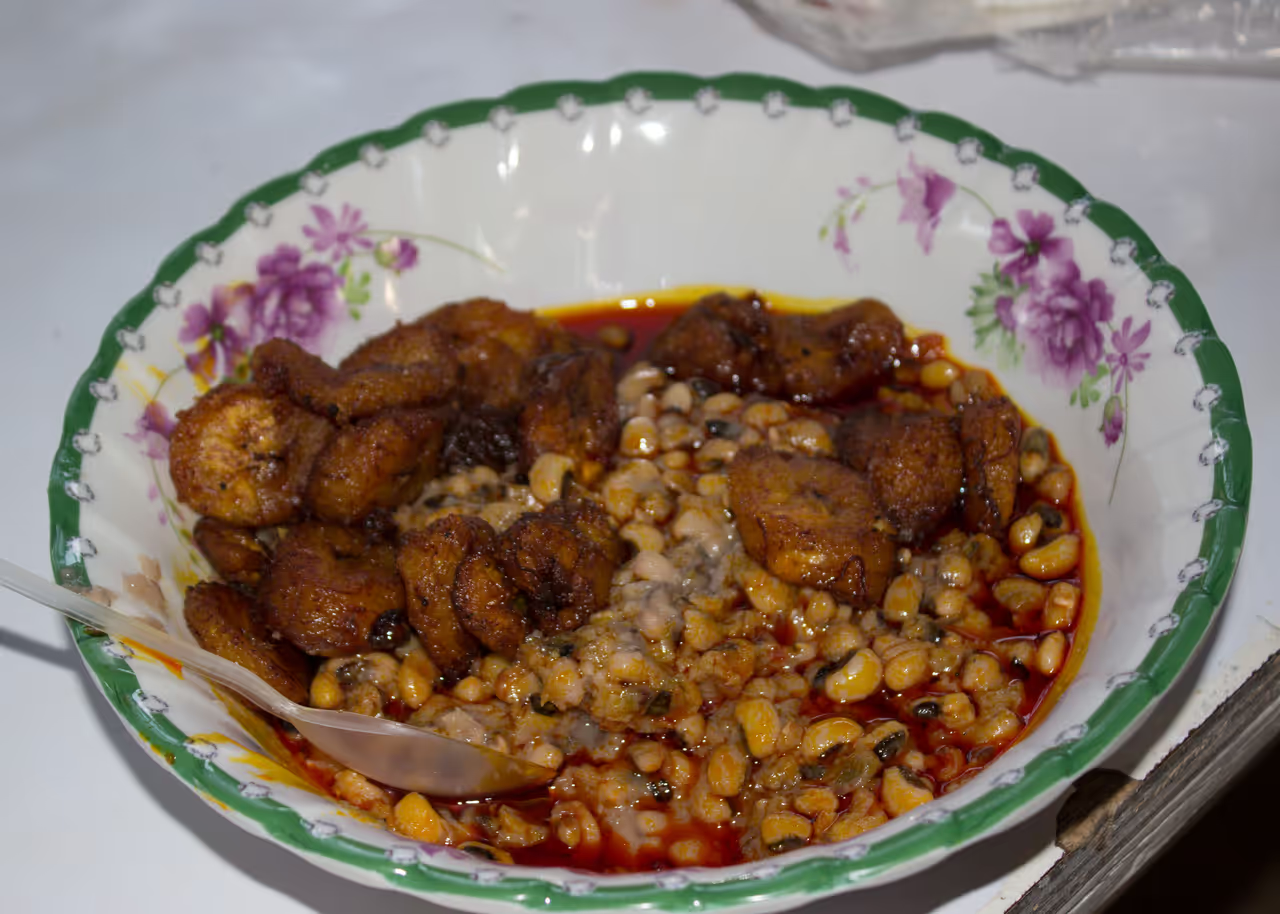
Food in Accra

UNESCO World Heritage Sites
Osu Castle
Osu Castle is a poignant symbol of Ghana's complex history, standing proudly on the coast of the Gulf of Guinea. Originally...
view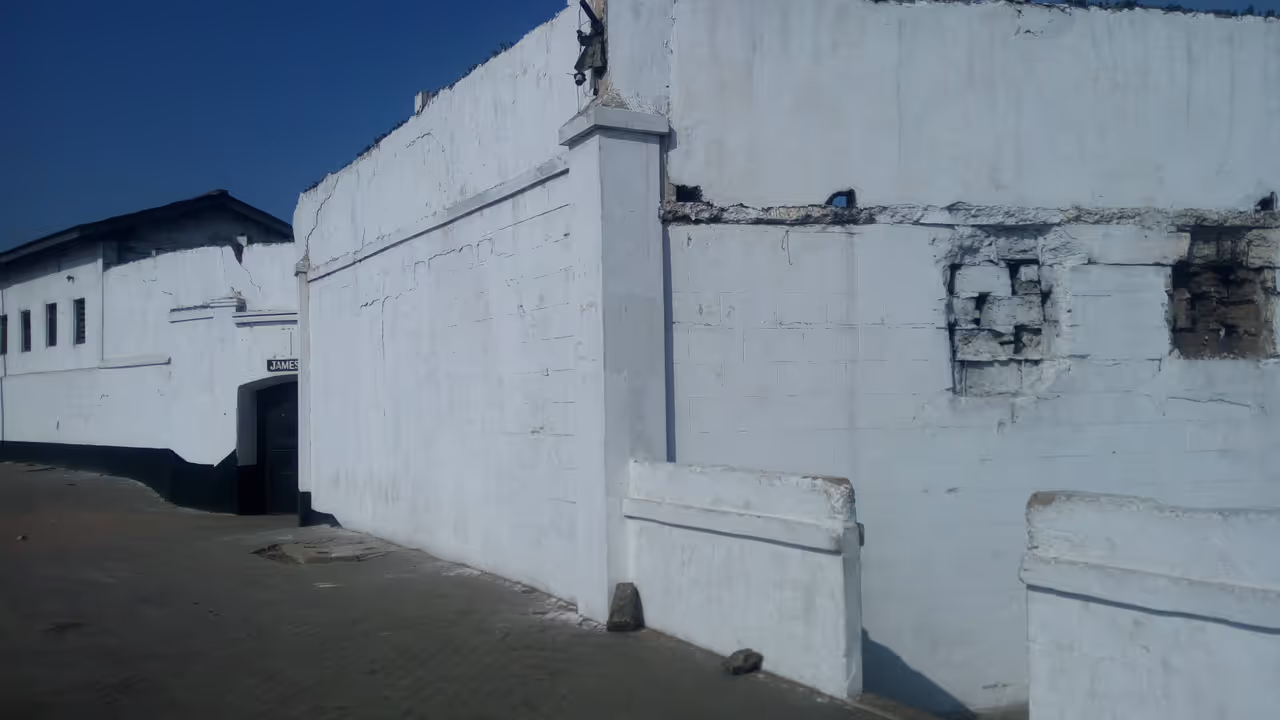
Fort James
Perched on the coastline of Accra, Fort James stands as a poignant sentinel watching over the vibrant Jamestown district. This...
viewUssher Fort
Ussher Fort stands as a silent sentinel in the heart of Accra, offering a profound glimpse into a complex colonial past...
view
Free Things to do in Accra
Parks & Nature
Achimota Forest Reserve
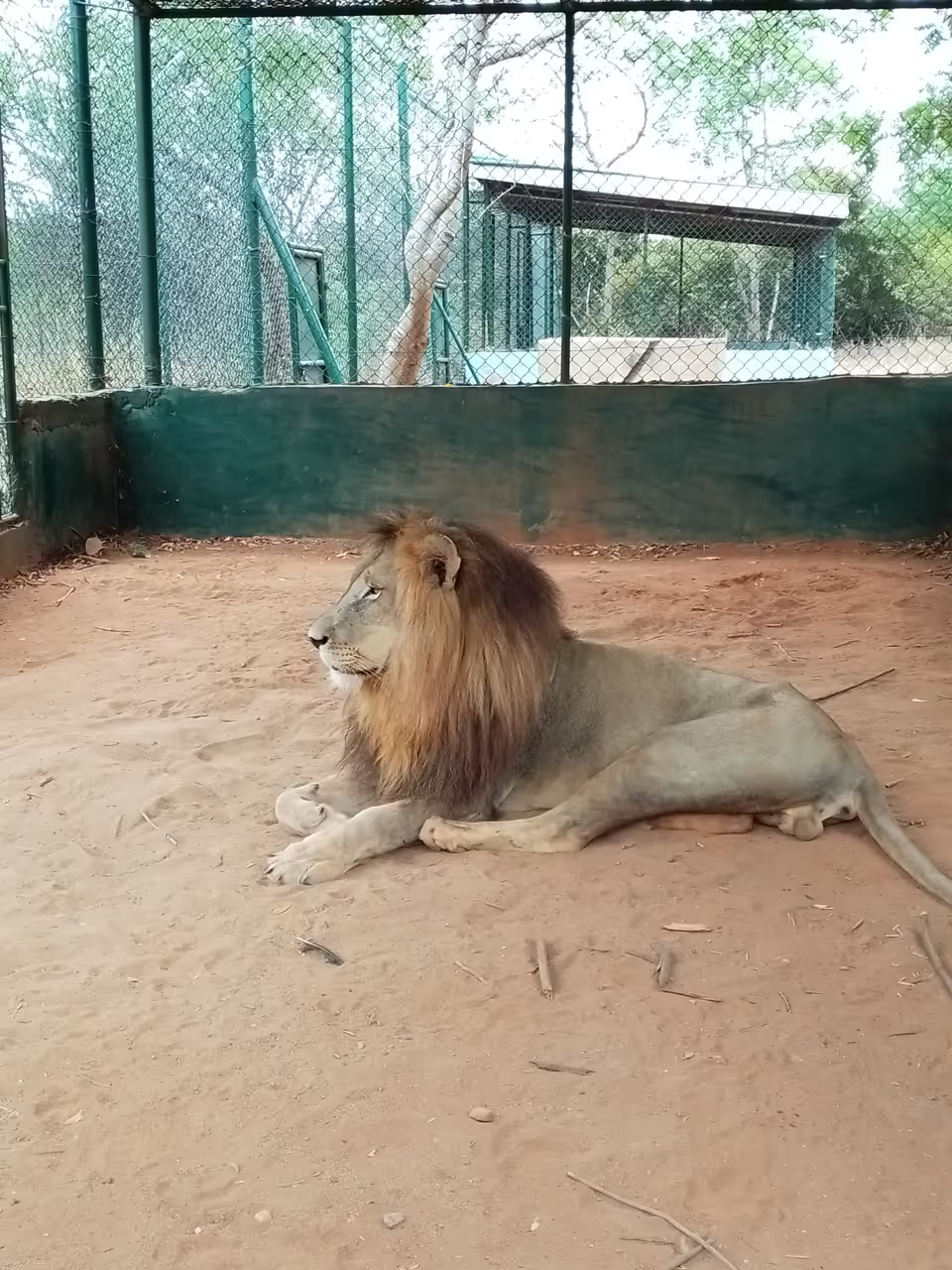
Achimota Forest Reserve serves as the primary green lung for the capital city, offering a refreshing escape from the urban...
view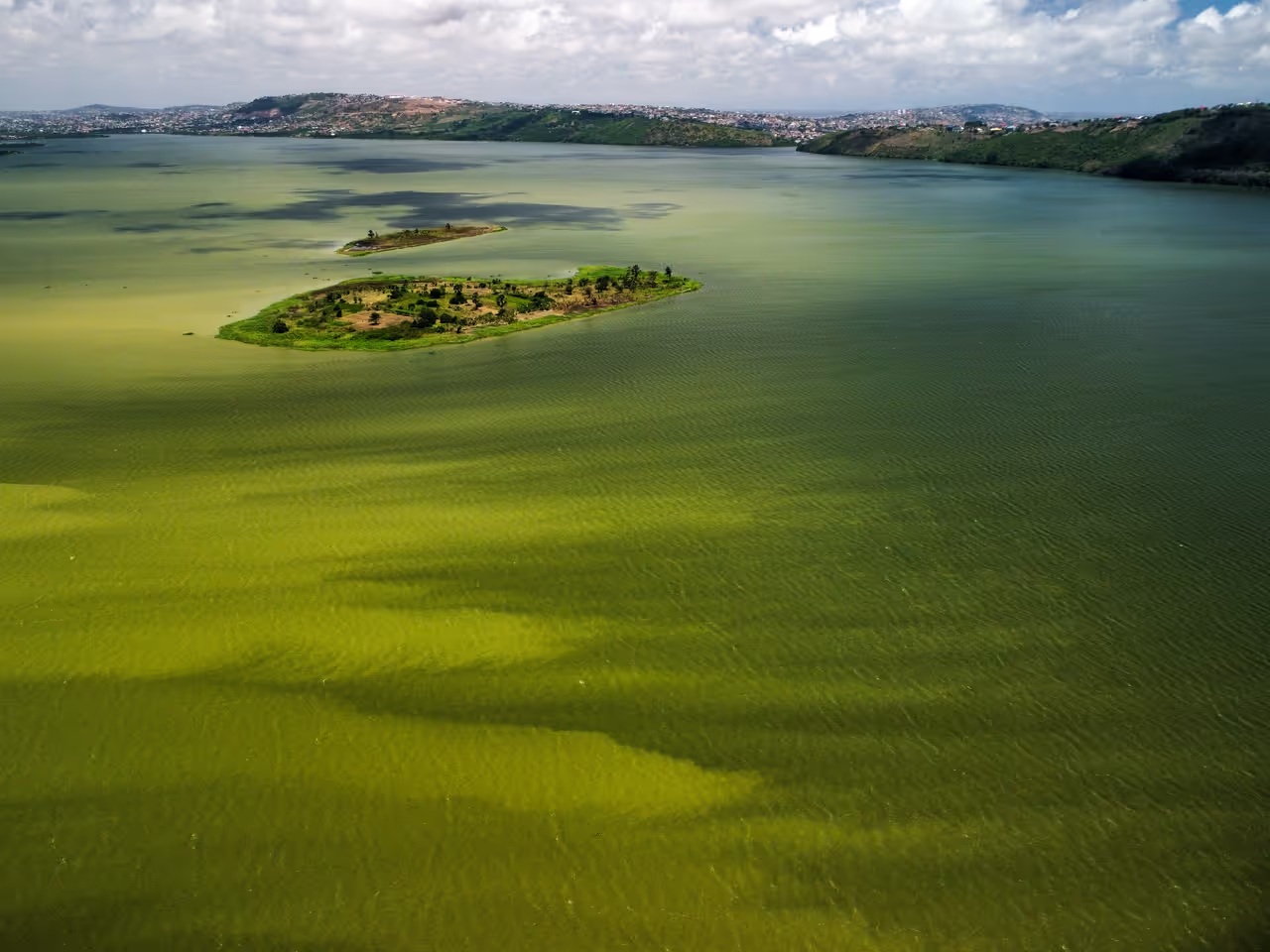
Densu River
The Densu River stands as a vital artery winding through the heart of Ghana, carrying life from the lush Atewa Range all the way...
viewLegon Botanical Gardens
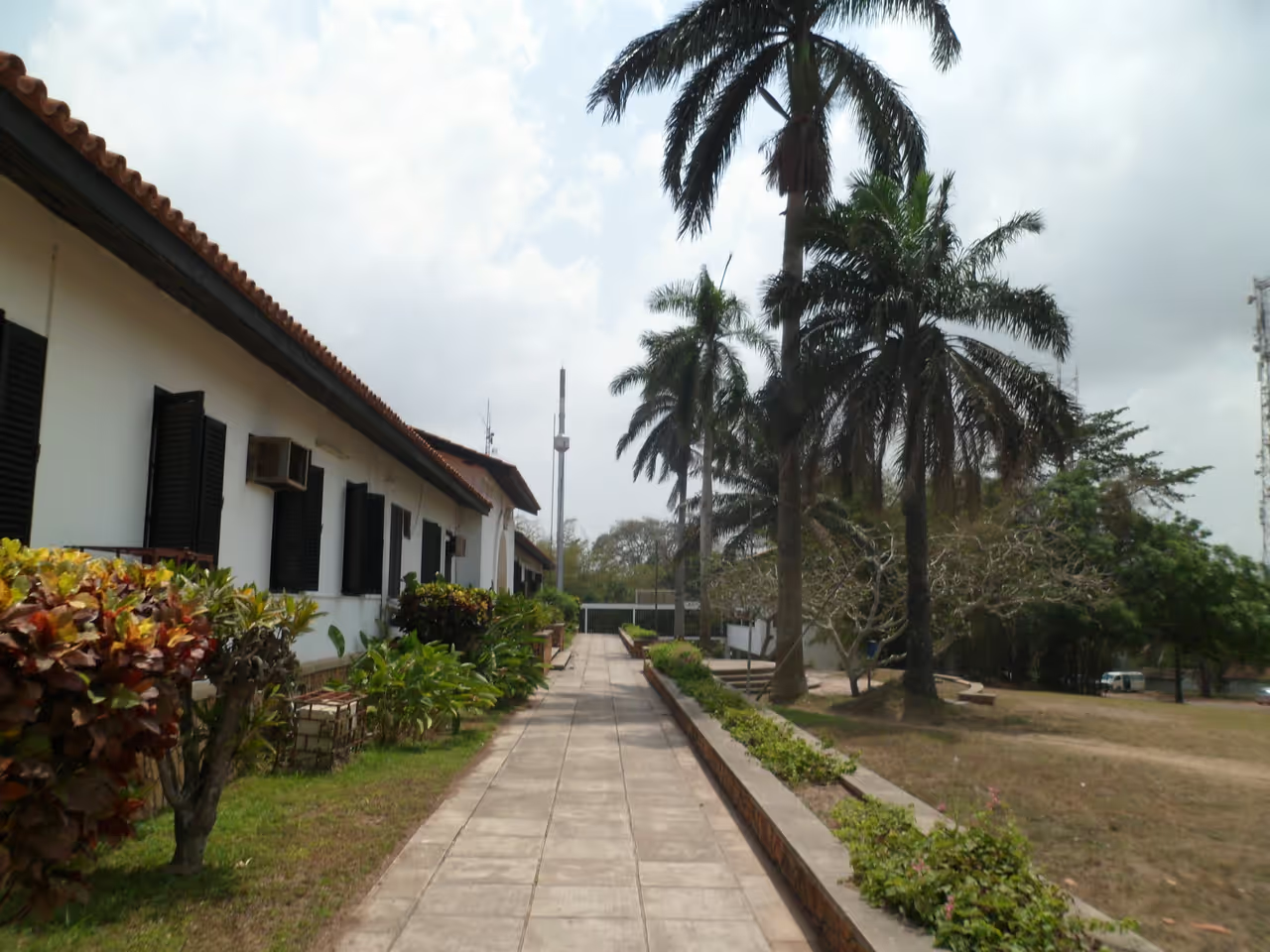
Tucked away within the grounds of the University of Ghana, this verdant oasis offers a refreshing escape from the city tempo of...
view
Highlights & Must-Sees
Artists Alliance Gallery
Created by the respected local artist Ablade Glover, this massive three storey gallery is a treasure trove of contemporary and...
viewOxford Street
This bustling thoroughfare in the Osu district is the undisputed commercial and entertainment epicentre of the city. The street...
view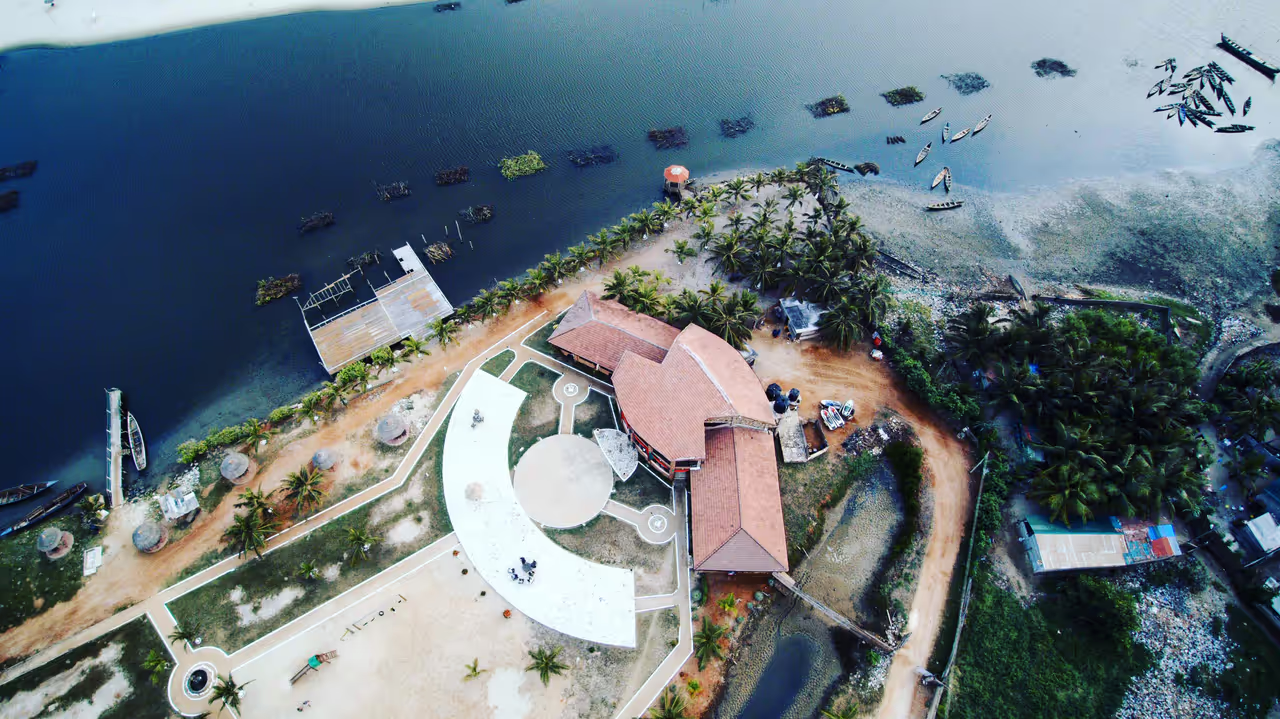
Bojo Beach
This uniquely situated beach resort offers a significantly cleaner and more tranquil coastal experience compared to the crowded...
view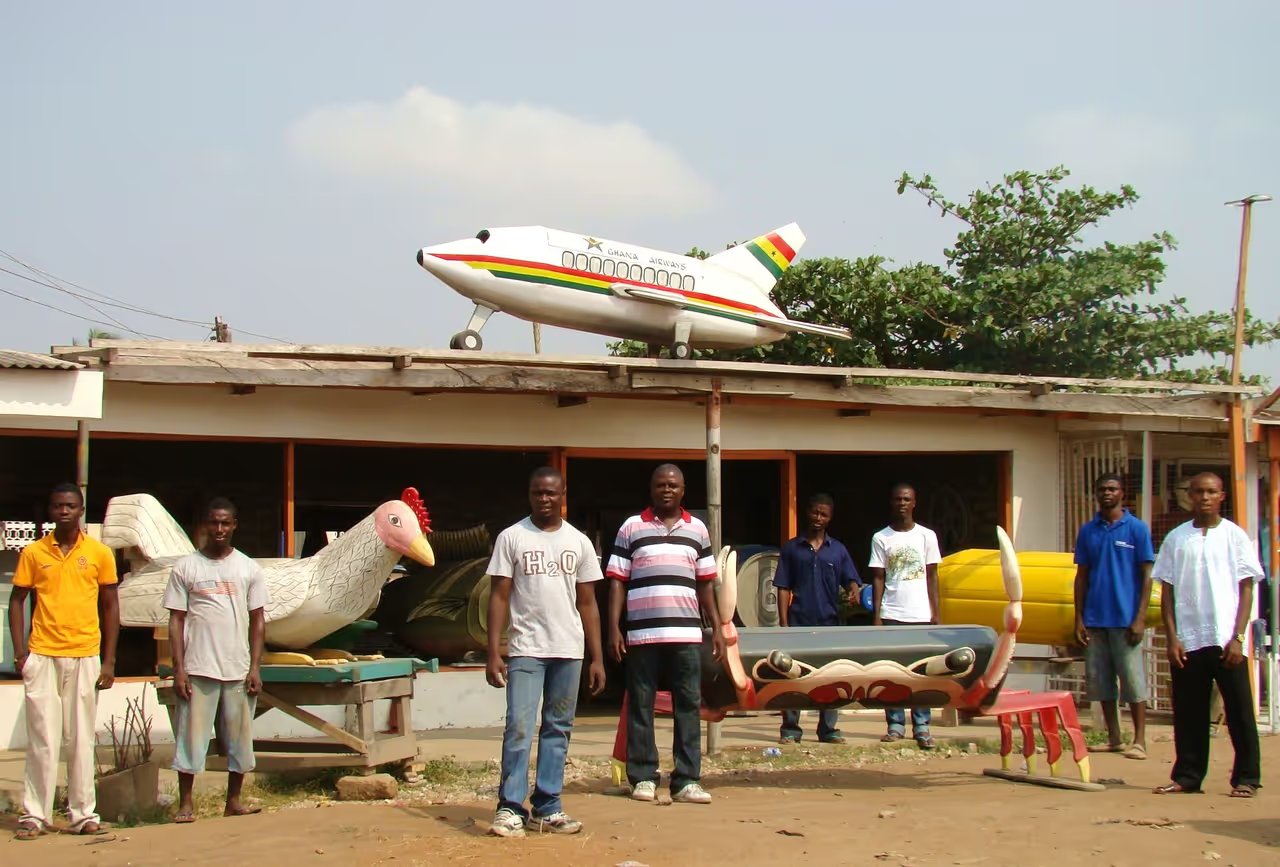
Kane Kwei Carpentry Workshop
This active workshop is the birthplace of the world famous Ghanaian fantasy coffins, an art form that celebrates a deceased...
view
Best Walks in Accra
Osu Cultural Walk
A leisurely stroll through the relatively quiet, tree lined backstreets of the trendy Osu district. Unlike the loud commercial main road, this route focuses on the neighbourhood's emerging artistic and bohemian side. You will encounter chic boutique shops, small independent art galleries, and inviting outdoor cafes. The architecture is an interesting mix of old residential compounds and newly renovated modern spaces. It is a highly pleasant, relaxed walk perfect for a lazy afternoon of window shopping and coffee tasting.
- HIGHLY RECOMMENDED
Jamestown Fishing Harbour Walk
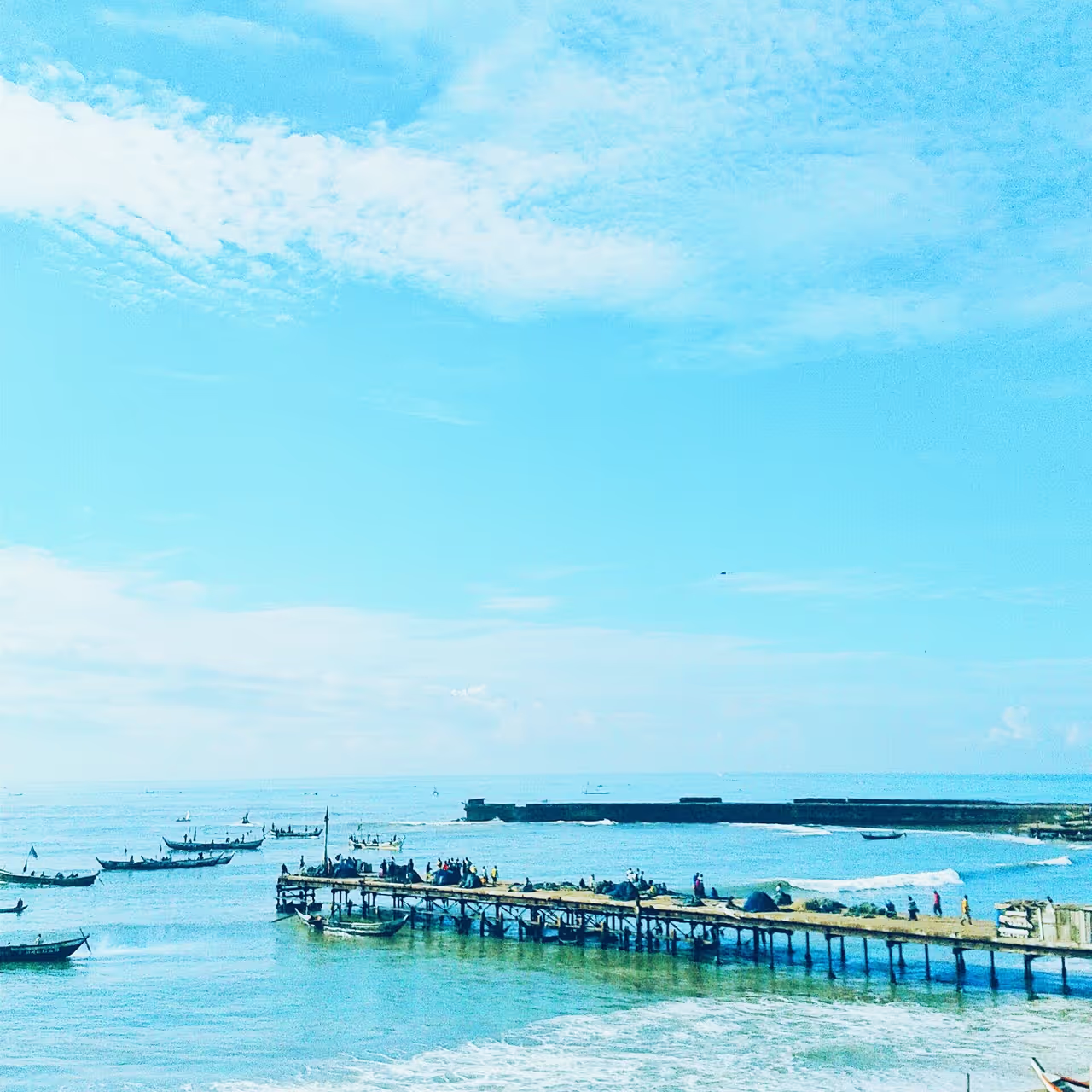
This immersive walk takes you through the absolute oldest and most historically textured neighbourhood in the city. You will navigate narrow alleys lined with colonial era stone houses and vibrant, modern street art. The path leads down to the bustling, incredibly active fishing harbour where hundreds of colourful wooden canoes are pulled ashore. The air smells intensely of smoked fish and the salty ocean. It provides an unfiltered, intensely visual experience of the city's traditional coastal livelihoods.
 HIGHLY RECOMMENDED
Independence Arch Walk
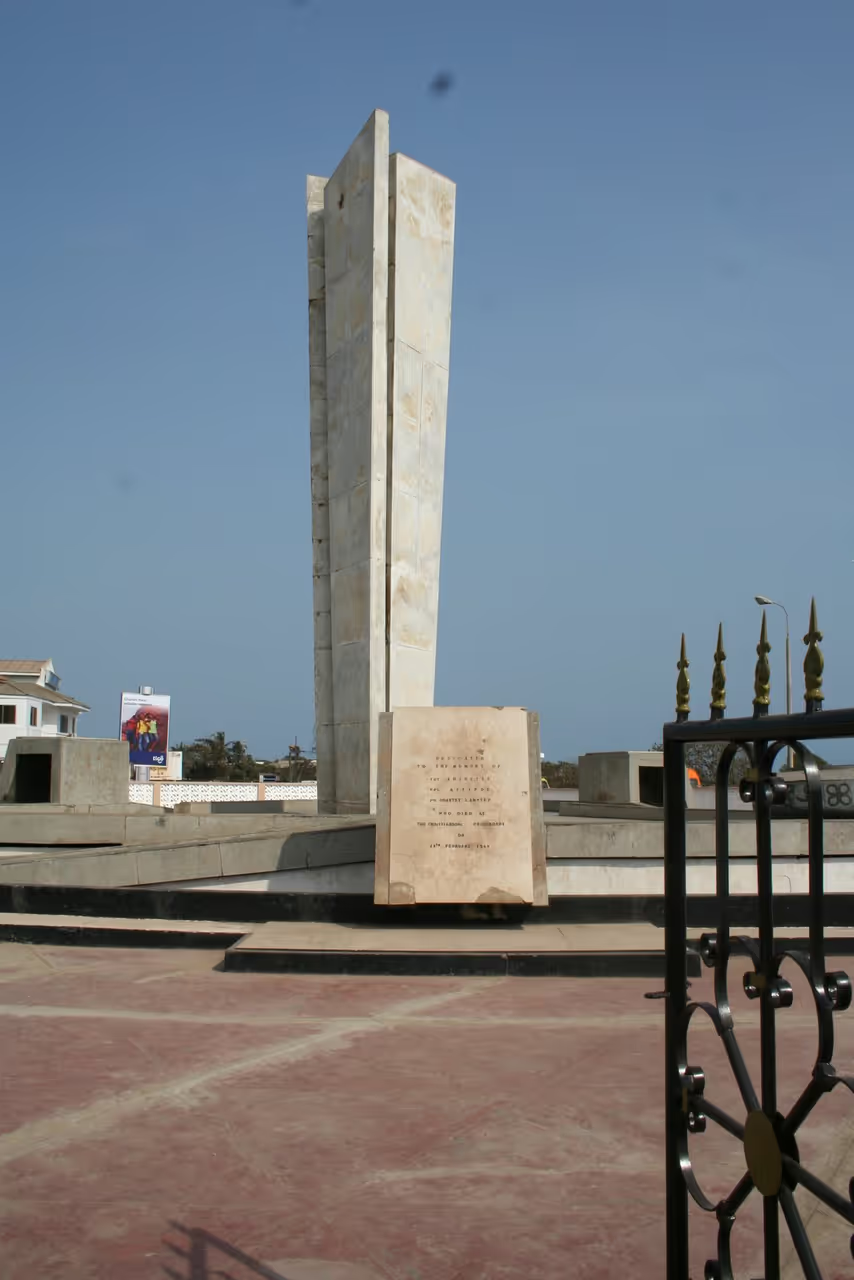
This monumental stroll takes you through the vast, open spaces dedicated to the nation's liberation and early history. The route is dominated by massive concrete structures, eternal flames, and sweeping parade grounds designed to inspire awe. Walking here gives a profound sense of the scale of the country's Pan African ambitions. The proximity to the ocean provides a constant, refreshing breeze across the wide concrete expanses. It is a powerful, reflective journey through the defining moments of the twentieth century.
Architecture & Landmarks
Ghana National Mosque
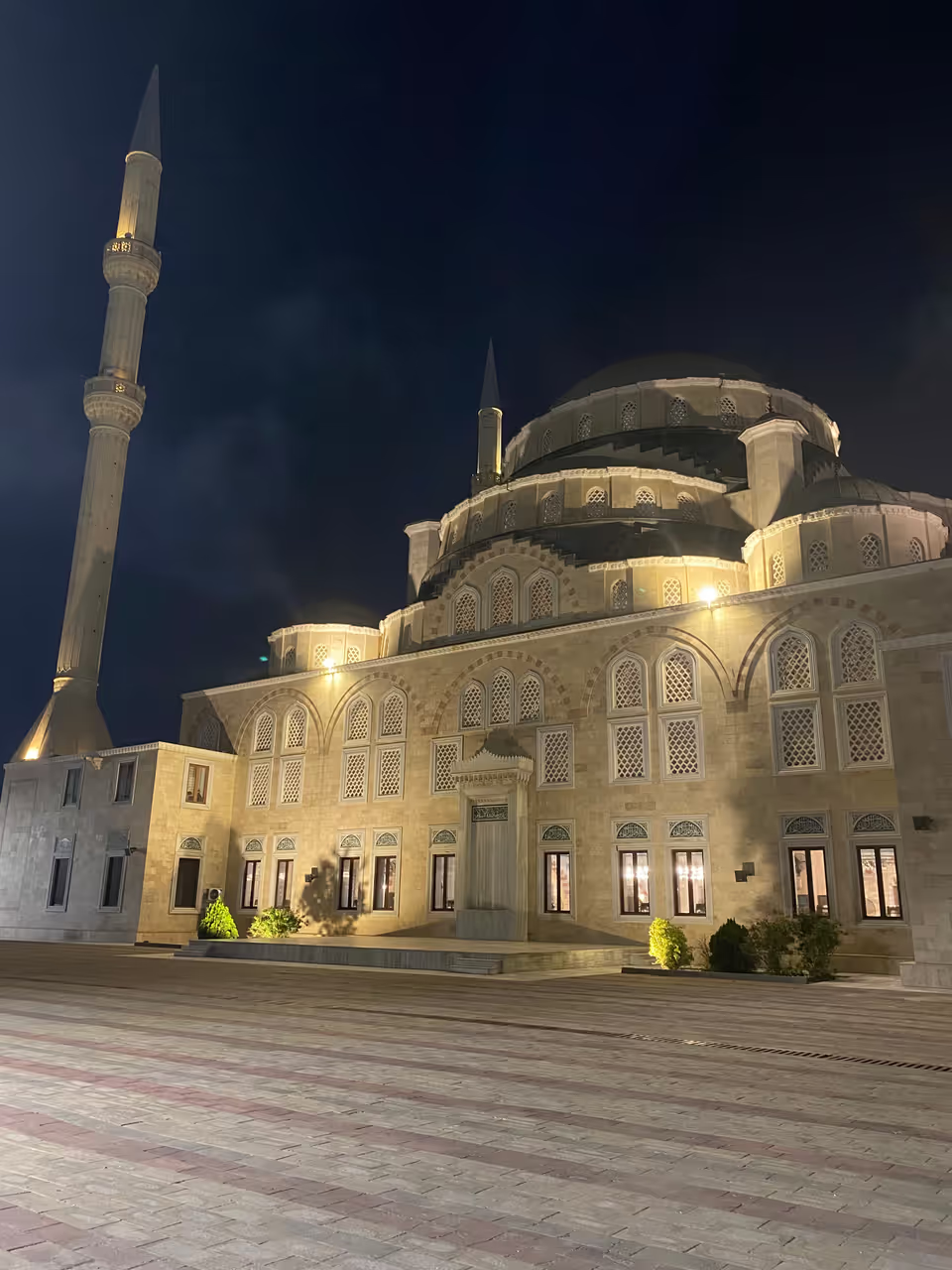
This breathtaking, massive complex is one of the largest and most ornate mosques in West Africa, completely dominating the...
view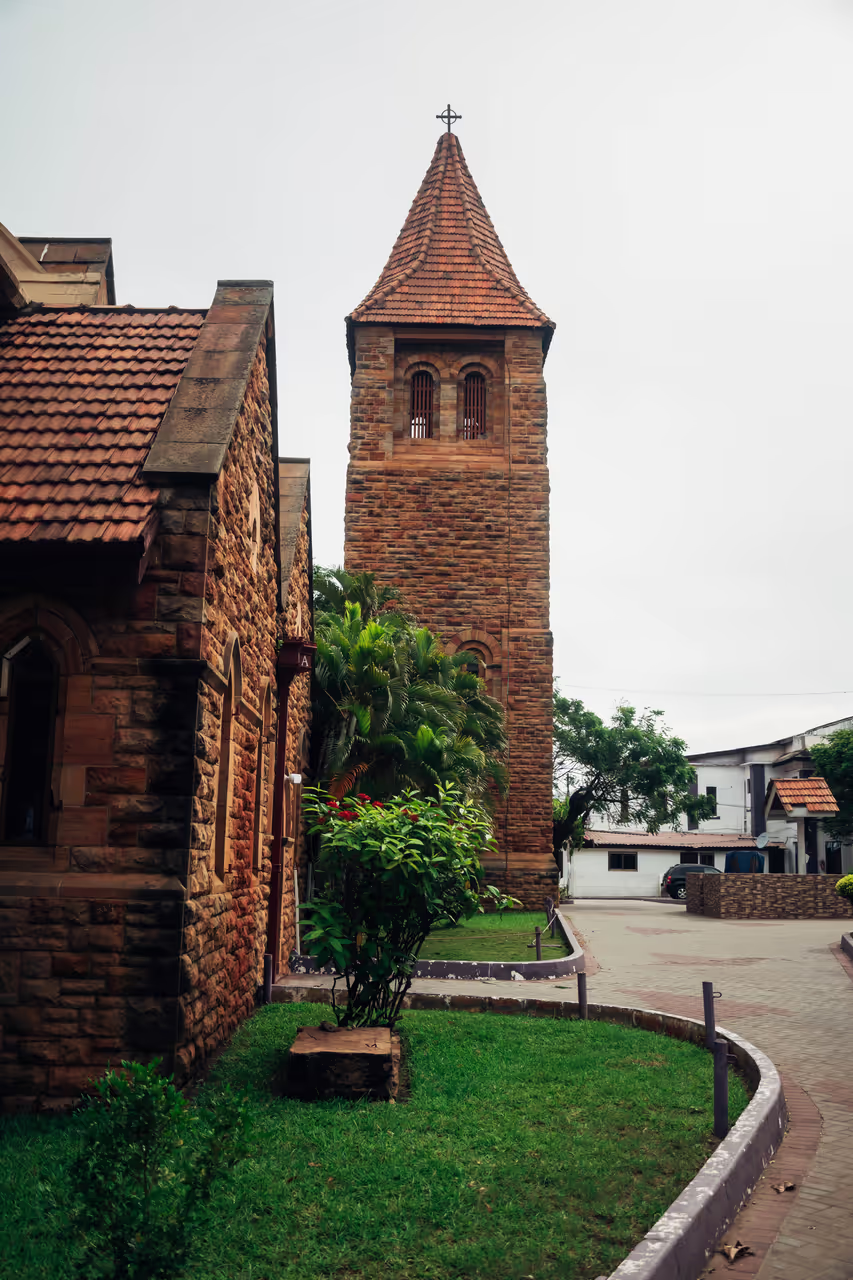
Holy Trinity Cathedral
Built in 1894, this striking Anglican cathedral is a remarkable example of colonial era religious architecture in the heart of...
view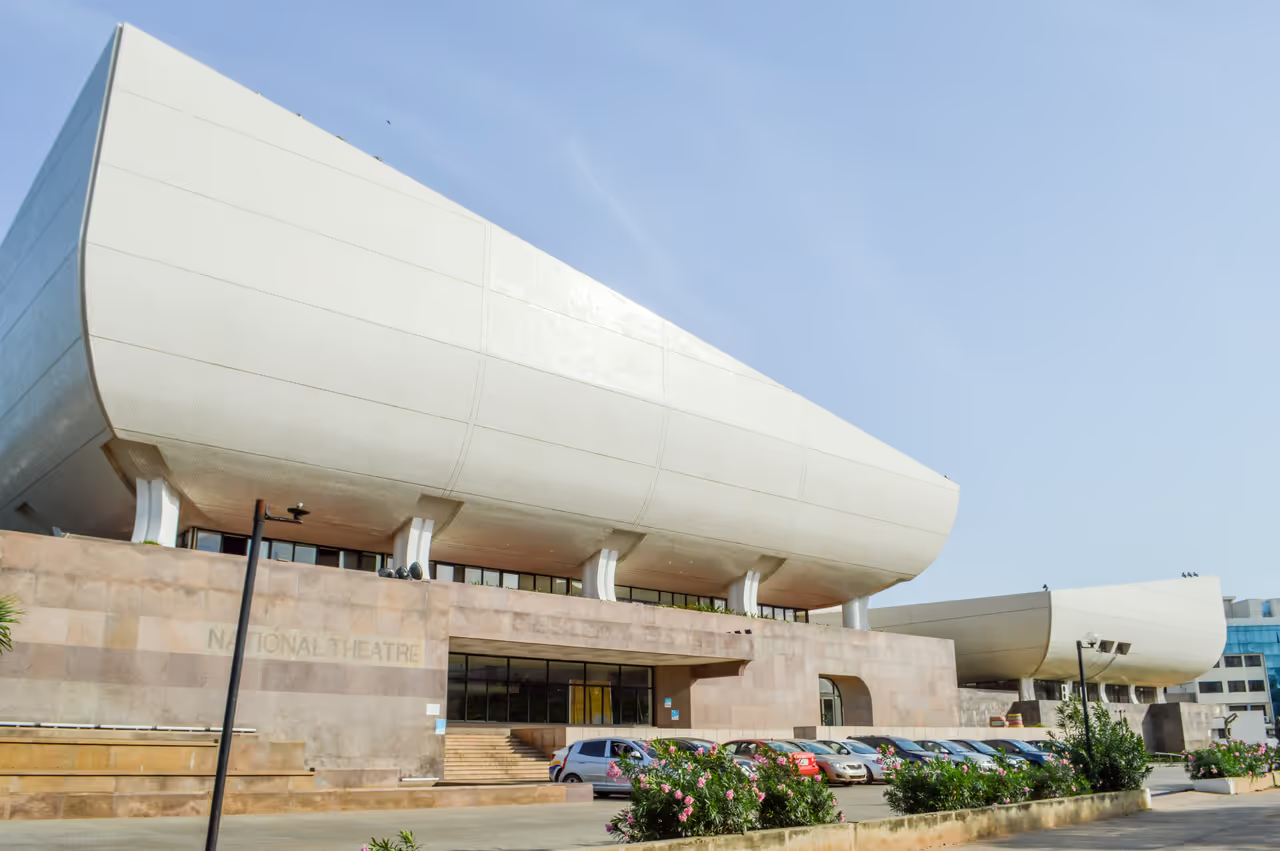
National Theatre
Instantly recognisable by its incredibly distinctive, sweeping roofline, this building is a masterpiece of modern design in the...
view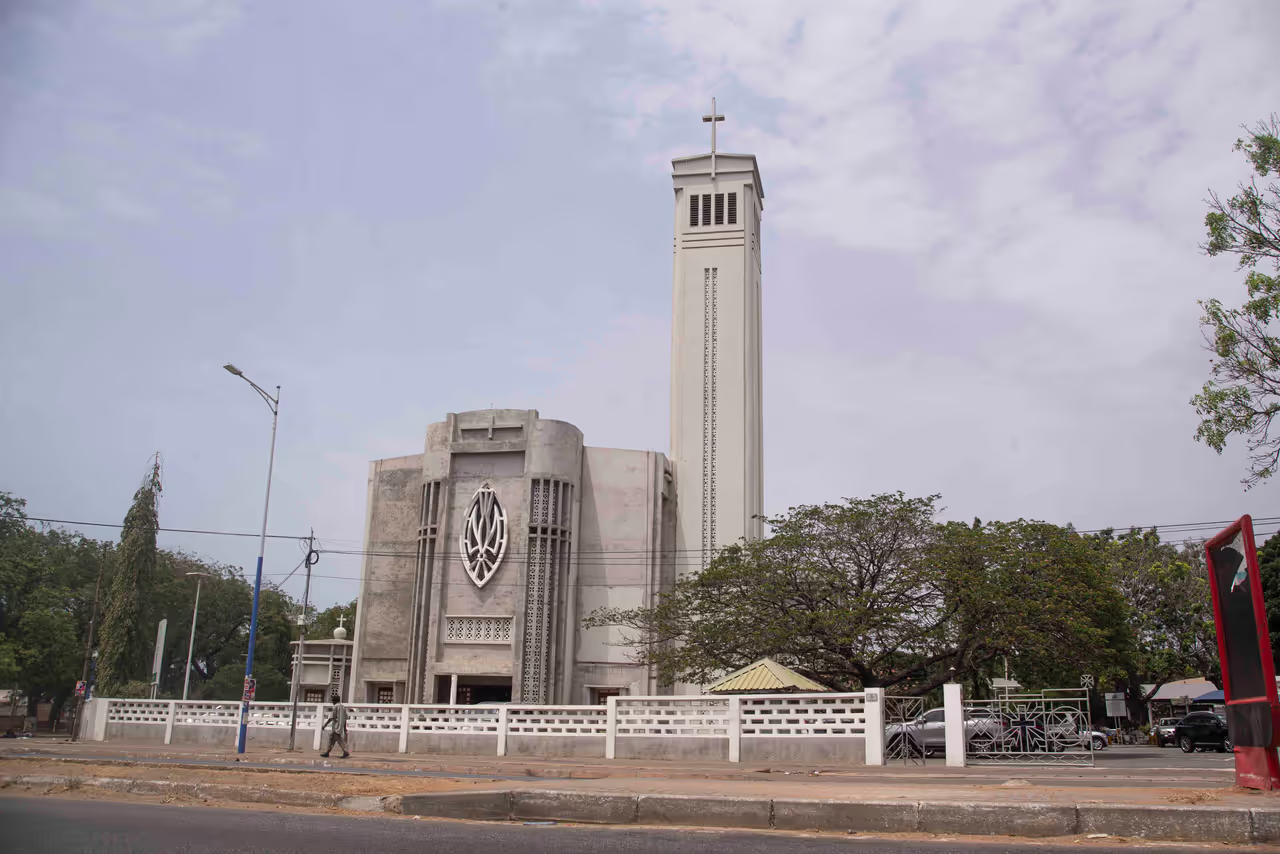
Holy Spirit Cathedral
Completed right around the time of national independence in 1957, this serves as the main church of the Roman Catholic...
view
Markets & Shopping
Accra Nightlife
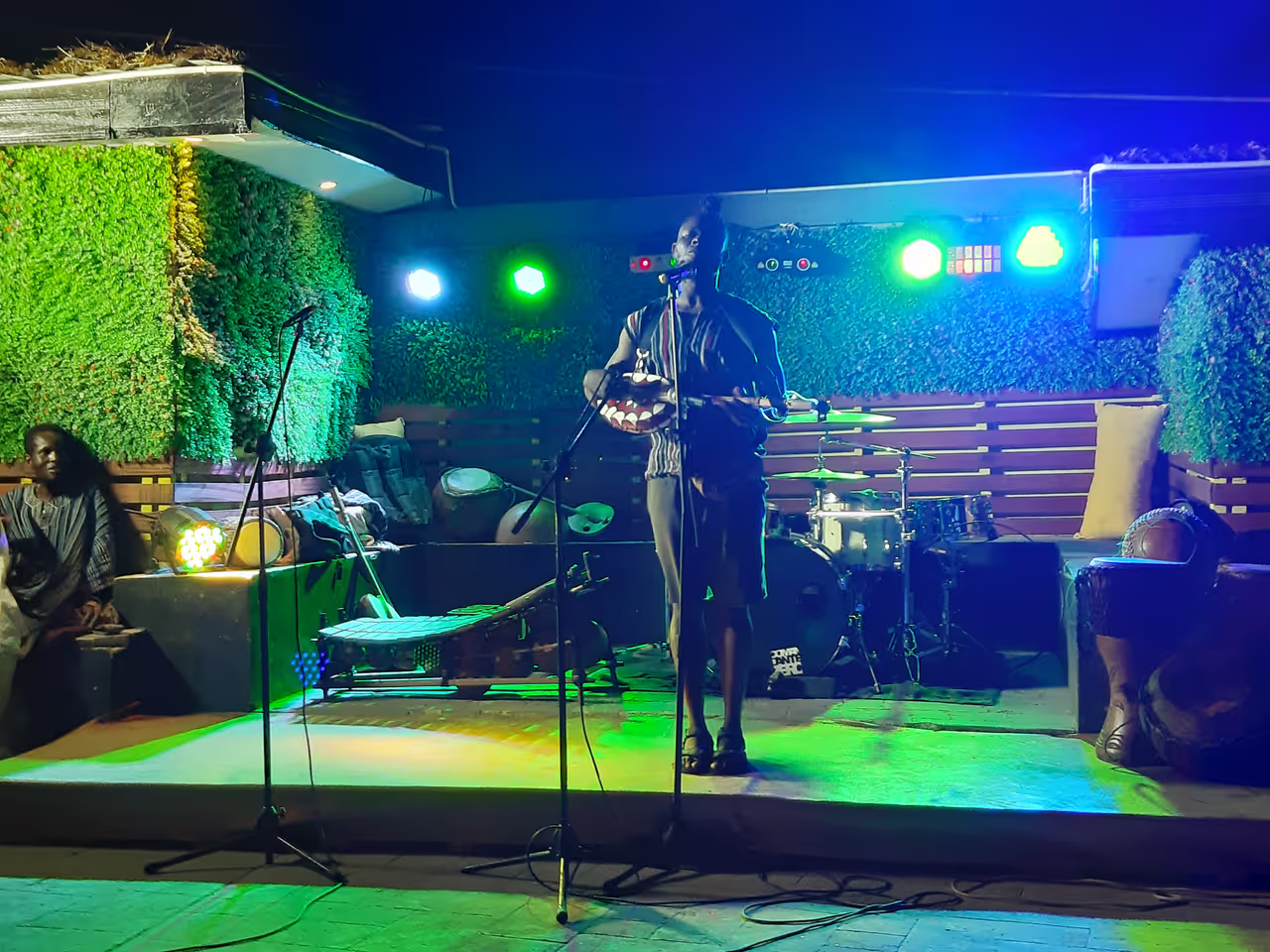
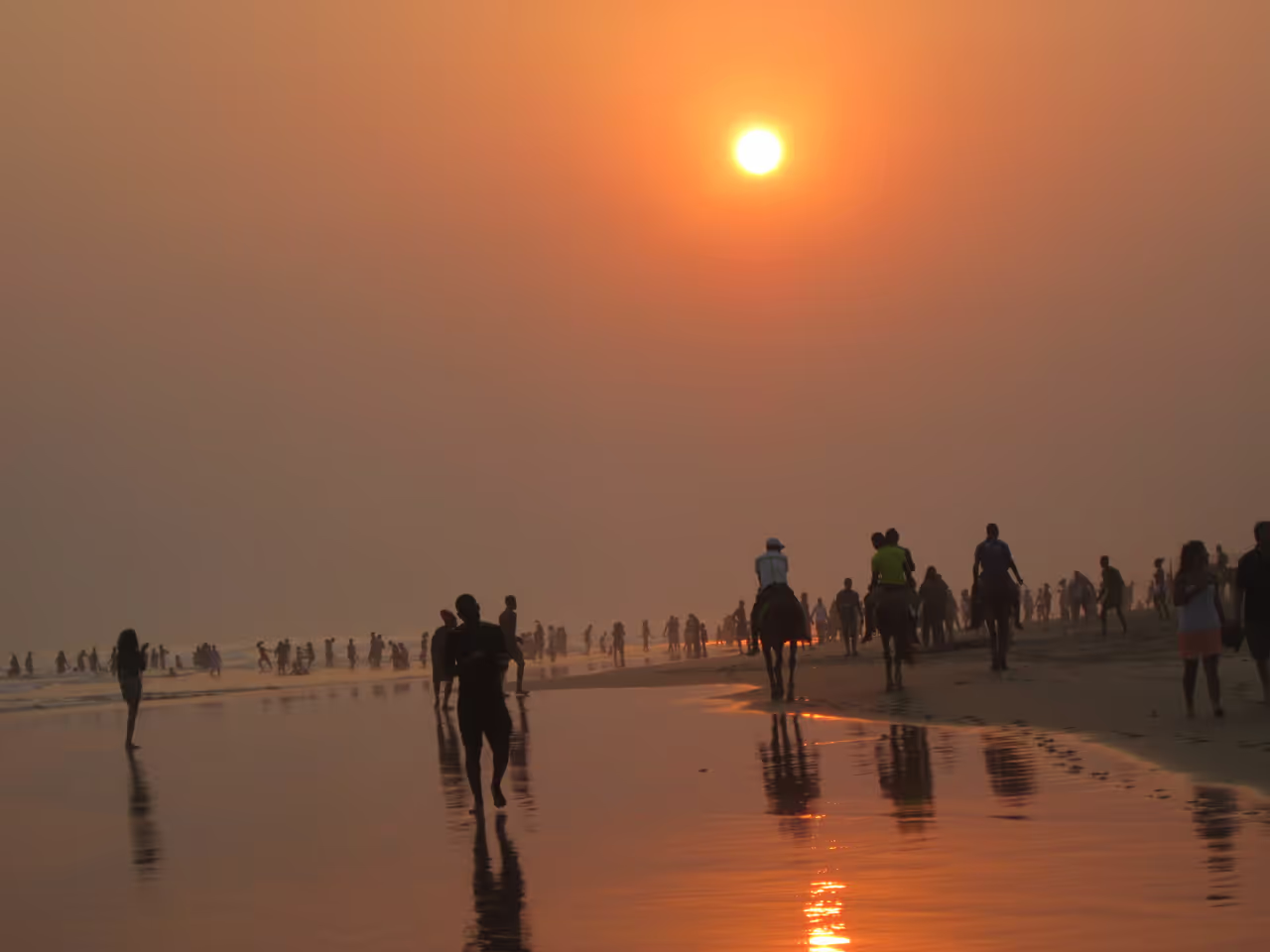
Photo Spots
Activities & Experiences
Cycling Routes
Legon Campus Exploration
This gentle ride takes you through the expansive and remarkably green grounds of the nation's premier university. The wide, tree lined avenues provide ample shade and a peaceful respite from the chaotic city traffic. You will pedal past impressive colonial era academic buildings, sprawling lawns, and quiet residential quarters. The route is exceptionally safe and mostly flat, making it ideal for a leisurely morning cycle. It is a wonderful way to experience the academic heart of the country.
Coastal Ride to Kokrobite
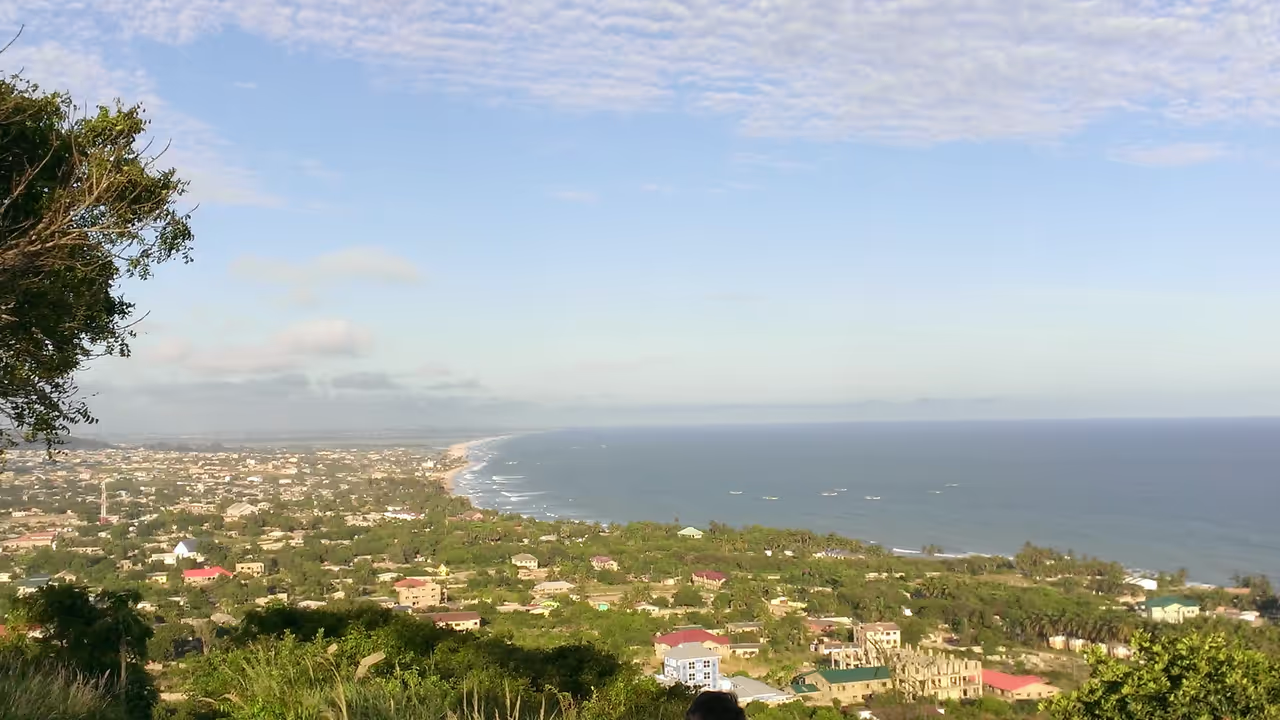
A more adventurous route that leaves the city behind, following the Atlantic coastline towards a popular beach town. The ride offers sweeping views of the ocean and passes through several small, vibrant fishing communities. While you share the road with some traffic, the ocean breeze and changing scenery make the effort worthwhile. The destination rewards you with a laid back, artistic beach atmosphere perfect for recovery. It is a fantastic half day excursion for those wanting to feel the coastal elements.
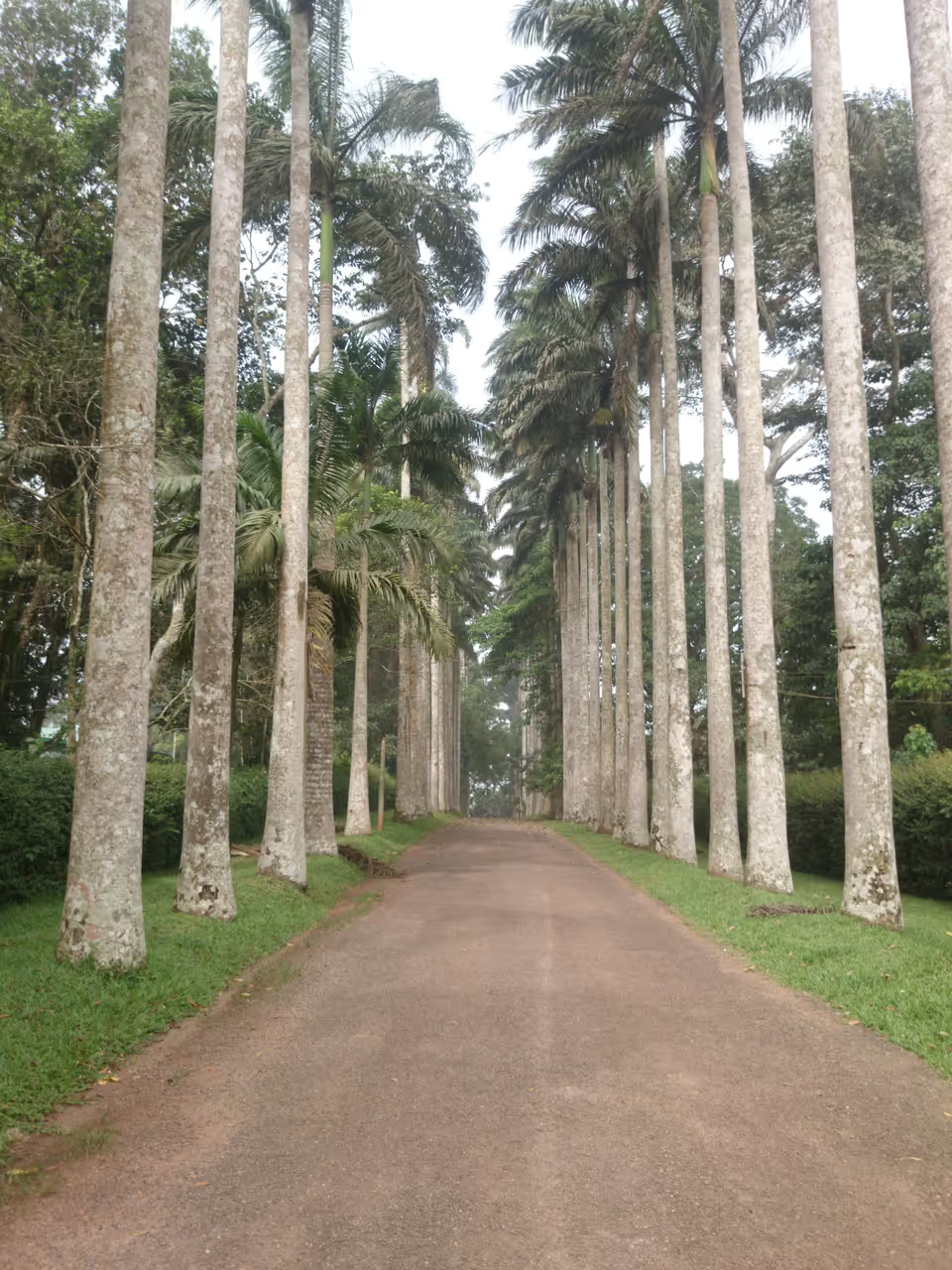
Aburi Mountain Climb
This route challenges riders with a steady ascent out of the hot coastal plains up into the cooler, misty hills surrounding the city. As you climb the winding roads, the temperature drops noticeably and the vegetation becomes lush and tropical. The panoramic views looking back over the sprawling metropolis are absolutely spectacular. Once at the top, the famous botanical gardens provide a serene environment to rest. It is a highly popular weekend route for local cycling clubs and fitness enthusiasts.
Self-Guided Tours
- HIGHLY RECOMMENDED
Pan-African Legacy Tour
This thoughtful journey traces the footsteps of the visionary leaders and intellectuals who turned the city into the spiritual home of global black liberation. You will explore institutions and former residences dedicated to the fierce advocates of a united continent. The tour highlights how the city became a magnet for prominent figures from the diaspora during the mid twentieth century. It is a deeply educational experience that connects local history with global civil rights struggles. The narrative weaves together politics, literature, and the ongoing dream of unity.
Vibrant Markets Tour
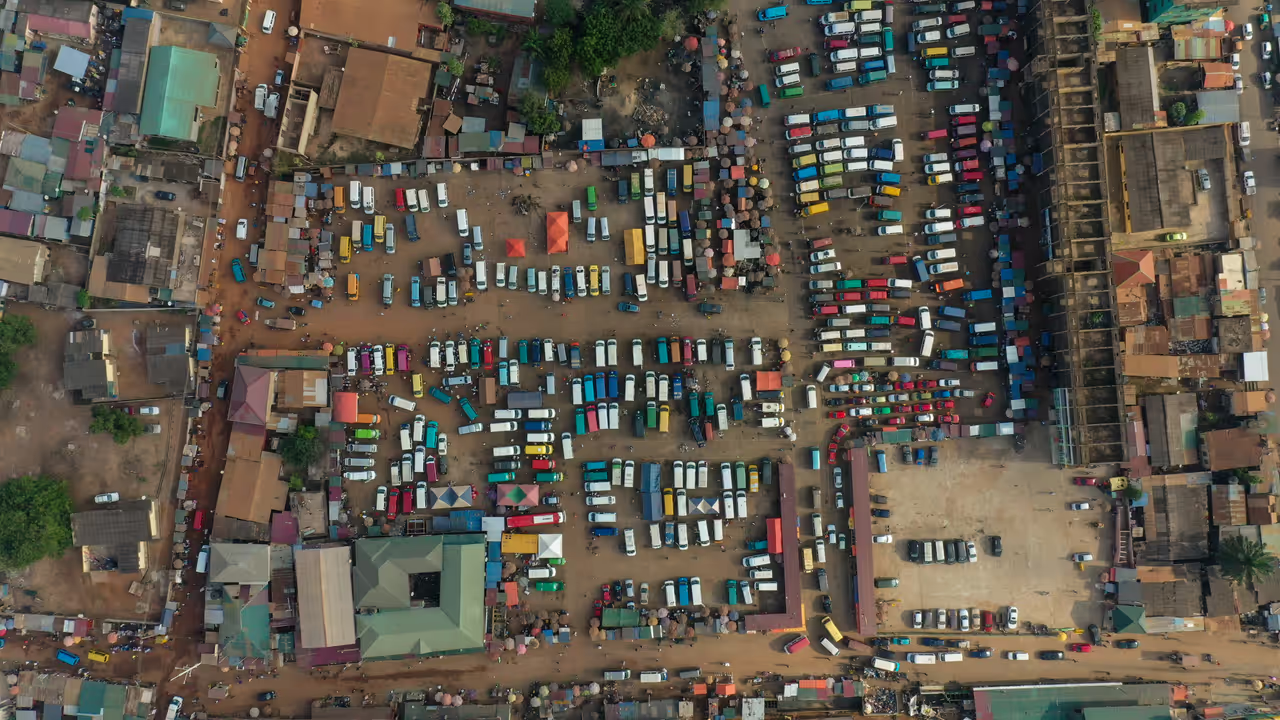
Plunge headfirst into the chaotic, colourful, and relentlessly energetic commercial hubs that drive the city's daily life. This tour navigates through sensory overload, showcasing massive open air bazaars where powerful women control vast trading networks. You will experience the incredibly complex logistics of informal commerce, from wholesale fabric trading to fresh produce distribution. It is a fantastic opportunity to interact with local vendors, learn the art of bargaining, and discover unique traditional goods. The route is loud, crowded, and completely exhilarating.
Colonial Forts Tour
This route explores the monumental stone structures that defined the city's dark and complex relationship with European powers over several centuries. You will traverse the coastline, connecting the formidable strongholds built by the British, Dutch, and Danes. The tour delves heavily into the tragic history of the transatlantic slave trade and the fierce competition for regional dominance. It is a sobering but visually striking walk through the oldest architectural remnants in the capital. The juxtaposition of these grim forts against the beautiful ocean provides a haunting narrative.
Annual Festivals & Events
 HIGHLY RECOMMENDED
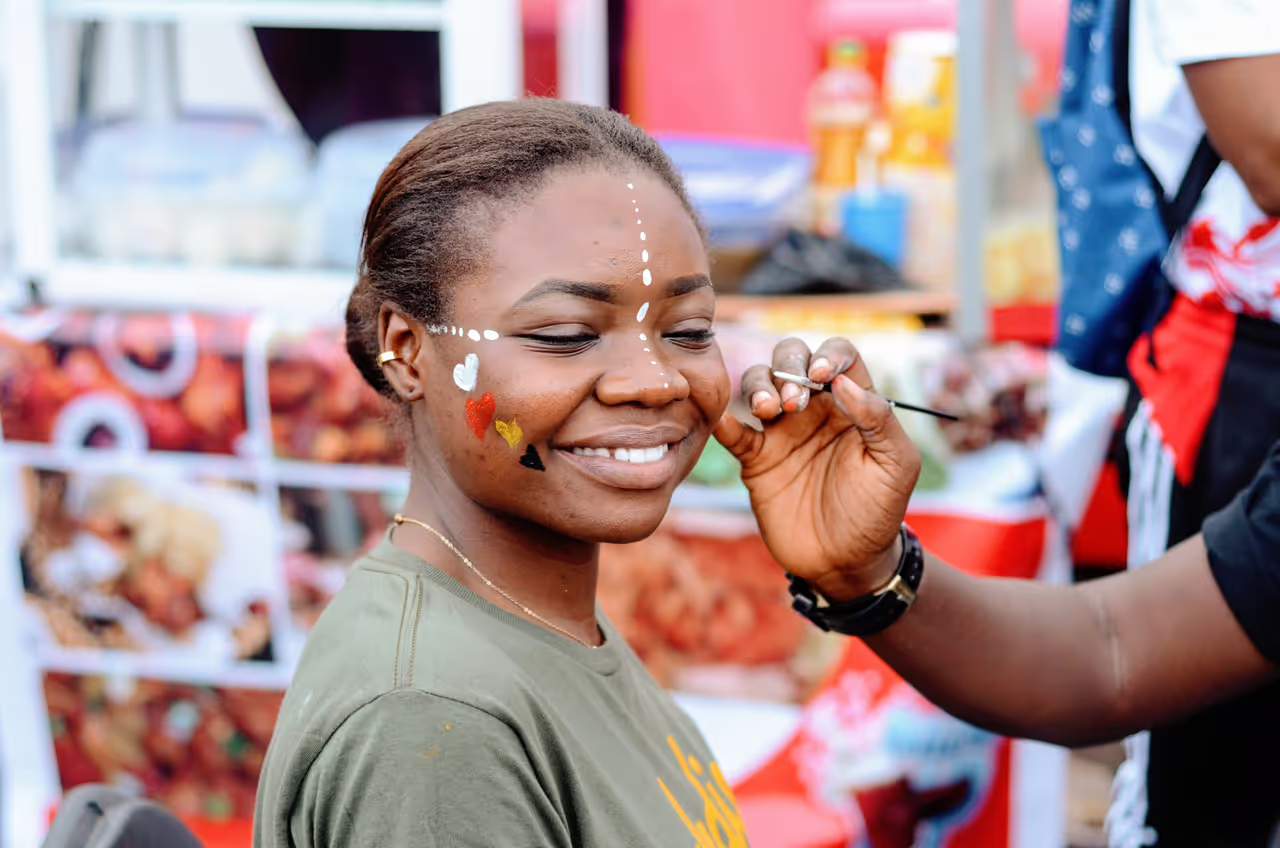
Chale Wote Street Art Festival
This incredible street art festival completely transforms the historic Jamestown neighbourhood into a vibrant, open air gallery. Thousands of creatives gather to showcase incredible murals, photography, interactive installations, and live performances. It provides a platform for local and international artists to connect directly with the public in an unpretentious environment. The energy is absolutely electric, with street parties, extreme sports displays, and fashion parades continuing well into the night. It is a fantastic opportunity to experience the cutting edge of West African contemporary art and youth culture.
 HIGHLY RECOMMENDED
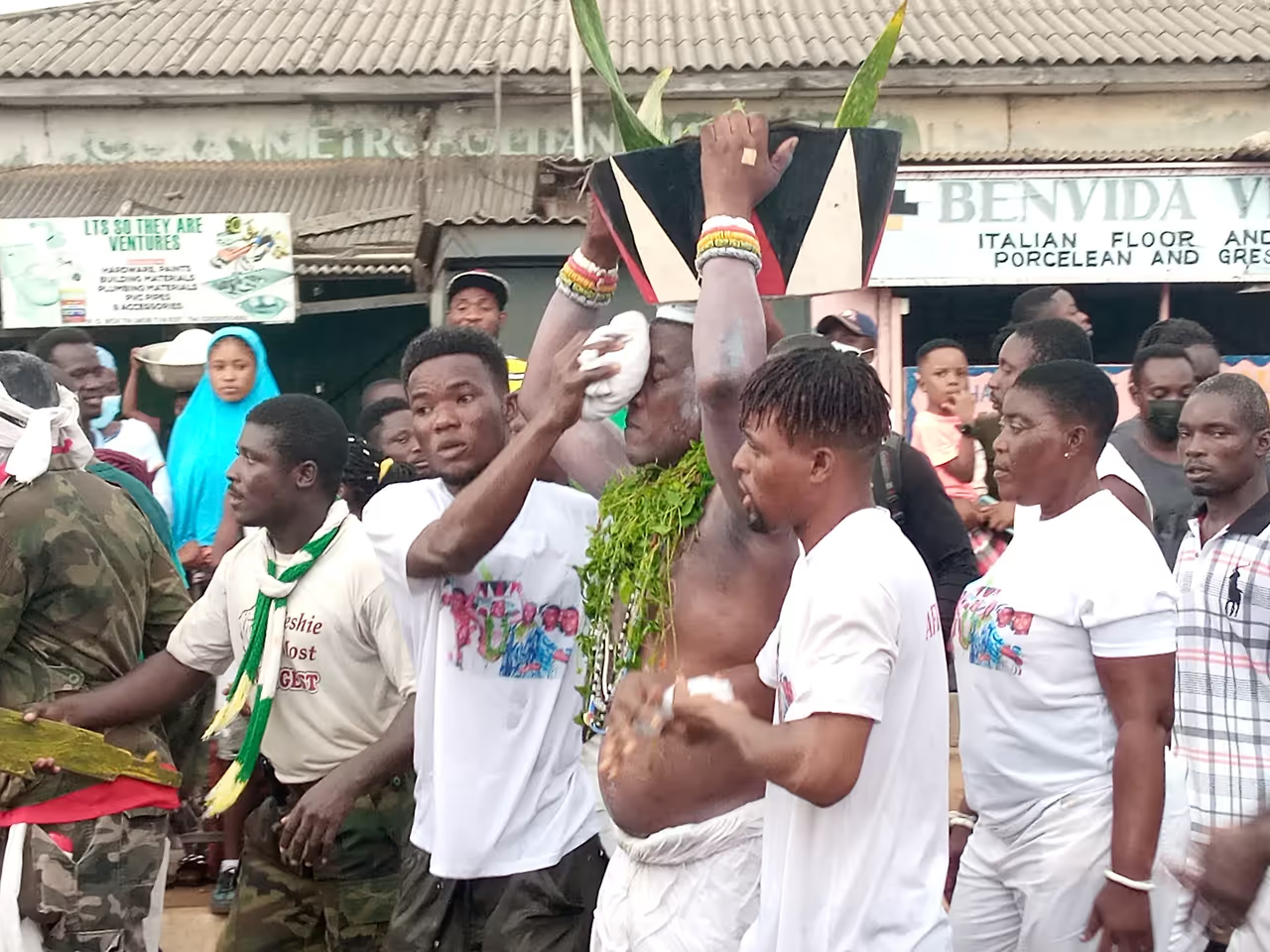
Homowo Festival
Homowo, which translates to hooting at hunger, is the most significant traditional festival celebrated by the Ga people. It commemorates a period of severe famine in their ancient history, celebrating the eventual bumper harvest that saved their ancestors. The streets come alive with rhythmic drumming, traditional dances, and the sprinkling of a special ceremonial food called kpoikpoi by the local chiefs. It is a deeply spiritual and joyous occasion that binds the community together. Witnessing the colourful royal processions provides a rare and authentic glimpse into traditional governance.

AfroFuture Festival
Formerly known as Afrochella, this spectacular music and cultural event has become a massive draw for the global African diaspora during the December holiday season. It is a massive celebration of African music, art, fashion, and food, drawing top tier musical acts from across the continent and beyond. The festival grounds are a visual feast of incredible outfits, interactive brand experiences, and non stop dancing. It serves as the anchor event for the city's legendary Detty December party season. Attending guarantees you will experience the absolute pinnacle of contemporary African pop culture.
Insider Tips
Download the Yango or Bolt apps before arriving, as they are often more affordable and reliable than hailing traditional street taxis, eliminating the need to haggle over fares.
When navigating the massive Makola Market, do not be afraid to bargain respectfully; it is an expected part of the local shopping culture and helps you secure fair prices.
Set up a mobile money account via a local telecom provider if you plan on staying a while, as it allows you to pay for everything from street food to groceries instantly via your phone.
Always use your right hand when giving or receiving items, greeting someone, or eating traditional meals, as using the left hand is culturally considered highly disrespectful.
Avoid taking photographs of government buildings, military installations, or the presidential Jubilee House, as security personnel are strict and will demand you delete the images.
If you are calling an Uber from the airport, it is often faster and cheaper to walk just outside the main terminal area to avoid the mandatory airport parking fees added to your ride.
Watch your step when walking along the city streets, as many neighbourhoods feature deep, open drainage sewers right next to the pavements.
PERFECT FOR
This city is perfect for culture seekers, history enthusiasts, and anyone looking to experience the vibrant pulse of modern West Africa. It strongly appeals to the African diaspora seeking to connect with heritage roots, as well as adventurous foodies eager to taste bold local flavours. Travellers who enjoy a mix of meaningful historical landmarks, lively street art, and energetic nightlife will find themselves right at home.
VIBE
Accra feels incredibly alive, radiating a warm, welcoming, and high energy atmosphere. The streets hum with the sounds of colourful tro tros, vibrant market chatter, and the constant, infectious rhythm of afrobeats. It is a place where tropical heat meets ocean breezes, creating a laid back yet industrious environment.
Frequently Asked Questions about Accra
While we strive to keep this information accurate and up to date, we recommend verifying any details independently before making decisions based on them.