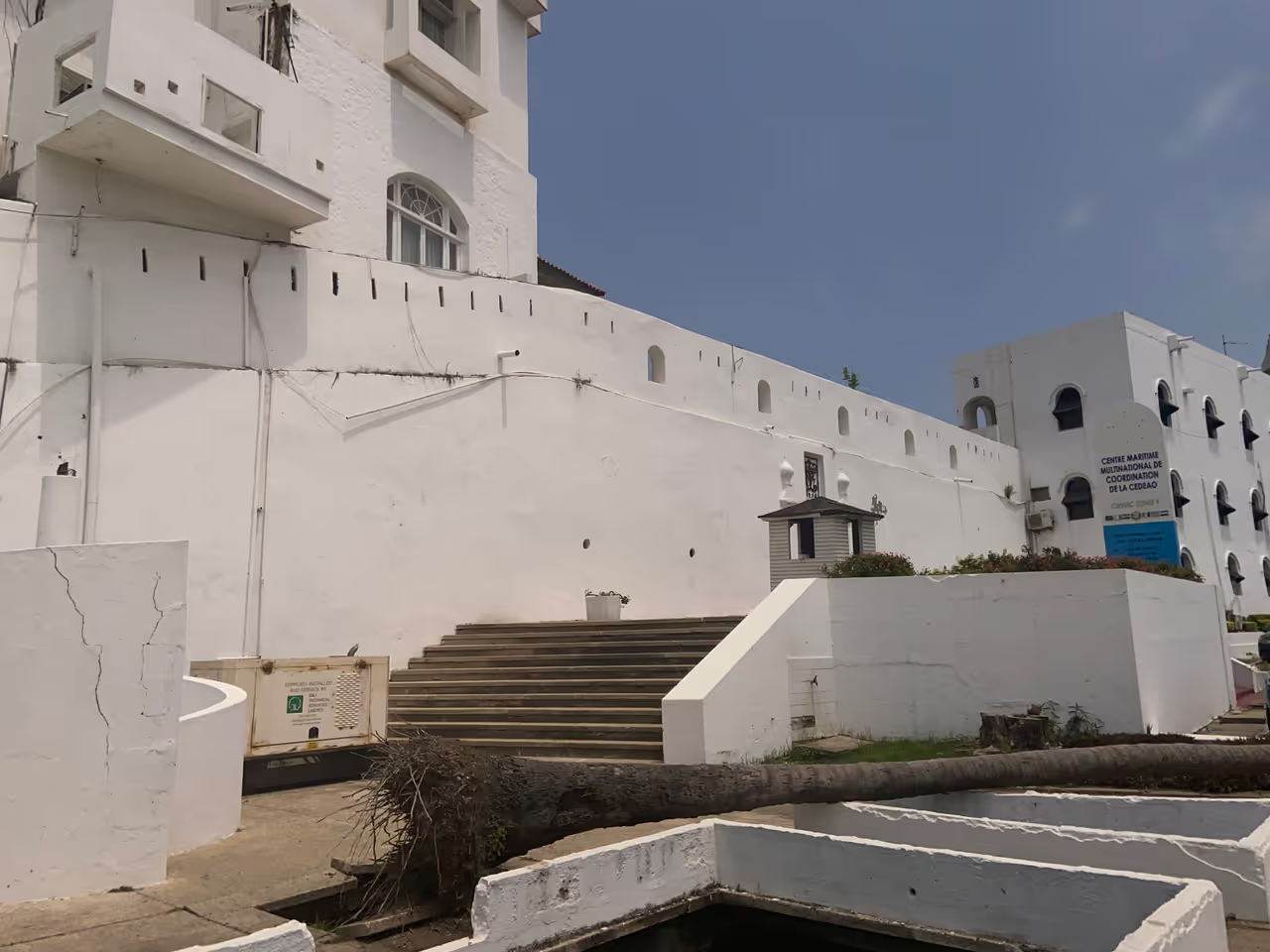
Osu Castle
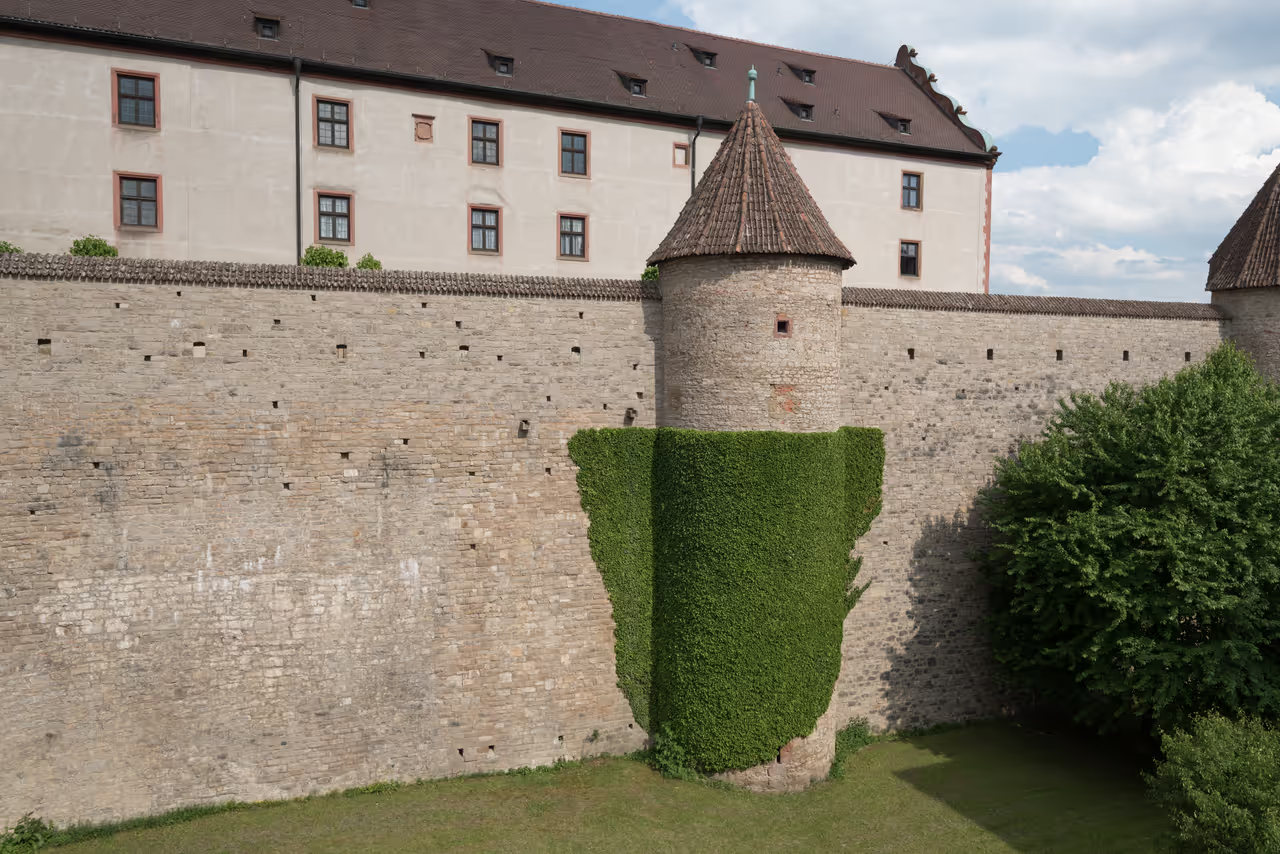
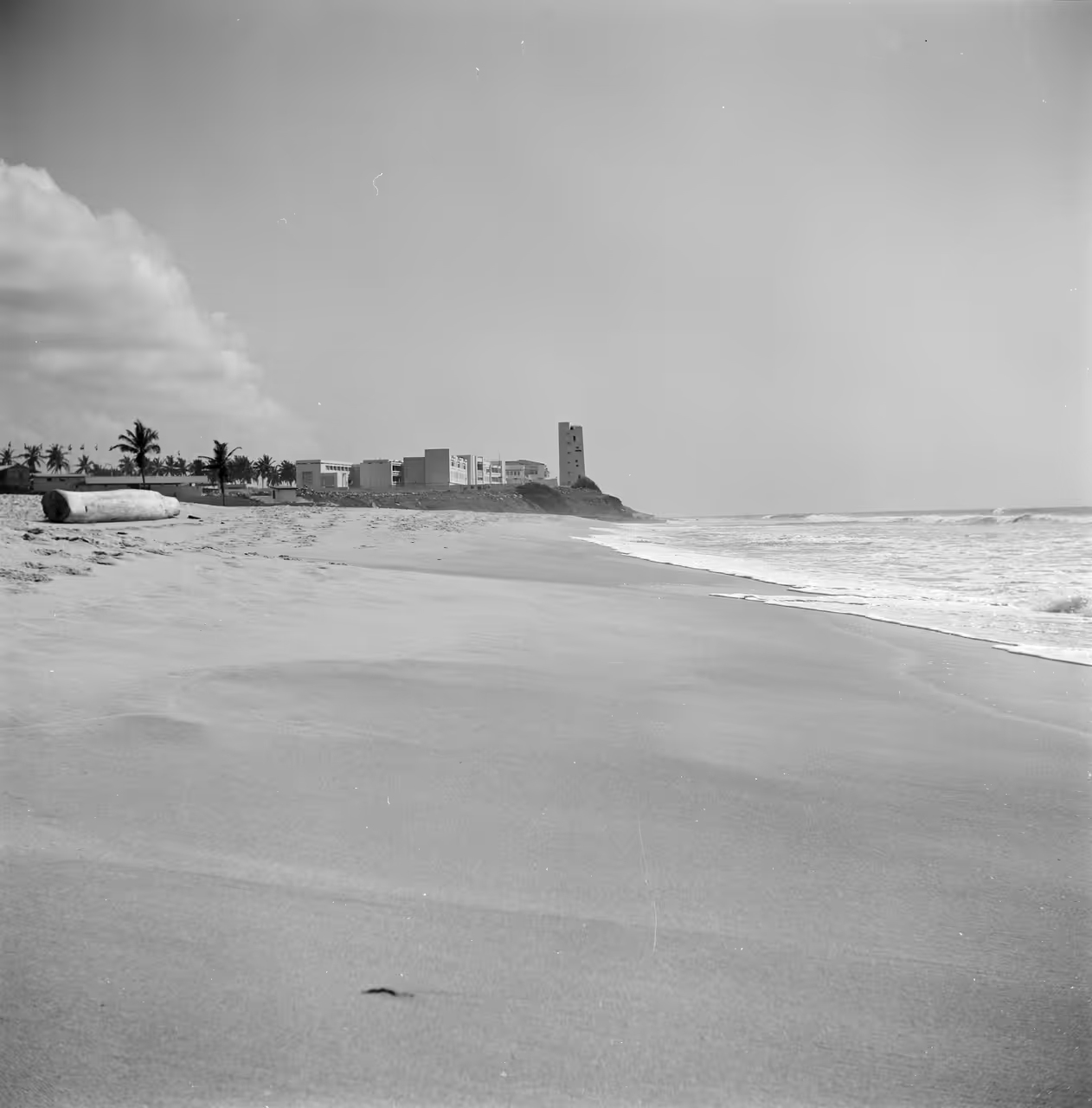
Osu Castle is a poignant symbol of Ghana's complex history, standing proudly on the coast of the Gulf of Guinea. Originally built as a lodge by the Swedish trader Heinrich Carloff, it later transformed into the imposing Fort Christiansborg under Danish control. Its stone walls have witnessed centuries of shifting powers, from European colonial rivalries to Ghana's journey toward independence. While it served as the nation's seat of government for many years, it now offers visitors a chance to reflect on the deep historical layers that shaped the modern Ghanaian identity. Walking near its sturdy ramparts allows you to connect with a past that is both challenging and essential to understanding the resilience of the nation today.
Videos
History of Osu Castle
The story of Osu Castle is a tapestry of shifting alliances, colonial ambition, and eventual reclamation. When Heinrich Carloff first secured permission from the King of Accra in the mid 17th century, he could hardly have predicted the centuries of turmoil that would follow. The site changed hands frequently, bouncing between Swedish, Dutch, Danish, Portuguese, and British control, with each power leaving its mark on the masonry. It served as a hub for the gold, ivory, and unfortunately the slave trade, becoming the capital of the Danish Gold Coast.
Events spanning 318 years
Fun Facts
- • A massive earthquake in 1862 decimated the upper floors, forcing the British to rebuild them using wood which remained in place until 1950.
- • Before it became deeply entrenched in the trans Atlantic slave trade, the castle was primarily a hub for the trade of gold and ivory.
- • During the late 19th century, the building served as a psychiatric asylum while the British authorities had temporarily abandoned it.
- • For a short period in the late 17th century, the fort was renamed Fort São Francisco Xavier after a Portuguese crew purchased it from the existing garrison.
- • In 1961, the structure underwent significant renovations including the addition of new rooms to accommodate Queen Elizabeth II during her state visit.
- • The Akwamu people still hold the original keys to the castle, serving as a powerful symbol of their historical capture of the site in 1693.
- • The castle gardens, which are still maintained and employ local staff, have served as the venue for official presidential receptions for decades.
- • The castle was expanded multiple times to four times its original size by the 19th century to house better storage and garrison quarters.
- • The site has welcomed numerous world leaders, including United States Presidents Richard Nixon, Bill Clinton, and Barack Obama.
- • When the Danes first seized control, they expanded the structure specifically to compete with nearby Dutch and British forts that were capturing the local trade.
RESOURCES
Heritage UNESCO SiteOsu Castle FAQ
While we strive to keep this information accurate and up to date, we recommend verifying any details independently before making decisions based on them.
Osu Castle Map & Neighborhood Explorer
This interactive map is centered on Osu Castle. Zoom in and move the map around to automatically discover Wikipedia photos and summaries of other nearby sights, monuments, and historical points of interest and stories in real-time!
Places near Osu Castle
Make the most of your trip. Check out these top-rated spots located nearby.
 827m
827mOxford Street
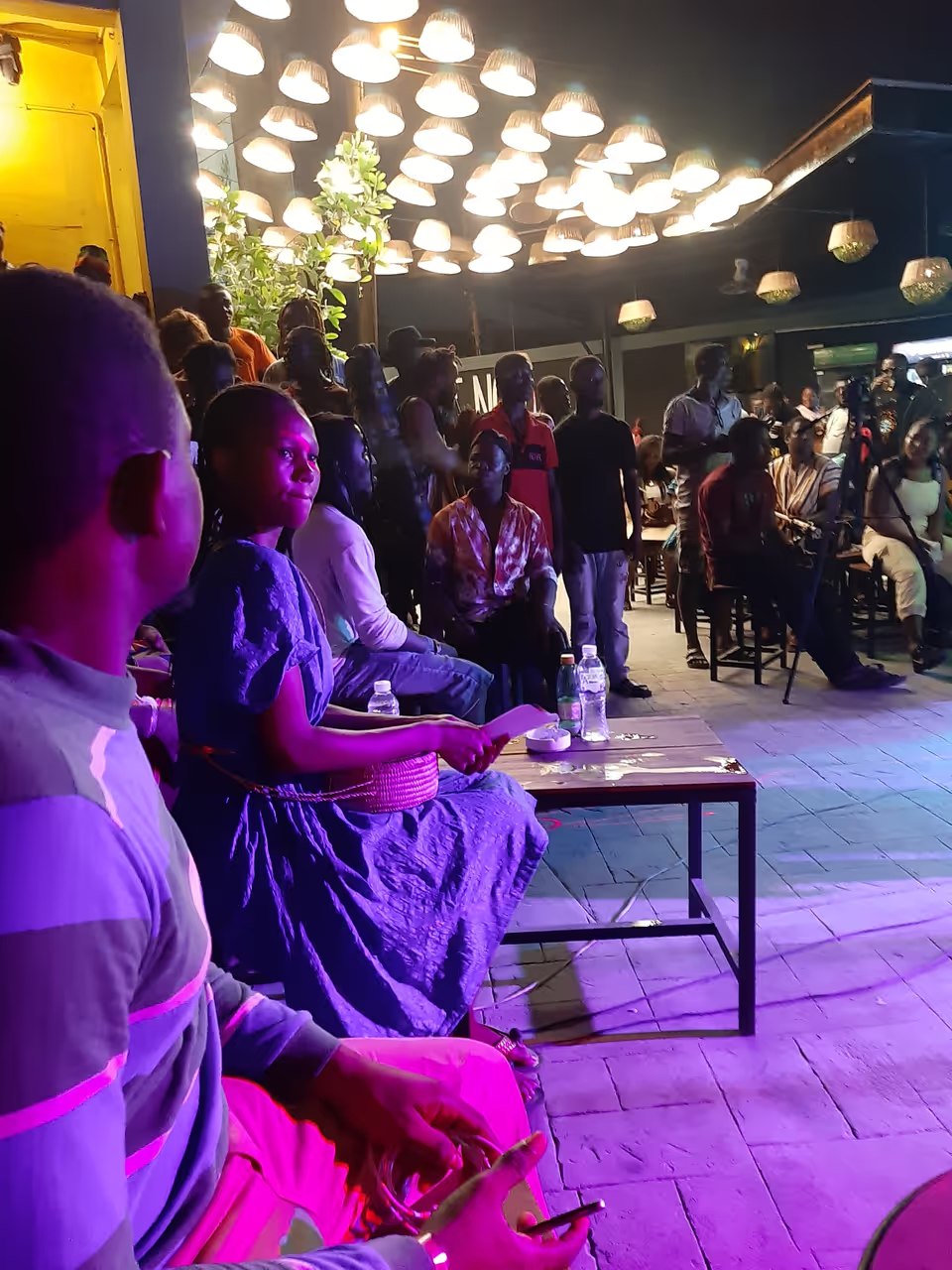
This bustling thoroughfare in the Osu district is the undisputed commercial and entertainment epicentre of the city. The street is a relentless, energetic mix of high end boutiques, busy fast food joints, craft vendors, and neon lit bars. It is famously chaotic, with traffic crawling alongside pavements packed with diverse crowds of locals and expatriates. During the day, it is prime territory for souvenir shopping and grabbing a quick bite. At night, it transforms completely, becoming the ultimate starting point for exploring the capital's legendary nightlife scene.
highlight view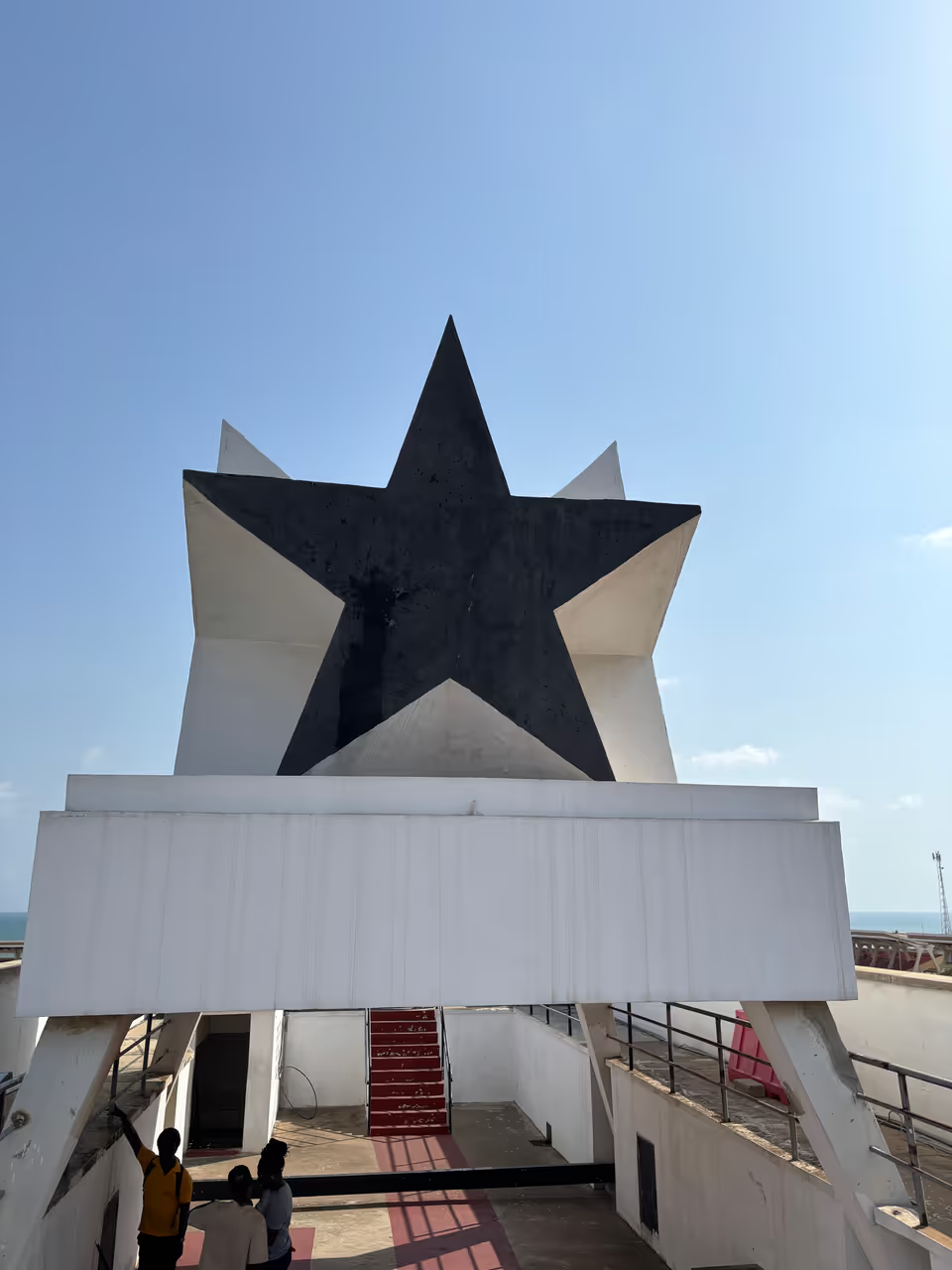 1028m
1028mMonumental Black Star Square
Standing as a powerful emblem of Ghanaian liberty, this massive public space acts as the heart of national pride in Accra. It serves as the primary stage for independence celebrations, military parades, and historic gatherings that define the nation’s journey. Visitors are greeted by the Independence Arch and the iconic Black Star Gate, monuments that reflect the country’s triumph over colonial rule. The vast, open concrete expanse offers a sense of scale that is humbling, particularly when standing between the grand stands that accommodate thousands of spectators. It is a living chronicle of Ghana’s political evolution, where the spirit of freedom feels tangible in the warm coastal air.
attraction view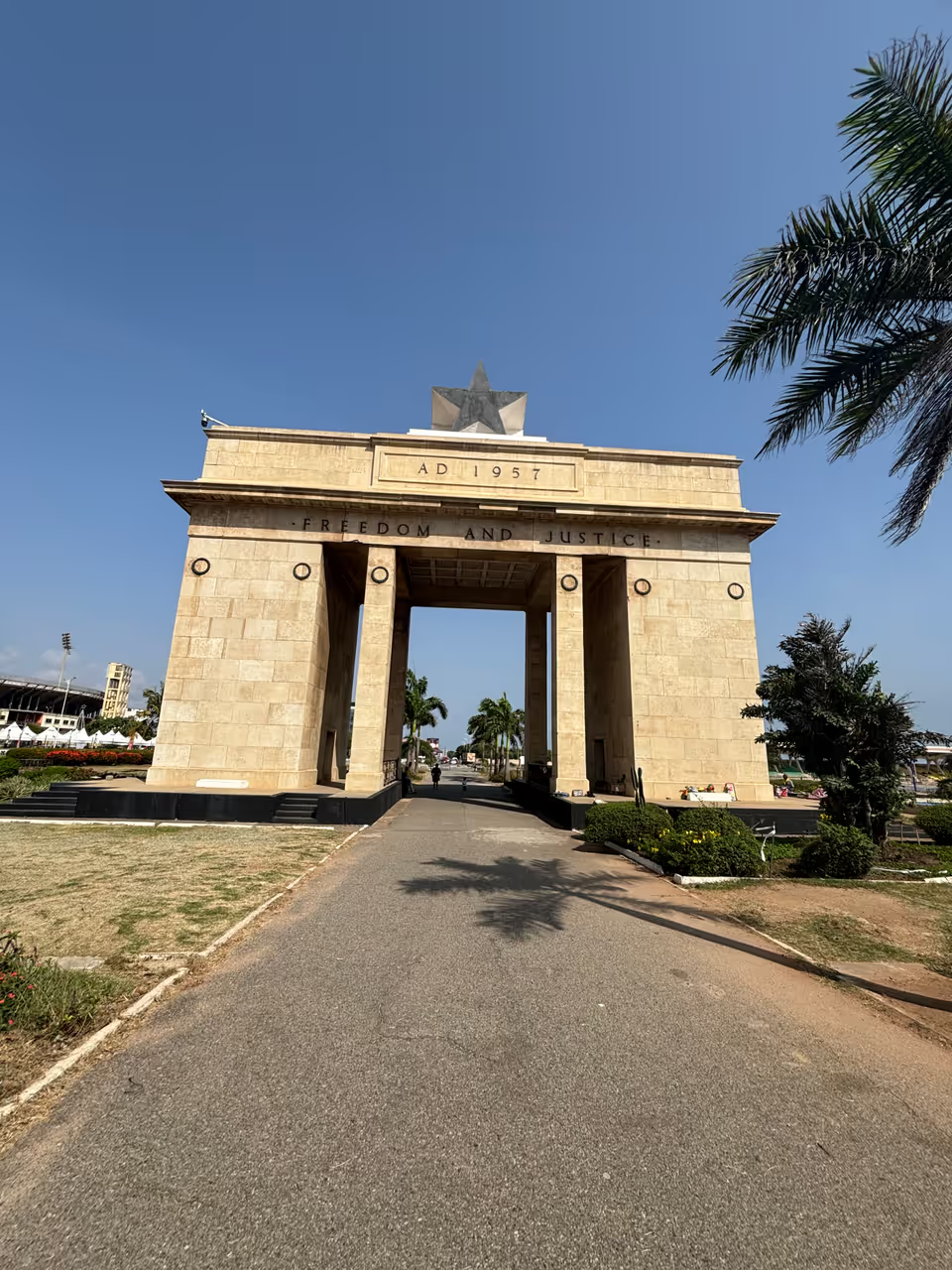 1075m
1075mBlack Star Gate
This enormous, triumphant archway is arguably the most famous and iconic symbol of the entire nation. It sits proudly in the centre of the massive independence parade grounds, topped by a large five pointed star representing African liberation. The sheer scale and brutalist concrete design make it an incredibly striking subject for photography. Capturing the monument against a bright blue tropical sky provides a classic, instantly recognisable image of the capital. It is an absolute must visit for anyone wanting a definitive architectural shot of the city.
photo spot view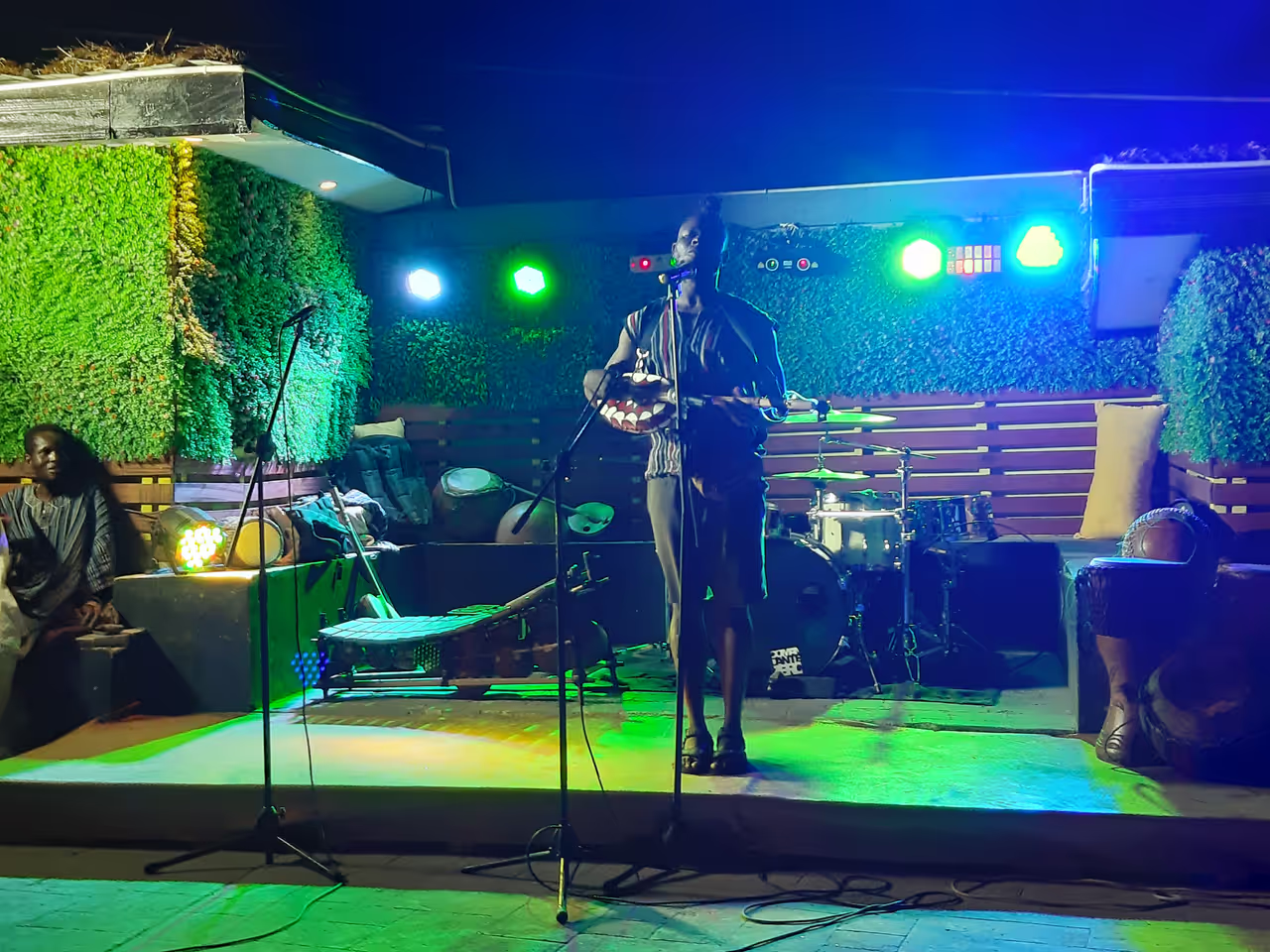 1146m
1146mOsu Backstreets
Just off the chaotic main drag of Oxford Street lie the quieter, more bohemian backstreets of Osu. This area is home to retro styled, afrocentric hangouts that cater to creatives, artists, and those seeking a more alternative scene. Places here are known for serving unique local drinks, like fermented sugar cane juice, alongside vintage highlife soundtracks. The aesthetic is often eclectic, featuring reclaimed furniture and vibrant street art. It is the perfect district for engaging in deep conversations over excellent, locally inspired cocktails.
nightlife view
Explore Similar Places in This Collection
Featured on These Itineraries and Routes

5 Days in Accra: Complete Capital Experience Itinerary
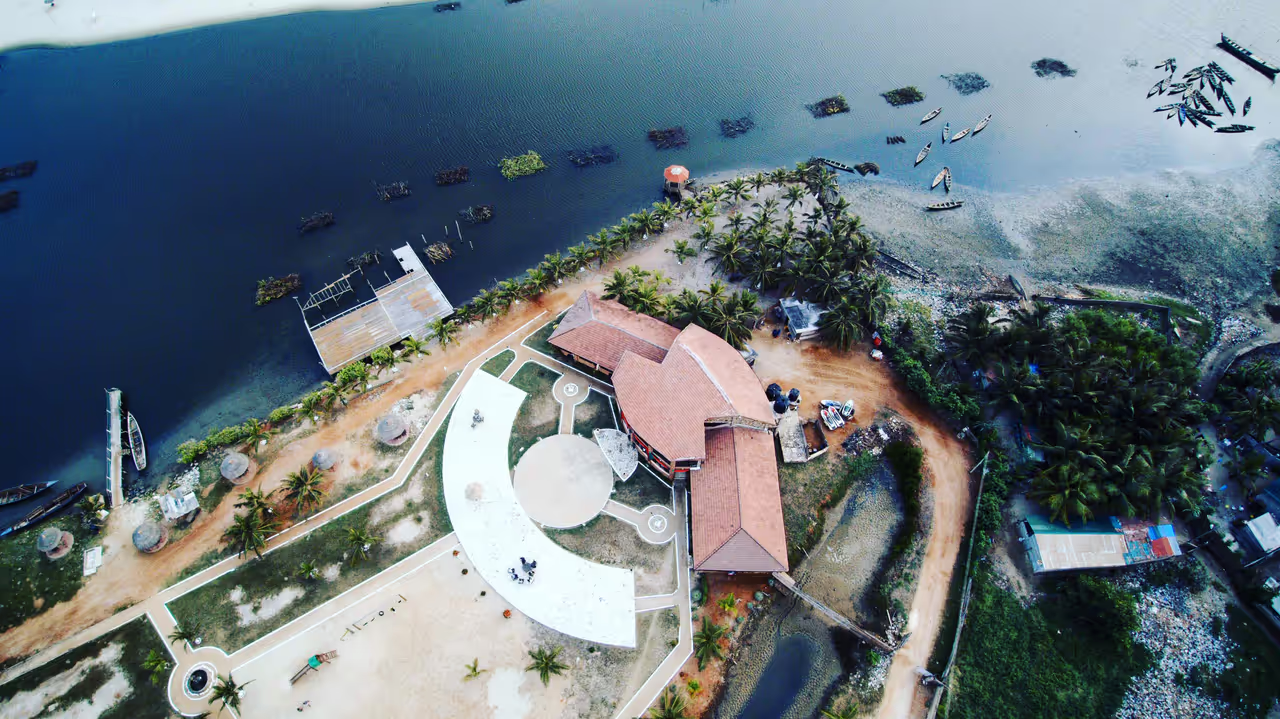
A comprehensive five day journey allows you to truly sync with the city's rhythm, exploring its bustling centre and escaping to its scenic outskirts. You will cover all the essential historical and cultural sites, while also making time for a mini safari and discovering hidden culinary gems. This itinerary ensures you leave with a profound, well rounded understanding of the capital and its surrounding environment.
view itinerary
Osu Cultural Walk
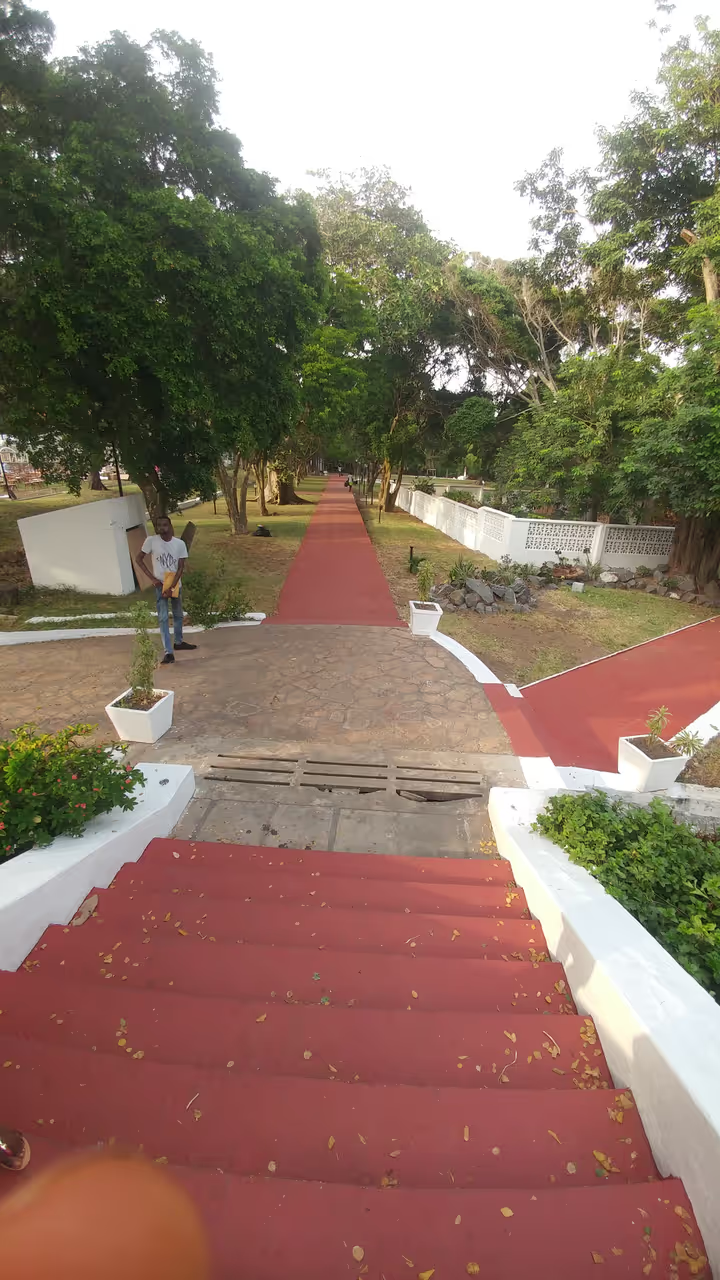
A leisurely stroll through the relatively quiet, tree lined backstreets of the trendy Osu district. Unlike the loud commercial main road, this route focuses on the neighbourhood's emerging artistic and bohemian side. You will encounter chic boutique shops, small independent art galleries, and inviting outdoor cafes. The architecture is an interesting mix of old residential compounds and newly renovated modern spaces. It is a highly pleasant, relaxed walk perfect for a lazy afternoon of window shopping and coffee tasting.
view walking route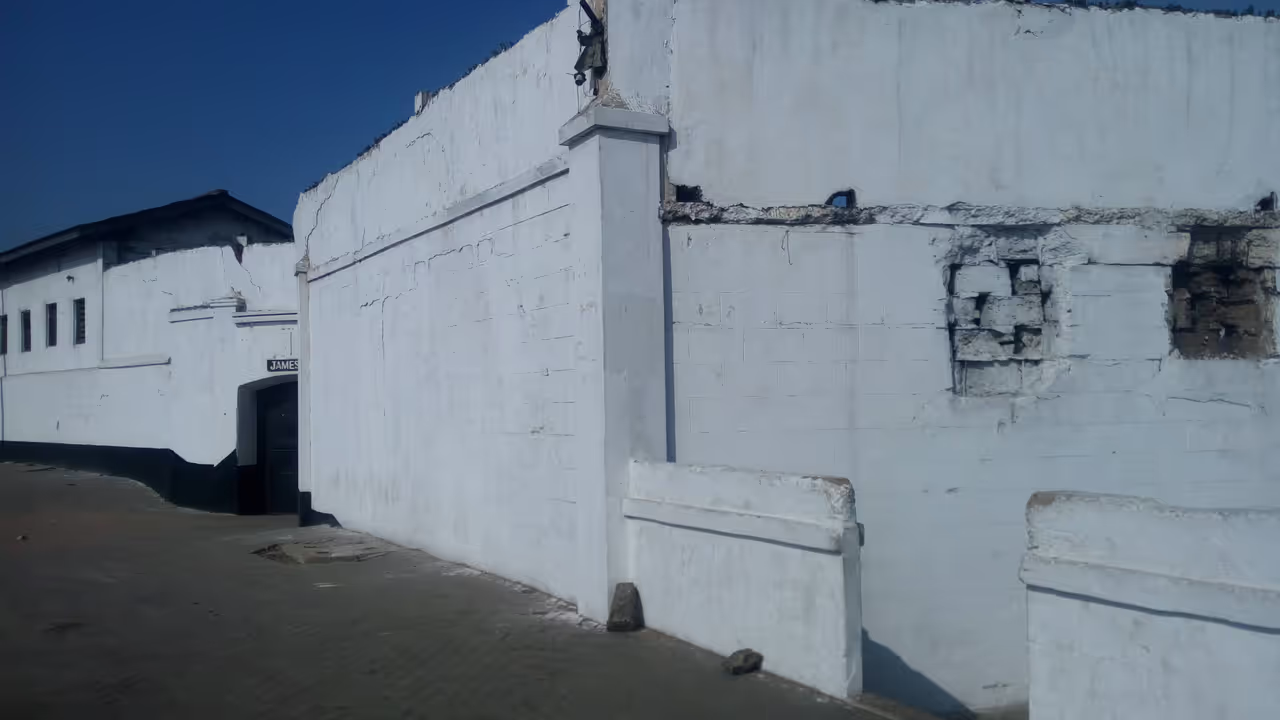
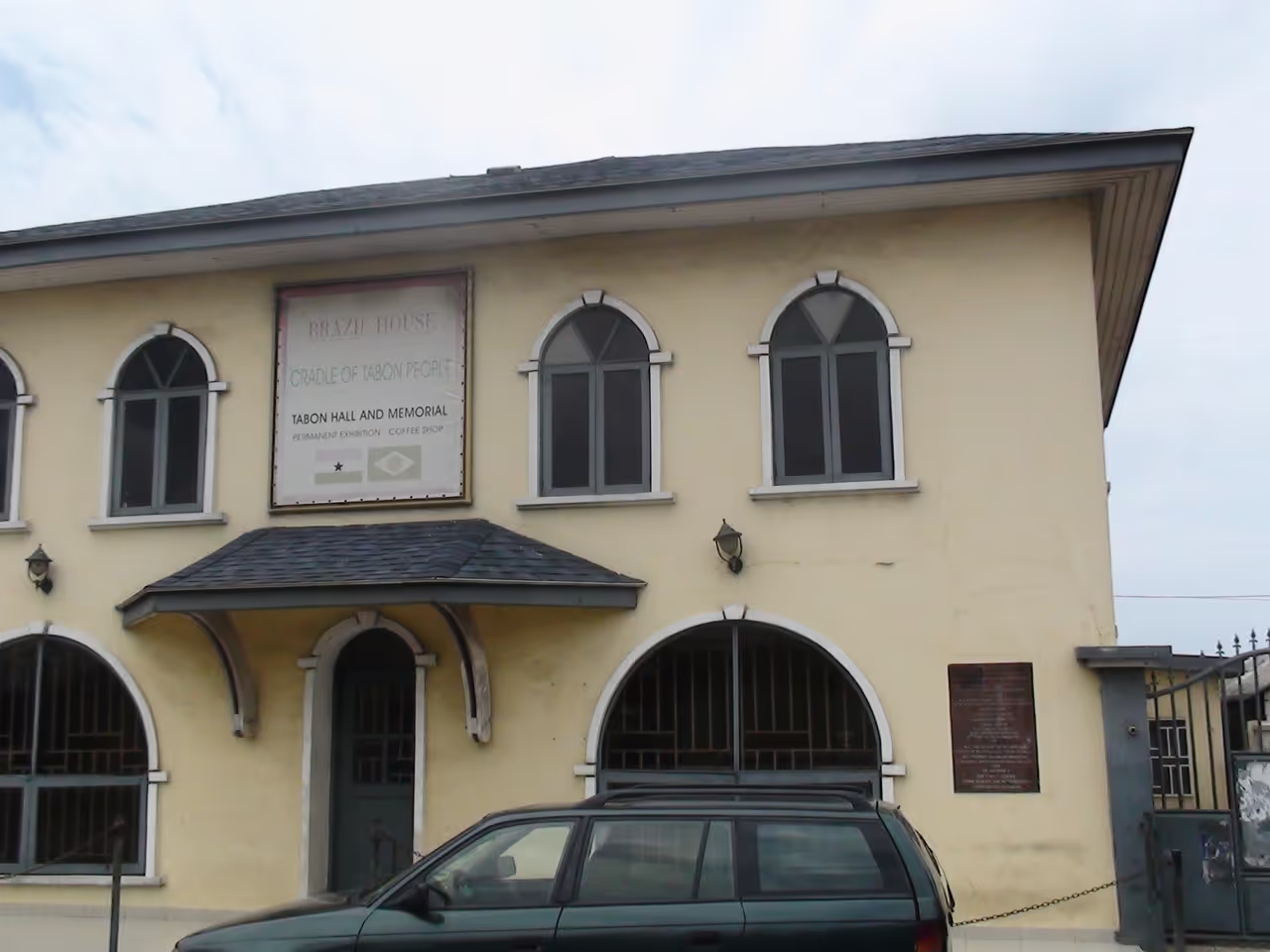
Colonial Forts Tour
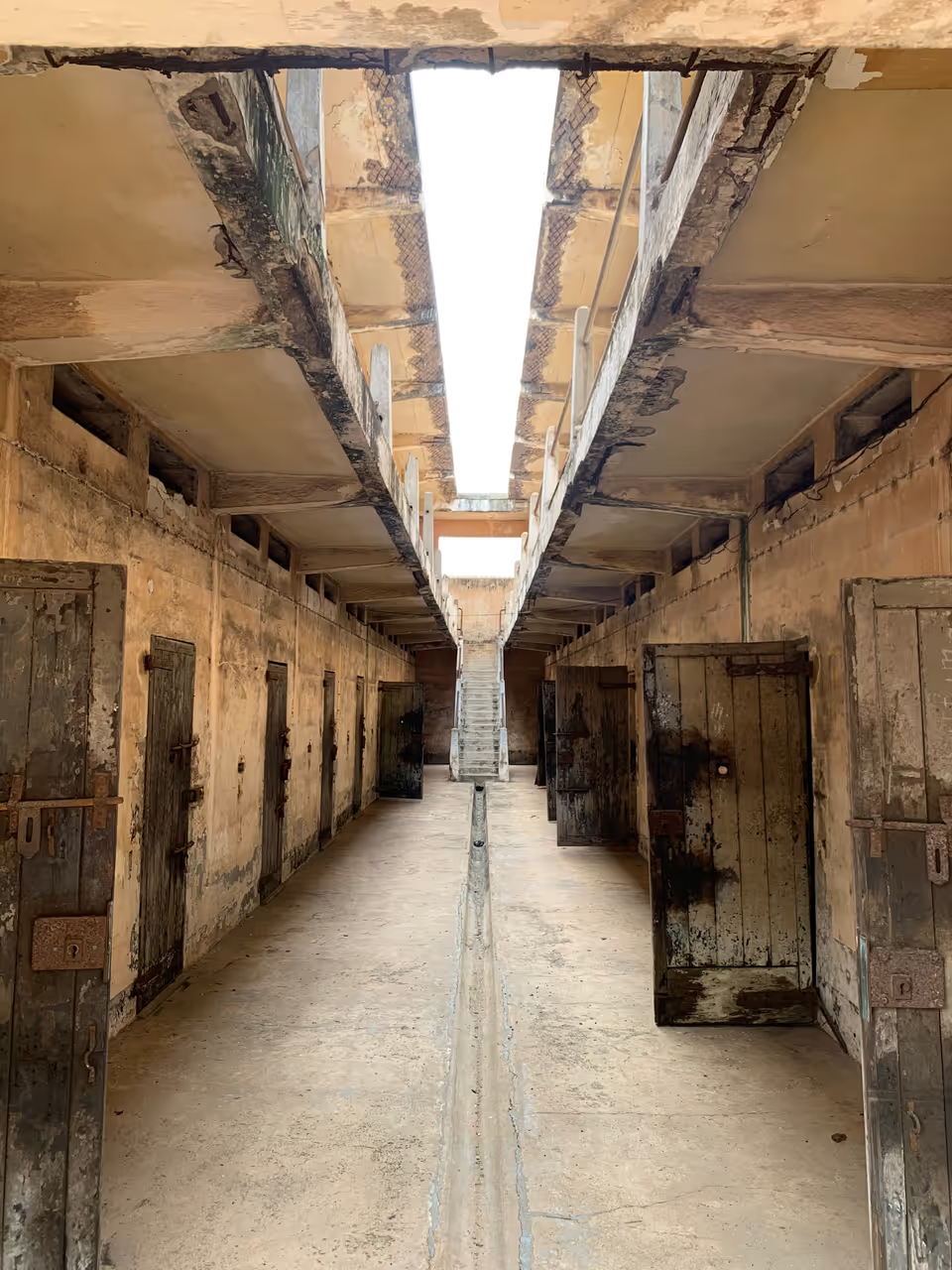
This route explores the monumental stone structures that defined the city's dark and complex relationship with European powers over several centuries. You will traverse the coastline, connecting the formidable strongholds built by the British, Dutch, and Danes. The tour delves heavily into the tragic history of the transatlantic slave trade and the fierce competition for regional dominance. It is a sobering but visually striking walk through the oldest architectural remnants in the capital. The juxtaposition of these grim forts against the beautiful ocean provides a haunting narrative.
view self-guided tour
See all unesco sites in Accra
Fort James, Ussher Fort...