Monumental Black Star Square
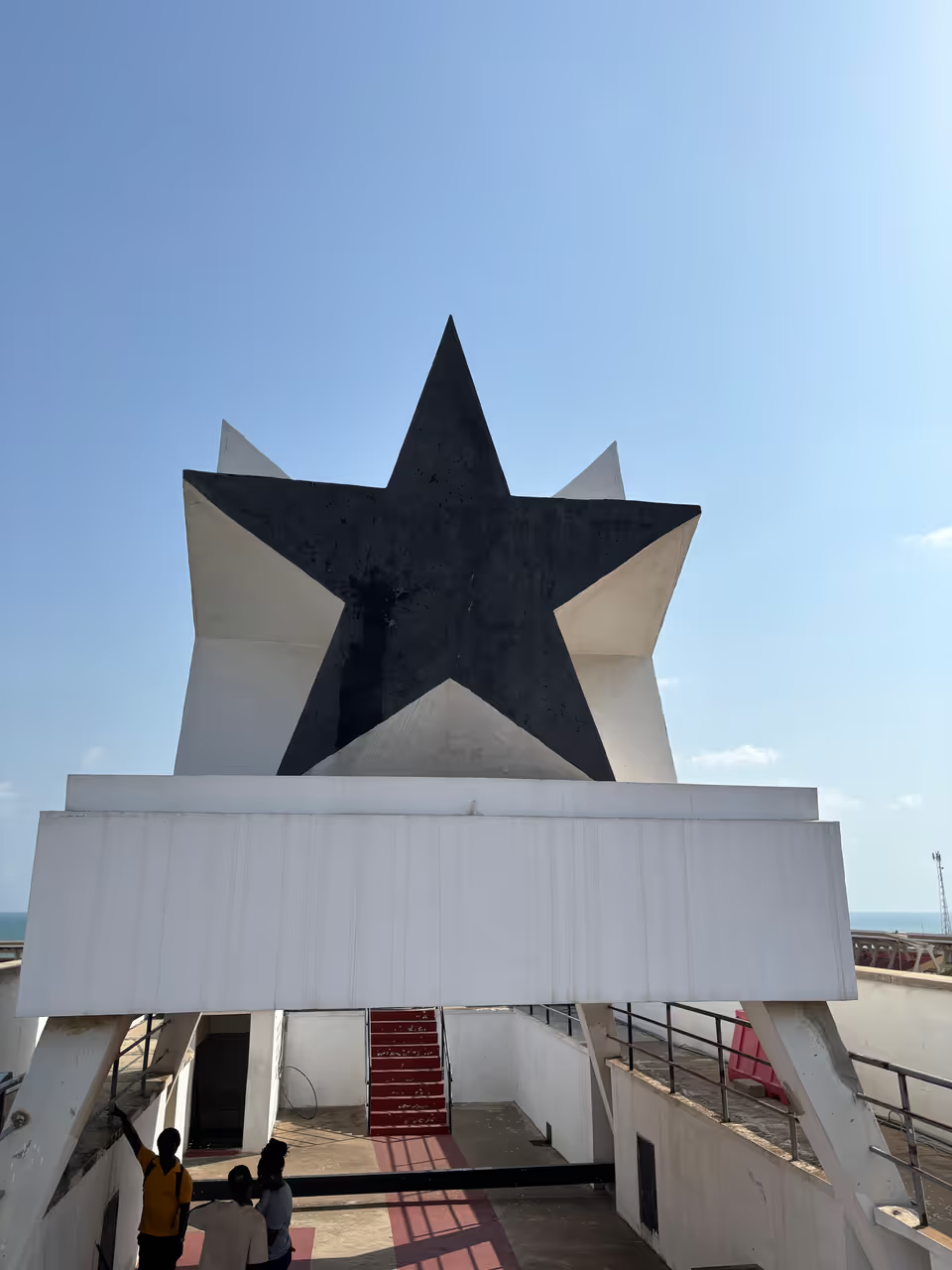
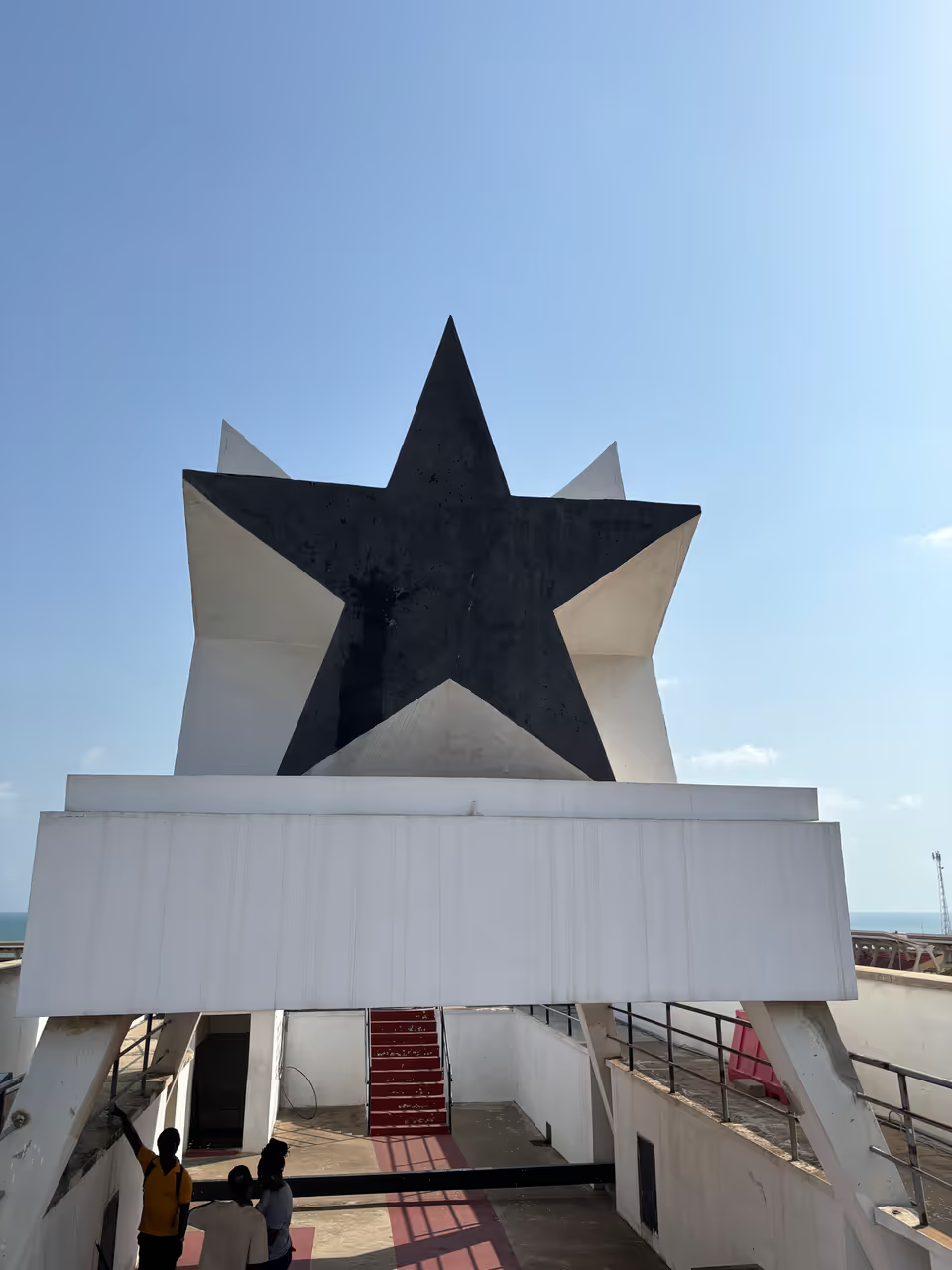
Standing as a powerful emblem of Ghanaian liberty, this massive public space acts as the heart of national pride in Accra. It serves as the primary stage for independence celebrations, military parades, and historic gatherings that define the nation’s journey. Visitors are greeted by the Independence Arch and the iconic Black Star Gate, monuments that reflect the country’s triumph over colonial rule. The vast, open concrete expanse offers a sense of scale that is humbling, particularly when standing between the grand stands that accommodate thousands of spectators. It is a living chronicle of Ghana’s political evolution, where the spirit of freedom feels tangible in the warm coastal air.
Videos
History of Monumental Black Star Square
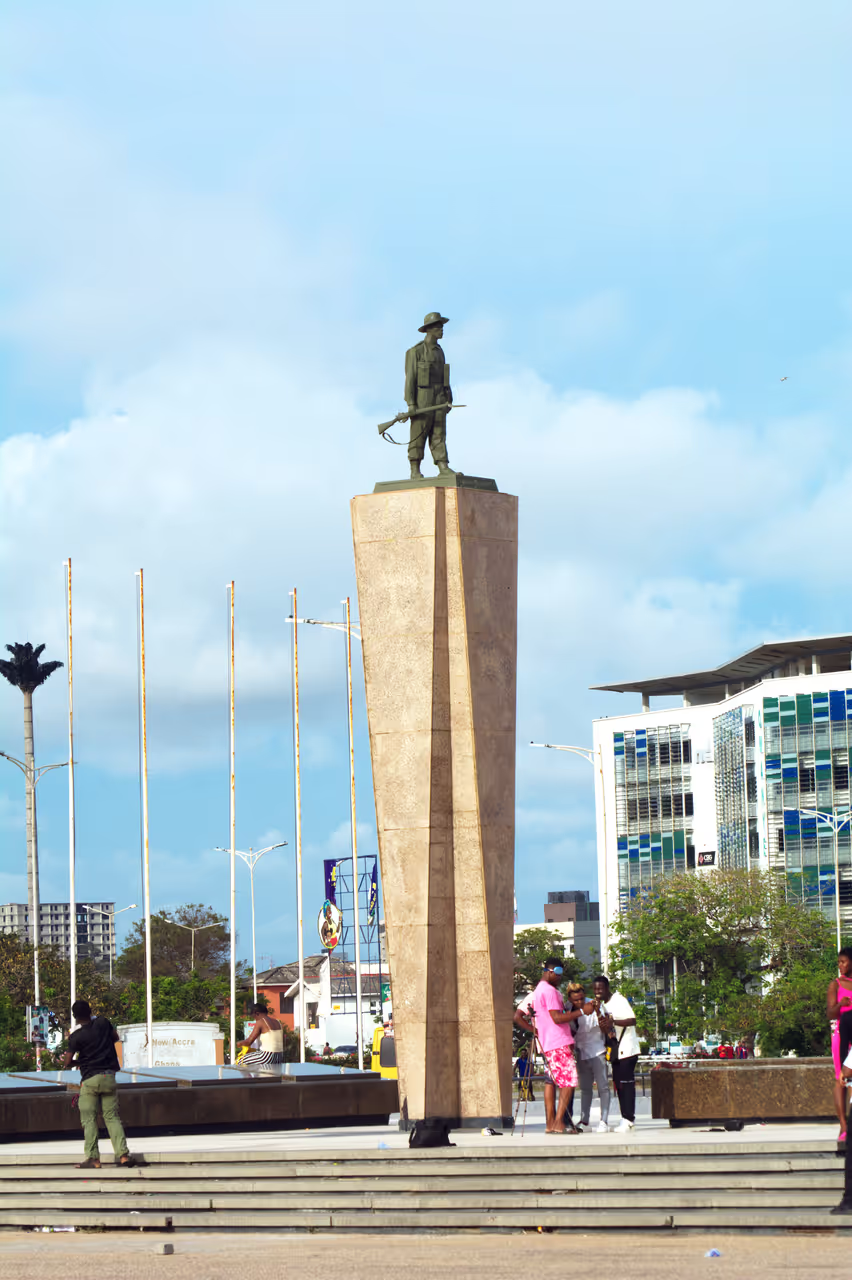
The square emerged from the vision of Ghana's first president, Kwame Nkrumah, who sought a grand venue to broadcast the nation's newfound sovereignty to the world. Completed in 1961, the site was constructed with impressive speed to welcome Queen Elizabeth II during her state visit, a diplomatic milestone that cemented Ghana’s arrival on the international stage. The design, masterminded by architect Theo Lawson, aimed to project strength and unity, utilising sweeping lines and imposing structures to frame the Atlantic coastline. At the heart of the square lies the Black Star Gate, a monument inspired by Marcus Garvey’s Black Star Line. The black star itself serves as the loadstone of Ghanaian identity, representing the nation as a beacon for African freedom and hope. Flanked by the Independence Arch and the Liberation Day Monument, the square acts as a physical narrative of the struggle against colonial rule. The inclusion of a soldier’s statue facing the arch serves as a poignant reminder of the lives sacrificed to secure the independence that the country celebrates every year. Today, the square remains the epicentre of national life, hosting everything from euphoric independence parades to solemn state funerals. It has welcomed global leaders, including the historic visit of President Bill Clinton in 1998, which drew crowds numbering in the hundreds of thousands. The space possesses a unique ability to transform, shifting from a quiet, breezy plaza overlooking the ocean into a thunderous centre of pageantry. For any visitor, walking across this vast expanse provides an intimate connection to the soul of Ghana, capturing a sense of resilience and optimism that continues to define the nation today.
Events spanning 64 years
Fun Facts
- • Architect Theo Lawson designed the square with a modernist aesthetic that prioritised bold, concrete structures to reflect the forward-looking nature of the new republic.
- • The Independence Arch features a star that represents the symbol of African unity and hope for the continent.
- • The black star on the gate is a direct homage to Marcus Garvey, whose Black Star Line shipping company symbolised the return of the African diaspora to the continent.
- • The site is strategically located along the Accra coastline, allowing ocean breezes to sweep across the open plaza, which provides relief from the tropical heat during events.
- • The site serves as the final farewell for the country’s most significant political figures, hosting high-profile state funerals that bring the nation together in mourning and remembrance.
- • The soldier statue located within the complex is a tribute to those who laid down their lives during the struggle for freedom, ensuring their sacrifice remains in the national memory.
- • The square connects seamlessly to other major landmarks, including the Kwame Nkrumah Memorial Park, linking the physical space of the square to the memory of the founding father.
- • The square is large enough to seat 30,000 people in its grandstands, making it the premier location for large-scale national events.
- • The square was constructed in record time specifically to be ready for the first visit of a reigning British monarch to the newly independent Ghana.
- • While many structures in the region were designed during the colonial era, this square was created by a Ghanaian architect, reclaiming the built environment as a symbol of local agency and pride.
Monumental Black Star Square FAQ
While we strive to keep this information accurate and up to date, we recommend verifying any details independently before making decisions based on them.
Monumental Black Star Square Map & Neighborhood Explorer
This interactive map is centered on Monumental Black Star Square. Zoom in and move the map around to automatically discover Wikipedia photos and summaries of other nearby sights, monuments, and historical points of interest and stories in real-time!
Places near Monumental Black Star Square
Make the most of your trip. Check out these top-rated spots located nearby.
 180m
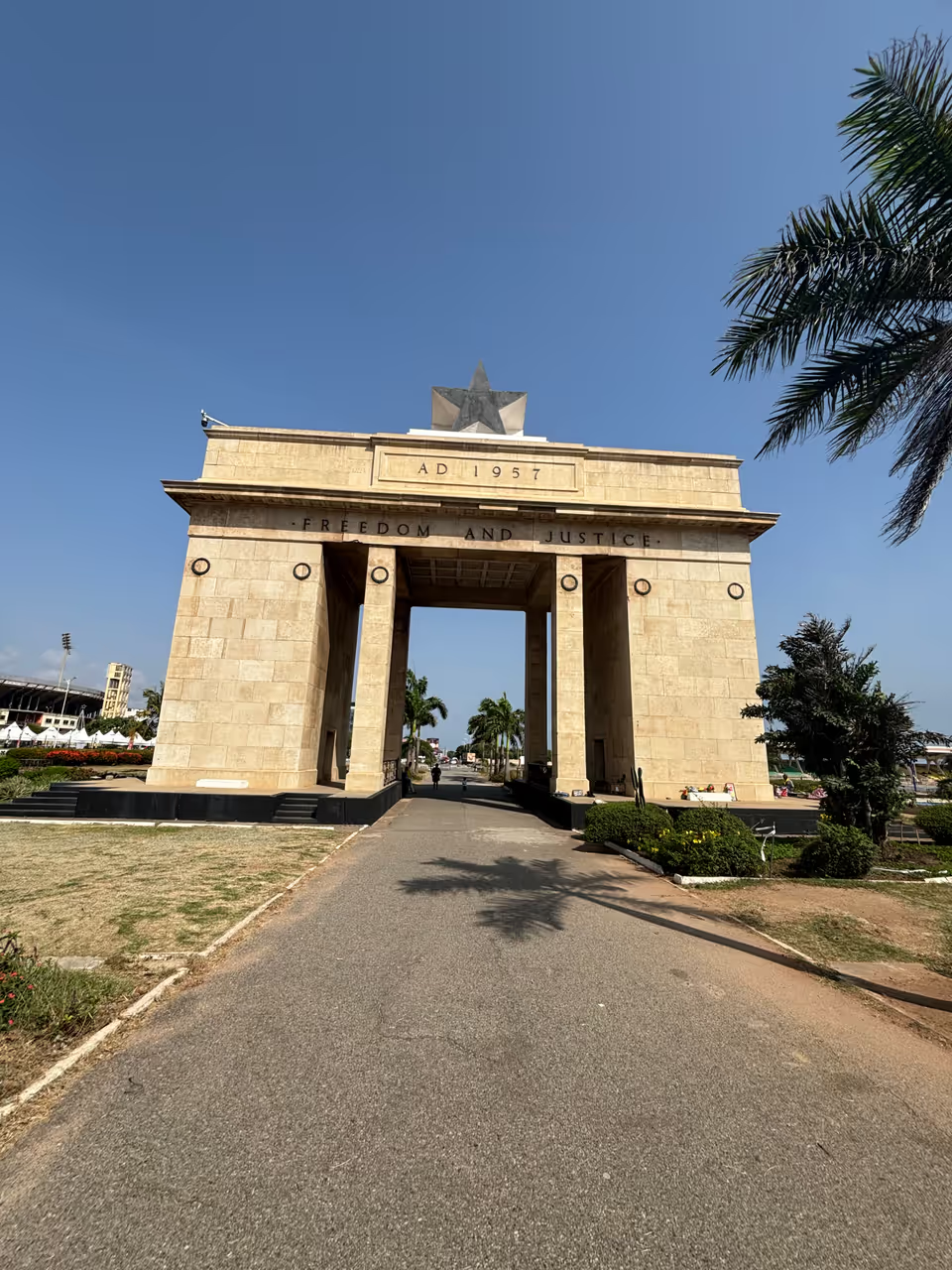
180mBlack Star Gate
This enormous, triumphant archway is arguably the most famous and iconic symbol of the entire nation. It sits proudly in the centre of the massive independence parade grounds, topped by a large five pointed star representing African liberation. The sheer scale and brutalist concrete design make it an incredibly striking subject for photography. Capturing the monument against a bright blue tropical sky provides a classic, instantly recognisable image of the capital. It is an absolute must visit for anyone wanting a definitive architectural shot of the city.
photo spot view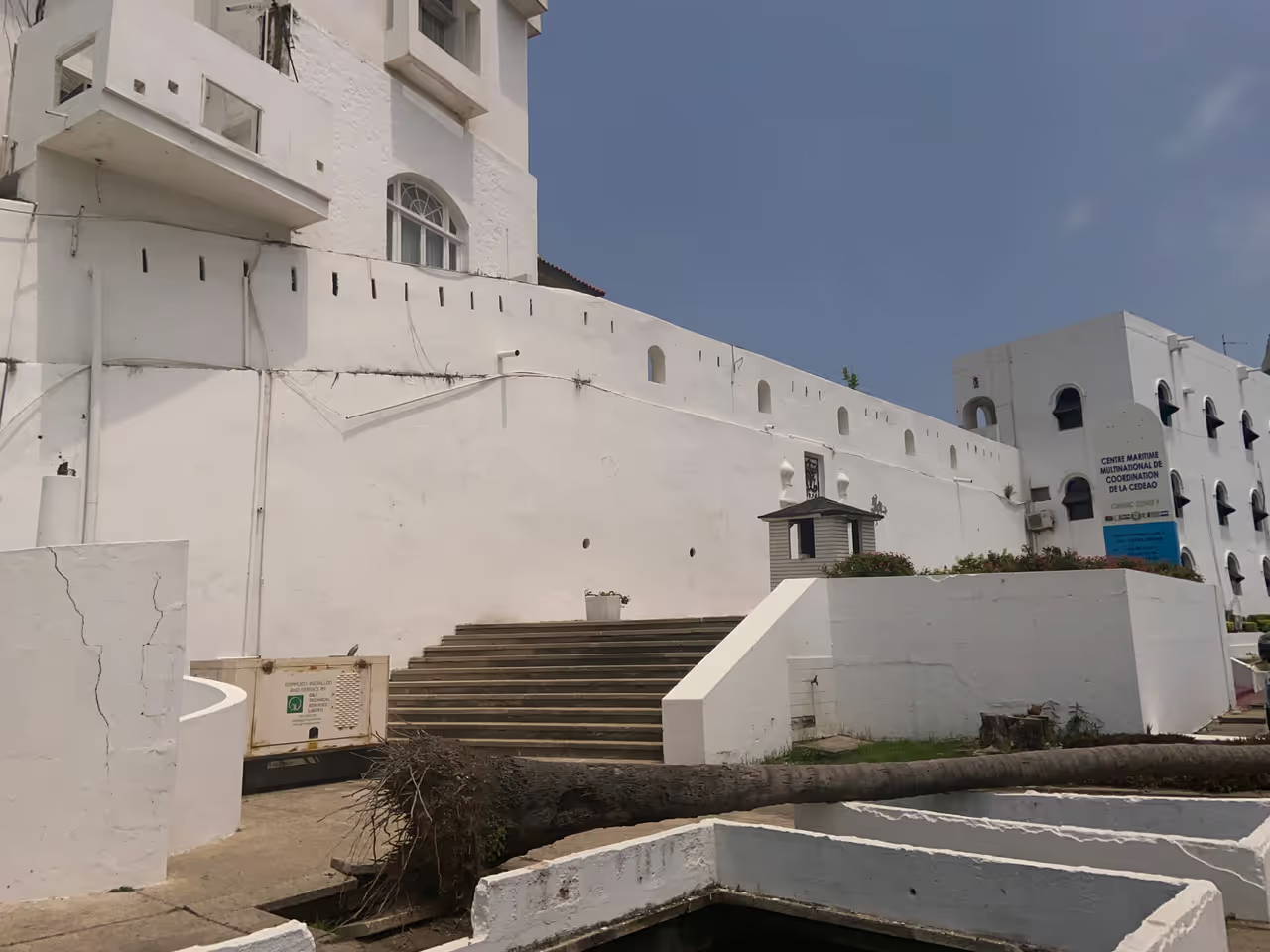 1028m
1028mOsu Castle
Osu Castle is a poignant symbol of Ghana's complex history, standing proudly on the coast of the Gulf of Guinea. Originally built as a lodge by the Swedish trader Heinrich Carloff, it later transformed into the imposing Fort Christiansborg under Danish control. Its stone walls have witnessed centuries of shifting powers, from European colonial rivalries to Ghana's journey toward independence. While it served as the nation's seat of government for many years, it now offers visitors a chance to reflect on the deep historical layers that shaped the modern Ghanaian identity. Walking near its sturdy ramparts allows you to connect with a past that is both challenging and essential to understanding the resilience of the nation today.
unesco heritage site view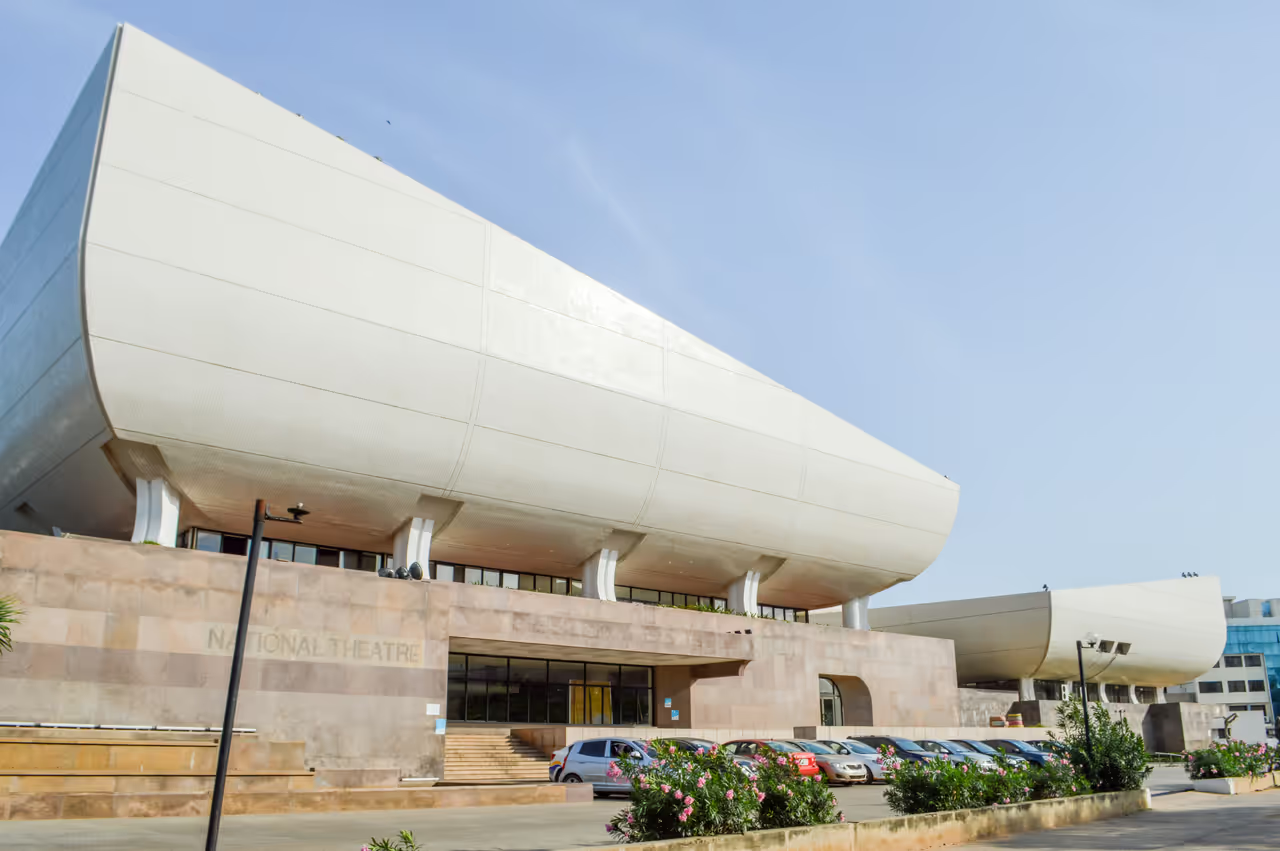 1128m
1128mNational Theatre
Instantly recognisable by its incredibly distinctive, sweeping roofline, this building is a masterpiece of modern design in the city centre. The swooping, white architectural forms are designed to resemble an enormous ship in full sail or a majestic bird taking flight. Built in the early 1990s through Chinese investment, it represents a bold, futuristic departure from the typical colonial or concrete block styles. Inside, it houses a massive auditorium that serves as the premier venue for the national symphony orchestra and major theatrical productions. It is one of the most photographed and iconic modern structures in the capital.
architecture view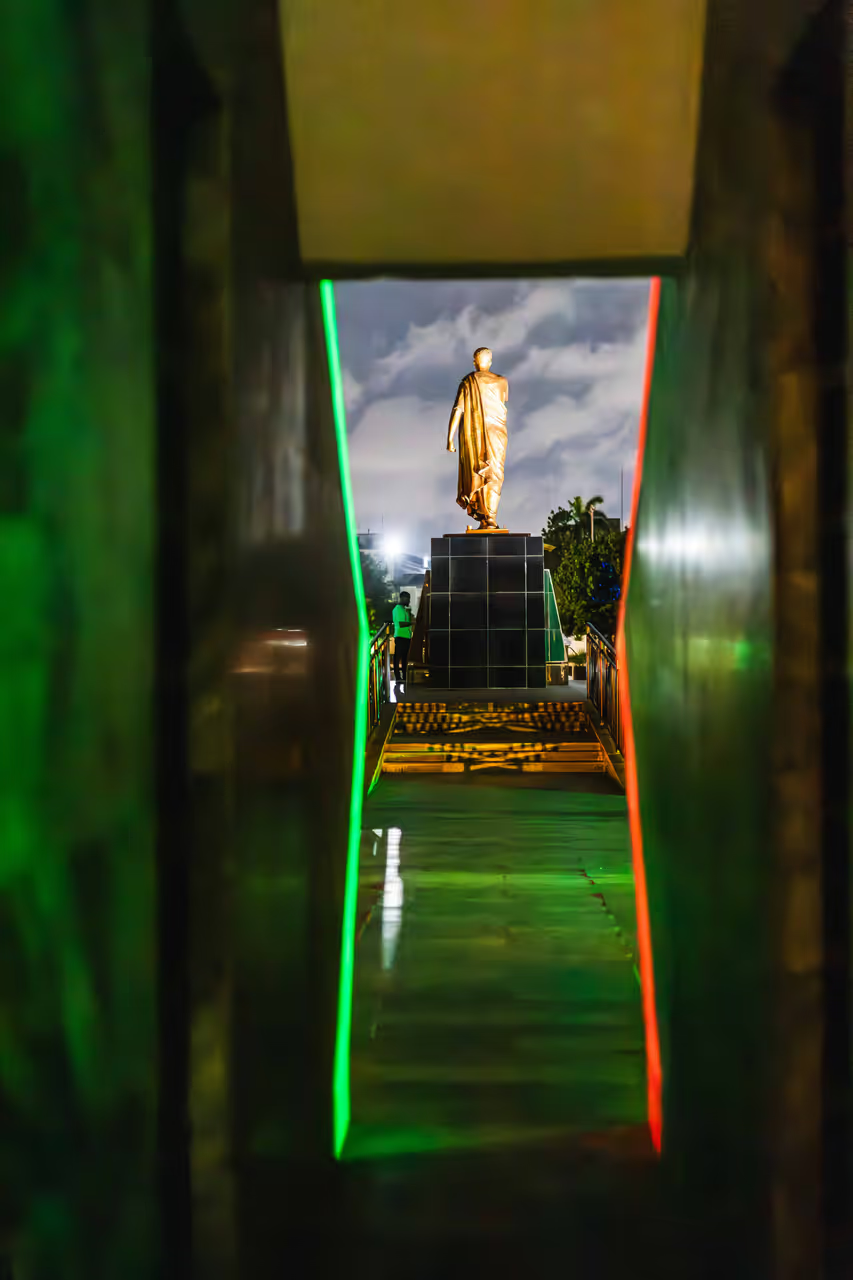 1191m
1191mKwame Nkrumah Memorial Park and Mausoleum
Visit the final resting place of Ghana's founding father and immerse yourself in the rich history of the nation's independence. This serene park, located on the hallowed grounds where independence was first declared, is a beacon of peace and national pride. You can admire the stunning marble mausoleum, which is masterfully designed to resemble an upside-down sword, an Akan symbol of peace. Wander through the beautifully landscaped grounds, now featuring modern amenities like a library and an amphitheatre, that honour the legacy of Kwame Nkrumah. It is a profoundly moving experience that offers a glimpse into the heart of Ghana's journey to freedom and the enduring vision of its first president.
attraction view
Featured on These Itineraries and Routes

1 Day in Accra Itinerary
If you only have twenty four hours in the capital, this fast paced itinerary hits the absolute most critical historical and cultural landmarks. You will experience the monumental pride of the nation's independence, plunge into the chaotic energy of its largest market, and end the day in the city's most vibrant entertainment district. It is designed to give you a powerful, condensed taste of both the past and the energetic modern pulse of the city.
view itinerary
3 Days in Accra: Culture and Coast Itinerary
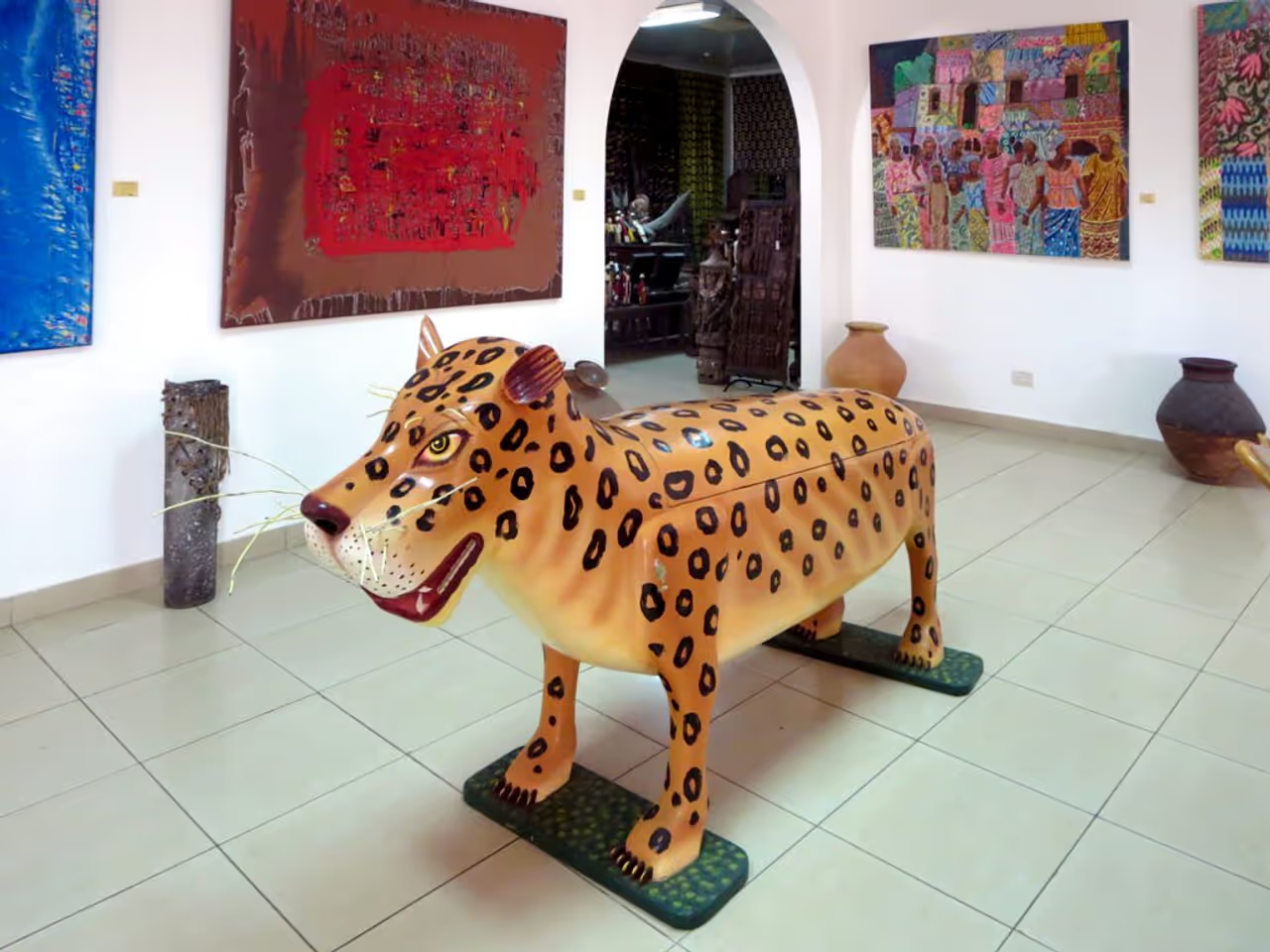
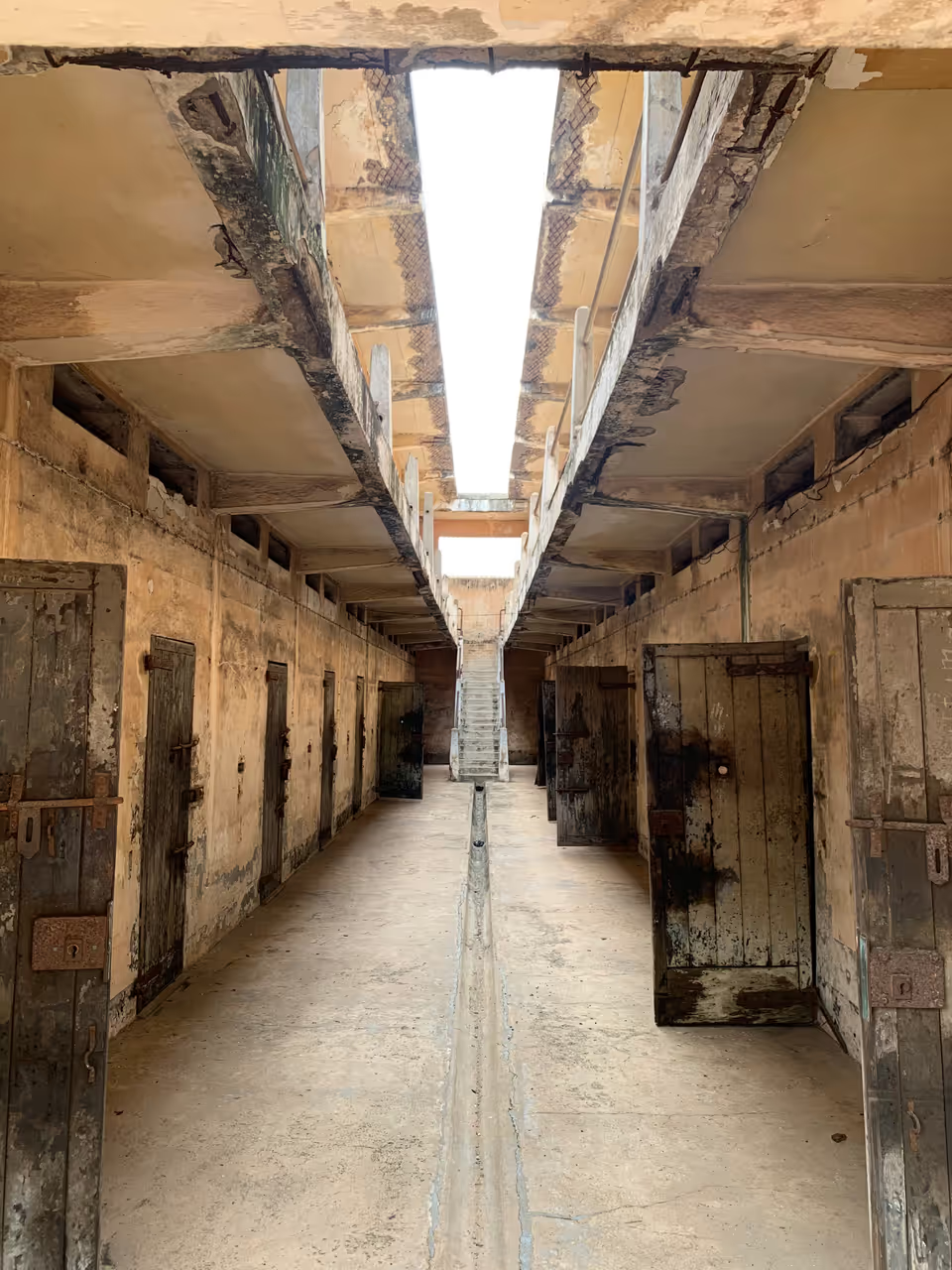
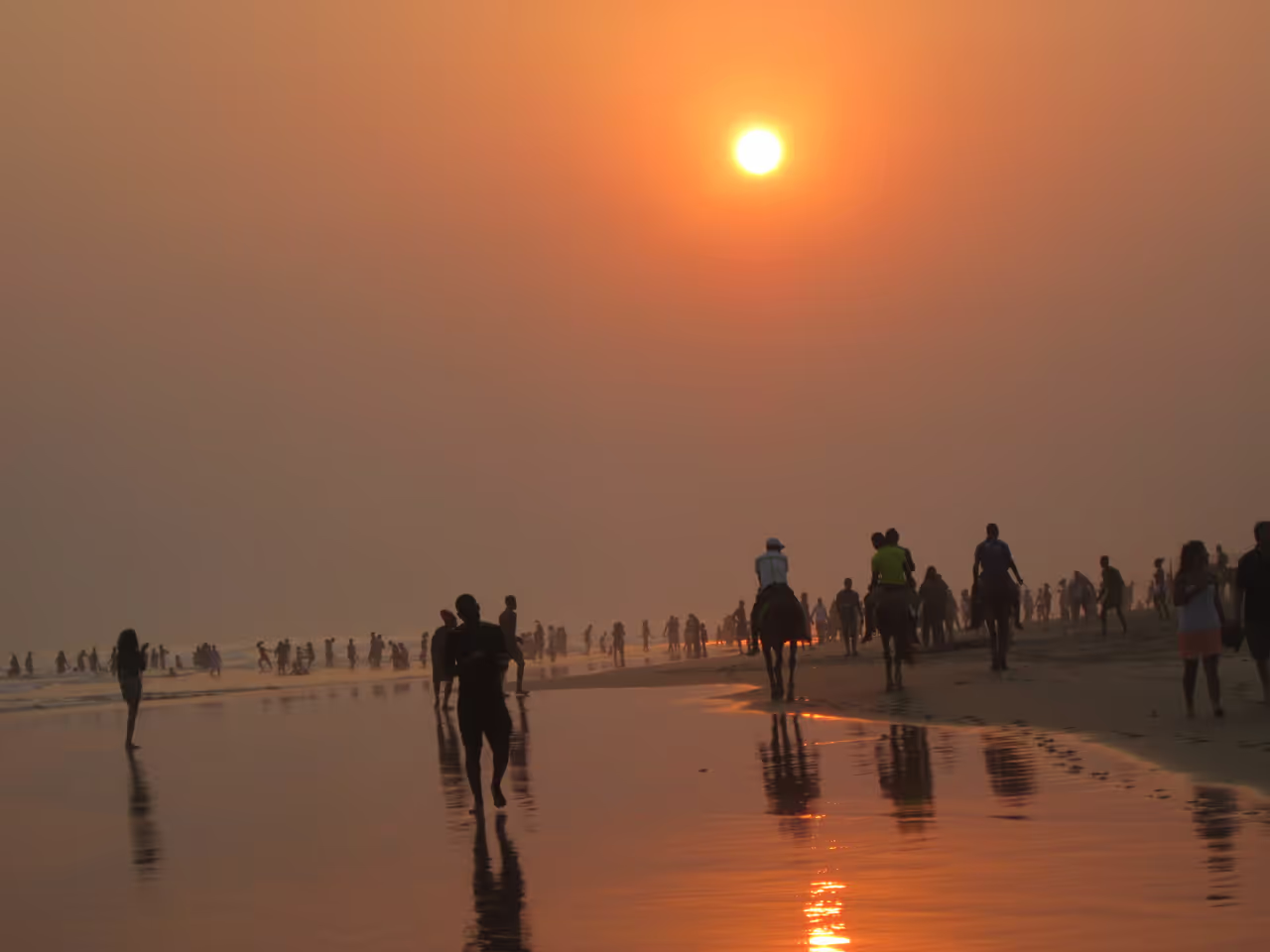
This balanced three day plan allows you to dig much deeper into the city's complex colonial history, its vibrant artistic movements, and its relaxing coastal offerings. You will explore the historic fishing districts, view incredible contemporary art, and have time to unwind on the sand. It provides a perfect mix of intense urban exploration and essential tropical relaxation.
view itinerary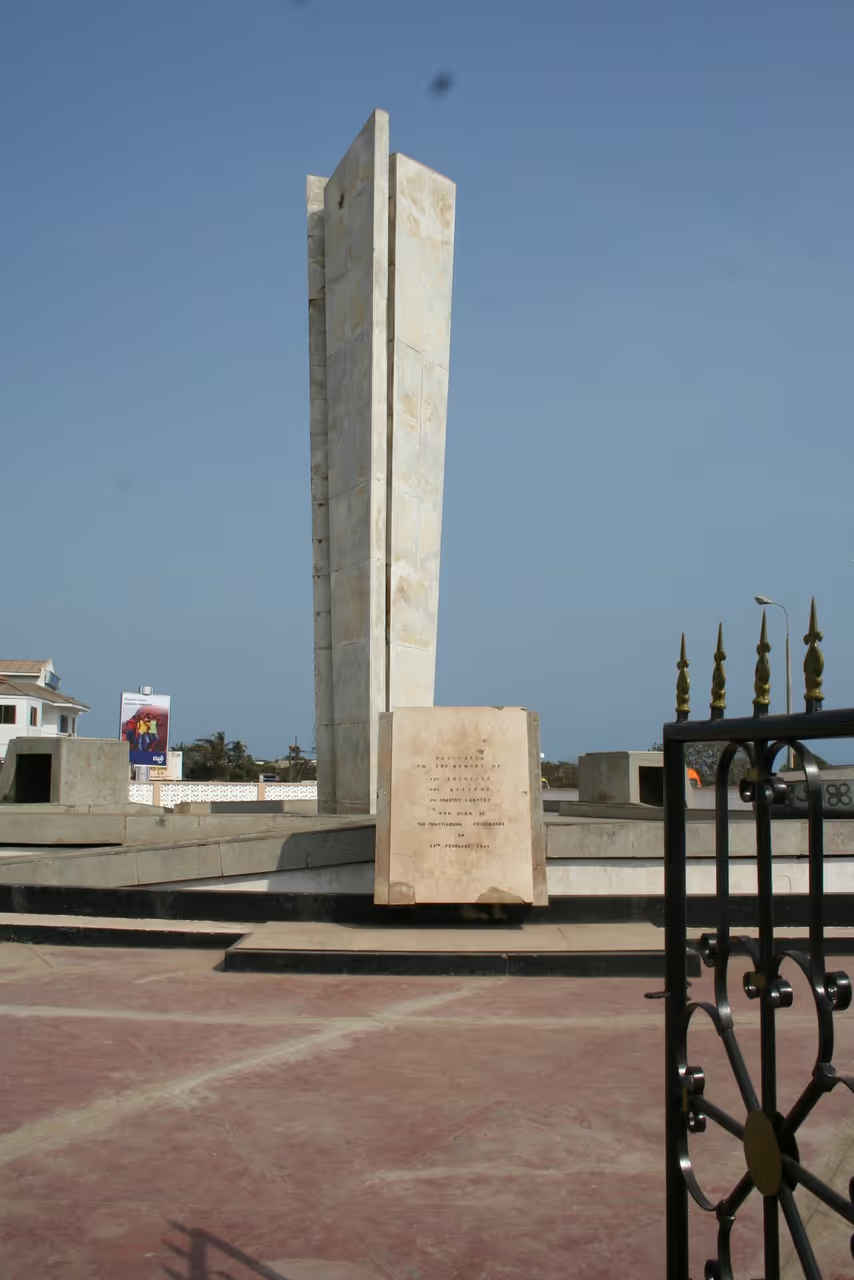
Independence Arch Walk
This monumental stroll takes you through the vast, open spaces dedicated to the nation's liberation and early history. The route is dominated by massive concrete structures, eternal flames, and sweeping parade grounds designed to inspire awe. Walking here gives a profound sense of the scale of the country's Pan African ambitions. The proximity to the ocean provides a constant, refreshing breeze across the wide concrete expanses. It is a powerful, reflective journey through the defining moments of the twentieth century.
view walking route
See all attractions in Accra
Kwame Nkrumah Memorial Park and Mausoleum, W. E. B. Du Bois Memorial Centre, Jamestown Lighthouse, National Museum of Ghana...